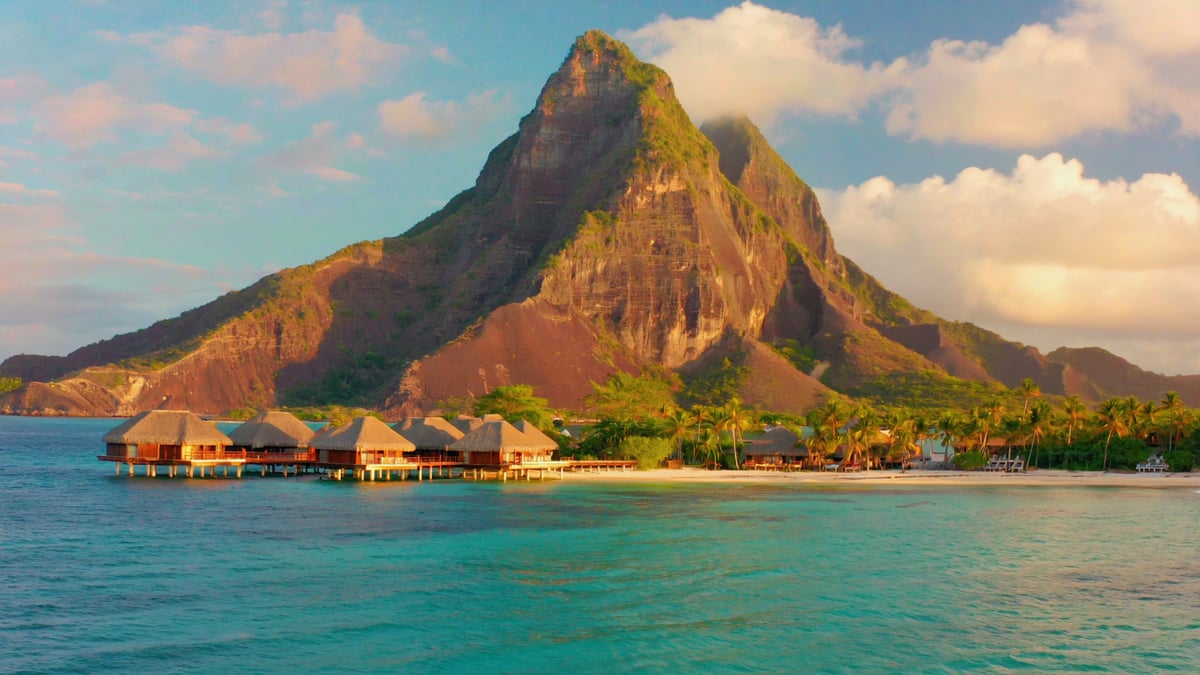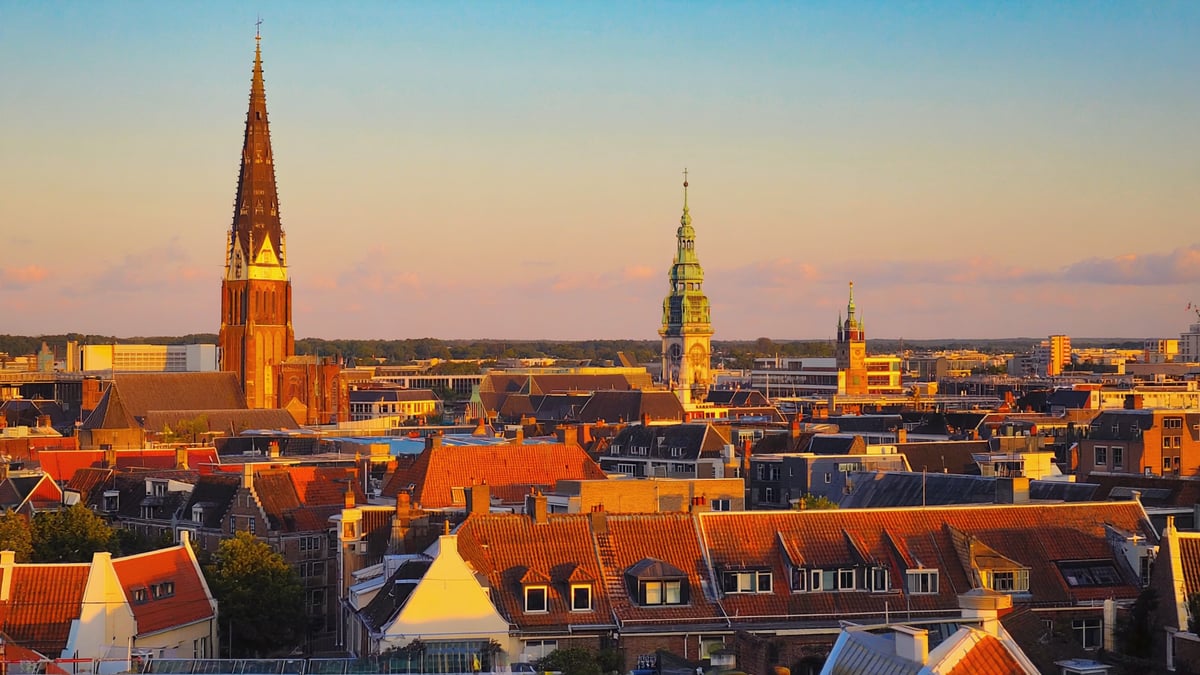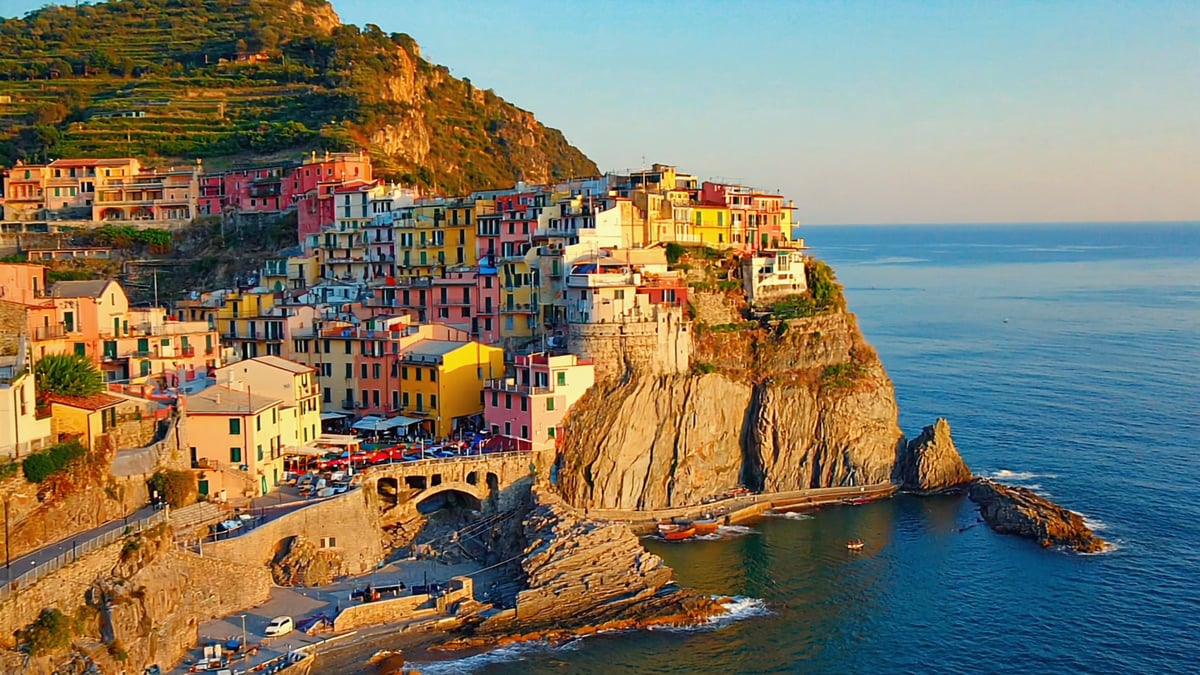
Picture this: you're sitting at a laptop on a grey Tuesday evening, a cup of tea going cold beside you, and you've got two browser tabs open. One shows a sun-bleached Greek island village tumbling down a volcanic caldera. The other shows a ribbon of Italian coastline so dramatic it looks painted. Both are calling to you. Both are unmistakably, achingly beautiful. And you have absolutely no idea which one to book.
The Amalfi Coast versus Santorini debate is one of the most enjoyable arguments in travel, and also one of the most genuinely difficult. These two destinations attract similar travellers, couples celebrating milestones, honeymooners, romantics chasing a bucket-list moment, yet they deliver completely different experiences. Choosing the wrong one for your personality, your budget, or your travel style won't ruin your holiday, but choosing the right one will make it unforgettable.
This guide cuts through the Instagram aesthetics and gives UK travellers a proper, honest comparison: costs in pounds, flight times from UK airports, the best areas to stay, what the package holiday market looks like for each, and a straight answer on which destination suits which type of traveller. Let's get into it.
The Essential Difference: What Each Destination Actually Feels Like
Before comparing prices and package deals, it helps to understand the fundamental character of each place, because the "right" choice often comes down to atmosphere rather than logistics.
The Amalfi Coast: Italy's Most Theatrical Coastline
The Amalfi Coast is a 50-kilometre stretch of cliff-hugging road along the southern edge of Italy's Sorrentine Peninsula, designated a UNESCO World Heritage Site for its extraordinary cultural landscape. It isn't one place, it's a series of distinct towns stacked vertically on limestone cliffs: Positano, Amalfi, Ravello, Praiano, Cetara. Each has its own personality. Positano is glamorous and photogenic. Ravello is quiet, elevated, and intellectual. Amalfi itself is the historic heart, with its Arab-Norman cathedral and medieval trading past.
The experience here is deeply Italian: espresso at a cliff-edge bar, limoncello made from the vast Sorrento lemons, fresh pasta tossed with local anchovies, ceramics in cobalt and lemon-yellow in every shop window. The terrain is vertical. Steps are unavoidable. The famous SS163 coastal road winds so narrowly that buses and coaches pass within centimetres of each other, and traffic jams in peak season are a genuine feature of life here. None of this diminishes the place; if anything, the effort required to navigate it adds to the sense of arrival when you finally reach your terrace and look out over the Tyrrhenian Sea.
The Amalfi Coast rewards slow travel. It isn't a beach destination in the traditional sense, the beaches are small, pebbly, and often accessed via steep staircases or boat. It rewards those who want to wander, eat, explore hill towns, and feel immersed in a living, working Italian coastal culture that has existed for centuries.
Santorini: Greece's Most Iconic Island
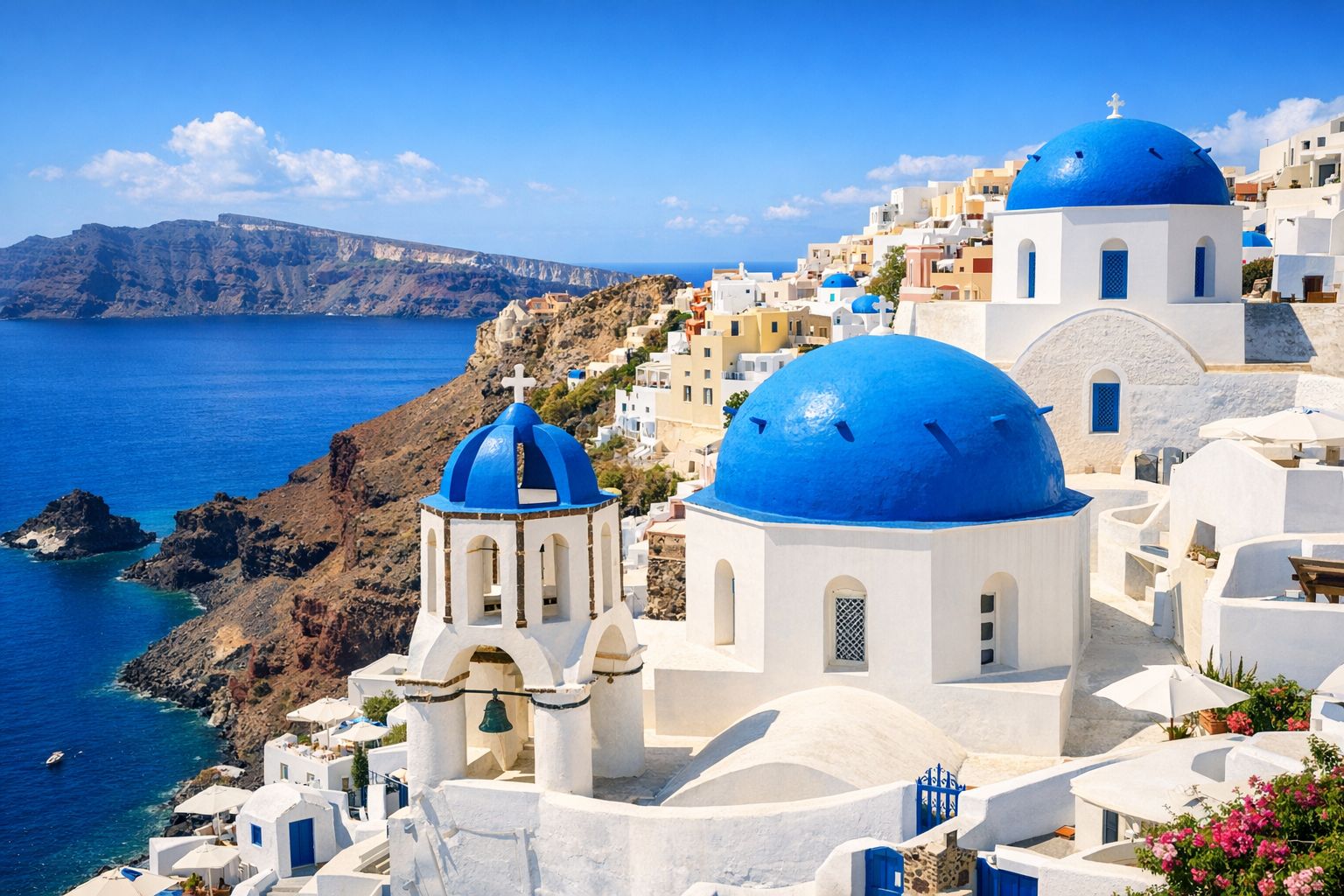
Santorini is a volcanic island in the southern Aegean, formed by one of the largest eruptions in recorded history, roughly 3,600 years ago. The result is a crescent-shaped caldera of extraordinary drama: sheer black and rust-red cliffs rising from a deep blue sea, with the white-and-blue villages of Oia and Fira perched at the rim. The Greek National Tourism Organisation consistently ranks Santorini among Greece's most visited destinations, and the global recognition is justified.
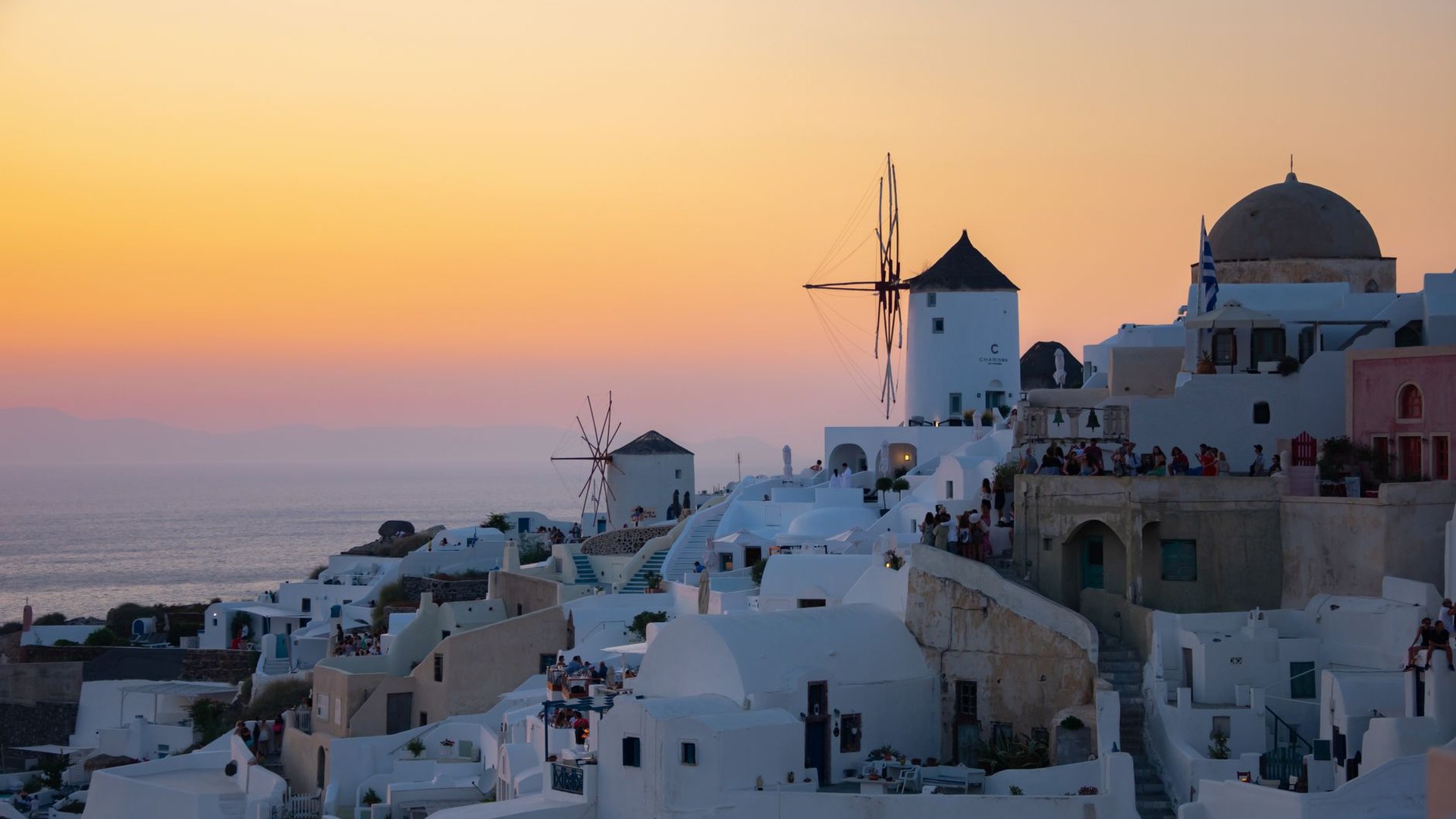
Where the Amalfi Coast is layered and complex, Santorini is more concentrated. The visual impact is immediate and total: the caldera view from Oia is arguably the most photographed scene in all of Europe. The island's volcanic soil produces some of the most distinctive wines in Greece, particularly the crisp, mineral-driven Assyrtiko grape grown in low-lying "kouloura" basket-trained vines. The beaches here are unlike any other Greek island, black sand at Perissa and Perivolos, red volcanic sand at Akrotiri, white pebbles at the less-visited Vlychada.
Santorini is, however, more overtly touristy than the Amalfi Coast. The caldera villages of Oia and Fira can feel genuinely crowded in peak season, with cruise ships disgorging thousands of day visitors. The island's infrastructure has grown to serve mass tourism in a way that the Amalfi Coast, constrained by its own geography, simply hasn't. That's not a criticism, it means better choice of restaurants, more diverse accommodation, and an easier overall visitor experience. But if you're seeking the feeling of discovering somewhere slightly off the beaten track, Santorini's main villages won't provide it in July or August.
Getting There from the UK: Flights, Transfers, and Journey Times
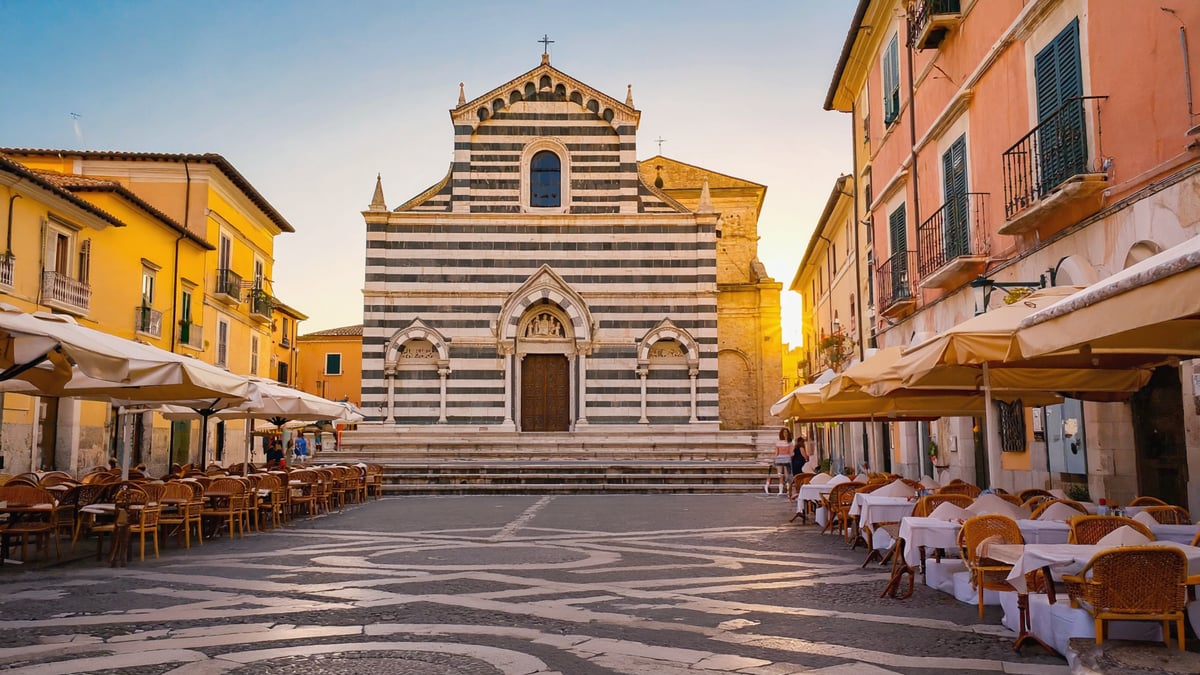
Both destinations are well-served from UK airports, though the onward transfer from the nearest airport differs significantly and is worth factoring into your planning.
Flying to the Amalfi Coast
There is no airport on the Amalfi Coast itself. The two main arrival points are Naples International Airport (NAP), roughly 60–90 minutes from Positano by road or ferry, and Rome Fiumicino (FCO), which involves either a longer drive south or a train to Naples followed by onward transfer. Most UK travellers use Naples as their gateway.
Direct flights from London Gatwick, London Stansted, and Manchester to Naples operate seasonally (typically April to October) with carriers including easyJet and Ryanair. Flight time is approximately 2 hours 40 minutes. From Naples, you can reach the coast by ferry (scenic, recommended, runs April to October), private transfer, or the local SITA bus service, though the bus journey on those narrow cliff roads is an experience in itself.
Total door-to-door travel time from most UK cities: roughly 6–8 hours, depending on your chosen transfer method.
Flying to Santorini
Santorini's Thira Airport (JTR) receives direct flights from multiple UK airports throughout the summer season. British Airways, easyJet, Jet2, and TUI all operate routes from London Heathrow, Gatwick, Stansted, Manchester, Birmingham, Edinburgh, and Bristol. Flight time from London is approximately 3 hours 30 minutes to 4 hours.
From the airport to your accommodation, it's a short taxi or bus ride, typically 15–30 minutes depending on where you're staying. The island is small enough that transfers are straightforward. Total door-to-door time from most UK cities: roughly 5–7 hours.
On pure ease of access, Santorini edges ahead for UK travellers, with more direct routes, more airlines competing on price, and simpler transfers on arrival.
Comparing the Costs: What Does Each Destination Actually Cost UK Travellers?
Both destinations sit in the premium tier of European holidays, but there are meaningful cost differences between them, particularly in accommodation and food.
| Cost Category | Amalfi Coast (Approx.) | Santorini (Approx.) |
|---|---|---|
| Budget hotel (per night) | £120–£180 | £90–£150 |
| Mid-range hotel (per night) | £200–£350 | £180–£320 |
| Luxury/caldera-view hotel (per night) | £400–£900+ | £350–£1,200+ |
| Dinner for two (mid-range restaurant) | £60–£110 | £50–£90 |
| Daily coffee and lunch (per person) | £25–£45 | £20–£35 |
| Return flights from London (low season) | £80–£160 pp | £100–£180 pp |
| Return flights from London (peak summer) | £180–£380 pp | £200–£420 pp |
| 7-night package holiday (per person, couple) | £899–£1,899 | £849–£1,749 |
The headline finding here is that Santorini is marginally more affordable than the Amalfi Coast at almost every price point, though both destinations sit well above the European average. The Amalfi Coast's premium comes partly from its geographic inaccessibility (everything costs more when it has to be transported up a cliff), partly from its Italian hospitality tradition, and partly from the prestige premium on the most iconic towns like Positano, which has become one of the most expensive places to stay in all of southern Europe.
That said, both destinations offer genuine budget-stretching options if you're strategic. On the Amalfi Coast, staying in Praiano or Cetara rather than Positano can cut accommodation costs by 30–40%. In Santorini, avoiding the caldera-view hotels in Oia and staying in Fira, Firostefani, or the beach towns of Perissa or Perivolos delivers significant savings while keeping you on the same island.
Best Areas to Stay: Where to Base Yourself
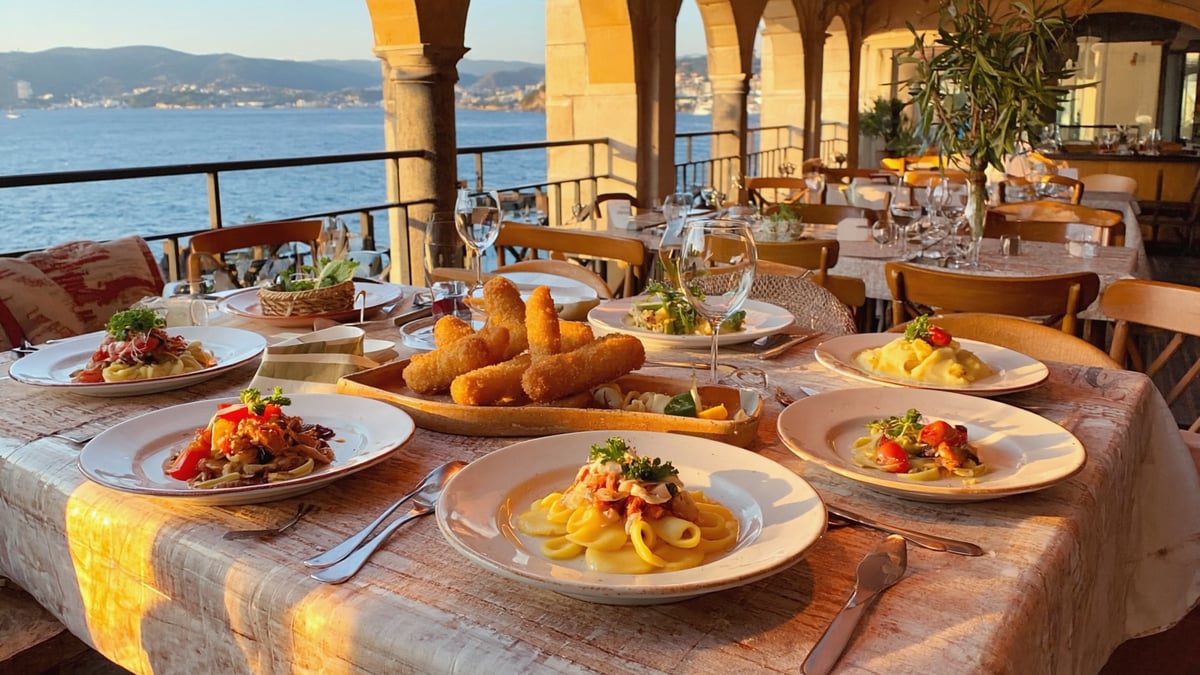
Both destinations are made up of multiple distinct areas, and your choice of base will shape your entire holiday experience. Getting this decision right is arguably more important than the destination itself.
Best Bases on the Amalfi Coast
Positano is the most famous and most photographed: a cascade of pastel buildings tumbling toward a small beach, with designer boutiques and excellent restaurants. It's glamorous, beautiful, and expensive. It's also extremely hilly, even moving between your hotel and the beach involves stairs. Ideal for: couples who want that "classic Amalfi" Instagram experience and don't mind paying a premium.
Ravello sits high above the coast (around 350 metres elevation) and is quieter, more refined, and famous for its music festival and extraordinary gardens at Villa Cimbrone and Villa Rufolo. It's less about beach time and more about culture, views, and atmosphere. Ideal for: couples and retirees who prioritise culture and tranquillity over beach access.
Amalfi town is the functional centre of the coast, with good transport links by ferry and bus, a wider range of accommodation price points, and the beautiful 9th-century Cathedral of Saint Andrew as its centrepiece. Ideal for: travellers who want a central base for exploring the whole coast without being locked into one expensive postcode.
Praiano is a quieter, less commercialised alternative to Positano, on the same stretch of coast, with some of the most dramatic views, but at a fraction of the price and without the crowds. Ideal for: budget-conscious travellers or those who actively want to avoid peak-season crowds.
Best Bases in Santorini
Oia is the most photographed village on the island, perched at the northern tip of the caldera with the iconic blue-domed churches and cave-cut infinity pools. It's genuinely extraordinary, but it's also the most expensive and the most crowded, particularly around sunset when tour groups converge for the famous view. Ideal for: honeymooners who want the definitive Santorini experience and are prepared to book months in advance and pay accordingly.
Fira is the island's capital and its most practical base: more restaurants, more shops, better transport connections, and a slightly lower price point than Oia, while still offering caldera views. It has a livelier nightlife scene than the rest of the island. Ideal for: travellers who want convenience alongside beauty, and those visiting for a shorter trip.
Firostefani and Imerovigli sit on the caldera rim between Fira and Oia, offering comparable views at lower prices and with a quieter atmosphere. These are often the insider picks for couples who've done their research. Ideal for: couples and honeymooners who want caldera views without Oia's price tag or crowds.
Perissa and Perivolos are on the island's southern coast, facing the Aegean rather than the caldera, with long black-sand beaches, beach bars, and a more relaxed, less expensive atmosphere. Ideal for: beach-focused travellers and those on tighter budgets who want to use the island as a beach holiday base.
The Romance Factor: Honeymoons and Couples' Holidays
Both destinations market themselves heavily as romantic escapes, and both deliver on that promise, but in different ways. Understanding which type of romance suits you as a couple will help clarify the decision.
The Amalfi Coast's romance is active and immersive. It's the two of you navigating cobbled steps to a hidden trattoria, sharing a limoncello on a sun-warmed terrace above the sea, taking a boat from Positano to the sea caves at Capri, getting slightly lost on a hiking trail that turns out to offer the most extraordinary view you've ever seen. The romance here is earned through exploration. It suits couples who enjoy a degree of adventure, who are comfortable with imperfect logistics, and who find beauty in the texture of real places.
The Santorini romance is more curated and cinematic. It's watching the sunset from an infinity pool that seems to float above the caldera, sipping Assyrtiko wine as the sky turns from gold to deep violet, having a private terrace breakfast delivered to your cave-cut suite. Santorini has been engineered for romantic impact in a way the Amalfi Coast hasn't, the architecture, the sunset rituals, the honeymoon packages are all deliberately designed around the experience of romance. This isn't a criticism. If you want a destination that will deliver a reliably extraordinary romantic experience with minimal friction, Santorini does that exceptionally well.
For UK honeymooners specifically, Santorini has a slight edge in terms of ease and reliability of the romantic experience. For couples who've already done the "easy luxury" holiday and want something with more personality and texture, the Amalfi Coast is the more rewarding choice.
"The best Mediterranean holiday isn't the most beautiful one, it's the one that matches how you actually travel as a couple."
Food, Wine, and Local Culture: Italy vs Greece in Your Glass and on Your Plate
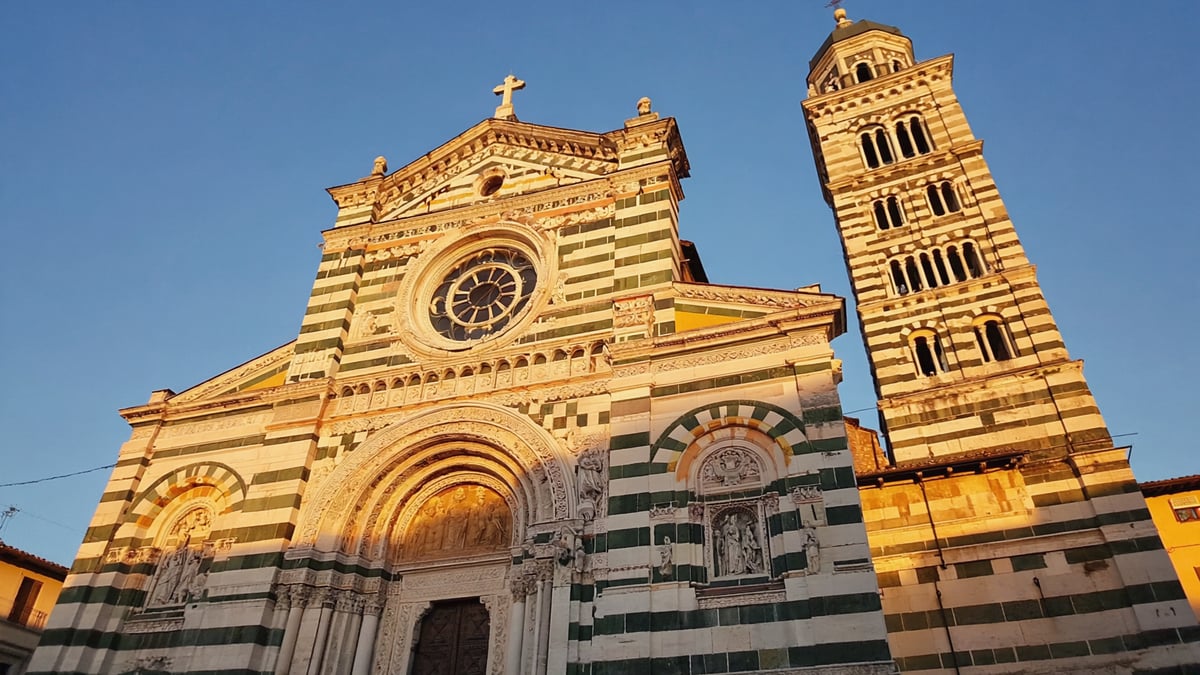
For many UK travellers, the food and drink culture of a destination is as important as its scenery. Here, the two destinations offer genuinely different pleasures, and it's worth thinking about which appeals more before you book.
Eating and Drinking on the Amalfi Coast
The Amalfi Coast sits within the Campania region, one of Italy's most celebrated food cultures. The local cuisine is built around hyper-seasonal, coastal ingredients: fresh anchovies from Cetara (the town is famous across Italy for its anchovy colatura), scialatielli pasta with seafood, mozzarella di bufala from the nearby plains of Battipaglia, and the legendary sfusato amalfitano lemon, a large, intensely fragrant variety used in everything from pastry to cocktails. Every town on the coast has its own food traditions.
Wine on the Amalfi Coast is less internationally prominent than Santorini's volcanic whites, but the local Costa d'Amalfi DOC wines, particularly the whites made from Falanghina and Biancolella grapes, are excellent with seafood. The broader Campania region also produces some of Italy's finest reds, including Taurasi from the Aglianico grape.
The coffee culture alone is worth the trip: Naples is arguably the espresso capital of the world, and the Amalfi Coast benefits from that tradition. A properly made Neapolitan espresso, standing at a bar for €1.20, is one of the great small pleasures of Italian travel.
Eating and Drinking in Santorini
Santorini's food scene has evolved significantly over the past decade and now offers some of the finest dining in the Greek islands, with several restaurants achieving international recognition. The island's volcanic terroir produces genuinely distinctive food and drink: the Assyrtiko grape thrives in the island's mineral-rich volcanic soil and produces wines of extraordinary freshness and complexity. The Wine of Greece resource provides an excellent overview of the island's unique appellation and why its low-trained vine baskets have survived for centuries.
Local food specialities include fava (split pea purée, a Santorini DOP product), small sweet tomatoes grown in the volcanic soil (used in a distinctive local cherry tomato salad), and white aubergines, which are milder and creamier than their mainland counterparts. The island's fishing tradition means fresh seafood is excellent, particularly grilled octopus and sea bream.
Santorini's restaurant scene caters more directly to international tourist tastes than the Amalfi Coast, which means menus are often more accessible but occasionally less authentic. The best food experiences on both islands come from moving away from the main tourist streets and asking locals for recommendations.
Activities and Experiences: How Will You Actually Spend Your Days?
Beyond the scenery, both destinations offer rich programmes of activities, and your preferred activity style should influence your choice.
| Activity Type | Amalfi Coast | Santorini |
|---|---|---|
| Hiking and walking | ✅ Exceptional (Path of the Gods, Valle delle Ferriere) | ✅ Good (Fira to Oia caldera walk, 9km) |
| Beach time | ⚠️ Limited (small, pebbly, often crowded) | ✅ Good (varied volcanic beaches) |
| Swimming and snorkelling | ✅ Excellent (boat trips to sea caves, clear water) | ✅ Good (caldera snorkelling tours, hot springs) |
| Cultural sightseeing | ✅ Excellent (Amalfi Cathedral, Ravello villas, Pompeii nearby) | ✅ Good (Akrotiri archaeological site, Museum of Prehistoric Thera) |
| Wine experiences | ⚠️ Good (local DOC wines, Campania region) | ✅ Exceptional (unique volcanic Assyrtiko, winery tours) |
| Day trips | ✅ Exceptional (Capri, Pompeii, Herculaneum, Sorrento, Naples) | ⚠️ Limited (other Cyclades islands by ferry) |
| Boat and sailing trips | ✅ Excellent (sea cave tours, private yacht hire) | ✅ Excellent (caldera sailing, volcano tours) |
| Photography opportunities | ✅ Exceptional (varied, less staged) | ✅ Exceptional (iconic but crowded at peak times) |
| Cooking classes | ✅ Excellent (pasta, seafood, limoncello making) | ✅ Good (Greek cooking, wine pairing) |
One significant advantage of the Amalfi Coast over Santorini is its proximity to some of Italy's greatest cultural sites. Pompeii and Herculaneum are less than an hour away by road, and both are extraordinary UNESCO World Heritage Sites. The island of Capri is a 40-minute ferry ride from Positano. Naples, one of Europe's most historically rich and underrated cities, is a day trip away. If you want to combine a coastal holiday with world-class cultural exploration, the Amalfi Coast wins this comparison decisively.
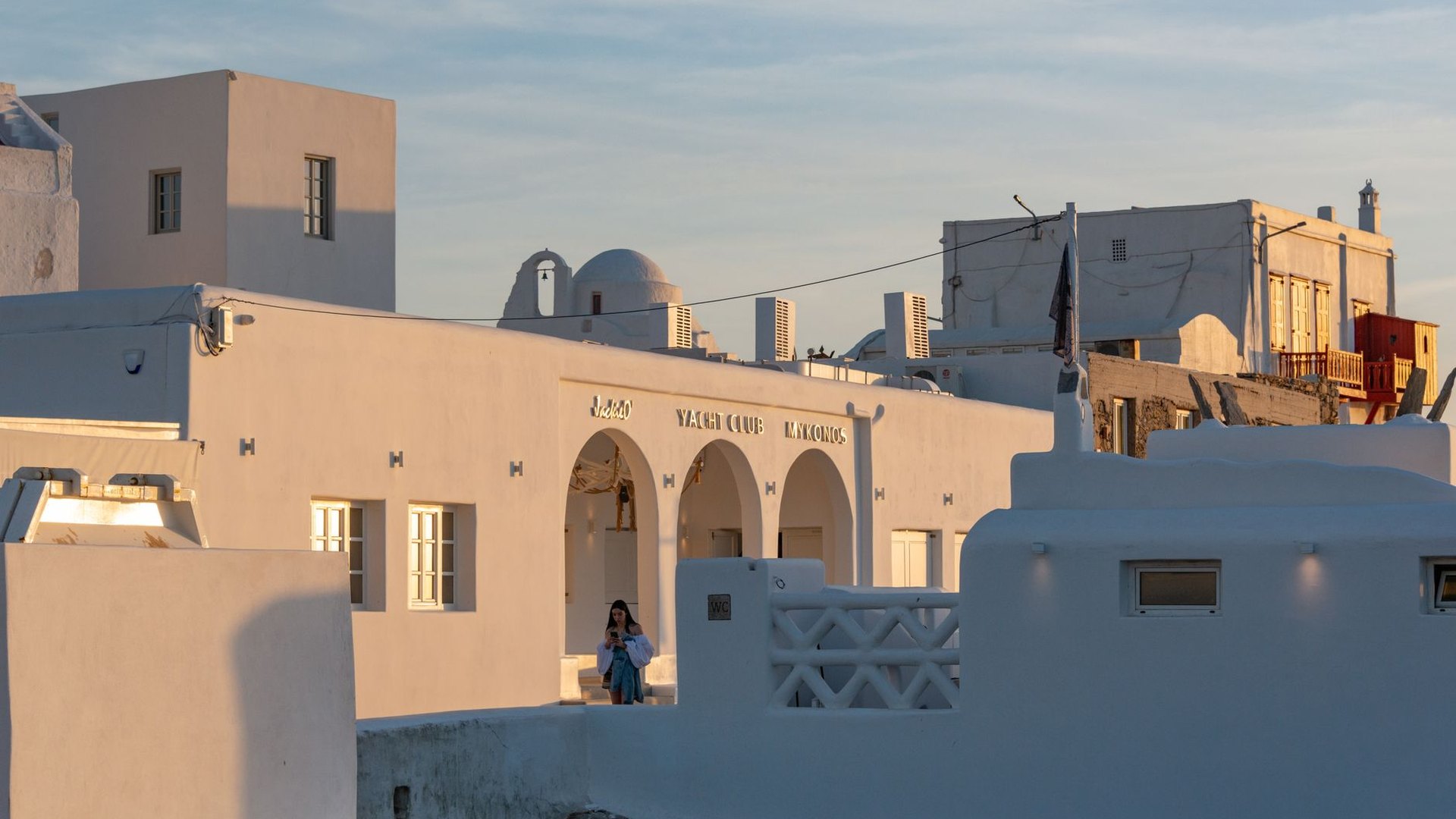
Santorini's day-trip options are more limited by the island's Aegean location, though ferry connections to other Cyclades islands like Mykonos, Naxos, and Paros are possible and make for a satisfying island-hopping add-on to your trip.
When to Visit: Season-by-Season Breakdown for UK Travellers
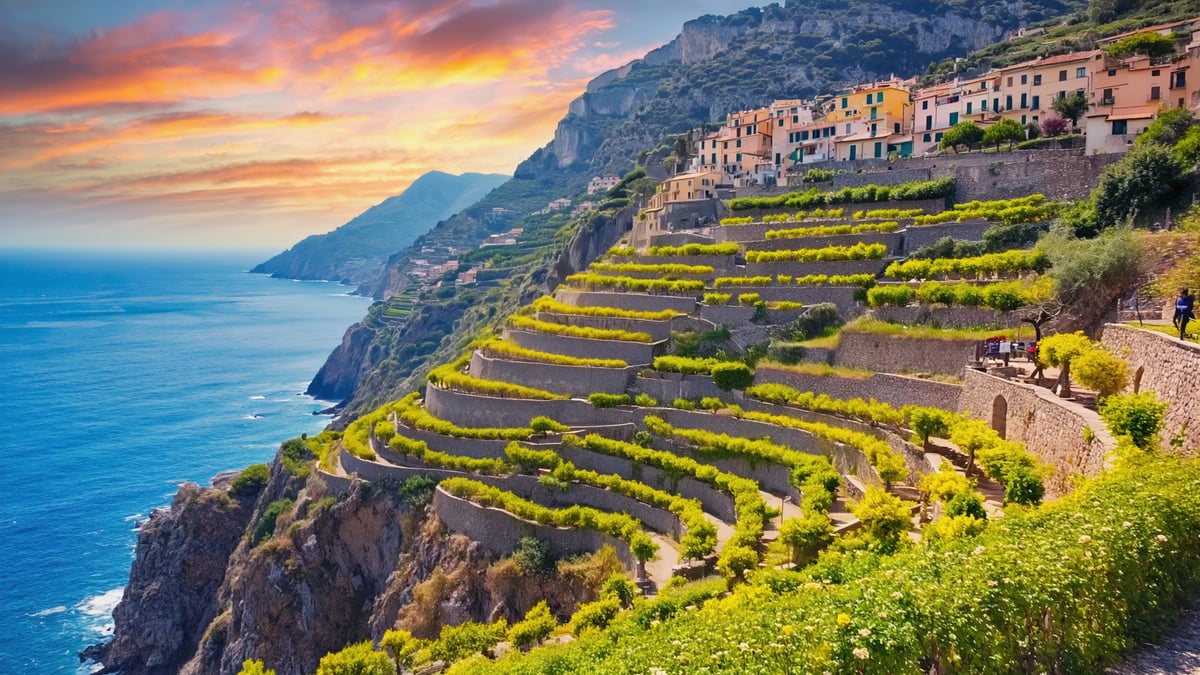
Timing your visit significantly affects both the experience and the cost of either destination. Both sit in the Mediterranean climate zone, but their peak seasons and shoulder seasons have distinct characteristics.
Amalfi Coast Seasonal Guide
May and June are widely considered the best months: temperatures are warm (23–27°C), crowds are manageable, wildflowers are in bloom on the cliff paths, and prices are significantly lower than July and August. The sea is warm enough for swimming from mid-June. July and August bring intense heat (often 30–35°C), extreme crowds on the main roads and beaches, and peak pricing across all accommodation. If you visit in August, expect the coast to feel genuinely overwhelmed by visitors. September and October offer a second sweet spot: the crowds thin, the sea is at its warmest, and the light in October is extraordinary. Many locals consider late September the finest time on the coast. November to March: most accommodation and many restaurants close for the winter. The coast becomes dramatically quiet and beautiful, but the infrastructure for visitors largely disappears.
Santorini Seasonal Guide
April and May offer the most comfortable conditions for exploring the island on foot, with mild temperatures (18–24°C) and relatively few crowds. Wildflowers bloom across the volcanic landscape. June through August is peak season: hot (28–33°C), busy, and expensive. Cruise ships dock most days in peak summer, sending thousands of day visitors through Fira and Oia. If your visit coincides with multiple cruise ships, the experience in the main villages can feel overwhelmed. Book accommodation months in advance for this period. September and October remain warm, the crowds thin noticeably after mid-September, and sunset views from the caldera are at their most atmospheric. November to March: like the Amalfi Coast, Santorini closes down significantly in winter, though unlike the Italian coast, some hotels and restaurants remain open year-round, particularly in Fira.
Package Holidays: What UK Travellers Can Book
For most UK travellers, booking a Mediterranean holiday package that combines flights, accommodation, and transfers is the most practical and cost-effective approach, especially for first-time visitors to either destination. Package holidays offer ATOL financial protection under UK Civil Aviation Authority regulations, meaning your money is protected if the operator fails.
GlobeHunters offers curated packages to both the Amalfi Coast and Santorini, combining flights from UK airports, handpicked accommodation, and optional guided experiences. Packages are priced per person and include return flights, accommodation, and airport transfers, with activities available as add-ons through the platform's Viator integration.
Typical GlobeHunters package pricing for these destinations:
| Package Type | Amalfi Coast | Santorini | Includes |
|---|---|---|---|
| 7 nights, mid-range hotel, shoulder season | From £899 pp | From £849 pp | Flights, hotel, transfers |
| 7 nights, mid-range hotel, peak summer | From £1,299 pp | From £1,199 pp | Flights, hotel, transfers |
| 7 nights, luxury hotel, caldera/cliffside view | From £1,799 pp | From £1,649 pp | Flights, hotel, transfers |
| 10 nights, honeymoon package | From £2,199 pp | From £1,999 pp | Flights, hotel, transfers, experiences |
To explore current availability and live pricing for both destinations, visit the GlobeHunters holiday packages platform or call the team directly on 0208 944 4514. The platform pulls real-time pricing from flight and hotel inventory, so what you see reflects actual availability.
The Honest Verdict: Which Destination is Right for You?
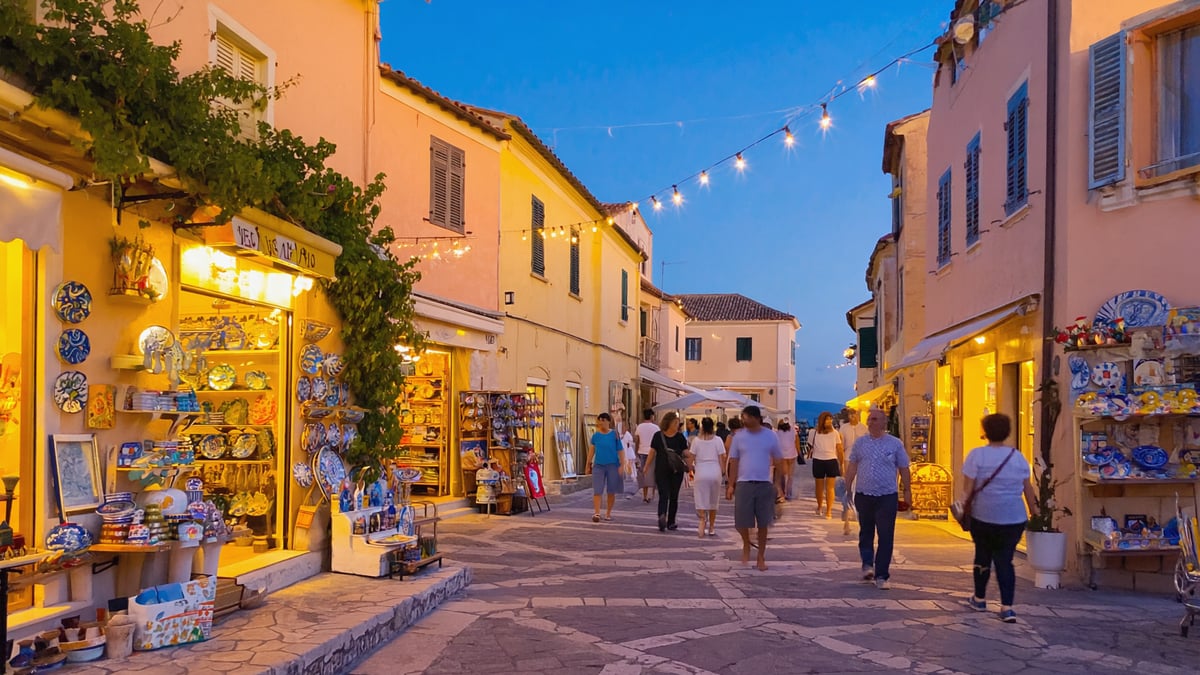
After covering the practicalities, the costs, the cultural experiences, and the seasonal considerations, it's time for a straight answer. Not a diplomatic "both are wonderful" non-answer, but a genuine, scenario-based recommendation.
Choose the Amalfi Coast if...
- You want to feel immersed in real Italian culture, not just scenery. The Amalfi Coast has genuine towns, genuine local life, and a culinary tradition that rewards curious travellers.
- You love walking and hiking. The Sentiero degli Dei (Path of the Gods) is one of the great coastal walks in Europe, and the terrain rewards those who explore on foot.
- You want to combine coast with culture. Pompeii, Herculaneum, Capri, and Naples make this coastline one of the richest bases for a culturally varied holiday in Europe.
- You're a food and coffee lover who wants to eat the way Italians eat, not just eat well in tourist-facing restaurants.
- You're returning to the Mediterranean and want somewhere that rewards repeat visits differently, each town on the coast feels distinct from the last.
- You're travelling as a couple who enjoys a degree of adventure and navigating the unexpected together.
Choose Santorini if...
- You're on your honeymoon or celebrating a significant occasion and want a destination that delivers a reliably extraordinary romantic experience. Santorini has been honed for this purpose over decades.
- You're a first-time visitor to the Mediterranean and want the most immediately dramatic, postcard-perfect setting with minimal logistical complexity.
- You're a wine lover who wants to explore one of Europe's most distinctive wine regions. Assyrtiko from Santorini is genuinely unlike anything else.
- You want easier access from the UK, with more direct flight options and straightforward transfers on arrival.
- Your holiday priority is relaxing in beautiful surroundings rather than exploring. Santorini rewards those who are happy to sit, drink, eat, and watch the world go by from a caldera terrace.
- You want volcanic beach experiences unlike anything available elsewhere in the Mediterranean.
If Budget is Your Priority
At every comparable price tier, Santorini offers marginally better value for UK travellers. The combination of more direct flights (creating greater price competition between carriers), slightly lower food costs, and a wider range of accommodation options at different price points gives Santorini the edge for travellers working to a tight budget. The Amalfi Coast's geographic constraints push prices up across every category.
That said, both destinations can be made significantly more affordable by visiting in shoulder season (May/June or September/October), staying in less prominent towns (Praiano vs Positano; Firostefani vs Oia), and booking a package holiday that locks in the flight-hotel combination rather than booking each element separately.
If Romance is Your Priority
Santorini wins, narrowly. The caldera sunsets, the infinity pools, the cave-cut suites with private terraces: the island has been intentionally designed around a romantic experience in a way that makes it easier to achieve. The Amalfi Coast is deeply romantic, but the romance requires more effort, and that effort is, for many couples, part of the appeal.
What to Watch Out For: Honest Caveats for Both Destinations
No destination guide is complete without the bits that the brochure glosses over. Here's what experienced travellers wish they'd known before their first visit to each.
Amalfi Coast: The Real Challenges
The road is genuinely difficult. The SS163 is one of the most dramatic roads in Europe, and it's also one of the most congested in peak season. Traffic jams of 1–2 hours are not unusual in July and August. Taking ferries between towns wherever possible is not just more pleasant, it's genuinely faster and less stressful from around June to September.
The steps are real. Positano in particular involves significant vertical movement. If you have mobility limitations or knee issues, the terrain can be challenging. Research your specific hotel's accessibility before booking.
Beaches are not the main event. If your ideal Mediterranean holiday involves long, flat stretches of sand and easy beach access, the Amalfi Coast will disappoint. The beaches are small, often pebbly, and accessed via stairs or boat.
Santorini: The Real Challenges
Cruise ship days change the atmosphere entirely. When two or three large cruise ships dock simultaneously (check sailing schedules before booking your travel dates), the caldera villages of Oia and Fira become genuinely overwhelming. Thousands of day visitors arrive in the morning and leave in the evening, but for those hours, the village streets are nearly impassable.
The "authentic Greece" experience is limited. Santorini has been so thoroughly shaped by its tourism economy that finding genuine local life is harder than on less-visited Greek islands. If you want to experience Greece as Greeks live it, Santorini is the wrong island.
Oia sunsets are increasingly managed experiences. The famous Oia sunset is beautiful, but the ritual of hundreds of tourists gathering on the same walls and steps for the same photograph has become part of the experience. Arrive early, find a spot away from the main viewing areas, and manage your expectations accordingly.
A Video Worth Watching Before You Book
Sometimes the best way to understand the character of a destination is to see it moving. The video below captures both the Amalfi Coast and the spirit of the Santorini caldera in a way that static photographs can't match.
Frequently Asked Questions: Amalfi Coast vs Santorini for UK Travellers
Which is cheaper for UK travellers: the Amalfi Coast or Santorini?
Santorini is generally marginally cheaper than the Amalfi Coast for UK travellers, with slightly lower accommodation and food costs and more competitive flight pricing due to greater airline competition on UK-Greece routes. Both destinations sit in the premium tier of European holidays, with a comfortable 7-night package starting from around £849–£899 per person including flights and accommodation. Shoulder season travel (May/June or September/October) cuts costs significantly on both.
How long is the flight from the UK to Santorini and the Amalfi Coast?
Flights from London to Santorini (Thira Airport) take approximately 3 hours 30 minutes to 4 hours. Flights to Naples (the nearest airport for the Amalfi Coast) take around 2 hours 40 minutes. However, the transfer from Naples Airport to your Amalfi Coast hotel adds another 60–90 minutes, making total door-to-door times broadly comparable for both destinations.
Is the Amalfi Coast good for a beach holiday?
Not in the traditional sense. The Amalfi Coast's beaches are small, often pebbly, and accessed via steep stairs or boat trips. If beach time is your primary holiday goal, Santorini's volcanic beaches or another destination entirely (such as Puglia or the Greek islands of Corfu, Crete, or Zante) will better serve your needs. The Amalfi Coast excels at scenery, walking, culture, and food rather than beach relaxation.
When is the best time to visit Santorini from the UK?
Late May, early June, and September are the best months for UK travellers visiting Santorini. Temperatures are warm (22–28°C), crowds are manageable, prices are lower than peak season, and the island's landscapes are at their most photogenic. July and August are extremely busy due to cruise ship traffic and European holiday demand. April is pleasant but cooler, and many businesses open from early April onward.
Can I do the Amalfi Coast and Santorini in one trip?
Yes, though it requires some planning. The most practical approach is to fly into Naples, spend 4–5 nights on the Amalfi Coast, then fly from Naples to Athens and take a domestic flight or ferry to Santorini for another 4–5 nights. Alternatively, ferries connect various Italian and Greek ports, though crossing times are long. This combination works well as a 10–14 night trip and is offered by several tour operators as a "twin-centre" Mediterranean package.
Which is better for a honeymoon: Amalfi Coast or Santorini?
Both are outstanding honeymoon destinations, but they suit different couples. Santorini is more immediately romantic in a cinematic, effortless sense: caldera views, infinity pools, sunset rituals. The Amalfi Coast is romantic in a more textured, exploratory way: hidden trattorias, cliff-path walks, the discovery of small towns. If you want a relaxed, visually extraordinary honeymoon with minimal logistical complexity, Santorini is the safer bet. If you want an immersive, adventurous experience with Italy's greatest coastline as your backdrop, the Amalfi Coast is deeply romantic.
Are the Amalfi Coast and Santorini suitable for families with children?
Santorini is the more family-friendly choice, with more accessible beaches, flatter terrain in some areas, and a broader range of family-appropriate accommodation. The Amalfi Coast's steep terrain, narrow roads, and limited beach access can make it challenging with young children. That said, older children and teenagers who are comfortable with walking and adventure will find the Amalfi Coast genuinely exciting.
Do I need to hire a car on the Amalfi Coast or Santorini?
On the Amalfi Coast, a hire car is not recommended in peak season. The roads are extremely narrow, parking is scarce and expensive, and local buses and ferries cover the main routes effectively. For exploring inland hill towns like Ravello, a small hire car is useful in shoulder season. In Santorini, hiring a car or quad bike gives you the flexibility to reach the less-visited parts of the island (Akrotiri, Vlychada, the winery region), and the roads are generally more manageable than the Amalfi coast road.
Is Santorini worth the hype for UK visitors?
Yes, with expectations appropriately managed. The caldera views are genuinely as extraordinary as advertised. The sunsets are real. The wine is excellent. The challenge is that Santorini has become so globally famous that the main villages, particularly Oia, can feel overwhelmed by visitors in peak season. Visiting in shoulder season, basing yourself away from the most crowded spots, and exploring beyond the caldera rim will deliver an experience that more than justifies the journey from the UK.
What ATOL protection applies to Mediterranean package holidays booked in the UK?
When booking a package holiday from a UK-based operator, your booking is protected under the ATOL (Air Travel Organiser's Licence) scheme, administered by the UK Civil Aviation Authority. This means that if the travel company fails financially, you are entitled to a refund or to be brought home at no extra cost. Always confirm that your booking is ATOL-protected before paying a deposit. GlobeHunters operates with ATOL protection on all qualifying package holidays.
Which destination has better food: Italy or Greece?
This is genuinely subjective, and both offer outstanding food experiences. Italian cuisine on the Amalfi Coast is deeply regional, ingredient-driven, and considered one of the world's great food cultures. Greek food in Santorini is fresher and simpler, built around excellent local produce and the island's distinctive agricultural terroir. Wine lovers will find Santorini's Assyrtiko whites particularly compelling. Food lovers who enjoy complexity and variety tend to slightly prefer the Italian tradition, while those who appreciate simplicity done perfectly often prefer the Greek approach.
Can I book a Mediterranean holiday package with GlobeHunters?
Yes. GlobeHunters offers package holidays to both the Amalfi Coast and Santorini, combining return flights from UK airports, handpicked hotel accommodation, and airport transfers. Prices start from £849 per person for a 7-night package in shoulder season. To check current availability and live pricing, visit holidays.globehunters.com or call the team on 0208 944 4514.
Key Takeaways
- Both destinations are genuinely exceptional but suit different travel personalities. The right choice depends on how you travel, not just where you want to go.
- Santorini is marginally better value for UK travellers, with more direct flights, slightly lower food and accommodation costs, and simpler logistics on arrival.
- The Amalfi Coast is unmatched for cultural depth, proximity to world-class heritage sites (Pompeii, Herculaneum, Capri), and immersive Italian food culture.
- Honeymooners will find Santorini delivers a more reliably cinematic romantic experience; adventurous couples will find the Amalfi Coast more rewarding.
- Shoulder season visits (May/June or September/October) offer the best experience at both destinations: lower prices, manageable crowds, and ideal weather.
- Neither destination is ideal for a traditional beach holiday. Santorini's volcanic beaches are more varied and accessible; the Amalfi Coast's beaches are small, pebbly, and often crowded.
- Package holidays booked through UK operators like GlobeHunters offer ATOL financial protection, real-time pricing, and the convenience of a single booking covering flights, accommodation, and transfers.
- To book either destination, call 0208 944 4514 or visit holidays.globehunters.com for live availability.
About the author
Spiros Maragkoudakis · Chief Commercial Officer
Ready to Book Your Amalfi Holiday?
Our travel experts are ready to help you plan the perfect trip. Call us today or browse our latest deals.
Ready to Start Planning?
Speak to our travel experts for personalised advice and the best deals on your next holiday.
Call 0208 944 4514