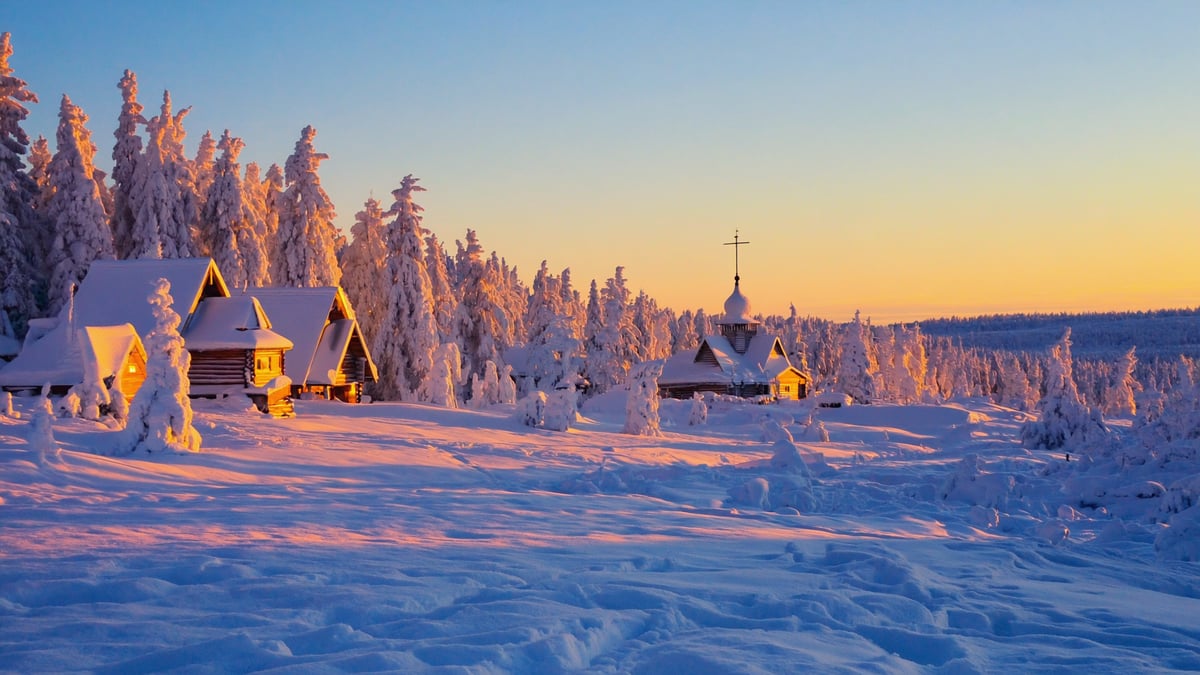
There is a moment, somewhere between the crunch of fresh snow underfoot and the first streak of green light across a black Arctic sky, when Lapland stops feeling like a holiday and starts feeling like something else entirely. Something closer to wonder. For UK families, couples, and anyone who has ever secretly believed in magic, Finnish Lapland delivers an experience so far removed from everyday life that it resets something fundamental. And the best part? It is more accessible from the UK than most people assume.
This guide covers everything you need to plan a genuinely brilliant Lapland holiday from the UK: the best resorts, the experiences worth paying for, the ones to skip, how to see the Northern Lights, what Finland package holidays actually cost, and how to book flights and hotel packages that deliver real value. Whether you are planning a family trip with young children or a couples escape into the Arctic wilderness, read this before you book anything.
Why Lapland Belongs on Every UK Family's Holiday List
Lapland is not just a destination. It is an argument for travel itself. The Finnish Arctic, stretching above the 66th parallel, offers a landscape so alien to British eyes that even seasoned travellers find themselves speechless. Temperatures regularly drop to minus 20°C or colder, the sun barely rises in December, and reindeer cross the road with the casual indifference of pigeons in Trafalgar Square. Yet within this extreme environment, an entire culture of hospitality, warmth, and extraordinary outdoor experience has flourished.
For UK families specifically, Lapland occupies a unique emotional position. It is one of very few destinations where adults and children experience the same level of genuine awe simultaneously. When a five-year-old sees a husky team break into a run and feels the sled lurch forward across a frozen lake, their reaction is identical to their parents'. The Northern Lights produce the same slack-jawed silence in a twelve-year-old as in their grandmother. That shared experience is rare, and it is worth a great deal.
Beyond the emotional case, the practical case is strong too. Direct and connecting flights from multiple UK airports reach Finnish Lapland year-round. The region's tourism infrastructure is mature and exceptionally well organised, with safety standards that match or exceed UK expectations. The Finnish healthcare system is excellent. English is widely spoken throughout the region. And while Lapland is not cheap, the all-inclusive nature of most packages means costs are predictable and surprises are rare.
The Season Question: When Should UK Travellers Visit?
Timing shapes everything about a Lapland trip, and the answer depends entirely on what you are there for.
November to January is the period of polar night, when the sun does not rise above the horizon at all in the northernmost areas. This is the season of Santa, sleigh bells, and the highest Northern Lights probability. Temperatures are brutal, snowfall is consistent, and the atmosphere is genuinely otherworldly. December is peak season for family holidays, with prices reflecting that demand.
February and March bring the return of daylight, still-excellent snow conditions, and significantly better Northern Lights viewing because clear, cold skies dominate. This is arguably the best time to visit for couples and adventure-focused travellers: you get daytime snowmobile safaris, husky expeditions, and ice fishing under real daylight, then Northern Lights hunts in the evening. Prices drop noticeably from December peaks.
April sees the snow beginning to thin in lower areas, though skiing and snowshoeing often remain viable at higher elevations. The light returns dramatically, and the midsummer experience of the Arctic is an entirely different proposition, though summer Lapland sits outside most UK visitors' mental image of the destination.
For most UK families booking through a package operator, December and February represent the two primary windows, each with its own character and pricing profile.
How to Get to Lapland from the UK: Flights and Transfer Options
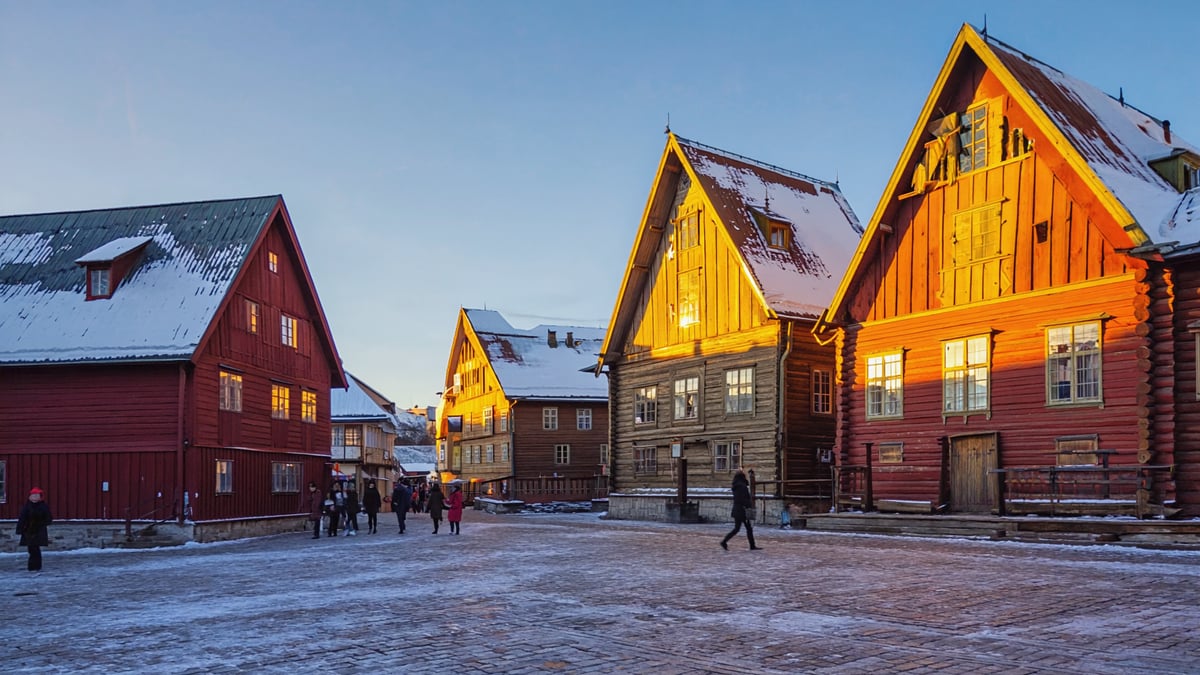
Getting to Lapland from the UK is straightforward, though it requires a bit more planning than a European city break. Understanding your flight options is the first practical step toward building a realistic trip.
The main gateway airports for Finnish Lapland are Rovaniemi, Kittilä, and Ivalo. Rovaniemi is the largest and most accessible, sitting on the Arctic Circle and serving as the region's unofficial capital. Kittilä serves the Levi ski resort area. Ivalo is the most northerly and best positioned for the Saariselkä and Inari regions.
From the UK, Finnair operates flights via Helsinki to all three airports. British Airways, easyJet, and Jet2 run seasonal direct charter flights to Rovaniemi and Kittilä during peak winter season, particularly December and February/March. London Heathrow, London Gatwick, Manchester, Birmingham, Edinburgh, and Bristol are among the departure points served by direct or one-stop services during peak season.
Transfer times from airport to resort vary. Rovaniemi airport is essentially in the city. Kittilä to Levi resort is around 15 minutes by transfer bus. Ivalo to Saariselkä is around 30 minutes. Most package holidays include airport transfers, which matters in an Arctic environment where independent taxi or hire car arrangements are both expensive and logistically complex.
For flights and hotel packages to Lapland, booking through a specialist UK package operator like GlobeHunters typically delivers better value than assembling flights, accommodation, and transfers independently. The consolidator pricing available to package operators often undercuts what individuals can access directly, and the ATOL protection that comes with a package provides security that self-build arrangements do not.
Travel Time and Jet Lag Considerations
Finnish Lapland is only two hours ahead of UK time, which makes it one of the most time-zone-friendly long-haul-feeling destinations available. Children do not suffer the disruption that trips to North America or Asia produce. Adults arrive fresh. Even a three-night package genuinely delivers value because you are not spending the first day recovering from time differences.
Total travel time from most UK airports to Rovaniemi runs between four and seven hours depending on connection times, which is comparable to a long-haul flight but without the physical toll. For families with young children, that manageability is a significant practical advantage.
The Best Lapland Resorts for UK Visitors
Finnish Lapland is not a single resort but a constellation of distinct destinations, each with a different character, altitude, and activity focus. Choosing the right base shapes the entire trip.
Rovaniemi: The Santa Claus Capital
Rovaniemi sits precisely on the Arctic Circle and markets itself, with considerable success, as the official hometown of Santa Claus. The city is the largest in Finnish Lapland, offering a full range of hotels from budget to luxury, excellent restaurants, shops, and the famous Santa Claus Village a few kilometres from the airport.
For families with young children, Rovaniemi is the obvious choice. The Santa Claus Village experience, with its elf workshops, reindeer sleigh rides, and private Santa meetings, is exceptionally well produced and emotionally powerful for children aged three to nine. The infrastructure is polished, safety standards are high, and the concentration of activities within a small area makes logistics manageable with young ones.
The city of Rovaniemi itself is worth a day of exploration: the Arktikum museum offers genuinely excellent exhibits on Arctic life and Northern Lights science, and the local restaurant scene serves reindeer, elk, and Arctic fish prepared with skill. This is not a place where you are eating disappointing tourist food.
Levi: The Ski Resort Experience
Levi is Finland's largest ski resort and sits about 170km north of Rovaniemi. For families and couples who want skiing alongside the wider Lapland experience, Levi is the natural base. The slopes are not Verbier, but they are well-maintained, genuinely enjoyable, and served by an excellent ski school with English-speaking instructors.
Beyond skiing, Levi offers the full Arctic activity menu: husky safaris, snowmobile expeditions, reindeer farm visits, ice fishing, and Northern Lights tours. The resort has invested heavily in high-quality cabin and lodge accommodation, and the après-ski scene is livelier than at more remote destinations. Kittilä airport is just 15 minutes away, making it one of the easiest Lapland destinations to reach from the UK.
Saariselkä: The Wilderness Experience
Saariselkä, near Ivalo in northern Finnish Lapland, sits at a higher latitude than Rovaniemi or Levi, which means longer polar nights, colder temperatures, and statistically better Northern Lights probability. It is a smaller, quieter resort with a stronger wilderness character. The Urho Kekkonen National Park, one of Finland's largest protected areas, surrounds the resort and provides a genuinely remote backcountry experience for snowshoeing, cross-country skiing, and reindeer farm visits.
For couples seeking a more remote, less commercialised Lapland experience, Saariselkä has a compelling case. The accommodation options include some exceptional glass-roofed Aurora cabins where you can watch the Northern Lights from your bed, which is, by any measure, an extraordinary experience. For families with very young children, the relative lack of structured Santa-focused activities compared to Rovaniemi is worth considering.
Inari: The Cultural Heartland
Inari sits on the shore of Lake Inari, one of Finland's largest lakes, and is the cultural centre of the Sámi people, the indigenous inhabitants of Lapland. The Siida Museum and Nature Centre in Inari is among the finest indigenous culture museums in Northern Europe and provides essential context for understanding the landscape and traditions that Lapland's tourism industry is built upon.
Inari is not a typical resort and is better suited to travellers combining a Lapland holiday with genuine cultural immersion. The Northern Lights probability here is extremely high due to the latitude, and the sense of wilderness is profound. It is a longer transfer from Ivalo airport than Saariselkä, but for the right traveller, that distance is exactly the point.
Northern Lights Holidays from the UK: What You Actually Need to Know
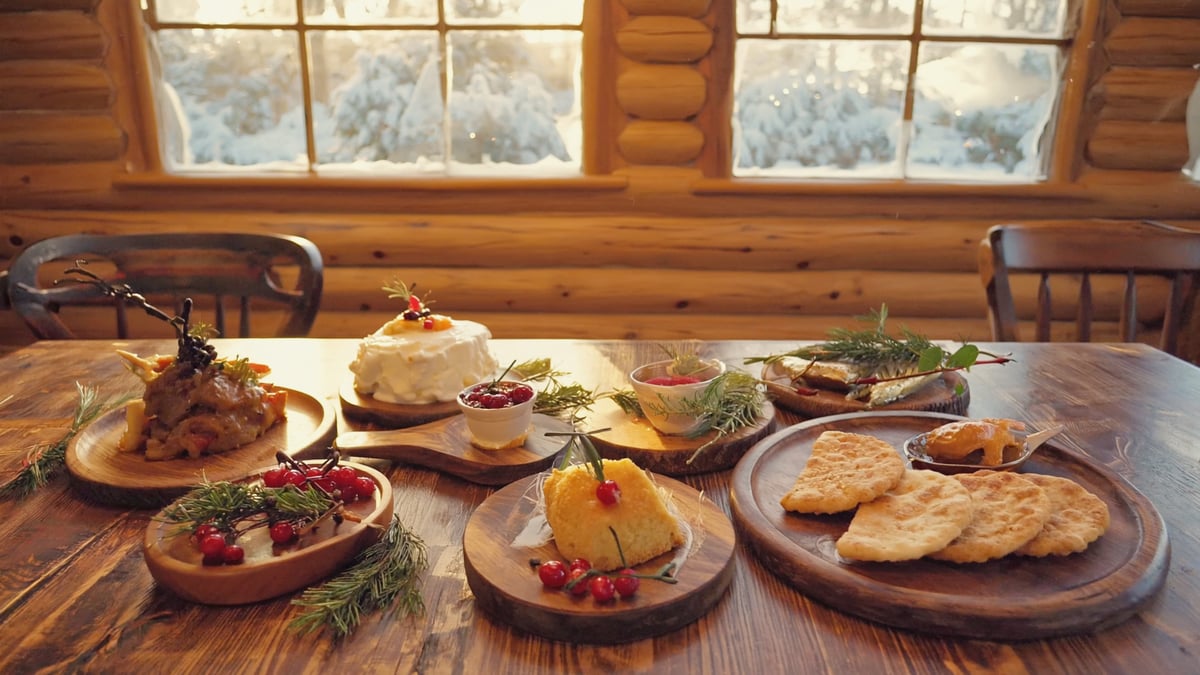
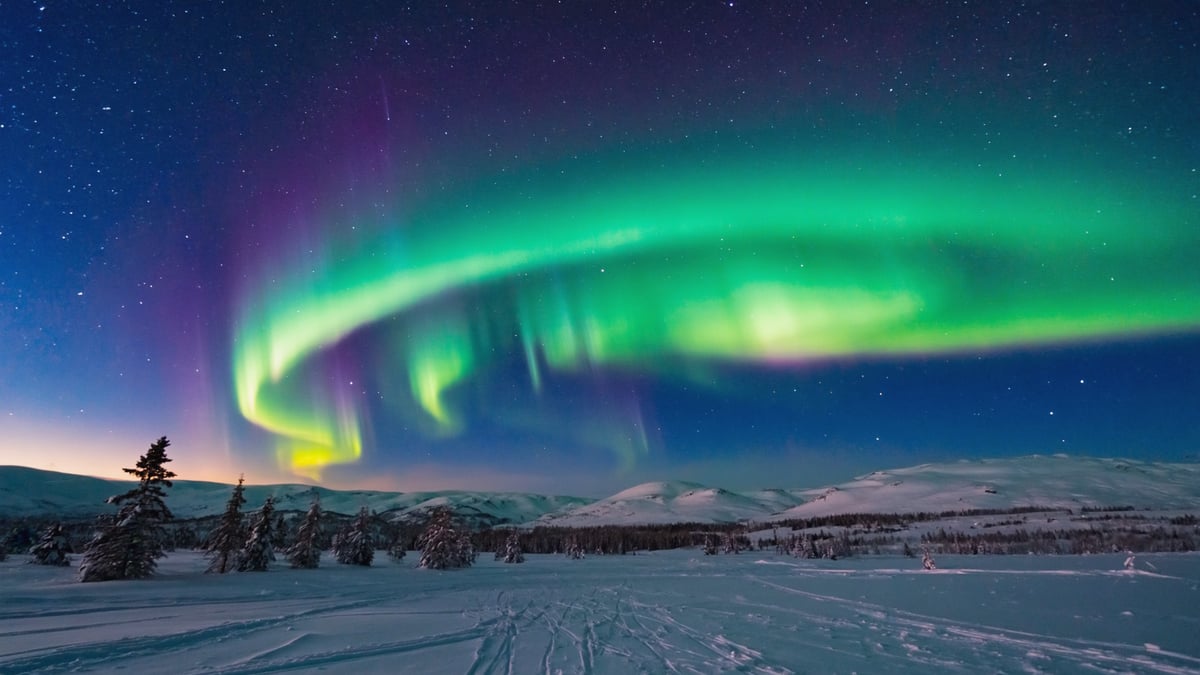
The Northern Lights, or Aurora Borealis, are the single most-searched experience associated with Lapland holidays, and they are also the source of the most disappointment when expectations are not properly calibrated. Understanding how the Aurora actually works transforms a frustrating experience into a magical one.
The Aurora Borealis is produced when charged particles from the solar wind interact with gases in Earth's upper atmosphere, producing the characteristic green, purple, and occasionally red light displays. This process is entirely natural and therefore entirely unpredictable in its timing. No tour operator, no app, and no meteorologist can guarantee a specific Aurora display on a specific night. What they can do is maximise your probability of seeing one.
Maximising Your Northern Lights Probability
Several factors combine to determine Northern Lights viewing success:
- Latitude: Finnish Lapland sits within the Auroral Zone, the band of highest Aurora activity encircling the Arctic. Any destination above the Arctic Circle (66.5°N) is well-positioned. Saariselkä and Inari, being further north, have a statistical edge over Rovaniemi.
- Cloud cover: This is the dominant variable. The Aurora can be blazing overhead, but if cloud cover is total, you will not see it. Finnish Lapland's coldest months, typically January and February, tend to produce the clearest skies because cold air holds less moisture. December is statistically cloudier.
- Light pollution: The further from town lights you can get, the better. A dedicated Northern Lights tour, driving out to a dark lake or forest clearing, dramatically improves visibility over watching from a hotel window in Rovaniemi city centre.
- Solar activity: The Aurora is driven by solar wind intensity. The Space Weather Prediction Center and apps like Space Weather Live provide real-time geomagnetic activity forecasts. A KP index of 3 or above is generally sufficient for Aurora viewing in Finnish Lapland.
- Trip length: A three-night package gives you two or three evening opportunities. A five to seven-night package dramatically increases your chances of catching at least one clear, active night. If Northern Lights are your primary reason for visiting, do not book fewer than five nights.
Most quality package holidays include at least one dedicated Northern Lights excursion, typically a snowmobile or minibus tour to a dark location with a guide, hot drinks, and the patience to wait. These tours typically run from around 9pm to midnight, the peak activity window. Booking a package that includes this excursion rather than arranging it independently saves both money and logistical complexity.
Managing Expectations for Families with Children
Families should discuss the Northern Lights honestly with children before the trip. The Aurora is breathtaking when it appears, but it cannot be scheduled. Children who understand this arrive with healthy expectations and are genuinely thrilled when it appears, rather than devastated if a single cloudy night prevents a sighting. The rest of the Lapland experience, the huskies, the reindeer, the snow, the Santa visit, is extraordinary with or without the lights.
The Core Lapland Experiences: What to Book and What to Skip
Activity overload is a genuine risk in Lapland. Every resort offers an extensive menu of experiences, and without some curation, families can end up rushing between activities, exhausted and over-budgeted. Here is an honest assessment of the core experiences.
Husky Sledding: Non-Negotiable
A husky safari is the experience that defines Lapland for most visitors. The physical sensation of a team of eight to twelve Siberian huskies pulling a sled across a frozen lake at full sprint, with the forest flashing past and the cold hitting your face, is unlike anything else available to a British holidaymaker. It is visceral, joyful, and surprisingly accessible even for complete beginners.
Most packages offer either a short taster (20 to 30 minutes) or a longer half-day safari (two to three hours). For families, the longer option is almost always worth the additional cost because it includes a wilderness stop with hot drinks, campfire food, and time to interact with the dogs outside of the sled experience. Children aged four and above can typically ride in the sled basket while parents drive, and older children and adults can drive their own sled on guided routes.
When booking, confirm whether the husky farm is a dedicated, high-welfare operation. Finland has strong animal welfare regulations, but the quality of husky operations varies. Reputable farms are transparent about their kennel conditions and encourage visitors to meet the dogs before the safari.
Reindeer Safari: The Quieter Magic
A reindeer safari is slower, gentler, and in its own way, just as memorable as a husky sled. Reindeer are central to Sámi culture and to Finnish Lapland's identity, and a visit to a working reindeer farm, combined with a traditional sleigh ride, provides a connection to the place that a purely adrenaline-driven activity cannot. Children who are too young or too cautious for huskies often find the reindeer experience deeply moving.
The best reindeer farm experiences include a herding demonstration, information about reindeer husbandry and Sámi traditions, and the chance to feed the animals. Many farms also serve traditional Lappish food, including reindeer stew, which is both delicious and an authentic part of the cultural experience. The ethical question of eating reindeer at a reindeer farm is one that families can navigate according to their own values, but it is worth discussing before the visit rather than during.
Snowmobile Safari: For Adults and Older Teenagers
Snowmobile safaris are exhilarating and cover significantly more terrain than any other activity, making them the best option for experiencing the deep wilderness landscape. In Finland, the minimum age to drive a snowmobile is 18 with a valid driving licence. Younger passengers can ride pillion with an adult driver. For groups of adults or families with older teenagers, a full-day snowmobile safari reaching a remote wilderness hut for lunch is one of the most memorable experiences Finnish Lapland offers.
Ice Fishing: Slow Travel at Its Best
Ice fishing is an acquired taste, but for the right family or couple, it is genuinely wonderful. Drilling a hole through 60cm of lake ice, lowering a line, and sitting in companionable silence above a frozen Finnish lake is meditative and surprisingly exciting when a perch or Arctic char actually takes the bait. Children who are patient enough tend to love it. Many operators combine ice fishing with a traditional Finnish lunch cooked over an open fire in a wilderness hut, which elevates the whole experience considerably.
Santa Visit: Worth Every Penny for Young Children
If you are travelling with children aged three to eight, a private Santa meeting in Rovaniemi is one of the most emotionally powerful experiences available in family travel. The production values at the established Santa venues are extraordinarily high: the elves are convincing, the setting is immersive, and Santa himself is played by professionals who take the role seriously. The moment a young child realises they are sitting across from the actual Father Christmas, in his actual home, is something parents remember decades later.
For older children who are past the Santa belief stage, the experience is still enjoyable as a theatrical and cultural event, but the transformative magic is specifically for believers. Factor this honestly into your booking decisions.
Lapland Holiday Costs: What UK Travellers Should Budget
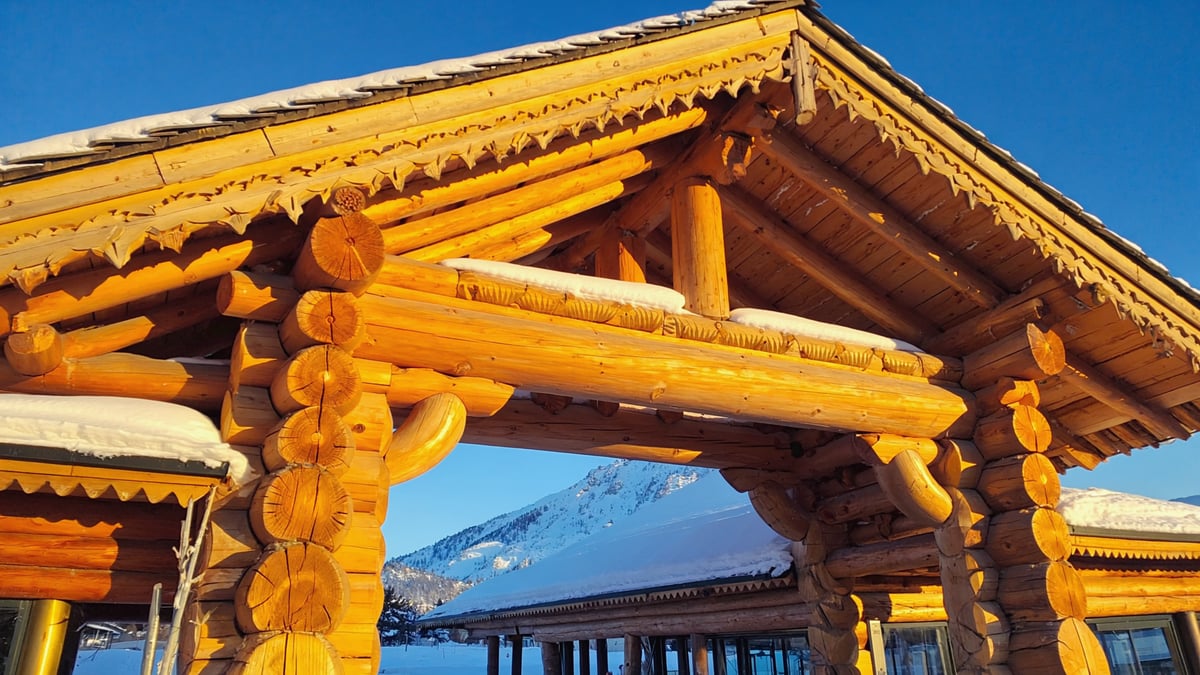
Lapland is not a budget destination, but it is also not as expensive as many UK travellers fear when costs are considered in context. A well-structured package holiday consolidates most expenses into a single upfront cost, reducing the chance of unpleasant bill shock at the end of the trip.
| Trip Type | Duration | Approx. Per Person Cost (GlobeHunters) | What's Typically Included |
|---|---|---|---|
| Family short break (2 adults, 2 children) | 3 nights | From £1,299 pp | ✅ Flights ✅ Hotel ✅ Transfers ✅ 1-2 core activities |
| Family mid-length holiday | 5 nights | From £1,699 pp | ✅ Flights ✅ Hotel ✅ Transfers ✅ Full activity programme |
| Couples Aurora escape | 4 nights | From £1,499 pp | ✅ Flights ✅ Aurora cabin ✅ Transfers ✅ Northern Lights tour |
| Luxury wilderness lodge | 5–7 nights | From £2,199 pp | ✅ Flights ✅ Premium lodge ✅ Transfers ✅ Full activity programme ✅ Half board |
| Solo traveller adventure | 4 nights | From £1,399 pp | ✅ Flights ✅ Hotel ✅ Transfers ✅ 2 activity excursions |
Activities booked outside a package typically cost: husky safari (half-day) £80–£140 per adult; reindeer safari £60–£100 per adult; snowmobile safari (half-day) £100–£180 per adult; private Santa meeting £80–£200 per family. These costs add up quickly when self-booking, reinforcing the value of a comprehensive package.
GlobeHunters' Finland package holidays combine flights, accommodation, and activities at consolidated rates, with ATOL protection included as standard. Calling 020 8944 4700 allows you to speak with a specialist who can tailor a package to your specific dates, airport, and activity priorities.
Accommodation in Finnish Lapland: From Log Cabins to Aurora Domes
Where you sleep in Lapland matters more than in almost any other destination, because the accommodation itself is often part of the experience rather than simply a place to rest.
Traditional Log Cabins and Chalets
The most common and practical accommodation choice for UK families, log cabins offer self-catering flexibility, space for children to decompress after cold outdoor days, and the authentic Lapland aesthetic of wood fires and frost-covered windows. Most cabin complexes include a private sauna, which is not a luxury in Finland but a cultural institution, and using it properly, with the traditional ritual of steam and cold plunge, is an experience in itself.
Cabin quality varies significantly. Budget options may feel spartan; mid-range and premium cabins offer fully equipped kitchens, multiple bedrooms, outdoor hot tubs, and high-quality fittings. For families, a self-catering cabin with a kitchen dramatically reduces meal costs compared to eating out for every meal in a destination where restaurant prices reflect the remote location.
Aurora Cabins with Glass Roofs
Aurora cabins, also called glass igloos or Aurora domes depending on the resort, are the Lapland accommodation type that generates the most social media interest, and for good reason. A cabin with a glass ceiling panel above the bed means you can watch the Northern Lights without leaving the warmth, which is particularly appealing when temperatures outside are minus 20°C.
The reality of Aurora cabins is slightly more nuanced than the photographs suggest. The glass roof panels are insulated but the ambient light from any nearby buildings can affect viewing quality. Not all Aurora cabins face north. And the cabins are typically smaller and more expensive than standard log cabin alternatives. For couples on a romantic trip where the Aurora is the primary goal, they are genuinely wonderful. For families with children, the space constraints and premium pricing often make a standard cabin the more practical choice.
Hotels in Rovaniemi and Levi
Both Rovaniemi and Levi offer conventional hotel accommodation ranging from three-star to five-star. Hotels are the right choice for travellers who want daily housekeeping, restaurant access, and the ability to drop luggage and go without worrying about cabin logistics. Rovaniemi has a particularly strong hotel offering, with several international brands alongside locally owned properties.
One consideration for families: hotels in Lapland are almost always warmer than the temperatures outside suggest. Finnish buildings are extraordinarily well-insulated and heated, so concerns about children being cold at night are generally unfounded provided you are in established accommodation.
Packing for Lapland: The UK Traveller's Practical Guide
British cold weather gear is largely inadequate for Finnish Arctic conditions. Understanding the layering system and what to bring versus what to hire at the resort saves both misery and money.
The Layering System
The principle is three layers: a moisture-wicking base layer, an insulating mid-layer, and a windproof, waterproof outer shell. Each layer serves a specific function, and the system only works when all three are present and correctly chosen.
- Base layer: Merino wool or technical synthetic. Cotton is actively dangerous in Arctic conditions because it retains moisture and conducts heat away from the body when wet. Do not wear cotton base layers in Lapland.
- Mid-layer: Fleece or down insulation. A 200-weight fleece or a packable down jacket provides the thermal mass needed at minus 15°C or below.
- Outer layer: A waterproof, windproof shell jacket and salopettes. These do not need to be heavily insulated if your mid-layer is doing its job.
Most package holidays to Lapland include Arctic clothing hire as part of the activity programme, meaning the specialist outer suits, boots, and mittens required for snowmobile safaris and husky sleds are provided at the activity centre. This is genuinely useful and means you do not need to buy or transport full Arctic gear from the UK. What you do need to bring are good base layers, a warm mid-layer, a thermal hat covering your ears, and neck gaiter or balaclava.
Footwear
Your regular winter boots are almost certainly inadequate for Finnish Lapland. Boots rated to minus 30°C or below, with grip soles designed for ice, are the minimum requirement. Hiring boots at the resort is an option, but quality varies. Investing in a pair of Sorel, Kamik, or equivalent Arctic-rated boots before the trip, if you plan to visit more than once, is worthwhile. They will serve you on Scottish Highlands winters too.
Children's Clothing
The same layering principles apply to children, and the same cotton warning applies with even greater urgency because children's hands, feet, and faces are more vulnerable to cold than adults'. Most reputable Lapland resorts provide full thermal suits for children on activity programmes, but ensuring your child has quality base layers and thermal socks underneath is your responsibility. Bring hand warmers as backup for particularly cold days.
Food and Culture in Finnish Lapland
Finnish Lapland's food culture is distinctive, deeply connected to the landscape, and genuinely worth engaging with rather than defaulting to safe international alternatives.
What to Eat
Reindeer is the defining protein of Lapland cuisine and appears in multiple forms: slow-cooked stew (sautéed reindeer or poronkäristys), cold-smoked and served with flatbread, or as a hearty soup. It is lean, flavourful, and deeply tied to the local culture. Arctic char, brown trout, and vendace (a small whitefish traditionally eaten with sour cream and flatbread) represent the freshwater fish tradition. Cloudberries, a tart golden berry that grows in Arctic bogs, appear in jams, desserts, and liqueurs and are worth seeking out.
The Finnish savoury pastry known as a Karelian pie (karjalanpiirakka) is available throughout the region and makes an excellent, warming snack after outdoor activities. Finnish bread, typically dense, dark rye, is exceptional and very different from the British supermarket equivalent.
The Finnish Sauna Tradition
Finland has more saunas per capita than any other country, and sauna is not merely a spa amenity but a social institution with deep cultural significance. Using a Finnish sauna correctly, heating to 80–100°C, adding water to the stones to produce löyly (steam), and alternating heat with cold plunge, is an experience that every visitor to Lapland should attempt. The cold plunge in Finnish Lapland, in winter, often involves cutting a hole in the ice of a frozen lake, which sounds extreme but is genuinely invigorating and completely safe under supervision.
Most cabin accommodation includes a private sauna. Many resorts also offer public lakeside saunas. Using the sauna is free or very low cost and is one of the most authentic cultural experiences available to UK visitors in the region.
Northern Lights vs. Lapland: Is There a Difference Worth Knowing?
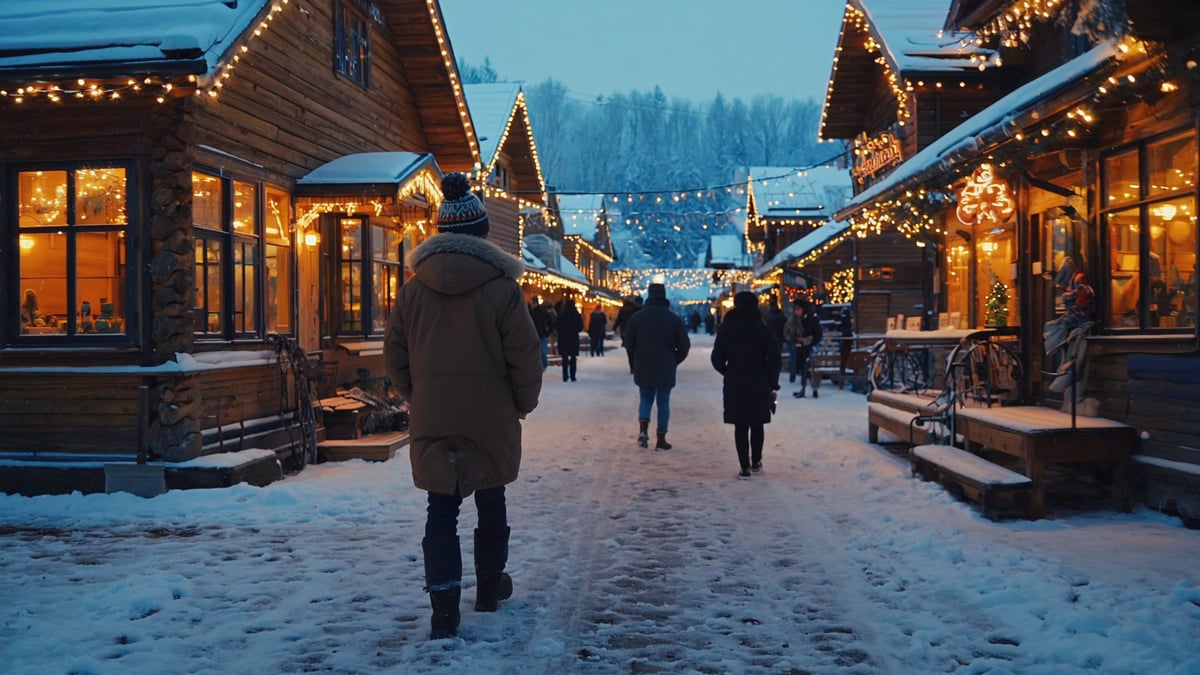
UK travellers sometimes search separately for "Northern Lights holidays" and "Lapland holidays" as if they are distinct products, when in fact they are deeply intertwined. Understanding the distinction helps with planning.
The Northern Lights are visible across a wide band of the Arctic, including Norway (Tromsø is the most famous Norwegian destination), Iceland (Reykjavik and the north), Sweden (Abisko), and Finland. Each country offers a different experience around the Aurora:
| Destination | Aurora Probability | Family Activities | Relative Cost (UK Package) | Best For |
|---|---|---|---|---|
| Finnish Lapland | ⚠️ High (cloud-dependent) | ✅ Exceptional (huskies, reindeer, Santa) | Mid-range to premium | Families, couples, Aurora hunters |
| Norwegian Arctic (Tromsø) | ✅ Very high (coastal microclimate) | ⚠️ Good (whale watching, dog sleds) | Premium to very premium | Couples, Aurora specialists |
| Iceland | ⚠️ Variable (volcanic weather) | ✅ Very good (geysers, waterfalls) | Premium | Couples, adventure travellers |
| Swedish Lapland (Abisko) | ✅ Very high (microclimate) | ⚠️ Limited (less infrastructure) | Mid-range | Aurora specialists, wilderness travellers |
For UK families, Finnish Lapland wins on the breadth of its activity offering. The combination of world-class Aurora probability, exceptional family activities (huskies, reindeer, Santa), and a mature tourism infrastructure with good English-language support makes it the most complete package. Couples focused purely on Aurora probability might consider Tromsø or Abisko, though both come at a higher price point and with fewer complementary activities.
Booking Your Lapland Holiday from the UK: A Step-by-Step Framework
Booking a Lapland holiday involves more moving parts than a standard European break, but approaching it methodically makes the process straightforward.
Step 1: Fix Your Dates First
Lapland peak season, specifically December and the February half-term week, sells out months in advance. Popular cabin and lodge accommodations are booked from as early as May for the following December. If you have specific dates in mind, particularly school holiday weeks, start the booking conversation earlier than you would for any other destination.
Step 2: Decide Your Primary Goal
Are you there primarily for the Santa experience (Rovaniemi, December), the Northern Lights (February, any resort), skiing (Levi), wilderness (Saariselkä, Inari), or a combination? Your primary goal determines your resort, your month, and your accommodation type. Trying to achieve everything in one trip often results in a rushed experience at each individual element.
Step 3: Choose Package vs. Self-Build
For most UK families and couples, a package holiday is the right choice for Lapland for several reasons beyond price. The ATOL financial protection that comes with a package is significant at the price points involved. The logistical support, particularly transfers in Arctic conditions, is genuinely valuable. And the activity coordination that package operators provide, ensuring experiences are booked in a sensible order and at appropriate times, saves considerable stress.
Self-building a Lapland trip is viable for experienced independent travellers who are comfortable booking accommodation, activities, and transfers separately and accepting the associated risk. It can occasionally deliver savings on specific components, but it removes the protection and convenience that makes package holidays worth considering.
Step 4: Call GlobeHunters to Tailor Your Package
GlobeHunters' Lapland specialists can build a package around your specific UK departure airport, preferred resort, accommodation type, and activity priorities. Calling 020 8944 4700 connects you directly with an advisor who can access real-time availability and pricing across flights, hotels, and activity options. Online enquiries through the Finland holidays page allow you to browse current packages and pricing before committing to a conversation.
Lapland with Young Children: The Honest Guide
Travelling to the Arctic with babies or toddlers is genuinely achievable but requires honest assessment of what works at different ages. Here is a practical breakdown:
- Under 2 years: The extreme cold makes outdoor activities genuinely challenging for very young babies, whose thermoregulation is less effective than older children. Warm, well-insulated indoor accommodation is essential. The Santa experience works beautifully at this age purely for the photographs, even if the child has no comprehension of what is happening. Keep outdoor exposure times short and always prioritise warmth over activity duration.
- Ages 2–4: Reindeer sleigh rides and short husky sled experiences (as a passenger) work well. The Santa meeting is at its most magical in this window. Snowshoeing with a backpack carrier is possible and lovely. Keep the activity schedule light, because nap needs do not disappear in Lapland.
- Ages 4–8: The sweet spot for the full Lapland family experience. Children are old enough to ride in a sled basket, walk short distances in snowshoes, engage fully with the Santa experience, and remember the trip for the rest of their lives. Activity schedules can be fuller without exhausting everyone.
- Ages 8–14: Children can begin driving snowmobiles (on guided children's circuits at some resorts), participate fully in ice fishing, and engage with the cultural dimensions of the trip. The Santa belief question becomes relevant, and honest conversations before the trip are worthwhile.
- Teenagers: Lapland works well for teenagers who buy into the adventure rather than the childhood magic, which depends entirely on the individual. Snowmobile safaris (as passengers), skiing at Levi, and the general landscape and food culture provide genuine engagement for teenagers who are curious and open-minded travellers.
Travel Insurance and Health Considerations for Lapland
Travel insurance for a Lapland holiday requires careful attention because the activities involved, snowmobiling, husky sledding, skiing, and outdoor excursions at extreme temperatures, fall outside standard travel insurance policies without specific adventure sports or winter sports cover.
Ensure your policy specifically covers:
- Snowmobiling as a passenger and driver
- Dog sledding
- Skiing or snowboarding if relevant
- Medical evacuation from a remote Arctic location
- Trip cancellation due to extreme weather
The UK Global Health Insurance Card (GHIC) provides access to state healthcare in Finland on the same terms as Finnish residents, which is a meaningful level of protection given Finland's excellent healthcare system. However, GHIC does not cover private medical treatment, repatriation costs, or the additional expenses associated with a curtailed trip. A comprehensive travel insurance policy remains essential alongside GHIC.
Cold-related health considerations are real but manageable. Frostbite and hypothermia are genuine risks at Arctic temperatures but are entirely preventable with proper clothing, supervision, and common sense. Reputable activity operators monitor weather conditions and will cancel or modify excursions in genuinely dangerous conditions. Staying hydrated is important because cold air is very dry and dehydration is easy to miss when you are focused on staying warm.
Frequently Asked Questions About Lapland Holidays from the UK
How far is Lapland from the UK?
Finnish Lapland is approximately 2,500km from London. Flying time is typically four to six hours depending on whether you fly direct to Rovaniemi or connect via Helsinki. With a direct charter flight from London, the total door-to-resort journey is often under seven hours.
What is the best month for a Lapland holiday from the UK?
December is the best month for the Santa and Christmas experience, with deep snow, polar night atmosphere, and festive activities. February is the best month for Northern Lights probability, because the returning daylight makes daytime activities more enjoyable while cold, clear nights improve Aurora viewing. March is excellent for skiing and snowshoeing with better light conditions.
Can I see the Northern Lights in Lapland?
Finnish Lapland is within the Auroral Zone, giving it one of the highest Northern Lights probability rates in the world. Sightings are not guaranteed on any specific night because they depend on solar activity and cloud cover, but a five-night stay in February gives most visitors a very strong chance of at least one clear sighting. Dedicated Northern Lights tours significantly improve your odds by taking you away from town light pollution.
How much does a Lapland holiday from the UK cost?
Package holidays to Lapland from the UK typically start from around £1,299 per person for a three-night break including flights, accommodation, and transfers. A five-night package with a full activity programme runs from around £1,699 per person. December prices are typically higher than February. GlobeHunters offers a range of Finland package holidays across these price points, bookable by calling 020 8944 4700.
Do I need a visa to visit Finland from the UK?
Since Brexit, UK citizens can visit Finland visa-free for stays of up to 90 days within any 180-day period. No visa application is required. A valid UK passport is sufficient. Finland's implementation of the EU's ETIAS travel authorisation system, when it comes into effect, will require a simple online registration for UK citizens, but this is not currently in force.
What airport should I fly from for Lapland?
The best UK departure airport depends on your location. London Heathrow and Gatwick offer the most regular services, including direct Finnair connections via Helsinki. Manchester, Birmingham, and Edinburgh have good connecting services. During peak December and February season, charter flights operate directly to Rovaniemi and Kittilä from several regional UK airports. A GlobeHunters advisor can confirm current direct services from your nearest airport.
Is Lapland safe for families with young children?
Finnish Lapland is exceptionally safe for families. Finland consistently ranks among the world's safest countries, and the Lapland tourism infrastructure is mature, well-regulated, and explicitly designed for family visitors. Activity operators have strong safety records and comprehensive briefings. The primary risk, cold weather, is completely manageable with appropriate clothing and supervision, both of which reputable operators actively support.
What should I pack for a Lapland holiday?
Pack thermal base layers (merino wool or synthetic, never cotton), fleece or down mid-layers, thermal socks, a windproof hat covering ears, a neck gaiter or balaclava, and waterproof gloves with liner gloves underneath. Outer Arctic suits and boots are typically provided or available to hire at activity centres. Pack hand warmers as backup for very cold days, and bring sunglasses for February and March when the reflected snow glare can be intense.
Is Finnish Lapland or Norwegian Lapland better for the Northern Lights?
Both are excellent. Norwegian Lapland around Tromsø benefits from a coastal microclimate that produces clearer skies more reliably than inland Finnish Lapland, giving it a slight statistical edge for Aurora viewing. Finnish Lapland has a significantly broader activity offering and is generally better value for family holidays. The right choice depends on whether Aurora viewing or the overall Lapland experience is your priority.
Can I self-drive in Finnish Lapland?
Hiring a car in Finnish Lapland is possible and gives maximum flexibility, but it requires experience driving on snow and ice, winter tyres (legally mandatory in Finland during winter), and confidence at temperatures where road conditions change rapidly. For most UK visitors, the transfer arrangements included in a package holiday are the safer and more practical option. If you do self-drive, ensure your hire car has studded or winter tyres confirmed at the time of booking.
What currency does Finland use?
Finland uses the Euro (€). As of current exchange rates, UK travellers should budget approximately £1 per €1.15–€1.20, though rates fluctuate. Major credit and debit cards are widely accepted throughout Finnish Lapland, including at remote activity centres. Contactless payment is near-universal. Carrying a small amount of cash is sensible but not essential.
Do I need travel insurance for a Lapland holiday?
Yes, and it must specifically cover the activities you plan to do. Standard travel insurance policies often exclude snowmobiling, dog sledding, and skiing. Ensure your policy includes adventure sports or winter sports cover, medical evacuation from a remote location, and trip cancellation for weather-related disruptions. The UK GHIC card provides access to Finnish state healthcare but does not replace comprehensive travel insurance.
Key Takeaways for UK Families Planning a Lapland Holiday
- February delivers the best all-round experience for most UK travellers: good Northern Lights probability, excellent snow conditions, returning daylight for daytime activities, and lower prices than December.
- December is essential for the Santa experience with young children, but book at least six months in advance because accommodation and activity slots sell out early.
- A five-night trip significantly outperforms a three-night break for Northern Lights probability and allows a more relaxed activity pace, particularly important with young children.
- Package holidays from GlobeHunters deliver better value and ATOL protection compared to self-build arrangements, particularly given the logistical complexity of transfers and Arctic activity booking.
- Your clothing is your responsibility even when outer suits are provided. Quality merino wool base layers and thermal socks are the difference between a magical experience and a miserable one.
- The Aurora cannot be guaranteed on any specific night. Book for the full Lapland experience and treat the Northern Lights as a bonus, not a certainty.
- Rovaniemi is best for families with young children, Levi for skiing families, and Saariselkä or Inari for couples and wilderness seekers.
- Call GlobeHunters on 020 8944 4700 to speak with a Lapland specialist who can match your dates, budget, and activity priorities to the right package.
Lapland delivers something that very few holiday destinations can match: an experience that feels genuinely transformative rather than merely enjoyable. The combination of extraordinary landscape, exceptional outdoor activities, and the particular magic that comes from standing under a sky full of dancing green light is one that UK travellers return to again and again. If it is on your list, stop waiting for the right moment and start planning. The Arctic does not disappoint those who come prepared.
Ready to book? Browse current Lapland holiday packages from GlobeHunters or call 020 8944 4700 to speak with a specialist today.
About the author
Spiros Maragkoudakis · Chief Commercial Officer
Ready to Book Your Lapland Holiday?
Our travel experts are ready to help you plan the perfect trip. Call us today or browse our latest deals.
Ready to Start Planning?
Speak to our travel experts for personalised advice and the best deals on your next holiday.
Call 020 8944 4700