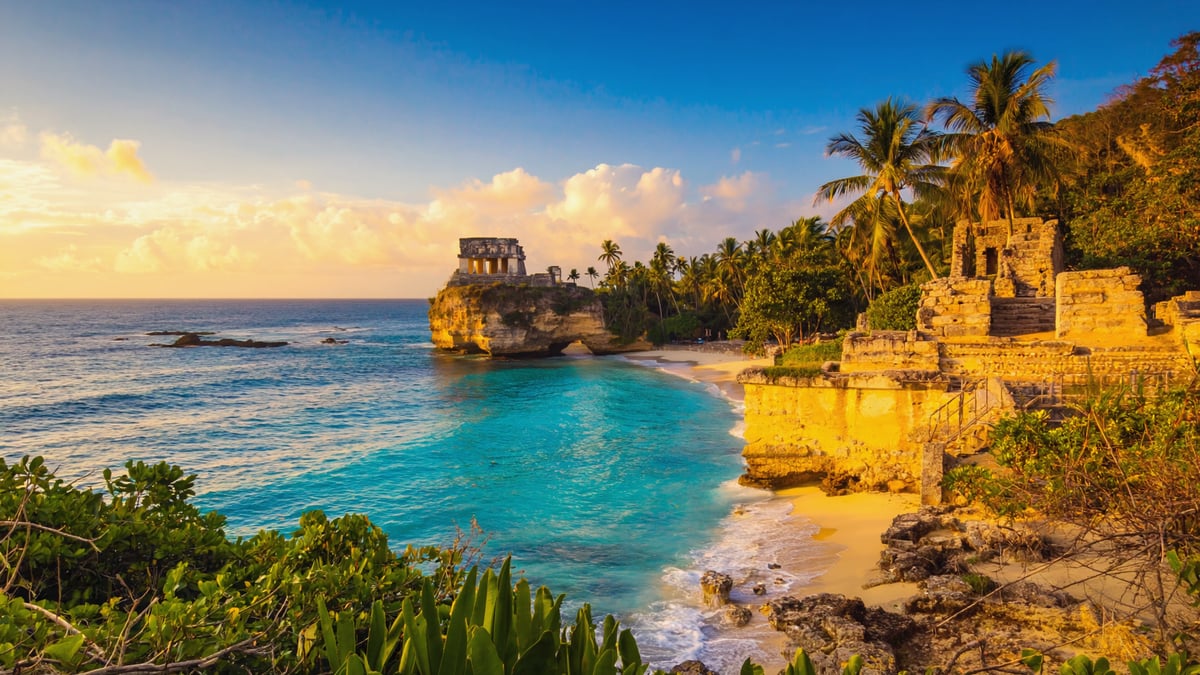
Most people who have never booked a long-haul package holiday assume the process is complicated. They picture spreadsheets of flight combinations, currency conversion headaches, hotel star-rating confusion, and the nagging worry that something will go wrong 5,000 miles from home with no one to call. The reality, when you know what you are doing, is far simpler than that. A well-structured package holiday from the UK bundles the moving parts into a single booking, protects your money under UK law, and often costs less than piecing everything together yourself.
This guide walks you through every step of the process, from setting your budget on day one to checking into your hotel room on the other side of the world. Whether you are planning a beach escape to the Maldives, a cultural adventure through Southeast Asia, or a honeymoon in the Caribbean, the same core process applies. Follow it in order and you will arrive at your destination with confidence, proper financial protection, and no nasty surprises.
Step 1: Decide What Kind of Long-Haul Holiday You Actually Want
Before you search for a single flight or hotel, spend time getting specific about what you want from this trip. Vague holiday planning leads to generic results and disappointment. The more clearly you define your ideal experience, the easier every subsequent step becomes.
Define Your Travel Style
Long-haul destinations broadly fall into a handful of travel styles, and knowing yours immediately narrows your options from dozens of destinations to a manageable shortlist.
- Beach and relaxation: Think Maldives, Barbados, Bali, or Phuket. You want sun, sea, and a comfortable sun lounger. Activities are optional.
- Cultural immersion: Japan, Morocco, Peru, India. You want history, architecture, local food markets, and genuine interaction with a different way of life.
- Adventure travel: Tanzania (safari), Costa Rica, New Zealand, Nepal. You want physical activity, wildlife, and landscapes that challenge your expectations.
- City exploration: New York, Dubai, Singapore, Bangkok. You want skylines, restaurants, nightlife, and world-class museums.
- Honeymoon or romantic escape: Santorini, Mauritius, Seychelles, or the Maldives. You want privacy, luxury, and experiences designed for two.
Most long-haul trips blend two of these categories. A trip to Thailand, for example, might combine beach time in Krabi with cultural days in Bangkok. Knowing your primary style helps you prioritise when itinerary trade-offs arise.
Consider Travel Duration Honestly
Long-haul flights typically run between 8 and 14 hours from UK airports. Factor in transit time, jet lag recovery, and the sheer cost of the airfare, and a five-night trip to Bangkok makes poor economic sense. As a general rule, plan a minimum of ten nights for destinations requiring ten or more hours of flying. Two weeks is the sweet spot for most long-haul destinations, giving you time to recover from jet lag and genuinely explore.
Who Is Travelling?
A solo traveller has different priorities from a couple, a family with young children, or a group of retirees. Note your group composition now because it affects everything from destination safety ratings and visa requirements to room configurations and meal options.
First-Timer Tip
If this is your first long-haul trip, consider starting with a destination that is well-established on the package holiday circuit from the UK: Thailand, the Maldives, Dubai, the Caribbean, or the USA. These destinations have robust tourism infrastructure, English is widely understood, and UK package operators have years of experience managing them. You can graduate to more complex destinations once you have a long-haul trip under your belt.
Step 2: Set a Realistic Budget Before You Search

The single biggest mistake first-time long-haul travellers make is opening a search engine before setting a budget. You end up comparing incomparable options, anchoring to prices that either wildly exceed your means or undercut quality to the point of misery. Set your budget ceiling first, then search within it.
What Does a Long-Haul Package Holiday from the UK Actually Cost?
Package holiday pricing from the UK covers a wide spectrum. GlobeHunters packages start from around £349 per person for European city breaks and extend to £2,499 per person for premium long-haul adventures. For a first long-haul trip, realistic per-person budgets look roughly like this:
| Destination Category | Budget (per person) | Typical Duration | What's Included |
|---|---|---|---|
| Southeast Asia (Thailand, Bali) | £800 – £1,400 | 10–14 nights | Flights, hotel, transfers |
| Dubai / UAE | £900 – £1,600 | 7–10 nights | Flights, hotel, transfers |
| Maldives | £1,500 – £2,499 | 7–14 nights | Flights, overwater villa, meals |
| Caribbean (Barbados, Jamaica) | £1,200 – £2,200 | 10–14 nights | Flights, hotel, some meals |
| USA (New York, Florida) | £900 – £1,800 | 7–14 nights | Flights, hotel, transfers |
| East Africa (Kenya, Tanzania) | £1,800 – £2,499+ | 10–14 nights | Flights, lodge, safaris, meals |
Budget for the Extras
Your package price covers the core holiday. Budget separately for:
- Travel insurance: Non-negotiable for long-haul travel. UK insurers offer single-trip long-haul policies from around £20–£60 per person depending on age and coverage level.
- Visas: Some destinations require UK nationals to purchase visas in advance. The USA requires an ESTA authorisation (currently $21 USD per person). India, Australia, and others have their own e-visa systems.
- Airport transfers not included in the package.
- Daily spending money: Food, drinks, activities, shopping. Budget at least £50–£100 per person per day as a baseline.
- Vaccinations: Some destinations require or strongly recommend specific vaccines. The NHS travel vaccinations page lists requirements by destination and which jabs are available free of charge versus paid.
Step 3: Choose Your Destination and Understand When to Go
Destination choice and travel timing are inseparable decisions. The best destination at the wrong time of year can mean monsoon rains, extreme heat, or peak-season crowds that triple accommodation prices. Get both decisions right together.
Match Destination to Season
The UK's long-haul holiday market operates on a broadly predictable seasonal rhythm. School holiday periods (July/August, Christmas, Easter, and half-terms) drive peak pricing across virtually every long-haul destination. If your schedule allows flexibility, travelling in shoulder season (typically April/May or September/October) gives you better prices, thinner crowds, and often very pleasant weather.
Some destination-specific timing notes that matter for first-timers:
- Thailand: November to March is the dry, cool season in most regions. April is extremely hot. May to October brings monsoon rains to the Gulf of Thailand coast, though the Andaman coast (Krabi, Phuket) is largely dry in the early part of that window.
- Maldives: December to April is the dry season. May to October is the wet season, though the Maldives receives rainfall throughout the year and overwater bungalows remain popular year-round.
- Caribbean: December to April is the dry, peak season. June to November is the Atlantic hurricane season, though early June and late November carry relatively low risk.
- Dubai: October to April is the comfortable window. June to September sees temperatures regularly exceeding 40°C, which most visitors find genuinely unpleasant outdoors.
- East Africa (safari): July to October and January to February are the best wildlife viewing months in Kenya and Tanzania, coinciding with the Great Migration.
Check the Foreign, Commonwealth and Development Office Advice
Before committing to any long-haul destination, check the FCDO travel advisories for your chosen country. UK travel insurance policies frequently exclude destinations where the FCDO advises against all or all but essential travel. This takes two minutes and could save you a significant amount of money and risk.
Step 4: Understand ATOL Protection and Why It Matters

ATOL protection is arguably the most important concept for any UK traveller booking a package holiday, and it is one that first-timers frequently overlook until something goes wrong. Understanding it before you book is essential.
What Is ATOL?
The Air Travel Organiser's Licence (ATOL) scheme is managed by the Civil Aviation Authority (CAA) and protects UK consumers who book package holidays that include flights. If your tour operator or travel agent collapses financially before or during your trip, ATOL ensures you either receive a full refund (if you haven't yet travelled) or can complete your holiday and return home (if you are already abroad), with the CAA covering the costs.
What Does ATOL Cover?
ATOL protection applies when you book a flight-inclusive package from an ATOL-licensed operator. The package must include at least a flight plus one other component (hotel, car hire, or other travel service). A hotel booked separately from your flight does not fall under ATOL, which is one reason package holidays genuinely beat DIY arrangements for long-haul trips.
How to Verify ATOL Coverage
When you book with an ATOL-protected operator, you receive an ATOL Certificate at the point of booking. This document lists your departure details, the operator's ATOL number, and the protection it provides. Keep a digital and physical copy of this certificate throughout your trip. GlobeHunters is ATOL-protected, meaning every flight-inclusive package you book through their platform carries this statutory protection.
The Package Travel Regulations
Alongside ATOL, UK package holidays are governed by the Package Travel and Linked Travel Arrangements Regulations 2018, which implement EU consumer protections retained in UK law. These regulations require tour operators to provide pre-departure information, give you the right to transfer your booking in certain circumstances, and protect you against significant alterations to your package. Booking a genuine package holiday rather than assembling flights and hotels separately gives you access to all of these rights.
Step 5: Research and Shortlist Your Package Options
With your destination, dates, budget, and ATOL understanding in place, you are ready to start actively researching packages. This step is where most people spend the most time, and with good reason: the difference between a well-researched choice and a hasty one can be hundreds of pounds and a meaningfully better or worse experience.
Use a Specialist Long-Haul Package Operator
General comparison sites are useful for quick price benchmarking, but specialist long-haul package operators like GlobeHunters offer curated packages built around specific destinations, with accommodation pre-selected for quality and location, and itineraries designed for UK travellers departing from UK airports. This matters because a specialist has done the curation work for you, and their package pricing often reflects negotiated rates that are difficult to match by booking independently.
GlobeHunters operates across 49+ destinations and its holiday packages platform combines real-time flight pricing via Duffel, accommodation inventory from Hotelbeds, and activities through Viator. This means the prices you see are live and bookable, not cached or indicative.
Evaluate Packages Against These Five Criteria
When comparing package options, run each one through this decision framework:
- Flight routing and duration: Is this a direct flight or does it involve a connection? How long is the layover? Which airport does it depart from and how far is that from your home?
- Hotel location: Is the hotel in the area you actually want to stay in, or is it technically "in" the destination but 45 minutes from the beach or city centre?
- Board basis: Is breakfast included? Half-board? All-inclusive? For long-haul destinations with expensive or unfamiliar food scenes, half-board can represent significant savings.
- Transfers: Are airport-to-hotel transfers included? In destinations like the Maldives, where speedboat or seaplane transfers to your island resort can cost several hundred pounds per person, this dramatically affects total cost.
- Flexibility and cancellation terms: What happens if you need to change your dates or cancel? Post-pandemic, many travellers now prioritise packages with flexible amendment terms, even if they cost slightly more upfront.
The Package vs. DIY Comparison
| Factor | Package Holiday | DIY Booking |
|---|---|---|
| Financial protection | ✅ ATOL + Package Travel Regs | ❌ No statutory package protection |
| Pricing | ✅ Often cheaper due to bulk rates | ⚠️ Can be cheaper for flexible travellers |
| Convenience | ✅ One booking, one point of contact | ❌ Multiple bookings to manage |
| Customisation | ⚠️ Limited to available packages | ✅ Full control over every element |
| Problem resolution | ✅ Operator handles flight/hotel issues | ❌ You manage each supplier separately |
| Expertise | ✅ Destination expertise built in | ❌ Requires significant personal research |
Step 6: Book Your Package Holiday the Right Way

Once you have identified a package that meets your criteria, the booking process itself requires care. Rushing through the checkout process is where first-time long-haul travellers most commonly make avoidable errors.
Gather Your Documents Before You Start
Have the following ready before you begin the booking process:
- Valid passports for all travellers (check expiry dates, many destinations require six months' validity beyond your return date)
- Payment card with sufficient limit for the full booking amount or deposit
- Email addresses and phone numbers for all travellers
- Frequent flyer numbers if applicable to your chosen airline
- Any dietary or accessibility requirements to note at the time of booking
Understand the Deposit Structure
Most long-haul package holidays from the UK operate on a deposit-and-balance system. You pay a deposit (typically 10–25% of the total cost) at booking, with the remaining balance due a set number of weeks before departure, commonly eight to twelve weeks out. This structure makes long-haul travel more accessible, as you are not required to pay the full amount upfront at the time of booking.
Note that some promotional or last-minute deals require full payment at the time of booking. Read the payment terms carefully before confirming.
Read the Booking Conditions
This is the step most people skip and later regret. The booking conditions tell you exactly what you are entitled to if the operator makes changes to your holiday, what cancellation fees apply at different points before departure, and what your rights are if flights are significantly delayed or altered. Spend ten minutes reading them before you confirm your booking.
Online Booking vs. Phone Booking
GlobeHunters offers both online booking through the holidays platform and telephone booking via their dedicated travel team on 0208 944 4514. For first-time long-haul travellers, a phone booking conversation is genuinely worth considering. An experienced travel adviser can:
- Confirm that the package suits your specific requirements
- Flag any considerations you may not have thought of (visa requirements, local customs, health precautions)
- Advise on seat selection, meal preferences, and hotel room upgrades
- Explain the ATOL certificate and booking documentation
For more complex long-haul itineraries involving multiple destinations or bespoke accommodation, speaking to an adviser before booking is strongly recommended.
Confirm Your ATOL Certificate
Immediately after booking, you should receive an ATOL Certificate by email. Check that the certificate accurately reflects your booking details: departure airport, destination, travel dates, number of passengers, and the ATOL licence number of the operator. If anything is incorrect, contact the operator immediately. Do not wait until close to departure to raise discrepancies.
Step 7: Sort Your Travel Insurance Immediately After Booking
Travel insurance for long-haul trips is not optional. A medical emergency abroad, particularly in countries without reciprocal healthcare agreements with the UK (which includes most long-haul destinations), can generate bills that reach tens of thousands of pounds. The UK's Global Health Insurance Card (GHIC) only provides limited cover in certain countries and is no substitute for comprehensive travel insurance.
What Your Long-Haul Travel Insurance Must Cover
Not all travel insurance policies are created equal. For long-haul trips, your policy must include:
- Medical expenses and repatriation: Look for a minimum of £5 million medical cover, and ensure repatriation (the cost of flying you home if medically necessary) is included. For the USA, where medical costs are extremely high, some advisers recommend seeking even higher limits.
- Cancellation and curtailment: Covers your financial losses if you have to cancel before departure or cut your trip short due to covered reasons (illness, bereavement, redundancy).
- Baggage and personal belongings: Essential for long-haul trips where checked luggage can be delayed or lost during connections.
- Travel delay: Compensation if your flight is significantly delayed.
- Personal liability: Covers you if you accidentally injure someone or damage property abroad.
Pre-Existing Medical Conditions
UK travel insurers are required to offer coverage for pre-existing medical conditions, but you must disclose them at the time of purchase. Failure to disclose a pre-existing condition can invalidate your entire policy. If you have a complex medical history, use a specialist insurer or broker rather than a standard comparison site policy.
When to Buy Insurance
Buy travel insurance on the same day you pay your deposit. The reason is that cancellation cover starts from the date of purchase. If you fall ill or a family emergency occurs between paying your deposit and buying insurance, you are unprotected for cancellation costs.
Step 8: Handle Visas and Entry Requirements

Visa requirements for UK nationals vary significantly by destination and are subject to change. Always check the official requirements directly, not via third-party summaries that may be out of date.
Common Visa Requirements for UK Nationals on Long-Haul Trips
| Destination | Visa Requirement | Where to Apply | Cost (approx.) |
|---|---|---|---|
| USA | ESTA (Visa Waiver) | cbp.dhs.gov/ESTA | ~$21 USD |
| Australia | eVisitor (subclass 651) | immi.homeaffairs.gov.au | Free |
| India | e-Visa required | indianvisaonline.gov.in | ~$25–$80 USD |
| Thailand | Visa on arrival / e-Visa | thaievisa.go.th | Free (30-day visa exemption for UK) |
| Maldives | Free visa on arrival (30 days) | No advance application | Free |
| Kenya | eTA required | etakenya.go.ke | ~$32 USD |
| Barbados | No visa required | N/A | Free |
| Dubai (UAE) | Visa on arrival (30 days) | No advance application | Free |
Important: Visa regulations change. Always verify current requirements on the FCDO's destination-specific travel advice page or the relevant country's official immigration portal before travel. Apply for any required visas well in advance of departure, particularly for destinations like India where processing can take several days.
Step 9: Prepare for Your Long-Haul Flight
The flight is often the element first-time long-haul travellers dread most. A 10-hour flight in economy class genuinely requires preparation to be comfortable and to arrive in reasonable shape for exploring. The good news is that a handful of practical steps make a substantial difference.
Choose Your Seat Wisely
Seat selection on long-haul flights is one of the most overlooked decisions in the booking process. Use a resource like SeatGuru to review the seat map for your specific aircraft and flight. Key considerations:
- Aisle seats are preferable for tall passengers and anyone who anticipates needing to move around frequently. You avoid disturbing others for toilet trips.
- Window seats give you something to lean against during sleep and control over the window shade.
- Avoid seats near galley areas or toilets. High foot traffic and noise make sleep difficult.
- Exit row seats offer additional legroom but often have fixed armrests and limited recline. Check whether they are appropriate for your group.
Manage Jet Lag Proactively
Jet lag affects almost everyone on long-haul flights crossing multiple time zones. The impact varies by direction: eastbound flights (to Southeast Asia) are generally harder for UK travellers than westbound ones (to the Caribbean or USA). Practical strategies that help:
- Adjust your sleep schedule by one to two hours in the direction of your destination for two to three days before departure.
- Stay hydrated on the flight. Cabin air is extremely dry and dehydration worsens jet lag symptoms.
- Avoid excessive alcohol during the flight. It disrupts sleep quality even when it initially feels sedating.
- On arrival, stay awake until local bedtime rather than napping immediately, even if you are exhausted.
- Get exposure to natural daylight on your first day. Light is the most powerful regulator of your body's internal clock.
Pack Your Carry-On Like a Pro
Your carry-on bag is your lifeline on a long-haul flight, especially if checked luggage is delayed. Pack:
- Change of clothes and underwear
- All medication (never check essential medication)
- Noise-cancelling headphones or quality earplugs
- Eye mask and travel pillow
- Phone charger and universal travel adaptor
- Snacks you enjoy (airline food quality varies widely)
- Printed copies of your booking confirmation, ATOL certificate, insurance documents, and visa if applicable
Step 10: Plan Your First Week Itinerary in Advance

One of the most common first-timer mistakes is arriving at a long-haul destination with no plan and expecting inspiration to arrive with the jet lag. After a 10-hour flight and potential disruption to your body clock, the last thing you want to be doing is researching what to do and where to eat from scratch. Plan your first week in advance, even loosely.
Structure Your Itinerary Around Your Energy Levels
Build a flexible day-by-day plan that accounts for jet lag recovery on your first full day. Typically:
- Day 1 (arrival day): Light activity only. Hotel check-in, nearby walk, early dinner, early bed.
- Day 2: Low-intensity sightseeing or beach time. Your body is still adjusting.
- Days 3 onwards: Full itinerary activities as planned.
Pre-Book Key Activities
Popular activities in major long-haul destinations sell out well in advance, particularly during peak season. Safari game drives, cooking classes, private island excursions, and popular restaurant bookings should be secured before you leave the UK. GlobeHunters packages include access to activities curated by Viator, which means you can add experiences to your package at the time of booking rather than scrambling to organise them on arrival.
Research Local Transport
Understanding how to get around your destination before you arrive saves time, money, and stress. In Bangkok, for example, the BTS Skytrain and MRT metro systems are excellent and inexpensive. In Bali, ride-hailing apps like Gojek are the most practical option for getting around. In the Maldives, your resort will arrange all transfers. Know the system before you land.
Step 11: Know What to Do If Something Goes Wrong
Long-haul travel, by its nature, involves more variables than a European city break. Flights can be delayed, luggage can be lost, hotels can have issues, and medical situations can arise far from home. Knowing what to do in each scenario before you travel is as important as any other preparation.
Flight Disruptions
Under UK261/2004 (the UK's retained version of EU Regulation 261/2004), you are entitled to compensation and assistance from your airline in cases of significant delay or cancellation, depending on the length of delay and the flight distance. For long-haul flights (over 3,500km), compensation of up to £520 per person may apply for delays of four hours or more, where the disruption was within the airline's control.
If your flight is disrupted and you are on a package holiday, contact your tour operator as well as the airline. Your operator has obligations under the Package Travel Regulations to provide assistance and alternative arrangements.
Hotel Problems
If your hotel does not match its description or has a serious quality issue, document everything with photographs and report it to both hotel management and your tour operator immediately. Do not wait until you return to the UK. Package Travel Regulations require your operator to resolve significant accommodation issues during your stay, not only after the fact.
Medical Emergencies
Contact your travel insurer's 24-hour emergency helpline immediately in any medical emergency. Do not pay for treatment and claim later without first contacting your insurer, as some treatments require pre-authorisation. Keep your insurer's emergency number saved in your phone before departure.
Step 12: Find the Best Holiday Deals and Time Your Booking
Long-haul holiday pricing is dynamic. The same package can vary by hundreds of pounds depending on when you book, how far in advance you travel, and what promotional periods are active. Understanding the pricing cycle helps you find genuinely good value.
The Best Time to Book Long-Haul Holidays from the UK
There is no single universal answer, but a few patterns hold consistently across the UK package holiday market:
- Early booking (9–12 months in advance): Consistently delivers the best prices and widest choice of flights and hotel rooms. Airlines release their cheapest seats earliest, and operators discount early to fill capacity. If you have fixed travel dates and your destination is decided, booking early almost always wins.
- Last-minute deals (4–8 weeks before departure): Operators and airlines discount unsold inventory. This can deliver significant savings but comes with limited choice, particularly for room type, flight seat selection, and hotel quality.
- Mid-range window (3–6 months out): Typically the most expensive window for popular long-haul routes. Demand is high and availability is tightening, but departures are too far out for operators to start discounting.
Watch for Promotional Periods
UK travel operators regularly run promotional pricing periods around January (the traditional "New Year" booking surge, when many people resolve to take their dream holiday), the lead-up to school summer holidays, and Black Friday/Cyber Monday. Signing up to GlobeHunters' alerts and keeping an eye on the GlobeHunters holiday deals page means you are well-positioned to act quickly when strong pricing appears.
Departure Airport Matters
UK travellers often anchor on London Heathrow as the default departure point for long-haul flights, but Gatwick, Manchester, Birmingham, Edinburgh, and Glasgow all offer long-haul routes to popular destinations. Departing from your nearest regional airport can reduce total journey time significantly and sometimes offers more competitive pricing. When comparing packages, always check the departure airport included in the price.
Frequently Asked Questions About Booking Long-Haul Package Holidays from the UK
Is it cheaper to book a package holiday or book flights and hotels separately?
For long-haul destinations, a package holiday is frequently cheaper than booking independently, particularly when you factor in the operator's negotiated hotel rates and the value of ATOL protection. The calculation changes for highly flexible travellers who can take advantage of last-minute flight deals, but for the majority of UK holidaymakers with fixed travel dates, a package delivers better overall value and significantly more consumer protection.
What does ATOL protection actually cover?
ATOL covers flight-inclusive package holidays booked with an ATOL-licensed operator. If the operator becomes insolvent, ATOL ensures either a full refund if you haven't travelled, or that your holiday is completed and you return home if you are already abroad. It does not cover every travel booking, only those meeting the definition of a flight-inclusive package under the scheme's rules.
How far in advance should I book a long-haul holiday from the UK?
For the widest choice and best pricing, booking 9–12 months in advance is the most effective approach. School holiday periods (particularly July/August and Christmas) for popular long-haul destinations can sell out even earlier. If flexibility on dates or destinations is possible, 4–8 weeks before departure is the window when last-minute discounts typically appear.
Do I need travel insurance if I have ATOL protection?
Yes, absolutely. ATOL protects you against operator insolvency only. It does not cover medical emergencies abroad, cancellation due to illness, lost luggage, flight delays, or any of the other risks associated with long-haul travel. Comprehensive travel insurance is essential and completely separate from ATOL protection.
Can I book a long-haul package holiday with a deposit?
Most long-haul package holidays from UK operators, including GlobeHunters, operate on a deposit-and-balance system. You typically pay 10–25% at the time of booking, with the balance due 8–12 weeks before departure. Some promotional deals require full payment upfront. Check the specific payment terms for your package at the time of booking.
Which UK airports offer the most long-haul routes?
London Heathrow has the broadest range of long-haul destinations from the UK, including direct routes to most major long-haul markets. London Gatwick, Manchester, and Birmingham also offer a strong range of long-haul routes. Edinburgh and Glasgow serve a growing number of long-haul destinations, particularly to North America and the Middle East. Checking packages from your nearest regional airport is always worth doing before assuming Heathrow is the best option.
What happens if my flight is cancelled on a package holiday?
If you are on a package holiday and your flight is cancelled, your tour operator is obligated under the Package Travel Regulations 2018 to provide alternative arrangements or a full refund. Additionally, UK261/2004 entitles you to compensation from the airline in cases of cancellation within their control. Your operator is your primary point of contact for resolving the disruption.
How do I check if a travel company is ATOL-protected?
The Civil Aviation Authority maintains a public register of ATOL-licensed operators. You can search by company name or ATOL number on the CAA's ATOL verification tool. Always check this before booking with any operator you are unfamiliar with.
Do I need vaccinations for long-haul holidays from the UK?
This depends entirely on your destination. Some long-haul destinations require proof of specific vaccinations (for example, yellow fever vaccination certificates are required for entry to certain African and South American countries). Many other vaccines are strongly recommended even where not mandatory. The NHS travel vaccinations page and a pre-travel appointment with your GP or a travel health clinic are the appropriate steps, ideally at least six to eight weeks before departure.
What is the best long-haul destination for first-time travellers from the UK?
Thailand, Dubai, and the Caribbean (particularly Barbados and Jamaica) are consistently popular choices for first-time long-haul travellers from the UK. These destinations have well-developed tourism infrastructure, high English language prevalence, strong package holiday markets with competitive pricing, and FCDO travel advice that is currently favourable. All three are available as package holidays through GlobeHunters with competitive pricing and ATOL protection.
Can I add activities to my package holiday?
Yes. GlobeHunters packages include activity options curated through Viator, covering everything from city tours and cooking classes to adventure excursions and private transfers. Adding activities at the booking stage is generally easier and sometimes cheaper than organising them independently on arrival, particularly for popular experiences that sell out during peak season.
What documents should I carry on a long-haul holiday?
Carry printed and digital copies of your passport, ATOL certificate, travel insurance policy and emergency contact number, booking confirmation, visa documentation if applicable, any vaccination certificates required for entry, and your travel insurer's 24-hour emergency helpline number. Store digital copies in a secure cloud location (email them to yourself) so they are accessible if physical documents are lost.
Key Takeaways
- Start with clarity, not search engines. Define your travel style, destination preferences, group composition, and budget before you look at a single package. This saves hours of unproductive comparison.
- ATOL protection is your financial safety net. Only book with ATOL-licensed operators for flight-inclusive packages. Check the CAA register if you are unsure. GlobeHunters is ATOL-protected.
- Buy travel insurance the same day you pay your deposit. Cancellation cover starts from the date of purchase, not the date of travel. Waiting costs you protection.
- Package holidays beat DIY for long-haul first-timers on financial protection, pricing, convenience, and problem resolution, particularly when booking with a specialist operator.
- Timing your booking matters. 9–12 months in advance for the best choice and pricing. Last-minute (4–8 weeks) for discounted availability. The 3–6 month window is typically the most expensive.
- Prepare for the flight as seriously as you prepare for the destination. Seat selection, hydration, jet lag management, and a well-stocked carry-on make a 10-hour flight significantly more comfortable.
- Plan your first week loosely but deliberately. Pre-book key activities, understand local transport, and build in jet lag recovery time on day one.
- Know your rights. UK261/2004 protects you on flight disruptions. Package Travel Regulations 2018 protect you on accommodation and operator issues. You have more recourse than many travellers realise.
Ready to start planning? Browse GlobeHunters' full range of long-haul packages across 49+ destinations at holidays.globehunters.com or speak to a travel adviser directly on 0208 944 4514. Whether you are dreaming of overwater villas in the Maldives, street food markets in Bangkok, or safari sunrises in the Serengeti, the right package is already out there waiting to be booked.
About the author
Spiros Maragkoudakis · Chief Commercial Officer
Ready to Book Your Step Holiday?
Our travel experts are ready to help you plan the perfect trip. Call us today or browse our latest deals.
Ready to Start Planning?
Speak to our travel experts for personalised advice and the best deals on your next holiday.
Call 020 4584 3756