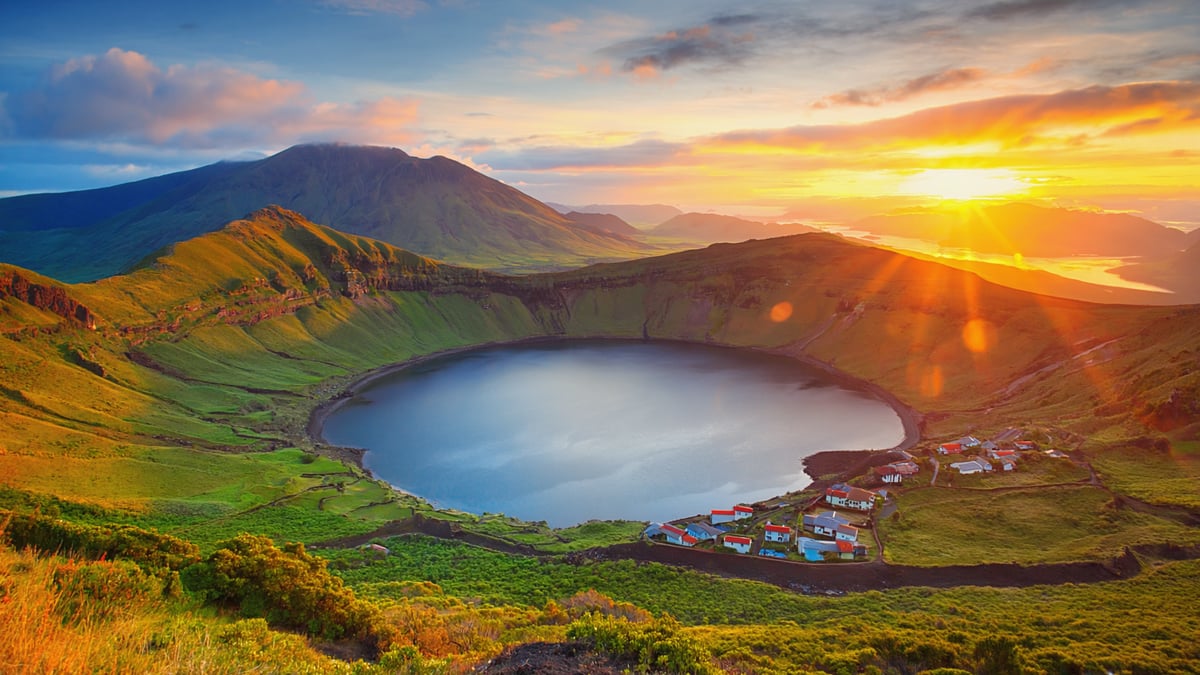
The flight from Gatwick takes roughly two and a half hours. By the time the wheels touch down at Corfu International Airport, the olive trees are already visible through the cabin window, silver-green and ancient, spreading across hillsides that tumble down toward a sea so blue it looks edited. Most passengers step off the plane and feel something loosen in their chest. They can't quite name it. It's the specific relief of arriving somewhere that asks nothing of you except to slow down.
Corfu has been doing this to visitors for a very long time. The Venetians were so captivated they held the island for four centuries. The British, who administered it briefly in the nineteenth century, left behind cricket pitches and ginger beer. Gerald Durrell wrote an entire childhood memoir about growing up here. And today, hundreds of thousands of UK holidaymakers board charter and scheduled flights each summer to discover what all the fuss is about. The ones who go once almost always go back.
This guide is for anyone considering Corfu holidays from UK for the first time, as well as returning visitors who want to go deeper into the island. It covers where to stay, when to go, what to do, how to get the best value on package holidays, and the honest details that most travel content glosses over. Whether you're planning a family beach break, a romantic escape, a solo adventure, or a retirees' cultural journey, Corfu delivers on almost every brief.
Ready to start planning? Browse GlobeHunters' curated Corfu holiday packages and get real-time pricing on flights, hotels, and activities combined into one hassle-free booking.
Why Corfu Remains the UK's Favourite Greek Island
Corfu's enduring popularity among British travellers isn't accidental. The island sits at a rare intersection of accessibility, variety, and genuine beauty that few Mediterranean destinations match. It's the northernmost of the Ionian Islands, which means it sits closer to Italy and Albania than to Athens, giving it a distinct cultural flavour that separates it from the Cyclades or the Dodecanese.
The British connection runs deep. During the period of the United Septinsular Republic in the early nineteenth century, the UK administered the Ionian Islands, and Corfu Town still carries visible traces of that era. The Esplanade (Spianada), one of the largest squares in the Balkans, features a cricket ground where local clubs still play matches. The Palace of St. Michael and St. George, built by the British, now houses a museum of Asian art. Ginger beer, locally called tsitsibira, is still brewed on the island. These aren't tourist gimmicks; they're genuine cultural deposits from a shared history, and they give British visitors a subtle sense of familiarity within an unmistakably Greek setting.
Beyond history, the practical case for Corfu is strong. Direct flights operate from more than a dozen UK airports, including Gatwick, Manchester, Birmingham, Bristol, Edinburgh, and Belfast. Flight times sit between two hours fifteen minutes and two hours forty-five minutes depending on departure point, making it one of the shortest long-haul-feeling escapes available from the UK. The island has enough infrastructure to handle large numbers of visitors comfortably while still retaining areas of genuine quiet and natural beauty.
The landscape itself is exceptional. Unlike many Greek islands, Corfu is lush and green. The island receives significantly more rainfall than the Aegean islands, which feeds roughly four million olive trees (a figure often cited by the Corfu local authorities), dense cypress groves, wildflower meadows in spring, and a general verdancy that surprises first-time visitors expecting the bleached-white, sun-scorched aesthetic of Santorini or Mykonos. The interior of the island, which most package holidaymakers never visit, is genuinely beautiful countryside.
The Ionian Colour Palette
The sea around Corfu has a particular quality. The Ionian is generally calmer than the Aegean, with smaller waves and a colour gradient that shifts from pale turquoise in the shallows to deep cobalt further out. Beaches range from organised resort strips with sunbeds and water sports to hidden coves accessible only by boat or a scramble down a rocky path. The variety is remarkable for an island of roughly 593 square kilometres.
For UK travellers comparing best Greek islands for UK travellers, Corfu consistently scores highly on a combination of direct flight availability, family-friendliness, cultural depth, and beach quality. It lacks the extreme party-island atmosphere of Zante or Kavos (though Kavos, in Corfu's south, does cater to that crowd), and it lacks the luxury price point of Mykonos, sitting comfortably in the middle ground that suits the widest range of British holidaymakers.
When to Book Your Corfu Holiday from the UK
The best time to visit Corfu from the UK is late April through early June, or September into early October. These shoulder seasons offer warm temperatures, smaller crowds, lower prices, and the island at its most photogenic. High summer (July and August) is hotter, busier, and more expensive, but still delivers an excellent holiday if you book early and choose your resort carefully.
Month-by-Month Breakdown
| Month | Avg. Temp (°C) | Sea Temp (°C) | Crowds | Best For |
|---|---|---|---|---|
| April | 17–20°C | 18°C | Low | ✅ Walking, culture, wildflowers |
| May | 22–25°C | 21°C | Low–Medium | ✅ Beach + sightseeing mix |
| June | 27–30°C | 24°C | Medium | ✅ Families, beach holidays |
| July | 30–34°C | 26°C | High | ⚠️ Peak season, book early |
| August | 30–35°C | 27°C | Very High | ⚠️ Hottest, busiest, priciest |
| September | 26–29°C | 25°C | Medium | ✅ Best all-round month |
| October | 21–24°C | 23°C | Low | ✅ Retirees, couples, walkers |
September is consistently the month that experienced travellers recommend most enthusiastically. The sea is at its warmest of the year, the summer crowds have thinned, tavernas are still fully open, and the light has a golden quality that makes everything look like it's been professionally photographed. Package holiday prices in September are also meaningfully lower than August peaks.
Families travelling during UK school summer holidays will naturally be looking at July and August. This is still an excellent time to visit Corfu, provided you book your package holidays to Corfu at least four to six months in advance. Last-minute availability in peak season is limited and expensive. For those with school-age children and some flexibility, the final week of August and first two weeks of September can sometimes be booked with a half-term premium avoided while still catching excellent weather.
Corfu's tourist season runs roughly from April to late October, with most package holiday operators servicing the island during this window. Outside these months, many hotels, restaurants, and attractions close, and direct flights from UK airports thin out considerably.
Getting to Corfu from the UK: Flights and Package Options
Corfu is served by direct flights from more UK airports than almost any other Greek island, making it one of the most accessible Mediterranean destinations for British travellers. The combination of direct routes, competitive package pricing, and ATOL-protected booking options gives UK holidaymakers significant choice and protection.
Direct Flights from UK Airports
Corfu International Airport (Ioannis Kapodistrias Airport, IATA: CFU) handles both charter and scheduled services. During the main summer season, direct routes operate from:
- London Gatwick (easyJet, TUI Airways, charter services)
- London Stansted (Ryanair)
- Manchester (TUI Airways, Jet2)
- Birmingham (TUI Airways, Jet2)
- Bristol (easyJet, TUI Airways)
- Edinburgh (easyJet, Jet2 seasonal)
- Leeds Bradford (Jet2)
- Newcastle (Jet2 seasonal)
- Belfast International (seasonal charter)
Flight times vary between approximately 2 hours 15 minutes (from London) and 2 hours 45 minutes (from Scotland and Northern Ireland). This is short enough that even families with young children find the journey manageable without the stress of longer-haul travel.
Outside the summer season, travellers typically need to connect through Athens (ATH) or another European hub. Olympic Air and Sky Express operate domestic Greek routes connecting Athens to Corfu year-round.
Why Package Holidays Make Sense for Corfu
Booking flights and hotel packages to Greece through a specialist UK travel agency like GlobeHunters offers several concrete advantages over piecing together a trip independently. The most significant is ATOL protection: under the UK's Air Travel Organiser's Licence scheme, administered by the Civil Aviation Authority, package holiday customers are financially protected if the travel company collapses before or during their trip. This protection does not apply when you book flights and hotels separately.
Beyond financial protection, package deals frequently deliver genuine price savings. Tour operators purchase hotel rooms and flight seats in bulk, giving them access to rates that individual travellers cannot match when booking direct. GlobeHunters' platform combines real-time inventory from Duffel (flights), Hotelbeds (accommodation), and Viator (activities), allowing the system to surface genuinely competitive combinations rather than simply marking up fixed packages.
Current Corfu packages from GlobeHunters start from approximately £499 per person for a week-long stay including flights and accommodation, with mid-range resort packages sitting between £750 and £1,200 per person and premium villa or boutique hotel options ranging upward from £1,400 per person. Prices vary significantly by departure airport, travel dates, and accommodation grade. Check current availability and pricing on the GlobeHunters platform or call the team on 0208 944 4514 for a personalised quote.
The Best Resorts and Areas to Stay in Corfu
Choosing the right base in Corfu dramatically shapes the holiday experience. The island is roughly 60 kilometres long and 30 kilometres wide at its broadest point, meaning different resorts offer genuinely different atmospheres, beach types, and access to attractions. Here's an honest breakdown of the main areas.
Corfu Town (Kerkyra)
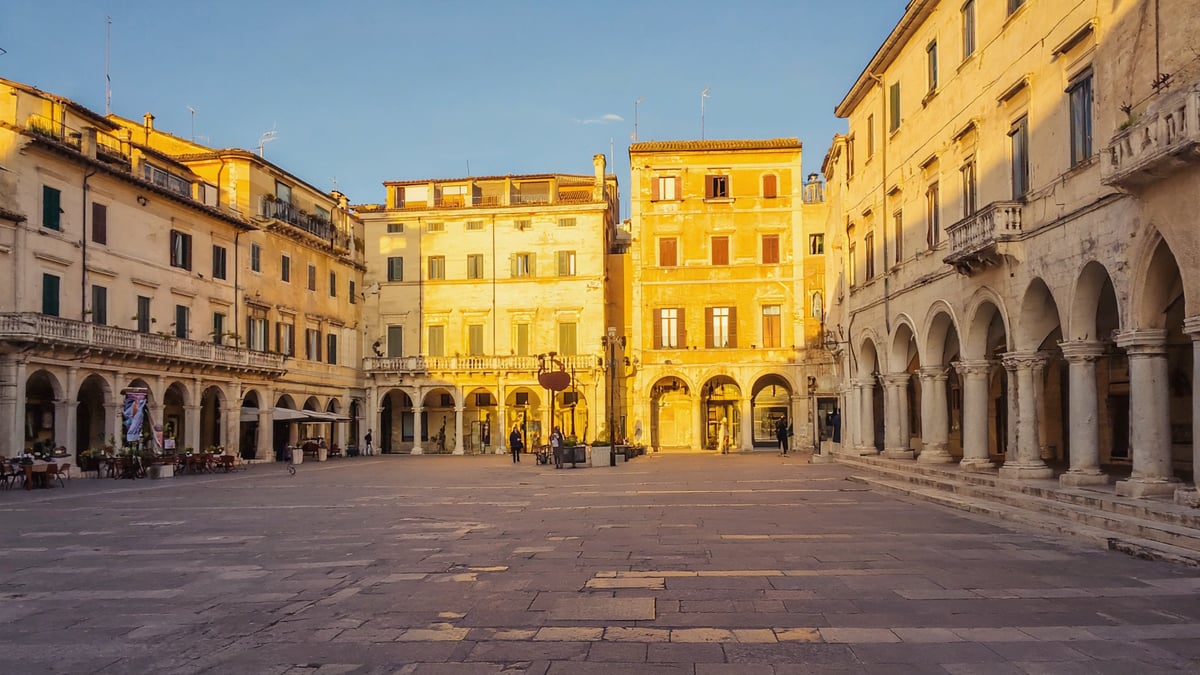
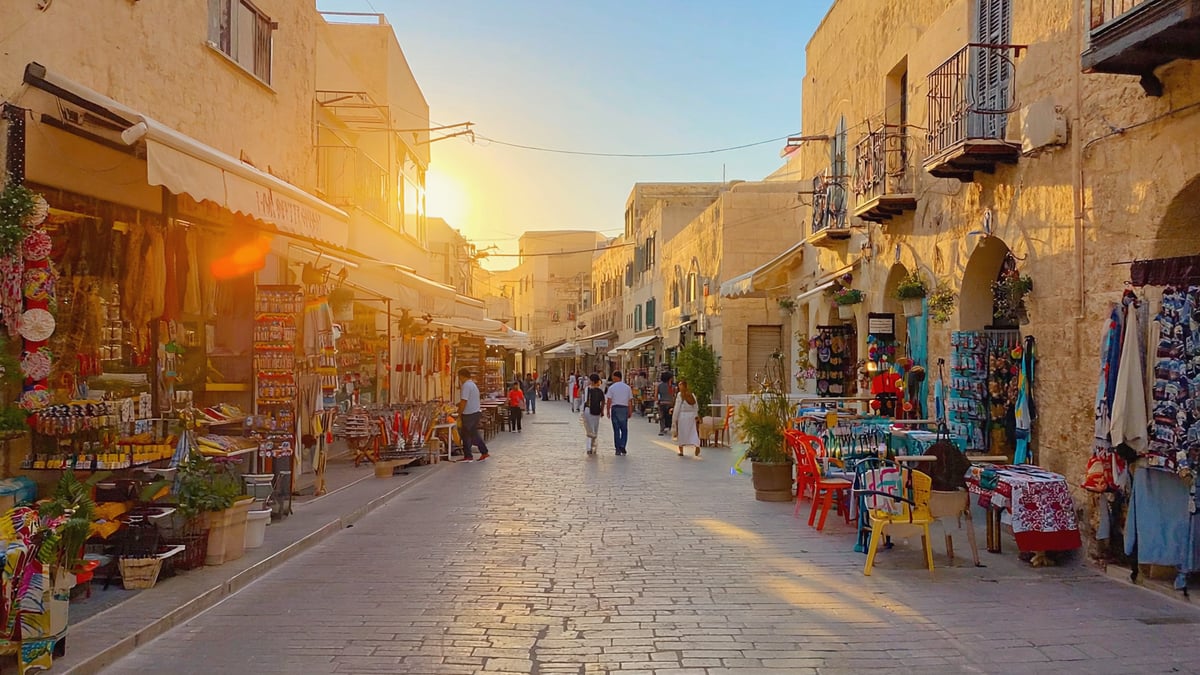
Corfu Town is the island's capital and its cultural centrepiece. The Old Town is a UNESCO World Heritage Site, and walking its narrow lanes (known as kantounia) between tall Venetian buildings, past Byzantine churches, French neoclassical arcades, and British-era public buildings, is one of the genuinely great experiences available to UK travellers on a short Mediterranean break.
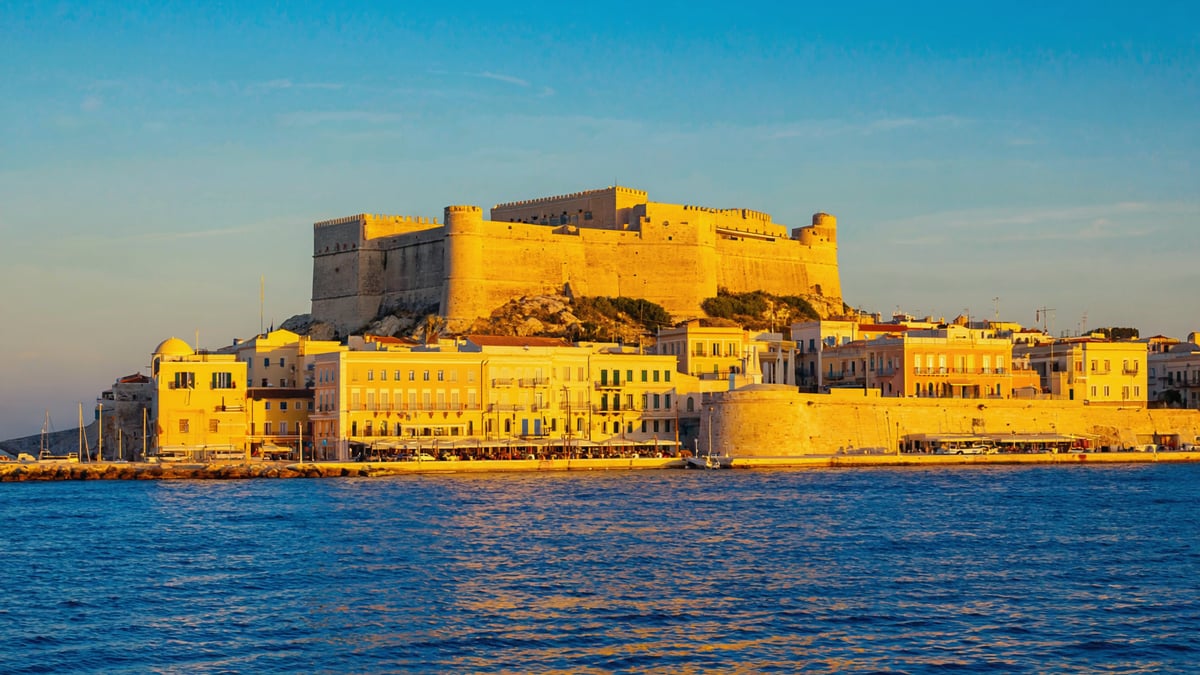
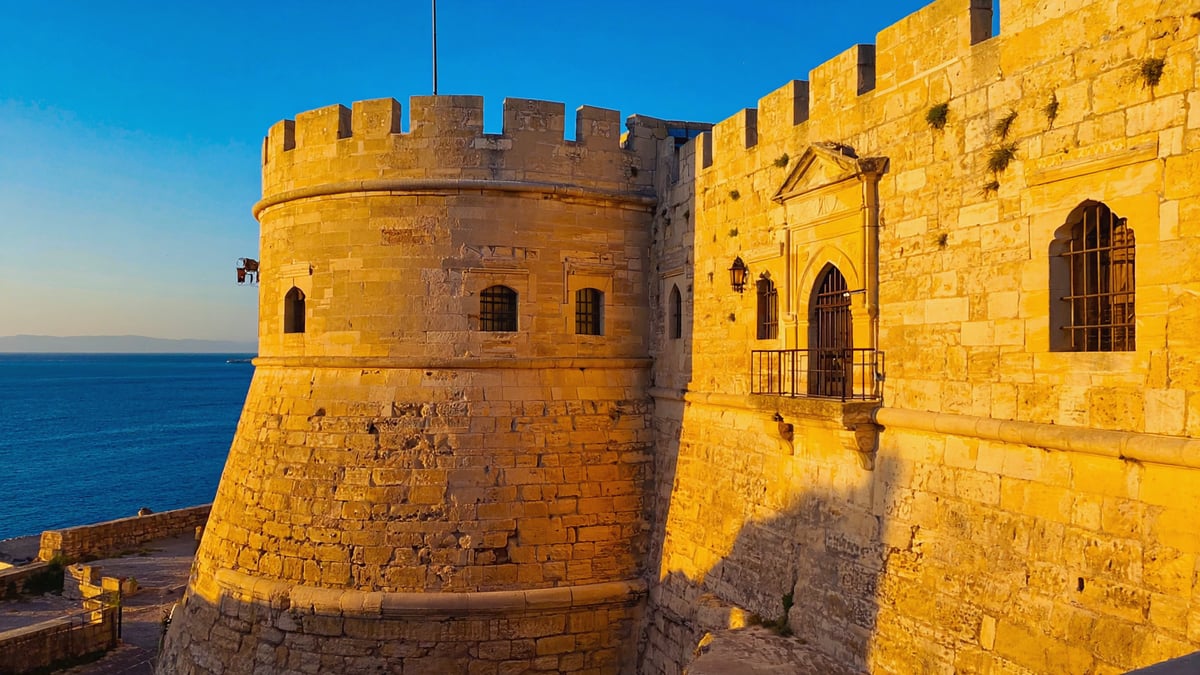
The two Venetian fortresses that flank the town are extraordinary. The Old Fortress, on a promontory jutting into the sea, dates back to Byzantine times and was extensively modified by the Venetians. The New Fortress, slightly inland, is equally impressive and offers panoramic views across the rooftops. Neither requires more than two to three hours to explore properly, and both can be visited on the same day.
Staying in or near Corfu Town suits travellers who want culture, restaurants, and nightlife within walking distance. Beach access from the town itself is limited, so it works best as a base for independent travellers with a hire car, or as part of a split-stay combining a few nights in town with a beach resort. Several excellent boutique hotels operate within the Old Town walls.
Paleokastritsa
On the northwest coast, Paleokastritsa is arguably the most scenically dramatic area on the island. A series of small coves cut into steep limestone headlands, with water that shifts from pale emerald in the shallows to deep indigo further out. A Byzantine monastery sits on a promontory above the main bay, its whitewashed walls and flower-filled courtyard open to visitors most mornings.
This area suits couples and those seeking natural beauty over nightlife. The village is small, restaurants are good without being exceptional, and the main activity is simply being in the water or sitting above it. Boat trips from Paleokastritsa explore sea caves and hidden beaches along the coastline, and this is one of the genuinely unmissable activities on the island.
Sidari and the North
The northern resorts, including Sidari, Roda, and Acharavi, are popular with families and offer a more traditional package holiday experience. Sidari is known for the Canal d'Amour, a series of sandstone rock formations carved by the sea into channels and arches. Local folklore holds that swimming through the main channel guarantees you'll find true love, which makes it a reliable draw for couples of all ages.
The north coast beaches are generally sandy and sheltered, with calmer water than the exposed west coast, making them particularly suitable for families with young children. The area has a good selection of tavernas, supermarkets, and the kind of beachfront infrastructure that makes a week-long holiday genuinely comfortable without requiring much planning.
Benitses and the South East
The east coast resorts south of Corfu Town, including Benitses, Moraitika, and Messonghi, offer a quieter holiday with easy access to the capital. The coastline here is more sheltered, the sea calm, and the pace noticeably slower than the busy western resorts. This area appeals to retirees and couples looking for a relaxed base with good taverna culture and easy day-trip options.
Kassiopi in the Northeast
Kassiopi is a former fishing village that has developed into a sophisticated small resort without losing its character entirely. It has a ruined Byzantine castle, a pretty harbour, and several genuinely excellent restaurants. The surrounding area has some of the island's best snorkelling beaches, and the views across to Albania (less than three kilometres away at the island's northeastern tip) are striking. Kassiopi suits independent travellers and couples who want atmosphere alongside their beach time.
Kavos in the South
Kavos is the exception to almost everything said above. It's a purpose-built party resort with the atmosphere of a British high street transplanted to a Greek beach. If you're 18–25 and looking for clubs, bars, and organised chaos, it delivers exactly that. If you're not, it's probably best avoided. The beaches nearby are actually quite good, which can feel incongruous given the context.
Corfu Things to Do: Beyond the Beach
Corfu rewards travellers who look beyond the sunbed. The island has a richer cultural and natural offering than most Mediterranean beach destinations, and a week here can comfortably combine beach time with experiences that feel genuinely memorable rather than touristic box-ticking.
Explore the UNESCO Old Town
The Old Town of Corfu was inscribed on the UNESCO World Heritage List in 2007, recognised for its outstanding Venetian fortifications and the exceptional state of preservation of its historic urban fabric. A morning spent wandering without a fixed plan, ducking into the Church of St. Spyridon (home to the relics of the island's patron saint, carried through the streets four times a year in elaborate processions), pausing for a freddo espresso under the Liston arcades, and climbing up to the Old Fortress, covers the essential highlights. The Municipal Art Gallery inside the Palace of St. Michael and St. George deserves at least an hour.
Take a Boat Trip to Paxos and Antipaxos
Day trips from Corfu to the smaller islands of Paxos and Antipaxos are among the most popular excursions available, and with good reason. Antipaxos in particular has beaches that regularly appear on lists of Europe's most beautiful, with sand described as powder-white and water that genuinely challenges the Caribbean for colour. The journey by speedboat takes roughly two hours from Corfu Town or the northern resorts. GlobeHunters' activity inventory via Viator includes several options for this excursion at varying price points.
Visit the Achilleion Palace
The Achilleion Palace, built in the 1890s for Empress Elisabeth of Austria (Sisi) and later purchased by Kaiser Wilhelm II of Germany, sits on a hillside south of Corfu Town with views across the entire Straits of Corfu. The gardens are filled with classical statuary, most famously a large bronze of Achilles that gives the palace its name. The interior, while not extensively furnished, conveys something of the eccentric grandeur that attracted two of Europe's most powerful monarchs to this particular hillside. It's a genuinely interesting stop for anyone with an interest in European history.
Walk the Corfu Trail
The Corfu Trail is a long-distance walking route covering approximately 220 kilometres from the island's southern tip to its northernmost point. It passes through olive groves, mountain villages, coastal cliffs, and the interior countryside that most visitors never see. Few travellers walk the entire trail in one go, but day sections are accessible from most resort areas and offer a completely different perspective on the island. The trail is well-marked and described in a dedicated guidebook.
Hire a Boat or Join a Kayak Tour
Self-drive boat hire is widely available from several harbours and beaches, requiring no licence for smaller vessels. A half-day on the water exploring the coastline independently, pulling into coves inaccessible from land, and anchoring for a swim in complete privacy, is one of the most satisfying experiences Corfu offers. Sea kayaking tours are also popular, particularly along the dramatic northwest coast near Paleokastritsa, and several operators offer guided half-day and full-day routes.
Olive Oil Tastings and Cooking Classes
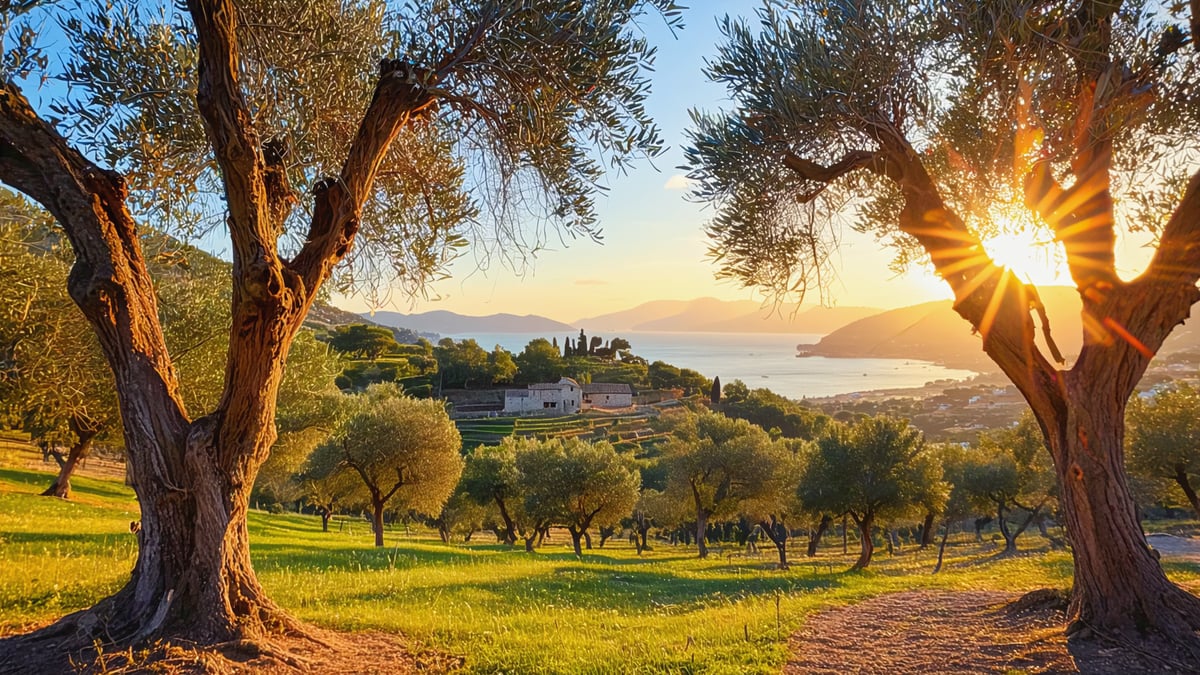
Corfu's olive oil culture is ancient and serious. The island's olive trees include some estimated to be over five hundred years old, planted by the Venetians who paid Corfiot farmers a bounty for each tree. Several farms offer tastings, tours, and the opportunity to buy oil that genuinely tastes different from anything available in a UK supermarket. Cooking classes focusing on Corfiot cuisine (which differs from mainland Greek food, incorporating Venetian and French influences into dishes like pastitsada and sofrito) are available through various operators and make an excellent rainy-day activity.
Watch the Cricket on the Spianada
Corfu's cricket ground on the Esplanade is the only place in Greece where the game is played at club level. Matches take place on weekend afternoons during the summer season, and the sight of cricketers in whites against a backdrop of Venetian architecture and the Ionian Sea is one of the most pleasantly surreal experiences the Mediterranean has to offer. Local clubs play regular fixtures, and spectators are welcome to watch from the surrounding cafés.
Where to Eat and Drink in Corfu
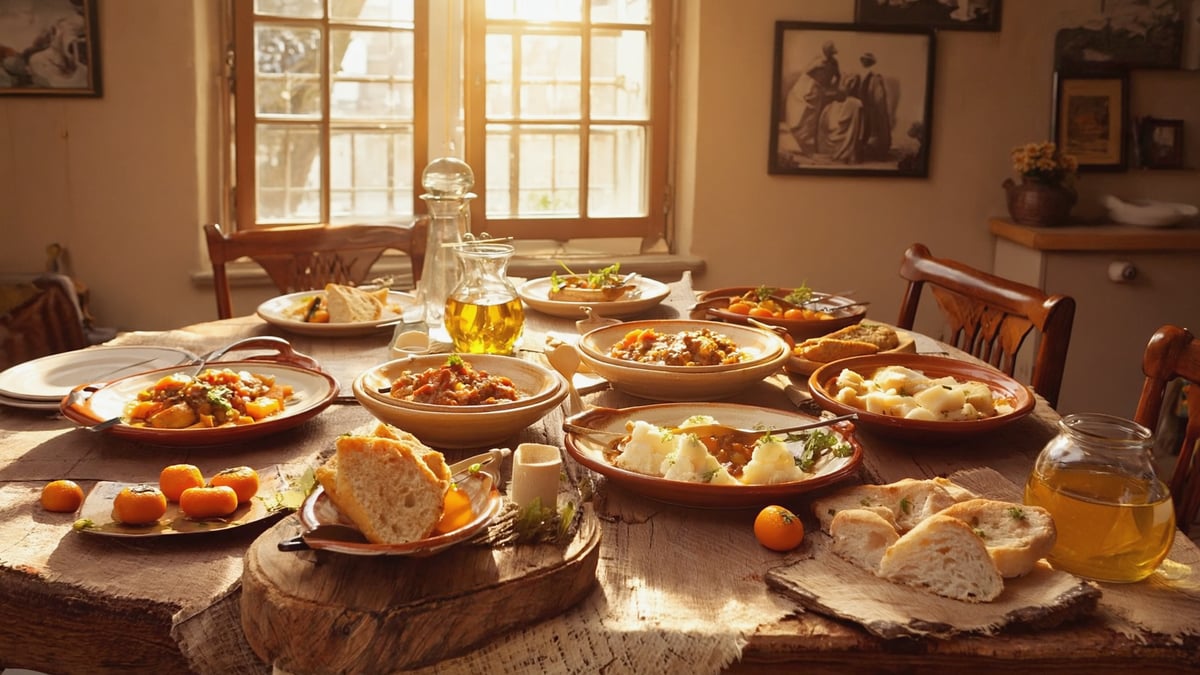
Corfiot cuisine is one of the most distinctive regional food cultures in Greece, shaped by four centuries of Venetian rule and a subsequent French and British presence that left lasting marks on the local kitchen. Travellers who venture beyond the pizza-and-pasta menus that proliferate around the resort strips will find food worth seeking out.
The Dishes Worth Ordering
Pastitsada is the island's signature dish: rooster or veal braised slowly in a tomato sauce spiced with cinnamon, allspice, and cloves, served over thick pasta. It's warming, deeply savoury, and unlike anything else in Greek cuisine. Sofrito is veal escalope cooked in a white wine, garlic, and parsley sauce, mild but intensely flavoured. Bourdeto is a spiced fish stew made with scorpionfish and red pepper, with a heat that sneaks up on you. All three appear on menus throughout the island, but the best versions are found in small family-run tavernas rather than tourist-facing restaurants.
The local kumquat liqueur, made from the small citrus fruit grown in the Nymfes area of the island, is worth trying at least once. It's sweet, fragrant, and tastes nothing like the industrial variants sold at airport gift shops. Corfu is also the only place in Greece where kumquats are commercially cultivated, making this a genuinely local product.
Where to Eat: Area by Area
In Corfu Town, the streets behind the Old Fortress and the Campiello neighbourhood (the oldest part of the city) contain the best concentration of traditional restaurants. The Liston arcades are atmospheric but price for the location. In Kassiopi, the tavernas around the harbour consistently receive strong recommendations from returning visitors. In Paleokastritsa, quality varies enormously between the tourist-facing spots on the main bay and the better-value restaurants slightly uphill in the village.
A practical tip for families: most Corfiot tavernas are genuinely child-friendly, with staff who will happily adapt dishes, produce plain pasta or grilled chicken without much fuss, and who treat children as welcome guests rather than complications. This is a genuine cultural difference from some Northern European dining cultures, and it makes evening meals considerably more relaxed.
Understanding GlobeHunters' Corfu Packages: What You Get
A well-constructed Corfu holiday package removes most of the friction from trip planning while often costing less than booking components separately. Here's what GlobeHunters' packages typically include, and how to read the options to find the right fit for your group.
Package Tiers and What They Cover
| Package Tier | Typical Price (per person, 7 nights) | What's Included | Best For |
|---|---|---|---|
| Essential | From £499 | Return flights + 3-star hotel (B&B) | Budget travellers, solo trips |
| Classic | £750–£1,100 | Flights + 4-star hotel (half-board or all-inclusive) | Families, couples |
| Premium | £1,200–£1,800 | Flights + 5-star boutique hotel or villa + airport transfers | Couples, honeymoons, retirees |
| Luxury | £1,800+ | Flights + luxury property + transfers + curated activities | Honeymoons, anniversaries, special occasions |
All packages booked through GlobeHunters carry ATOL protection, which means your money is safeguarded if the company ceases trading before or during your trip. This is not a minor point: it's the most important financial protection available to UK package holiday customers and a primary reason to book through an ATOL-protected operator rather than piecing together flights and hotels independently.
Adding Activities to Your Package
GlobeHunters' integration with Viator means that excursions and activities can be added at the point of booking or after, including the Paxos and Antipaxos day trip, Corfu Town walking tours, boat hire, kayaking, cooking classes, and the Achilleion Palace visit. Bundling activities into a package simplifies budgeting and eliminates the on-the-ground hassle of negotiating with local operators on arrival.
To build your ideal Corfu package, visit the GlobeHunters platform or speak to the team directly on 0208 944 4514. The advisors have detailed knowledge of the island's resorts and can match accommodation to your specific requirements, whether that's a pool-facing room in a family-friendly resort, a sea-view suite in a boutique hotel, or a private villa with a terrace overlooking the olive groves.
Practical Information for UK Travellers Visiting Corfu
Greece is a straightforward destination for British travellers, but a few practical details are worth knowing before you go. Getting these right in advance removes the minor friction that can otherwise take the shine off the first day or two.
Visas, Passports, and Entry Requirements
UK citizens do not currently require a visa to visit Greece for stays of up to 90 days within a 180-day period, following the UK's departure from the European Union. However, passports must be valid for the entire duration of your stay, not just for six months from the date of travel (the old EU rule no longer applies in the same way). Check your passport expiry date carefully before booking.
The European Travel Information and Authorisation System (ETIAS), a pre-travel authorisation for Schengen zone visits, has been announced and may come into force in the coming years. At the time of writing, it has not yet been implemented for UK travellers visiting Greece. Check the UK Government's official travel advice for Greece for the most current entry requirements before your departure date.
Currency and Money
Greece uses the Euro (€). As of current exchange rates, the pound sterling buys roughly €1.15–€1.20, making Corfu reasonably good value for UK travellers compared to UK domestic pricing. Cash is useful for small tavernas, market stalls, and beach bars, though card payment is widely accepted in hotels, larger restaurants, and shops. ATMs are plentiful in Corfu Town and most large resorts.
Avoid exchanging currency at airport bureaux de change, which offer poor rates. A travel-specific card (such as those offered by Wise, Starling, or Monzo) or withdrawing euros from ATMs using a fee-free debit card typically provides the best rates available.
Getting Around the Island
Corfu has a reasonable public bus network (KTEL) connecting Corfu Town to most major resorts, though frequency drops significantly outside peak hours and on Sundays. For flexibility, especially for families or anyone planning to explore the interior, hiring a car is strongly recommended. Rates are competitive, roads are generally well-maintained on the main routes (the interior mountain roads are a different matter, requiring care), and driving is on the right.
Scooter and quad bike hire is ubiquitous in the resorts. The island's roads are not especially dangerous compared to other Mediterranean destinations, but the combination of narrow lanes, tourist traffic, and the occasional local driving with considerable confidence means that inexperienced riders should approach this option cautiously.
Health, Safety, and Travel Insurance
Corfu is a safe destination by any reasonable measure. The main health considerations are sunburn and dehydration in summer, which are entirely preventable with adequate sun protection and water intake. The water from taps is technically drinkable in most areas but most travellers prefer bottled water, which is widely available and inexpensive.
Travel insurance is essential. A policy covering medical treatment, repatriation, cancellation, and lost baggage is the minimum sensible cover. The UK's Global Health Insurance Card (GHIC), which replaced the EHIC for British citizens post-Brexit, entitles holders to state-provided healthcare at the same rate as Greek nationals, but it does not cover repatriation or private medical treatment, making comprehensive travel insurance a separate necessity. Apply for or renew your GHIC through the NHS website.
Electricity and Connectivity
Greece uses the standard European two-pin plug (Type C/F, 230V). UK travellers need a plug adaptor, available cheaply from supermarkets or hardware shops before departure or from airport shops. Mobile connectivity is generally good across the island, with 4G coverage in all resort areas and most of Corfu Town. Coverage drops in the remote interior mountain villages. EU roaming rules no longer automatically apply for UK sim cards, so check your provider's roaming charges for Greece before departure. Many UK networks now offer affordable add-on roaming packages for European travel.
Corfu for Different Types of UK Traveller
Corfu's range is genuine, not marketing spin. The island genuinely does work for multiple travel styles, and understanding which version of Corfu suits your group avoids the common mistake of booking the wrong resort area.
Families with Children
Corfu is one of the best Greek islands for families with children of all ages. The north coast resorts offer shallow, calm water with sandy beaches. The island has a well-developed water park infrastructure, particularly in the Acharavi and Sidari areas. Local culture is genuinely welcoming toward children, and the shorter flight time means even toddlers can manage the journey without significant difficulty. All-inclusive packages from the north coast resorts provide predictable budgeting, which many families find valuable.
Couples and Honeymooners
For couples, the combination of Paleokastritsa's dramatic scenery, Kassiopi's sophisticated atmosphere, and Corfu Town's cultural depth creates an island that offers romance without the manufactured luxury feel of more overtly honeymoon-marketed destinations. A boutique hotel in the Old Town combined with day trips to the quieter beaches and a boat excursion to Antipaxos delivers a honeymoon that feels genuinely curated rather than package-holiday standard. GlobeHunters' premium tier packages are particularly well-suited to this itinerary.
Solo Travellers
Solo travellers find Corfu comfortable and sociable without being overwhelming. Corfu Town is safe, walkable, and has a café culture that makes spending time alone feel pleasant rather than conspicuous. The trail walking community, sailing scene, and cultural tour groups provide natural opportunities to meet other travellers. Solo supplement charges vary by hotel; it's worth asking GlobeHunters advisors specifically about properties that offer single rooms or waive the supplement entirely.
Retirees
The combination of excellent weather in May, June, September, and October, a pace of life that rewards slow exploration, rich cultural heritage, and the kind of taverna culture that makes long lunches feel virtuous rather than indulgent, makes Corfu an excellent choice for retired travellers. The east coast resorts and Corfu Town itself are particularly suitable, with good accessibility, flat walking options, and a mix of comfort and authenticity.
Corfu vs. Other Greek Islands: How It Compares
When UK travellers are comparing best Greek islands for UK travellers, the choice often comes down to a handful of factors: beach quality, cultural depth, flight availability, family suitability, and price. Here's how Corfu stacks up against its main competitors.
| Island | UK Flights | Beach Quality | Cultural Depth | Family Friendly | Value |
|---|---|---|---|---|---|
| Corfu | ✅ Excellent (10+ airports) | ✅ Varied, high quality | ✅ UNESCO Old Town | ✅ Excellent | ✅ Good |
| Crete | ✅ Good | ✅ Excellent | ✅ Very rich | ✅ Very good | ✅ Good |
| Rhodes | ✅ Good | ✅ Good | ✅ Good (medieval town) | ✅ Good | ✅ Good |
| Santorini | ⚠️ Usually via Athens | ⚠️ Limited, volcanic | ⚠️ Moderate | ❌ Not ideal | ❌ Premium priced |
| Mykonos | ⚠️ Limited direct | ✅ Good | ⚠️ Limited | ❌ Not ideal | ❌ Very expensive |
| Zakynthos (Zante) | ✅ Good | ✅ Excellent (Navagio) | ⚠️ Limited | ⚠️ Mixed | ✅ Good |
For the broadest combination of accessibility, value, cultural content, and beach quality, Corfu's overall score is hard to beat. Crete is its closest rival and arguably offers more for very long stays, but for a one-week package holiday from the UK, Corfu's compactness and variety work in its favour.
A Sample 7-Night Corfu Itinerary for UK Travellers
A week in Corfu is enough to combine beach time, cultural exploration, and at least one memorable excursion. This itinerary assumes a base in or near Corfu Town with a hire car, which gives the most flexibility, but the core elements can be adapted to any resort area.
Day 1: Arrive, transfer to accommodation, settle in, find a local taverna for dinner. Resist the temptation to overplan the first evening. Let the island absorb you.
Day 2: Spend the full morning in Corfu Town's Old Town. Old Fortress, St. Spyridon Church, the Campiello neighbourhood, lunch under the Liston arcades. Afternoon at Mon Repos beach (short drive south of town) or the nearby Kanoni peninsula.
Day 3: Drive north to Kassiopi. Morning at the castle ruins and harbour, afternoon at Avlaki or Kalamionas beach for snorkelling. Dinner at a harbour taverna.
Day 4: Full-day boat trip to Paxos and Antipaxos. This is the single best excursion available from Corfu. Book in advance.
Day 5: Drive west to Paleokastritsa. Morning at the monastery, afternoon exploring the coves by rented pedalo or small boat. Sunset from the viewpoint above the village.
Day 6: Canal d'Amour at Sidari in the morning. Drive back through the interior via the mountain villages of Troumpetas and Sokraki, stopping for lunch in Spartilas. This route through the island's backbone is genuinely beautiful and takes roughly three hours with stops.
Day 7: Achilleion Palace in the morning, then south to Benitses for a final lazy beach afternoon. Dinner back in Corfu Town.
Day 8: Transfer to airport. Depart.
Frequently Asked Questions: Corfu Holidays from the UK
How long is the flight from the UK to Corfu?
Direct flights from London airports take approximately 2 hours 15 minutes to 2 hours 30 minutes. Flights from northern UK airports including Manchester, Edinburgh, and Newcastle take between 2 hours 30 minutes and 2 hours 45 minutes. Corfu is one of the closest Greek islands to the UK in terms of flight time.
Do UK citizens need a visa to visit Corfu?
No. UK citizens can visit Greece (and the wider Schengen Area) for up to 90 days within any 180-day period without a visa. Your passport must be valid for the full duration of your stay. The ETIAS pre-travel authorisation system has been announced but is not yet in operation for UK visitors as of the current date; check the UK Government's Greece travel advice page for the latest entry requirements before booking.
What is the best month to visit Corfu from the UK?
September is widely considered the best month for a combination of warm weather, warm sea, lower prices, and smaller crowds. May and June are excellent for those who prefer lower temperatures and a quieter atmosphere. July and August are peak season with the hottest weather but highest prices and most visitors.
Are Corfu holidays suitable for families with young children?
Yes. Corfu is one of the most family-friendly Greek islands. The north coast resorts offer calm, shallow water and sandy beaches. Local taverna culture is welcoming toward children. Flight times are short enough for young children to manage comfortably. All-inclusive packages in the northern resorts simplify budgeting for families.
How much does a week's Corfu holiday cost from the UK?
Package holidays from GlobeHunters start from approximately £499 per person for a week including flights and three-star bed-and-breakfast accommodation. Mid-range packages with four-star hotels and half-board typically cost between £750 and £1,100 per person. Premium boutique hotel and villa packages start from around £1,200 per person. Prices vary by departure airport, travel dates, and accommodation grade. Call GlobeHunters on 0208 944 4514 for a personalised quote.
What currency does Corfu use?
Greece uses the Euro (€). Cash is useful for smaller tavernas and beach bars; card payment is accepted in most hotels, restaurants, and larger shops. ATMs are plentiful in Corfu Town and major resorts.
Is Corfu safe for UK tourists?
Yes. Corfu is a safe destination with low rates of serious crime affecting tourists. The main risks are typical of Mediterranean beach holidays: sunburn, dehydration, and minor road accidents among scooter users. Petty theft occurs in crowded tourist areas as in any popular destination; standard precautions apply.
Do I need travel insurance for Corfu?
Yes, comprehensive travel insurance is strongly recommended. While the UK GHIC card provides access to state healthcare in Greece, it does not cover repatriation, private treatment, or cancellation. A policy covering medical expenses, repatriation, cancellation, and lost baggage is the minimum advisable cover.
What is the best area to stay in Corfu for couples?
Paleokastritsa for dramatic scenery and natural beauty, Kassiopi for a sophisticated village atmosphere with excellent restaurants, and Corfu Town for cultural depth and evening dining. A boutique hotel in or near Corfu Town with day trips to the west coast combines the best of multiple areas.
Can I visit Corfu on a day trip from the UK?
Not practically. The flight time and airport transfer time make a day trip unfeasible. The minimum useful visit is two to three nights, though a week is the standard and allows for a proper exploration of the island.
What plug adaptor do I need for Corfu?
Greece uses the standard European Type C/F two-pin plug at 230V. UK travellers need a standard European travel adaptor, available from most UK supermarkets, hardware shops, or airport retailers.
Are there direct flights to Corfu from Manchester and other northern UK cities?
Yes. Direct flights operate from Manchester, Birmingham, Leeds Bradford, Newcastle, Edinburgh, and Belfast during the main summer season (typically April to October). Jet2 and TUI Airways are the primary operators from northern UK airports. Outside the summer season, connections via Athens are typically required.
Key Takeaways
- Corfu is the most accessible major Greek island from UK airports, with direct flights from more than ten departure points during the summer season.
- September is the best month to visit for a combination of warm weather, warm sea, lower prices, and manageable crowds. May and June are excellent alternatives.
- Package holidays offer genuine value and ATOL protection that independent bookings don't provide. GlobeHunters packages start from £499 per person for seven nights including flights.
- Different areas of the island suit different travel styles: north coast resorts for families, Paleokastritsa for couples, Corfu Town for culture, Kassiopi for sophistication.
- Corfu's cultural depth is exceptional for a beach holiday destination: a UNESCO World Heritage Old Town, Venetian fortresses, the Achilleion Palace, and a distinct regional cuisine set it apart from most Mediterranean alternatives.
- The Paxos and Antipaxos day trip is the single best excursion available from Corfu and should be booked in advance, particularly in July and August.
- Hiring a car unlocks the real island: the interior villages, mountain routes, and west coast scenery that package resort life misses entirely.
- UK travellers should carry a GHIC card and take out comprehensive travel insurance covering medical, repatriation, and cancellation before departing.
There are Greek islands with more exclusive reputations. There are islands with more dramatic single-point attractions. But for a week-long holiday from the UK that genuinely delivers across beach quality, cultural content, food, accessibility, and value, Corfu's combination is difficult to match. The olive trees have been there since the Venetians planted them. The Ionian is still exactly that colour. And the island is still doing what it has always done: making people feel, the moment they arrive, that they made exactly the right decision.
Ready to book? Explore Corfu holiday packages on GlobeHunters or call the team on 0208 944 4514 for personalised advice on the best package for your group, travel dates, and budget.
About the author
Spiros Maragkoudakis · Chief Commercial Officer
Ready to Book Your Corfu Holiday?
Our travel experts are ready to help you plan the perfect trip. Call us today or browse our latest deals.
Ready to Start Planning?
Speak to our travel experts for personalised advice and the best deals on your next holiday.
Call 0208 944 4514