
Spain has dozens of coastlines, but only one earned a nickname so bold it became a brand: the Coast of the Sun. The Costa del Sol sits along Andalusia's southern edge, where the Sierra Nevada mountains tumble toward the Mediterranean and the weather behaves with almost suspicious reliability. For UK travellers, it delivers something rare: genuine warmth, genuine flavour, and a flight that barely clears two and a half hours from most British airports. Whether you're after a family fortnight with a pool, a couple's escape built around seafood and sunsets, or a budget break that doesn't look or feel like a budget break, this stretch of Andalusian coastline keeps delivering.
This guide covers everything a UK traveller needs to plan a Costa del Sol holiday from the UK properly: which resorts actually suit which types of traveller, what to eat and when, how the beach scene really works, what local life looks like away from the tourist strips, and how to secure a Málaga package holiday that bundles your flights, hotel, and experiences without the faff of piecing it together yourself. GlobeHunters packages start from £349 per person, with real-time pricing from flights, accommodation and activity partners. Call 0208 944 4514 to talk through options or browse the full range online.
What Makes the Costa del Sol Different from Other Spanish Destinations?
The Costa del Sol is not simply "a beach in Spain." It occupies a specific climatic pocket, shielded from Atlantic weather by the Baetic mountain range to the north and warmed by proximity to North Africa. The result is a coastline that averages over 300 days of sunshine per year, with sea temperatures that remain genuinely swimmable from May through to October. That is not marketing copy; it is a consequence of geography.
What separates the Costa del Sol from the Canaries is its European character. This is not an isolated island resort economy. The coast runs through real Andalusian towns, each with its own personality: Málaga, the regional capital, has a legitimate art scene anchored by the Picasso Museum and a contemporary gallery network that would not embarrass a northern European capital. Marbella has Puerto Banús, yacht culture, and a standard of dining that competes with anything in Madrid. Nerja has whitewashed cliffs and a quieter, more traditionally Spanish atmosphere that draws visitors who want something beyond poolside sun loungers.
The coast also has practical depth. There are world-class golf courses (over 70 within the wider region), a well-developed road network, efficient public transport along the coastal rail line, and a culinary tradition rooted in Andalusian cuisine rather than imported tourist menus. You can eat exceptionally well here without searching for it.
For UK travellers specifically, the Costa del Sol has a cultural familiarity that reduces friction. English is widely spoken across the main resorts, the plumbing works, the pharmacies stock recognisable medications, and the airport at Málaga is one of the best-connected in southern Europe. Yet the place still feels unmistakably Spanish when you walk five minutes off the main promenade. That balance is genuinely difficult to find elsewhere.
The Costa del Sol vs. Other Popular Spanish Coasts
| Destination | Best For | Flight Time from UK | Peak Season | Cost Level |
|---|---|---|---|---|
| Costa del Sol | Couples, families, golfers, culture seekers | 2h 30m–2h 50m | May–October | £–£££ |
| Costa Brava | Nature lovers, foodies, smaller crowds | 2h 15m–2h 30m | June–August | ££–£££ |
| Costa Blanca | Budget families, long-stay retirees | 2h 30m–2h 45m | June–September | £–££ |
| Canary Islands | Year-round sun, winter escapes | 4h–4h 30m | Year-round | ££ |
Choosing Your Resort: Which Part of the Costa del Sol Is Right for You?
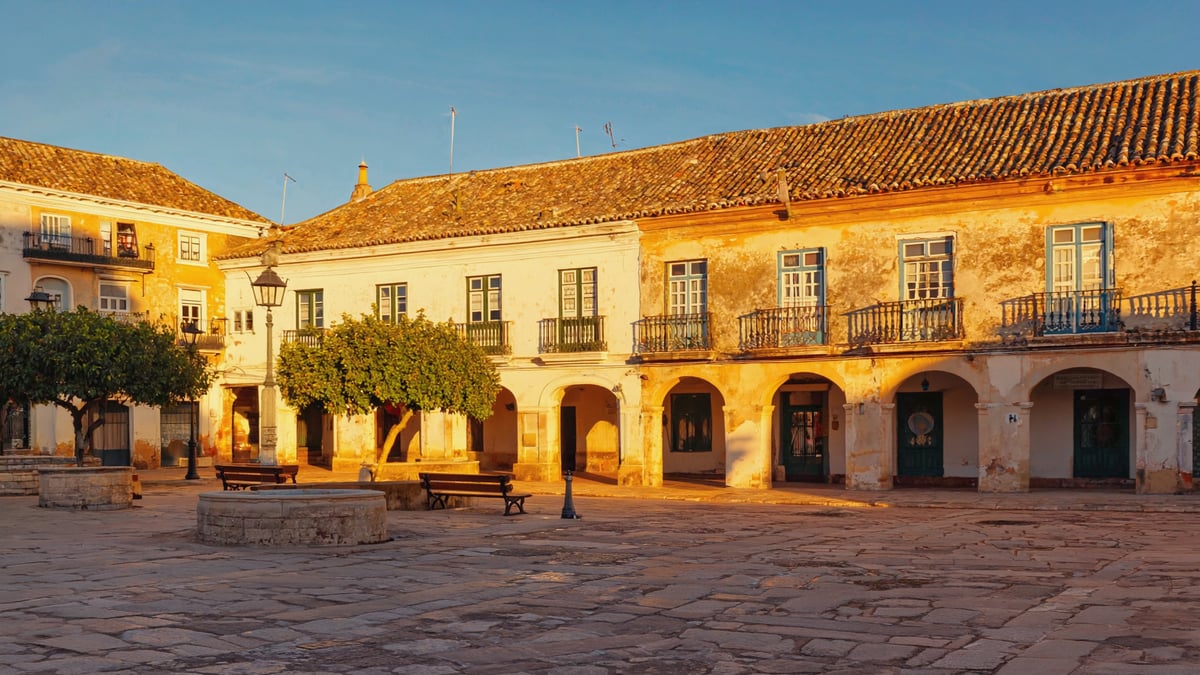
The Costa del Sol stretches roughly 150 kilometres from Nerja in the east to Manilva in the west, and the character of each resort varies considerably. Treating the coast as one homogeneous destination is the most common planning mistake UK travellers make. The right base determines almost everything about your holiday experience.
Torremolinos and Benalmádena: Classic Package Holiday Territory
Torremolinos is the original Costa del Sol resort, developed heavily from the 1960s onward and still the go-to choice for UK travellers who want a straightforward, affordable beach holiday. The seafront promenade is long, lined with bars and restaurants, and the beaches are well maintained. It has an LGBTQ+-friendly atmosphere, particularly in the La Nogalera area, and the nightlife is genuinely lively rather than manufactured. Importantly, it sits on the suburban train line from Málaga city centre, making day trips easy and cheap.
Benalmádena, just west of Torremolinos, splits into three distinct zones: the old hilltop pueblo, the modern coastal strip, and the marina. The marina area is particularly pleasant, with a yacht harbour, aquarium, and a more relaxed bar scene than Torremolinos. Families with children tend to find Benalmádena's water parks and cable car more appealing than the clubbing atmosphere further east.
Fuengirola: Underrated and Genuinely Liveable
Fuengirola sits in the middle of the coast and is, frankly, underrated by the UK travel media. It has a long, wide beach, a proper Spanish town centre with a weekly market and local restaurants that cater to residents rather than tourists, and excellent transport connections in both directions. Families in particular find that Fuengirola's lower prices, calmer pace, and good beach quality hit a sweet spot that Torremolinos and Marbella miss from opposite directions.
Marbella: Where the Coast Gets Serious About Style
Marbella is the Costa del Sol's headline act for couples, honeymooners, and anyone who wants their holiday to feel genuinely luxurious. The old town, built around a medieval core, has cobbled streets, bougainvillea-draped walls, and tapas bars that have been serving locals for decades. Puerto Banús, five kilometres to the west, is the yacht marina famous for its designer boutiques, beach clubs, and the kind of conspicuous affluence that is entertaining even if you have no intention of participating in it.
Hotels in Marbella range from boutique four-star properties in the old town to landmark five-star resorts on the beachfront. Budget is higher here than elsewhere on the coast, but the quality ceiling is also considerably higher.
Nerja: The Costa del Sol for People Who Claim Not to Like the Costa del Sol
Nerja sits at the eastern end of the coast, far enough from the main resort strip to feel different in character. The town is built on a clifftop above a series of small cove beaches, connected by steep paths and steps. The Balcón de Europa, a clifftop promenade jutting over the sea, is one of the most genuinely beautiful viewpoints on the entire Spanish coastline. Nerja attracts a mix of independent UK travellers, Spanish families, and visitors who want good food and a relaxed pace without manufactured resort entertainment.
The Nerja Caves (Cuevas de Nerja), discovered in 1959, contain some of the oldest cave paintings in Europe and are worth the short trip from the town.
How to Get to the Costa del Sol from the UK
Málaga Airport (AGP) is the primary gateway for Costa del Sol holidays from the UK. It sits approximately eight kilometres west of Málaga city centre and is served by direct routes from airports across the UK, including London Gatwick, London Stansted, London Heathrow, Manchester, Birmingham, Bristol, Edinburgh, Leeds Bradford, and Newcastle.
The airport itself is efficient by European standards. The Málaga-Costa del Sol Airport handles over 20 million passengers annually and has a direct rail connection into Málaga city centre, running every 20 minutes and taking roughly 12 minutes. From the city centre, the coastal train (the Cercanías C1 line) connects to Torremolinos, Benalmádena, and Fuengirola.
Transfer times from the airport to the main resorts are as follows:
| Resort | By Taxi (approx.) | By Train | By Coach Transfer |
|---|---|---|---|
| Torremolinos | 15–20 min | 20 min (direct) | 25–35 min |
| Benalmádena | 20–25 min | 25 min (direct) | 30–40 min |
| Fuengirola | 30–35 min | 35 min (direct) | 40–55 min |
| Marbella | 45–55 min | No direct service | 55–75 min |
| Nerja | 60–75 min | No direct service | 75–90 min |
For most UK travellers booking a Málaga package holiday, airport transfers are included as standard. GlobeHunters packages bundle flights, accommodation, and transfers, removing the need to negotiate taxi fares or navigate Spanish bus timetables on arrival.
The Beaches: What UK Travellers Actually Need to Know
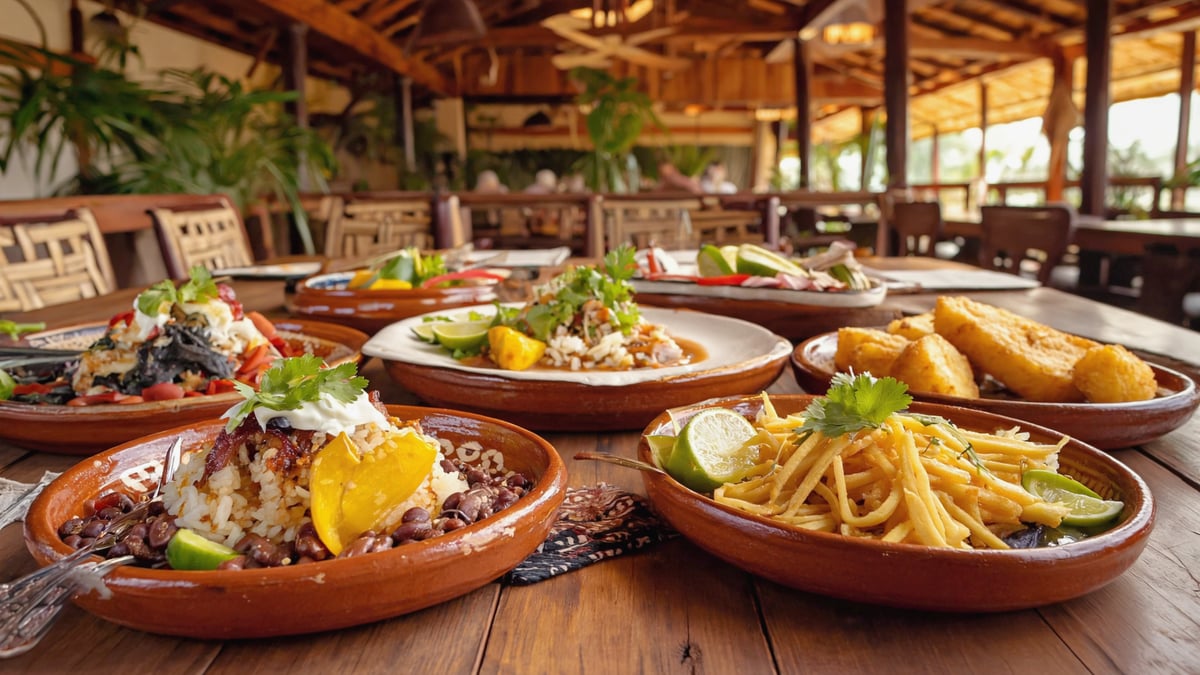
The Costa del Sol's beaches are the core product, and they are genuinely good, but they are not all the same. Understanding the difference between beach types prevents disappointment on arrival.
The coast's beaches are predominantly dark sand and fine gravel rather than the white sand that photographs suggest. This is Andalusian geology rather than a flaw: the dark volcanic sand actually holds heat longer, which most visitors find pleasant. The water is Mediterranean, meaning it is clear, calm, and rarely has significant wave action. It is excellent for swimming and genuinely safe for children.
The Best Beaches by Type
For families: Playa de la Carihuela (Torremolinos) is wide, gently shelving, and has full amenities including sunbed hire, lifeguards in season, and a promenade with restaurants at the back. Playa de Fuengirola is similarly family-friendly with calm water and good facilities.
For scenery: The coves around Nerja are the most photogenic on the coast. Playa de Burriana, just east of Nerja town, is a wider bay with good facilities. Playa del Molino de Papel is smaller, more secluded, and worth the walk.
For beach club culture: Nikki Beach Marbella and Playa de la Fontanilla in Marbella represent the upscale end. These are organised beach experiences with sunbeds, cocktails, DJs in high season, and a crowd that dresses up for lunch.
For avoiding crowds: Heading east of Nerja or west of Estepona takes you into quieter territory. The beaches around Casares and Manilva see a fraction of the visitor numbers of the main resorts and are genuinely peaceful.
One practical note: the wild boar population in the Costa del Sol region has expanded significantly in recent years, and sightings near beach areas and residential zones are increasingly common. This is more curiosity than danger for most visitors, but it illustrates how close the natural Andalusian landscape sits to the resort infrastructure.
Eating and Drinking Well: A Practical Guide to Costa del Sol Food
Andalusian cuisine is one of the great regional food traditions in Europe, and the Costa del Sol gives you direct access to it. The challenge is knowing where to look, because tourist-facing restaurants on the main promenades often serve a diluted version of the real thing at elevated prices.
What to Order and Where
Espetos de sardinas are the Costa del Sol's signature dish: fresh sardines skewered on cane reeds and grilled over an open fire on the beach. The fires are contained in repurposed fishing boats filled with sand, and the best espetos are eaten at chiringuitos (beach restaurants) rather than sit-down restaurants. Málaga and Pedregalejo (a fishing district east of Málaga city centre) are the best places to eat them.
Gazpacho and salmorejo are cold tomato soups from the Andalusian interior that appear on almost every menu in summer. Salmorejo (the thicker, Córdoba-style version, topped with jamón and boiled egg) is the better choice and usually costs between €4–7 per serving.
Fritura malagueña is a mixed fried fish platter, light and properly done in good chiringuitos, heavy and greasy in tourist traps. Look for places where the oil smells fresh and the batter is thin.
Tapas in Málaga follow a different rule from the rest of Spain: in many traditional bars, a small tapa arrives free with every drink. This is not universal, but it is common enough in the old town and the fishing districts to make a round of drinks a genuinely cheap meal.
Wine and sherry: The local wine from the Málaga DO designation is underappreciated. The sweet Moscatel wines in particular are worth seeking out, typically served chilled as a dessert wine or aperitif. Manzanilla from nearby Sanlúcar de Barrameda is the ideal pairing for seafood.
Neighbourhood Eating vs. Tourist Dining
The clearest signal of a good restaurant in Andalusia remains the same as it has always been: the menu is written in Spanish first, there are local families eating there, and the prices for a full meal sit below €20 per head. Moving one or two streets back from any resort promenade typically halves the bill and doubles the quality.
In Málaga city specifically, the Mercado Central de Atarazanas is a nineteenth-century iron market hall where vendors sell local produce, fresh fish, and prepared food. Eating lunch at a market bar here is one of the best-value food experiences on the entire coast.
Málaga City: Why You Should Spend at Least One Day Here

Málaga is not just an airport. It is one of the most genuinely exciting cities in southern Spain and an entirely legitimate holiday destination in its own right. For travellers staying in the beach resorts, it deserves at least a full day trip, and ideally two.
The city's cultural offer is anchored by the Museo Picasso Málaga, which holds a permanent collection of over 200 works by Pablo Picasso, who was born in the city in 1881. The museum occupies a sixteenth-century palace in the historic centre and combines the art with an architectural experience worth the entrance fee alone. The adjacent Fundación Picasso preserves his birthplace as a museum.
Beyond Picasso, the city has the Centre Pompidou Málaga (a satellite of the Paris institution), the Museo Carmen Thyssen Málaga, and the CAC Málaga (Centro de Arte Contemporáneo), making it one of the most concentrated clusters of serious contemporary art outside Madrid or Barcelona.
The old town itself is worth several hours of walking. The Alcazaba, a Moorish fortress palace dating from the eleventh century, sits above the city and offers views across the port and coastline. The adjacent Roman theatre, discovered in 1951, is partially excavated and accessible to visitors. The cathedral, known locally as La Manquita (the one-armed lady) because one of its towers was never completed, is an Andalusian baroque monument with an interior worth entering.
The Soho district, south of the city centre, has transformed over the past decade into a genuine arts neighbourhood with independent restaurants, cocktail bars, and a street art scene curated through the MAUS (Málaga Arte Urbano Soho) project.
Activities Beyond the Beach: How to Fill a Full Week
A week on the Costa del Sol rarely needs to be spent entirely horizontal. The range of activities accessible from the main resorts is broad enough to fill a fortnight without repetition.
Golf
The Costa del Sol has been marketing itself as the "Costa del Golf" since the 1970s, and the infrastructure justifies the claim. The region has over 70 golf courses, ranging from municipal pay-and-play tracks to championship courses that host European Tour events. Valderrama, near Sotogrande, is considered one of the finest courses in Europe. Marbella's Real Club de Golf de Las Brisas hosted the Ryder Cup in 1997. Green fees vary considerably, but mid-range courses in the Marbella and Estepona areas typically run between €60–€150 per round, with summer rates lower than spring and autumn.
Hiking in the Natural Parks
The mountains immediately behind the coast contain several protected natural areas. The Sierra de las Nieves became Spain's newest national park in 2021, protecting a landscape of limestone peaks, ancient pinsapar (Spanish fir) forests, and dramatic gorges. The park is accessible from Ronda, itself a worthwhile day trip from the coast. The Parque Natural de los Montes de Málaga sits directly above the city and has marked trails accessible by bus from the centre.
Whale and Dolphin Watching
The Strait of Gibraltar, accessible from Tarifa at the western end of the coast, is one of the best places in Europe to observe cetaceans. Common dolphins, striped dolphins, sperm whales, and pilot whales pass through the strait regularly, and specialist operators offer boat trips from Tarifa with trained marine biologists on board. The crossing between Africa and Europe is visible on a clear day.
Day Trips to Granada and Ronda
Granada is approximately 90 minutes from Málaga by motorway and contains the Alhambra, the fourteenth-century Nasrid palace complex that is consistently rated among the most beautiful buildings in the world. Tickets must be booked weeks in advance in high season. The Albaicín neighbourhood, a UNESCO World Heritage Site, offers views of the Alhambra from the Mirador de San Nicolás at sunset.
Ronda, 100 kilometres west of Málaga, sits on a plateau split by the El Tajo gorge, with the eighteenth-century Puente Nuevo bridge spanning 120 metres above the river below. It is one of the most dramatic townscapes in Spain and easily managed as a day trip by car or bus.
When to Book Your Costa del Sol Holiday from the UK

Timing matters significantly for both price and experience on the Costa del Sol. The honest answer is that the coast is genuinely good across a longer season than most UK travellers realise.
| Month | Avg. Temp (°C) | Sea Temp (°C) | Crowd Level | Best For |
|---|---|---|---|---|
| March–April | 17–21 | 16–18 | Low | Golf, hiking, city breaks, Semana Santa |
| May–June | 23–28 | 19–22 | Medium | Beach holidays, couples, best value |
| July–August | 31–36 | 23–25 | Peak | Families (school holidays), nightlife |
| September–October | 24–28 | 21–23 | Medium-Low | Best overall window for most travellers |
| November–February | 14–18 | 14–16 | Very Low | Retirees, long stays, cultural tourism, golf |
September and October are the genuine sweet spot for most UK travellers. The summer heat has softened, the sea remains warm from months of solar gain, the crowds have thinned, and prices drop noticeably from August peaks. Restaurants and bars are still fully operational, and the quality of the light in late September is exceptional for photography and outdoor dining.
For families constrained to school holiday windows, late June (before Spanish families take their own summer holidays) and early September (after UK schools return) offer the best combination of warm weather and manageable crowds.
GlobeHunters Costa del Sol Package Deals: What's Included and How to Book
Booking a package holiday to Spain rather than assembling flights and accommodation separately delivers measurable advantages for UK travellers. The most significant is ATOL protection: all package holidays from UK sold by ATOL-licensed operators are financially protected, meaning that if an airline or hotel fails, your money and your return home are covered. This protection does not apply to separately booked flights and hotels.
Beyond financial protection, package deals genuinely save time and often money. GlobeHunters combines flights sourced through Duffel's live pricing engine, accommodation through Hotelbeds (which has direct contracting relationships with hotels across the Costa del Sol), and optional activities through Viator. The combination typically delivers better availability and sharper pricing than booking each element independently through consumer-facing platforms.
What a Typical GlobeHunters Costa del Sol Package Includes
- Return flights from your nearest UK airport to Málaga (AGP)
- Accommodation for the duration of your stay (self-catering, bed and breakfast, half-board, or all-inclusive options available)
- Airport transfers between Málaga and your resort
- ATOL-protected financial cover
- Access to add-on activities (guided tours, golf rounds, whale watching, day trips to Granada and Ronda)
Package Pricing Benchmarks
| Holiday Type | Duration | Starting Price (per person) | Notes |
|---|---|---|---|
| Budget Beach Break | 7 nights | From £349pp | Self-catering, Torremolinos or Fuengirola |
| Family All-Inclusive | 7–14 nights | From £549pp | Benalmádena or Fuengirola, pool hotels |
| Couples Boutique | 7 nights | From £699pp | 4-star hotels, Marbella or Nerja |
| Luxury Marbella | 7 nights | From £1,199pp | 5-star beachfront, half-board |
| Golf Package | 7 nights | From £849pp | Includes 3 green fees, golf hotel |
To get a live quote tailored to your travel dates and preferred resort, call GlobeHunters on 0208 944 4514. The team can advise on which resort suits your group, which hotels have the best child facilities or adult-only policies, and how to get the best price for your specific dates.
Practical Information for UK Travellers: What Has Changed and What Stays the Same

Post-Brexit travel to Spain from the UK involves a small number of practical differences that are worth knowing in advance, none of which make the destination less accessible.
Passports and Entry Requirements
UK travellers need a valid passport to enter Spain. The passport must be valid for the duration of your stay (there is no longer a requirement for six months' validity beyond the return date for EU entry, as the UK has now left the EU). However, UK passports must be less than ten years old from the date of issue, and travellers should check the expiry date on the issue date rather than the expiry date, as some passports issued before the ten-year rule changed may have technically expired earlier than the stamped date suggests.
The ETIAS (European Travel Information and Authorisation System) system, which will require UK travellers to obtain pre-travel authorisation for Schengen Zone visits, has been delayed multiple times and is not yet in force as of the current period. Check the UK government's official travel guidance before booking for the most current position.
Health and the GHIC Card
The Global Health Insurance Card (GHIC) replaced the European Health Insurance Card (EHIC) for UK travellers. It provides access to state-provided healthcare in Spain at the same cost as Spanish residents (which may include charges for some services). The GHIC is free to obtain from the NHS and does not replace travel insurance, which remains strongly recommended for comprehensive cover including repatriation, cancellation, and private medical treatment.
Currency and Payments
Spain uses the Euro (€). The current exchange rate fluctuates, but UK travellers generally receive better rates using a no-fee travel debit card (such as those offered by Starling, Monzo, or Wise) than exchanging cash at airports. ATMs are widely available across all resorts. Card payments are accepted almost universally, though smaller market stalls and some traditional tapas bars remain cash-preferred.
Mobile Data Roaming
Since Brexit, UK mobile operators are no longer legally required to offer free roaming in the EU. Most major UK networks (EE, Vodafone, O2, Three) charge for EU roaming, though the daily rates are generally reasonable and can be added as a bolt-on before travel. Check your operator's current EU roaming policy before departure.
The Costa del Sol for Different Types of UK Traveller
The coast's genuine versatility is often undersold. Rather than appealing to one type of visitor, the Costa del Sol functions as a collection of very different holidays that happen to share a coastline.
For Families
The combination of calm Mediterranean water, warm temperatures from June to September, good beach facilities, and a strong all-inclusive hotel sector makes the Costa del Sol one of the most straightforward family beach destinations available from the UK. Benalmádena's Selwo Marina, Fuengirola's Bioparc (an immersive wildlife park), and the Tivoli World amusement park provide rainy-afternoon alternatives. The coastal train between Fuengirola and Málaga turns a necessary transport journey into an activity that young children find genuinely entertaining.
For Couples and Honeymooners
Marbella's combination of luxury hotels, exceptional dining, and sophisticated beach club culture makes it a natural honeymoon choice. The old town's intimacy, the yacht harbour at Puerto Banús for evening cocktails, and the availability of private villa rentals in the hills above the town create a genuinely romantic setting. Nerja offers a quieter alternative with arguably more natural beauty and a slower pace that suits couples who want conversation over cocktails.
For Solo Travellers
Torremolinos and Málaga city are the most natural bases for solo travellers. Torremolinos has a genuinely welcoming bar and social scene, particularly in its LGBTQ+-friendly areas, where meeting other travellers is easy and the atmosphere is relaxed. Málaga city offers walking tours, cooking classes, flamenco evenings, and a hostel scene with organised social events that make meeting people straightforward. The coastal train means a solo traveller based in Torremolinos can explore the full length of the accessible coast without a car.
For Retirees
The Costa del Sol has one of the largest British expatriate communities in Europe, particularly around Marbella and the hills above Fuengirola. This has a practical consequence: services, infrastructure, and social networks that cater to longer-stay British visitors are well established. The climate in shoulder and winter months is genuinely therapeutic for conditions aggravated by British damp and cold. Many retirees book two to four-week stays in October through February, when prices are at their lowest and the coast takes on a peaceful, local character very different from the high-season atmosphere.
Nightlife and Entertainment: Honest Expectations
The Costa del Sol's nightlife reputation is polarising, and most of the polarisation comes from travellers who visited the wrong resort for their expectations.
Torremolinos has genuine late-night club culture, particularly in the Bajondillo and La Nogalera areas, with venues staying open until dawn in high season. This is the choice for travellers who want to dance. Marbella's nightlife is more expensive and more exclusive, built around beach clubs that transition from afternoon parties into evening events and then into club nights. Puerto Banús's Olivia Valère and similar venues have hosted international DJs and celebrities; the door policies and prices reflect that positioning.
Fuengirola and Benalmádena sit in the middle: lively bar strips with live music, karaoke, sports bars showing Premier League football, and enough late-night options to fill an evening without the scale or intensity of Torremolinos. Nerja is quiet by comparison, with a pleasant bar scene centred around the Balcón de Europa area, suitable for an early evening rather than an all-nighter.
Málaga city's nightlife is more authentically Spanish than any of the resort towns. The area around Plaza de la Merced and the Pedregalejo fishing district has bars that fill up after midnight with local twenty and thirty-somethings. Flamenco shows are available throughout the city, ranging from tourist-facing tablao performances to more authentic peña (flamenco club) evenings.
YouTube Video: Costa del Sol in Full Colour
Before you commit to a resort, it helps to see the coast as it actually looks. The video below covers the stretch from Málaga to Marbella, capturing the beach scene, the old town architecture, and the food culture that makes this coastline worth returning to.
Booking Your Costa del Sol Holiday from the UK: Your Next Step
The Costa del Sol sits within two and a half hours of most UK airports, delivers reliable sunshine across a six-month season, and offers genuine depth in food, culture, and landscape beyond the beach. It is not a compromise destination. It is one of the most consistently enjoyable Mediterranean coastlines accessible to UK travellers, and it rewards both first-time visitors and those returning for the fifth or fifteenth time.
GlobeHunters has been building package holidays to Spain for UK travellers since 2003, with direct access to live flight pricing, hotel inventory across every major resort, and a team who know the coast well enough to match you to the right base for your group.
Packages start from £349 per person for seven nights, with options ranging from budget self-catering in Torremolinos to five-star beachfront in Marbella. Every package includes flights, transfers, and ATOL-protected financial cover.
To discuss your Costa del Sol holiday, call 0208 944 4514, or explore current availability and pricing online. The team can build a bespoke package around your dates, budget, and the type of holiday you actually want rather than the one the brochure assumes you want.
Frequently Asked Questions: Costa del Sol Holidays from the UK
How long is the flight from the UK to Málaga?
Direct flights from London airports to Málaga take approximately 2 hours 30 minutes to 2 hours 50 minutes. Flights from Manchester take around 2 hours 45 minutes, from Edinburgh roughly 3 hours, and from Bristol around 2 hours 40 minutes. Flight times vary slightly by airline and routing.
Which UK airports fly direct to Málaga?
Direct flights to Málaga (AGP) operate from London Gatwick, London Stansted, London Heathrow, Manchester, Birmingham, Bristol, Edinburgh, Leeds Bradford, Newcastle, and several other regional airports. easyJet, Ryanair, British Airways, Jet2, and TUI all operate routes to Málaga from the UK.
Do I need a visa to visit Spain from the UK?
No visa is currently required for UK citizens visiting Spain for up to 90 days within any 180-day period. You need a valid passport. The ETIAS pre-travel authorisation system, which will eventually apply to UK visitors, has not yet been implemented. Check the UK government's official Spain travel guidance for current requirements before travel.
Is the Costa del Sol good for families with young children?
Yes. The Costa del Sol is one of the most family-friendly Mediterranean destinations accessible from the UK. The Mediterranean sea is calm and warm from June to September, beaches have good facilities, and the main resorts (particularly Benalmádena and Fuengirola) have water parks, wildlife parks, and child-friendly all-inclusive hotels. The coastal train between Fuengirola and Málaga is safe, cheap, and enjoyable for children.
What is the best time of year for a Costa del Sol holiday?
September and October offer the best overall conditions for most UK travellers: warm temperatures (24–28°C), warm sea, lower prices than August, and reduced crowds. May and June are excellent for couples and golfers. Families constrained to school holidays should aim for late June or the first two weeks of September where possible. Winter months suit retirees and long-stay visitors seeking mild weather and very low prices.
What is included in a GlobeHunters Málaga package holiday?
GlobeHunters packages include return flights from your nearest UK airport, accommodation in your chosen resort, airport transfers, and ATOL financial protection. Optional add-ons available through Viator include day trips to Granada and Ronda, golf rounds, whale watching excursions, cooking classes, and guided city tours of Málaga. Call 0208 944 4514 for a bespoke quote.
Is Marbella worth the higher price compared to other Costa del Sol resorts?
For couples, honeymooners, and travellers who prioritise dining quality, hotel standard, and overall atmosphere, Marbella justifies the premium. The old town is genuinely beautiful, the restaurant scene is excellent, and the beach club culture at Puerto Banús is an experience not replicated elsewhere on the coast. For families or budget travellers, Fuengirola or Benalmádena offer better value without significant compromise on beach or weather quality.
Can I visit Granada and the Alhambra as a day trip from the Costa del Sol?
Yes. Granada is approximately 90 minutes from Málaga by car or motorway coach. Day trips are readily available through tour operators, and the journey is manageable independently by car hire or coach. Alhambra tickets must be booked well in advance, particularly in summer, as daily visitor numbers are strictly capped. Book directly through the official Alhambra ticketing website to avoid inflated third-party prices.
What currency do I need for the Costa del Sol?
Spain uses the Euro (€). The best exchange rates for UK travellers are generally obtained using a no-fee travel debit card (Starling, Monzo, Wise) rather than exchanging cash at airport bureaux de change. ATMs are widely available across all resorts. Most restaurants, hotels, and shops accept card payments, though cash is preferred at smaller market stalls and some traditional tapas bars.
Is the Costa del Sol suitable for a winter holiday from the UK?
Yes, particularly for retirees and those seeking mild weather rather than beach swimming. Daytime temperatures in December through February typically reach 14–18°C, which is genuinely pleasant for walking, golf, and sightseeing. Rainfall is higher in winter but still significantly less than the UK. Hotels and restaurants remain open, prices are at their lowest, and the coast takes on a relaxed, local character that many long-stay visitors prefer to the high-season atmosphere.
How do I get from Málaga Airport to my resort?
GlobeHunters packages include airport transfers as standard. If travelling independently, the coastal train (Cercanías C1) connects the airport to Málaga city centre, Torremolinos, Benalmádena, and Fuengirola for a few euros. Taxis are metered and widely available. For Marbella and Nerja, a taxi, car hire, or coach transfer is necessary as there is no direct rail connection.
Do I need travel insurance for a Costa del Sol holiday?
Travel insurance is strongly recommended and effectively essential for any overseas holiday. The GHIC card provides access to state healthcare in Spain but does not cover private treatment, repatriation, cancellation, lost luggage, or missed flights. A comprehensive travel insurance policy covers all of these. Many UK credit cards include basic travel insurance as a benefit, but the level of cover varies considerably, so checking the policy terms before relying on it is important.
Key Takeaways for UK Travellers Planning a Costa del Sol Holiday
- The Costa del Sol suits a broader range of travellers than its reputation suggests. It works equally well for families, couples, solo travellers, golfers, cultural tourists, and retirees, provided you choose the right base resort.
- Málaga Airport is one of the best-connected airports in southern Europe for UK routes, with direct flights from over a dozen UK airports and a journey time under three hours from most.
- September and October are the best months for most UK travellers: warm sea, lower prices, reduced crowds, and exceptional light for outdoor dining and sightseeing.
- Marbella is the luxury choice; Fuengirola is the underrated value choice. Torremolinos suits nightlife seekers; Nerja suits those who want natural beauty and a quieter pace.
- Málaga city deserves at least a full day of any Costa del Sol holiday. The Picasso Museum, Alcazaba, food market, and Soho arts district make it one of the most rewarding cities in southern Spain.
- Package holidays from UK operators with ATOL protection offer financial security and genuine convenience that independently booked trips do not. GlobeHunters packages start from £349 per person.
- Post-Brexit practicalities are minimal but worth knowing: check passport validity (issue date, not expiry), obtain a GHIC card before travel, and confirm your mobile operator's EU roaming charges.
- Call 0208 944 4514 to speak with the GlobeHunters team about building a Costa del Sol holiday from the UK that matches your dates, budget, and travel style.
About the author
Spiros Maragkoudakis · Chief Commercial Officer
Ready to Book Your Costa Holiday?
Our travel experts are ready to help you plan the perfect trip. Call us today or browse our latest deals.
Ready to Start Planning?
Speak to our travel experts for personalised advice and the best deals on your next holiday.
Call 0208 944 4514