Most travellers who visit New Zealand return home talking less about the scenery and more about the feeling. It is the only country on earth where you can ski a glacier in the morning, kayak past dolphins in the afternoon, and eat world-class lamb under stars so dense they look painted. For UK travellers willing to commit to the journey, a New Zealand holiday from UK is not simply a long-haul trip, it is a full reset of what travel can be.
This guide covers everything you need to plan a genuinely excellent visit: where to go on both islands, what to do, how to get there, what it will cost, and how to handle the practical details. Whether you are after a structured New Zealand package holiday UK with everything sorted, or you want to build your own itinerary from scratch, the information below will save you months of research.
Ready to start planning? Browse GlobeHunters' New Zealand holiday packages with flights, accommodation, and activities included from one price.
Why New Zealand Rewards the Long Flight
The honest answer to "is New Zealand worth the journey from the UK?" is: only if you go for long enough. Travellers who rush a week-long visit often feel they have skimmed the surface of something extraordinary. Those who give themselves three weeks or more come back changed.
The distance from London to Auckland is roughly 18,000 kilometres, making it one of the longest possible commercial flights from the UK. But the geography you arrive into is unlike anywhere else. New Zealand sits on the boundary of the Pacific and Australian tectonic plates, which means the landscape is geologically hyperactive. Active volcanoes, thermal springs, fiords carved by ancient ice sheets, and mountain ranges that rise sharply from coastal plains all exist within a country smaller than the United Kingdom.
The human dimension is equally distinctive. Māori culture is not a museum piece in New Zealand, it is woven into daily life through language, place names, food, art, and ceremony. The Museum of New Zealand Te Papa Tongarewa in Wellington captures this integration across six floors of national identity. Visitors who engage with Māori tikanga (customs) and learn even a few words of te reo Māori consistently describe their trip as richer for it.
For UK travellers specifically, New Zealand also offers a cultural familiarity that eases the transition into a very long journey. English is the everyday working language across the country. New Zealand currently has three statutory official languages: te reo Māori, New Zealand Sign Language, and English, following legislation that formalised English's status in law alongside the other two. The legal system, driving rules, and social customs share enough with the UK to make the trip immediately accessible, while the natural environment is utterly alien by British standards.
The practical case for a package holiday is strong here. Long-haul logistics, domestic transport between two islands, accommodation across multiple cities, and activity booking all require coordination. A well-structured New Zealand travel guide UK approach, combined with a package that bundles the moving parts, removes the most stressful elements of planning what is, for most people, a once-in-a-generation trip.
Getting to New Zealand from the UK: Flights and Transit
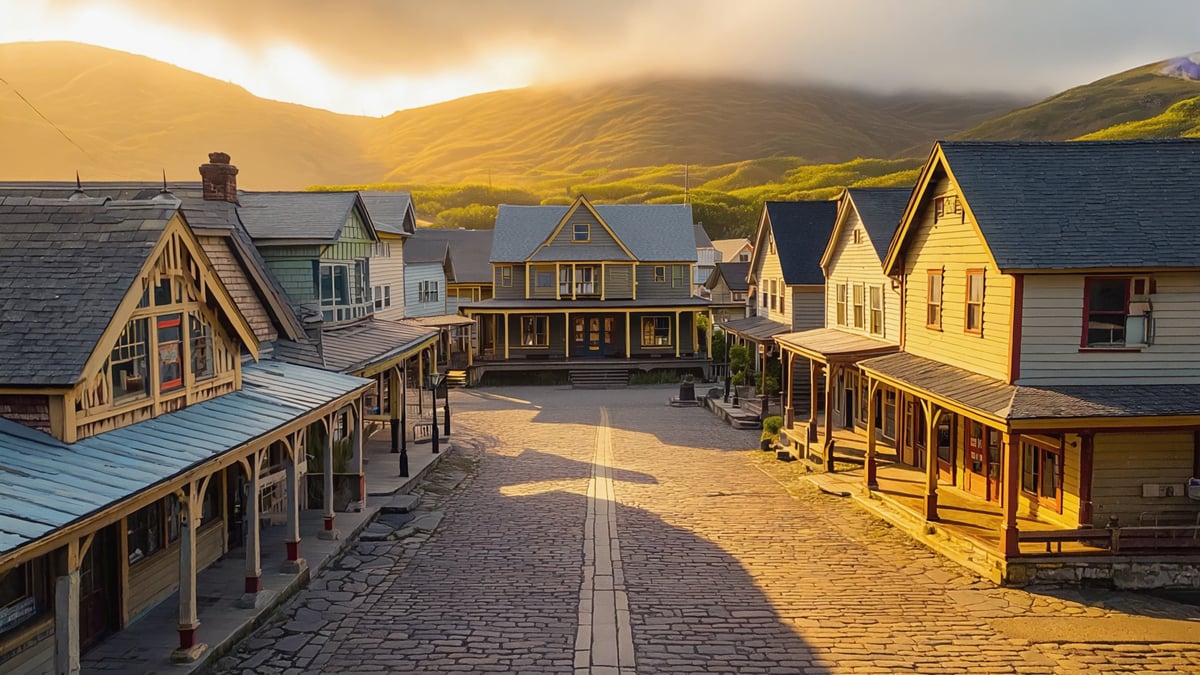
There are no direct flights from the UK to New Zealand. Every route involves at least one stop, and most UK travellers transit through one of several major hub cities. The total journey from London to Auckland typically runs between 24 and 28 hours including layover time, depending on your chosen connection.
The Main Hub Options
The most popular transit hubs from the UK are Singapore (via Singapore Airlines or connecting services), Dubai (via Emirates), Hong Kong (via Cathay Pacific), and various Australian cities including Sydney and Melbourne (via Qantas and other carriers). Air New Zealand operates services from Auckland to several international cities, including connections from London via various partner airline codeshares.
A Singapore transit is often considered one of the more comfortable options for long-haul travellers: Changi Airport regularly tops global airport rankings and offers extensive lounges, rest areas, and facilities for travellers with long layovers. A Dubai transit via Emirates is also popular and offers competitive pricing, particularly in business class.
Travellers who want to maximise their time in New Zealand often opt for a split routing, flying in via one hub and out via another, which reduces the sense of repetition on the return journey. Flying in via Singapore and returning via Sydney, for instance, allows a brief stopover in Australia without significant additional cost.
Booking Timing and Pricing
New Zealand flights from the UK are among the most expensive long-haul routes available to British travellers. Economy fares can range widely depending on the season, airline, and how far in advance you book. Booking six to twelve months ahead consistently delivers better prices than last-minute purchases on this route.
The cheapest flying periods from the UK tend to coincide with New Zealand's shoulder seasons: late February through April (New Zealand's late summer into autumn), and September through November (New Zealand's spring). Peak pricing occurs in December and January, which is New Zealand's high summer and a popular period for both international and domestic tourism.
June, July, and August represent New Zealand's winter, which brings quieter tourist sites in some regions but does correspond to the UK school summer holidays, meaning flight prices from Britain remain elevated regardless of what the weather is doing at the destination.
Domestic Connections Between the Islands
The North and South Islands are separated by the Cook Strait. Getting between them is either by flight (Air New Zealand operates frequent services between Wellington and Picton/Blenheim, or Auckland and Christchurch) or by the Interislander ferry, which runs between Wellington and Picton and takes around three hours. The ferry is not merely a transport option, the crossing itself, passing through the Marlborough Sounds, is a genuinely beautiful experience and worth building into your itinerary rather than bypassing with a flight.
Entry Requirements for UK Travellers
British passport holders do not need a full visa to visit New Zealand for tourism, but they do need a New Zealand Electronic Travel Authority (NZeTA) before departure. This is not the same as a visa-free entry, you must apply and pay for it in advance.
The NZeTA is available via the New Zealand Immigration website or the official NZeTA app. Processing is typically completed within 72 hours, though applying at least a week before travel is advisable to allow for any delays.
Alongside the NZeTA, all visitors must pay the International Visitor Conservation and Tourism Levy (IVL). As of October 2024, this levy is NZD 100 per person, collected at the same time as the NZeTA application. The funds contribute to New Zealand's conservation infrastructure and tourism services.
New Zealand's biosecurity requirements are among the strictest in the world. The country operates a rigorous border inspection system to protect its unique ecosystems from invasive species. Declaring all food, plant material, and outdoor equipment (including hiking boots and camping gear) is mandatory. Failure to declare items can result in significant fines. Clean your hiking boots before you pack them.
For current entry requirements and travel advice, the FCDO travel guidance for New Zealand should be your first reference point. Note that the FCDO's current guidance includes a live notice about global flight disruptions linked to regional conflict, which may affect routing options on this long-haul journey.
The North Island: Volcanoes, Culture, and Coastline

The North Island is where most international visitors to New Zealand begin their journey, and for good reason. It holds the country's two largest cities, the most accessible Māori cultural experiences, geothermal landscapes unlike anywhere else in the Southern Hemisphere, and some of the world's most iconic film locations. A North Island South Island holiday UK itinerary typically starts here before crossing south.
Auckland: New Zealand's Largest City
Auckland sits on an isthmus between two harbours, meaning the sea is visible from almost everywhere in the city. The Waitematā Harbour to the north and the Manukau Harbour to the south give the city a maritime character that shapes everything from its cuisine to its outdoor culture.
The Sky Tower at 328 metres remains the most recognisable structure in the city and offers a useful orientation point for first-time visitors. More practically interesting is the waterfront Viaduct Harbour area, where the city's restaurant and bar scene concentrates around the water's edge.
Day trips from Auckland are exceptional. The volcanic island of Rangitoto, visible from the city centre, is reached by a short ferry ride and offers a 90-minute walk to the summit crater with panoramic harbour views. The Waiheke Island ferry delivers you to one of New Zealand's finest wine-producing regions within 35 minutes. Northland, a two-hour drive north, opens into the Bay of Islands, a collection of over 140 islands with some of the best sailing and dolphin-watching in the country.
Auckland War Memorial Museum (Tāmaki Paenga Hira) is the correct venue for one of the Pacific's most significant Māori and Pacific cultural collections. The museum's ground floor Māori Court, anchored by a full-size waka taua (war canoe) and a traditional meeting house, is genuinely moving and an essential first stop for visitors who want cultural context before heading into the regions.
Rotorua: Geothermal Wonders and Living Māori Culture
Three hours south of Auckland by road, Rotorua is unlike any other city in New Zealand. The entire city sits over an active geothermal field, which means boiling mud pools and steam vents appear in public parks, back gardens, and beside roads. The smell of sulphur is omnipresent and immediately distinctive, visitors either find it charming or challenging, but it is unmistakably Rotorua.
The Wai-O-Tapu Thermal Wonderland south of Rotorua is one of the most visually dramatic geothermal parks in the world. The Champagne Pool, a 65-metre-wide hot spring edged in orange and yellow mineral deposits, is the signature sight. The park also contains the Lady Knox Geyser, which erupts daily at 10:15am after a soap prompt, a theatrical but genuinely spectacular show.
Rotorua is also the cultural heartland of the Ngāti Whakaue and surrounding iwi (tribes). The Te Puia cultural centre offers evening hāngī (traditional earth oven feasts) with cultural performances, and the Whakarewarewa Living Village provides a more intimate experience of a geothermal community that has been continuously inhabited for centuries. Both experiences are managed by Māori operators and offer something significantly more substantive than a tourist performance.
The Hobbiton Movie Set near Matamata (roughly an hour from Rotorua) is an essential stop for anyone who grew up with Tolkien or Peter Jackson's adaptations. The set is maintained in full working order with the Hobbit holes, the mill, and the Green Dragon pub still operational. Adult tickets for the standard guided tour are priced at NZD 130 per person, check current pricing before booking as this changes seasonally.
Tongariro National Park and the Alpine Crossing
The Tongariro Alpine Crossing is frequently described as one of the world's great single-day hikes, and the description holds up under scrutiny. The 19.4-kilometre crossing traverses the flanks of three active volcanoes, Ruapehu, Ngāuruhoe, and Tongariro, across a landscape of craters, emerald lakes, and lava fields.
The route's high point passes near the Red Crater, which sits at approximately 1,886 metres according to Department of Conservation data. From here the descent to the iconic Emerald Lakes is dramatic and steep. The crossing takes most fit walkers between six and eight hours to complete.
During the busy summer season, a time restriction applies to parking at the Mangatepopo road-end, which means most visitors use scheduled shuttle services from nearby towns including National Park Village and Whakapapa. Shuttles run from early morning to coincide with optimal crossing conditions. Book your shuttle in advance during peak season, they fill up.
The park is a dual World Heritage Site, recognised for both its natural and cultural significance. The volcanoes are sacred to Ngāti Tūwharetoa, and the park designation was partly a gift from the iwi to the New Zealand government on the condition that it be protected. Walking the crossing with this context in mind changes the experience considerably.
Wellington: Capital, Culture, and the Cook Strait
Wellington punches well above its size as a capital city. With a population of roughly 430,000 in the greater region, it has a concentration of cultural institutions, independent restaurants, craft breweries, and creative businesses that gives it an energy disproportionate to its scale.
The Museum of New Zealand Te Papa Tongarewa on the waterfront is free to enter and contains some of the most significant taonga (treasures) in the country, including a colossal squid specimen and the national collection of Māori art and artefacts. Allow at least three hours.
The Wellington café and restaurant scene has a strong reputation among New Zealand's food culture. The city is widely associated with New Zealand's specialty coffee culture, though claims about per-capita comparisons with other cities should be taken as local pride rather than verified statistics. What is undisputed is that finding an excellent flat white, a well-sourced fish dish, or a creative tasting menu in Wellington requires very little effort.
The cable car from Lambton Quay up to Kelburn and the Botanic Gardens is a five-minute ride that delivers one of the best views of the harbour. Zealandia, a 225-hectare wildlife sanctuary ten minutes from the city centre, is one of the most ambitious urban conservation projects in the world. The sanctuary has reintroduced species including tuatara, kākāpō (on a managed basis), and kākā, which now fly freely over the city.
The South Island: Fiords, Glaciers, and Adrenaline
The South Island is where New Zealand's landscape shifts from dramatic to genuinely overwhelming. The Southern Alps run the length of the island like a spine, separating the wet west coast from the drier eastern plains. Fiordland, in the far southwest, contains landscapes that appear to have been assembled from every superlative available in the English language, and they still feel undersold when you arrive.
Marlborough and the Queen Charlotte Track
The top of the South Island, accessed via the ferry from Wellington, opens into the Marlborough Sounds, a drowned river valley system of 1,500 kilometres of coastline folded into narrow inlets, bays, and peninsulas. The region produces the majority of New Zealand's Sauvignon Blanc, and wine tourism here is exceptionally well developed.
The Queen Charlotte Track is a 73-kilometre multi-day walking route through the Sounds, connecting Ship Cove (where Captain Cook landed multiple times) to Anakiwa. The track is not one of the Department of Conservation's official Great Walks, but it offers comparable scenery with a more flexible booking structure and the option to have your luggage transported between lodges by water taxi. Most walkers complete it in three to five days.
The Marlborough wine region centres on Blenheim, a short drive from Picton. The region's wineries are largely open for tasting and lunch, and cycling between cellar doors on the flat Wairau Valley floor is one of the more pleasant ways to spend an afternoon anywhere in New Zealand.
Nelson and Abel Tasman National Park
Nelson, at the northern tip of the South Island, sits at the geographic centre of New Zealand and has built a strong reputation for arts, food, and outdoor access. The region is consistently among the sunniest in the country.
Abel Tasman National Park, accessible from Nelson or Motueka, offers one of New Zealand's official Great Walks: the Abel Tasman Coast Track, a 60-kilometre coastal route through golden-sand bays, forest, and granite headlands. The track can be walked in full over three to five days, or accessed in sections via water taxi for day visitors. Sea kayaking through the park is equally popular, paddling past fur seal colonies and into secluded bays that are inaccessible by foot is an experience that stays with visitors for years.
The Department of Conservation's Great Walks page lists all current Great Walks with booking information. Note that New Zealand now has more than the nine or ten Great Walks that older guides reference, the Paparoa Track was added in 2019 and the Tuatapere Hump Ridge Track became the country's eleventh Great Walk in 2024. Bookings for popular huts and campsites open on set dates each year and sell out quickly on the most popular tracks, check the DOC site for the current booking season's open date.
Queenstown: The Adventure Capital
Queenstown is the most internationally recognised destination in New Zealand, and it earns that status. The town sits on the shore of Lake Wakatipu, surrounded by the Remarkables mountain range, and has built an entire economy around adrenaline activities, fine dining, and access to some of the most dramatic landscapes on earth.
The adventure activity list in Queenstown is genuinely exhaustive. The Nevis Bungy at 134 metres above the Nevis River is the highest commercial bungee jump in New Zealand. The Nevis Swing is a separate experience with a different structure, a 300-metre arc swing approximately 160 metres above the river, and should not be confused with the bungy in terms of height or sensation. Both are operated by AJ Hackett and can be booked at the AJ Hackett Bungy New Zealand site.
The Shotover Jet on the Shotover River is one of the world's most iconic jet-boat experiences, navigating through narrow canyons at high speed with centimetre-clearance turns. Adult pricing is currently listed at NZD 189 per person, verify current pricing when booking as rates adjust seasonally.
Beyond the adrenaline, Queenstown's food and wine scene has matured considerably. The Central Otago wine region, producing some of New Zealand's finest Pinot Noir, begins just east of town, with Gibbston Valley accessible within 30 minutes by road. Arrowtown, a 25-minute drive from Queenstown, is a preserved gold-rush town with excellent restaurants and a genuine historical character that contrasts well with Queenstown's resort energy.
Skiing and snowboarding are available at two ski areas accessible from Queenstown, Coronet Peak and The Remarkables, operating roughly from June through October. For UK travellers visiting in the New Zealand winter, the ski season adds a completely different dimension to the destination.
Fiordland and Milford Sound
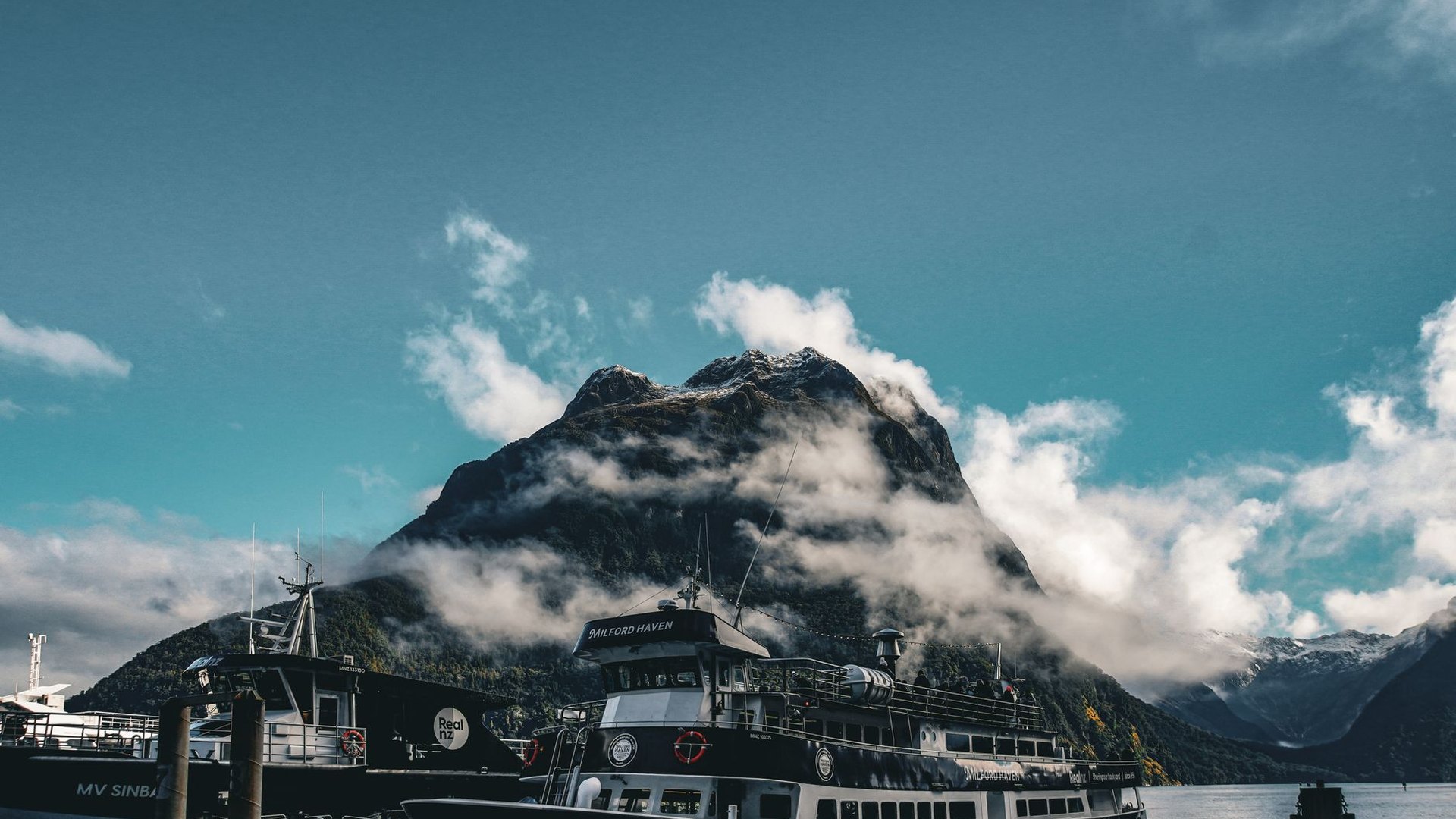
Milford Sound (Piopiotahi) is the most visited natural site in New Zealand, and the photographs do not prepare you for the scale of it. The fiord is 15 kilometres long, bordered by sheer granite walls rising over 1,200 metres directly from the water. Mitre Peak, at 1,692 metres, rises from the fiord floor in a single dramatic pyramid visible from the cruise vessel deck.
The drive to Milford Sound from Queenstown (approximately 290 kilometres, taking four to five hours) is itself one of the great scenic drives in the world. The road passes through the Eglinton Valley, beside Lake Gunn, and through the Homer Tunnel, a rough-hewn, single-lane tunnel bored through the mountain at an 11% downhill gradient, emerging into the steep valley above the sound. The tunnel alone is an experience worth noting.
Doubtful Sound (Patea), deeper into Fiordland and less accessible, is arguably even more spectacular than Milford and sees far fewer visitors. Access is typically by small plane from Queenstown or Te Anau, or by overnight cruise. The overnight cruise option, staying aboard a small vessel in the fiord overnight and waking to absolute silence broken only by waterfalls and dolphin fin breaks, is one of the most extraordinary accommodation experiences available in New Zealand.
Christchurch and the Canterbury Region
Christchurch, the largest city on the South Island, has been rebuilding its identity since the devastating earthquakes of 2010 and 2011. The city centre rebuild has produced some genuinely innovative architecture and public spaces, including the transitional Cardboard Cathedral (built from cardboard tubes as a temporary post-quake structure that became permanent), the Ōtākaro Avon River Corridor, and a revitalised arts precinct.
The International Antarctic Centre is worth noting: Christchurch serves as a significant gateway for Antarctic scientific expeditions run by New Zealand, the United States, Italy, and Korea, among others. The centre provides public access to Antarctic experience rooms, wildlife viewing, and equipment displays. It is a legitimately unique cultural attraction that reflects the city's genuine role in southern polar science.
Note that Canterbury Museum's main historic building has been closed for a major redevelopment since 2023, check current opening status before visiting, as the project is ongoing.
The Banks Peninsula, a volcanic peninsula east of Christchurch, contains the charming French-heritage town of Akaroa and one of the world's rarest dolphins, Hector's dolphin, found only in New Zealand waters. Swimming with Hector's dolphins on a guided boat tour from Akaroa is one of those experiences that requires virtually no embellishment.
The drive south from Christchurch into the Mackenzie Basin opens into high-country landscapes that feel genuinely otherworldly. Lake Tekapo, with its turquoise glacial water and the Church of the Good Shepherd on its shore, is the most photographed inland scene in New Zealand. The Mackenzie Basin is also one of the world's top stargazing destinations, designated as a Dark Sky Reserve, on a clear night, the Milky Way is visible as a broad band of light across the entire sky.
Adventure Holiday New Zealand UK: What to Add to Your Itinerary
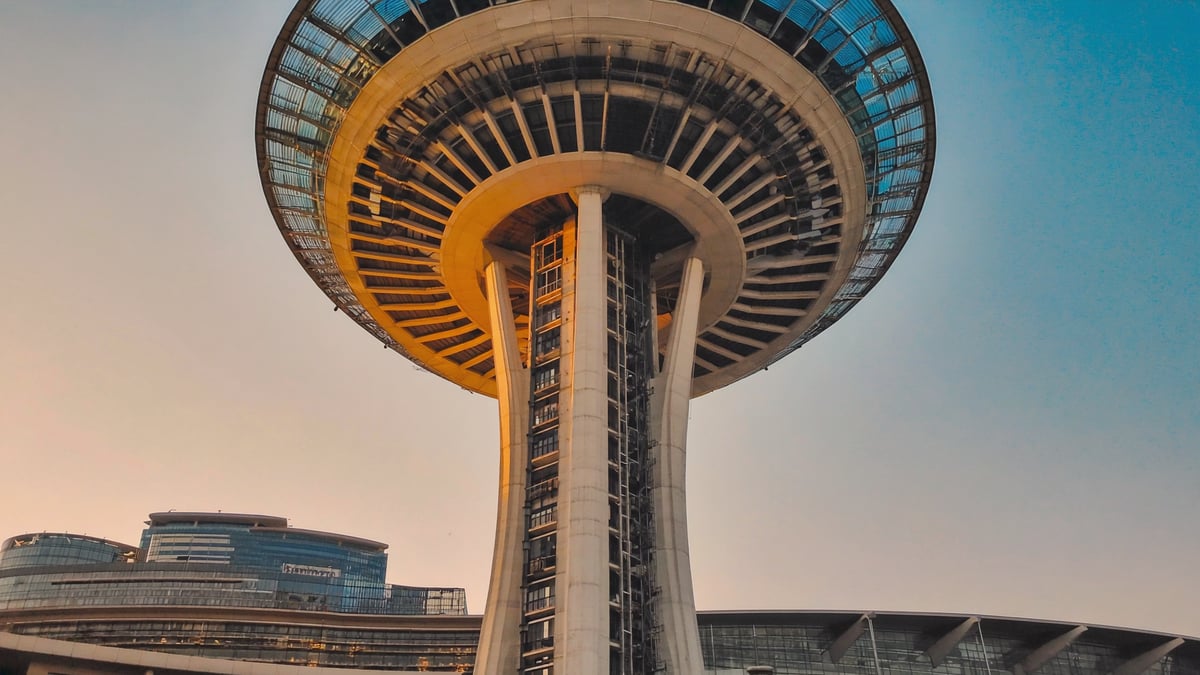
An adventure holiday New Zealand UK package is not simply about individual activities, it is about building an itinerary that combines physical challenge, natural immersion, and genuine discovery across both islands. The country's geography makes this unusually achievable within a single trip.
Activity Framework: Matching Experiences to Your Fitness Level
| Activity | Location | Fitness Level | Duration | Highlight |
|---|---|---|---|---|
| Tongariro Alpine Crossing | Central North Island | ⚠️ Moderate–High | Full day (6–8 hrs) | Volcanic craters, Emerald Lakes |
| Abel Tasman Kayaking | Nelson, South Island | ✅ Low–Moderate | Half day to multi-day | Seal colonies, golden bays |
| Nevis Bungy | Queenstown | ✅ No fitness required | Half day (inc. transfer) | 134m, NZ's highest bungy |
| Shotover Jet | Queenstown | ✅ Accessible | 25-minute ride | Canyon jet-boating at speed |
| Milford Sound Cruise | Fiordland | ✅ All abilities | 2–3 hours | Sheer fiord walls, waterfalls |
| Doubtful Sound Overnight | Fiordland | ✅ All abilities | Overnight (2 days) | Remote wilderness, total silence |
| Franz Josef / Fox Glacier Heli-hike | West Coast | ⚠️ Moderate | Half day | Helicopter landing on active glacier |
| Wai-O-Tapu Geothermal Walk | Rotorua | ✅ Easy | 2–3 hours | Champagne Pool, coloured terraces |
Great Walks: Planning and Booking
New Zealand's Great Walks are a collection of multi-day hiking routes maintained by the Department of Conservation to a high standard, with huts and designated campsites along each route. The current roster includes eleven tracks, the most recent addition being the Tuatapere Hump Ridge Track, which joined the programme in 2024.
Popular Great Walks huts sell out quickly after bookings open each year on a fixed date (check the DOC website for the current season's opening date). The booking system is first-come, first-served, not a ballot, so having your dates and party size confirmed before the booking window opens is essential. The Milford Track and Routeburn Track in Fiordland are the most competitive for bookings and often fill within hours of opening.
For visitors who prefer guided walks, a number of operators offer fully guided Great Walk experiences with private lodge accommodation, meals, and small group sizes. These are significantly more expensive than independent hut passes but remove all the logistical complexity and provide naturalist interpretation throughout.
Practical Planning: Seasons, Money, and Getting Around
When to Visit
New Zealand's seasons are the reverse of the UK's. December through February is high summer in New Zealand, with long days, warm temperatures, and the highest visitor numbers. This is when the country is at its most visually spectacular but also its busiest and most expensive.
New Zealand's autumn runs from March through May. This period, which falls during the UK spring, offers some of the most pleasant conditions for travel: warm days, lower crowds, and beautiful autumn foliage in places like Arrowtown and Central Otago. It is widely considered the best season for the Tongariro Alpine Crossing.
The winter months of June through August bring snow to the mountains (excellent for skiing), quieter tourist sites in summer-focused regions, and genuinely cold conditions in the South Island. For UK travellers, this corresponds to the school summer holiday period, meaning flights from Britain remain expensive regardless of what the weather is doing in New Zealand.
Spring (September through November) offers another excellent window: wildflowers, lambing season on the farms, and increasing daylight hours with relatively manageable visitor numbers.
Budget and Currency
The New Zealand dollar (NZD) is the local currency. Exchange rates fluctuate, and travellers should check current rates before departure rather than relying on any figure cited in a guide. Using a fee-free travel card such as Wise or Starling for purchases in New Zealand is generally the most cost-effective approach for UK visitors.
| Budget Category | Daily Spend (per person) | What This Covers |
|---|---|---|
| Budget backpacker | NZD 100–150 | Hostel dorm, self-catering, free attractions |
| Mid-range independent | NZD 200–350 | 3-star hotel or motel, café meals, some paid activities |
| Comfortable traveller | NZD 350–600 | 4-star accommodation, restaurant dining, guided activities |
| Luxury / splurge | NZD 600+ | Luxury lodges, helicopter experiences, private guides |
New Zealand is not a cheap destination by global standards, particularly for adventure activities. A helicopter glacier hike, a guided Great Walk, or a full day of Queenstown activities can each cost several hundred NZD per person. Building an honest activity budget into your overall trip cost before you depart avoids the most common source of disappointment.
Getting Around New Zealand
Self-driving is the most flexible way to explore New Zealand. Roads are generally well-maintained, traffic outside the main cities is light, and driving on the left is familiar to UK visitors. Campervans and motorhomes are popular with visitors who want maximum flexibility; campervan hire is widely available from Christchurch, Auckland, and Queenstown.
Rental cars are available at all major airports. Booking in advance and through comparison sites generally produces better rates than walk-up pricing. Note that New Zealand's roads, particularly on the West Coast and in Fiordland, can be genuinely remote, fuel stops should be planned, and mobile coverage is not universal.
For those who prefer not to drive, an intercity coach network (Intercity and Naked Bus being the main operators) connects most major towns, and scenic train routes including the TranzAlpine (Christchurch to Greymouth over Arthur's Pass) and the Northern Explorer (Auckland to Wellington) are worth considering as transport-as-experience options rather than simply point-to-point travel.
Māori Culture: Engaging Respectfully and Meaningfully
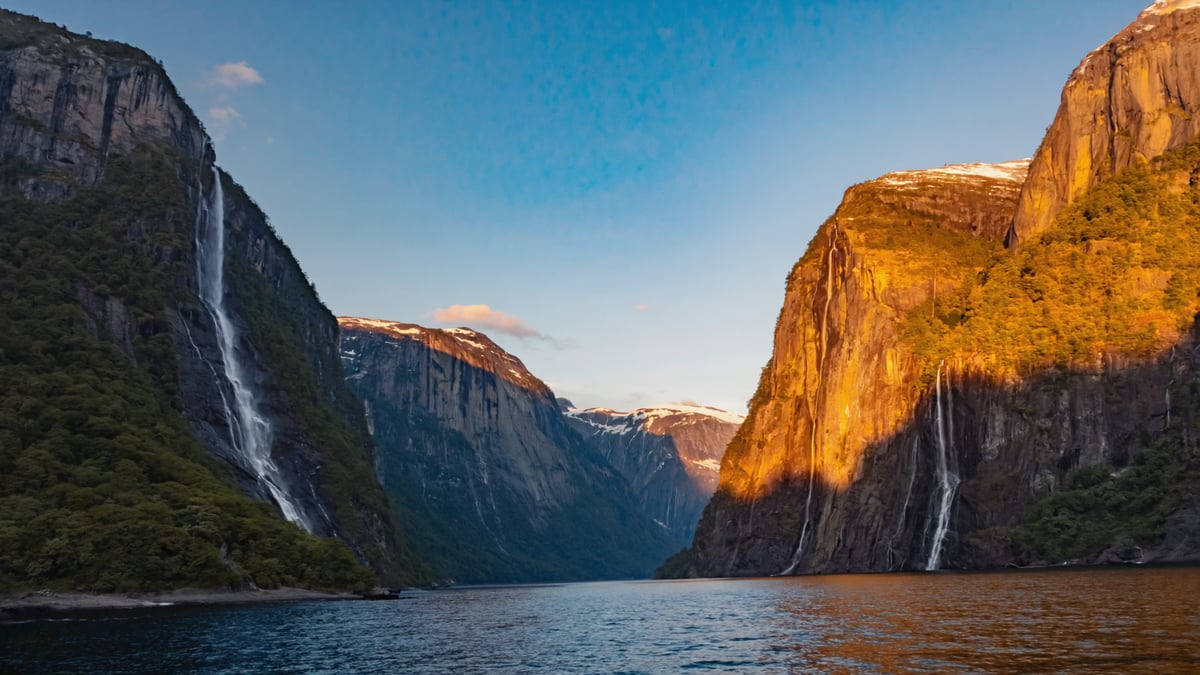
Māori culture is not background texture in New Zealand, it is a living, evolving dimension of the country's identity that visitors have a genuine opportunity to engage with if they approach it thoughtfully. The word "tikanga" describes Māori customary practices, and understanding even the basics transforms a visitor's experience.
The Treaty of Waitangi (Te Tiriti o Waitangi), signed in 1840 between the British Crown and Māori chiefs, is the foundational document of New Zealand's nationhood. The Waitangi Treaty Grounds in the Bay of Islands are where the original signing took place, and a visit to the site, including the Te Whare Rūnanga meeting house, which contains carvings representing iwi from across New Zealand, provides essential historical context for understanding the country's social and political landscape.
Learning a few phrases in te reo Māori is appreciated by locals. "Kia ora" (hello/thank you), "tēnā koe" (greetings to you), and "ngā mihi" (warm greetings) are all appropriate in everyday interactions. Place names throughout New Zealand are commonly given in both Māori and English, understanding the Māori name often reveals something about the landscape or history of a place that the English translation obscures.
When attending a pōwhiri (formal welcome ceremony), following the lead of your hosts is essential. The ceremony involves specific protocols around the order of proceedings, and visitors who observe respectfully rather than attempting to photograph every moment will have a more genuine experience.
New Zealand Package Holidays from the UK: What to Look For
A well-constructed New Zealand package holiday UK should do more than bundle flights and a hotel. Given the length of the journey and the breadth of what the country offers, the package you choose should be structured around a clear itinerary that moves logically between regions, uses domestic connections efficiently, and includes a mix of guided and free-time elements.
Key questions to ask when evaluating any package:
- Does the package cover both islands? A North Island-only itinerary misses Fiordland, Queenstown, and the Marlborough wine region. South Island-only misses Rotorua, Hobbiton, and the Tongariro Alpine Crossing. The best packages build in a logical arc across both.
- How is the inter-island crossing handled? Flying between Wellington and Christchurch saves time but misses the Marlborough Sounds experience. The Interislander ferry adds a day but is genuinely worth it for first-time visitors.
- What activities are included versus optional extras? Adventure activities in particular can add significantly to the total cost. Understanding what is pre-paid versus what you will pay locally helps with budgeting.
- What is the accommodation standard across the itinerary? Accommodation quality varies significantly between cities and regions. Queenstown and Auckland have a wide range; smaller towns and national park areas have fewer options.
- Is there adequate free time built in? New Zealand rewards slow travel. Itineraries that move every single day leave travellers exhausted and unable to absorb the landscape. Look for packages with at least two nights in each major stop.
GlobeHunters' New Zealand packages combine flights, accommodation, and activities into a single price with the flexibility to add extras. View current New Zealand holiday packages from GlobeHunters or call 0208 944 4514 to speak with a travel adviser about building a bespoke itinerary.
Sample Three-Week Itinerary for UK Travellers
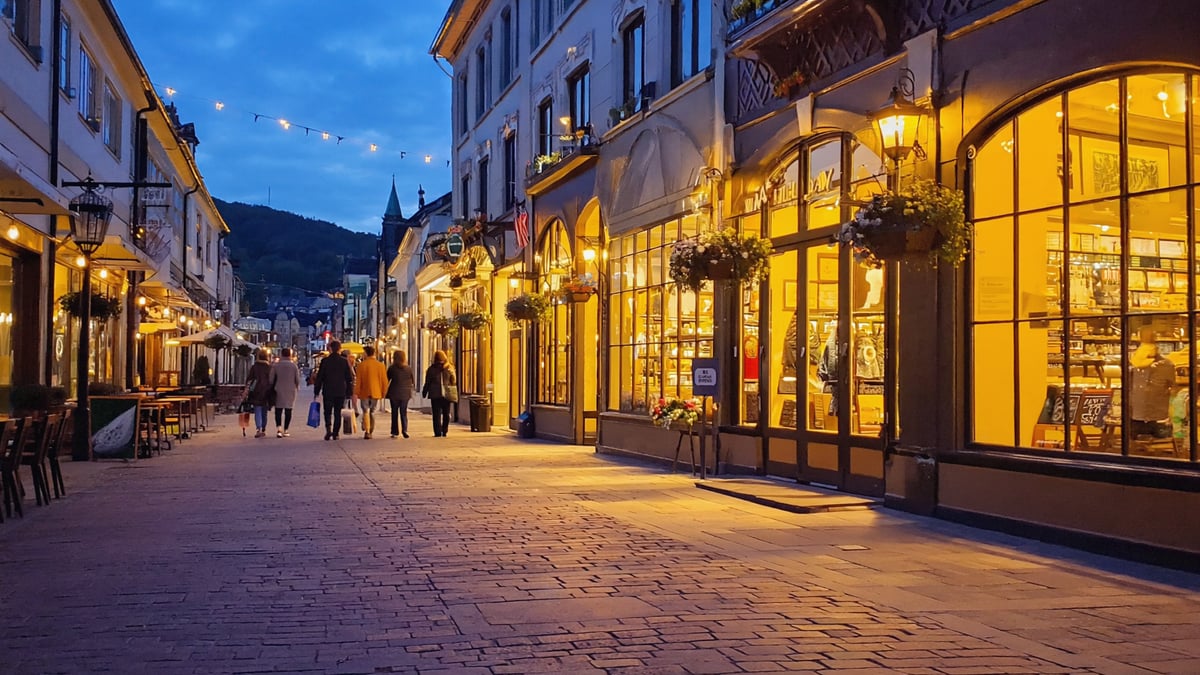
Three weeks is the minimum duration that allows a genuine experience of both islands without feeling rushed. The itinerary below is a framework, adjust it based on your interests, fitness level, and budget.
| Days | Region | Key Experiences |
|---|---|---|
| Days 1–3 | Auckland | Arrive, recover from jet lag, Auckland War Memorial Museum, Waiheke Island wine day, Rangitoto volcano |
| Days 4–5 | Bay of Islands / Northland | Waitangi Treaty Grounds, sailing, dolphin watching, Cape Reinga |
| Days 6–7 | Rotorua | Wai-O-Tapu, Te Puia cultural evening, Whakarewarewa village |
| Day 8 | Hobbiton / Waikato | Hobbiton Movie Set tour en route south |
| Days 9–10 | Tongariro | Tongariro Alpine Crossing, volcanic landscape drives |
| Days 11–12 | Wellington | Te Papa, Zealandia, cable car, food and wine scene |
| Day 13 | Interislander Ferry | Wellington to Picton through the Marlborough Sounds |
| Day 14 | Marlborough | Wine region cycling, cellar door tastings |
| Days 15–16 | Abel Tasman / Nelson | Kayaking through the national park, coastal walking |
| Day 17 | West Coast / Franz Josef | Pancake Rocks at Punakaiki, drive to glacier country |
| Day 18 | Franz Josef Glacier | Helicopter glacier hike (weather permitting) |
| Days 19–20 | Queenstown | Adventure activities, Arrowtown, Central Otago wine |
| Day 21 | Milford Sound | Full-day cruise in Piopiotahi / fly back to Queenstown for departure |
Frequently Asked Questions About New Zealand Holidays from the UK
Do UK travellers need a visa for New Zealand?
British passport holders do not need a full visa but must obtain a New Zealand Electronic Travel Authority (NZeTA) before departure. This is applied for online through the New Zealand Immigration website or the official NZeTA app. The International Visitor Conservation and Tourism Levy (NZD 100 per person) is paid at the same time.
How long is the flight from the UK to New Zealand?
There are no direct flights from the UK to New Zealand. Total journey time including at least one stopover is typically 24 to 28 hours depending on your routing and layover duration. Common transit hubs include Singapore, Dubai, Hong Kong, and Sydney.
How much does a New Zealand holiday cost from the UK?
Flight costs alone vary considerably depending on class, season, and booking timing, but long-haul return fares from London are typically at the higher end of the spectrum for UK travellers. A comfortable three-week trip including flights, accommodation, activities, and food can range from approximately £4,000 to £8,000 per person depending on travel style and season. A package holiday from a specialist like GlobeHunters helps consolidate costs and often provides better value than booking independently. Contact GlobeHunters on 0208 944 4514 for a current quote.
Is New Zealand safe for UK tourists?
New Zealand is widely regarded as one of the safest long-haul destinations for British tourists. The FCDO's current travel guidance for New Zealand should be consulted before departure, the page is regularly updated and includes any live notices affecting travel to or from the country, including any relevant flight disruption warnings.
When is the best time to visit New Zealand from the UK?
New Zealand's late summer and autumn (February through April, which falls during the UK spring) is widely considered the optimal window for travel, combining warm weather with lower crowds. Spring in New Zealand (September to November) is another excellent option. December and January offer long summer days but the highest visitor numbers and prices.
Should I visit the North Island or South Island first?
Most UK travellers land in Auckland on the North Island and travel south, ending in Queenstown or Christchurch for their return flight. This logical geographic progression works well and allows you to build familiarity with the country before reaching the more remote South Island landscapes. Flying home from Christchurch or Queenstown (rather than backtracking to Auckland) saves significant domestic travel time.
Is a campervan a good way to explore New Zealand?
For travellers with flexibility on timing and comfort preferences, a campervan is one of the most rewarding ways to experience New Zealand. The freedom to stop wherever the landscape demands it, beside a glacial lake at sunset, or on a deserted beach on the Coromandel Peninsula, is genuinely special. New Zealand has a well-developed network of holiday parks and freedom camping sites. Plan your route in advance and book holiday park pitches ahead of time during peak season.
What is the Interislander ferry and is it worth taking?
The Interislander operates between Wellington and Picton, crossing the Cook Strait in approximately three hours. The crossing passes through the Marlborough Sounds, which is one of the most beautiful stretches of water in New Zealand. For first-time visitors, taking the ferry at least one way is strongly recommended over flying, as the Sounds scenery is a genuine highlight rather than simply a transit experience.
How many Great Walks does New Zealand have?
New Zealand currently has eleven Great Walks, maintained by the Department of Conservation. The most recently added is the Tuatapere Hump Ridge Track, which joined the programme in 2024. Bookings for huts and campsites on the most popular tracks (particularly the Milford Track and Routeburn Track) open on a fixed date each year and sell out quickly, check the DOC website for current season dates.
What should I declare at New Zealand customs?
New Zealand has strict biosecurity rules to protect its unique ecosystem. You must declare all food items, plant material, animal products, and outdoor equipment including hiking boots, tents, and camping gear. Clean all outdoor equipment before packing. Failure to declare items can result in significant fines. The border inspection process is thorough, be honest and comprehensive on your arrival declaration card.
Can I use my UK driving licence in New Zealand?
Yes, UK driving licence holders can drive in New Zealand on their UK licence for up to 12 months. New Zealand drives on the left, which is familiar to British drivers. Road conditions vary from excellent motorways around Auckland to gravel tracks in remote national park areas. Speed limits are posted in kilometres per hour.
What is a hāngī and should I try one?
A hāngī is a traditional Māori method of cooking food using heated rocks buried in a pit oven. Meat, seafood, and vegetables are slow-cooked underground for several hours, producing a distinctive earthy, smoky flavour. Cultural evenings in Rotorua and other centres typically include a hāngī feast alongside cultural performances. It is one of the most distinctive food experiences available in New Zealand and worth seeking out.
Key Takeaways for Planning Your New Zealand Holiday
- Allow at least three weeks. New Zealand's two islands are vast relative to the number of highlights, a rushed two-week itinerary leaves too much out. Three weeks allows a genuine North-to-South journey without feeling like a race.
- Sort your NZeTA and IVL early. British passport holders need an NZeTA before departure, with the IVL (currently NZD 100) paid at the same time. Apply at least a week before travel.
- Book popular activities and Great Walks huts well in advance. The Milford Track, Routeburn Track, and major Queenstown activities fill up months ahead during peak season. DOC hut bookings open on a fixed date each year.
- Consider a package holiday. The logistics of a New Zealand trip, flights, inter-island crossing, domestic connections, accommodation across multiple regions, are complex. A specialist package from GlobeHunters removes the most time-consuming elements of planning.
- Engage with Māori culture actively. The most memorable New Zealand experiences for most visitors involve genuine cultural engagement, a pōwhiri, a hāngī, a visit to Waitangi, or time at Whakarewarewa. Seek these out rather than treating them as optional extras.
- Declare everything at biosecurity. New Zealand's border controls are strict and enforced. Clean your hiking gear before packing and declare all food and plant material on your arrival card.
- Check the FCDO travel guidance before you go. The page for New Zealand is regularly updated and includes live information about anything that may affect your journey, including any current flight disruption warnings.
Ready to start booking? Explore GlobeHunters' New Zealand packages combining flights, hotels, and activities from a single price, or call 0208 944 4514 to speak with a travel specialist who can build your ideal itinerary.
About the author
Spiros Maragkoudakis · Chief Commercial Officer
Ready to Book Your New Holiday?
Our travel experts are ready to help you plan the perfect trip. Call us today or browse our latest deals.
Ready to Start Planning?
Speak to our travel experts for personalised advice and the best deals on your next holiday.
Call 0208 944 4514