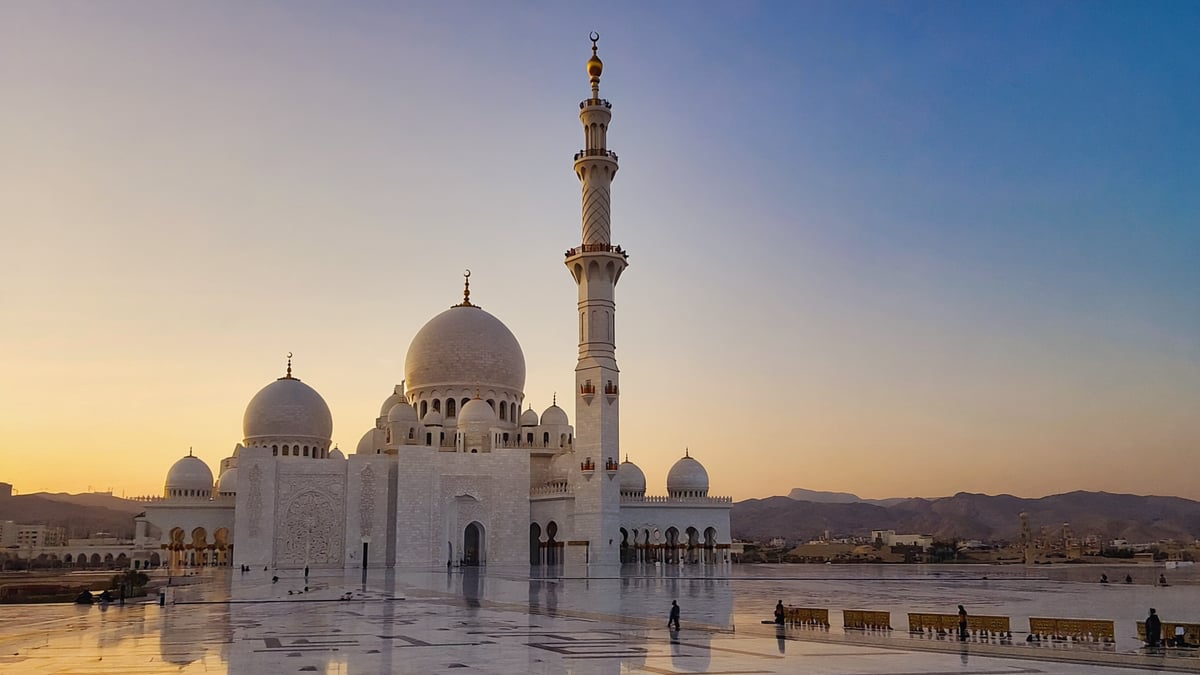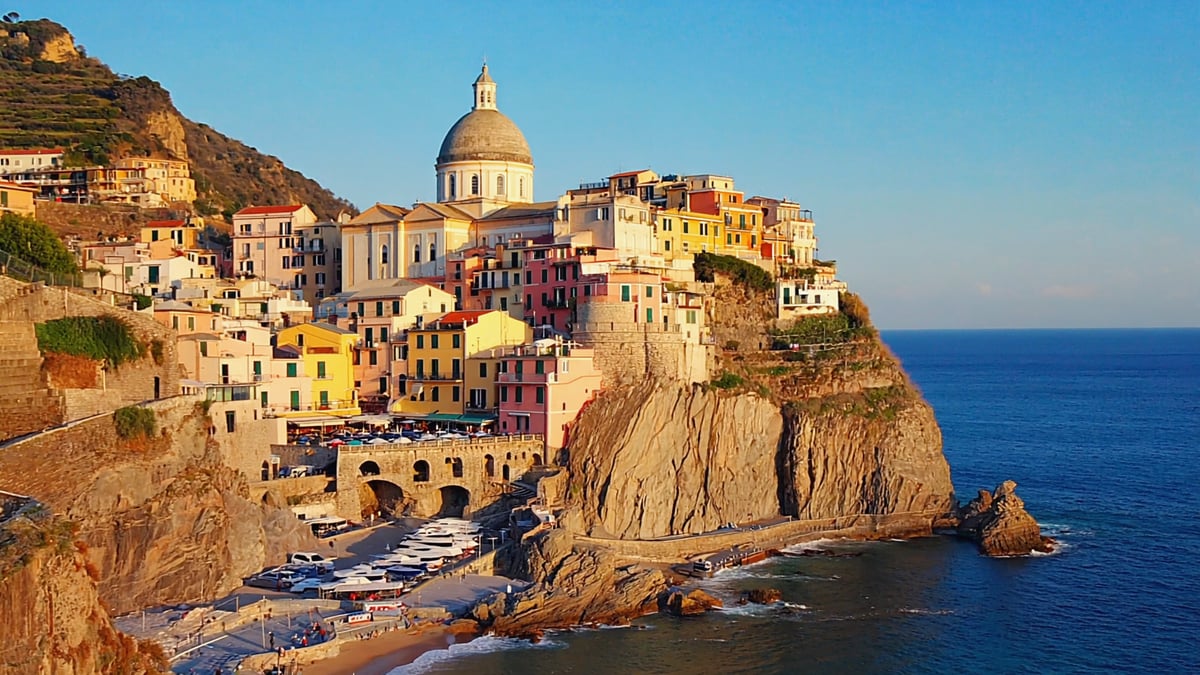
Here is the scenario: you have two weeks off, a budget you have been quietly building for months, and a browser full of half-researched tabs. One folder is labelled "Thailand" and the other says "Barcelona." Both look incredible. Both feel completely different. And somewhere between the flight price, the hotel options, and the nagging question of whether you actually want to spend 12 hours on a plane, you have hit a wall.
This is one of the most common crossroads UK travellers face, and it is rarely resolved by simply picking the cheapest option. The long-haul vs European holiday decision is really a question about what kind of experience you want, how much time you have, and where your money will actually go furthest. This guide works through that decision properly, with indicative package pricing from GlobeHunters (live prices change daily), honest comparisons across cost categories, and a framework for matching your specific situation to the right type of trip.
Why This Decision Is Harder Than It Looks
On the surface, comparing a European city break to a long-haul holiday seems straightforward: one costs more, takes longer to get to, and involves jet lag. But the real calculation is far more layered than that, and travellers who only look at the headline flight price routinely end up disappointed by their choice.
The best value holiday for UK travellers is not always the cheapest one in absolute terms. A £500 city break to Prague can feel flat if you spend most of it in tourist traps and airport queues, while a carefully planned £1,800 trip to Sri Lanka can feel extraordinary value given the sheer volume and quality of experiences packed into the same number of days. Conversely, a rushed long-haul trip where you spend half your time recovering from the flight is poor value by almost any measure.
There are also structural differences in how these holidays are built. European breaks tend to be shorter, more flexible, and easier to book last-minute. Long-haul trips require more lead time, more planning, and more commitment to a single destination. Both formats have their strengths, but those strengths only translate to value when they match your actual travel situation.
The Hidden Variables Most Travellers Overlook
When UK travellers compare holiday types, they tend to focus on the obvious costs: flights and accommodation. But several other variables shift the equation significantly:
- Annual leave allocation. A 5-night European break uses far less annual leave than a 12-night long-haul trip. For travellers with limited holiday entitlement, the maths changes entirely.
- Currency and in-destination spending. Some long-haul destinations, particularly in South and Southeast Asia, offer extraordinarily low day-to-day costs that partially offset the higher flight price. European cities vary widely, with Scandinavia costing significantly more per day than Central or Eastern Europe.
- Travel time as a cost. A direct flight from London to Bangkok takes around 11–12 hours each way, so you spend close to a full day in the air across the round trip, plus airport time. On a short trip, that is a large share of your holiday spent in transit.
- Health and preparation requirements. Some long-haul destinations require vaccinations, malaria prophylaxis, or travel health consultations, which add both cost and planning time. The NHS travel vaccination guidance recommends getting advice from a travel health professional at least 4 to 6 weeks before you travel, and points to TravelHealthPro for the vaccinations recommended for each country.
- Visa requirements. UK passport holders can visit most of Europe visa-free for short stays, though the EU is bringing in new entry checks, including the ETIAS travel authorisation. Long-haul destinations vary. Some require advance e-visas or full visa applications, adding complexity and sometimes cost.
None of these variables make one option better than the other. They simply change the calculation, and understanding them clearly is the first step to making a confident choice.
Breaking Down the Real Cost of a European City Break

European city breaks sit in a sweet spot for UK travellers: close enough to reach quickly, culturally rich enough to feel genuinely different from home, and available at price points that suit almost every budget. GlobeHunters packages for European city breaks currently start from around £197 per person (Paris, 4 nights) and £213 per person (Rome, 4 nights), making them genuinely accessible even for budget-conscious travellers. Live prices change daily.
Flights: The Structural Advantage
Flying within Europe from UK airports is one of the most competitive air travel markets in the world. Routes from London, Manchester, Birmingham, Edinburgh, and Bristol to major European cities are served by multiple carriers, which keeps prices lower and gives travellers genuine flexibility on departure times and airports. Short-haul flights from the UK to cities like Lisbon, Krakow, or Athens typically take between two and four hours, meaning the travel day itself costs very little of your actual holiday time.
The practical implication is that a European city break is far more forgiving of late booking. Long-haul routes are dominated by fewer carriers with less route competition, which means prices climb faster as departure dates approach. If you are booking within eight weeks of travel, a European destination almost always offers better value on flights alone.
Accommodation: City Centre vs. Resort Trade-Off
European city breaks typically involve staying in or near the city centre, which means you walk to most of what you want to see. This reduces in-destination transport costs significantly. A well-located hotel in Porto, Seville, or Budapest puts galleries, restaurants, markets, and historic sites within easy reach on foot, and where public transport is needed, European urban networks are generally excellent and inexpensive.
The trade-off is that European city centre hotels, particularly in Western European capitals, can be expensive. A centrally located hotel in Amsterdam, Paris, or Zurich commands prices that rival some long-haul resort hotels. This is where destination selection within Europe matters enormously. Eastern and Southern European cities consistently offer better accommodation value: a four-star hotel in Krakow, Tallinn, or Belgrade costs a fraction of an equivalent property in London or Paris.
Day-to-Day Spending in European Destinations
| Destination | Avg. Daily Budget (per person) | Key Cost Factor | GlobeHunters Package From |
|---|---|---|---|
| Krakow, Poland | £40–£60 | ✅ Very low food and drink prices | £349pp |
| Lisbon, Portugal | £60–£90 | ✅ Affordable dining, good wine | £449pp |
| Barcelona, Spain | £80–£120 | ⚠️ Tourist areas inflate prices | £499pp |
| Rome, Italy | £80–£110 | ⚠️ Entrance fees add up quickly | £213pp |
| Amsterdam, Netherlands | £100–£150 | ❌ High hotel and dining costs | £579pp |
| Copenhagen, Denmark | £120–£180 | ❌ One of Europe's priciest cities | £649pp |
The table above illustrates why destination selection within Europe matters as much as choosing between Europe and long-haul. A budget traveller heading to Copenhagen will spend more per day than someone on a carefully planned long-haul trip to Vietnam or Indonesia.
Breaking Down the Real Cost of a Long-Haul Holiday
Long-haul holidays carry a reputation for being expensive, and the flight cost is genuinely higher. But the full cost picture is more nuanced. GlobeHunters long-haul packages currently start from around £494 per person for a 5-night Dubai break, with Bali from £721 and the Maldives from £1,364, rising to £2,499 per person for premium long-haul experiences in places like the Maldives, Bali, or South Africa. For many travellers, the question is not whether they can afford a long-haul trip, but whether the overall value justifies the higher upfront cost.
Flights: The Dominant Cost and How to Manage It
Long-haul flights from UK airports represent the single largest cost in any long-haul package, and this cost is largely fixed regardless of how long you stay. This creates an important dynamic: the longer you stay, the more value you extract from that flight cost. A 7-night trip to Thailand costs roughly the same in flights as a 14-night trip, but the per-night flight cost halves. This is why most experienced long-haul travellers plan trips of at least 10 nights, ideally 14.
The UK's major departure hubs, particularly London Heathrow and Manchester, offer direct routes to a wide range of long-haul destinations. Indirect routes via hub airports (Dubai, Doha, Istanbul) can reduce prices significantly but add 3–6 hours to journey times. For many destinations, particularly in Southeast Asia, the Gulf hub connections are actually well-timed and minimally disruptive.
In-Destination Costs: Where Long-Haul Often Wins
This is the part of the long-haul calculation that surprises many first-time long-haul travellers. In popular UK long-haul destinations across Southeast Asia, South Asia, and parts of Africa, the pound stretches extraordinarily far. A full restaurant meal with drinks in Chiang Mai, Hoi An, or Colombo can cost less than a coffee and pastry in central London. Local transport, entrance fees to cultural sites, and guided excursions are priced for local economies that operate at a fraction of Western European costs.
This means a traveller used to Western European daily costs could often spend noticeably less per day in destinations like Vietnam, Cambodia, Sri Lanka, or Indonesia, covering comparable or superior experiences. The in-destination savings do not eliminate the higher flight cost, but they meaningfully reduce the total trip cost gap between long-haul and European options.
Long-Haul Destination Cost Comparison for UK Travellers
| Destination | Flight Time from London | Avg. Daily Budget (per person) | GlobeHunters Package From |
|---|---|---|---|
| Morocco | ~3.5 hrs | £35–£55 | £899pp |
| Egypt | ~5 hrs | £30–£50 | £949pp |
| Thailand | ~11 hrs | £40–£70 | £1,024pp |
| Bali, Indonesia | — | £35–£65 | £721pp |
| Sri Lanka | ~10 hrs | £40–£60 | £1,349pp |
| South Africa | ~11 hrs | £55–£90 | £1,499pp |
| Maldives | ~11 hrs | £120–£250 (resort-inclusive) | £1,364pp |
For the full range of GlobeHunters packages across 40+ countries, the GlobeHunters holiday packages platform lets you search by destination, travel month and trip length to find live pricing.
The Experience Gap: What Each Holiday Type Actually Delivers

Cost is only one dimension of this decision. The other, arguably more important dimension is what kind of experience each holiday type delivers and whether that experience matches what you actually want from your time off.
What European City Breaks Do Best
European city breaks excel at delivering concentrated, high-quality cultural experiences in a short time frame. The format is almost perfectly designed for the UK traveller who has 4–6 days available, wants to feel genuinely transported somewhere different, and values food, history, architecture, and urban energy.
The infrastructure of European cities, most of which have been optimised for tourism over decades, makes it easy to see a great deal without extensive planning. A long weekend in Lisbon can take in hilltop tram rides, historic azulejo tile facades, exceptional seafood at neighbourhood tascas, Fado music in the Alfama district, and sweeping views over the Tagus river, all within a walkable radius. That density of experience, achieved without jet lag or a week of acclimatisation, is genuinely hard to match.
European city breaks also work particularly well for:
- First-time travellers who want cultural immersion without the complexity of long-haul logistics
- Couples on anniversary or birthday trips where a short, focused experience is more meaningful than a longer, broader one
- Solo travellers who want vibrant, walkable environments with easy navigation
- Travellers with limited annual leave who cannot justify 14 nights away
What Long-Haul Holidays Do Best
Long-haul holidays deliver something European city breaks fundamentally cannot: genuine cultural distance. When you land in Japan, Jordan, Peru, or Tanzania, you are stepping into a world that operates by entirely different rhythms, aesthetics, and values. That sense of profound difference, of being truly far from the familiar, is something a significant portion of travellers specifically seek.
Long-haul destinations also tend to offer greater natural spectacle. Wildlife safaris in Kenya, the temples of Angkor in Cambodia, the rice terraces of Bali, the beaches of the Maldives, the souks of Marrakech: these are experiences that have no European equivalent. Many travellers who have "done Europe" and are looking for their next level of travel turn to long-haul destinations as the answer.
Long-haul holidays work particularly well for:
- Honeymooners seeking a once-in-a-lifetime experience in an extraordinary setting
- Retirees with flexible schedules who can maximise time in destination to justify flight costs
- Adventure travellers whose specific interests (diving, trekking, wildlife) are best served by long-haul locations
- Travellers who have exhausted their European bucket list and are ready for something fundamentally different
The Jet Lag Factor: An Honest Assessment
Jet lag is a real cost of long-haul travel that many planning guides downplay. Crossing several time zones disrupts the body's circadian rhythm, and a common rule of thumb is roughly one day of recovery per time zone crossed, so it can take several days to resolve fully. On a 10-day trip, losing two or three days to fatigue, poor sleep, and low energy represents a meaningful reduction in the quality of the experience. The Sleep Foundation's guidance on jet lag outlines the physiological effects and recovery timeline.
Eastward travel (e.g., London to Bangkok or Singapore) tends to produce more severe jet lag than westward travel (e.g., London to the Caribbean or North America) because it requires advancing the body clock rather than delaying it. Travellers who are sensitive to sleep disruption should factor this into their destination choice, particularly for shorter long-haul trips.
For European city breaks, the time zone difference from the UK is usually no more than two hours (for destinations like Greece), or three hours for Turkey in the UK winter, which produces little or no meaningful jet lag. This is a genuine advantage for shorter trips and for travellers who know they struggle with time zone shifts.
How to Use the Package Holiday Format to Your Advantage
Whether you choose European or long-haul travel, booking through a package holiday comparison UK platform like GlobeHunters offers structural financial advantages that independent booking often cannot replicate. Understanding how package holidays work helps you extract maximum value from either format.
ATOL Protection and Financial Security
All GlobeHunters package holidays are ATOL protected by the UK Civil Aviation Authority, which means your money is protected if a travel company fails. This matters more than many travellers realise. When you book flights, accommodation, and activities separately from different providers, each booking is only protected to the extent of the individual company's own guarantees. A package holiday bundles all components under a single booking with statutory protection, which is a meaningful risk reduction for any trip over £500.
Price Bundling: Where Packages Win
Package holidays often secure better per-component pricing than independent booking, particularly for accommodation. GlobeHunters works with Hotelbeds, one of the world's largest accommodation wholesale platforms, which means access to contracted hotel rates that are frequently below public booking prices. Combined with Duffel's flight aggregation and Viator's activity marketplace, the bundled package often represents genuine savings over assembling the same itinerary independently.
The savings are most pronounced for long-haul trips, where the complexity of coordinating flights, transfers, hotels, and activities across multiple time zones creates real risk of booking errors, missed connections, and incompatible itineraries. A well-structured package eliminates that risk while often costing less than the equivalent DIY trip.
Flexibility Within Package Structures
A common misconception about package holidays is that they are rigid, pre-scripted experiences with no room for personalisation. Modern package platforms like GlobeHunters allow significant customisation: choice of hotel category, room type, departure airport, duration, and add-on activities. The Viator integration means you can bolt on guided tours, cooking classes, diving excursions, or cultural experiences at the point of booking, creating a personalised itinerary within a protected package framework.
This flexibility makes packages particularly appealing for first-time long-haul travellers who want the security of a structured booking without sacrificing the ability to shape their own experience.
A Decision Framework for UK Travellers: Matching Trip Type to Your Situation

Choosing the right holiday destination as a UK traveller is easier when you apply a structured framework rather than relying on gut instinct or the appeal of a single destination photo. The following scoring model helps you map your specific situation to the right holiday type.
The GlobeHunters Holiday Fit Framework
Score each factor from 1–3 based on your situation. A higher total score indicates European city break; a lower total score indicates long-haul.
| Factor | Score 3 (European) | Score 2 (Either) | Score 1 (Long-Haul) |
|---|---|---|---|
| Available travel days | 5 days or fewer | 6–9 days | 10+ days |
| Total holiday budget (per person) | Under £700 | £700–£1,400 | Over £1,400 |
| Jet lag tolerance | Significant sensitivity | Moderate tolerance | Handles it well |
| Primary holiday motivation | Food, culture, city energy | Beach and relaxation | Wildlife, temples, adventure |
| Travel experience level | Occasional traveller | Regular traveller | Experienced traveller |
| Travelling with young children | Children under 5 | Children aged 5–12 | Teenagers or no children |
| How far in advance you are booking | Less than 6 weeks | 6–12 weeks | More than 12 weeks |
Scoring guide: 17–21 points = European city break strongly recommended. 12–16 points = either format works, choose based on primary motivation. 7–11 points = long-haul holiday strongly recommended.
This framework is a starting point, not a definitive verdict. A couple with 14 days, a £2,000 per person budget, and a specific desire to see Angkor Wat will score long-haul regardless of their jet lag sensitivity, because the destination is the point. But for the majority of travellers who are genuinely undecided, the framework surfaces which option aligns best with their practical constraints.
Specific Scenarios: Which Holiday Type Wins in Each Case
Abstract frameworks are useful, but concrete scenarios make the decision feel real. The following situations represent common UK traveller profiles and the UK holiday budget advice that applies to each.
Scenario 1: The Budget Couple with 5 Days and £1,200 Total
With £600 per person and 5 days available, the answer is almost certainly European. A GlobeHunters package to Lisbon, Porto, or Seville at £449–£529 per person leaves meaningful spending money for restaurants, wine, and a day trip. A long-haul trip on this budget is structurally difficult: flight costs alone for most true long-haul destinations consume the majority of the budget, leaving little for accommodation or activities.
The exception would be destinations like Morocco, which is not technically long-haul at 3.5 hours from London but offers a dramatically different cultural experience to any European city. GlobeHunters Morocco packages from £899 per person are above this budget at the baseline but worth considering if the couple can stretch to £1,800 total.
Scenario 2: The Honeymooners with 12 Days and £5,000 Total
With £2,500 per person and 12 days, long-haul is the clear recommendation. This budget unlocks GlobeHunters' Maldives packages, Bali experiences, or Sri Lanka itineraries, all of which deliver the extraordinary, once-in-a-lifetime quality that honeymooners specifically seek. A European city break on this budget would be comfortable and enjoyable, but it would not feel proportionate to the occasion.
The Maldives, in particular, is a destination that delivers exactly what honeymoon travel is supposed to feel like: overwater bungalows, complete seclusion, extraordinary sunsets, and the sensation of being genuinely far from ordinary life. That experience does not exist in European geography.
Scenario 3: The Family with Two Primary School Children, 10 Days, and £6,000 Total
Families with younger children face the most complex version of this decision. At £1,500 per person for four travellers, the budget supports either a strong European package or an accessible long-haul destination like Thailand or Sri Lanka.
The key variables here are the children's ages and the family's priorities. For children under eight, the jet lag issue is particularly significant: young children's sleep disruption on long-haul flights is unpredictable, and several days of overtired, disoriented children can undermine even the most beautiful long-haul destination. For this age group, a high-quality European beach destination, such as the Algarve in Portugal, the Balearic Islands, or the Greek islands, often delivers better family value.
For children over ten, long-haul destinations like Thailand or South Africa offer genuinely educational and memorable experiences: elephant sanctuaries, ancient temples, safari wildlife encounters. These experiences have lasting impact on children at an age where they can fully appreciate and remember them.
Scenario 4: The Solo Traveller with 7 Days and £1,500
A solo traveller with a week and £1,500 is in an excellent position for a strong European city break or an entry-level long-haul trip to a destination like Morocco or Egypt. The critical solo travel variable is safety and ease of independent navigation. Major European cities offer well-documented, English-friendly environments where solo travellers can move freely and confidently.
For the solo traveller specifically interested in long-haul, Southeast Asian destinations like Thailand are well-established on the solo travel circuit, with extensive backpacker infrastructure, English-speaking locals in tourist areas, and a culture of independent traveller hospitality. GlobeHunters Thailand packages typically sit within this budget (check the live 'from' price and any single supplement) and remove the logistics complexity of arranging accommodation and internal transport independently.
Scenario 5: The Retired Couple with 3 Weeks and a Flexible Budget
Retired travellers with flexible schedules and a meaningful budget represent the ideal long-haul traveller profile. The ability to spend three weeks in destination transforms the value equation of long-haul travel entirely. Flight costs become a smaller proportion of total expenditure, jet lag recovery time comes out of a large available pool of days, and the depth of experience available over three weeks in a destination like South Africa, Japan, or Peru is genuinely extraordinary.
This profile also benefits most from a structured package holiday, because the logistical complexity of three weeks across multiple regions in a long-haul destination is significant. GlobeHunters' multi-destination packages, combining cities, coastlines, and cultural sites within a single trip, are particularly well-suited to this traveller type.
Seasonal Timing: When Each Holiday Type Offers Better Value
The timing of your trip affects value differently for European and long-haul destinations, and understanding seasonal patterns helps you get more from your budget.
European Seasonality for UK Travellers
European city breaks are relatively season-resistant compared to beach holidays. Cultural cities like Prague, Vienna, Budapest, and Lisbon are enjoyable year-round, with winter visits often offering significantly lower prices and smaller crowds. The trade-off is weather: November to February in Northern and Central European cities is cold and sometimes grey, though Christmas markets add genuine charm to cities like Vienna, Strasbourg, and Bruges in December.
Southern European cities (Seville, Athens, Rome, Barcelona) are best avoided in July and August, when it is often very hot (in Seville temperatures regularly top 35°C) and tourist numbers are at their peak. The shoulder seasons of April to June and September to October offer the best combination of weather, price, and manageability.
Long-Haul Seasonality and the Monsoon Question
Long-haul destination seasonality is more consequential and less intuitive for UK travellers. Southeast Asia's monsoon season runs roughly May to October across different sub-regions, though the specifics vary by country. Thailand's east and west coasts have different wet seasons, meaning that while Koh Samui might be experiencing heavy rain, Phuket could be perfectly sunny.
The Met Office provides destination-specific weather information that helps UK travellers identify the best window for their chosen long-haul destination. Booking outside peak season for long-haul destinations can noticeably reduce package prices, making the timing decision a meaningful financial lever.
For UK travellers looking to escape winter specifically, the best-value long-haul options are destinations that are largely dry during the UK's darkest months: Thailand's Andaman coast, Sri Lanka's west and south coasts, and The Gambia are generally dry from around November to March, while Zanzibar is at its best in January and February after the short rains. Outside the Christmas and half-term peaks, package prices often reflect lower UK demand during term time.
Package Holiday Comparison: What GlobeHunters Offers Across Both Formats
The package holiday comparison for UK travellers ultimately comes down to which platform gives you the best combination of price, flexibility, and security. GlobeHunters has been operating since 2003, which means two decades of supplier relationships and accumulated destination expertise that translate directly into package quality.
What Is Included in a GlobeHunters Package
Every GlobeHunters package includes return flights from UK airports, accommodation for the specified duration, and airport transfers where applicable. The platform's integration with Viator means that curated activity options are available at the point of booking, allowing travellers to add guided experiences, tours, and excursions without the uncertainty of arranging them independently in destination.
For long-haul packages specifically, the value of having transfers and accommodation pre-confirmed cannot be overstated. Arriving in Bangkok, Colombo, or Marrakech at midnight after a long flight with no confirmed transfer is a stressful experience that a package holiday eliminates entirely. This is a practical benefit that does not appear in a price comparison but materially affects the quality of the holiday.
How to Get the Best GlobeHunters Price
GlobeHunters packages are priced dynamically, meaning the best prices are typically available either very early (12+ weeks before departure) or in last-minute windows (2–4 weeks before departure, when availability remains). For long-haul trips, early booking almost always wins because flight capacity fills earlier and hotel rates at quality properties are contracted well in advance.
For European city breaks, last-minute booking is a viable strategy, particularly outside school holiday periods. A couple with flexible dates who can travel on a Tuesday or Wednesday will almost always find better prices than weekend departures, which carry a premium across both flights and hotels.
To speak with a GlobeHunters travel specialist about the right package for your specific situation, call 0208 944 4514 for personalised advice across all 49+ destinations.
The Environmental Consideration: A Growing Factor for UK Travellers

An increasing number of UK travellers are factoring the carbon footprint of their holiday into their destination decision. This is a genuinely complex area where simplistic comparisons can be misleading, but the broad principle is clear: long-haul flights generate significantly more CO2 per passenger than short-haul European flights.
A return flight from London to Bangkok generates several times the CO2 of a return flight from London to Lisbon, largely because it covers around six times the distance. For travellers who have made climate commitments, this is a real consideration. The UK Government's greenhouse gas reporting conversion factors provide the methodology for calculating aviation emissions if you want to assess your specific route.
This does not mean long-haul travel is categorically wrong from an environmental standpoint, but it does mean that travellers who care about this issue will find European city breaks a more comfortable choice. Some travellers offset their long-haul emissions through certified programmes, though the quality of carbon offset schemes varies significantly and is worth researching carefully before purchasing.
Frequently Asked Questions: Long-Haul vs European Holiday for UK Travellers
Is a long-haul holiday better value than a European city break?
It depends entirely on the destination combination and trip length. Long-haul destinations in Southeast Asia and South Asia often have significantly lower day-to-day costs than Western European cities, which can partially offset the higher flight price. For trips of 10+ days, long-haul often represents comparable or better overall value. For shorter trips of 5–7 days, European city breaks almost always offer better value because the flight cost is lower and no days are lost to jet lag recovery.
What is the cheapest long-haul destination from the UK?
Morocco and Egypt consistently offer the lowest entry prices for destinations that deliver a genuinely different cultural experience to Europe. For true long-haul (10+ hour flights), Southeast and South Asian destinations such as Thailand, Bali and Sri Lanka are often among the most affordable options for UK travellers. Check holidays.globehunters.com for current package prices, which update daily.
How much annual leave do I need for a long-haul holiday?
To genuinely justify the flight cost and manage jet lag, most long-haul travellers need a minimum of 10 days in destination, which typically requires 8–10 days of annual leave (depending on how weekends fall). A 14-day long-haul trip uses approximately 10 days of annual leave and is often the sweet spot for long-haul value.
Are European city breaks suitable for families with young children?
Generally yes, and often more suitable than long-haul for children under eight. The short flight, minimal time zone difference, and manageable distances make European destinations much easier to navigate with young children. Beach-focused European destinations like the Algarve, Mallorca, or Cyprus are particularly family-friendly, offering resort facilities alongside cultural interest for parents.
Do I need travel insurance for a European holiday?
Travel insurance is strongly recommended for any holiday, European or long-haul. For European destinations, the UK Global Health Insurance Card (GHIC) provides access to state-provided healthcare in EU countries, but it does not cover repatriation, cancellation, or lost luggage. A comprehensive travel insurance policy covers these gaps and is essential for any trip, regardless of destination.
What are the visa requirements for popular long-haul destinations from the UK?
UK passport holders enjoy favourable access to most popular long-haul destinations. Thailand, Morocco, South Africa and Japan currently offer visa-free entry for UK tourists. Sri Lanka requires an electronic travel authorisation (ETA) before you fly, and Egypt and Bali (Indonesia) require a visa on arrival or e-visa. Several Gulf states, such as the UAE and Qatar, are visa-free, while others require an eVisa. Entry rules change regularly (Thailand, for example, shortened its visa-free stay in 2026), so always verify current requirements with the relevant embassy or the UK Government's foreign travel advice before booking.
Is it cheaper to book a package holiday or arrange everything independently?
For long-haul destinations, packages frequently offer better value than independent booking, particularly when you factor in the time cost of research, the risk of booking errors, and the loss of ATOL protection on separately booked components. For short European breaks with very simple itineraries (one city, one hotel), independent booking can sometimes be marginally cheaper, but the difference is usually modest and is offset by the convenience and protection of a package.
What is the best time of year for UK travellers to book a European city break?
Shoulder season (April to June and September to October) delivers the best combination of weather, price, and crowd levels for most European destinations. Winter (November to February) offers the lowest prices and smallest crowds but with colder weather in Northern and Central Europe. July and August are peak season across most of Europe, with higher prices, longer queues, and fuller accommodation.
Can I get a long-haul holiday for under £1,500 per person from the UK?
Yes, often. GlobeHunters packages to medium-haul destinations such as Morocco and Egypt typically start below £1,000 per person, and long-haul packages to destinations such as Thailand and Bali regularly come in under £1,500 per person. Packages include flights and accommodation, with transfers where applicable. The key is booking with sufficient lead time and travelling outside peak school holiday periods.
What should I prioritise when choosing between a European and long-haul holiday?
Prioritise available time first, then budget, then experience motivation. If you have fewer than 8 days available, European is almost always the better structural fit. If you have 12+ days and a budget over around £1,400 per person, long-haul becomes the more rewarding option. If your primary motivation is a specific experience (a safari, a specific temple, a particular beach type) that only exists in long-haul locations, that motivation should override the other factors.
How far in advance should I book a long-haul holiday from the UK?
For the best combination of price and availability, booking 12–20 weeks in advance is the sweet spot for most long-haul destinations. During peak UK travel periods (summer school holidays, half-term weeks), booking even earlier is advisable. Last-minute long-haul deals do exist but are less reliable than last-minute European options because the aircraft and hotels operate closer to capacity on popular routes.
Does GlobeHunters offer packages for solo travellers?
Yes. GlobeHunters packages are available for solo travellers across both European and long-haul destinations. Solo travellers should note that most hotels apply a single supplement to room rates, which means solo holidays cost more per person than the per-person price quoted for two sharing. Discussing this with a GlobeHunters travel specialist on 0208 944 4514 ensures you get accurate pricing for solo travel before committing to a booking.
Key Takeaways
- The flight cost gap narrows with trip length. For trips of 10+ days, long-haul often represents comparable total cost to European travel, especially when in-destination daily costs in Southeast Asia or South Asia are significantly lower than European equivalents.
- European city breaks are the stronger option for trips under 8 days, travellers with limited annual leave, families with young children, and anyone who knows they struggle with jet lag.
- Long-haul holidays are the stronger option for travellers with 12+ days, budgets over around £1,400 per person, specific experience motivations (wildlife, temples, extraordinary beaches), and those who have exhausted their European wish list.
- Destination selection within Europe matters enormously. Eastern and Southern European cities offer dramatically better value than Western European capitals, making them a genuine alternative to long-haul on a budget.
- Package holidays offer structural advantages over independent booking for both formats, including ATOL protection, bundled pricing, and pre-confirmed logistics that reduce stress and risk.
- Seasonal timing is a meaningful financial lever. Travelling outside UK school holiday peaks and understanding destination monsoon seasons can significantly reduce package prices.
- GlobeHunters packages range from affordable European city breaks to premium long-haul escapes, with prices updated daily online or available by calling 0208 944 4514.
The right holiday is the one that matches your time, budget, and motivations. Whether that is a long weekend in Lisbon or two weeks in Bali, GlobeHunters has a package built for it. Browse the full range at holidays.globehunters.com or speak with a travel specialist on 0208 944 4514 to find the package that fits your situation.
About the author
Spiros Maragkoudakis · Chief Commercial Officer
Ready to Book Your Long Holiday?
Our travel experts are ready to help you plan the perfect trip. Call us today or browse our latest deals.
Ready to Start Planning?
Speak to our travel experts for personalised advice and the best deals on your next holiday.
Call 0208 944 4514