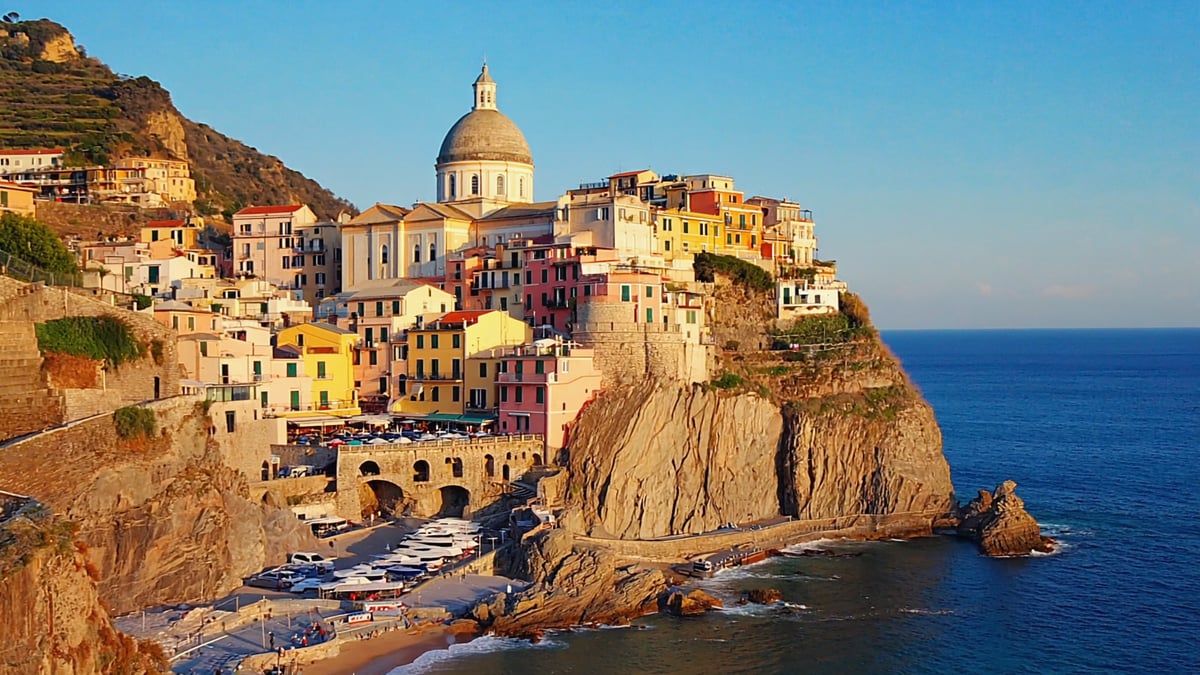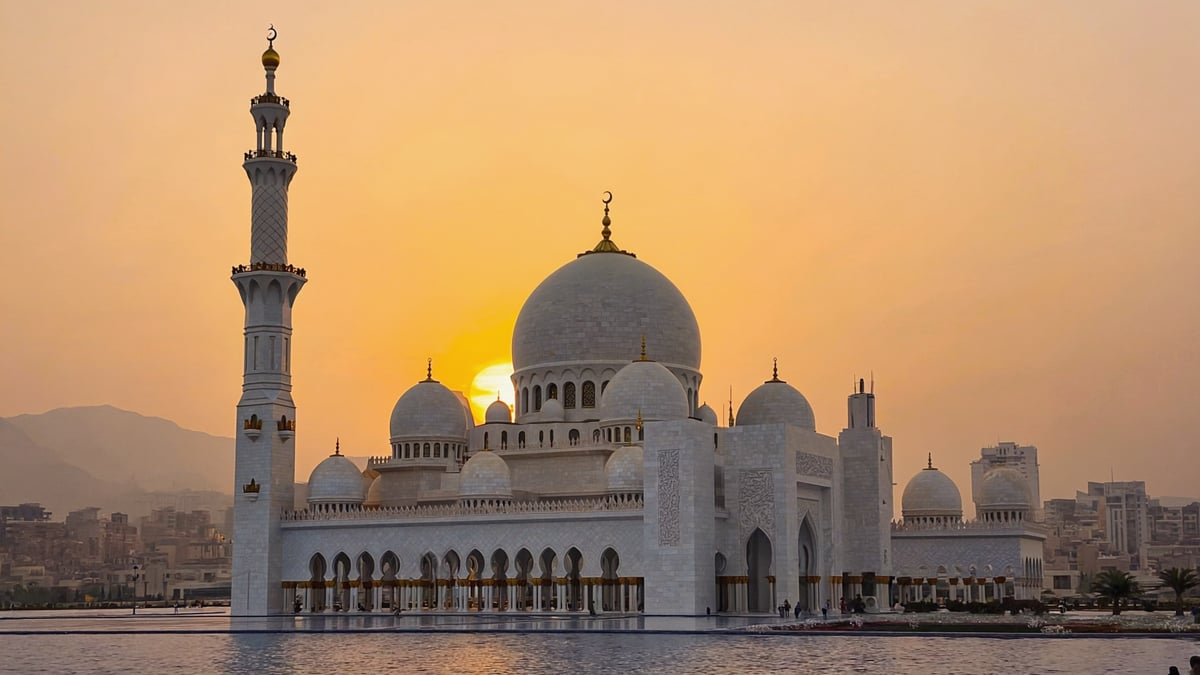
Most people, when they think of the Middle East, picture either gleaming skyscrapers or ancient ruins in ruins. Oman quietly defies both images. Here is a country where a 400-year-old fort overlooks a working fishing harbour, where a single day can take you from perfumed souks to the silence of a vast red desert, and where the coastline stretches for more than 3,000 kilometres, much of it free of the mega-resort development found elsewhere in the Gulf. For UK travellers who feel like every "undiscovered" destination has already been discovered, Oman is a genuine revelation.
The journey from the UK is surprisingly straightforward, direct flights from London to Muscat take around seven to seven and a half hours, and the time difference of just three or four hours means jet lag barely registers. Yet culturally and visually, Oman could not feel further from home. This guide covers everything UK travellers need to plan an Oman holiday from UK: where to go, what to see, how much to budget, when to travel, and how to book a package that handles the logistics so you can focus on the experience. Whether you are a couple looking for something more textured than a beach resort, a solo adventurer hunting silence and stars, or a family wanting a safe, child-friendly destination that is genuinely different, Oman delivers.
Browse GlobeHunters' curated Oman holiday packages to see current pricing and availability for UK departures.
Why Oman Is the Middle East Holiday UK Travellers Keep Overlooking
Oman sits in the shadow of flashier neighbours, but that is precisely what makes it extraordinary. While Dubai competes for superlatives and Saudi Arabia is only beginning to open its doors, Oman has been quietly welcoming curious travellers for decades, offering something rarer than luxury: authenticity.
The Sultanate of Oman occupies the southeastern corner of the Arabian Peninsula, bordered by the UAE to the north, Saudi Arabia to the west, and Yemen to the south. Its geography alone is staggering. The Hajar Mountains rise sharply from the coastal plain, their jagged ridgelines splitting the country between the fertile Batinah coast and the vast interior desert. The Dhofar region in the far south transforms entirely during the summer monsoon, turning green in a way that feels implausible for Arabia. And the Musandam Peninsula, an exclave separated from the mainland by UAE territory, is often called the "Norway of Arabia" for its dramatic fjords.
For UK travellers specifically, Oman ticks boxes that few destinations can match simultaneously. It has long been regarded as one of the most stable and peaceful countries in the Arab world, although the 2026 regional conflict means the FCDO currently advises increased caution and warns of possible travel disruption, so check the latest FCDO travel advice before booking and again before you travel. It is welcoming to Western visitors, with English widely spoken in hotels, restaurants, and tourist areas. It is culturally rich without being overwhelming, Omani culture is warm rather than impenetrable. And it is visually dramatic in ways that photographs barely capture.
What Makes Oman Different from Other Gulf Destinations
The comparison with Dubai is inevitable and instructive. Dubai is a city that has built itself around tourism, with all the polish and artificiality that implies. Oman is a country with a 3,000-year history of trade, seafaring, and empire-building that happens to also welcome tourists. The difference shows in small ways: a fort in Oman is not a reconstructed heritage attraction, it is a building that locals are genuinely proud of because their ancestors built it. A souk in Muscat sells frankincense and rose water because Omanis use frankincense and rose water, not because tourists expect to find them.
This authenticity extends to the landscape. There are no artificial ski slopes, no climate-controlled indoor beaches. What Oman offers instead is one of the most visually varied natural environments on earth: ochre desert dunes, turquoise fjords, lush wadis, terraced mountain villages, and a coastline where sea turtles still nest on beaches that have never been developed. For travellers who want a Middle East holiday that feels real rather than performed, Oman is the answer.
When to Book Your Oman Holiday from the UK
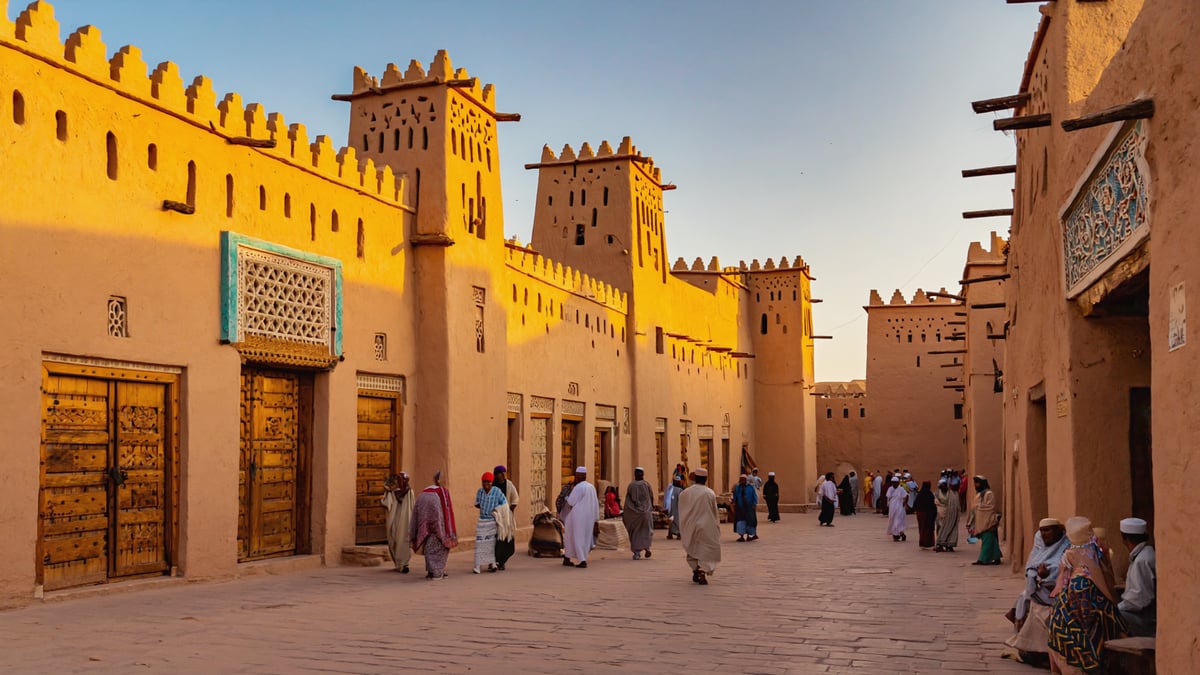
The best time to visit Oman for most UK travellers is between October and April, when temperatures are comfortable and rain is minimal. The summer months bring extreme heat to most of the country, with temperatures regularly exceeding 40°C in the interior, though the Dhofar region in the south experiences a remarkable exception.
Understanding Oman's seasonal patterns is essential to getting the most from your trip. Here is a breakdown to help you plan:
| Month | Temperature Range | Conditions | Best For |
|---|---|---|---|
| October – November | 25–35°C | Warm, sunny, low humidity | ✅ Desert, mountains, beaches |
| December – February | 18–28°C | Cool evenings, peak season | ✅ All regions, ideal for families |
| March – April | 22–35°C | Warming up, still pleasant | ✅ Wadis, turtle watching |
| May – September | 35–46°C (interior) | Extreme heat, humid coast | ⚠️ Salalah only (monsoon season) |
December and January represent peak season, bringing the most comfortable temperatures across the country. Book well in advance for this period, particularly if you want a specific desert camp or coastal resort, as availability tightens significantly. The shoulder months of October to November and March to April offer excellent value with fewer crowds, and the heat, while present, is very manageable.
The Khareef: Oman's Summer Secret
If you do need to travel in summer, the Dhofar region around Salalah is the notable exception. From June through September, the Indian Ocean monsoon, known locally as the Khareef, sweeps across southern Oman, coating the mountains and valleys in extraordinary green. Waterfalls appear where rock was dry for nine months. The temperature drops to a mild 20–25°C while the rest of Oman bakes. For UK travellers, this is a genuinely unusual experience, watching an Arab city wrapped in mist and greenery, and Oman's domestic tourism industry loves it so much that hotels in Salalah book out months in advance. International visitors willing to book early will find a side of Oman that almost nobody from the UK has seen.
Muscat: Where Ancient Arabia Meets a Gentle Modernity
A Muscat holiday for UK travellers is often the entry point to Oman, and the capital rewards that starting position generously. Muscat is not a city that tries to dazzle you with height or spectacle. Instead, it works on you slowly, through the scent of oud drifting from a doorway, the sight of a white fort on a black volcanic headland, the call to prayer echoing across a bay where fishing boats still go out at dawn.
The city sprawls along a coastline of dramatic rocky inlets, and its distinct districts each have a different character. Mutrah is the old soul of Muscat, its corniche lined with traditional dhows and its souk one of the most atmospheric in the Gulf. Old Muscat, the original walled settlement, contains the Al Alam Palace and two Portuguese forts, Jalali and Mirani, that have guarded this harbour since the 16th century. The Qurum and Shatti Al Qurum areas offer the modern face of the city: good restaurants, beach clubs, and the kind of gentle cosmopolitan energy that makes Muscat comfortable for first-time visitors to the region.
The Mutrah Souk: A Souk That Actually Functions
The Mutrah Souk is, without exaggeration, one of the finest traditional markets in the Arab world. Unlike souks that have been partially sanitised for tourism, Mutrah remains a working marketplace where Omani traders sell goods to Omani customers alongside curious visitors. The labyrinthine lanes are covered by wooden latticework that filters the light into something golden, and the air carries layered scents: frankincense burning in braziers, rose water, fresh spices, and the sharp sweetness of halwa, the Omani sweet made from sugar, saffron, and rose water that is given to guests as a mark of hospitality.
What to look for: Omani silver jewellery, particularly the traditional khanjar (the curved dagger that appears on the national emblem), frankincense and frankincense burners, Dhofari honey, pashminas, and handwoven textiles. Bargaining is expected but should be relaxed rather than aggressive. A gentle negotiation is part of the cultural ritual, and sellers generally respect a buyer who engages with good humour.
The Royal Opera House Muscat
One of the genuinely surprising things about Muscat is its Royal Opera House, an institution that ranks among the finest performing arts venues in the region. Built at the personal direction of the late Sultan Qaboos, the building is a masterpiece of Omani architecture with Italian marble, hand-painted ceilings, and exceptional acoustics. It hosts international opera, ballet, and orchestral performances throughout the season from September to May. For UK couples who want a cultural evening to remember, booking a performance here is something that will stay with them long after the trip.
Nizwa and the Hajar Mountains: Oman's Ancient Interior
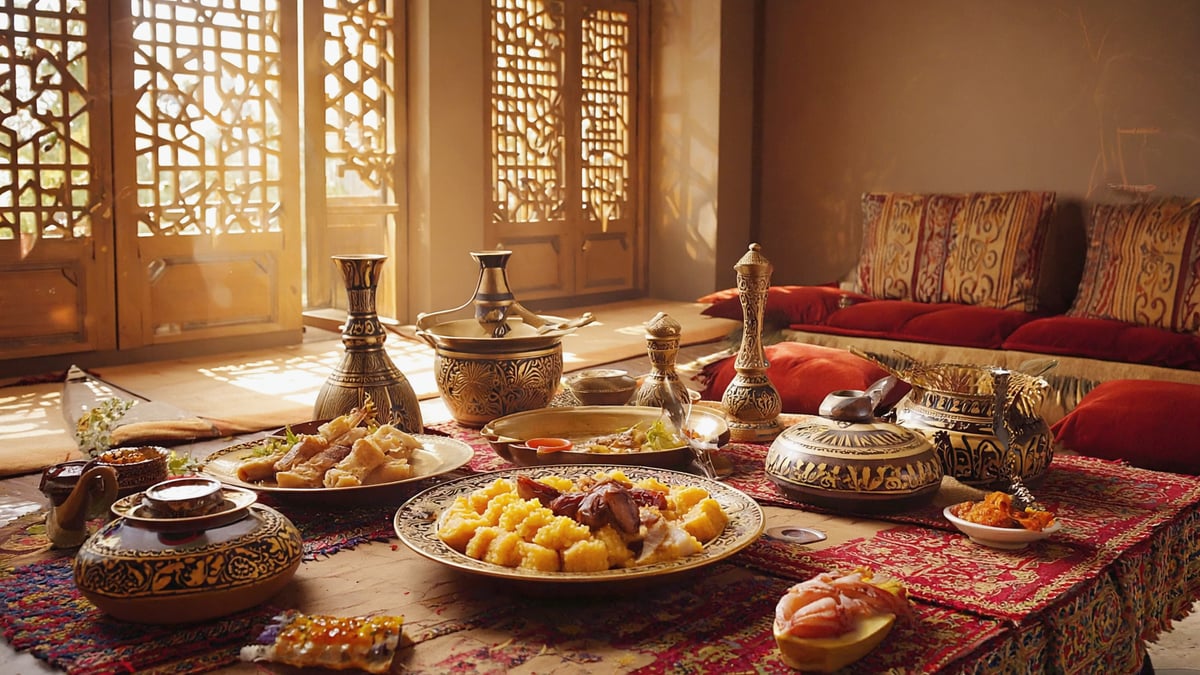
The drive from Muscat into the interior of Oman is one of the country's great experiences. The Al Hajar Mountains rise from the coastal plain in dramatic ridgelines, the road climbing through switchbacks into a landscape that feels biblical in its scale and age. At the heart of this interior sits Nizwa, Oman's former capital and its most historically significant inland city.
Nizwa Fort is the image that appears on most Oman travel guides, and it earns that prominence. Built in the 17th century, the fort's massive circular tower, one of the largest in Arabia, contains a complex of rooms that reveal how Omani society functioned at the time: grain stores, weapons caches, falconry perches, and a labyrinthine set of defensive traps designed to disorient any invader who breached the outer walls. The views from the top take in the date palm oasis that has fed Nizwa for centuries.
The Nizwa Souk, adjacent to the fort, holds a weekly livestock market on Friday mornings where Omani farmers bring goats, cattle, and the occasional camel to trade. It is not a performance for tourists, it is a functioning agricultural market, and witnessing it provides a connection to a way of life that has changed remarkably little over generations.
Jebel Akhdar and Jebel Shams: Oman's Mountain Escapes
The Green Mountain (Jebel Akhdar) and the Mountain of the Sun (Jebel Shams) are the Hajar range's two signature peaks. Jebel Akhdar, accessible by 4x4 only, rises to around 2,000 metres and supports a microclimate so different from the plains below that it produces roses, pomegranates, and apricots. The villages that cling to its terraced slopes produce Oman's famous rose water, distilled from the Damask roses that bloom in spring. Staying at one of the luxury lodges on the plateau, with views over a canyon that drops hundreds of metres into nothing, is an experience that competes with anything in Europe's mountain resorts at a fraction of the cost.
Jebel Shams (literally "Mountain of the Sun") is Oman's highest peak at around 3,000 metres, and the canyon below it, Wadi Ghul, is sometimes called the "Grand Canyon of Arabia." The comparison is not entirely absurd. A rim walk that takes in the full scale of the canyon is one of the best half-day hikes in the entire Middle East, requiring no technical climbing skill but delivering views of extraordinary drama.
Wahiba Sands: A Desert Experience Unlike Anything in the UK Travel Brochure
The Wahiba Sands (officially the Sharqiyah Sands) are the destination that converts desert sceptics into desert believers. Unlike the flat, featureless sand sheets of some deserts, Wahiba consists of vast dune systems with towering ridgelines, the sand shifting through colours from pale gold at midday to deep amber and crimson at sunset.
The standard approach for UK travellers is to book a desert camp stay of one or two nights, ideally combined with the drive through the nearby Wadi Bani Khalid, one of Oman's most beautiful wadis, where turquoise pools sit at the base of ochre cliffs and locals swim alongside visitors in water so clear it looks artificially filtered. The combination of desert and wadi in a single day is genuinely one of the world's great contrasts.
What a Desert Night Camp Actually Looks Like
Desert camps in Wahiba range from basic Bedouin-style tents to genuinely luxurious setups with proper beds, private bathrooms, and candlelit dinners. The experience that matters most is not the thread count, it is the darkness. Away from any city light, the Wahiba sky at night is the kind of starfield that most people in the UK have never actually seen in person. The Milky Way appears as a physical structure overhead, not a faint smear, and shooting stars are common enough that they stop feeling remarkable after the first hour.
Most camps offer dune bashing by 4x4 at sunset, camel riding, sandboarding, and traditional Omani dinners around a fire. Prices for a two-person overnight camp stay typically range from around £80 to £250 per night depending on the level of comfort, and most Oman package holidays from the UK that include a desert component use camps at the higher end of this range.
Oman's Coastline: From Turtle Beaches to Fjord-Like Inlets
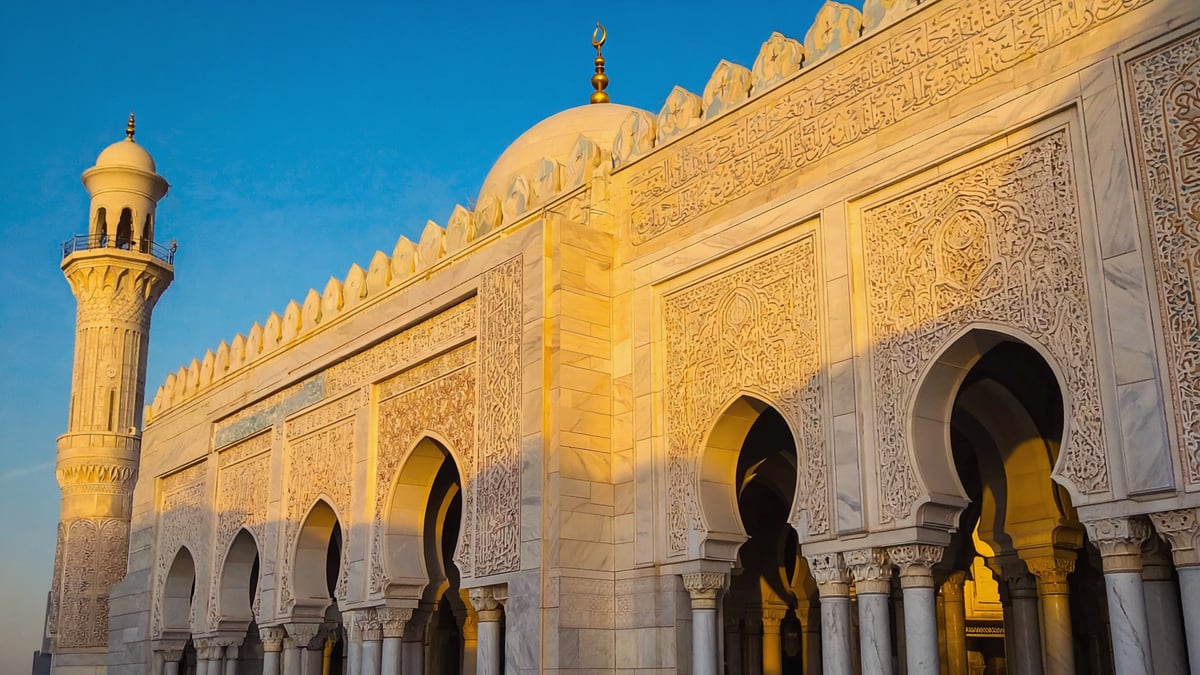
Oman's coast is one of the least developed and most biologically rich shorelines in the Indian Ocean region. For UK travellers conditioned to expect overdeveloped beach destinations, the scale and emptiness of Oman's beaches is initially surprising and then deeply refreshing.
Ras Al Jinz: Where Sea Turtles Come Ashore
At the easternmost point of the Arabian Peninsula, the beach at Ras Al Jinz is the nesting site for one of the largest populations of green sea turtles in the world. Female turtles return to the beach where they were born to lay their eggs, and the Ras Al Jinz Turtle Reserve manages guided night visits that allow small groups to watch this extraordinary process from a respectful distance. The experience of watching a creature that weighs more than most humans drag herself up a moonlit beach and lay a clutch of eggs in silence is one of those rare wildlife moments that genuinely shifts how you see the natural world.
Booking in advance is essential, particularly during the main nesting season from May to October. The reserve's own accommodation allows guests to attend both the evening and early-morning turtle watches, which is the most rewarding approach.
Musandam: Oman's Arctic-Looking Surprise
Musandam is technically an exclave, separated from the rest of Oman by UAE territory, and is normally reachable from Dubai by road (with appropriate visa arrangements) or by flying into Khasab airport. The landscape here is something that genuinely stops visitors mid-sentence: limestone cliffs plunge vertically into the Strait of Hormuz, creating a network of fjord-like inlets called khors that look more like Norway than Arabia. Important: because of the 2026 regional conflict, including drone attacks in Musandam, the UK Foreign Office currently advises against travel to Musandam. Check the latest FCDO travel advice for Oman before planning any visit.
Dhow cruises through the Musandam khors, often combined with snorkelling in water that is remarkably clear for a strait as busy as Hormuz, are among the most photographed experiences in Oman. Dolphins are common, and in winter months, whale sharks have been spotted in the outer waters. For UK travellers who are adding Musandam to a broader Oman or UAE itinerary, the contrast it provides with the desert interior is genuinely worth the logistics.
Sur: The Dhow Building Town
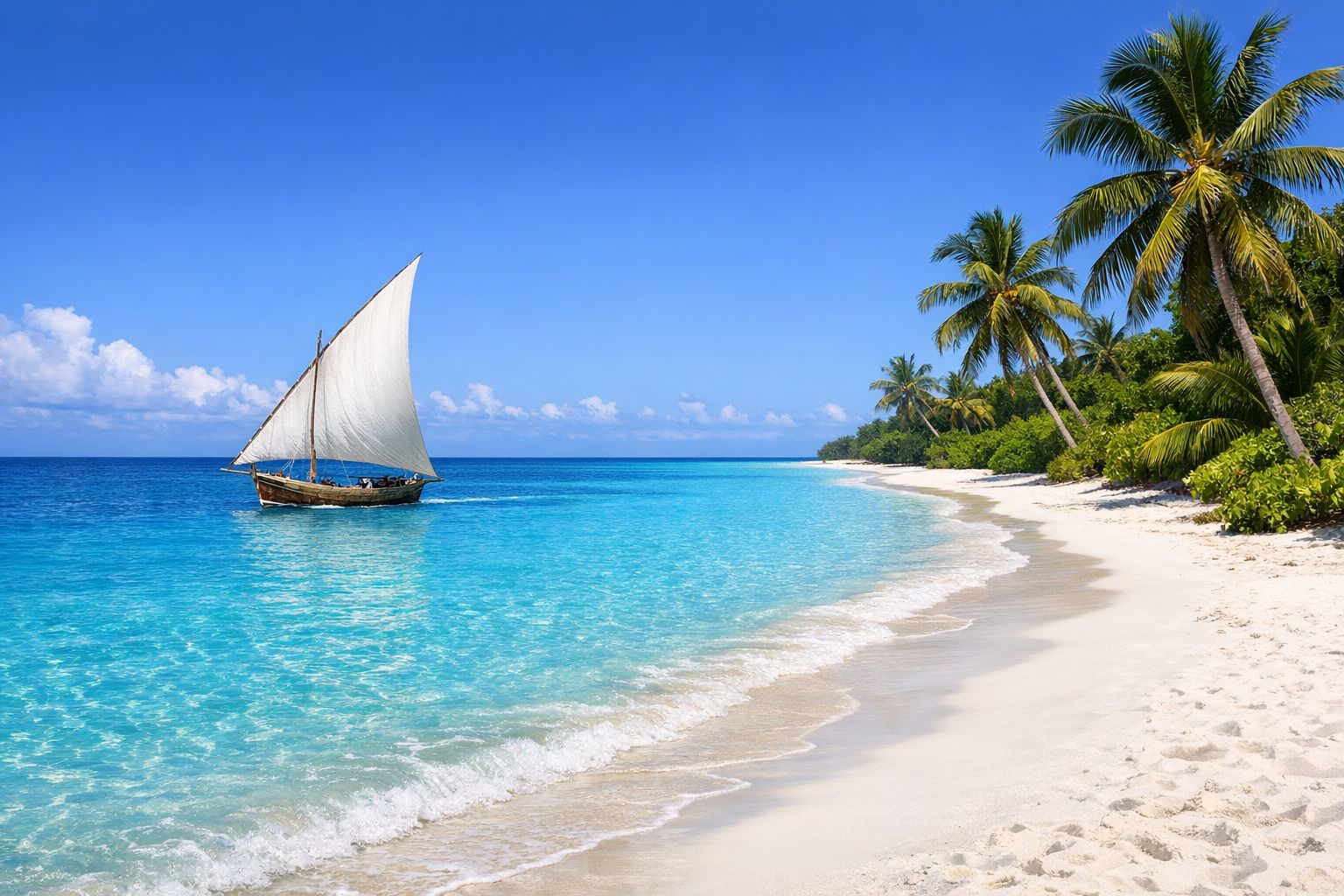
Sur, on Oman's eastern coast, was historically one of the great dhow-building ports of the Indian Ocean, its wooden sailing vessels trading with East Africa, India, and the Persian Gulf for centuries. A dhow yard still operates in Sur today, one of only a handful remaining in the Arab world, and visitors can watch craftsmen building traditional wooden boats using methods that have changed little in hundreds of years. The Sur Lagoon, nearby, is a wintering ground for flamingos and other wading birds, creating an unexpected birdwatching opportunity in an otherwise arid landscape.
What an Oman Package Holiday from the UK Typically Includes
Booking an Oman package holiday from the UK is significantly more straightforward than arranging the components independently, and the cost advantage is often considerable. Here is what a well-structured Oman travel guide UK package should contain, and what GlobeHunters typically builds into its Oman itineraries.
| Package Tier | Typical Duration | What's Included | Price Range (per person) |
|---|---|---|---|
| Muscat City Break | 5–7 nights | Return flights, hotel, airport transfers | £799 – £1,199 |
| Oman Explorer | 8–10 nights | Flights, multi-city hotels, desert camp, guided excursions | £1,299 – £1,799 |
| Oman Luxury | 10–14 nights | Business/premium flights, 5-star hotels, private transfers, curated activities | £2,099 – £2,999 |
| Honeymoon Oman | 10–12 nights | Premium flights, boutique hotels, private desert camp, spa credits, romantic dining | £1,899 – £2,499 |
These price ranges are indicative based on GlobeHunters' package structure. Actual pricing varies by departure date, airline, and hotel availability. For live pricing and to speak with an Oman specialist, call 0208 944 4514 or browse current Oman packages online.
The Case for a Package Over DIY
Oman is not a difficult country to navigate independently, but there are specific reasons why a package holiday adds genuine value rather than just convenience. First, internal transport is genuinely challenging without a car. Oman has no passenger rail network, intercity buses are infrequent and slow, and the distances between the key sites, Muscat to Nizwa, Nizwa to Wahiba Sands, Wahiba to Sur, are substantial enough that a poorly planned DIY itinerary can waste two or three full days in transit. A package that includes private transfers or a hired car with driver solves this elegantly.
Second, desert camp bookings, turtle reserve visits, and popular guided excursions to Jebel Akhdar and Wadi Shab frequently sell out during peak season. A package operator with established supplier relationships can secure these components months in advance. Third, ATOL protection, which covers UK travellers in the event of an airline or operator failure, applies to package holidays in a way it does not to independently booked flights and hotels. Given the distance and complexity of a Middle East holiday, this protection has real value.
It is also worth noting that the wider Gulf region has seen serious travel disruption in 2026. The BBC reported in March 2026 that thousands of travellers were stranded in the Middle East after airspace closures and flight suspensions linked to the conflict involving Iran. Check the latest FCDO travel advice before booking and before you travel. Booking a package from an ATOL-protected operator gives UK travellers financial protection and a single point of contact if plans change.
Practical Travel Information for UK Visitors
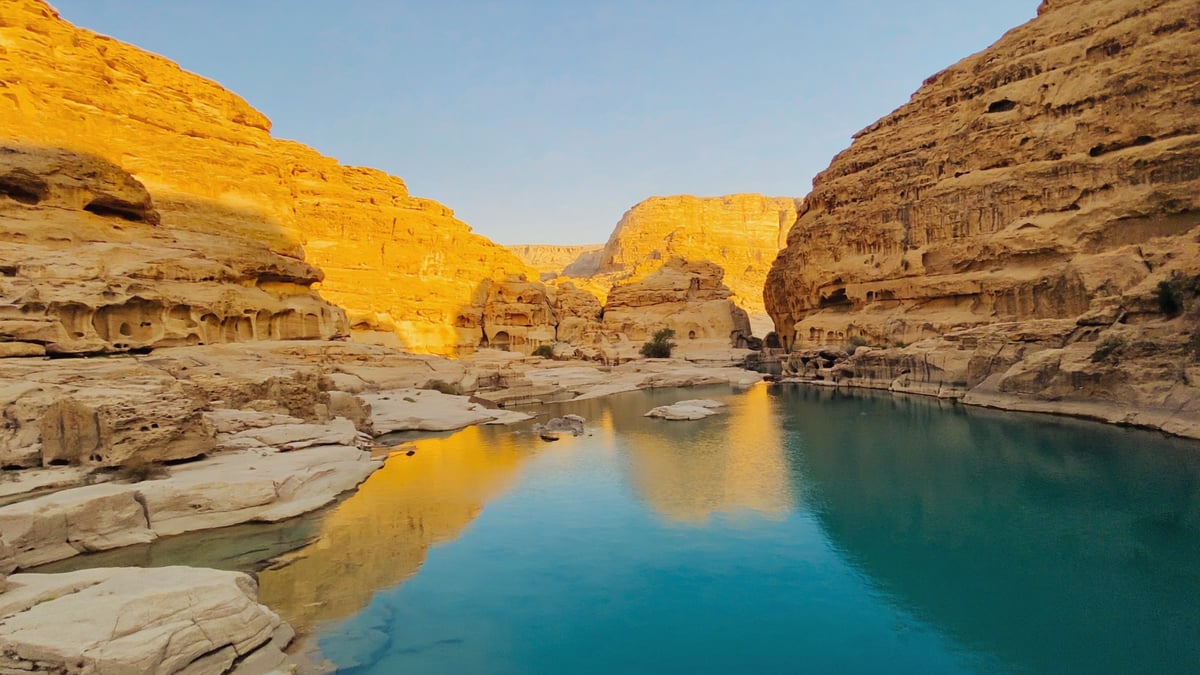
Before you pack your bags for an Oman holiday, there are several practical points that UK travellers specifically need to know. Most are straightforward, but a few are genuinely important.
Visas, Entry, and Documentation
British citizens can currently visit Oman visa-free for stays of up to 14 days. For longer trips, a tourist e-visa (typically allowing up to 30 days) can be obtained online before travel through the Royal Oman Police portal. Entry rules can change, so check the FCDO's Oman entry requirements on gov.uk before you book. Your passport must be valid for at least six months beyond your intended date of entry.
There are no vaccination requirements for entry to Oman from the UK, though standard travel health precautions apply. The Foreign, Commonwealth and Development Office (FCDO) maintains current travel advice for Oman at gov.uk, and checking this before travel is always advisable regardless of how stable a destination appears.
Currency, Costs, and Tipping
Oman uses the Omani Rial (OMR), which is one of the highest-valued currencies in the world. At the time of writing, 1 OMR is worth roughly £2 (check a current exchange rate before you travel), so prices quoted in Rials will appear deceptively small. A decent restaurant meal in Muscat might cost 4–6 OMR per person, which translates to roughly £8–£12. A taxi across Muscat will typically cost 3–5 OMR. Budget-conscious UK travellers will find Oman genuinely affordable once accommodation and flights are covered by a package deal.
Credit cards are widely accepted in hotels, restaurants, and larger shops, though smaller souks and rural vendors may prefer cash. ATMs are plentiful in Muscat and other cities. Tipping is appreciated but not expected in the aggressive way it can feel in some destinations; a small tip for a good restaurant, hotel staff who go beyond the expected, and tour guides is culturally appropriate and warmly received.
Dress Code and Cultural Etiquette
Oman is a Muslim country with a conservative culture, and UK travellers should dress accordingly in public spaces. This means covering shoulders and knees when visiting souks, forts, mosques, and any area outside of hotel beach zones. Swimwear is perfectly acceptable at hotels and on beach resort areas. Women do not generally need to cover their hair in Oman (the exception is when visiting mosques, where a headscarf is required), and the dress code is considerably more relaxed than in Saudi Arabia, but modest clothing shows respect and is also practical in terms of sun protection.
Alcohol is available at licensed hotels and restaurants but is not sold in supermarkets or at general off-licences. Public consumption of alcohol is not permitted. During Ramadan, eating, drinking, and smoking in public during daylight hours should be avoided out of respect, and some restaurants may only open after sunset. Check the Ramadan dates for your travel period if relevant, as they change annually.
Getting Around Oman
For travellers on a package that includes guided excursions and private transfers, getting around is handled for you. For any independent exploration, a hire car is the most practical option and gives access to landscapes that no guided tour covers. Oman's roads are excellent, well-maintained, and signed in both Arabic and English. Driving is on the right-hand side. A standard UK driving licence is valid in Oman for tourist visits.
It is worth noting that visiting Jebel Akhdar, Jebel Shams, and the Wahiba Sands requires a 4x4 vehicle, particularly for the mountain roads and desert tracks. Many hire companies in Muscat offer SUVs and 4x4s at reasonable rates. If your package includes a desert camp component, the camp will typically arrange transfers from a meeting point using their own 4x4 fleet.
Oman for Different Types of UK Travellers
One of the things that makes Oman genuinely unusual as a destination is how well it serves completely different types of traveller. This is not a destination that suits only adventure seekers or only luxury tourists. Its range is remarkable.
For Couples and Honeymooners
Oman has become an increasingly popular honeymoon destination for UK couples, and the appeal is easy to understand. The combination of a luxury desert camp under a sky full of stars, a boutique mountain lodge perched above a canyon, and a private beach at a coastal resort creates a honeymoon narrative that no single-resort destination can match. The lack of rowdy party culture, the genuine warmth of Omani hospitality, and the dramatic landscape all contribute to a romantic atmosphere that feels earned rather than manufactured.
Several of Oman's coastal and mountain lodges specifically market to honeymoon couples, offering private plunge pools, in-room dining with views, and spa treatments using local frankincense and rose water products. GlobeHunters' honeymoon Oman packages are structured to combine these elements into a seamless 10–12 night itinerary.
For Families with Children
Oman is, somewhat surprisingly, an excellent family destination. It is extremely safe, genuinely child-friendly in its hospitality culture, and offers a range of experiences that children find genuinely engaging rather than merely educational. Turtle watching at Ras Al Jinz is the kind of experience that children remember for decades. Dune bashing in Wahiba is thrilling, though it is best done with a reputable licensed operator, with seatbelts and age guidance followed. Wadi swimming in crystal-clear pools is the kind of water play that beats any water park, with close supervision and an eye on the weather. Fort exploration, with its secret passages and towers, has an inherent adventure appeal.
Practically, Oman's good roads, reliable infrastructure, clean water in hotels, and the wide availability of familiar foods in Muscat make it manageable even with young children. The main challenge is the heat outside of the October to April window, which is why timing is particularly important for families.
For Solo Travellers
Solo travel in Oman is straightforward and generally very safe. Muscat is a city where walking alone, eating alone, and exploring independently feels comfortable and relaxed. Omanis are hospitable and curious about visitors in a way that leads to genuine conversations rather than sales pitches. Solo travellers who join small-group guided excursions to Wahiba Sands or Jebel Akhdar will typically find themselves in the company of other international visitors, and the shared experience of a desert sunrise or a mountain hike creates connections quickly.
The practical consideration for solo travellers is cost: Oman's hotel rates and tour prices are structured around double occupancy, and single supplements can add meaningfully to the total. A GlobeHunters package can often absorb some of this cost through supplier relationships, so it is worth calling 0208 944 4514 to discuss solo pricing specifically.
For Adventure Seekers
Oman has an adventure travel scene that is still developing but already impressive. Rock climbing in Wadi Bani Awf, deep-water soloing on the Musandam cliffs, canyoneering in Wadi Shab, kite surfing at Masirah Island, and multi-day trekking routes in the Hajar Mountains are all available to visitors with the appropriate fitness level and equipment. The infrastructure for guided adventure activities has expanded significantly, with professional operators running certified trips to all of these locations.
Wadi Shab deserves particular mention. The wadi involves a walk through a gorge, swimming through pools, and ultimately diving through a hole in a rock face to reach a hidden cave with a waterfall inside. It is the kind of experience that sounds like it was invented for a travel advertisement but is entirely real, and the combination of physical effort and visual reward is extraordinary.
Salalah: The Other Oman That Most UK Travellers Never Reach
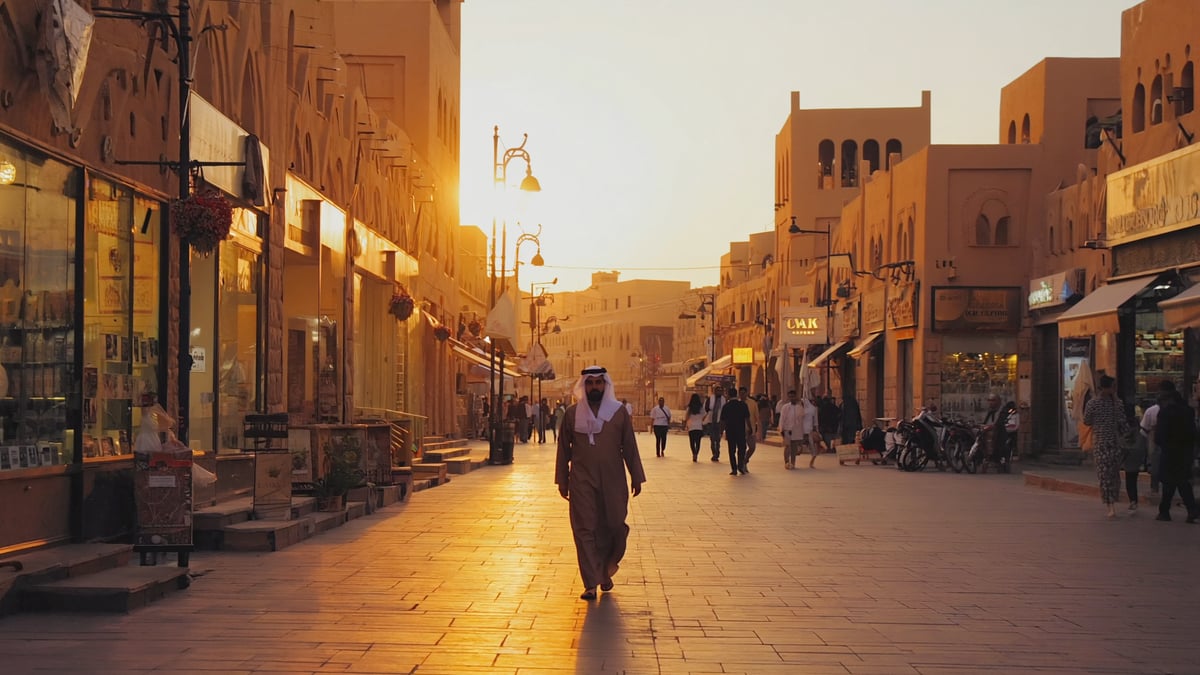
Salalah, the capital of Oman's Dhofar region, is located nearly 1,000 kilometres south of Muscat and requires a separate flight or a very long drive. For most UK travellers on a 7–10 night trip, it does not fit the itinerary. But for those who can extend to 12–14 nights, or who visit specifically during the Khareef monsoon season, Salalah offers a completely different version of Oman.
The frankincense trees of Dhofar have been traded since antiquity. Oman was, for centuries, the world's primary source of frankincense, the resin that the ancient world burned as an offering to gods and kings. The archaeological site of Sumhuram, near Salalah, was a major frankincense trading port 2,000 years ago, and the UNESCO World Heritage-listed Land of Frankincense sites tell this story with genuine archaeological depth. Al Baleed, the ruins of an ancient walled city near the modern waterfront, is one of the most undervisited significant archaeological sites in the Arabian Peninsula.
Salalah's beaches, particularly Mughsail, with its dramatic blowholes that send seawater geysering through holes in the rock, and the long white stretches of Al Fazayah, are among the most beautiful on the Arabian coast. The combination of green monsoon mountains, ancient ruins, deserted beaches, and a frankincense trade dating back thousands of years makes Salalah a genuine destination in its own right rather than an add-on.
A Suggested 10-Night Oman Itinerary for UK Travellers
For UK travellers trying to see the maximum range of Oman's landscapes and culture in a single trip, a 10-night itinerary structured as follows covers the core experiences without feeling rushed:
- Nights 1–3, Muscat: Arrive, recover from the flight, explore Mutrah Souk, visit the Grand Mosque, take a half-day boat trip along the Muscat coast.
- Night 4, Nizwa: Drive through the Hajar Mountains, stop at Wadi Bani Awf, visit Nizwa Fort and Souk in the afternoon.
- Night 5, Jebel Akhdar: Drive up to the Green Mountain plateau, walk the rose water village trail, stay at a mountain lodge with canyon views.
- Nights 6–7, Wahiba Sands: Drive through the desert edge, stop at Wadi Bani Khalid for a swim, arrive at desert camp for sunset, spend one full day in the dunes.
- Night 8, Sur: Visit the dhow yard, explore Sur Lagoon, drive the coastal road through the fishing villages.
- Night 9, Ras Al Jinz: Afternoon at the turtle reserve, evening turtle nesting watch, early morning hatchling watch if timing allows.
- Night 10, Muscat: Return to Muscat, final evening at a rooftop restaurant on the corniche, early departure the following morning.
This itinerary is best suited to October through April and requires either a hire car or a package with private transfers. GlobeHunters can build this exact route as a tailored package, including all accommodation, transfers, and key excursions. Call 0208 944 4514 or visit the GlobeHunters Oman page to discuss building a bespoke itinerary.
Frequently Asked Questions About an Oman Holiday from the UK
How long is the flight from the UK to Oman?
Direct flights from London Heathrow to Muscat International Airport (MCT) take approximately 7 to 7.5 hours. Oman Air has historically operated this route, but airline schedules across the Gulf have been disrupted by regional tensions in 2026 and some carriers, including British Airways, have suspended services, so check current direct and connecting options before booking. From other UK airports, connecting flights typically add several hours to the total journey time.
Do UK citizens need a visa to visit Oman?
For short holidays, usually not. UK passport holders can currently enter Oman without a visa for stays of up to 14 days, provided they meet the entry conditions, such as a confirmed return or onward ticket, a hotel booking and proof of sufficient funds. For longer stays, apply for a tourist e-visa online through the Royal Oman Police portal before you travel. Your passport must be valid for at least six months from your entry date. Entry rules can change, so check the FCDO's Oman entry requirements before booking.
Is Oman safe for UK tourists?
Oman has a strong safety record for international visitors, with very low levels of street crime. However, the wider region has been affected by conflict in 2026, and the FCDO has updated its Oman travel advice to cover regional tensions. Areas near the border with Yemen in the Dhofar region carry additional warnings. Always check the latest FCDO travel advice for Oman at gov.uk before booking and again before you travel, and make sure your travel insurance is valid for your trip.
What is the best time of year to visit Oman from the UK?
The optimal window for most UK travellers is October through April, with December to February being peak season for the most comfortable temperatures across all regions. March and April are excellent value shoulder months with good weather. Summer (May to September) is very hot in most of Oman but the Salalah Khareef season (June to September) offers a unique monsoon experience in the south.
How much does an Oman package holiday cost from the UK?
A 7-night Muscat city break package from the UK, including return flights and hotel, typically starts from around £799 per person. A fuller 10-night Oman explorer package including Muscat, Nizwa, Wahiba Sands, and coastal areas runs from approximately £1,299 per person. Luxury and honeymoon packages for 10–14 nights range from £1,899 to £2,999 per person. GlobeHunters offers live pricing at holidays.globehunters.com/oman or by calling 0208 944 4514.
Is Oman suitable for a family holiday with young children?
Yes, Oman is an excellent family destination. It has a strong safety record, the roads are good, infrastructure in tourist areas is reliable, and the range of child-friendly experiences, including turtle watching, dune bashing, wadi swimming, and fort exploration, is genuinely engaging for children of most ages. The main consideration is timing: avoid summer months due to extreme heat, choose October to April for comfortable family travel, and check current FCDO travel advice before booking.
Can you drink alcohol in Oman?
Alcohol is available in Oman but only in licensed hotels and some restaurants catering to international visitors. It is not sold in supermarkets or general shops, and public consumption is not permitted. UK travellers staying in international hotels will have access to alcohol at hotel bars and restaurants. The selection and availability are generally good within this context.
What currency does Oman use, and how does it compare to pounds?
Oman uses the Omani Rial (OMR). The OMR is one of the world's highest-valued currencies; at the time of writing, 1 OMR equals a little under £2. This means prices quoted in Rials will appear numerically small but convert to reasonable sterling amounts. Credit cards are widely accepted in cities and tourist areas. Carrying some cash is advisable for souks, rural markets, and smaller vendors.
Is Oman expensive compared to other Middle East holiday destinations?
Oman sits in the mid-range for the Gulf region. It is less expensive than Dubai for dining and daily costs, roughly comparable for hotels at equivalent star ratings, and the experience-to-cost ratio is generally excellent given the quality of what you get. Guided excursions, desert camps, and wadi tours are all competitively priced. The main cost is the flight, which a well-structured package absorbs efficiently.
Can I visit Oman during Ramadan?
Yes, visiting Oman during Ramadan is possible and culturally interesting, though it requires some adaptation. During daylight hours, eating, drinking, and smoking in public are forbidden by law for Muslims and non-Muslims alike, so keep these to your hotel or designated areas. Most hotels and international restaurants will continue to serve food, often behind screens or in designated areas. Evenings during Ramadan have a festive atmosphere, with families gathering to break the fast (Iftar), and some travellers find this period particularly atmospheric. The dates of Ramadan change annually based on the Islamic lunar calendar.
Do I need travel insurance for an Oman holiday?
Travel insurance is strongly recommended for any Oman holiday, covering medical evacuation, trip cancellation, and baggage loss at minimum. Ensure your policy covers any adventure activities you plan to do, including dune bashing, wadi canyoneering, or mountain trekking, as some standard policies exclude these. Medical care in Muscat is good but private hospital costs for serious treatment can be substantial without insurance coverage.
How should I dress as a UK tourist in Oman?
Outside of hotel beach and pool areas, dress modestly in Oman. Cover shoulders and knees in souks, forts, mosques, and public areas. Women do not need to cover their hair. Lightweight, breathable fabrics in loose fits work best for the climate and are also culturally appropriate. Swimwear is perfectly acceptable at hotel pools and resort beaches. Packing a light scarf for mosque visits and cooler mountain evenings is practical.
Key Takeaways for Planning Your Oman Holiday
- Oman is the Middle East holiday the UK traveller market has been systematically underestimating. It has a strong safety record, is authentic and visually spectacular, and is far more varied than a single-resort beach destination. Check current FCDO advice before booking, given wider regional tensions.
- Travel between October and April for the most comfortable conditions across all regions. December to February is peak season; March to April offers good value and smaller crowds.
- Do not limit yourself to Muscat. The Hajar Mountains, Wahiba Sands, and the coastal turtle sites are where Oman's most memorable experiences happen.
- A package holiday offers genuine advantages for Oman specifically: internal transport logistics, pre-booked desert camps and reserve visits, and ATOL protection for peace of mind.
- Budget from £799 per person for a 7-night Muscat city break, rising to £1,299–£1,799 for a full 10-night explorer itinerary covering multiple regions.
- Entry is straightforward for UK citizens (visa-free stays of up to 14 days, with an e-visa for longer trips), the English language is widely spoken, and the cultural adjustment is gentler than many travellers expect.
- Wahiba Sands at night is one of the most extraordinary natural experiences available to a UK traveller. If you do nothing else, do one night in the desert.
Ready to book? GlobeHunters has been building curated holidays for UK travellers since 2003. Speak to an Oman specialist on 0208 944 4514 or explore current Oman packages with live pricing online now.
About the author
Spiros Maragkoudakis · Chief Commercial Officer
Ready to Book Your Oman Holiday?
Our travel experts are ready to help you plan the perfect trip. Call us today or browse our latest deals.
Ready to Start Planning?
Speak to our travel experts for personalised advice and the best deals on your next holiday.
Call 0208 944 4514