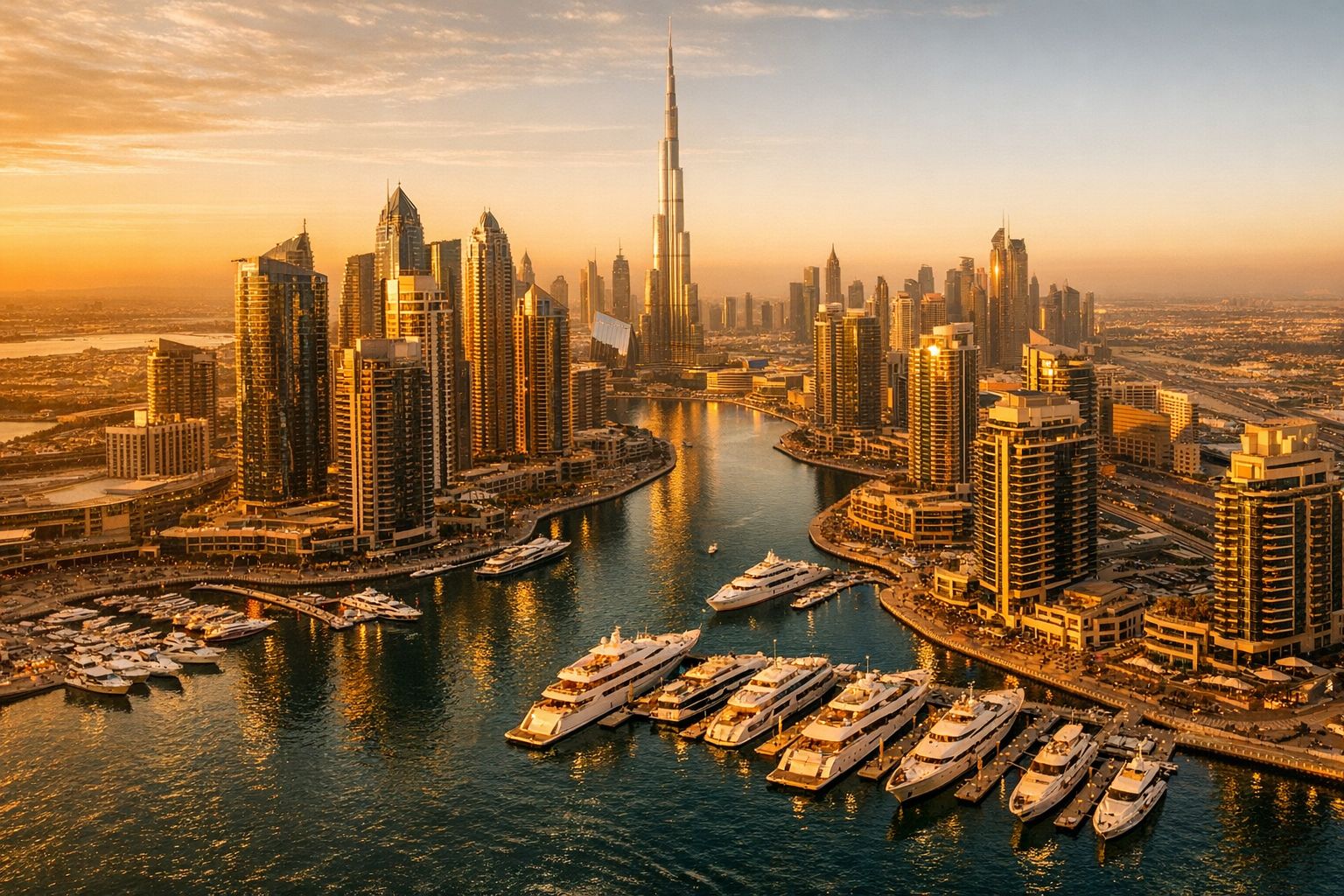
Here is a genuinely useful piece of information before you start planning: the gap between what most people think a European city break costs and what it actually costs is enormous. Many UK travellers assume a weekend in Prague, Lisbon, or Seville will set them back £700 or £800 per person once flights, a decent hotel, food, and a couple of experiences are added up. The truth is that a well-planned European city break from the UK can come in well under £500 per person, including return flights, centrally located accommodation, guided tours, and several proper sit-down meals. The key word is "planned." Spontaneity is expensive. Structure saves money.
This practical budget planner walks through every stage of booking a European city break under £500 UK, from choosing the right destination to locking in the best package price, managing daily spending on the ground, and getting the most out of every pound. Whether you are travelling as a couple, heading off solo, or looking for a compact family weekend away, the framework here applies to all of them. GlobeHunters has been putting together cheap city breaks Europe UK travellers actually want since 2003, and the packages on holidays.globehunters.com start from £349 per person, which makes that £500 ceiling very achievable.
Step 1: Choose the Right Destination (Estimated Time: 30–60 Minutes)
Destination selection is the single most important budget decision you will make. Getting this right means you can eat well, do things, and still come home with money in your pocket. Getting it wrong means counting pennies by day two. The difference is not always about flight cost, it is about how far your money goes once you land.
Europe divides neatly into high-cost and low-cost destination groups. Western European capitals like Paris, Amsterdam, and Zurich are beautiful but expensive. Central and Eastern European cities, along with parts of Southern Europe, offer dramatically better value. The rule of thumb: the further east or south you go within the EU, the more purchasing power your pounds carry.
The Best-Value Destinations for a Budget City Break from the UK
The following cities are consistently among the most achievable for a budget city break from UK departures, combining affordable flights, low daily costs, and strong cultural programmes:
| City | Country | Avg. Daily Spend (excl. accommodation) | Flight Time from London | Budget Rating |
|---|---|---|---|---|
| Prague | Czech Republic | £40–£55 | ~2 hrs | ✅ Excellent |
| Lisbon | Portugal | £45–£65 | ~2.5 hrs | ✅ Excellent |
| Budapest | Hungary | £35–£50 | ~2.5 hrs | ✅ Excellent |
| Seville | Spain | £45–£60 | ~2.5 hrs | ✅ Excellent |
| Krakow | Poland | £30–£45 | ~2.5 hrs | ✅ Outstanding |
| Porto | Portugal | £40–£55 | ~2 hrs | ✅ Excellent |
| Valencia | Spain | £45–£60 | ~2.5 hrs | ✅ Excellent |
| Tallinn | Estonia | £35–£50 | ~3 hrs | ✅ Excellent |
| Rome | Italy | £60–£80 | ~2.5 hrs | ⚠️ Manageable |
| Barcelona | Spain | £65–£85 | ~2 hrs | ⚠️ Challenging |
Pro Tip: If you have your heart set on a pricier city like Rome or Barcelona, the £500 budget is still achievable, it just requires tighter accommodation and food choices. The sections below cover how to do exactly that.
A common mistake at this stage is choosing a destination based purely on flight price without accounting for on-the-ground costs. A £59 return flight to Amsterdam sounds brilliant until you discover that a pint costs £8 and a mid-range dinner for two is £90. By contrast, a £89 return to Krakow lands you in a city where a three-course dinner with wine costs around £20 per couple. The flight saving is quickly absorbed by the cost-of-living gap.
Step 2: Build Your £500 Budget Breakdown Before You Book Anything
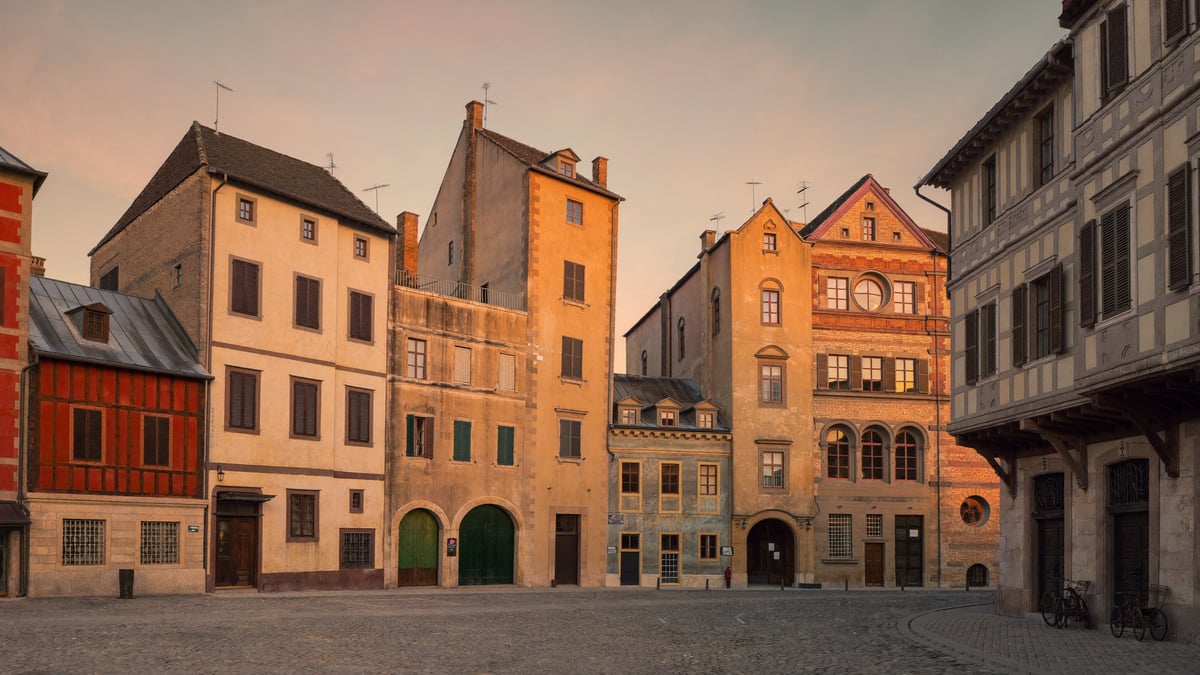
Before opening a single booking website, you need a written budget allocation. This is the step most people skip, and it is the primary reason city breaks go over budget. Sitting down with a simple spreadsheet, or even a piece of paper, and allocating your £500 across four categories takes fifteen minutes and saves a lot of stress.
The four cost categories for any European city break are: flights, accommodation, activities/experiences, and food and drink. Transport within the destination is usually a fifth minor category. Here is a framework that consistently works for city breaks under £500 UK departures, based on a three-night, four-day trip:
| Budget Category | Low-Cost Destination (e.g. Krakow) | Mid-Cost Destination (e.g. Lisbon) | Higher-Cost Destination (e.g. Rome) |
|---|---|---|---|
| Return Flights | £70–£110 | £90–£140 | £100–£160 |
| Accommodation (3 nights) | £80–£120 | £100–£150 | £130–£180 |
| Activities & Experiences | £40–£70 | £50–£80 | £60–£90 |
| Food & Drink | £80–£100 | £100–£120 | £100–£140 |
| Local Transport | £15–£25 | £15–£30 | £20–£35 |
| Total Per Person | £285–£425 | £355–£520 | £410–£605 |
The quickest way to blow this budget is to leave accommodation unresearched. A hotel that is two tram stops from the centre instead of walking distance adds £15–£20 per day in local transport costs and often signals that it was not properly vetted. Central, well-reviewed three-star accommodation in most of these cities costs £35–£55 per person per night when booked as part of a package, which is exactly why affordable European holidays UK travellers book tend to come through package platforms rather than piecing things together independently.
Why Package Deals Consistently Beat DIY Booking
This deserves a direct answer, because the instinct to book flights and hotels separately on comparison sites is deeply embedded in UK travel culture. The reality is that travel agencies with volume purchasing power, like GlobeHunters, which sources flights through Duffel and accommodation through Hotelbeds, can access contracted rates that are not publicly listed on consumer platforms. A package combining return flights and three nights in a central hotel frequently costs less than the sum of the cheapest individual components you can find yourself. The saving is typically in the accommodation: contracted hotel rates through wholesale providers often run 20–35% below rack rate. That gap is what makes GlobeHunters packages starting at £349 per person possible for a three-night European break.
Step 3: Lock In Your Flights at the Right Time and From the Right Airport
Flight timing and departure airport selection are the two levers that most dramatically affect your total cost. Getting both right can mean the difference between paying £80 return and paying £180 return for an identical route, a £100 swing that either opens up your accommodation budget or blows your ceiling entirely.
When to Book for the Lowest Fares
The UK Civil Aviation Authority notes that European short-haul fares are highly dynamic and time-sensitive. For practical purposes, the booking windows that consistently produce competitive fares for European city breaks from UK airports are:
- Six to ten weeks before departure for shoulder season travel (March to May, September to November). This is the sweet spot where airlines have released enough inventory that prices are competitive, but seats have not yet tightened.
- Ten to sixteen weeks before departure for peak summer travel (June to August). School holiday windows book out faster, and fares rise sharply within six weeks of departure in summer.
- Two to four weeks before departure can occasionally produce last-minute drops on less popular routes, but this is unreliable and not a strategy to count on when budgeting.
Airport Selection: The Hidden Cost Nobody Talks About
London has five airports, and the cost of getting to and from them varies enormously. Many travellers book a cheap flight from Stansted or Luton without factoring in that the Stansted Express costs around £20 each way from Liverpool Street, and the Luton airport rail link adds similar costs. For travellers based outside London, regional departure airports often produce better all-in results. Manchester, Birmingham, Edinburgh, and Bristol all serve major European city break destinations directly, and avoiding the cost and time of travelling to a London airport can save £30–£60 per person in ground transport alone.
Common Mistake: Sorting flight results by price and clicking the cheapest option without checking luggage allowances. Budget carriers frequently display fares for cabin-bag-only tickets. Adding a hold bag can add £25–£40 each way, turning a £59 fare into a £119 fare. For a three-night city break, a well-packed carry-on and a personal item are almost always sufficient, packing light is not a sacrifice, it is a financial strategy.
Use a Package to Sidestep the Entire Process
If the process of monitoring fares, comparing airports, and calculating add-on fees sounds exhausting, it is. This is the practical case for booking a GlobeHunters package rather than building a trip component by component. The flights are already selected, the luggage allowances are clear, and the hotel is confirmed. You call 020 8944 4700, tell the team your destination preference and travel dates, and they handle the rest. For travellers who want control over every variable, the DIY approach works well if you follow the steps above. For everyone else, the package route is both cheaper and considerably less stressful.
Step 4: Choose Accommodation That Does Not Drain Your Daily Budget

Accommodation is the category where budget city breaks are most frequently wrecked. The two failure modes are opposite: either overspending on a hotel that is nicer than necessary for a three-night trip, or underspending on a property so far from the city centre that you spend £20 a day on taxis and waste an hour each day commuting. The right answer is central, clean, well-reviewed, and three-star.
What Three-Star Central Actually Means in Each City
Star ratings are not uniform across Europe. A three-star hotel in Prague is frequently equivalent in comfort to a four-star in the UK. The rooms are clean, the beds are comfortable, the showers work, and breakfast is often included or available at a reasonable add-on price. In Krakow and Budapest, three-star accommodation in the old town area consistently delivers high guest satisfaction scores on booking platforms because the baseline quality of the city's building stock is high. In Lisbon and Porto, guesthouses and boutique pensions in the Alfama or Baixa neighbourhoods offer enormous character at three-star prices.
The location rule is non-negotiable for budget travel: stay within walking distance of the main attractions. Walking saves tram and metro fares, keeps you oriented in the city, and means spontaneous stops at cheap local cafes rather than tourist traps near transport hubs. For most European old-town destinations, "walking distance" means within 1.5 km of the central square or main pedestrian zone.
Breakfast: Include It or Not?
Hotel breakfast is a genuine budget decision. In high-cost cities, hotel breakfast at £12–£18 per person per day adds up quickly and is rarely better than the local bakeries or market stalls that surround most central hotels. In lower-cost destinations, included breakfast at a hotel can be remarkably good value, a full spread for £6–£8 per person, included in the room rate. When booking a package through GlobeHunters, the breakfast inclusion is clearly stated, and the team can advise on whether the local food scene makes self-catered mornings a better option for your specific destination.
Apartment vs. Hotel for a City Break
For solo travellers and couples, a central hotel is almost always better value on a short city break. The "savings" from an apartment rental are often absorbed by cleaning fees, key collection logistics, and the absence of the small daily services (fresh towels, a staffed reception for local advice) that make navigation easier. Apartments make sense for groups of three or more, where the per-person accommodation cost drops significantly and the shared kitchen saves money on breakfasts and the occasional light evening meal.
Step 5: Select Activities and Experiences Without Overspending
The activities budget is where many travellers either waste money or inadvertently have the best time of their trip. The key insight is that the most memorable experiences in most European city break destinations are either free or very low cost, and the expensive tourist traps are often the least memorable.
Free and Low-Cost Experiences Worth Prioritising
Every city on the best-value list has a remarkable density of free or very cheap experiences:
- Prague: Walking the Charles Bridge at dawn, exploring Vinohrady neighbourhood, the Old Town Square astronomical clock, Vyšehrad castle and gardens. All free. The Prague Castle complex charges an entry fee but remains exceptional value.
- Lisbon: The Alfama district, Belém tower exterior, Jerónimos Monastery (modest entry fee), miradouros (viewpoints) scattered across the city. The famous Pastéis de Belém custard tarts cost under £2 each.
- Budapest: Walking across the Chain Bridge, Fisherman's Bastion (partial free access), the Great Market Hall, Andrássy Avenue. The thermal baths cost £15–£25 per person and are one of the best-value experiences in Europe.
- Krakow: The entire Rynek Główny (Main Market Square) experience is free. Wawel Castle exterior, Kazimierz Jewish quarter, the Planty park circuit. The salt mines at Wieliczka are an affordable day trip at around £20 per person.
- Seville: The Cathedral exterior, the Barrio Santa Cruz, the Metropol Parasol at sunset (small entry fee for the walkway), free flamenco performances in bar courtyards during festival periods.
When to Pay for a Guided Experience
A well-chosen paid experience is worth the budget allocation. The threshold question is: will this experience give me context or access that I cannot get independently? For first-time visitors to a city, a three-hour walking tour led by a local guide (typically £15–£25 per person through platforms like Viator, which powers GlobeHunters' activity booking) transforms the trip from sightseeing into genuine understanding. Skip-the-queue access for major attractions like the Alhambra in Granada, the Vatican Museums in Rome, or Wawel Castle in Krakow is also worth paying for, queuing for two hours is not a free experience, it is an expensive one measured in time.
GlobeHunters integrates Viator-powered activity options directly into packages, which means you can add a food tour, a flamenco show, or a thermal bath session at the point of booking. Pre-booking activities is also a practical budget tool: when you have already paid for three experiences, you are less likely to impulsively book a fourth expensive tour on the ground.
The "One Splurge" Rule
Budget travel does not mean denying yourself. The most satisfying approach is to identify one experience per trip that you genuinely want, allocate £30–£50 for it, and do not feel guilty about the spend. A private flamenco show in a small tablao in Seville. An evening river cruise through Budapest at dusk. A wine tasting in a Lisbon adega. These are the moments people talk about for years, and they are entirely compatible with a £500 total budget if the rest of the trip is structured correctly.
Step 6: Plan Your Food and Drink Budget Without Sacrificing the Experience

Food spending is the most emotionally loaded budget category for travellers, and it is also the one most amenable to smart choices that feel like luxury rather than restriction. Eating well in most European city break destinations does not require spending a lot of money, it requires eating where locals eat, at the times locals eat.
The Lunch Strategy
In Southern and Central European cities, lunch is the main meal of the day for local workers and residents. The "menu del día" in Spain, the "denní menu" in Czech Republic, and the "menü" in Hungary all refer to a set lunch menu, typically two or three courses with a drink included, served between noon and 3pm at a price point designed for local office workers. In Seville, a three-course menu del día with wine costs £10–£13. In Prague, a soup, main course, and beer costs around £8–£10. In Budapest, a two-course set lunch with a soft drink is around £7–£9.
The strategy is simple: make lunch your main meal. Walk to a restaurant two or three streets away from the main tourist drag, look for handwritten boards in the local language (not laminated picture menus in English outside the door), and sit down properly. Then have a light evening meal: charcuterie and wine at a bar, a shared pizza, a bowl of soup, or street food from a market. Total food spend per day using this approach in a mid-cost destination is comfortably under £35 per person, including a couple of coffees and a drink or two.
Drinks: Where the Budget Leaks
Alcohol spend is the single fastest way to exceed a food budget. The practical approach is not abstinence, it is location selection. In Prague, a half-litre of excellent Czech lager at a local pub costs £1.20–£1.80. The same beer in a tourist bar on Old Town Square costs £4–£5. In Lisbon, a glass of house wine at a local tasca costs £1.50–£2.50. On the Bairro Alto bar strip, it is £5–£7. The drink is the same; the location is the entire variable. Locals know where to go. Asking the hotel reception for a non-touristy bar recommendation takes thirty seconds and saves £20 per evening.
Supermarket Breakfasts and Picnic Lunches
For travellers on the tightest budgets, a supermarket breakfast (pastry, fruit, juice, coffee from a nearby café) costs £3–£5 per person and can be eaten in a park or square, which is itself a lovely travel experience. A picnic lunch assembled from a local market, cheese, bread, olives, fruit, costs £6–£10 per person in most destinations and can be one of the best meals of the trip when eaten in a good location. This approach is not austerity; it is a genuinely enjoyable way to interact with local food culture.
Step 7: Manage Money and Payments on the Ground
How you access and spend money in Europe directly affects your effective budget, and this is an area where many UK travellers lose £20–£40 to avoidable fees on a short trip.
Use a Fee-Free Travel Card
Standard UK debit and credit cards typically charge a foreign transaction fee of 2–3% on every purchase, plus a flat fee for ATM withdrawals. On a £400 spending trip, that is £8–£12 in fees before you have bought anything enjoyable. Fee-free travel cards from providers like Wise, Starling Bank, or Chase UK eliminate these charges entirely. Setting one up before travel takes about fifteen minutes and is one of the highest-return-on-time actions available in travel preparation.
Cash vs. Card in European Cities
Card acceptance has expanded significantly across European city break destinations in recent years. Major cities like Prague, Budapest, Lisbon, and Seville are broadly card-friendly in restaurants, shops, and attractions. However, smaller local restaurants, market stalls, and some transport services still operate cash-only. Carrying the equivalent of £50–£80 in local currency (or euros, where applicable) covers these situations comfortably without requiring frequent ATM visits. If you need to use an ATM abroad, always withdraw in the local currency and decline the offered "dynamic currency conversion", it is invariably a worse rate.
The One Budget Tracking Trick That Actually Works
Rather than tracking every spend in real time (which is exhausting and kills the holiday mood), set a simple daily cash envelope. At the start of each day, withdraw or allocate your planned daily spend, say £60, and treat it as the day's budget. When it is spent, the day is done for discretionary spending. This physical constraint is far more effective than apps for most people because it makes the budget tangible and requires no ongoing data entry.
Step 8: Book Through GlobeHunters and Save Time and Money

Once your destination, dates, and budget categories are clear, booking through a specialist package provider is the most efficient way to lock everything in at a guaranteed price. GlobeHunters has been building European city break packages for UK travellers since 2003, and the platform combines real-time flight pricing through Duffel, contracted hotel rates through Hotelbeds, and curated activity options through Viator in a single booking process.
Packages on holidays.globehunters.com for European city breaks start from £349 per person, which covers return flights and three nights of central accommodation. Add a Viator-powered activity or two, and the total for a genuinely full three-night European city break sits well within the £500 ceiling for most of the destinations listed in this guide.
How to Use GlobeHunters' Booking Process
- Browse destination packages on holidays.globehunters.com. The platform lists current pricing for each destination with the package components clearly itemised.
- Call the team on 020 8944 4700 if you want personalised advice on which destination fits your travel dates and budget best. The team can compare live pricing across multiple destinations in real time.
- Confirm your travel dates and check whether midweek departures (Tuesday/Wednesday outbound, Saturday/Sunday return) produce a lower package price than peak weekend departures.
- Review the package components: confirm flight times, luggage allowance, hotel location and star rating, and any included meals or transfers.
- Add activities at the booking stage using the integrated Viator options. Pre-booking a walking tour and one headline experience keeps you on budget and means you have confirmed plans from day one.
- Confirm and pay. GlobeHunters packages are ATOL-protected, which means your money and travel arrangements are financially protected in the event of airline or supplier failure, a protection that DIY bookings across multiple providers do not automatically carry.
ATOL Protection: Why It Matters for Budget Travellers
ATOL (Air Travel Organiser's Licence) protection, administered by the UK Civil Aviation Authority, ensures that if your travel provider fails, you will either be able to complete your holiday or receive a full refund. For budget travellers who have carefully assembled a trip at the edge of their financial comfort zone, this protection is particularly valuable. A DIY booking where flights are purchased from one provider and accommodation from another is not automatically ATOL-protected, you would need to check each provider's individual protection scheme.
Step 9: Plan Your Itinerary to Maximise Value on the Ground
A structured daily plan, even a loose one, is the difference between a trip that feels full and memorable and one that feels like you spent a lot of time wandering and eating expensive snacks. Three nights in a European city is exactly enough time to get a real feel for a place if the days are used well. It is not enough time for unstructured exploration, that is what longer trips are for.
A Template Three-Night City Break Itinerary
This framework applies to virtually any city break destination and maximises both experience and budget efficiency:
Day 1 (Arrival Day): Arrive, check in, walk the immediate neighbourhood to orient yourself. Have a light, affordable dinner nearby, this is not the night for a big restaurant. Get a feel for the city at street level. Cost: £20–£30 for the evening.
Day 2 (Main Sightseeing Day): Start with the pre-booked walking tour (morning, 3 hours). This gives you the historical and cultural context that makes everything else make sense. Have a set lunch at a local restaurant. Spend the afternoon at the top one or two paid attractions (pre-booked, skip the queue). Aperitivo or evening drinks at a local bar. Cost: £50–£70 including activities, lunch, and dinner.
Day 3 (Deep Dive Day): Choose one neighbourhood or theme and go deep, a specific museum, a market, a day trip to a nearby site. Use the lunch strategy for the main meal. This is the day for the "one splurge" experience if you have one planned. Cost: £40–£60.
Day 4 (Departure Day): Morning at leisure, a final café breakfast, a last walk. Depart. Cost: minimal, covered by remaining daily budget.
Neighbourhoods Over Landmarks
A mindset shift that consistently improves city breaks: spend time in neighbourhoods rather than ticking off landmarks. Landmarks are important, see the Charles Bridge, see the Jerónimos Monastery, see the Fisherman's Bastion. But the experience of sitting in a Lisbon square on a Tuesday morning, watching the neighbourhood come to life, costs nothing and is often the most vivid memory of a trip. Budget travellers who treat the city itself as the attraction, rather than the paid entry points, consistently report the highest satisfaction.
Step 10: Know What to Do If Things Go Wrong
Even a perfectly planned city break can encounter disruptions, and having a basic plan for the most common problems keeps costs from spiralling when things go sideways.
Flight Delays and Cancellations
Under UK261 regulation (the retained version of EU261 applicable to flights departing from UK airports), you are entitled to compensation and assistance if your flight is delayed by more than two hours or cancelled. For delays over three hours, compensation of £220 per person applies for short-haul flights. When booked as a package through GlobeHunters, the team can also assist with rebooking and managing knock-on effects on accommodation.
Travel Insurance: Non-Negotiable Even on a Budget Trip
Travel insurance is not optional on a budget trip, it is more important on a budget trip. The financial margin for absorbing unexpected costs (a medical bill, a replacement flight, a lost bag) is smaller when the total budget is £500 per person. A single-trip European travel insurance policy costs £10–£25 per person from reputable UK providers. The excess is a known, manageable cost. An uninsured medical bill in a European city is not. The UK Foreign, Commonwealth and Development Office travel advice pages for each destination also provide current health, safety, and entry requirement information that is worth checking before departure.
Emergency Cash Access
Carry the details of one emergency cash access method that is separate from your primary travel card, whether that is a backup debit card, a small amount of euros kept separately, or an emergency contact who can wire funds if needed. Losing your primary card in a foreign city with no backup is a genuinely unpleasant situation that a little advance preparation prevents entirely.
Frequently Asked Questions: European City Breaks Under £500 from the UK
Is £500 per person actually realistic for a European city break including flights?
Yes, completely realistic for most Central and Southern European destinations on a three-night trip from UK airports. GlobeHunters packages start from £349 per person including return flights and three nights of accommodation, which leaves £150 per person for activities, food, and drink. In cities like Krakow, Prague, Budapest, and Porto, that is a comfortable daily budget.
Which European city is cheapest for a city break from the UK?
Krakow (Poland) consistently comes out as the most budget-friendly European city break destination for UK travellers. Flights are short, accommodation is excellent value, and daily costs for food and drink are among the lowest in Europe. Budapest and Prague are close second options with similar value profiles and excellent cultural programmes.
Should I book a package or book flights and hotels separately?
For most travellers on a defined budget, a package through a specialist provider like GlobeHunters produces better value than separate bookings. Contracted hotel rates through wholesale providers like Hotelbeds are frequently lower than publicly listed prices, and the ATOL protection offered by a package is a meaningful financial safeguard. The main argument for separate booking is flexibility, if you have very specific travel dates and a specific hotel in mind, DIY gives you more control.
How far in advance should I book a city break to get the best price?
For shoulder season travel (spring and autumn), six to ten weeks before departure tends to produce competitive pricing. For summer travel, ten to sixteen weeks is safer. Booking too far in advance (more than six months) does not guarantee the lowest price and ties up your deposit. Last-minute deals exist but are not reliable enough to plan around.
What is the cheapest time of year for European city breaks from the UK?
January and February (excluding school half-term) produce the lowest prices for most European city break destinations. November and early December are also good value. The shoulder seasons of March to May and September to October offer a balance of reasonable prices and pleasant weather. Summer (June to August) and major holiday periods (Easter, Christmas) are the most expensive windows.
Do I need travel insurance for a European city break?
Yes. Travel insurance is essential regardless of destination. A basic single-trip European policy costs £10–£25 per person and covers medical emergencies, trip cancellation, and lost or delayed luggage. The UK Global Health Insurance Card (GHIC) provides access to state healthcare in EU countries but does not replace travel insurance, it only covers emergency medical treatment, not cancellation costs, repatriation, or lost luggage.
Are European city breaks under £500 suitable for couples?
Absolutely. Many of the best-value destinations, Lisbon, Prague, Seville, Budapest, are particularly well-suited to couples. Romantic architecture, excellent food and wine scenes, and a range of shared experiences from thermal baths to wine tastings make these cities ideal for couples travelling together. Booking as a couple also sometimes unlocks twin or double room rates that reduce the per-person accommodation cost slightly.
What currency do I need for the most popular budget city break destinations?
Lisbon and Porto (Portugal) and Seville and Valencia (Spain) use the euro. Prague (Czech Republic) uses the Czech koruna (CZK). Budapest (Hungary) uses the Hungarian forint (HUF). Krakow (Poland) uses the Polish zloty (PLN). Tallinn (Estonia) uses the euro. For non-euro destinations, it is generally better to withdraw local currency at a local ATM on arrival rather than exchanging pounds at a UK airport.
Can I do a European city break under £500 as a solo traveller?
Yes, though solo travellers face a specific challenge: single room supplements. Many hotels charge a supplement for single occupancy that can add £15–£25 per night to the accommodation cost. The workaround is to specifically search for or request single rooms rather than double rooms with a single supplement. Budget hotels and hostels with private rooms are also an option. GlobeHunters' team can advise on the best single-friendly packages on 020 8944 4700.
What is the best way to get from the airport to the city centre cheaply?
For most European city break destinations, public transport from the airport is significantly cheaper than taxis or private transfers. Prague's metro connects the airport to the city in around 40 minutes for under £2. Budapest's metro and bus services connect Ferihegy Airport for under £2. Lisbon's metro connects Humberto Delgado Airport to the city centre for around £1.80. Pre-research the specific route before arrival so you are not pressured into an expensive taxi at the arrivals hall.
How does GlobeHunters' pricing compare to booking direct?
GlobeHunters' packages draw on contracted wholesale rates through Hotelbeds for accommodation, which frequently undercut publicly available hotel rates. The platform also includes ATOL protection and the support of a UK-based booking team, which adds value beyond the raw price comparison. For a straightforward comparison, check the GlobeHunters package price for your chosen destination against the sum of the cheapest flight and hotel you can find independently, including any luggage fees and transfer costs. In most cases, the package is competitive or cheaper, and always more comprehensively protected.
What should I do if my budget is closer to £400 than £500?
Focus on low-cost destinations (Krakow, Budapest, or Porto), travel midweek (Tuesday/Wednesday departures are consistently cheaper than weekend departures), choose a three-star hotel over a four-star, and use the lunch strategy described in this guide for food. Free walking tours (tip-based, typically £5–£10 per person) replace paid guided experiences. This approach makes a high-quality three-night city break entirely achievable at £400 per person.
Key Takeaways: Your £500 European City Break Budget Planner
- Destination choice is the biggest budget lever. Krakow, Budapest, Prague, Porto, and Lisbon consistently deliver the best value for city breaks under £500 UK departures.
- Split your £500 across four categories before booking anything: flights, accommodation, activities, and food. Allocate deliberately rather than discovering the split after the fact.
- Package deals through GlobeHunters starting from £349 per person frequently beat DIY booking on price, include ATOL protection, and remove the complexity of assembling components separately.
- The lunch strategy (set menus at local restaurants at midday) is the single most effective food budget tool in Southern and Central Europe.
- A fee-free travel card (Wise, Starling, Chase UK) is a fifteen-minute setup that saves £20–£40 in foreign transaction fees on a typical city break.
- Book activities before you travel. Pre-booking one walking tour and one headline experience keeps your activity budget predictable and ensures you have confirmed plans rather than expensive impulse decisions on the ground.
- Travel insurance is non-negotiable, even at £10–£25 per person. The GHIC card covers emergency medical treatment in EU countries but does not replace a full travel insurance policy.
- The "one splurge" rule makes budget travel feel abundant: allocate £30–£50 for one genuinely special experience per trip and commit to it fully.
- Midweek travel and shoulder season dates (March–May, September–November) produce the best combination of price and experience for affordable European holidays UK travellers.
- Call GlobeHunters on 020 8944 4700 or browse holidays.globehunters.com to check current package pricing for your chosen destination. The team can compare live options across multiple cities and dates in a single call.
About the author
Spiros Maragkoudakis · Chief Commercial Officer
Ready to Book Your How Holiday?
Our travel experts are ready to help you plan the perfect trip. Call us today or browse our latest deals.
Ready to Start Planning?
Speak to our travel experts for personalised advice and the best deals on your next holiday.
Call 020 8944 4700