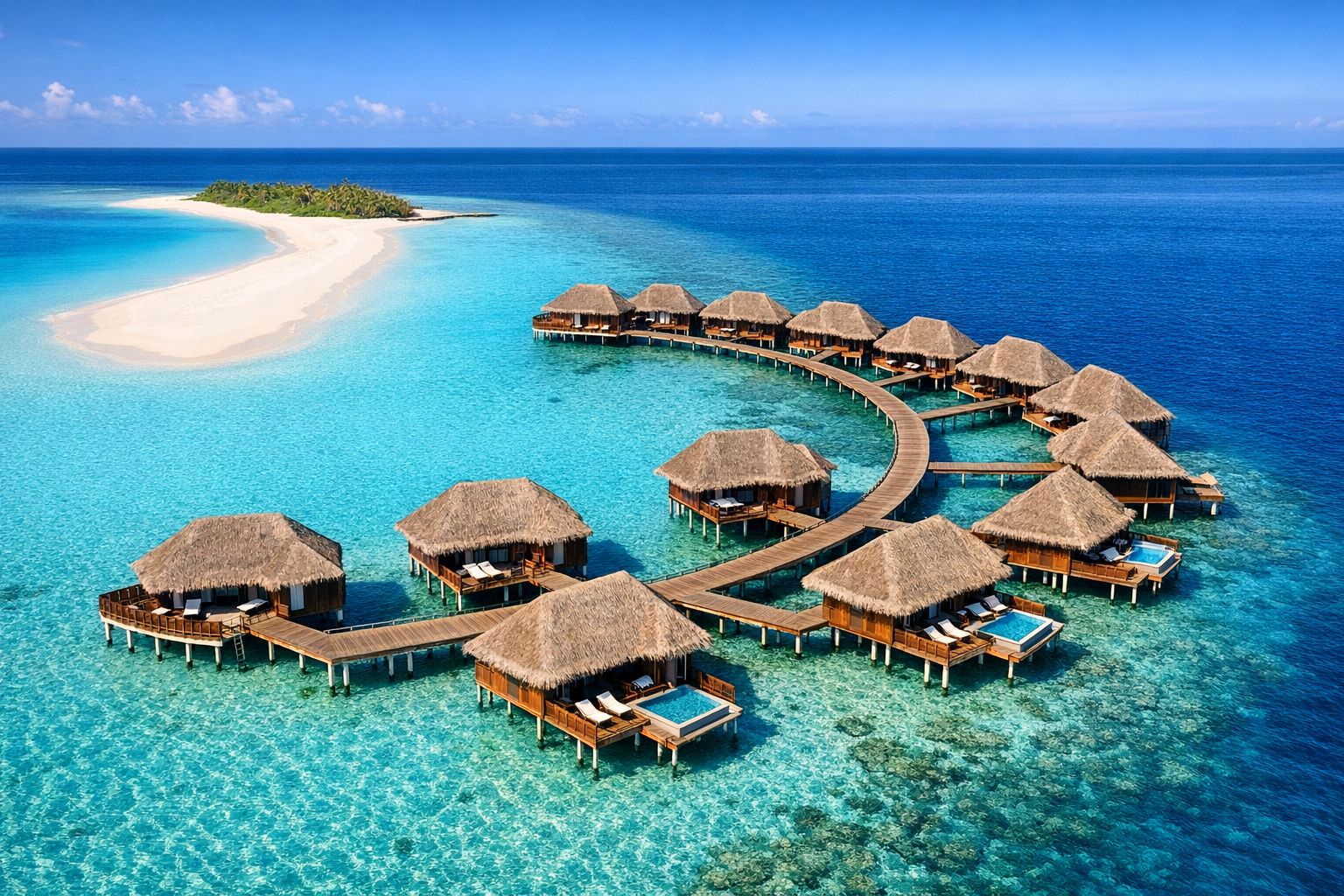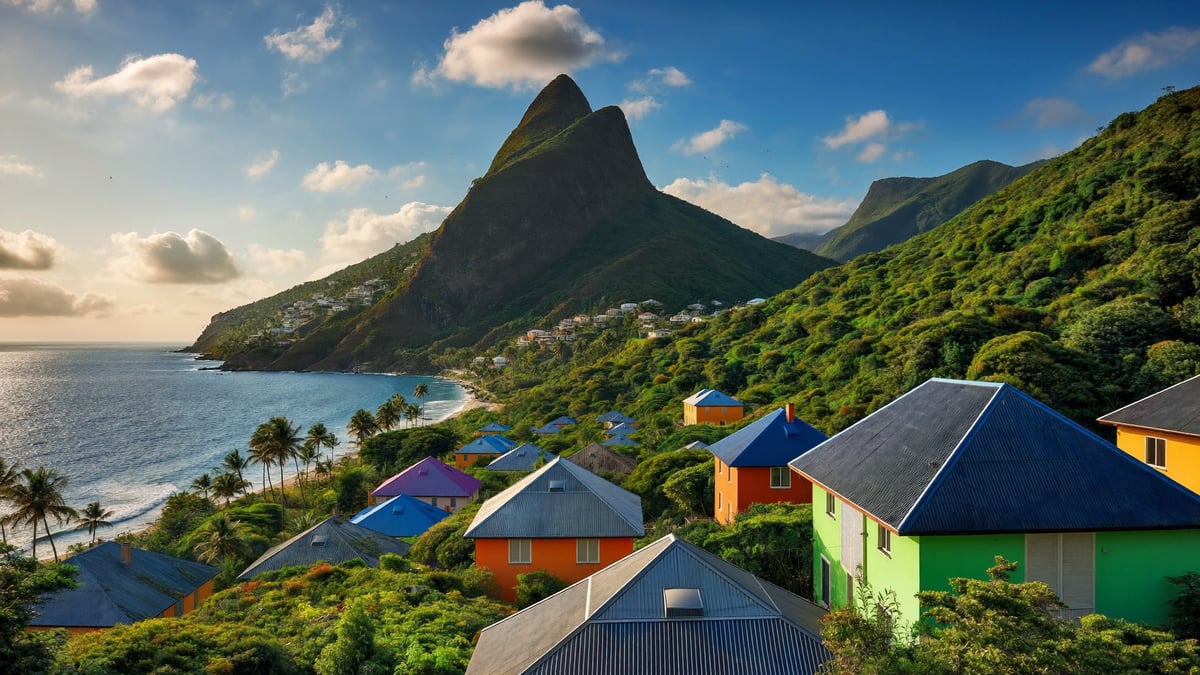
Most Caribbean islands promise paradise and deliver a pleasant beach. St Lucia does something different. The moment you land at Hewanorra International Airport and the ridge of volcanic peaks appears through the plane window, you understand that this island operates on a different scale entirely. The Pitons, those twin volcanic spires rising straight from the sea, are not just a postcard image. They are the emotional centrepiece of an island that manages to be simultaneously dramatic, lush, intimate, and wildly romantic. For UK couples who have done the Maldives, ticked off Santorini, and found the Balearics a little too familiar, St Lucia consistently delivers the kind of holiday that people describe years later as the one that genuinely surprised them.
This guide is written specifically for UK travellers planning a St Lucia holiday, covering everything from the best resorts and things to do, to flight times, packing tips, and how to book a complete St Lucia package holiday from the UK without overpaying. Whether you are planning a honeymoon, a milestone anniversary, or simply a long-overdue escape from the British weather, what follows is everything you need to make an informed, inspired decision.
Why St Lucia Consistently Outperforms Other Caribbean Islands for UK Couples
St Lucia is not the biggest Caribbean island, nor the cheapest. What it offers instead is a concentration of experiences that is genuinely hard to match anywhere else in the region. Within a single day, you can hike through tropical rainforest, swim in a volcanic crater lake, visit a working chocolate plantation, and watch the sun set over the Pitons from a clifftop restaurant. That density of experience is rare.
For UK couples specifically, St Lucia holds several practical advantages that other Caribbean destinations do not. British Airways and Virgin Atlantic operate direct flights from Gatwick to Hewanorra, meaning the journey does not require a connection through Miami or Barbados. Flight time sits at approximately nine hours, which places St Lucia firmly in the manageable long-haul category, comparable to the Maldives but with more to do on land. The island also drives on the left, uses the Eastern Caribbean Dollar alongside US dollars, and has a strong historical British connection that makes English the primary language and customer service standards broadly familiar to UK visitors.
There is also the matter of scale. At roughly 27 miles long and 14 miles wide, St Lucia is compact enough to explore thoroughly in a week, yet varied enough that no two days feel the same. The north of the island, centred on Rodney Bay and Castries, is more developed, with beach bars, marinas, and all-inclusive resorts catering to a lively crowd. The south, anchored by Soufrière and the shadow of the Pitons, is quieter, more intimate, and where the island's most distinctive experiences are concentrated. A well-planned St Lucia couples holiday typically combines both.
The Pitons: More Than a Backdrop
It would be easy to treat the Pitons purely as scenery, and many visitors do exactly that, photographing them from infinity pools and moving on. That is a significant missed opportunity. Gros Piton, the larger of the two volcanic spires, can be hiked to the summit without ropes or mountaineering experience. The ascent takes roughly two to three hours up and one and a half hours down, and local guides are provided by the National Park, which manages access. The views from the top are extraordinary, with both the Caribbean Sea and the Atlantic visible simultaneously on a clear day.
Petit Piton is steeper and requires a guide with technical climbing experience, so most visitors focus on Gros Piton. Even if hiking is not on your agenda, the experience of anchoring a sailing catamaran between the two peaks, or kayaking into their shadow at sunrise, delivers that rare sensation of being genuinely inside one of the world's great landscapes rather than simply observing it.
The St Lucia Chocolate Experience: An Unexpected Cultural Highlight
St Lucia produces some of the finest cacao in the Caribbean, and the island's chocolate story has evolved from agricultural footnote to full cultural tourism experience. The Rabot Estate near Soufrière, owned by Hotel Chocolat, is the most polished of the chocolate farm experiences and operates both as a working plantation and a small boutique hotel. The estate's bean-to-bar tours walk visitors through the entire production process, from harvesting ripe cacao pods to fermenting, drying, and eventually tempering chocolate on site.
What makes this more than a factory tour is the sensory context. You are standing in a centuries-old cacao grove, surrounded by rainforest canopy, being handed freshly broken cacao pods to taste the sweet-sour white pulp directly off the seed. The flavour profile of raw cacao is nothing like chocolate as most people know it, and the transformation from that raw ingredient to finished product becomes genuinely fascinating when you witness it in stages.
The Fond Doux Plantation offers a similar experience in a more rustic setting, with tours of a historic 250-year-old estate that still grows cacao alongside coconut, coffee, and tropical fruit. Lunch at Fond Doux, served on a terrace overlooking the plantation, is one of the island's genuinely unmissable meals, with dishes built entirely from estate-grown ingredients.
For UK couples who find that conventional beach holidays blur into each other, St Lucia's chocolate culture provides a tangible thread of discovery that runs through the entire trip, connecting agriculture, history, local craft, and cuisine in a way that feels genuinely educational without being earnest about it.
Where to Stay: The Best Resorts in St Lucia for UK Travellers
Choosing accommodation in St Lucia requires a clear decision about which part of the island suits your priorities. The north and south have genuinely different personalities, and the resort experience varies accordingly. The following breakdown covers the main categories, with honest assessments of what each delivers.
The Soufrière Area: Drama, Seclusion, and the Piton View
The resorts clustered around Soufrière offer the most visually dramatic settings on the island. Waking up to a direct view of the Pitons from your plunge pool is an experience that consistently appears in traveller reviews as the single most memorable moment of their holiday, and it is not difficult to understand why. The catch is accessibility. The road from Hewanorra Airport to Soufrière takes between 45 minutes and 90 minutes depending on traffic and road conditions, and the coastal road south from Castries is winding. This is not a problem, but it is worth factoring into expectations.
The most celebrated property in this area is Jade Mountain, which occupies a clifftop position above sister resort Anse Chastanet. Jade Mountain's Sanctuary suites are architecturally extraordinary, open on one side to face the Pitons directly, with private infinity pools and no television sets by design. It is unapologetically romantic, and the room rates reflect that. For UK couples celebrating a honeymoon or significant anniversary and willing to invest accordingly, it represents a credible claim to being among the most romantic hotel experiences in the world.
Anse Chastanet itself is more accessible price-wise and offers a broader range of activities, with excellent scuba diving and snorkelling directly off its two beaches. Sugar Beach, A Viceroy Resort, sits in the valley between the Pitons and combines striking architecture with a white sand beach in a setting that manages to feel both secluded and fully serviced.
Rodney Bay and the North: All-Inclusive Comfort and Livelier Atmosphere
The northern resort corridor, centred on Rodney Bay, Cap Estate, and the area around Gros Islet, suits couples who want a more conventional Caribbean resort experience alongside their St Lucia itinerary. Sandals Grande St Lucian occupies a peninsula on the Gros Islet causeway, offering the full Sandals all-inclusive experience with multiple restaurants, watersports, and the brand's trademark couples-only policy. For UK travellers who want financial predictability and a high service level without constant decision-making about meals and activities, Sandals delivers consistently.
Windjammer Landing, set on a hillside above Labrelotte Bay, offers a villa-style experience with more independence. The layout is spread across a hillside, which requires either a buggy or a reasonable tolerance for steps, but the result is genuine seclusion despite being within easy reach of Rodney Bay's restaurants and nightlife.
Marigot Bay: The Boutique Middle Ground
Marigot Bay sits between the north and south of the island geographically and temperamentally. The bay itself is one of the most beautiful natural harbours in the Caribbean, ringed with palms and overlooked by hillside villas. The Discovery at Marigot Bay is the main resort property here and suits couples who want something quieter than Rodney Bay but more accessible than Soufrière. The marina-side setting means excellent seafood restaurants within walking distance and a gentle sailing scene that adds texture to the holiday without demanding participation.
St Lucia Package Holidays from the UK: What to Expect and How to Book
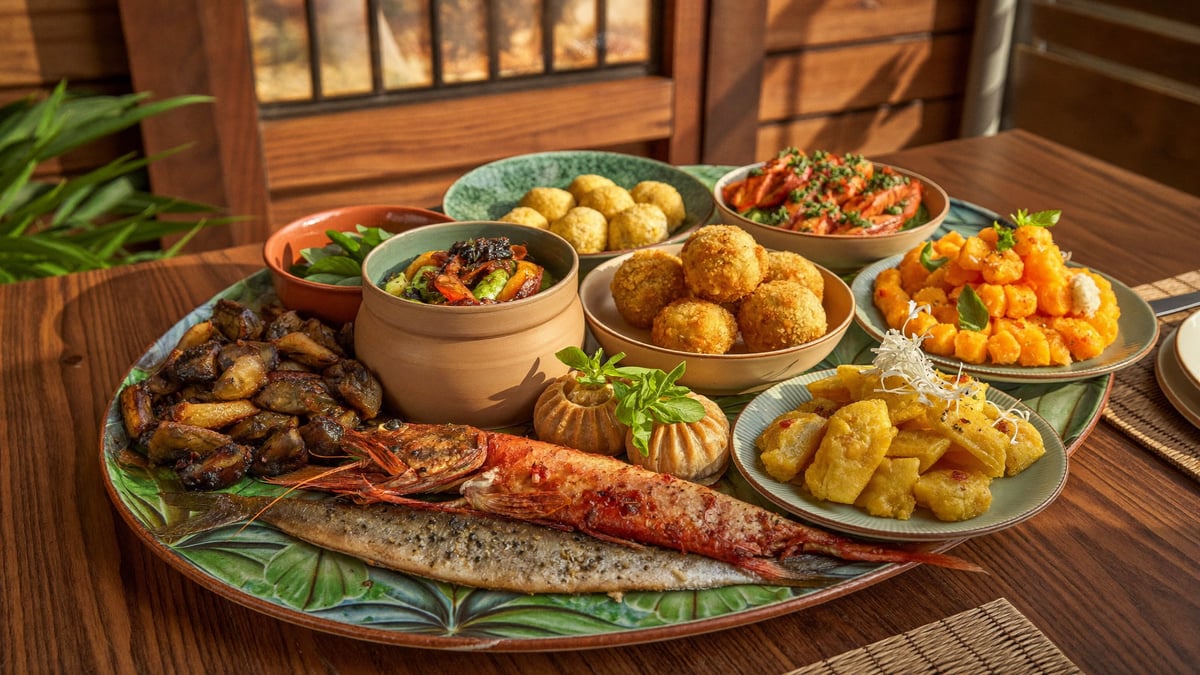
Booking a St Lucia package holiday from the UK is consistently better value than assembling flights and accommodation separately, particularly for long-haul destinations where the currency and accommodation costs can escalate unpredictably. GlobeHunters packages for St Lucia typically combine direct flights from Gatwick with hotel accommodation and selected activities, with pricing structured to reflect the full cost upfront rather than surprising you with transfers and resort fees at checkout.
Package pricing for St Lucia from the UK generally falls into three tiers, reflecting the significant range of accommodation options on the island. The table below provides a representative overview of what UK travellers can expect to pay for a seven-night St Lucia holiday, based on current GlobeHunters package pricing.
| Package Tier | Accommodation Type | Approx. Price Per Person | Best For | Includes |
|---|---|---|---|---|
| Comfort | 3-star resort, bed & breakfast | £1,299 – £1,599 | First-time visitors, budget-conscious couples | ✅ Flights ✅ Transfers ✅ Hotel |
| Premium | 4-star all-inclusive resort | £1,799 – £2,199 | Couples wanting convenience and value | ✅ Flights ✅ Transfers ✅ Hotel ✅ All meals & drinks |
| Luxury | 5-star boutique resort, Piton views | £2,299 – £3,499 | Honeymooners, special occasions | ✅ Flights ✅ Transfers ✅ Hotel ✅ Activities ✅ Dining credits |
GlobeHunters has been arranging St Lucia package holidays for UK couples since 2003, and the team's experience with the island means genuinely useful guidance on which resorts deliver on their promise and which rely too heavily on their photography. To explore current availability and get a personalised quote, visit the GlobeHunters St Lucia holidays page or call the team directly on 020 8944 4700.
Things to Do in St Lucia: A Couple's Itinerary That Goes Beyond the Beach
The temptation on a St Lucia holiday is to settle into your resort and let the days dissolve. That is a legitimate choice, and the beaches and pools genuinely reward it. But the island's most memorable experiences require leaving the resort, and the best St Lucia holidays tend to mix beach days with active exploration in roughly equal measure. The following itinerary framework has been developed for seven-night stays, though it adapts easily to ten or fourteen nights.
Day One and Two: Arrival, Orientation, and the North
Arriving at Hewanorra Airport in the south, most transfers head either directly to a Soufrière resort or north towards Rodney Bay. If staying in the north, the first full day is well spent simply acclimatising: the beach at Reduit Bay in Rodney Bay is calm, well-serviced, and a gentle introduction to the island. The second day can include a visit to Castries, St Lucia's capital, where the central market on a Friday or Saturday morning offers one of the Caribbean's more genuine local market experiences. Look for locally made hot sauce, dried spice blends, and hand-carved wooden items that are actually made on the island rather than imported from Asia.
Day Three: The Pitons and Sulphur Springs
This is the day most St Lucia visitors cite as the highlight of their trip. A catamaran day sail from Rodney Bay down the west coast to Soufrière takes approximately four hours and includes snorkelling stops at Anse Cochon and Anse Chastanet, a visit to the sulphur springs at Soufrière (the world's only drive-in volcano), and a mud bath experience that is part therapeutic, part absurd, and entirely memorable. The return journey up the coast in the late afternoon, with the Pitons behind you and a rum punch in hand, is the kind of travel moment that is genuinely difficult to replicate elsewhere.
For couples who prefer to move at their own pace, hiring a driver for the day and building a self-directed southern itinerary works equally well. St Lucia's licensed taxi drivers double as informal tour guides, and the better ones have deep knowledge of the island's history, ecology, and culinary scene.
Day Four: Rainforest and Waterfall
The interior of St Lucia is a UNESCO-recognised biosphere reserve, and the trail network through the Quilesse Forest Reserve offers hiking at various levels of intensity. The most popular route leads to the Enbas Saut waterfall system, a series of cascades accessible on a moderate two-hour hike with a local guide. Swimming beneath a jungle waterfall in 28-degree heat, completely alone apart from the sound of tree frogs, is the kind of experience that turns a good holiday into an exceptional one.
The Edmund Forest Reserve trail is longer and more demanding, suitable for couples who are comfortable with sustained uphill walking on uneven terrain. The payoff is primary rainforest that feels genuinely untouched, with the chance of spotting the St Lucia parrot (Amazona versicolor), the island's national bird.
Day Five: Chocolate Farm and Estate Lunch
A half-day tour of either Rabot Estate or Fond Doux Plantation can be combined with lunch and still leave the afternoon free for the beach. The Fond Doux combination of plantation tour, traditional Creole lunch, and a walk through the historic estate buildings makes for a genuinely unhurried morning-into-afternoon experience that suits couples who want cultural depth without a punishing schedule.
Day Six: Sailing and Snorkelling
St Lucia's west coast offers some of the best snorkelling in the Eastern Caribbean, particularly around Anse Chastanet reef, where healthy coral gardens support an exceptionally diverse fish population. A half-day snorkelling charter from Rodney Bay or Marigot Bay is straightforward to arrange and combines well with a sunset sailing trip in the evening. Many resorts offer complimentary kayaks and paddleboards, but a dedicated snorkelling charter with proper equipment and a knowledgeable guide takes the underwater experience to a different level.
Day Seven: Spa, Slow Mornings, and Departure Preparation
Most of St Lucia's premium resorts include spa facilities that use locally sourced ingredients, particularly cacao butter and volcanic mineral products. A couples' massage or body treatment using the island's own botanical extracts makes for a fitting final full day, combining the island's signature sensory identity with the genuine relaxation that the best spa treatments deliver.
Practical Travel Information for UK Visitors
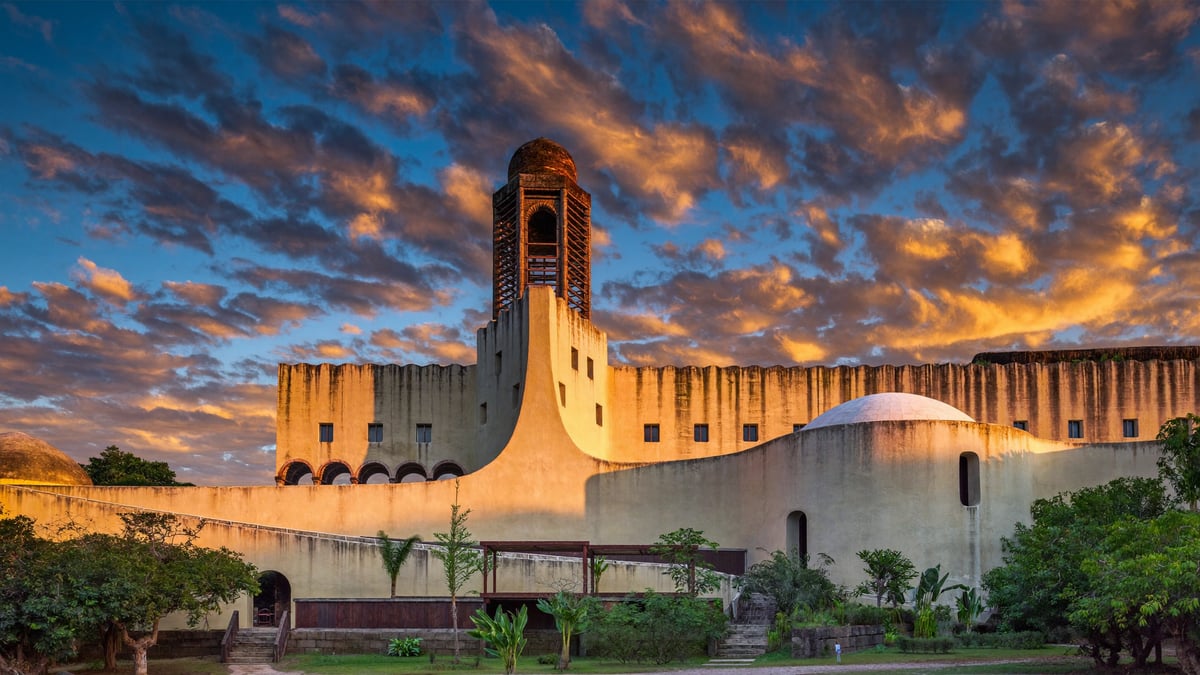
Getting the logistics right for a St Lucia holiday from the UK requires some specific planning that differs from European destinations. The following covers the practical questions that most UK travellers have before booking.
Flights and Getting There
Direct flights from London Gatwick to Hewanorra International Airport (UVF) in the south of St Lucia are operated by British Airways and Virgin Atlantic, with additional seasonal charter services from various UK regional airports. Flight time is approximately eight hours and fifty minutes westbound and slightly longer on the return due to prevailing winds. There are no direct flights from Heathrow to St Lucia, though connections via Barbados with LIAT or Caribbean Airlines are available for travellers preferring that routing.
For UK travellers departing from regional airports, connections typically route through Gatwick or Heathrow, adding two to three hours to total journey time. GlobeHunters packages can include flights from Manchester, Birmingham, Edinburgh, and other major UK airports, with pricing adjusted accordingly.
Best Time to Visit
St Lucia sits in the tropics and maintains warm temperatures year-round, but there is a meaningful difference between the dry season (December to May) and the wet season (June to November). The dry season offers the most predictable weather, with low humidity, minimal rainfall, and the best conditions for outdoor activities including the Piton hike. This period also coincides with peak UK travel demand, meaning higher prices and fuller resorts.
The wet season is not the washout that "wet season" implies. Rain in St Lucia typically falls in intense afternoon showers that clear quickly, and the island is strikingly lush and green during this period. June through August and October can offer significantly lower package prices for the same resorts, with the trade-off being a greater chance of overcast mornings and occasional disruption to outdoor plans. September and October mark the peak of Atlantic hurricane season, and while St Lucia sits south of the main hurricane track, travel insurance covering weather disruption is particularly important during this window.
Currency, Budget, and Spending
St Lucia's official currency is the Eastern Caribbean Dollar (XCD), pegged to the US Dollar at a fixed rate. In practice, US dollars are widely accepted across the island, and many resorts price their services in USD. UK visitors typically find it most convenient to carry a mix of US dollars (withdrawn from a UK bank account before departure) and a travel card such as Wise or Starling for card payments. Credit cards are accepted at most resorts and restaurants, though smaller local eateries and market vendors are cash only.
Daily spending outside of an all-inclusive package varies considerably depending on activity choices. A locally cooked Creole lunch at a non-resort restaurant costs £8 to £15 per person. A guided Gros Piton hike costs approximately £15 to £25 per person including the mandatory National Park guide. A catamaran day sail with snorkelling and lunch typically costs £60 to £100 per person depending on the operator and inclusions. Cocktails at resort bars run £8 to £15 each, which is broadly comparable to London pricing.
Health, Safety, and Entry Requirements
UK nationals do not require a visa to enter St Lucia and can stay for up to six months. A valid British passport is required, with at least six months' validity remaining beyond the date of departure from St Lucia. No specific vaccinations are mandatory for UK travellers, though the NHS recommends being up to date on standard UK vaccinations before travel to the Caribbean.
St Lucia has a relatively low serious crime rate by Caribbean standards, though petty theft is possible in tourist areas, and the standard advice applies: do not leave valuables unattended on beaches, use resort safes, and avoid walking alone in unlit areas after dark. The island's tourist infrastructure is well-developed, and the vast majority of UK visitors experience no safety issues whatsoever.
Comprehensive travel insurance is essential for any St Lucia holiday from the UK. Given the cost of private medical care in the Caribbean and the potential for weather disruption, a policy covering medical evacuation, trip cancellation, and travel delay is strongly recommended. EHIC and GHIC cards are not valid in St Lucia, as it falls outside the scheme's coverage area.
St Lucia for Honeymooners: Why This Island Has Become the UK's Favourite Romantic Escape
St Lucia has earned a genuine reputation as one of the world's premier honeymoon destinations, and the reasons are structural rather than purely cosmetic. The combination of dramatic scenery, intimate boutique resorts, world-class dining, and a culture that takes hospitality seriously creates conditions where romantic gestures feel natural rather than engineered. You are not fighting a mass-market resort atmosphere to find a quiet corner. Quiet corners are the default.
For UK honeymooners specifically, St Lucia offers something that the Maldives, despite its beauty, cannot: variety. A St Lucia honeymoon can include a volcano, a chocolate farm, a jungle waterfall, and a sunset catamaran sail in addition to the beach and pool time that every couple wants. That range of shared experiences creates a richer honeymoon narrative than a week of water villas, no matter how beautiful those villas are.
Planning a St Lucia Honeymoon Package
Most best resorts for St Lucia UK travellers offer dedicated honeymoon packages that include room upgrades, couples' spa treatments, private dining setups, and in-room amenities such as champagne, flowers, and turndown services. These are worth requesting explicitly at the time of booking rather than hoping for a spontaneous gesture on arrival. GlobeHunters can arrange honeymoon extras as part of a bespoke package, ensuring that the specific touches that matter to you are confirmed before departure rather than left to chance.
The most romantic resorts for a St Lucia honeymoon tend to be concentrated in the Soufrière area, where the Piton backdrop elevates every experience. However, couples who prioritise beach quality alongside scenery may find that properties in the Marigot Bay area or around the quieter beaches north of Castries deliver a better balance between dramatic views and genuine beach access.
Recommended Honeymoon Experiences
- Private sunset catamaran charter: A dedicated two-hour charter for two, anchored between the Pitons at sunset, with a private chef and champagne service. Most charter operators can arrange this with a week's notice.
- Couples' chocolate body treatment: Several Soufrière spas offer treatments using locally produced cacao butter that combine the island's signature ingredient with therapeutic massage.
- Private beach dinner: Most premium resorts can arrange a table on the sand with dedicated service. The setting, particularly at resorts facing the Pitons, is genuinely extraordinary.
- Sunrise Gros Piton hike: For couples who are physically active, starting the Gros Piton ascent at first light and reaching the summit for sunrise is an experience that is both demanding and deeply memorable.
- Plantation stay: A night or two at Fond Doux or Rabot Estate, set within the working plantation grounds, offers an intimacy and distinctiveness that larger resort properties cannot replicate.
St Lucia Food and Drink: What to Eat, Where to Eat It
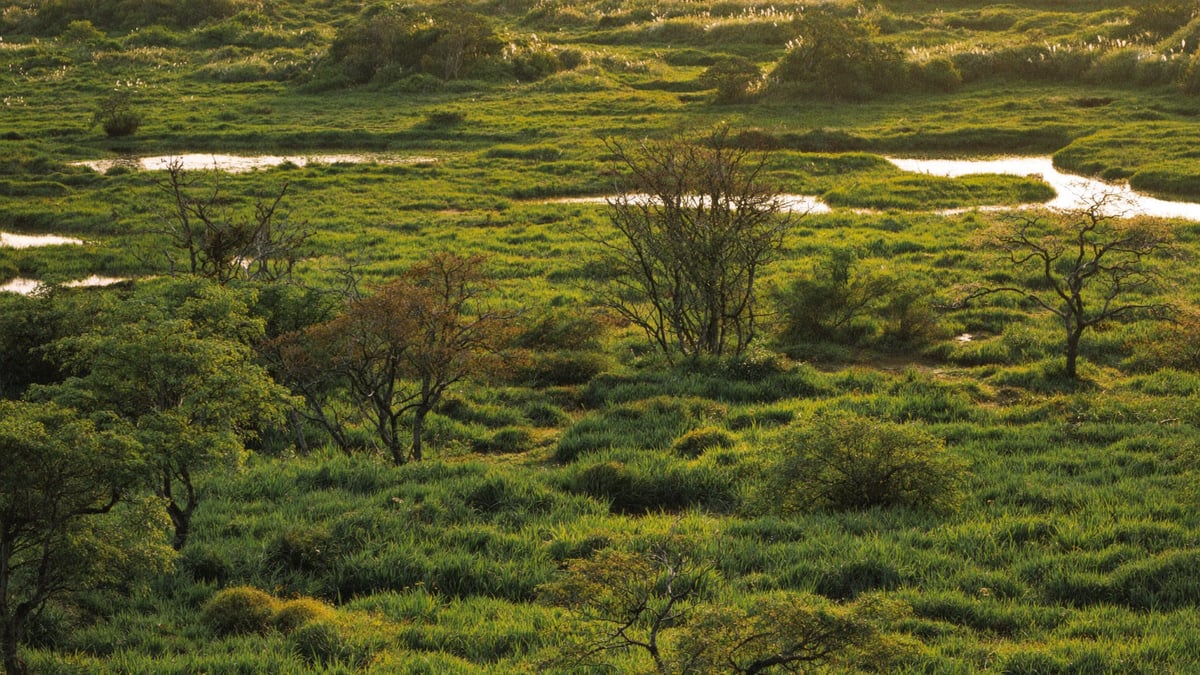
St Lucian cuisine is one of the Caribbean's more underrated food cultures, built on a foundation of French Creole cooking that reflects the island's centuries of French and British influence. The central flavour profile combines fresh seafood, root vegetables, tropical fruit, and a spice palette that has more nuance than the chilli-forward cooking of some neighbouring islands.
Dishes Worth Seeking Out
Green fig and saltfish is St Lucia's national dish: green banana (referred to locally as fig) cooked with salted cod, onions, and peppers. It is a breakfast and brunch staple, most authentically experienced at a local bakery or small café rather than a resort restaurant. The flavour is earthy and savoury, with the saltfish providing a depth that works surprisingly well with the starchy banana base.
Bouyon is a hearty stew built on a base of ground provisions (dasheen, yam, breadfruit, plantain) with pork or chicken and seasonal vegetables. It is comfort food in the truest sense, and a bowl of bouyon at a roadside cookshop in Soufrière costs less than a resort coffee.
Grilled mahi-mahi or red snapper with a Creole sauce of tomatoes, peppers, onions, and herbs is the definitive St Lucian seafood experience. The freshness of the fish, caught that morning by local fishermen and grilled over charcoal, is the kind of quality that resort food struggles to replicate. The fish market at Anse de Sables in the south and the Castries waterfront are both good starting points for finding where the local fishermen sell directly.
Rum punch is the island's default welcome drink, and St Lucian rum punch is made with Chairman's Reserve rum, one of the Eastern Caribbean's better-regarded blending houses. A well-made rum punch at a beach bar, with fresh lime juice and a dusting of nutmeg, is almost certainly the best version you have ever tasted if you have only previously encountered the pre-mixed hotel variety.
Where to Eat Beyond the Resort
The restaurant strip along Rodney Bay Marina offers the island's most accessible non-resort dining, with a range from casual pizza and burgers to properly executed seafood. The Coal Pot in Vigie, near Castries, has operated for decades as one of the island's most respected independent restaurants, with a waterfront setting and a menu that balances French technique with local ingredients.
In Soufrière, the Lifeline restaurant and the various small cookshops around the market square provide an authentic local dining experience at a fraction of resort prices. Lunch at a local cookshop for two people, with drinks, routinely comes in under £20 and offers a quality of fresh, simply cooked food that no amount of resort spending reliably replicates.
Comparing St Lucia to Other Caribbean Destinations: A UK Traveller's Framework
UK couples evaluating Caribbean holidays often compare St Lucia against Barbados, Jamaica, Antigua, and the Maldives (technically Indian Ocean, but frequently in the same consideration set for romantic holidays). The following comparison matrix addresses the key decision factors honestly.
| Factor | St Lucia | Barbados | Jamaica | Antigua |
|---|---|---|---|---|
| Scenic Drama | ✅ Outstanding (Pitons, rainforest) | ⚠️ Flat, beautiful beaches | ✅ Mountains, waterfalls | ⚠️ Low-lying, beach-focused |
| Beach Quality | ✅ Good (some volcanic sand) | ✅ Excellent white sand | ✅ Very good | ✅ Excellent (365 beaches) |
| Things to Do | ✅ Very high variety | ⚠️ Moderate | ✅ High variety | ⚠️ Mostly water-based |
| Romantic Appeal | ✅ Exceptional | ⚠️ Good but lively | ✅ Good | ✅ Good |
| Direct UK Flights | ✅ Yes (Gatwick) | ✅ Yes (multiple UK airports) | ✅ Yes (Gatwick, Manchester) | ✅ Yes (Gatwick) |
| Average Package Cost (7 nights) | £1,299 – £3,499 pp | £1,199 – £2,999 pp | £1,099 – £2,799 pp | £1,199 – £2,799 pp |
The honest conclusion from this comparison is that St Lucia wins on scenic drama and romantic atmosphere by a meaningful margin, while Barbados edges it on consistent beach quality and accessibility from regional UK airports. For couples whose primary motivation is an extraordinary setting and a variety of shared experiences, St Lucia is the stronger choice. For couples who want a more straightforward beach holiday with reliable sunshine and easier logistics, Barbados or Antigua may suit better.
Booking Your St Lucia Holiday: A Decision Framework for UK Couples
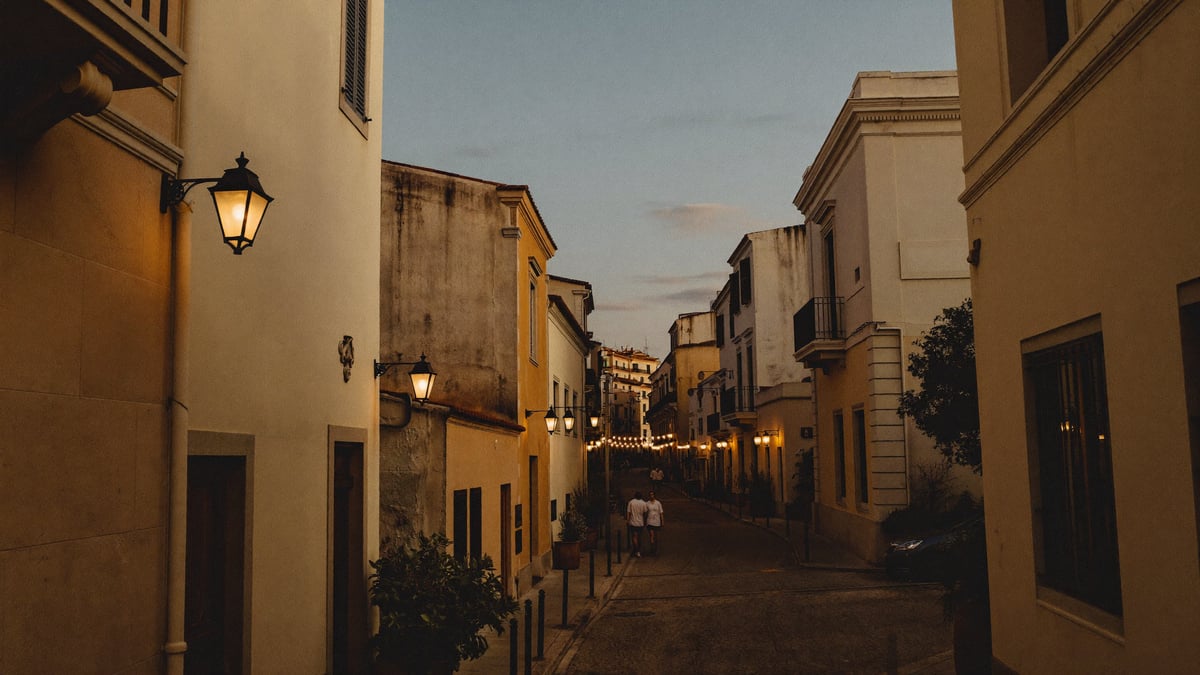
Given the range of accommodation options, travel periods, and package structures available, the decision-making process for a St Lucia holiday benefits from a structured approach. The following framework is designed to help UK couples move from general interest to a confirmed booking efficiently.
Step One: Clarify Your Primary Motivation
Are you primarily seeking dramatic scenery and unique experiences (Soufrière area, boutique resorts), a comfortable all-inclusive beach holiday with excursion options (Rodney Bay, north coast), or the most intimate romantic experience possible regardless of activity variety (Jade Mountain, Sugar Beach, Anse Chastanet)? The answer to this question should drive the accommodation decision before any other factor.
Step Two: Set a Realistic Budget
A genuinely good St Lucia holiday from the UK costs more than a comparable holiday in the Balearics or Canary Islands, and pretending otherwise leads to disappointment. A comfortable mid-range package for two people for seven nights, including direct flights, transfers, and a four-star all-inclusive resort, starts at approximately £3,600 to £4,400 total. Luxury packages for two people at Soufrière's premium resorts range from £5,000 to £8,000 or more for the same duration. Setting a clear total budget before starting to look at options prevents the frustration of falling in love with a resort that is significantly outside your range.
Step Three: Choose Your Travel Period
If budget is a significant consideration, travelling between June and August or in November can deliver the same resorts at meaningfully lower prices than peak winter season. If guaranteed dry weather is the priority, January through April is the sweet spot, though this is also when demand and pricing are at their highest. May and early June offer a useful compromise: the dry season is ending, prices begin to ease, and the island is at its greenest.
Step Four: Book Through a Specialist
For a long-haul destination like St Lucia, booking through a specialist UK travel agent adds genuine value beyond price comparison. The ability to speak to someone who knows the difference between the north and south resort areas, who can advise on which resorts are worth the premium and which are not, and who can arrange honeymoon extras and transfers in a single call, is worth more than a marginal saving on a direct booking. GlobeHunters has been arranging Caribbean packages for UK travellers for over two decades. Call the team on 020 8944 4700 or visit the website to check current availability and pricing.
Frequently Asked Questions About St Lucia Holidays for UK Travellers
How long is the flight from the UK to St Lucia?
Direct flights from London Gatwick to Hewanorra International Airport take approximately eight hours and fifty minutes. There are no direct flights from Heathrow, though connections via Barbados are available. Return flights are slightly longer due to prevailing easterly winds.
Do UK citizens need a visa to visit St Lucia?
No. UK passport holders can enter St Lucia visa-free for stays of up to six months. A valid British passport with at least six months' validity beyond your departure date is required. No specific vaccinations are mandatory, though standard UK travel health recommendations apply.
What is the best time of year for a St Lucia holiday from the UK?
The dry season from December through May offers the most reliable weather, with low humidity and minimal rainfall. January to April is peak season with highest prices. May and early June provide good value and pleasant conditions. The wet season (June to November) brings lower prices but a higher chance of afternoon showers, with September and October being the most weather-uncertain months.
Is St Lucia an all-inclusive holiday destination?
St Lucia has a strong all-inclusive resort sector, particularly in the Rodney Bay area (Sandals, Royalton) and at some Soufrière properties. However, many of the island's most celebrated resorts are not all-inclusive, and some of the best dining and experiences on the island require leaving the resort. A package that includes bed and breakfast or half board, combined with a budget for local restaurants and activities, often delivers more satisfying value than a fully all-inclusive setup.
How much spending money should I budget for a week in St Lucia?
Outside of an all-inclusive package, a couple should budget approximately £600 to £1,000 for a week's spending money, covering restaurant meals, activities, excursions, and incidentals. The main variable is activity spending. A catamaran day sail costs around £120 to £200 for two people. A guided Piton hike costs approximately £30 to £50 for two. Dining at local non-resort restaurants is very affordable, with a full lunch for two costing £15 to £30 including drinks.
Is St Lucia safe for UK tourists?
St Lucia is considered one of the safer Caribbean islands for tourists. The main tourist areas, including Rodney Bay, Marigot Bay, and the Soufrière resort zone, have low rates of serious crime against visitors. Standard precautions apply: do not leave valuables on beaches, use resort safes, and avoid walking alone in unfamiliar areas after dark. The Foreign Commonwealth and Development Office (FCDO) maintains up-to-date travel advice for St Lucia on its website.
Can I combine both the north and south of St Lucia in one holiday?
Yes, and this is often the best approach for a first visit. A common split is three nights in the Soufrière area (to experience the Pitons, volcano, and plantation tours) and four nights in the Rodney Bay area (for more varied dining, nightlife, and easier logistics). The road between north and south takes between 90 minutes and two hours, so a mid-stay transfer is straightforward to arrange. GlobeHunters can include accommodation at two properties within a single package.
What currency should I bring to St Lucia?
US dollars are widely accepted alongside the Eastern Caribbean Dollar and are often the most practical currency to carry. Major credit and debit cards are accepted at resorts, larger restaurants, and tour operators. Cash is needed for local markets, small cookshops, and tips. A travel card such as Wise or Starling minimises foreign exchange fees and works well for card payments across the island.
Are St Lucia package holidays ATOL protected?
GlobeHunters is an ATOL-protected travel company, meaning that all package holidays including flights are covered under the Air Travel Organiser's Licence scheme. This provides financial protection if the travel company ceases trading and ensures repatriation if you are abroad when a business failure occurs. Always confirm ATOL protection when booking any package holiday from the UK.
What is the difference between the north and south of St Lucia for holidaymakers?
The north (Rodney Bay, Castries, Cap Estate) is more developed, with a wider range of restaurants, nightlife, shopping, and resort options. Beaches are generally calmer and more accessible. The south (Soufrière, Anse Chastanet, Marigot Bay) is more dramatic, quieter, and home to the island's most distinctive natural and cultural experiences including the Pitons, sulphur springs, and chocolate plantations. First-time visitors often prefer the north for ease of access; repeat visitors and honeymooners frequently prefer the south for atmosphere and uniqueness.
Is St Lucia a good destination for a honeymoon?
St Lucia is widely regarded as one of the Caribbean's premier honeymoon destinations. The combination of dramatic natural scenery, intimate boutique resorts, world-class cuisine, and a genuine culture of romance makes it particularly well-suited to couples celebrating a significant occasion. The island's scale means you are never far from an extraordinary experience, and the resort sector is well-practised at delivering the extras that make a honeymoon feel genuinely special.
How do I book a St Lucia package holiday from the UK with GlobeHunters?
You can book online through the GlobeHunters website, where real-time pricing combines flights, accommodation, and optional activities into a single package. Alternatively, the team is available by phone on 020 8944 4700 for personalised advice on the best options for your dates, budget, and preferences. GlobeHunters specialises in curated Caribbean packages and can arrange honeymoon extras, room upgrades, and multi-centre itineraries as part of the booking process.
Key Takeaways
- St Lucia offers Caribbean scenery at its most dramatic, with the twin Piton volcanic peaks providing a backdrop that no other island in the region can match.
- Direct flights from Gatwick make St Lucia one of the most accessible long-haul Caribbean destinations for UK travellers, with a flight time of under nine hours.
- The island splits naturally into two distinct holiday zones: the livelier, more accessible north (Rodney Bay) and the more dramatic, intimate south (Soufrière), each suited to different travel priorities.
- St Lucia package holidays from the UK start from around £1,299 per person for a seven-night stay, rising to £3,499 or more for luxury Piton-view resorts.
- Beyond the beach, St Lucia's chocolate plantations, volcano, rainforest hikes, and sailing experiences make it the strongest choice in the Eastern Caribbean for couples who want genuine variety.
- The dry season (December to May) is peak season, but June, July, and early November can deliver excellent value with only a modest increase in the chance of afternoon rain.
- GlobeHunters has been arranging Caribbean packages for UK couples since 2003. Call 020 8944 4700 or visit the website to explore current St Lucia packages with ATOL-protected pricing.
St Lucia rewards the traveller who is willing to look beyond the resort boundary. The island's beaches are beautiful, but its real distinction lies in the extraordinary experiences that sit just outside the gate: a volcanic peak you can actually climb, a chocolate farm that has been producing cacao for centuries, a rainforest that covers the island's mountainous spine, and a sunset over the Pitons that is, by any objective measure, one of the finest views in the world. For UK couples ready to have a Caribbean holiday that they will still be talking about years from now, St Lucia is the straightforward answer.
About the author
Spiros Maragkoudakis · Chief Commercial Officer
Ready to Book Your St Holiday?
Our travel experts are ready to help you plan the perfect trip. Call us today or browse our latest deals.
Ready to Start Planning?
Speak to our travel experts for personalised advice and the best deals on your next holiday.
Call 020 8944 4700