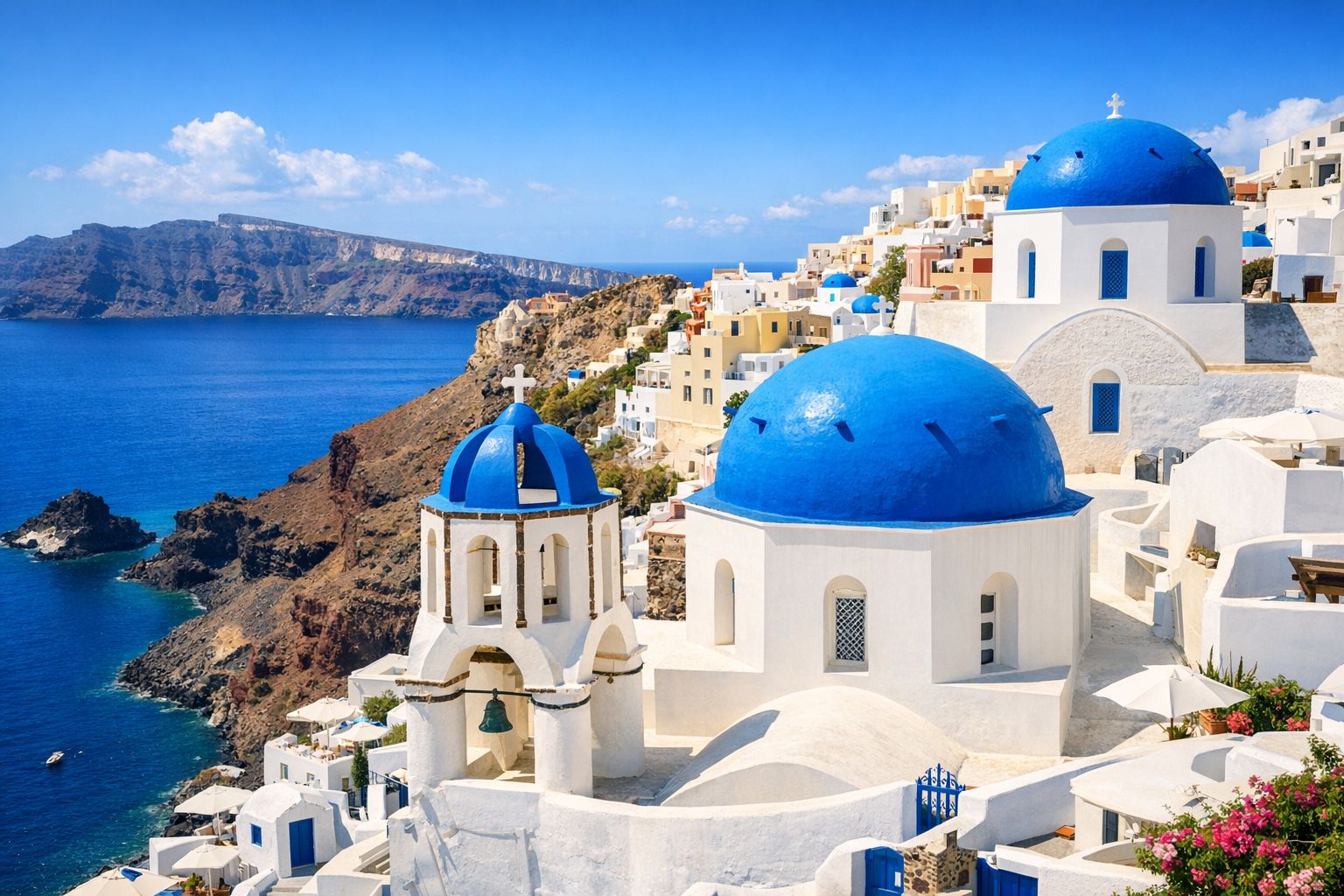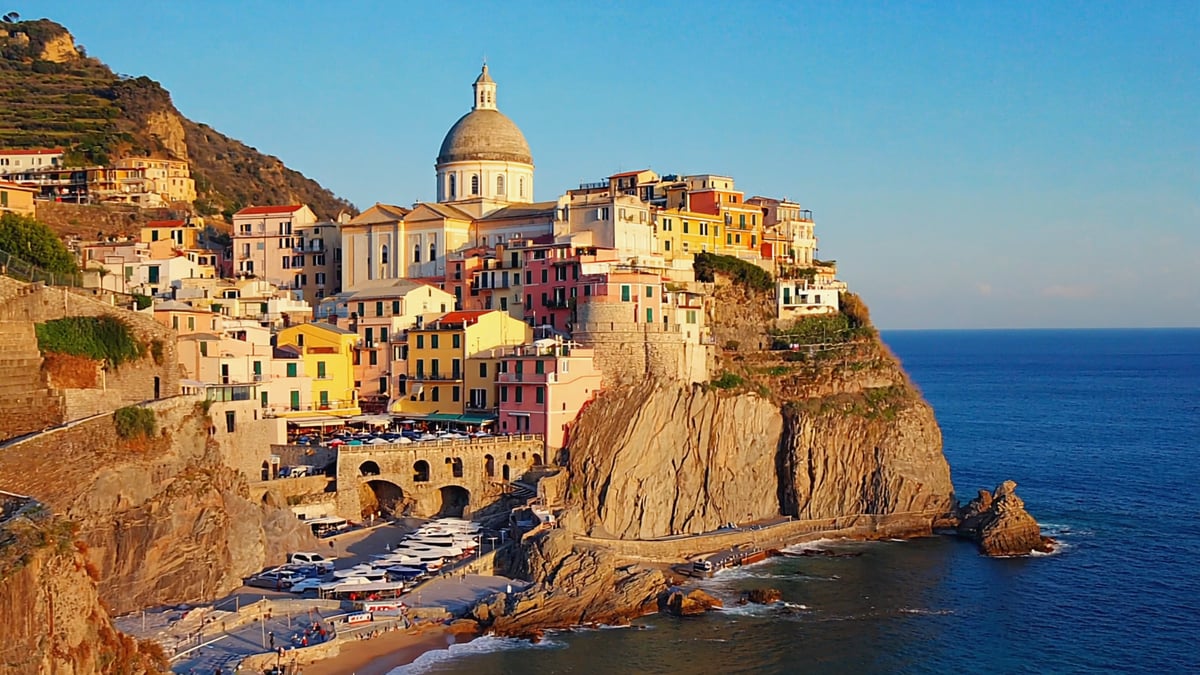
Picture this: you step off a small wooden ferry and look up. Hundreds of pastel-coloured houses are stacked vertically against a near-vertical cliff, tumbling down toward a crescent of dark pebble beach edged by impossibly blue water. Bougainvillea spills over whitewashed walls. Lemons the size of your fist hang from terrace pergolas. Somewhere above you, a church bell rings. You have not yet checked into your hotel, found a table for lunch, or taken a single photograph, and you already understand why people come back to Positano year after year, unable to explain it to anyone who has not stood in exactly this spot.
Positano is one of those places that photographs cannot fully prepare you for. The Positano travel guide UK content that fills travel blogs tends to focus on the aesthetics, and the aesthetics are extraordinary, but the village rewards slower, more deliberate visitors. The ones who get up before the day-trippers arrive, who eat at the same trattoria twice, who take the ferry rather than the road. This guide is built for exactly that kind of traveller: a UK visitor who wants to do Positano properly, not just tick it off a list.
Below, you will find a genuine step-by-step approach to planning and experiencing a Positano holiday from UK shores, from the moment you search for flights to the morning you reluctantly board the return transfer. Every section covers a distinct phase of the trip, with practical detail, honest pricing context, and the kind of insider knowledge that only comes from understanding the place deeply.
Step 1: Understand What Positano Actually Is (Before You Book Anything)
Positano is a small vertical village of roughly 4,000 permanent residents on the southern side of the Amalfi Coast, in the Campania region of southern Italy. Understanding its geography before you book is not a trivial step. It shapes every decision that follows, from which hotel tier makes sense for your budget to how long you actually need to stay.
The village is built on a dramatic slope between the sea and the Lattari Mountains. There is essentially one main road running through it, the SS163 (the famous Amalfi Coast road), and from that road the village descends in a series of steep staircases, narrow lanes, and terraced paths. The beach, the marina, and many of the restaurants sit at the bottom, reached from Piazza dei Mulini via the pedestrian Via dei Mulini. The hotels, villas, and residential buildings climb upward toward the road. This means that wherever you stay, you will be walking stairs. A lot of stairs. This is worth factoring in if anyone in your group has mobility concerns.
The village has no train station. The nearest mainline rail connection is Napoli Centrale. From Naples, you reach Positano either by hired car (approximately 90 minutes in good traffic, significantly longer in summer), by regional train to Sorrento followed by a ferry or bus, or by direct hydrofoil from Naples Molo Beverello in the summer months. The ferry approach is widely considered the most pleasant arrival, giving you that unforgettable first view from the water.
What Type of Traveller Suits Positano?
Positano suits couples, honeymooners, and small groups of friends who prioritise beauty, food, and relaxed coastal exploration over nightlife, theme parks, or budget-first travel. It is one of Italy's most expensive destinations. Budget travellers can visit on day trips from Sorrento (which is far more affordable as a base), but staying in Positano itself means accepting premium pricing across accommodation, food, and activities.
Families with young children can enjoy it, but the stairs and the lack of a sandy beach (it is pebble) are worth knowing in advance. Retirees who are comfortable with gentle walking and comfortable with premium prices tend to find it one of the most rewarding destinations in Europe. Solo travellers who enjoy photography, food, and simply sitting in beautiful places will be very happy here.
How Many Days Do You Actually Need?
Two full days in Positano is the minimum to feel you have genuinely experienced it rather than rushed through it. Three days is the sweet spot for most visitors. Four or five days works well if you plan to use Positano as a base for day trips to Ravello, Amalfi town, and the Grotta dello Smeraldo. Beyond five days, most visitors start to feel they have seen everything the village itself offers and wish they had built in a night or two in Sorrento or Naples.
| Trip Length | Best For | What You Can Realistically Cover |
|---|---|---|
| 2 nights / 3 days | Couples, first-time visitors | The village itself, the beach, one boat trip, 3-4 restaurants |
| 3 nights / 4 days | Couples, small groups, honeymooners | Village + day trip to Amalfi or Ravello + boat hire + Path of the Gods hike |
| 5 nights / 6 days | Retirees, slow travellers, honeymooners | Full coast exploration, cooking class, multiple hikes, Capri day trip |
| 7+ nights | Those combining with Naples or Sorrento | Full Amalfi Coast + Pompeii + Herculaneum + Capri + Naples city |
Step 2: Choose Your Ideal Travel Season
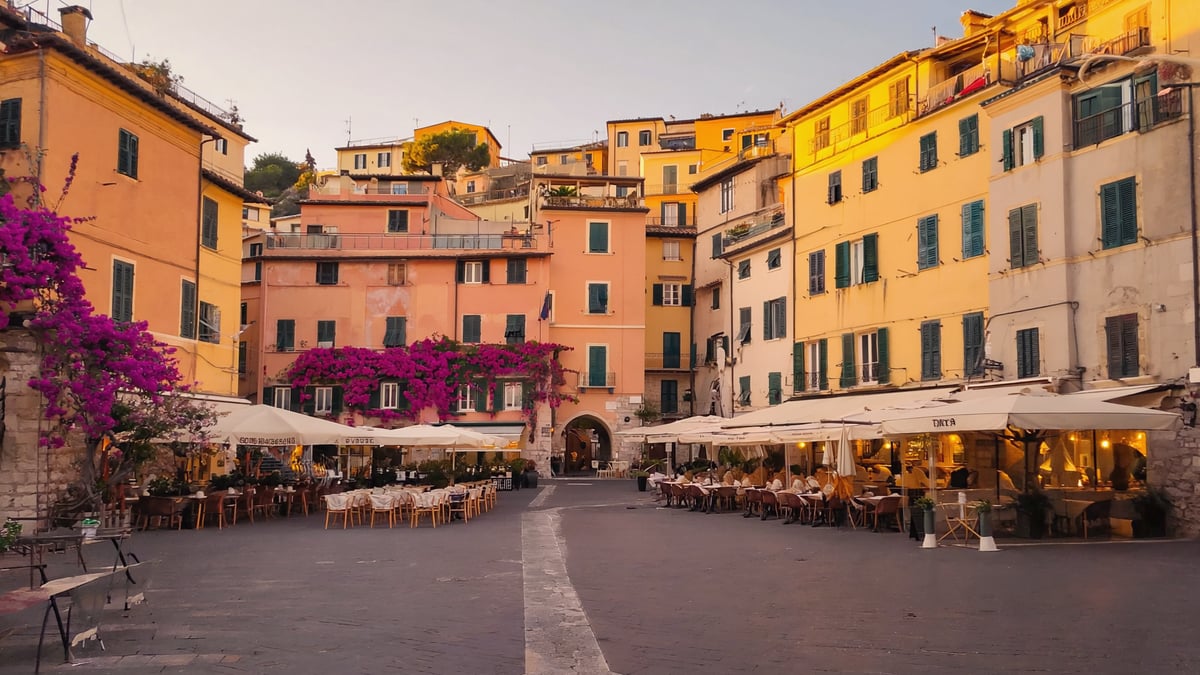
The best time for a Positano holiday from the UK is either late May to mid-June or September to early October. These shoulder-season windows give you warm, swimmable temperatures, manageable crowds, and significantly better value on accommodation compared to July and August.
July and August are peak season in the fullest sense. The Amalfi Coast road becomes genuinely congested. The beach fills by 10am. The village's narrow lanes are shoulder-to-shoulder with day-trippers by midday. Hotels charge peak-season rates, restaurants require advance booking days ahead, and the overall experience can feel more stressful than relaxing. That said, the light in August is spectacular for photography, the sea is at its warmest, and if you are a sun-maximiser who books well in advance and is comfortable with crowds, it remains a wonderful time to visit.
May and June offer warm sunshine (typically 23-27°C), sea temperatures that warm up steadily from a refreshing May to a comfortable June, and a version of Positano that still belongs primarily to its residents. The flowers are at their most vivid. Restaurants are happy to see you. Prices are 20-35% lower than August equivalents across most hotel categories.
September and early October are, for many experienced visitors, the finest months of all. The summer crowds have thinned, the sea is still very warm (it retains heat from the summer), the light turns golden and slightly softer, and the village begins to feel like itself again. Local restaurants start running their full autumn menus. October brings occasional rain toward the end of the month, so early-to-mid October is the safer window.
November through March sees most smaller hotels and restaurants close entirely. Positano in winter is hauntingly beautiful but offers limited services and a very different experience from the sun-soaked version most visitors are imagining.
UK School Holiday Considerations
For UK families constrained to school holidays, the August peak is often unavoidable. If you are booking for August, do so at least six months in advance for both flights and accommodation. GlobeHunters' package approach bundles these elements together, which can simplify the process considerably and sometimes unlock better combined pricing than booking components separately.
Step 3: Get Your Flights Right from the UK
The fastest and most practical way to reach Positano from the UK is to fly into Naples International Airport (NAP), which sits approximately 55-65 kilometres from the village. Direct flights from UK airports to Naples are most plentiful from roughly March through October, with the widest choice of routes during the summer season.
From London, direct flights to Naples are available from Heathrow, Gatwick, Stansted, and Luton. Flight time is approximately 2 hours 30 minutes to 2 hours 45 minutes. From Manchester, Birmingham, Bristol, and Edinburgh, direct Naples routes operate seasonally, with some requiring a connection during off-peak months.
The alternative gateway airport is Rome Fiumicino (FCO), which has year-round connections from across the UK. However, the onward journey from Rome to Positano takes approximately 3.5-4.5 hours by train and ferry or hired car, making it significantly less convenient unless you plan to spend time in Rome at the start or end of your trip.
A third option worth knowing about is Salerno Costa d'Amalfi Airport (QSR), a small regional airport roughly 60 kilometres by road from Positano. Direct seasonal flights from a small number of UK airports operate here, although the road transfer to Positano takes around two hours, much like from Naples, and there is also a ferry option from Salerno port. Check current routes when planning, as these change seasonally.
Transfer from Naples Airport to Positano
Once you land at Naples, you have several transfer options to reach Positano:
- Private transfer: The most comfortable and time-predictable option. A private car from Naples Airport to Positano takes approximately 1.5-2 hours depending on traffic and costs roughly £80-£140 for two people. Pre-booking is essential.
- Shared shuttle: Several companies run shared minibus transfers from Naples Airport to Positano and other Amalfi Coast towns. These cost less per person but take longer due to multiple stops.
- Train + Ferry (seasonal): Take the Circumvesuviana train from Naples Garibaldi to Sorrento (approximately 65 minutes), then a seasonal hydrofoil ferry from Sorrento to Positano (approximately 30 minutes). This is a scenic and enjoyable route that works well from April through October.
- SITA bus from Amalfi or Sorrento: The cheapest option but the most time-consuming and uncomfortable on the famously winding SS163 road. Not recommended for those prone to motion sickness.
When booking through GlobeHunters, transfers can often be included in your package, removing the need to coordinate this independently. Check the current GlobeHunters Italy holiday packages for bundled transfer options.
Step 4: Book the Right Accommodation for Your Budget
Where you stay in Positano fundamentally shapes your experience, and the village's vertical geography means that "location" means something quite specific here. Hotels closer to the beach at the bottom of the village offer the most convenient access to the water and restaurants but command the highest prices. Hotels higher up, near the SS163, offer dramatic panoramic views and easier road access but require either a steep walk down (and back up) or use of the village's local bus service.
Positano is genuinely one of Italy's most expensive places to stay. Budget accommodation as understood in most European cities does not exist here. The entry point for a decent double room with a sea view in peak season is approximately £180-£250 per night. Mid-range hotels with pools and proper terraces run roughly £250-£450 per night. Luxury hotels start around £500 per night and go considerably higher.
Accommodation Tiers and What to Expect
| Tier | Approx. Per Night (Peak) | What You Get | Best For |
|---|---|---|---|
| Guesthouses / B&Bs | £120-£200 | Simple rooms, often no pool, basic facilities, sometimes excellent sea views | Budget-conscious couples, solo travellers |
| Mid-range hotels | £250-£450 | Sea-view terraces, pool or beach access, breakfast included, air conditioning | Couples, small groups |
| Luxury hotels | £500-£900+ | Infinity pools, concierge, private terraces, spa, top-tier restaurants on site | Honeymooners, anniversary trips, luxury travellers |
| Private villas | £400-£1,500+ (whole property) | Full privacy, private pool, kitchen, stunning terraces, usually sleeps 4-10 | Groups, families, luxury self-catering |
The Most Important Booking Tip for Positano Hotels
Always confirm, in writing, whether your room has a sea view or a garden/mountain view. In Positano, the difference in experience between a sea-view room and a non-sea-view room at the same hotel can be dramatic, and photos on booking platforms do not always make this clear. Equally, confirm whether the hotel has a lift (elevator), as many historic buildings do not, and the climb to upper floors can be significant after a day of walking the village.
Step 5: Navigate the Village Like a Local
Getting around Positano requires a different mindset from most European destinations: the village rewards those who walk slowly, take the stairs, and resist the urge to rush. There are essentially three ways to move around the village once you arrive.
The first is on foot. The best-known pedestrian street is the Via dei Mulini, which runs from Piazza dei Mulini down toward the beach, lined with ceramics shops, boutiques, and small cafes. Off this main path, a network of staircases (called "scalinate" in Italian) branches in all directions. These are genuinely steep in places, but they are also where you find the most atmospheric parts of the village: tiny courtyards, lemon trees growing from walls, cats asleep on sun-warmed stone. Allow more time than you think you need for any walk involving elevation change.
The second is the orange local bus (Interno Positano), which loops through the village along Viale Pasitea and Via Cristoforo Colombo, linking the upper village and the SS163 junctions with Piazza dei Mulini near the beach. It costs a low fare (buy tickets at a tabacchi) and can save considerable energy when you need to get back up to the road level. The bus is small and fills up quickly in summer; arrive early or wait for the next one.
The third is by water taxi. Small motorboats operate as water taxis along the coast, connecting the beach with Fornillo beach (a quieter alternative a short distance west), and offering transfers to nearby coves. Prices are negotiated on the spot and are not cheap, but for a special evening or when carrying luggage, they are a genuine luxury worth considering.
The Two Beaches: Main Beach vs. Fornillo
Positano's main beach (Spiaggia Grande) is the postcard image: dark pebbles, colourful boats, the village rising behind it. It is divided between a free public section (bring your own towel and chair) and numerous private beach clubs that rent sunbeds and umbrellas for approximately £20-£35 per person per day. The private sections are better organised, have attentive service, and often include access to showers and changing rooms. In peak season, arriving before 9am to claim a free spot is advisable.
Fornillo beach, a 10-minute walk west of the main beach along a coastal path, is smaller, quieter, and significantly less crowded. The path itself is one of the most beautiful short walks in the village, carved into the cliff face with sea views the entire way. Fornillo has fewer facilities but a more relaxed atmosphere and is a favourite with those who return to Positano regularly.
Step 6: Eat and Drink Your Way Through Positano
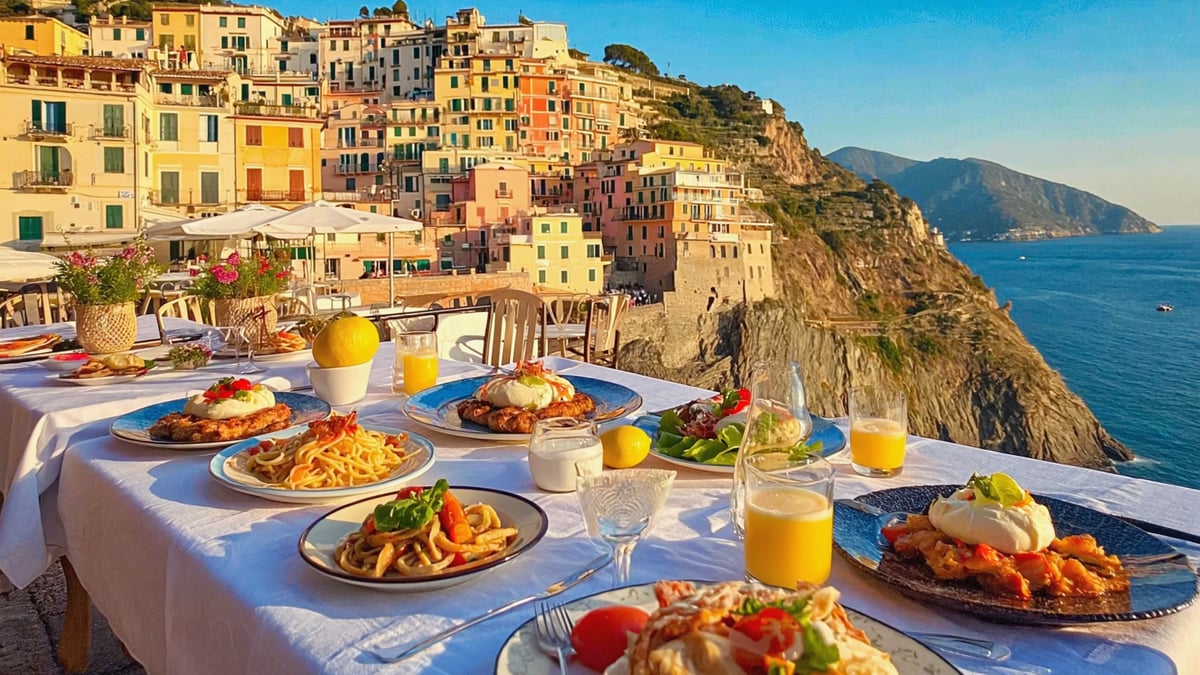
The food in Positano is an integral part of the experience, not an afterthought. The Campania region produces some of Italy's finest ingredients: San Marzano tomatoes, buffalo mozzarella from the inland plains, local anchovies from the sea directly in front of you, and lemons so intensely flavoured that the limoncello made from them bears no resemblance to the mass-produced bottles sold in airports.
A few honest notes about eating in Positano: it is expensive by Italian standards. A sit-down lunch for two with wine and water will rarely come in under £60 at a mid-range restaurant. Dinner at a well-regarded restaurant can easily reach £100-£150 for two. The quality generally justifies this, but it is worth budgeting for.
What to Order and Where to Look
The standout dishes to seek out in Positano and the wider Amalfi Coast area include:
- Spaghetti alle vongole: Fresh clams with white wine, garlic, and parsley. The clams here are sourced locally and the quality is outstanding.
- Alici di Cetara: Anchovies from the nearby village of Cetara, served simply on toast or as a pasta sauce. These are a revelation if you associate anchovies only with their jarred supermarket equivalent.
- Delizia al limone: The local dessert, a dome-shaped sponge soaked in lemon cream. Every pastry shop in the village sells a version. Finding your favourite is a worthy mission.
- Frittura di paranza: Mixed fried seafood, light and fresh, served in a paper cone at beach-adjacent spots.
- Limoncello: Made locally from the sfusato amalfitano lemon, which has a thicker, more aromatic skin than commercial varieties. Buy a bottle from a producer rather than a tourist shop.
For practical dining strategy: the restaurants on the beach and along the main Via dei Mulini tend toward tourist pricing and variable quality. Walking a few streets uphill, or asking your hotel for recommendations, typically leads to significantly better value and more authentic cooking. Restaurants that do not display an English menu in the window are usually a good sign.
Breakfast, Snacks, and Picnic Culture
Italians do not eat the elaborate hotel breakfasts that British travellers often expect. A cornetto (croissant) and a cappuccino at a bar counter is the local approach, and it is both excellent and economical at approximately £3-£4. If your hotel includes breakfast, it is worth enjoying, but do not feel obliged to eat enormously before a morning of walking. Picking up a local focaccia or a slice of pizza bianca from a bakery for a mid-morning snack costs very little and is one of the simple pleasures of southern Italian travel.
Step 7: Plan Your Activities and Day Trips
Positano sits at the heart of one of Europe's most activity-rich coastal regions, and the activities available range from utterly relaxing to genuinely adventurous. The key is to plan a balance: if you try to cram in too many excursions, you end up spending most of your time in transit along the winding coastal road rather than actually experiencing each place.
Activities Within the Village
The Path of the Gods (Sentiero degli Dei) is a must-do for anyone reasonably fit. This ancient footpath runs along the ridge of the Lattari Mountains above Positano, connecting the village of Bomerano (reached from Positano by bus or ferry to Amalfi, then the bus up to Bomerano) to the hillside town of Nocelle above Positano, from where a long staircase descends back to the village. The trail offers panoramic views of the Amalfi Coast that no photograph does justice to. Allow 3-4 hours for the walk at a comfortable pace. Take water, sun protection, and proper walking shoes. The trail is well-marked but rocky in sections.
Boat trips and coastline exploration are central to the Positano experience. Options range from group tours of the coast (typically 3-5 hours, visiting sea caves and secluded coves) to private boat hire for a full day. Private boat tours with a skipper start from around €500 per boat, and full-day trips on larger boats cost considerably more depending on the boat size and season. Split between four to six people, this becomes good value. The sea caves near Nerano and the Li Galli islands (three small islands visible from the beach, once owned by Rudolf Nureyev) are the highlights of most boat excursions.
Cooking classes are a popular activity, typically run by local chefs in their home kitchens or small professional schools. A half-day class covering pasta making, a main course, and dessert with lunch included typically costs £70-£120 per person. These are best booked in advance, particularly in peak season.
Day Trips Worth Taking
| Destination | Travel Time from Positano | How to Get There | Highlight |
|---|---|---|---|
| Amalfi town | 30-40 min | Ferry (seasonal) or bus | Cathedral of Sant'Andrea, paper museum, narrow medieval streets |
| Ravello | 60-75 min | Bus to Amalfi then bus up to Ravello | Villa Rufolo gardens, extraordinary clifftop views, quiet aristocratic atmosphere |
| Capri | 50-70 min | Ferry from Positano (seasonal) | Blue Grotto, Anacapri, Villa San Michele, designer shopping |
| Pompeii | 90 min+ (including connection) | Bus to Sorrento, then Circumvesuviana train | UNESCO World Heritage site, one of the world's great archaeological experiences |
| Sorrento | 30-45 min | Ferry (seasonal) or bus | Lively piazzas, excellent food scene, great base for wider exploration |
A note on Pompeii: if you have never visited, it is genuinely one of the most remarkable places in the world, and combining a Positano stay with a half-day at Pompeii is a genuinely compelling itinerary. Pre-book your entry tickets online to avoid long queues.
Step 8: Build Your Day-by-Day Itinerary
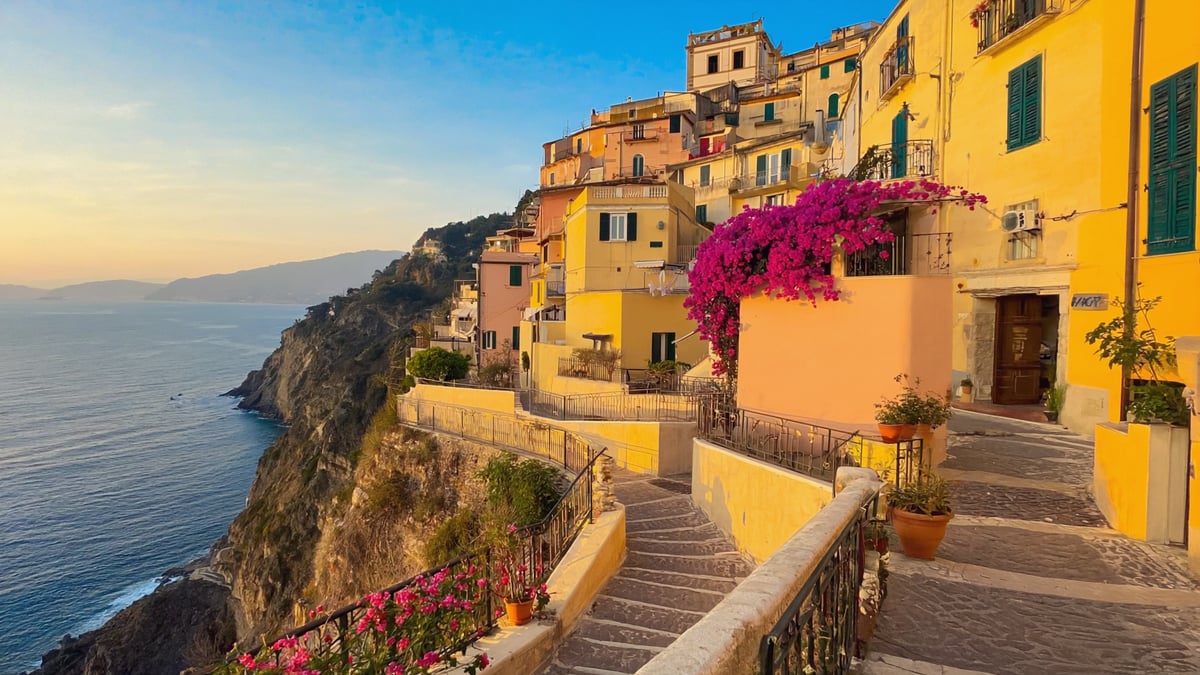
A well-constructed itinerary for Positano follows a simple rhythm: mornings for activity and exploration, midday for the beach or a long lunch, late afternoons for wandering and shopping, evenings for aperitivo and dinner. Fighting this rhythm by trying to pack in activity from breakfast to dinner produces exhaustion and misses the point of the place.
Suggested 3-Night / 4-Day Itinerary
Day 1 (Arrival Day): Arrive by ferry if at all possible, for that first view from the water. Check in, unpack, and resist the urge to immediately go everywhere. Walk down to the main beach in the late afternoon. Sit at a beach-side bar for your first Aperol Spritz overlooking the sea. Dinner at a restaurant in the village, not on the beach itself. Early night: you will need the energy.
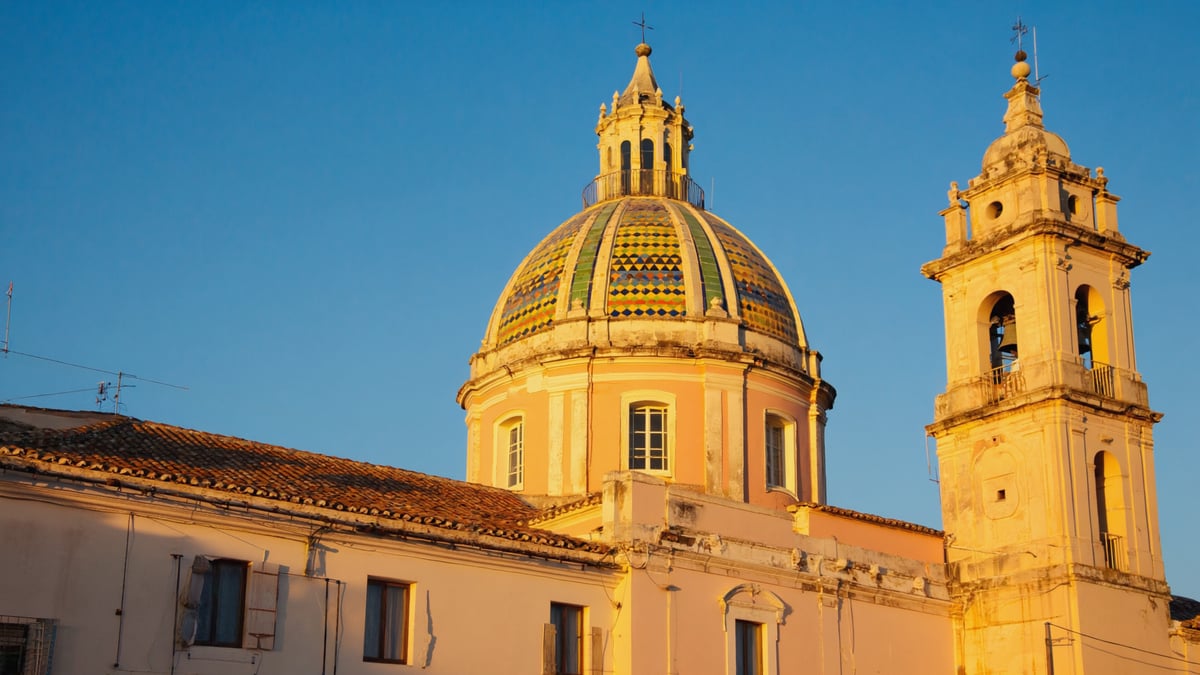
Day 2 (Explore the Village): Up early (before 8am) to walk the village before the day-trippers arrive. The staircases, the church of Santa Maria Assunta with its majolica-tiled dome, the ceramic workshops opening their shutters. Breakfast at a bar in the piazza. Mid-morning: descend to the beach. Claim your sunbed by 10am. Swim. Read. Lunch at a beach club restaurant or a nearby trattoria. Late afternoon: walk the coastal path to Fornillo beach and back. Aperitivo on a terrace with the sun going down. Dinner at a restaurant with a reservation made in advance.
Day 3 (The Path of the Gods): Take an early SITA bus from the top of the village to Amalfi, then change for the bus up to Bomerano (Agerola) and begin the Path of the Gods walk. Return to Positano via Nocelle and the stairs by early afternoon. You will be tired but genuinely exhilarated. Afternoon: slow recovery at the beach or hotel pool. Evening: cook nothing, go nowhere rushed. Find a small restaurant for a quiet dinner.
Day 4 (Boat Day or Day Trip): Either hire a private boat for a morning coastline exploration (the best possible final day if the budget allows), or take the ferry to Amalfi town for a few hours before your transfer. Do not leave Positano in a rush. Sit at the beach one more time before heading to the ferry.
Step 9: Budget Properly for Your Positano Holiday
Positano is a premium destination and budgeting honestly in advance prevents the specific misery of spending your holiday anxious about money. Below is a realistic per-person daily budget breakdown across three spending levels.
| Category | Budget Level (per person/day) | Mid-Range (per person/day) | Luxury (per person/day) |
|---|---|---|---|
| Accommodation | £65-£90 | £130-£220 | £300-£600+ |
| Food and drink | £35-£50 | £60-£90 | £100-£180 |
| Activities and transport | £10-£20 | £30-£60 | £80-£150 |
| Total per person/day | £110-£160 | £220-£370 | £480-£930+ |
These figures exclude flights. Return flights from London to Naples in shoulder season typically range from £100-£250 per person for a direct service booked two to four months in advance. Peak-season flights can climb to £350-£500 per person on popular routes.
For UK travellers looking to manage costs without compromising the experience, booking a GlobeHunters package that bundles flights, accommodation, and airport transfers can deliver meaningful savings compared to booking each element separately. Package pricing for a 4-night Amalfi Coast holiday from the UK, including flights and a mid-range hotel, typically starts from around £799-£999 per person through GlobeHunters. Contact the team on 0208 944 4514 or explore current Italy holiday packages to see live pricing.
Step 10: Practical Logistics, Entry Requirements, and Travel Insurance

Italy is a member of the Schengen Area and UK citizens travelling post-Brexit hold visitor status, permitted to stay for up to 90 days in any 180-day period without a visa. You do not need a visa for a holiday visit to Italy from the UK, but you do need a valid passport (not just a national identity card). Check that your passport was issued less than 10 years before the date you arrive and has an expiry date at least 3 months after the day you plan to leave.
Since 12 October 2025, UK visitors entering the Schengen Area have been registered under the EU's Entry/Exit System (EES), which records your fingerprints and photo at the border, so allow extra time at passport control. The European Travel Information and Authorisation System (ETIAS), a paid online travel authorisation, has not yet launched and has no confirmed start date, so check its status before you travel. The UK Government's official Italy travel advice page is the most reliable source for current entry requirements and any travel advisories.
Currency and Payments
Italy uses the Euro (€). The exchange rate from pounds sterling fluctuates, but as a rough working figure, £1 exchanges for approximately €1.15-€1.20 in normal market conditions (check a live rate when planning your budget). Most restaurants, hotels, and shops in Positano accept card payments, but carrying some cash is advisable for beach bus fares, small bars, and market stalls. Notify your bank before travelling to avoid having transactions blocked abroad. Using a card with no foreign transaction fees (such as those offered by Starling Bank, Monzo, or Chase UK) saves meaningful money on a week's worth of transactions.
Travel Insurance
Travel insurance for an Italy holiday is strongly recommended. Ensure your policy covers: medical treatment and repatriation (the UK Global Health Insurance Card, or GHIC, or a valid UK EHIC gives access to state healthcare in Italy but does not replace comprehensive travel insurance), trip cancellation, lost luggage, and activities such as hiking if you plan to walk the Path of the Gods. If you plan boat trips or water activities, check your policy wording to confirm they are covered.
Health and Medical Considerations
No vaccinations are required for Italy. The main practical health consideration in Positano is the physical demands of the terrain: the steep staircases and stone paths can be tiring, and in summer heat can be intense. Stay well hydrated, wear sun protection from April onwards, and avoid walking during the hottest part of the day (roughly 12pm-3pm in July and August). There is a small pharmacy in the village and a medical clinic in nearby Praiano. For anything serious, the nearest hospital is in Sorrento or Salerno.
Step 11: Pack Specifically for Positano
Packing for Positano requires a slightly different approach from a standard Mediterranean beach holiday. The combination of steep stone staircases, sea swimming, elegant dinners, and possibly a mountain hike means your packing list needs to cover more terrain than usual.
The single most important item is footwear. Comfortable walking sandals or shoes with grip are essential for the staircases. Flip-flops alone will not serve you well beyond the beach itself. If you plan to walk the Path of the Gods, bring proper lightweight hiking shoes. For evenings, the dress standard is smart-casual: Positano has a quietly glamorous atmosphere, and while nobody enforces dress codes, well-dressed visitors feel more comfortable and are received more warmly in better restaurants.
A compact day bag or crossbody bag is far more practical than a backpack for navigating the narrow lanes and stairways. Bring a reusable water bottle: tap water in Positano is safe to drink, and refilling reduces both cost and plastic waste. A light waterproof layer is worth packing even in summer, as an occasional afternoon thunderstorm can arrive quickly in the mountains.
For the beach, note that the pebble surface at Spiaggia Grande makes beach shoes or rubber-soled sandals useful for entering and exiting the water. A lightweight beach towel is worth bringing if you plan to use the free public section of the beach, as towel hire from private beach clubs adds up across several days.
How to Book Your Positano Trip Through GlobeHunters
GlobeHunters has been arranging holidays for UK travellers since 2003, and the Amalfi Coast Italy package options cover a range of budgets and travel styles. For a destination as logistically specific as Positano, the value of a well-assembled package goes beyond simple convenience. Transfers from Naples Airport to Positano, timed to connect with your specific flight arrival, can be difficult to coordinate independently. Hotels in peak season require early booking. Activities like boat hire and cooking classes benefit from local operator connections.
The GlobeHunters platform combines real-time flight pricing, hotel availability from Hotelbeds' extensive inventory, and activity options through Viator, meaning the package you see reflects actual current availability rather than a static brochure price. For an Amalfi Coast Positano UK package, the platform searches across combinations to find the most competitive overall price for your travel dates.
To explore current Positano and Amalfi Coast packages, visit holidays.globehunters.com/italy or call the team directly on 0208 944 4514. The advisors can build a custom itinerary if your requirements do not fit a standard package, which is often the case for longer trips combining Positano with Naples or Rome.
Package prices for an Amalfi Coast holiday from the UK through GlobeHunters typically start from around £799 per person for a 4-night trip with flights and accommodation included, rising to £1,499-£2,499 per person for longer stays, luxury hotels, and added activities. These prices reflect the realities of a premium destination: Positano is not a budget destination, and packages that appear dramatically cheaper usually involve significantly compromised accommodation or indirect routing that adds hours to your journey.
Frequently Asked Questions About Visiting Positano from the UK
How do I get to Positano from the UK?
Fly from any major UK airport to Naples International Airport (NAP), then transfer to Positano by private car (approximately 1.5-2 hours), shared shuttle, or by train to Sorrento followed by a seasonal ferry. Total journey time from a London airport is typically 5-7 hours door to door depending on your transfer method. Flying into Naples rather than Rome saves significant time on the ground transfer.
When is the best time to visit Positano from the UK?
Late May to mid-June and September to early October offer the best balance of warm weather, swimmable sea, manageable crowds, and reasonable pricing. July and August are peak season with the highest prices and largest crowds. Most hotels and restaurants close from November through March.
Is Positano suitable for families with young children?
Positano is manageable for families but has specific considerations: the beach is pebble rather than sand, the village involves constant stair-climbing, and it is an expensive destination. Older children and teenagers who enjoy swimming, boat trips, and Italian food tend to love it. Families with toddlers or children who require sandy beaches may find Sorrento or other nearby destinations more practical as a primary base.
Do I need a visa to visit Italy from the UK?
No. UK passport holders can visit Italy visa-free for stays of up to 90 days within any 180-day period as part of the Schengen Area visitor allowance. You need a valid British passport (not just a national identity card). Check the UK Government's Italy travel advice for current entry requirements before travelling.
How much spending money do I need for a week in Positano?
As a guideline, budget approximately £90-£150 per person per day for food, drink, local transport, and activities at a mid-range level. This is on top of your accommodation and flights costs. Positano is one of Italy's more expensive destinations, and trying to travel here on a very tight daily budget will limit your enjoyment. A realistic total holiday budget for a couple for a 5-night trip, including flights, a mid-range hotel, food, and activities, is approximately £2,500-£3,500 total (both people combined) in shoulder season.
What is the best way to get around the Amalfi Coast from Positano?
For nearby destinations, ferries are the most pleasant and often fastest option during the seasonal service period (roughly April to October). For places not served by ferry (such as Ravello), the SITA bus network covers most of the coast, though buses on the SS163 can be slow and crowded in summer. Private hire car or scooter gives maximum flexibility but requires confidence driving on narrow mountain roads. Taxis are available but expensive for longer distances.
Are there any hidden costs to watch for in Positano?
The main unexpected costs for UK visitors tend to be: tourist tax (charged per person per night by most hotels, typically €2-€5 per person per night, payable at the hotel separately from your booking price), beach club fees (sunbed and umbrella hire at private beach clubs costs £20-£35 per person per day), and the gap between menu prices and the final bill once water, bread, and service charges are added. In Italy, it is common for restaurants to charge a "coperto" (cover charge) of €2-€4 per person simply for sitting down, which appears on the bill rather than the menu.
Can I visit Positano as a day trip rather than staying overnight?
Yes, and many people do, using Sorrento or Naples as a more affordable base. However, a day trip means you experience Positano during its most crowded hours (roughly 10am-5pm) and miss the magic of the early morning and evening when the day-trippers have gone. If the budget for overnight accommodation in Positano is the barrier, consider one or two nights there and additional nights in Sorrento for a hybrid approach that gives you the genuine Positano experience without the full cost of a week-long stay.
Is Positano accessible for visitors with mobility difficulties?
Positano is challenging for visitors with significant mobility difficulties. The village is built on a steep slope with extensive staircases and uneven stone surfaces. There is no accessible route from the main road to the beach that avoids significant stair use. The local bus can reduce some of the elevation change, but the village as a whole is not well-suited to wheelchair users or those who cannot manage frequent stair-climbing. Visitors with moderate mobility who are comfortable with gentle walking can manage well; those with significant limitations should discuss specific hotel accessibility requirements directly with the property before booking.
What should I pack specifically for Positano?
Essential items include: comfortable walking sandals or shoes with grip for the staircases, lightweight hiking shoes if planning the Path of the Gods, smart-casual evening wear for restaurants, beach shoes for the pebble beach, factor 50 sun protection (April-October), a compact day bag rather than a backpack, reusable water bottle, a light waterproof layer, and a good camera or charged phone. Leave wheeled suitcases at home if possible: a soft duffel or travel backpack is far easier to carry down steep staircases.
How far in advance should I book Positano accommodation?
For July and August travel, booking 6-9 months in advance is strongly recommended for any hotel with sea views, a pool, or a desirable central location. Many of Positano's best mid-range hotels sell out their peak-season rooms well before the season begins. For May, June, September, and October, booking 2-4 months ahead is usually sufficient for a good selection. Booking through a package provider like GlobeHunters can sometimes unlock availability that is not visible on standard hotel booking platforms.
What currency should I use in Positano and is card payment widely accepted?
Italy uses the Euro. Card payments are widely accepted in hotels, most restaurants, and most shops in Positano. However, the local bus, small kiosks, and some beach vendors still prefer cash. Carrying €50-€100 in cash at any time is practical for small purchases. Using a fee-free travel card (such as those offered by Starling Bank, Monzo, or Chase UK) avoids foreign transaction fees that can add up noticeably over a week of card spending.
Key Takeaways for Your Positano Holiday from the UK
- Fly into Naples (NAP) for the shortest transfer to Positano. Allow 1.5-2 hours for the onward journey from the airport.
- Shoulder season (May-June or September-October) offers the best combination of weather, atmosphere, and value. July-August is beautiful but expensive and crowded.
- Three nights is the sweet spot for most visitors: long enough to truly experience the village, short enough to leave wanting more.
- Budget honestly. Positano is a premium destination. Mid-range daily spending of £90-£150 per person on food, drink, activities and local transport (on top of accommodation and flights) is realistic.
- Arrive by ferry if at all possible. The approach from the sea is one of the great travel arrival experiences in Europe.
- Walk the Path of the Gods if you are reasonably fit. The views are extraordinary and the experience is genuinely unforgettable.
- Book accommodation early for peak season, particularly if you want a sea-view room at a mid-range price point.
- Use the village's rhythm: early mornings and evenings are magical; midday is for the beach and long lunches.
- Consider a GlobeHunters package to bundle flights, accommodation, and transfers at a competitive combined price. Call 0208 944 4514 or visit holidays.globehunters.com/italy for current Amalfi Coast Italy packages from the UK.
About the author
Spiros Maragkoudakis · Chief Commercial Officer
Ready to Book Your Positano Holiday?
Our travel experts are ready to help you plan the perfect trip. Call us today or browse our latest deals.
Ready to Start Planning?
Speak to our travel experts for personalised advice and the best deals on your next holiday.
Call 0208 944 4514