
Most travellers who book Rio de Janeiro do so because of the postcard: Christ the Redeemer with arms outstretched, Sugarloaf Mountain catching the last light of the afternoon, Copacabana's crescent of sand stretching into the Atlantic. What they don't expect is how completely the city dismantles every assumption they carried with them. Rio is not a beach resort with a famous statue attached. It is one of the most cinematically alive cities on the planet, a place where samba rhythms drift through open windows at midnight, where a neighbourhood fish market can feel as culturally significant as any museum, and where the drama of the landscape, mountains plunging into ocean, forests threading between skyscrapers, makes the built environment look almost accidental.
For UK travellers, Rio sits at a fascinating distance: far enough to feel genuinely exotic, close enough in cultural reference points to be navigable without anxiety. The city runs on Portuguese, but tourist infrastructure is well developed, the food is extraordinary, and the warmth of carioca hospitality (the term locals use for Rio residents and their famously relaxed outlook) is not a travel cliché. It is a lived reality you encounter at a botequim bar at noon or on the steps of a hillside church at sunset.
This guide is built specifically for UK travellers planning a Rio de Janeiro holiday from the UK, covering everything from the right time to visit and how to structure your itinerary, to what a realistic budget looks like and how GlobeHunters packages take the complexity out of booking. Whether you are drawn by the spectacle of Carnival, the beaches, the hiking trails, or simply the desire to stand somewhere that looks like nowhere else on earth, Rio rewards the effort of getting there.
Why Rio de Janeiro Should Be Your Next Long-Haul Holiday
Rio de Janeiro is one of those rare cities that delivers exactly what it promises and then keeps going. For UK travellers considering a long-haul destination, it competes strongly against Southeast Asia, the Caribbean, and East Africa because it combines beach, city, culture, and natural landscape in a single location. You do not need to move between resorts or take internal flights to experience variety. Rio provides it all within a metropolitan area.
The city sits on the south-eastern coast of Brazil, roughly 5,700 miles from London, which translates to a flight time of approximately 11 to 12 hours on direct routes from Heathrow. That is comparable to flying to Thailand or the Maldives, but Rio offers something neither of those destinations can match: the density of world-class cultural experience layered onto a beach holiday. You can spend the morning hiking through Tijuca National Park, one of the largest urban rainforests in the world, have lunch at a traditional churrascaria, spend the afternoon on Ipanema, and end the evening at a live samba venue in Lapa, all without leaving the city.
For UK couples, Rio sits firmly in the romantic long-haul bracket. The combination of dramatic scenery, warm evenings, sophisticated restaurant culture, and the energy of a city that genuinely never feels routine makes it a compelling honeymoon or anniversary destination. For families, the beaches, cable car rides, and open-air activities provide variety across age groups. For solo travellers, the city's neighbourhood culture and thriving social scene make it easier to connect with other people than many destinations of similar size.
The practical case is also strong. Brazil uses the Real (BRL), and the exchange rate from pounds sterling has historically been favourable for UK visitors, meaning your spending power on the ground stretches further than in comparable European city breaks. A well-priced Brazil holiday package from the UK with GlobeHunters, combining flights and accommodation, removes the complexity of piecing together bookings across multiple platforms and often delivers better value than booking components separately.
Rio at a Glance: Key Facts for UK Travellers
| Factor | Detail |
|---|---|
| Flight time from London | ~11–12 hours (direct); 13–16 hours (one stop) |
| Time difference | GMT-3 all year (3 hours behind UK in winter, 4 hours behind in summer) |
| Currency | Brazilian Real (BRL) |
| Language | Portuguese |
| Best time to visit | December to March (Carnival season); May to September (dry season) |
| Visa requirement for UK nationals | No visa needed for tourist stays of up to 90 days (check current FCDO advice before travel) |
| GlobeHunters package from | From £1,499 per person (flights + hotel) |
Understanding Rio's Neighbourhoods: Where to Stay as a UK Visitor

Choosing the right base in Rio de Janeiro shapes your entire holiday experience. The city is large and its districts have distinctly different characters, so matching your accommodation area to your travel style is the single most important planning decision you will make before arrival.
Copacabana remains the most visited neighbourhood for international tourists, and for good reason. The four-kilometre beach arc is one of the most recognisable urban shorelines in the world, lined with kiosks serving fresh coconut water and caipirinhas, and backed by a bustling boulevard of hotels, restaurants, and shops. The hotel stock in Copacabana ranges from budget guesthouses to five-star palaces, and the neighbourhood is well connected to the rest of the city by metro and bus. For UK travellers visiting Rio for the first time, Copacabana offers the most complete version of the city's coastal identity and is the easiest neighbourhood to navigate.
Ipanema sits immediately to the west of Copacabana and carries a slightly more refined, residential character. The beach itself is widely regarded as the more beautiful of the two, sheltered by the Dois Irmãos hills at its western end and attracting a crowd that skews younger and more local during the week. The streets behind Ipanema beach are filled with independent boutiques, contemporary restaurants, and the kind of neighbourhood bakeries where you can have an excellent coffee for the equivalent of less than a pound. For couples or solo travellers who want a quieter, more stylish base, Ipanema is often the better choice.
Santa Teresa is Rio's bohemian hilltop neighbourhood, reached by the iconic yellow tram (when operational) or by taxi, and characterised by colonial architecture, art studios, independent restaurants, and sweeping views over the city and Guanabara Bay. It is not a beach neighbourhood, but it offers a side of Rio that is entirely different from the Zona Sul coastal strip. Travellers who want to understand the city's creative and cultural life beyond the beach should consider spending at least a few nights here, or visiting it as a day or evening destination from a Copacabana or Ipanema base.
Barra da Tijuca is Rio's modern, purpose-built beachfront district to the west, with longer, less crowded beaches and a more contemporary infrastructure. It suits travellers who prefer a slower pace and are less interested in the bustle of the city centre. Families in particular may find Barra's wider pavements, shopping centres, and calmer beach environment more comfortable for travelling with children.
GlobeHunters packages offer accommodation options across all of these neighbourhoods, with the majority of popular packages based in Copacabana and Ipanema to maximise access to both beach life and city culture.
Carnival in Rio de Janeiro: What UK Travellers Need to Know
Carnival in Rio de Janeiro is the largest street festival in the world by attendance, drawing visitors from every continent for a celebration that transforms the city for an extended period every February or March. For UK travellers, attending Carnival is a bucket-list experience that requires planning well in advance, but the reward is a spectacle unlike anything else available in world tourism.
The event operates on two levels simultaneously. The formal Carnival experience takes place inside the Sambódromo, a purpose-built parade boulevard designed by Oscar Niemeyer, where the city's samba schools compete in elaborately choreographed processions lasting through the night. Each school parades with thousands of dancers in extraordinary costumes, led by floats that can be four storeys high and decorated with months of craft work. The competition is judged by a panel of officials, and the rivalries between schools carry genuine civic significance. Tickets for the Sambódromo are available at different price points depending on seating position and which night you attend. The main Special Group competition nights are the most sought-after and expensive, and the Champions' Parade the following Saturday, when the top six schools return to perform again, is also very popular.
The informal Carnival experience is the blocos, street parties that spread across every neighbourhood in the city in the weeks surrounding the main event. Some blocos draw hundreds of thousands of people onto a single street, with samba bands performing on trucks and the crowd moving through the neighbourhood in a river of colour and music. The blocos are free to attend and represent the more democratic, grassroots dimension of Carnival culture. For UK visitors who find the intensity of the Sambódromo overwhelming, the blocos offer an equally memorable and more accessible entry point.
As Encyclopaedia Britannica's profile of Rio de Janeiro's cultural life notes, the city has long been recognised as Brazil's cultural capital, with Carnival sitting at the centre of a broader artistic identity that encompasses music, dance, visual art, and literature. Attending Carnival is not simply watching a parade. It is participating in a living cultural institution with roots in the colonial period and a continuous evolution that reflects the city's social and demographic changes.
Visitor spending during Carnival is substantial. Statista data on Carnival visitor expenditure in Rio shows that in 2020 international tourists spent a considerable average amount per person during their Carnival stay. Demand is so high that accommodation prices during Carnival week rise significantly compared with the rest of the year. Booking a GlobeHunters package for Carnival requires early action, ideally nine to twelve months in advance, to secure the best hotel rates and flight availability.
Carnival Planning Timeline for UK Travellers
| How Far in Advance | Action Required |
|---|---|
| 9–12 months before | Book flights and hotel; check Carnival dates (date varies each year) |
| 6–9 months before | Purchase Sambódromo tickets through official channels; check current FCDO entry requirements and passport validity |
| 3–6 months before | Research bloco schedules (published closer to the event); arrange travel insurance |
| 1–2 months before | Confirm bloco dates and routes; prepare comfortable shoes, sunscreen, and small cash wallet |
| On arrival | Pick up a physical bloco programme from your hotel; use the Metro Rio app for transport planning |
Rio de Janeiro's Best Beaches: A Practical Guide for UK Visitors
The beaches of Rio de Janeiro are not simply places to sunbathe. They function as the city's social infrastructure, where people of all backgrounds gather to play sport, socialise, eat, and watch the world pass by. Understanding how the beaches work, their different characters, their unwritten social geography, and the practical logistics of using them, makes the experience significantly richer.
Copacabana Beach is four kilometres of broad, golden sand that runs in a gentle arc between the Leme headland to the north and the Copacabana Fort headland to the south. It is the most democratically diverse of Rio's main beaches, attracting locals from across the city alongside tourists from every country. The beach is divided informally into sections by activity and community: volleyball courts, football pitches, and postos (numbered lifeguard stations that serve as social landmarks) structure the space without any formal signage. Posto 6, at the southern end near the Copacabana Fort, is traditionally a gathering point for a slightly older, local crowd. The calçadão, the mosaic-tiled promenade running the length of the beach, is excellent for an early morning walk or jog, and the kiosks open from around 8am serving coconut water, açaí bowls, and grilled corn.
Ipanema Beach is often described as the more stylish of the two main beaches, and there is something to that characterisation. The crowd on Ipanema during the week tends to be younger and more local, and the beach has a stronger sense of its own social geography. The stretch near Posto 9, roughly opposite the junction with Rua Vinícius de Moraes (named after the poet who wrote The Girl from Ipanema), is the most famous gathering point and draws a creative, expressive crowd. The views from Ipanema towards the Dois Irmãos twin peaks at the western end provide one of the most photographed perspectives in Rio.
Prainha and Grumari, further west along the coast beyond Barra da Tijuca, offer a completely different experience: smaller, wilder beaches backed by Atlantic Forest, with no high-rise development and a significantly lower density of visitors. Getting there requires a taxi or car hire, but for UK travellers who want a day away from the urban beach scene, these beaches provide some of the most beautiful natural coastline in south-eastern Brazil.
Barra da Tijuca Beach stretches for around 18 kilometres and is Rio's longest beach, with wide sand and a much lower density of visitors per metre than Copacabana or Ipanema. It lacks the social intensity of the Zona Sul beaches but offers space and a more relaxed atmosphere. The open-ocean waves and rip currents can be strong, though, so families with young children should stay near lifeguard posts and watch the warning flags.
Beach Safety Tips for UK Travellers
- Use the hotel safe for passports and valuables. Carry only the cash you need for the day, stored in a small, discreet wallet kept in a front pocket.
- Rent a beach chair and umbrella from licensed vendors rather than spreading a towel on the sand alone, as this reduces your profile as a target for petty theft.
- Apply high-factor sunscreen before leaving the hotel and reapply at least every two hours, and straight after swimming. The UV index in Rio is generally much higher than in the UK, especially in the summer months.
- Swim near a lifeguard post (posto) and pay attention to the warning flags; red flags mark dangerous water. Rip currents occur along the Rio coastline, and the lifeguard (salva-vidas) network is well organised but relies on swimmers heeding its warnings.
- The safest times on the beach are mid-morning on weekdays. Weekend afternoons attract the largest crowds, which can increase the risk of petty theft in busier areas.
Rio de Janeiro Things to Do: Beyond the Beach
A focus purely on the beaches undersells Rio dramatically. The city offers a depth of cultural, historical, and natural experience that can fill two weeks comfortably without repetition. For UK travellers planning their first visit, the challenge is not finding things to do but making sensible choices given limited time.
Christ the Redeemer and Corcovado Mountain
The statue of Christ the Redeemer (Cristo Redentor) at the summit of Corcovado Mountain is the defining image of Rio and one of the most visited landmarks in South America. The statue stands 30 metres tall on a 8-metre pedestal, with arms extending 28 metres wide, and was completed in 1931 after nearly a decade of construction. The views from the base of the statue encompass the entire city, Guanabara Bay, the Sambódromo, the beaches of the Zona Sul, and on clear days the mountains to the west. Access is by rack railway from the Cosme Velho neighbourhood or by van through Tijuca National Park. The rack railway is the more atmospheric option and runs through dense Atlantic Forest before emerging at the summit. Book tickets in advance online to avoid queues, especially during peak tourist season.
Sugarloaf Mountain (Pão de Açúcar)
The cable car journey to the summit of Sugarloaf Mountain in two stages, first to Morro da Urca and then to the Pão de Açúcar peak, provides the city's most dramatic aerial perspective. The view at sunset, when the city and bay are bathed in orange light and the beaches of Copacabana and Urca shimmer below, is one of the genuinely transformative visual experiences available to UK travellers anywhere in the world. The cable cars are modern and run frequently, and the summit has a café and viewing areas on multiple levels. Go later in the afternoon to catch the sunset and stay into the early evening for the night city views.
Tijuca National Park
Tijuca is one of the largest urban forests in the world, covering roughly 40 square kilometres of Atlantic Forest within the city boundaries. It contains hiking trails ranging from easy walks to challenging summit routes, waterfalls, and extraordinary biodiversity including toucans, monkeys, and hundreds of species of orchid. The park also contains the access routes to Corcovado and several of Rio's secondary peaks. For UK travellers who enjoy walking and natural environments, Tijuca provides a completely different dimension to the city that most visitors never discover.
The Lapa Neighbourhood and Arcos da Lapa
Lapa is Rio's historic bohemian district, centred on the 18th-century aqueduct arches (Arcos da Lapa) that now carry the Santa Teresa tram. At night, Lapa transforms into the city's most concentrated live music and nightlife district, with dozens of venues hosting samba, choro (a complex, improvisational Brazilian instrumental form), funk carioca, and forró. The street outside the main venues fills with revellers, food vendors, and musicians well past midnight on weekends. For UK travellers who want to understand why Rio has a global reputation for music culture, a Friday or Saturday night in Lapa is the most direct answer.
The Museum of Tomorrow (Museu do Amanhã)
Opened in 2015 and designed by Santiago Calatrava, the Museum of Tomorrow in the revitalised Porto Maravilha waterfront district is one of the most architecturally striking contemporary museums in the Americas. It focuses on sustainability, human impact, and the future of the planet through immersive, interactive exhibits rather than static collections. The museum is genuinely excellent for adults and older children, and the surrounding waterfront area, with its tram line, restaurants, and AquaRio aquarium (billed as the largest marine aquarium in South America), makes for a full day out away from the beach neighbourhoods.
Day Trips from Rio: Petrópolis and Ilha Grande
For travellers staying a week or more, two day trips from Rio reward the effort significantly. Petrópolis, the former imperial summer capital in the mountains above Rio, is a 90-minute bus or car journey and offers a completely different climate (cool and misty even in summer), the Imperial Museum, and the kind of café culture that reflects Rio's European architectural heritage. Ilha Grande, an island off the coast accessible by ferry from Angra dos Reis (approximately three hours from Rio), has no cars, extraordinary beaches, and walking trails through preserved Atlantic Forest. It is a favourite escape for Rio locals and rewards an overnight stay.
When to Visit Rio de Janeiro: Seasonal Guide for UK Travellers

Choosing the right time to visit Rio involves balancing weather, crowd levels, Carnival timing, and pricing, all of which shift across the calendar in ways that are worth understanding before booking.
December to February is Rio's summer and corresponds with the UK's winter. Daytime highs typically reach around 30°C, heatwaves can push temperatures well above that, and humidity is high. This is also the wettest period, with afternoon thunderstorms common, though they tend to be brief and intense rather than day-long. This is Carnival season, with the main event taking place in February or March depending on the year. Prices are at their highest, particularly during Carnival week, and the beaches and tourist sites are at maximum capacity. For the full Rio experience, this is the time to come, but book well in advance.
March to May represents a transitional period following Carnival. Temperatures remain warm, with average daytime highs easing from around 29°C in March to the mid-20s by May. Rainfall begins to decrease, and prices drop significantly as the post-Carnival crowds disperse. This is an excellent window for UK travellers who want warm beach weather without the intensity and cost of the high season.
June to September is Rio's dry season and winter, though "winter" in Rio means temperatures of 22–28°C and largely clear skies. This is arguably the most comfortable time for UK visitors who are not accustomed to tropical heat and humidity. The sea remains warm enough for swimming, the beaches are quieter during the week, and accommodation prices are at their lowest. Many Rio locals regard this as the best time to visit precisely because the city functions at a more relaxed pace.
October and November see temperatures rising again and occasional heavy rain. This is a reasonable shoulder season option, offering better prices than December without the instability of the wettest months.
| Season | Months | Avg Temp | Crowd Level | Best For |
|---|---|---|---|---|
| Summer (High Season) | Dec–Feb | ~30°C (often hotter) | ⚠️ Very High | Carnival, beach culture, nightlife |
| Shoulder (Post-Carnival) | Mar–May | 26–29°C | ✅ Moderate | Value, warm weather, fewer crowds |
| Winter (Dry Season) | Jun–Sep | 22–28°C | ✅ Low–Moderate | Hiking, sightseeing, budget travel |
| Shoulder (Pre-Summer) | Oct–Nov | Warm, rising towards summer | ✅ Moderate | Mild prices, warming up, fewer tourists |
Food and Drink in Rio de Janeiro: What to Eat and Where
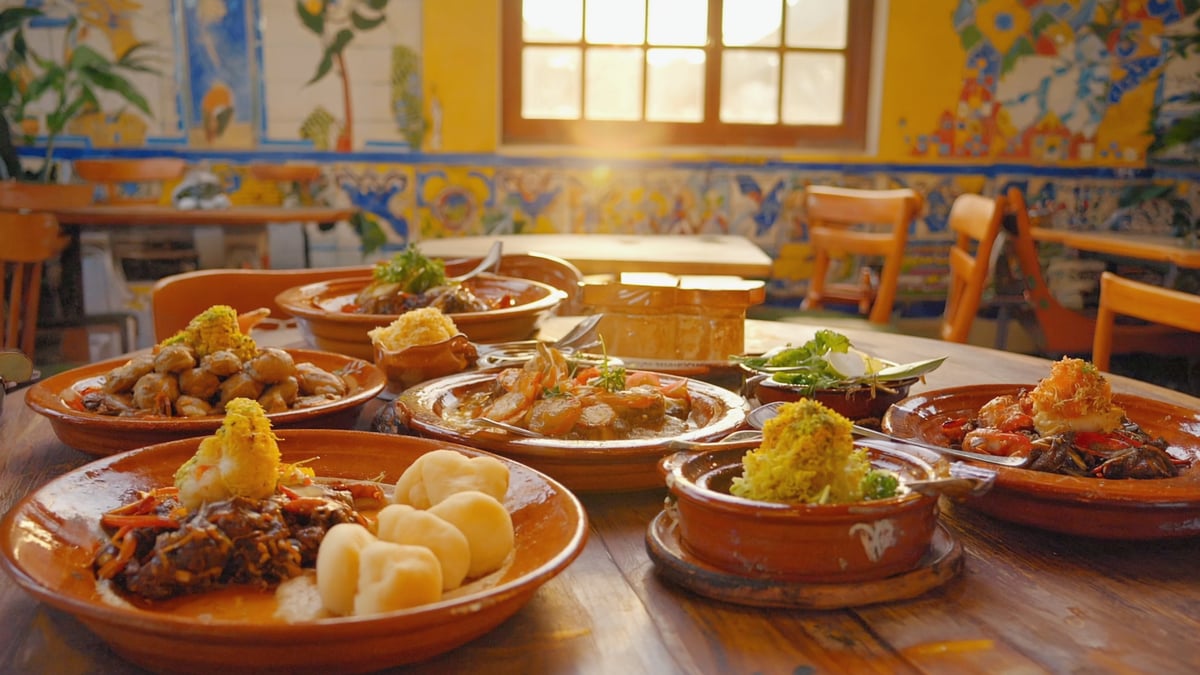
Brazilian cuisine in Rio is an argument for the superiority of the everyday over the exceptional. The most memorable eating experiences are rarely in the city's fine-dining restaurants, though those are excellent, but in the neighbourhood botequins (casual bar-restaurants), the market stalls, the beach kiosks, and the churrascarias where meat is carved tableside from skewers in a continuous procession that operates on a simple traffic-light system: green card up means keep bringing the meat, red card up means stop.
Feijoada is Brazil's national dish and Rio's most culturally significant meal: a slow-cooked black bean stew with various cuts of pork, served with rice, farofa (toasted cassava flour), collard greens, and orange slices to cut the richness. In Rio it is traditionally served on Wednesdays and Saturdays at many restaurants. Ordering feijoada at a traditional botequim is one of the most authentically Rio experiences available to a visitor.
Pão de queijo (cheese bread made from tapioca flour) is the city's best street snack: warm, chewy, and slightly hollow, eaten at breakfast or as a snack throughout the day. You will find it at every padaria (bakery) and at the counters of corner shops across every neighbourhood.
Açaí in Rio is served very differently from the way it appears in UK health food shops. In Rio, it comes as a thick, intensely purple frozen bowl topped with banana, granola, and honey, and functions as a filling meal rather than a supplement. Beach kiosks and açaí bars serve it throughout the day, and it is a staple post-swim meal for locals.
Caipirinhas are the national cocktail: cachaça (a spirit distilled from sugarcane juice, distinct from rum), lime, sugar, and ice. They are served everywhere, from beach kiosks to rooftop bars, and the quality varies considerably. A good caipirinha uses fresh lime and is not oversweetened. Variations using other fruits, strawberry, passion fruit, kiwi, are also widely available and are called caipirinhas de fruta or caipiroskas (when made with vodka instead of cachaça).
For UK travellers with dietary restrictions, Rio's restaurant scene is increasingly accommodating. Vegetarian and vegan options have expanded significantly across the city in recent years, particularly in Ipanema and Santa Teresa. Most traditional dishes are meat-heavy, but the abundance of fresh tropical fruit, rice, beans, and grilled vegetables means that plant-based eating is manageable even at traditional restaurants.
Practical Travel Information: Visas, Safety, and Getting Around Rio

Practical preparation for a Rio de Janeiro holiday from the UK involves a few specific steps that differ from European city breaks and are worth addressing clearly rather than leaving to the last minute.
Visa Requirements for UK Travellers
UK passport holders do not currently need a visa to visit Brazil for tourism and can stay for up to 90 days visa-free. Entry rules can change, so check the UK Foreign, Commonwealth and Development Office (FCDO) travel advice for Brazil before you travel. Ensure your passport is valid for at least six months from your date of entry into Brazil. GlobeHunters advisors can provide current entry guidance when you call to book your package on 0208 944 4514.
Safety in Rio de Janeiro
Safety is the question UK travellers ask most frequently about Rio, and it deserves a frank answer rather than blanket reassurance or unnecessary alarm. Rio does have areas with elevated crime rates, and visitors need to take sensible precautions. The main tourist areas of Copacabana, Ipanema, Santa Teresa, and Leblon are visited by millions of tourists each year, most without serious problems, although street crime does occur there too. The most common risks for visitors are petty theft, opportunistic pickpocketing, and phone snatching, which can be greatly reduced with straightforward precautions.
- Leave expensive jewellery and watches at home or in the hotel safe.
- Use a basic smartphone rather than your primary device on the street and beach.
- Take registered taxis or use Uber (which operates extensively in Rio) rather than unlicensed cabs, particularly at night or from the airport.
- Avoid wandering into unfamiliar residential areas (particularly favelas) without a guided tour from a reputable operator.
- The UK Foreign, Commonwealth and Development Office (FCDO) publishes current travel advice for Brazil, which is worth reading before departure.
Favela tourism is a legitimate and increasingly popular activity in Rio, but it should only be undertaken through reputable local operators who work in partnership with the communities they visit. Entering favelas independently and without guidance is not advisable for visitors unfamiliar with the city.
Getting Around Rio
The Metro Rio system covers the main tourist areas of Copacabana, Ipanema, Leblon, and the city centre, and is the fastest and most reliable way to travel between these neighbourhoods. Trains are air-conditioned and run from early morning until midnight, later during Carnival. Uber operates throughout the city and is the recommended option for journeys not covered by the metro, offering fixed-price rides with no negotiation required. BRT (Bus Rapid Transit) lines serve Barra da Tijuca and the western zones. Traditional city buses exist but are not recommended for first-time visitors unfamiliar with the routes.
GlobeHunters Rio de Janeiro Holiday Packages: What's Included
Booking a Rio de Janeiro travel guide UK-style research trip is one thing; translating that research into an actual booked holiday is where GlobeHunters adds genuine value. The platform combines real-time flight pricing from Duffel, accommodation from Hotelbeds, and activities from Viator into packages that can be tailored to your specific travel dates, budget, and interests.
A standard GlobeHunters Rio package for UK travellers includes return flights from London Heathrow, hotel accommodation in Copacabana or Ipanema for a minimum of seven nights, and airport transfers. Activity add-ons through Viator are bookable as part of the same package, allowing you to pre-book Christ the Redeemer visits, samba school tours, favela tours, and day trips to Petrópolis or Ilha Grande without the complication of arranging them separately on arrival.
Sample GlobeHunters Rio Package Options
| Package Type | Duration | Included | Approx Price Per Person |
|---|---|---|---|
| Essential Rio | 7 nights | ✅ Flights, ✅ 3-star hotel, ✅ Transfers | From £1,499 pp |
| Rio Explorer | 10 nights | ✅ Flights, ✅ 4-star hotel, ✅ Transfers, ✅ City tour | From £1,899 pp |
| Carnival Special | 10 nights | ✅ Flights, ✅ 4-star hotel, ✅ Sambódromo tickets, ✅ Transfers | From £2,299 pp |
| Rio Luxury | 7–14 nights | ✅ Business class flights, ✅ 5-star hotel, ✅ Transfers, ✅ Concierge activities | Price on request |
Prices are indicative and subject to availability and travel dates. The GlobeHunters team reviews pricing daily and can advise on the best available rates for your specific travel window. Call 0208 944 4514 to speak with a Rio specialist, or browse current availability and build your itinerary online.
For UK travellers considering a South America beach holiday from the UK, Rio is also frequently combined with Buenos Aires, Iguazu Falls, or the Iguazu side of Argentina and Brazil in a two-centre package. GlobeHunters can build bespoke multi-destination South America itineraries that combine Rio with one or more additional destinations for travellers who want to make the most of the long-haul flight.
A Suggested 10-Day Itinerary for First-Time UK Visitors

Ten days gives you enough time to experience Rio without rushing, with room for a day trip and at least one full rest day if the heat and activity catch up with you. This itinerary is designed for a first-time visitor staying in Copacabana or Ipanema.
Days 1–2: Arrival and Orientation. Arrive, transfer to your hotel, and spend the first full day at a gentle pace. Walk the length of Copacabana beach in the morning, stopping for breakfast at a praia-side kiosk. Afternoon: explore the Copacabana neighbourhood on foot, finding your nearest padaria, neighbourhood supermarket, and the Copacabana Fort at the southern end of the beach. Evening: dinner at a traditional botequim.
Days 3–4: The Big Landmarks. Day 3: Corcovado and Christ the Redeemer in the morning (book the first rack railway departure to beat the crowds), followed by lunch in Santa Teresa and an afternoon exploring the neighbourhood's art galleries and viewpoints. Day 4: Sugarloaf Mountain cable car in the late afternoon, timed to arrive at the summit for sunset.
Day 5: Tijuca National Park. A guided half-day hike through Tijuca Forest, visiting waterfalls, followed by an afternoon of rest and beach time. Experienced, fit hikers could instead spend a full day climbing Pedra da Gávea for panoramic views. It is a strenuous route with an exposed rock scramble near the summit, so only attempt it with a reputable guide.
Days 6–7: Ipanema, Leblon, and Neighbourhood Culture. Spend these days at a slower pace: Ipanema beach in the mornings, exploring the Feira Hippie (Ipanema's Sunday crafts market, held every Sunday), the Instituto Moreira Salles photography museum in Gávea, and the Jardim Botânico (Botanical Garden) adjacent to Lagoa Rodrigo de Freitas.
Day 8: Day Trip to Petrópolis or Ilha Grande. Choose based on preference: Petrópolis for mountain scenery, 19th-century imperial architecture, and the Imperial Museum; Ilha Grande for pristine beaches and forest trails. Both require an early departure from Rio, and because Ilha Grande involves around three hours by road plus a ferry crossing each way, it is best done as an overnight stay rather than a same-day return.
Days 9–10: Lapa, Porto Maravilha, and Final Beach Day. Day 9: Museum of Tomorrow and the Porto Maravilha waterfront precinct, followed by an evening in Lapa for live samba. Day 10: final beach morning, souvenir shopping in Ipanema's boutiques, and transfer to the airport.
Rio de Janeiro for Different Types of UK Traveller
Rio works differently depending on who you are and what you are looking for. Understanding how the city maps onto different travel styles saves planning time and manages expectations accurately.
Couples and Honeymooners. Rio is an outstanding honeymoon destination for UK couples who want something more dynamic than a beach resort. The combination of romantic evening settings (sunset from Sugarloaf, dinner in Santa Teresa, samba in Lapa), beach luxury, and the sheer visual drama of the city provides a level of sensory experience that static resort destinations cannot match. Five-star options in Ipanema and Leblon offer the level of service and privacy that honeymoon travellers expect, and GlobeHunters' luxury Rio packages are specifically designed for this market.
Families. Rio with children is rewarding but requires planning. The cable car to Sugarloaf, the Jardim Botânico, AquaRio, and the beaches of Barra da Tijuca are all well suited to families. The Museum of Tomorrow's interactive exhibits engage older children and teenagers. The city's food culture is family-friendly, with churrascarias particularly popular with children who can choose from the meat selection as it comes around. The main consideration for families is timing: travelling in the dry season (June to August) reduces the risk of afternoon storms disrupting plans and makes the heat more manageable.
Solo Travellers. Rio is one of the more socially connected cities in South America for solo visitors. The beach culture naturally facilitates meeting people, hostel culture is strong in Santa Teresa and Lapa, and organised activities (guided hikes, samba lessons, cooking classes) provide structured social opportunities. Solo travellers should apply the standard safety precautions with a bit more care than couples or groups, particularly regarding phone use in public spaces, but the city is navigable and rewarding for independent visitors.
Adventure Seekers. Beyond the main tourist circuit, Rio offers hang-gliding from Pedra Bonita (one of the most accessible and spectacular tandem hang-gliding experiences in the world), surfing at Prainha, rock climbing on Pão de Açúcar itself (via guided climbing routes on the rock faces below the cable car station), stand-up paddleboarding on Lagoa Rodrigo de Freitas, and mountain biking through Tijuca. For UK travellers whose primary interest is active adventure, Rio provides a remarkably dense concentration of options within a single city.
Frequently Asked Questions About Rio de Janeiro Holidays from the UK
Do UK travellers need a visa for Brazil?
No. British passport holders can currently visit Brazil as tourists for up to 90 days without a visa. Your passport should be valid for at least six months from your date of entry. Entry rules can change, so check the latest UK Foreign, Commonwealth and Development Office (FCDO) travel advice for Brazil before you travel.
How long is the flight from the UK to Rio de Janeiro?
Direct flights from London Heathrow to Rio de Janeiro Galeão International Airport take approximately 11 to 12 hours. Connecting flights via Lisbon, São Paulo, or other European hubs add between two and four hours to the journey. LATAM Airlines and British Airways are among the carriers operating routes from London to Rio.
What is the best time of year to visit Rio de Janeiro from the UK?
The dry season from June to September offers the most comfortable weather for UK visitors: temperatures of 22–28°C, lower humidity than summer, and mostly clear skies. December to February is the high season, coinciding with Carnival (February or March depending on the year), and delivers the most vibrant city atmosphere but with higher prices and crowds. March to May is an excellent value shoulder season with warm weather and lower costs.
Is Rio de Janeiro safe for UK tourists?
The main tourist areas of Copacabana, Ipanema, Leblon, and Santa Teresa are frequented by millions of international visitors and are considered manageable with standard precautions: keeping valuables in the hotel safe, using registered taxis or Uber, avoiding isolated areas after dark, and carrying only the cash you need. The FCDO publishes current travel advice for Brazil, which is worth reading before departure. Rio has specific risks relating to petty theft that differ from European city destinations, but these are well documented and largely avoidable with sensible behaviour.
What currency does Brazil use, and can I use my UK bank card?
Brazil uses the Brazilian Real (BRL). Major UK debit and credit cards are accepted at hotels, larger restaurants, and tourist attractions, but smaller vendors, beach kiosks, and local markets often prefer cash. Withdraw cash from ATMs at airports or bank branches rather than street ATMs where possible. Notify your UK bank of your travel dates before departure to avoid your card being blocked for unusual overseas transactions.
How much does a Rio de Janeiro holiday cost from the UK?
A GlobeHunters package combining return flights from London and seven nights' hotel accommodation in Copacabana or Ipanema starts from approximately £1,499 per person. Carnival-period packages start from £2,299 per person due to higher accommodation costs during the festival. On the ground, daily spending for a couple on meals, beach activities and local transport varies widely depending on dining choices, activity level and exchange rates, so budget accordingly.
What is Carnival in Rio and when does it happen?
Carnival in Rio de Janeiro is the world's largest street festival, held annually in February or March (the date varies each year, calculated based on the Catholic liturgical calendar). It combines formal samba school parades in the Sambódromo with hundreds of free street parties (blocos) across every neighbourhood. Attending the Sambódromo parade requires purchased tickets. The blocos are free to attend. The entire city celebrates for an extended period, with the peak events concentrated in the week before Ash Wednesday.
What neighbourhoods are best for first-time UK visitors to Rio?
Copacabana and Ipanema are the recommended bases for first-time visitors, offering the best combination of beach access, hotel options, restaurant variety, and metro connectivity. Santa Teresa is an excellent alternative for travellers who want a more cultural, neighbourhood-focused experience away from the coastal tourist strip. Barra da Tijuca suits families who prefer more space and a calmer environment.
Can I visit Rio de Janeiro as part of a wider South America trip?
Absolutely. Rio is an excellent starting or ending point for wider South America itineraries. Popular combinations include Rio with Buenos Aires (for a contrast of Brazilian and Argentine culture), Rio with Iguazu Falls (one of the world's most spectacular natural landmarks, accessible from the Brazilian side of the falls), or a Brazil-focused itinerary combining Rio with Salvador da Bahia and the Amazon region. GlobeHunters can build bespoke multi-destination South America packages on request.
What vaccinations do I need for Brazil?
The NHS recommends that travellers to Brazil ensure their routine vaccinations are up to date. Additional vaccinations that may be recommended depending on your itinerary include hepatitis A, typhoid, and yellow fever. Yellow fever vaccination is recommended for travellers to large parts of Brazil, including Rio de Janeiro state and the city of Rio itself, so ask a health professional whether it is right for you. Consult your GP or a travel health clinic at least six to eight weeks before departure. The NHS Fit for Travel service provides country-specific vaccination guidance.
What language is spoken in Rio de Janeiro?
Portuguese is the official language of Brazil and the language spoken throughout Rio de Janeiro. English is spoken at most hotels, tourist attractions, and higher-end restaurants in the main tourist areas, but outside these environments, some basic Portuguese phrases are extremely useful. Cariocas (Rio locals) are generally patient and appreciative of visitors who make any effort with the language. Translation apps work well as a backup for more complex communication.
How do I get from Rio de Janeiro airport to my hotel?
Rio has two airports. Most long-haul international flights, including those from London, arrive at Galeão International Airport (GIG) on Ilha do Governador, approximately 20 kilometres from Copacabana. Registered taxis and Uber operate from the airport to the main tourist neighbourhoods, with the journey taking 45 minutes to over an hour depending on traffic. Pre-booked airport transfers are available through GlobeHunters packages and are the most stress-free option for arriving passengers. Santos Dumont Airport (SDU), closer to the city centre, handles domestic and some regional flights.
Key Takeaways for UK Travellers Planning a Rio de Janeiro Holiday
- Rio is far more than a beach destination. The combination of landmark sights, natural parks, neighbourhood culture, music, food, and Carnival makes it one of the most complete city holiday experiences available from the UK.
- The best time to visit depends on your priorities. Carnival season (December to March) delivers maximum energy but maximum cost. The dry season (June to September) offers the most comfortable weather and lowest prices for travellers who are not specifically targeting Carnival.
- Carnival requires advance planning. Book accommodation and flights ideally nine to twelve months ahead for Carnival week. Sambódromo tickets sell out well in advance.
- UK nationals do not currently need a visa for tourist stays of up to 90 days. Make sure your passport is valid for at least six months from entry, and check the latest FCDO travel advice for Brazil before departure.
- Standard safety precautions make Rio very manageable. Petty theft is the primary risk in tourist areas. Using hotel safes, registered transport, and basic street awareness addresses the vast majority of security concerns.
- GlobeHunters packages simplify the booking process significantly. Combining flights, accommodation, transfers, and activities in a single package removes the complexity of coordinating multiple bookings across time zones and currencies.
- Ten days is the ideal minimum for a first visit. It allows time for the main landmarks, beach time, a day trip, and the slower-paced neighbourhood exploration that reveals what Rio is really like beyond the tourist highlights.
Ready to start planning your Rio de Janeiro holiday from the UK? Call the GlobeHunters team on 0208 944 4514 to speak with a South America travel specialist, or explore current availability and package pricing online. Whether you are drawn by Carnival, the beaches, or simply the desire to experience one of the world's great cities, GlobeHunters has been helping UK travellers reach extraordinary destinations since 2003, and Rio is one of the best.
About the author
Spiros Maragkoudakis · Chief Commercial Officer
Ready to Book Your Rio Holiday?
Our travel experts are ready to help you plan the perfect trip. Call us today or browse our latest deals.
Ready to Start Planning?
Speak to our travel experts for personalised advice and the best deals on your next holiday.
Call 0208 944 4514