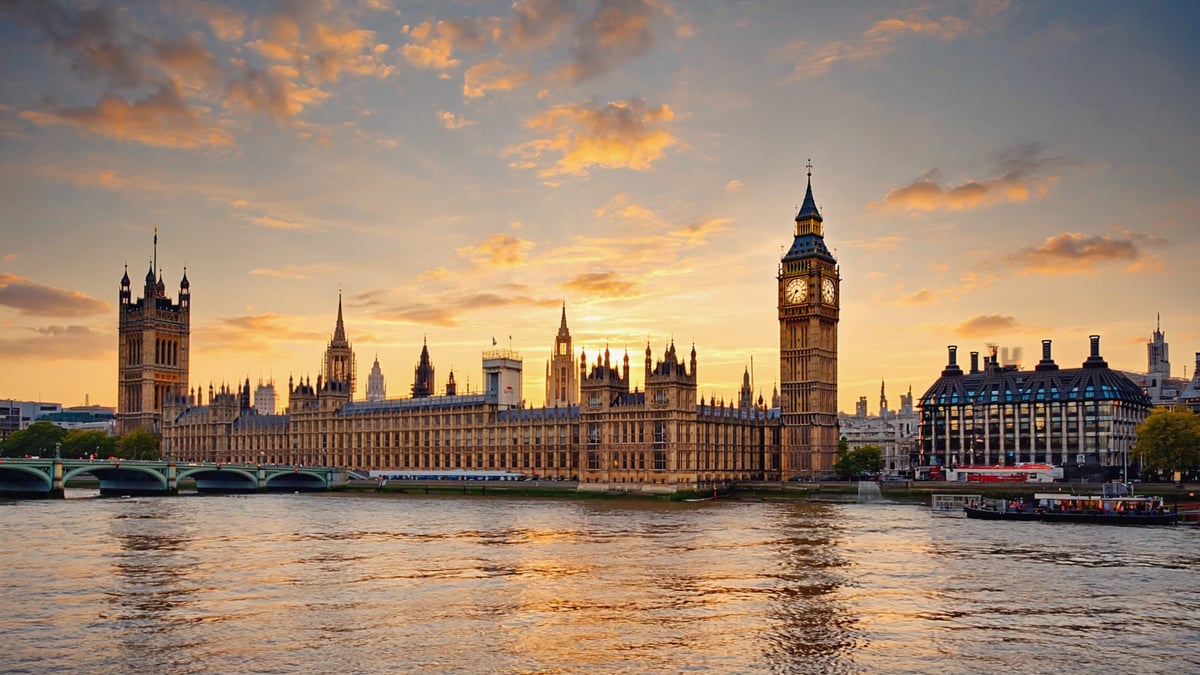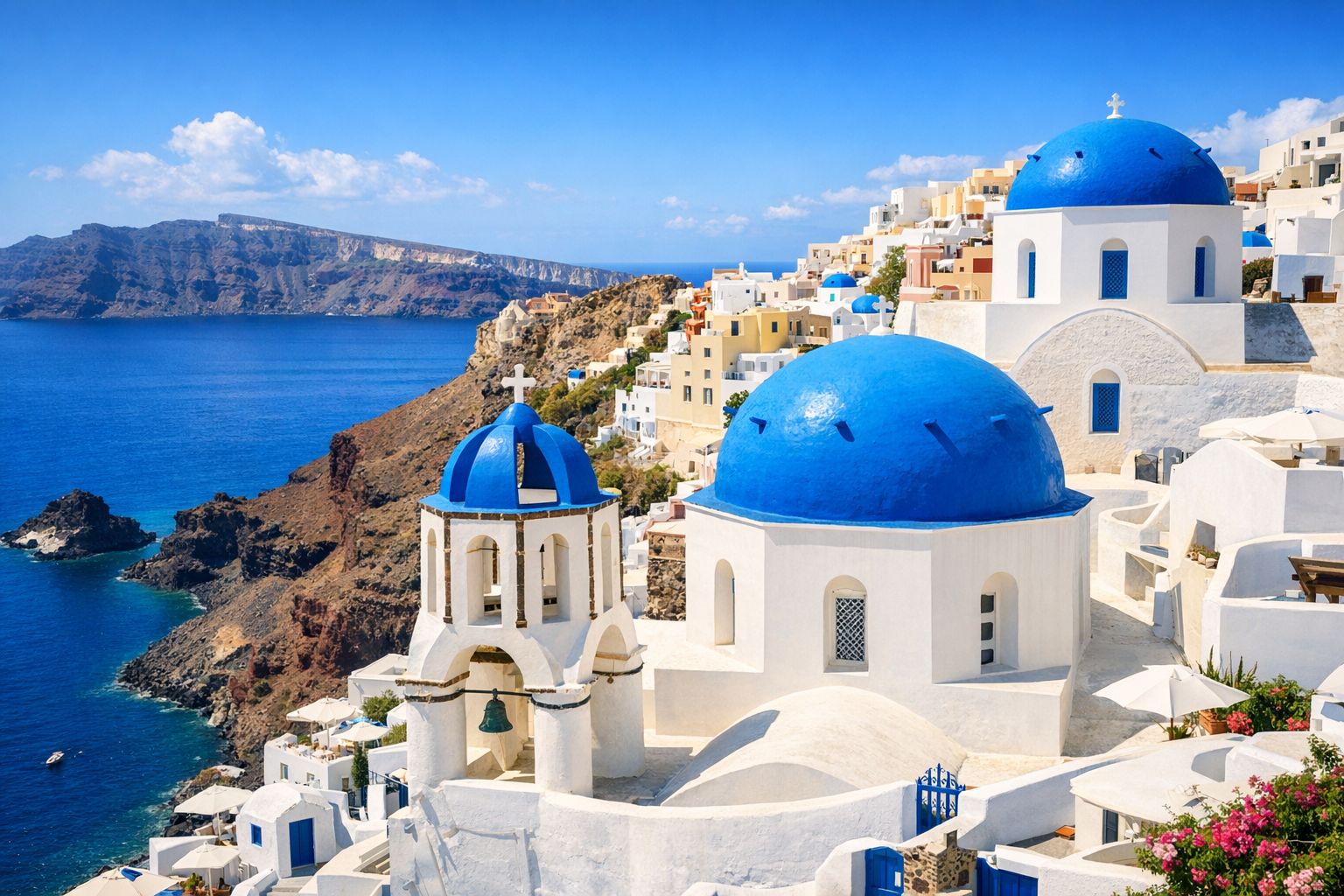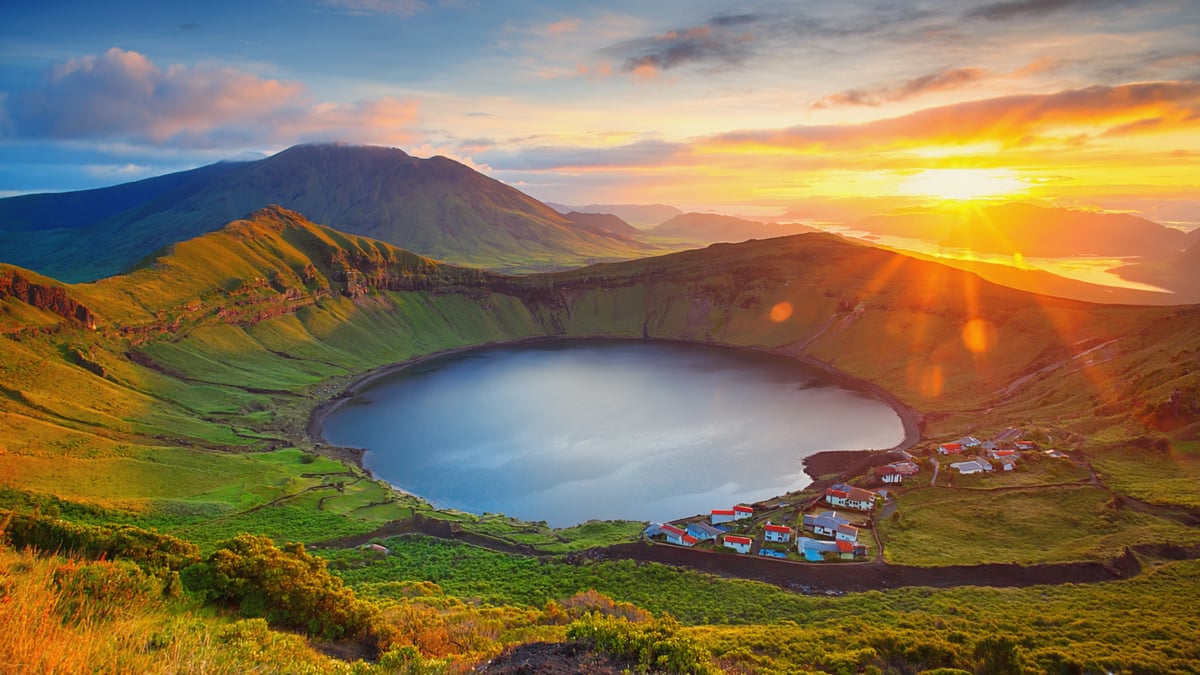
There is a place in the middle of the Atlantic Ocean where volcanic craters have filled with impossibly blue water, where you can bathe in natural hot springs while watching the ocean horizon, and where sperm whales surface close enough to a small boat that you can hear them breathe. That place is the Azores, and it sits around four hours' flying time from London. For UK travellers who feel they have exhausted the Mediterranean and want something genuinely otherworldly without a long-haul journey, this nine-island archipelago belonging to Portugal represents one of the most compelling options on earth. This guide covers everything you need to plan an Azores holiday from UK, from which island to choose and when to visit, to what to expect on a whale-watching boat, how much to budget, and how to book a complete Azores package holiday UK travellers can rely on.
Why the Azores Is Having a Moment with UK Travellers
The Azores is no longer a secret, but it has not yet been overrun. That delicate middle ground is precisely what makes it so appealing right now. UK travellers are increasingly seeking destinations that deliver dramatic landscapes, outdoor adventure, and cultural authenticity without the crowds that now define so many Mediterranean hotspots during peak season.
The archipelago sits roughly 1,500 kilometres west of Lisbon, straddling the mid-Atlantic Ridge where the Eurasian and North American tectonic plates meet. That geological drama is visible everywhere: in the fumaroles hissing steam from clifftops, in the calderas that form perfect circular lakes at altitude, in the black lava coastlines where the Atlantic crashes with full force. The Azores is not a destination that tries to be exotic. It simply is.
There is also a practical argument. Direct flights connect London with Ponta Delgada on São Miguel, the largest island, and connections via Lisbon are available from other UK airports. The direct flight from London takes around four hours, and because the Azores is an hour behind the UK, you can leave London in the morning and be soaking in a geothermal pool by the afternoon. For working adults with limited annual leave, that efficiency matters enormously.
The currency is the euro, the food is excellent and inexpensive by UK standards, English is widely spoken, and the Portuguese are consistently ranked among the most welcoming nationalities in Europe. For a first-time visitor, the Azores offers the rare combination of feeling adventurous without being logistically difficult.
The Geography That Makes the Azores Unique
The nine islands are divided into three geographic groups. The Eastern Group contains São Miguel (the largest and most visited) and Santa Maria. The Central Group includes Terceira, Faial, Pico, Graciosa, and São Jorge. The Western Group holds Flores and Corvo, the most remote and least visited. Each island has a distinct character shaped by its geology, history, and microclimate.
São Miguel is the obvious starting point for most UK visitors. It contains the iconic Sete Cidades twin lakes inside a volcanic caldera, the Furnas Valley geothermal area where locals cook food underground using volcanic heat, and Ponta Delgada, the archipelago's main city. Pico is dominated by Portugal's highest mountain and produces wine from vines grown in black lava fields, a UNESCO World Heritage landscape. Faial has the famous Horta marina, a mandatory stop for Atlantic crossing yachtsmen, and a harbour town with extraordinary character. Flores is arguably the most beautiful of all, though reaching it requires an inter-island flight or a seasonal ferry journey.
What Kind of Traveller Does the Azores Suit?
The Azores rewards curiosity and physical engagement. It is not a pool-and-beach destination in the traditional sense, though it has both. The real draw is active exploration: hiking volcanic crater rims, swimming in natural rock pools, diving around underwater seamounts, watching cetaceans in their natural habitat, and cycling through landscapes that shift from lush hydrangea-lined lanes to stark lava fields within a few kilometres. Couples, solo travellers, families with older children, and retirees with a taste for the outdoors all find the Azores deeply satisfying. Those seeking a purely passive, all-inclusive resort experience will find the islands less accommodating than the Algarve or the Canaries, though luxury accommodation has improved significantly in recent years.
Getting There: Azores Flights and Travel from the UK
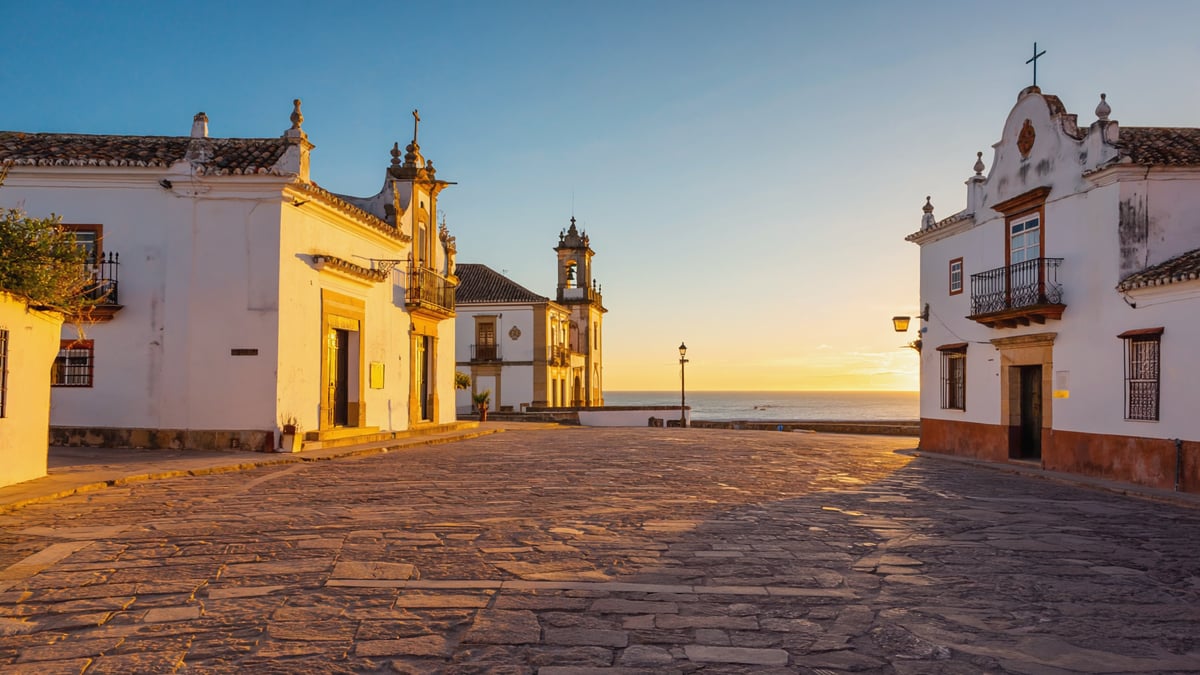
Portugal Azores UK flights are straightforward to arrange, with multiple options depending on your departure airport and preferred island. Most UK visitors fly into João Paulo II Airport (PDL) on São Miguel, which handles the majority of international traffic to the archipelago.
Azores Airlines (SATA) operates direct flights between London and Ponta Delgada, typically a couple of times a week. Ryanair withdrew from the Azores in March 2026, so travellers from other UK airports will usually connect via Lisbon or Porto with TAP Air Portugal or SATA, which adds travel time but can open up better pricing windows, particularly outside peak season.
Flight times from London to Ponta Delgada are typically around four hours on direct services. Connecting via Lisbon adds approximately two to three hours including layover time, so direct routing is strongly preferred where available.
Island-Hopping Between the Azores
One of the most compelling aspects of the archipelago is the ability to island-hop, and this is where careful planning pays off. SATA Azores Airlines operates inter-island flights connecting all nine islands, with São Miguel and Terceira acting as the main hubs. Flight times between islands range from twenty minutes to just over an hour. Ferry services also connect several islands in the Central Group during the summer months, operated by Atlânticoline, and these slower crossings offer spectacular ocean views and a genuinely adventurous feel.
A popular UK itinerary combines three to four nights on São Miguel with two to three nights on Pico or Faial, providing a satisfying mix of the archipelago's most celebrated landscapes. For those with two weeks available, adding Flores or Terceira to the itinerary creates a genuinely comprehensive Azores experience.
When to Book and When to Visit
The Azores has a year-round mild Atlantic climate, but the experience varies significantly by season. Summer (June through September) brings the warmest temperatures, averaging 22–26°C on São Miguel, the calmest seas for whale watching and diving, and the best conditions for swimming in ocean pools. This is also the busiest and most expensive period for flights and accommodation.
Spring (April and May) and autumn (October and November) offer excellent value, fewer visitors, dramatic green landscapes following winter rain, and good whale-watching conditions. The islands receive the most rainfall in winter, but even then the weather is mild, and the dramatic cloud formations sweeping across the calderas have their own kind of beauty. Winter is the season for serious hikers and photographers who want the islands to themselves.
UK travellers booking Azores package holidays should note that school holiday periods, particularly July and August, see the sharpest price increases. Booking three to four months in advance for summer travel and six to eight weeks ahead for shoulder season is a reliable approach.
Where to Stay in the Azores: Accommodation Guide for UK Visitors
Accommodation in the Azores ranges from traditional quintas (rural estates) and guesthouses to modern boutique hotels and the occasional luxury property. The standard of mid-range accommodation has risen considerably in recent years as visitor numbers have grown, and UK travellers will find the price-to-quality ratio notably favourable compared to equivalent properties in mainland Portugal or the Algarve.
Ponta Delgada: The Main Base on São Miguel
Most UK package holidays to the Azores are centred on Ponta Delgada, the main city on São Miguel and the archipelago's administrative capital. It is a genuinely appealing small city with a historic waterfront, good restaurants, and enough independent shops and cafés to keep you occupied on a rest day. The city itself is walkable, and most major tour operators and rental car companies are based here.
Hotels in Ponta Delgada range from three-star guesthouses at £60–£90 per night to four-star properties at £110–£160 per night. The area around the marina and the old town is the most convenient location for dining and evening activity. Properties outside the city in more rural settings offer a quieter experience and often include breakfast featuring local cheeses, pineapple (the Azores is famous for greenhouse-grown pineapples), and fresh bread.
Boutique and Rural Options Across the Islands
For travellers who want to move beyond São Miguel, accommodation options become more varied and often more characterful. Faial's capital, Horta, has a cluster of hotels near the famous Peter Café Sport and the marina, which buzzes with activity during the Atlantic crossing season. Pico offers rural retreats with views across to Faial and the volcanic mountain. Terceira, which contains the UNESCO World Heritage city of Angra do Heroísmo, has a growing boutique hotel scene in the historic centre.
Rural tourism properties, known locally as turismo rural or turismo de habitação, are a particularly rewarding option for couples. These converted manor houses and farm estates often include private gardens, homemade meals using local produce, and owners who can provide genuinely useful local knowledge. They typically run at £70–£120 per night for a double room with breakfast.
GlobeHunters Azores Package Options
For UK travellers who want the convenience of a complete package, GlobeHunters offers curated Azores package holidays combining return flights, hotel accommodation, and optional activities. Packages start from competitive per-person pricing and are bookable through the GlobeHunters Azores holidays page, where real-time pricing reflects current availability across flights, hotels, and Viator-sourced activities. The advantage of booking through GlobeHunters is financial protection under ATOL, a single point of contact for any changes or issues, and access to activity bookings that can be bundled into the package cost rather than paid separately on arrival.
For personalised advice on which islands to combine, which departure airport offers the best value, or how to structure an island-hopping itinerary, the GlobeHunters team is available on 0208 944 4514.
The Azores Adventure Experience: What to Do and See
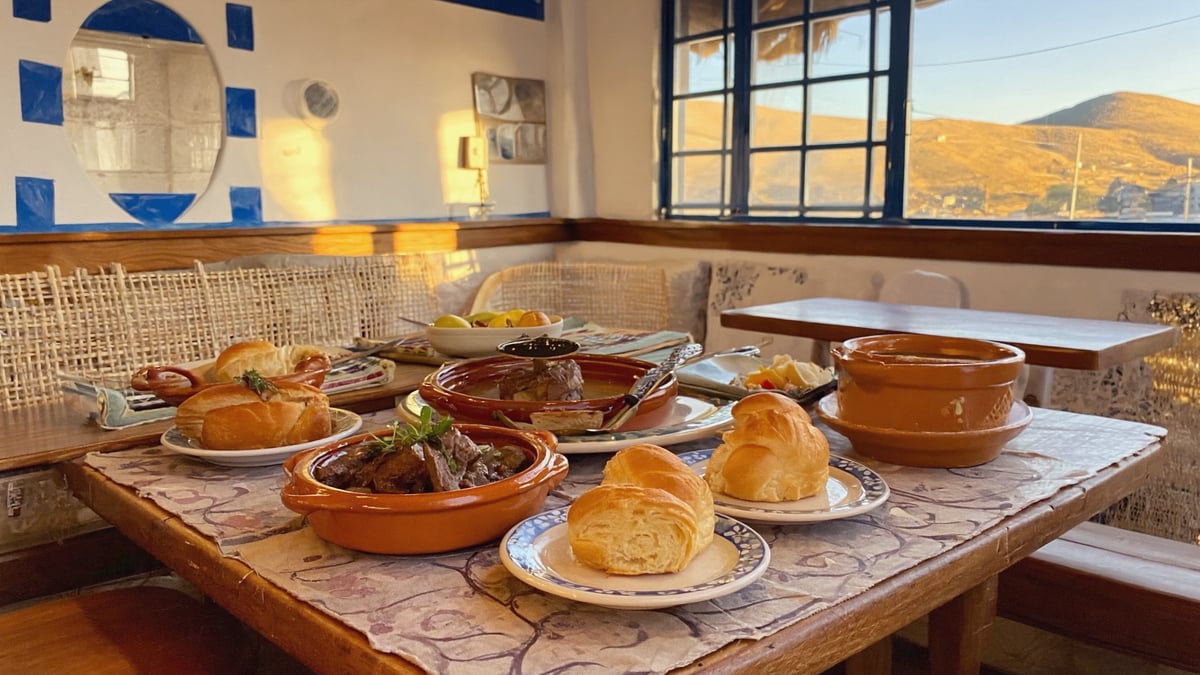
The activity list in the Azores is one of the most diverse of any European island destination. This is not a place where you run out of things to do after two days. The challenge, if anything, is fitting everything into a single trip.
Sete Cidades: The Twin Lakes Inside a Volcano
No photograph of the Azores is more iconic than the view from the Vista do Rei lookout down into the Sete Cidades caldera, where two lakes, one blue and one green, sit side by side separated only by a narrow bridge. The science behind the colour difference is still debated, but the visual effect is extraordinary. The caldera rim offers multiple hiking trails ranging from easy walks along the rim to more demanding descents to the lakeside villages below. Kayaking on the lakes is possible and provides a completely different perspective, looking back up at the crater walls rising above you.
The walk around the entire caldera rim is approximately twelve kilometres and takes three to four hours at a moderate pace. The path passes through patches of laurisilva, a type of ancient laurel woodland that covered parts of southern Europe millions of years ago and now survives mainly in Macaronesia (the Azores, Madeira, and the Canary Islands). Walking through it feels genuinely prehistoric.
Whale Watching in the Azores: A World-Class Experience
The Azores is one of the best places on earth to watch cetaceans. The deep Atlantic waters surrounding the islands support year-round populations of sperm whales, and in spring (particularly April and May) migrating baleen whales, including blue, fin, and sei whales, pass through the archipelago's waters. Bottlenose and common dolphins are present throughout the year.
What makes Azorean whale watching exceptional is the use of shore-based spotters called vigia, who watch from clifftop towers using traditional techniques developed during the islands' whaling era. These spotters communicate directly with the boats by radio, directing them to whale sightings and helping to keep encounter rates high. Reputable operators report seeing whales or dolphins on the vast majority of their trips.
Tours depart from Ponta Delgada, Vila Franca do Campo, and several other ports. A standard three-to-four-hour tour costs approximately £55–£80 per person. Operators are regulated under strict guidelines that limit how close boats can approach whales and prohibit swimming with them in the wild, protecting both the animals and the experience itself. For UK travellers, this is almost always cited as the highlight of any Azores trip.
Furnas Valley: Cooking with Volcanic Heat
The Furnas Valley on São Miguel's eastern flank is a genuinely surreal landscape. Fumaroles and mud pools bubble and hiss across a wide valley floor, and the sulphurous steam drifts across a landscape of hot springs, botanical gardens, and the lake that sits inside the collapsed Furnas caldera. Local restaurants offer cozido das Furnas, a traditional meat and vegetable stew that is slow-cooked underground in pots buried in the geothermal soil for six to seven hours. The pots are lowered in the morning and lifted at lunchtime, and the result is extraordinarily tender and flavourful. It is a uniquely theatrical dining experience.
The hot springs at Poça da Dona Beija and Parque Terra Nostra allow visitors to bathe in naturally heated mineral waters. Terra Nostra Park is one of the finest botanical gardens in the Azores, with a large thermal pool at its centre. Entry to the park and pool costs around £10 per adult. The water is an orange-brown colour from the iron content, which stains light swimwear, so packing an older costume is advisable.
Hiking Pico Mountain: Portugal's Highest Peak
Mount Pico, at 2,351 metres, is the highest point in Portugal and one of the most dramatic volcanic peaks in the Atlantic. The ascent from the mountain management house (Casa da Montanha) to the crater rim is classified as strenuous and typically takes three to four hours to ascend and two to three hours to return, covering approximately seven kilometres. The final section requires scrambling over loose volcanic rock. On clear days the view from the summit extends across the entire Central Group of islands, with Faial, São Jorge, Graciosa, and Terceira all visible simultaneously.
Climbing Pico requires registration at the Casa da Montanha (Mountain House) before setting off, where every climber is given a GPS tracker and a short safety briefing, and the number of climbers on the mountain is limited to reduce environmental impact. A guide is not compulsory, but hiring one is sensible if you are inexperienced on steep volcanic terrain. The mountain creates its own weather, and conditions can change rapidly, so flexibility in planning the ascent day is essential.
Diving and Snorkelling in the Azores
The Azores sits at the junction of three ocean current systems, which creates extraordinary marine biodiversity. The waters around the islands are home to manta rays, mobula rays, oceanic triggerfish, barracuda, moray eels, and a variety of shark species including blue sharks, which can be encountered on specific pelagic diving trips. The water temperature ranges from around 17°C in winter to 24°C in summer, so a 3mm wetsuit is sufficient for most summer dives, with a 5mm recommended for spring and autumn.
The most celebrated dive site in the archipelago is the Dollabarat Reef (Banco Dollabarat) by the Formigas islets, reached by boat from Santa Maria or São Miguel, where large pelagic species congregate. Princess Alice Bank, a submerged seamount south-west of Pico and Faial, is reached on long boat trips from those islands and is famous for large schools of mobula rays. Closer to shore, the volcanic underwater topography creates caves, tunnels, and arches that are spectacular for both diving and snorkelling.
Cycling the Azores: From Coastal Routes to Mountain Trails
Cycling has grown into one of the most popular ways to explore the islands, and the variety of terrain suits riders of very different abilities. Coastal routes on São Miguel and Terceira are largely flat or gently rolling, passing through fishing villages and offering consistent ocean views. The mountain roads require significant climbing but reward with long descents through forest and farmland. Mountain biking trails have been developed on several islands, with São Miguel offering the most extensive network.
Rental bikes are available in Ponta Delgada and the main towns on other islands, with e-bikes increasingly available for those who want to cover more ground with less effort. Organised cycling tours, including guided full-day rides with luggage transfer and vehicle support, can be booked through local operators and are available as add-ons to GlobeHunters packages.
Azores Food and Drink: What UK Visitors Should Know
The Azores has a distinct food culture that differs meaningfully from mainland Portugal, shaped by centuries of island isolation and extraordinary local produce. For UK travellers accustomed to the grilled fish and pastéis de nata of Lisbon, the Azorean table offers genuine surprises.
What to Eat in the Azores
Beef from the Azores is exceptional. The islands' green pastures support cattle farming at scale, and the dairy and beef produced here are among the finest in Portugal. Alcatra is the signature beef stew of Terceira, slow-cooked in a clay pot with wine, onions, and spices, and it is one of the most satisfying dishes in the entire Portuguese culinary tradition. On São Miguel, lapas (limpets grilled with butter and garlic on a hot stone) are the quintessential starter at any seafood restaurant. Chicharros (Atlantic horse mackerel) grilled over charcoal are simple, cheap, and excellent.
The Azores is home to Gorreana on São Miguel, which describes itself as Europe's oldest tea plantation, founded in 1883. The tea gardens are open to visitors, and the tea itself is mild, slightly grassy, and genuinely pleasant. Local cheeses, particularly queijo do Pico and queijo São Jorge, are worth seeking out, the latter being an aged, semi-hard cheese with a sharp flavour that develops over several months of maturation.
Wine in the Azores: A UNESCO Landscape in a Glass
Pico wine deserves particular attention. The volcanic vineyards of Pico, where vines are grown in small enclosures called currais surrounded by dry-stone lava walls to protect them from Atlantic winds, form a UNESCO World Heritage Cultural Landscape. The resulting wines, particularly the white Verdelho variety, have a distinctive mineral character from the volcanic basalt soil. Production is small, making them difficult to find outside the islands. Visiting the Pico wine museum in Madalena and tasting directly at producers is one of the most rewarding food and drink experiences the archipelago offers.
Local craft gin, made with botanicals including Azorean juniper and hydrangea flowers, has emerged as a popular category in recent years. Several distilleries on São Miguel and Terceira offer tastings and tours.
Practical Travel Information for UK Visitors
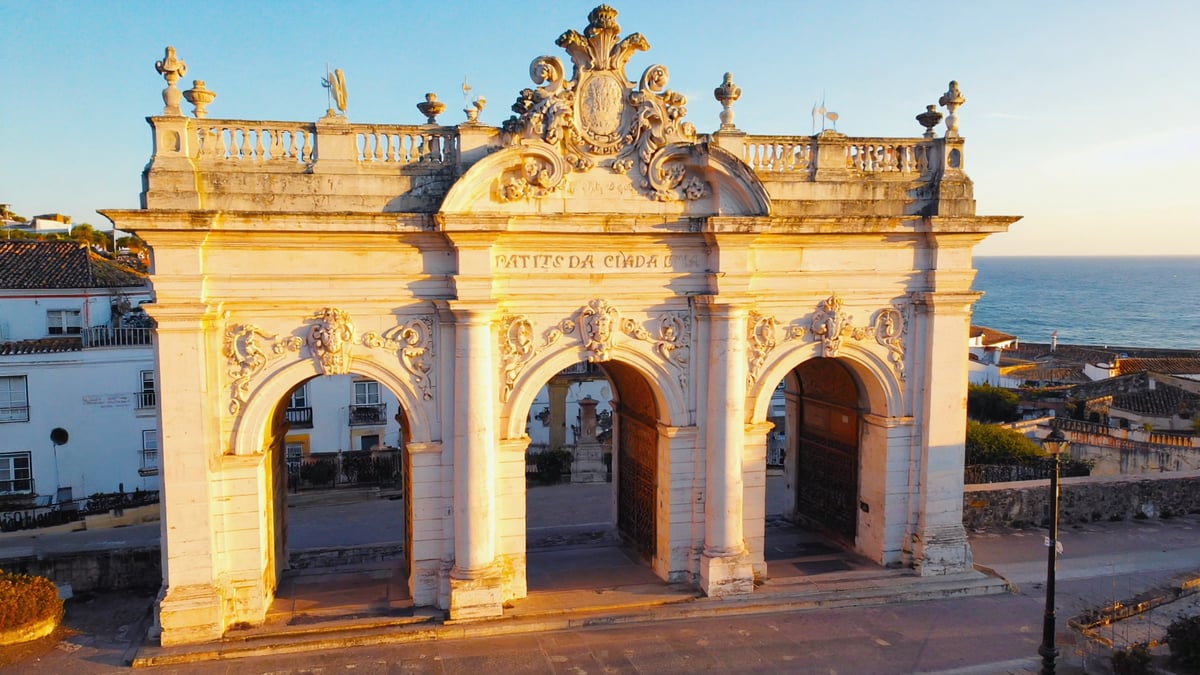
The Azores is a straightforward destination for UK travellers from a practical standpoint, but some specifics are worth knowing before you depart.
Visas, Currency, and Entry Requirements
The Azores is an autonomous region of Portugal and therefore part of the European Union and the Schengen Area. UK citizens can enter Portugal (including the Azores) visa-free for stays of up to 90 days in any 180-day period under the current post-Brexit arrangements. A valid UK passport is required. The EU Entry/Exit System (EES) is now in operation at Schengen external borders, so UK travellers arriving in the Azores from outside the Schengen Area have their passport details, fingerprints and a facial image registered on entry. UK travellers should check the latest entry requirements on the UK Government's travel advice page for Portugal before departure.
The currency is the euro (€). UK bank cards (Visa and Mastercard) are widely accepted in hotels, restaurants, and larger shops, but carrying some cash is advisable for smaller guesthouses, rural cafés, and market purchases. ATMs are available in all main towns. Currency exchange at UK airports is consistently poor value; using a fee-free travel card such as Starling, Monzo, or Chase before departure is the most cost-effective approach.
Getting Around the Azores
On São Miguel and most other islands, a hire car is the most practical way to explore. The road network is good, distances are manageable (São Miguel is approximately 65 kilometres long), and driving on the right follows the same conventions as mainland Europe. Fuel prices are broadly comparable to the UK. Car hire companies operate at Ponta Delgada airport, and booking in advance, particularly for summer travel, is strongly recommended.
Public buses connect the main towns and villages on São Miguel, but services are infrequent outside of peak hours and routes do not always reach the key natural attractions. Taxis and rideshare options (including local operators available via WhatsApp booking) fill gaps, but for a full week's exploration, a hire car provides incomparably more flexibility.
Health, Safety, and Travel Insurance
The Azores is a very safe destination with no significant health risks for UK travellers. The Portuguese public health system (SNS) provides emergency care, and the UK Global Health Insurance Card (GHIC), which replaced the European Health Insurance Card (EHIC) for UK nationals, provides access to state healthcare at the same cost as local residents in EU countries including Portugal. However, comprehensive travel insurance covering medical evacuation is still strongly recommended, particularly for active travellers undertaking hiking, diving, or climbing activities.
The main practical safety consideration for outdoor activities is the weather. The Azores receives unpredictable Atlantic weather systems, and conditions can change rapidly, particularly at altitude on Pico and São Jorge. Always check local weather forecasts, heed advice from local guides, and ensure activity clothing includes a waterproof layer even in summer.
Azores Package Holiday UK Pricing: What to Budget
One of the most common questions UK travellers ask is what an Azores holiday actually costs. The answer varies considerably depending on travel season, accommodation standard, and how many islands you visit, but the following table provides realistic benchmark figures for planning purposes.
| Package Type | Duration | Season | Approx. Cost (per person) | What's Typically Included |
|---|---|---|---|---|
| São Miguel Short Break | 5 nights | Shoulder (Apr/Oct) | £599–£799 | ✅ Return flights, ✅ 3-star hotel, ✅ Transfers |
| São Miguel Explorer | 7 nights | Peak (Jul/Aug) | £899–£1,199 | ✅ Return flights, ✅ 4-star hotel, ✅ Transfers, ⚠️ Activities extra |
| Two-Island Adventure | 10 nights | Shoulder (May/Sep) | £1,099–£1,499 | ✅ Return flights, ✅ Inter-island flight, ✅ 3-4 star hotels, ✅ Transfers |
| Luxury Azores Retreat | 7 nights | Any season | £1,499–£2,199 | ✅ Return flights, ✅ 5-star hotel or boutique resort, ✅ Transfers, ✅ Activities included |
| Multi-Island Grand Tour | 14 nights | Summer (Jun–Sep) | £1,799–£2,499 | ✅ All flights, ✅ 4 islands, ✅ Mixed accommodation, ✅ Activities |
Prices above are indicative benchmarks. Current live pricing for all GlobeHunters Azores packages is available on the GlobeHunters Portugal Azores booking page. Packages are ATOL protected, and the team can customise any itinerary by calling 0208 944 4514.
Sample 7-Night Azores Itinerary for UK Travellers
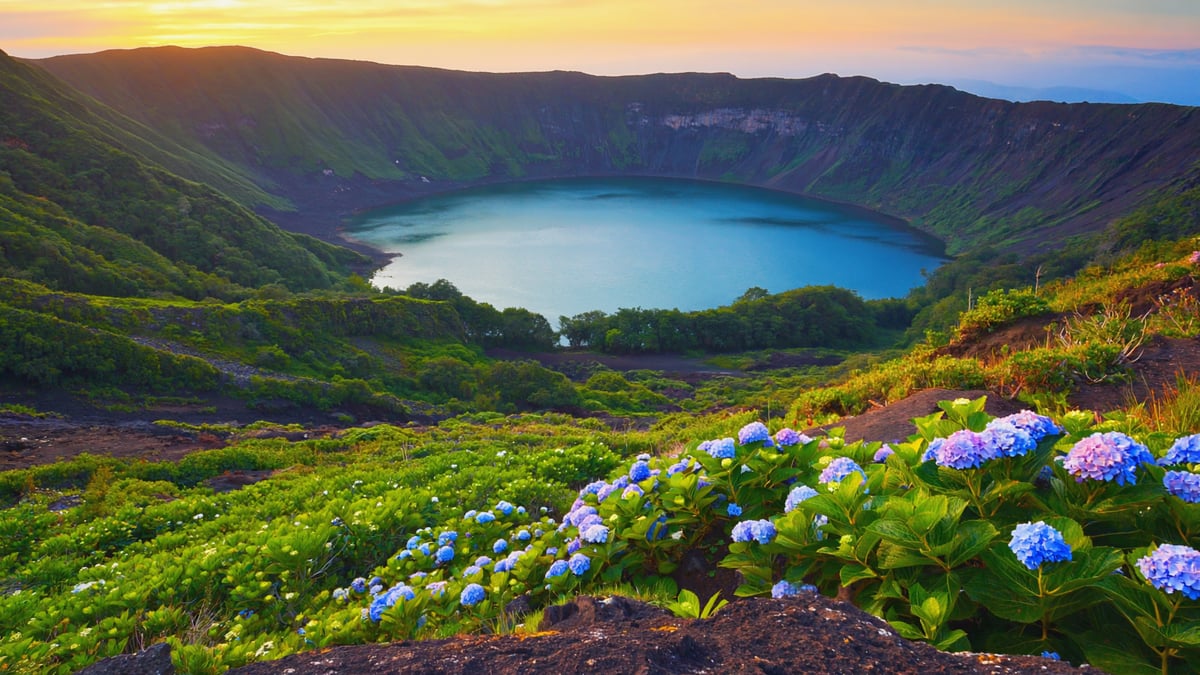
For a first-time UK visitor with seven nights to spend, the following itinerary balances the best of São Miguel with a two-night extension to Pico or Faial, making excellent use of the inter-island flight network.
Days 1–2: Arrival and Ponta Delgada Orientation
Arrive at Ponta Delgada from your UK departure airport, check in to your hotel, and spend the afternoon walking the city waterfront and the historic centre around the Portas da Cidade (City Gates). The evening is ideal for a first taste of local cuisine at one of the restaurants in the old town. Day two works well as a gentle introduction to the island: visit the Gruta do Carvão lava tube caves within the city limits, explore the covered market for local cheeses and pineapple products, and take a short drive to the Lagoa do Congro, a small crater lake accessible via a forty-minute forest walk.
Days 3–4: Sete Cidades and the Western Coast
Dedicate a full day to the Sete Cidades caldera. Begin early to catch the morning light on the lakes from the Vista do Rei viewpoint, then descend into the caldera on foot or by car to explore the lakeside villages and rent a kayak on the lake. The western coast road back towards Ponta Delgada passes through dramatic clifftop scenery and the natural swimming pools at Mosteiros, where black lava formations create sheltered pools at the ocean's edge. Day four is well spent at Furnas: the thermal pools, the botanical gardens at Terra Nostra Park, and lunch featuring cozido das Furnas.
Day 5: Whale Watching and the East Coast
Book an early morning whale-watching departure from Ponta Delgada or Vila Franca do Campo. Three to four hours on the water gives you an excellent chance of seeing sperm whales and very likely a dolphin pod, though sightings of any particular species can never be guaranteed. The afternoon can be spent exploring the eastern coast: the natural swimming pool at Poça de Beliche, the waterfall at Ribeira dos Caldeirões, and the hilltop Nossa Senhora dos Remédios church above Nordeste.
Days 6–7: Inter-Island to Pico or Faial
A SATA flight of just under an hour carries you to Faial or Pico for a two-night stay. On Faial, the Caldeira (a massive volcanic crater filled with a flat plain of endemic plants) is a circular walk of exceptional drama. The Capelinhos Volcano, which erupted in 1957–58 and extended the island's coastline by 2.4 square kilometres, is accompanied by an excellent underground museum documenting the eruption and its impact on the local population. On Pico, the wine landscape, the whale museum at Lajes do Pico (documenting the island's whaling history), and an evening swim at natural rock pools provide a completely different character from São Miguel. Return flight to São Miguel and onward UK departure from Ponta Delgada.
The Azores vs. Other Adventure Destinations: An Honest Comparison for UK Travellers
UK travellers considering the Azores often weigh it against other adventure-oriented island destinations accessible from Britain. The comparison below addresses the most common alternatives honestly.
| Factor | Azores | Madeira | Canary Islands | Iceland |
|---|---|---|---|---|
| Flight time from UK | ~4 hrs direct | ~3.5 hrs direct | ~4 hrs direct | ~2.5–3 hrs direct |
| Whale watching | ✅ World-class, year-round sperm whales | ⚠️ Good but not in the same league | ⚠️ Dolphins primarily | ⚠️ Good, best in summer |
| Volcanic landscapes | ✅ Multiple active calderas, hot springs | ⚠️ Volcanic but less dramatic geothermal | ✅ Teide on Tenerife, lava fields | ✅ Exceptional geothermal activity |
| Cost (typical 7-night package) | £700–£1,200 | £650–£1,100 | £500–£950 | £900–£1,800 |
| Crowds | ✅ Low to moderate even in peak season | ⚠️ Popular but manageable | ❌ Very busy, overtourism concerns | ⚠️ Growing rapidly |
| Island hopping | ✅ Nine islands, extensive options | ⚠️ Two main islands | ✅ Seven main islands | ❌ Not really applicable |
| Best for | Adventure, nature, authenticity | Hiking, scenery, mild climate | Beach, sunshine, family resorts | Extreme landscapes, aurora |
The Azores wins decisively on whale watching, authentic island culture, and the sheer variety of geothermal experiences. Madeira edges it slightly for dramatic walking (the levada trail network is unparalleled in Europe for maintained long-distance paths). The Canary Islands remain the better choice for guaranteed sunshine, beach holidays, and budget travel. Iceland is in a different category entirely for dramatic landscapes but costs significantly more and has a much harsher climate. For the specific combination of adventure, wildlife, volcanic geology, and value, the Azores has no real rival within reach of UK airports.
Sustainability and Responsible Tourism in the Azores
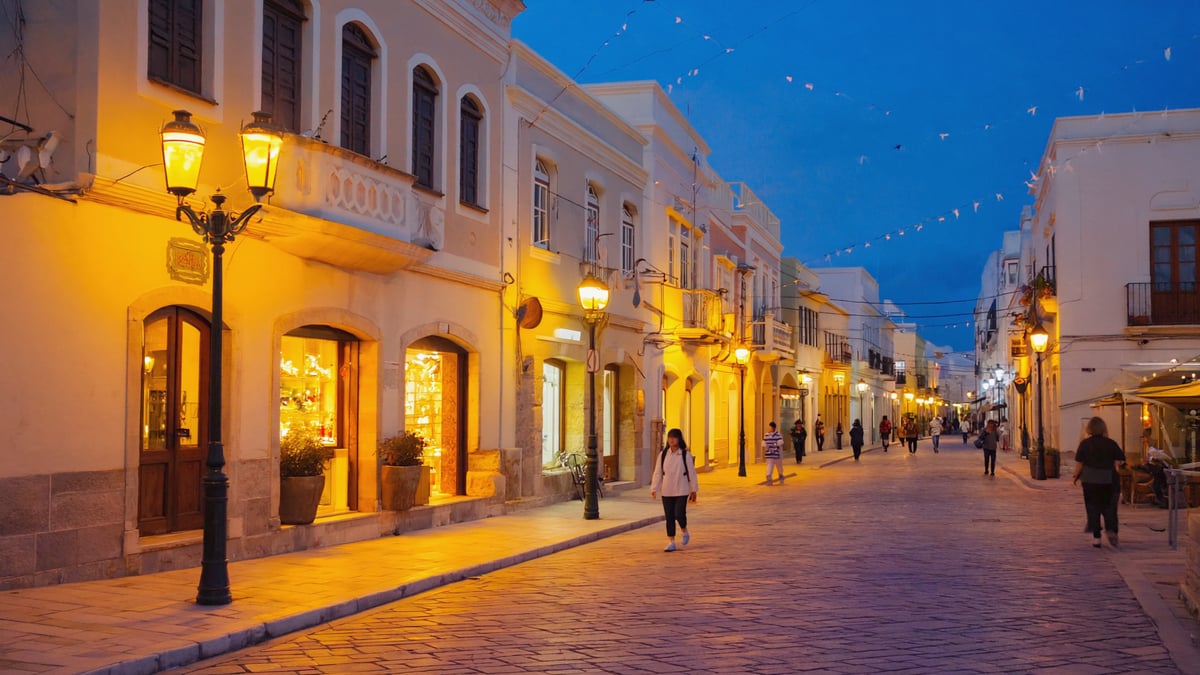
The Azores has made sustainability a central pillar of its tourism identity, and UK travellers who care about responsible travel will find much to appreciate. The archipelago has been certified as a sustainable tourism destination under an internationally recognised, GSTC-based standard, which covers areas such as environmental management, cultural preservation, and community benefit.
In practical terms, this means that many activity operators work under strict environmental guidelines. Whale-watching boats must maintain minimum approach distances and limit time spent near individual animals. Hiking trails in sensitive areas like the Sete Cidades caldera have designated routes to prevent erosion of endemic vegetation. The Capelinhos volcanic landscape on Faial is managed as a protected natural monument.
UK travellers can contribute to responsible tourism in the Azores by choosing certified operators for whale watching and nature tours, staying in locally owned accommodation where possible, eating at restaurants that source from local fishing boats and farms, and avoiding single-use plastics on boat trips and hikes. The islands' ecosystems are genuinely fragile, and the quality of the experience depends directly on their preservation.
Frequently Asked Questions: Azores Holiday from UK
How long is the flight from the UK to the Azores?
Direct flights from London to Ponta Delgada (São Miguel) take several hours, noticeably longer than flights to mainland Portugal, so check your airline's schedule for exact timings. Connecting via Lisbon adds a few hours of total travel time. SATA Azores Airlines operates direct flights from London Gatwick. Direct routes from other UK airports vary by season and year, so check current schedules before booking.
Do UK travellers need a visa for the Azores?
No visa is required for UK citizens visiting the Azores for stays of up to 90 days within any 180-day period. A valid UK passport is required. The Azores is part of Portugal and therefore subject to the same Schengen Area entry rules as the rest of mainland Portugal. UK travellers should check the UK Government's Portugal travel advice page for the latest entry requirements, including any updates related to the EU Entry/Exit System (EES).
What is the best time of year to visit the Azores from the UK?
June through September offers the warmest temperatures, calmest seas, and best conditions for whale watching, swimming, and outdoor activities. April, May, October, and November provide excellent value, quieter conditions, and lush green landscapes. Winter travel is possible and rewarding for hikers and nature photographers, though rainfall is higher and some activities have reduced availability.
Which Azores island is best for a first visit?
São Miguel is the best starting point for first-time visitors. It has the most direct flight connections from the UK, the widest range of accommodation and restaurants, and concentrates many of the archipelago's most iconic experiences: Sete Cidades, Furnas geothermal valley, whale watching, and the island's dramatic coastline. Combining São Miguel with a short trip to Pico or Faial via inter-island flight is the most popular itinerary for UK visitors with one to two weeks available.
Is the Azores suitable for families with children?
Yes, though the Azores suits families with older children (aged ten and above) more naturally than those with very young children. The main activities, including whale watching, volcano hiking, natural swimming pools, and cycling, are all accessible to children of reasonable fitness. The islands are very safe, food is generally child-friendly, and many hotels cater specifically to families. The absence of theme parks and large resort complexes means the Azores is best for families who enjoy outdoor adventure rather than passive resort holidays.
How much does an Azores holiday from the UK cost?
A five-night package holiday to São Miguel from the UK, including return flights and a three-star hotel, typically costs £599–£799 per person during shoulder season. A seven-night package with a four-star hotel in peak summer runs approximately £899–£1,199 per person. Two-island itineraries of ten nights start from around £1,099 per person. Luxury and multi-island packages range from £1,499 to £2,499 per person. Check current live pricing on the GlobeHunters Azores holidays page.
Can I do whale watching in the Azores?
Whale watching in the Azores is one of the best experiences of its kind anywhere in the world. Sperm whales are present year-round, and from April to October, several species of migrating baleen whales pass through the waters around the islands. Encounter rates are very high thanks to the traditional vigia (shore-based spotter) system. Tours depart from multiple ports on São Miguel and last three to four hours, costing approximately £55–£80 per adult. Advance booking is recommended in peak season.
What is the Azores' weather like in summer for UK visitors?
Summer temperatures in the Azores are warm rather than hot, averaging 22–26°C on São Miguel. The islands receive occasional Atlantic showers even in July and August, but these are typically short-lived, and sunshine is the dominant condition. The climate is generally described as subtropical oceanic, which means it is considerably less extreme than mainland Portugal or the Canary Islands. A light waterproof layer is useful even in summer, particularly for highland areas and early morning activities.
Do I need travel insurance for an Azores holiday?
Comprehensive travel insurance is strongly recommended for any holiday, and the Azores is no exception. While the UK Global Health Insurance Card (GHIC) provides access to state healthcare in Portugal at local rates, it does not cover medical evacuation, trip cancellation, lost baggage, or activity-related incidents. For travellers undertaking hiking, diving, or whale-watching activities, ensure your policy explicitly covers these activities. GlobeHunters can advise on suitable travel insurance options when booking a package.
Is the Azores a good honeymoon destination?
The Azores is increasingly popular as a honeymoon destination among UK couples who want something more unique and adventurous than the traditional Mediterranean or Maldives option. The combination of dramatic natural scenery, excellent food and wine, boutique accommodation, and genuine intimacy (the islands are never crowded) makes it a compelling romantic destination. Bathing in geothermal hot springs under the stars, watching whales from a small boat, and sharing a bottle of Pico wine on a volcanic hillside are experiences that very few other European destinations can offer.
How do I get between the Azores islands?
Inter-island travel is handled primarily by SATA Azores Airlines, which operates scheduled flights connecting all nine islands. Flight times range from twenty minutes to just over an hour. Atlânticoline operates ferry services between the islands, with short year-round crossings between Faial, Pico and São Jorge and longer seasonal routes reaching Terceira and Graciosa mainly in summer. Ferries take longer but are scenic and considerably cheaper. For most UK package itineraries, inter-island flights are the practical choice.
What should I pack for an Azores holiday?
Pack layers for variable Atlantic weather even in summer. Essentials include a waterproof jacket, walking boots or sturdy trainers for volcanic terrain, a swimsuit for thermal pools and natural rock pools (pack an older one for the iron-rich waters at Furnas), reef-safe sun cream, and a light fleece for cool evenings. For whale-watching trips, a windproof outer layer and motion sickness remedies (if you are susceptible to seasickness) are worth including. Camera gear with a weatherproof case is useful given the misty conditions around calderas.
Key Takeaways
- The Azores is around four hours from UK airports on direct flights, making it one of the most accessible adventure destinations for British travellers.
- São Miguel is the best starting island for first-time visitors, combining the iconic Sete Cidades caldera, Furnas geothermal valley, and world-class whale watching in a single compact destination.
- The archipelago offers nine distinct islands with dramatically different characters, making it ideal for repeat visits and island-hopping itineraries.
- Whale watching in the Azores is among the finest in the world, with year-round sperm whales and high encounter rates thanks to the traditional vigia spotter system.
- The Azores was the world's first archipelago certified as a sustainable destination by EarthCheck, and many local businesses have signed the voluntary Sustainability Charter of the Azores, making it a strong choice for responsible travellers.
- Package holiday costs range from approximately £599 per person for a five-night short break to £2,499 per person for a two-week multi-island grand tour, with the best value found in shoulder season (April/May and September/October).
- No visa is required for UK citizens for stays of up to 90 days, the euro is the currency, and English is widely spoken across the islands.
- GlobeHunters offers ATOL-protected Azores package holidays combining flights, hotels, and activities, bookable online at holidays.globehunters.com/portugal/azores or by calling 0208 944 4514.
The Azores rewards the traveller who is ready to trade a predictable sun-lounger holiday for something that genuinely surprises and moves them. Volcanic craters filled with turquoise water, sperm whales surfacing sixty metres from a small boat, tea grown on Atlantic hillsides, and wine made in lava fields: these are not things you find anywhere else this close to Britain. For UK adventurers who have been waiting for a reason to go, this is it. Browse current packages and live pricing at GlobeHunters Azores holidays or speak to the team on 0208 944 4514 to build your perfect itinerary.
About the author
Spiros Maragkoudakis · Chief Commercial Officer
Ready to Book Your Azores Holiday?
Our travel experts are ready to help you plan the perfect trip. Call us today or browse our latest deals.
Ready to Start Planning?
Speak to our travel experts for personalised advice and the best deals on your next holiday.
Call 0208 944 4514