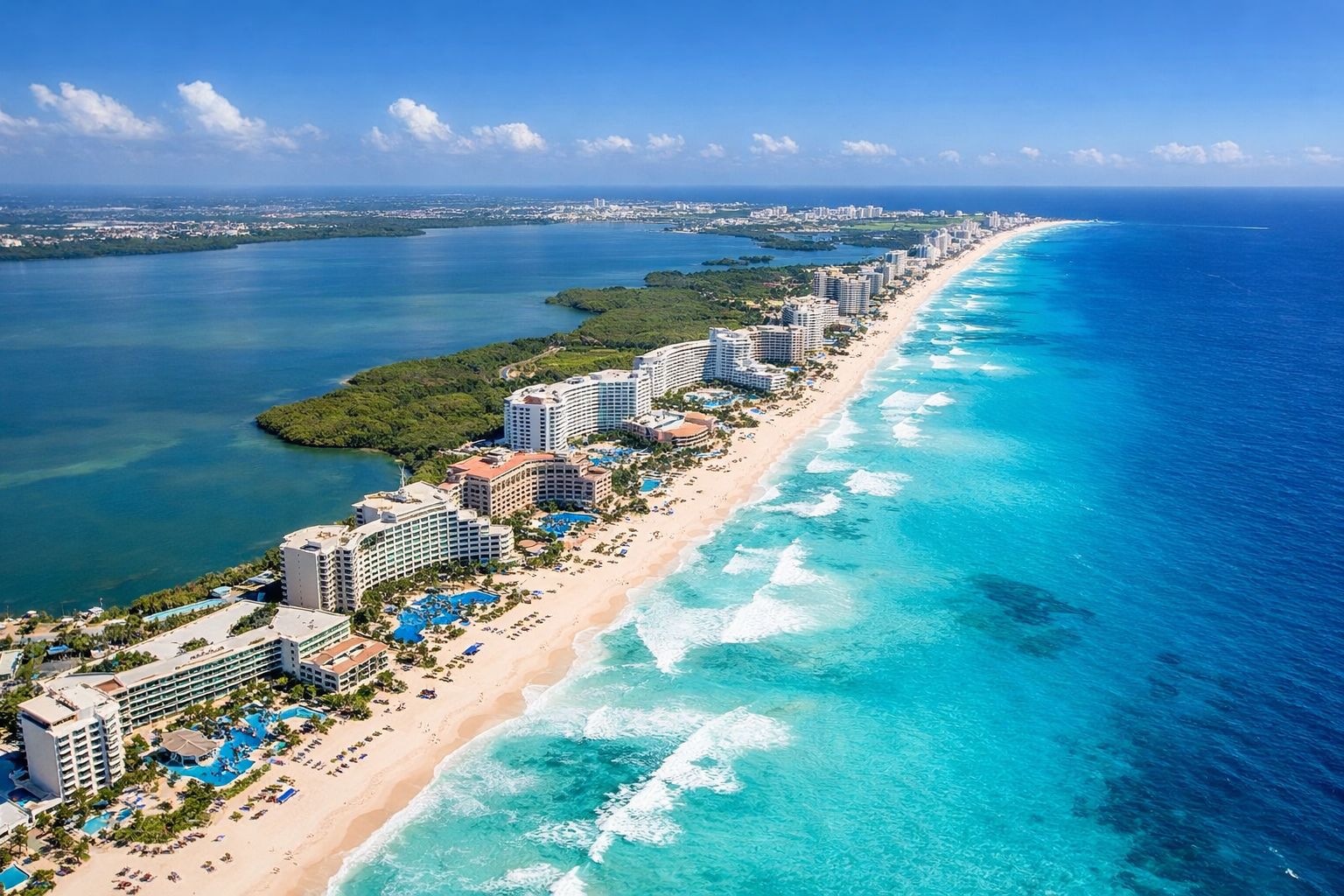
There is a moment, somewhere between your first swim in a cenote and your last sunset at a clifftop beach club, when Tulum stops being a destination and becomes an obsession. The Yucatán's most talked-about stretch of coastline has built a reputation that precedes it across every travel forum, every Instagram grid, and every conversation among UK travellers who have experienced Mexico beyond the all-inclusive resorts of Cancún. Ancient Mayan temples perched above turquoise Caribbean water. Jungle-fringed boutique hotels lit by candlelight. Underground rivers so clear they look computer-generated. Tulum is all of this, and it rewards those who arrive with curiosity rather than just a sun lounger agenda.
For UK travellers, Tulum holidays represent something genuinely different from the standard long-haul formula. This is not a destination you visit once and tick off. It is the kind of place that changes what you think a holiday can be. Whether you are a couple chasing a romantic escape, a solo traveller drawn by the bohemian energy, or an adventure seeker with a cenote bucket list longer than your arm, Tulum delivers on almost every brief. This guide covers everything you need to plan your trip from the UK, including where to stay, what to do, when to go, and how to find Mexico package holidays that bring the whole thing together without the logistical headache.
Why Tulum Has Become One of the Best Holiday Destinations in Mexico
Tulum sits at the southern end of the Riviera Maya, roughly 130 kilometres south of Cancún. Unlike the hotel-dense mega-resorts to the north, Tulum developed differently. Height restrictions on buildings, a culture of eco-conscious tourism, and an early wave of boutique hotel pioneers shaped a destination that feels deliberately intimate even as visitor numbers have grown substantially.
The appeal is layered. At the surface level, you have one of the most photogenic archaeological sites in the Americas: the Tulum Ruins, a walled Mayan city with temples rising directly above the Caribbean Sea. Below the surface, literally, you have the world's largest known underwater cave system, the Sistema Sac Actun, accessible through cenotes that have become a defining experience of any Tulum trip. Add white-sand beaches, a hotel zone (Zona Hotelera) lined with thatched-roof eco-chic properties, a buzzing town centre full of excellent restaurants, and a wellness culture that has attracted practitioners from around the world, and you begin to understand why Tulum has earned such a passionate following.
For UK travellers specifically, Tulum offers a combination that is hard to replicate elsewhere: genuine cultural depth alongside serious beach quality. You can spend a morning at a UNESCO-adjacent archaeological site, an afternoon floating through an underground cenote, and an evening at a beachfront restaurant where the food is genuinely exceptional. The destination punches well above its size.
Tulum vs Cancún: Which Is Right for You?
This is the most common question UK travellers ask when planning a Mexico holiday, and the honest answer is that they serve different purposes rather than one being objectively better. Cancún offers scale, convenience, and an enormous range of all-inclusive options at every budget level. Tulum offers character, intimacy, and experiences that feel more curated and personal. Many travellers split their time between both, using Cancún's international airport as their gateway before heading south.
| Factor | Tulum | Cancún |
|---|---|---|
| Vibe | Bohemian, eco-conscious, boutique | Resort-heavy, party-friendly, all-inclusive |
| Beach Quality | ✅ Excellent, less crowded | ✅ Excellent, more crowded |
| Archaeological Sites | ✅ Tulum Ruins on-site | ⚠️ Day trips required |
| Cenote Access | ✅ Multiple within 20 minutes | ⚠️ Longer transfers needed |
| Nightlife | ⚠️ Boutique club scene | ✅ Full resort nightlife strip |
| Food Scene | ✅ Outstanding independent restaurants | ✅ Wide variety including chains |
| Budget | ⚠️ Mid-to-high, few budget options | ✅ Wide budget range |
| Best For | Couples, wellness travellers, culture seekers | Families, groups, first-time Mexico visitors |
Getting to Tulum from the UK: Flights and Transfers Explained

There are no direct flights from the UK to Tulum itself, but the logistics of getting there are well-established and relatively smooth once you understand the routing. The primary gateway is Cancún International Airport (CUN), which receives flights from the UK with a single stop via major hubs including Madrid, Amsterdam, Miami, or New York. Flight times from the UK to Cancún typically run between 12 and 16 hours including layover, depending on your connecting hub and routing.
Airlines operating indirect services from UK airports to Cancún include British Airways (via Miami), Iberia (via Madrid), KLM (via Amsterdam), and several North American carriers. Departure airports in the UK with the most convenient connections include London Heathrow, London Gatwick, and Manchester.
Cancún Airport to Tulum: Transfer Options
Tulum is approximately 130 kilometres south of Cancún Airport, and this transfer is a significant planning consideration. Your main options are:
- Shared shuttle: The most popular choice for budget-conscious travellers. Services like ADO and various shuttle operators run between the airport and Tulum, with journey times of approximately two hours. Cost is typically in the range of £15 to £30 per person one-way.
- Private transfer: The most comfortable and convenient option, particularly after a long-haul flight. A private vehicle from the airport to your Tulum hotel typically costs between £70 and £120 depending on vehicle size and provider. Many hotels can arrange this in advance.
- Car hire: Possible, but roads in the Zona Hotelera can be challenging to navigate on arrival, and parking at beach hotels is limited. Car hire makes more sense as a day-trip tool once you are already settled in.
- ADO Bus: The cheapest option, with ADO operating a direct coach service from the airport arrivals hall to Tulum town centre. Journey time is approximately two to two-and-a-half hours and the cost is very low, but you will still need a taxi or tuk-tuk to reach hotels in the Zona Hotelera.
When you book through GlobeHunters, airport transfers can be included within your package, removing the stress of sorting this on arrival. Explore current GlobeHunters Mexico package holidays to see what is included in each tier.
Tulum Things to Do: A Genuine Activity Breakdown
Tulum's activity offering is deeper than most travellers expect before they arrive. The destination is often sold on its beaches and its ruins, but the reality is a full week of genuinely varied experiences without repeating yourself. Here is an honest breakdown of what deserves your time.
The Tulum Archaeological Zone
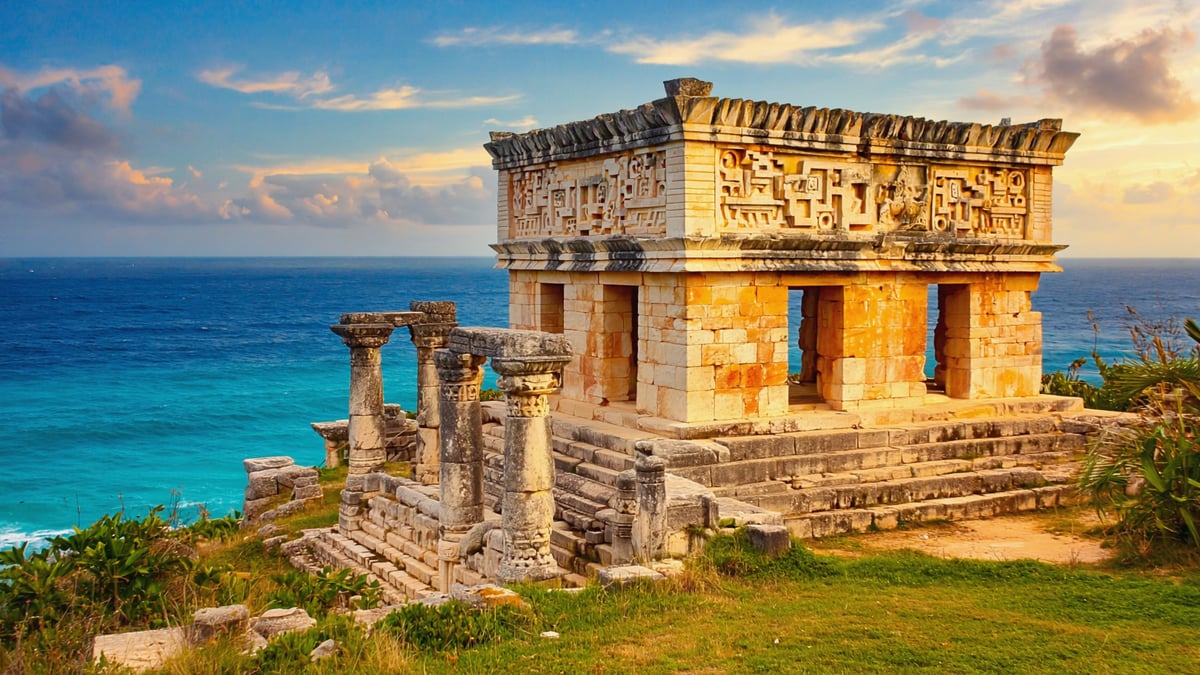
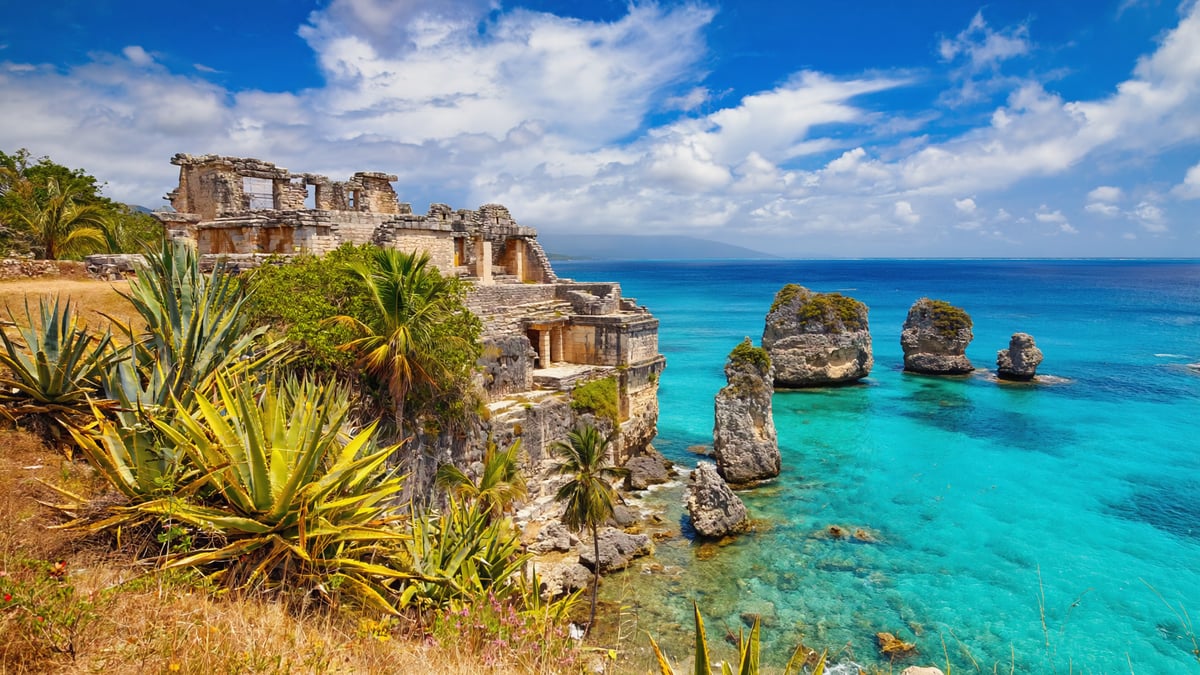
The Tulum Ruins are among the most dramatically situated archaeological sites in the Americas. This ancient Mayan port city, dating to approximately the 13th century CE, sits on a 12-metre limestone cliff above the Caribbean. The combination of ancient stonework and vivid turquoise water behind it is extraordinary in person, and photographs genuinely do not do it justice.
The site is managed by Mexico's Instituto Nacional de Antropología e Historia (INAH) and is open daily. The main structures include El Castillo (the largest pyramid), the Temple of the Frescoes, and the Temple of the Descending God. There is a small beach within the archaeological zone where swimming is permitted, which makes for a surreal experience.
Practical notes: arrive early, ideally before 9:00am, to beat the tour buses. Wear comfortable shoes, sunscreen, and bring water. The site can be covered in around two hours at a relaxed pace. Entry fees are very reasonable by UK standards (typically under £5 per person), though tour packages add cost.
Cenote Swimming and Snorkelling
Cenotes are sinkholes formed by the collapse of limestone bedrock, revealing the underground river system beneath the Yucatán Peninsula. They were sacred to the ancient Maya and are now among the most extraordinary natural swimming experiences in the world. The water is exceptionally clear, often a vivid turquoise or emerald green, with visibility that can extend to 30 metres or more.
The area around Tulum has an exceptional concentration of accessible cenotes. Key ones worth visiting include:
- Gran Cenote: The most visited and rightly so. A large open cenote with excellent snorkelling, stalactites, and a resident turtle population. Approximately four kilometres from Tulum town.
- Dos Ojos: A two-eyed cave system with extraordinary cave diving and snorkelling through subterranean passages. One of the finest cenote experiences in the region.
- Cenote Calavera: A smaller, more dramatic cenote with three circular openings in the rock above. Popular with cliff jumpers and those wanting a wilder, less manicured experience.
- Cenote Aktun-Ha (Car Wash): Named for its historical use by locals, this is a large, open cenote with water lilies and a more relaxed, local atmosphere.
Most cenotes charge a small entrance fee, typically between £5 and £15 per person. Guided cenote tours from Tulum combine multiple sites in a half-day and are excellent value.
Sian Ka'an Biosphere Reserve
Tulum sits adjacent to the Sian Ka'an Biosphere Reserve, a UNESCO World Heritage Site covering more than 528,000 hectares of tropical forests, mangroves, marshes, and reef lagoons. Day trips into Sian Ka'an are among the most rewarding experiences available from Tulum, combining boat rides through mangrove channels, floating along natural water currents, bird watching, and visits to lesser-known Mayan ruins within the reserve.
The reserve is home to jaguars, manatees, crocodiles, spider monkeys, and more than 300 species of birds. Guided tours are strongly recommended and operate from Tulum's Zona Hotelera. The experience offers a genuine sense of wilderness that balances the more curated beach-club side of Tulum.
Beach Clubs and the Zona Hotelera
Tulum's hotel and beach zone stretches along a narrow strip of land between the Caribbean Sea and the Tanda lagoon. The beach clubs here are a defining part of the Tulum experience: open-air spaces with daybeds, plunge pools, cocktails, and sound systems that lean toward electronic and world music rather than the chart-pop you find further north on the Riviera Maya.
Several beach clubs are open to non-hotel guests on a minimum-spend basis. Spending a day at one of these with a good book, fresh ceviche, and a view of the Caribbean is genuinely one of the great holiday pleasures. Papaya Playa Project, Gitano, and Ahau are names that come up consistently among visitors who appreciated the atmosphere.
Wellness and Yoga
Tulum has built a genuine international reputation as a wellness destination. The concentration of yoga studios, sound bath practitioners, breathwork facilitators, and holistic retreat spaces is significant. Many hotels in the Zona Hotelera include yoga decks or have partnerships with local studios. Whether you treat this as a core part of your holiday or simply drop into a morning class, the quality of instruction is generally very high.
Day Trips from Tulum
The Yucatán Peninsula's wider cultural and natural offer is extraordinary, and Tulum makes an excellent base for day trips. Top options include:
- Chichén Itzá: One of the New Seven Wonders of the World, approximately two hours from Tulum. The scale and preservation of this major Mayan city is genuinely impressive.
- Cobá: A lesser-visited Mayan site with a pyramid you can still climb (unlike Chichén Itzá), set in deep jungle. Approximately 45 minutes from Tulum.
- Playa del Carmen: A lively coastal town an hour north with a walkable pedestrian strip, excellent restaurants, and a ferry to Cozumel Island.
- Isla Holbox: A car-free island north of the Yucatán with bioluminescent lagoons, whale shark encounters (seasonal), and a very different atmosphere to Tulum.
Where to Stay in Tulum: Choosing the Right Area
Tulum effectively has two distinct areas, and choosing between them shapes the character of your entire holiday. Getting this decision right is one of the most practical things this guide can help with.
Tulum Pueblo (Town Centre)
Tulum Pueblo is the town itself, set back approximately two kilometres from the beach. This is where you find the highest concentration of restaurants, local shops, supermarkets, pharmacies, and budget-to-mid-range accommodation. Staying in town gives you easy access to excellent food at reasonable prices and a more authentic local atmosphere. The trade-off is that you need a taxi, bicycle, or tuk-tuk to reach the beach, which adds friction to spontaneous beach days.
Town accommodation ranges from well-run hostels and small guesthouses to mid-range boutique hotels. For budget-conscious travellers, staying in town and taking taxis to the beach is a sensible strategy.
Zona Hotelera (Hotel Zone / Beach Strip)
The Zona Hotelera runs along the beach road (Carretera Tulum-Boca Paila) and is where you find Tulum's signature eco-chic hotels. These properties range from boutique eco-lodges with 10 to 20 rooms to larger design hotels with swimming pools and beach access. The setting is extraordinary: jungle on one side, Caribbean Sea on the other, with the Tulum Ruins visible from certain points of the strip.
Staying in the Zona Hotelera is more expensive, but it puts you on the beach with minimal effort and allows you to participate fully in the beach-club scene. Power cuts can occur, and the road is unpaved in sections, but these are part of the Tulum character rather than failures of infrastructure.
| Area | Best For | Budget Range (per night) | Key Trade-off |
|---|---|---|---|
| Tulum Pueblo | Budget travellers, food lovers, longer stays | £40 – £120 | Beach requires transport |
| Zona Hotelera (North) | Couples, honeymooners, wellness stays | £180 – £500+ | Higher cost, limited dining walking distance |
| Zona Hotelera (South) | Wilderness seekers, Sian Ka'an visitors | £200 – £600+ | Remote, limited transport options |
| New Tulum (Aldea Zama) | Families, longer stays, apartment-style | £80 – £250 | Between town and beach, best of both |
Mexico Package Holidays from the UK: What GlobeHunters Offers
Booking Tulum as a package holiday rather than piecing together flights, hotels, and activities independently makes considerable sense for most UK travellers. The time saving is significant, the pricing is often competitive, and having a single point of contact for any issues that arise during travel provides genuine peace of mind, particularly on a long-haul trip to Central America.
GlobeHunters has operated Mexico packages from the UK since the destination became mainstream for British travellers, and the platform combines real-time flight pricing from Duffel, hotel rates from Hotelbeds, and curated activities from Viator. This means the packages you see reflect live availability rather than static seasonal pricing.
GlobeHunters Tulum Package Pricing
Package pricing for Tulum holidays from the UK varies substantially depending on travel dates, hotel category, and whether activities are included. As a general framework:
| Package Tier | What's Included | Approx. Price Per Person | Best For |
|---|---|---|---|
| Essential | Return flights + 7 nights town hotel | From £1,199 | Budget-conscious travellers |
| Classic | Flights + 7 nights Zona Hotelera + transfers | From £1,599 | Couples, first-time visitors |
| Explorer | Flights + 10 nights + transfers + 3 activities | From £1,899 | Adventure travellers, culture seekers |
| Honeymoon | Flights + boutique beach hotel + extras | From £2,199 | Honeymooners, special occasions |
For exact pricing based on your specific travel dates and departure airport, visit the GlobeHunters Mexico holidays page or call the team directly on 0208 944 4514. The team can tailor packages to your requirements, including combining Tulum with a few nights in Mexico City or Cancún.
When to Visit Tulum: Seasonal Guide for UK Travellers
Timing your Tulum holiday well makes a meaningful difference to your experience. The Yucatán has a clear seasonal pattern, and understanding it helps you balance cost, weather, and crowd levels.
Peak Season (December to April)
This is Tulum's prime season. December through April brings dry, warm weather with temperatures in the low-to-mid 30s Celsius, low humidity, and minimal rain. The Christmas and New Year period is the absolute peak, with prices at their highest and availability at its tightest. The weather from January through April is outstanding, and this is when Tulum is at its most beautiful. If you are visiting for the first time and want the best possible experience without weather risk, aim for January to mid-April.
The trade-off is cost. Hotel rates in the Zona Hotelera can be significantly higher during these months, and the Tulum Ruins see their largest visitor numbers. Booking well in advance, ideally several months ahead, is essential for peak season travel.
Shoulder Season (May and November)
May and November sit between the dry season and the rainy season, offering a genuine value opportunity. Weather is generally good, humidity starts to build in May, and the crowds are noticeably thinner. Hotels offer more competitive rates, and you can often walk into beach clubs and restaurants without the queues that appear in peak season. November is particularly pleasant, with the wet season winding down and temperatures still warm.
Rainy Season (June to October)
The Yucatán's rainy season runs from June through October, overlapping with the Atlantic hurricane season. This does not mean continuous rain; the pattern is typically sunny mornings followed by afternoon or evening downpours, with the sun returning. However, the risk of tropical storms and hurricanes is real, particularly from August through October. Travel insurance covering weather disruption is essential for this period.
The upside is significant: prices drop considerably, the beaches are much quieter, and the jungle around Tulum is at its most lush and vivid. Travellers who can tolerate some weather unpredictability and are prepared to be flexible find this period excellent value.
| Month | Weather | Crowds | Cost | Verdict |
|---|---|---|---|---|
| December | ☀️ Excellent | Very high | £££ | Book months ahead |
| Jan–Feb | ☀️ Excellent | High | £££ | Best overall experience |
| Mar–Apr | ☀️ Excellent | High | ££–£££ | Strong choice, spring break crowds |
| May | ⛅ Good | Medium | ££ | Excellent value shoulder |
| Jun–Aug | 🌧️ Mixed | Low | £ | Budget option, weather risk |
| Sep–Oct | 🌧️ High risk | Very low | £ | Hurricane risk, not recommended |
| November | ⛅ Good | Low-medium | ££ | Underrated month to visit |
Tulum Food and Drink: What to Eat and Where
The food scene in Tulum is genuinely one of its strongest selling points, and it extends well beyond the expectations most UK travellers bring from their experience of Mexican food at home. The combination of fresh Caribbean seafood, traditional Yucatecan cooking, and a wave of internationally trained chefs who relocated to Tulum during its boom years has created a dining scene that surprises almost everyone who experiences it.
Yucatecan Cuisine: What to Try
Yucatecan food is distinct from the Tex-Mex and central Mexican cuisines most familiar to UK diners. Key dishes and ingredients to seek out include:
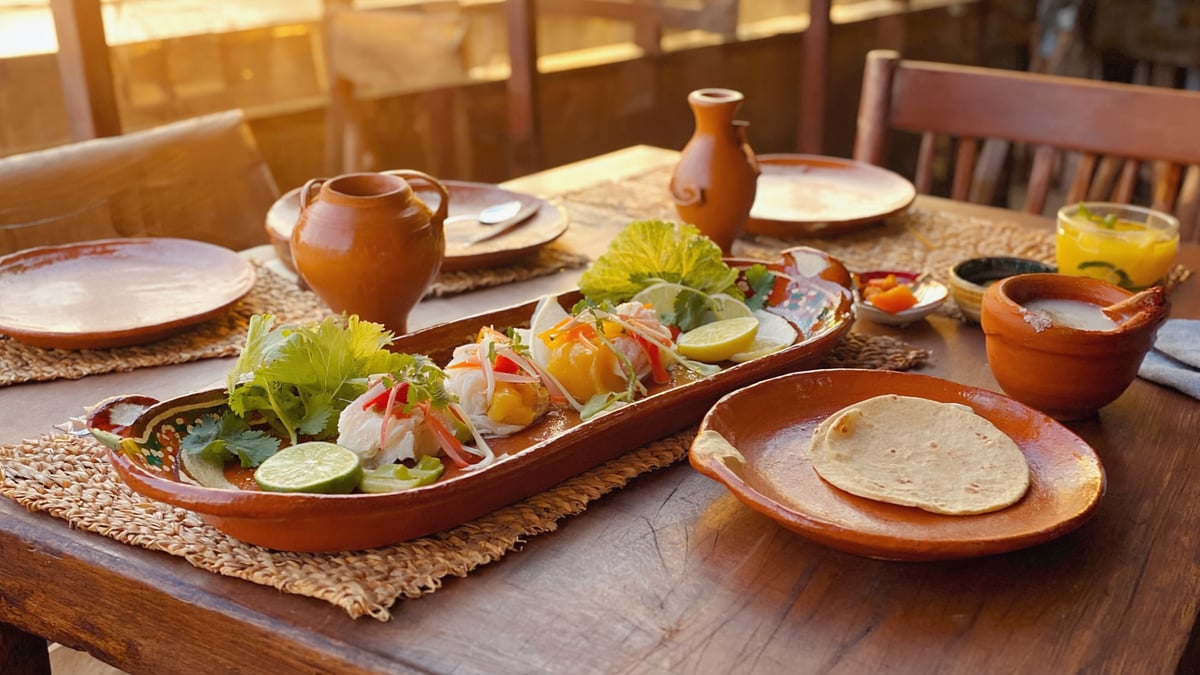
- Cochinita Pibil: Slow-roasted pork marinated in bitter orange juice and achiote paste, traditionally cooked underground. This is the defining dish of the region and is available everywhere from market stalls to fine dining restaurants.
- Sopa de Lima: A light, fragrant lime-based chicken soup that is one of the most restorative dishes in Mexican cooking. Particularly good for lunch.
- Tikin Xic: Grilled fish marinated in achiote and bitter orange, typically wrapped in banana leaves. Found at coastal restaurants throughout the area.
- Marquesitas: A street food staple: crispy rolled wafer cones filled with cheese and fruit jam or Nutella. Sounds unusual, tastes wonderful.
- Agua Fresca: Freshly made drinks blending fruit with water and sugar. Jamaica (hibiscus), tamarind, and watermelon varieties are particularly refreshing in the heat.
The Restaurant Scene in Tulum Town
Tulum Pueblo's main strip and the streets around it have developed an exceptional independent restaurant scene. You can eat very well in town for considerably less than beach club prices, and many of the best kitchens are here rather than on the beach. Look for restaurants with good local foot traffic, open kitchens, and handwritten menus, as these tend to outperform the places optimised for tourist traffic.
Beach Club Dining
Eating at a beach club is part of the Tulum experience, even if the prices are notably higher than in town. The combination of fresh ceviche, tostadas with smoked fish, and a cocktail with your feet in sand while looking at the Caribbean is a particular kind of pleasure. Most beach clubs operate a minimum spend system for daybed access rather than a flat entry fee.
Practical Tips for UK Travellers: Health, Money, and Safety
Tulum is a well-established destination for international tourism, and the practical side of visiting is manageable with a little preparation. Here is what UK travellers specifically need to know.
Currency and Money
The local currency is the Mexican Peso (MXN). While many businesses in the Zona Hotelera accept US dollars, the exchange rate offered informally is always less favourable than paying in pesos. Withdraw pesos from ATMs using a UK card with low or no foreign transaction fees. Cards like Starling, Monzo, and Wise are popular among UK travellers for exactly this reason, as they offer close-to-interbank exchange rates with no international withdrawal fees.
Keep smaller denomination peso notes for taxi fares, market purchases, and tips. Tipping is an expected part of the service culture in Mexico: 10–15% at restaurants is standard, and rounding up taxi fares is customary.
Health and Vaccinations
The NHS travel health guidance recommends that travellers to Mexico are up to date on routine vaccinations including hepatitis A and typhoid, particularly if you plan to eat street food (which you should, because it is excellent). No malaria prophylaxis is required for the Yucatán Peninsula specifically, though mosquito repellent is strongly recommended, particularly at dawn and dusk when mosquito activity is highest.
Do not drink tap water in Tulum. Bottled or filtered water is widely available and inexpensive. Most reputable hotels provide drinking water, and reusable bottles with purification filters are a useful addition to your packing list.
Safety in Tulum
Tulum is generally safe for tourists, and the vast majority of UK visitors have entirely trouble-free experiences. Standard precautions apply: keep valuables secured, use hotel safes for passports and extra cash, avoid poorly lit areas of town late at night, and take licensed taxis or Uber rather than accepting unsolicited offers of transport.
The UK Foreign, Commonwealth and Development Office (FCDO) publishes current travel advice for Mexico at gov.uk/foreign-travel-advice/mexico. Check this before travel and register your trip on the FCDO's LOCATE service if visiting during any period of heightened advisory.
Travel Insurance
Travel insurance is non-negotiable for Tulum. Ensure your policy covers medical evacuation (healthcare costs can be significant, and the nearest major private hospital is in Playa del Carmen), trip cancellation including weather-related disruption, and any activities you plan to do such as cave diving or water sports. Many standard UK travel insurance policies exclude adventure activities, so check the small print carefully.
Sargassum Seaweed
Sargassum, a type of brown macroalgae, has affected Caribbean beaches intermittently over recent years. Tulum's beaches can be significantly impacted during sargassum season, which typically peaks between May and August. Hotels and beach clubs work to clear it daily, but it is worth checking recent beach conditions before your trip and factoring this into your timing decisions if pristine beach conditions are a priority.
Tulum for Different Types of UK Traveller
One of Tulum's genuine strengths is its versatility. The destination is simultaneously a romantic couple's retreat, an adventure traveller's base, a cultural pilgrim's destination, and a wellness seeker's haven. How you experience it depends almost entirely on how you approach it.
Tulum for Couples and Honeymooners
Tulum is one of the finest honeymoon destinations accessible from the UK. The combination of intimate boutique hotels, candlelit beach dinners, cenote swims, and a general atmosphere of sophisticated romance makes it feel designed for couples. Choose a hotel in the northern Zona Hotelera for the best balance of beach access, beauty, and relative quiet. Add a private cenote tour, a Sian Ka'an sunset boat trip, and a tasting menu dinner in town, and you have the architecture of an exceptional honeymoon week.
Tulum for Solo Travellers
Tulum's social infrastructure suits solo travellers well. The town has a good hostel scene, yoga classes and wellness activities create natural social environments, and the backpacker trail through the Yucatán means you are rarely without fellow independent travellers to share a cenote with. The beach clubs can feel less welcoming solo (they are very couple-and-group oriented), but the town's restaurants, markets, and day trip options are excellent for independent exploration.
Tulum for Families
Tulum is workable for families with older children, though it is not primarily designed as a family destination. The cenotes are genuinely magical for children old enough to swim confidently. The ruins are fascinating for curious young people. The beach is beautiful. However, the Zona Hotelera's party-adjacent beach club culture and the lack of classic resort-style facilities (organised kids' clubs, shallow pools, etc.) mean families with young children may be better served by Cancún or the Riviera Maya resorts to the north, with Tulum as a day trip.
Tulum for Adventure Seekers
For travellers whose holiday priority is experience rather than relaxation, Tulum delivers consistently. Cave diving through the Sistema Sac Actun is one of the most extraordinary underwater experiences in the world, accessible to Open Water certified divers. Kite surfing at Playa del Carmen, whale shark swimming off Isla Holbox (July to September), mountain biking through the Coba jungle, and guided overnight trips into Sian Ka'an are all within reach of a Tulum base.
Booking Your Tulum Holiday from the UK: A Decision Framework

With the full picture of what Tulum offers, the question becomes how to book it intelligently. Here is a straightforward framework for UK travellers at different stages of planning.
| Your Situation | Recommended Approach | Key Action |
|---|---|---|
| First time to Mexico, want simplicity | Book a full package with transfers and hotel | Call GlobeHunters: 0208 944 4514 |
| Experienced traveller, flexible dates | Book flights + hotel separately or via package | Check live pricing online |
| Honeymooners with specific hotel in mind | Speak to an advisor for tailored package | Call GlobeHunters: 0208 944 4514 |
| Budget-conscious, flexible on dates | Target May or November shoulder season | Compare packages online |
| Adventure itinerary across Yucatán | Multi-stop package or Explorer tier | Call for bespoke itinerary |
Ready to book your Tulum holiday from the UK? The GlobeHunters team specialises in Mexico packages combining flights, hotels, and activities at competitive prices. Speak to an advisor on 0208 944 4514 or browse current Mexico package holidays online.
Frequently Asked Questions: Tulum Holidays from the UK
How long does it take to fly from the UK to Tulum?
There are no direct flights from the UK to Tulum. The nearest international airport is Cancún (CUN), which is served by indirect flights from London Heathrow, Gatwick, and Manchester. With a single connection via Madrid, Amsterdam, or Miami, total travel time is typically between 12 and 16 hours. Transfer from Cancún Airport to Tulum takes approximately two hours by road.
Do UK citizens need a visa to visit Mexico?
No. UK passport holders do not require a visa to enter Mexico for tourism purposes. You will be issued a tourist card (Forma Migratoria Múltiple, or FMM) on arrival, which typically permits stays of up to 180 days. Ensure your passport has at least six months' validity from your date of travel.
What is the best time of year for UK travellers to visit Tulum?
January through April offers the best weather conditions: dry, warm, and sunny with low humidity. This aligns with the UK winter and early spring, making it a popular escape. November is an excellent shoulder-season alternative with good weather, fewer crowds, and more competitive pricing. Avoid September and October due to hurricane risk.
Is Tulum safe for UK tourists?
Tulum is generally safe for tourists. The vast majority of UK visitors experience no safety issues. Standard travel precautions apply: secure valuables, use licensed taxis or Uber, avoid poorly lit areas late at night, and check the FCDO's current Mexico travel advice before departure.
How much does a Tulum holiday cost from the UK?
Package holidays to Tulum from the UK typically start from around £1,199 per person for a week including flights and accommodation. Zona Hotelera boutique hotel packages and honeymoon packages run from approximately £2,199 per person. Daily spending in Tulum varies significantly: beach club days can cost £60 to £120+ per person including food and drinks, while eating in town is considerably more affordable at £15 to £30 per person for a good meal.
What currency should I take to Tulum?
Mexican Pesos (MXN) are the local currency and the most practical for everyday spending. US dollars are accepted in many tourist-facing businesses, but the exchange rates offered informally are typically unfavourable. Withdrawing pesos from ATMs with a low-fee UK card (such as Starling, Monzo, or Wise) is the most cost-effective approach.
What are cenotes and are they safe to swim in?
Cenotes are natural sinkholes formed by the collapse of limestone bedrock, revealing the underground freshwater rivers beneath the Yucatán Peninsula. They are perfectly safe for swimming in the designated areas, with entry managed by site operators. Life vests are provided at most cenotes. Cave diving and snorkelling within cave systems should only be done with qualified certified guides.
Can I visit the Tulum Ruins and a cenote on the same day?
Yes, and this is one of the most popular day structures in Tulum. The ruins open early and can be visited by 9:00am to avoid peak crowds. Gran Cenote is approximately four kilometres from the site and can easily be combined in the same morning or afternoon. Many guided tours combine both.
Do I need travel insurance for Tulum?
Travel insurance is strongly recommended and, if you are booking a package holiday, may be a condition of booking. Ensure your policy covers medical evacuation, trip cancellation including weather events, and any adventure activities you plan to undertake. Standard policies often exclude activities such as cave diving or water sports, so check the terms carefully.
Is Tulum suitable for families with young children?
Tulum can work for families with older children, particularly those interested in ruins, cenotes, and wildlife. It is less well-suited to families with very young children, as it lacks the resort-style facilities (shallow pools, kids' clubs, buffet dining) found in Cancún and the northern Riviera Maya. Families might consider basing themselves in Cancún or Playa del Carmen and visiting Tulum as a day trip.
What is the sargassum seaweed situation in Tulum?
Sargassum seaweed accumulations have periodically affected Tulum's beaches, particularly between May and August. Hotels and beach clubs make efforts to remove it daily, but heavy arrivals can be significant. Check recent beach condition reports from sources like sargazo.com.mx when planning your visit, and consider timing your trip for December through April when sargassum is typically minimal.
How do I get from Cancún Airport to Tulum?
The most common options are private transfers (approximately £70 to £120 for a vehicle), shared shuttles (approximately £15 to £30 per person), or the ADO coach service. Journey time is approximately two hours. When booking through GlobeHunters, airport transfers can be included within your package.
Key Takeaways for Planning Your Tulum Holiday from the UK
- Fly into Cancún (CUN), not Tulum, and plan approximately two hours for the road transfer south. Include transfer costs in your overall budget.
- January to April is the optimal window for weather and experience quality. November offers excellent value for flexible travellers.
- Choose your base carefully: Zona Hotelera for beach immersion and romance, Tulum Pueblo for food, budget, and local atmosphere, Aldea Zama for a balance of both.
- Cenotes are non-negotiable. Build at least two cenote visits into your itinerary. Gran Cenote and Dos Ojos are the strongest starting points.
- The Tulum Ruins are worth your first morning. Arrive before 9:00am, allow two hours, and walk down to the beach within the site.
- Sian Ka'an is underrated. A half-day or full-day guided tour into the biosphere reserve is one of the most memorable experiences in the region.
- Eat in town as well as on the beach. The best food in Tulum is often found in Pueblo at a fraction of beach club prices.
- Book as a package for long-haul simplicity. GlobeHunters packages from the UK combine real-time flight and hotel pricing with the option to add activities, removing the complexity of coordinating multiple bookings.
- Travel insurance is essential. Ensure it covers medical evacuation, weather disruption, and any adventure activities you plan.
- Call 0208 944 4514 or visit holidays.globehunters.com to speak with an advisor and get a personalised quote for your Tulum holiday from the UK.
About the author
Spiros Maragkoudakis · Chief Commercial Officer
Ready to Book Your Tulum Holiday?
Our travel experts are ready to help you plan the perfect trip. Call us today or browse our latest deals.
Ready to Start Planning?
Speak to our travel experts for personalised advice and the best deals on your next holiday.
Call 0208 944 4514