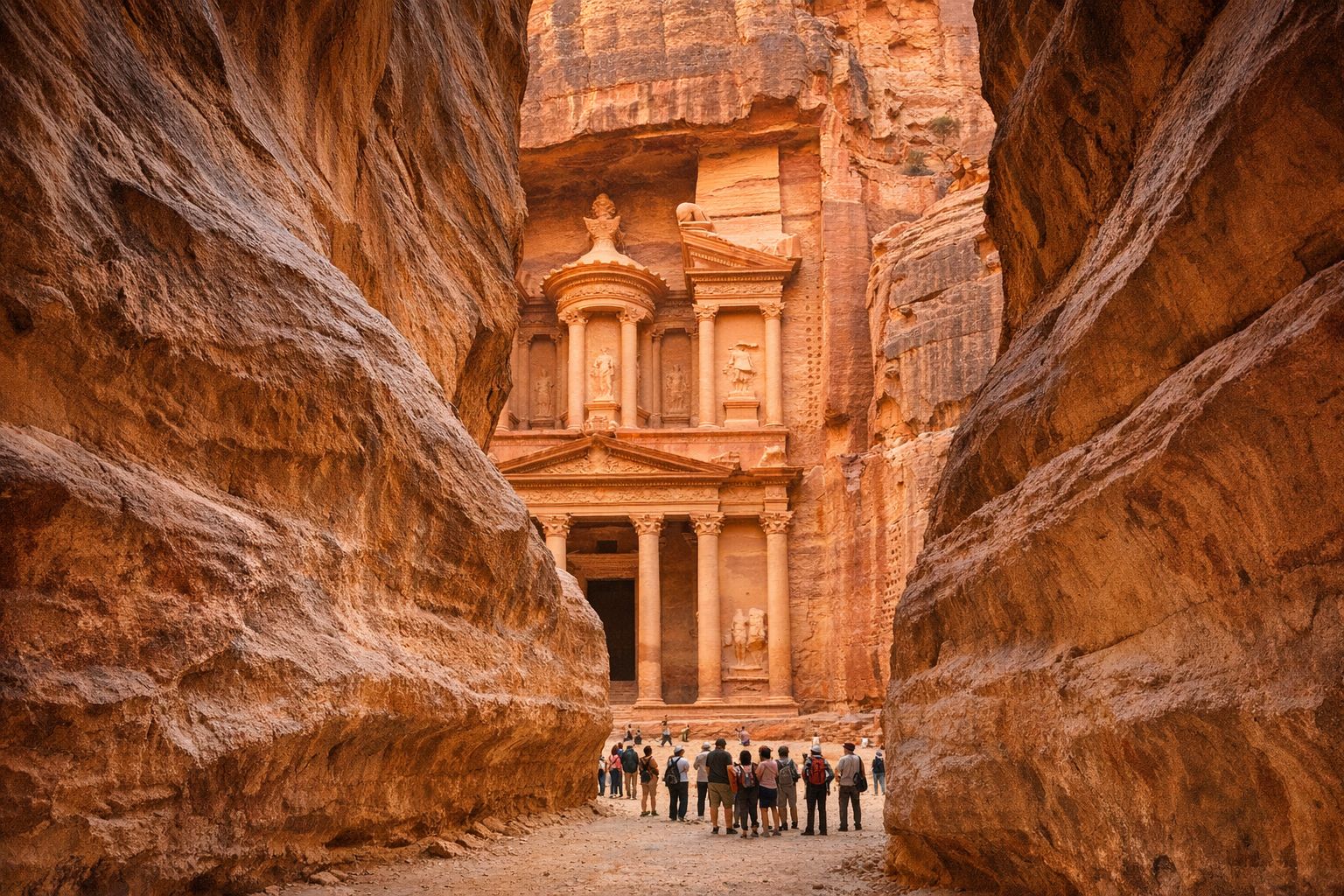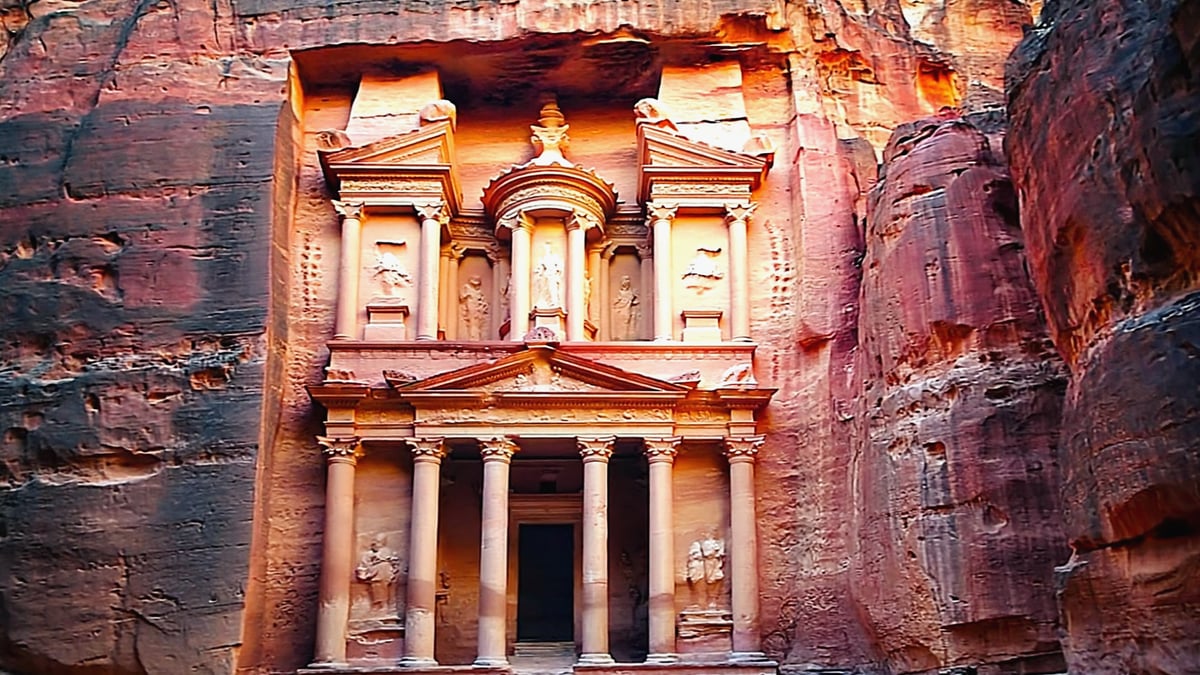
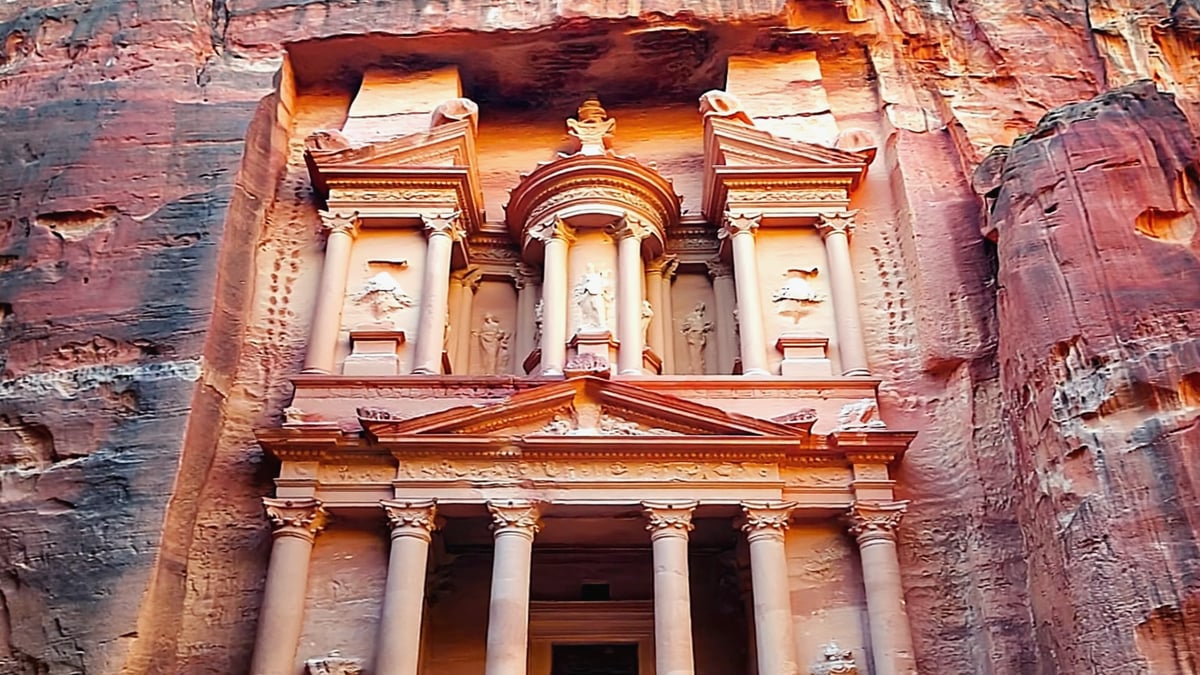
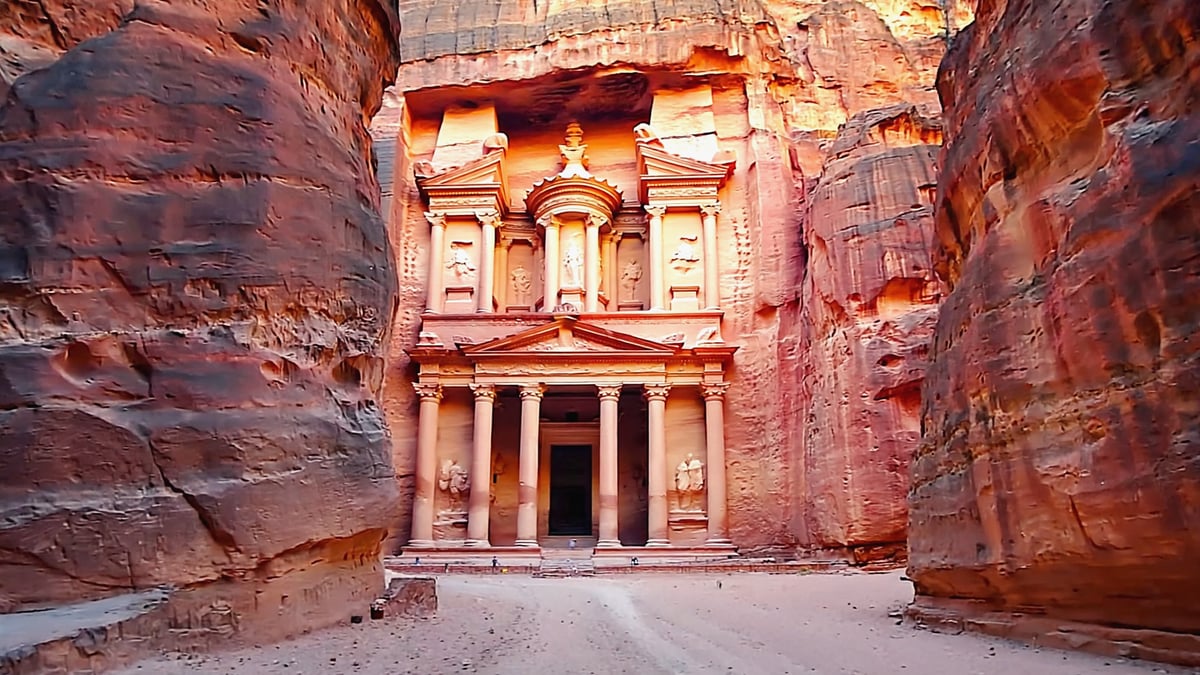
There is a moment, walking through the Siq in the early morning light, when the narrow canyon walls part just enough to reveal a sliver of rose-red stone carved with impossible precision. Then the gap widens, and suddenly the Treasury stands before you in full, its columns glowing amber in the low sun, its scale so overwhelming that every photograph you have ever seen of it simply dissolves. Jordan does this repeatedly. It gives you moments you cannot prepare for, in a country the size of Portugal, packed with more history, landscape, and hospitality than destinations ten times its size. For UK travellers, it remains one of the most underrated long-haul destinations on the planet, sitting just four and a half hours from London yet feeling genuinely otherworldly.
This guide covers everything you need to plan a Jordan holiday from the UK, from choosing the right Jordan holiday package to understanding what to actually do when you arrive. Whether you are drawn by the ancient city of Petra, the silence of Wadi Rum's vast desert, the surreal buoyancy of the Dead Sea, or all three in combination, you will find the practical detail and honest perspective here to make the right decisions before you book.
Why Jordan Belongs on Every UK Traveller's Bucket List
Jordan sits at the crossroads of the ancient world, bordered by Saudi Arabia, Iraq, Syria, Israel, and the Palestinian territories, which means its history is not a single thread but a dense weave of Nabataean, Roman, Byzantine, Islamic, and Ottoman cultures, all layered on top of each other. For UK travellers used to ticking off European capitals, Jordan represents something categorically different: a destination where you can walk through a 2,000-year-old city in the morning, float on the world's saltiest sea in the afternoon, and sleep under one of the clearest star canopies on earth that evening.
The country also punches well above its weight on safety and accessibility. Jordan consistently ranks as one of the most politically stable countries in the Middle East, and Jordanians are widely regarded as some of the most welcoming hosts in the Arab world. English is spoken widely in hotels, restaurants, and tourist sites. The currency, the Jordanian dinar, trades at roughly £1.10 to £1 JD, which means rough conversions are straightforward. And crucially for UK travellers booking through operators like GlobeHunters, the infrastructure for tourism is well developed, from international-standard hotels in Amman and Aqaba to the famous bubble tents and Bedouin camps in Wadi Rum.
Jordan is also genuinely compact enough to see properly in one trip. A well-planned itinerary of seven to ten nights can cover Petra, Wadi Rum, the Dead Sea, and the capital Amman with time to spare. That is exceptional value for a long-haul destination, and it is one reason Jordan holiday packages from the UK have grown steadily in popularity, particularly among couples, honeymooners, and travellers who want cultural depth rather than beach lounging.
Getting to Jordan from the UK: Flights, Airports, and What to Expect
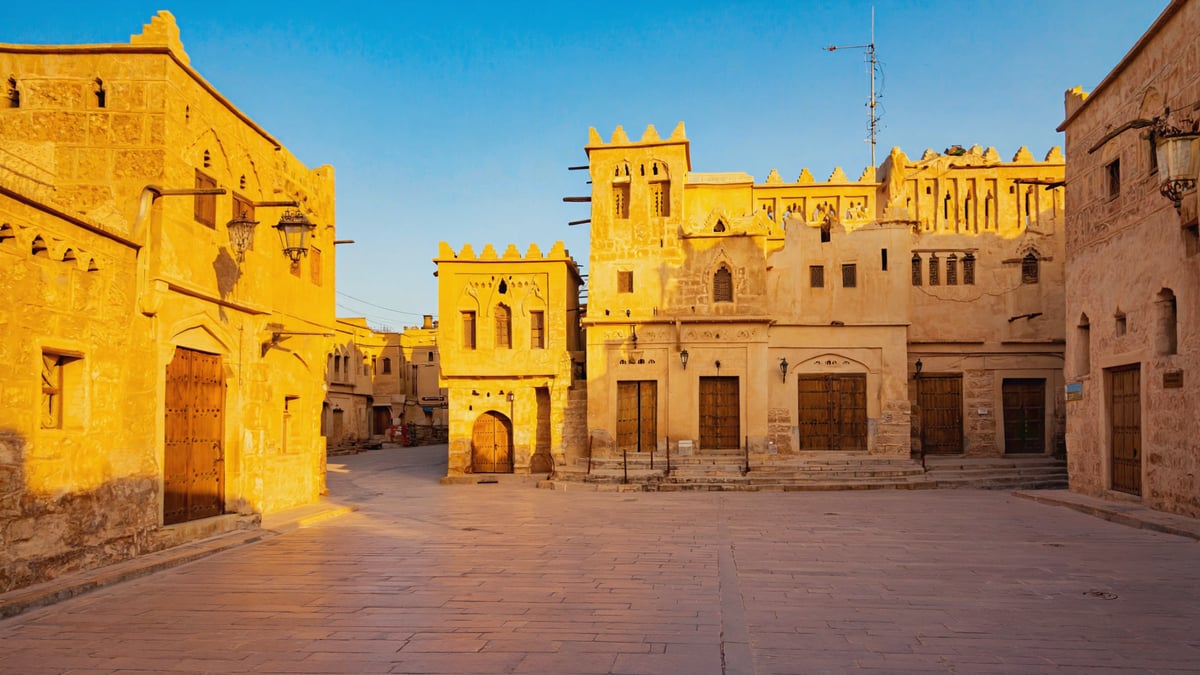
Flying to Jordan from the UK is straightforward, with Queen Alia International Airport in Amman serving as the primary gateway. The flight time from London is approximately four to four and a half hours, which puts Jordan firmly in the "manageable long-haul" bracket alongside Egypt and Morocco. For travellers in the north of England, the journey time is comparable once you factor in travel to the airport.
Which Airlines Fly Jordan from UK Airports?
Royal Jordanian operates direct flights from London Heathrow to Amman, typically with competitive fares for direct routing. EasyJet and other budget carriers occasionally offer routes, though these tend to be seasonal. British Airways also serves the Amman route from Heathrow. For travellers willing to take one stop, Emirates via Dubai, Qatar Airways via Doha, and Turkish Airlines via Istanbul all offer competitive connections, often with attractive pricing when booked as part of a package.
Aqaba Airport (King Hussein International) in the south of Jordan is the secondary gateway and is particularly useful if your itinerary begins in Wadi Rum or you are planning a Red Sea diving trip. However, direct flights from the UK to Aqaba are limited, so most travellers fly into Amman and either hire a car or join a transfer.
Package Holidays vs. DIY Booking
This is worth addressing directly, because Jordan is a destination where booking a package holiday genuinely makes sense for most UK travellers. The reason is logistics. Getting between Petra, Wadi Rum, and the Dead Sea without a vehicle is complicated, and public transport options are limited compared to European destinations. A well-constructed package from a UK operator like GlobeHunters combines flights, accommodation, and key transfers into a single, ATOL-protected booking, which removes the logistical burden and provides financial protection under UK law.
GlobeHunters' Jordan packages are built on real-time pricing from Duffel for flights and Hotelbeds for accommodation, meaning the pricing you see reflects actual availability. You can also add Viator-powered activities directly to your package, from guided Petra tours to Wadi Rum jeep safaris, building a complete itinerary without juggling multiple bookings across multiple platforms. For first-time visitors to Jordan especially, this approach is significantly less stressful than attempting to piece it together independently.
To explore current pricing and availability for Jordan holidays, call GlobeHunters on 0208 944 4514 or browse the packages directly online.
Petra: What UK Travellers Need to Know Before They Visit
Petra is the reason most UK travellers put Jordan on their list in the first place, and it absolutely lives up to the reputation, but only if you approach it correctly. The city is vast, far larger than most visitors expect, covering around 264 square kilometres of protected archaeological zone. The famous Treasury (Al-Khazneh) that appears in every photograph is just the beginning of a site that contains hundreds of carved tombs, a Roman colonnaded street, a Byzantine church, a Great Temple, and the Monastery (Ad Deir), which many who make the climb argue is even more spectacular than the Treasury.
How Many Days Do You Need in Petra?
One day is not enough. Two days is the minimum to see the main sites without rushing. Three days allows you to explore the more remote trails, including the Back Door route from Little Petra, the High Place of Sacrifice, and the Royal Tombs at dusk when the light turns the sandstone extraordinary shades of pink and gold. Most GlobeHunters Jordan packages include at least two nights based in Wadi Musa (the town adjacent to Petra), which is the most practical base.
Petra by Night
Petra by Night is a separate ticketed experience running on Monday, Wednesday, and Thursday evenings. The Siq is lit by thousands of candles, and visitors gather in front of the Treasury for a musical performance. It is atmospheric rather than informative, and opinions among travellers are genuinely divided, but for first-time visitors it offers a completely different perspective on the site and is worth experiencing at least once if your schedule allows.
Practical Tips for UK Travellers Visiting Petra
- Buy the Jordan Pass before you leave the UK. The Jordan Pass combines your tourist visa fee with entry to Petra and over 40 other sites across the country. For a stay of three nights or more, it represents genuine savings and simplifies entry at the border.
- Wear proper footwear. The terrain inside Petra is uneven, dusty, and extensive. Trainers are acceptable; sandals are not advisable for anything beyond the Treasury and back.
- Start early. The site opens at 06:00 and the morning hours before 09:00 are dramatically quieter. The Treasury in particular is far more impressive without crowds pressing against you.
- Carry water. The site is large and exposed. There are vendors inside, but prices are high and you will drink more than you expect, particularly in summer.
- Budget for additional activities. Horse rides, donkey treks, and camel rides are available inside the site and are a legitimate way to cover ground if you find the distances challenging. Agree the price before you mount.
Where to Stay Near Petra
Wadi Musa is the functional town for Petra, with accommodation ranging from budget guesthouses to the Movenpick Resort Petra, which sits directly at the entrance to the site. Staying near the entrance means an early start requires no additional transport. For a more atmospheric option, some operators offer stays in the hills above Petra with views across the canyon landscape. GlobeHunters' Hotelbeds integration covers a wide range of Wadi Musa properties across all budgets.
For a deeper look at Petra and the broader Jordan experience from a solo traveller's perspective, The Guardian's Jordan and Petra for solo travellers guide offers an honest and richly written account that applies equally to couples and small groups.
Wadi Rum: Sleeping Under the Stars in Jordan's Desert
Wadi Rum is where Jordan stops being a historical destination and becomes something closer to a spiritual one. The desert is vast, silent in a way that is almost physical, and coloured in tones of ochre, crimson, and deep purple that shift continuously through the day. It was here that T.E. Lawrence described the landscape as "vast, echoing and god-like", and the phrase has not aged badly. For UK travellers who have never experienced a true desert, Wadi Rum is a genuine revelation.
What Can You Do in Wadi Rum?
The Wadi Rum Protected Area, a UNESCO World Heritage Site, covers approximately 720 square kilometres of desert wilderness. Activities available through local Bedouin operators and via Viator-linked bookings include:
- Jeep safaris: The most popular way to cover the desert, visiting natural arches, ancient inscriptions, Lawrence's Spring, and towering sandstone formations. Half-day and full-day options are available.
- Camel trekking: A slower and more immersive way to experience the landscape. Sunset camel rides are particularly popular.
- Rock climbing: Wadi Rum has developed a serious reputation among climbers, with routes ranging from beginner-friendly scrambles to technical multi-pitch lines on the desert towers.
- Hot air ballooning: Morning balloon flights over the desert offer a perspective that no ground-level experience can match.
- Stargazing: Wadi Rum sits far from any significant light pollution and offers some of the clearest night skies in the region. Many desert camps include guided stargazing as part of their evening programme.
Where to Stay in Wadi Rum: Bubble Tents and Bedouin Camps
Accommodation in Wadi Rum has evolved dramatically over the past decade. The traditional Bedouin camp experience, sleeping in a goat-hair tent with basic facilities, is still available and remains the most authentic option. But the destination has also developed a range of luxury desert camps with private ensuite tents, proper beds, and in some cases, the now-famous transparent "bubble domes" that allow you to watch the Milky Way from your bed without leaving the tent.
For honeymooners and couples, a night or two in a luxury bubble camp in Wadi Rum has become one of the most sought-after experiences in the entire Middle East. GlobeHunters packages can include these desert stays alongside Petra and Dead Sea accommodation, creating a complete Jordan itinerary within a single ATOL-protected booking. Prices for desert camp stays vary significantly by category, from around £60 per person per night for a traditional camp to £250 or more for a high-end bubble dome experience.
Getting to Wadi Rum from Petra
Wadi Rum is approximately 100 kilometres south of Petra, which translates to around one and a half to two hours by road. Most travellers move between the two sites by private transfer, which can be arranged through your tour operator. There is a visitor centre at the entrance to the protected area where jeep tours depart; you cannot drive a standard vehicle into the desert itself.
The Dead Sea: Jordan's Most Unique Natural Experience
The Dead Sea sits at approximately 430 metres below sea level, the lowest point on the earth's surface, and the mineral-rich water is so dense with salt that floating is not optional, it is simply what happens when you enter it. For UK travellers, the experience is genuinely unlike anything available in Europe, and it tends to be simultaneously hilarious and oddly relaxing. The mud from the Dead Sea floor is equally famous for its mineral content, and smearing yourself with it before rinsing off is a ritual that virtually every visitor participates in regardless of how self-conscious they might feel at home.
Dead Sea Hotels and Beach Clubs
The Jordanian side of the Dead Sea is lined with resort hotels, from the Kempinski and Marriott properties to mid-range options, all of which provide private beach access to the sea along with pools, spa facilities, and the mud treatment experience. Day passes are available for travellers not staying overnight, but spending a night or two at a Dead Sea resort is significantly more comfortable than rushing through as a day trip from Amman.
The Dead Sea is typically positioned at the beginning or end of a Jordan itinerary, given its location roughly an hour south of Amman. A common routing for UK package travellers is Amman arrival, Dead Sea (two nights), Petra (two nights), Wadi Rum (one to two nights), then either back to Amman for departure or out through Aqaba.
Important Things to Know Before You Float
- Do not shave or wax within 24 hours of entering the Dead Sea. The salt concentration is extreme and any small cut or skin break will sting severely.
- Do not get water in your eyes. The salinity is high enough to cause real discomfort and temporary vision issues. Rinse immediately if it happens.
- Limit your time in the water. Twenty to thirty minutes is typically recommended. Longer periods can cause skin irritation.
- The sea is shrinking. The water level drops measurably each year due to water diversion from the Jordan River and mineral extraction by the potash industry. The beaches are shifting and the landscape continues to change. Visiting sooner is genuinely better than waiting.
Amman: Jordan's Capital as a Starting Point for Your Holiday
Most UK travellers land in Amman and treat it purely as a transit point, which is a missed opportunity. The Jordanian capital is a genuinely interesting city built across seven hills, with a compact old city centred on the Roman Theatre and the Citadel (Jabal al-Qal'a), which offers sweeping views across the modern city and houses the remarkable Temple of Hercules alongside the Jordan Archaeological Museum.
What to Do in Amman on a Short Stay
Two days in Amman is enough to cover the main sites without rushing. The Roman Theatre, built in the second century AD and still used for performances today, is free to enter and worth an hour. The Citadel above it requires slightly more time and contains the Umayyad Palace, a sprawling complex from the 8th century that most visitors underestimate in scale. Rainbow Street in the Jabal Amman neighbourhood is the best area for independent restaurants, cafes, and a genuine sense of local life.
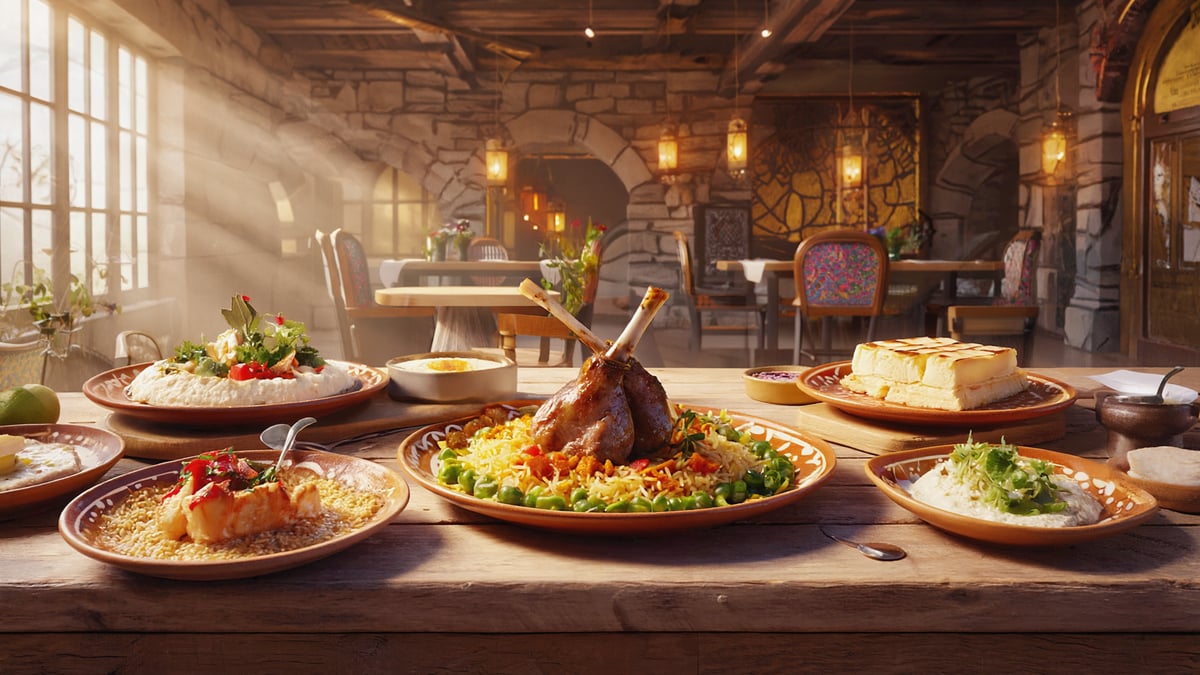
For food, Amman is one of the great eating cities of the Middle East. Mansaf, the national dish of lamb slow-cooked in fermented dried yoghurt sauce and served on a bed of rice, is the dish to try at least once. The hummus at Hashem Restaurant in downtown Amman is famous throughout the Arab world and costs almost nothing. Knafeh, the sweet cheese pastry soaked in sugar syrup, is widely available and essential.
Day Trips from Amman Worth Adding to Your Itinerary
Several of Jordan's most significant sites are within easy reach of Amman and can be visited as day trips without disrupting your main itinerary:
- Jerash: The best-preserved Roman city in the Middle East, approximately 50 kilometres north of Amman. The colonnaded streets, temples, and oval plaza are extraordinary and far less visited than Petra.
- Madaba and Mount Nebo: The mosaic map of Jerusalem and the Holy Land in Madaba's St George's Church is the oldest surviving cartographic depiction of the region. Mount Nebo, where Moses is said to have viewed the Promised Land, is 10 kilometres further and offers views across the Jordan Valley to Jerusalem on clear days.
- Ajloun Castle: A 12th-century Islamic castle built to defend against Crusader forces, set in forested hills north of Amman.
Jordan Holiday Packages from UK: What to Expect on Pricing
Understanding what a Jordan holiday package from the UK actually costs is important before you start planning, because the range is wide and the variables are significant. The table below outlines typical package pricing tiers for UK travellers booking through GlobeHunters, covering flights from London, accommodation, and standard transfers. Activity costs (Petra entry, Wadi Rum tours, Dead Sea day passes) are listed separately as they depend heavily on individual itinerary choices.
| Package Tier | Duration | What's Included | Approx. Price Per Person |
|---|---|---|---|
| Essential Jordan | 7 nights | Return flights London–Amman, 3* hotel Amman + Petra, standard transfers | From £799 |
| Classic Jordan | 10 nights | Flights + 4* hotels, Amman + Dead Sea + Petra + Wadi Rum camp, transfers | From £1,199 |
| Jordan Highlights | 10 nights | Flights + 4* hotels + Wadi Rum bubble camp + Viator activities bundle | From £1,499 |
| Luxury Jordan | 10–12 nights | Business class upgrades available + 5* Dead Sea resort + private transfers + full activities | From £2,199 |
Prices are per person based on two adults sharing and vary significantly by travel season. The Jordan Pass, covering visa entry and Petra admission for a three-night minimum stay, currently costs approximately 70–80 JD (roughly £75–£85) and is strongly recommended for all UK visitors as it simplifies border entry considerably.
GlobeHunters' packages are all ATOL-protected, which matters significantly for UK travellers booking long-haul. Under ATOL, if your travel company fails, you are financially protected and will not be stranded abroad. To get a personalised quote based on your preferred travel dates and itinerary, call 0208 944 4514.
Best Time to Visit Jordan from the UK: A Season-by-Season Guide
Jordan is a year-round destination, but the timing of your visit makes a significant difference to comfort, cost, and the specific experiences available. The country spans several climate zones, from the Mediterranean-influenced north to the arid desert south, which means conditions can vary considerably even within a single itinerary.
Spring (March to May): The Prime Season
Spring is widely regarded as the best time to visit Jordan. Temperatures in Petra are comfortable for walking (typically 18–25°C during the day), wildflowers appear across the hillsides, and the light is extraordinary. The Dead Sea and Wadi Rum are equally pleasant. This is the peak tourist season, which means Petra is busier and accommodation prices are at their highest, but the conditions justify the premium. UK school Easter holidays fall within this window, making it popular for families.
Autumn (September to November): The Second-Best Window
Autumn replicates many of spring's advantages without quite the same crowd levels. September can still be warm (sometimes exceeding 30°C in Wadi Rum), but October and November offer ideal conditions across the country. This is an excellent window for couples and honeymooners who want good weather without the peak-season rush.
Summer (June to August): Manageable with Planning
Summer temperatures in Petra and Wadi Rum regularly exceed 35°C and can climb significantly higher. Visiting is absolutely possible, but requires early starts (at the site by 06:00, done by midday), proper hydration, and sun protection. The Dead Sea in summer is extremely hot and humid, which many find oppressive. The upside is that summer sees lower visitor numbers at some sites and accommodation prices drop noticeably. For budget travellers who can handle the heat, summer represents genuine value.
Winter (December to February): Underrated and Atmospheric
Winter in Jordan surprises most UK travellers. Amman and Petra can be genuinely cold (temperatures sometimes dropping to 5°C or below), and Petra has been known to receive snow, which turns it into something almost impossibly beautiful. Wadi Rum nights in winter are very cold, requiring proper sleeping gear even in camps. The Dead Sea is mild in winter, making it an attractive option. Visitor numbers are at their lowest, prices are most competitive, and there is something genuinely special about having Petra almost to yourself in the low season.
| Season | Petra Conditions | Wadi Rum Conditions | Crowds | Price Level | Best For |
|---|---|---|---|---|---|
| Spring (Mar–May) | ✅ Ideal | ✅ Ideal | ⚠️ Busy | High | Everyone |
| Summer (Jun–Aug) | ⚠️ Very hot | ⚠️ Extreme heat | ✅ Quieter | Low–Mid | Budget travellers |
| Autumn (Sep–Nov) | ✅ Excellent | ✅ Excellent | ✅ Moderate | Mid–High | Couples, honeymooners |
| Winter (Dec–Feb) | ⚠️ Cold, possible snow | ⚠️ Very cold at night | ✅ Very quiet | Low | Solo travellers, retirees |
Jordan for Specific Types of UK Traveller
One of Jordan's genuine strengths as a destination is how well it adapts to different travelling styles. The same country that suits a budget backpacker equally suits a luxury honeymoon couple, and the same sites that engage history enthusiasts captivate adventure seekers. Understanding which version of Jordan suits your group shapes how you build your itinerary.
Jordan Honeymoon Holidays
Jordan has become a serious honeymoon destination for UK couples, and it is easy to understand why. The combination of Petra's drama, a luxury bubble tent night in Wadi Rum under an unobstructed Milky Way, and a Dead Sea resort with full spa facilities creates an itinerary that is simultaneously romantic and genuinely extraordinary. The relatively short flight time from London (compared to the Maldives or Southeast Asia) is a significant practical advantage for couples who want luxury without a day's travel each way.
GlobeHunters' honeymoon packages for Jordan can be tailored to include private transfers, room upgrades, and special touches like sunset dinners in the desert. For couples with a budget in the £1,800–£2,500 per person range, Jordan delivers an experience that rivals destinations costing considerably more.
Jordan for Families with Children
Jordan works well for families with children aged eight and above, particularly those with an interest in history or outdoor adventure. Petra involves significant walking, which younger children may find challenging on a full-day visit. A strategy that works well is to focus on the main sites (the Siq, the Treasury, the colonnaded street) on day one, then use horses or donkeys for a shorter, more manageable second day. Wadi Rum jeep safaris are genuinely exciting for older children and teenagers, and floating in the Dead Sea is universally entertaining regardless of age.
Families should be aware that some of the higher-end desert camps in Wadi Rum have minimum age restrictions, particularly the bubble dome experiences. Standard Bedouin camps are generally family-friendly. Jordan as a whole is a very family-oriented culture, and children are welcomed warmly across restaurants, hotels, and sites.
Solo Travel in Jordan
Jordan is an excellent solo destination, particularly for solo travellers who prefer cultural depth to beach relaxation. Safety is consistently cited as a strength, Jordanians are hospitable towards independent travellers, and the main sites are well-set up for individual visitors. The main practical challenge for solo travellers is transport: without a group to share transfer costs, getting between sites independently can become expensive. Joining a small-group tour, or booking through an operator who can organise shared transfers, solves this efficiently.
Solo female travellers generally report positive experiences in Jordan compared to other destinations in the region. Dress modestly outside of resort areas (covered shoulders and knees), be aware of local customs around interaction, and exercise the same common sense you would in any unfamiliar city. Amman's café culture is genuinely welcoming and makes for a comfortable solo base.
Adventure Travel in Jordan
Beyond the headline sites, Jordan has a serious adventure travel offering that remains relatively unknown among UK travellers. The Jordan Trail is a 650-kilometre marked route running from Umm Qais in the north to Aqaba on the Red Sea coast, traversable in sections or as a continuous multi-week trek. Rock climbing in Wadi Rum has a growing international reputation. Canyoning in Wadi Mujib, a dramatic gorge on the eastern shore of the Dead Sea, is available from spring through autumn and involves wading, swimming, and scrambling through a stunning canyon system. Diving and snorkelling in Aqaba, where the Red Sea offers warm water and healthy coral reefs, provides an entirely different dimension to a Jordan trip.
Jordanian Food and Culture: What UK Travellers Should Know
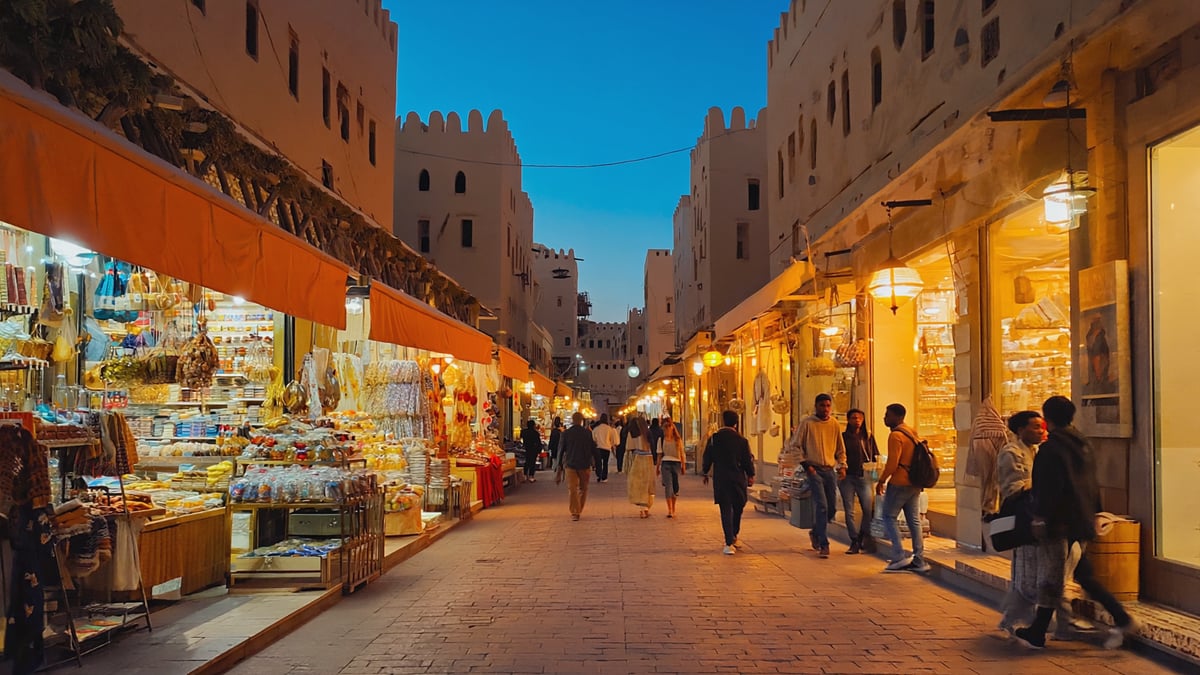
Understanding the cultural context of a destination makes the travel experience significantly richer, and Jordan has a culture that rewards genuine curiosity. Jordanian hospitality is not a cliché: being invited to share tea or coffee with a shopkeeper, a Bedouin guide, or a local family is a genuine expression of welcome rather than a sales technique, though the two are not always mutually exclusive.
Jordanian Food Worth Seeking Out
The food culture in Jordan is one of the great underrated pleasures of the destination. The national cuisine draws on Levantine traditions with Bedouin influences, producing dishes that are deeply satisfying without being complicated:
- Mansaf: The national dish. Lamb cooked slowly in jameed (fermented dried goat's milk) sauce, served over a bed of rice and flatbread, topped with pine nuts and almonds. Traditionally eaten standing and with the right hand. Try it at a local restaurant rather than a hotel buffet.
- Zarb: The Bedouin barbecue, cooked underground in a sand pit. Found at most Wadi Rum camps and genuinely excellent. Lamb, chicken, and vegetables slow-cooked over several hours produce meat that falls apart on contact.
- Mezze: The spread of small dishes, including hummus, mutabbal (smoky aubergine dip), fattoush salad, kibbeh, and stuffed vine leaves, that precedes most meals. Jordanian mezze is generous and unhurried.
- Knafeh: The dessert. Shredded pastry layered over soft white cheese, soaked in sugar syrup, and topped with crushed pistachios. The version in Nablus is considered the gold standard, but Amman and Petra do it well.
- Bedouin tea: Sage tea (maramiya) and heavily sweetened black tea with mint are constants of Jordanian hospitality. Accepting a glass when offered is considered polite.
Cultural Norms UK Travellers Should Respect
Jordan is a moderate Muslim country, which means certain cultural norms apply that differ from UK expectations:
- Dress modestly away from resort areas. Shoulders and knees should be covered in towns, markets, and religious sites. Beach resorts and tourist hotels operate under different conventions, and swimwear is perfectly appropriate by the pool or Dead Sea.
- Ramadan timing matters. If your visit falls during Ramadan (dates shift annually), be aware that daytime eating and drinking in public is considered disrespectful. Restaurants outside tourist areas may have limited daytime hours. However, evenings during Ramadan in Amman are vibrant and worth experiencing.
- Photography etiquette. Always ask before photographing people, particularly women. Most Jordanians are happy to be photographed but the courtesy of asking matters.
- Tipping culture. Tipping is expected and appreciated across Jordan. A general guide: 10% in restaurants, 2–3 JD per day for hotel housekeeping, and a negotiated amount for guides and drivers. Your Wadi Rum Bedouin guide in particular will have provided a very personal service and a generous tip reflects that.
Practical Jordan Travel Information for UK Visitors
Getting the logistics right before you travel saves significant time and stress. The following covers the most common practical questions from UK travellers planning a Jordan holiday.
Visa and Entry Requirements
UK passport holders can obtain a visa on arrival at Jordanian airports and land borders. The standard tourist visa is valid for 30 days and costs approximately 40 JD (around £43). However, as noted above, the Jordan Pass includes the visa fee for stays of three nights or more, making it the more economical option for most UK travellers visiting multiple sites.
If entering Jordan overland from Israel, be aware that Israeli stamps in your passport do not prevent entry to Jordan, but the situation can be sensitive depending on your onward travel plans to other Arab countries. Seek current Foreign, Commonwealth and Development Office (FCDO) travel advice before travel.
Currency and Money in Jordan
The Jordanian dinar (JD) is fixed against the US dollar at a rate of approximately 1 JD = £1.10. ATMs are widely available in Amman, Wadi Musa (Petra), and Aqaba, accepting UK debit and credit cards from major networks. Card payment is accepted at hotels and larger restaurants, but smaller establishments and market vendors are cash-only. Carry a mix of both.
Avoid exchanging currency at UK airports, where rates are consistently poor. Use a Wise or Starling card for ATM withdrawals in Jordan to minimise foreign transaction fees. Notify your UK bank before travel to prevent cards being blocked for suspected fraudulent activity.
Health and Medical Considerations
Jordan requires no specific vaccinations for UK travellers beyond standard up-to-date UK immunisations, but the NHS and FCDO both recommend ensuring hepatitis A coverage is current. Travel insurance with medical repatriation cover is essential for any long-haul trip; do not travel without it. The sun at altitude in Petra and in the open desert is extremely powerful, and sunstroke is a genuine risk for unprepared visitors in warmer months. High-factor sunscreen, a hat, and regular water intake are not optional.
Internet and Connectivity
Jordan has good 4G coverage in Amman, Petra, and Aqaba. Coverage in Wadi Rum is patchy to non-existent in the deeper desert, which many visitors regard as part of the appeal. A local SIM card from Zain or Orange Jordan is inexpensive and easy to obtain at the airport on arrival. Alternatively, UK travellers with roaming-inclusive plans (check your specific contract) may find their standard allowance covers Jordan.
Watch: Jordan in Motion
Before booking, it helps to see Jordan's landscapes and atmosphere in action. The video below captures Petra, Wadi Rum, and the Dead Sea through the lens of travellers who have experienced them firsthand, giving a sense of scale and atmosphere that photographs alone cannot fully convey.
Frequently Asked Questions: Jordan Holidays from the UK
Is Jordan safe for UK tourists?
Jordan is consistently one of the safest countries in the Middle East for international tourists. The UK Foreign, Commonwealth and Development Office (FCDO) generally rates Jordan as safe to visit, though it recommends checking current advice before travel, particularly regarding border areas. Petty crime in tourist areas exists, as it does everywhere, but violent crime against tourists is exceptionally rare. Jordanians are widely regarded as some of the most hospitable people in the region.
Do I need a visa to visit Jordan from the UK?
UK passport holders can obtain a tourist visa on arrival at Jordanian airports. The fee is approximately 40 JD (around £43), but the Jordan Pass, which includes the visa fee and entry to Petra and 40+ other sites, is more economical for stays of three nights or more. Apply for the Jordan Pass online before departure at jordanpass.jo.
How long do I need in Jordan?
A minimum of seven nights is recommended to do Jordan justice. Seven nights allows you to cover Amman, the Dead Sea, Petra (two nights minimum), and Wadi Rum with a reasonable pace. Ten nights is ideal for a more relaxed itinerary that includes day trips to Jerash or Madaba. Two weeks allows you to add Aqaba and Red Sea diving.
What is the best Jordan holiday package for a couple?
For couples, the Classic Jordan or Jordan Highlights package tiers from GlobeHunters offer the best balance of experience and value. A ten-night itinerary covering Amman, Dead Sea, Petra, and a luxury Wadi Rum desert camp typically runs from £1,199 to £1,499 per person, including flights and accommodation. For a honeymoon, the Luxury Jordan tier with Dead Sea resort and bubble camp is the recommended choice.
Can I visit Jordan as a solo traveller from the UK?
Absolutely. Jordan is an excellent solo destination, rated highly by solo travellers of all genders. The main consideration is transport between sites, which is easier and more economical when shared. Booking through an operator like GlobeHunters allows solo travellers to organise transfers efficiently. Solo female travellers should dress modestly outside of resort areas and apply the same situational awareness they would use in any unfamiliar destination.
What is the Jordan Pass and is it worth it for UK travellers?
The Jordan Pass is a pre-purchase ticket that combines your tourist visa fee with entry to Petra (one, two, or three consecutive days depending on which tier you choose) and access to over 40 other attractions across Jordan. For UK travellers staying three or more nights, it is almost always more economical than paying separately, and it simplifies border entry considerably. Purchase it online at jordanpass.jo before your trip.
What is the best time of year to visit Jordan from the UK?
Spring (March to May) and autumn (September to November) are the optimal windows for most UK travellers. Temperatures are comfortable for walking in Petra and Wadi Rum, crowds are moderate, and the light is exceptional. Winter offers lower prices and very quiet sites, but cold temperatures require preparation. Summer is manageable with early starts and proper hydration, and offers the lowest prices of the year.
How much spending money do I need in Jordan?
Beyond your package cost, budget approximately £50–£80 per person per day for meals, activities, and incidentals if you are eating locally and booking mid-range experiences. A full Petra entrance (without Jordan Pass) costs around 50 JD per person. A half-day Wadi Rum jeep tour costs approximately 25–35 JD per person. The Jordan Pass covers Petra entry and is the most cost-efficient approach for the majority of UK visitors.
Are Jordan holidays suitable for families with young children?
Jordan is suitable for families, with the best experiences typically enjoyed by children aged eight and above. Petra involves extensive walking across uneven terrain, which is challenging for very young children; however, horse and donkey rides inside the site provide alternatives. Wadi Rum jeep safaris are genuinely exciting for older children. The Dead Sea is universally entertaining. Consider a ten-night itinerary with a slower pace if travelling with children, and book accommodation that specifically caters to families.
What flights operate from UK airports to Jordan?
Royal Jordanian operates direct flights from London Heathrow to Amman. British Airways also serves this route. Connecting flights via Emirates (Dubai), Qatar Airways (Doha), and Turkish Airlines (Istanbul) offer competitive alternatives, often with attractive pricing as part of a package. Flight time direct is approximately four to four and a half hours. GlobeHunters uses Duffel's real-time flight pricing to provide current availability across all major carriers.
Is Jordan good for a honeymoon?
Jordan is an exceptional honeymoon destination that remains less crowded than more obvious choices. The combination of Petra's dramatic beauty, a private bubble dome under Wadi Rum's star-filled skies, and a luxury Dead Sea resort with full spa facilities creates a genuinely romantic and unforgettable itinerary. The relatively short flight from London (four to four and a half hours) is a significant practical advantage. GlobeHunters' honeymoon packages for Jordan can include private transfers, room upgrades, and tailored experiences from £1,800 per person.
Do I need travel insurance for Jordan?
Travel insurance with medical repatriation cover is essential for any Jordan trip. While Jordan is safe and medical facilities in Amman are of a reasonable standard, repatriation costs in the event of a serious illness or injury can be substantial. Ensure your policy covers the activities you plan to undertake, including any adventure activities like rock climbing or canyoning if relevant to your itinerary. Never travel on an ATOL-protected package without separate travel insurance.
Key Takeaways for UK Travellers Planning a Jordan Holiday
- Jordan is a genuine all-in-one destination. Petra, Wadi Rum, the Dead Sea, and Amman can all be covered in seven to ten nights, making it exceptional value for a long-haul trip from the UK.
- Buy the Jordan Pass before you leave. It covers your tourist visa fee and Petra entry, and simplifies border arrival considerably. Available at jordanpass.jo.
- Spring and autumn are the optimal travel windows, with comfortable temperatures, good light, and moderate crowd levels. Winter is underrated for budget travellers and those who want quiet sites.
- Package holidays from UK operators make sense for Jordan, primarily because transport between sites is complex without a vehicle. An ATOL-protected package from GlobeHunters removes logistical stress and provides financial protection.
- Jordan is not just Petra. Wadi Rum's desert, the Dead Sea, Jerash's Roman ruins, Amman's food scene, and Aqaba's Red Sea diving all add genuine depth to an itinerary built around the headline site.
- Honeymooners should prioritise the Wadi Rum bubble camp experience. It is one of the most genuinely romantic and unusual overnight stays available anywhere in the Middle East.
- Respect local culture by dressing modestly outside resort areas, accepting hospitality graciously, and being aware of Ramadan dates if they fall during your travel window.
- Start planning early for spring travel. Jordan holidays from the UK are popular in March through May, and the best accommodation in Wadi Rum fills well in advance of the season.
Ready to start planning your Jordan holiday? GlobeHunters offers ATOL-protected packages covering flights, hotels, and activities across all itinerary types, from budget-conscious first visits to luxury honeymoon escapes. Call 0208 944 4514 to speak with a Jordan travel specialist, or browse current package availability online. Jordan does not disappoint, and the sooner you go, the more of it there will be to discover.
About the author
Spiros Maragkoudakis · Chief Commercial Officer
Ready to Book Your Jordan Holiday?
Our travel experts are ready to help you plan the perfect trip. Call us today or browse our latest deals.
Ready to Start Planning?
Speak to our travel experts for personalised advice and the best deals on your next holiday.
Call 0208 944 4514