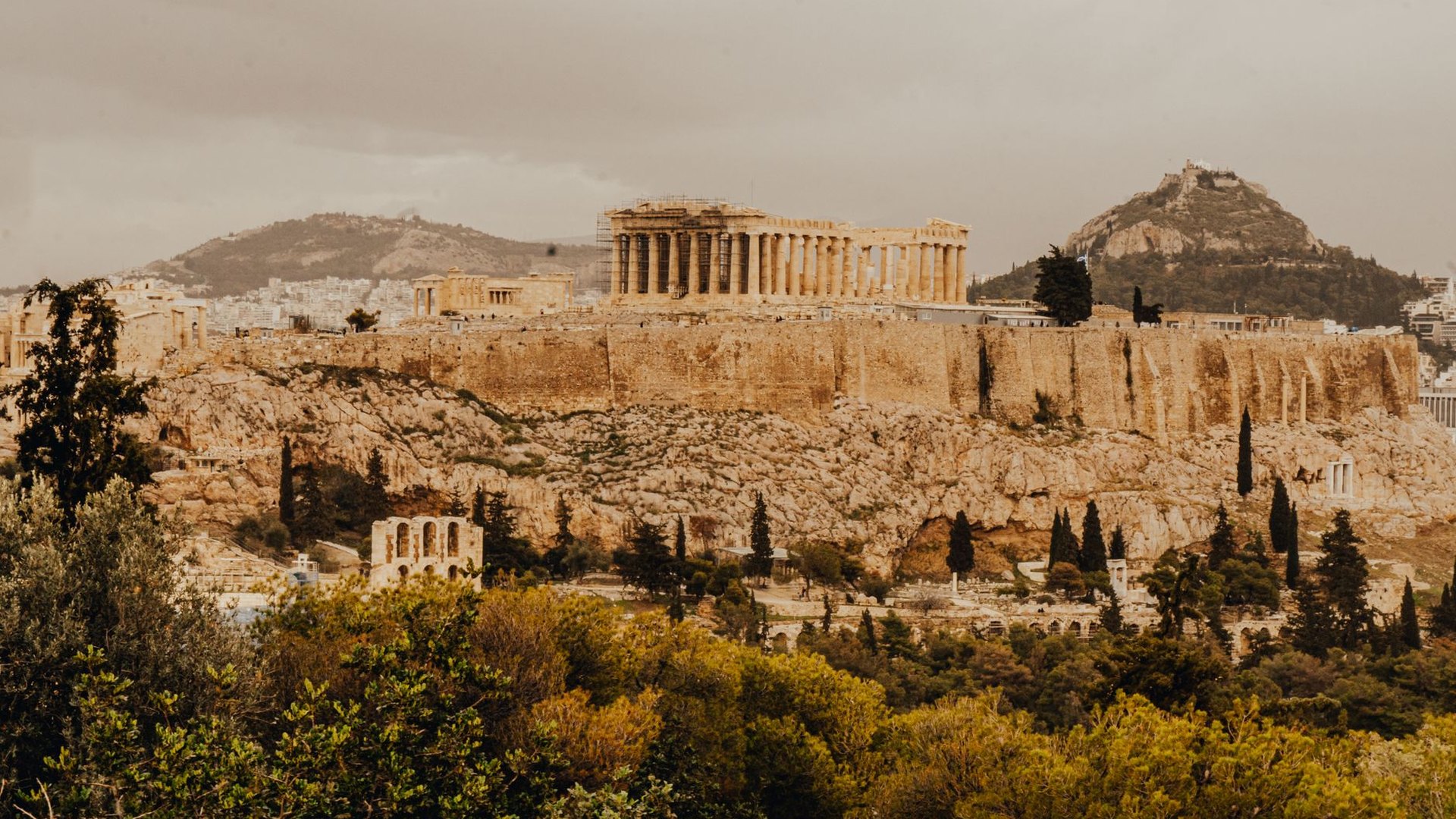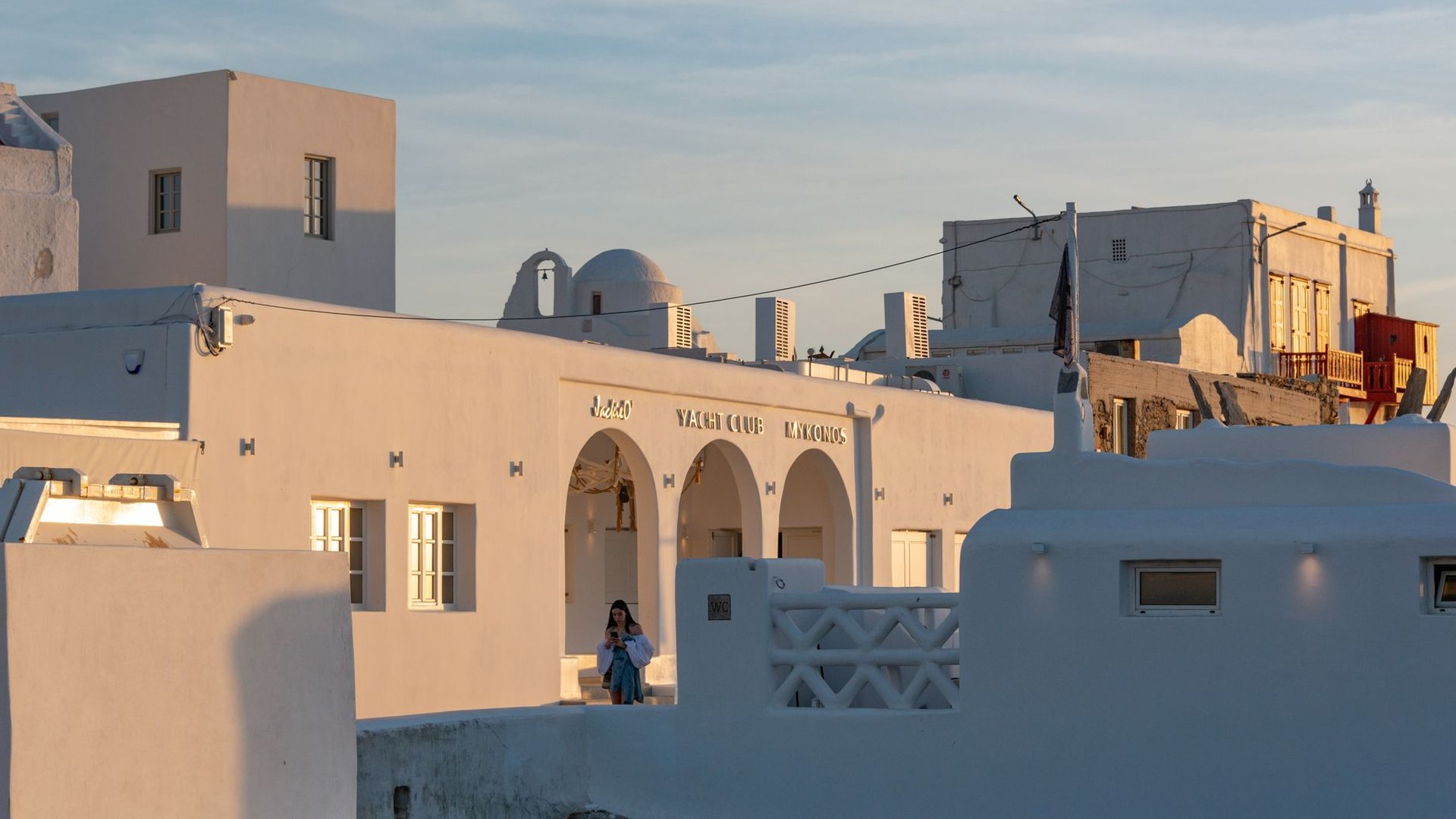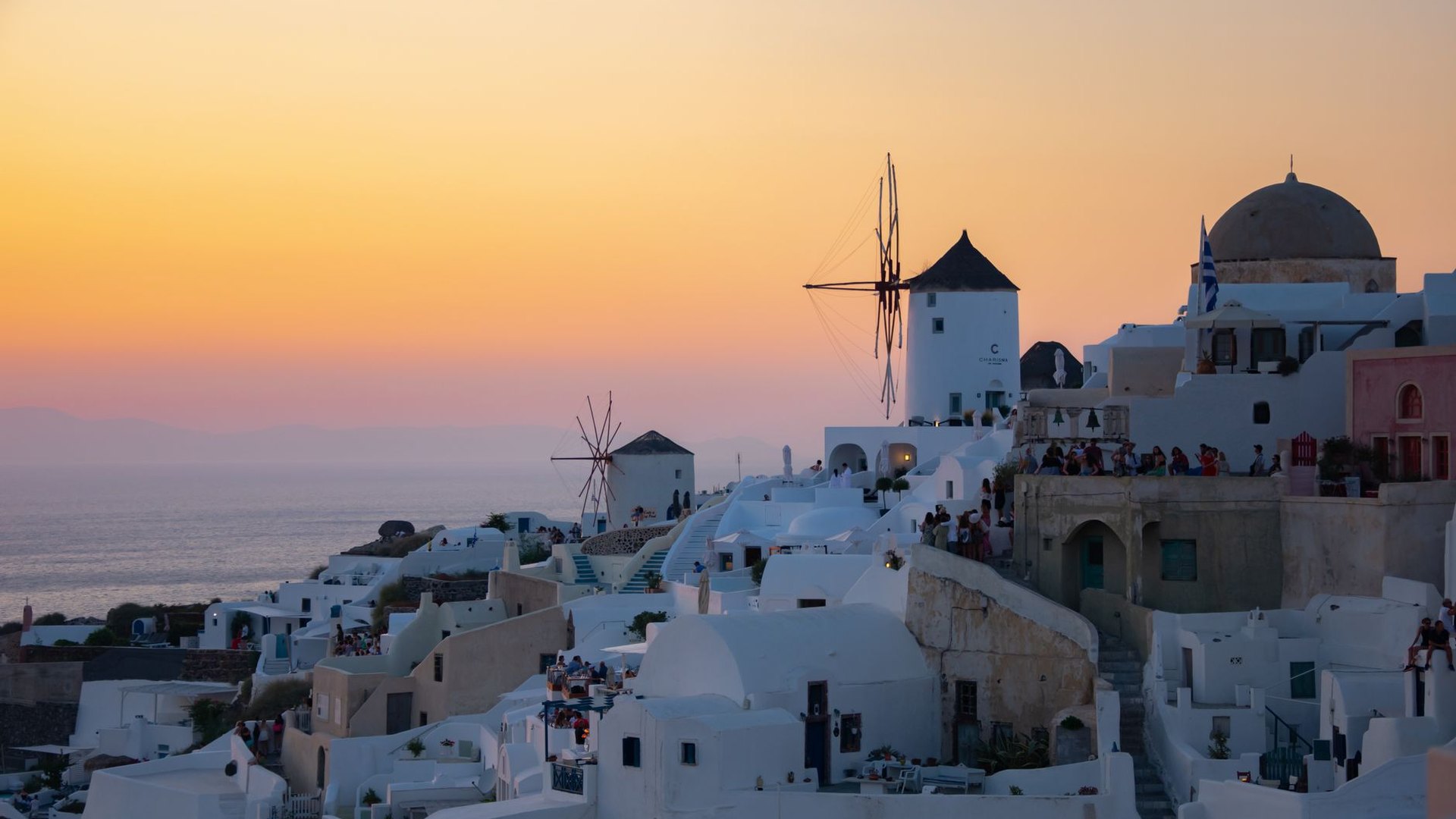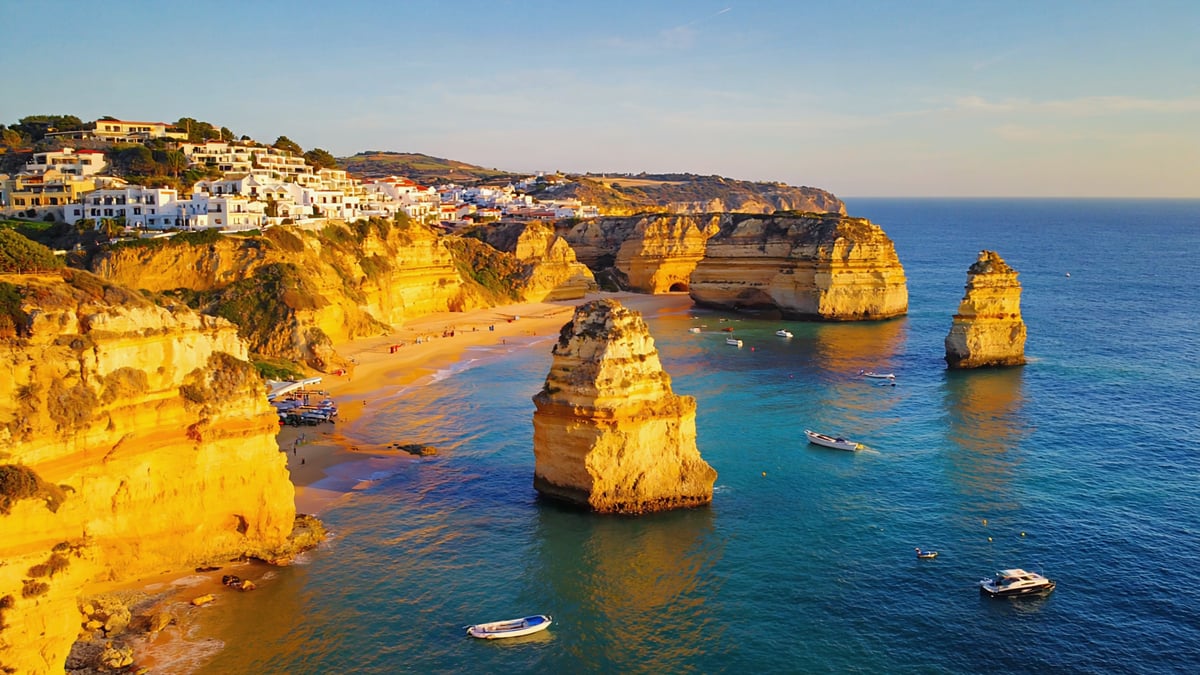
Three islands. Three completely different holidays. And one question that UK travellers type into search engines more than almost any other Greece-related query: which one is actually right for me?
Santorini offers caldera views so dramatic they feel fictional. Mykonos delivers a party atmosphere that rivals Ibiza, wrapped in genuinely beautiful Cycladic architecture. Corfu brings Venetian old towns, lush green hills, and a relaxed pace that suits families and culture lovers in equal measure. All three are technically "Greek islands." All three appear in the brochures of every major travel agency. And yet they could not be more different from one another.
This guide cuts through the glossy photographs and does the actual comparison work. Whether you are a couple hunting for a romantic honeymoon, a family weighing up beach quality and child-friendliness, a solo traveller on a budget, or a retiree who wants culture without chaos, you will find a clear answer here. GlobeHunters has been sending UK travellers to all three islands since 2003, and this breakdown draws on that depth of experience to give you something genuinely useful: not just descriptions, but a framework for making the right choice.
Understanding the Three Islands Before You Choose
Before diving into the head-to-head comparisons, it helps to understand what each island actually is at its core. Geography, history, and local culture shape the holiday experience more than any hotel rating or beach ranking, and all three islands have distinct personalities rooted in their very different pasts.
Santorini: The Volcanic Drama Queen of the Aegean
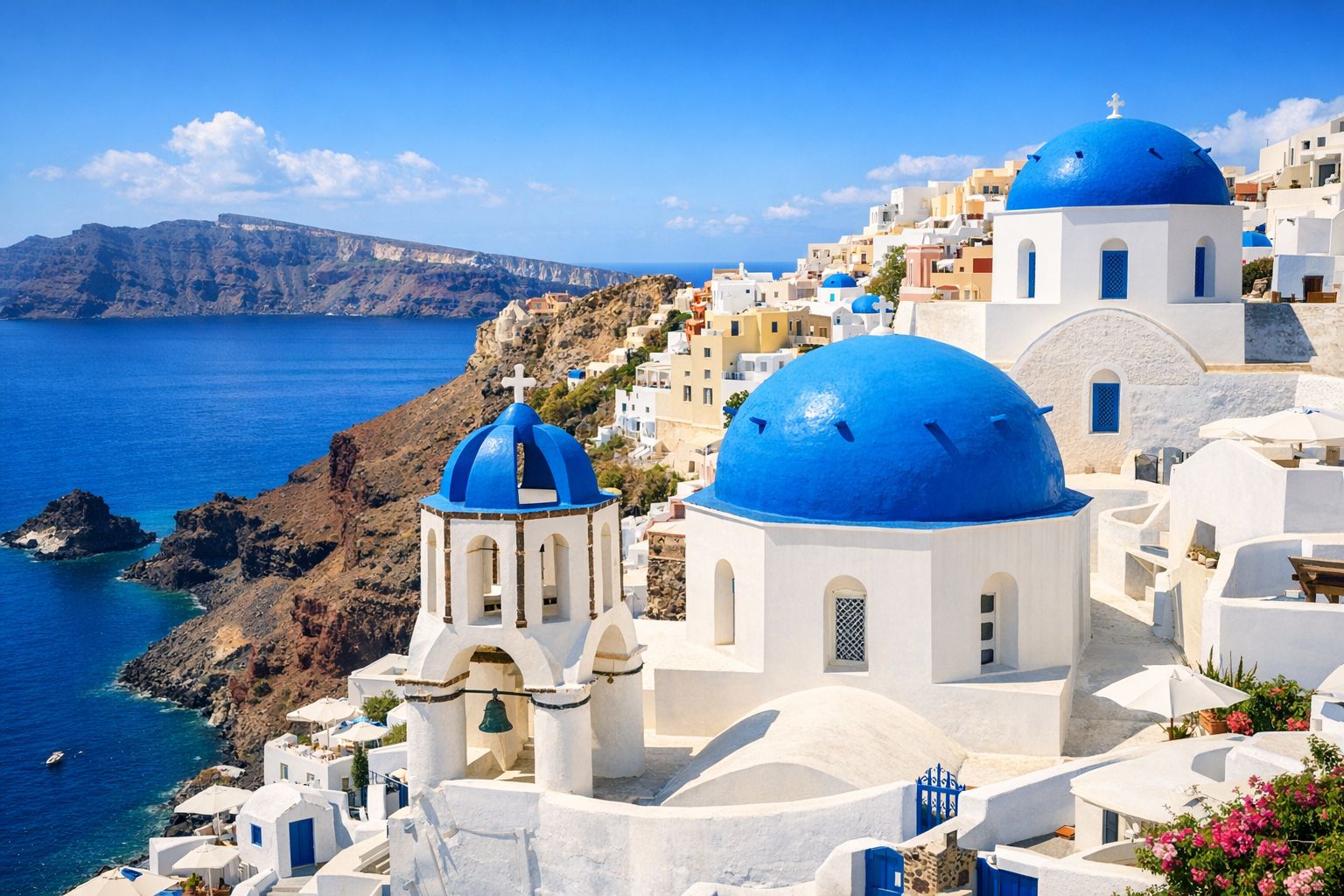
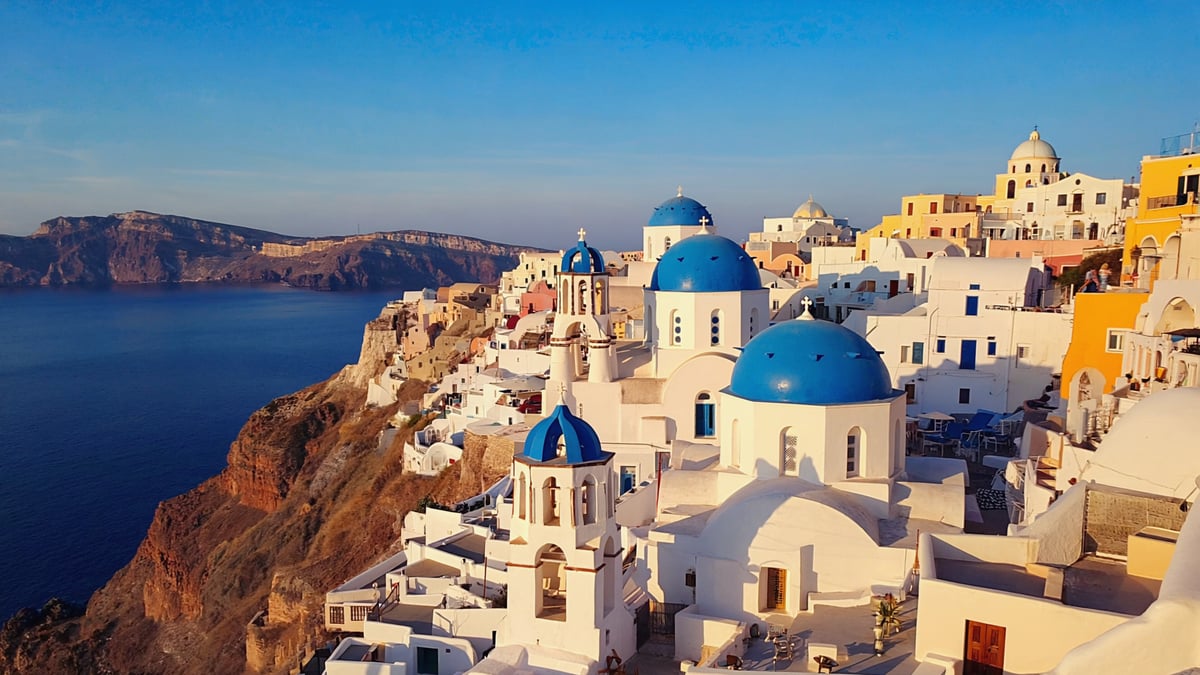
Santorini, officially known as Thira, sits in the southern Cyclades and is unlike any other island in the Mediterranean. It is the remnant of a massive volcanic eruption that occurred roughly 3,600 years ago, and the caldera it left behind is what makes the island visually extraordinary. The famous whitewashed villages of Oia and Fira cling to the rim of that caldera, stacking down cliffsides hundreds of metres above the sea. The sunsets from Oia are legitimately among the most celebrated in the world, and the island's black sand and red sand beaches are a direct result of its volcanic geology.
This is not a beach holiday island in the traditional sense. The beaches are striking but not conventionally pretty, the swimming is best done from the water rather than lounging on comfortable sand, and the terrain requires a lot of walking up and down steep paths. What Santorini delivers instead is atmosphere: a sense of being somewhere genuinely extraordinary, with world-class dining, intimate boutique hotels built into the cliffsides, and a wine culture rooted in volcanic soil that produces some of Greece's most distinctive varieties, including Assyrtiko.
For UK couples, honeymooners, and anyone who wants to feel like they are living inside a travel magazine, Santorini earns every bit of its reputation. It is not cheap, and it is not quiet in peak season, but the experience is genuinely singular.
Mykonos: The Cosmopolitan Party Island with a Beautiful Soul
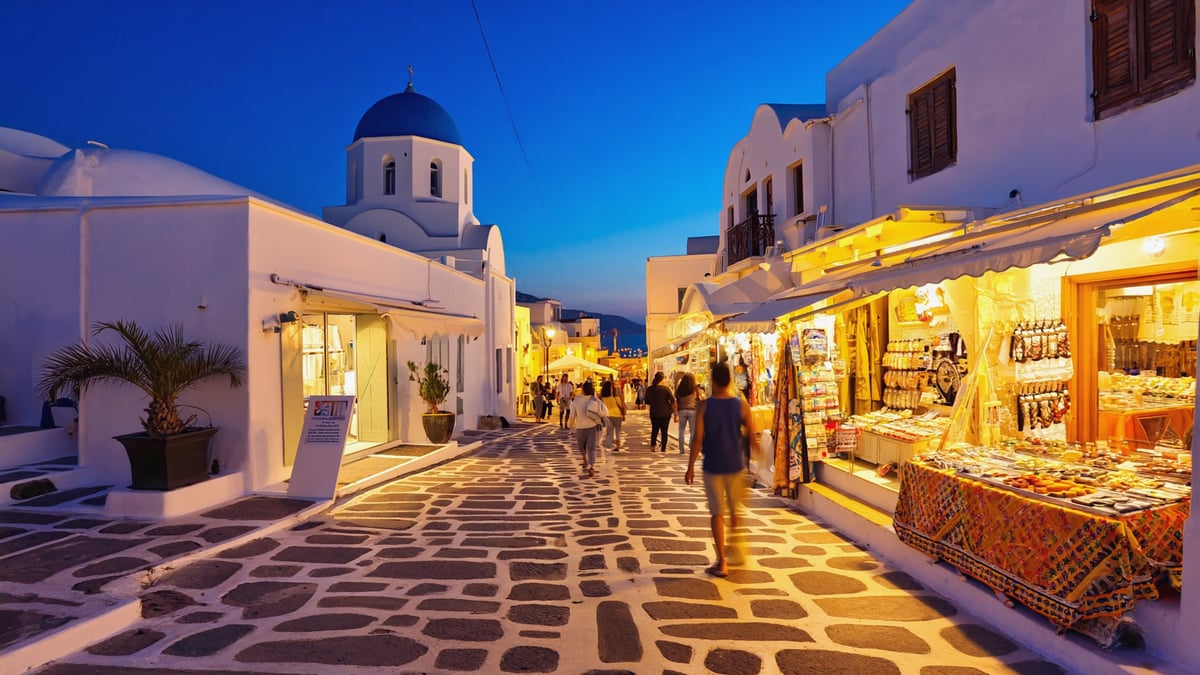
Mykonos sits in the central Cyclades, close to the sacred ancient island of Delos, and has spent the last five decades building a reputation as Greece's most glamorous and hedonistic destination. The island's main town, Mykonos Town (Chora), is a genuine architectural gem: a labyrinth of narrow whitewashed lanes, bright bougainvillea, and the iconic row of windmills overlooking the Aegean. Little Venice, the neighbourhood where buildings appear to rise directly from the sea, is one of the most photographed corners of Greece.
But Mykonos is also famous for something else entirely: its nightlife and beach club culture. Super Paradise Beach, Paradise Beach, and Psarou are synonymous with open-air parties, international DJs, and a crowd that ranges from well-heeled European holidaymakers to celebrities seeking relative privacy. The island attracts a significant LGBTQ+ following and has long been celebrated as one of Europe's most welcoming destinations regardless of identity.
What surprises many first-time visitors is how genuinely beautiful and culturally rich Mykonos is beneath the party reputation. The food scene is sophisticated, the boutique shopping is excellent, and the day trip to Delos offers one of the best-preserved ancient archaeological sites in the entire Aegean. Mykonos rewards visitors who engage with all of it, not just the beach clubs.
Corfu: The Green Island with Venetian Roots
Corfu occupies a category entirely its own among Greek islands. Positioned in the Ionian Sea off the north-western coast of mainland Greece, it receives far more rainfall than the Cycladic islands, which produces a lush, green landscape that feels almost Italian at times. That is not accidental: Corfu spent nearly four centuries under Venetian rule, followed by French and then British administration, and the layered architectural heritage is visible throughout the island.
Corfu Town's old town is a UNESCO World Heritage Site and one of the most beautiful historic urban centres in the Greek islands. The Liston arcade, built during French occupation, resembles the Rue de Rivoli in Paris. The two Venetian fortresses that bookend the old town are genuinely impressive. And the island's coastline offers everything from crowded resort beaches to secluded coves only accessible by boat.
Corfu has a strong family holiday tradition among UK travellers, partly because of the well-developed resort infrastructure around areas like Sidari, Kavos, and Benitses, and partly because the island's gentle pace and green interior make it comfortable for visitors of all ages. It is also more affordable than either Santorini or Mykonos, which makes it an attractive option for families and budget-conscious travellers.
The Head-to-Head Comparison: What Matters Most to UK Travellers
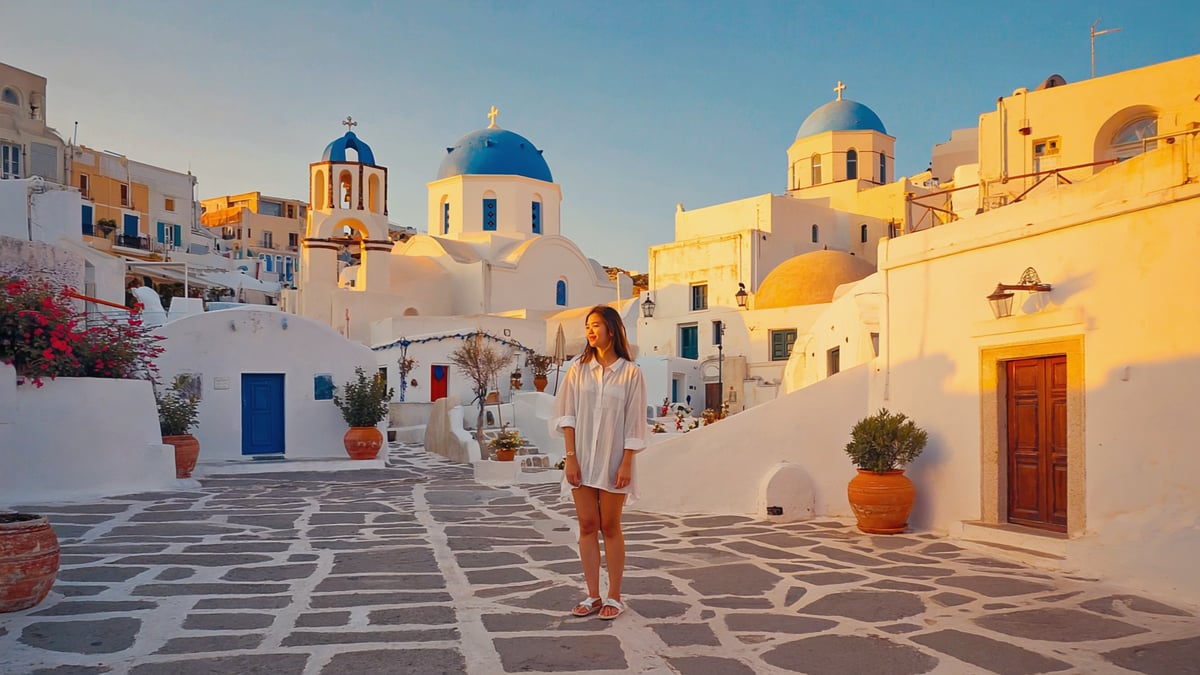
Choosing between these three islands ultimately comes down to a handful of deciding factors. The table below gives you an at-a-glance comparison across the criteria that matter most when booking a package holiday from the UK.
| Factor | Santorini | Mykonos | Corfu |
|---|---|---|---|
| Overall vibe | Romantic, dramatic, upscale | Cosmopolitan, party-forward, stylish | Relaxed, family-friendly, culturally rich |
| Beach quality | ⚠️ Dramatic but volcanic (dark sand) | ✅ Golden sand, clear water | ✅ Varied, pebble, sand, coves |
| Nightlife | ⚠️ Wine bars, upscale dining | ✅ World-class clubs and beach parties | ⚠️ Resort bars, quieter overall |
| Family suitability | ❌ Steep terrain, expensive | ⚠️ Possible but pricey, not ideal | ✅ Excellent, resorts, beaches, activities |
| Honeymoon / romance | ✅ Best in class | ⚠️ Stylish but busy | ⚠️ Romantic pockets, but not the focus |
| Budget (per person/week) | £1,200–£2,500+ | £1,100–£2,200+ | £600–£1,400 |
| Cultural depth | ⚠️ Moderate (wine, volcanic history) | ✅ Delos archaeological site nearby | ✅ UNESCO old town, Venetian history |
| Crowds in peak season | ❌ Very busy (July–August) | ❌ Very busy (July–August) | ⚠️ Busy but more manageable |
| Direct UK flights | ✅ From major UK airports | ✅ From major UK airports | ✅ Excellent UK connections |
Santorini for UK Travellers: When the Hype Is Justified
Santorini is one of those destinations where the photographs actually undersell the reality. The caldera view from Oia at dusk, with the last light catching the white domes and the sea below turning shades of copper and rose, is a genuinely moving experience. That is not travel writing hyperbole; it is simply what the island delivers to almost every visitor who experiences it.
Who Should Choose Santorini
Santorini is the obvious choice for honeymooners and couples celebrating significant milestones. The island has built an entire accommodation category around the romantic experience: infinity-pool villas cantilevered into the caldera rim, cave hotels carved into volcanic rock, and private terraces with uninterrupted sea views. The dining scene matches the ambition of the accommodation, with a number of restaurants offering tasting menus that pair local Assyrtiko wine with seafood and contemporary Greek cuisine.
It also suits travellers who prioritise experience over beach time. If your ideal day involves exploring a village, visiting a winery, taking a boat tour around the caldera to the hot springs near the volcano, and ending with a sunset dinner, Santorini will deliver that itinerary brilliantly. The island is compact enough to explore thoroughly in a week without feeling rushed.
Food and wine enthusiasts will find Santorini particularly rewarding. The island's volcanic soil produces wines that are distinct from anything grown on the Greek mainland or other islands. The Assyrtiko grape thrives here, producing dry whites with high acidity and a mineral quality that reflects the volcanic earth. Several family-run wineries offer tastings with caldera views, and the experience of drinking local wine while looking out over the Aegean is genuinely special.
Where Santorini Falls Short
The island has limitations that are worth knowing before you book. The beaches are not what most UK travellers picture when they think of Greece. Kamari and Perissa, the two main beach towns, have black volcanic sand that absorbs heat and can be uncomfortable to walk on barefoot. The beaches themselves are functional rather than beautiful, and the swimming access at some points is limited by the rocky volcanic shoreline. If your primary holiday goal is long days on a beautiful sandy beach, Santorini may disappoint.
The terrain is also worth considering. Oia and Fira are built on steep caldera cliffs, and exploring them involves a significant amount of stair-climbing. The famous donkey path between Fira and the old port has 587 steps. For travellers with mobility considerations, or families with young children and pushchairs, this creates genuine practical challenges.
Pricing is the other significant factor. Santorini sits at the top of the Greek islands price scale. A meal for two at a caldera-view restaurant will comfortably cost £80–£150 including wine. Boutique hotels with infinity pools start at £300 per night and rise sharply from there. Even mid-range hotels in peak season command prices that make the island a premium choice rather than an accessible one.
Best Time to Visit from the UK
Late spring (late April through May) and early autumn (September through October) offer the best balance of good weather, manageable crowds, and more reasonable pricing. July and August are peak season and bring both the highest prices and the largest crowds: Oia's sunset viewpoint can feel more like a festival crowd than a romantic moment. Visiting in shoulder season lets you experience the island's best qualities without the most significant drawbacks.
GlobeHunters offers Santorini packages combining direct UK flights with caldera-view hotel accommodation. Packages from the UK typically start from around £1,199 per person for seven nights in shoulder season, rising significantly in July and August. Call 020 8944 4700 for current availability and pricing tailored to your dates.
Mykonos for UK Travellers: More Than Just a Party Destination
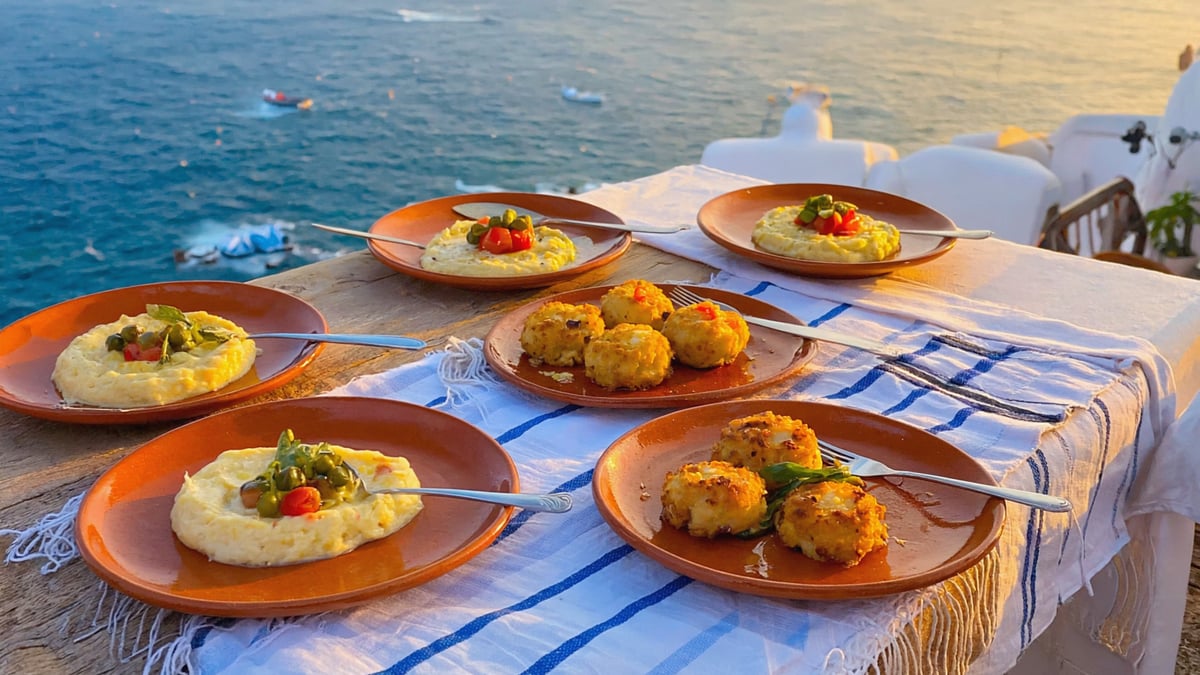
Mykonos has a branding problem in the best possible way: its reputation as Europe's premier party island is so strong that it consistently undersells what the island actually offers. Yes, the beach clubs are real and the nightlife is genuinely world-class. But the traveller who dismisses Mykonos as purely hedonistic is missing one of the most architecturally beautiful and culturally layered islands in the Aegean.
Who Should Choose Mykonos
Mykonos works exceptionally well for groups of friends in their twenties and thirties, couples who want a blend of stylish beaches and sophisticated dining, solo travellers looking for a social atmosphere, and LGBTQ+ travellers who will find the island consistently welcoming and well-equipped. The island also suits visitors who want to combine genuine cultural exploration with beach and nightlife, because the day trip to Delos is one of the best archaeological experiences available in the entire Greek islands.
The beaches at Mykonos genuinely are beautiful in a way that Santorini's volcanic beaches cannot match. Ornos, Agios Ioannis, and Platis Gialos offer clear turquoise water and golden sand that looks exactly like a Greek island postcard. Super Paradise and Paradise beaches operate more as beach club venues, with sun loungers, music, and food service, but the quality of the sea is excellent at both.
Mykonos Town itself deserves more attention than it typically gets in travel coverage dominated by beach club photographs. The town is genuinely beautiful to wander: the narrow lanes were deliberately designed as a labyrinth to confuse Aegean pirates, and that architectural chaos creates a browsing experience that rewards slow exploration. The windmills overlooking the town are among the most iconic images in Greek island photography, and Little Venice at sunset (with a cocktail in hand at one of the waterfront bars) is an experience that rivals anything Santorini offers.
Where Mykonos Falls Short
Mykonos is expensive, sometimes aggressively so. Sun loungers at the premium beach clubs cost £30–£60 per pair, cocktails at waterfront bars run £15–£20, and restaurant dining in peak season is priced at a level that matches the island's cosmopolitan ambitions. Travellers expecting the affordable Greek holiday of a generation ago will be surprised by how closely Mykonos prices align with destinations like Barcelona or the French Riviera.
The island is also not well-suited to families with young children. The beach club culture, the late-night noise in town, and the general orientation towards adult socialising make it a challenging environment for families. There are quieter areas and family-friendly beaches, but the island's DNA is not built around child-friendly tourism in the way that Corfu's is.
Transport on the island can also be frustrating during peak season. The road network is limited, taxis are scarce and expensive, and the bus system (while functional) struggles to cope with July and August visitor numbers. Hiring an ATV or scooter is the most practical solution for exploring independently, but this is not suitable for all travellers.
The Delos Day Trip: Why It Makes Mykonos More Interesting
One of the most compelling arguments for choosing Mykonos over either of the alternatives is the proximity to Delos. The tiny uninhabited island sits about fifteen minutes by ferry from Mykonos Town and contains one of the most significant archaeological sites in the entire Mediterranean. In antiquity, Delos was considered the birthplace of Apollo and Artemis and served as a major religious and commercial hub across the ancient Greek world. The site today contains remarkably well-preserved mosaics, marble lion statues, ancient warehouses, and an amphitheatre that communicates the scale of what was once a thriving ancient city.
The day trip to Delos is a genuinely transformative experience that lifts a Mykonos holiday from pure leisure into something more substantial. It is also, unusually for a major archaeological site, not particularly overcrowded, because visitor numbers are managed by the ferry schedule from Mykonos.
GlobeHunters packages to Mykonos include direct UK flights and a range of accommodation from boutique guesthouses in Mykonos Town to larger hotels near the beaches. Packages typically start from around £1,099 per person for seven nights in shoulder season. Contact GlobeHunters on 020 8944 4700 to discuss which area of the island suits your travel style.
Corfu for UK Travellers: The Green Island That Punches Above Its Weight
Corfu occupies a special place in the affections of British travellers. The island has been a popular UK holiday destination for decades, partly because of the well-developed package holiday infrastructure and partly because the island's character genuinely suits British holiday preferences: good beaches, interesting culture, excellent food, and enough resort life to feel comfortable without being overwhelming. Gerald Durrell's famous memoir My Family and Other Animals, set on Corfu, introduced generations of British readers to the island's particular charm, and it remains an influence on how many UK visitors approach the destination.
Who Should Choose Corfu
Families are the most natural fit for Corfu. The island has an extensive network of family-friendly resorts, particularly along the north coast and in areas like Sidari, Kassiopi, and Paleokastritsa. The beaches are varied enough to suit different preferences: Glyfada is a long sandy stretch popular with families, Paleokastritsa offers dramatic coves with crystal-clear water, and the north coast has a string of accessible beaches with calm conditions suitable for children.
Corfu is also an excellent choice for culturally curious travellers who want more than beach time. Corfu Town (Kerkyra) is genuinely beautiful and rewards at least two days of exploration. The Venetian architecture, the Byzantine Museum, the Palace of St Michael and St George (which houses a significant collection of Asian art), and the two historic fortresses all offer substantial cultural content. The island's Greek Orthodox churches are numerous and often architecturally striking, and the weekly traditional music culture in Corfu Town reflects the island's unusual history as a place where Venetian, French, and British influences layered over Greek foundations.
For retirees and travellers who prefer a more relaxed pace, Corfu offers the ideal combination of genuine interest and comfortable infrastructure. The island has good road connections, a reliable bus service, and a range of accommodation from simple apartments to genuinely luxurious boutique hotels in restored Venetian buildings. The northern village of Kassiopi, for example, combines a beautiful small harbour, good tavernas, and access to quiet beaches within a setting that feels authentically Greek rather than resort-manufactured.
The Food and Wine Culture of Corfu
Corfu's cuisine reflects its layered history in ways that distinguish it meaningfully from other Greek islands. The Venetian influence is visible in dishes like sofrito (veal cooked in white wine, garlic, and herbs) and pastitsada (pasta with a rich tomato and spice sauce, often served with cockerel), which bear almost no resemblance to the standard taverna fare available across most of Greece. The island produces its own olive oil, which is considered among the finest in Greece, and the kumquat liqueur unique to Corfu (produced from the small citrus fruits grown along the north coast) is a local speciality that makes for an unusual and genuine souvenir.
Dining in Corfu is also significantly more affordable than either Santorini or Mykonos. A meal for two at a good taverna, including wine and a dessert, will typically cost £35–£60, compared to £80–£150 on the Cycladic islands. This price difference across a week's holiday adds up to a meaningful saving that can be reinvested in activities, excursions, or simply a higher standard of accommodation.
Where Corfu Falls Short
Corfu's main limitation is that it lacks the visual drama of Santorini and the cosmopolitan glamour of Mykonos. Travellers who want Instagram-ready architecture and a sense of being at the apex of Mediterranean cool will find Corfu pleasant but not thrilling in those specific respects. Some of the more developed resort areas, particularly around Kavos in the south (which caters primarily to a younger, party-oriented crowd) and the more commercialised strips around Sidari, can feel generic in a way that the other two islands largely avoid.
The island is also greener and more humid than the Cyclades, which means that weather can be more variable, particularly in spring and autumn. While this is part of what makes the landscape so lush and beautiful, travellers who prioritise guaranteed sunshine may prefer the more reliably arid climate of Santorini or Mykonos.
GlobeHunters offers some of its most competitive Greece packages for Corfu, with family-friendly options starting from around £699 per person for seven nights including flights. This represents genuinely strong value compared to equivalent Cycladic packages. Call 020 8944 4700 or visit the GlobeHunters website to explore current Corfu deals.
The Decision Framework: Matching the Island to Your Holiday Style
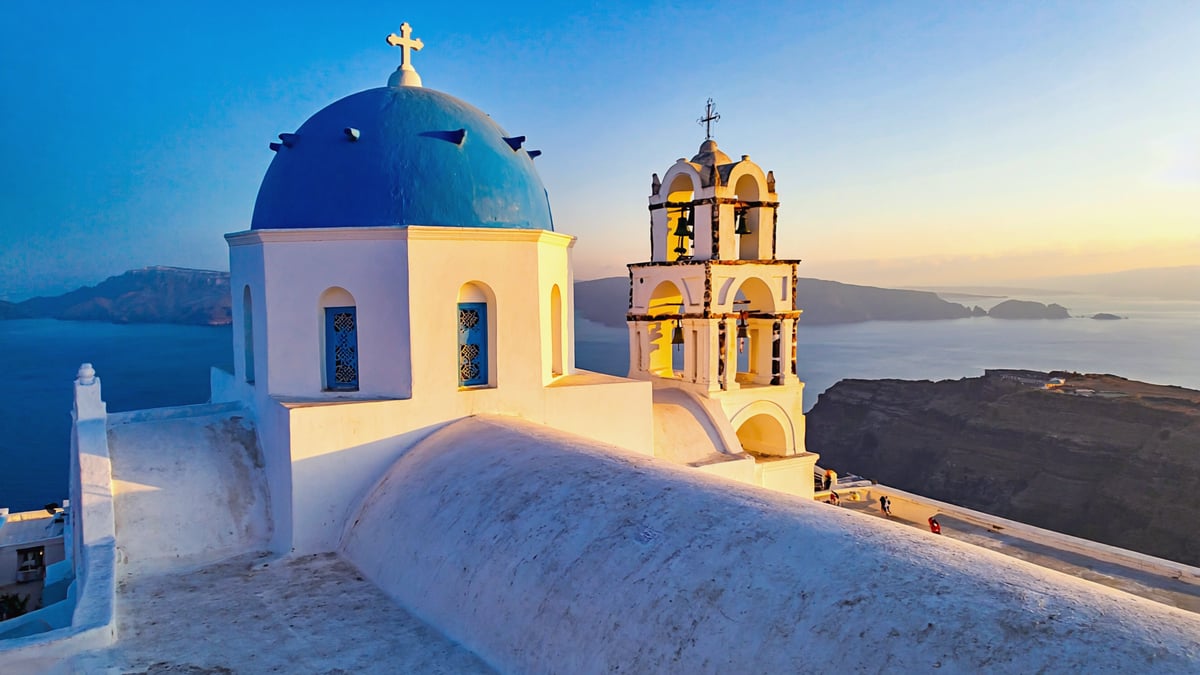
With three strong destinations on the table, the decision ultimately comes down to a clear-eyed assessment of what you actually want from a week away. The following framework helps narrow down the choice based on the factors that genuinely differentiate the three islands.
If Your Priority Is Romance and Visual Drama
Santorini wins without serious competition. No other island in the Mediterranean offers the combination of caldera architecture, volcanic landscape, exceptional dining, and intimate boutique accommodation that Santorini delivers. For a honeymoon, a significant anniversary, or simply a trip designed around the aspiration of beauty and intimacy, Santorini justifies the premium price point.
The key to getting the most from Santorini is timing and accommodation choice. Staying in Oia or Imerovigli (rather than the more central and congested Fira) puts you in the best position for both the caldera views and a degree of relative quiet. Booking for late September or early October means you will experience the island in warm but not stifling temperatures, with noticeably fewer crowds than high summer.
If Your Priority Is Nightlife, Social Energy, and Beautiful Beaches
Mykonos is the clear choice. The island's beach club culture, the quality of its restaurants and bars, and the social atmosphere of Mykonos Town create a holiday energy that is genuinely different from anything else in the Greek islands. This is the destination for travellers who want to feel at the centre of something, to be part of a cosmopolitan scene, and to combine genuinely beautiful beaches with a nightlife calendar that runs from afternoon into the early hours.
Travellers who want Mykonos at its best without paying peak season prices should look at June (before the main season fully ignites) or September. The weather remains excellent, the beaches are quieter, and the accommodation pricing is significantly more reasonable than in July and August.
If Your Priority Is Family Value, Cultural Depth, and Genuine Affordability
Corfu is the answer. The island delivers more cultural content per pound spent than either Santorini or Mykonos, offers a wider range of beach types and experiences, and maintains a family-friendly infrastructure that makes it practical and comfortable for travellers of all ages. The UNESCO-listed old town alone justifies a visit, and the island's distinctive cuisine, lush interior, and affordable restaurant scene make it genuinely excellent value.
Corfu also has a longer viable season than the Cycladic islands. The island is attractive from April through November, with the shoulder months of May, June, September, and October offering particularly good conditions for exploring the interior and enjoying the beaches without peak season crowds.
The Solo Traveller's Calculation
Solo travellers face a slightly different decision matrix. Mykonos is the most social of the three destinations, with a culture of meeting people at beach clubs, in bars, and on organised excursions that makes it easy to connect with other travellers. The island's established LGBTQ+ scene also makes it particularly welcoming for solo LGBTQ+ visitors.
Santorini is more challenging for solo travellers: the romantic atmosphere can feel isolating when travelling alone, and the premium pricing hits harder without a travel companion to share costs. Corfu is a comfortable middle ground, with enough social activity in the resort areas and enough independent exploration opportunities (including boat trips, cycling in the interior, and cultural visits to the old town) to suit most solo travellers.
Practical Booking Considerations for UK Travellers
All three islands are well-served by direct flights from major UK airports, which simplifies the booking process considerably. Heathrow, Gatwick, Manchester, Birmingham, Edinburgh, and Bristol all operate direct routes to at least one of the three islands, with Corfu typically having the broadest range of UK departure points given its long history as a package holiday destination.
Flight Times and Airport Information
From London airports, the flight time to all three destinations is approximately three to three and a half hours. Santorini is served by Santorini International Airport (Thira), which sits on a plateau in the centre of the island and handles a significant volume of seasonal traffic. Mykonos Airport is similarly compact and seasonal. Corfu International Airport (Ioannis Kapodistrias) sits on a narrow strip of land between the lagoon and the sea and offers an unusually dramatic landing approach that is itself a memorable start to the holiday.
For UK travellers booking package holidays, the combination of flights and accommodation through a single operator like GlobeHunters offers the protection of ATOL coverage, which provides financial protection if the travel company ceases trading. This is a meaningful advantage over booking flights and hotels separately, particularly when travelling to popular destinations where accommodation prices can spike unpredictably.
When to Book for the Best Package Holiday Prices
The Greek islands operate on a predictable seasonal pricing curve. Booking early (typically from October through January for the following summer) secures the best availability and often the best prices, particularly for Santorini and Mykonos where popular boutique hotels sell out months in advance. Last-minute deals for Corfu are more commonly available given the larger volume of accommodation, but for specific property preferences, early booking remains advisable.
The shoulder seasons of May and September to early October offer the best combination of value and experience across all three islands. Prices for package holidays drop meaningfully compared to July and August, the weather remains excellent (typically 24–28°C), and the crowds thin to a more comfortable level.
GlobeHunters Package Holiday Options
GlobeHunters offers curated packages to all three islands, combining direct UK flights with hand-picked accommodation and optional Viator-powered activity add-ons including sailing excursions, wine tours, and guided archaeological visits. The real-time pricing platform means that the packages reflect current market availability rather than fixed brochure prices, which can work in the traveller's favour when availability opens up closer to departure.
Current indicative package pricing from GlobeHunters:
| Destination | Duration | Starting Price (per person) | Best For |
|---|---|---|---|
| Santorini | 7 nights | From £1,199pp | Couples, honeymooners, milestone trips |
| Mykonos | 7 nights | From £1,099pp | Groups, couples, solo travellers |
| Corfu | 7 nights | From £699pp | Families, couples, retirees, budget-conscious travellers |
| Santorini | 10 nights | From £1,599pp | Honeymooners, luxury seekers |
| Corfu | 10 nights | From £949pp | Families wanting extended value |
Prices are indicative and subject to availability. Contact GlobeHunters on 020 8944 4700 for a personalised quote based on your travel dates, departure airport, and accommodation preferences.
Island Hopping: Can You Combine Two or More?
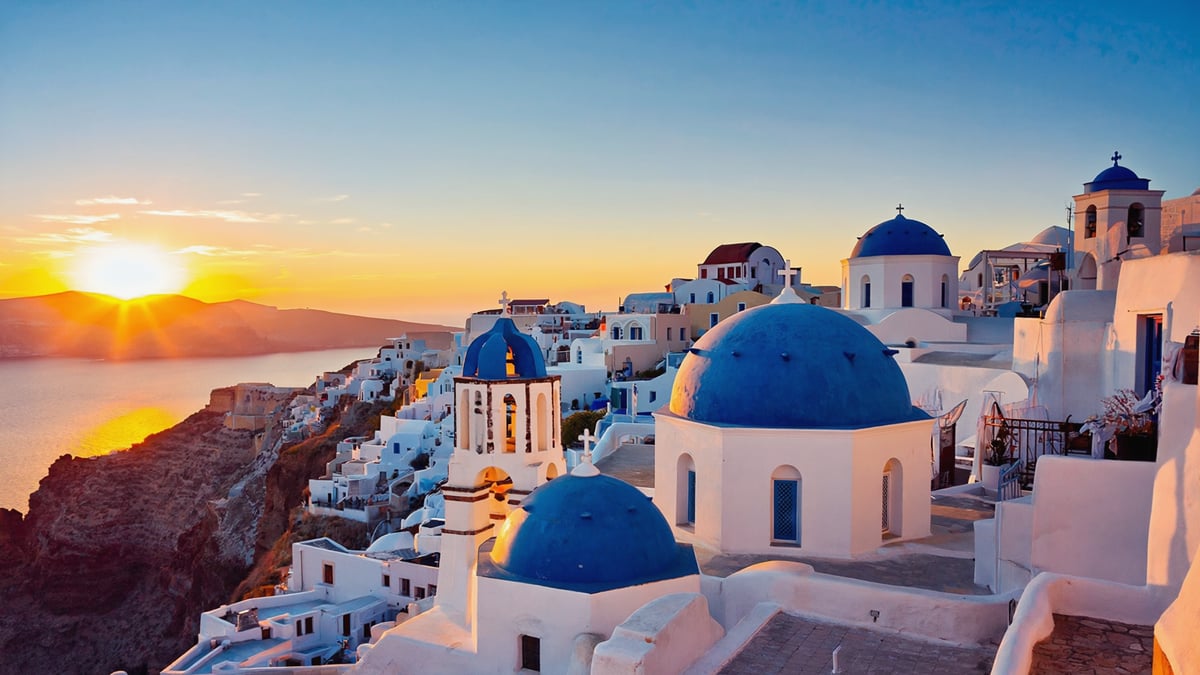
For UK travellers with ten days or more, combining two of these islands into a single trip is genuinely worth considering. The most popular combination among experienced Greek island visitors is Mykonos followed by Santorini (or vice versa), connected by the high-speed ferry service that runs between the two islands. The crossing takes approximately two hours by fast ferry and is bookable in advance through Greek ferry operators.
A typical island-hopping itinerary might involve flying into Mykonos, spending four or five days exploring the island and taking the Delos day trip, then catching the ferry south to Santorini for the remaining days of the trip, before flying home from Santorini's airport. This structure lets you experience the Cycladic islands in two of their most distinct expressions without the logistical complexity of multi-island hopping across the wider archipelago.
Combining Corfu with either of the Cycladic islands is logistically more complex, since Corfu sits in the Ionian Sea rather than the Aegean, and there is no direct ferry connection. Travellers wishing to visit both Corfu and one of the Cycladic islands in a single trip would need to route through Athens, which adds travel time but also opens up the possibility of a day or two in the Greek capital as part of the itinerary.
GlobeHunters can arrange multi-island packages for travellers who want to combine destinations. This is worth discussing directly with the team, as the logistics of flights, ferries, and accommodation sequencing benefit from professional coordination.
YouTube Destination Showcase
Deciding between islands is much easier once you have seen them in motion rather than in static photographs. The video below provides a genuine visual introduction to the Greek islands that these descriptions can only approximate:
Frequently Asked Questions: Greek Islands for UK Travellers
Which Greek island is best for a first-time visitor from the UK?
For most first-time visitors, Corfu offers the most well-rounded introduction to Greek island holidays. The combination of excellent UK flight connections, family-friendly infrastructure, genuine cultural depth in the old town, varied beaches, and competitive package pricing makes it the most accessible starting point. Travellers who have already visited Corfu and want to step up the ambition of their Greek island experience should consider Santorini or Mykonos as their next destination.
Is Santorini worth the extra cost compared to Corfu or Mykonos?
That depends entirely on what you value. For couples and honeymooners who prioritise visual drama, intimate boutique accommodation, and exceptional dining, Santorini's premium is justified by an experience that is genuinely unlike anywhere else in Europe. For travellers who primarily want beach time, cultural exploration, and good value, the extra cost is harder to justify, and Corfu in particular delivers a better return on investment.
Is Mykonos suitable for families with young children?
Mykonos is generally not the ideal choice for families with young children. The island's orientation towards adult entertainment, the late-night noise in the resort areas, and the premium pricing make it better suited to couples, friend groups, and solo travellers. Families would be better served by Corfu or, for a Cycladic experience with better family amenities, by considering Naxos or Paros as alternatives.
What is the cheapest Greek island for a package holiday from the UK?
Among the three islands compared here, Corfu consistently offers the most competitive package holiday pricing for UK travellers. GlobeHunters' Corfu packages start from around £699 per person for seven nights including flights, which represents strong value for a Mediterranean island holiday. More broadly, some of the smaller and less internationally prominent Greek islands (such as Zakynthos, Kefalonia, or Kos) can also offer competitive pricing, and GlobeHunters covers several of these destinations.
Can I do a Greek island holiday in May or October from the UK?
Yes, and for many travellers these months represent the best time to visit. May offers warm temperatures (typically 20–25°C), fewer crowds, lower prices, and the landscape at its most lush and colourful. October maintains warm sea temperatures (the Aegean retains heat well into autumn) and comfortable daytime temperatures for exploring. Both months offer good direct flight availability from major UK airports, and package holiday prices are noticeably lower than peak summer.
How long does the flight from the UK to these Greek islands take?
Direct flights from London airports take approximately three to three and a half hours to all three islands. From northern UK airports such as Manchester or Edinburgh, add roughly thirty to forty-five minutes to those estimates. All three islands are served by direct seasonal routes from multiple UK airports, making them among the most accessible Mediterranean island destinations for UK travellers.
Are the Greek islands safe for solo female travellers?
Greece consistently ranks as one of the safer European destinations for solo female travellers. All three islands have well-developed tourist infrastructure, English is widely spoken in tourist areas, and violent crime rates are low. As with any destination, normal precautions apply in high-season party areas (particularly the southern resort strip of Kavos in Corfu and the beach clubs of Mykonos), but the overall safety environment is positive. Many solo female travellers choose Santorini specifically for its romantic atmosphere and relatively contained geography.
Do I need travel insurance for a Greek island package holiday?
Travel insurance is strongly recommended for any holiday abroad, including Greek island trips. As a member of the EU, Greece has a reciprocal healthcare arrangement with the UK through the Global Health Insurance Card (GHIC), which covers necessary medical treatment at state facilities on the same terms as Greek citizens. However, the GHIC does not cover repatriation, private medical treatment, or the cost of cancellations and disruptions, all of which make comprehensive travel insurance essential rather than optional.
What is the currency in Greece and how much cash should I carry?
Greece uses the euro (€). Card payment is widely accepted across all three islands in hotels, restaurants, and most shops, but smaller tavernas, market stalls, and local buses often prefer cash. Carrying €50–€100 in cash for day-to-day small transactions is sensible, with ATMs readily available in all main towns and resort areas. Notify your UK bank before travelling to avoid cards being blocked for overseas transactions.
Which island has the best food and restaurant scene?
All three islands have strong food cultures, but in different ways. Santorini leads on fine dining, with a concentration of high-end restaurants and a distinctive local wine culture. Mykonos offers the most sophisticated urban dining scene, with a wide range of international cuisines alongside excellent Greek food. Corfu stands out for its historically distinctive local cuisine, with Venetian-influenced dishes that are genuinely different from standard Greek taverna fare, at prices that are considerably more accessible.
Is there good snorkelling and water sports on all three islands?
Water sports availability varies. Corfu and Mykonos both offer excellent snorkelling in clear Ionian and Aegean waters respectively, along with the full range of watersports (jet skiing, paddleboarding, parasailing, windsurfing) at the main beach resorts. Santorini's volcanic geography means the snorkelling is less conventional, the most interesting underwater experience is around the volcanic hot springs near Nea Kameni, but boat tours of the caldera include swimming stops at genuinely beautiful locations.
Can GlobeHunters arrange transfers from the airport to the hotel?
Yes. GlobeHunters packages include accommodation and flights, and transfers from the airport to the hotel can be arranged as part of the booking. This is particularly worth considering in Santorini, where the road journey from the airport to hotels in Oia or Imerovigli can take thirty to forty-five minutes and taxi availability at peak arrival times can be limited. Having a pre-arranged transfer removes one of the more stressful elements of arriving on a busy island. Contact the GlobeHunters team on 020 8944 4700 to discuss transfer options for your specific package.
Key Takeaways
- Santorini is the best choice for honeymooners, couples celebrating milestones, and travellers who prioritise visual drama, exceptional dining, and boutique accommodation. Budget from £1,199 per person for seven nights via GlobeHunters.
- Mykonos suits groups of friends, couples who want glamorous beaches alongside nightlife, solo travellers seeking a social atmosphere, and LGBTQ+ visitors. Budget from £1,099 per person for seven nights via GlobeHunters. The Delos day trip adds genuine cultural depth to the experience.
- Corfu is the strongest all-round choice for families, retirees, culturally curious travellers, and anyone seeking genuine value from a Greek island holiday. The UNESCO-listed old town, distinctive Venetian-influenced cuisine, and competitive pricing (from £699 per person for seven nights) make it the island that most consistently exceeds expectations.
- Shoulder season (May, and September to early October) offers the best combination of weather, manageable crowds, and competitive pricing across all three islands.
- Island hopping between Mykonos and Santorini is logistically straightforward via high-speed ferry and suits travellers with ten days or more.
- ATOL-protected package holidays through GlobeHunters provide financial protection and the convenience of a single booking for flights, accommodation, and transfers. Call 020 8944 4700 to discuss which island suits your specific travel style and dates.
Not sure which island is right for you? The GlobeHunters team has been matching UK travellers to their ideal Greek island since 2003. Call 020 8944 4700 for a no-obligation conversation, or browse current Greece package deals online. The right island is out there, and it is probably easier to reach from your local UK airport than you think.
About the author
Spiros Maragkoudakis · Chief Commercial Officer
Ready to Book Your Santorini Holiday?
Our travel experts are ready to help you plan the perfect trip. Call us today or browse our latest deals.
Ready to Start Planning?
Speak to our travel experts for personalised advice and the best deals on your next holiday.
Call 020 8944 4700