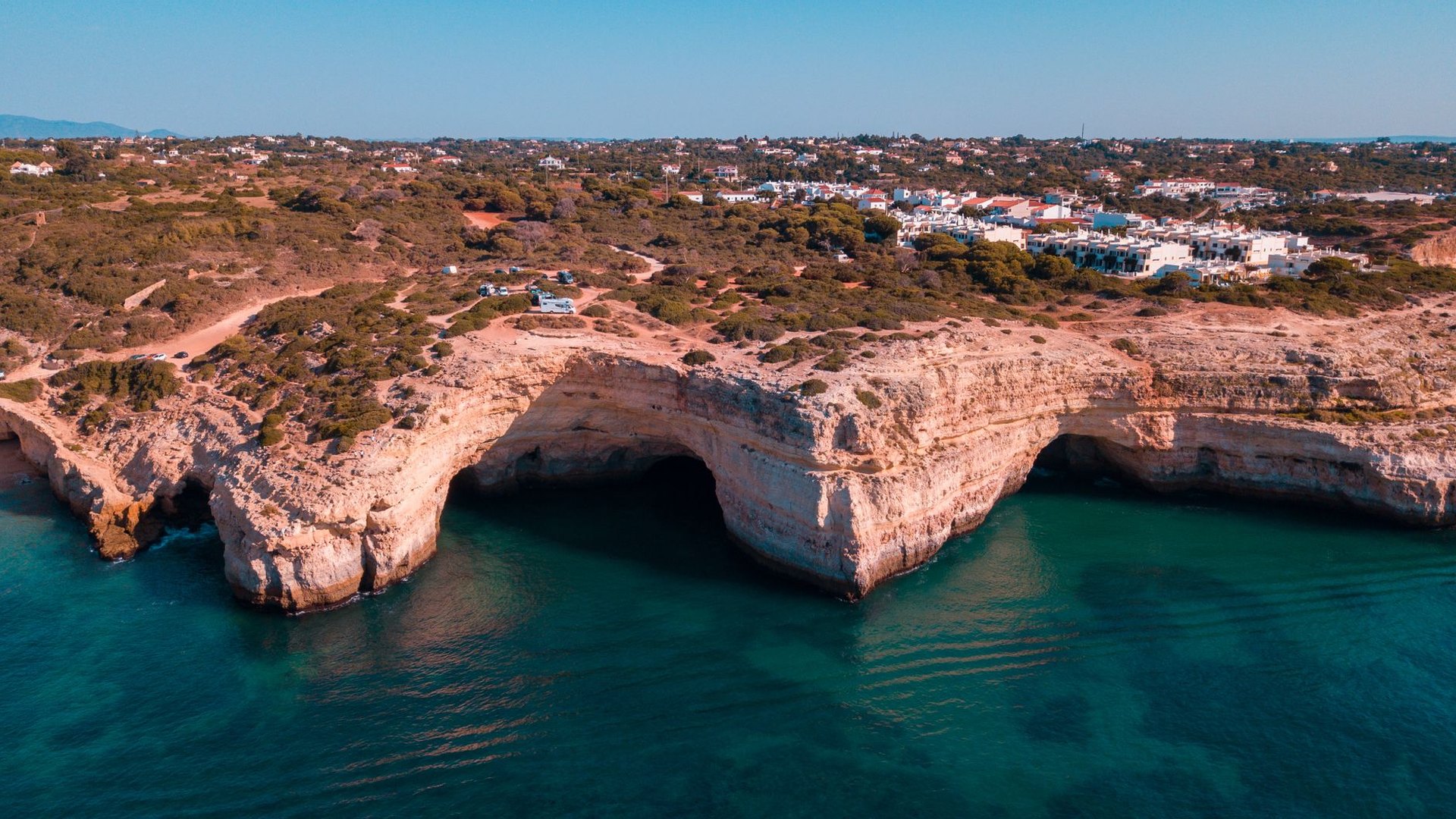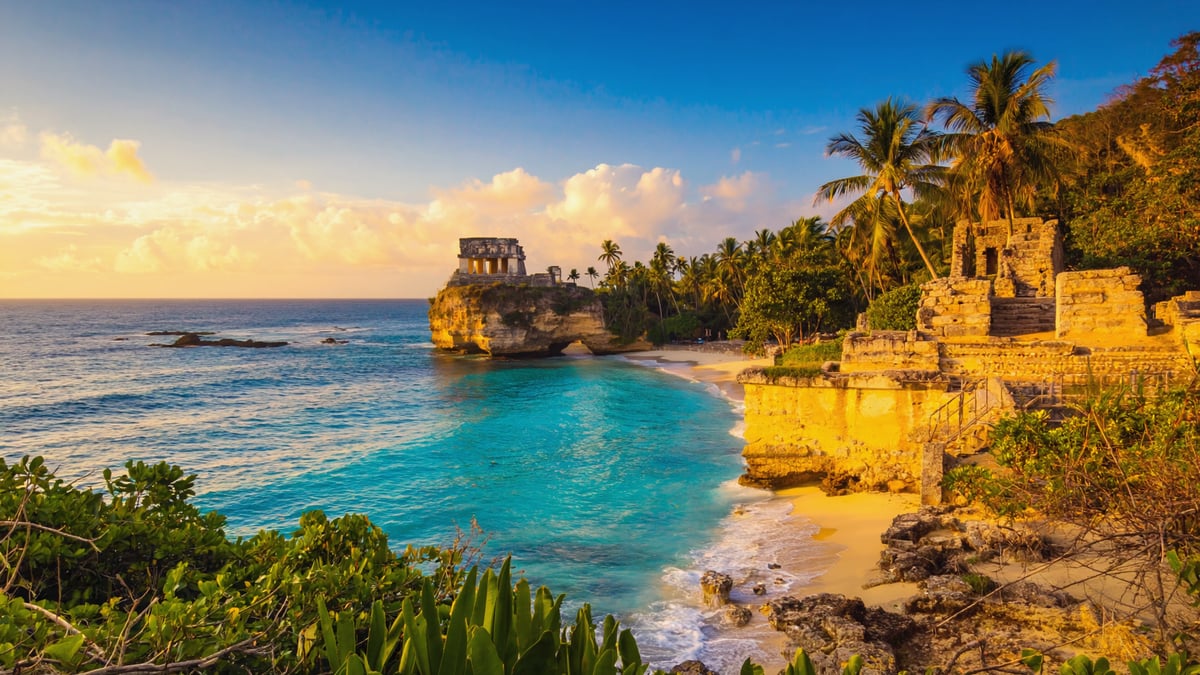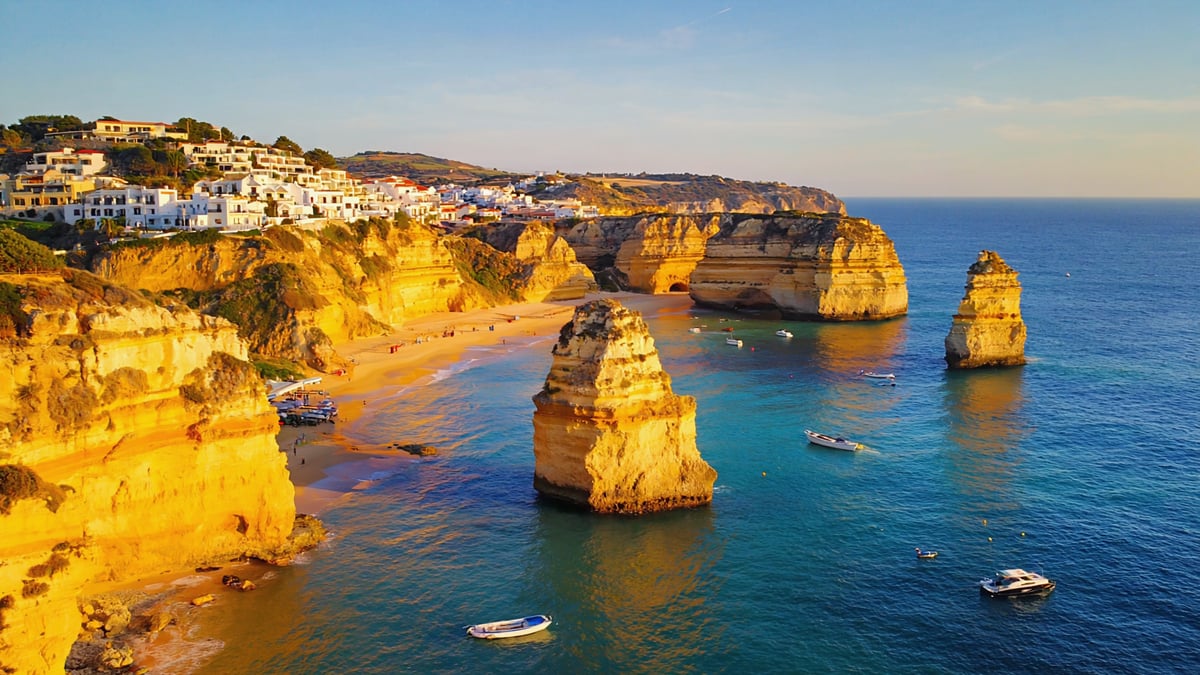
Most people discover the Algarve by accident. They book it because it's close, warm, and affordable, then they come home completely converted, already planning the return trip. Portugal's southern coastline has a way of doing that. The limestone cliffs at Ponta da Piedade look like something a film director invented. The seafood is absurdly fresh. The golf courses are relentlessly well-maintained. And the locals, unlike many Mediterranean hotspots that have grown weary of tourism, still seem genuinely pleased you made the effort to visit.
For UK travellers, the Algarve sits in a rare sweet spot: close enough for a long weekend, warm enough for a proper beach holiday from spring through to October, and varied enough that couples, families, golfers, and solo travellers all find exactly what they're looking for. Whether you're after the cliff-backed coves of Lagos, the resort energy of Albufeira, the old-town charm of Tavira, or a fairway in the Alentejo-meets-Atlantic light of Vilamoura, this stretch of Portugal delivers.
This guide covers everything UK travellers need to plan a genuinely great Algarve holiday, from when to go and which resort suits you, to family tips, golf planning, activities, and how to find the best Algarve holidays from UK with flights and accommodation already sorted. GlobeHunters has been putting together Portugal package holidays for UK travellers since 2003, and the Algarve remains one of the most consistently booked destinations on the platform.
Why the Algarve Still Beats the Competition for UK Holidaymakers
The Algarve isn't the cheapest European destination, and it's not undiscovered. So why does it keep outranking rivals for UK travellers year after year? The honest answer is consistency. The Algarve delivers at a level that's genuinely hard to replicate elsewhere in Europe.
Start with the flight time: roughly two and a half hours from London, and under three hours from most regional UK airports. That means you can leave home on a Saturday morning, be on a sun lounger by lunchtime, and still have the full afternoon. For families with young children or couples who don't want to burn a day in transit, that proximity matters enormously.
Then there's the weather. The Algarve sits at the southwestern tip of Europe, sheltered by the Serra de Monchique hills to the north, and enjoys one of the most reliable sun records on the continent. Faro receives well over 300 days of sunshine per year, and even in April the temperatures are regularly reaching the low-to-mid 20s Celsius. The summer months from June through September are hot but rarely oppressively so along the coast, where Atlantic breezes keep things comfortable. This extended season means the Algarve is genuinely usable from March through November, giving UK travellers far more flexibility than most Mediterranean alternatives.
Portugal itself adds another layer of appeal. The country is consistently rated as one of the safest destinations in the world by the Global Peace Index, and for UK nationals, there's no language barrier in any meaningful sense, English is spoken widely across the entire southern coast, from hotel receptions to local restaurants and surf schools. The currency is the euro, making budgeting straightforward, and Portugal's ATOL-friendly package holiday market means booking through a UK operator like GlobeHunters comes with all the consumer protection you'd expect.
The infrastructure is also quietly excellent. Faro Airport is compact but modern, with direct routes from dozens of UK airports including London Gatwick, London Heathrow, Manchester, Birmingham, Bristol, Edinburgh, and Belfast. Car hire is well-organised and affordable, the motorways are well-maintained, and even the smaller coastal roads are generally in good condition.
What keeps the Algarve feeling fresh is its sheer variety. This is not a coastline that repeats itself. The western coast around Sagres and Carrapateira is raw and dramatic, popular with surfers and walkers. The central Algarve around Lagos, Portimão, and Albufeira has the famous golden beaches and resort infrastructure. The eastern Algarve around Tavira and the Ria Formosa natural park is quieter, more authentically Portuguese, and genuinely beautiful in a different register entirely. You can visit three times and have three entirely different holidays.
Choosing the Right Algarve Resort for Your Trip
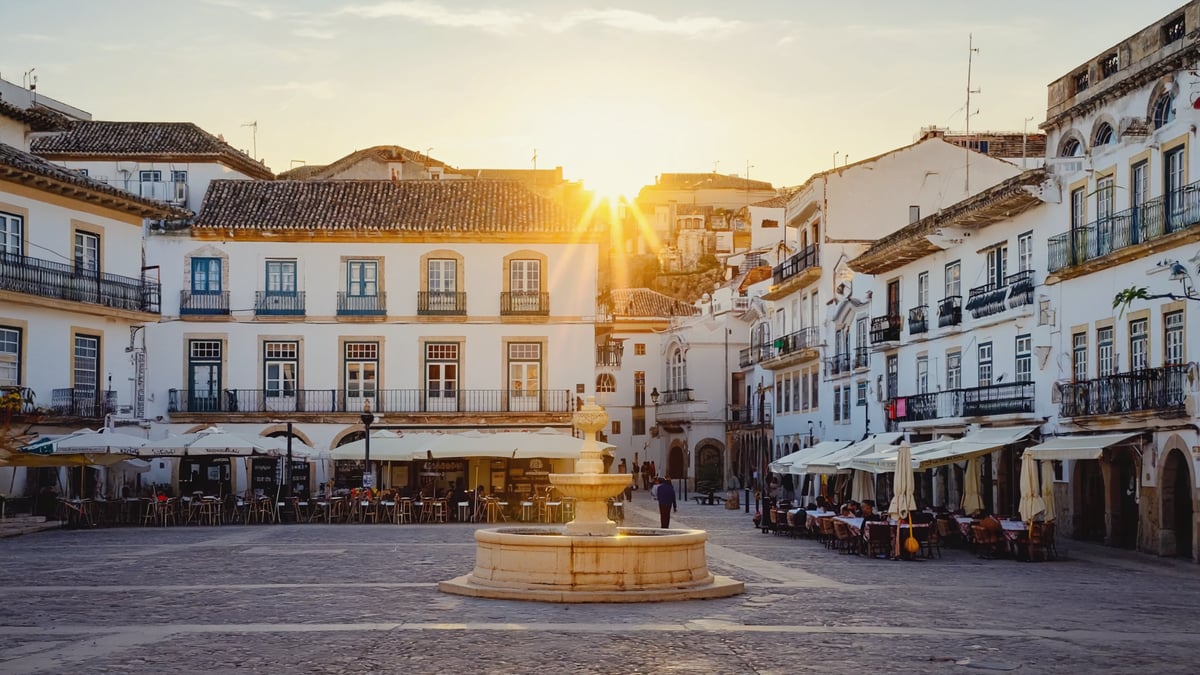
The biggest mistake UK travellers make when booking an Algarve holiday is treating the coastline as a single destination. It's more like six or seven distinct holiday experiences strung along 150 kilometres of coast. Picking the right base shapes everything about your trip.
Albufeira: The Algarve's Social Hub
Albufeira is the Algarve's most-visited resort, and it earns that status for clear reasons. The old town has genuine charm, with whitewashed buildings, a lively market square, and cliff-side views down to the beach. The strip (known locally as "The Strip") around Rua São Gonçalo offers bars, restaurants, and nightlife that runs late. For young couples, groups of friends, and anyone who wants a resort with energy and options, Albufeira delivers. The beaches are excellent, Praia de Albufeira, Praia dos Pescadores, and the longer Praia da Oura are all within easy reach, and the town has a wide range of accommodation from budget apartments to proper four-star hotels. Families visit too, particularly in the quieter shoulder months, though the nightlife-heavy strip can feel overwhelming if your priorities are early bedtimes and calm evenings.
Vilamoura: The Algarve's Upmarket Marina
Vilamoura occupies a different register entirely. Built around one of Europe's largest private marinas, it's the Algarve's most polished resort, popular with golfers, sailing enthusiasts, and couples looking for something a step above the typical package-holiday experience. The marina is genuinely beautiful, lined with restaurants and bars, the boats gleaming in the harbour, and the surrounding development includes some of the best golf courses in Europe. The beaches at Vilamoura and neighbouring Quarteira are wide, well-managed, and significantly less crowded than those in Albufeira. This is where the Algarve's quieter luxury lives.
Lagos: History, Cliffs, and the Best Beaches on the Coast
Lagos is the destination that tends to convert people. The old walled town, still largely intact, sits above a working harbour and a series of beaches that rank among the finest in Europe. Praia Dona Ana is the iconic image of the Algarve: golden sand framed by sculpted limestone cliffs and sea arches. Praia da Meia Praia, a few kilometres east, is long, family-friendly, and less crowded. The town itself has a wonderful mix of history (the 15th-century Fort of Ponta da Bandeira, the Slave Market Museum) and modern energy, with excellent restaurants, independent bars, and a growing surf culture. Lagos works for couples, families, and adventurous travellers alike.
Tavira: The Eastern Algarve's Best-Kept Secret
Tavira is what the Algarve looked like before the tourist infrastructure arrived. This small, genuinely lovely town sits on the Rio Gilão river, its Roman bridge, castle ruins, and cluster of churches giving it an authenticity that the central Algarve has largely lost. The beaches here, reached by ferry or water taxi across the Ria Formosa lagoon system, are sandbar islands of spectacular quality. Ilha de Tavira is a favourite with Portuguese holidaymakers who know what they're doing. This is where you come for relaxation, local food, and a pace of life that feels genuinely restorative.
Portimão and Praia da Rocha: Family-Friendly and Central
Portimão is the Algarve's second city and one of its most practical bases. The beach at Praia da Rocha is broad, sandy, and backed by a promenade with restaurants and bars. The town itself has good supermarkets, a large shopping centre, and the Portimão Museum (free entry) housed in a former sardine-canning factory, one of the most interesting museums in the Algarve. Portimão is also where you'll find the Algarve International Racetrack, which hosts regular events. For families who want a central location with good beach access and easy day-trip options, Portimão is an excellent choice.
The Best Things to Do in the Algarve
The things to do Algarve visitors love most span a surprising range, from the utterly serene to the properly adventurous. Here's a practical guide to making the most of the coastline.
Explore Ponta da Piedade and the Lagos Sea Caves
No visit to the Algarve is complete without seeing Ponta da Piedade. This promontory south of Lagos contains some of the most spectacular coastal rock formations in Europe: golden limestone pillars, sea arches, grottos, and caves carved by millennia of Atlantic waves. You can walk the clifftop path for the aerial view, or better still, take a kayak or boat tour through the caves at sea level. Several operators in Lagos run morning sea-cave kayak tours that take around two hours and give access to areas you simply cannot reach on foot. It's one of those experiences that looks even better in person than in photographs.
Take a Boat Trip on the Ria Formosa
The Ria Formosa Natural Park is a protected coastal lagoon system stretching 60 kilometres along the eastern Algarve. It's one of the most important wetland ecosystems in Europe, home to migratory birds, seahorses, and the famous Ria Formosa oysters. Boat tours depart regularly from Faro, Olhão, and Tavira, and the combination of birdwatching, swimming stops at barrier island beaches, and fresh seafood on board makes for a genuinely memorable day. For families, it introduces children to a completely different side of the Algarve beyond the beach towel.
Surf the West Coast
The western Algarve around Sagres and Carrapateira receives Atlantic swell year-round and is one of Portugal's premier surfing destinations. Praia do Amado is a consistent beach break that works for beginners, while nearby Carrapateira offers more challenging conditions. Numerous surf schools operate along the west coast, running lessons for complete beginners through to intermediate improvement sessions. The landscape here is also dramatically different from the central Algarve: wild, cliffy, and largely undeveloped, with a remoteness that feels genuinely special.
Visit Cape St Vincent (Cabo de São Vicente)
Cape St Vincent is the southwesternmost point of mainland Europe, and standing on its cliffs above the Atlantic gives you a genuine sense of being at the edge of the known world. The lighthouse is still operational, and on clear days the visibility is extraordinary. The cape was a waypoint for every explorer who left Europe for the Americas and beyond, and the history embedded in the place is palpable. It's a short drive from Sagres and makes an excellent half-day trip from Lagos or any western Algarve base.
Day Trip to Seville or Lisbon
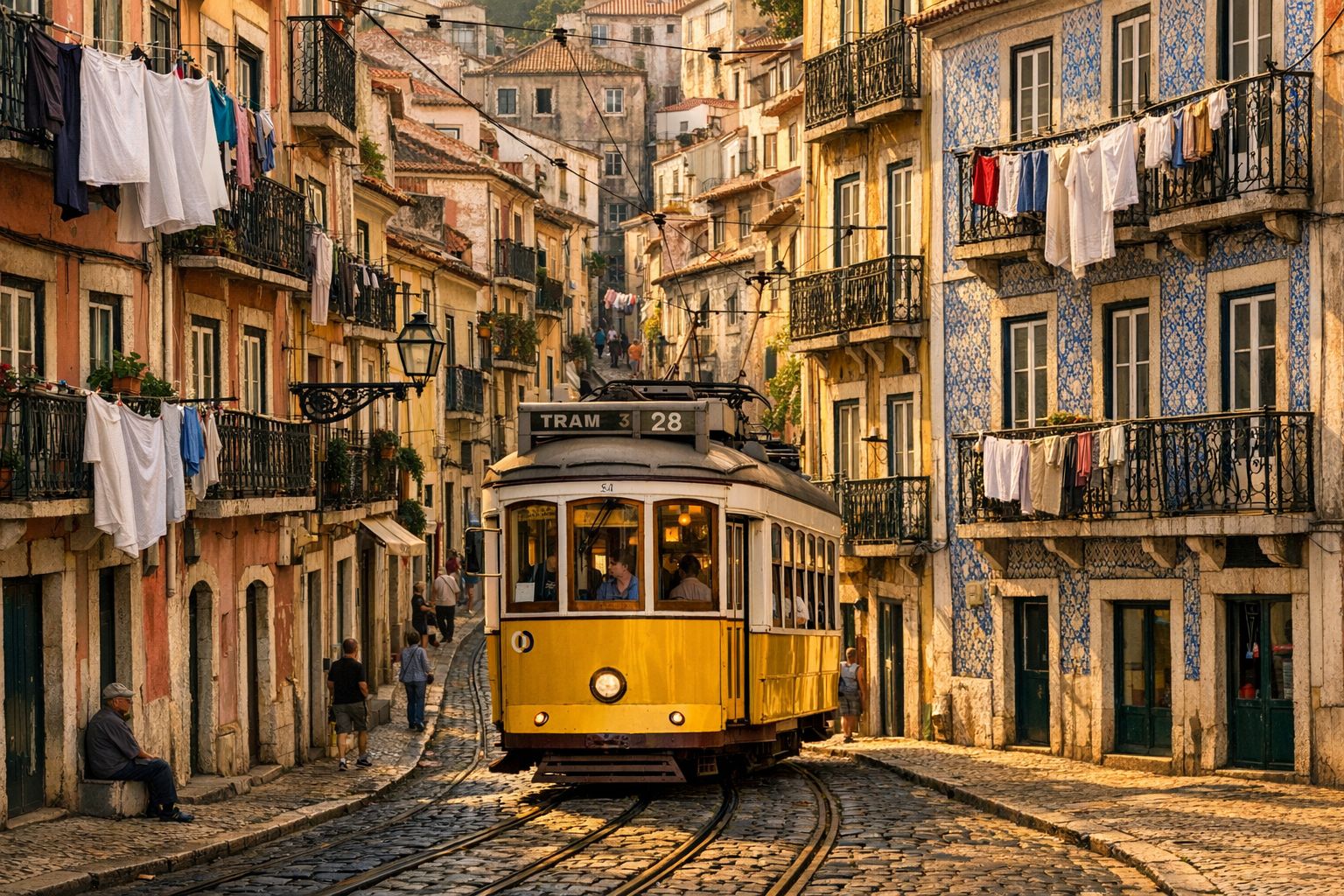
The Algarve's position makes it an excellent base for day trips into Spain or up to Lisbon. Seville is around two and a half hours by car from Faro, while Lisbon is around two hours forty minutes by train from Faro station. Both cities are genuinely world-class destinations. Lisbon in particular, its trams, viewpoints (miradouros), Alfama neighbourhood, and extraordinary food scene, is a natural companion to an Algarve beach holiday. Booking a train ticket through Comboios de Portugal (CP) is straightforward and affordable.
Visit Silves Castle and the Algarve's Moorish Interior
Most Algarve visitors never venture more than a few kilometres from the beach, which means Silves remains genuinely uncrowded. The red sandstone castle here is the best-preserved Moorish castle in the Algarve, and the town below it, with its cathedral, riverside restaurants, and orange groves, gives a flavour of what the region looked like before the coastal development arrived. It's 30 minutes inland from Portimão and makes an excellent half-day trip, particularly when combined with a stop at a local quinta (farm estate) for olive oil or wine tasting.
Algarve Family Holidays: Practical Tips for Travelling with Children
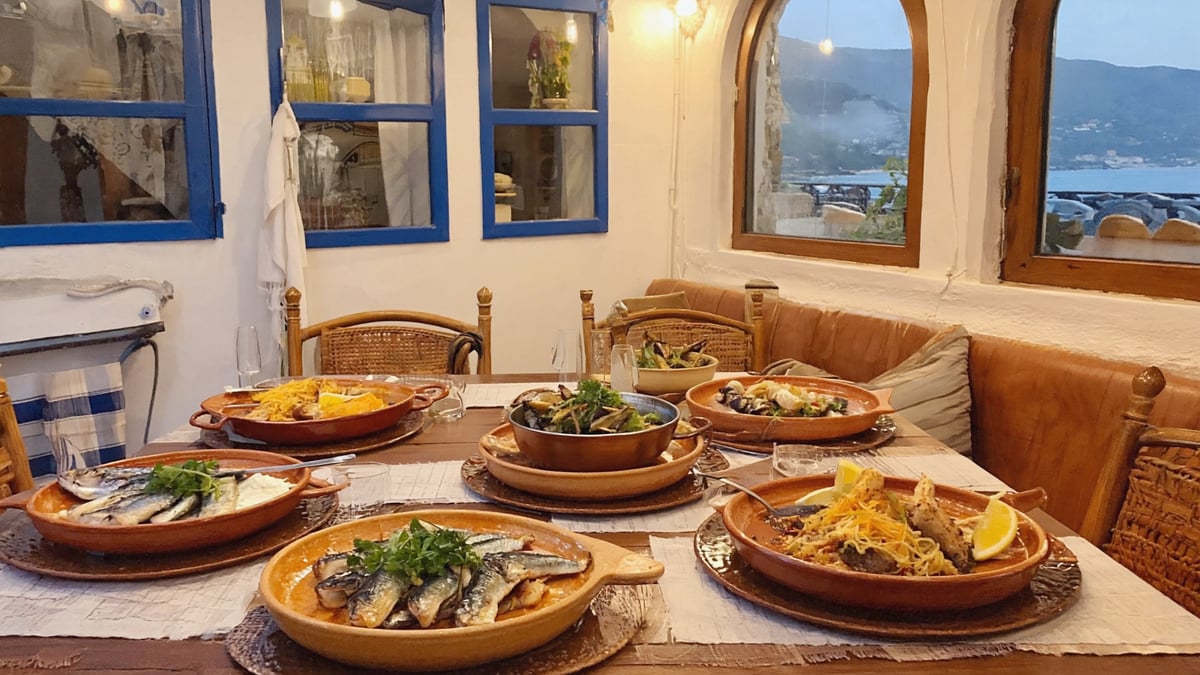
Algarve family holidays are one of the most popular booking categories on GlobeHunters, and it's easy to understand why. The combination of safe, shallow beaches, child-friendly infrastructure, and short flight times from the UK makes this one of the most practical family destinations in Europe.
Best Beaches for Families
Not all Algarve beaches are equally suited to young children. The iconic cove beaches are spectacular but can have limited shade and difficult access via cliff steps. For families with small children, the priority should be beaches with easy access, calm water, lifeguards, and nearby facilities.
- Meia Praia, Lagos: A long, gently shelving beach with calm water, easy parking, and beach bars. Excellent for young children.
- Praia da Rocha, Portimão: Wide, sandy, and backed by a promenade with restaurants and toilets. Lifeguarded throughout summer.
- Praia de Faro: A barrier island beach reached by bridge, long and relatively undeveloped. Calm lagoon-side water on the inner edge is perfect for toddlers.
- Manta Rota, Eastern Algarve: Quiet, shallow, and warm, a favourite with Portuguese families precisely because it doesn't appear in most UK travel guides.
Water Parks and Family Attractions
The Algarve has a well-developed family attractions sector. Slide & Splash near Lagoa and Aqualand near Alcantarilha are the two main water parks, both offering a full day's entertainment for families with children of all ages. Zoomarine, near Albufeira, combines dolphin and sea lion shows with water rides and an aquarium. Aquashow in Quarteira adds rollercoasters alongside its water attractions. These parks are genuinely well-run and represent good value for a family day out, particularly if you book tickets in advance online to avoid queues.
Practical Family Travel Notes
UK families travelling to Portugal benefit from the European Health Insurance Card (EHIC), which has been replaced post-Brexit by the UK Global Health Insurance Card (GHIC). This provides access to medically necessary state healthcare in Portugal at the same cost as local residents. Always carry it alongside comprehensive travel insurance. Portugal's pharmacies (farmácias) are excellent for minor ailments and are staffed by qualified pharmacists who typically speak good English. Car hire with a child seat should be booked in advance, availability on arrival is not guaranteed in peak season. Most package holidays through GlobeHunters include family room options and can be configured with specific board arrangements (half-board is often the most practical for families with young children).
Golf in the Algarve: Europe's Premier Golf Destination
The Algarve is, without qualification, one of the best golf destinations in Europe. The combination of climate, course quality, and infrastructure has made it a year-round destination for UK golfers, and the region's 40-plus courses cover every standard from serious championship layouts to relaxed resort courses ideal for mixed-ability groups.
The Top Courses
| Course | Location | Standard | Known For |
|---|---|---|---|
| Vale do Lobo Royal | Almancil | Championship | Clifftop 16th hole, ocean views |
| Quinta do Lago South | Almancil | Championship | Multiple European Tour host |
| Vilamoura Old Course | Vilamoura | Championship | Pine-lined fairways, classic layout |
| San Lorenzo | Almancil | Championship | Ria Formosa lagoon setting |
| Palmares | Lagos | Resort/Scenic | Ocean views, dune fairways |
| Penina Hotel & Golf Resort | Portimão | Championship/Resort | Henry Cotton design, flat parkland |
Golf package holidays in the Algarve typically combine accommodation at a resort hotel (often with preferential tee-time access), car hire, and flights. The Golden Triangle area around Quinta do Lago and Vale do Lobo is where the highest concentration of premium courses sits, and a dedicated golf break here can include three or four different championship courses within a 20-minute drive. Vilamoura is the other major hub, with five courses within the resort complex itself.
The best months for golf in the Algarve are March through May and September through November: warm and sunny, with courses in excellent condition and green fees slightly lower than peak summer. In July and August, early morning tee times are essential to avoid the heat. In winter (December to February), the courses are quieter, prices are lower, and the weather, while not reliably warm, is often perfectly playable.
When to Book Your Algarve Holiday from the UK
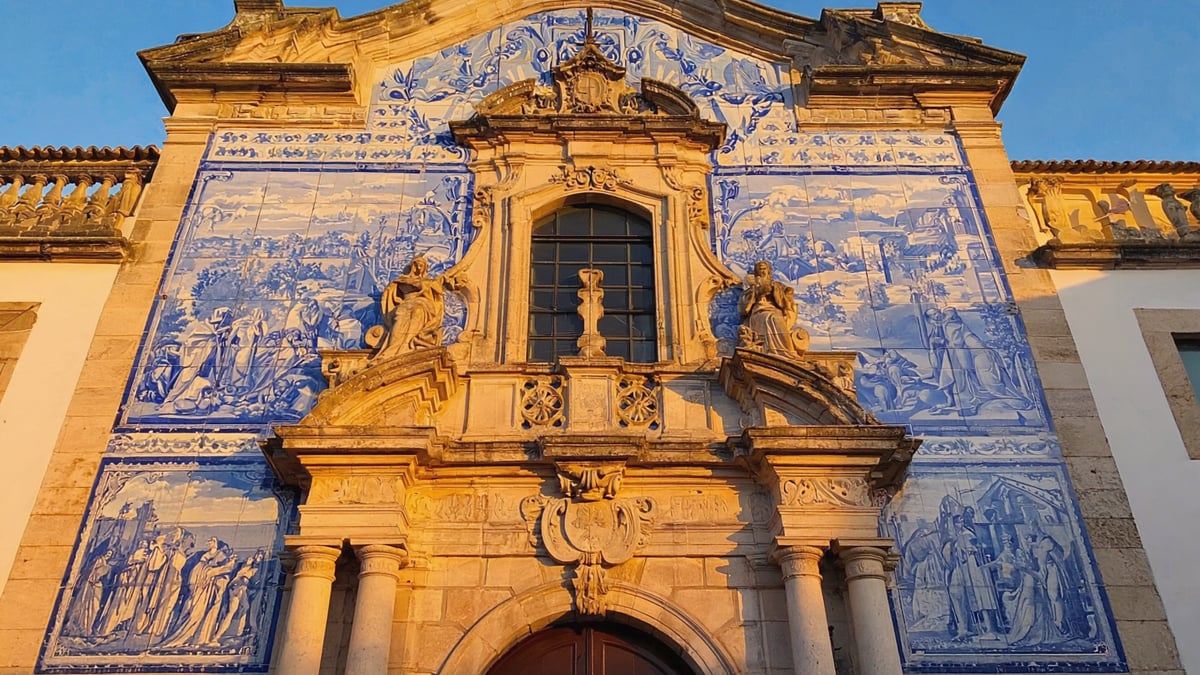
Understanding the Algarve's season calendar is one of the most practically useful things a UK traveller can do before booking. The right timing can save hundreds of pounds and dramatically change the character of the holiday.
The Algarve Season Breakdown
| Period | Weather | Crowds | Pricing | Best For |
|---|---|---|---|---|
| March–April | 18–22°C, some rain | Low | £ Low | Golf, walking, culture |
| May–June | 22–27°C, reliable sun | Medium | ££ Mid | Couples, active holidays |
| July–August | 28–35°C, very hot | Very High | £££ Peak | Families (school hols), beach |
| September–October | 24–29°C, excellent | Medium | ££ Mid | Best all-round, couples, golf, families |
| November–February | 14–18°C, some rain | Very Low | £ Lowest | Golf, culture, retirees |
September and October represent the sweet spot for most UK travellers. The sea temperature, warmed by a full summer of sun, is at its highest, often exceeding 22°C. Daytime temperatures remain comfortably in the high 20s. The summer crowds have thinned noticeably, restaurants have space, and prices drop from their August peak. For couples without school-age children, this is the single best time to visit the Algarve.
For families constrained to school holiday periods, July and August are unavoidable, and the Algarve handles peak season better than many comparable destinations. Book accommodation and flights as early as possible, ideally six to nine months in advance for August travel, and choose resorts with their own pools to avoid the busiest beach hours from noon to 3pm.
Flights to the Algarve from UK Airports
Faro Airport is the gateway to the Algarve, and its route network from the UK is extensive. Direct scheduled and charter flights operate from a wide range of UK departure points, making Algarve holidays from UK genuinely accessible regardless of where you live.
Key UK Departure Points
- London Gatwick: The most frequent service, with easyJet, Jet2, and TUI all operating multiple weekly frequencies. Flight time approximately 2h 30m.
- London Heathrow: TAP Air Portugal operates year-round scheduled service. British Airways also serves the route.
- Manchester: Strong Jet2 and TUI presence, particularly during peak season. Flight time approximately 2h 45m.
- Birmingham: Jet2 and Ryanair both operate to Faro. Good option for Midlands travellers avoiding the M25.
- Bristol: easyJet and Ryanair routes, popular with South West England travellers.
- Edinburgh and Glasgow: Jet2 and easyJet operate seasonal routes. Flight time approximately 3h.
- Belfast: easyJet and Jet2 both serve Faro from Belfast International.
Booking flights and hotel packages Portugal through GlobeHunters rather than piecing together a trip independently offers several practical advantages. Package holidays booked through a UK operator are protected under the ATOL scheme administered by the Civil Aviation Authority, meaning that if an airline or hotel collapses, your money and your holiday are protected. Individual flight and hotel bookings made separately do not carry the same protection. For travel to the Algarve, where the peak season sees hundreds of thousands of UK tourists, that protection has real practical value.
GlobeHunters Algarve Package Holidays: What's Included and What It Costs
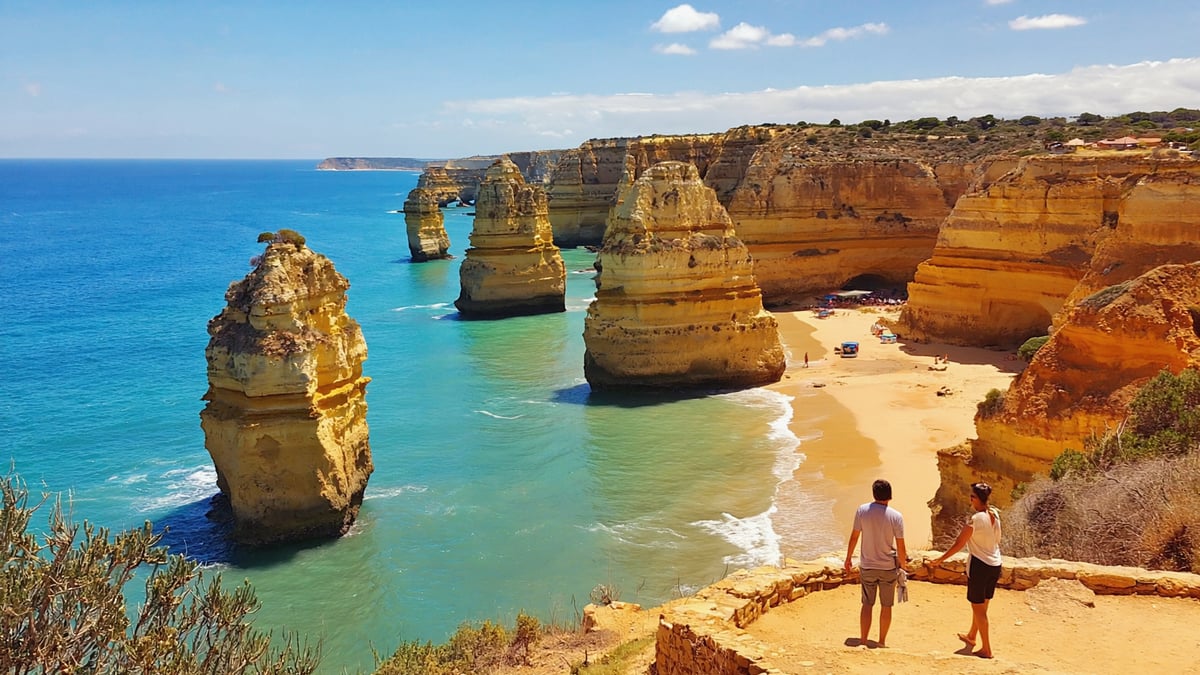
GlobeHunters' Portugal package holidays UK travellers book most frequently cover the central Algarve (Albufeira, Vilamoura, Lagos, Portimão) and the eastern Algarve (Tavira, Olhão). Packages combine return flights from UK airports, accommodation, and optional add-ons including car hire, transfers, excursions booked through the Viator platform, and golf tee times.
Algarve Package Price Guide
| Holiday Type | Duration | Approx. Price Per Person | Includes |
|---|---|---|---|
| Budget Beach Break | 7 nights | From £499 | Flights + self-catering apartment |
| Family Package | 7–10 nights | From £649 | Flights + hotel + breakfast, family rooms |
| Couples/Romantic | 7 nights | From £749 | Flights + 4-star hotel + half-board |
| Golf Break | 5–7 nights | From £899 | Flights + golf resort + car hire + 3 rounds |
| Luxury Algarve | 7–10 nights | From £1,299 | Flights + 5-star resort + full-board + transfers |
Prices vary significantly by departure date, departure airport, and how far in advance you book. The GlobeHunters platform pulls real-time pricing from Duffel (flights) and Hotelbeds (accommodation), so the prices displayed reflect live availability. For the best value, book between three and six months in advance for summer travel, or two to four weeks in advance for shoulder-season deals where late availability can yield excellent prices. To discuss options or customise a package, call the GlobeHunters team on 0208 944 4514.
Browse current availability and pricing on the GlobeHunters Portugal holidays page.
Algarve Food and Drink: What to Eat and Where
The Algarve's food scene is one of its most underrated assets. Portuguese cuisine is quietly extraordinary, simple, ingredient-led, and rooted in genuinely exceptional produce, and the southern coast adds its own coastal character to the national repertoire.
The Dishes You Must Try
Cataplana is the defining dish of the Algarve. Named after the clam-shaped copper cooking vessel it's made in, cataplana is a seafood stew combining clams, prawns, fish, pork, tomato, onion, garlic, and coriander, all slow-cooked together until the flavours are completely integrated. Order it for two people, give it 30 minutes (it's made to order), and plan to eat nothing else for the rest of the day. It is one of the best dishes in Europe.
Grilled fish is everywhere, and the quality is exceptional. Sea bass (robalo), sea bream (dourada), and red mullet (salmonete) are all outstanding when grilled simply with olive oil and lemon. The Algarve's sardines, particularly in summer, are some of the finest in the world, the June Sardine Festival in Portimão and the similar events in Lagos are worth timing your trip around if possible.
Percebes (barnacles) are a local delicacy harvested from the rocky west coast. They look alarming, taste intensely of the sea, and are eaten simply with bread and wine. Amêijoas à Bulhão Pato (clams with garlic, white wine, and coriander) is another essential, simple, perfect, and available in virtually every seafood restaurant on the coast.
For dessert, Dom Rodrigo is the Algarve's signature sweet: an egg-yolk and almond confection wrapped in silver foil, with roots in the region's Moorish past. Pastel de nata (the famous custard tart) needs no introduction, but try one fresh from a local pastelaria rather than a chain and the difference is remarkable.
Where to Eat Well Without Tourist Trap Prices
The single best piece of restaurant advice in the Algarve: walk away from any restaurant where the menu is displayed in five languages with photographs. These are almost always overpriced and mediocre. Instead, look for restaurants where the daily specials are written on a chalkboard in Portuguese, where the tables are plastic and the wine arrives in a ceramic jug, and where you can see Portuguese families eating. These are the places where the food is genuinely good and the prices are genuinely fair. The fishing villages of Ferragudo, Cacela Velha, and Alte are particularly reliable for this kind of authentic eating.
Getting Around the Algarve
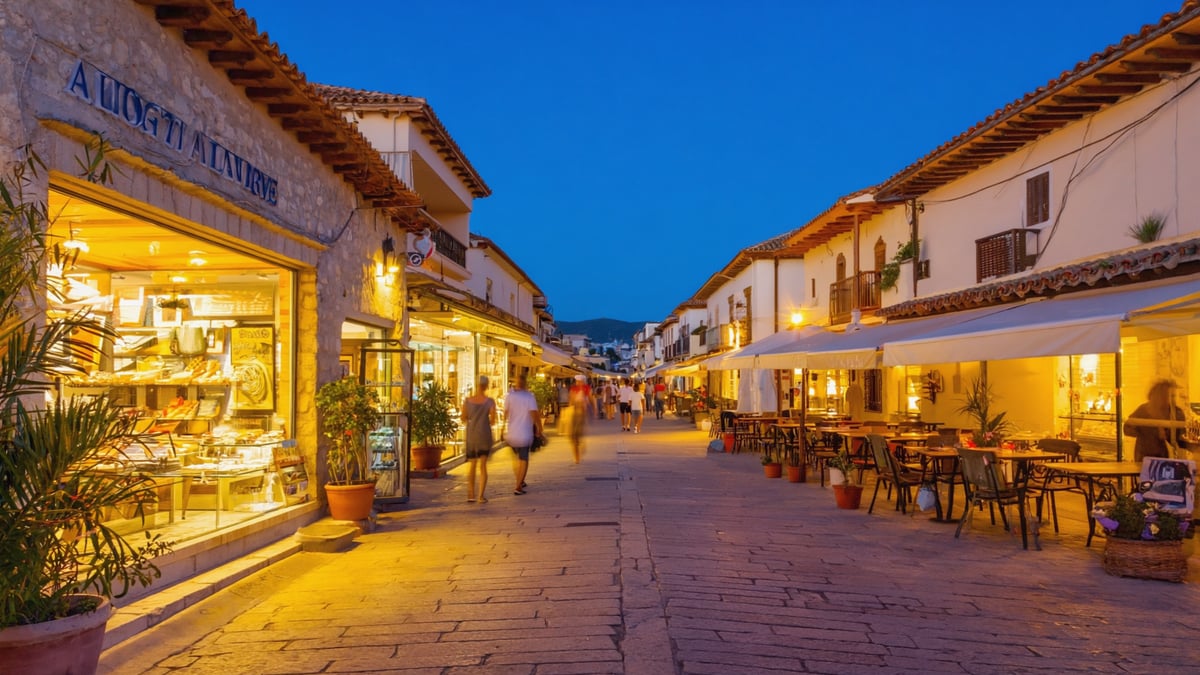
The Algarve's geography rewards independence. The EN125 coastal road and the A22 Via do Infante motorway run the length of the coastline, and with a hire car you can access beaches, villages, and restaurants that are completely off the tour-bus circuit.
Car hire at Faro Airport is straightforward and competitive, with all the major international operators represented alongside reliable local companies. Booking in advance through your GlobeHunters package is the easiest approach, and combining car hire with your flights and accommodation often yields a better total price than booking separately. Fuel costs in Portugal are broadly comparable to UK prices. Parking in the central Algarve is generally easy outside of peak summer, and free in most villages and smaller towns.
For travellers who prefer not to drive, the Algarve has a functional (if slow) regional bus network operated by EVA Transportes, connecting all the major resorts. The Faro–Lagos train line runs along the central and eastern Algarve coast, with stops at Albufeira (Ferreiras), Portimão, and Lagos. It's affordable and reliable, though it doesn't serve the beachside locations directly. Taxis and rideshare apps (Uber operates in Faro, Albufeira, and Portimão) fill the gap for evening transport when you don't want to drive.
Travel Documents and Practical Essentials for UK Visitors
Portugal is a member of the EU, and since the UK's departure from the European Union, the rules for UK nationals travelling to Portugal have changed in a few important ways.
- Passport validity: UK nationals need a passport valid for the duration of their stay. Portugal applies the EU's standard rule that your passport should be valid for at least three months beyond your intended departure date. Check your passport before booking.
- No visa required: UK nationals can visit Portugal without a visa for up to 90 days in any 180-day period under the EU's visa-free arrangement.
- GHIC: Apply for a UK Global Health Insurance Card at NHS.uk before you travel. It's free and covers emergency medical treatment in Portugal.
- Travel insurance: The GHIC does not replace travel insurance. A comprehensive policy covering medical repatriation, cancellation, and lost luggage is essential.
- Currency: Portugal uses the euro (€). UK credit and debit cards work widely, though smaller restaurants and market stalls may be cash-only. ATMs are plentiful throughout the Algarve.
- Driving: UK driving licences are valid in Portugal. Drive on the right. Speed cameras are common on the motorways. The A22 (Via do Infante) has tolls payable electronically, hire cars are typically registered for the toll system, but confirm this with your rental company.
- Tipping: Not mandatory, but rounding up a restaurant bill or leaving 10% for good service is appreciated and increasingly common, particularly in tourist areas.
Algarve for Couples: Romantic Experiences Beyond the Beach
The Algarve has a well-established reputation as a couples' destination, and it earns it. But the most memorable romantic experiences here go well beyond finding a quiet cove, though that's a perfectly good starting point.
Sunset at Cape St Vincent is one of those genuinely transcendent experiences. The light at the southwestern tip of Europe in the hour before sunset turns the limestone cliffs gold, then orange, then deep red. There's something about standing at the literal edge of the continent watching the sun drop into the Atlantic that puts everything into perspective. Take a picnic, arrive an hour before sunset, and you'll understand why the Algarve makes people want to come back.
Dolphin-watching boat trips from Lagos and Portimão are reliably good. The Algarve coast has resident populations of common dolphins and bottlenose dolphins, and responsible operators, look for those certified by the Turismo de Portugal network, can get you close without disturbing the animals. A morning on the water watching dolphins in the wild, with the Algarve cliffs as a backdrop, is genuinely extraordinary.
For a romantic dinner, skip the beachfront tourist restaurants and book a table at one of the Algarve's increasingly sophisticated inland restaurants. The Monchique hills have several excellent options with mountain views, and the area around Almancil (particularly the Golden Triangle) has accumulated a collection of genuinely world-class restaurants drawing on both Portuguese tradition and international technique.
Wine tasting in the Alentejo (the region immediately north of the Algarve) is also accessible for couples with a car. The Alentejo is one of Portugal's most important wine-producing regions, and its red wines in particular are outstanding. Several quintas near Évora or along the Alentejo coast road offer tastings and cellar tours, and combining a wine day trip with a night in an agri-tourism property makes for a genuinely different Algarve experience.
The GlobeHunters Algarve Travel Guide: Frequently Asked Questions
How long is the flight from the UK to the Algarve?
Direct flights from London to Faro take approximately 2 hours 30 minutes. From Manchester or Birmingham, expect around 2 hours 45 minutes. From Scottish airports, allow up to 3 hours. The Algarve is one of the closest non-UK sun destinations to Britain, which is a significant part of its appeal.
Which UK airports fly direct to Faro?
Direct scheduled or charter flights to Faro Airport operate from London Gatwick, London Heathrow, Manchester, Birmingham, Bristol, Edinburgh, Glasgow, Belfast, Newcastle, Leeds Bradford, and Liverpool, among others. The route network is strongest in summer (May to October), when frequency increases significantly.
Is the Algarve good for families with young children?
The Algarve is one of the best family destinations in Europe. The short flight time, child-friendly beaches with lifeguards, excellent water parks, and the wide availability of family-room accommodation and half-board options make it practical and enjoyable for families with children of all ages. The sea is calm at most central and eastern Algarve beaches throughout summer.
What is the best time of year to visit the Algarve from the UK?
For most UK travellers, September and October offer the best balance of excellent weather, warm sea temperatures, reduced crowds, and lower prices than peak summer. Families restricted to school holidays will find July and August excellent for beach weather but busier and more expensive. Golfers and walkers favour March to May and October to November for cooler temperatures and quieter courses.
Do I need a visa to visit Portugal from the UK?
No. UK nationals can visit Portugal without a visa for up to 90 days in any 180-day period. You do not need a stamp or prior authorisation, simply present your valid UK passport on arrival. Your passport should ideally be valid for at least three months beyond your intended departure from Portugal.
How much does an Algarve holiday cost from the UK?
GlobeHunters' Algarve packages start from around £499 per person for a 7-night self-catering break. Family packages with hotel and breakfast start from around £649 per person. Golf breaks and luxury resort packages range from £899 to £1,299+ per person. Prices vary by season, departure airport, and how far in advance you book. Call 0208 944 4514 for a personalised quote.
Is the Algarve safe for UK tourists?
Portugal consistently ranks among the safest countries in the world, and the Algarve is generally a very safe destination for UK tourists. The usual common-sense precautions apply (keep valuables secure, be aware of pickpockets in crowded tourist areas), but the region has very low rates of serious crime. The UK Foreign Commonwealth and Development Office's Portugal travel advice page is worth checking before you travel for the latest guidance.
Can I get around the Algarve without a car?
Yes, but a car significantly expands what you can do. The major resorts are connected by bus and train, and taxis and Uber cover evening transport well. However, many of the best beaches, viewpoints, and restaurants are only accessible by car. If you're staying in Albufeira or Vilamoura and plan to stay mostly in your resort area, you can manage without a car. If you want to explore the coast properly, hire one.
What currency is used in Portugal and can I use my UK card?
Portugal uses the euro (€). UK debit and credit cards are accepted at hotels, most restaurants, and shops throughout the Algarve. Be aware that some smaller restaurants, local markets, and village shops may be cash-only. Carrying €50–100 in cash at all times is sensible. ATMs are plentiful in all major resorts and towns.
What is the Algarve's best beach?
This is genuinely contested. Praia Dona Ana near Lagos is the most photographed and widely considered the most spectacular for its cliff formations. Praia da Marinha near Lagoa is also outstanding and slightly less crowded. For families, Meia Praia (Lagos) and Praia da Rocha (Portimão) offer the most practical combination of safe swimming, facilities, and space. The barrier island beaches of the Ria Formosa near Tavira are the most unspoiled.
Are Portugal package holidays ATOL-protected?
Package holidays booked through UK-licensed operators like GlobeHunters are covered by the ATOL scheme, administered by the Civil Aviation Authority. This means your money is protected if the operator or airline collapses. Always check that your operator holds a current ATOL licence before booking.
What activities does GlobeHunters offer in the Algarve beyond flights and hotels?
GlobeHunters' Algarve packages can include sea cave kayak tours, dolphin-watching trips, golf tee times at Vilamoura and Vale do Lobo, Ria Formosa boat trips, cooking classes, and Jeep safaris into the Algarve hills, all bookable through the Viator integration on the platform. Activities can be added at the time of booking or after, and the GlobeHunters team (0208 944 4514) can help build a fully tailored itinerary.
Key Takeaways
- The Algarve is one of the most consistently excellent European destinations for UK travellers, combining a short flight time, reliable sunshine from March to October, spectacular scenery, and a well-developed tourist infrastructure.
- Different resorts suit different travellers: Albufeira for energy and nightlife, Vilamoura for golf and marina luxury, Lagos for history and the best beaches, Tavira for quiet authenticity, and Portimão for practical family holidays.
- September and October are the single best months for most UK visitors: warm sea, hot sun, thinner crowds, and lower prices than peak August.
- The Algarve has more than 40 golf courses and is one of Europe's premier golf destinations, with the Golden Triangle (Quinta do Lago, Vale do Lobo) and Vilamoura offering the highest concentration of championship layouts.
- Package holidays through GlobeHunters start from £499 per person and come with full ATOL protection. Prices are live-updated through the Duffel and Hotelbeds platforms.
- UK nationals do not need a visa for Portugal, but should carry a valid GHIC card and comprehensive travel insurance.
- The Algarve's food scene is exceptional, cataplana, grilled fish, percebes, and Dom Rodrigo are the dishes that define the region. Eat where the Portuguese eat and the quality is extraordinary.
Ready to book your Algarve holiday? Browse live packages and pricing at holidays.globehunters.com/portugal, or speak to the GlobeHunters team directly on 0208 944 4514. With packages from £499 per person and full ATOL protection on every booking, there's never been a better moment to put Portugal's golden coast on the calendar.
About the author
Spiros Maragkoudakis · Chief Commercial Officer
Ready to Book Your Algarve Holiday?
Our travel experts are ready to help you plan the perfect trip. Call us today or browse our latest deals.
Ready to Start Planning?
Speak to our travel experts for personalised advice and the best deals on your next holiday.
Call 020 4584 3756