Most UK travellers planning their first Japan holiday face the same paralysing question somewhere around the third hour of Googling: Tokyo or Kyoto? It sounds simple. It is anything but. These two cities sit just 2.5 hours apart on the Shinkansen, yet they represent entirely different philosophies of what Japan can be. Tokyo is relentless, electric, and perpetually reinventing itself. Kyoto is deliberate, layered, and quietly proud of its 1,200 years of continuity. Choosing between them, or deciding how to split your time, will shape every memory you bring home. This guide cuts through the noise and gives UK travellers an honest, practical comparison covering culture, costs, travel logistics, and how to build the ideal Japan package holiday that does justice to both cities.
Why This Decision Matters More Than You Think
For UK travellers, Japan is rarely a spontaneous weekend decision. A return flight from London typically runs 12–14 hours, and the investment in both time and money means that getting the city balance right is genuinely important. Choosing poorly does not ruin a Japan trip, it is almost impossible to have a bad time in either city, but it can leave you feeling like you missed the version of Japan you actually came for.
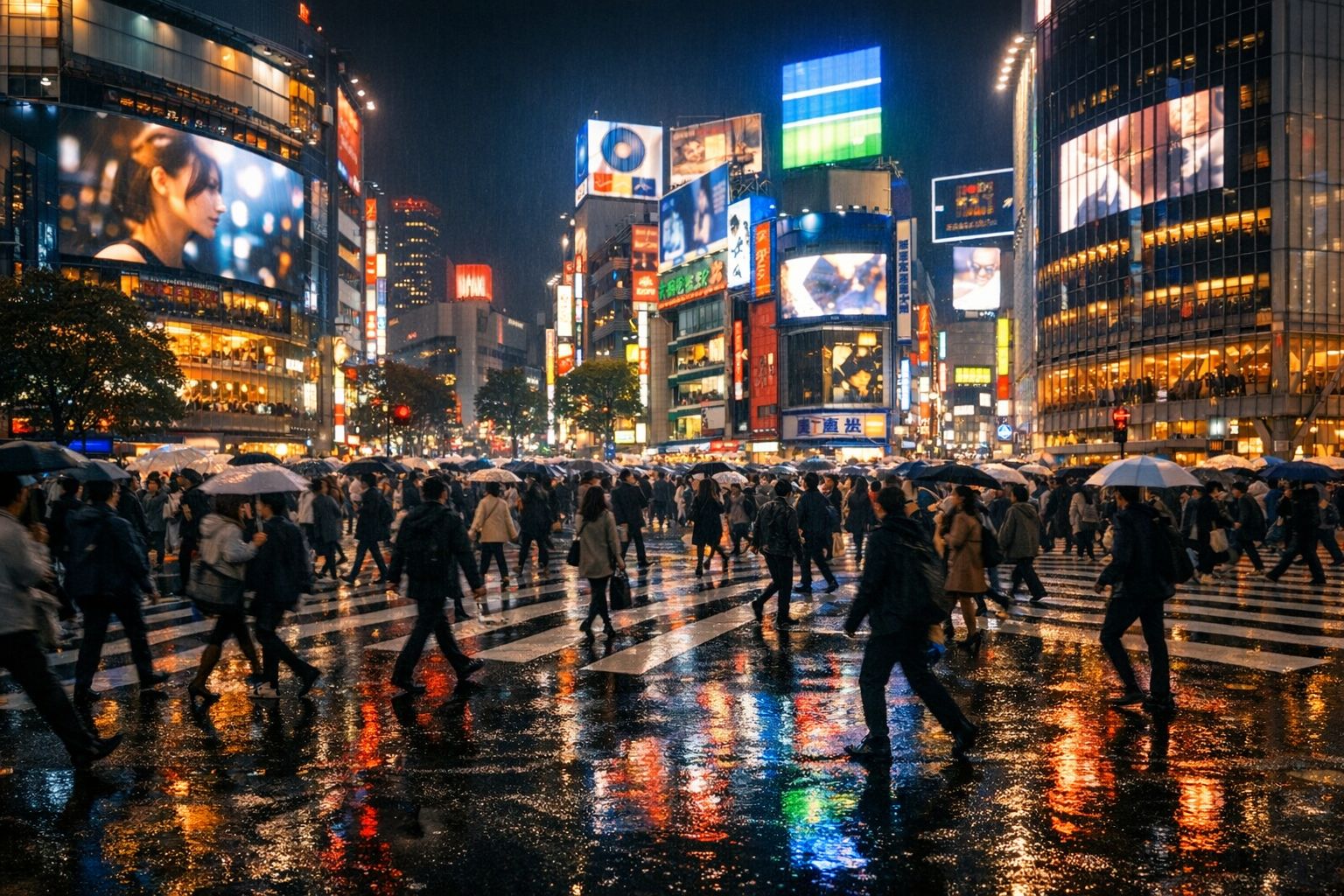
The challenge is that Kyoto vs Tokyo UK travellers tend to fall into two camps before they even book. Camp one has been watching Studio Ghibli films since childhood and wants bamboo groves, geisha districts, and temple incense drifting over stone paths. Camp two has been mesmerised by Tokyo's neon-soaked skyline in every travel documentary ever made and wants capsule hotels, robot restaurants, and the organised chaos of Shibuya Crossing. Both camps are right to want what they want. The mistake is assuming the choice is binary.
The honest answer for most UK visitors is that Japan rewards those who visit both cities, and the real question is how to apportion your time. But if your itinerary is tight, say, seven to nine nights, understanding the fundamental character of each destination will help you prioritise intelligently rather than rushing through both and doing neither justice.
The "First Japan Trip" Problem
First-time visitors to Japan often try to pack in too much, driven by the fear of missing out on a destination they may not return to for years. This is understandable, but it leads to itineraries where you spend more time on trains than in the places you have travelled 9,000 kilometres to see. A Japan holiday UK visitors book for the first time should ideally include at least three nights in each city, with a buffer day to decompress, explore spontaneously, or make a day trip to somewhere like Nara or Nikko.
The good news: with a well-structured Japan package holiday, the logistics largely take care of themselves. GlobeHunters offers Japan package holidays for UK travellers that combine return flights, accommodation in both cities, and curated activities, removing the logistical headache and letting you focus on the experience itself.
The Soul of Each City: Cultural Identity at a Glance
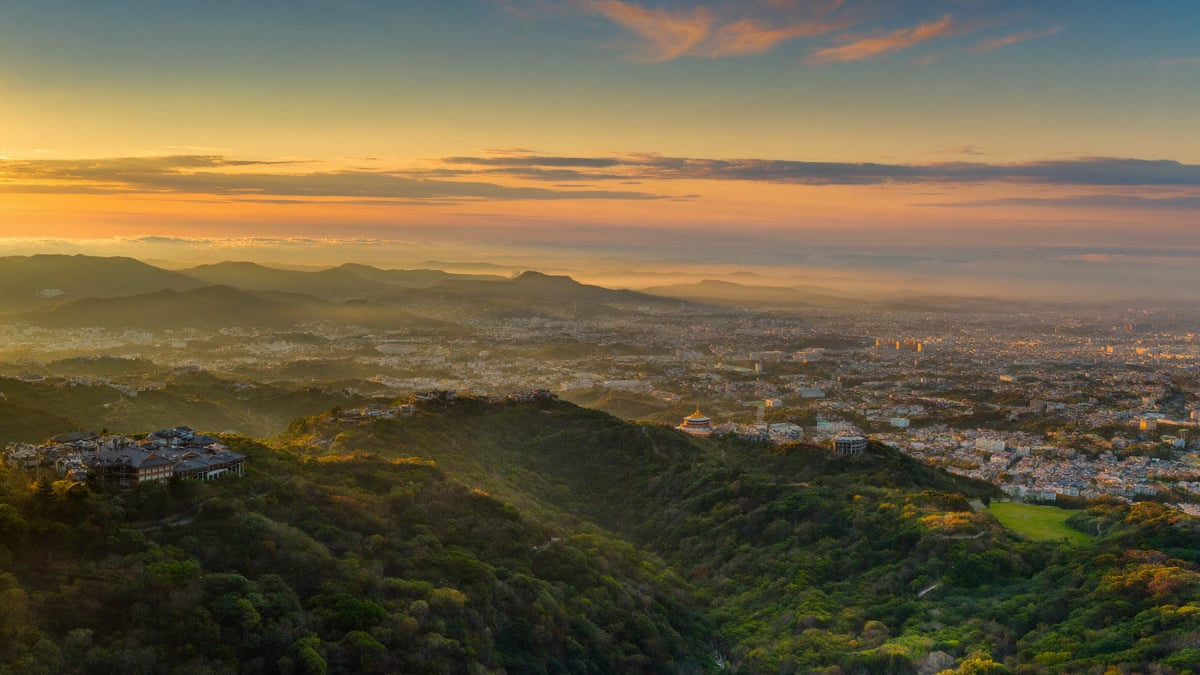
Before comparing practical details like costs and transport, it is worth understanding what each city actually feels like on the ground. Culture is not just something you visit in a museum, in Japan, it permeates the streets, the food, the architecture, and the pace of daily life in ways that are palpably different between Kyoto and Tokyo.
Kyoto: Japan's Living Heritage
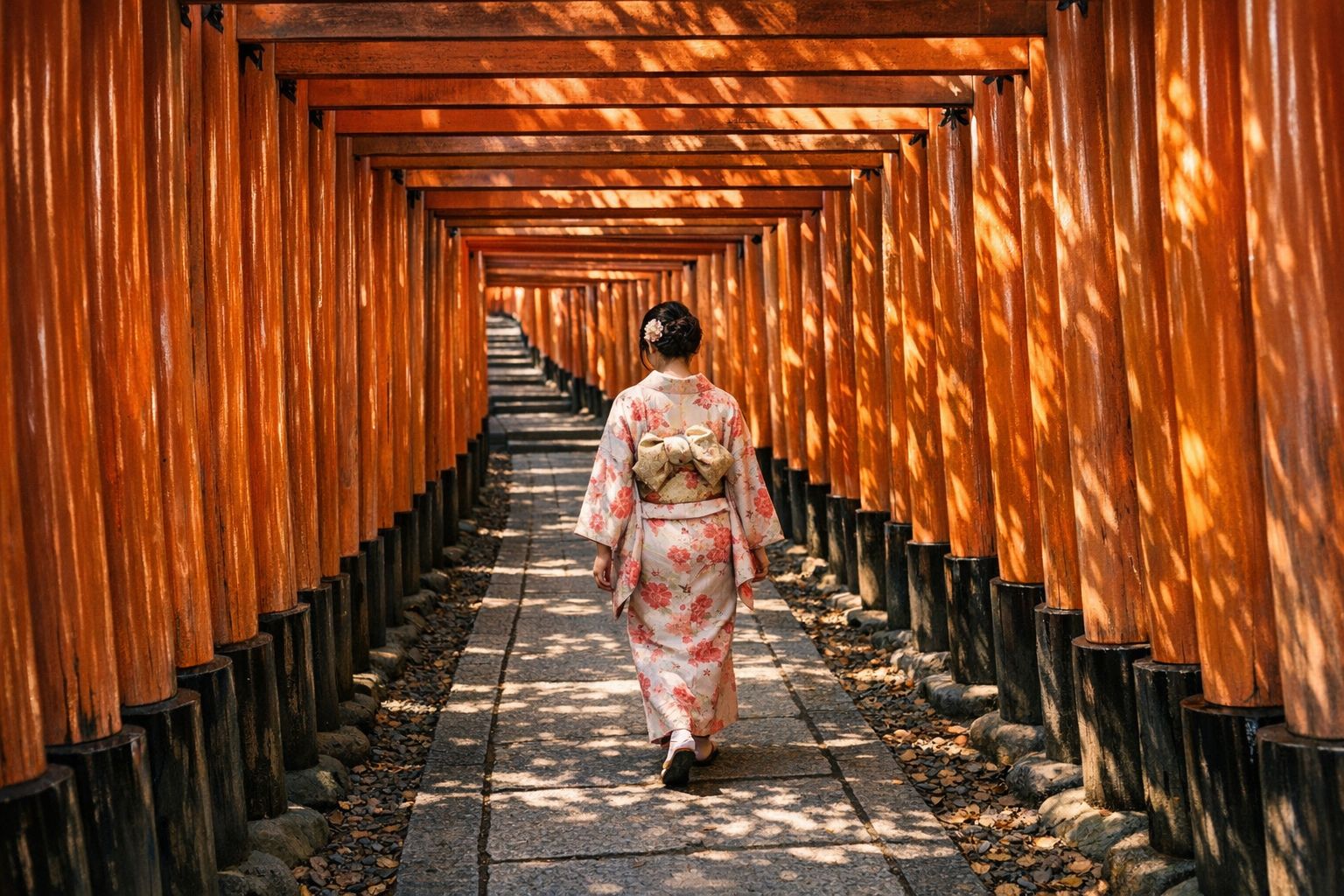
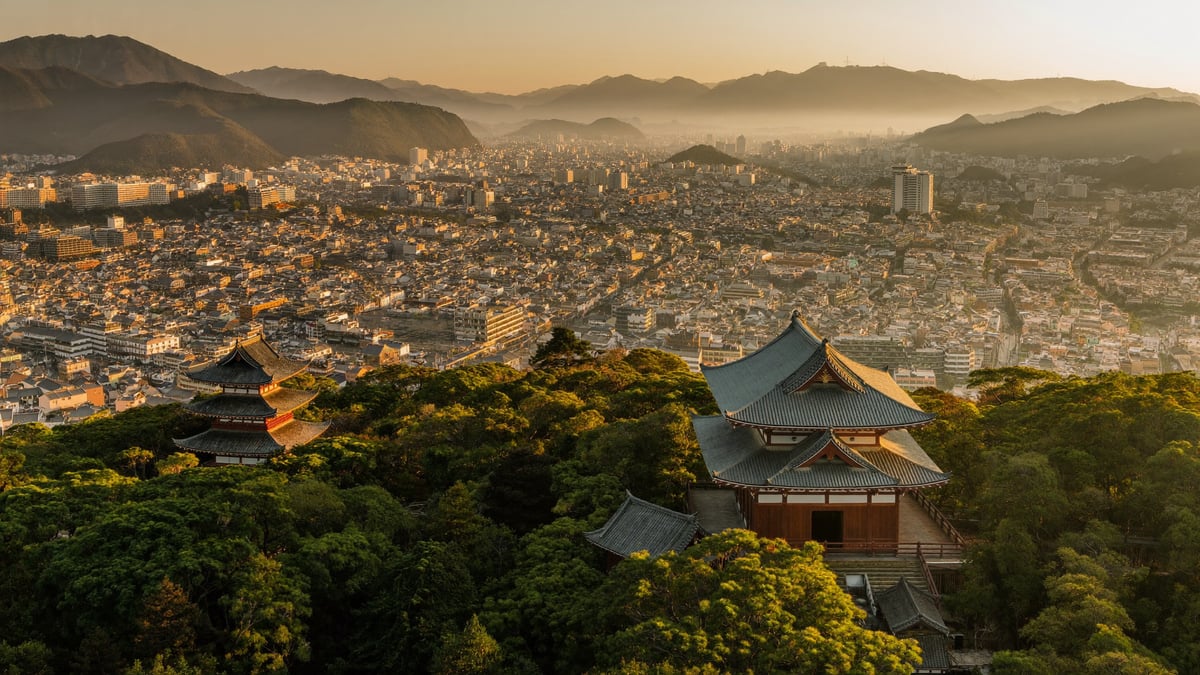
Kyoto served as Japan's imperial capital for over a millennium, from 794 until the Emperor relocated to Tokyo in 1869. That unbroken thread of history is visible everywhere. The city contains 17 UNESCO World Heritage Sites, including Kinkaku-ji (the Golden Pavilion), Fushimi Inari Taisha with its thousands of vermilion torii gates, and the Nijo Castle complex. These are not reconstructions or tourist approximations, they are the real thing, aged and maintained with extraordinary care.
Walking through Gion, Kyoto's famous geisha district, at dusk is one of the most transportive experiences available to any traveller. The wooden machiya townhouses, the sound of a shamisen drifting from behind a paper screen, the occasional glimpse of a maiko (apprentice geisha) moving with practised elegance through a narrow lane, it is a scene that has changed remarkably little over centuries. Kyoto is Japan's answer to Rome or Florence: a city whose identity is inseparable from what it has preserved.
The tempo of Kyoto is slower. Mornings in temple gardens, where raked gravel patterns are refreshed before visitors arrive, carry a quality of stillness that is almost meditative. Even the cuisine reflects this philosophy, kaiseki, the multi-course traditional meal rooted in Buddhist temple cooking, is Kyoto's signature culinary form, prioritising seasonality, presentation, and restraint over bold flavours.
For UK travellers who want to understand why Japan is considered one of the world's great civilisations rather than simply one of its most modern economies, Kyoto provides the answer in physical, immersive form.
Tokyo: The City That Never Finishes Becoming Itself
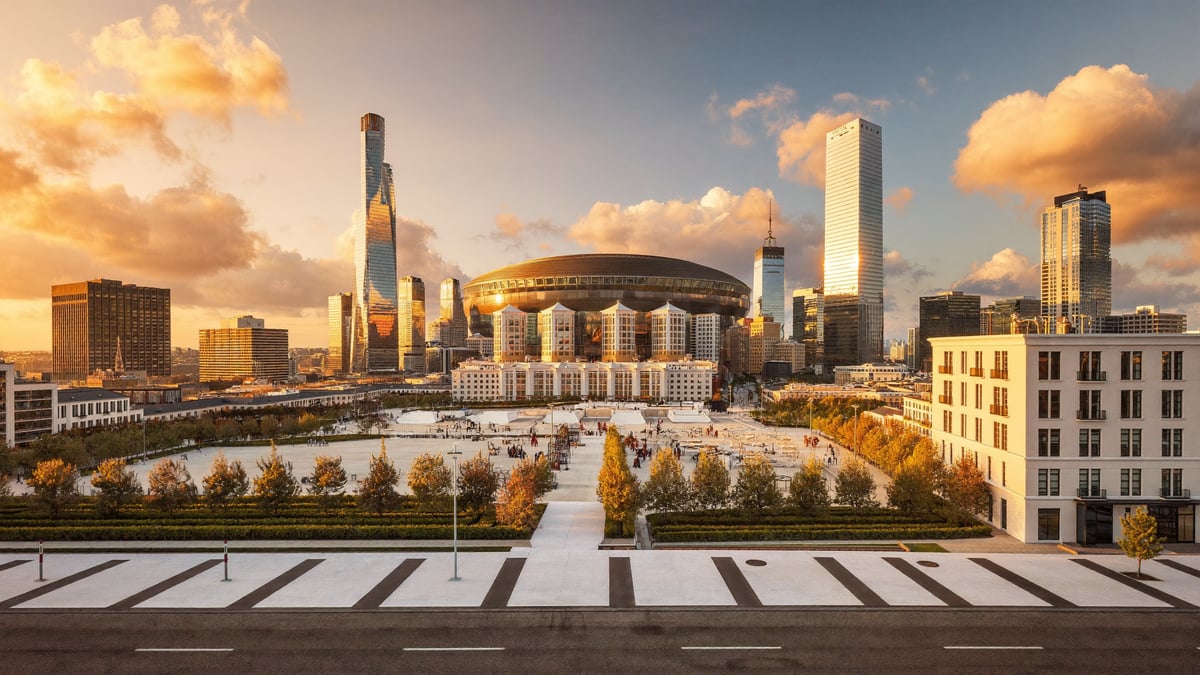
Tokyo is the world's most populous metropolitan area, home to roughly 37 million people across the greater urban region. That scale is not just a statistic, it is something you feel from the moment you step off the Narita Express or the Keikyu Line from Haneda. The city is simultaneously overwhelming and extraordinarily well-organised, which is perhaps its defining paradox.
Each of Tokyo's districts has a distinct personality that would constitute a destination in its own right in most other countries. Shibuya is youth culture, crossing-scramble energy, and fashion. Shinjuku is neon, skyscrapers, and the golden glow of izakaya lanterns in the alleys of Golden Gai. Asakusa preserves something of old Tokyo around the Senso-ji Temple while remaining thoroughly modern. Akihabara is electronics and anime. Harajuku is fashion subculture. Yanaka is quiet, old-neighbourhood Tokyo that survived the 1923 earthquake and the Second World War. You could spend two weeks exploring Tokyo's neighbourhoods and still feel like a newcomer.
Tokyo is also where Japan's contemporary culture is being made in real time: its Michelin-starred restaurants (Tokyo has more Michelin stars than any other city on earth), its design studios, its music scenes, its architectural experiments. If Kyoto is Japan's memory, Tokyo is Japan's imagination.
Practical Cost Comparison for UK Travellers
Cost is a genuine consideration for any UK traveller, and Japan has a reputation, somewhat outdated, as it happens, for being prohibitively expensive. The reality is more nuanced, and the comparison between Kyoto and Tokyo is worth understanding before you budget.
| Expense Category | Kyoto (approx. per day) | Tokyo (approx. per day) | Notes for UK Travellers |
|---|---|---|---|
| Mid-range hotel (per night) | £80–£150 | £100–£200 | Tokyo central locations carry a premium; Kyoto ryokan can be higher |
| Budget ramen or sushi lunch | £8–£15 | £8–£15 | Both cities offer exceptional value at street and conveyor-belt level |
| Temple/shrine entry fees | £3–£8 per site | £3–£6 per site | Many Tokyo shrines are free; Kyoto's top sites charge entry |
| Daily transport (IC card) | £5–£12 | £5–£15 | Tokyo's subway is more extensive; Kyoto relies more on buses |
| Ryokan with dinner (per night) | £200–£450 | £180–£350 | Kyoto ryokan with kaiseki dinner is a bucket-list experience worth the cost |
| Typical mid-range daily budget | £120–£200 | £140–£220 | Excluding accommodation; Tokyo edges slightly higher due to entertainment |
The pound's strength against the Japanese yen has fluctuated in recent years, but UK travellers generally find Japan considerably more affordable than its reputation suggests. A £50 note goes further in Tokyo than in London for dining, a remarkable statement given what London prices have become.
One cost UK visitors consistently underestimate is the Shinkansen between cities. A single unreserved Tokyo-Kyoto journey on the Tokaido Shinkansen costs roughly £100 one-way at standard rate. For return travel plus any onward trips to Osaka or Hiroshima, a Japan Rail Pass (purchased before departure in the UK) often delivers meaningful savings and is worth calculating against your planned itinerary.
Getting There: Flights and Travel Time from the UK
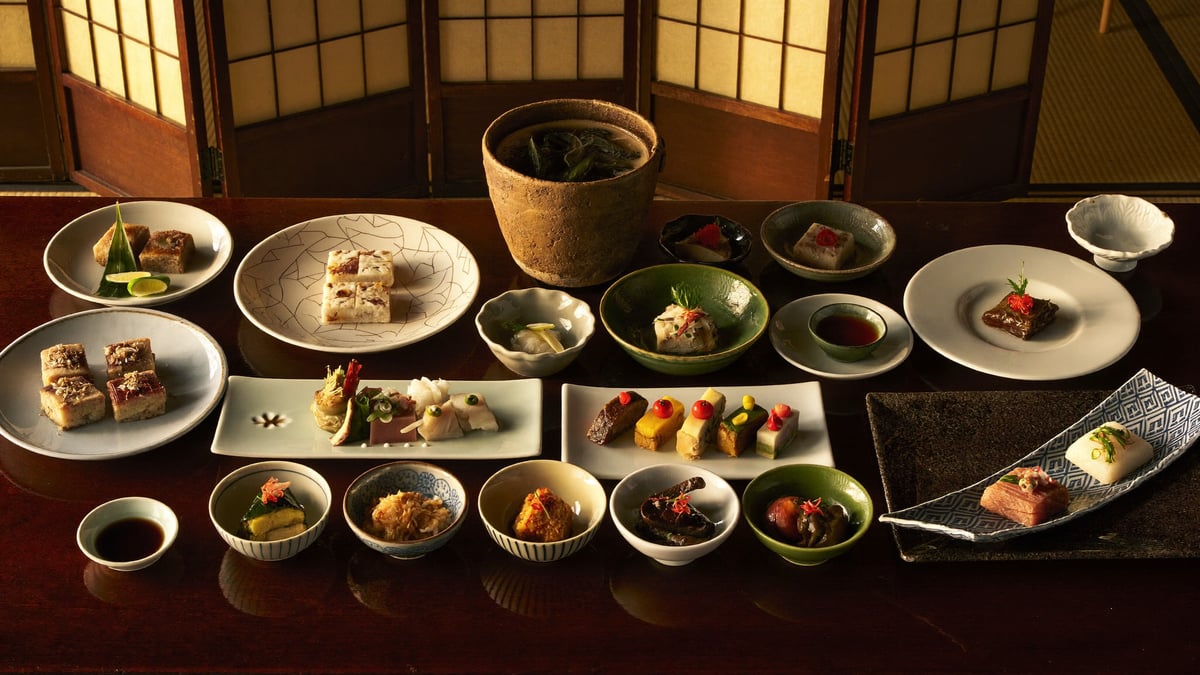
For most UK travellers, Tokyo is the practical gateway into Japan. London Heathrow to Tokyo Haneda is served by British Airways, Japan Airlines, and ANA, with non-stop flight times of approximately 12 hours outbound and 13–14 hours returning (due to prevailing winds). Flights from other UK regional airports typically involve a connection, usually via Amsterdam, Frankfurt, or Helsinki, adding two to four hours to the total journey.
There is no direct flight from the UK to Kyoto, it is a landlocked city with no airport. The nearest airports are Osaka Kansai International (approximately 75 minutes from central Kyoto by train) and Osaka Itami (around 60 minutes). Some travellers fly into Tokyo, explore for several days, then travel to Kyoto by Shinkansen and fly home from Osaka, creating a logical one-way itinerary that avoids doubling back.
The Shinkansen Connection
The Tokaido Shinkansen, running between Tokyo and Osaka via Kyoto, is one of the great travel experiences in its own right. The Nozomi express covers the roughly 450 kilometres between Tokyo and Kyoto in approximately 2 hours 15 minutes. On a clear day, you get a view of Mount Fuji from the right-hand side of the train (seat A in rows 14–20 is the classic advice). The sheer punctuality and smoothness of the ride is, for many UK travellers, one of the first moments Japan genuinely surprises them.
From a practical standpoint, the Shinkansen means that choosing between cities is somewhat artificial. You can have breakfast in Tokyo and be eating lunch beside the Kamo River in Kyoto without any particular stress. This accessibility makes combining both cities the default recommendation for UK visitors with ten nights or more available.
Accommodation: What Each City Offers UK Travellers
Accommodation in Japan is not just a place to sleep, it is part of the cultural experience, particularly in Kyoto. Understanding the options in each city helps UK travellers make choices that align with what they actually want from the trip.
Kyoto: Ryokan, Machiya, and the Art of Stillness
Kyoto's most distinctive accommodation option is the ryokan, a traditional Japanese inn featuring tatami-matted rooms, futon bedding, communal or private onsen (hot spring baths), and the extraordinary service culture known as omotenashi. Staying in a ryokan is not merely comfortable lodging; it is an immersion in a way of life. Meals are served in your room or a communal dining space, and the seasonal kaiseki menu is typically the culinary highlight of any Japan itinerary.
Good ryokan in Kyoto range from around £180 to £450 per night including dinner and breakfast, which sounds steep until you factor in that two restaurant-quality meals are included in a setting of extraordinary cultural richness. For honeymooners and couples celebrating special occasions, a night in a Kyoto ryokan consistently ranks among the most memorable experiences UK travellers report from any holiday, anywhere.
For those on tighter budgets, Kyoto also has excellent business hotels, guesthouses, and a growing number of restored machiya (traditional townhouses) available as self-catering rental accommodation. The machiya option in particular suits families or groups wanting the aesthetic of old Kyoto without the full ryokan price point.
Tokyo: Capsule Hotels to Urban Luxury
Tokyo's accommodation range is genuinely vast. At one end, authentic capsule hotels in Shinjuku or Akihabara offer a uniquely Japanese experience for budget travellers at £30–£60 per night. At the other, Tokyo's luxury hotels, the Park Hyatt (immortalised in the film Lost in Translation), the Aman Tokyo, the Peninsula, compete with the finest urban hotels anywhere in the world, with prices to match.
For most UK visitors, the sweet spot is a well-located business hotel in central Tokyo: clean, compact, and extraordinarily efficient. Brands like Dormy Inn, APA, and the Tokyu Hotel group offer good-value options in the £100–£180 range that put you within walking distance of major districts. Location matters enormously in Tokyo, staying in Shinjuku, Shibuya, or near a major subway hub saves significant daily transport time.
One practical note for UK travellers accustomed to British hotel room sizes: Japanese hotel rooms are smaller than European equivalents at the same price point. This is normal and not a quality indicator. The trade-off is that the engineering of the space, from the bathroom fittings to the in-room technology, is often impeccably considered.
Food and Drink: A Tale of Two Culinary Cultures
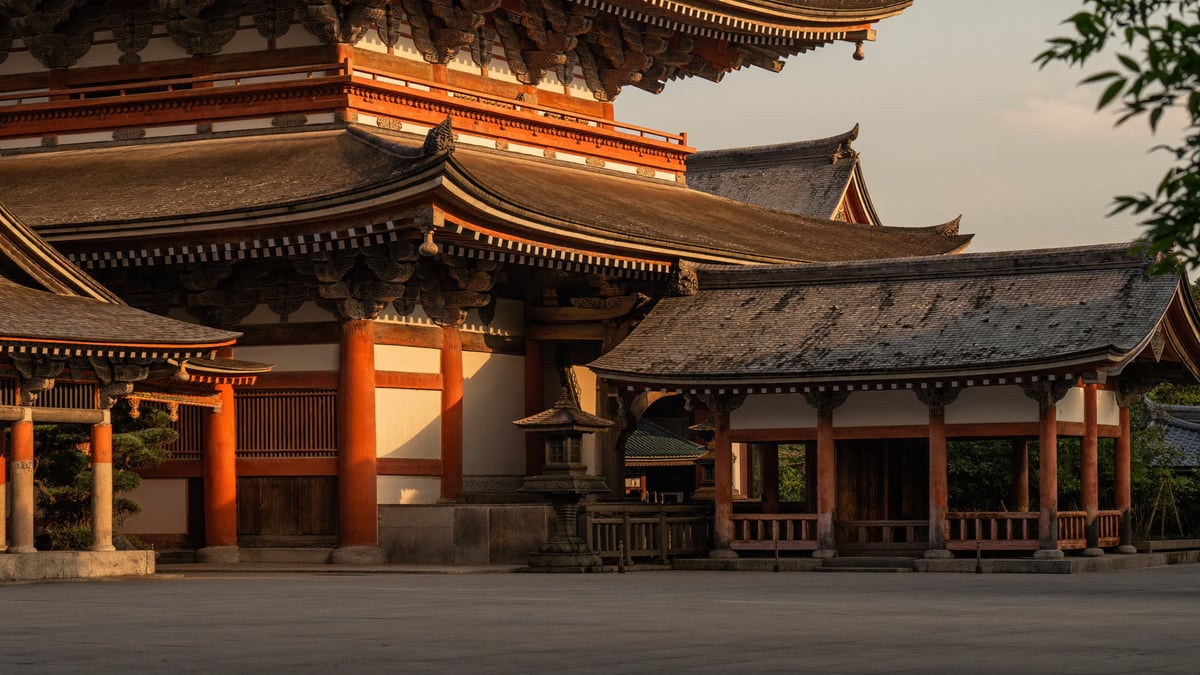
Japan's food culture is one of the primary reasons UK travellers return again and again, and both Kyoto and Tokyo offer exceptional eating experiences, though with meaningfully different characters.
Eating in Kyoto: Seasonality and Ceremony
Kyoto's cuisine, known as kyo-ryori, is built around the Buddhist principle of letting ingredients speak for themselves. The emphasis on seasonal produce, precise preparation, and visual presentation makes dining in Kyoto an aesthetic act as much as a nutritional one. Tofu is a genuine Kyoto speciality, Kyoto-style tofu (kyo-tofu), made from local water, has a silkiness that converts even dedicated tofu sceptics.
Street food in Kyoto clusters around temple districts and the Nishiki Market, a covered market lane running through central Kyoto that locals call "Kyoto's Kitchen." Here you will find pickled vegetables (tsukemono), skewered yuba (tofu skin), fresh mochi, and small shops selling handmade sweets that are as beautiful to look at as they are to eat. Prices are tourist-adjacent but not unreasonable, budget £15–£25 for a thorough Nishiki browse and snack.
Eating in Tokyo: The Most Starred City on Earth
Tokyo holds more Michelin stars than any other city in the world, a fact that still surprises many UK travellers who associate fine dining primarily with Paris or London. But the more relevant truth for most visitors is that Tokyo's everyday food, from convenience store onigiri to standing ramen bars to neighbourhood sushi counters, is of a quality that would be considered premium in most British cities.
The range is extraordinary: Tsukiji Outer Market for the freshest sushi breakfast you will ever eat, Depachika (department store basement food halls) for every conceivable Japanese confection, izakaya in Golden Gai for grilled yakitori and ice-cold Sapporo, conveyor-belt kaiten-zushi restaurants where a complete meal costs under £15. For UK food lovers, Tokyo is genuinely overwhelming in the best possible way.
One practical tip: download Google Translate with Japanese camera translation before you arrive. Many outstanding local restaurants, particularly the older, family-run spots, operate with Japanese-only menus, and the camera translation function means you can decipher a handwritten menu board without any difficulty.
Top Experiences: What to Actually Do in Each City
Beyond the broad cultural character of each city, UK travellers planning a Japan holiday need a concrete sense of what their days will actually look like. Here are the experiences that consistently define each destination.
Kyoto's Essential Experiences
- Fushimi Inari Taisha at dawn: The thousands of vermilion torii gates lining the mountain path behind this shrine are iconic, but the experience is completely transformed by arriving before 7am, when the crowds have not yet gathered and the light filters through the gates in long amber shafts. It is one of the most visually extraordinary walks available to any traveller, anywhere.
- The Philosopher's Path in cherry blossom season: A two-kilometre canal-side walk lined with hundreds of cherry trees, connecting Ginkaku-ji (the Silver Pavilion) to Nanzen-ji Temple. In late March to early April, the sakura canopy turns this walk into something otherworldly. Outside blossom season it remains beautiful, quieter, and worth doing.
- Arashiyama Bamboo Grove: The bamboo grove at Arashiyama is genuinely as extraordinary as its photographs suggest, particularly in early morning light. Pair it with the nearby Tenryu-ji garden and a boat ride on the Oi River for a full day in one of Japan's most scenic districts.
- A tea ceremony: Participating in a formal chado (the Way of Tea) ceremony, even a tourist-accessible version, provides genuine insight into the Zen-influenced philosophy that underpins much of Kyoto's cultural identity. Many temples and tea houses offer 45–60 minute sessions for around £15–£25 per person.
- Gion at dusk: Walking the lanes of Higashiyama and Gion as the lanterns come on and the streets quiet down is an experience that resists adequate description. If you are lucky enough to spot a geiko (geisha) or maiko en route to an appointment, resist the temptation to photograph them intrusively, it is considered disrespectful and the city has introduced guidelines around it.
Tokyo's Essential Experiences
- Shibuya Crossing at peak hour: Standing above the world's busiest pedestrian crossing at rush hour, watching hundreds of people flow across it simultaneously from multiple directions with perfect mutual avoidance, is a surprisingly moving experience. It captures something essential about Tokyo: organised complexity operating at extraordinary scale.
- TeamLab digital art installations: Tokyo has become the global capital of immersive digital art, led by the teamLab collective whose permanent spaces (teamLab Borderless and teamLab Planets) create genuinely extraordinary environments where light, water, and technology dissolve the boundary between viewer and artwork. Pre-booking is essential and tickets sell out weeks in advance.
- Tsukiji Outer Market breakfast: Arriving at the Tsukiji Outer Market by 7am for a sushi or tamago breakfast is a Tokyo ritual. The inner wholesale market has relocated to Toyosu, but the outer market's stalls, shops, and small restaurants remain one of the most vibrant food experiences in the city.
- Shinjuku Gyoen National Garden: A reminder that Tokyo contains extraordinary natural spaces within its urban fabric. The Gyoen's 58 hectares include formal French and English gardens alongside traditional Japanese landscape design. Entry costs a few hundred yen and the contrast with the surrounding city is striking.
- An evening in Golden Gai: The tiny cluster of around 200 miniature bars in Shinjuku's Golden Gai district, each seating perhaps six to eight people, is one of Tokyo's most characterful evening experiences. Many bars have cover charges and specific themes, jazz bars, literary bars, bars for fans of particular football clubs. It is intimate, unconventional, and entirely unlike anything available in the UK.
Which City Suits Which Type of UK Traveller?
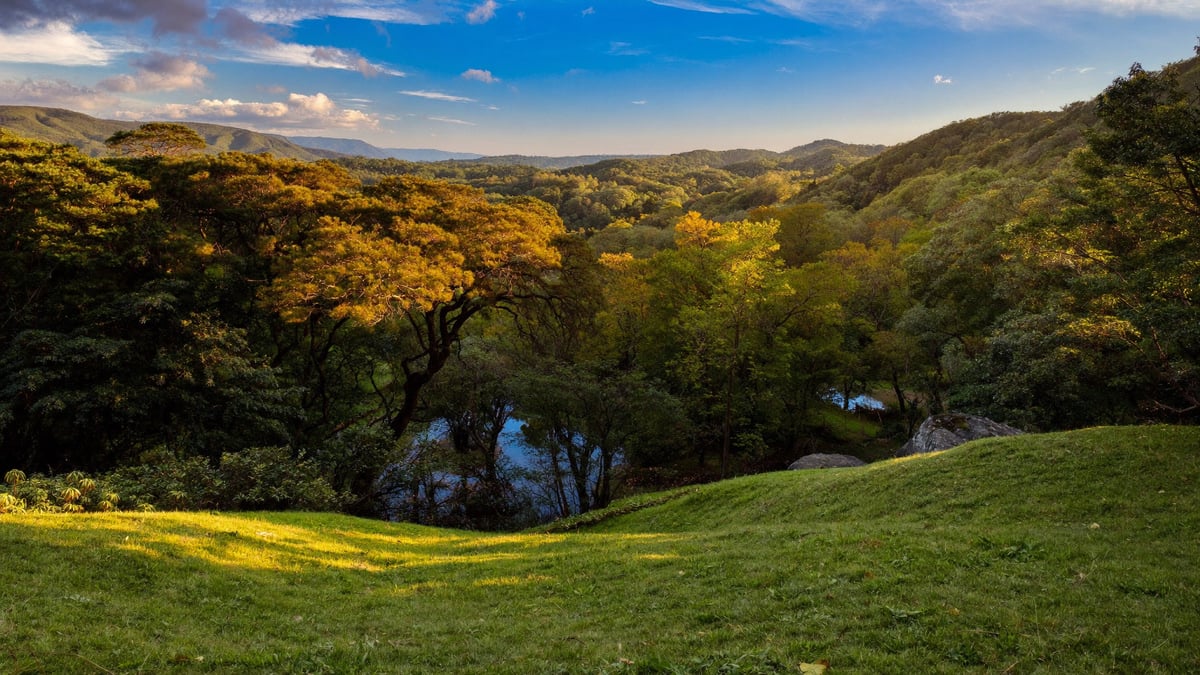
Rather than making a blanket recommendation, it is more useful to map city choice against traveller profile. The matrix below is drawn from the patterns most commonly observed among first-time Japan visitors from the UK.
| Traveller Type | Recommended Primary City | Reasoning | Suggested Split |
|---|---|---|---|
| Honeymooners | Kyoto ✅ | Ryokan stays, intimate temple gardens, kaiseki dinners, romantically unmatched | 4 nights Kyoto, 3 nights Tokyo |
| Families with children | Tokyo ✅ | TeamLab, Ghibli Museum (pre-book), DisneySea, Pokémon Centre, endless activity variety | 4 nights Tokyo, 2 nights Kyoto |
| Solo culture seekers | Kyoto ✅ | Deep immersion in temples, crafts, zen gardens; slower pace rewards contemplative travel | 5 nights Kyoto, 3 nights Tokyo |
| Food-focused travellers | Tokyo ✅ | World's most Michelin-starred city; extraordinary range at every price point | 5 nights Tokyo, 3 nights Kyoto |
| Retirees | Kyoto ✅ | Manageable pace, extraordinary history, accessible temples; less overwhelming than Tokyo | 5 nights Kyoto, 2 nights Tokyo |
| First-time visitors | Both ⚠️ | Neither city gives the full picture without the other; a combined itinerary is strongly recommended | 3 nights Tokyo, 3 nights Kyoto, 1 night Osaka |
| Budget travellers | Tokyo ✅ | More hostel and budget hotel options; free/cheap attractions; convenience store meals are genuinely excellent | 4 nights Tokyo, 2 nights Kyoto |
The Case for Adding Osaka and Nara to Your Itinerary
Any honest guide to the Kyoto-Tokyo decision for UK travellers has to address the elephant in the room: the Kansai region, in which Kyoto sits, is extraordinarily rich in worthwhile destinations that are easily accessible as day trips or short detours. Ignoring this context risks sending travellers to Kyoto with a too-narrow frame of reference.
Osaka: Kyoto's Louder Neighbour
Osaka sits just 15 minutes from Kyoto by Shinkansen and roughly 30 minutes by local express train. It is a city with a completely different personality from both Kyoto and Tokyo: louder, more street-food-oriented, more self-deprecatingly funny (Osaka has a genuine reputation within Japan for producing comedians and having a culture that values wit over propriety). The Dotonbori entertainment district is one of Japan's most photographed streets, and Osaka's food culture, particularly takoyaki (octopus dumplings) and okonomiyaki (savoury pancakes), is celebrated across the country.
For UK travellers staying in Kyoto, an Osaka day trip requires almost no planning and adds enormous variety to the itinerary. If your package includes three or more nights in Kyoto, building in one Osaka evening is essentially a free upgrade.
Nara: Ancient Capital and Free-Roaming Deer
Nara, Japan's first permanent capital, sits 45 minutes from Kyoto by express train. The city's Todai-ji Temple houses the world's largest bronze Buddha and is genuinely awe-inspiring in scale. The surrounding Nara Park is home to roughly 1,200 semi-wild sika deer that roam freely among visitors and have been designated as national treasures. Feeding them specially made shika senbei (deer crackers, sold throughout the park) is an experience that tends to produce the best photographs of any Japan trip, particularly if you are travelling with children.
Nara is manageable as a half-day trip from Kyoto and pairs well with an afternoon at one of Kyoto's western temples. It adds an entirely different dimension to the Kansai experience without requiring additional overnight accommodation.
Seasonal Considerations for UK Travellers
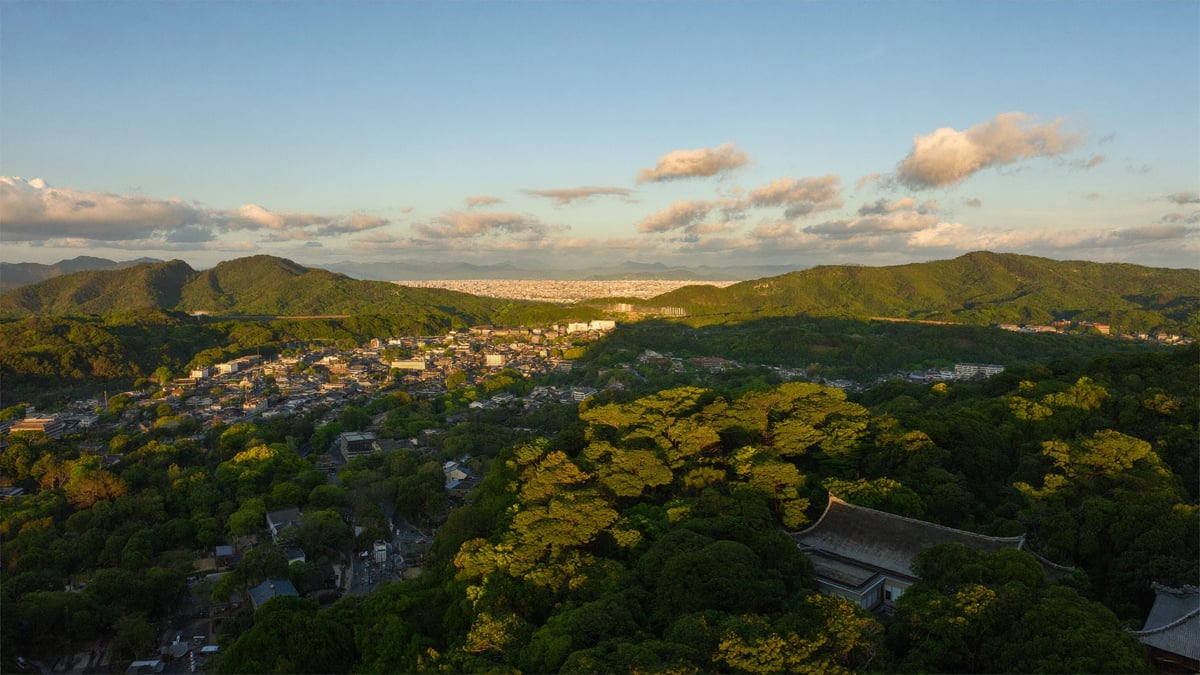
Japan's seasons are not merely meteorological, they are cultural events. Understanding when to go significantly affects what your experience of both cities will be, and UK travellers booking Japan packages well in advance should factor season into their planning rather than just availability and price.
Cherry Blossom Season (Late March to Early April)
Sakura season is Japan's most celebrated seasonal event and the single most popular time for international visitors. Both Kyoto and Tokyo are extraordinarily beautiful during hanami (cherry blossom viewing), with parks, riverbanks, and temple gardens transformed by the blossoms. The trade-off is that both cities are at their most crowded and hotel prices are at their annual peak. UK travellers booking for cherry blossom season should plan at least nine to twelve months in advance and expect to pay a premium of 30–50% above standard accommodation rates.
Autumn Foliage (Mid-November to Early December)
Autumn is, in the view of many seasoned Japan travellers, the more rewarding season. The koyo (autumn foliage) season turns Kyoto's temple gardens into a blaze of crimson, amber, and gold that rivals anything in New England or the Scottish Highlands. Temperatures are comfortable for walking (typically 10–18°C), crowds are present but more manageable than spring, and the quality of light in late afternoon is exceptional for photography. Tokyo's Shinjuku Gyoen and Rikugien garden are among the city's finest autumn foliage spots.
Summer (July to August)
Summer in Japan is hot and humid, with temperatures regularly reaching 34–38°C in both cities. It is the least comfortable season for sightseeing but brings its own rewards: spectacular summer festivals (matsuri), including Kyoto's Gion Matsuri in July, one of Japan's most famous traditional festivals, and Tokyo's Sumida River fireworks display. UK travellers who visit in summer should plan lighter itineraries, start sightseeing early to beat both heat and crowds, and schedule afternoon rest periods.
Winter (December to February)
Winter is Japan's best-kept seasonal secret for UK travellers. Both cities are significantly less crowded, accommodation prices drop, and while Kyoto's temples lack the drama of blossom or foliage, they take on a spare, contemplative quality that has its own appeal. Occasional snow in Kyoto transforms the golden pavilion of Kinkaku-ji and the stone lanterns of Fushimi Inari into something from a woodblock print. Tokyo in winter is cold but manageable (typically 3–12°C) and the city's indoor culture, museums, department stores, jazz bars, hot ramen, comes into its own.
Japan Package Holidays from GlobeHunters: What UK Travellers Can Book
Building a Japan itinerary from scratch, managing flight bookings, Shinkansen reservations, hotel selections across two cities, activity pre-booking, and Japan Rail Pass procurement, is manageable but time-consuming. For UK travellers who want the experience optimised rather than assembled piecemeal, a structured Japan package holiday removes the logistical overhead and often delivers better value than independent booking.
GlobeHunters offers Japan package holidays for UK travellers that combine return flights from UK airports, accommodation in Tokyo and Kyoto (with options from business hotels to boutique properties), and curated activities through the Viator network. Packages are available across a range of budgets and trip lengths, with the platform drawing on real-time pricing from Duffel (flights) and Hotelbeds (accommodation) to ensure competitive rates.
For couples, honeymooners, and first-time Japan visitors in particular, a package approach means you arrive with the major logistics already resolved: your Shinkansen connection is booked, your hotels are confirmed, and your key activities are pre-reserved. In a country where popular experiences like the teamLab installations and the Ghibli Museum sell out weeks ahead, pre-booking through a package provider is a meaningful practical advantage.
Contact GlobeHunters on 020 8944 4700 to discuss Japan itinerary options, or explore current Japan package pricing online. The team can build combined Tokyo-Kyoto packages with optional extensions to Osaka, Hiroshima, or Hakone, tailored to your travel dates and budget.
For UK travellers curious about how Kyoto compares to other "small but mighty" cultural destinations in the region, the BBC Travel guide to Japan's "little Kyoto" destinations offers an interesting perspective on the satellite towns that replicate elements of Kyoto's heritage in even more intimate settings.
Practical Logistics: What UK Travellers Often Get Wrong
Beyond the big strategic question of which city to prioritise, there are several practical logistics that UK travellers consistently mishandle on Japan trips. Getting these right transforms the experience.
Cash vs. Card
Japan remains substantially more cash-reliant than the UK, though this is changing in major tourist areas. Carry yen in cash for smaller restaurants, temples, shrine entry fees, and any establishment outside the main tourist districts. 7-Eleven, Lawson, and FamilyMart convenience store ATMs reliably accept international cards and are the most convenient source of yen withdrawals. Notify your UK bank before travel to avoid cards being blocked for overseas transactions.
IC Card for Transport
Purchase a Suica or Pasmo IC card on arrival at Tokyo or Kyoto station. These rechargeable smart cards work on virtually all trains, subways, and buses across Japan and can also be used to pay at convenience stores and many vending machines. They eliminate the need to purchase individual tickets and save significant time at ticket barriers. The cards can now be added to Apple Pay and Google Pay before you travel, avoiding the need to queue at a machine on arrival.
Pocket Wi-Fi vs. SIM Card
Reliable mobile data is essential in Japan for navigation (Google Maps works excellently), translation, and restaurant lookups. UK travellers have two main options: a pocket Wi-Fi device (rented at the airport and returned at departure) or a local data SIM purchased on arrival. SIM cards from IIJmio, Docomo, or similar providers are available at major airports and offer good-value data packages for trips of one to three weeks. Pocket Wi-Fi suits groups travelling together who want to share connectivity.
Etiquette Essentials
Japan's social norms are thoughtfully codified in ways that UK visitors sometimes inadvertently breach. Key points: do not eat while walking on the street (sit down, even on a kerb, to eat street food); never tip in restaurants or taxis (it is considered rude rather than generous); remove shoes when entering temples, ryokan rooms, and some restaurants where floor-level seating is used; bow slightly when thanked or greeted; speak quietly on public transport. None of these require heroic effort, and Japanese people are patient and welcoming to visitors who make good-faith attempts at cultural respect.
Frequently Asked Questions
Is Kyoto or Tokyo better for a first visit to Japan?
Both cities are essential to understanding Japan, and a combined itinerary is the strongest recommendation for first-time visitors. If you can only visit one, Kyoto provides the deepest immersion in Japan's historical and cultural identity, while Tokyo delivers the contemporary urban experience. With ten nights or more, a three-to-four night stay in each city is achievable and deeply satisfying.
How long should I spend in each city?
A minimum of three nights in each city allows you to cover the headline experiences without rushing. Four nights is more comfortable. Five or more nights in Kyoto rewards those who want to explore beyond the tourist circuit into quieter temple districts, neighbourhood markets, and day trips to Nara or Osaka. Tokyo is so large that a week barely scratches the surface.
What is the best time of year for UK travellers to visit Japan?
Autumn (mid-November to early December) offers the best combination of comfortable temperatures, spectacular scenery, and manageable crowds. Spring cherry blossom season (late March to early April) is the most visually dramatic but requires booking well in advance and carries premium pricing. Winter is underrated and genuinely appealing for travellers who prefer quieter destinations.
Is Japan expensive for UK travellers?
Japan is more affordable than its reputation suggests, particularly for dining and transport. A mid-range daily budget of £120–£200 per person (excluding accommodation) covers excellent meals, temple entries, and local transport comfortably. Accommodation ranges from £30 (capsule hotels) to £450+ (luxury ryokan with meals). The Shinkansen and Japan Rail Pass are the most significant variable costs for multi-city itineraries.
Do I need to speak Japanese to visit Japan?
Not at all. Major tourist areas in both Tokyo and Kyoto have English signage, and most hotels and large restaurants in tourist districts have English-speaking staff. Google Translate's camera function handles menus and signs with reasonable accuracy. The Japanese population is consistently described by returning UK visitors as among the most helpful and welcoming they have encountered anywhere in the world.
How do I get between Kyoto and Tokyo?
The Tokaido Shinkansen is the standard route, covering the distance in approximately 2 hours 15 minutes on the Nozomi express. A single standard-fare ticket costs approximately £100; a Japan Rail Pass purchased before departure in the UK may offer savings depending on your total itinerary. Night buses are available for budget travellers at around £30–£50 one-way but take five to seven hours.
Can I visit Kyoto as a day trip from Tokyo?
Technically yes, but it is not recommended. The round-trip Shinkansen alone takes four and a half hours, leaving only a few hours in Kyoto itself. Kyoto rewards slow exploration and early morning visits to its major shrines. Staying at least two nights significantly improves the quality of the experience.
What Japan package holidays does GlobeHunters offer for UK travellers?
GlobeHunters offers combined Tokyo-Kyoto package holidays including return flights from UK airports, hotel accommodation, and curated activities. Packages can be customised with extensions to Osaka, Hiroshima, or Hakone. Call 020 8944 4700 or visit the GlobeHunters website to discuss current availability and pricing for your travel dates.
Is Kyoto suitable for families with young children?
Kyoto is manageable with children but suits older children (10+) more naturally than young ones. The deer park at nearby Nara is a universal favourite. For families with young children, Tokyo offers considerably more child-targeted entertainment, from the teamLab Planets immersive art experience to Tokyo DisneySea and the Ghibli Museum (pre-booking essential for the latter).
When should I book a Japan holiday to get the best prices from the UK?
For cherry blossom season (late March to April), book nine to twelve months in advance. For all other periods, four to six months ahead is generally sufficient for good availability and competitive pricing. Travelling in January, February, or late November typically offers the lowest combination of flights and accommodation costs while still delivering an excellent Japan experience.
Is Japan safe for solo UK travellers?
Japan consistently ranks among the safest countries in the world for solo travel. Both Kyoto and Tokyo have extremely low crime rates, and solo travellers, including solo women, report feeling comfortable and safe at all hours. The main practical consideration for solo travellers is that some ryokan and restaurants have minimum booking numbers, so it is worth confirming in advance.
What should I pack for a Japan holiday from the UK?
Comfortable walking shoes are essential, Japan involves significant daily walking, often 15,000 to 25,000 steps. Slip-on shoes are practical for temple visits. A small day bag, a portable battery charger, and a universal travel adaptor (Japan uses Type A plugs, the same as the US) are all worthwhile. Pack light: Japan's convenience stores, pharmacies, and 100-yen shops supply almost any forgotten item at reasonable cost.
Key Takeaways
- Kyoto and Tokyo are complementary, not competing. Most UK travellers will have a richer experience visiting both cities rather than choosing between them. The Shinkansen makes a combined itinerary logistically straightforward.
- Kyoto suits culture, history, and romance. With 17 UNESCO World Heritage Sites, extraordinary ryokan accommodation, and a slower, more contemplative pace, Kyoto is the best Japanese city for travellers prioritising heritage and tranquillity.
- Tokyo suits energy, food, and variety. As the world's most Michelin-starred city and a destination of almost inexhaustible diversity, Tokyo rewards urban explorers, families, food lovers, and those who want the full spectrum of contemporary Japanese culture.
- Autumn is the most underrated season for UK visitors. The koyo foliage season (mid-November to early December) offers spectacular scenery, comfortable temperatures, and more manageable crowds than cherry blossom season.
- Seasonal timing affects price significantly. Cherry blossom season carries a 30–50% accommodation premium; winter travel offers the best value alongside genuine cultural rewards.
- A Japan Rail Pass, purchased before departure, can save meaningfully on multi-city itineraries including the Tokyo-Kyoto Shinkansen plus day trips to Hiroshima, Hakone, or Osaka.
- GlobeHunters Japan packages remove the logistical complexity of building a multi-city Japan itinerary from scratch, with real-time flight and hotel pricing and access to pre-bookable activities through Viator.
Planning Your Japan Holiday: The Next Step
Japan is one of those rare destinations that genuinely exceeds expectations, regardless of how high you set them. The question of Tokyo or Kyoto which to visit is ultimately less important than simply committing to the trip itself. Both cities will surprise you, move you, and send you home with a list of reasons to return.
For UK travellers ready to move from browsing to booking, the most efficient next step is a conversation with a specialist. GlobeHunters has been building Japan itineraries for UK visitors since 2003 and can advise on the right city split for your travel style, budget, and travel dates. Current Japan packages combining flights, accommodation in both cities, and pre-booked activities are available across a range of price points.
Call the GlobeHunters team on 020 8944 4700 to discuss Japan package options, or visit the website to explore current pricing. Japan is waiting, and it is considerably closer to spectacular than most people imagine before they first arrive.
About the author
Spiros Maragkoudakis · Chief Commercial Officer
Ready to Book Your Kyoto Holiday?
Our travel experts are ready to help you plan the perfect trip. Call us today or browse our latest deals.
Ready to Start Planning?
Speak to our travel experts for personalised advice and the best deals on your next holiday.
Call 020 8944 4700