Most travellers spend months agonising over this decision, convinced there is one objectively correct answer. There is not. The Masai Mara and the Serengeti are, in ecological terms, the same ecosystem split by a political border, yet they deliver strikingly different safari experiences depending on when you go, what you want to see, and how you prefer to travel. Getting this choice wrong does not ruin a trip, but getting it right transforms a good holiday into something you will talk about for the rest of your life.
For UK travellers specifically, the calculus involves more than wildlife. Flight connections, visa requirements, package pricing, and the kind of accommodation that sits within a realistic budget all feed into the equation. This guide works through every variable so you can make a genuinely informed decision rather than defaulting to whichever destination appeared first in a travel magazine.
Understanding the Ecosystem: Why This Comparison Is Unique Among Safari Debates
The Masai Mara and the Serengeti share the same continuous savannah, the same migratory herds, and the same cast of predators. Understanding this shared biology is the starting point for any honest comparison.
The Masai Mara and Serengeti ecosystem covers roughly 25,000 square kilometres of protected land spanning Kenya and Tanzania. The Mara River, which cuts through both reserves, is the single most dramatic feature of this landscape: it is the crossing point where wildebeest, zebra, and gazelle risk their lives to continue the annual migration. The river does not care about borders, and neither do the animals.
What does differ between the two countries is everything surrounding that wildlife: the quality of road infrastructure, the density of other visitors, the regulatory approach to game drives, the culture of the local communities, and the price of almost everything from a park entry fee to a gin and tonic at sunset.
The Migration: What It Actually Is and Why It Matters
The Great Wildebeest Migration is not a single event. It is a year-round, circular movement of roughly 1.5 million wildebeest, 200,000 zebra, and 400,000 gazelle following rainfall and fresh grass across the ecosystem. The animals are always moving somewhere within the system. The famous river crossings, which appear in virtually every safari documentary, happen when the herds are in transit between the Serengeti's northern reaches and the Masai Mara, broadly from July through October.
This matters enormously for your timing decision. If you arrive in the Masai Mara in February, the bulk of the herds are calving on the southern Serengeti plains. If you arrive in the Serengeti in September, the main herds may already have pushed north into Kenya. Neither destination has a monopoly on the migration; they share it, and the timing of your trip determines where the action is.
Masai Mara: Kenya's Flagship Safari Reserve
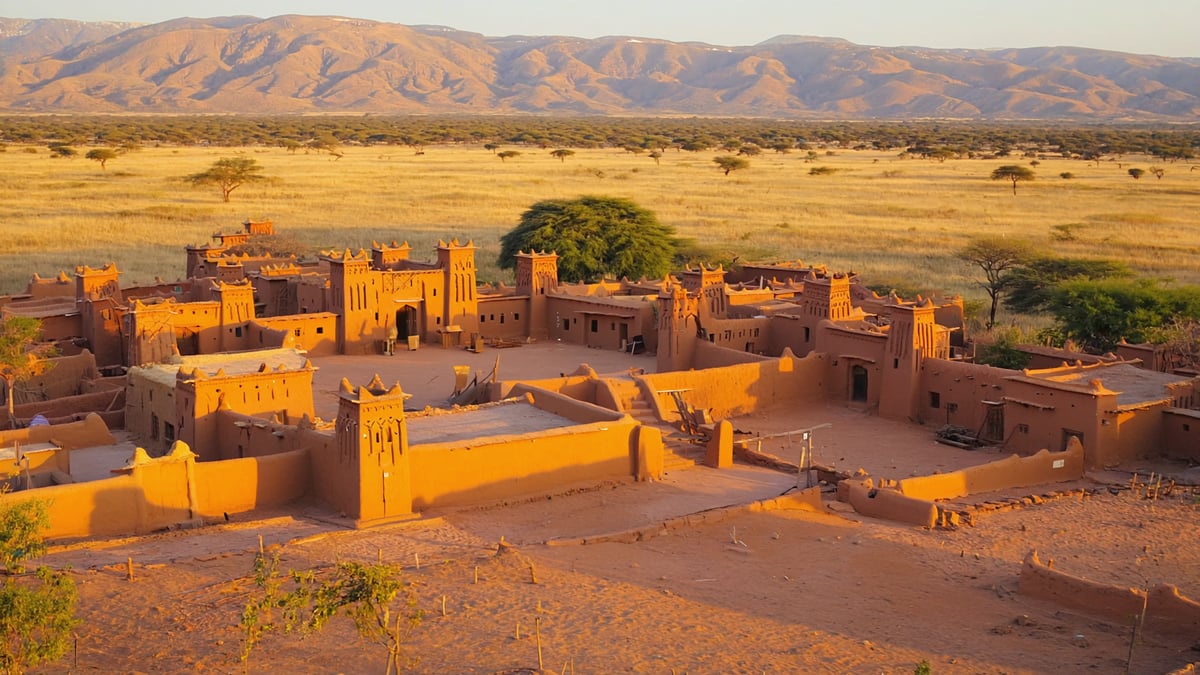
The Masai Mara is Kenya's most celebrated wildlife reserve and one of the most visited game reserves on the African continent. It sits in southwestern Kenya, bordering Tanzania's Serengeti, and covers approximately 1,510 square kilometres of protected national reserve, surrounded by privately managed conservancies that add significantly to the total wildlife area.
Wildlife Density and Viewing Quality
The Mara is justifiably famous for predator density. Lions, cheetahs, leopards, hyenas, and wild dogs are all present in numbers that make sightings genuinely reliable rather than hoped-for. The open grassland terrain, relatively flat and unobstructed, means you can spot animals at distance and watch entire hunts and kills unfold without losing sight of the action.
Big cat sightings in the Mara are among the most consistent on the continent. The Mara Triangle, managed by the Trans Mara Conservation Area, tends to have slightly fewer vehicles per sighting than the main reserve, making it worth specifying when booking. The conservancies surrounding the main reserve, including Olare Motorogi, Naboisho, and Ol Kinyei, operate with strict vehicle limits per sighting and allow night drives and off-road game driving, which the national reserve itself prohibits.
The Private Conservancy Advantage
This is one of the most underappreciated aspects of a Masai Mara safari. The privately managed conservancies surrounding the national reserve offer a qualitatively different experience from the main park. Vehicle limits per game sighting, night drives, bush walks with armed guides, and sundowner stops in the middle of the bush are all possible in the conservancies but not in the national reserve. Staying in a camp within a conservancy typically costs more, but the exclusivity and freedom of movement justify the premium for serious wildlife enthusiasts.
Visitor Numbers and Crowd Management
The Masai Mara has faced criticism for overcrowding at peak season, particularly during the river crossings from July to October. A single crossing can attract dozens of vehicles, and the experience of watching wildebeest brave crocodile-filled waters while surrounded by a traffic jam of Land Cruisers is genuinely jarring. This is not a deal-breaker, but it is worth knowing before you go. Booking a camp in one of the conservancies, rather than the national reserve itself, reduces exposure to the worst of the congestion.
Practical Entry for UK Travellers
UK passport holders can obtain a Kenya e-Visa online before travel, currently priced at USD 50 for a single-entry tourist visa. The process is straightforward and can be completed well in advance of departure. Nairobi's Jomo Kenyatta International Airport has direct connections to London Heathrow, London Gatwick, and Manchester, with carriers including Kenya Airways and British Airways operating regular routes. Flight time from the UK is approximately 8.5 to 9.5 hours direct. From Nairobi, travellers reach the Mara by a scheduled or chartered light aircraft flight (roughly 45 minutes) or by road (approximately 5 to 6 hours on varied road quality).
Cost Profile for UK Visitors
| Category | Budget Tier | Mid-Range Tier | Luxury Tier |
|---|---|---|---|
| Accommodation (per night) | £100–£200 | £200–£500 | £500–£1,500+ |
| Park Fees (per day) | ~USD 80 (national reserve) | ~USD 80 (national reserve) | Included in conservancy fees |
| UK Flights (return, per person) | £550–£750 | £750–£1,100 | £1,100–£3,000+ |
| Internal Transfer (Nairobi–Mara) | £30–£60 (road) | £100–£200 (scheduled air) | £200–£400 (charter air) |
| Full Package (7 nights, per person) | From ~£1,800 | £2,500–£4,500 | £5,000–£12,000+ |
GlobeHunters currently offers curated Kenya Tanzania safari packages combining Nairobi, the Masai Mara, and optional beach extensions at Diani or Mombasa. Packages start from around £2,199 per person including return flights from London, internal transfers, and accommodation. Call 0208 944 4514 to speak with a specialist who can tailor dates and properties to your budget.
Serengeti: Tanzania's Vast and Legendary Plain
The Serengeti National Park is larger, older as a protected area, and in many respects wilder-feeling than the Masai Mara. Covering approximately 14,750 square kilometres, it dwarfs its Kenyan neighbour and offers a genuinely immersive sense of being somewhere remote and untouched. If the Masai Mara is an exceptional wildlife reserve, the Serengeti is a different category of wilderness altogether.
Scale and Landscape Diversity
The sheer size of the Serengeti means it encompasses multiple distinct ecosystems within a single park boundary. The southern short-grass plains around Ndutu are where calving happens in the first months of the year, drawing cheetahs, lions, hyenas, and jackals in extraordinary concentrations. The central Seronera region, accessible year-round and the most visited section of the park, has one of the highest leopard densities anywhere in Africa. The western corridor, with its swamps and riverine forests, offers completely different vegetation and species. The northern Serengeti, bordering the Mara, is where the river crossings happen and where the landscape feels most similar to Kenya.
Wildlife and the Big Five
The Serengeti reliably delivers all of the Big Five: lion, leopard, elephant, buffalo, and rhino (the latter in the protected Ngorongoro Crater, which most Serengeti packages include). Black and white rhinos are critically endangered, and sightings are never guaranteed, but the Ngorongoro Crater's enclosed ecosystem gives you a better chance than almost anywhere else on the continent. Beyond the Big Five, the Serengeti also supports wild dogs, serval cats, bat-eared foxes, and an extraordinary diversity of birdlife exceeding 500 recorded species.
Crowd Levels and the Sense of Space
Because the Serengeti is so much larger than the Masai Mara, the impact of visitor numbers is diluted across a much greater area. Even during peak season, driving for an hour without seeing another vehicle is entirely possible in the less-frequented northern and western sections. Tanzania's approach to tourism has historically prioritised higher-spending, lower-volume visitors, which filters through to the overall atmosphere on the ground. The trade-off is that this approach means budget options are more limited than in Kenya.
Practical Entry for UK Travellers
UK passport holders require a Tanzania tourist visa, obtainable online via the Tanzania e-Visa portal or on arrival. The current fee is USD 50 for most nationalities. The main gateway airport is Kilimanjaro International Airport (JRO), which serves the northern circuit including the Serengeti and Ngorongoro. Alternatively, Julius Nyerere International Airport in Dar es Salaam handles more international flights but requires a domestic connection to reach the Serengeti. Flight options from the UK are less direct than Kenya; many routes involve a connection in Nairobi, Addis Ababa, Dubai, or Doha, adding to total travel time. Expect 12 to 16 hours total journey time from the UK depending on routing. Within Tanzania, light aircraft connections from Arusha or Kilimanjaro to the Serengeti's multiple airstrips are the standard and recommended transfer method.
Cost Profile for UK Visitors
| Category | Budget Tier | Mid-Range Tier | Luxury Tier |
|---|---|---|---|
| Accommodation (per night) | £150–£300 | £300–£700 | £700–£2,000+ |
| Park Fees (per day) | ~USD 70 (national park) | ~USD 70 (national park) | ~USD 70 (national park) |
| UK Flights (return, per person) | £650–£900 | £900–£1,300 | £1,300–£3,500+ |
| Internal Transfer (Arusha–Serengeti) | £60–£150 (scheduled air) | £150–£300 (scheduled/charter) | £300–£600 (private charter) |
| Full Package (7 nights, per person) | From ~£2,200 | £3,000–£6,000 | £6,500–£15,000+ |
Head-to-Head: Masai Mara vs Serengeti Across Every Key Factor
A side-by-side comparison across the variables that genuinely matter for UK travellers planning African safari holidays from the UK. This is where the decision gets granular.
| Factor | Masai Mara (Kenya) | Serengeti (Tanzania) |
|---|---|---|
| Total protected area | ~1,510 km² (national reserve) + conservancies | ~14,750 km² (national park) |
| Flight time from UK | ~8.5–9.5 hrs (direct to Nairobi) | ~12–16 hrs (usually with connection) |
| Direct UK flights | ✅ Yes (Heathrow, Gatwick, Manchester to Nairobi) | ❌ No direct UK–Tanzania flights |
| Best migration months | July–October | Year-round (varies by region) |
| River crossings | ✅ July–October (prime viewing) | ⚠️ August–September (northern Serengeti) |
| Big Five availability | ⚠️ Rhino rare (Ol Pejeta nearby) | ✅ All Five (rhino at Ngorongoro) |
| Night drives | ✅ In private conservancies only | ⚠️ In some private concessions |
| Off-road driving | ✅ In private conservancies only | ❌ Not permitted in national park |
| Crowd levels (peak season) | ⚠️ Can be very busy at crossings | ✅ More space due to park size |
| Entry-level package cost (UK) | From ~£1,800 pp | From ~£2,200 pp |
| Cultural add-ons | ✅ Maasai village visits widely available | ✅ Maasai, Ngorongoro, Zanzibar extensions |
| Beach extension option | ✅ Diani Beach, Mombasa (Kenya coast) | ✅ Zanzibar (outstanding option) |
Seasonal Strategy: When to Go to Each Destination
Timing is the single most important variable in an African safari holiday from the UK, and the two destinations have meaningfully different seasonal rhythms even though they share the same migratory animals.
The Masai Mara by Season
July to October is peak season in the Mara, driven by the arrival of the wildebeest migration from the Serengeti. The river crossings at the Mara River are the signature event: unpredictable, chaotic, and genuinely extraordinary. Temperatures are mild (17–26°C), skies are largely clear, and game viewing is at its most concentrated. This is also the most expensive and crowded period. Book at least six to nine months in advance if you want specific camps during these months.
January and February offer a compelling alternative. The migration has moved south into Tanzania by this point, but the Mara still holds resident populations of lion, cheetah, leopard, elephant, and buffalo in excellent numbers. Visitor volumes drop significantly, prices fall, and the landscape turns lush and green after the rains. This is arguably the best time for photography, with dramatic skies and excellent light.
November to December brings the short rains. Some camps and roads become inaccessible, but the Mara never fully closes, and the combination of lower prices, fewer tourists, and greener scenery appeals to experienced safari-goers who have ticked the migration off their list.
March to May is the long rainy season. Heavy rainfall can make some tracks impassable, but this is also when many premium camps offer their lowest rates. For budget-conscious UK travellers willing to accept some weather uncertainty, a March departure from the UK can represent excellent value.
The Serengeti by Season
January to March is the Serengeti's calving season, concentrated on the southern plains around Ndutu. Roughly half a million wildebeest calves are born within a few weeks, attracting the highest predator density of the year. Lions, cheetahs, hyenas, and jackals are all hunting at close range in open terrain. This is the Serengeti experience that most wildlife photographers specifically target, and it has the advantage of lower prices than the July–October peak.
April to June sees the herds moving north and west, crossing the Western Corridor rivers. The long rains affect accessibility in some areas, but this is a genuinely underrated time to visit the Serengeti. Prices are lower, vehicles are fewer, and the calving season predator action has given way to dramatic herd movements across vast open plains.
July to October is when the herds reach the northern Serengeti and begin crossing the Mara River into Kenya. The crossings here, particularly at Kogatende in the far north, can be equally spectacular to those seen from the Kenyan side. If you want river crossing drama without committing to a Kenya trip, the northern Serengeti delivers it, though this region requires an additional light aircraft hop from the central Serengeti.
November to December brings the short rains and the start of the migration's southward return journey. Central Seronera and the Ngorongoro Crater area are excellent at this time, and rates across most camps are discounted.
Month-by-Month Recommendation Matrix
| Month | Go to Masai Mara if... | Go to Serengeti if... |
|---|---|---|
| Jan–Feb | You want predators + low crowds + value | You want calving season + newborns + action |
| Mar–May | Budget is priority, some rain acceptable | Western corridor herds + value pricing |
| Jun–Jul | Migration arrives, crossings begin | Herds moving north, excellent all-round viewing |
| Aug–Oct | Peak crossings, best migration show in Africa | Northern Serengeti crossings + fewer crowds |
| Nov–Dec | Green season, photography, budget deals | Ngorongoro Crater, Seronera, short rains deals |
Accommodation: What You Actually Get for Your Money
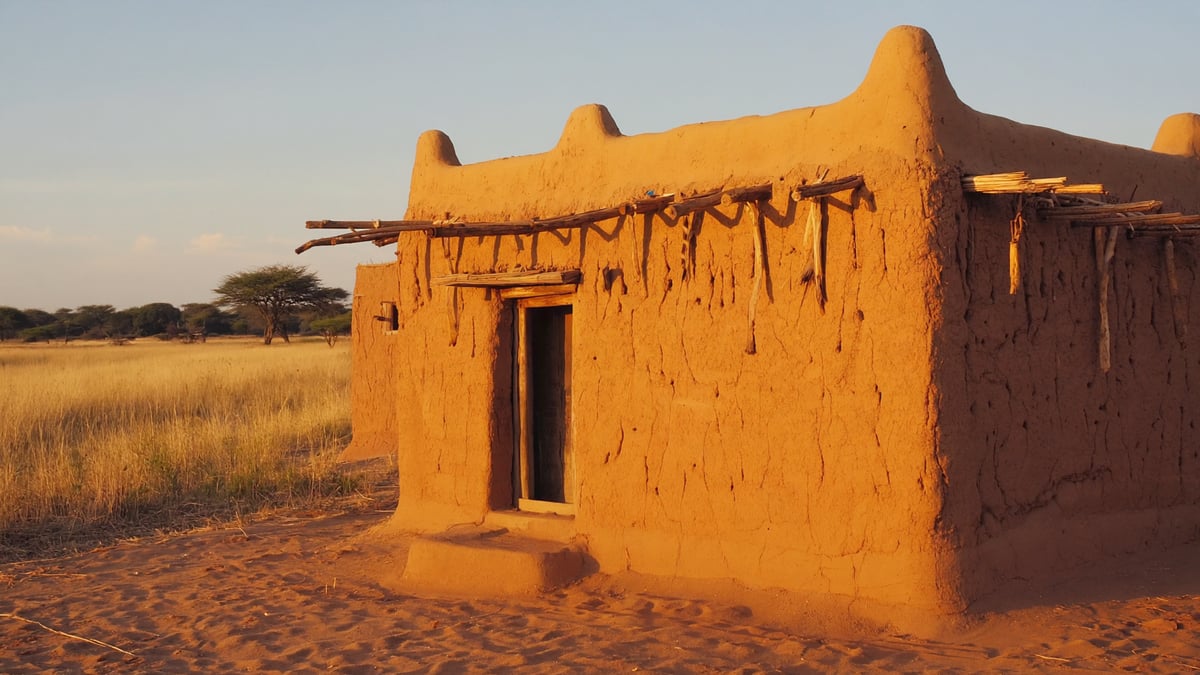
Accommodation is where the two destinations diverge most sharply in character, and understanding the options available at each price point is essential for safari holiday deals from UK travellers working within a real budget.
Masai Mara Accommodation Types
Tented camps are the defining accommodation format in the Mara, ranging from basic shared-facilities camps at the lower end to extraordinarily appointed permanent tent structures with en-suite bathrooms, proper beds, and in some cases private plunge pools. The word "tented" should not suggest roughing it; a mid-range tented camp in the Mara will typically have hot showers, comfortable furniture, and full board dining that rivals good restaurants in Nairobi.
The key distinction for the Mara is between camps inside the national reserve and those in private conservancies. Reserve camps are generally more affordable but operate under the restrictions of the national reserve (no off-road driving, no night drives, set game drive hours). Conservancy camps charge a conservancy fee on top of accommodation, but this buys you an enormously more flexible and exclusive experience. For first-timers who have the budget, a conservancy camp is the stronger recommendation.
Fixed lodges with permanent structures also exist in the Mara ecosystem, offering a more traditional hotel-style experience while remaining close to the game areas. These suit travellers who want comfort and predictability over the immersive tented camp atmosphere.
Serengeti Accommodation Types
The Serengeti offers a similar range of tented camps and fixed lodges, but the scale of the park means that location within the park matters far more than in the Mara. A camp in Seronera (central) gives year-round access to game but is the most crowded area. Camps in the northern Serengeti deliver an almost private-reserve feel during the migration months. Southern camps near Ndutu are essential for calving season but relatively sparse the rest of the year.
Mobile camps are a Serengeti speciality worth highlighting. These are temporary structures that actually move with the migration, repositioning seasonally to stay close to the action. They offer a genuinely immersive, expedition-style experience, and the best mobile operators deliver exceptional guiding and food alongside the adventure element. Prices for premium mobile camps are significant, but the wildlife access and exclusivity they provide is unmatched.
The Ngorongoro Crater, which most Serengeti packages include as a day trip or overnight stay, adds a further dimension. The crater rim lodges with views down into the caldera are among the most atmospheric places to sleep in Africa, with morning mist rolling across the crater floor creating a genuinely otherworldly scene.
The Beach Extension: Kenya vs Tanzania for a Safari-and-Sea Holiday
A safari followed by a beach stay is one of the most popular African safari holiday formats for UK travellers, and both Kenya and Tanzania offer outstanding coastal options that pair naturally with the bush leg of the trip.
Kenya: Diani Beach and the Kenyan Coast
Diani Beach, a 45-minute flight south of Nairobi on the Kenyan coast, is a genuinely beautiful stretch of white coral sand backed by Indian Ocean reef. The water is warm year-round, snorkelling and diving are accessible from the beach, and a range of hotels runs from affordable guesthouses to boutique resort properties. For UK travellers already in Nairobi, adding four or five nights at Diani adds relatively little in transfer costs and dramatically changes the character of the holiday from pure adventure to adventure-plus-relaxation. Mombasa, further north on the coast, is a larger city with more historical and cultural interest and a wider range of accommodation options.
Tanzania: Zanzibar
Zanzibar is, without qualification, one of the finest beach destinations in the Indian Ocean. Stone Town, the UNESCO-listed old quarter of Zanzibar City, is a labyrinth of carved wooden doors, spice markets, Arab-influenced architecture, and narrow streets that rewards a full day of exploration. The beaches of the north and northeast, particularly Nungwi and Kendwa, have clear turquoise water, white sand, and a range of accommodation from budget guesthouses to genuinely luxurious boutique resorts. A Tanzania safari followed by five nights in Zanzibar is, for many travellers, the perfect African holiday format: demanding game drives balanced by complete relaxation on an extraordinary island.
The practical difference is that the Kenya coast is more easily reached from the Mara (one domestic flight via Nairobi), while Zanzibar is a short flight from Dar es Salaam or Kilimanjaro. GlobeHunters offers combined safari and beach packages for both options; call 0208 944 4514 or visit the best safari destination UK packages page on the GlobeHunters platform to compare current pricing and availability.
Traveller Scenarios: Which Destination Fits Your Trip?
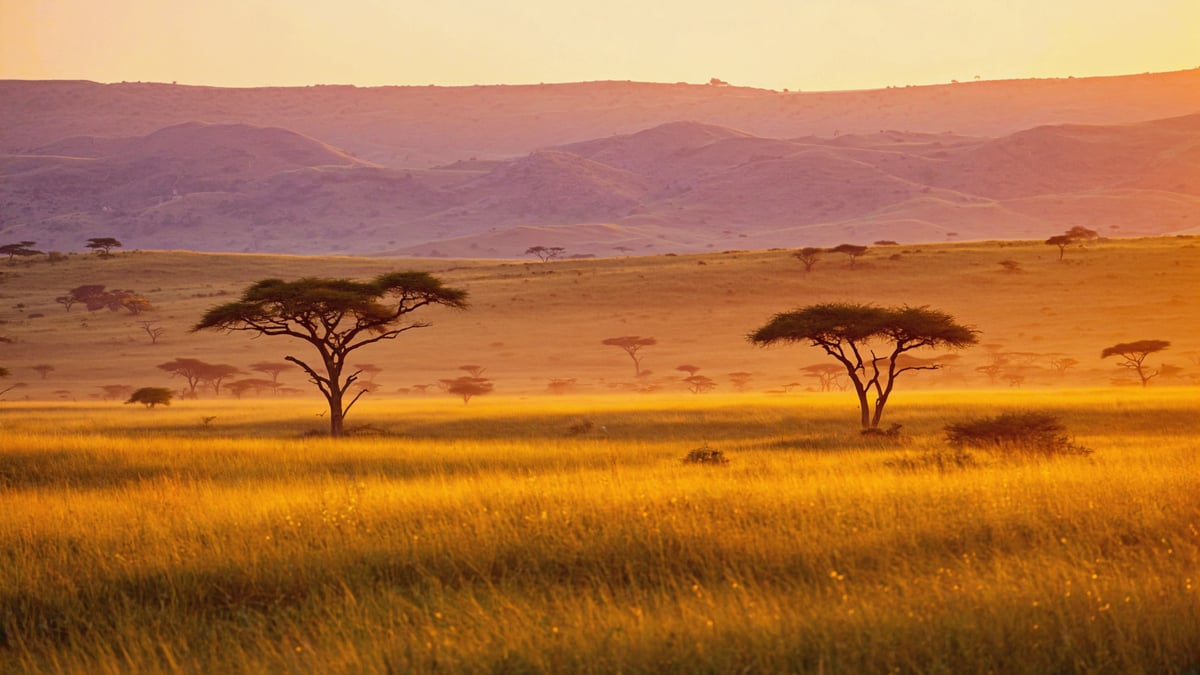
Rather than a generic recommendation, the honest answer to the Masai Mara vs Serengeti debate depends on what kind of traveller you are and what this particular trip needs to deliver. Here is a scenario-by-scenario breakdown.
If You Are a First-Time Safari Traveller
Choose the Masai Mara. The shorter flight from the UK (direct to Nairobi is a significant advantage for first-timers managing the fatigue of long-haul travel), the slightly lower entry-level cost, and the extraordinary density of big cat sightings make the Mara the more forgiving and immediately rewarding destination. The experience of watching a cheetah hunt on open grassland within your first full day in the bush is the kind of thing that turns a good holiday into a life-defining one, and the Mara delivers that experience more reliably and at lower cost than any comparable destination.
If You Have Already Done the Mara and Want More
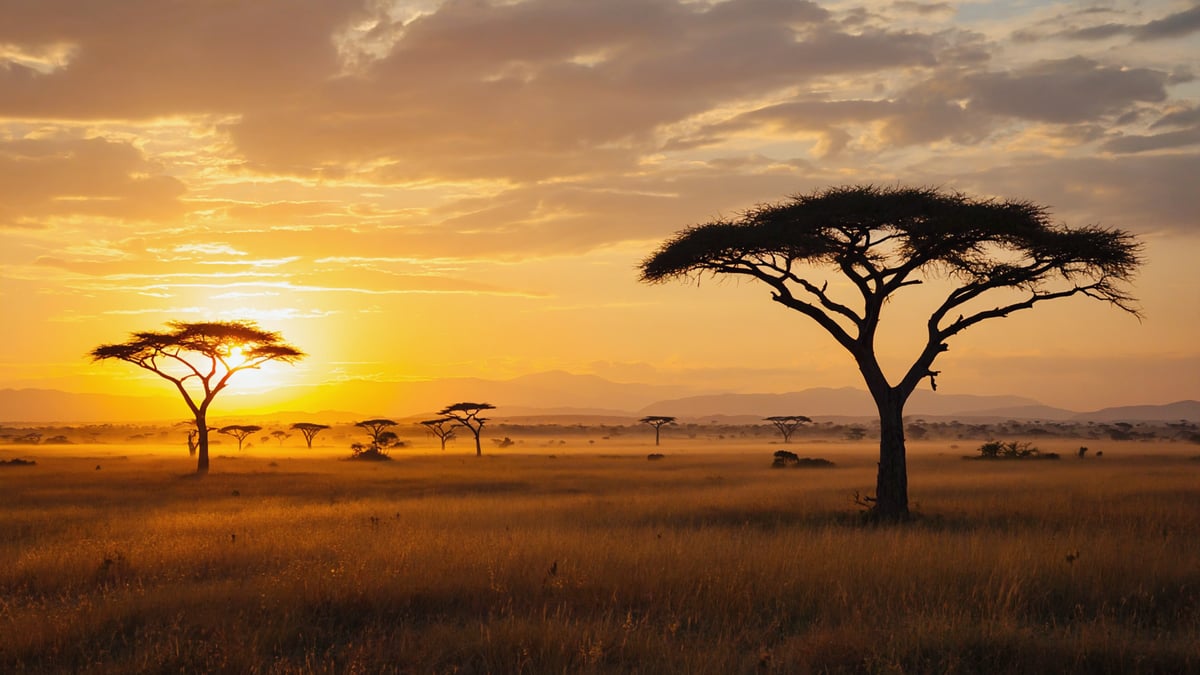
Choose the Serengeti. The scale, the landscape diversity, the calving season spectacle, and the Ngorongoro Crater add dimensions to the safari experience that cannot be replicated in the Mara. Experienced safari-goers often describe the Serengeti as the destination that makes them understand what Africa truly looks like at scale: an endless horizon of golden grass, the distant silhouette of a kopje, and the sense of being genuinely far from anything human-made.
If the Migration and River Crossings Are Non-Negotiable
Either destination works, provided you travel between July and October. The Masai Mara is the traditional choice and gives you more crossings over a longer season. The northern Serengeti offers the same crossings from the Tanzania side with fewer vehicles per sighting, but requires additional internal travel within Tanzania to reach the far north. If you want the crossing experience with maximum exclusivity, book a camp in the northern Serengeti's Kogatende area or in a Mara conservancy. If maximum convenience matters more, the Kenyan side wins.
If You Are Travelling With Children
Choose the Masai Mara for a first family safari. The shorter flight time is a practical advantage when travelling with children, the camp environment is generally more relaxed about families, and the open terrain makes it easy to explain to younger travellers what they are looking at. Several camps in the conservancies offer family-specific accommodation configurations and dedicated junior ranger programmes. The Serengeti is equally child-friendly in principle, but the longer journey and higher logistics complexity make it better suited to slightly older children or families who have done an African safari before.
If Budget Is a Primary Concern
The Masai Mara is more accessible at the entry level. Direct flights to Nairobi are competitively priced from the UK, particularly from London Heathrow, and the range of accommodation options at different price points is wider than in the Serengeti. That said, the gap between the two destinations narrows considerably once you move to mid-range and luxury tiers. GlobeHunters' Kenya Tanzania safari packages combine elements of both destinations for travellers with flexible schedules, and the pricing starts from approximately £2,199 per person. A specialist consultant can advise on which combination delivers the most value for your specific dates and group size.
If a Honeymoon Is the Purpose
Both destinations are exceptional for honeymoons, but Tanzania (Serengeti plus Zanzibar) has a slight edge for pure romance. The combination of a private mobile camp or luxury tented lodge in the Serengeti, followed by five nights in a boutique beachfront property in Zanzibar, is one of the most memorable honeymoon itineraries available anywhere in the world. The sense of remoteness and discovery in the Serengeti, paired with the sensory richness of Zanzibar (the scent of spices, the colour of the sea, the texture of carved wooden doors), creates a contrast that feels genuinely cinematic. Kenya's Diani Beach is also beautiful, but Zanzibar is in a different category for honeymooners specifically.
Conservation and Responsible Tourism: Choosing with Conscience
Both Kenya and Tanzania have made significant commitments to wildlife conservation, but the mechanisms differ and the tourist choices you make have real consequences for wildlife and local communities.
In Kenya, the private conservancy model around the Masai Mara is one of the most successful examples of community-based conservation in Africa. Maasai landowners lease their land to wildlife conservancies in exchange for guaranteed income, creating a direct financial incentive for communities to protect wildlife rather than convert land to agriculture. When you choose to stay in a conservancy camp over a national reserve camp, a portion of your accommodation fee goes directly to Maasai community members. This is not simply marketing language; it is a functioning economic model that has meaningfully expanded the wildlife area around the Mara over the past two decades.
In Tanzania, the national park system is managed by the Tanzania National Parks Authority (TANAPA), with revenue from park fees directed toward conservation infrastructure and anti-poaching operations. The private concession model within the Serengeti works similarly to Kenya's conservancies, with concession holders paying fees that support park management. Tanzania's strict limits on vehicle numbers in concession areas and its higher minimum accommodation rates reflect a deliberate policy of prioritising conservation funding over visitor volume.
The practical implication for UK travellers is that spending more in both destinations actually delivers better conservation outcomes, not just a more comfortable experience. Choosing a reputable operator with verifiable community partnerships, whether in Kenya or Tanzania, is the most impactful single decision you can make as a safari traveller.
The GlobeHunters Recommendation: A Clear Answer for UK Travellers
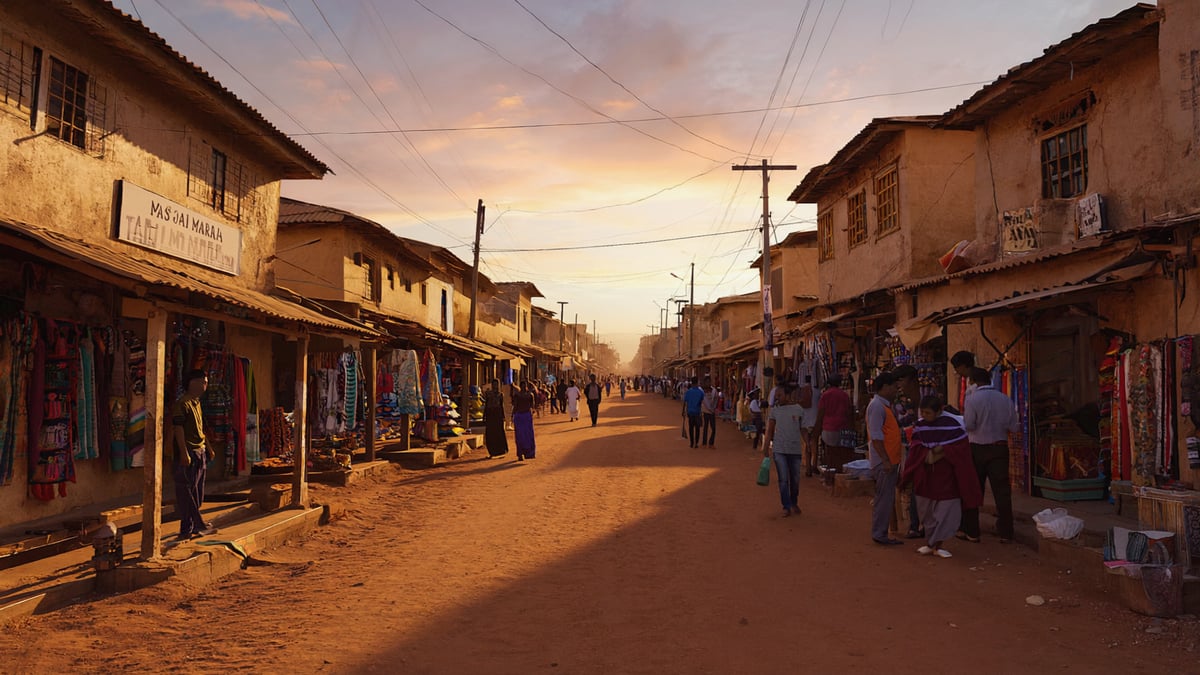
After weighing every variable, here is the direct recommendation based on the most common profiles among UK travellers booking African safari holidays from the UK.
If you are visiting Africa for the first time and you want maximum wildlife impact for a realistic budget with minimum travel complexity: choose the Masai Mara. Direct flights from London, shorter total journey time, lower entry-level cost, extraordinary predator density, and the option to upgrade to a conservancy experience without changing countries all make it the stronger first safari destination for most UK travellers.
If you have the budget and the time to do this properly, or if you are returning to Africa after a first visit: choose Tanzania (Serengeti plus Zanzibar). The scale, the landscape diversity, the calving season drama, the Ngorongoro Crater, and the extraordinary quality of Zanzibar as a beach extension make the Tanzania itinerary the richer and more varied of the two options.
If you genuinely cannot choose: do both. A combined Kenya-Tanzania safari covering three nights in the Masai Mara and four nights in the Serengeti, with a Zanzibar beach extension, is an achievable 12-to-14-day itinerary that GlobeHunters can package from the UK. It requires careful routing (fly into Nairobi, transfer to Mara, fly to Kilimanjaro, drive or fly to Serengeti, fly to Zanzibar, return via Nairobi or Dar es Salaam), but the logistics are entirely manageable with an experienced operator.
To speak with a GlobeHunters safari specialist who can build a bespoke itinerary around your dates, group size, and budget, call 0208 944 4514. Packages combining flights, accommodation, transfers, and activities start from £2,199 per person, with flexible payment options available.
Frequently Asked Questions: Masai Mara vs Serengeti
Is the Masai Mara or the Serengeti better for the Great Migration?
Both destinations host the Great Wildebeest Migration. The Masai Mara is the better choice if you want river crossing spectacle and are travelling between July and October. The Serengeti is superior for calving season viewing (January to March) and offers the migration across multiple ecosystems and landscapes throughout the year.
Which destination is cheaper for UK travellers?
The Masai Mara is generally more accessible at the budget end, primarily because direct flights from the UK to Nairobi reduce travel costs and journey time. The Serengeti tends to cost more overall, partly due to connection flights and partly because Tanzania's tourism model is oriented toward higher-spending visitors. That said, mid-range and luxury options in both destinations are comparably priced.
Do I need a visa to visit Kenya or Tanzania from the UK?
UK passport holders need a visa for both countries. Kenya issues an e-Visa online, currently priced at USD 50 for a single-entry tourist visa. Tanzania also offers an e-Visa online at a similar price. Both processes are straightforward and should be completed well before departure. Check the current requirements with the relevant high commissions before booking, as visa policies can change.
How long should I spend on safari?
A minimum of five nights in the bush is recommended to get a genuine sense of the rhythm of safari life and to maximise your wildlife sightings. Seven nights is the sweet spot for most first-timers. If you are combining two destinations, plan for at least three nights in each. Anything under three nights in a single reserve tends to feel rushed and limits the depth of the experience.
Is it safe to travel to Kenya and Tanzania?
Both Kenya and Tanzania are established, well-visited safari destinations with mature tourism infrastructure. The safari areas themselves, including the Masai Mara and the Serengeti, are considered safe for tourists. The UK Foreign Commonwealth and Development Office (FCDO) provides up-to-date travel advice for both countries; check the FCDO website before booking and before travelling. Travel insurance with medical evacuation cover is essential for any safari trip.
What vaccinations do I need for a Kenya or Tanzania safari?
Yellow fever vaccination is required for entry into both Kenya and Tanzania if you are travelling from or through a yellow fever-endemic country. Hepatitis A, typhoid, and routine vaccinations are recommended. Malaria prophylaxis is strongly advised for both destinations; speak with your GP or a travel health clinic at least six weeks before departure. Mosquito repellent and long-sleeved clothing for dawn and dusk are essential practical precautions in the bush.
Can I see the Big Five in both destinations?
The Serengeti, combined with the Ngorongoro Crater, reliably delivers all five of the Big Five (lion, leopard, elephant, buffalo, rhino). The Masai Mara is exceptional for lion, leopard, elephant, and buffalo, but rhino are rarely seen in the reserve itself. Ol Pejeta Conservancy in Kenya's central highlands is the recommended addition if completing the Big Five in Kenya is a priority.
What is the best accommodation type for a first safari?
A mid-range tented camp with full board, en-suite facilities, and two game drives daily is the ideal format for first-time safari travellers. It provides enough comfort to recover properly between drives while keeping you genuinely close to the bush environment. Upgrade to a conservancy camp if budget allows, for the additional activities and exclusivity.
How do I get from Nairobi to the Masai Mara?
The most comfortable option is a scheduled light aircraft flight from Wilson Airport in Nairobi to one of the several airstrips in the Mara ecosystem. Flight time is approximately 45 minutes. Road transfers take five to six hours on a mixture of tarmac and dirt road and are best suited to travellers with time to spare or those combining the Mara with other Kenyan destinations en route.
Can I combine the Masai Mara and Serengeti in one trip?
Yes, and this is an increasingly popular option for UK travellers with 12 or more days to allocate. The routing typically involves flying into Nairobi, spending three to four nights in the Mara, then flying to Kilimanjaro or Arusha to continue into the Serengeti. Adding Zanzibar at the end and flying home from Dar es Salaam creates a logical circular routing. GlobeHunters can build this itinerary as a packaged holiday; call 0208 944 4514 for a bespoke quote.
When is the cheapest time to book an African safari from the UK?
The green seasons (roughly March to May in Kenya, April to June in Tanzania) offer the lowest accommodation rates and the fewest visitors. Wildlife viewing is still excellent, and many consider the lush post-rain landscapes more photogenic than the dry season's dust. The trade-off is some risk of muddy tracks and occasional camp closures. For budget-conscious UK travellers with flexible dates, a green season safari can deliver exceptional value without significantly compromising the wildlife experience.
What should I pack for a Masai Mara or Serengeti safari?
Neutral-coloured lightweight clothing (khaki, olive, beige) is standard for game drives; avoid white (shows dust) and bright colours (disturbs wildlife). Layers are important as early morning drives can be cold, particularly in the Serengeti's dry season. A good pair of binoculars, high-factor sunscreen, a wide-brimmed hat, and quality insect repellent are non-negotiable. Light aircraft baggage limits (typically 15 kg in soft bags) apply on internal transfers in both countries, so pack accordingly.
Key Takeaways
- The Masai Mara and Serengeti are the same ecosystem divided by a border. The animals move between them freely; your choice of destination determines which part of their annual cycle you witness.
- Timing matters more than destination. The best safari experience at either location depends almost entirely on when you go. The migration is not a single event; it is a year-round movement with different phases in different locations.
- The Masai Mara wins on accessibility for UK travellers. Direct flights to Nairobi, lower entry-level costs, and a shorter journey time make it the more practical first safari destination from the UK.
- The Serengeti wins on scale and landscape diversity. The park's size, the calving season spectacle, the Ngorongoro Crater, and the Zanzibar beach extension make Tanzania the richer overall destination for experienced safari-goers.
- Private conservancies (Mara) and private concessions (Serengeti) deliver a qualitatively different experience from the national reserves and national parks, with night drives, off-road access, and lower vehicle density per sighting.
- Both destinations are suitable for UK families, honeymooners, solo travellers, and retirees at different price points. The right choice depends on your specific travel profile, not a universal hierarchy of destinations.
- GlobeHunters offers packaged safari holidays from the UK starting from approximately £2,199 per person, including flights, transfers, and accommodation. Call 0208 944 4514 for a tailored itinerary.
About the author
Spiros Maragkoudakis · Chief Commercial Officer
Ready to Book Your Masai Holiday?
Our travel experts are ready to help you plan the perfect trip. Call us today or browse our latest deals.
Ready to Start Planning?
Speak to our travel experts for personalised advice and the best deals on your next holiday.
Call 0208 944 4514