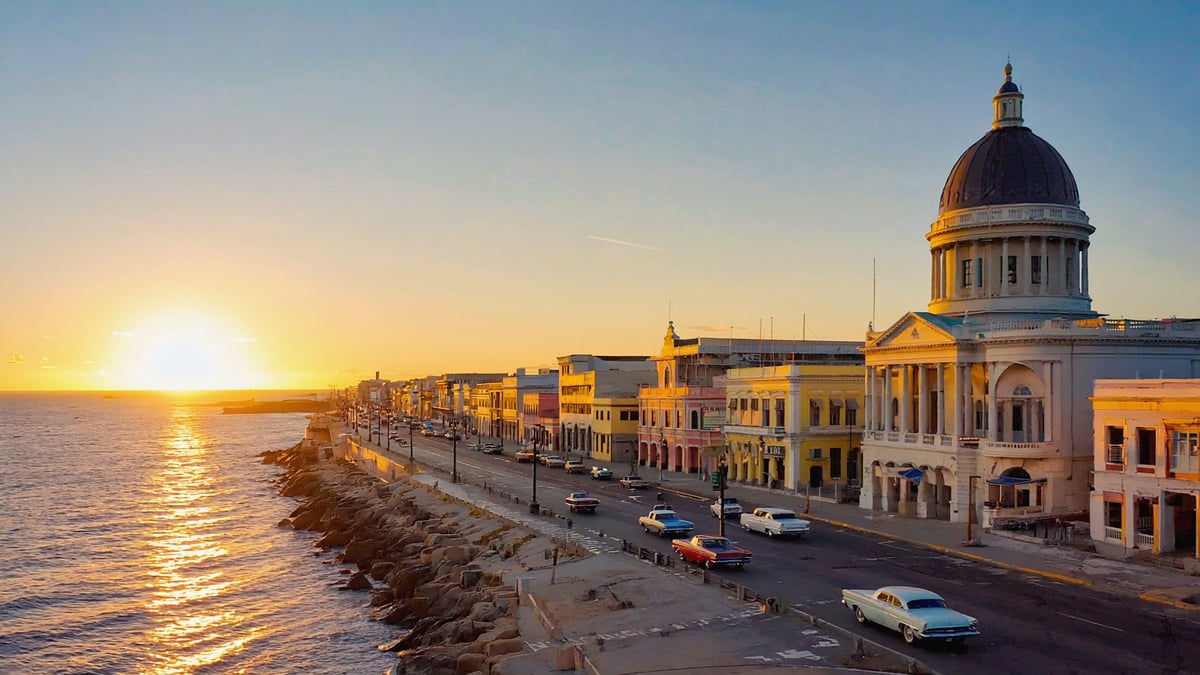
Most travellers choose a city break for convenience. They want a flight under two hours, a boutique hotel, a few decent restaurants, and home by Sunday evening. Havana is the precise opposite of all that, and that is exactly why it deserves to be at the top of your list. This is a city where the infrastructure runs decades behind the rest of the world, where a 1955 Buick might be your taxi, where a son cubano band starts playing at noon in a crumbling courtyard, and where the mojito you drink at the bar was almost certainly mixed by someone whose grandfather invented the recipe. Havana is not convenient. It is, however, unforgettable.
For UK travellers willing to travel a little further than Lisbon or Barcelona, a Havana city break offers something genuinely rare: a destination that feels entirely unlike anywhere else on earth. The colonial architecture, the revolutionary murals, the Malecón seawall at sunset, the jazz spilling out of every open window, it adds up to an experience that will rearrange how you think about travel. This guide covers everything you need to know to plan a short stay in Havana, from flights and Cuba package deals to the best neighbourhoods, bars, and cultural experiences for UK visitors.
Why Havana Belongs on Every Serious Traveller's Short List
Havana is one of those cities that people describe as "frozen in time," but that framing undersells it. The city is not static, it is in constant, visible motion. Buildings are simultaneously crumbling and being restored. New paladares (privately owned restaurants) open in converted mansions while state-run cafeterias from the 1970s operate next door. Street artists work in open doorways. Salsa dancers practise on rooftops. The city holds its contradictions with a kind of relaxed dignity that is deeply Cuban.
What makes Havana particularly compelling for a short stay is its density of experience. The city's most important neighbourhoods, Habana Vieja, Centro Habana, Vedado, and Miramar, are geographically close together. A five-night break is genuinely enough to absorb the highlights without feeling rushed, and a seven-night stay lets you go deeper into the culture, the food scene, and the music.
The city is also remarkably safe for tourists by Caribbean standards. Street crime exists, as it does in every major city, but violent crime targeting visitors is rare. The biggest challenge for most UK travellers is practical: Cuba's internet access is limited and expensive, card payments are unreliable, and the dual-currency system has gone through significant changes in recent years. Coming prepared, with cash, an offline map, and a flexible mindset, makes all the difference.
Havana's enduring appeal for international travellers is well documented, and the city regularly appears on global lists of must-visit destinations precisely because it offers something no other Caribbean capital can replicate: a living museum of mid-century American architecture, Spanish colonial grandeur, and Soviet-era modernism, all wrapped in a soundtrack of Afro-Cuban rhythms.
How to Get to Havana from the UK
Flights from the UK to Havana's José Martí International Airport (HAV) are long haul by definition. The journey covers roughly 7,400 kilometres from London, meaning flight times typically fall in the range of nine to ten hours for direct services, and longer for routes with a connection. This is not a weekend hop to a European capital, but it is entirely manageable as a seven-to-ten-night break, and the distance is part of what keeps Havana feeling genuinely off the beaten track.
Direct and Connecting Flight Options
Direct flights from London to Havana have historically been operated by airlines including Virgin Atlantic, though availability varies seasonally and schedules change. Many travellers opt for connecting itineraries via European hubs such as Madrid (Iberia), Paris (Air France), or Amsterdam (KLM), which can offer competitive pricing and good connections. Connections via Cancún or Toronto are also common and worth comparing on price.
Booking a Cuba package deal through a UK travel specialist like GlobeHunters often works out more economical than piecing together flights and accommodation separately, particularly because Cuban hotels do not always appear on standard booking platforms. GlobeHunters packages for Havana combine return flights, accommodation in centrally located hotels, and optional activities, with pricing that reflects the relative complexity of the destination. Check current availability and pricing directly at GlobeHunters' Cuba holiday packages or call 020 8944 4700 for a tailored quote.
When to Book Your Havana City Break
Cuba has a tropical climate with two distinct seasons. The dry season runs from November through to April, with warm temperatures, lower humidity, and minimal rainfall, this is peak season and the most comfortable time to visit. The wet season from May to October brings higher humidity and the possibility of tropical storms, particularly between August and October during hurricane season. That said, shoulder months like May and November offer a reasonable balance of manageable weather and lower prices.
For UK travellers, the Christmas and New Year period in Havana is extraordinary, the city celebrates with particular energy, but prices reflect the demand. Easter and the summer school holidays also see elevated pricing. Booking at least three to four months in advance for peak periods is strongly advisable.
Understanding Havana's Neighbourhoods Before You Arrive
Havana is a city of distinct barrios, each with its own personality. Knowing which neighbourhood to base yourself in, and which ones to explore on foot, shapes the quality of your stay enormously. The wrong choice of accommodation can mean long taxi rides to everything you want to see; the right choice puts you in the middle of the action.
Habana Vieja (Old Havana)
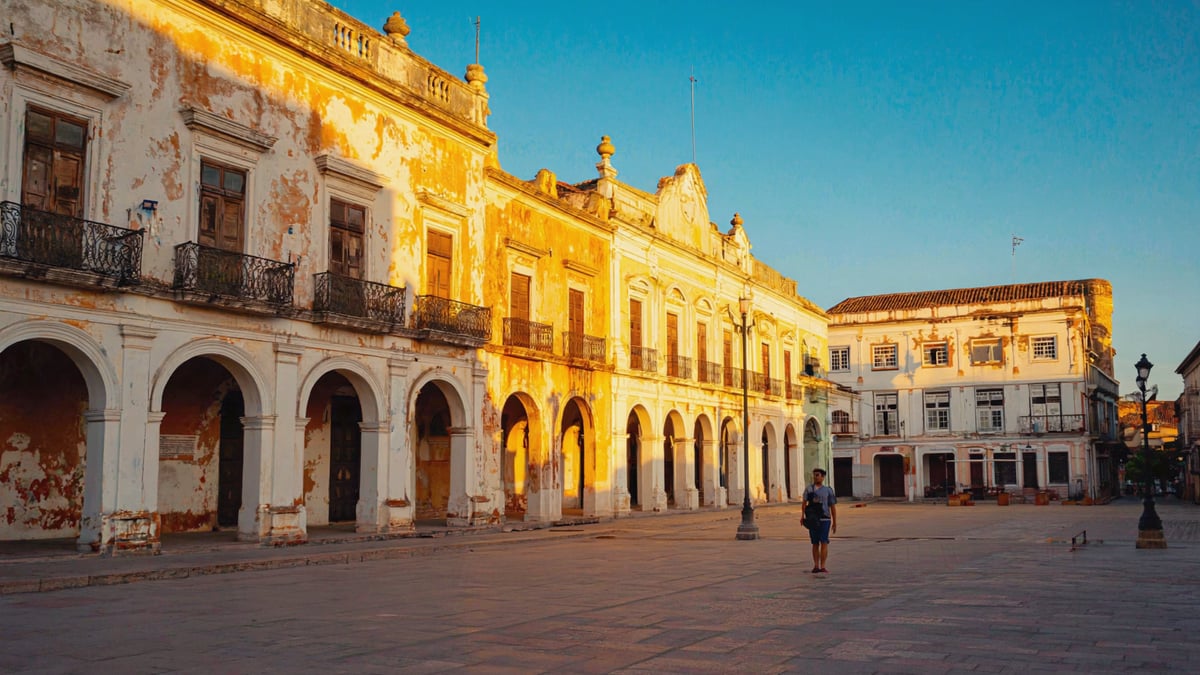
Habana Vieja is the historic heart of the city and a UNESCO World Heritage Site. Its cobblestone streets are lined with 16th, 17th, and 18th century Spanish colonial buildings in various states of repair and restoration. Plaza de Armas, Plaza Vieja, Plaza de la Catedral, and the imposing Castillo de la Real Fuerza anchor the neighbourhood. This is where most first-time visitors to Havana naturally gravitate, and for good reason, the concentration of history, architecture, museums, bars, and restaurants is extraordinary.
Staying in Habana Vieja puts you within walking distance of the Malecón, the Museum of the Revolution, and the famous La Bodeguita del Medio, where Ernest Hemingway reputedly declared his love for the mojito. The neighbourhood gets busy with tourists during the day, but quietens considerably in the evenings when the guided groups return to their hotels and the streets take on a more authentic character.
Vedado
Vedado is where mid-century Havana really comes alive. This was the city's wealthy commercial and residential district in the 1950s, and the architecture reflects it, wide boulevards, art deco apartment buildings, grand hotels like the Hotel Nacional and the Habana Libre, and the sweeping Malecón seawall that runs along the northern edge. Vedado is also home to the famous Tropicana Club, the Necropolis Cristóbal Colón (one of the most remarkable cemeteries in the Americas), and the vibrant Coppelia ice cream park that is a Havana institution.
For UK travellers seeking a slightly less tourist-saturated base with excellent access to both the old city and Miramar, Vedado is an excellent choice. The neighbourhood's jazz clubs and live music venues are among the best in the city.
Centro Habana and Miramar
Centro Habana is the most densely populated and least polished of the central barrios, chaotic, colourful, and genuinely representative of everyday Cuban life. It is not a typical tourist base, but walking through it is a revelation. Miramar, by contrast, is the diplomatic and expatriate district to the west of Vedado, characterised by wide residential streets, embassy buildings, and some of Havana's better international restaurants. It is quieter and more spread out, making it less ideal for a short city break.
What to Do on a Havana City Break: Beyond the Classic Cars
Yes, the vintage American cars are real, and yes, riding in one through the streets of Havana is as cinematic as it looks in every photograph. But reducing Havana to its cars is like reducing London to its red buses. The city's cultural depth extends far beyond the Instagram highlights, and the travellers who engage with that depth leave with something genuinely transformative.
The Music Scene
Cuba's musical heritage is one of the richest in the world. Son, salsa, bolero, guaguancó, jazz, and the more recent reggaeton all have roots in Havana's complex cultural history. The Casa de la Música venues in Habana Vieja and Miramar host live performances most evenings, ranging from afternoon matinée shows (which tend to be less expensive) to late-night sets that run well past midnight. The Fábrica de Arte Cubano in Vedado is a converted cooking-oil factory that now operates as one of the most innovative cultural spaces in the Caribbean, a multi-room arts venue where galleries, live music stages, film screenings, and a bar all operate simultaneously under one roof.
The El Covacha jazz club, the legendary La Zorra y el Cuervo jazz venue in Vedado, and the rooftop bar at Hotel Ambos Mundos (where Hemingway famously stayed while writing For Whom the Bell Tolls) all offer memorable evenings for music-focused travellers. Book a table at the better venues in advance, particularly during high season.
Museums and Historical Sites
The Museum of the Revolution (Museo de la Revolución), housed in the former Presidential Palace in Centro Habana, is essential viewing for understanding modern Cuba. The building itself is extraordinary, a baroque palace built in 1920, and the exhibits trace the history of the 1959 revolution with considerable detail and no shortage of political perspective. The outdoor garden contains the Granma yacht, the boat that carried Fidel Castro and 81 companions from Mexico to Cuba to launch the revolution.
The Museo Nacional de Bellas Artes (National Museum of Fine Arts) operates across two buildings: one dedicated to Cuban art from the colonial period to the present, and one covering international collections. The Cuban art collection is genuinely world-class and provides essential context for understanding the island's artistic tradition.
For a more contemplative experience, the Necropolis Cristóbal Colón in Vedado is one of the most architecturally stunning cemeteries in the Americas, with elaborate marble mausoleums, Art Nouveau chapels, and the tombs of many of Cuba's most important historical figures.
Architecture Walks and the Malecón
Havana's built environment is a history lesson in itself. Walking the streets of Habana Vieja with even a basic understanding of Spanish colonial architecture turns an ordinary stroll into something remarkable. The city's restoration programme, led by the Office of the City Historian (Oficina del Historiador de la Ciudad), has been transforming blocks of the old city for several decades, and the contrast between restored and unreconstructed buildings is part of what makes the streetscape so visually compelling.
The Malecón, the eight-kilometre seafront promenade running from Habana Vieja to Vedado, is best walked at sunset, when the light turns the crumbling facades the colour of amber and the seawall fills with Habaneros fishing, socialising, and watching the horizon. This is one of the great urban walks in the world, and it costs nothing.
Classic Car Tours
The vintage American cars that fill Havana's streets are a genuine cultural phenomenon, not a tourist affectation. When the US trade embargo was imposed in the early 1960s, the flow of new American vehicles stopped abruptly, and Cuban mechanics have maintained the existing fleet through extraordinary ingenuity ever since. Many of the cars running today, Chevrolets, Buicks, Fords, Chryslers, and Cadillacs from the 1940s and 1950s, have been fitted with Soviet or modern European engines while retaining their original bodywork.
Hiring a convertible classic car for a tour of the city is a genuinely memorable experience and a meaningful source of income for independent Cuban operators. Tours typically cover the Malecón, the Plaza de la Revolución (with its famous Che Guevara and Camilo Cienfuegos murals), and the residential streets of Vedado. Negotiate the price before you get in, agree on the route, and confirm whether the driver speaks English if that matters to you.
Where to Eat and Drink in Havana
Havana's food scene has changed dramatically in recent years. The liberalisation of private enterprise has allowed a new generation of paladares to open across the city, offering cooking that is considerably more ambitious than the state-run restaurants that dominated for decades. While Cuban cuisine is not the most complex in the Caribbean, it is hearty, flavourful, and deeply tied to the island's agricultural and cultural traditions.
What to Eat
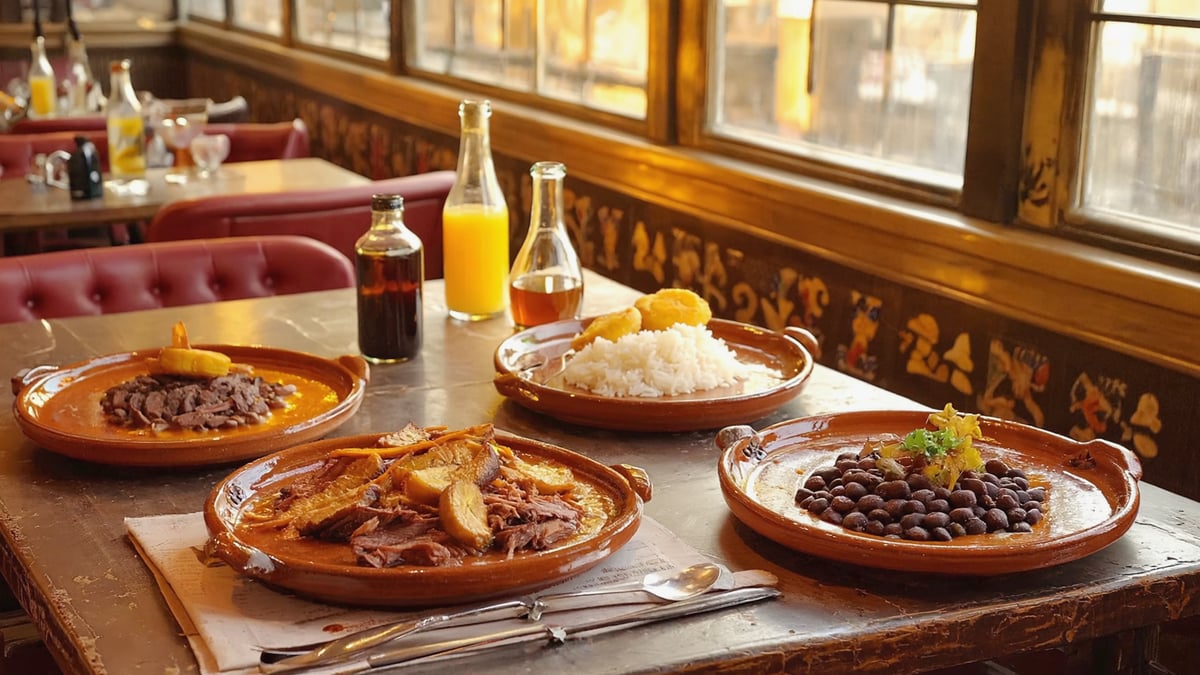
The Cuban staple of ropa vieja (shredded slow-cooked beef with peppers, tomatoes, and onions, served with rice and black beans) is the dish to order at least once. Lechón (slow-roasted pork) is another cornerstone of Cuban cooking, particularly good at traditional paladares in Habana Vieja. Tostones (fried green plantain) appear as a side dish almost everywhere and are reliably excellent. Seafood, particularly grilled lobster, is widely available and priced far below what you would pay in Europe.
For a more contemporary dining experience, La Guarida in Centro Habana is Havana's most celebrated paladar, housed in a magnificently dilapidated mansion that was used as a filming location for the Oscar-nominated Cuban film Fresa y Chocolate. The cooking is creative and the atmosphere theatrical, book well in advance.
The Rum and Cocktail Culture
Cuba is the spiritual home of the mojito, the daiquiri, and the Cuba Libre, and Havana takes its cocktail culture seriously. The two most historically significant bars for UK visitors to know are La Bodeguita del Medio in Habana Vieja (famous for mojitos and covered floor to ceiling in celebrity signatures) and El Floridita on the corner of Obispo Street (famous for daiquiris and Hemingway, who has a bronze statue permanently occupying his favourite stool at the bar).
Both bars are tourist-heavy and priced accordingly, but they are worth experiencing at least once for the history and atmosphere. For more locally oriented drinking, the Bar Dos Hermanos near the port has been serving sailors and dockers since the 19th century and retains a genuine working-class character. The rooftop bars on several Vedado hotels offer spectacular Malecón views with their cocktails.
Cuban rum is remarkable, and the best way to explore it is through a curated tasting at one of the city's rum bars. Ron Santiago de Cuba, Ron Havana Club, and Ron Legendario are all produced on the island, and even the entry-level expressions are of notably high quality by international standards.
Practical Information for UK Travellers Planning Havana Holidays
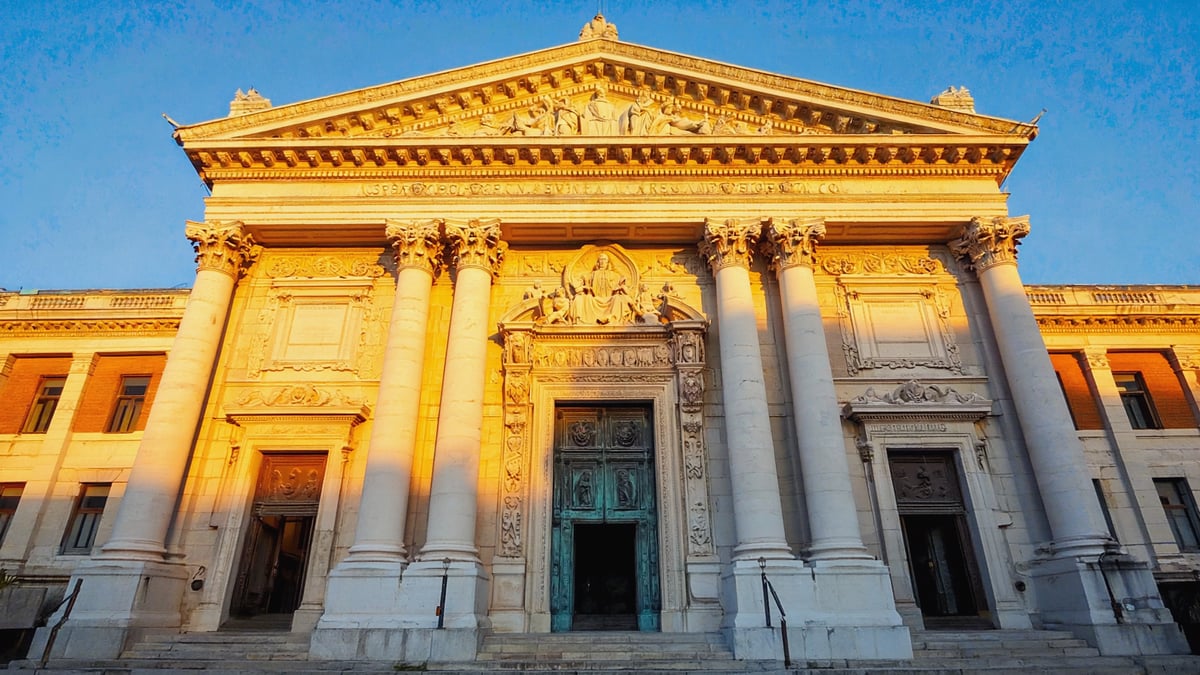
Preparing properly for a Havana trip is more involved than for a standard European city break, but the effort pays dividends. Cuba operates differently from most countries UK travellers are accustomed to, and understanding the key practical differences before you arrive saves frustration on the ground.
Currency and Cash
Cuba's currency situation has been in flux in recent years. The country operates primarily on Cuban pesos (CUP) for everyday transactions, and carrying sufficient cash in a convertible form before you travel is essential. UK travellers should bring euros or pounds sterling in cash to exchange on arrival. British-issued credit and debit cards frequently do not work in Cuba due to the banking restrictions connected to the US embargo, even Visa and Mastercard cards can be declined. American Express cards are not accepted at all.
The practical implication is straightforward: budget your spending, bring more cash than you think you will need, and keep some in reserve. Exchanging currency at official cadecas (exchange houses) or at hotel reception desks is the safest approach. Street money changers should be avoided.
Internet and Connectivity
Cuba has limited and relatively expensive internet access. The national telecoms provider ETECSA sells internet cards that provide access at designated Wi-Fi hotspots (parks, hotel lobbies, and some public spaces). The connection is slower than UK travellers will be accustomed to, and the coverage is patchy. Many travellers find that the enforced digital detox is actually one of the most refreshing aspects of a Havana break, the city demands your full attention in a way that a well-connected destination does not.
Download offline maps (Google Maps or Maps.me both offer offline functionality) before you arrive. Save key addresses, phone numbers, and booking confirmations to your phone in a format that does not require a connection to access.
Health and Travel Insurance
Travel insurance with comprehensive medical cover is not optional for Cuba, it is a legal requirement for entry. Cuban authorities may ask for proof of insurance on arrival. Ensure your policy covers medical evacuation, as healthcare facilities in Cuba, while generally accessible, may not meet the standards UK travellers expect. The UK government's official travel advice for Cuba provides up-to-date guidance on entry requirements, health recommendations, and safety considerations.
Visas and Entry Requirements
UK citizens require a Tourist Card (also called a Cuban visa or tarjeta de turista) to enter Cuba. This is not a traditional visa, it is a separate card, not stamped in your passport, which allows a stay of up to 30 days (extendable once in Cuba). The Tourist Card can be purchased through your airline or through a UK travel agency at the time of booking. If you book a Cuba package deal through GlobeHunters, the Tourist Card is typically included or facilitated as part of the booking process.
UK nationals should also be aware that Cuba requires incoming travellers to complete a health declaration form. Requirements have evolved over recent years, so checking the current entry conditions on the FCDO Cuba travel advice page close to your departure date is strongly recommended.
Getting Around Havana
Within the city, the most practical transport options for UK visitors are classic car taxis (negotiate the price before you travel), modern yellow cabs operated through the state taxi service Cubataxi, and the three-wheeled bicitaxis that operate in Habana Vieja. Uber does not operate in Cuba. The city is walkable in its core neighbourhoods, and the Malecón is best experienced on foot.
For day trips outside the city, to Viñales, Trinidad, or the beaches of Varadero, organised tours or private car hire with a driver are the most practical options. Public transport exists but is unreliable and can be difficult to navigate without Spanish.
| Transport Option | Best For | Approximate Cost | Notes |
|---|---|---|---|
| Classic Car Taxi | Short trips between neighbourhoods, sightseeing | Negotiate before travel | ✅ Iconic experience, fix price in advance |
| Cubataxi (State Cab) | Airport transfers, longer journeys | Metered or fixed rate | ✅ More predictable pricing, modern vehicles |
| Bicitaxi | Short hops within Habana Vieja | Very low, negotiate first | ⚠️ Slow, not suitable for longer distances |
| Walking | Habana Vieja, Vedado Malecón | Free | ✅ Best way to discover the city's detail |
| Private Driver Day Trip | Viñales, Trinidad, Varadero | Arranged through hotel or agency | ✅ Most practical for excursions |
Day Trips from Havana Worth Building Into Your Itinerary
One of the advantages of using Havana as a base is the quality of the day trips accessible from the city. Cuba's diverse landscape means that within a two-hour drive you can be in lush tobacco country, at a colonial-era sugar town, or on a beach that rivals anywhere in the Caribbean.
Viñales Valley
The Viñales Valley in Pinar del Río province, roughly two hours west of Havana, is a UNESCO World Heritage cultural landscape of extraordinary beauty. The valley is defined by its mogotes, dramatic limestone outcrops that rise abruptly from the flat valley floor, and by the tobacco farms that have occupied the red-earthed soil for centuries. This is where Cuba's finest tobacco is grown, and visiting a working tobacco farm to see how leaves are dried, sorted, and hand-rolled into cigars is one of the most genuinely educational experiences available to visitors.
Viñales town itself is a perfectly preserved 19th-century colonial village with a central plaza, a handful of excellent paladares, and a notably relaxed pace of life. The valley is best explored by horse or bicycle, and most day-trip operators from Havana offer guided tours that combine a valley overview, a tobacco farm visit, and a cave exploration.
Trinidad
Trinidad, roughly four hours from Havana on the south coast, is arguably Cuba's most beautifully preserved colonial town. Its cobblestone streets, pastel-coloured mansions, and central Plaza Mayor, surrounded by churches, museums, and former sugar barons' palaces, are among the most photographed scenes in Cuba. Trinidad and the surrounding Valley of the Sugar Mills form a joint UNESCO World Heritage Site.
Given the distance, Trinidad works better as an overnight stay than a pure day trip, but many travellers do manage it in a long day with a private driver. The town's nightlife, centred on the open-air Casa de la Música Trinidad on the steps below the church, is exceptional.
Playas del Este
For a beach day without the full commitment of travelling to Varadero, the Playas del Este, a string of beaches running east of Havana along the north coast, are accessible in about 30 minutes by taxi. Santa María del Mar and Boca Ciega are the most developed, with calm turquoise water and white sand. They are popular with Habaneros at weekends and offer a very different atmosphere from the purpose-built resort beach of Varadero.
Havana Holidays from the UK: Package Options and Pricing
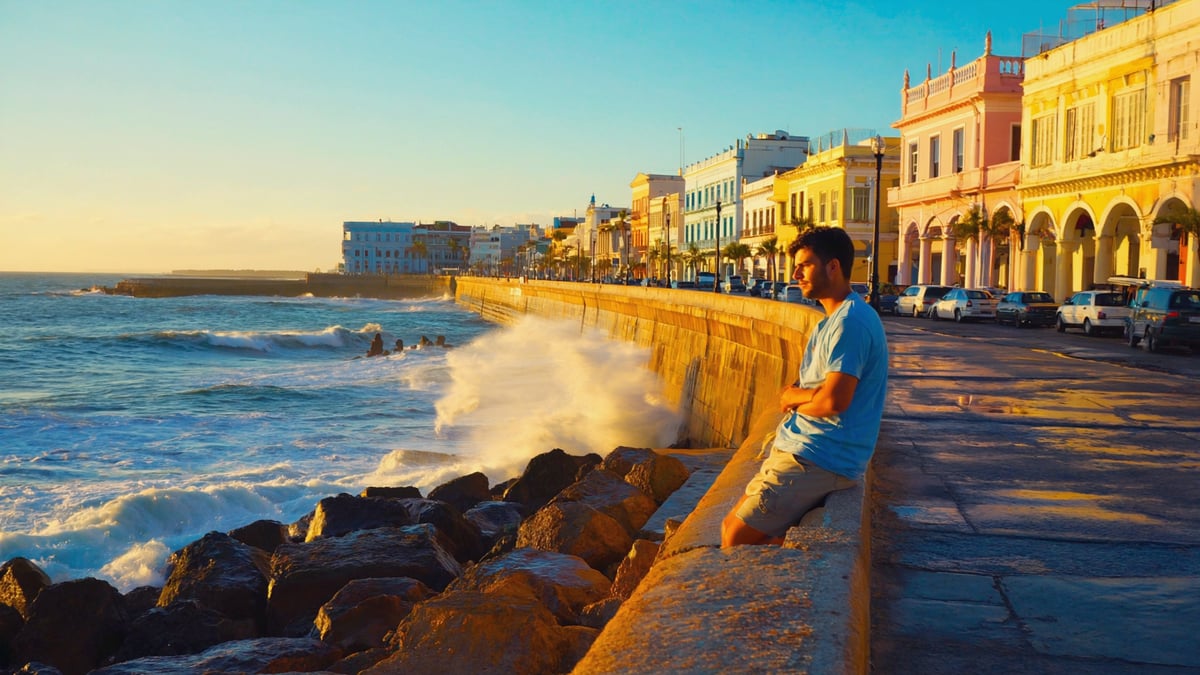
Booking a Havana holiday from the UK as a package rather than assembling the components independently is almost always the more practical approach. Cuban hotels do not have consistent presence on standard global booking platforms, and the combination of flight availability, Tourist Card logistics, and accommodation in a market that operates differently from Europe makes the process considerably more straightforward through a specialist.
What a Havana Package Typically Includes
A well-structured Cuba package deal from a UK travel specialist will typically include return flights from a UK airport, hotel accommodation for the chosen duration (usually five, seven, or ten nights), airport transfers in Havana, Tourist Card facilitation, and in some cases a welcome orientation or guided city tour. Activities such as classic car tours, day trips to Viñales, and evening entertainment at venues like the Tropicana are usually available as optional add-ons.
GlobeHunters offers Havana packages combining flights, centrally located accommodation, and optional activities, with current pricing available on the platform. Given that Cuba pricing is subject to significant seasonal variation and flight availability from UK airports fluctuates, getting a live quote is the most reliable approach. Contact GlobeHunters on 020 8944 4700 or browse current Havana packages on the website for up-to-date pricing and availability.
Choosing the Right Hotel in Havana
Havana's hotel landscape ranges from grand historic properties to smaller boutique options and casa particulares (private homestays). For UK travellers on a city break, the key variables are location, reliability of facilities, and whether the property accepts international payment methods.
| Hotel Type | Best For | Neighbourhood | Considerations |
|---|---|---|---|
| Grand Historic Hotels (e.g. Hotel Nacional, Saratoga) | Couples, honeymooners, special occasions | Vedado, Habana Vieja | ✅ Iconic experience, reliable facilities |
| Boutique Hotels (privately operated) | Travellers wanting more character and flexibility | Habana Vieja, Vedado | ⚠️ Quality varies, verify independently |
| Casa Particular (private homestay) | Solo travellers, budget-conscious visitors, immersive experience | All neighbourhoods | ✅ Authentic, often best value, cash payment usual |
| All-Inclusive Resort Hotels | Families, those wanting simplicity | Miramar, Varadero (outside city) | ⚠️ Less immersive, can feel disconnected from the real Havana |
A Sample Five-Night Havana Itinerary for UK Travellers
Five nights in Havana is a genuinely satisfying duration for a first visit. It allows two full days to absorb the city's core without rushing, plus time for a day trip and an evening at a major cultural venue. The following framework can be adjusted based on personal interests and energy levels.
Day One: Arrival and Orientation
Arrive at José Martí International Airport, clear customs and immigration, and take a Cubataxi to your hotel. The airport is roughly 25 kilometres south-west of central Havana. Spend the afternoon walking the streets of Habana Vieja without any agenda, absorb the scale of the architecture, the noise, the heat, and the pace. In the evening, walk to the Malecón and watch the sunset. Dinner at a paladar in Habana Vieja, followed by a mojito at La Bodeguita del Medio for the ritual of it.
Day Two: Old Havana in Depth
A full day in Habana Vieja. Morning at the Plaza de la Catedral and the surrounding streets, then the Museum of the Revolution. Lunch at a rooftop paladar with views of the city. Afternoon at the Museo Nacional de Bellas Artes (Cuban art building). Evening at the Fábrica de Arte Cubano in Vedado, arrive around 8pm and plan to stay late.
Day Three: Vedado and the Malecón
Morning walking tour of Vedado, the art deco architecture, the Hotel Nacional (visit the gardens and bar even if you are not staying there), the Coppelia park. Afternoon at the Necropolis Cristóbal Colón. Evening at La Zorra y el Cuervo jazz club for live jazz.
Day Four: Day Trip to Viñales
Early start for the drive to Viñales Valley. Arrive by mid-morning for the full valley experience, mogote viewpoint, tobacco farm visit, cave, lunch in Viñales town. Return to Havana by late afternoon. Classic car tour of the city in the evening, ending at Plaza de la Revolución at dusk for the murals and the extraordinary proportions of the space.
Day Five: Markets, Cigars, and Farewell Rum
Morning browsing the Almacenes San José artisan market on the waterfront (prints, ceramics, handmade items, books on the revolution). Visit to an official government cigar shop (La Casa del Habano in Vedado is reliable) to select cigars as gifts or personal indulgence. Afternoon at leisure, perhaps a return to a favourite spot or an exploration of Centro Habana's chaotic streets. Final dinner at La Guarida (book in advance). Nightcap daiquiri at El Floridita.
The Havana Experience Through a Cultural Lens: Music, Art, and Identity
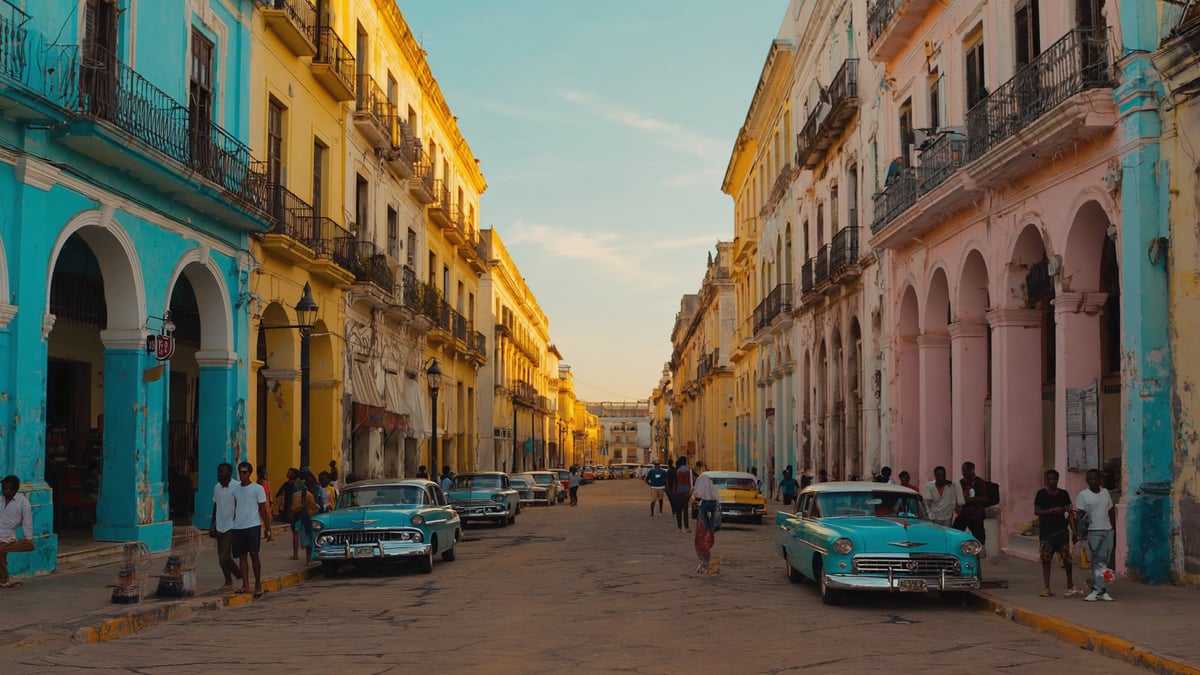
Any serious engagement with Havana requires an understanding that the city's culture is not a performance for tourists. The music played in the streets, the art painted on building walls, and the debates conducted on doorsteps are expressions of a living, evolving society that has been shaped by colonialism, slavery, revolution, and decades of international isolation in ways that have no direct parallel anywhere else in the Caribbean.
Cuba's visual arts scene is particularly vibrant. The Callejón de Hamel in Centro Habana is an alley decorated with Afro-Cuban Santería murals that functions as a gathering point for the Yoruba-descended religious community, on Sunday mornings, rumba ceremonies take place in the street in a form that is open to respectful visitors. The work of Cuban artists like Wifredo Lam and René Portocarrero is represented in the Bellas Artes museum and provides essential context for understanding how Cuban identity has been expressed through paint and sculpture across the 20th century.
The literature of Cuba, José Martí's poetry, Alejo Carpentier's novels, the journalism of Heberto Padilla, is worth engaging with before you visit. The city makes more sense if you have some of the history in your head. Even a basic reading of Cuban history from the Ten Years' War through to the Special Period of the 1990s (when the Soviet Union collapsed and Cuba lost its principal economic partner overnight) gives the streets a legibility that transforms a sightseeing trip into something more meaningful.
Responsible Tourism in Havana: How to Spend Your Money Well
Cuba's economic situation means that how UK travellers spend their money has a more direct impact on local communities than in most destinations. The most useful thing a visitor can do is direct spending towards private Cuban-owned businesses rather than exclusively using state-run facilities.
Eating at paladares rather than state restaurants keeps money in the hands of Cuban families. Staying in a casa particular does the same. Hiring independent classic car drivers rather than state taxis, buying art directly from street artists and studio galleries rather than in hotel shops, and tipping generously in cash (CUP tips are most useful to local workers) all contribute to the private economy in a meaningful way.
Photography is a nuanced area. Most Cubans are happy to be photographed if you ask first and perhaps offer a small tip. Photographing military installations, police officers, or anything that might be considered politically sensitive is inadvisable. The FCDO travel advice includes specific guidance on photography and behaviour in Cuba.
Havana for Different Types of UK Traveller
Havana's appeal is genuinely broad, but different types of traveller will find different aspects of the city most compelling. Understanding which version of Havana aligns with your interests helps in planning a trip that delivers what you are actually looking for.
- Couples and honeymooners: Havana's combination of romanticism, rum, and music makes it one of the most atmospheric destinations in the world for couples. The grand historic hotels, sunset Malecón walks, and intimate live music venues create a setting that is hard to replicate anywhere else. A classic car tour at golden hour is one of the most cinematic experiences available on a city break anywhere.
- Solo travellers: Havana is sociable in a way that rewards solo travel. Cubans are genuinely curious about foreign visitors, conversations start easily, and the city's music venues and bars are natural gathering points. Staying in a casa particular as a solo traveller provides an immediate social context and a window into Cuban family life that hotel stays do not offer.
- Culture and history enthusiasts: The concentration of museums, galleries, UNESCO sites, and living cultural traditions makes Havana one of the most intellectually stimulating city break destinations accessible to UK travellers. A week is barely enough to scratch the surface of the city's historical layers.
- Foodies and rum aficionados: Havana's paladar scene has matured considerably in recent years, and the city's cocktail culture is genuine rather than manufactured. A food-and-drink-focused itinerary, combining market visits, cooking classes, paladar dinners, and rum distillery tours, is entirely viable.
- Retirees and older travellers: Havana is a relatively relaxed city to navigate for older visitors, particularly in the core tourist areas where walking distances are manageable and taxis are readily available. The historical and cultural richness suits travellers who have already done the beach-resort circuit and are looking for something more substantive.
YouTube: Havana Through a Lens
Before you book, watching footage of Havana's streets, music, and architecture is one of the best ways to calibrate your expectations and build genuine excitement for the trip. The city is extraordinarily photogenic and translates well to video, the colour, the music, the movement, and the architecture come through in a way that still photographs only partially capture.
Frequently Asked Questions About a Havana City Break
How long does the flight from the UK to Havana take?
Direct flights from London to Havana take approximately nine to ten hours. Many UK travellers fly via a European hub (Madrid, Paris, or Amsterdam), which adds connection time but can offer competitive pricing. From the UK, Havana is a genuine long-haul destination.
Do UK citizens need a visa for Cuba?
UK citizens do not need a traditional visa but do require a Tourist Card (tarjeta de turista), which permits a stay of up to 30 days. This is typically purchased through your airline or travel agent. When booking a Cuba package through GlobeHunters, Tourist Card facilitation is usually included in the process.
Can I use my UK bank card in Havana?
Most UK bank cards are unreliable in Cuba due to restrictions connected to the US banking system. American Express cards are not accepted at all. Bringing sufficient cash in euros or pounds sterling to exchange on arrival is strongly recommended. Budget conservatively and carry a reserve.
Is Havana safe for UK tourists?
Havana is generally considered safe for tourists by Caribbean standards. Petty theft and opportunistic scams targeting visitors do occur, as in any major city. Violent crime against tourists is uncommon. The FCDO's Cuba travel advice page provides current safety information and should be checked before travel.
What is the best time of year to visit Havana?
The dry season from November to April offers the most comfortable conditions, with warm temperatures and low rainfall. This is also peak season, so prices are higher and hotels book out more quickly. May and November are good shoulder-season options. July and August are hot and humid; September and October carry some hurricane risk.
What currency should I bring to Cuba?
Euros and pounds sterling are widely accepted for exchange in Havana. The local currency is the Cuban peso (CUP). Bring physical cash, ATM access is unreliable for UK-issued cards, and Cuba does not have the cashless payment infrastructure of European cities.
Is a Cuba package deal better value than booking independently?
For most UK travellers, yes. Cuban hotels are not fully integrated into global booking systems, flights have limited availability, and the logistical complexity of Tourist Cards and airport transfers makes a specialist package considerably more straightforward. GlobeHunters' Cuba packages combine these elements into a single booking with a fixed price, removing the coordination burden.
Can I visit Havana as a short city break, or does it require a longer trip?
Five to seven nights is the sweet spot for a Havana city break. Five nights is sufficient to see the city's highlights, complete one or two day trips, and engage with the music and food culture without rushing. Fewer than four nights feels rushed given the flight time; more than ten nights suits those who want to combine Havana with other Cuban destinations like Trinidad or Varadero.
What should I pack for a Havana trip?
Light, breathable clothing suitable for tropical heat is essential. Comfortable walking shoes are a priority given the uneven cobblestone streets in Habana Vieja. Bring insect repellent, high-factor sunscreen, and any prescription medication in sufficient supply, as sourcing specific medications in Cuba can be difficult. A small daypack for exploring is more practical than a large bag.
Are there good day trips from Havana?
Yes. Viñales Valley (two hours west) is the most popular and rewarding day trip, offering UNESCO-listed landscape and tobacco farm visits. Trinidad (four hours south-east) is worth an overnight stay if possible. The Playas del Este beaches (30 minutes east) work well for a half-day beach break without leaving the city's orbit.
Is internet access available in Havana?
Limited internet access is available through ETECSA Wi-Fi hotspots in parks, hotel lobbies, and some public areas. Cards providing access are purchased from ETECSA offices or hotels. Connection speeds are slow by UK standards. Download offline maps and essential information before you travel.
What is the best way to experience Havana's music scene?
The Fábrica de Arte Cubano in Vedado is the most innovative venue for a single evening that covers multiple genres and art forms simultaneously. La Zorra y el Cuervo is the leading dedicated jazz venue. Casa de la Música (both locations) offers the most traditional Cuban music experience. Visiting the Callejón de Hamel on a Sunday morning for rumba is a genuinely extraordinary cultural experience.
Key Takeaways for Planning Your Havana City Break
- Havana is a long-haul destination from the UK, with direct flights taking approximately nine to ten hours. Budget and plan accordingly, a minimum of five nights makes the journey worthwhile.
- Cash is king in Cuba. Bring euros or pounds sterling in sufficient quantity. UK bank cards frequently do not work, and American Express is not accepted. There is no reliable cashless payment infrastructure.
- A Cuba package deal from a UK specialist like GlobeHunters simplifies the logistics of Cuban travel considerably, covering flights, accommodation, Tourist Card facilitation, and transfers in a single booking.
- The dry season (November to April) offers the most comfortable conditions. Book at least three to four months ahead for peak periods.
- Habana Vieja and Vedado are the most practical bases for a first-time city break visitor. Both offer central access to the city's principal cultural and historical attractions.
- Day trips to Viñales are highly recommended and easy to arrange from Havana. Trinidad is worth an overnight stay if time allows.
- Spend locally. Eating at paladares, staying in casas particulares, and using independent drivers keeps money circulating in the Cuban private economy.
- Travel insurance with comprehensive medical cover is a legal requirement for Cuba, not just a recommendation. Verify that your policy meets Cuban entry requirements before you travel.
- Check the FCDO Cuba travel advice close to your departure date for the most current entry requirements, including Tourist Card procedures and health declarations.
Ready to book your Havana city break? GlobeHunters' Cuba packages are built for UK travellers who want the full Havana experience without the logistical headaches of piecing it together independently. Browse current packages and live pricing online, or call the team on 020 8944 4700 to discuss a tailored itinerary that matches your budget, travel dates, and interests. Havana is one of those rare cities that genuinely exceeds expectations, and the right package makes getting there as straightforward as the city is extraordinary.
About the author
Spiros Maragkoudakis · Chief Commercial Officer
Ready to Book Your Havana Holiday?
Our travel experts are ready to help you plan the perfect trip. Call us today or browse our latest deals.
Ready to Start Planning?
Speak to our travel experts for personalised advice and the best deals on your next holiday.
Call 020 8944 4700