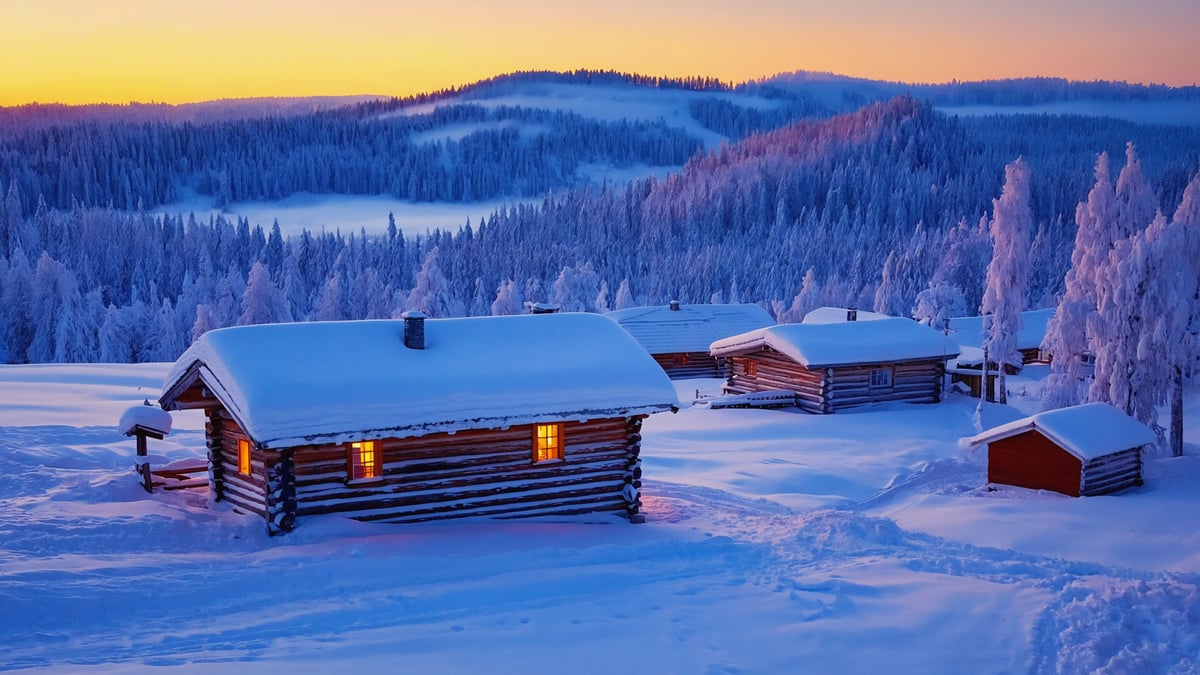
Picture this: it is half past ten at night, the temperature has dropped to minus eighteen, and you are standing in a snow-covered forest clearing somewhere above the Arctic Circle. The sky, which should be pitch-black, is doing something impossible. A curtain of pale green light begins to ripple across the stars, slowly at first, then suddenly surging into great sweeping arcs of emerald and violet. Your breath fogs in front of you. Somewhere behind you, a husky shifts in its harness and exhales a cloud of steam. You have no idea how long you stand there. Time stops making sense.
That is Lapland. Not the sanitised, shopping-centre version with a man in a red suit, though that exists too, and it is genuinely magical for young children. The real Lapland is a place where the natural world does things that feel utterly beyond the ordinary. It is a destination that UK travellers have been discovering in growing numbers, drawn by the promise of experiences that simply cannot be replicated anywhere closer to home. Whether you are chasing the Northern Lights, searching for a Christmas experience that will reshape how your children understand the word "wonder", or simply craving a landscape so pristine and so silent that the noise of modern life becomes genuinely inaudible, Lapland delivers.
This guide covers everything UK travellers need to plan a Lapland holiday with confidence: when to go, what to do, how to get there, what to budget, and how to find the right Lapland package holidays without overpaying or missing out on the best experiences. GlobeHunters Lapland holiday packages start from £499 per person, combining flights, accommodation, and activities in a single, manageable booking.
Why Lapland Has Become One of the Most Sought-After Winter Holidays from the UK
Lapland occupies a unique space in the British imagination. It is close enough to feel accessible, a short-haul flight from most UK airports, yet alien enough to feel genuinely transformative. That combination is rare in travel, and it explains why winter holidays from UK to the Arctic have grown so dramatically in popularity over the past decade.
The geography helps. Lapland is not a single country but a cultural and geographical region spanning the northern parts of Finland, Sweden, Norway, and a slice of Russia. Finnish Lapland is the most popular destination for UK package travellers, centred on towns like Rovaniemi (which sits precisely on the Arctic Circle), Saariselkä, Levi, and Ylläs. Swedish Lapland, anchored by Kiruna and Abisko, attracts those prioritising Northern Lights viewing. Norwegian Lapland, around Tromsø, offers a slightly milder coastal climate alongside extraordinary fjord scenery. Each version of Lapland has a distinct personality.
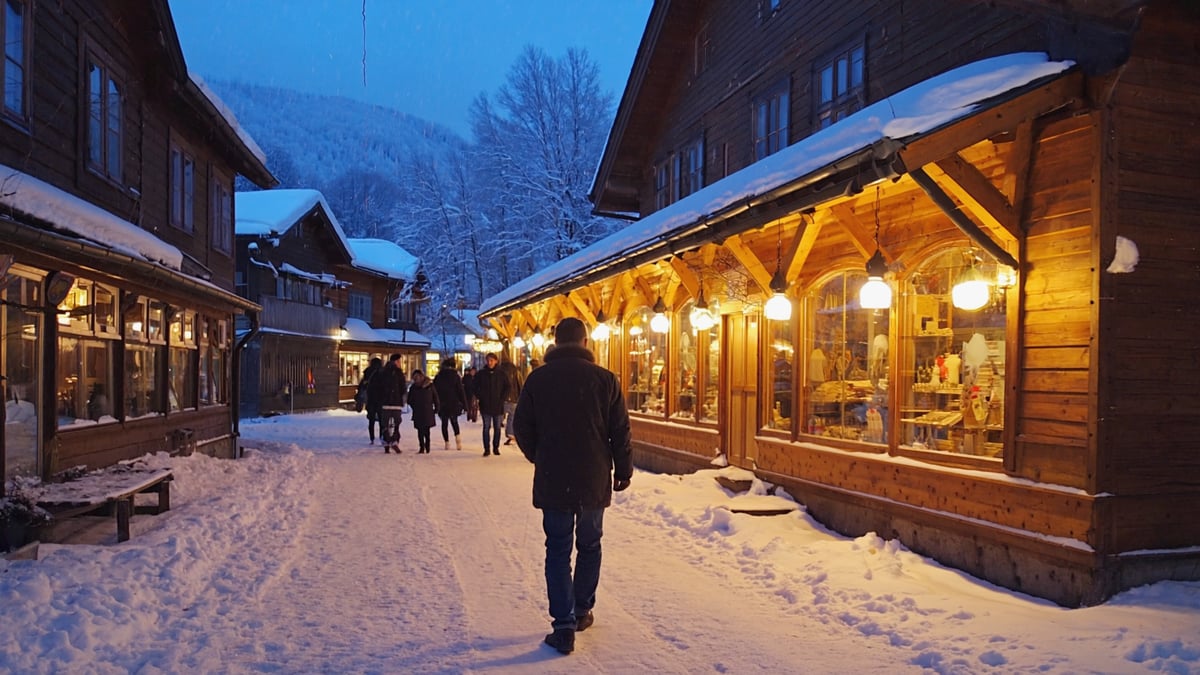
What unites them is the light, or rather, the absence and presence of it in extreme forms. In deep winter (November through January), Lapland experiences the kaamos, the polar night, when the sun barely rises above the horizon or does not rise at all. This sounds bleak on paper, but in practice it creates an atmosphere of extraordinary beauty: a blue twilight that bathes the snow for a few hours each afternoon, followed by skies dark enough to reveal the full splendour of the Milky Way and, when solar activity cooperates, the Aurora Borealis.
By February and March, the sun returns with force, turning the snowfields into blinding white expanses and creating the perfect conditions for outdoor adventure. This is when snowmobile expeditions, reindeer sleigh rides, and ice-fishing trips reach their peak. The snow remains deep and reliable, temperatures moderate slightly from their January lows, and the days grow long enough to pack in multiple activities.
For UK families, the particular draw is the Christmas experience. Rovaniemi markets itself as the official hometown of Father Christmas, and the Santa Claus Village there is a genuine phenomenon, a purpose-built winter wonderland that, when experienced through the eyes of a five-year-old, is as close to genuine magic as family travel gets. The Guardian's Lapland travel section has long documented the range of experiences available, from budget family trips to high-end luxury escapes at wilderness lodges.
Beyond the Christmas market, Lapland offers something that has become genuinely scarce in modern tourism: silence. The boreal forests muffle sound. The snow absorbs noise. Standing on a frozen lake at dawn, with nothing moving in any direction, is an experience that recalibrates something fundamental in people who spend their lives surrounded by urban noise. That quality, the restorative silence of the Arctic, is increasingly part of why adults without children are choosing Lapland as a destination in its own right.
When to Book Your Lapland Holiday: A Season-by-Season Breakdown
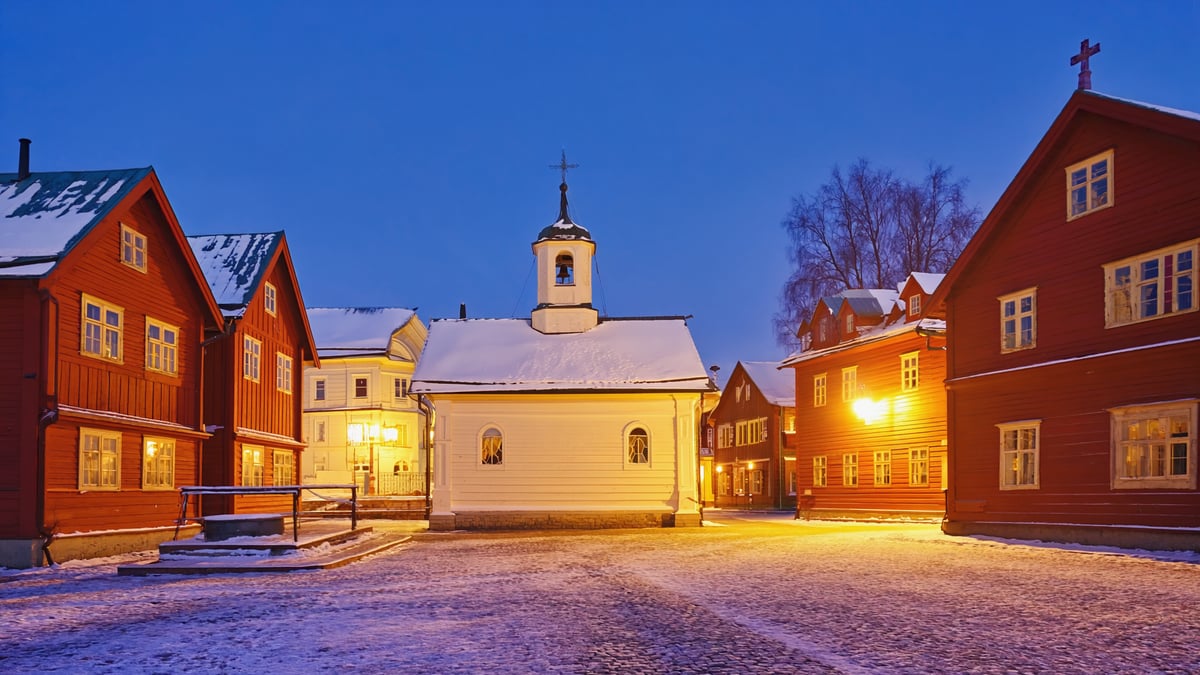
Timing is the single most important decision you will make when planning a Lapland trip, because the experience changes dramatically depending on when you travel. The right window depends entirely on what you want from the holiday.
November to Early December: Advent Magic and First Snow
November is when Finnish Lapland typically receives its first reliable snowfall, and the region begins its transformation into the winter landscape most travellers picture. Temperatures drop into the minus teens, the forests fill with snow, and the darkness deepens. This period is ideal for Northern Lights viewing because the nights are long and (cloud cover permitting) very dark. It is also the quietest period before the Christmas rush, meaning better availability, lower prices, and smaller crowds at popular attractions.
The downside is that some outdoor activities are not yet fully operational in early November, as the ice on lakes and rivers may not yet be thick enough for ice-fishing or snowmobile crossings. By late November, most operators are running full programmes.
Mid-December to Early January: The Peak Christmas Experience
This is Lapland's busiest and most expensive window, running roughly from the second week of December through to early January. Families with young children should book this period as far in advance as possible, sometimes a year ahead for the most sought-after lodges and Santa experience packages. Prices are at their highest, but the atmosphere is extraordinary: the villages are festooned with lights, reindeer are everywhere, and the combination of darkness, snow, and Christmas tradition creates an experience that is genuinely unlike anywhere else on earth.
If budget is a constraint but this is the only period your family can travel, consider looking at Lapland holiday deals for dates immediately before Christmas (around 10–17 December) when prices are somewhat lower than the peak 18 December to 2 January window.
January and February: Adventure Seekers and Couples
After the Christmas and New Year crowds depart, Lapland enters a quieter, more contemplative phase that many travellers consider the most rewarding. January is typically the coldest month, temperatures in inland Finnish Lapland regularly reach minus twenty-five to minus thirty, which is both a challenge and an attraction. The cold makes the landscape feel more dramatic, the snow conditions are perfect for husky sledding and snowmobile safaris, and the Northern Lights remain highly active.
February brings a perceptible increase in daylight and is considered by many operators to be the best all-round month: reliable snow, active auroras, full activity programmes, and slightly more manageable temperatures than January. This is the sweet spot for couples on a Northern Lights holiday who want to combine aurora hunting with adventure activities.
March: Sunshine, Spring Snow, and Sámi Culture
By March, the sun has returned in force and Lapland enters its spring skiing and snowshoeing season. The snow remains deep but the days are long and often brilliantly sunny, creating a very different visual experience from the blue-twilight of midwinter. The Northern Lights are still visible on clear nights, though the window shrinks as the sky brightens. This period is excellent for those who want outdoor adventure without extreme cold, and it coincides with traditional Sámi cultural celebrations including reindeer racing.
| Travel Period | Northern Lights | Snow Conditions | Crowd Level | Best For | Relative Price |
|---|---|---|---|---|---|
| November | ✅ Excellent | ⚠️ Building | Low | Aurora hunters, couples | £ |
| Mid-Dec to Jan | ✅ Excellent | ✅ Perfect | Very High | Families, Christmas experience | ££££ |
| February | ✅ Excellent | ✅ Perfect | Medium | Couples, adventure seekers | £££ |
| March | ⚠️ Reducing | ✅ Deep and sunny | Low-Medium | Outdoor adventurers, skiers | ££ |
How to Actually See the Northern Lights: A Practical Framework
The Northern Lights are the single most frequently cited reason UK travellers book a Lapland holiday, and also the experience most likely to disappoint if you go in without realistic expectations. Understanding how the Aurora Borealis actually works transforms a frustrating lottery into a genuinely manageable pursuit.
The aurora is caused by charged particles from the sun interacting with gases in the Earth's upper atmosphere. The intensity and visibility of any given display depends on two independent variables: solar activity (measured on a scale called the Kp index, which runs from 0 to 9) and local cloud cover. Lapland sits within what scientists call the auroral oval, a band around the magnetic pole where aurora activity is concentrated. This means that on any clear night with meaningful solar activity, the aurora is visible somewhere over Lapland.
The practical challenge is that "somewhere" may mean above cloud, and the weather in the Arctic is famously changeable. A solid strategy involves staying for at least four to five nights, which dramatically increases the statistical probability of at least one clear night with aurora activity. Travellers who book two-night breaks and then feel cheated when the aurora does not appear have usually set themselves up for disappointment.
Reading the Kp Index and Aurora Forecasts
The Finnish Meteorological Institute publishes aurora forecasts that are accurate and free to access. The Kp index number to aim for is anything above 3 for visible activity; a Kp of 5 or above produces displays visible to the naked eye even in partially lit conditions. During periods of heightened solar activity, Kp values of 7 or above can produce extraordinary multicolour displays visible as far south as Scotland.
Most reputable Lapland operators run dedicated aurora excursions that take small groups away from village light pollution into the forest or onto frozen lakes, where the dark sky conditions are optimal. These excursions typically run from around 9pm to midnight, with guides who monitor forecasts in real time and adjust the route to find breaks in cloud cover. Booking at least one guided aurora excursion is strongly recommended, even for experienced travellers, because local guides know the terrain and the micro-weather patterns in ways that no app can replicate.
The Aurora Photography Question
Modern smartphone cameras have transformed aurora photography. Current flagship phones from Apple and Samsung can capture aurora displays that the human eye struggles to register, using night mode exposures that accumulate light over several seconds. However, dedicated camera settings (a wide-angle lens at f/2.8 or wider, ISO 800 to 3200, and exposures of five to fifteen seconds on a tripod) will consistently produce better results. If photography is a priority, bring a lightweight travel tripod, it is worth every gram of checked luggage allowance.
One practical note: batteries drain extremely rapidly in sub-zero temperatures. Keep your phone or camera body inside your jacket between shots, and bring a portable power bank that you keep warm in an inside pocket. Cold kills lithium batteries faster than almost anything else.
The Best Activities on a Lapland Package Holiday
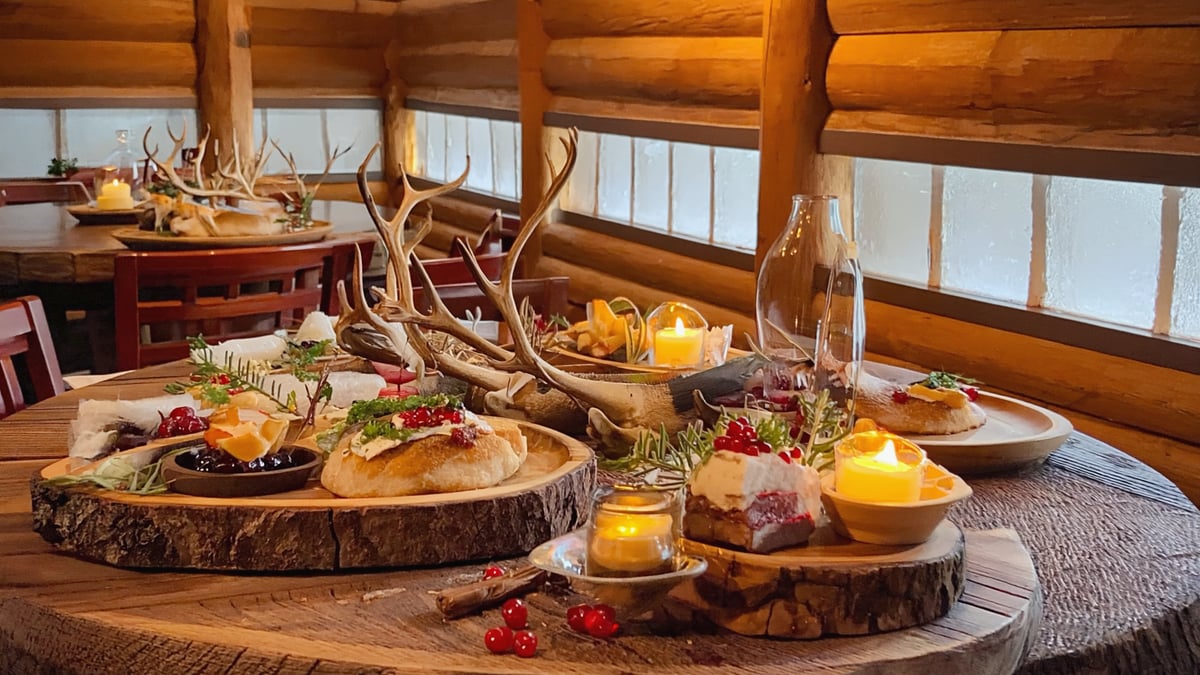
The Northern Lights are Lapland's headliner, but the supporting cast of activities is what makes a Lapland trip genuinely memorable rather than simply spectacular. The best Lapland package holidays build in a structured mix of guided activities alongside free time to explore independently.
Husky Sledding
There is nothing quite like being pulled through an ancient boreal forest by a team of Siberian huskies at full speed. The dogs are extraordinary animals, powerful, enthusiastic, and genuinely happy to run. Most operators offer two formats: a shorter "safari" of two to four hours where you drive your own sled (with instruction beforehand and a guide at the front of the convoy), or a longer multi-day expedition where you mush through wilderness terrain and sleep in backcountry cabins. For most UK travellers on a standard package, the half-day safari is the right choice and produces a completely immersive experience.
Husky safaris typically include full thermal overalls, boots, and gloves, the operators know that UK visitors rarely arrive with adequate cold-weather kit. The physical demands are modest: steering a sled requires balance and core strength rather than brute force, and most reasonably fit adults manage it well. Children from around seven years old can usually ride as passengers in the sled basket.
Reindeer Safaris and Sámi Culture
Reindeer are not merely decorative in Lapland. They are working animals central to the Sámi way of life, and a reindeer safari, riding a traditional pulkka (sleigh) pulled by a single reindeer through the forest, is one of the most peaceful and culturally rich experiences the region offers. Many reindeer farms are operated by Sámi families who combine the safari experience with an introduction to their traditional culture, including demonstrations of traditional joik (song), information about reindeer herding practices, and the chance to prepare a meal over an open fire in a traditional kota (tent).
This cultural dimension is something UK travellers often underestimate before they arrive and rate highly afterwards. The Sámi are the indigenous people of Lapland, with a continuous cultural history stretching back thousands of years, and the opportunity to learn directly from a reindeer herder about how that culture intersects with the modern world is genuinely enriching.
Snowmobile Expeditions
Snowmobiling appeals to travellers who want a more adrenaline-driven experience. Modern snowmobiles are powerful machines capable of crossing vast distances of open terrain, and guided expeditions can take you far into wilderness areas that would be inaccessible by any other means in winter. Expeditions range from two-hour introductory circuits to full-day adventures crossing frozen lakes and mountain passes.
A full driving licence is required to operate a snowmobile independently in Finland. Passengers can ride pillion without a licence. Most operators provide heated helmets and full snowmobile suits.
Ice Fishing
Ice fishing sounds more niche than it is. The experience of sitting beside a small hole drilled through ice that may be half a metre thick, on a lake that stretches to the horizon in every direction, with nothing around you but snow and silence, is profoundly meditative. Most operators combine the fishing itself with a session in a traditional smoke sauna and a meal of freshly caught fish cooked over a fire, an experience that distils the Finnish relationship with nature into a single afternoon.
Snowshoeing and Cross-Country Skiing
For those who prefer self-powered exploration, snowshoeing is accessible to virtually any level of fitness and requires no prior experience. Strapping a pair of snowshoes to your boots and walking through a forest that has received a metre of snow overnight is one of those experiences that is simultaneously simple and completely extraordinary. Cross-country skiing is more technically demanding but widely available, with groomed tracks maintained around most Lapland resorts.
The Finnish Sauna Experience
No Lapland holiday is complete without the sauna. Finland has one of the highest concentrations of saunas per capita of any country on earth, and the Finnish relationship with the sauna is fundamentally different from the spa-day version familiar to most UK travellers. A proper Finnish sauna session involves heating the room to between seventy and one hundred degrees Celsius, pouring water over the stones to create steam (the löyly), beating yourself gently with a birch whisk to improve circulation, and then plunging either into a hole cut in a frozen lake or rolling in the snow. The thermal shock is extraordinary, followed by a profound calm that lasts for hours. Most Lapland lodges and hotels have sauna facilities; many wilderness cabins have private saunas directly on the lakeside.
Choosing the Right Lapland Destination: Finland, Sweden, or Norway?
Each of the three main Lapland destinations accessible to UK travellers has a distinct character, and choosing between them is one of the most important planning decisions you will make. The right choice depends on your priorities.
Finnish Lapland: The Complete Package
Finnish Lapland is the most developed tourist infrastructure of the three, with the widest range of accommodation options, the most established activity operators, and the best package holiday availability from UK airports. The town of Rovaniemi, the regional capital and gateway to Finnish Lapland, has direct flights from several UK airports during the winter season, making it the most accessible option. The Santa Claus Village is here, as are some of the region's best husky kennels and reindeer farms.
Further north, resorts like Saariselkä and Levi offer excellent skiing alongside the full range of Arctic activities, with accommodation ranging from basic log cabins to extraordinary glass-roofed aurora chalets where you can watch the Northern Lights from your bed. Finnish Lapland is the best choice for families, first-time visitors, and those who want a comprehensive, well-organised experience.
Swedish Lapland: The Aurora Hunter's Choice
Swedish Lapland, centred on Kiruna and the nearby town of Abisko, has a reputation as one of the best places in the world for reliable Northern Lights viewing. The reason is a microclimate around Abisko that produces unusually clear skies even when the surrounding region is cloudy. The Aurora Sky Station at Abisko, accessible via a cable car, sits above the cloud layer on many nights, offering conditions that are hard to match anywhere else in the Arctic. Swedish Lapland also has the Icehotel in Jukkasjärvi, a world-famous construction rebuilt each winter entirely from ice and snow, with sculpted suites that are works of art in their own right.
Norwegian Lapland: Fjords and Coastal Drama
Tromsø is the main gateway to Norwegian Lapland and has a character quite different from its Finnish and Swedish counterparts. As a coastal city, it is more architecturally interesting, has a vibrant restaurant and bar scene, and sits in a dramatic fjord setting that is spectacular even in the depths of winter. The Northern Lights are visible from Tromsø on clear nights, and the surrounding fjord countryside provides extraordinary backdrops for snowmobile and whale-watching excursions (humpback and orca whales feed in the Norwegian fjords through winter). Norwegian Lapland is the best choice for travellers who want the Arctic wilderness experience alongside the social energy of a real city.
Getting There: Flights and Travel from the UK
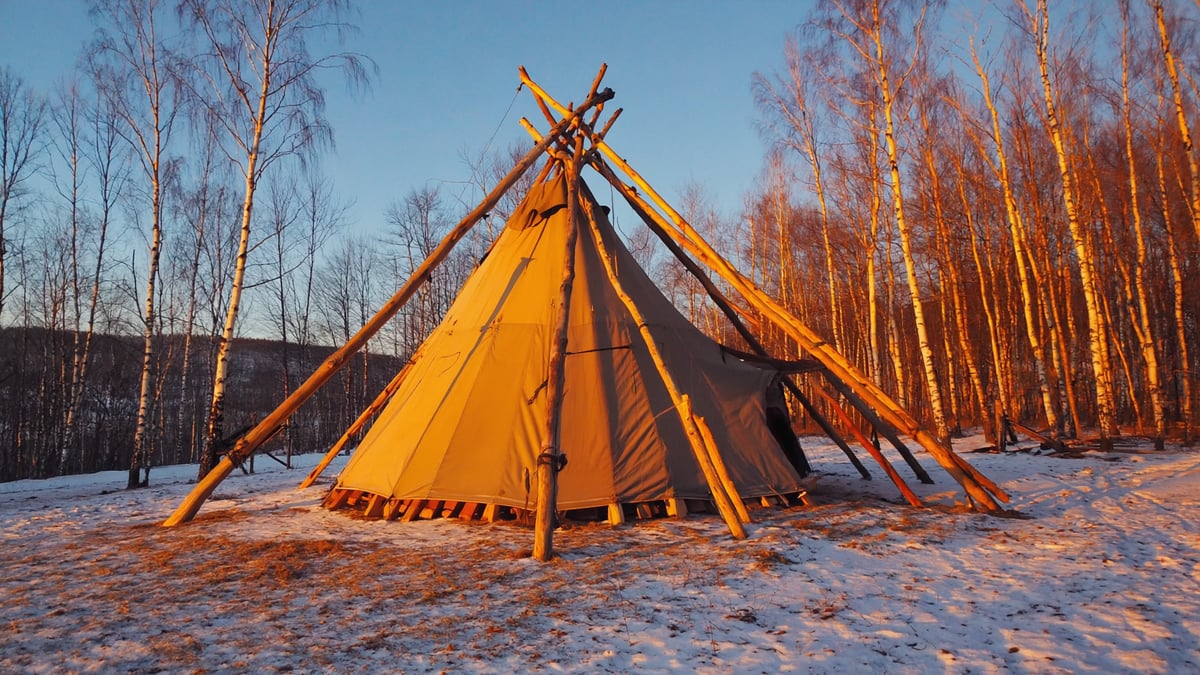
Access from the UK to Lapland is considerably easier than many travellers expect. During the winter season (typically November through March), several UK airports operate direct services to Finnish and Swedish Lapland, making it a straightforward short-haul journey with none of the connection complexity of reaching more remote destinations.
Direct flights from London airports to Rovaniemi typically take around two and a half to three hours, making it a shorter journey than many Mediterranean destinations. Finnair, TUI, Jet2, and various charter operators run seasonal services from airports including London Heathrow, London Gatwick, Manchester, Birmingham, Edinburgh, and Bristol, though exact routes vary by season and operator. It is worth checking availability from your nearest airport before assuming you need to travel to London.
For Swedish Lapland, the typical routing is via Stockholm Arlanda to Kiruna or Luleå, adding a connection but rarely more than an hour to the total journey time. Norwegian Lapland via Tromsø is served by connections through Oslo, with Norwegian Air and SAS operating regular services from UK airports.
Booking flights as part of a package through an operator like GlobeHunters removes the complexity of coordinating flights and accommodation separately, and typically provides better financial protection under UK package travel regulations than booking components independently.
Lapland Package Holidays from the UK: What's Included and What to Watch For
Understanding what a Lapland holiday deals package actually contains, and what it does not, is essential for avoiding the most common source of disappointment among UK travellers to the region.
Standard Package Inclusions
A well-structured Lapland package holiday from a UK operator will typically include return flights from a UK airport, accommodation for the duration of your stay, and airport transfers. Some packages include a selection of activities (commonly one or two guided excursions such as a husky safari and a snowmobile ride), while others price activities separately to allow flexibility. Full-board or half-board meal arrangements vary by property; self-catering cabin accommodation is common in Finnish Lapland and suits families well.
GlobeHunters' Lapland packages start from £499 per person and are built around a flexible structure that allows travellers to select accommodation type (hotel, log cabin, or glass aurora chalet) and add activities according to their budget and preferences. This approach works well because activity preferences vary enormously between families with young children (who prioritise the Santa experience and reindeer rides) and couples (who typically want aurora hunting and snowmobile expeditions).
What Packages Often Do Not Include
The items most likely to generate bill shock at the end of a Lapland trip are thermal clothing hire (if not already included in activity bookings), additional activities booked locally, and meals at restaurants rather than hotel dining rooms. Finnish restaurant prices are comparable to London, so dining out every night adds up quickly.
Many packages also do not include travel insurance, which is non-negotiable for a winter Arctic trip. Medical evacuation from remote Lapland wilderness areas is expensive, and the activities involved (snowmobiling, husky sledding) require a policy that explicitly covers adventure activities. Check the small print of any travel insurance before purchasing.
The Activity Cost Framework
| Activity | Typical Duration | Approximate Cost Per Person | Best For |
|---|---|---|---|
| Husky Safari (half day) | 3–4 hours | £100–£180 | All travellers |
| Reindeer Safari | 2–3 hours | £70–£130 | Families, culture seekers |
| Snowmobile Expedition | 2–6 hours | £120–£250 | Adventure seekers, couples |
| Aurora Viewing Excursion | 3–4 hours | £60–£120 | All travellers |
| Ice Fishing + Sauna | 3–4 hours | £80–£150 | Couples, solo travellers |
| Santa Experience (Rovaniemi) | 1–2 hours | £50–£100 per child | Families with young children |
| Snowshoeing Trek | 2–3 hours | £50–£90 | All travellers |
Accommodation in Lapland: From Log Cabins to Glass Aurora Chalets
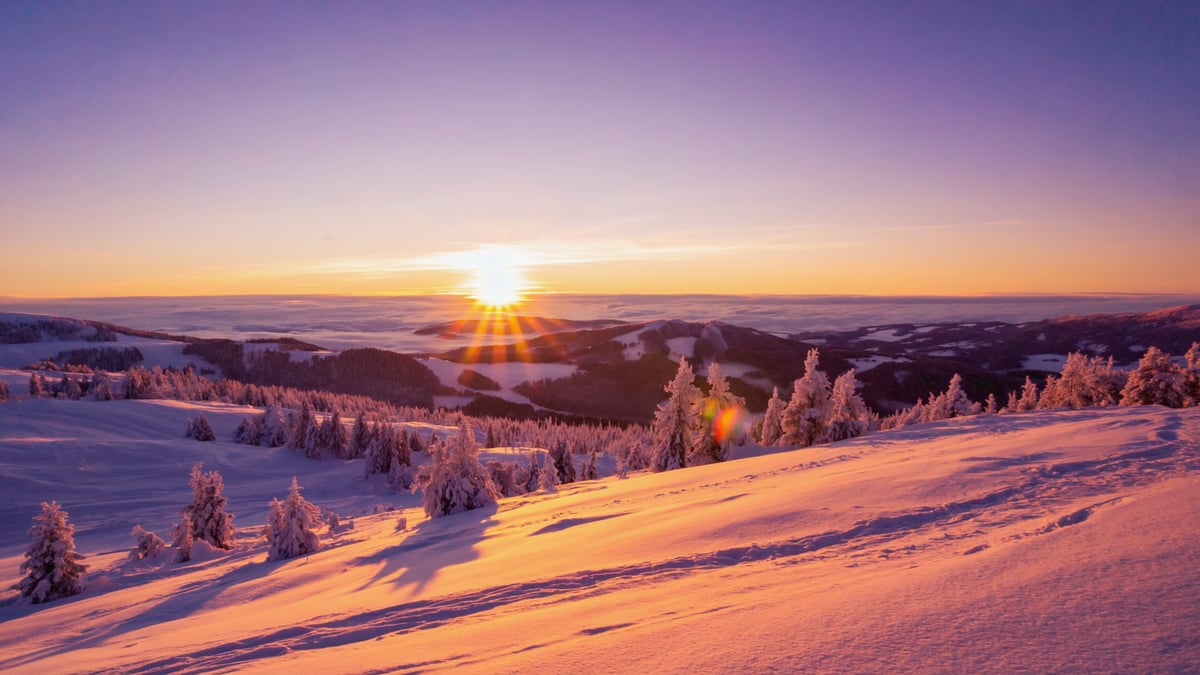
Where you sleep in Lapland is not merely a logistical decision, it shapes the entire character of the trip. The accommodation landscape in Finnish Lapland in particular has evolved dramatically, with a range of options that span from functional resort hotels to extraordinarily designed wilderness retreats.
Glass Aurora Cabins
The glass aurora cabin has become one of the most recognisable images in modern travel photography: a small, warm cabin with a transparent curved roof, sitting in a snow-covered forest, with the Northern Lights dancing overhead. These are real, and they are as extraordinary to experience as they look. Properties like Kakslauttanen Arctic Resort in Saariselkä pioneered the format, and several similar properties now exist across Finnish Lapland.
The thermal glass is heated to prevent condensation and maintain a clear view, and the cabins are kept at a comfortable temperature inside. Waking at two in the morning to a sky filled with green light, visible without leaving your bed, is one of those travel experiences that genuinely justifies the premium price. Glass aurora cabins book out many months in advance, particularly for the December and February peak periods.
Wilderness Log Cabins
For families and travellers who prioritise space and self-sufficiency over design drama, a traditional Finnish log cabin is often the best choice. Most resort areas have clusters of well-equipped cabins sleeping four to eight people, with private saunas, fully equipped kitchens, and fireplaces. The ability to cook your own meals, dry your equipment between activities, and come and go on your own schedule is particularly valuable for families with children of varying ages.
Boutique Hotels and Lodges
Several hotel properties across Finnish and Swedish Lapland offer genuine hospitality of a high standard, combining comfortable rooms with restaurant dining and spa facilities. For travellers who prefer the services of a traditional hotel, daily housekeeping, a restaurant, a concierge who can book activities, these are the right choice. Many hotels in the region also have their own sauna facilities and some degree of lakeside or forest access, closing some of the gap with more immersive cabin accommodation.
Treehouses and Unique Stays
A growing category of boutique accommodation in Lapland has taken the "unique experience" concept to considerable extremes. Treehouses suspended above the snowline, igloos made from snow and ice, and converted fishing huts on frozen lakes all exist and attract travellers willing to pay a premium for the story as much as the experience. These properties are typically small (often fewer than ten units) and require booking well in advance.
What to Pack for a Lapland Holiday: The Cold-Weather Clothing System
Packing for minus twenty-five is a different proposition from packing for a beach holiday, and getting it wrong makes the difference between thriving in the Arctic and spending your holiday cold and miserable. The good news is that most Lapland operators provide outer layers for activities (snowsuits, boots, and gloves), which means your personal packing list focuses on the layers underneath.
The fundamental principle of Arctic dressing is the layering system: a moisture-wicking base layer against the skin, an insulating mid-layer to trap warmth, and a windproof and waterproof outer shell. The outer shell is usually provided by your activity operator, so focus your own investment on quality base and mid-layers. Merino wool base layers are the gold standard, they regulate temperature, resist odour, and remain warm even if damp. Synthetic fleece mid-layers are lighter and dry faster than down for the active pursuits involved in Lapland activities.
The extremities are where most travellers underinvest. Your operator will provide over-boots and outer gloves, but the layers underneath matter. Liner gloves made from merino or silk allow you to remove the outer gloves for photography or fine motor tasks without immediately losing feeling in your fingers. Wool or thermal socks (two pairs, with the inner pair thin and the outer pair thick) are essential. A neck gaiter or balaclava is more effective than a scarf, which tends to shift and leave gaps.
For everyday exploration between activities, walking between buildings in the village, visiting the reindeer farm, watching the sunset from a viewpoint, a quality insulated jacket (down or synthetic, rated to minus fifteen or below), waterproof over-trousers, and warm waterproof boots rated for sub-zero temperatures are sufficient. Sorel, Baffin, and Kamik all produce reliable cold-weather boots at various price points.
Practical Planning: Visas, Currency, Health, and Safety
Finland, Sweden, and Norway are all Schengen Area countries. UK travellers post-Brexit can visit these countries without a visa for stays of up to ninety days within any one hundred and eighty-day period, though the UK's departure from the EU means that passports must be valid for the duration of the stay (the previous requirement for six months' validity beyond the return date no longer applies to Schengen entry for UK passport holders, but it is always worth ensuring your passport has several months' validity remaining).
The European Entry/Exit System (EES) has been operational at Schengen borders since October 2025, which means UK travellers will have their biometric data registered at the border. This process adds a small amount of time to border crossing on a first visit; subsequent visits within the same one hundred and eighty-day window are faster. Budget a little extra time at passport control on arrival.
The Finnish euro (Finland uses the euro) and Swedish krona and Norwegian krone are the local currencies. Card payment is accepted almost universally in all three countries, Finland and Sweden in particular are among the most cashless societies in Europe, but having a small amount of local currency for tips or very small purchases is sensible. Notify your bank before travelling to avoid card blocks on foreign transactions.
Healthcare in Finland, Sweden, and Norway is of a very high standard. The European Health Insurance Card (EHIC) is no longer valid for UK travellers; its replacement is the UK Global Health Insurance Card (GHIC), which provides access to state healthcare in EU countries (including Finland and Sweden) on the same terms as local residents. This covers emergency and necessary medical treatment but does not replace comprehensive travel insurance, which remains essential particularly given the adventure activity nature of most Lapland trips.
Lapland for Families: Making the Most of the Christmas Magic
For families with children between the ages of roughly three and eleven, a Lapland Christmas trip sits in a category of its own in terms of the impact it has on young imaginations. Carefully planned, it is an experience that children remember for decades. The key is managing expectations at both ends, children's and parents', and building an itinerary that balances the magical set-pieces with enough practical comfort to prevent exhausted meltdowns in the snow.
The Santa Claus Village in Rovaniemi is the most developed and polished family destination, with a range of Santa meeting experiences from simple drop-in visits to elaborate staged adventures where children follow clues through the snow to find Father Christmas in his private cabin. The quality of these experiences varies considerably by operator and price point, with the more expensive options typically involving better storytelling, more intimate group sizes, and more convincing theatrical production.
Beyond the Santa experience, families should prioritise the reindeer safari (manageable for children from around three years old) and snowshoeing (suitable from about five), and consider whether a husky ride as a passenger is appropriate for their children's age and temperament. The huskies are powerful and the sleds move at a meaningful speed, which is exhilarating for some children and frightening for others.
Accommodation for families works best in a log cabin rather than a hotel room, the extra space, the kitchen for preparing familiar meals at unpredictable hours, and the private sauna are all significant advantages when travelling with young children. Most resorts maintain heated indoor play areas for days when the cold is too extreme for extended outdoor time, and most activity operators have minimum age limits that are clearly stated in their booking materials.
One practical note for families: the combination of extreme cold, unfamiliar food, disrupted routines, and sensory overload means that children often have their most spectacular tantrums precisely in the middle of the most magical moments. Build in more rest time than you think you need, keep the activity schedule manageable rather than packed, and accept that some of the best Lapland memories are made in quiet moments, sitting by the cabin fire after a day in the snow, rather than in expensive planned experiences.
Lapland for Couples: Romance at the Top of the World
Lapland has quietly become one of the most distinctive romantic destinations accessible from the UK, offering a combination of dramatic natural beauty, genuine seclusion, and shared adventure that few other short-haul destinations can match. For couples seeking a Northern Lights holiday that is more than a standard beach resort with a premium room, the Arctic delivers something genuinely different.
The romantic architecture of a Lapland trip for couples is built around contrast: the intensity of cold outdoor activity followed by warmth and intimacy in a private sauna or cabin. A morning snowmobile expedition through wilderness terrain, lunch by an open fire in a backcountry hut, an afternoon of reading by the cabin fire, and an evening aurora hunt on a frozen lake creates a rhythm that is both adventurous and profoundly relaxing. The forced disconnection from phones (cold kills batteries, and mobile signal in wilderness areas is limited) is something most couples report as unexpectedly welcome.
Glass aurora cabins are the obvious romantic accommodation choice, though they command a significant premium. For couples who want the wilderness seclusion without the aurora cabin price tag, a private log cabin with lakeside sauna and a clear-sky view can deliver the same aurora experience at considerably lower cost, with the additional advantage of a fully equipped kitchen for self-catering meals.
Honeymoon packages to Lapland are increasingly popular, particularly for winter weddings that want to extend the celebration into an extraordinary shared experience. Several Finnish Lapland operators now offer bespoke honeymoon itineraries that combine private dog sledding, candlelit dinners in wilderness locations, and private sauna sessions, experiences that work as well for a milestone anniversary as for a honeymoon.
Working in Lapland: A Different Kind of Arctic Experience
For UK travellers who want to extend their Lapland experience beyond a holiday, it is worth knowing that the Lapland tourism industry actively recruits international staff during the winter season. The EU's EURES employment network has featured Lapland Safaris as an employer of international staff, with roles ranging from safari guides and husky handlers to hospitality and guest services positions. UK nationals can work in Finland and Sweden under the same terms as before Brexit in many practical respects, though it is advisable to check current visa and work permit requirements through official government channels before making plans.
This option appeals particularly to younger travellers and career-breakers who want to spend an entire winter season immersed in the Arctic environment, gaining qualifications in snowmobile guiding or wilderness first aid, learning Finnish, and saving money to fund onward travel. The experience of a full Lapland winter, from the first snowfall through the polar night to the return of the spring sun, is fundamentally different from a one-week holiday and produces a relationship with the place that is qualitatively deeper.
Frequently Asked Questions About Lapland Holidays from the UK
How far in advance should I book a Lapland holiday?
For Christmas and New Year travel, booking at least eight to twelve months in advance is strongly recommended, particularly if you want specific accommodation types (glass aurora cabins, specific lodge properties) or popular activity slots. For February and March travel, four to six months is generally sufficient, though earlier is always better for the best availability and pricing. November travel can sometimes be booked with shorter notice.
Is Lapland suitable for very young children?
Yes, with appropriate preparation. Children as young as two or three can participate in reindeer sleigh rides and the Santa experience. The main challenge is managing extreme cold for children who cannot yet regulate their own warmth, proper thermal clothing and limiting continuous outdoor exposure to manageable intervals is essential. Most activity operators have minimum age requirements; check these before booking specific activities.
What is the best airport to fly from for a Lapland holiday?
During the winter season, direct flights to Rovaniemi operate from several UK airports including London Gatwick, Manchester, Birmingham, and Edinburgh, depending on the operator and the year. Checking availability from your nearest airport is the first step, as the routing significantly affects the total journey time and cost. GlobeHunters can advise on current flight options from your specific departure airport.
Is the Aurora Borealis guaranteed on a Lapland holiday?
No, and any operator who guarantees a specific aurora sighting is misleading you. The Northern Lights require both solar activity and clear skies, neither of which can be guaranteed. However, staying for a minimum of four to five nights in a location within the auroral oval (which includes all of Finnish, Swedish, and Norwegian Lapland) gives you a strong statistical probability of at least one clear-sky aurora display. The period from late August to April offers potential aurora viewing; November through February is statistically the most active period.
What should I budget for a Lapland holiday per person?
A realistic budget for a five-night Lapland holiday including flights, accommodation, and a selection of activities ranges from approximately £1,200 to £2,500 per person, depending on timing, accommodation type, and activities chosen. Budget options (log cabin accommodation, fewer guided activities) can come in lower; glass aurora cabin accommodation with multiple guided excursions at Christmas will push the upper end significantly. GlobeHunters' packages start from £499 per person, with activities and upgrades available to build your preferred itinerary.
Do I need special clothing for Lapland, or can I hire it?
Most Lapland activity operators provide full outer-layer kit (snowsuits, boots, gloves) for guided activities, which covers the most critical cold-weather requirements. You should bring your own quality base layers, a warm insulated jacket, and comfortable waterproof footwear for daily use between activities. Thermal underlayers and wool socks are worth purchasing before you travel, they are more expensive and harder to find in resort than at home.
Is Lapland safe for solo travellers?
Lapland is one of the safer destinations accessible from the UK, with very low crime rates across Finland, Sweden, and Norway. Solo travellers fit naturally into the guided group activity format that characterises most Lapland trips, and the social dynamic of small-group excursions (typically six to twelve people) means solo travellers rarely feel isolated. The main safety considerations are cold-weather related: never venture into wilderness areas without a guide, always tell someone your plans if you are exploring independently, and carry a fully charged phone (kept warm) at all times.
What language is spoken in Lapland, and will I be understood in English?
The primary languages are Finnish (in Finnish Lapland), Swedish (in Swedish Lapland), and Norwegian (in Norwegian Lapland), alongside the Sámi languages spoken by the indigenous Sámi people. English proficiency across all three countries is extremely high, Finland and Sweden consistently rank among the top countries globally for English language ability among non-native speakers. You will encounter no meaningful language barrier in any tourist-facing context.
Can I combine a Lapland trip with another destination?
Helsinki is the natural addition to a Finnish Lapland trip, easily reached by a short domestic flight and worth two to three days for its design culture, food scene, and architecture. Stockholm serves the same role for Swedish Lapland. Some travellers choose to begin or end their Arctic trip in one of these capitals, turning a one-week Lapland holiday into a more varied Nordic itinerary.
What are the Northern Lights best viewed with, naked eye or camera?
The naked eye sees the aurora as it appears in real time, which is typically green or grey-white rather than the vivid multi-colour displays that cameras capture. Camera sensors accumulate light over multiple seconds, revealing colours (particularly pink and violet) that are invisible to the human eye. Both experiences are extraordinary and different, the naked-eye experience is immediate and emotional, the photographic result is often technically more impressive. The best approach is to watch first, photograph second.
How cold does Lapland actually get, and how do I cope?
Inland Finnish Lapland regularly reaches minus twenty to minus thirty in January, with wind chill pushing perceived temperatures lower still. The coastal influence around Tromsø produces a milder range of minus five to minus fifteen in most winters. The paradox most travellers discover is that properly dressed, minus twenty is manageable and even comfortable during active pursuits; it is only when standing still in an inadequate jacket that the cold becomes genuinely unpleasant. Activity operators dress you appropriately for their excursions. The challenge is the transition between heated indoor spaces and the outdoors, which requires having your outer layers readily accessible rather than packed in a suitcase.
Is travel insurance really necessary for Lapland?
It is not merely necessary, it is essential. A medical evacuation from a remote Lapland wilderness area can cost tens of thousands of pounds, and standard activity risks (snowmobile accidents, cold-related injuries, falls on ice) are real if uncommon. Ensure your policy explicitly covers the activities you plan to undertake (snowmobiling, dog sledding) and provides adequate medical evacuation coverage. Read the exclusions carefully before purchasing.
Key Takeaways for UK Travellers Planning a Lapland Holiday
- Timing is everything: November and February offer the best combination of aurora viewing, activity conditions, and value. December to January is magical but expensive and crowded; book at least eight months ahead for Christmas travel.
- The Northern Lights are not guaranteed, stay a minimum of four to five nights to give yourself a realistic chance of a clear-sky display.
- Finnish Lapland is the best all-round choice for first-time visitors and families; Swedish Lapland (Abisko) has the edge for dedicated aurora hunters; Norwegian Lapland (Tromsø) combines Arctic wilderness with a genuine city experience.
- Activity operators provide outer clothing for excursions, focus your personal packing on quality base layers, a warm insulated jacket, and cold-rated footwear for daily use.
- Glass aurora cabins are extraordinary but book out months in advance and command a significant premium. Log cabins with private saunas offer a similar experience at better value.
- Budget realistically: a five-night Lapland trip including flights, accommodation, and activities typically costs £1,200 to £2,500 per person. Lapland holidays UK packages from GlobeHunters start from £499 per person, with flexible add-ons to suit every budget.
- Travel insurance is non-negotiable, ensure your policy explicitly covers adventure activities and medical evacuation.
- The Finnish sauna, reindeer safaris, and the silence of the boreal forest under snow are the experiences most travellers say they were not expecting and remember longest. Leave room in your itinerary for them.
Ready to start planning your Lapland adventure? GlobeHunters' team of travel specialists can build a bespoke itinerary around your dates, budget, and priorities, from a family Christmas escape in Rovaniemi to a couples' aurora retreat in the Finnish wilderness. Call 020 8944 4700 or browse current availability and pricing for Lapland package holidays from GlobeHunters to find the right combination of flights, accommodation, and activities for your perfect winter escape.
About the author
Spiros Maragkoudakis · Chief Commercial Officer
Ready to Book Your Lapland Holiday?
Our travel experts are ready to help you plan the perfect trip. Call us today or browse our latest deals.
Ready to Start Planning?
Speak to our travel experts for personalised advice and the best deals on your next holiday.
Call 020 8944 4700