Picture this: it is just past midnight on a Tuesday in the San Telmo district, and the cobblestones outside a candlelit milonga are still warm from the afternoon sun. Inside, couples move as if the music is pulling them by invisible strings, the bandoneon swelling and dropping in waves. The air smells of grilled meat drifting from a parrilla two doors down, and somewhere nearby a waiter is uncorking a bottle of Malbec that cost less than a pint of lager back in London. Nobody here is in a hurry. Nobody is checking their phone. This is Buenos Aires on a weekday, and it feels like a Saturday night in the best possible city on earth.
For UK travellers who have done the European city break circuit and are ready for something that genuinely rearranges their sense of what a holiday can be, Buenos Aires delivers at a scale that few destinations match. It is one of the world's great metropolises, a city of 15 million people spread across a mosaic of neighbourhoods that each feel like a distinct village, bound together by a shared obsession with food, football, culture, and the art of living well. This Buenos Aires holiday guide for UK travellers covers everything you need to plan your trip: the best neighbourhoods, what to eat and drink, how to get there, when to go, and how to find the right Argentina holiday packages from the UK at a price that won't leave you wincing.
Whether you are a couple chasing a romantic escape, a solo adventurer ready to plunge into something unfamiliar, or a retiree ticking off a long-held dream destination, Buenos Aires rewards every style of traveller. Let us get into it.
Why Buenos Aires Belongs on Every UK Traveller's Radar
Buenos Aires is the kind of city that recalibrates your expectations of what urban travel can feel like. It combines the architectural grandeur of a European capital with the warmth, energy, and sensory richness of Latin America, producing something entirely its own. The city is genuinely enormous, cosmopolitan, and layered with culture, yet it never feels cold or impersonal. Porteños, as residents call themselves, are famously sociable and proud of their city in a way that translates into genuine hospitality rather than performative tourism.
For UK travellers, the city offers exceptional value. The Argentine peso has experienced significant fluctuation against sterling in recent years, meaning that dining, accommodation, transport, and entertainment cost considerably less in real terms than equivalent experiences in Western European cities. A three-course dinner with wine at a quality restaurant routinely costs a fraction of what the same meal would set you back in London or Edinburgh. This is not budget-compromise travel, it is genuinely good living at accessible prices.
The city's European architectural heritage is immediately striking. Buenos Aires was shaped by waves of Spanish, Italian, French, and British immigration throughout the 19th and early 20th centuries, and the result is a skyline punctuated by Parisian-style boulevards, ornate Belle Époque theatres, Art Nouveau apartment buildings, and neoclassical civic architecture. Walking through the Recoleta neighbourhood, it is genuinely easy to forget which continent you are on, until the heat, the sound of Spanish, and the smell of asado from a nearby grill snaps you back to reality.
The BBC's travel guide to Buenos Aires sums it up well: the steak, the tango, the football, and the wine are the headline acts, but the city's real magnetism goes deeper. It is a place with genuine intellectual and artistic life, a serious literary tradition, world-class visual art, and a music scene that extends well beyond tango into jazz, classical, and contemporary sounds. Buenos Aires is not just a backdrop for tourism. It is a living, breathing cultural capital.
The Buenos Aires Advantage for UK Travellers Specifically
There are practical reasons why Buenos Aires suits UK travellers particularly well. English is reasonably widely spoken in tourist-facing businesses, hotels, and restaurants, though learning a handful of Spanish phrases will earn you enormous goodwill. The time difference is manageable at three to four hours behind UK time depending on the season, meaning you won't spend your first three days adjusting to a disorienting schedule. The flight is long at approximately 13 to 14 hours from London, but it is a single direct route with multiple carriers, and the reward at the other end more than justifies the journey. Argentina also operates on a 220V electrical system with European-style plugs, so most UK devices work without adapters.
Neighbourhood by Neighbourhood: Where to Stay and What to Explore
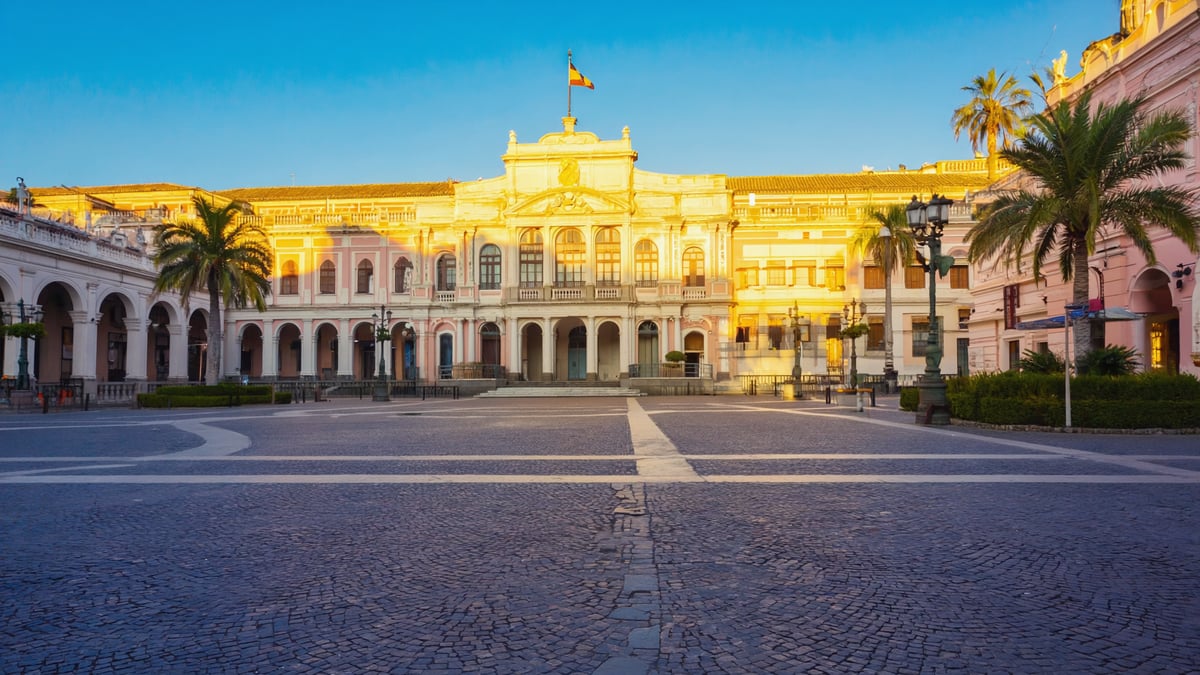
Understanding Buenos Aires means understanding its barrios. The city does not have a single centre so much as a constellation of distinct neighbourhoods, each with its own atmosphere, architecture, and social character. Choosing where to base yourself shapes your entire experience, so it is worth knowing what each area offers before you book.
Palermo: The Neighbourhood for First-Timers
Palermo is the largest neighbourhood in Buenos Aires and the one most travellers gravitate towards, for good reason. It is divided into sub-districts including Palermo Soho, Palermo Hollywood, and the leafy Palermo Chico, each with its own flavour. Palermo Soho is the beating heart of the city's restaurant and bar scene, filled with independent boutiques, design shops, craft beer bars, and some of the finest restaurants in South America. Palermo Hollywood takes its name from the concentration of television and radio studios there and has a slightly younger, more nightlife-focused energy.
The neighbourhood is well connected by public transport and generally considered one of the safer areas for tourists. It is also home to the Bosques de Palermo, a sprawling park network with rose gardens, a Japanese garden, a zoo, and the city's famous Hipódromo horse racing track. For families and couples alike, it offers a comfortable base with easy access to the rest of the city.
San Telmo: History, Tango, and Street Life
If Palermo is Buenos Aires at its most polished, San Telmo is the city at its most atmospheric. This is the oldest neighbourhood in the city, a maze of cobblestone streets, antique shops, and colonial buildings that survived the yellow fever epidemic of 1871 when wealthier residents fled north. What remained was a bohemian, working-class district that became the cradle of tango culture.
Today, San Telmo is a UNESCO-recognised cultural precinct. The Sunday market at Plaza Dorrego is one of the most authentic market experiences in South America, drawing antique dealers, street performers, tango dancers, artisans, and food vendors. The neighbourhood's milongas (tango dance halls) are the real thing, not tourist performances but genuine community spaces where locals come to dance. For travellers who want to experience the soul of Buenos Aires rather than a polished version of it, San Telmo is unmissable.
Recoleta: Elegance and the Famous Cemetery
Recoleta is Buenos Aires at its most European. Tree-lined boulevards, French-style mansions, luxury hotels, and the city's finest museums are all concentrated here. The neighbourhood is anchored by the Recoleta Cemetery, one of the most extraordinary burial grounds in the world, where elaborate marble mausoleums line narrow alleyways like a miniature city. The tomb of Eva Perón is here, and it draws a steady stream of visitors paying their respects to one of Argentina's most iconic figures.
The Buenos Aires Museum of Fine Arts (MNBA) sits at the edge of Recoleta and houses an impressive collection of Argentine and European art. The neighbourhood also contains the Floralis Genérica, a giant steel flower sculpture that opens and closes with the sun. Recoleta is a natural base for travellers who want proximity to cultural institutions, upmarket dining, and a quieter atmosphere after dark.
La Boca: Colour, Football, and Caution
La Boca is the neighbourhood most associated with Buenos Aires's visual identity, thanks to the corrugated iron houses painted in vivid primary colours along the Caminito pedestrian street. It is also the home of Boca Juniors football club and the La Bombonera stadium, one of the most intensely atmospheric football grounds in the world. The neighbourhood has genuine energy and cultural significance, particularly for fans of Argentine football.
It is worth noting that La Boca, outside of the immediate Caminito tourist strip, is a working-class neighbourhood with higher crime rates than other tourist areas. The standard advice is to visit during daylight hours, stay within the tourist precinct, and take a taxi or rideshare directly to and from other parts of the city rather than walking far from the main streets. With that caveat in place, the neighbourhood is absolutely worth a half-day visit.
Puerto Madero: Modern Buenos Aires by the Water
Puerto Madero is the city's newest barrio, built on reclaimed land along the Río de la Plata waterfront. It is home to the city's most expensive restaurants, luxury apartment towers, and the striking Puente de la Mujer footbridge designed by Santiago Calatrava. The ecological reserve on the waterfront edge provides a surprising patch of wetland wilderness within walking distance of the city centre. Puerto Madero is not where you go to experience authentic Buenos Aires, but it is worth visiting for dinner or a waterfront walk, and it offers some of the city's most upmarket hotel options.
Things to Do in Buenos Aires: A Practical Activity Guide
There is no shortage of things to do in Buenos Aires, and the challenge is less about finding activities than it is about prioritising them. The city rewards slow, unplanned exploration as much as it rewards having a structured itinerary. Below is a curated selection of experiences that represent the city at its most compelling.
Tango: Watch It, Learn It, Live It
Tango was born in the working-class tenements of Buenos Aires in the late 19th century, a fusion of African rhythmic traditions, European immigrant music, and Argentine folk styles. Today it is a living art form embedded in the city's DNA, and experiencing it properly is one of the great cultural privileges of visiting Buenos Aires.
There are three main ways to engage with tango. The first is a tourist tango show, of which the most celebrated is the Rojo Tango at the Faena Hotel or the Esquina Carlos Gardel dinner show near the Abasto neighbourhood. These are polished, theatrical productions with exceptional dancing and live orchestras, and they are genuinely worth attending even if you know they are designed for visitors. The second way is to attend a milonga, one of the informal community dance events held throughout the city every night of the week. These range from beginner-friendly events to serious competitive milongas where etiquette is strictly observed. The third is to take a lesson. Countless studios throughout the city offer lessons for beginners, and even a single 90-minute class will give you a profound new appreciation for what the dancers at the milonga are actually doing.
Football at La Bombonera and El Monumental
Argentine football is not a sport. It is a religion, a theatre, a weekly community ritual conducted at a volume and intensity that has to be experienced to be understood. Buenos Aires has two of the most famous clubs in world football: Boca Juniors, based in La Boca, and River Plate, based in Nuñez. Their home grounds, La Bombonera and El Monumental respectively, are both extraordinary spaces even without a match taking place.
Attending a top-flight Argentine football match as a foreign visitor requires either purchasing tickets through an official tour operator (which includes transport and safety logistics) or going through the club's official ticketing system with a local contact. Independent attendance at the most heated matches, particularly the Superclásico between Boca and River, is restricted for visiting fans for safety reasons. A stadium tour of La Bombonera is available most days and includes access to the pitch, changing rooms, and the club museum, which is one of the finest football museums anywhere in the world.
The Food and Drink Scene: A Serious Culinary Capital
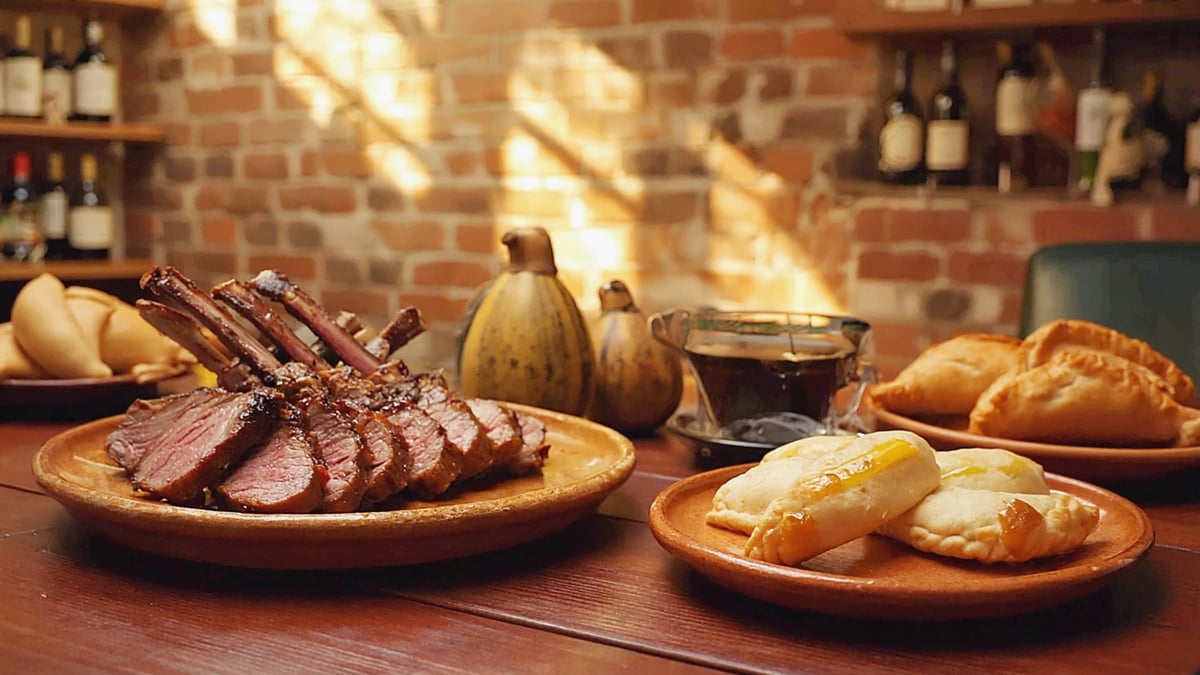
Buenos Aires has quietly become one of the most exciting food cities in the world. The foundation of Argentine cuisine is beef, and the asado tradition of slow-grilling meat over wood and charcoal is an art form taken as seriously here as wine-making is in Burgundy. A proper parrilla restaurant will offer cuts of beef that simply do not exist in UK butchery, including the entraña (skirt steak), vacío (flank), and the gloriously fatty tira de asado (short rib). The empanada, a baked or fried pastry filled with meat, cheese, or vegetables, is the city's great street food. Medialunas, the Argentine version of a croissant, are eaten at every café counter for breakfast alongside a cortado.
The contemporary restaurant scene in Palermo has produced a generation of chefs working with high-quality Argentine ingredients in sophisticated modern formats. Several Buenos Aires restaurants have received international recognition in recent years, and the city's food media, market culture, and ingredient quality are all exceptional. Wine from the Mendoza region, particularly Malbec, is served almost everywhere at prices that feel laughably low by UK standards.
Museums, Art, and Architecture
The cultural infrastructure of Buenos Aires is genuinely world-class. The Teatro Colón, the city's opera house, is consistently rated among the finest opera venues on earth for both its acoustics and its architecture. Guided tours run daily and are highly recommended even for those with no particular interest in opera. The MALBA (Museo de Arte Latinoamericano de Buenos Aires) in Palermo houses an outstanding collection of 20th-century Latin American art, including major works by Frida Kahlo and Diego Rivera. The Centro Cultural Kirchner, housed in a former post office building of extraordinary scale, hosts free cultural events, exhibitions, and concerts throughout the year.
Beyond the formal institutions, the city's street art scene deserves serious attention. The Palermo and Villa Crespo neighbourhoods are effectively open-air galleries, with large-scale murals by Argentine and international artists covering entire building facades.
Planning Your Trip: When to Go and How Long to Stay
Getting the timing right makes a meaningful difference to the Buenos Aires experience, and this is one area where many UK travellers don't give enough thought before booking.
The Best Seasons for a Buenos Aires Holiday
Buenos Aires sits in the Southern Hemisphere, which means its seasons are the reverse of the UK's. The city's spring (September to November) and autumn (March to May) are widely considered the best times to visit. Temperatures during these periods are warm but manageable, typically ranging from the mid-teens to the mid-twenties Celsius, with lower humidity than the summer months. The city is at its most beautiful in spring when the jacaranda trees along Avenida de los Incas and throughout Palermo burst into vivid purple bloom, a spectacle that draws photographers from across the world.
Summer in Buenos Aires (December to February) is hot, humid, and often uncomfortably so, with temperatures regularly exceeding 35°C. The city also partially empties in January when many porteños head to the coast. Winter (June to August) is mild by UK standards, with temperatures typically staying above 5°C, and the city remains fully operational. Winter is actually an excellent time to visit for budget-conscious travellers as accommodation prices tend to be lower and the city's cultural calendar remains full.
How Long Do You Need?
A minimum of seven nights is needed to do Buenos Aires proper justice, and ten to fourteen nights is ideal if your schedule allows. The city is large and the rhythm of life here is slower and later than in the UK. Restaurants don't fill up until 9pm, dinner runs past midnight, and the idea of rushing from attraction to attraction feels genuinely out of place. Build in time to wander without an agenda, to sit in a café for two hours, to go back to the same parrilla twice because the first time was so good.
If you are combining Buenos Aires with other destinations, it pairs naturally with a few days in Mendoza for wine country, a visit to the Iguazú Falls (one of the most spectacular natural wonders on earth, accessible via a short domestic flight), or a crossing into Uruguay for a day trip to Colonia del Sacramento or a couple of nights in Montevideo.
Buenos Aires Flights and Hotels: What UK Travellers Need to Know
Getting the Buenos Aires flights and hotel combination right is where the practical planning begins in earnest, and where the value of booking a package through an experienced operator becomes most apparent.
Flying from the UK to Buenos Aires
Direct flights from London Heathrow to Buenos Aires Ministro Pistarini International Airport (EZE) are operated by British Airways and LATAM Airlines, with flight times of approximately 13 to 14 hours. Several other carriers including Iberia, Air France, and Lufthansa operate connecting flights via their respective European hubs, which can add two to five hours to total journey time but are often significantly cheaper. The connecting option via Madrid on Iberia is particularly popular as the total journey time is reasonable and Madrid's Barajas airport is well set up for long-haul connections.
Buenos Aires has two airports. EZE is the international airport located about 35 kilometres from the city centre, and Aeroparque Jorge Newbery (AEP) handles domestic flights and some regional routes. From EZE, the most convenient transfer to the city is by private transfer or the Manuel Tienda León bus service, which runs directly to the Madero Hotel terminal in Puerto Madero. Rideshare apps including Cabify and Uber operate in Buenos Aires and are significantly cheaper than metered taxis.
Where to Stay: Hotels by Neighbourhood and Budget
| Neighbourhood | Best For | Budget Range (per night) | Atmosphere |
|---|---|---|---|
| Palermo Soho | First-timers, couples, foodies | £60–£150 | ✅ Vibrant, safe, excellent dining |
| Recoleta | Cultural tourism, luxury stays | £90–£250 | ✅ Elegant, quiet evenings, museum access |
| San Telmo | Solo travellers, atmosphere seekers | £45–£110 | ✅ Authentic, bohemian, tango culture |
| Puerto Madero | Luxury, business travel, honeymooners | £150–£400+ | ⚠️ Modern, sterile, removed from local life |
| Microcentro / San Nicolás | Business travel, budget stays | £40–£90 | ⚠️ Central but noisy, less character |
For most UK leisure travellers, Palermo Soho or Recoleta offer the best balance of comfort, safety, atmosphere, and access to restaurants and cultural sites. Boutique hotels in both neighbourhoods are excellent value by UK standards, and the city's higher-end hotels deliver genuine international luxury at prices that compare favourably with mid-range London options.
South America Holidays from the UK: Making the Most of a Long-Haul Trip
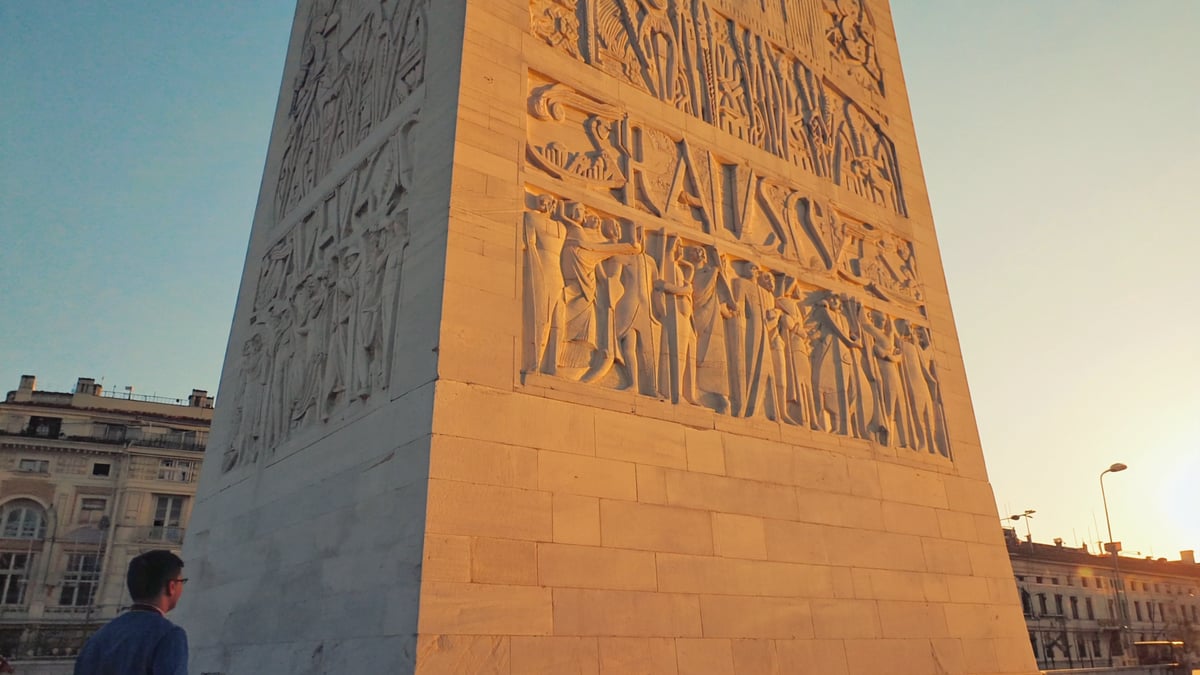
When you are flying 7,000 miles from the UK, it makes sense to think about how Buenos Aires fits into a broader South America holiday from the UK itinerary. The city is a natural hub for the continent's southern cone, and several of the region's most extraordinary destinations are within easy reach by domestic flight or short international hop.
Combining Buenos Aires with Iguazú Falls
Iguazú Falls sits on the border of Argentina, Brazil, and Paraguay, and it is one of the most overwhelming natural spectacles on earth. The falls are wider than Victoria Falls and higher than Niagara, and the experience of standing on the walkways with the spray soaking your clothes while thousands of tonnes of water crash around you is genuinely transformative. The Argentine side of the falls, accessed through the town of Puerto Iguazú, is considered the better viewing experience, allowing you to walk directly above and alongside the falls on a network of raised walkways. The Brazilian side offers the best panoramic views.
A domestic flight from Buenos Aires Aeroparque to Puerto Iguazú takes approximately two hours and is available with Aerolíneas Argentinas and JetSMART. Adding two nights at Iguazú to a Buenos Aires trip creates one of the best combined itineraries available anywhere in South America.
Mendoza: Wine Country in the Andes
Mendoza is Argentina's wine capital and one of the world's most celebrated wine-producing regions, responsible for the Malbec grape's global reputation. The city itself is elegant and pleasant, but the real attraction is the network of bodegas (wineries) in the surrounding Luján de Cuyo and Valle de Uco wine regions, many of which offer world-class dining alongside their tastings. The backdrop of the Andes mountains provides a visual context that makes wine tourism here feel quite unlike anything available in European wine regions. A domestic flight from Buenos Aires to Mendoza takes approximately two hours.
Uruguay: A Ferry Ride Away
The shortest international trip available from Buenos Aires is the Buquebus ferry crossing to Colonia del Sacramento in Uruguay, a journey of approximately one hour across the Río de la Plata. Colonia is a UNESCO World Heritage Site, a beautifully preserved Portuguese colonial town with cobblestone streets, crumbling walls draped in bougainvillea, and a peaceful, unhurried atmosphere that feels like the opposite of Buenos Aires. It makes an excellent day trip. Montevideo, Uruguay's capital, is accessible by a three-hour ferry and offers a genuinely different South American city experience worth a two-night stay.
Argentina Holiday Packages from the UK: What to Look For
Booking Argentina holiday packages from the UK through an established operator offers significant advantages over piecing together a trip independently, particularly for a long-haul destination where the stakes of a poorly planned itinerary are higher.
The Case for Booking a Package
The most immediate benefit of a package holiday is ATOL financial protection under the Civil Aviation Authority's scheme. When you book a flight-inclusive package with a UK-licensed operator, your money is protected if the airline or operator fails. For a trip involving flights of this cost and distance, that protection is not a minor detail. It is a meaningful financial safeguard.
Beyond protection, packages remove the significant logistical effort of coordinating flights, hotels, transfers, and activities across a complex destination. Buenos Aires is not a difficult city to navigate once you are there, but getting the arrival logistics right, particularly the airport transfer, hotel location, and first-night orientation, is much smoother with professional support in place. Operators with existing relationships in the destination can also access hotel rates that are difficult or impossible to replicate through direct booking.
What GlobeHunters Offers for Buenos Aires
GlobeHunters has been curating long-haul holiday packages for UK travellers since 2003, and Buenos Aires is one of their most compelling South America offerings. Packages combine return flights from the UK, hotel accommodation in your chosen neighbourhood, and a curated selection of activities and experiences drawn from their Viator-powered activity catalogue. Pricing for Buenos Aires packages starts from around £1,799 per person for a seven-night trip including flights and hotel, with longer stays and upgraded accommodation available at competitive rates.
The platform offers real-time pricing from verified suppliers, so the prices you see reflect current availability rather than aspirational figures. The team is reachable on 0208 944 4514 for personalised itinerary advice, which is particularly useful for travellers combining Buenos Aires with Iguazú, Mendoza, or a broader South America circuit.
You can explore current Buenos Aires package pricing and availability directly on the GlobeHunters platform at holidays.globehunters.com.
Practical Travel Information for UK Visitors
Getting the practical details right transforms a good holiday into a seamless one. Below is a consolidated reference for UK travellers planning a Buenos Aires trip.
Visas, Currency, and Safety
UK passport holders do not require a visa to enter Argentina for stays of up to 90 days. On arrival at EZE, you will pass through immigration and receive a tourist entry stamp. Keep your passport secure throughout your stay, as it is required for some official transactions and hotel check-ins.
The Argentine peso (ARS) is the local currency. The exchange rate landscape in Argentina is genuinely complex, with multiple exchange rate tiers existing simultaneously. The official rate and the informal "blue dollar" rate have historically diverged significantly. The most reliable and practical approach for UK travellers is to withdraw cash from ATMs using a Wise or Revolut card, which typically provides competitive rates, or to exchange sterling in reputable exchange houses (casas de cambio) in the city rather than at the airport. Avoid street exchange offers entirely, as these carry significant fraud risk.
Buenos Aires is a major international city and carries the safety considerations associated with any large urban environment. Petty theft, particularly phone snatching and bag theft in crowded areas, is the most common risk. Use a crossbody bag, keep your phone in your pocket rather than in your hand on the street, and be aware of your surroundings in crowded tourist areas like the San Telmo market and Caminito in La Boca. The vast majority of visitors experience no problems beyond this.
Getting Around the City
Buenos Aires has an extensive public transport network including the Subte (metro), buses (colectivos), and trains. The Subte is the fastest way to move between major neighbourhoods and is inexpensive. Colectivos cover virtually every corner of the city and run 24 hours a day. Both require a SUBE card, available at metro stations and kiosks, which is loaded with credit. Rideshare apps including Cabify, Uber, and the local InDriver operate widely and are affordable by UK standards. Standard metered yellow-and-black taxis are also available and generally reliable, but agree on the metered fare before departing.
Language and Communication
Argentine Spanish has a distinctive accent and vocabulary that differs notably from Castilian Spanish or Mexican Spanish. The most immediately noticeable difference is the use of "vos" instead of "tú" for the informal second person, with different verb conjugations. English is spoken at most hotels, upmarket restaurants, and tourist-facing businesses, but learning basic Spanish phrases will significantly enrich your interactions outside the tourist circuit. Google Translate works well for written menus and signs.
Health and Vaccinations
No specific vaccinations are required for entry to Argentina, though the NHS travel vaccination guidance recommends being up to date on standard vaccines and consulting your GP or a travel clinic at least six weeks before departure. Hepatitis A and typhoid vaccines are commonly recommended for travel to Argentina. Travel health insurance is essential and should cover medical evacuation as a minimum. Tap water in Buenos Aires is treated and generally safe to drink, though many visitors prefer bottled water.
A Sample Buenos Aires Itinerary for Seven Nights
For first-time visitors, a structured framework helps make sense of the city's scale while leaving room for the spontaneous discoveries that define the best Buenos Aires experiences.
| Day | Morning | Afternoon | Evening |
|---|---|---|---|
| Day 1 | Arrive, transfer, check in, rest | Explore Palermo on foot, café stop | Dinner at a local parrilla |
| Day 2 | MALBA art museum | Bosques de Palermo parks | Tango show in San Telmo |
| Day 3 | Recoleta Cemetery and neighbourhood walk | MNBA fine arts gallery | Dinner in Recoleta, wine bar |
| Day 4 | San Telmo Sunday market (if applicable) | La Boca: Caminito and stadium tour | Milonga experience |
| Day 5 | Day trip to Colonia del Sacramento, Uruguay | Explore colonial streets | Return ferry, dinner in Puerto Madero |
| Day 6 | Teatro Colón guided tour | Centro Cultural Kirchner | Empanada crawl in San Telmo |
| Day 7 | Food market and street art in Villa Crespo | Palermo shopping and café time | Farewell dinner, classic Argentine steakhouse |
Buenos Aires for Different Types of UK Traveller
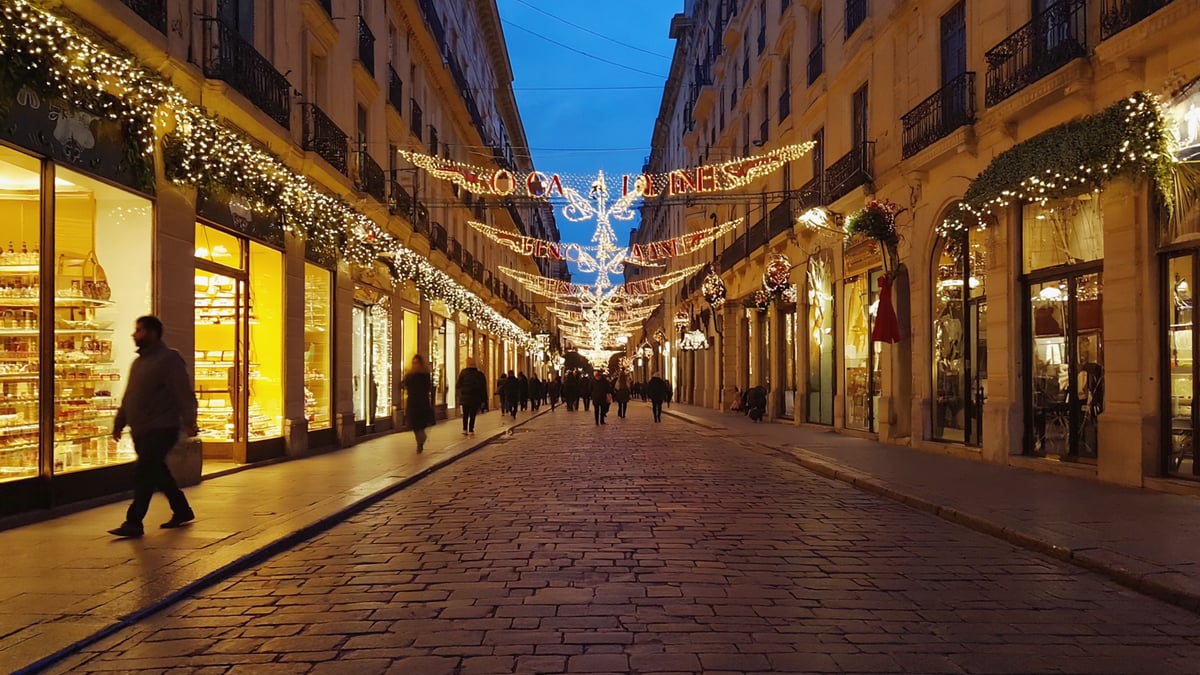
One of Buenos Aires's most unusual qualities is how completely it adapts to different travel styles. The same city can be a deeply romantic escape for couples, a stimulating solo adventure, a culturally rich family destination, or an affordable extended break for retirees. Here is how it looks from each perspective.
For Couples and Honeymooners
Buenos Aires is unambiguously one of the most romantic cities in the world. The combination of late-night dining culture, candlelit milongas, beautiful hotel architecture, and the shared experience of discovering a genuinely unfamiliar place together creates the conditions for a holiday that both partners will talk about for years. Honeymooners in particular should consider a suite at one of the neighbourhood boutique hotels in Palermo or Recoleta, where the service tends to be intimate and personalised. A private tango lesson for two, followed by dinner at one of Palermo's best contemporary restaurants, is a near-perfect date-night itinerary. Combining the city with two nights at a luxury wine estate in Mendoza adds a honeymoon dimension that is genuinely hard to top.
For Solo Travellers
Buenos Aires rewards solo travellers exceptionally well. The city is large enough that there is always something happening and always new people to meet, but it is also navigable enough that a confident solo traveller can explore freely without feeling overwhelmed. The hostel and boutique hotel scene in San Telmo and Palermo includes excellent social spaces, and the city's café culture makes it easy to sit, observe, and engage at whatever pace suits you. Solo female travellers generally report feeling comfortable in the main tourist neighbourhoods, though the same common-sense precautions that apply in any large city apply here.
For Families
Buenos Aires with children requires some advance thought around scheduling, since the city's social life runs significantly later than UK family norms. That said, Argentines are extremely welcoming towards children in restaurants and social spaces, and the city offers genuine family-friendly attractions. The Palermo parks complex includes a zoo, a botanical garden, and cycling paths. The Museo de los Niños in Abasto is a large interactive children's museum. Football stadium tours are a hit with older children. Empanadas and ice cream (helado from one of the city's Italian-heritage gelaterie) reliably solve the problem of fussy eaters.
For Retirees
For UK retirees with the time to travel slowly and the inclination to experience culture at depth, Buenos Aires is an exceptional choice. The combination of European cultural heritage, outstanding food and wine, world-class performing arts, and genuine value for sterling makes it one of the most rewarding long-haul destinations available. The city is walkable in its key neighbourhoods, the restaurant scene caters to those who want lingering dinners rather than rushed service, and the pace of life encourages exactly the kind of unhurried exploration that a two-week trip allows. Many retirees who visit Buenos Aires return within a few years, which is perhaps the most persuasive endorsement of all.
The South American Food and Wine Experience Beyond Buenos Aires
As The Guardian's South American food and travel coverage consistently demonstrates, the continent offers one of the world's most exciting and underexplored culinary landscapes. Buenos Aires sits at the heart of this, but the food and wine experience extends into the surrounding region in ways that reward travellers who build a broader itinerary.
The asado tradition in Argentina is not simply a cooking method. It is a social institution, a way of organising time around the act of eating together. An authentic asado experience at a family-run estancia (ranch) outside Buenos Aires, where the host tends a wood fire for three hours before the first plate arrives, is one of the most memorable meals available anywhere in the world. Several tour operators, including those whose activities are bookable through the GlobeHunters platform, offer day trips to working estancias within an hour of the city.
The Malbec wine from Mendoza has achieved global recognition, but the white Torrontés grape from the Cafayate region in Salta province is equally worth seeking out, a floral, aromatic white that pairs beautifully with lighter Argentine dishes and seafood. In Buenos Aires restaurants, the wine list will almost invariably be Argentina-focused, and a good sommelier can guide you through regional varieties that never make it onto export lists.
Frequently Asked Questions About Buenos Aires Holidays for UK Travellers
How long is the flight from the UK to Buenos Aires?
Direct flights from London Heathrow to Buenos Aires EZE take approximately 13 to 14 hours with British Airways and LATAM. Connecting flights via Madrid, Paris, or Frankfurt typically add two to five hours to the total journey time.
Do UK citizens need a visa to visit Argentina?
No. UK passport holders can enter Argentina as tourists without a visa for stays of up to 90 days. You will receive a tourist entry stamp on arrival. Ensure your passport has at least six months' validity from your date of entry.
What is the best time of year for a Buenos Aires holiday from the UK?
Spring (September to November) and autumn (March to May) offer the most comfortable temperatures and the city at its most vibrant. Spring is particularly beautiful when the jacaranda trees are in bloom. Winter (June to August) is mild and offers better value on accommodation.
Is Buenos Aires safe for UK tourists?
Buenos Aires is generally safe for tourists in the main visitor neighbourhoods including Palermo, Recoleta, and San Telmo. The primary risk is petty theft in crowded areas. Standard urban precautions, keeping valuables secure, avoiding displaying expensive items openly, and using rideshare apps rather than hailing random taxis at night, are sufficient for most visitors.
What currency should I take to Buenos Aires?
The Argentine peso is the local currency. Sterling can be exchanged at reputable exchange houses in the city. Using a low-fee travel card such as Wise or Revolut to withdraw pesos from ATMs is a practical option. The Argentine currency situation is complex, so it is worth checking current guidance on exchange options before you travel.
What language is spoken in Buenos Aires?
Argentine Spanish is the official language. The local accent and use of "vos" rather than "tú" can take some adjustment for Spanish speakers. English is widely spoken in hotels, upmarket restaurants, and tourist businesses.
How much does a holiday to Buenos Aires cost from the UK?
GlobeHunters offers Buenos Aires packages from approximately £1,799 per person for seven nights including return flights and hotel accommodation. Once in the city, daily costs are very reasonable by UK standards. A quality restaurant dinner with wine typically costs the equivalent of £15 to £30 per person, and transport within the city is inexpensive.
What should I eat in Buenos Aires?
Argentine beef at a parrilla restaurant is the essential experience. Beyond that, empanadas (baked or fried pastries), medialunas (Argentine croissants), helado (Italian-heritage ice cream), and the dulce de leche used in virtually every pastry and dessert are all unmissable. The contemporary restaurant scene in Palermo offers high-quality modern Argentine cuisine alongside traditional options.
Can I combine Buenos Aires with other South American destinations?
Absolutely. Iguazú Falls is accessible by a two-hour domestic flight and is one of the world's most spectacular natural wonders. Mendoza wine country is also two hours by air. Uruguay's Colonia del Sacramento is reachable by a one-hour ferry. All of these combine naturally with a Buenos Aires city stay.
Is tango tourism in Buenos Aires authentic?
Both. Buenos Aires has a thriving tourist tango industry with polished dinner shows that are genuinely entertaining. It also has a living tango community of milongas and community dance events that have nothing to do with tourism. Both are worth experiencing. The latter requires a little more initiative to access but is deeply rewarding.
What is the best neighbourhood to stay in Buenos Aires as a UK tourist?
Palermo Soho is the most convenient and well-rounded choice for first-time visitors, offering excellent restaurants, a lively atmosphere, good safety, and easy access to the rest of the city. Recoleta is a good alternative for those wanting a quieter, more elegant base with proximity to cultural institutions.
How do I book an Argentina holiday package from the UK?
GlobeHunters offers ATOL-protected Argentina holiday packages combining flights, hotels, and activities. You can browse current availability and pricing at holidays.globehunters.com or call the team directly on 0208 944 4514 for personalised itinerary advice.
Key Takeaways for UK Travellers Planning a Buenos Aires Holiday
- Buenos Aires is exceptional value for UK travellers. Sterling goes significantly further here than in equivalent European capitals, making quality dining, accommodation, and experiences accessible at prices that feel remarkably reasonable.
- Spring and autumn are the ideal travel windows. September to November and March to May offer comfortable temperatures and the city at its most beautiful and animated.
- Palermo and Recoleta are the best base neighbourhoods for first-time UK visitors, offering safety, atmosphere, restaurant access, and good transport links.
- A minimum of seven nights is needed to properly experience Buenos Aires. Ten to fourteen nights is ideal, particularly if combining with Iguazú or Mendoza.
- Book an ATOL-protected package through a reputable UK operator like GlobeHunters to ensure financial protection and logistical support for a long-haul trip of this scale.
- Tango, beef, wine, football, and architecture are the headline acts, but the city's real appeal is its pace of life and the sense that you are living well rather than simply ticking attractions off a list.
- Buenos Aires combines naturally with Iguazú Falls, Mendoza, and Uruguay to create one of the finest South America holiday itineraries available from the UK.
Buenos Aires is one of those rare destinations that exceeds the expectations of almost every traveller who makes the journey. It is too large to exhaust in a single visit, too layered to fully understand from the outside, and too genuinely pleasurable to resist returning to. The midnight cobblestones, the bandoneon, the wine, the smoke from the parrilla: these are not clichés. They are the actual texture of life in one of the world's great cities, and they are waiting for you. Call GlobeHunters on 0208 944 4514 or visit holidays.globehunters.com to start planning your Buenos Aires adventure today.
About the author
Spiros Maragkoudakis · Chief Commercial Officer
Ready to Book Your Buenos Holiday?
Our travel experts are ready to help you plan the perfect trip. Call us today or browse our latest deals.
Ready to Start Planning?
Speak to our travel experts for personalised advice and the best deals on your next holiday.
Call 0208 944 4514