Most travellers flying long-haul from the UK still default to Southeast Asia or the Caribbean. Colombia sits on the same planet, costs less than either, and delivers something neither can replicate: a country where Spanish colonial architecture meets snowcapped Andean peaks, where coffee estates perfume the mountain air, and where a city once infamous for the wrong reasons has quietly become one of the most exciting urban destinations on earth. Colombia holidays from UK are still underbooked relative to what the country actually offers, which means you arrive before the crowds do.
This guide covers everything a UK traveller needs to plan a Colombia trip with confidence: the best regions to visit, what to do in each, how to get there, what to budget, and how to book it as a package so the logistics don't become a second job. Whether you're drawn by Cartagena's walled city at sunset, Medellín's cable-car neighbourhoods, or the misty coffee estates of the Eje Cafetero, Colombia rewards curiosity in ways that few destinations still can.
Why Colombia Is One of the Smartest Long-Haul Choices for UK Travellers Right Now
Colombia punches well above its weight as a value destination for UK travellers, combining European-quality cultural infrastructure with South American prices. The pound stretches considerably further in Colombia than it does in comparable bucket-list destinations like Peru or Brazil, and the country's improving air connectivity from the UK has made it more accessible than at any point in its history.
Direct and one-stop flight options from London have expanded meaningfully in recent years. Avianca operates routes via Bogotá, while carriers including British Airways, Air France, KLM, and Iberia offer competitive one-stop connections through their respective European hubs. Flight times from London to Bogotá or Cartagena typically run between 11 and 14 hours depending on routing, which puts Colombia firmly within the same bracket as Thailand or South Africa in terms of travel effort.
What travellers find on arrival surprises nearly all first-timers. Colombia's infrastructure in its major cities is genuinely modern: Medellín has a metro system that many European cities would envy, Bogotá has a rapid transit network and world-class restaurant scene, and Cartagena's historic centre is so well-preserved it has held UNESCO World Heritage status since 1984. The country has invested heavily in tourism infrastructure over the past decade, and the results are visible in the quality of hotels, guided experiences, and transport links available to visitors.
The safety picture has shifted dramatically. Colombia's major tourist cities now have active tourist police presence, well-established visitor zones, and a hospitality industry that has professionalised to meet international expectations. Standard common-sense precautions apply, as they do in any major city worldwide, but the blanket warnings that once characterised travel advice about Colombia are increasingly outdated for the regions covered in this guide.
For UK travellers booking through a package operator, the practical advantages stack up further. A well-structured South America package holiday from a UK operator bundles ATOL-protected flights, vetted accommodation, and curated activities into a single booking, removing the research burden and providing financial protection under UK consumer law that DIY bookings simply cannot match.
Cartagena Travel Guide: The Walled City That Earns Every Cliché
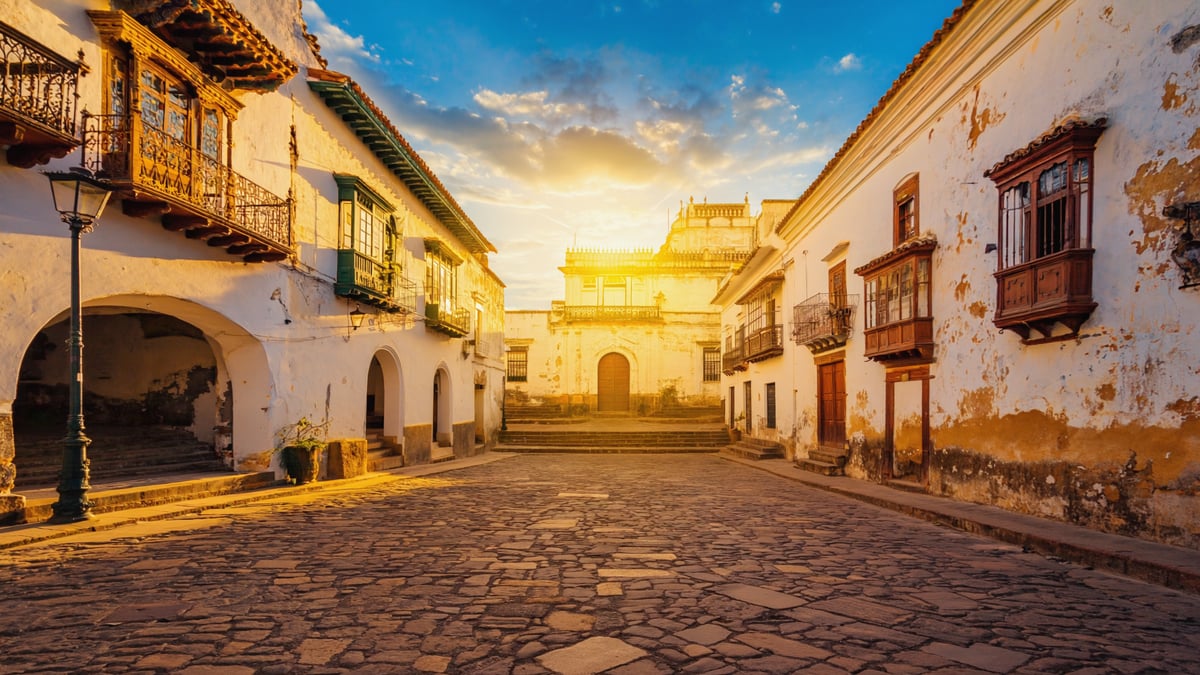
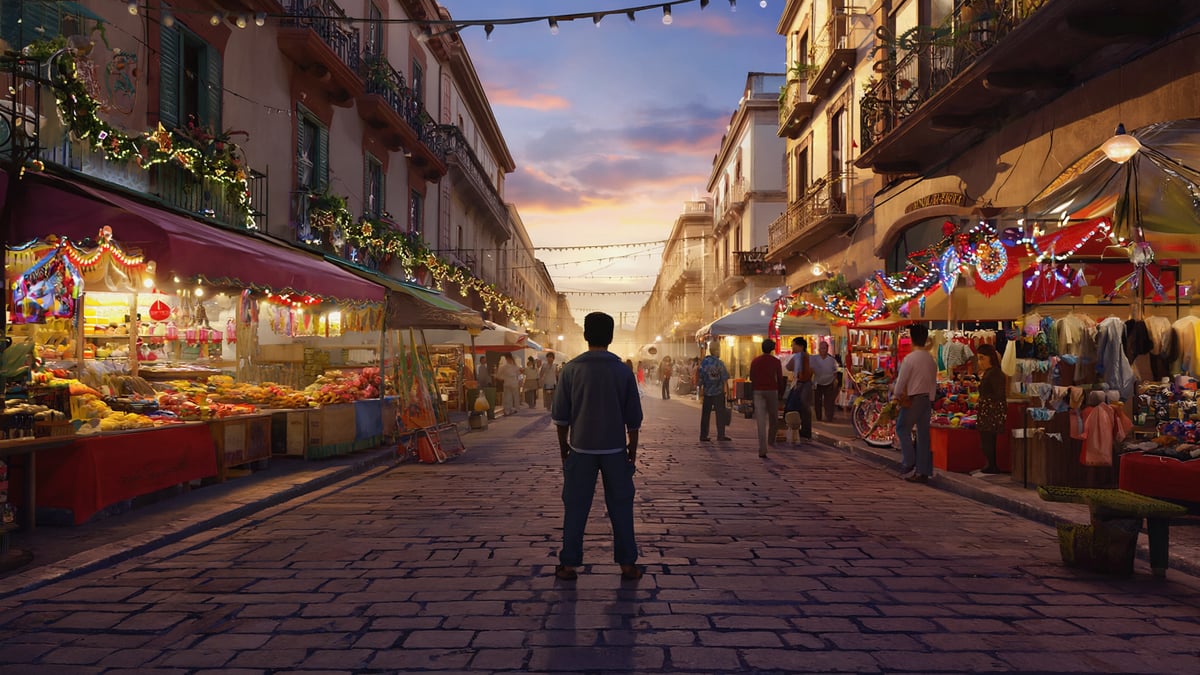
Cartagena is, by almost any measure, one of the most beautiful cities in the Western Hemisphere. Its old town, enclosed within 13 kilometres of 16th-century Spanish fortifications, contains a density of colour, architecture, and atmosphere that photographers and travel writers have been struggling to do justice to for decades. Bougainvillea spills from balconies painted in shades of ochre, turquoise, and terracotta. Church towers rise above cobblestone plazas where vendors sell fresh fruit juices and vendors drum cumbia rhythms into the evening air.
This Cartagena travel guide for UK visitors covers the practical and the sublime, because both matter equally when you're planning a trip from 5,000 miles away.
Getting Your Bearings in the Old City
The walled city (Ciudad Amurallada) divides naturally into two main neighbourhoods. El Centro is the commercial and religious heart, home to the Cathedral of Cartagena, the Palace of the Inquisition, and the lively Plaza de los Coches. San Diego, just north of El Centro, has a quieter, more residential feel with excellent boutique hotels and restaurants tucked into colonial mansions. Both are walkable from any point within the walls, and the walls themselves form a promenade that locals and visitors use for the evening stroll as the Caribbean heat begins to relent.
Outside the walls, Getsemaní is the neighbourhood that has undergone the most remarkable transformation in recent years. Once considered off-limits for tourists, it is now Cartagena's most vibrant creative district, packed with street art, independent restaurants, and a nightlife scene anchored around the Plaza de la Trinidad, where locals gather every evening for impromptu music and dancing. Visiting Getsemaní is not optional if you want to understand Cartagena beyond its postcard surface.
Top Things to Do in Cartagena
- Walk the city walls at sunset: The fortifications are freely accessible and the views over the Caribbean at golden hour are exceptional. Budget at least 90 minutes to walk a significant section.
- Visit Castillo San Felipe de Barajas: The largest Spanish-built fortress in the Americas, perched on a hill overlooking the city. The tunnel system beneath it is genuinely impressive and worth the guided tour.
- Day trip to the Rosario Islands: A 45-minute boat ride from the city brings you to a cluster of Caribbean islands with clear water and coral reefs. Snorkelling and diving conditions are excellent from November through April.
- Explore the Palace of the Inquisition: One of the finest examples of Spanish colonial baroque architecture in Colombia, with a genuinely fascinating (and sobering) museum on the history of the Inquisition in the Americas.
- Take a champeta or cumbia class: Cartagena is one of the birthplaces of cumbia, Colombia's most recognisable musical export. Several cultural centres in Getsemaní offer introductory classes for visitors.
- Eat at a rooftop restaurant in the old city: Cartagena's dining scene has matured significantly. Rooftop restaurants above the walls offer ceviche, grilled fish, and Caribbean-influenced Colombian cuisine with views that justify the menu prices.
Best Time to Visit Cartagena from the UK
Cartagena sits close to the equator and is hot year-round, with temperatures typically ranging from 25°C to 33°C. The driest and most comfortable period for UK visitors runs from December through April, when Caribbean winds keep humidity manageable and rainfall is minimal. The May-to-November period brings more rain, though showers are typically short and afternoon affairs rather than all-day events. The Rosario Islands are best visited during the dry season when water clarity is at its peak.
UK school holiday periods in July and August coincide with Cartagena's wetter season, but the city remains fully operational and hotel prices can be lower than the December-January peak. If budget is a priority, travelling outside UK school holidays and outside the Christmas-New Year peak delivers the best value.
Where to Stay in Cartagena
The old city offers accommodation ranging from boutique colonial mansions converted into small hotels to larger international-brand properties near the waterfront. Staying within or immediately adjacent to the walled city is strongly recommended for first-time visitors, as it puts you within walking distance of the majority of the city's highlights and the atmosphere of the old streets in the evening is genuinely magical.
Bocagrande, a modern beach district connected to the old city by a causeway, offers larger resort-style hotels if a beach-and-pool holiday is the primary goal, though it lacks the character of the historic centre.
Medellín: The City That Rewrote Its Own Story
No city in South America has undergone a more dramatic transformation than Medellín, and few cities anywhere in the world have done so as thoughtfully or as visibly. In the early 1990s, Medellín was classified as one of the world's most dangerous cities. Today it attracts architects, urban planners, entrepreneurs, and travellers from across the globe who come specifically to understand how a city rebuilt itself from the inside out.
The transformation is not just statistical. It is physical, cultural, and social in ways that make Medellín one of the most intellectually interesting destinations in the Americas. Riding the cable cars that connect the city's mountainside comunas to the metro network below is not merely a practical transport option: it is a window into the urban innovation that earned Medellín the Urban Land Institute's most innovative city award in 2013. The cable cars were built specifically to connect historically isolated hillside communities to economic opportunities in the city below.
Neighbourhoods Worth Knowing
El Poblado is where most international visitors base themselves, and for good reason. This leafy, hilly neighbourhood in the south of the city has the highest concentration of restaurants, cafes, bars, and boutique hotels. Parque Lleras, the neighbourhood's central square, is lively every evening and serves as a useful orientation point. El Poblado is safe, well-connected by taxi and metro, and genuinely pleasant to walk through.
Laureles sits just across the river from El Poblado and has a more authentically local feel. It is quieter, primarily residential, and home to some of the city's best traditional Colombian restaurants. Travellers who want to experience daily Medellín life beyond the tourist zone find Laureles rewarding.
El Centro is Medellín's historic and commercial heart. It is busier and more chaotic than the southern suburbs but contains some of the city's most important cultural assets, including the Plaza Botero, where 23 bronze sculptures by Fernando Botero (Colombia's most celebrated living artist) are displayed permanently and freely in an open public square. The Museo de Antioquia, directly adjacent, houses the largest collection of Botero's work in the world.
Colombia Things to Do in Medellín
Medellín offers an unusually wide range of experiences for a city of its size, from high-culture museum visits to adventure activities in the surrounding mountains.
- Ride the metro cable to Parque Arví: Take the metro north to Acevedo station, then ride two consecutive cable car lines up to Parque Arví, a 1,600-hectare nature reserve with hiking trails and food stalls. The views of the city and surrounding Andes on the ascent are extraordinary.
- Visit the Museo de Antioquia: Even if you aren't a Botero enthusiast when you arrive, you will be when you leave. The museum's permanent collection is world-class and the building itself is architecturally significant.
- Take a guided tour of the comunas: Several operators run respectful, community-engaged tours of the formerly violent hillside communities, including the famous Comuna 13. The street art that covers the neighbourhood's outdoor escalator corridors is extraordinary, and the tours are led by local guides whose families lived through the transformation.
- Day trip to Guatapé: A 90-minute drive from Medellín, Guatapé is a lakeside town famous for its brightly painted buildings and the El Peñol rock, a 200-metre granite monolith that can be climbed via 740 steps for panoramic views over the reservoir below. This is one of the most spectacular viewpoints in Colombia.
- Explore the Botanical Garden: Free to enter and centrally located, the Jardín Botánico is a genuine urban oasis with an impressive butterfly house and a striking modernist orchideorama structure.
Medellín's Climate and When to Visit
Medellín's nickname is "the city of eternal spring," and it earns it. Sitting at 1,495 metres above sea level in the Andes, the city enjoys a remarkably consistent climate with average temperatures hovering around 22-28°C year-round. There are two drier periods (December to January, and July to August) and two rainier seasons (April to May, and September to November), though rain in Medellín rarely lasts all day. For UK travellers, Medellín's climate is a significant selling point: it is warm without the oppressive heat and humidity of coastal Colombia.
Coffee Country: The Eje Cafetero and Why It Belongs on Every Colombia Itinerary
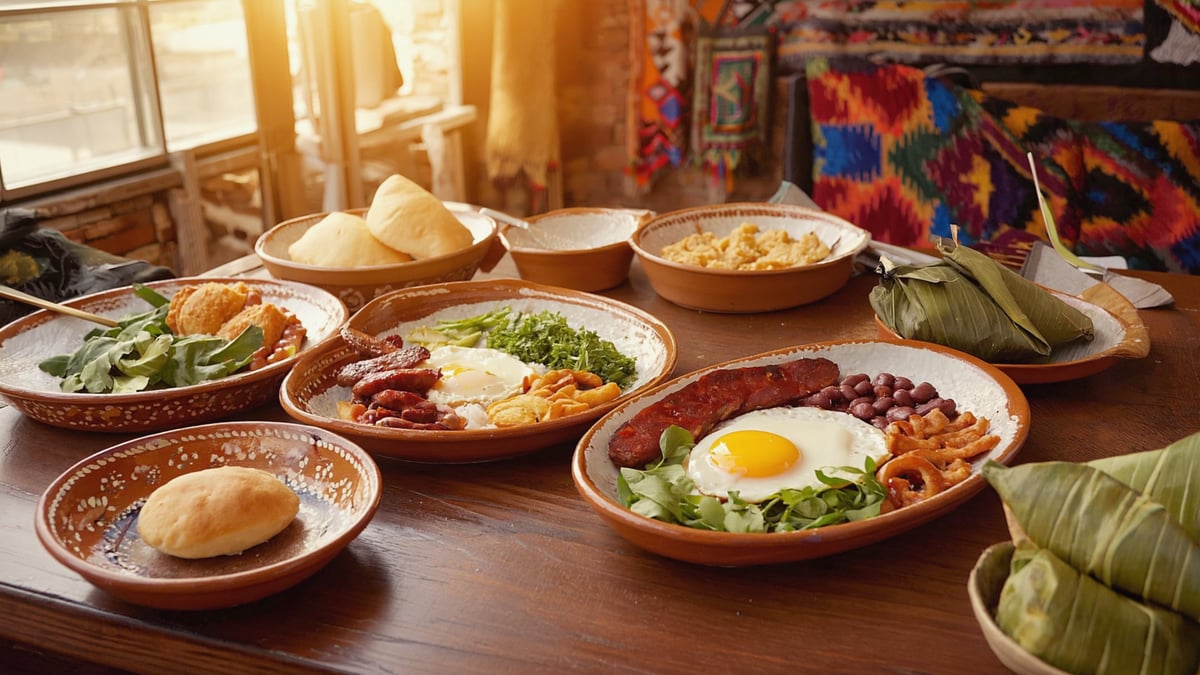
The Eje Cafetero, or Coffee Axis, is the region that produces most of Colombia's world-famous coffee, and it is one of the most visually stunning landscapes in South America. Travellers who visit Colombia's Caribbean coast sometimes skip the coffee region entirely, which is a significant mistake. The Eje Cafetero offers something neither Cartagena nor Medellín can: immersion in a working agricultural landscape of extraordinary beauty, where the Andes fan out into lush green valleys dotted with traditional fincas (coffee estates) and colourful colonial towns.
The region's UNESCO World Heritage designation (the Coffee Cultural Landscape of Colombia) covers a mosaic of towns, plantations, and natural areas across the departments of Caldas, Risaralda, and Quindío. The main gateway cities are Manizales, Pereira, and Armenia, with the latter serving as the most convenient base for exploring the region's highlights.
What to Do in the Coffee Region
Tour a working coffee farm. This is the core experience of the Eje Cafetero, and it is more rewarding than it might sound on paper. A proper farm tour walks you through the entire process from seedling to cup: the cultivation of coffee plants at altitude, the hand-picking of ripe cherries, the wet and dry processing methods, and the roasting and cupping stages. Colombia produces almost exclusively washed arabica coffee, and understanding why the altitude, rainfall, and volcanic soil of this specific region produces coffee of such consistent quality is genuinely illuminating.
Spend time in Salento. This small colonial town in Quindío is the most visited settlement in the coffee region, and deservedly so. Its main street is lined with colourful facades, and the surrounding landscape includes the Valle de Cocora, where towering wax palm trees (Colombia's national tree) rise improbably from the Andean mist. A hike through the Valle de Cocora, which passes through cloud forest before emerging into the palms, is one of the genuinely unmissable experiences in Colombia. The trail is accessible without a guide and typically takes three to four hours at a comfortable pace.
Visit a traditional hacienda. Several historic coffee estates in the region have converted into boutique hotels and guesthouses, offering accommodation surrounded by working coffee plants. Staying on a hacienda for two or three nights is the best way to experience the slower rhythms of coffee country life, and the birding around these properties is exceptional for wildlife enthusiasts.
Ride the Willy jeeps. The Willys jeeps that serve as local transport throughout the coffee region are an experience in themselves. These vintage vehicles, originally imported after World War Two, have become an icon of the region and are still the primary mode of transport for farmers moving between towns and farms. Riding one along mountain roads with views across the coffee valleys is the kind of thing you don't forget.
Planning Your Colombia Itinerary: How Long and Where to Go
A Colombia trip works best as a multi-destination journey rather than a single-city stay, and the good news for UK travellers is that domestic flights within Colombia are inexpensive and frequent. The country's internal aviation market is well-developed, with carriers including Avianca, LATAM Colombia, and Wingo offering frequent connections between major cities at prices that rarely exceed £50-80 for a one-hour flight.
This means a two-week Colombia itinerary can realistically combine three to four distinct regions without spending excessive time in transit. The table below outlines suggested frameworks for different trip lengths and travel styles.
| Trip Length | Recommended Itinerary | Best For | Approx. Budget (per person) |
|---|---|---|---|
| 7 nights | Cartagena (7 nights) or Medellín (7 nights) | City break specialists, beach + culture | £1,200 – £1,800 pp |
| 10 nights | Cartagena (4) + Medellín (6) or Medellín (4) + Coffee Region (6) | Culture travellers, couples, first-timers | £1,500 – £2,200 pp |
| 14 nights | Cartagena (4) + Coffee Region (4) + Medellín (4) + Bogotá (2) | First-timers wanting the full Colombia experience | £1,800 – £2,800 pp |
| 21 nights | Above plus Amazon (Leticia), Tayrona National Park, or Pacific Coast | Adventure seekers, wildlife enthusiasts, repeat visitors | £2,200 – £3,500 pp |
These budget estimates include return flights from London, accommodation in mid-range hotels, domestic flights within Colombia, and a daily activity and food budget. Luxury travellers can expect to pay significantly more; budget travellers staying in guesthouses and eating locally can come in below these ranges.
Flights and Hotel Packages for Colombia: What UK Travellers Need to Know
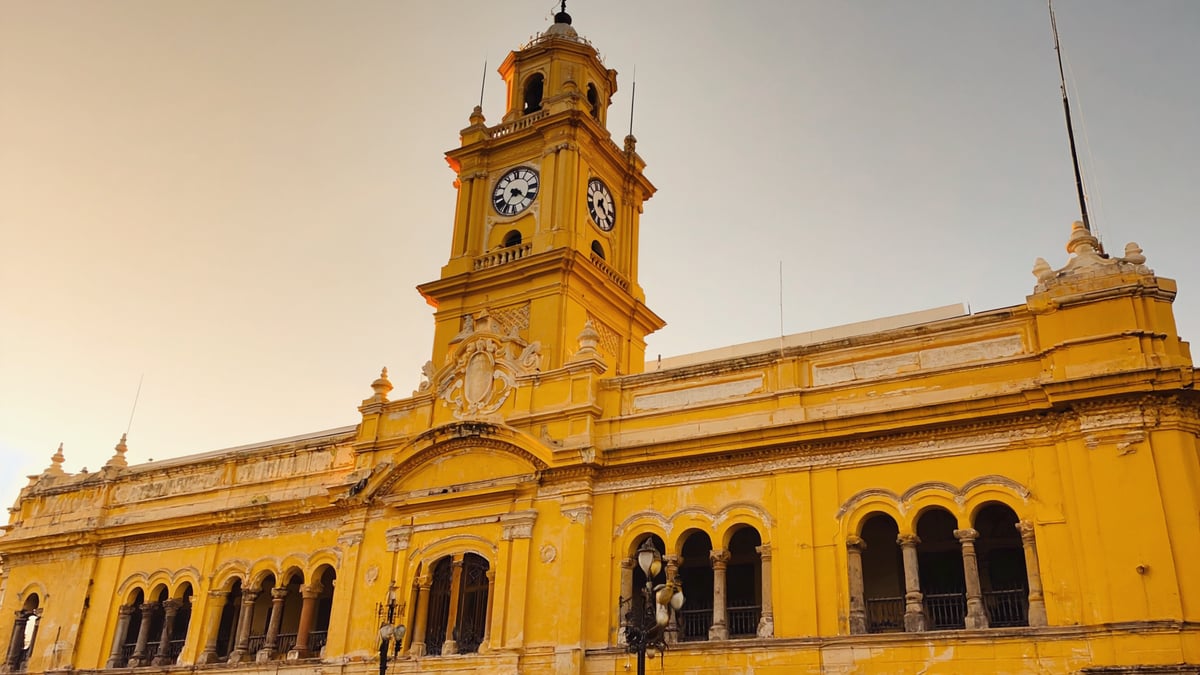
Booking flights and hotel packages for Colombia through a UK-based operator provides several practical advantages that go beyond simple convenience. ATOL protection, which is a legal requirement for UK package holiday operators, means that if your travel company collapses, you are financially protected. This matters more for long-haul bookings, where the sums involved are larger and the consequences of a failed operator would be more severe.
GlobeHunters packages Colombia holidays combining ATOL-protected flights, accommodation from its Hotelbeds inventory, and activities through Viator, all bookable through a single platform with click-to-call support on 020 8944 4700. This structure means that a traveller can price a 10-night Cartagena and Medellín package, with accommodation already selected and a day trip to the Rosario Islands included, in a single search rather than across four separate booking platforms.
What's Typically Included in a Colombia Package Holiday
- Return flights from London (Heathrow or Gatwick) to Colombia, typically via a European hub or direct with Avianca to Bogotá with a short onward connection
- Airport transfers at the Colombian end, which matters more than it might in Europe given that arriving in an unfamiliar city after a long-haul flight without a pre-arranged transfer is genuinely stressful
- Hotel accommodation for the full duration, with options across budget, mid-range, and boutique categories
- Selected activities depending on the package tier, ranging from a basic city walking tour to a full guided excursion programme
- ATOL protection covering the entire booking
What to Book Separately
Travel insurance is essential for Colombia and is not included in package prices. UK travellers should ensure their policy covers adventure activities if those are planned (hiking, diving, white-water rafting), and should check that the policy includes medical evacuation cover given the distances involved. The FCDO currently advises against travel to certain areas of Colombia but does not advise against travel to Cartagena, Medellín, Bogotá, or the Eje Cafetero, the regions covered in this guide.
Colombia Visa and Entry Requirements for UK Passport Holders
UK passport holders do not require a visa to enter Colombia for tourism stays of up to 90 days. Entry requirements are straightforward: a valid UK passport (with at least six months validity remaining), a return or onward flight ticket, and evidence of sufficient funds for your stay. Colombian immigration officers at major airports are experienced with international tourist arrivals and the entry process is typically efficient.
On arrival, you will receive a stamp in your passport indicating the length of stay permitted, which is typically 90 days. This can be extended once at a Migración Colombia office for an additional 90 days if needed, though most UK holiday itineraries fall well within the initial 90-day allowance.
A yellow fever vaccination certificate is not required for entry into Colombia unless you are arriving from a country where yellow fever is present, but it is recommended if you plan to visit the Amazon region or certain jungle areas. Standard travel vaccinations (hepatitis A, typhoid) are advisable, and the NHS travel health pages provide current guidance specific to Colombia.
Practical Colombia Travel Tips for UK Visitors
Money and Payments
Colombia's currency is the Colombian Peso (COP). The exchange rate against sterling means that everyday costs feel very affordable for UK visitors: a sit-down lunch at a good local restaurant typically costs the equivalent of £3-6 per person, a domestic beer around £1-2, and a taxi across the old city of Cartagena around £2-4. ATMs are widely available in all major cities and accept UK debit and credit cards, though withdrawal fees apply. Inform your bank before travelling, and consider a fee-free travel card (such as Starling, Monzo, or Chase UK) to avoid foreign transaction charges.
Card payments are accepted at hotels, most restaurants in tourist areas, and larger shops, but smaller establishments and markets remain cash-only. Always carry a small amount of pesos for taxis, street food, and market purchases.
Getting Around Within Colombia
Domestic flights are the most practical option for covering long distances between cities. Cartagena to Medellín, for example, takes about an hour by air versus eight to ten hours by road. Bus travel between cities is safe and well-organised but time-consuming, and is best reserved for shorter hops or for travellers with a more relaxed schedule.
Within cities, ride-hailing apps (InDriver and Cabify operate widely in Colombian cities) are safer and more convenient than flagging down street taxis, as fares are agreed in advance and the driver's details are logged. Medellín's metro system is excellent value and covers the main tourist corridor from El Poblado through the city centre to the cable car stations.
Language
Spanish is the official language of Colombia, and English is spoken in tourist-facing businesses in Cartagena, El Poblado in Medellín, and major hotels throughout the country. Outside of these zones, English proficiency is limited. Learning a handful of Spanish phrases before you travel is not just polite: it genuinely improves the experience. Colombians are warmly receptive to visitors who make any effort with the language, and even basic phrases (greetings, ordering food, asking for directions) open doors that remain closed to those who default immediately to English.
Food and Drink
Colombian cuisine varies significantly by region, and exploring local food is one of the genuine pleasures of the country. In Cartagena, Caribbean influences dominate: rice cooked in coconut milk, fried fish, arepas de huevo (corn cakes filled with egg), and fresh seafood ceviche. In Medellín and the interior, the bandeja paisa (a plate of beans, rice, ground meat, chicharrón, egg, avocado, and plantain) is the defining regional dish, substantial enough to constitute the entire day's food requirement. In the coffee region, meals are served in traditional fondas where the coffee, naturally, is extraordinary.
Tap water is not reliably safe to drink throughout Colombia, and bottled or filtered water is standard in tourist accommodation. Most hotels provide filtered water, and buying a reusable bottle with a filter is recommended for longer stays.
Beyond the Obvious: Colombia Experiences That Reward the Curious Traveller
The most transformative experiences in Colombia often fall outside the standard highlights reel. A few worth building into any itinerary:
Tayrona National Park
A four-hour drive from Cartagena, Tayrona is one of the most biologically diverse national parks in South America, where the Sierra Nevada mountains descend directly to the Caribbean coast, creating an extraordinary landscape of jungle, beach, and coral reef within a single park. Entry is managed and visitor numbers are capped, which preserves the park's extraordinary biodiversity. Accommodation ranges from hammock camps to simple eco-lodges within the park, and the hiking between beaches through rainforest is genuinely spectacular. Colombia things to do don't get much more memorable than swimming in Tayrona's clear bays after a morning hike through tropical forest.
Bogotá: More Than Just a Connecting Airport
Many UK travellers pass through Bogotá purely as a transit point, which is understandable given its reputation but represents a missed opportunity. The capital sits at 2,600 metres above sea level, which gives it a cool, overcast climate quite unlike the rest of Colombia, and a cultural scene that rivals any Latin American capital. The Candelaria neighbourhood is the historic heart of the city, home to the Gold Museum (Museo del Oro), which houses the world's largest collection of pre-Columbian gold artefacts, and the Botero Museum, a second major collection of the artist's work available free of charge. La Zona Rosa and Usaquén offer excellent dining and the city's thriving contemporary art scene is centred in Chapinero.
Colombia's Pacific Coast
The Pacific coast of Colombia, particularly around Nuquí and Bahía Solano, is one of the most biodiverse and least-visited coastlines in the Americas. From July to October, humpback whales migrate to the warm Pacific waters to give birth, and the whale-watching in this region is among the best in the world. The coast is accessible only by small aircraft or boat, which keeps visitor numbers low and the experience genuinely remote. This is not a destination for a first Colombia trip, but for travellers returning for a second or third visit, the Pacific coast is extraordinary.
The GlobeHunters Colombia Package: What's on Offer for UK Travellers
GlobeHunters has been curating package holidays for UK travellers since 2003, and South America package holidays to Colombia represent one of the most compelling additions to the long-haul programme. The platform combines real-time flight pricing through its Duffel integration with hotel inventory from Hotelbeds and Viator-powered activity bookings, meaning packages can be assembled and priced dynamically rather than relying on pre-set brochure combinations.
For UK travellers, this means the ability to customise a Colombia itinerary with genuine flexibility: choosing specific hotels in Cartagena's old city rather than a generic beach resort, adding a guided coffee farm tour to a Medellín package, or configuring a multi-city itinerary that combines three destinations under a single ATOL-protected booking.
Packages currently start from around £1,399 per person for a seven-night Colombia holiday including return flights from London and hotel accommodation, rising to £2,499 per person for two-week multi-destination packages with activities included. Prices vary with departure dates, hotel category, and the specific combination of destinations.
To discuss Colombia package options, compare current pricing, or configure a bespoke multi-destination itinerary, call the GlobeHunters team on 020 8944 4700. The team can check live availability across flights, hotels, and activities and build a package around your specific travel dates and preferences.
Best Holiday Destinations in South America: Where Colombia Sits in the Hierarchy
For UK travellers weighing up the best holiday destinations in South America, Colombia occupies a distinct and increasingly attractive position. It offers urban sophistication (Medellín and Bogotá), colonial heritage (Cartagena), natural diversity (Eje Cafetero, Tayrona, the Amazon), and Caribbean beach access, all within a single country accessible on a single long-haul flight.
The table below compares Colombia against the other major South American destinations that UK travellers typically consider:
| Destination | Flight Time from London | Value for £ | Highlight Experiences | Best For |
|---|---|---|---|---|
| Colombia | 11–14 hours | ✅ Excellent | Colonial cities, coffee estates, Caribbean coast, urban innovation | Culture, city breaks, adventure, couples |
| Peru | 12–15 hours | ⚠️ Good | Machu Picchu, Sacred Valley, Amazon, Lima food scene | History, bucket list, trekkers |
| Brazil | 11–13 hours | ⚠️ Variable | Rio Carnival, Amazon, Pantanal, Iguaçu Falls | Nature, beach, iconic experiences |
| Argentina | 14–17 hours | ✅ Good value | Buenos Aires, Patagonia, wine country, Iguaçu | Foodies, hikers, culture lovers |
| Ecuador | 11–14 hours | ✅ Good | Galápagos, Amazon, Andes trekking | Wildlife, nature, adventure |
Colombia's competitive position is strongest for travellers who want a combination of cultural depth, city energy, natural variety, and good value, without a single dominant bucket-list site that shapes the entire trip. Unlike Peru, where Machu Picchu organises the whole itinerary, Colombia allows travellers to build a trip around their own interests.
Frequently Asked Questions: Colombia Holidays from the UK
Do UK passport holders need a visa for Colombia?
No. UK passport holders can enter Colombia for up to 90 days without a visa for tourism purposes. You will need a valid passport with at least six months remaining validity, a return or onward flight ticket, and proof of sufficient funds. The 90-day allowance can be extended once at a Migración Colombia office.
How long is the flight from the UK to Colombia?
Direct and one-stop flights from London to Colombia's major cities (Bogotá, Cartagena, Medellín) take between 11 and 14 hours depending on routing and layover duration. Avianca operates services via Bogotá, while European carriers including KLM, Air France, Iberia, and British Airways offer one-stop connections through their respective hubs.
What is the best time of year to visit Colombia from the UK?
For Cartagena and the Caribbean coast, December through April offers the driest and most comfortable conditions. For Medellín and the coffee region, the city's consistent climate means any time of year is suitable, with December-January and July-August being the drier periods. UK school holiday periods in July and August coincide with slightly wetter weather on the coast but can offer better hotel availability and pricing than the December-January peak.
Is Colombia safe for UK tourists?
The major tourist areas covered in this guide, including Cartagena's old city, Medellín's El Poblado and city centre, Bogotá's tourist districts, and the Eje Cafetero, are considered safe for international visitors with standard urban precautions. The FCDO advises against travel to specific border regions and certain rural areas but does not advise against travel to the main tourist cities. Checking the current FCDO travel advice for Colombia before booking is recommended.
How much does a Colombia holiday cost from the UK?
Return flights from London to Colombia typically cost between £600 and £1,200 per person depending on the season and how far in advance you book. Mid-range hotel accommodation in Cartagena or Medellín costs roughly £60-150 per night for a double room. Daily expenses on food, transport, and activities run to approximately £40-80 per person per day in tourist areas. All-in, a 10-night Colombia holiday including flights and accommodation typically costs between £1,500 and £2,500 per person. GlobeHunters packages start from around £1,399 per person for a seven-night trip.
What currency is used in Colombia, and can I use my UK bank card?
Colombia uses the Colombian Peso (COP). UK debit and credit cards are accepted at hotels, restaurants in tourist areas, and larger shops, but cash is essential for street food, markets, and smaller establishments. ATMs are widely available in cities. Fee-free travel cards such as Starling, Monzo, or Chase UK avoid foreign transaction fees and are recommended for Colombia travel.
What vaccinations do I need for Colombia?
The NHS recommends hepatitis A and typhoid vaccinations for Colombia. Yellow fever vaccination is recommended if you plan to visit jungle or rural areas, and is required for entry if travelling from countries where yellow fever is present. Malaria prophylaxis is recommended for jungle regions including the Amazon, but not for Cartagena, Medellín, or the main tourist cities. Consult the NHS travel health pages or a travel health clinic for personalised advice at least six weeks before departure.
Can I combine Colombia with another South American country?
Yes, and it works well. Colombia combines naturally with Ecuador (sharing a border and offering the Galápagos extension), Peru (connected by frequent direct flights), and Panama (a short flight north). A two-week itinerary combining Colombia and Peru is a popular combination for UK travellers who want both the Andean history experience and Colombia's urban and coastal highlights. GlobeHunters can configure multi-country South America packages on request.
What Spanish phrases should I know before visiting Colombia?
Basic greetings (hola, buenos días/tardes/noches), thank you (gracias), please (por favor), and the ability to order food and ask for the bill (la cuenta, por favor) will take you a long way. Colombians speak a particularly clear and neutral Spanish, which makes it one of the more accessible Latin American countries for travellers with basic language skills. Downloading the Google Translate app with the Spanish language pack for offline use is recommended for navigating situations where English isn't available.
What should I pack for a Colombia holiday?
Packing requirements vary significantly by region. For Cartagena: lightweight cotton clothing, high-SPF sun cream, insect repellent, and a hat are essential. For Medellín: a light layer for evenings, as the altitude means temperatures drop after dark. For the coffee region: waterproof layer, comfortable hiking footwear, and layers for cool mornings on the farms. For all regions: a universal plug adaptor (Colombia uses Type A and B plugs, as in the US), a filtered water bottle, and a photocopy of your passport and travel documents kept separately from the originals.
Is Colombia good for a honeymoon?
Cartagena in particular has become an established honeymoon destination for UK couples, offering boutique colonial hotels, excellent restaurants, Caribbean beaches, and a romantic atmosphere that is difficult to match at this price point. Combining Cartagena with a few nights in a coffee region hacienda, where the landscapes and seclusion are extraordinary, makes for a honeymoon itinerary that is both memorable and distinctive. Several GlobeHunters packages are configurable for couples with added extras including private transfers and champagne on arrival.
What are the must-try foods in Colombia?
Arepas (corn flatbreads) in various regional forms, bandeja paisa in Antioquia, fresh seafood ceviche in Cartagena, sancocho (a hearty chicken and vegetable soup), empanadas, and fresh tropical fruit juices available at street stalls throughout the country. And, of course, coffee, which tastes categorically different when consumed at origin in the Eje Cafetero than it does from a UK supermarket shelf.
Key Takeaways
- Colombia holidays from UK are more accessible than most travellers assume, with one-stop flights from London taking 11-14 hours and no visa required for UK passport holders.
- Cartagena's walled city is one of the most beautiful urban environments in the Americas, best combined with the Caribbean islands and Getsemaní neighbourhood for a complete picture.
- Medellín's transformation from its troubled past to a modern, innovative city is visible and genuinely inspiring, and the city's coffee culture, cable cars, and day trips make it one of the most rewarding urban destinations in South America.
- The Eje Cafetero coffee region, with its UNESCO-listed landscape and Valle de Cocora hike, is frequently the highlight of visitors' Colombia itineraries and should not be treated as optional.
- A 14-night multi-city itinerary covering Cartagena, the coffee region, Medellín, and Bogotá gives the most complete picture of what Colombia offers and remains achievable on a budget of £1,800-£2,800 per person including flights.
- Booking through a UK package operator like GlobeHunters provides ATOL protection, bundled pricing, and expert configuration across flights, hotels, and activities for a destination where the logistics of DIY booking can be genuinely complex.
- Colombia consistently surprises UK visitors who arrive with cautious expectations and leave planning their return trip, which is perhaps the most honest assessment of what the country delivers.
Ready to start planning? Call the GlobeHunters team on 020 8944 4700 to discuss Colombia package options, check live pricing, and build an itinerary around your travel dates and interests. Colombia is waiting, and the earlier you book, the better the flight prices.
About the author
Spiros Maragkoudakis · Chief Commercial Officer
Ready to Book Your Colombia Holiday?
Our travel experts are ready to help you plan the perfect trip. Call us today or browse our latest deals.
Ready to Start Planning?
Speak to our travel experts for personalised advice and the best deals on your next holiday.
Call 020 8944 4700