Picture this: you're sitting at your desk in January, rain hammering the window, and you've decided that this is the year you finally book that Latin America adventure. You've narrowed it down to two destinations that keep appearing on every bucket list you've ever bookmarked. One promises misty cloud forests, sloths dangling from cecropia trees, and white-water rapids that'll make your heart sprint. The other offers the most photographed ruins on the planet, salt flats that stretch to the horizon, and high-altitude treks through landscapes that feel genuinely otherworldly. Costa Rica and Peru are both extraordinary. They are also genuinely different holidays, and choosing the wrong one for your travel style is a mistake that costs real money and real holiday days.
This guide is written specifically for UK travellers weighing up a Costa Rica vs Peru UK decision. It covers everything from flight times out of London to the genuine cost difference between these two destinations, from the best time to go (and the worst) to what kind of traveller each country actually suits. By the end, you'll know which destination belongs on your itinerary, and you'll have package pricing from GlobeHunters to make booking it simple.
Why UK Travellers Are Choosing Latin America Right Now
Latin America has become one of the fastest-growing long-haul markets for UK outbound travellers, and it's not difficult to understand why. Both Costa Rica and Peru offer a genuine alternative to the oversubscribed South-East Asia circuit, with rich biodiversity, dramatic landscapes, and cultures that reward curious travellers. The key difference is that these two countries deliver completely different versions of a Latin America adventure holiday from the UK.
Costa Rica has built its global reputation on one thing: nature. It occupies roughly 0.03% of the Earth's surface, yet it is home to around 5% of the world's biodiversity, according to the Costa Rica Tourism Board. That statistic sits at the core of everything the country offers. This is a destination engineered around eco-tourism, with a national park system that covers more than 25% of its territory. For UK travellers who want a holiday centred on wildlife, rainforest, and active adventure without sacrificing comfort, Costa Rica is the benchmark.
Peru, by contrast, delivers one of the most layered cultural and geographical experiences available anywhere on earth. The country contains Amazon jungle, Andean mountain ranges, coastal desert, and the Lake Titicaca basin, all within a single itinerary. At its centrepiece sits Machu Picchu, the Inca citadel that genuinely lives up to its reputation. But Peru is also a destination that challenges travellers physically and logistically in ways Costa Rica does not. Altitude sickness is real, trekking conditions are demanding, and the distances between key sights require careful planning.
Understanding those fundamental differences is the starting point for making the right choice.
Costa Rica: The Eco-Tourism Heavyweight
Costa Rica is the country that essentially invented the modern eco-tourism holiday. When you book an eco-tourism holiday UK package to Central America, Costa Rica is almost always the default recommendation, and for good reason. The country has spent decades building tourism infrastructure that places nature at the centre without sacrificing the comforts that British travellers tend to expect.
What Costa Rica Actually Delivers
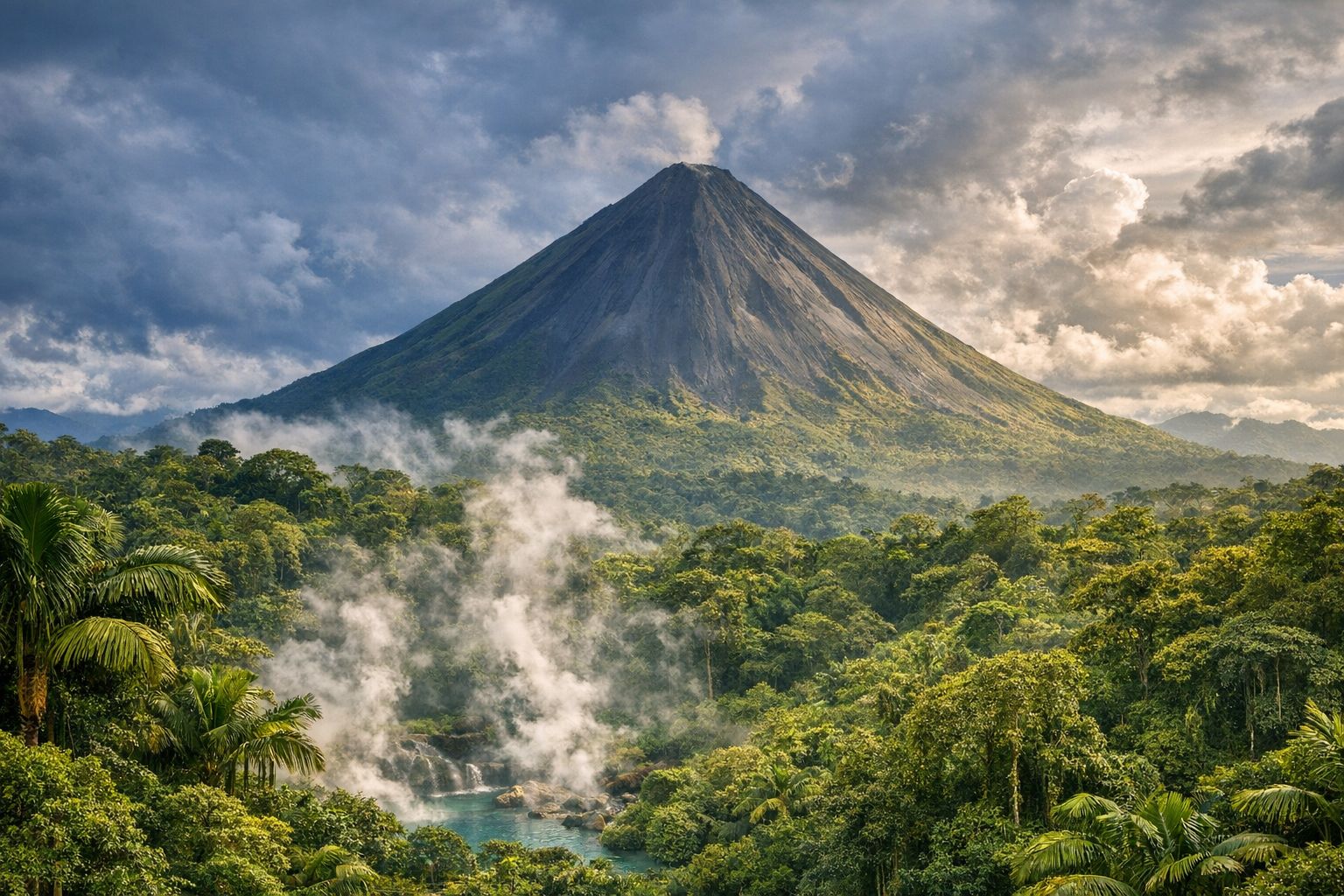
The geography of Costa Rica is surprisingly compact. The country is roughly the size of Wales, which means you can move between radically different ecosystems in a matter of hours. The Arenal Volcano region in the north offers cloud forest hiking, hot spring resorts, and some of Central America's best white-water rafting. The Osa Peninsula in the south is wilder and more remote, home to Corcovado National Park, which National Geographic has called one of the most biologically intense places on earth. The Caribbean coast around Tortuguero offers boat-based wildlife spotting and sea turtle nesting experiences that are genuinely bucket-list calibre.
Wildlife is the headline act throughout. In a single morning in Manuel Antonio National Park, it is entirely normal to encounter white-faced capuchin monkeys, three-toed sloths, scarlet macaws, and coatimundis within walking distance of the beach. For UK travellers who've spent their lives watching David Attenborough documentaries, Costa Rica is the destination where those scenes become real.
Adventure Activities in Costa Rica
Beyond wildlife watching, Costa Rica has built a robust adventure tourism industry that suits travellers who want physical experiences with professional infrastructure behind them. The country is one of the world's leading destinations for:
- White-water rafting: The Pacuare River is consistently rated among the world's top rafting rivers, offering Grade III-IV rapids through pristine jungle gorges.
- Zip-lining: The Monteverde Cloud Forest is home to some of the longest zip-line circuits in the world, cutting through canopy at heights that genuinely take your breath away.
- Surfing: Both Pacific and Caribbean coasts offer world-class surfing at spots like Tamarindo and Puerto Viejo, with conditions that suit beginners through to experienced surfers.
- Hiking and trekking: Trails through Corcovado, Rincón de la Vieja, and Chirripó (Costa Rica's highest peak at 3,821m) offer serious hiking without the altitude challenges of Andean trekking.
- Kayaking and snorkelling: The Nicoya Peninsula and the Caribbean coast both offer outstanding water-based activities.
Costa Rica: Practical Details for UK Travellers
From the UK, Costa Rica is served by direct flights primarily from London Heathrow and London Gatwick, with British Airways operating seasonal direct routes to San José. Total flight time is approximately 11-12 hours direct. The country uses the US dollar alongside its own currency (the colón), which makes budgeting straightforward for British travellers used to currency conversion. No visa is required for UK citizens for stays of up to 90 days.
The best time to visit from the UK is during Costa Rica's dry season, which runs broadly from December to April on the Pacific side. However, the Caribbean coast operates on an inverse weather pattern, meaning it can be sunny in October when the Pacific is wet. This duality is actually one of Costa Rica's advantages: there is rarely a completely wrong time to visit if you plan the regions carefully.
Costa Rica Holiday Costs
Costa Rica is not a cheap destination. It is the most expensive country in Central America for tourists, and UK travellers often underestimate the on-the-ground costs. Budget travellers will find it challenging; mid-range travellers will be comfortable; and the country excels at the luxury eco-lodge end of the market, where properties like those in the Osa Peninsula or Monteverde justify their price tags with extraordinary settings and service.
| Budget Category | Daily On-Ground Spend (Per Person) | Accommodation Style | Typical Activities Included |
|---|---|---|---|
| Budget | £60-£90 | Hostels, basic guesthouses | Self-guided hikes, public transport |
| Mid-Range | £120-£180 | Boutique hotels, eco-lodges | Guided tours, 1-2 adventure activities |
| Luxury | £250-£500+ | Luxury eco-lodges, private villas | Private guided experiences, transfers included |
GlobeHunters offers curated Costa Rica packages from around £1,899 per person, combining return flights from London, accommodation across multiple regions, and a selection of guided activities. For couples and families wanting a structured, stress-free itinerary that maximises time in the best locations, a package approach makes particular sense in Costa Rica, where the internal logistics of moving between regions can otherwise eat into holiday time.
Ready to explore the rainforest? Browse GlobeHunters' Costa Rica holiday packages or call 0208 944 4514 to speak with a Latin America specialist who can build your perfect itinerary.
Peru: Culture, Altitude, and the Inca Trail
If Costa Rica is about nature first, Peru is about the intersection of nature, history, and culture in a way that few destinations on earth can match. A best South America holiday UK shortlist almost always features Peru near the top, and it earns that position through sheer variety. This is a country where you can trek to a lost Inca city in the morning, fly over mysterious Nazca lines in the afternoon, and eat at one of the world's most acclaimed restaurants in Lima that evening.
What Peru Actually Delivers
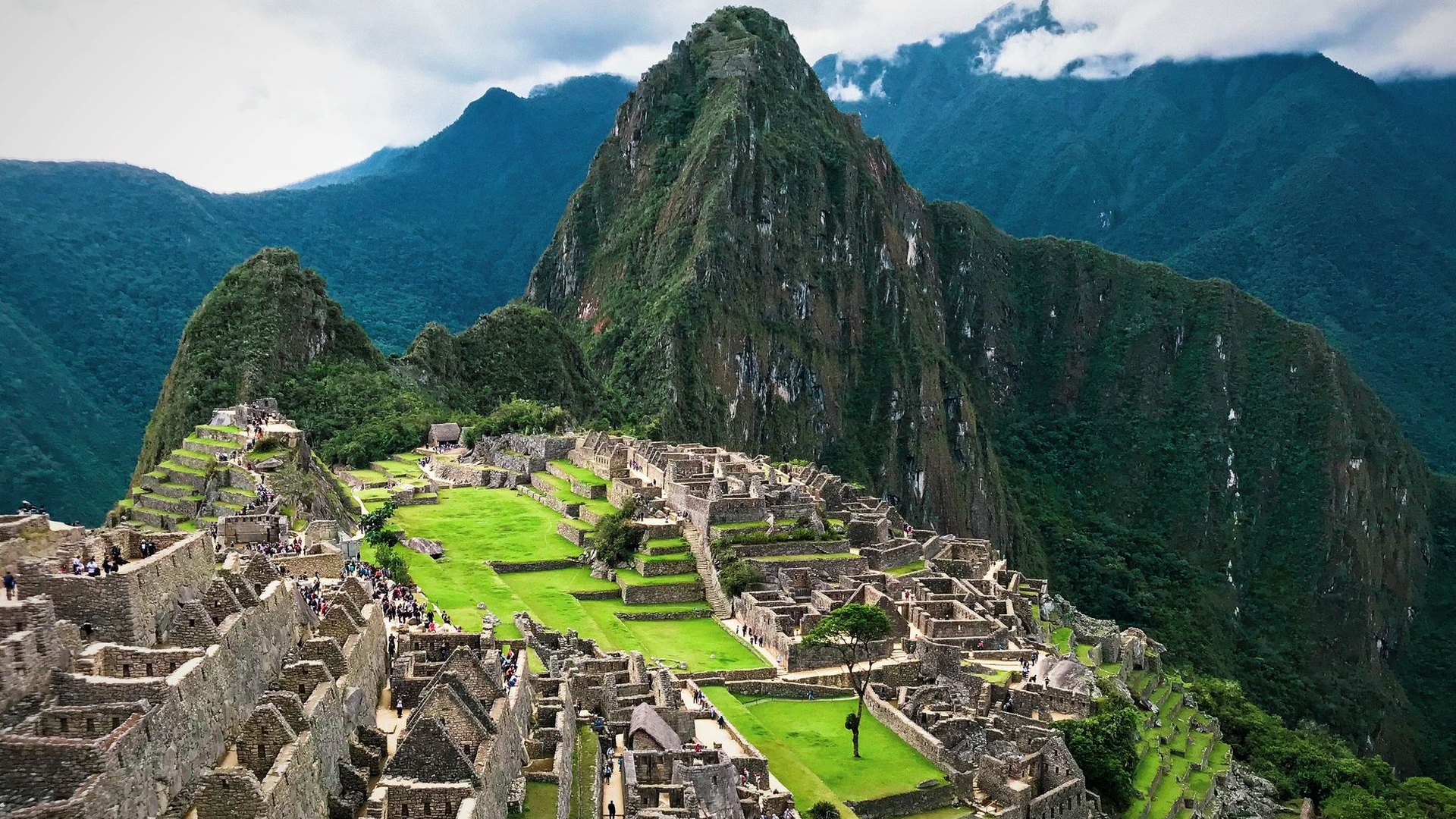
Peru's headline attraction is, of course, Machu Picchu. The 15th-century Inca citadel sits at 2,430 metres above sea level in the Cusco Region, accessible by train from Cusco or by multi-day trekking routes including the famous Inca Trail. The site receives a restricted number of visitors daily (entry permits must be booked well in advance, particularly for Inca Trail treks), and the experience of arriving at the Sun Gate at dawn to see the ruins emerge from cloud below is one that travellers genuinely describe as life-changing.
But Peru is far more than Machu Picchu. The Sacred Valley of the Incas stretches between Cusco and Aguas Calientes, dotted with Inca ruins, traditional markets, and Andean villages that have changed relatively little over centuries. The city of Cusco itself is a UNESCO World Heritage Site, its colonial Spanish architecture built directly onto Inca stone foundations in a visual collision of civilisations that is extraordinary to walk through.
Further afield, the Colca Canyon near Arequipa is one of the world's deepest canyons, where Andean condors ride thermals at eye level with trekkers on the canyon rim. Lake Titicaca on the Bolivian border, at 3,812 metres, is the highest navigable lake in the world, home to the floating reed islands of the Uros people. And the Amazon basin in the Madre de Dios region offers jungle lodges and wildlife experiences that rival anything in Costa Rica, though the logistics of reaching them are more complex.
Adventure Activities in Peru
Peru delivers a fundamentally different kind of adventure travel South America from UK experience compared to Costa Rica. Where Costa Rica's adventures tend to be adrenaline-focused and compact, Peru's are immersive and physically demanding over longer periods.
- The Inca Trail: The classic four-day, three-night trek to Machu Picchu covers 43km and reaches a maximum altitude of 4,215m at Dead Woman's Pass. Permits are limited and must be booked months in advance through a licensed operator.
- The Salkantay Trek: A harder, more scenic alternative to the Inca Trail, passing beneath the 6,271m Salkantay glacier and descending through cloud forest to Aguas Calientes. This route has no permit cap and is increasingly popular with experienced trekkers.
- Colca Canyon trekking: A two to three-day descent and ascent of one of the world's deepest canyons, best combined with condor watching at Cruz del Cóndor viewpoint.
- Amazon jungle expeditions: Multi-day lodge stays in the Tambopata National Reserve or Manu Biosphere Reserve offer guided wildlife experiences in one of the most biodiverse regions on earth.
- Mountain biking: The descent from the high Andes into the Amazon basin via the Death Road route (accessed from Cusco) offers one of South America's most dramatic cycling experiences.
- Sandboarding and dune buggying: In the Ica desert near the Huacachina oasis, a surreal landscape of giant sand dunes offers an entirely different kind of adventure.
Peru: Practical Details for UK Travellers
Peru is reached from the UK via connecting flights, most commonly through Madrid (Iberia), Amsterdam (KLM), or Atlanta (Delta), with total journey times to Lima typically running 14-17 hours including connection. There are no direct London-Lima flights currently operating. UK citizens do not require a visa for tourist stays of up to 183 days.
The most important practical consideration for UK travellers is altitude acclimatisation. Cusco sits at 3,400 metres above sea level, and arriving from London without a day or two of acclimatisation before beginning any trek is a common mistake that can genuinely ruin a holiday. Altitude sickness (soroche) affects a significant proportion of visitors regardless of fitness level. Spending 24-48 hours in Cusco before attempting the Inca Trail, drinking coca tea, and ascending gradually makes a material difference to how the experience feels.
The best time to visit Peru for trekking is during the dry season, which runs from May to October, with June, July, and August being the most popular months. The wet season (November to April) brings heavy rain to the Andes, and the Inca Trail closes entirely in February for maintenance. Lima and the coastal desert regions are accessible year-round.
Peru Holiday Costs
Peru is considerably more affordable than Costa Rica at the mid-range level, which makes it an attractive option for UK travellers who want a genuinely epic experience without premium pricing on every element. However, the Machu Picchu entry permit system and the requirement for licensed Inca Trail operators add costs that are non-negotiable.
| Budget Category | Daily On-Ground Spend (Per Person) | Accommodation Style | Typical Activities Included |
|---|---|---|---|
| Budget | £35-£60 | Hostels, budget guesthouses | Group tours, public transport, basic meals |
| Mid-Range | £80-£140 | Mid-range hotels, boutique options | Guided tours, Machu Picchu entry, 1 major trek |
| Luxury | £200-£400+ | Luxury hotels (Belmond, Inkaterra), private guides | Private transfers, exclusive access, all-inclusive |
GlobeHunters' Peru packages start from around £1,999 per person, covering return flights from London via a European hub, accommodation in Lima and Cusco, Machu Picchu entry, and guided activity inclusions. Given the complexity of booking Inca Trail permits, coordinating regional transfers, and managing altitude acclimatisation logistics, a packaged Peru itinerary from a specialist operator is significantly less stressful than piecing it together independently, particularly for first-time visitors to the country.
Dreaming of Machu Picchu? Explore GlobeHunters' Peru adventure packages or call 0208 944 4514 to talk through your itinerary with a South America travel specialist.
Head-to-Head Comparison: Costa Rica vs Peru for UK Travellers
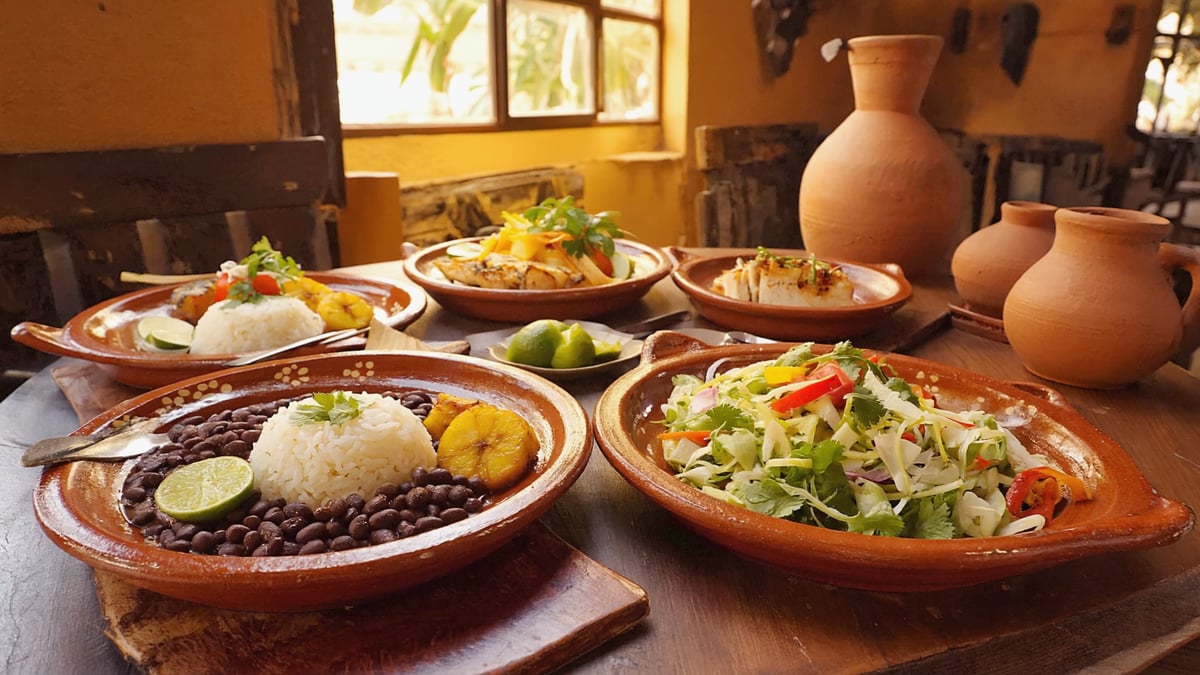
The most useful way to make this decision is to compare both destinations across the factors that matter most to UK travellers planning a long-haul adventure holiday. The table below uses real, independently verifiable criteria rather than subjective scoring.
| Factor | Costa Rica | Peru |
|---|---|---|
| Flight time from London | 11-12 hrs (direct available) | 14-17 hrs (connection required) |
| UK Visa Requirement | None (up to 90 days) ✅ | None (up to 183 days) ✅ |
| Altitude concern | Minimal (highest trek ~3,821m, optional) ✅ | Significant (Cusco 3,400m, Inca Trail 4,215m) ⚠️ |
| Wildlife quality | World-class, easily accessible ✅ | Excellent (Amazon), requires effort ⚠️ |
| Cultural depth | Moderate ⚠️ | Exceptional ✅ |
| Mid-range daily cost | £120-£180 per person | £80-£140 per person |
| Ease of self-planning | Moderate (logistics between regions) ⚠️ | Complex (permits, altitude, distances) ❌ |
| Physical demand level | Low-High (visitor chooses) ✅ | Medium-Very High ⚠️ |
| Beach quality | Excellent (Pacific and Caribbean) ✅ | Limited (Paracas, Mancora) ⚠️ |
| Food scene | Good (fresh, tropical) ⚠️ | World-class (Lima gastronomy) ✅ |
| Best duration from UK | 10-14 days | 12-18 days |
| GlobeHunters package from | £1,899 per person | £1,999 per person |
Which Traveller Type Suits Each Destination?
Both Costa Rica and Peru can be extraordinary holidays, but they suit different travellers in meaningful ways. Understanding which profile fits you best is the clearest path to making the right choice for a Latin America adventure holiday UK booking.
Choose Costa Rica If...
You're a wildlife enthusiast who wants guaranteed sightings. Costa Rica's park system, high biodiversity, and professional guiding infrastructure make wildlife encounters more predictable than almost anywhere else on earth. You don't need to travel deep into wilderness to see extraordinary animals, which matters if your time or fitness level is limited.
You want adventure with a comfort switch. Costa Rica allows travellers to dial the intensity up or down without changing destination. A couple where one partner wants white-water rafting and the other prefers a hot spring spa day can both be satisfied within the same lodge-based itinerary. This flexibility is one of the country's genuine competitive advantages.
You're travelling with children. Costa Rica is one of the best family adventure destinations in the world. The activities are age-adaptable, the infrastructure is reliable, the food is accessible, and there are no altitude concerns. Families with children aged 8 and above will find a two-week Costa Rica itinerary genuinely transformative.
You want a shorter trip. A 10-day Costa Rica itinerary can feel genuinely complete. The country's compact size means you can cover rainforest, volcano, and beach without spending half your holiday on internal transfers. From the UK, where annual leave is typically 25-28 days, this matters.
You prioritise beaches alongside adventure. If you want to combine jungle activities with genuinely beautiful beach time, Costa Rica wins comfortably. Peru's coastal options are limited compared to the country's Andean and Amazon highlights, whereas Costa Rica's Pacific coast beaches are world-class in their own right.
Choose Peru If...
Machu Picchu is on your bucket list. There is only one Machu Picchu, and it belongs to Peru. If the Inca citadel is the trip you've been planning in your head since you were twenty, there is no substitute. No Costa Rican waterfall or cloud forest will scratch that particular itch.
You want deep cultural immersion. Peru's civilisational history is extraordinary. Walking through Cusco, visiting the market at Pisac, eating ceviche in Lima's Miraflores district, and sailing across Lake Titicaca to meet the Uros people delivers a cultural richness that Costa Rica simply cannot match. If you travel to learn about human history as much as to see landscapes, Peru is the answer.
You are a serious trekker. The Inca Trail, the Salkantay, the Choquequirao trek, the Colca Canyon: Peru offers some of the world's most iconic multi-day trekking routes. For UK travellers who train regularly and want a genuine physical challenge with breathtaking scenery as the reward, Peru is in a different league.
You want more holiday for your money. Peru's on-the-ground costs are meaningfully lower than Costa Rica's at the mid-range level. For UK travellers who want to stretch their budget further without compromising on experience, Peru's affordability relative to its impact is compelling.
You have 14+ days to spend. Peru rewards travellers who have time. The country is large, the distances are significant, and the altitude acclimatisation requirement means you genuinely need at least two weeks to do the country justice. Travellers who can take three weeks will find Peru endlessly rewarding.
The GlobeHunters Framework: A Decision Tool for UK Travellers

Rather than leaving this as an open-ended choice, the following decision framework is designed to give UK travellers a clear direction based on the factors that matter most in practice. Answer the questions honestly and tally your answers.
| Question | Answer A → Costa Rica | Answer B → Peru |
|---|---|---|
| How many days of annual leave are you committing? | 10-13 days | 14+ days |
| What is your primary travel motivation? | Wildlife and nature | History and culture |
| How would you describe your fitness level? | Moderate (enjoy activity, not a serious trekker) | High (train regularly, comfortable with multi-day hikes) |
| Are you travelling with children or older family members? | Yes | No |
| Is beach time an important part of your holiday? | Yes, essential | No, I can take it or leave it |
| Is Machu Picchu specifically on your bucket list? | No | Yes, absolutely |
| What's your daily on-ground budget per person? | £120+ (comfortable with Costa Rica pricing) | Under £120 (want more value per pound spent) |
| How important is food as part of your travel experience? | Nice to have, not a priority | Very important, I seek out great restaurants |
If you answered mostly A, Costa Rica is your destination. If you answered mostly B, Peru is calling. If you're split roughly 50/50, consider your single non-negotiable: if Machu Picchu is on your bucket list, Peru wins. If beach time is essential, Costa Rica wins.
Combining Both: Is a Costa Rica and Peru Itinerary Realistic?
A reasonable question from UK travellers is whether both destinations can be combined into a single extended trip. Geographically, they are in different countries on different parts of the continent, with no direct flights between them. The most practical routing would be Lima to San José via Bogotá or Panama City, adding a full travel day in each direction.
For UK travellers with three weeks or more and a genuine appetite for adventure, a combined itinerary is absolutely achievable and genuinely rewarding. A typical structure would run Lima and Cusco (including Machu Picchu) in the first ten days, then fly to San José and spend the final eight to ten days exploring the Pacific coast, Arenal, and the cloud forest. The contrast between the two countries is striking and works well as a structured itinerary.
The practical challenge is cost. Combining both countries means two sets of internal flights, two different accommodation bases, and a longer total trip duration. A combined two-country itinerary from the UK typically starts at around £2,800-£3,200 per person when packaged, which is a meaningful investment but represents exceptional value for the scope of experience delivered.
GlobeHunters can discuss multi-destination Latin America itineraries for travellers interested in combining countries. Calling 0208 944 4514 to speak with a specialist is the most efficient way to build a bespoke combined itinerary that fits your dates and budget.
What UK Travellers Often Get Wrong About Both Destinations
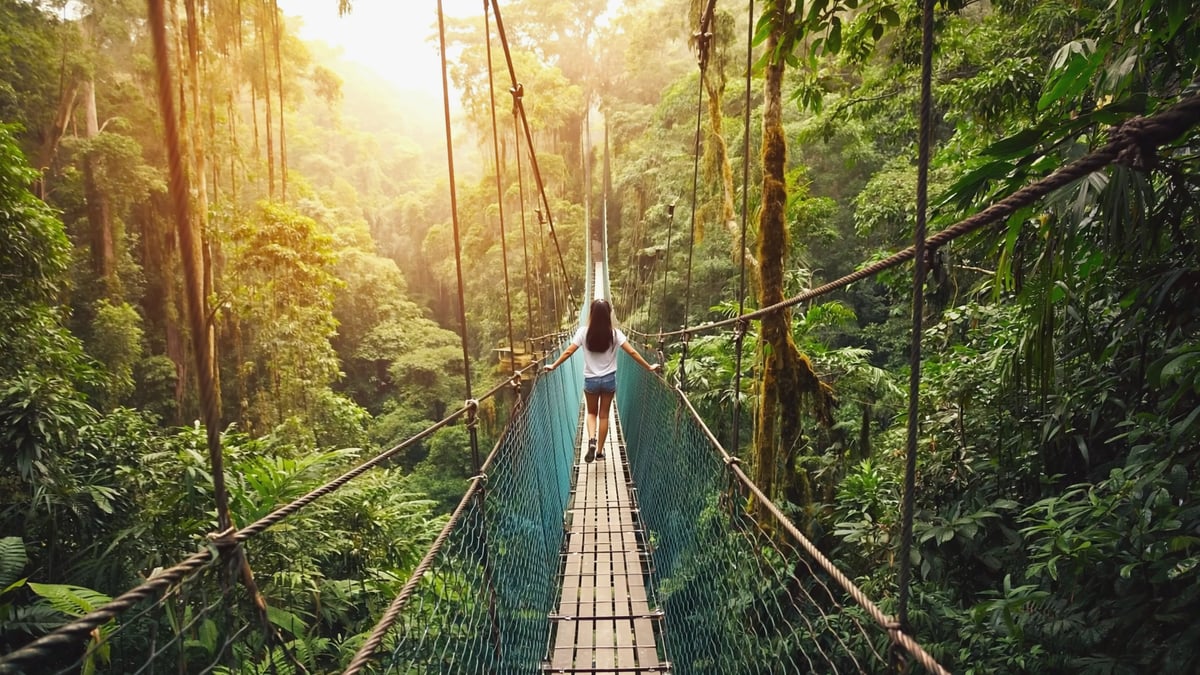
Having helped thousands of UK travellers plan Latin America holidays since 2003, GlobeHunters has identified a set of consistent planning mistakes that reduce the quality of the experience. These apply to both destinations but manifest differently.
Common Costa Rica Mistakes
Underestimating travel time between regions. Costa Rica looks small on a map, but the road infrastructure means that journeys between major regions (say, Arenal to the Osa Peninsula) can take five to seven hours by road, sometimes more during wet season when routes flood. Many first-time visitors try to cover too much ground and spend a disproportionate amount of their holiday in transit. A tighter geographic focus, or the use of domestic flights between regions, is a better approach.
Booking the wrong season for the wrong coast. The Pacific and Caribbean coasts operate on different weather patterns. Arriving in October expecting sunshine on the Pacific coast will disappoint, because that's the wettest month for that side of the country. Understanding the dual weather system before booking is essential.
Overlooking the quality difference between guided and self-guided wildlife experiences. In most wildlife destinations, self-guided exploration is perfectly rewarding. In Costa Rica's dense rainforest, many animals are genuinely invisible to untrained eyes. A professional naturalist guide can spot a well-camouflaged sloth, a leaf-tailed gecko, or a basilisk lizard that most independent visitors would walk straight past. The difference between a guided and unguided morning in Manuel Antonio is the difference between seeing 20 species and seeing two.
Common Peru Mistakes
Not acclimatising properly before trekking. This is the single most consistent cause of ruined Peru holidays. Flying directly from Lima to Cusco and attempting the Inca Trail the following morning is medically inadvisable. The standard recommendation is at least two nights in Cusco before beginning any strenuous activity at altitude. Many tour operators now build this into their itineraries as standard practice, but travellers who book independently often skip it to save time.
Leaving Inca Trail permits too late. The Inca Trail operates under a strict permit system managed by Peru's Ministry of Culture. The trail is limited to 500 people per day (including guides and porters), and permits for the peak season months of June and July frequently sell out six to nine months in advance. UK travellers who decide in March that they want to trek the Inca Trail in July will often find the permits already exhausted. The Salkantay Trek is an excellent alternative, but it's worth knowing this constraint before you plan.
Spending too little time in Lima. Lima is consistently underrated by travellers focused on Cusco and Machu Picchu. The city's Miraflores and Barranco districts contain some of the best restaurants in South America, including several venues that appear regularly on the World's 50 Best Restaurants list. Central, Maido, and Kjolle have all featured prominently. Arriving in Lima, spending one night, and flying to Cusco the next morning means missing one of the hemisphere's most exciting food cities.
Eco-Tourism and Sustainability: How Each Destination Compares
For UK travellers who factor sustainability into their holiday choices, both Costa Rica and Peru offer meaningful eco-tourism credentials, though they approach the concept differently.
Costa Rica is widely regarded as the global benchmark for sustainable tourism. The country's Certification for Sustainable Tourism (CST) programme, administered by the Costa Rica Tourism Board, rates tourism businesses on a scale from 1 to 5 leaves based on their environmental, social, and economic sustainability practices. The programme has been running since 1997 and covers hotels, tour operators, and transport providers. Choosing CST-certified properties ensures that your accommodation directly contributes to conservation funding and local community employment rather than extracting value from the ecosystem.
Peru's eco-tourism credentials are more mixed. Machu Picchu's visitor management has been a subject of ongoing debate, with various proposals to limit daily visitor numbers more aggressively to protect the site's long-term integrity. The Peruvian government has introduced permit restrictions, timed entry slots, and mandatory guided visits to manage pressure on the most sensitive areas. Away from Machu Picchu, the Amazon lodge sector in Tambopata and Manu operates largely on genuine conservation principles, with many lodges directly funding anti-poaching patrols and reforestation programmes.
For travellers whose primary concern is the environmental impact of their visit, Costa Rica's established CST framework makes it easier to verify that you're making responsible choices. In Peru, the due diligence required to identify genuinely sustainable operators is greater, though the rewards in terms of authentic community-based experiences can be equally significant.
The GlobeHunters Recommendation
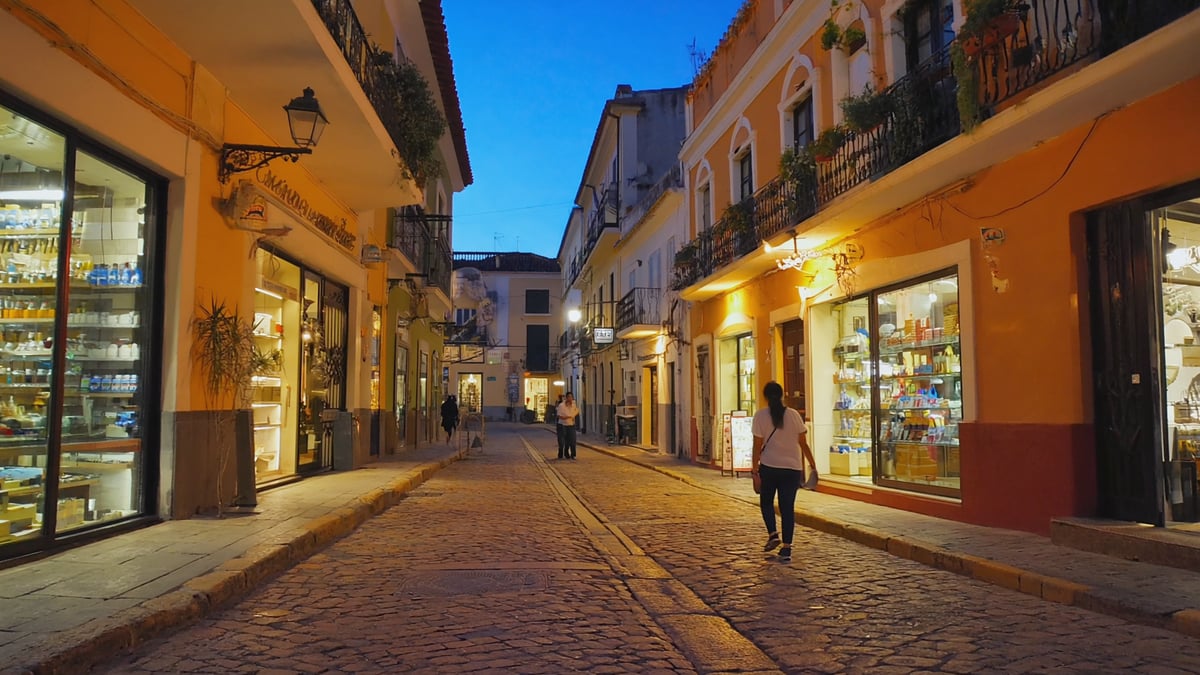
After covering every angle of this comparison, a clear recommendation is possible, and sitting on the fence serves no one.
If you want the most accessible, versatile, and reliably rewarding Latin America adventure holiday from the UK, choose Costa Rica. It delivers extraordinary wildlife, genuine adventure, comfortable infrastructure, and the flexibility to suit a wide range of travellers, from families to solo adventurers to couples with mismatched activity preferences. It is the easier holiday to plan, the easier holiday to enjoy, and the one least likely to deliver logistical headaches. For UK travellers with 10-14 days and a desire for a nature-first adventure, it is the correct choice.
If Machu Picchu is on your bucket list, or if deep cultural immersion and serious trekking are your primary motivations, choose Peru. It is the more demanding holiday in every sense, but the rewards for prepared travellers are proportionally greater. The Inca Trail at dawn, the Sacred Valley at sunset, ceviche in Lima's best restaurants: these are experiences that Costa Rica simply cannot replicate. For travellers with 14+ days, good fitness, and a genuine passion for history and culture, Peru is the more memorable holiday.
If budget is your primary constraint, Peru wins on value. Lower daily costs on the ground mean that the higher package price is partially offset by what you spend once you arrive, and the sheer volume of extraordinary free or low-cost sights means your money works harder.
If you're travelling with children or older family members, Costa Rica is the clear choice. The altitude concerns in Peru, the demanding trekking requirements, and the complexity of the logistics make it a difficult destination for mixed-ability groups. Costa Rica's adaptable activity menu and family-friendly infrastructure make it the superior choice for multi-generational travel.
Both countries offer GlobeHunters packages from under £2,000 per person, including flights and accommodation from the UK. The team at GlobeHunters has been building Latin America itineraries since 2003 and can advise on the specific combination of regions, lodges, and activities that will work best for your travel dates and group size. Call 0208 944 4514 or browse packages online to get started.
Frequently Asked Questions: Costa Rica vs Peru for UK Travellers
How long does it take to fly from the UK to Costa Rica and Peru?
Direct flights from London Heathrow or Gatwick to San José, Costa Rica take approximately 11-12 hours. There are currently no direct flights from the UK to Lima, Peru; the most common connections are via Madrid, Amsterdam, or Atlanta, giving total journey times of 14-17 hours. Costa Rica is the easier flight for UK travellers who dislike long-haul connections.
Do UK travellers need a visa for Costa Rica or Peru?
UK citizens do not require a visa for either destination as tourists. You can stay in Costa Rica for up to 90 days and in Peru for up to 183 days without a visa. A valid UK passport with at least six months' remaining validity is required for both countries.
Is altitude sickness a real concern for UK travellers visiting Peru?
Yes, and it should not be underestimated. Cusco sits at 3,400 metres above sea level, and the Inca Trail reaches 4,215 metres at its highest point. Altitude sickness affects a meaningful proportion of visitors regardless of fitness level. The standard mitigation is to spend at least 48 hours in Cusco before beginning any trekking, stay well hydrated, avoid alcohol for the first day or two, and consider speaking to your GP about altitude sickness medication before travelling. Costa Rica has no comparable altitude concerns for most visitors.
What is the best time of year for UK travellers to visit Costa Rica?
The peak dry season on Costa Rica's Pacific coast runs from December to April, making it an excellent destination for UK travellers escaping winter. The Caribbean coast operates on an inverse weather pattern, with drier conditions from February to October. The shoulder months of May and November offer lower prices with manageable weather on the Pacific side, and wildlife remains active year-round.
When should UK travellers visit Peru for trekking?
The dry season from May to October is the ideal window for Andean trekking. June, July, and August are the most popular months, with clear skies and stable weather at altitude. The wet season from November to April brings heavy rain to the Andes and the Inca Trail closes entirely in February. Lima and the coastal desert are accessible year-round and have their own distinct microclimate.
How far in advance do I need to book Inca Trail permits?
For peak months (June, July, August), Inca Trail permits can sell out six to nine months in advance. The trail is limited to 500 people per day including guides and porters, and demand consistently exceeds supply during peak season. Booking through a GlobeHunters package ensures permit acquisition is handled for you. If you're booking independently, the earlier the better. The Salkantay Trek is a popular alternative with no permit cap.
Which destination is better value for UK travellers: Costa Rica or Peru?
Peru is generally more affordable on the ground, with mid-range daily costs running approximately £80-£140 per person compared to Costa Rica's £120-£180. However, Peru's mandatory licensing requirements for Inca Trail treks and Machu Picchu entry fees add costs that are non-negotiable. Overall, Peru delivers greater cultural and geographical variety at a lower daily cost, making it stronger value for travellers with more time to spend.
Can I visit both Costa Rica and Peru in one trip from the UK?
Yes, it is logistically possible, with a connection typically routing through Bogotá or Panama City. A combined itinerary works best over three weeks or more, spending the first ten days in Peru (Lima, Cusco, Machu Picchu) before flying to Costa Rica for the final eight to ten days. The contrast between the two countries is striking and rewarding. GlobeHunters can build bespoke multi-destination Latin America itineraries; call 0208 944 4514 to discuss options.
Is Costa Rica suitable for families with children?
Costa Rica is one of the best family adventure destinations in the world. There are no altitude concerns, the activity options are age-adaptable (zip-lining has age and weight minimums but suits most children from 8 upwards), the food is accessible, and the wildlife encounters are reliably exciting for children. Peru is more challenging for families due to altitude, trekking demands, and the logistical complexity of moving between regions.
Which destination has better food for UK palates?
Peru wins decisively on this criterion. Lima has become one of the world's most celebrated food cities, with a gastronomy scene built on extraordinary biodiversity, indigenous ingredients, and Japanese-Peruvian (Nikkei) and Chinese-Peruvian (Chifa) fusion traditions. Several Lima restaurants appear on the World's 50 Best Restaurants list. Costa Rica's food is fresh, wholesome, and enjoyable, but it is not a gastronomic destination in the same sense.
What is the currency situation for UK travellers in Costa Rica and Peru?
Costa Rica uses the Costa Rican colón, but US dollars are widely accepted throughout the tourism sector. Peru uses the Peruvian sol. In both countries, major credit and debit cards are accepted at most hotels and established restaurants, but carrying local currency is advisable for markets, smaller restaurants, and transport. Notify your UK bank before travelling to avoid card blocks.
How do GlobeHunters packages compare to booking independently for these destinations?
For both destinations, particularly Peru, a packaged approach from a specialist operator offers genuine advantages: Inca Trail permit management, acclimatisation days built into the itinerary, pre-vetted accommodation, and access to licensed local guides. For Costa Rica, packages simplify the logistics of moving between regions and ensure that wildlife encounters are maximised through professional guiding. GlobeHunters packages for both destinations start under £2,000 per person including flights. Independent booking can be cheaper for experienced travellers but carries more risk of permit issues, suboptimal routing, and logistical delays.
Key Takeaways
- Costa Rica is the more accessible Latin America adventure holiday from the UK, with shorter flight times, no altitude concerns, world-class wildlife, and a flexible activity menu that suits families, couples, and solo travellers.
- Peru is the more culturally rich and geographically diverse destination, delivering Machu Picchu, Andean trekking, Amazon jungle, and one of the world's finest food cities, but requiring more time, physical preparation, and careful logistical planning.
- Altitude acclimatisation in Peru is non-negotiable. Build at least 48 hours in Cusco before any trekking, and consult your GP about altitude medication before departing the UK.
- Inca Trail permits sell out months in advance for peak season travel. Booking through GlobeHunters ensures permit acquisition is handled as part of your package.
- Costa Rica costs more on the ground but requires less total trip time to feel complete. Peru offers better daily value but rewards longer itineraries of 14 days or more.
- Both destinations can be combined in a single three-week-plus itinerary, connecting via Bogotá or Panama City. GlobeHunters can build bespoke multi-destination packages for travellers with the time and budget to do both.
- GlobeHunters packages start from £1,899 per person for Costa Rica and £1,999 per person for Peru, covering flights from the UK, accommodation, and guided activity inclusions. Call 0208 944 4514 to speak with a Latin America specialist.
About the author
Spiros Maragkoudakis · Chief Commercial Officer
Ready to Book Your Costa Holiday?
Our travel experts are ready to help you plan the perfect trip. Call us today or browse our latest deals.
Ready to Start Planning?
Speak to our travel experts for personalised advice and the best deals on your next holiday.
Call 0208 944 4514