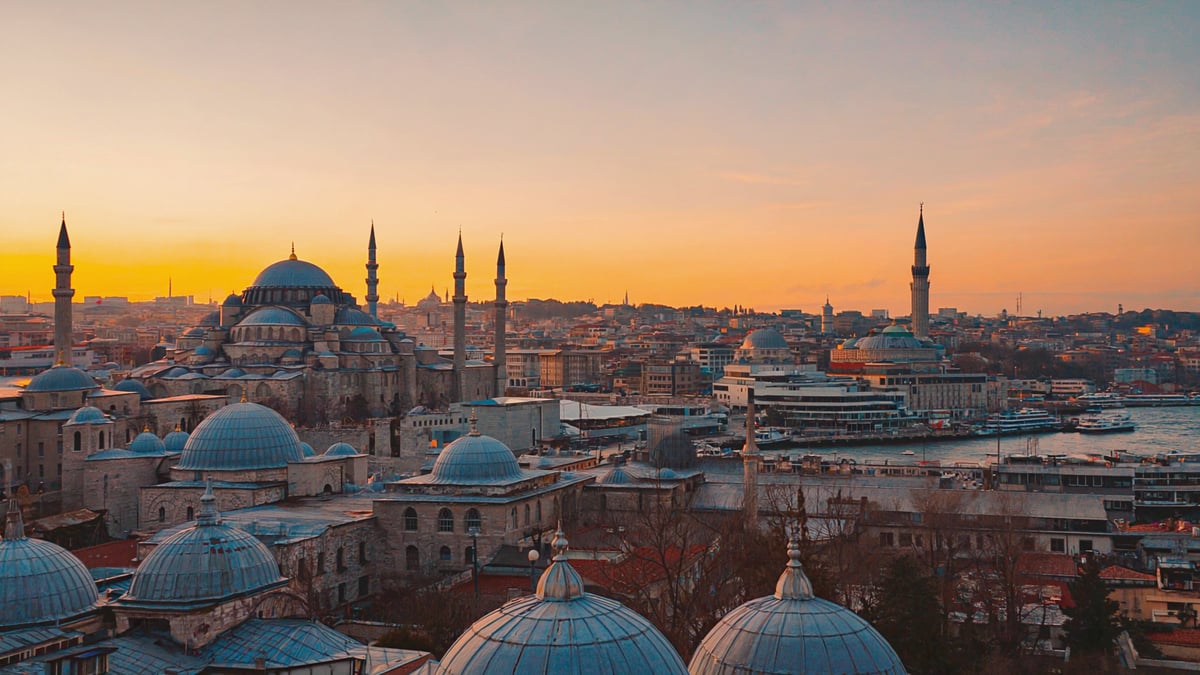
There is a city on this planet where you can stand with one foot in Europe and the other in Asia, watch the sun sink behind minarets while a muezzin's call drifts across the water, then turn around and haggle for saffron in a bazaar that has been trading since the fifteenth century. That city is Istanbul, and for UK travellers seeking a cultural city break that genuinely delivers on its promise, it remains one of the most extraordinary destinations on earth. It is not simply a place you visit. It is a place that recalibrates your sense of what a city can be.
This Istanbul holiday guide is written specifically for UK travellers: those weighing up whether Istanbul deserves a spot on the itinerary, those already booked and wanting to make every hour count, and those quietly wondering whether a long weekend is enough or whether they need a full week. The honest answer to that last question? A full week is never enough, but four nights will change you. Read on for everything you need, from Istanbul flights and hotel UK packages to the best things to do, where to stay, what to eat, and how to navigate this beautifully overwhelming city without losing your mind or your budget.
Why Istanbul Belongs at the Top of Every UK Traveller's List
Istanbul is the only city in the world that straddles two continents, and that geographical accident shapes everything about the place, from its cuisine and architecture to its temperament and pace. For UK travellers specifically, it punches well above its weight in terms of value, accessibility, and sheer cultural density per square kilometre.
Direct flights from London to Istanbul typically run around three hours and forty minutes, making it faster to reach than many European beach destinations that involve connections. From Manchester, Edinburgh, and Birmingham, flight times are comparable. That short hop lands you in a metropolis of over fifteen million people, with more UNESCO-listed monuments packed into a single district than most countries have in total.
The value proposition is compelling for UK visitors. Turkey's currency dynamics have historically made Istanbul generous to those spending in pounds sterling, meaning that high-quality restaurants, private boat tours, and boutique hotels in restored Ottoman mansions often cost less than equivalent experiences in Paris or Barcelona. A three-course dinner with wine at a well-regarded Bosphorus restaurant can cost less than a casual pub meal in central London.
Culturally, Istanbul is genuinely irreplaceable. No other city offers the combination of Byzantine Christian heritage, Ottoman Islamic architecture, secular modernism, and a thriving contemporary arts scene all layered within walking distance of each other. The city has been capital to three of history's great empires: Roman, Byzantine, and Ottoman. Every neighbourhood tells a different chapter of that story, and the layers never stop revealing themselves.
For UK cultural travellers in particular, the absence of a language barrier worth worrying about adds to the appeal. English is widely spoken in tourist areas, restaurant menus are routinely bilingual, and the hospitality culture is genuinely warm rather than performatively so.
Understanding Istanbul's Geography: The City as a Journey
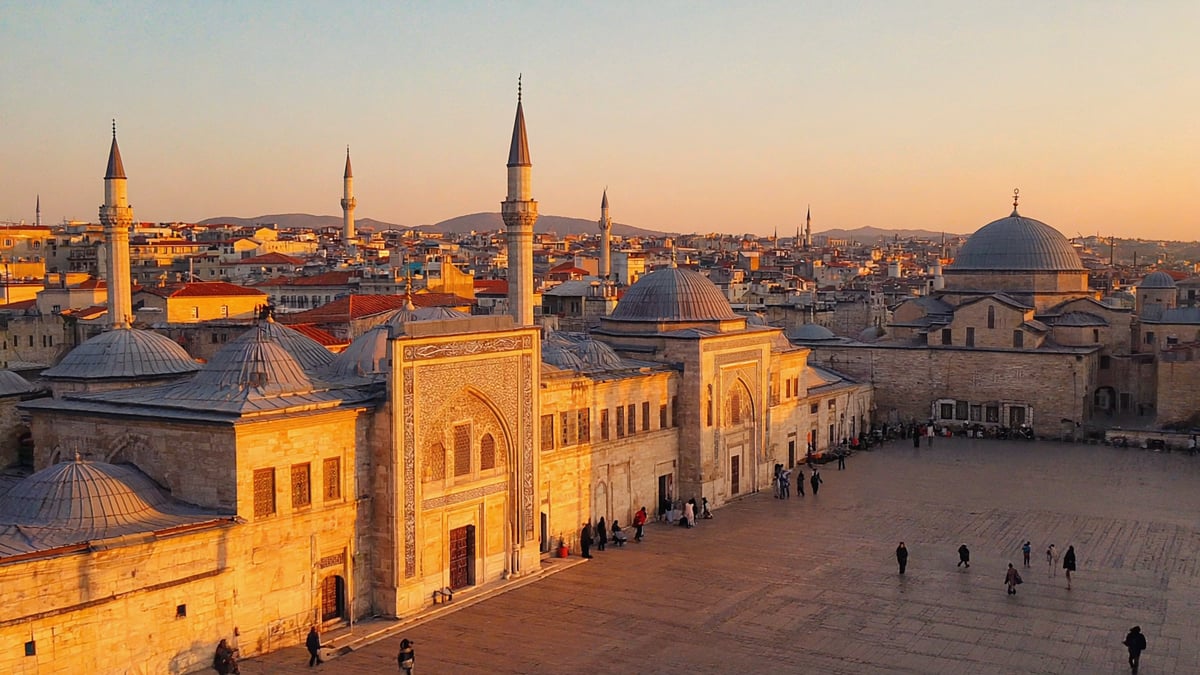
One of the most common mistakes first-time visitors make is underestimating Istanbul's size and failing to understand how its geography shapes the travel experience. Getting this right from the start saves hours and frustration.
The European Side: Sultanahmet, Beyoglu, and Beyond
The vast majority of Istanbul's classical sights sit on the European side of the city. Sultanahmet is the historic heart, home to the Blue Mosque, Hagia Sophia, Topkapi Palace, and the Grand Bazaar. It is dense with monuments and can feel tourist-heavy during peak season, but the concentration of UNESCO-listed heritage is unmatched anywhere in the world.
Just across the Golden Horn (the natural harbour that divides the European side), Beyoglu is where the city shifts gear entirely. Istiklal Avenue, a long pedestrianised boulevard, connects the funicular at Tünel to Taksim Square and is lined with nineteenth-century European-style buildings, independent bookshops, meyhanes (traditional taverns), and the kind of street food that makes you stop mid-sentence. The neighbourhoods of Cihangir, Karaköy, and Galata branching off from Beyoglu are where Istanbul's creative class lives, and they offer some of the city's best contemporary restaurants, galleries, and boutique hotels.
Further along the European shore, neighbourhoods like Ortaköy and Beşiktaş offer a more local, less touristic experience, with excellent fish restaurants, waterfront tea gardens, and views of the Bosphorus Bridge.
The Asian Side: Kadıköy and Üsküdar
A short ferry ride across the Bosphorus brings you to the Asian side of Istanbul, and the tonal shift is immediate. Kadıköy is the neighbourhood most visitors fall in love with on the Asian side: a lively, university-district energy with one of the city's best food markets, a thriving café culture, and almost no tourist infrastructure whatsoever. It is where Istanbulites actually eat, drink, and spend their weekends, and an afternoon there is one of the most authentic urban experiences the city offers.
Üsküdar, slightly north of Kadıköy, has a more contemplative character, with Ottoman mosques, waterfront gardens, and the iconic Maiden's Tower (Kız Kulesi) sitting just offshore on a tiny island. The ferry crossing alone, with the city's skyline spread across the water, is worth the trip.
Getting Around: Ferries, Metro, and the Tram
Istanbul's public transport is genuinely excellent once you understand it. The Istanbulkart (a rechargeable contactless card) covers the tram, metro, funicular, and ferry services, and paying with it is significantly cheaper than buying single tickets. The T1 tram line runs directly through Sultanahmet and connects to the tram bridge over the Golden Horn, making it the easiest way to move between the historic peninsula and Beyoglu. Ferries are operated by Istanbul Sea Lines (Şehir Hatları) and are an affordable, scenic, and practical way to cross between Europe and Asia throughout the day.
The Best Things to Do in Istanbul: A Cultural Itinerary That Goes Deeper
When it comes to things to do in Istanbul, the challenge is not finding enough to fill your days. It is choosing between genuinely unmissable experiences and everything else. This section is structured to help UK travellers build an itinerary that goes beyond the standard checklist and into the experiences that make Istanbul memorable for years.
Hagia Sophia: Sacred Architecture That Defies Category
Hagia Sophia (Ayasofya) is not simply a tourist attraction. It is one of the most significant buildings in human history, a sixth-century Byzantine cathedral that became an Ottoman mosque, then a secular museum under Atatürk's republic, and is now a functioning mosque once more. The interior, with its forty-metre dome appearing to float on a ring of light, has astonished visitors for fifteen centuries. Arrive early (doors open at 08:30 outside prayer times) to experience the space in relative quiet. Women should carry a scarf for covering hair inside.
Topkapi Palace: The Heart of an Empire
The palace complex that governed the Ottoman Empire for four centuries is vast, and most visitors underestimate how long it takes to do it justice. The Harem section requires a separate ticket and is worth every penny: the layered domestic architecture, the tilework in the sultan's private apartments, and the sheer complexity of how power, family, and confinement operated in this space are endlessly fascinating. Allow a full half-day at minimum, and book tickets online through the official Turkish museum portal to avoid the queues.
The Grand Bazaar: An Economy in a Building
The Grand Bazaar (Kapalıçarşı) has over 4,000 shops, 60 streets, and several kilometres of covered passages. It has been trading continuously since 1461. Most first-time visitors are overwhelmed and retreat after twenty minutes. The key is to treat it as an experience rather than a shopping mission: wander without a destination, accept a glass of tea when it is offered (this is a social ritual, not a hard sell), and use the bazaar's internal logic, which groups trades by type, to navigate. Gold shops cluster in one zone, leather in another, ceramics in a third. If you do want to buy, the most authentic purchases are Turkish textiles, hand-painted ceramics, and copper or brass items. Negotiation is expected and is conducted with good humour.
The Spice Bazaar and Eminönü Waterfront
Smaller, less overwhelming, and arguably more atmospheric than the Grand Bazaar, the Spice Bazaar (Mısır Çarşısı) near the Eminönü ferry terminal is a sensory masterpiece. The scent of dried rosebuds, sumac, saffron, and lokum (Turkish delight) hits you before you reach the entrance. Buy your spices here, and then walk down to the Eminönü waterfront for a balık ekmek (fresh mackerel sandwich) from the floating boats, a street food institution that costs almost nothing and tastes of Istanbul.
A Bosphorus Cruise: The City From the Water
Istanbul was built to be seen from the water. A Bosphorus cruise, whether the public ferry (extremely affordable via Istanbulkart) or a private tour booked through a platform like Viator, reveals the city's Ottoman waterfront mansions (yalılar), the two suspension bridges connecting Europe and Asia, the Dolmabahçe Palace, the Rumeli Fortress, and the narrowing of the strait before it opens into the Black Sea. The public ferry runs to Anadolu Kavağı at the northern end and back, taking the full day. A shorter private cruise can be arranged in two to three hours and often includes a sunset departure that produces genuinely spectacular photography.
The Basilica Cistern: Constantinople Underground
Beneath the streets of Sultanahmet lies a sixth-century Byzantine cistern capable of holding 80,000 cubic metres of water. The Basilica Cistern (Yerebatan Sarnıcı) is dimly lit, atmospheric, and one of Istanbul's most memorable spaces. Its columns, 336 in total, were salvaged from older Roman structures, and two of them rest on carved Medusa heads, one inverted and one on its side. The cistern recently underwent restoration and reopened with an enhanced visitor experience. It is cooler than street level, which makes it an excellent midday refuge in summer.
Beyoglu's Art Scene and the Pera Museum
Istanbul's contemporary art scene is thriving, anchored by institutions like Istanbul Modern (recently reopened in a striking new building on the Bosphorus waterfront) and the Pera Museum in Beyoglu, which houses an outstanding collection of Orientalist paintings alongside rotating contemporary exhibitions. The neighbourhood around the museum, with its independent galleries, design studios, and concept stores, rewards slow wandering on foot.
Turkish Hammam: A Ritual Worth Experiencing Properly
A traditional hammam (Turkish bath) is not a spa treatment in the Western sense. It is a centuries-old social and hygienic ritual involving a steam room, a marble slab massage, exfoliation with a kese mitt, and a foam scrub. For UK travellers unfamiliar with the format, the experience can initially feel bewildering, but most established hammams have English-speaking staff who guide guests through the process. The Çemberlitaş Hamamı, operating since 1584, is the most historically significant option in Sultanahmet. For a less touristy experience, the Kılıç Ali Paşa Hamamı in Karaköy is beautifully restored and operationally excellent.
Where to Stay in Istanbul: Neighbourhoods and Options for UK Travellers
Choosing the right neighbourhood in Istanbul matters enormously, because the city is large and traffic can be brutal. The right base keeps your daily walks and commutes manageable; the wrong one eats your itinerary.
Sultanahmet: Maximum Heritage Proximity
Staying in Sultanahmet puts you within walking distance of every major classical sight. The neighbourhood has a range of accommodation from budget guesthouses to restored boutique hotels in Ottoman-era buildings. The trade-off is that it is explicitly a tourist district: restaurants near the main attractions tend to be overpriced and underwhelming, and the area quietens down considerably in the evenings as day-trippers leave. For first-time visitors who want the flexibility of rolling out of bed and walking to Hagia Sophia before the crowds, it is an excellent choice. Look for boutique hotels in the Küçükayasofya quarter, slightly south of the main sights, for a quieter experience.
Beyoglu and Galata: For Culture and Nightlife
Beyoglu is the choice for travellers who want to experience Istanbul as a living, breathing modern city rather than an open-air museum. The neighbourhood's concentration of restaurants, rooftop bars, jazz clubs, and independent cinemas makes it the most socially vibrant base in the city. Hotels here range from design-forward boutique properties to well-priced mid-range options. The Galata Tower area, just downhill from Istiklal Avenue, has some of the city's most photogenic streets and easy tram access to Sultanahmet.
Karaköy: The Boutique Traveller's Choice
Directly below the Galata Tower, on the Golden Horn waterfront, Karaköy has transformed over the past decade into one of Istanbul's most stylish neighbourhoods. The area is home to the ferry terminal connecting to Eminönü and Kadıköy, excellent coffee shops, design hotels, and the recently expanded Istanbul Modern. It is an excellent base for travellers who want easy access to both the historic peninsula (ten minutes by tram) and the Asian side (fifteen minutes by ferry).
Bosphorus Waterfront Hotels: For Special Occasions
For honeymoon, anniversaries, or simply for travellers who want the most spectacular possible setting, Istanbul's Bosphorus waterfront hotels in neighbourhoods like Ortaköy and Beşiktaş offer rooms with direct water views and some of the city's finest restaurants on their doorsteps. These properties command a premium, but the combination of the views, the service quality, and the location represents genuine value compared to equivalent waterfront hotels in Western Europe.
Istanbul City Break Packages from the UK: What to Expect and How to Book
For UK travellers, Istanbul city break packages that bundle flights and hotels together consistently offer better value than booking components separately, particularly when purchased through a specialist travel agent with access to consolidated fares and negotiated hotel rates.
What a Good Istanbul Package Should Include
A well-structured Istanbul city break package from the UK should include:
- Direct or one-stop return flights from a UK airport convenient to you (London Heathrow, Gatwick, Manchester, and Edinburgh all have good connectivity to Istanbul)
- Three to five nights' accommodation in a centrally located hotel, ideally with breakfast included
- Airport transfers (Istanbul's Atatürk and Sabiha Gökçen airports are both served, and knowing which airport you arrive into matters for hotel proximity)
- Optional activity add-ons such as a Bosphorus cruise, a guided walking tour of Sultanahmet, or a hammam experience
GlobeHunters' Turkey holidays packages cover Istanbul city breaks with real-time pricing from multiple flight and hotel providers, allowing you to compare options across departure airports, hotel categories, and travel dates from a single platform. Packages start from competitive per-person prices and can be booked online or by calling the team on 0208 944 4514.
Istanbul Package Pricing: A Realistic Guide for UK Travellers
| Package Type | Duration | Approx. Price Per Person (from London) | What's Typically Included |
|---|---|---|---|
| Budget City Break | 3 nights | From £399 | Flights, 3-star hotel, airport transfer |
| Mid-Range Cultural Break | 4–5 nights | From £599 | Flights, 4-star boutique hotel, breakfast, transfer |
| Premium Istanbul Experience | 5–7 nights | From £899 | Flights, 5-star Bosphorus hotel, breakfast, guided tours, transfer |
| Honeymoon / Luxury | 5–7 nights | From £1,199 | Business class upgrade options, luxury waterfront hotel, private tours, spa |
Prices fluctuate with season, departure airport, and booking lead time. The shoulder seasons (April to May and September to October) offer the best combination of favourable weather and more competitive package pricing. Peak summer (July to August) is the most expensive period and also the hottest, with temperatures regularly exceeding 32°C.
Istanbul Flights from the UK: Routes and Airlines
Istanbul is served by two main airports. Istanbul Airport (IST), on the European side, is the primary international hub and home to Turkish Airlines' vast network. Sabiha Gökçen Airport (SAW), on the Asian side, handles a significant volume of budget carrier traffic including Pegasus Airlines routes from the UK.
From London, both Turkish Airlines (from Heathrow) and British Airways operate direct services to IST. Budget options via Pegasus serve Gatwick and Manchester with connections. From other UK regional airports, connections through Istanbul Airport itself are common, and Turkish Airlines' connectivity is exceptional, often routing via IST to onward destinations if you are planning to combine Istanbul with another Turkish city like Cappadocia or Antalya.
For UK travellers booking Istanbul flights and hotel together, the key practical point is confirming which airport your package uses. IST is significantly closer to the European side of the city (approximately 45 minutes by metro to Sultanahmet) while SAW involves a longer transfer of 60 to 90 minutes. Both airports are well-connected, but factor the transfer time into your first and last day planning.
Food in Istanbul: A Culinary Education Disguised as Pleasure
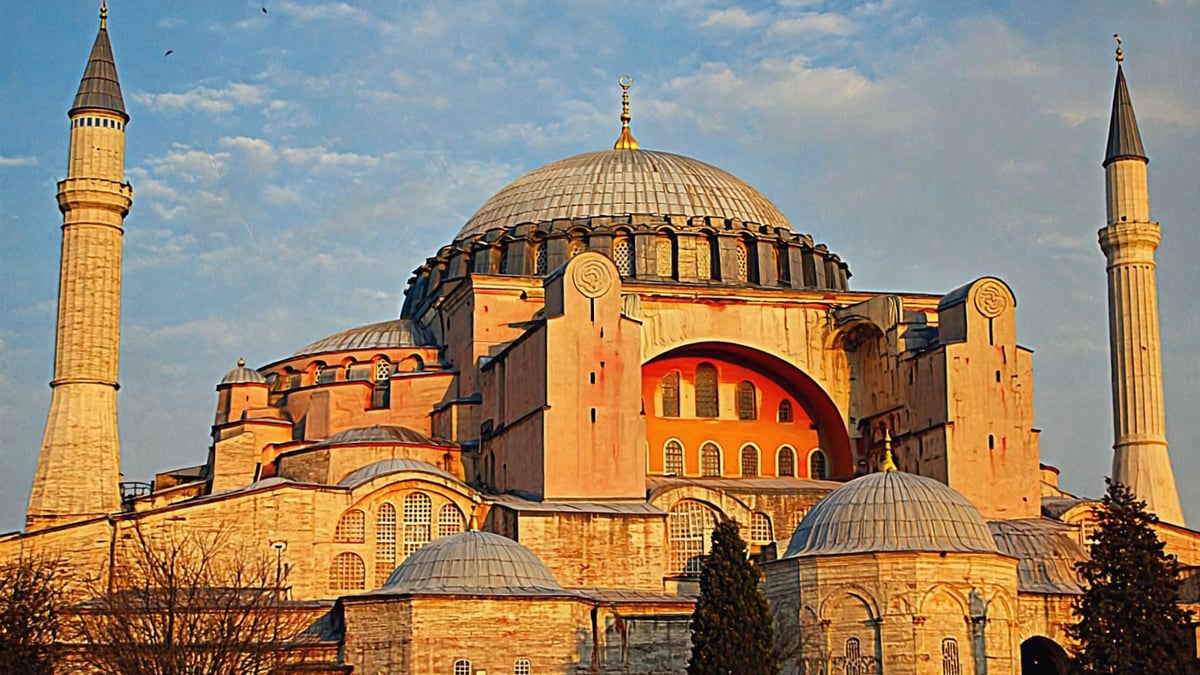
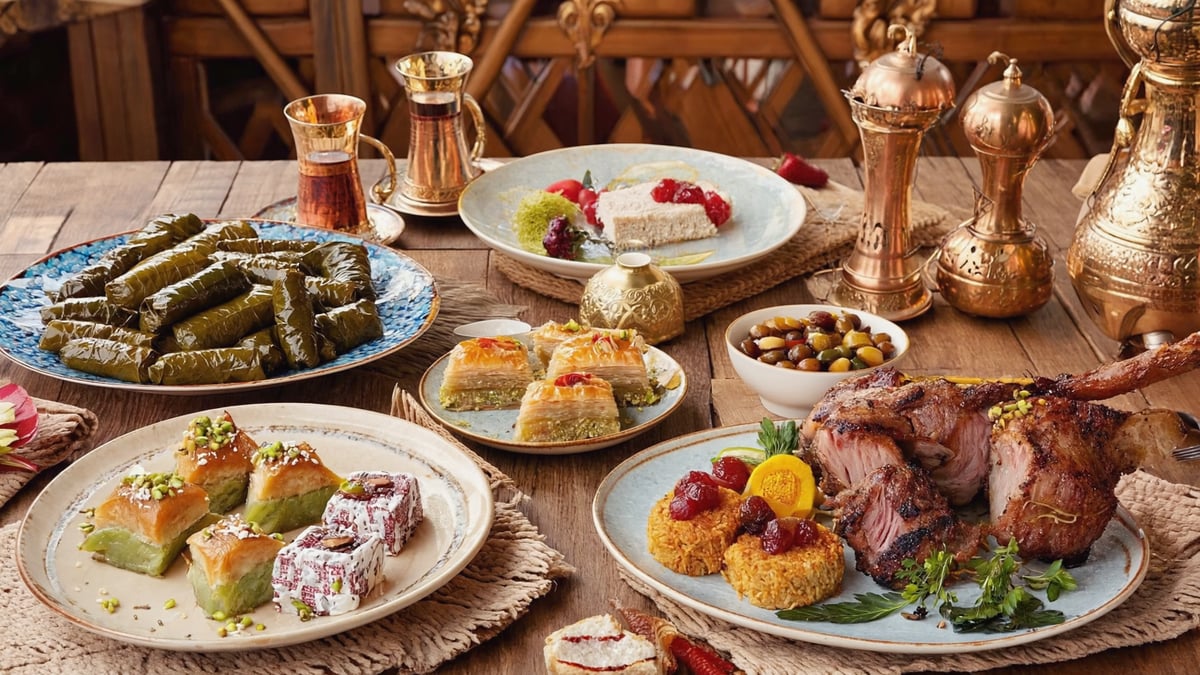
Turkish cuisine is one of the world's great culinary traditions, and Istanbul is its most complex expression. The city's food scene is not simply Turkish food: it is the convergence of Ottoman palace cuisine, Black Sea fishing traditions, Anatolian village cooking, Levantine spice routes, and an increasingly confident contemporary restaurant culture that is drawing international attention.
What to Eat and Where to Find It
For UK travellers, several categories of food are non-negotiable:
Breakfast. A traditional Turkish breakfast (kahvaltı) is a multi-plate spread involving white cheese, olives, tomatoes, cucumbers, eggs, honey, kaymak (clotted cream), various jams, and freshly baked simit (sesame bread rings). It is a meal that takes an hour and leaves you incapable of lunch. The neighbourhood of Karaköy and the Asian-side Kadıköy market area both have excellent breakfast spots that serve this spread properly.
Street food. Beyond the balık ekmek (mackerel sandwich) at Eminönü, look for: kokoreç (spiced offal wrapped in intestine, grilled over charcoal and served in a crusty roll), midye dolma (mussels stuffed with spiced rice, sold from street vendors on the Bosphorus waterfront), and börek (layered pastry filled with cheese, spinach, or minced meat) from a neighbourhood bakery.
Meyhane culture. A meyhane is an Istanbul institution: a tavern built around sharing plates (meze), raki (anise spirit), and conversation. The meze spread at a good meyhane can involve a dozen small dishes, from smoky aubergine purée and tarama to fried mussels and herb-filled pastries. Nevizade Sokak in Beyoglu is the street most associated with meyhane culture; it fills with tables and noise from early evening until late.
Kadıköy Food Market. The covered market on the Asian side, known as the Kadıköy Çarşısı, is the best food shopping in the city. Its fishmongers, cheese sellers, spice stalls, and pickle vendors operate at a standard that makes the Grand Bazaar's tourist-facing food shops look superficial. Go on a weekday morning for the full local experience.
Dining Budget: What to Expect in Istanbul
| Dining Level | Approx. Cost Per Person | What to Expect |
|---|---|---|
| Street food / market | £1–£4 per item | Simit, balık ekmek, midye dolma, börek |
| Local neighbourhood restaurant | £8–£15 for two courses | Grilled meats, pide, lahmacun, soups |
| Mid-range meyhane or restaurant | £20–£35 including drinks | Full meze spread, grilled fish, raki |
| Bosphorus-view restaurant | £40–£70 with wine | Seafood, Ottoman cuisine, cocktails |
| Fine dining / rooftop | £60–£120+ | Contemporary Turkish tasting menus, panoramic views |
Practical Information for UK Travellers Visiting Istanbul
Good practical preparation separates a smooth Istanbul trip from a frustrating one. The city rewards those who do a little homework before they arrive.
Visa Requirements for UK Passport Holders
As of the current entry requirements, UK passport holders need a valid e-Visa to enter Turkey. The e-Visa must be obtained in advance through the official Turkish e-Visa portal and is typically processed within minutes for most applicants. The visa is valid for 180 days from the date of issue and allows stays of up to 90 days. The application requires a valid UK passport (with at least six months remaining after your intended departure from Turkey), a credit or debit card for the fee, and a valid email address. Do not use any third-party websites claiming to process Turkish e-Visas: the official government portal is the only legitimate source.
Currency, Payments, and Money Management
Turkey's currency is the Turkish Lira (TRY). While larger hotels, upmarket restaurants, and tourist-facing shops increasingly accept card payments, cash remains important in markets, street food vendors, local transport, and smaller neighbourhood restaurants. UK travellers should withdraw Turkish Lira from ATMs in Istanbul rather than exchanging currency at UK airports, where exchange rates are consistently poor. Using a travel-specific debit card (Wise, Starling, or Monzo are popular choices for UK travellers) for ATM withdrawals minimises foreign transaction fees. Avoid exchange bureaux inside the Grand Bazaar and Sultanahmet tourist areas: rates are often significantly worse than bank ATMs.
Safety and Health Considerations
Istanbul is a large, cosmopolitan city and, like any major urban centre, requires standard urban awareness. Sultanahmet and Beyoglu are heavily policed tourist areas and are generally very safe for visitors. Petty theft (pickpocketing on trams and in markets) is the most common issue, so keep valuables secure in busy areas. The UK Foreign, Commonwealth and Development Office maintains a Turkey travel advice page with current safety, entry, and health information that UK travellers should check before departure.
No specific vaccinations are required for Turkey, but ensuring routine UK vaccinations are up to date is recommended. UK travellers should carry a European Health Insurance Card (GHIC for post-Brexit travel) although Turkey is not an EHIC country, so comprehensive travel insurance covering medical treatment is essential.
When to Visit: Istanbul's Seasons Explained
| Season | Months | Weather | Crowds | Best For |
|---|---|---|---|---|
| Spring | April–May | 18–22°C, mild, some rain | Moderate | ⭐ Cultural sightseeing, walking tours |
| Summer | June–August | 28–35°C, hot and dry | High | Bosphorus cruises, rooftop dining |
| Autumn | September–November | 16–24°C, warm to mild | Moderate | ⭐ Best overall: food, culture, value |
| Winter | December–March | 5–10°C, cold, occasional snow | Low | Budget travel, atmospheric interiors |
The sweet spots for UK travellers are late April to May and September to mid-October. These windows offer comfortable walking temperatures, longer daylight hours, and the full range of outdoor experiences (Bosphorus cruises, rooftop bars, ferry crossings) without summer's intensity. Winter Istanbul is genuinely atmospheric and very affordable, but some outdoor attractions and rooftop venues operate reduced hours or close entirely.
Beyond the Classics: Experiences Most UK Visitors Miss
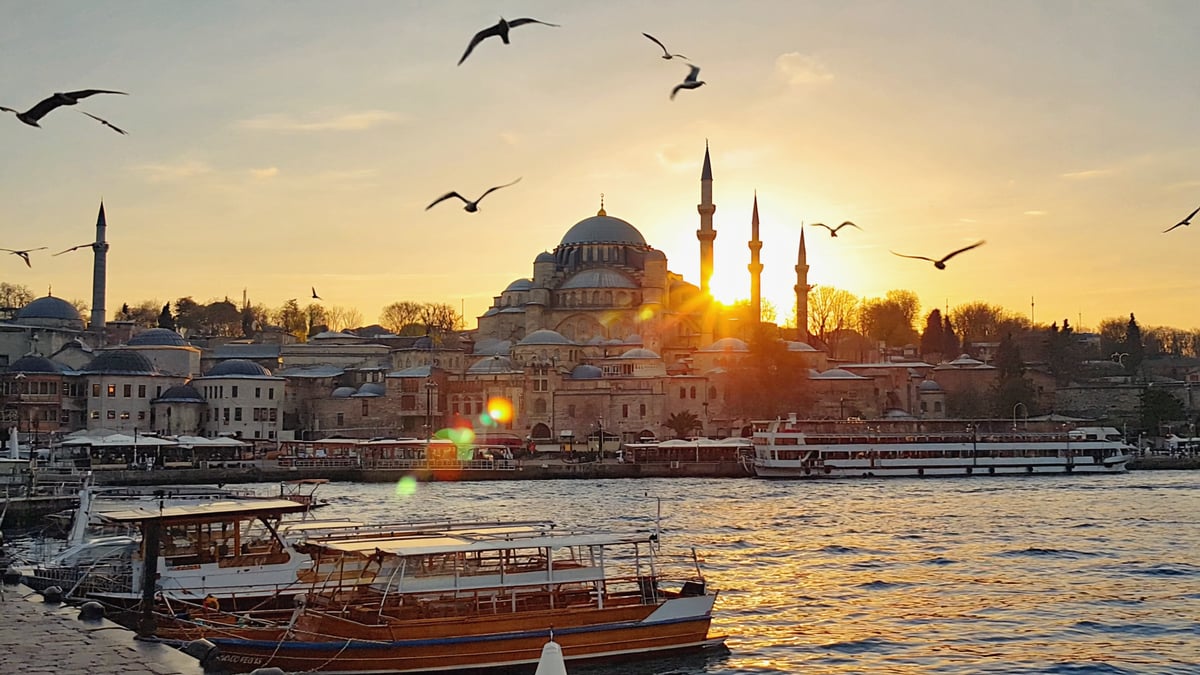
Every Istanbul guidebook covers Hagia Sophia, the Grand Bazaar, and Topkapi Palace. These are unmissable, and this guide covers them in full. But Istanbul's most memorable experiences often happen in the margins of the standard itinerary, and for repeat visitors or culturally curious first-timers, these less-trafficked experiences are where the city reveals its real character.
The Princes' Islands: A Day Trip That Feels Like Another Country
Nine islands scattered in the Sea of Marmara, just south of Istanbul's Asian shore, make up the Princes' Islands (Adalar). They are reached by ferry from Kabataş or Eminönü (approximately 90 minutes to the largest island, Büyükada) and are remarkable for a single reason: motor vehicles are not permitted. The islands are quiet, the streets are lined with grand nineteenth-century wooden villas, and transport is by horse-drawn carriage or bicycle. Büyükada has excellent fish restaurants, a hilltop monastery with Bosphorus views, and a pace of life that is the complete opposite of Istanbul's intensity. A day trip here is one of the best things UK visitors can do to recharge mid-trip.
The Chora Church: Byzantine Mosaics Beyond Hagia Sophia
The Chora Church (Kariye Camii), in the historic Edirnekapı neighbourhood near the old city walls, contains what many art historians consider the finest surviving Byzantine mosaics and frescoes outside of Ravenna. The fourteenth-century cycles depicting the life of the Virgin and the life of Christ in the two narthex spaces are breathtakingly detailed and remarkably well-preserved. The church has reopened as a mosque following the same process as Hagia Sophia, but visiting outside prayer times allows full access to the art.
The Süleymaniye Mosque: Ottoman Architecture Without the Crowds
The Süleymaniye Mosque, designed by the great Ottoman architect Mimar Sinan for Sultan Süleyman the Magnificent in the sixteenth century, is widely considered the finest Ottoman mosque in Istanbul, yet it receives a fraction of the Blue Mosque's visitor numbers. Its interior proportions are extraordinary: four massive columns supporting a central dome 53 metres high, with a quality of light filtering through the stained glass that changes hour by hour. Sinan's own tomb is in the mosque's garden. Come at midday on a weekday to have it nearly to yourself.
Balat and Fener: The City's Forgotten Neighbourhoods
Along the Golden Horn's western shore, the neighbourhoods of Balat (historically the Jewish quarter) and Fener (the Greek Orthodox centre) are the most visually striking and least visited of Istanbul's historic districts. The streets are steep, the wooden houses are painted in faded ochres and blues, and the sense of layered history is palpable. The Greek Orthodox Patriarchate is still located in Fener, and the Ecumenical Patriarchate's church of St George receives visitors. Both neighbourhoods have seen a wave of creative regeneration: independent cafés, gallery spaces, and antique shops have moved in alongside the long-established communities, creating the kind of neighbourhood energy that Karaköy had a decade ago.
Istanbul's Contemporary Art Scene
Istanbul Modern, reopened in its striking new building on the Karaköy waterfront designed by Renzo Piano's firm, is the anchor of a thriving contemporary scene. The permanent collection focuses on twentieth and twenty-first century Turkish art, while rotating international exhibitions have featured work by globally recognised artists. The museum café, with its Bosphorus view, is one of the best spots in the city for a mid-morning coffee. Beyond Istanbul Modern, the Salt Galata complex in a converted Ottoman bank building in Karaköy hosts free exhibitions and a remarkable research library open to visitors.
A Framework for Planning Your Istanbul Trip: The Four-Day Itinerary Model
For UK travellers working with a four-night Istanbul city break, the following framework maximises coverage without the exhaustion that comes from over-scheduling. Think of it as a decision matrix rather than a rigid schedule.
| Day | Morning Focus | Afternoon Focus | Evening |
|---|---|---|---|
| Day 1 | Hagia Sophia (early, pre-crowd), Blue Mosque | Basilica Cistern, Hippodrome, Sultanahmet walk | Rooftop dinner with Bosphorus view in Beyoglu |
| Day 2 | Topkapi Palace (half day, includes Harem) | Grand Bazaar, Spice Bazaar, Eminönü waterfront | Meyhane dinner in Beyoglu or Nevizade Sokak |
| Day 3 | Ferry to Kadıköy (Asian side), food market | Üsküdar, Maiden's Tower view, ferry back | Hammam experience (Kılıç Ali Paşa or Çemberlitaş) |
| Day 4 | Bosphorus cruise (full or half day) | Süleymaniye Mosque, Balat/Fener walk, Chora Church | Sunset drinks in Ortaköy, final dinner |
This framework prioritises depth over breadth. Each day has a clear geographic focus that minimises transit time, and the evenings are structured to experience different facets of Istanbul's night-time culture rather than simply eating near the hotel. Travellers extending to five or six nights can add a Princes' Islands day trip, a visit to Dolmabahçe Palace, or a half-day in the Kapalıçarşı neighbourhood of the historic city walls.
Turkey Holidays from the UK: Combining Istanbul with Other Destinations
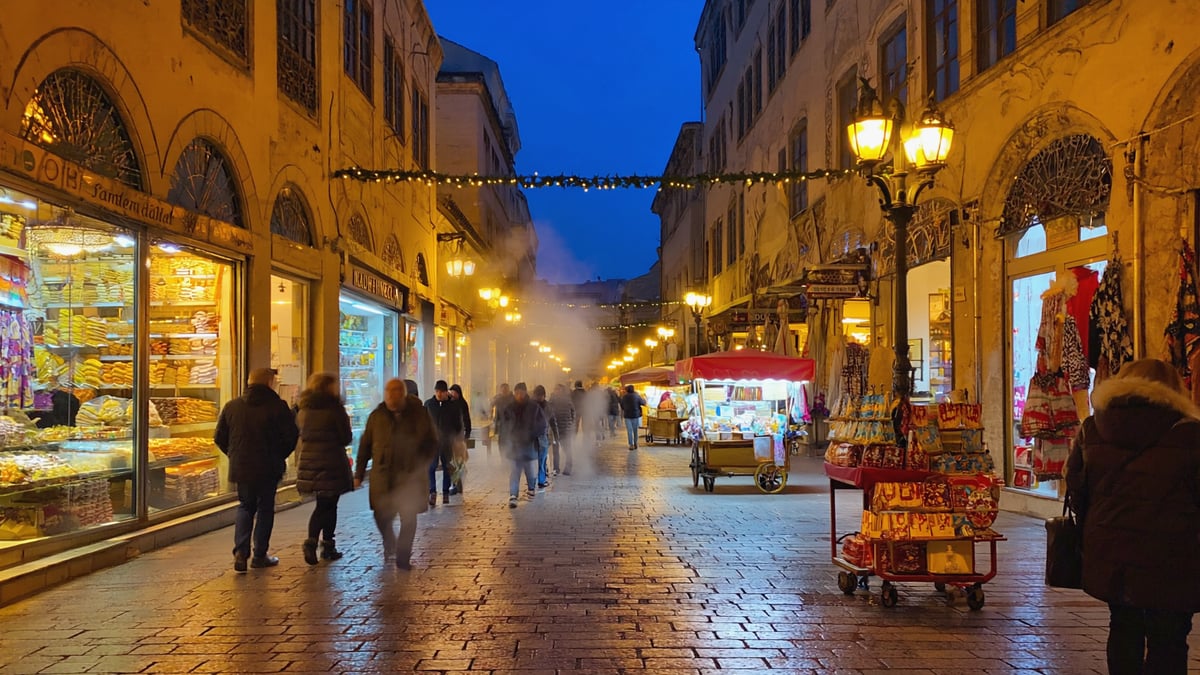
For UK travellers wanting to extend their Turkey holidays from UK beyond Istanbul, the country offers exceptional combinations that work well as two-centre or three-centre itineraries.
Istanbul and Cappadocia is the most popular pairing. Cappadocia, in central Anatolia, is famous for its extraordinary volcanic landscape of fairy chimneys, underground cities, and hot-air balloon rides at sunrise over the Göreme valley. Domestic flights between Istanbul and Kayseri (the nearest airport to Cappadocia) take approximately 90 minutes and are very affordable on Turkish Airlines or Pegasus. A seven-to-ten night itinerary splitting time between the two destinations captures Turkey's greatest cultural and natural highlights.
Istanbul and the Aegean Coast appeals to travellers who want to balance city culture with beach relaxation. Bodrum, Fethiye, and Ölüdeniz are all reachable from Istanbul by domestic flight in under two hours, and the Aegean and Mediterranean coastlines offer turquoise water, ancient ruins, and a pace of life that provides perfect counterbalance to Istanbul's intensity.
Istanbul and Ephesus is the itinerary for history enthusiasts. Ephesus, near the town of Selçuk on the Aegean coast, is one of the best-preserved ancient Roman cities in the world, with its library facade, gladiators' cemetery, and House of the Virgin Mary making it one of Turkey's most significant archaeological sites. A day trip from İzmir (45 minutes from Istanbul by flight) or an overnight stay in Selçuk works well as a cultural extension.
GlobeHunters' Turkey packages can incorporate multi-destination itineraries combining Istanbul with these destinations. Speaking to the team on 0208 944 4514 allows you to build a bespoke itinerary with flights, accommodation, and transfers handled as a single package.
Frequently Asked Questions: Istanbul for UK Travellers
Do UK passport holders need a visa to visit Istanbul?
Yes. UK passport holders require a Turkish e-Visa, obtained in advance from the official Turkish e-Visa government portal. The process takes minutes online and the visa is emailed to you. Do not use unofficial third-party websites, which charge inflated fees for the same service.
How long is the flight from the UK to Istanbul?
Direct flights from London (Heathrow or Gatwick) to Istanbul Airport (IST) take approximately 3 hours 40 minutes. From Manchester, Edinburgh, or Birmingham, flight times are similar for direct services, or slightly longer with connections. Turkish Airlines operates the most frequent direct services from the UK.
Is Istanbul safe for UK tourists?
Istanbul is a major international tourist destination and the main tourist areas are very well-policed. The primary risk for visitors is petty theft in crowded areas. Check the latest FCDO travel advice before travel at gov.uk/foreign-travel-advice/turkey for current entry requirements, safety information, and any regional advisories.
What is the best time of year for UK travellers to visit Istanbul?
April to May and September to October are the optimal windows: mild temperatures (18–24°C), manageable crowds at major sights, and competitive package pricing. Summer is the most popular but hottest season. Winter offers the lowest prices and atmospheric interiors but can be cold and wet.
How many days do you need in Istanbul?
A minimum of four nights (five days) allows you to cover the major classical sights, explore Beyoglu and the Asian side, take a Bosphorus cruise, and experience Istanbul's food and nightlife without feeling rushed. A week is comfortable and allows for day trips or slower pacing. Three nights is possible but involves compromises.
What currency does Istanbul use, and can I pay by card?
Turkey uses the Turkish Lira (TRY). Card payments are widely accepted in hotels, larger restaurants, and tourist shops, but cash is essential for street food, local transport, markets, and smaller neighbourhood businesses. Withdraw Turkish Lira from ATMs in Istanbul for the best rates, and use a low-fee travel card (Wise, Monzo, or Starling) to avoid foreign transaction charges.
Is Istanbul expensive for UK travellers?
Istanbul offers excellent value for UK visitors. A mid-range dinner with drinks costs £20–£35 per person; entry to major sights like Topkapi Palace costs around £15–£20; and a Bosphorus ferry crossing costs under £2. Boutique hotels in good locations are available from £80–£120 per night, and luxury waterfront properties from £200–£400 per night, both significantly less than comparable options in Western European capitals.
What should I pack for Istanbul?
Comfortable walking shoes are essential: Istanbul is a city of hills, cobblestones, and distances. For mosque visits, both men and women should have shoulders covered; women should carry a scarf for hair covering. In summer, light clothing and sunscreen are important. In spring and autumn, a light jacket for evenings is useful. A small daypack for exploring and a reusable water bottle (tap water in Istanbul is not recommended for drinking; bottled water is very cheap) are practical additions.
Can I drink alcohol in Istanbul?
Yes. Istanbul is a secular city with a very active bar, restaurant, and meyhane culture. Alcohol is widely available in restaurants, bars, and supermarkets across tourist and residential areas. Raki (the national spirit, anise-flavoured) and Turkish wine are both worth trying. Note that alcohol is not served inside mosque complexes or during religious holidays, and there are some conservative neighbourhoods on the outskirts where alcohol is less visible.
What language is spoken in Istanbul?
Turkish is the official language. English is widely spoken in tourist areas, hotels, restaurants, and by younger Istanbulites generally. In local neighbourhood restaurants and markets away from tourist zones, some Turkish phrases are appreciated. Learning the basics ("merhaba" for hello, "teşekkürler" for thank you, "ne kadar?" for how much) goes a long way.
Are Istanbul city break packages good value compared to booking separately?
Package holidays to Istanbul consistently offer better value than booking flights and hotels separately, particularly during peak season when hotel prices rise significantly while package rates are often locked in at earlier negotiated rates. Travel agents with access to consolidated fares and hotel allocations, like GlobeHunters, can typically offer packages that include flights, hotel, and airport transfers for less than the components would cost individually. Call GlobeHunters on 0208 944 4514 or browse current Turkey packages at holidays.globehunters.com.
What is the difference between Istanbul's two airports?
Istanbul Airport (IST) is on the European side and handles most long-haul and full-service carrier traffic. It is connected to the city centre by metro (approximately 45 minutes to Sultanahmet). Sabiha Gökçen Airport (SAW) is on the Asian side and handles a significant volume of budget carrier routes including Pegasus Airlines from the UK. Transfers from SAW to the European side take 60–90 minutes by road depending on traffic. When booking a package, confirm which airport is used so you can plan your arrival day accordingly.
Key Takeaways
- Istanbul is the world's only transcontinental city, straddling Europe and Asia across the Bosphorus, and its cultural density, history, and food scene make it one of the most rewarding city break destinations available to UK travellers.
- UK passport holders need a Turkish e-Visa obtained in advance from the official government portal. It is quick to obtain but must be done before travel.
- The best times to visit are April to May and September to October, offering comfortable temperatures, manageable crowds, and competitive pricing.
- Four nights is a workable minimum for a first visit; five to seven nights allows a more relaxed pace with time for day trips and deeper neighbourhood exploration.
- Istanbul city break packages from the UK typically offer better value than booking components separately, especially when booked through a specialist travel agent with access to consolidated fares and hotel allocations.
- The city rewards those who go beyond the tourist trail: the Asian-side neighbourhoods, the Princes' Islands, the Chora Church, and the meyhane culture of Beyoglu are as important to the Istanbul experience as the headline monuments.
- Istanbul is genuinely excellent value for UK travellers, with high-quality dining, accommodation, and experiences available at prices that compare very favourably to Western European capitals.
- GlobeHunters offers Turkey holidays from the UK combining flights, hotels, and transfers from competitive prices. Browse packages at holidays.globehunters.com/turkey or call 0208 944 4514 to speak with a travel specialist about building your Istanbul itinerary.
About the author
Spiros Maragkoudakis · Chief Commercial Officer
Ready to Book Your Istanbul Holiday?
Our travel experts are ready to help you plan the perfect trip. Call us today or browse our latest deals.
Ready to Start Planning?
Speak to our travel experts for personalised advice and the best deals on your next holiday.
Call 0208 944 4514