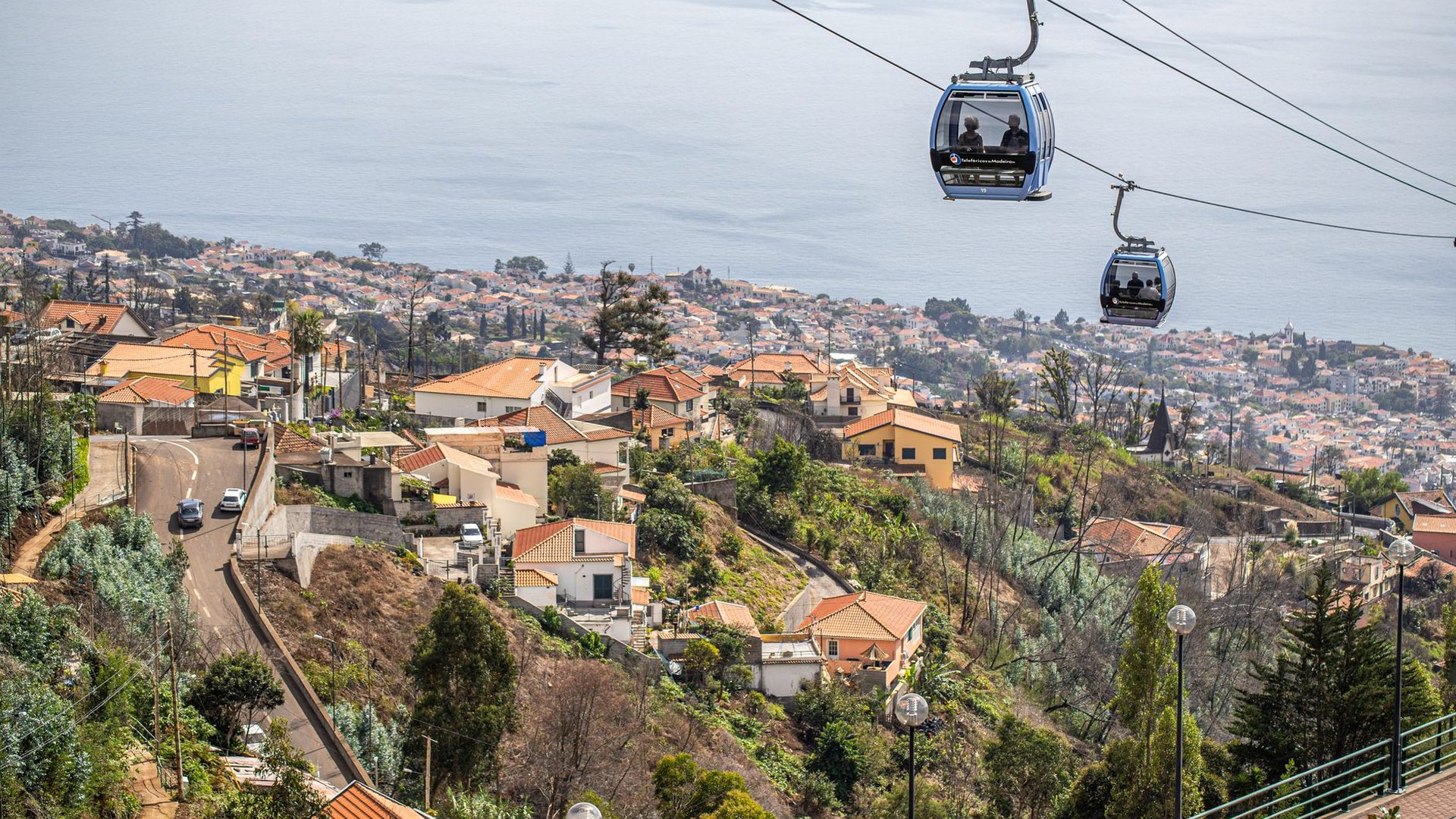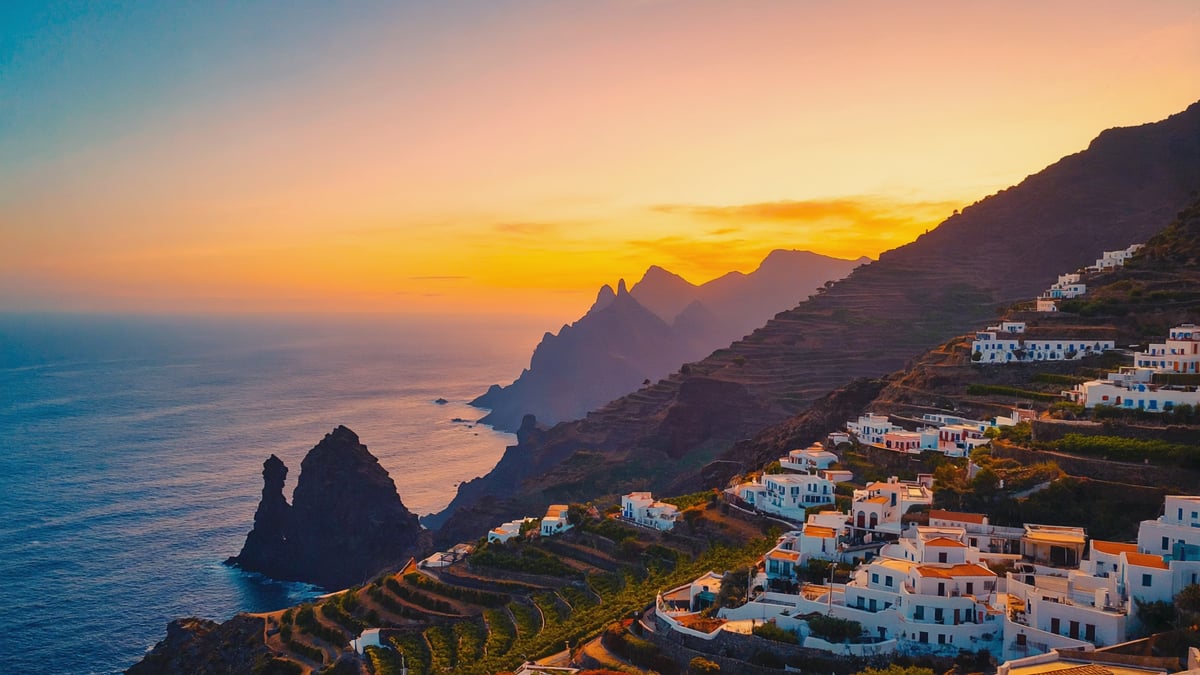
Picture this: you step off the plane and the air hits you differently. It is warm but not oppressive, carrying something green and floral and faintly oceanic. The taxi winds upward through terraced hillsides planted with banana palms and grapevines, and within twenty minutes you are looking down at a harbour town that glitters like scattered jewels against an ink-dark Atlantic. This is Madeira, and it does not ease you in gently. It simply overwhelms you, immediately and completely.
Portugal's autonomous island region sits roughly 1,000 kilometres southwest of Lisbon and just 520 kilometres from the Moroccan coast, yet it feels like a destination the rest of Europe has been keeping to itself. UK travellers who have discovered it tend to return repeatedly, because Madeira does something rare: it satisfies completely different kinds of holiday in a single location. The couple who want to walk volcanic ridges in the morning and drink Madeira wine by candlelight at night will find it here. So will the retiree seeking gentle levada walks and spectacular gardens, the solo adventurer chasing canyoning and paragliding, and the family that simply wants reliable sunshine, clean beaches, and outstanding food.
This Madeira holiday guide for UK travellers covers everything you need to plan your trip with confidence, from the best time to visit and how to book Madeira package holidays to the unmissable things to do in Madeira and practical logistics around Madeira flights and hotel combinations. Whether you are looking at a long weekend or a fortnight by the Atlantic, consider this your definitive starting point.
Why Madeira Keeps Pulling UK Travellers Back
Madeira occupies a unique position in the UK holiday market: it is close enough to reach in around three and a half hours from London, yet different enough to feel genuinely exotic. That combination is increasingly rare, and it explains the island's enduring popularity across every age group and travel style.
The island's volcanic origins have produced a landscape of extraordinary drama. Towering sea cliffs drop directly into the Atlantic. The interior rises to Pico Ruivo at 1,862 metres, where walkers stand above the clouds on clear mornings. Laurisilva forest, a relic subtropical ecosystem that once covered much of southern Europe, clings to the northern slopes and is recognised by UNESCO as a World Heritage Site. This is not a generic sun-and-sand destination, though it offers that too. It is a living geological spectacle wrapped in extraordinary biodiversity.
From a practical standpoint, Madeira is also one of the most accessible European island destinations for UK visitors. Direct flights operate from London Heathrow, Gatwick, Stansted, Manchester, Birmingham, and Bristol year-round. The island uses the euro, English is widely spoken in tourist areas, and the standard of accommodation ranges from family-run quintas to internationally recognised five-star resorts. Food and drink are notably affordable by UK standards, particularly local wine, espetada (beef skewers over laurel wood), and fresh Atlantic seafood.
Crucially, Madeira has no meaningful low season. Its subtropical climate means temperatures hover between 17°C and 27°C throughout the year, making it genuinely viable for any month. This is one of the few European destinations where a January break feels as appealing as a July one, which gives UK travellers enormous flexibility when planning around school holidays, work commitments, or budget windows.
Understanding the Best Time to Visit Madeira
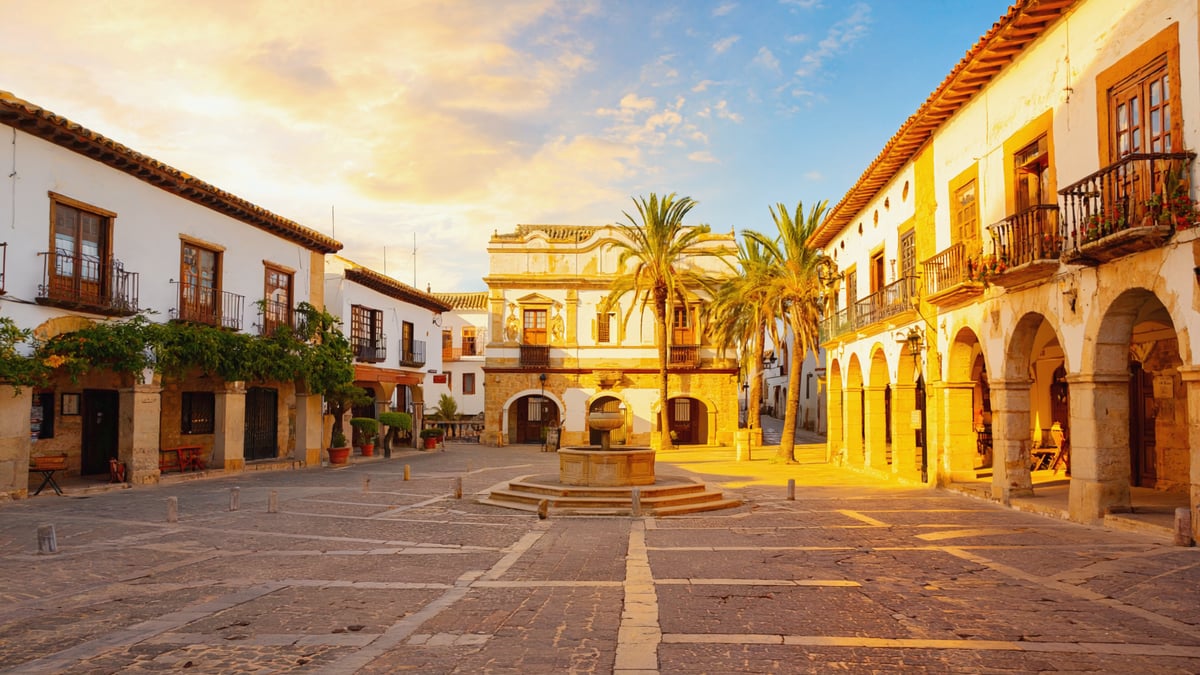
The best time to visit Madeira depends less on the weather, which is consistently pleasant year-round, and more on what you want to do and how much you want to pay. The island's microclimates mean that conditions can vary significantly from one valley to the next, so understanding the seasonal rhythm helps you plan smarter.
Spring (March to May): The Walker's Window
Spring is widely considered the optimal season for levada walks and mountain exploration. The laurel forest is impossibly lush after winter rains, wildflowers carpet the hillsides, and the famous Madeira Flower Festival transforms Funchal each May into a city-wide celebration of colour. Temperatures are comfortably warm rather than hot, humidity is manageable, and visitor numbers are moderate. This is the sweet spot for active travellers who want uncrowded trails and spectacular botanical scenery. Hotel rates are typically more competitive than summer, and flights from the UK fill up but remain reasonably priced if booked a few months ahead.
Summer (June to August): Peak Season with Purpose
Summer brings the largest crowds and the highest prices, particularly around Portuguese public holidays and school holiday periods. The south coast, including Funchal and the Lido area, is at its most lively. Sea temperatures rise to around 23°C, making swimming genuinely comfortable. The north of the island receives more cloud during summer months, which can obscure mountain views, but the south coast typically enjoys reliable sunshine. If you are travelling as a family during UK school holidays, summer works well despite the premium pricing, particularly if you book Madeira package holidays several months in advance to secure the best rates.
Autumn (September to October): The Underrated Season
September and October are arguably Madeira's finest months for the broadest range of travellers. The summer crowds thin noticeably, but temperatures remain warm, sea conditions are excellent, and the island hosts the Atlantic Festival and other cultural events. Prices drop from their August peak, and the quality of light in autumn is exceptional for photography and sightseeing. Many experienced Madeira visitors specifically choose this window.
Winter (November to February): Festivity and Escape
Madeira's winter reputation rests largely on its extraordinary New Year's Eve fireworks display, which holds records as one of the most spectacular in the world. The island decorates extravagantly for Christmas, and the Funchal seafront becomes a festive spectacle that draws visitors from across Europe. Beyond the festive period, January and February offer the genuine appeal of escaping the UK's grey winter for temperatures that rarely drop below 16°C. Rainfall is more frequent in winter, particularly in the north, but Funchal and the south coast often see plenty of sunshine even in the wettest months.
| Season | Avg Temperature | Crowd Level | Best For | UK Flight Time |
|---|---|---|---|---|
| Spring (Mar–May) | 18–22°C | ⚠️ Moderate | ✅ Walkers, nature lovers, couples | ~3h 30m |
| Summer (Jun–Aug) | 22–27°C | ❌ High | ✅ Families, beach lovers | ~3h 30m |
| Autumn (Sep–Oct) | 20–25°C | ✅ Low–Moderate | ✅ All traveller types | ~3h 30m |
| Winter (Nov–Feb) | 16–20°C | ⚠️ Moderate (peak at NYE) | ✅ Retirees, couples, festive travellers | ~3h 30m |
Things to Do in Madeira: Beyond the Postcard
The things to do in Madeira span an extraordinary range, from meditative nature walks to adrenaline-spiked adventure sports. What surprises most first-time visitors is how much genuine variety exists on an island that is only 57 kilometres long and 22 kilometres wide. You could spend a fortnight here and still leave with an unfinished list.
The Levada Network: Madeira's Signature Experience
Madeira's levadas are a feat of human engineering as much as a walking destination. These narrow irrigation channels were constructed over several centuries to carry water from the wet northern mountains to the drier agricultural terraces of the south. Today they form a network of roughly 2,500 kilometres of walking paths that wind through some of the most dramatic landscapes in the Atlantic.
The Levada do Caldeirão Verde is one of the most celebrated routes, threading through laurel forest and passing through several tunnels before arriving at a 100-metre waterfall in a volcanic caldera. The PR1 Vereda do Areeiro connects Pico do Areeiro to Pico Ruivo along a high-altitude ridge with staggering views, and is considered one of the finest mountain walks in Portugal. For less experienced walkers, the Levada das 25 Fontes near Rabaçal provides a gentler introduction to the levada system with a spectacular payoff at a lake fed by 25 natural springs.
Walking the levadas requires modest preparation: proper footwear with grip, a waterproof layer (the forest tunnels are wet and cool even in summer), a torch for longer tunnel sections, and an awareness that some paths run along vertiginous cliff edges. Guided tours are available and worth considering for the more technical routes. Walking the island of Madeira is genuinely one of the Atlantic's finest outdoor experiences, and no visit feels complete without at least one levada walk.
Funchal: A Capital Worth Several Days
Funchal, Madeira's capital and home to roughly a third of the island's population, is far more than a transit point. The old town, known as the Zona Velha, contains some of the most photographed street art in Portugal, with every door along Rua de Santa Maria painted by a different artist as part of the Arte de Portas Abertas project. The Mercado dos Lavradores (Workers' Market) is a sensory feast of tropical fruits, dried herbs, and fresh fish that rewards an early morning visit. The Monte Palace Tropical Garden, reached by cable car from the seafront, contains 70,000 plant species across formal terraces, a Japanese garden, a mineral museum, and panoramic views across the harbour.
The famous Monte toboggan ride, where wicker sleds piloted by men in white linen suits career down cobbled streets, is touristy by any measure, but it is also genuinely exhilarating and culturally rooted in the island's history. Do it without embarrassment.
Adventure Activities for Active Visitors
Madeira's terrain makes it a natural adventure sports destination. Canyoning in the island's volcanic gorges is particularly well developed, with routes ranging from beginner-friendly to technically demanding. The Ribeira das Cales canyon near Câmara de Lobos is popular with first-timers, while the Rabaçal area offers more challenging descents for experienced canyoneers.
Paragliding from the cliffs above Funchal gives pilots some of the most dramatic coastal views in Europe. Surfing conditions vary by season and location, with the north coast producing powerful reef breaks and the south offering more forgiving beach breaks. Sea kayaking, stand-up paddleboarding, whale and dolphin watching, and deep-sea fishing complete an impressive roster of water-based activities. Madeira sits on a major cetacean migration route, and boat trips from Funchal Marina regularly encounter sperm whales, pilot whales, and bottlenose dolphins.
Wine, Food, and Cultural Experiences
Madeira wine is one of the world's great fortified wines and one of the most historically significant, having been shipped to the American colonies and served at the signing of the Declaration of Independence. A visit to one of Funchal's historic wine lodges, such as Blandy's, which has operated since 1811, provides both a tasting and a genuine lesson in maritime history. The guided tour includes the lodges' atmospheric ageing cellars and a flight of wines ranging from dry Sercial to rich Malmsey.
The local food scene extends well beyond wine. Espetada, marinated beef threaded onto bay laurel skewers and grilled over wood, is the island's signature dish and is best eaten at a traditional restaurant in the hills above Funchal. Bolo do caco, a flatbread made with sweet potato and traditionally cooked on a basalt stone, accompanies almost everything. Poncha, a spirit made from aguardente, honey, and citrus, is Madeira's unofficial cocktail and is considerably more powerful than its pleasant taste suggests.
Where to Stay in Madeira: Accommodation by Traveller Type
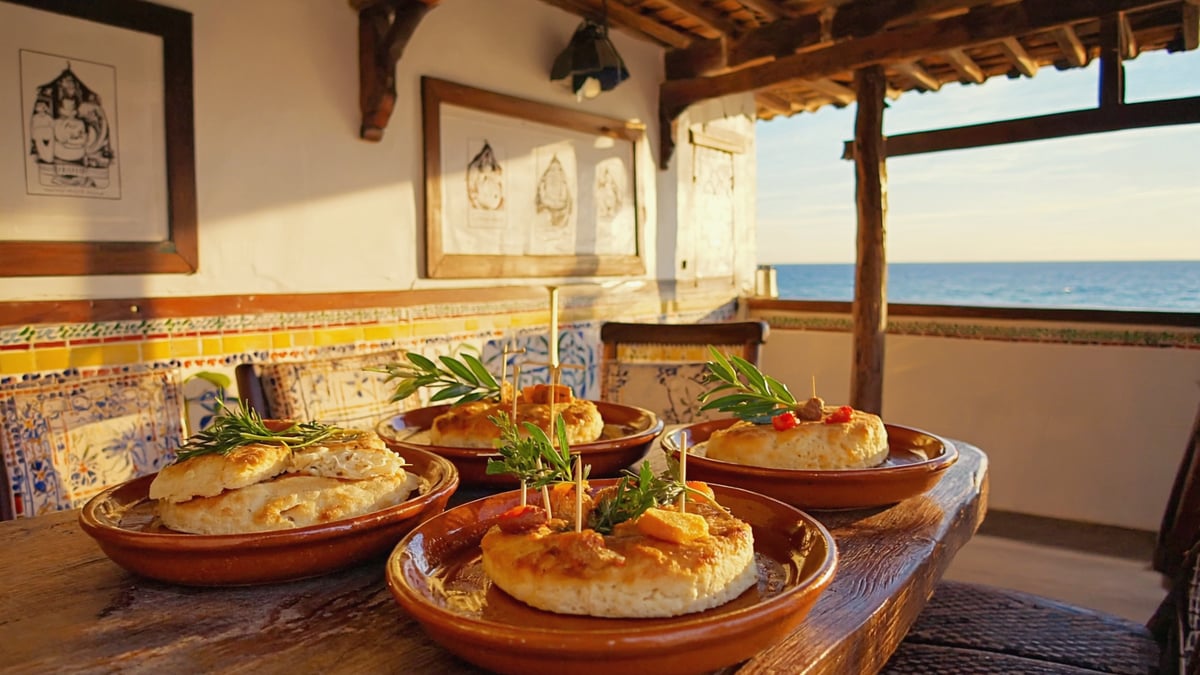
Choosing where to base yourself in Madeira shapes the entire character of your holiday. The island has several distinct areas, each with a different atmosphere, and the right choice depends entirely on what you have come for.
Funchal: The Hub for First-Timers and City Lovers
Most UK visitors stay in or near Funchal, and for good reason. The capital offers the greatest concentration of restaurants, bars, cultural attractions, and practical amenities. The hotel zone along the Lido strip, west of the city centre, is particularly well developed, with a mix of large resort hotels and smaller boutique properties running directly along the clifftop seafront. The Lido complex itself provides safe swimming in Atlantic seawater, with pools carved into the volcanic rock.
Funchal suits first-time visitors, couples, retirees, and anyone who wants easy access to Madeira's highlights without a car. The cable car to Monte, the Old Town, the market, and most levada trailheads are either walkable or accessible by the reliable bus network.
Calheta and the West Coast: Beaches and Tranquillity
If Madeira's beach offering is a priority, the west coast around Calheta is the island's most reliable destination for golden sand. Calheta's artificial beach uses imported sand and is well maintained, with calm swimming conditions. The area is quieter than Funchal, with a more residential feel, and suits couples and families looking to combine beach time with occasional excursions into the mountains. A hire car is advisable in this area.
Santana and the North Coast: For the Adventurous and Nature-Focused
The north coast is dramatically different from the south: greener, wilder, and considerably less touristic. Santana is famous for its traditional A-frame thatched houses (palheiros), which have become something of a symbol of rural Madeiran culture. The north coast is the starting point for some of the finest levada walks, including the Caldeirão Verde route. Accommodation options are more limited and tend towards rural quintas and guesthouses rather than resort hotels. This area rewards travellers who want a more authentic, unhurried experience of the island.
| Area | Best For | Car Needed? | Approx. Hotel Range (per night) | Vibe |
|---|---|---|---|---|
| Funchal / Lido | First-timers, retirees, couples | ❌ Not essential | £60–£350 | Cosmopolitan resort |
| Calheta / West Coast | Beach lovers, families | ✅ Recommended | £50–£180 | Relaxed, residential |
| Santana / North | Nature lovers, walkers | ✅ Essential | £40–£120 | Rural, authentic |
| Câmara de Lobos | Food lovers, photographers | ⚠️ Optional | £55–£160 | Working village, character |
Madeira Flights and Hotel: How to Book as a UK Traveller
Getting to Madeira from the UK is straightforward, and understanding your Madeira flights and hotel options before you book can save you a significant amount of money while ensuring you land the right combination for your trip.
Direct Flights from UK Airports
Funchal's Cristiano Ronaldo International Airport is served by direct flights from multiple UK departure points. TAP Air Portugal operates from Heathrow, often with competitive prices on advance bookings and reasonable checked baggage allowances. easyJet flies to Funchal from Gatwick, Bristol, Manchester, and Edinburgh. Jet2 operates from Manchester, Leeds Bradford, Birmingham, East Midlands, and several other UK regional airports, typically with competitive package pricing. British Airways serves the route from Heathrow, particularly popular with premium travellers.
Flight times from London are approximately 3 hours 30 minutes. From northern UK airports such as Manchester, Edinburgh, and Leeds Bradford, flights are typically 30 to 45 minutes longer due to routing. The airport's famously short runway, extended over the sea on concrete pillars, makes for a memorable approach and landing that first-time visitors often describe as the beginning of the adventure.
Package vs. Independent Booking: A Practical Comparison
The question of whether to book a package or independently is worth addressing honestly. For Madeira specifically, packages frequently represent genuine value rather than just convenience, for several reasons.
First, package bookings under the ATOL (Air Travel Organiser's Licence) scheme provide financial protection that independent bookings do not. If your airline or accommodation fails, an ATOL-protected package ensures you are repatriated or refunded. For a destination involving an Atlantic island, this protection is not trivial.
Second, tour operators and agencies like GlobeHunters negotiate accommodation rates through contracted inventory that is often below what you can access booking directly through the hotel's own website. The package price combining a quality Funchal hotel with direct flights from your local airport frequently undercuts what you would pay assembling the same components independently.
Third, packages simplify logistics considerably. Transfer arrangements, hotel check-in coordination, and access to in-resort support are included in a well-structured package, which matters particularly for travellers who are less experienced with international booking or who want the reassurance of a single point of contact if something goes wrong.
GlobeHunters' Madeira packages combine real-time flight inventory with Hotelbeds accommodation across Funchal and the wider island. Current packages are bookable online, with a call-to-book option on 0208 944 4514 for travellers who prefer speaking to a consultant before committing. Browse Madeira package holidays on GlobeHunters for current pricing and availability.
Madeira Package Holidays: What to Expect at Each Budget Level
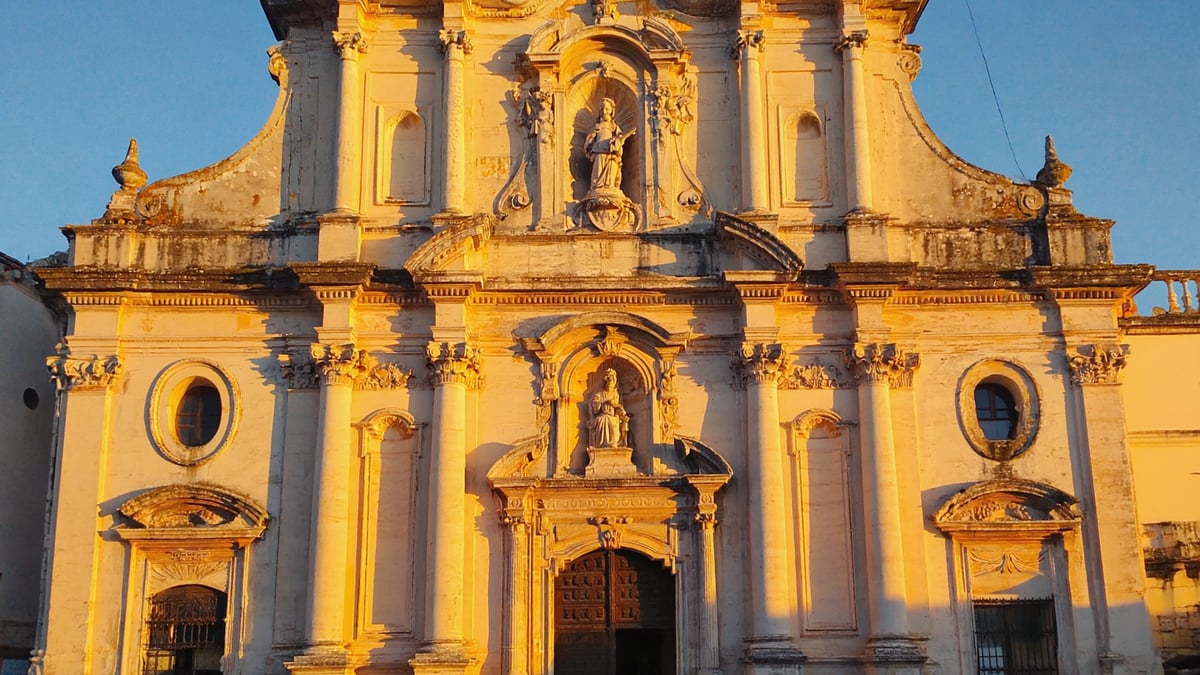
Madeira package holidays from the UK are available across a wide price range, and understanding what you genuinely get at each level helps you make an informed decision rather than defaulting to the cheapest option and being disappointed.
Budget Packages (£349–£599 per person)
At the entry level, you are typically looking at a 7-night stay in a 3-star hotel in central Funchal or on the Lido strip, with a direct return flight from a UK regional airport included. Budget packages are most readily available during January, February, and November, and occasionally in early spring. The hotels in this bracket are clean and functional, typically offering breakfast, a pool, and basic amenities. They are not destination experiences in themselves, but as a base for exploring the island they work perfectly well. These packages suit solo travellers, younger couples, and retirees travelling outside peak periods.
Mid-Range Packages (£600–£1,099 per person)
This is where Madeira really shines as a value destination. The mid-range bracket unlocks a genuinely impressive tier of accommodation: 4-star hotels with sea-view rooms, larger pools, spa access, and half-board dining options. Several of Funchal's most characterful hotels fall into this bracket, including properties with historic architecture, rooftop terraces, and direct access to the Lido seawater pools. At this price point, you are typically getting 7 nights with flights from London or a regional airport, and the overall experience feels notably more premium than the price suggests compared to equivalent packages in the Maldives, Caribbean, or even Canary Islands.
Families travelling in this bracket will find that many hotels offer connecting rooms, kids' clubs, and family-friendly pool areas that make the holiday genuinely comfortable rather than a compromise.
Luxury Packages (£1,100–£2,499 per person)
Madeira's luxury hotel offering has expanded considerably, with properties like Reid's Palace, the island's most famous address, operating since 1891 and maintaining a standard that justifies its reputation. The luxury bracket typically includes 5-star accommodation with full-board or all-inclusive options, sea-view suites, world-class spa facilities, and concierge services for activity booking and restaurant reservations. At this level, Madeira competes directly with long-haul luxury destinations at a fraction of the flight time and carbon footprint.
Honeymoon packages in this bracket are particularly well developed, with options including private balconies, champagne on arrival, couples' spa treatments, and sunset catamaran excursions. For UK couples celebrating a milestone, Madeira in the luxury bracket represents outstanding value against comparable Caribbean or Indian Ocean alternatives.
| Package Tier | Price Per Person (7 nights) | Hotel Stars | Typical Inclusions | Best For |
|---|---|---|---|---|
| Budget | £349–£599 | 3★ | Flights, B&B, pool | Solo travellers, off-peak couples |
| Mid-Range | £600–£1,099 | 4★ | Flights, half-board, spa access | Couples, families, retirees |
| Luxury | £1,100–£2,499 | 5★ | Flights, full-board, concierge, spa | Honeymooners, milestone trips |
Getting Around Madeira: A Practical Transport Guide
Transport logistics are one area where Madeira requires a little forward planning, particularly if you intend to explore beyond Funchal. The island's topography, steeply terraced and cut through with river valleys, makes some routes circuitous by road even when destinations appear close on a map.
Should You Hire a Car in Madeira?
For travellers who want to explore the island's interior, north coast, and more remote levada trailheads, hiring a car is strongly recommended. Madeira's road network is actually excellent by island standards, with an extensive expressway system that tunnels through mountains and bridges across valleys. What might look like a long journey on a map often takes less time than expected thanks to these modern roads. Car hire is available from the airport and from Funchal city centre, with local companies typically offering competitive rates against international brands.
The caveats are the narrow roads in mountain villages and some hairpin ascents that can be uncomfortable for nervous drivers, and parking in central Funchal, which can be challenging during busy periods. If your itinerary is primarily Funchal-based with occasional guided excursions, you may not need a car at all.
Buses and Public Transport
Funchal's bus network covers the city and its immediate surroundings thoroughly and cheaply. The Rodoeste and SAM companies operate routes across the island, connecting Funchal to most towns and villages. Journey times to northern destinations such as Santana can be lengthy (up to two hours), but the routes pass through spectacular scenery and the buses are comfortable. For a car-free island exploration, it is achievable with patience and good planning.
Taxis and Ride Apps
Taxis in Madeira operate on a metered system within Funchal and a fixed-tariff system for longer island excursions. Drivers are generally reliable and often speak functional English. Bolt operates in Funchal, providing an app-based alternative that some visitors find more convenient for short hops around the city.
Madeira's Hidden Corners: Beyond the Tourist Trail
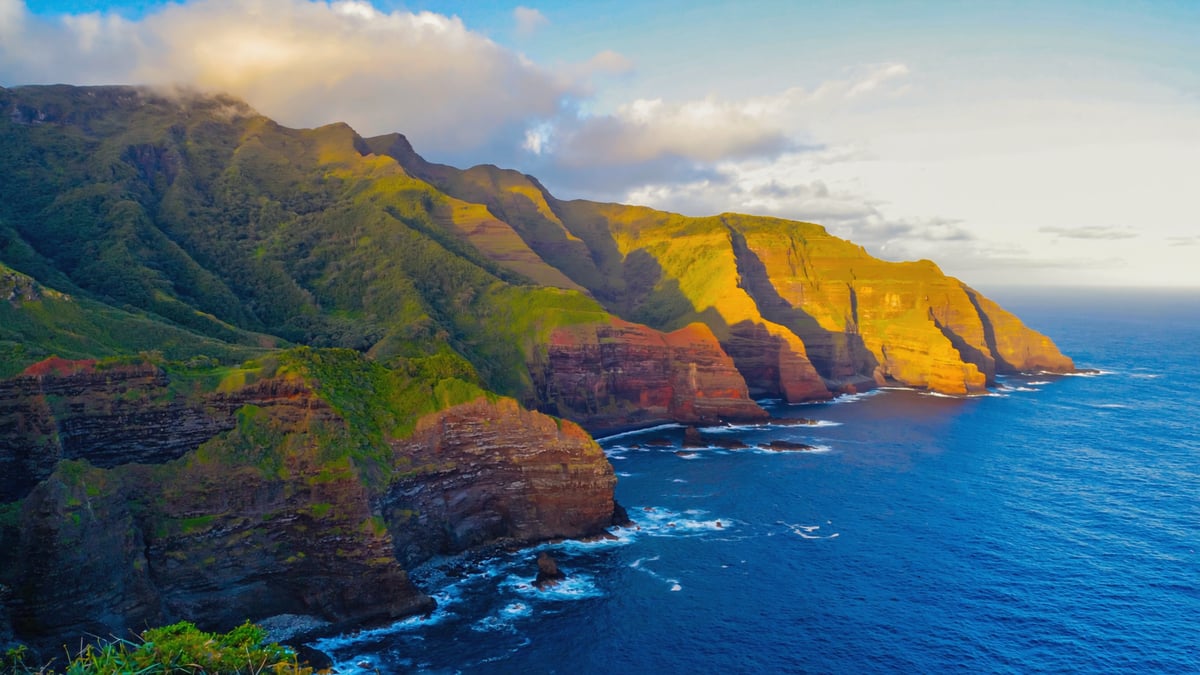
Return visitors to Madeira often speak of discovering the island in layers. The first visit covers the obvious highlights: the cable car, the toboggan, Pico do Areeiro, and the Old Town. But there is a second Madeira that reveals itself slowly, and it is, if anything, more rewarding.
Porto Moniz: Volcanic Rock Pools at the Island's Tip
At the extreme northwest of the island, Porto Moniz's natural lava rock pools are among the most dramatic swimming spots in the Atlantic. Seawater fills the pools at high tide and warms through the day, creating a natural bathing environment surrounded by black volcanic rock with the open ocean crashing beyond. The drive to Porto Moniz through the north coast is spectacular in itself, passing through tunnels carved through cliff faces and offering views of the island's most dramatic coastline. The small town has a handful of excellent seafood restaurants that serve the day's catch with minimal fuss and maximum flavour.
Câmara de Lobos: Churchill's Favourite View
The fishing village of Câmara de Lobos, just west of Funchal, has a legitimate claim to being one of the most picturesque spots in Portugal. Winston Churchill famously painted the harbour here during his post-war visits to the island, and the painting spot is still marked. The village's brightly coloured fishing boats, steep surrounding cliffs, and genuine working-port atmosphere make it far more authentic than its proximity to Funchal might suggest. The nearby viewpoint at Cabo Girão offers one of Europe's highest sea cliffs, with a glass-floored platform suspended 580 metres above the Atlantic.
Paul da Serra: The Plateau Above the Clouds
Madeira's high central plateau, the Paul da Serra, is a landscape of moorland and wind turbines at around 1,300 metres elevation, and it feels like a different island entirely from the subtropical coast below. On clear days the views extend to the sea in multiple directions. On misty days the plateau has an ethereal, otherworldly quality. The plateau is the source for several levada routes and is traversed by the island's main expressway, making it easily accessible. Most visitors drive through without stopping, which is their loss.
Practical Madeira Holiday Guide: UK Traveller Essentials
The practical details of a Madeira holiday guide UK are straightforward, but worth covering comprehensively for first-time visitors. Madeira is part of Portugal and therefore the European Union, though as a UK traveller you are now post-Brexit and should be aware of a few updated requirements.
Entry Requirements and Documentation
UK citizens can visit Portugal (including Madeira) for up to 90 days in any 180-day period without a visa. A valid British passport is required, and it should have at least six months of validity beyond your travel dates, though this is not always enforced for EU/Schengen destinations. It is good practice regardless. From late 2025, the EU's ETIAS travel authorisation system is expected to apply to UK visitors, requiring a simple pre-travel online registration. Check the current status before booking.
Currency, Costs, and Tipping
Madeira uses the euro. As of current exchange rates, UK visitors typically find Madeira affordable compared to domestic UK prices, particularly for food, wine, and local transport. A meal at a mid-range restaurant in Funchal with wine typically costs £15–£30 per person. Local beer is inexpensive, and Madeira wine by the glass is remarkably affordable given its quality. Tipping is appreciated but not obligatory: rounding up the bill or leaving 10% at sit-down restaurants is standard practice.
Health, Safety, and Travel Insurance
Madeira is an exceptionally safe destination by any measure. The island has a low crime rate, a functioning public health system, and emergency services that are responsive and professional. The main health consideration for active visitors is sun exposure at altitude (UV levels are higher than they feel, particularly when cloud cover provides apparent shade) and the physical demands of levada walking, particularly on paths with steep drops. Appropriate footwear and sun protection are not optional extras.
Travel insurance is essential, not optional. Ensure your policy covers the activities you plan to undertake, particularly if canyoning, paragliding, or other adventure sports are on your itinerary. Standard travel insurance policies often exclude these activities without a specific adventure sports add-on.
Connectivity and Practical Logistics
Mobile coverage in Madeira is generally good in populated areas and along main roads. Signal can be patchy in deep valleys and on remote mountain paths. UK SIM cards work on roaming plans, though data costs vary by provider. Many hotels and restaurants offer free Wi-Fi. The island uses standard European two-pin plugs, so UK visitors need a travel adaptor.
Watch Madeira Come to Life
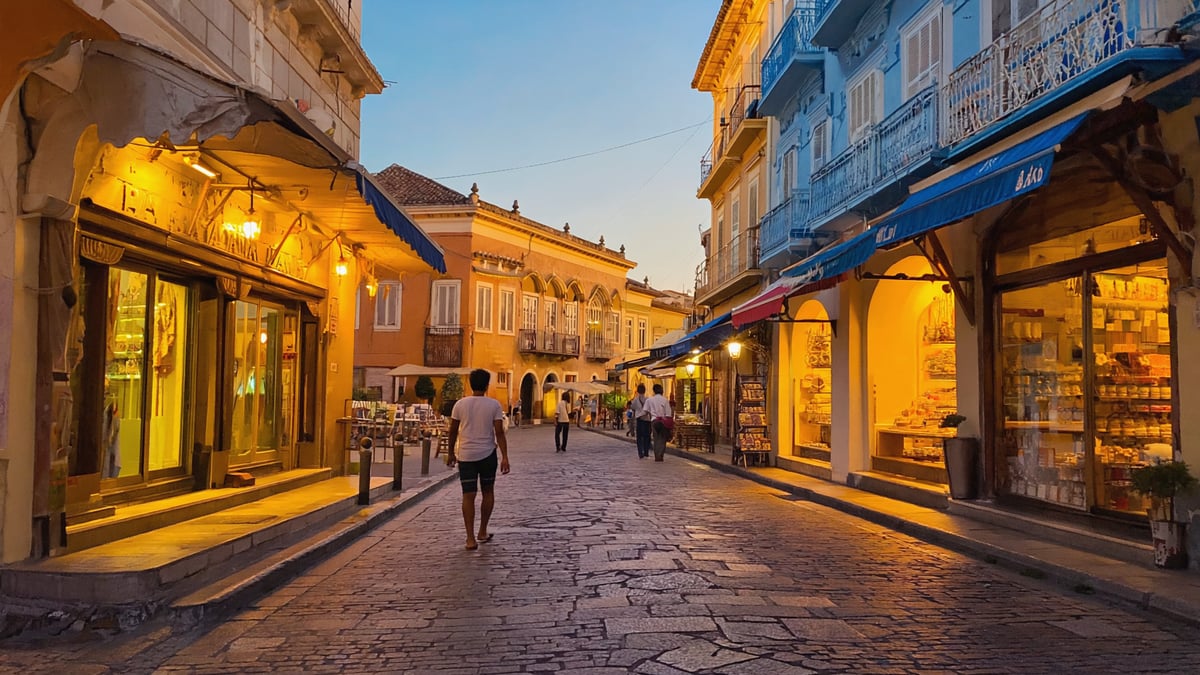
Before any itinerary is finalised, it helps to see Madeira moving. The island's landscape, from the shimmer of Funchal at night to the cloud-draped ridgelines of the interior, is genuinely cinematic, and no amount of written description fully captures the scale of the sea cliffs or the particular quality of light over the Atlantic in the late afternoon. The video below captures the island across its seasons and landscapes, and it tends to prompt most viewers to open a browser tab and start searching for flights before it has finished.
Booking Your Madeira Holiday Through GlobeHunters
GlobeHunters has been helping UK travellers reach the world's most rewarding destinations since 2003, and Madeira is one of the agency's most consistently requested destinations. The platform combines real-time flight pricing through Duffel with Hotelbeds accommodation inventory and Viator-powered activity options, meaning the packages available reflect live market pricing rather than static brochure rates.
For Madeira specifically, the current package range covers all major UK departure airports, with 7-night and 14-night stays available across accommodation tiers from 3-star to 5-star. Packages are ATOL-protected, meaning your booking is financially secure regardless of what happens with airlines or hotels between booking and travel.
The most efficient way to explore options is through the GlobeHunters Madeira holidays page, where you can filter by departure airport, travel dates, accommodation preference, and budget. For travellers who prefer to speak to someone before booking, the team is available on 0208 944 4514 and can advise on the best current combinations based on your specific requirements. This is particularly useful if you are travelling as a group, have specific accessibility requirements, or want advice on which areas of the island suit your planned activities.
"Madeira packages from the UK start from £349 per person for a 7-night break, with luxury options up to £2,499 per person. Speak to the GlobeHunters team on 0208 944 4514 to find the right package for your travel dates and budget."
Frequently Asked Questions About Madeira Holidays
Is Madeira suitable for a family holiday?
Madeira works well for families, though it requires a little more planning than a conventional beach resort. The island's best beaches are artificial (Calheta and Machico) or black volcanic sand, rather than the endless white-sand stretches of the Algarve or Canaries. However, the seawater pools at the Lido in Funchal and at Porto Moniz provide safe swimming for children, and the island's nature-based activities are excellent for older children and teenagers. Many Funchal hotels have strong family facilities, and the island is very safe.
How far is Madeira from the UK?
Madeira is approximately 1,700 kilometres from London as the crow flies. Direct flights take around 3 hours 30 minutes from London airports, slightly longer from northern UK regional airports. There are no time zone changes to contend with: Madeira observes Western European Time (UTC+0 in winter, UTC+1 in summer), the same as the UK.
Do I need a visa to visit Madeira from the UK?
No visa is required for UK citizens visiting Madeira for stays of up to 90 days within a 180-day period. A valid British passport is required. The EU's ETIAS system, when introduced, will require a simple online pre-registration, but this is not a visa and involves minimal process.
What currency is used in Madeira?
Madeira uses the euro. Card payments are widely accepted across the island, including in most restaurants, shops, and tourist attractions. It is worth carrying some cash for smaller establishments, market vendors, and tips.
What are the best levada walks for beginners?
The Levada das 25 Fontes near Rabaçal is highly recommended for beginners: it is well-maintained, relatively flat, and ends at a beautiful lake. The Levada do Rei in São Jorge is another excellent option with easy terrain through forest. For those comfortable with moderate walking, the PR9 Pico do Areeiro to Pico Ruivo is the island's most famous mountain walk and is achievable without technical experience, though it requires sure-footedness and appropriate footwear.
Is Madeira more expensive than the Canary Islands?
Package prices are broadly comparable, though Madeira can be slightly more expensive at the mid-to-luxury end due to the island's higher-end accommodation offering and the premium that some airlines apply to the route. Day-to-day costs on the island (food, drink, local transport) are very similar to or slightly cheaper than comparable Canary Islands destinations. The overall value proposition in Madeira is strong, particularly given the quality of the landscape and cultural experience relative to cost.
Can I visit Madeira without a car?
Yes, particularly if you are staying in Funchal. The capital is walkable, well-served by buses, and close enough to many of the island's top attractions to reach by guided excursion without driving yourself. If you want to explore the north coast, remote levada routes, or the Paul da Serra plateau independently, a car is recommended. Guided tours depart daily from Funchal for most major attractions and levada walks.
What is the New Year's Eve celebration in Madeira like?
Madeira's New Year's Eve fireworks display in Funchal is widely considered one of the most spectacular in the world, with the city's hillside creating a natural amphitheatre for the display. Hotels book out months in advance for the 31st December, and prices are at their annual peak. If you want to attend, book as early as possible, ideally six to nine months ahead.
What food should I try in Madeira?
The unmissable dishes are espetada (marinated beef on laurel skewers), bolo do caco (sweet potato flatbread with garlic butter), lapas (grilled limpets with butter and lemon), black scabbardfish with banana (a classic Madeiran combination that sounds unusual but works beautifully), and poncha (the island's aguardente cocktail). For dessert, bolo de mel, a dense molasses cake traditionally made at Christmas, is worth seeking out year-round.
Is Madeira good for a honeymoon?
Madeira is an outstanding honeymoon destination, particularly at the luxury tier. The combination of dramatic scenery, excellent food and wine, world-class spa hotels, and a romantic atmosphere in Funchal makes it competitive with far more expensive Indian Ocean and Caribbean alternatives. The shorter flight time from the UK is also a practical advantage for couples who want to maximise time on the island rather than in transit.
How many days do I need in Madeira?
Seven nights is generally considered the minimum to do the island justice, allowing time for Funchal exploration, at least two or three levada walks or excursions, and some proper relaxation. Fourteen nights is ideal for travellers who want to combine thorough island exploration with a genuinely restful holiday. Madeira also works well as a four or five-night break if your schedule is limited, particularly if you focus on Funchal and the immediately surrounding area.
Are there direct flights to Madeira from UK regional airports?
Yes. Jet2 operates direct flights to Funchal from Manchester, Leeds Bradford, Birmingham, East Midlands, Newcastle, Glasgow, and Edinburgh. easyJet flies from Gatwick, Bristol, and Manchester. TAP Air Portugal operates from Heathrow. British Airways serves the route from Heathrow. The breadth of UK regional coverage makes Madeira accessible without a connecting flight for most UK travellers.
Key Takeaways
- Madeira is a genuine year-round destination for UK travellers, with temperatures between 17°C and 27°C across all twelve months and no meaningful off-season.
- The best time to visit Madeira for walkers and nature lovers is spring (March to May); for beach lovers, summer; for best overall value, September and October; for festive atmosphere, December to January.
- Things to do in Madeira span levada walking, whale watching, canyoning, wine tasting, cultural exploration in Funchal, and coastal swimming at volcanic rock pools.
- Madeira package holidays from the UK start at £349 per person for a 7-night break, rising to £2,499 for luxury 5-star options, all ATOL-protected through GlobeHunters.
- Direct flights to Madeira operate from multiple UK airports including Heathrow, Gatwick, Manchester, Birmingham, and Edinburgh, with journey times of approximately 3 hours 30 minutes.
- Funchal is the ideal base for first-time visitors; a hire car unlocks the north coast, Paul da Serra, and more remote levada routes for those who want deeper exploration.
- GlobeHunters offers curated Madeira packages with real-time pricing. Call 0208 944 4514 or browse online to find the right combination for your travel dates, budget, and travel style.
That first breath of warm Atlantic air as you step off the plane is not something you forget. Madeira has a way of settling into you, and the island's combination of wild landscape, warm culture, and genuine variety means that most visitors leave not just satisfied, but already planning their return. Whether your Madeira is the one of misty mountain levadas or sun-warmed harbour tables with a glass of Sercial, it is waiting. The only thing left to do is book.
About the author
Spiros Maragkoudakis · Chief Commercial Officer
Ready to Book Your Madeira Holiday?
Our travel experts are ready to help you plan the perfect trip. Call us today or browse our latest deals.
Ready to Start Planning?
Speak to our travel experts for personalised advice and the best deals on your next holiday.
Call 0208 944 4514