Picture two travellers standing at a departure board at Heathrow. Both are headed to the Indian Ocean. Both want turquoise water, warm weather, and the kind of holiday that stays with them for years. One boards a flight to Malé. The other to Mauritius. Ask either of them when they return why they chose their destination over the other, and the answer almost always comes down to one thing: what kind of holiday they actually wanted, not just where the water was bluest.
The Maldives vs Mauritius debate is one of the most genuinely difficult choices in long-haul travel from the UK, because both destinations are, by any objective standard, spectacular. Both offer postcard-perfect beaches, world-class diving, and luxury resorts. Both are well-served by Indian Ocean holidays UK travellers book in significant numbers every year. And yet they are profoundly different places, delivering fundamentally different kinds of experiences. Choosing the wrong one for your travel style is an expensive mistake.
This guide cuts through the noise. Rather than simply listing beaches and resorts, it compares the two destinations across every dimension that matters to a UK traveller: getting there, what you actually do when you arrive, how much it costs, what kind of couple or family or solo traveller each destination suits best, and where to find genuine value through package holidays Maldives and Mauritius holiday deals from a trusted UK operator. If you have been going back and forth on this decision, by the end of this article you will know exactly which destination is right for you.
Getting There: Flight Times, Routes, and What to Expect from the Journey
The journey from the UK to both destinations is long by any measure, but the logistics are meaningfully different, and those differences matter when you are planning a honeymoon, a family trip with young children, or a trip where every pound of budget counts.
Flying to the Maldives from the UK
Direct flights from the UK to Malé (Velana International Airport, code MLE) are not widely available. Most UK travellers connect through Middle Eastern hubs, with Emirates via Dubai, Qatar Airways via Doha, and Etihad via Abu Dhabi being the dominant options. Total journey time including connection typically runs between 10 and 14 hours depending on layover duration. Some travellers find the connection convenient, particularly if they book a longer layover to break the journey.
The critical detail that catches first-time Maldives visitors off guard is that arriving at Malé airport is not the end of the journey. The vast majority of resorts are located on private islands scattered across the archipelago, which means onward transfer is always required. The two options are:
- Speedboat transfer: Typically 20–90 minutes depending on the resort's atolls. Most North Malé and South Malé Atoll resorts use speedboats. This is the more affordable transfer option and is included in many package prices.
- Seaplane transfer: Required for resorts in more distant atolls such as Baa, Lhaviyani, and Ari. Seaplanes only operate during daylight hours, which means late-arriving flights can result in an overnight stay in Malé before the final leg. Seaplane transfers add meaningful cost, often ranging from £200–£500 per person return depending on the resort and atoll.
This transfer dynamic is one of the most important practical factors in Maldives holiday planning and is something a good package holiday operator will factor into the itinerary from the outset.
Flying to Mauritius from the UK
Mauritius is notably more straightforward to reach. Air Mauritius and British Airways operate direct flights from London Heathrow to Sir Seewoosagur Ramgoolam International Airport (MRU), with a flight time of approximately 12 hours. The non-stop option means less disruption, which is particularly valuable for families with young children or travellers who find connections stressful. Connecting options through Dubai, Doha, and Paris also exist for those seeking price flexibility.
Crucially, once you land in Mauritius, you are on the island. There is no second leg. A taxi, transfer vehicle, or hotel shuttle takes you directly to your resort, typically within 30–90 minutes depending on which coast your hotel occupies. This simplicity is a genuine advantage.
| Factor | Maldives | Mauritius |
|---|---|---|
| Direct flights from UK | ❌ Connections required | ✅ Direct from Heathrow (~12 hrs) |
| Onward resort transfer | ⚠️ Speedboat or seaplane required | ✅ Road transfer only |
| Transfer cost | ⚠️ Significant (esp. seaplane) | ✅ Low or included |
| Visa required for UK citizens | ✅ Visa on arrival (30 days, free) | ✅ No visa required (60 days) |
| Time zone difference from UK (BST) | +4 hours | +3 hours |
The Beach and Water Experience: What the Ocean Actually Looks Like

Both destinations have extraordinary beaches, but they look and feel different in ways that genuinely matter when you are deciding where to spend your holiday.
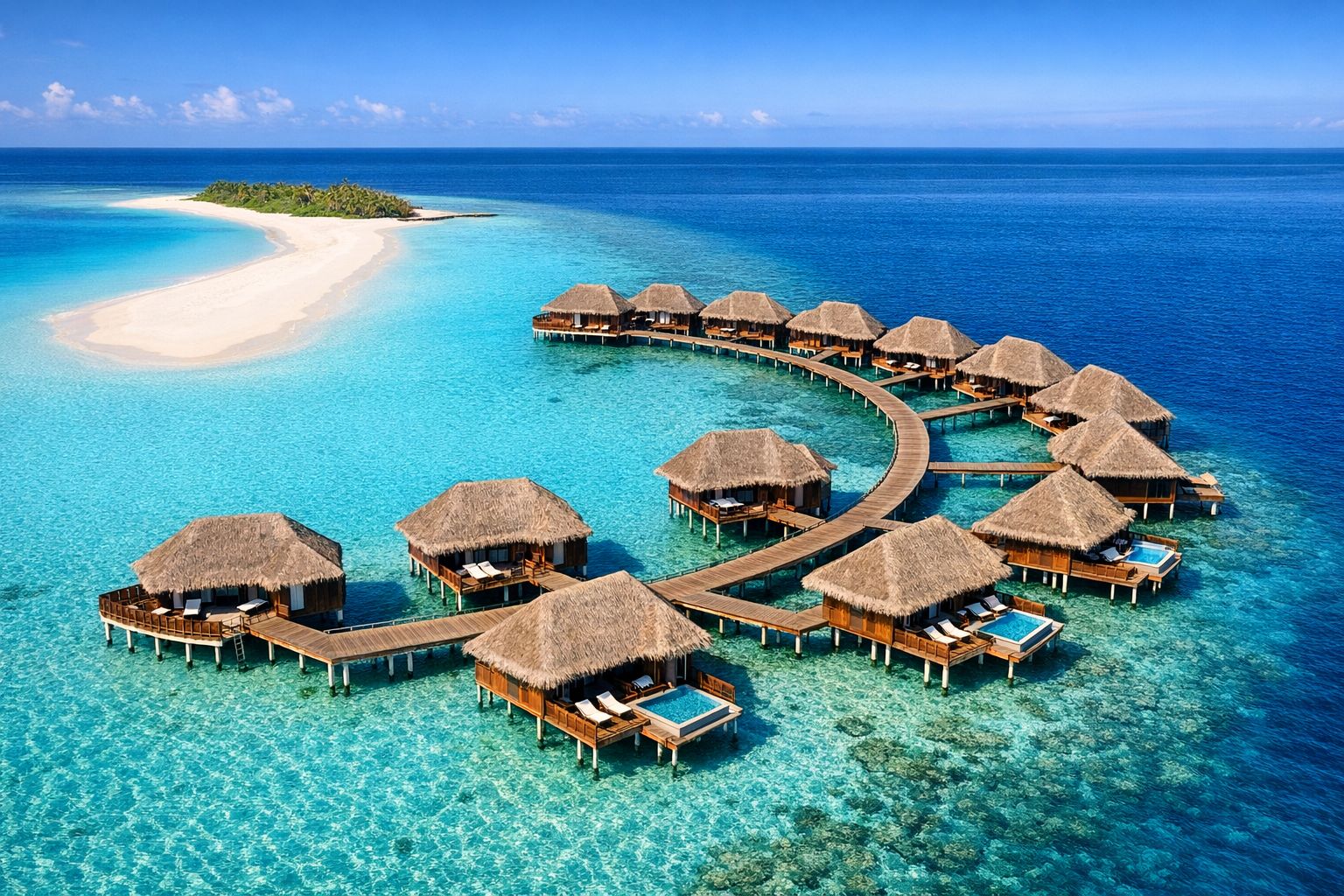
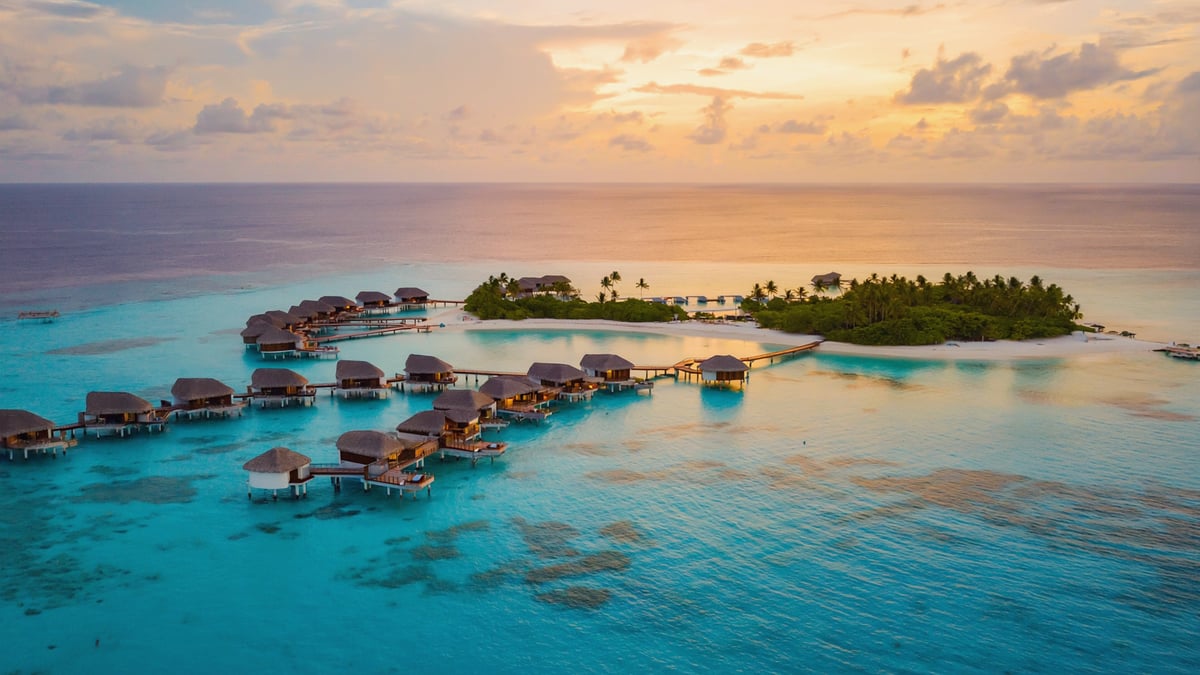
The Maldives is built entirely on coral atolls. Every island is ringed by a shallow lagoon of water so clear and so vividly turquoise that photographs of it look retouched even when they are not. The sand is powdery white and the gradient from beach to deep ocean is dramatic: you wade through glass-calm, knee-deep water for 50 metres before it drops to extraordinary depth. This is not a coastal destination in the traditional sense. It is an oceanic one. There are no dramatic clifftops, no wild headlands, no river estuaries. What you get is a perfect, consistent, almost surreal relationship between island and sea.
Because most resorts occupy private islands, your beach is genuinely your beach. There are no beach vendors, no public access points, no negotiating for sun lounger space. The isolation is part of the product. For some travellers, particularly honeymooners and those seeking complete disconnection, this is precisely the point. For others, particularly those who like to walk along a coast, explore different beaches, or encounter local life, it can begin to feel limiting after a few days.
Mauritius offers something different: the diversity of a proper island. The coastline is varied, with different character on the north, west, east, and south coasts. The north, around Grand Baie and Trou aux Biches, offers calm turquoise lagoons protected by the coral reef and a lively beach scene with watersports operators, beach restaurants, and a social atmosphere. The west coast, particularly Le Morne, delivers dramatic scenery including the iconic basalt peninsula rising from the sea. The east coast, around Belle Mare, has long stretches of quieter, less developed beach. The south is wilder and more exposed.
The reef system around Mauritius means the lagoon is calm and warm for swimming, but it also means that open-ocean swells are blocked, which can make conditions for surfing and certain diving experiences less dramatic than the Maldives. The trade-off is a more family-friendly, versatile beach environment.
Diving and Watersports: Where Underwater Enthusiasts Should Go
For serious divers, the Maldives is in a different category. The archipelago sits at the junction of the Indian Ocean's two major current systems, which creates extraordinary conditions for pelagic marine life. Manta rays congregate in Hanifaru Bay in Baa Atoll in numbers that can reach over 200 individuals during the south-west monsoon season, a spectacle that UNESCO's World Heritage designation of Baa Atoll Biosphere Reserve recognises as globally significant. Whale sharks are reliably encountered in South Ari Atoll. Hammerhead sharks, grey reef sharks, and vast schools of pelagic fish are common across many atolls.
The diving itself is characterised by drift dives through channels between atolls, where the current carries you past walls of coral alive with fish. The visibility is consistently excellent, often exceeding 30 metres. For UK divers who are used to cold, murky waters, the Maldives is a revelation.
Mauritius is a solid diving destination with healthy reef systems and good variety, but it operates at a different level of intensity. The reefs around Mauritius offer pleasant recreational diving with good coral health in many areas, encounters with sea turtles, moray eels, and reef sharks, and accessible conditions suitable for beginners. Dive sites like the Stella Maru wreck and the Cathedral at Flic en Flac are genuinely impressive. However, the pelagic encounters that define the Maldives experience are not reliably replicated here.
Where Mauritius pulls ahead is in the breadth of non-diving watersports and activities available directly from the beach. Kitesurfing (particularly on the east coast where trade winds are consistent), windsurfing, parasailing, glass-bottom boat trips, and catamaran cruises are all widely available and competitively priced. The infrastructure for water activities at a typical Mauritius beach resort is extensive. In the Maldives, activities tend to centre more specifically on the underwater world and less on above-water sports variety, although luxury resorts increasingly offer submarine excursions, dolphin cruises, and wave-surfing experiences.
Beyond the Beach: What Else Is There to Do?
This is the section where the gap between the two destinations becomes most relevant for different types of travellers.
The Maldives: Deliberately Limited, Deliberately Luxurious
The Maldives does not offer cultural sightseeing, mountain trekking, vibrant local markets, or varied restaurant scenes in the way that most multi-experience destinations do. This is, by design, a destination built around one experience: the luxury beach escape. Resorts are self-contained ecosystems. The best ones offer underwater restaurants, spa treatments in overwater pavilions, private sandbanks for sunset dinners, dolphin-watching cruises, and cooking classes. Some offer yoga retreats, wellness programmes, and photography workshops. What they do not offer is the ability to leave and explore something culturally rich nearby.
Malé, the capital, is accessible from some resorts and offers a glimpse of Maldivian urban life, the colourful fish market, the Old Friday Mosque, and the local bazaar area. But it is a small, dense city and not a major cultural draw. Local island excursions are increasingly popular from resorts, allowing guests to visit inhabited Maldivian islands where they can see how local communities live, but these excursions last a few hours at most.
For travellers who are genuinely happy to read, swim, snorkel, dive, eat well, and be pampered, the Maldives is perfect. For those who start to feel restless without variety of experience, a week can begin to feel like a long time.
Mauritius: Cultural Depth and Island Diversity
Mauritius has a rich and genuinely interesting cultural identity shaped by its history as a French and then British colony, and by the diverse communities that settled here: Indo-Mauritians, Creole Mauritians, Sino-Mauritians, and Franco-Mauritians. This creates a food culture, a social scene, and a visual landscape that rewards exploration.
Port Louis, the capital, is a proper city with a covered market selling spices, textiles, and street food; the Blue Penny Museum housing some of the world's most famous postage stamps; and a waterfront that buzzes in the evenings. The Chamarel area in the south-west offers the famous Seven Coloured Earths (volcanic dunes of differently coloured soil), a rum distillery, and the Chamarel Waterfall. The Sir Seewoosagur Ramgoolam Botanical Garden at Pamplemousses is one of the oldest botanical gardens in the southern hemisphere and is genuinely worth a half-day visit.
Hiking is possible on Mauritius, including to the summit of Le Morne Brabant (a UNESCO World Heritage Site associated with the history of escaped enslaved people), through the Black River Gorges National Park, and up to Lion Mountain. Cycling and e-bike tours, rum tasting trails, sugar estate visits, and street food tours of Port Louis are all available and popular with UK visitors who want more than beach time.
Mauritius is, in short, a destination where you could spend two weeks and still not feel like you had seen everything. The Maldives is a destination where the point is not to see everything, but to experience one extraordinary thing very deeply.
Who Each Destination Actually Suits: An Honest Assessment
Rather than vague generalisations, here is a direct comparison framework based on travel style:
| Travel Profile | Maldives | Mauritius |
|---|---|---|
| Honeymooners seeking seclusion | ✅ Exceptional | ✅ Very good |
| Families with young children | ⚠️ Works, but costly and limited | ✅ Excellent choice |
| Serious scuba divers | ✅ World-class | ⚠️ Good but not exceptional |
| Culture and food seekers | ❌ Very limited | ✅ Rich and varied |
| Budget-conscious couples | ❌ Very expensive baseline | ✅ More accessible price points |
| Solo travellers | ⚠️ Single supplements costly | ✅ Better social scene |
| Watersports enthusiasts (above water) | ⚠️ Limited variety | ✅ Extensive options |
| Wellness and spa retreats | ✅ World-class resort spas | ✅ Excellent spa offerings |
| Hikers and nature lovers | ❌ Flat coral islands only | ✅ National parks, gorges, peaks |
| Retirees on a dream holiday | ✅ Exceptional if budget allows | ✅ Excellent value and variety |
Costs and Budget: The Real Numbers for UK Travellers
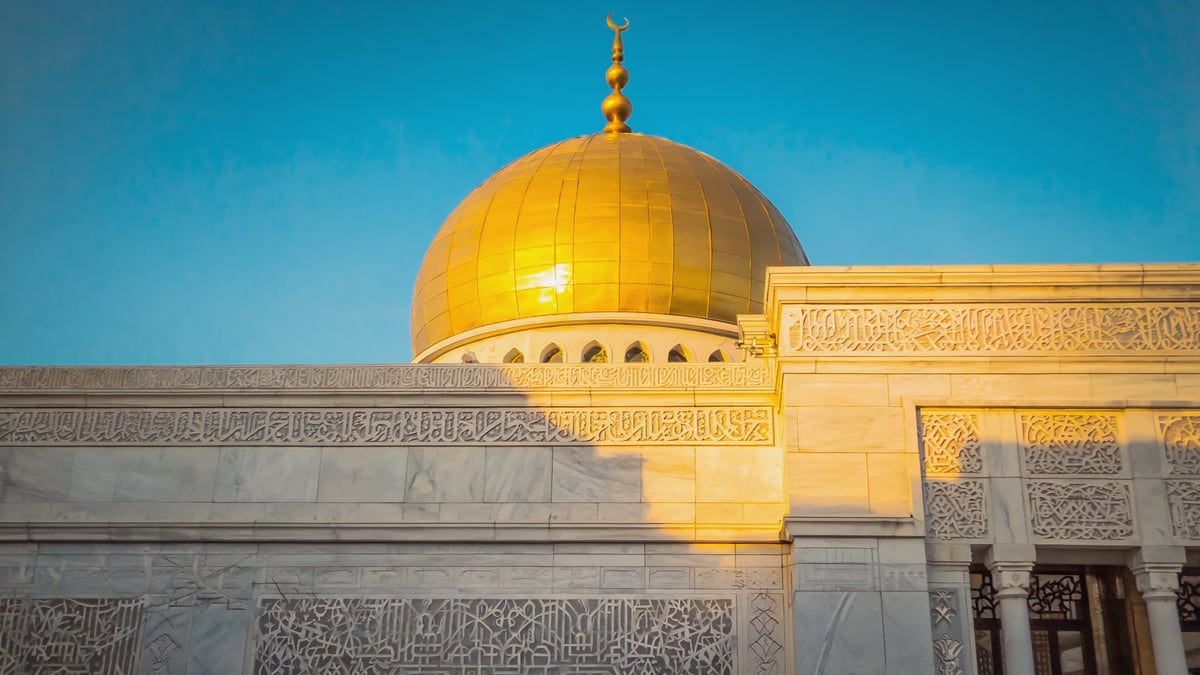
Budget is often the deciding factor, and it is worth being direct about what each destination costs in practice, not just in brochure terms.
Maldives Costs: Luxury Is the Entry Point
The Maldives has a reputation as one of the world's most expensive holiday destinations, and that reputation is substantially accurate. The structure of the destination, with resorts occupying private islands and controlling all food, drink, activities, and transport, means that the resort sets the pricing for almost every element of your stay. There is limited competition on-island and no ability to eat locally or shop around for a cheaper dinner.
A mid-range Maldives resort (not budget, not ultra-luxury) typically costs between £300 and £600 per person per night for a water bungalow or beach villa. All-inclusive packages are available but tend to carry a premium. Budget-conscious travellers can find guesthouses on local inhabited islands in atolls like North Malé, where prices are considerably lower, but the private-island experience is entirely absent. For UK couples booking a 10-night Maldives honeymoon through a package operator, a realistic total spend including flights, transfers, accommodation, and activities falls broadly in the range of £3,000–£8,000 per person depending on resort tier and time of year.
The seaplane transfer cost, where applicable, is often not included in headline package prices and should always be confirmed before booking.
Mauritius Costs: Genuine Value Across Multiple Tiers
Mauritius offers a much wider range of price points. Budget to mid-range self-catering apartments and guesthouses are available, particularly around Grand Baie and the north coast. Three-star hotels with decent beach access start at prices that make a Mauritius holiday accessible to travellers who would never consider the Maldives financially. At the luxury end, Mauritius has some of the finest resort hotels in the Indian Ocean, including several globally recognised properties, at prices that remain competitive with equivalent properties in the Maldives.
Crucially, eating and drinking outside your hotel in Mauritius is affordable and genuinely rewarding. A meal at a local Creole restaurant or a street food dholl puri from a market vendor costs very little and often delivers more flavour than resort dining. This ability to spend outside the resort meaningfully lowers the total holiday cost and enriches the experience.
A realistic total spend for a 10-night Mauritius holiday for a UK couple including flights and accommodation ranges from approximately £2,000 per person at the mid-range to £5,000 per person at the luxury end, with all-inclusive options widely available at both levels.
| Budget Tier | Maldives (per person, 10 nights) | Mauritius (per person, 10 nights) |
|---|---|---|
| Budget/Guesthouse | £1,800–£2,500 (local islands) | £1,200–£1,800 |
| Mid-range resort | £3,500–£5,500 | £2,000–£3,500 |
| Luxury resort | £6,000–£10,000+ | £4,000–£7,000 |
These are indicative ranges based on general market positioning. Always check live pricing when booking, as costs vary by season, resort, and availability.
When to Go: The Best Time for Each Destination from the UK
The Maldives sits just north of the equator and experiences two monsoon seasons. The dry season (north-east monsoon) runs from approximately November to April, delivering calm seas, clear skies, and excellent visibility for diving. This is the peak season, and prices reflect that. The wet season (south-west monsoon) runs from May to October, bringing more rainfall, stronger winds, and reduced visibility in some atolls, but also lower prices and the manta ray aggregations at Hanifaru Bay that peak between May and November. Many experienced travellers consider the shoulder months of May, June, October, and November the sweet spot: fewer crowds, lower prices, and still excellent conditions.
Mauritius has a similar seasonal structure but with some important differences. The summer months (November to April) bring higher temperatures, higher humidity, and the cyclone season. Cyclones do not hit Mauritius every year, but the risk is real and travel insurance covering cyclone disruption is strongly advisable for travel during this period. The dry and cooler winter months (May to October) are broadly considered the best time to visit, with August being the peak month for UK summer holiday bookings. The east coast can experience strong trade winds year-round, which is excellent for kitesurfers but can affect swimming comfort on exposed beaches.
| Month | Maldives Conditions | Mauritius Conditions |
|---|---|---|
| Nov–Apr | ✅ Peak season, ideal conditions | ⚠️ Hot, humid, cyclone risk |
| May–Oct | ⚠️ Wetter, lower prices, manta season | ✅ Dry season, best overall |
A practical observation worth making: UK school holidays in July and August align well with Mauritius's best weather window, making it a strong option for families. The Maldives peak season (December to March) overlaps with the UK Christmas and February half-term periods, which drives prices up sharply during those windows.
Food and Drink: What You Will Actually Be Eating
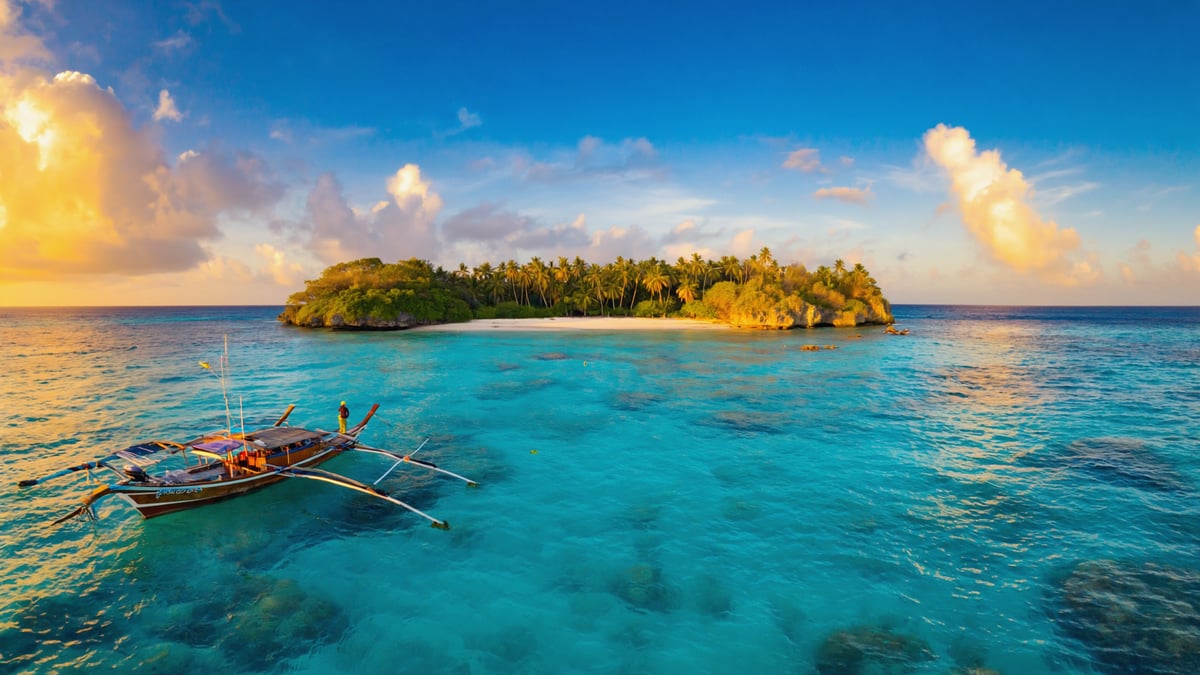
Food is a dimension of travel that does not always get the attention it deserves in destination comparisons, and here the two destinations diverge significantly.
In the Maldives, you eat where your resort tells you to eat, at least for the most part. High-end resorts often feature multiple restaurants: an international buffet restaurant, a seafood speciality restaurant, perhaps a Japanese or Italian concept, and an overwater bar for sundowners. The quality at top resorts can be genuinely exceptional, with freshly caught fish and seafood a highlight. However, the experience is entirely resort-mediated. There is no wandering into town for a cheap, delicious local meal because, in most cases, there is no town. On local islands, simple Maldivian cuisine including short eats (fried snacks), fish curry, and mas huni (tuna and coconut breakfast) is available at very low prices, but this requires specific local island-based itineraries.
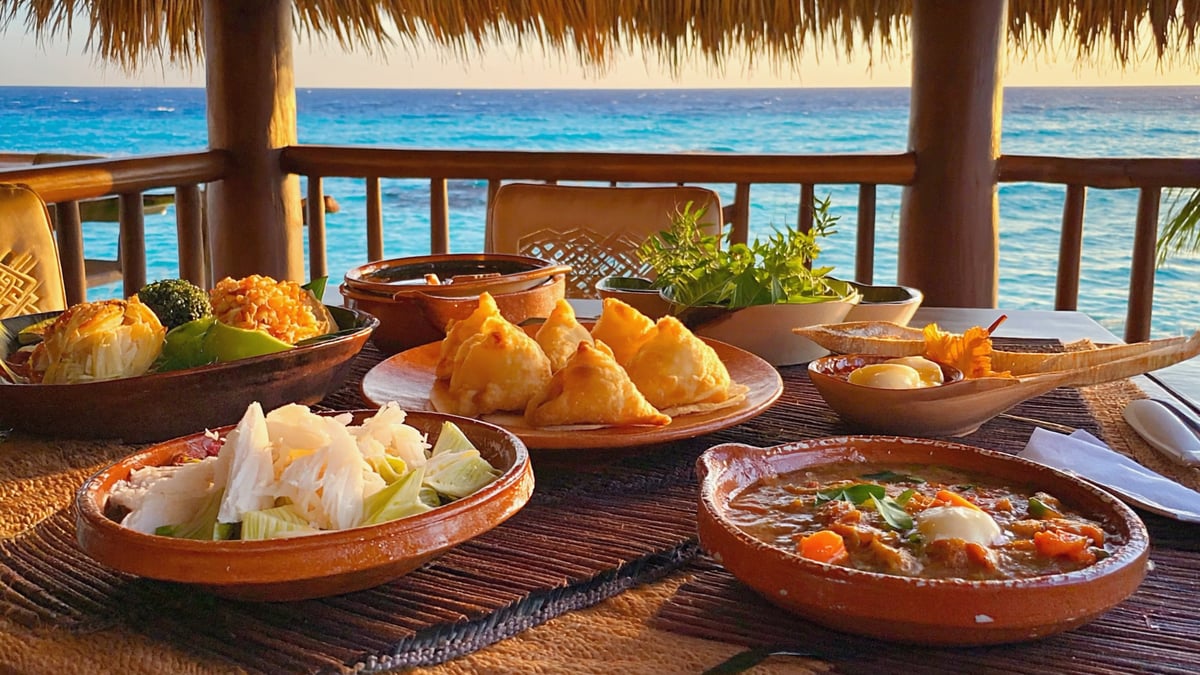
Mauritius is a food destination in its own right. The cuisine reflects the island's multicultural heritage in ways that make eating here a genuine pleasure beyond resort dining. Indian-influenced dishes like biryani and roti coexist with Creole seafood stews, Chinese-influenced noodle dishes, and French-inspired patisserie. The fish market in Port Louis is one of the most vibrant in the region. Street food, including dholl puri (lentil-stuffed flatbread), gateaux piment (chilli cakes), and alouda (a milk-based drink with basil seeds), is widely available at markets and roadside stalls at very low prices. A meal at a local Creole restaurant, with fresh grilled fish and a cold Phoenix beer, is one of the genuine pleasures of a Mauritius holiday and costs a fraction of resort prices.
Accommodation: The Overwater Bungalow Question
The overwater bungalow is the defining image of Maldives travel, and it genuinely lives up to its reputation. Waking up in a glass-floored villa above a turquoise lagoon, stepping directly from your deck into warm water, watching fish beneath you as you have your morning coffee, these are experiences with very few equivalents anywhere in the world. The best overwater villas in the Maldives include private pools, outdoor bathtubs on the deck, direct lagoon access ladders, and outdoor dining areas. They are extraordinary places to stay.
However, overwater accommodation in the Maldives commands a significant premium over beach villas at the same resort, and beach villas are themselves not inexpensive. It is worth being clear that the overwater experience, while iconic, comes at a price that puts it beyond the reach of many mid-range budgets.
Mauritius does have some overwater accommodation, but it is much more limited. The island's fringing reef structure means true deep-water overwater bungalows of the Maldives type are rare. What Mauritius excels at instead is beachfront villas and suites directly on the sand, with private gardens, plunge pools, and immediate beach access. The standard of luxury resort accommodation in Mauritius, particularly on the west and north coasts, is very high, and the pricing is more competitive than equivalent Maldives properties.
For travellers for whom the overwater bungalow experience is a specific bucket-list item, the Maldives is the destination. For those who simply want exceptional beachfront accommodation, both destinations deliver superbly.
How to Book: Package Holidays and Finding Genuine Value
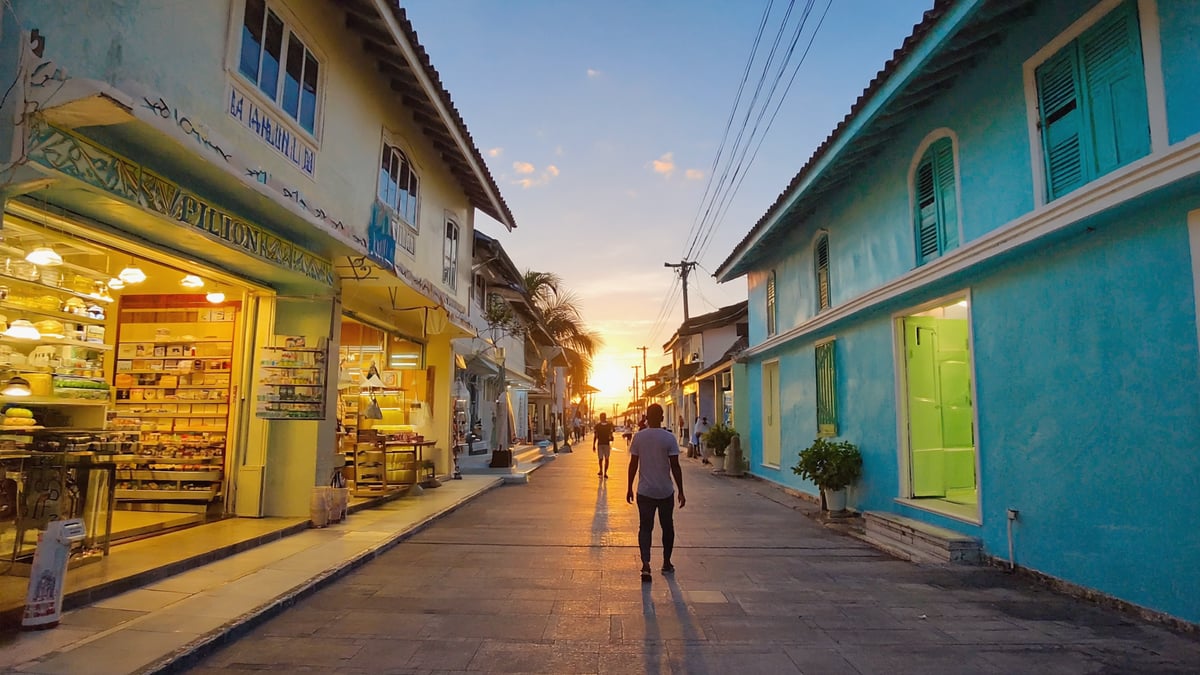
Both destinations are well served by UK package holiday operators, but the importance of booking through a specialist varies significantly between them.
For the Maldives specifically, booking as a package through an experienced UK operator is strongly advisable rather than trying to piece together flights, transfers, and accommodation independently. The complexity of seaplane transfer logistics, the importance of matching your flight arrival time to transfer windows, and the need to understand which atolls and resorts are accessible via speedboat versus seaplane can result in costly errors when booked without expert guidance. A specialist operator knows which resorts include transfers in their package price and which do not, which resorts have the best house reef for snorkelling, and which ones genuinely merit the premium over comparable alternatives.
For Mauritius, independent booking is more straightforward given the simpler logistics, but a good package still delivers meaningful value through negotiated hotel rates, combined flight pricing, and the security of ATOL protection for UK travellers.
GlobeHunters offers curated Indian Ocean holidays UK travellers can book with confidence, with packages covering both Maldives and Mauritius. The platform combines real-time flight pricing, hotel availability, and optional activity add-ons, with a specialist team available on 020 8944 4700 to help navigate the specific logistics of each destination. Whether you are looking for package holidays Maldives with seamless transfer arrangements or Mauritius holiday deals that combine beach time with cultural excursions, the GlobeHunters team can match you with the right package at the right price point.
Explore current Maldives packages and Mauritius packages at holidays.globehunters.com, or call 020 8944 4700 to speak with a destination specialist who can help you compare options across both destinations based on your specific travel dates, budget, and preferences.
Health, Safety, and Travel Practicalities for UK Visitors
Both destinations are generally safe for UK travellers, but there are practical considerations worth knowing before you book.
The Maldives is a Muslim country and the most conservative of the two destinations in terms of social norms. Public displays of affection should be kept modest outside resort islands. Alcohol is not available on inhabited local islands but is freely available at resort islands, which are governed by different rules. Nudity and bikinis are appropriate on resort beaches but not on local islands. The UK Foreign Commonwealth and Development Office travel advice for the Maldives provides current guidance on safety and entry requirements.
Mauritius is a politically stable democracy with a generally low crime rate, though as with any destination, normal precautions around personal belongings apply, particularly in Port Louis and busy tourist areas. The island has a good standard of healthcare in private hospitals, and travel insurance with medical coverage is strongly recommended for both destinations. The FCDO travel advice for Mauritius provides up-to-date entry requirements and safety information.
Neither destination currently requires a visa for UK passport holders for standard holiday visits, though entry requirements can change and should always be confirmed before travel. UK citizens should ensure their passport is valid for the duration of their stay plus any additional validity requirements imposed by the destination.
Travel insurance is not optional for either destination. Both involve long-haul flights, and medical evacuation from the Maldives in particular can be extremely expensive without appropriate cover. Ensure your policy covers the full duration of travel, any water sports or diving activities you plan to undertake, and any pre-existing medical conditions.
The Sustainability Question: How Each Destination Is Responding to Tourism Pressure
Both the Maldives and Mauritius face meaningful environmental challenges from tourism, and an increasing number of UK travellers factor sustainability into their holiday decisions.
The Maldives faces an existential challenge in the form of sea-level rise. As a low-lying coral atoll nation, the Maldives is among the countries most vulnerable to climate change, and the government has been vocal internationally about the urgency of climate action. Within the tourism industry, many resorts have invested significantly in coral reef restoration programmes, solar energy installations, plastic reduction initiatives, and marine conservation projects. The Maldives resort sector as a whole has become more attentive to sustainability credentials, though standards vary considerably between properties. Choosing a resort with genuine conservation programmes, solar power, and reef monitoring involvement is possible and increasingly easy to research.
Mauritius has made significant efforts to protect its marine environment, including the designation of marine protected areas and restrictions on certain types of fishing and coastal development. The Black River Gorges National Park protects a significant portion of the island's interior forest habitat. However, Mauritius has also faced criticism for coastal development pressure, coral bleaching events, and the 2020 MV Wakashio oil spill that caused significant ecological damage to parts of the south-east coast. Recovery has been ongoing.
For UK travellers who want to make a positive choice, both destinations offer options to support conservation directly, whether through choosing eco-accredited resorts, participating in reef clean-up dives, or supporting locally owned businesses that channel revenue into community and conservation projects.
The Honest Verdict: Which Indian Ocean Destination Is Right for You?
After a full comparison across every meaningful dimension, the honest answer to the Maldives vs Mauritius question is that neither destination is objectively better. They are designed for different kinds of travellers.
Choose the Maldives if your priority is the purest possible version of the Indian Ocean beach escape. If you want an overwater bungalow, world-class diving, total seclusion, and are willing to pay a premium for an experience with almost no equivalent anywhere on earth, the Maldives will not disappoint. It is the right choice for honeymooners who want to be genuinely alone in paradise, for serious divers chasing manta rays and whale sharks, and for travellers for whom the point of a holiday is to completely switch off from the world.
Choose Mauritius if you want the Indian Ocean experience with more variety, more value, and more to actually do and see. If you travel with family and need child-friendly facilities alongside beautiful beaches, if you are a foodie who wants to explore local markets and restaurants, if you want to hike through a national park in the morning and snorkel on a reef in the afternoon, or if you want a genuinely luxurious experience at a more accessible price point, Mauritius is the stronger choice. It is also the better option for UK travellers who want a direct flight and straightforward logistics.
The best Indian Ocean destination is ultimately the one that matches your travel style, your budget, and what you actually want to spend your days doing. Both are extraordinary. Both are worth every pound of investment. The question is simply which kind of extraordinary is right for you.
To explore current packages for both destinations, compare pricing, and speak with a specialist who can help you make the right choice, visit holidays.globehunters.com or call the GlobeHunters team on 020 8944 4700.
Frequently Asked Questions: Maldives vs Mauritius
Is the Maldives or Mauritius better for a honeymoon?
Both are excellent honeymoon destinations, but they deliver different experiences. The Maldives offers unmatched seclusion and the iconic overwater bungalow experience, making it the classic choice for couples who want total privacy and a singular focus on each other and the ocean. Mauritius offers more variety and a richer cultural experience alongside beautiful beaches and luxury resorts, which suits couples who want some exploration alongside their romance. Budget is also a factor: the Maldives is significantly more expensive at the mid-range and above.
Which destination is better for families with children?
Mauritius is generally the stronger family choice. The calm lagoon beaches, wide range of above-water activities, cultural excursions, and varied dining options give families more to do together across different ages and interests. Many Mauritius resorts have excellent kids' clubs and family room configurations. The Maldives can work beautifully for families, but the logistical complexity, higher costs, and limited on-island variety make it a more demanding and expensive option for travelling with children.
How long is the flight from the UK to each destination?
Direct flights from London Heathrow to Mauritius take approximately 12 hours with Air Mauritius or British Airways. There are no direct flights from the UK to the Maldives; most UK travellers connect through Dubai, Doha, or Abu Dhabi, with total journey times typically between 10 and 14 hours depending on layover duration. Note that arrival in Malé requires a further speedboat or seaplane transfer to your resort.
Do I need a visa to visit either destination as a UK citizen?
No visa is required in advance for UK citizens visiting either destination for a standard holiday. The Maldives grants a 30-day visa on arrival at no charge. Mauritius allows UK passport holders to enter visa-free for up to 60 days. Entry requirements can change, so always check the FCDO website before travel.
When is the best time to visit the Maldives from the UK?
The dry season from November to April offers the calmest seas and clearest skies, making it the most popular window for UK visitors. December to February is peak season with the highest prices. For a balance of good conditions and lower costs, consider the shoulder months of May and October. Divers seeking manta rays should note that Hanifaru Bay in Baa Atoll is most productive between May and November.
When is the best time to visit Mauritius from the UK?
The dry winter season from May to October is broadly considered the best time to visit, with lower humidity, lower cyclone risk, and comfortable temperatures. July and August are peak months for UK visitors, coinciding with school holidays and excellent weather. The November to April summer period brings warmer temperatures and higher rainfall, along with cyclone risk that requires careful travel insurance consideration.
Is the Maldives really as expensive as people say?
Yes, for the classic private-island resort experience. The structure of the Maldives tourism model, where resorts control all food, drink, and activities on private islands, means there is very limited ability to reduce costs once you are there. Budget options exist on local inhabited islands, where guesthouses and local restaurants bring costs down significantly, but this is a fundamentally different experience without the private beach and overwater villa elements. For the iconic Maldives experience, it is one of the world's more expensive holiday destinations.
Can you visit both destinations on one trip?
Combining the Maldives and Mauritius on a single trip is geographically possible but logistically demanding and expensive. The two destinations are over 4,000 km apart, meaning a connection via a Middle Eastern hub or possibly Sri Lanka would be required. For most UK travellers, it makes more practical sense to choose one destination per trip and return to the other on a future holiday.
Is diving in the Maldives suitable for beginners?
Yes. Most Maldives resorts have well-equipped dive centres offering PADI courses from beginner level upward. Many house reefs are accessible to snorkellers and beginner divers. However, some of the most spectacular dive sites, particularly channel drift dives and open-water pelagic encounters, require intermediate to advanced certification. Beginners can still have excellent underwater experiences; they simply will not access the full range of dive sites on their first trip.
What currency is used in each destination?
The Maldives uses the Maldivian Rufiyaa (MVR) as its official currency, but US dollars are widely accepted at resorts and in tourist areas, and most resort billing is in US dollars. Mauritius uses the Mauritian Rupee (MUR). In Mauritius, euros and British pounds are accepted at some larger hotels and tourist businesses, but it is advisable to exchange currency or use local ATMs for everyday purchases and local restaurants.
Is travel insurance necessary for Indian Ocean holidays?
Travel insurance is strongly recommended for both destinations and is effectively essential for the Maldives specifically, where medical evacuation costs in the event of a serious incident can be very high. Ensure your policy covers the full trip duration, any diving or water sports activities you plan, and any pre-existing medical conditions. Standard policies may not automatically cover diving, so confirm coverage explicitly if this is part of your itinerary.
How do I find the best package deals for either destination from the UK?
Booking through a specialist UK operator with ATOL protection gives you financial security alongside package pricing that can be more competitive than booking each element independently. GlobeHunters combines flights, accommodation, and optional activities in curated packages for both destinations, with a specialist team available to help you navigate the specific logistics of each, particularly the transfer arrangements for the Maldives. Visit holidays.globehunters.com to compare live pricing, or call 020 8944 4700.
Key Takeaways
- The Maldives delivers the purest, most secluded Indian Ocean beach escape, with world-class diving, iconic overwater bungalows, and extraordinary marine life, at a premium price point.
- Mauritius offers greater variety, including cultural depth, hiking, diverse dining, and a wider range of activities, at more accessible price points across multiple budget tiers.
- Getting to Mauritius is simpler for UK travellers, with direct flights from Heathrow and straightforward ground transfers. The Maldives requires connections and an additional seaplane or speedboat transfer to your resort.
- The best time to visit differs: Maldives peaks from November to April; Mauritius is at its best from May to October, aligning well with UK summer school holidays.
- Families and culture seekers should lean toward Mauritius. Honeymooners seeking seclusion and serious divers should lean toward the Maldives.
- Package holidays from a specialist UK operator are particularly valuable for the Maldives, where transfer logistics and resort selection significantly affect the quality and cost of the experience.
- Travel insurance is non-negotiable for both destinations, and particularly critical for the Maldives where medical evacuation costs are high.
- Both destinations are extraordinary. The right choice is the one that matches your travel style, not just your image of what an Indian Ocean holiday should look like.
About the author
Spiros Maragkoudakis · Chief Commercial Officer
Ready to Book Your Maldives Holiday?
Our travel experts are ready to help you plan the perfect trip. Call us today or browse our latest deals.
Ready to Start Planning?
Speak to our travel experts for personalised advice and the best deals on your next holiday.
Call 020 8944 4700