There is a moment, somewhere between your first sip of matcha in a centuries-old tea house and the sight of cherry blossoms drifting across a lantern-lit garden, when Japan stops feeling like a holiday destination and starts feeling like a dream you forgot you were having. For UK couples searching for a honeymoon that defies the ordinary, Japan delivers something no Caribbean beach or Tuscan vineyard can replicate: a complete sensory transformation. The food, the silence, the rituals, the extraordinary kindness of the people, the architecture that balances wooden antiquity with glass-and-steel modernity, all of it conspires to make you feel genuinely, profoundly elsewhere. And that, for two people beginning a life together, is precisely the point.
This guide is written specifically for UK couples planning a Japan honeymoon. It covers everything from the best time to travel and the regions worth prioritising, to what a ryokan stay actually involves, how much you should budget, and how to book a Japan honeymoon package from the UK that handles the complexity for you. Japan rewards planning, and this article gives you the framework to do it properly.
Why Japan Is One of the Most Romantic Honeymoon Destinations From the UK
Japan occupies a unique position in the world of romantic travel. Unlike destinations that market themselves on beaches and cocktails, Japan's romance is architectural, cultural, and deeply experiential. It is a country where slowing down is built into the infrastructure of everyday life, and where the concept of omotenashi (wholehearted hospitality) means every interaction is designed to make you feel cared for.
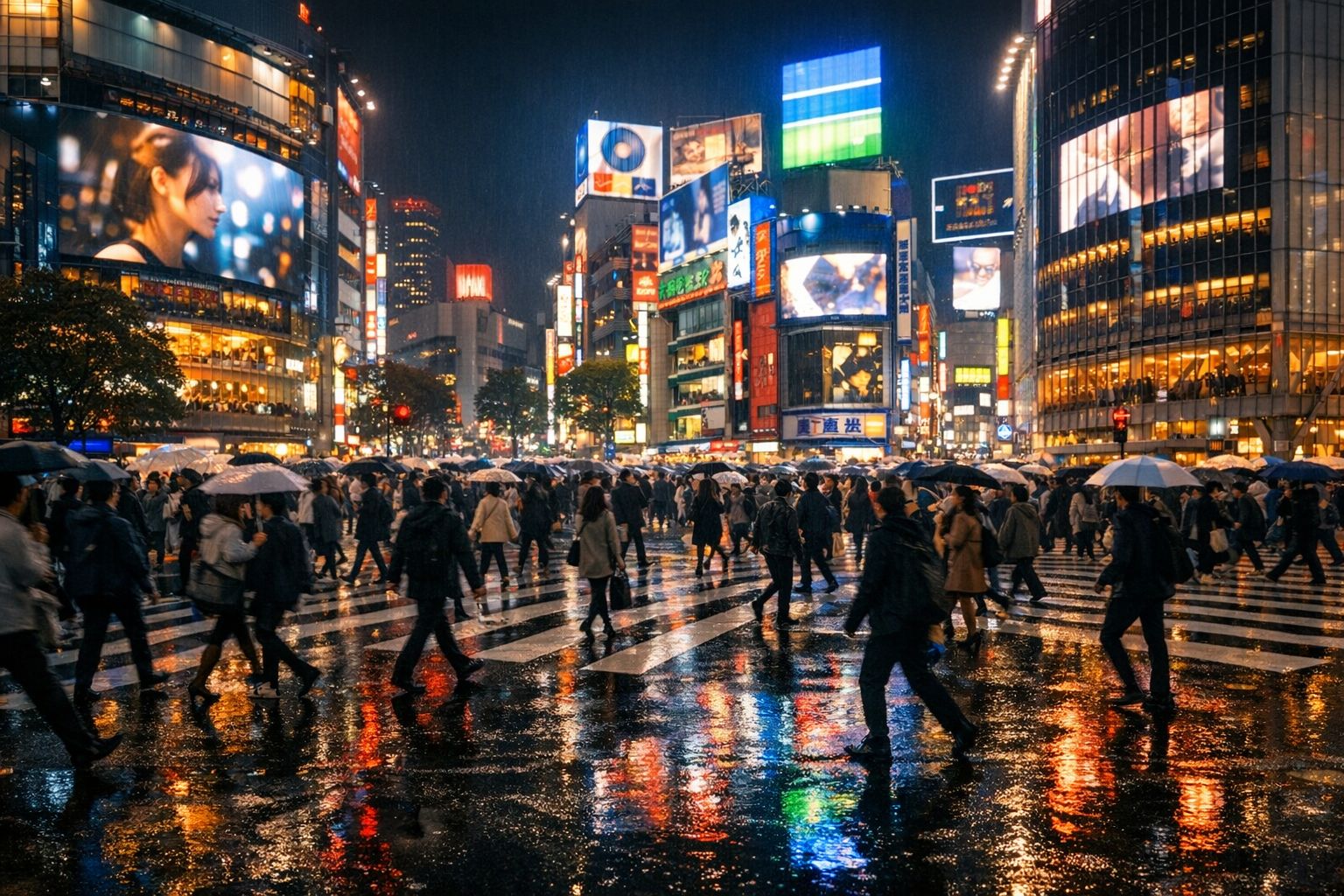
For UK couples specifically, Japan offers a degree of cultural contrast that amplifies the sense of escapism. London to Tokyo is not a short journey, which is partly why the destination retains its mystique. Arriving in Japan after a long-haul flight from the UK, couples cross not just time zones but entire aesthetic universes. The visual grammar of Japan is unlike anywhere else on Earth: vending machines next to Shinto shrines, bullet trains gliding past snow-capped Mount Fuji, neon-lit alleyways giving way to moss-covered temple gardens. This contrast, this productive disorientation, is part of what makes a romantic Japan holiday from the UK so memorable.
Japan also excels at the kind of privacy and intentionality that honeymooners crave. Ryokans (traditional Japanese inns) are built around intimate, room-focused experiences. Many offer private outdoor hot spring baths, in-room kaiseki dining, and a level of personalised attention that even five-star Western hotels struggle to match. There are no crowded pool bars or bustling buffets. There is your room, your garden view, your bath, and your partner.
What Makes Japan Different From Other Long-Haul Honeymoon Destinations
The honest answer is specificity. Thailand offers beaches and temples, but Japan offers Kyoto, which is its own entirely distinct civilisation. The Maldives offers isolation and beauty, but Japan offers that same intimacy alongside one of the world's greatest culinary cultures. Even within Japan, each region has a distinct identity: Kyoto is ceremonial and refined; Tokyo is electric and surprising; Hakone is meditative and volcanic; Hiroshima is quietly profound.
Japan is also exceptionally safe, clean, and well-organised, which matters more than most couples admit when planning a honeymoon. Transport runs on time, neighbourhoods are walkable, and the country's infrastructure is so well-developed that even first-time visitors to Asia rarely feel out of their depth. For UK travellers used to navigating European rail networks, the Shinkansen (bullet train) system is intuitive and genuinely thrilling.
The Cultural Depth That Sets a Japan Honeymoon Apart
Japan's culture rewards engagement. A visit to a traditional tea ceremony is not just a tourist activity; it is an encounter with a philosophy of mindfulness and beauty that has been refined over five centuries. Watching a geisha performance in Gion, Kyoto, is witnessing a living art form. Participating in a sake tasting in Fushimi is understanding something about how Japan celebrates. These are not performative experiences for tourists. They are genuine entry points into a culture that takes beauty and craft with extraordinary seriousness.
For couples, this depth of experience creates a natural supply of shared memories. You are not simply relaxing together on a Japan honeymoon; you are discovering together, learning together, and occasionally being utterly bewildered together in the most wonderful way.
When to Travel: Cherry Blossoms, Autumn Leaves, and Beyond
Timing is arguably the single most important planning decision for a Japan honeymoon from the UK, and the answer depends entirely on what kind of experience you want. Japan is beautiful in every season, but two periods are widely considered peak romantic travel: spring cherry blossom season and autumn foliage season.
Cherry Blossom Season: Mid-March to Mid-April
The cherry blossom Japan honeymoon is an iconic choice for good reason. Sakura (cherry blossom) season transforms Japan's parks, temple grounds, and riverbanks into something that looks genuinely fictional. Philosopher's Path in Kyoto, Maruyama Park, Shinjuku Gyoen in Tokyo, and the shores of Lake Kawaguchiko near Mount Fuji are among the most photographed cherry blossom spots in the world, and they earn that reputation entirely.
The practical reality of cherry blossom season is that it is also Japan's busiest tourist period. Accommodation prices rise significantly, and popular sites are crowded. UK couples should book at least six to nine months in advance for spring travel, particularly if a ryokan stay is on the itinerary. The reward, however, is a landscape so romantic that no amount of crowds can diminish it. The blossoms themselves last only one to two weeks at any given location, which lends the experience a fleeting, precious quality that perfectly mirrors the early days of a marriage.
The Japan National Tourism Organization's cherry blossom forecast is updated annually and is the most reliable tool for predicting peak bloom dates by region.
Autumn Foliage: Late October to Late November
Japan's autumn, known as koyo, rivals cherry blossom season for sheer visual impact. The maples, ginkgos, and larches turn extraordinary shades of crimson, gold, and amber, and the effect against the backdrop of traditional architecture is genuinely breathtaking. Kyoto's temple gardens are particularly spectacular: Tofuku-ji, Kinkaku-ji, and Arashiyama Bamboo Grove all take on an entirely different character in autumn light.
Autumn has several practical advantages over spring for honeymooners. Temperatures are cooler and more comfortable for walking, crowds are slightly lower than peak cherry blossom season (though still significant at popular sites), and the light is softer and more photogenic in the late afternoon. Ryokan rates are somewhat lower than spring, particularly in November.
Winter and Summer: The Case for Off-Peak Travel
Winter in Japan, particularly December to February, offers a dramatically different but equally romantic experience. Hokkaido and the Japanese Alps receive heavy snowfall, and a ryokan in the mountains surrounded by snow, with a private outdoor onsen bath steaming in the cold air, is one of the most intimate travel experiences available anywhere in the world. Kyoto and Nara are quieter in winter, and the chance to visit famous temples in near-solitude is genuinely special.
Summer (July to August) is Japan's least recommended season for most honeymooners. The heat and humidity are intense, typhoon risk increases, and this is peak domestic travel season in Japan, which pushes prices up and availability down. The exception is the Hokkaido region, which enjoys mild summers and spectacular lavender fields in the Furano area.
The Ryokan Experience: What UK Couples Need to Know
A ryokan honeymoon in Japan is the centrepiece of most romantic itineraries, and understanding what to expect transforms the experience from unfamiliar to extraordinary. A ryokan is a traditional Japanese inn, typically characterised by tatami mat floors, futon bedding, communal or private onsen (hot spring) baths, and multi-course kaiseki meals served in the room or a private dining space.
How a Ryokan Stay Works
Arrival at a ryokan involves changing into a yukata (a light cotton kimono) provided by the inn. Shoes are left at the entrance. The pace of a ryokan is deliberately slow: there is no rushing, no background noise beyond birdsong or water, and the staff are trained to anticipate needs rather than wait to be asked. This is omotenashi in its purest form.
Meals at a quality ryokan are a significant part of the experience. Kaiseki dining is Japan's highest expression of culinary art: a sequence of small, exquisitely presented dishes that reflect the season, the region, and the philosophy of the chef. A typical kaiseki dinner at a mid-to-high-end ryokan might include a dozen or more courses, from seasonal sashimi and grilled fish to tofu preparations, pickled vegetables, miso soup, and rice. Breakfast is equally ceremonial, typically featuring grilled fish, pickles, tamagoyaki (rolled egg), and miso. Both meals are usually included in the ryokan room rate.
Onsen Etiquette for First-Time UK Visitors
The onsen (hot spring bath) is central to ryokan culture, and understanding the etiquette removes any anxiety around it. Traditional communal onsens are gender-separated and require bathers to be fully unclothed (swimwear is not permitted in most traditional establishments). Tattoos are a practical consideration: many traditional ryokans prohibit tattooed guests in communal baths due to historical associations in Japanese culture, though this is changing. The solution for tattooed couples is to book a ryokan with a private rotenburo (outdoor bath), which is increasingly common and, for honeymooners, arguably preferable anyway.
The bathing ritual itself involves washing thoroughly at individual shower stations before entering the bath. The onsen is for soaking, not cleaning. Temperatures range from around 38°C to over 45°C at some establishments. The experience, particularly in a private outdoor bath overlooking a forested valley or river, is profoundly relaxing in a way that Western spa experiences rarely match.
Choosing the Right Ryokan for a Honeymoon
Not all ryokans are equal, and the difference between a basic roadside inn and a high-end ryokan is considerable. For a honeymoon, the key features to prioritise are: a private en-suite bathroom or dedicated private bath time, a room with a view (garden, mountain, or river), in-room dining, and English-speaking staff or a concierge who can assist with translation. Regions particularly well-regarded for high-quality ryokan experiences include Hakone (volcanic landscapes and views of Mount Fuji), Kinosaki Onsen (a historic spa town on the Sea of Japan coast), Yufuin in Kyushu (known for its misty mornings and artisan culture), and Kurokawa Onsen in the mountains of Kumamoto Prefecture.
| Ryokan Region | Best For | Typical Nightly Rate (per couple) | Travel From Tokyo |
|---|---|---|---|
| Hakone | Mt. Fuji views, volcanic onsen, proximity to Tokyo | £250–£600+ | ~90 mins by train |
| Kinosaki Onsen | Traditional spa town, yukata street strolling, 7 public baths | £180–£450+ | ~3 hrs by Shinkansen |
| Yufuin (Kyushu) | Misty highland scenery, artisan shops, quiet atmosphere | £160–£400+ | ~1.5 hrs from Fukuoka |
| Kurokawa Onsen | Remote mountain setting, intimate scale, outdoor baths | £150–£380+ | ~2.5 hrs from Fukuoka |
| Nikko (Tochigi) | UNESCO shrines, waterfalls, forested mountain setting | £200–£500+ | ~2 hrs by limited express |
Building Your Japan Honeymoon Itinerary: The Classic Route and Romantic Detours
The most common Japan honeymoon itinerary for UK couples follows a Tokyo–Kyoto–Osaka spine, using the Shinkansen bullet train network to move between cities efficiently. This route is popular for good reason: it combines Japan's most dynamic urban environment, its most historically significant cultural capital, and its most energetic food city into a single, manageable journey. But the best honeymoon itineraries build detours into this framework, and those detours are where the most romantic experiences tend to live.
Tokyo: Two to Three Nights
Tokyo is the ideal entry point for UK couples flying into Japan. Despite its scale (the Greater Tokyo Area is home to over 37 million people, making it the world's most populous metropolitan area), Tokyo is remarkably navigable and safe. The Yamanote Line circles the city's major districts, and the IC card system (Suica or Pasmo) works across virtually all public transport.
For honeymooners, Tokyo's most romantic experiences are found in its quieter pockets. A morning walk through Yanaka, one of the few neighbourhoods to survive the Second World War largely intact, feels like stepping into an older Japan: narrow lanes, independent shops, temple graveyards, and cats. An evening in Shinjuku's Golden Gai, a labyrinth of tiny bars each seating no more than eight people, is intimate in a way that no large venue can replicate. Dinner at Tsukiji Outer Market for the freshest sushi in the world, followed by cocktails at a rooftop bar with a view of the illuminated Tokyo Tower, is a genuinely memorable evening.
The teamLab digital art installations in Odaiba or Azabudai Hills are extraordinary date experiences: immersive, dreamlike environments where visitors become part of living artworks. Booking in advance is essential.
Hakone: One to Two Nights (Ryokan)
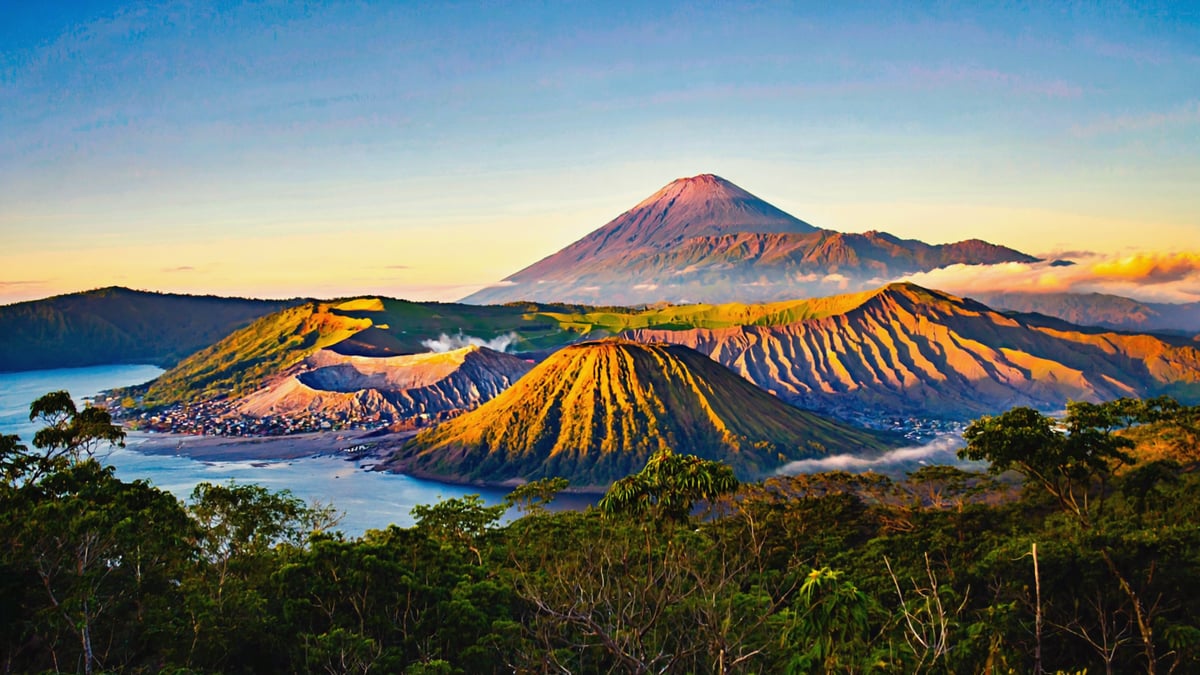
The detour from Tokyo to Hakone is the single most impactful addition to any Japan honeymoon itinerary. A night or two in a quality Hakone ryokan, with a private rotenburo and a clear-weather view of Mount Fuji across Lake Ashi, is the quintessential romantic Japan experience. The Hakone Ropeway cable car, the open-air sculpture park, and the volcanic Owakudani valley are all worth exploring, but the real draw is simply the quality of stillness available here.
Kyoto: Three to Four Nights
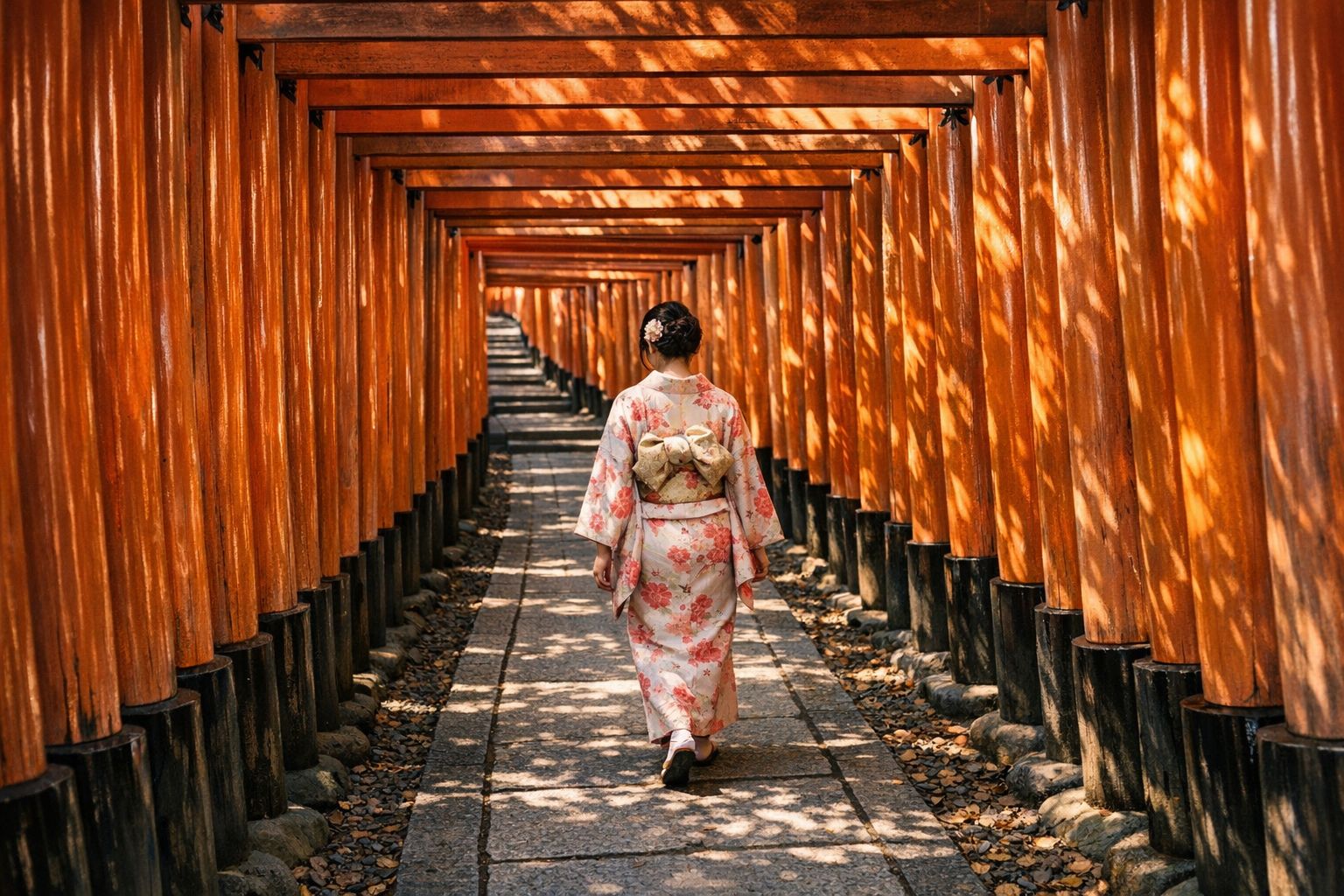
Kyoto deserves more time than most itineraries allow. The city contains 17 UNESCO World Heritage Sites and preserves a density of cultural experience that rewards multiple days. For honeymooners, the key is to visit the famous sites early in the morning (Fushimi Inari Taisha at dawn, before the crowds, is a genuinely spiritual experience) and spend afternoons exploring less-visited neighbourhoods like Nishiki Market, the geisha district of Gion, and the Philosopher's Path.
A private tea ceremony experience, bookable through several Kyoto cultural organisations, is an ideal honeymoon activity. Wearing yukata for the day, as many visitors do in Kyoto, adds to the sense of immersion. A bamboo grove walk in Arashiyama at dusk, followed by dinner at a kaiseki restaurant overlooking the Oi River, is one of the most romantically charged evenings available anywhere in the world.
Osaka: One to Two Nights
Osaka functions brilliantly as the final stop before the flight home, or as a gateway to Kyushu if extending the trip. The city's identity is built around food: Osaka locals take pride in their culinary culture to an extent that even other Japanese cities acknowledge. Dotonbori at night, with its neon reflections in the canal and the smell of takoyaki (octopus balls) drifting from every corner, is chaotic, joyful, and completely unlike anywhere else on Earth.
Optional Extension: Kyushu or Hiroshima
Couples with three weeks or more have the opportunity to extend into Kyushu (Japan's southwestern island, known for its volcanic landscapes, Yufuin ryokans, and the extraordinary Aso caldera), or to include a day trip to Hiroshima and Miyajima Island. The Peace Memorial Park in Hiroshima is one of the most emotionally significant sites in Asia, and the floating torii gate of Itsukushima Shrine on Miyajima Island is among Japan's most iconic images. Both are manageable as day trips from Kyoto or Osaka.
Romantic Experiences to Book Before You Leave the UK
Japan rewards pre-planning. The most sought-after experiences, particularly during cherry blossom season, sell out weeks or months in advance. UK couples planning a Japan honeymoon package should consider locking in the following experiences before departure.
Private Onsen and Kaiseki Dining
The combination of a private outdoor onsen bath and an in-room kaiseki dinner is the defining luxury experience of a Japan honeymoon. Many ryokans offer this as a package, but availability is limited and booking directly with the ryokan or through a specialist travel agency is advisable. GlobeHunters' Japan packages include curated ryokan stays with these inclusions, taking the guesswork out of the booking process.
Geisha Performance (Ozashiki) in Kyoto
An ozashiki is a private banquet where geisha and maiko (apprentice geisha) entertain guests with traditional dance, music, and conversation. These events are notoriously difficult for tourists to access independently, as they traditionally require an introduction through an established customer of the ochaya (tea house). Specialist travel agencies and certain high-end ryokans in Gion can arrange ozashiki access for their guests, and this is worth pursuing if budget allows. The experience is deeply Japanese in a way that no temple visit or food tour can match.
Mount Fuji Sunrise or Lake Kawaguchiko
Watching the sun rise over Mount Fuji, either from the fifth station on the mountain itself (accessible from July to mid-September) or from the northern shore of Lake Kawaguchiko, is one of those experiences that photographs cannot adequately capture. The scale of Fuji is simply not visible in images. The mountain occupies an enormous portion of the horizon, and at dawn, with the reflection rippling across the lake and cherry blossoms (in season) framing the foreground, it is genuinely overwhelming. This is an experience to book through a day-tour operator or arrange via your ryokan if staying in the Fuji Five Lakes region.
Sake Brewery Tour and Tasting in Fushimi
Fushimi, a district in southern Kyoto, is one of Japan's most important sake-producing regions, fed by the exceptionally soft underground water that runs beneath the area. Several breweries here offer guided tours and tastings, and this is an ideal afternoon activity for couples who enjoy food and drink experiences. The district itself is picturesque: low whitewashed walls, weeping willows, and sake barrels stacked at brewery entrances.
Hiroshima Peace Memorial and Miyajima Island
The floating torii gate of Itsukushima Shrine, which appears to stand in the sea at high tide, is one of Japan's three officially designated "views of outstanding beauty." Visiting at dusk, when the gate is lit by lanterns and the deer that roam freely on Miyajima Island wander the shoreline, is an experience of unusual stillness and beauty. The combination of this with a morning visit to Hiroshima's Peace Memorial Museum makes for a day of profound emotional resonance, and many honeymooning couples find it one of the most meaningful days of the trip.
Flights From the UK to Japan: What UK Couples Need to Know
Flying from the UK to Japan involves a flight time of approximately 11 to 14 hours, depending on the airline and route. Direct flights from London Heathrow to Tokyo Haneda and Narita are operated by British Airways and All Nippon Airways (ANA). Indirect options via hubs in the Middle East (Emirates, Etihad, Qatar Airways), mainland Europe (KLM via Amsterdam, Finnair via Helsinki), and Asia (Cathay Pacific via Hong Kong) are often significantly cheaper, though they add travel time.
Tokyo Haneda is the more central airport, closer to the city and better connected to the Yamanote Line. Narita is further out (approximately 60 to 90 minutes from central Tokyo by train or bus) but is the more common hub for budget and connecting flights. Osaka's Kansai International Airport is the logical entry point for itineraries that begin in the Kyoto–Osaka region.
Best Booking Strategy for UK Couples
Japan flights from the UK are subject to significant price variation by season. Cherry blossom season (late March to mid-April) and Golden Week (late April to early May, Japan's major national holiday period) command premium pricing. Booking three to six months in advance is advisable for these periods. For travel in January, February, or June, prices are typically lower and availability is better.
A Japan honeymoon package from the UK that bundles flights, accommodation, and activities typically offers better value than booking components separately, particularly for couples who are new to Japan travel. GlobeHunters specialises in exactly this kind of bundled long-haul package, with real-time pricing and the ability to customise itineraries around specific ryokan preferences and activity bookings. Call the team on 0208 944 4514 to discuss your options.
Budgeting a Japan Honeymoon From the UK: Realistic Cost Expectations
Japan has a reputation as an expensive destination that does not entirely reflect modern reality. For mid-range travellers, Japan is broadly comparable to western Europe in cost. For luxury travellers, the ceiling is high, but extraordinary value is available at every tier. The honest answer for honeymooners is that Japan rewards spending in specific areas (ryokans, kaiseki dining, private experiences) while offering remarkable value in others (transport, casual dining, convenience food).
Flight Costs From the UK
Return flights from London to Tokyo range from approximately £550 to £900 per person in economy class during off-peak periods, rising to £900 to £1,500 or more during cherry blossom season. Business class on British Airways or ANA typically ranges from £2,500 to £4,500 per person return, and for an 11 to 12-hour flight, the upgrade is worth considering for a honeymoon trip if budget allows.
Accommodation Costs
Budget ryokans and guesthouses start from around £60 to £100 per person per night, typically without private baths or kaiseki dining. Mid-range ryokans with en-suite facilities and at least one meal included range from £150 to £300 per person per night. High-end and luxury ryokans, particularly in Hakone, Kinosaki, or the Kyoto hills, range from £300 to £800 or more per person per night, with full kaiseki board. Modern hotels in Tokyo range from around £80 (business hotel) to £300 and beyond (luxury five-star) per room per night.
Daily Spending
Once accommodation and flights are covered, daily spending in Japan is manageable. The Shinkansen rail pass (Japan Rail Pass) costs approximately £440 to £560 for a two-week pass at current rates, but is only worth purchasing if multiple long-distance journeys are planned. A kaiseki dinner at a mid-range restaurant in Kyoto costs approximately £60 to £150 per person. Casual ramen, sushi conveyor belts, and izakaya dining range from £8 to £25 per person. Museum admissions are typically £5 to £15. A private tea ceremony experience costs approximately £30 to £80 per person.
| Budget Category | What's Included | Estimated Cost Per Couple (10 nights) |
|---|---|---|
| Mid-Range Honeymoon | Economy flights, mix of hotels and 2–3 ryokan nights, some kaiseki dining, Japan Rail Pass, activities | £4,500–£7,000 |
| Luxury Honeymoon | Business/premium economy flights, high-end ryokans throughout, full kaiseki board, private experiences | £10,000–£20,000+ |
| GlobeHunters Package (Entry) | Return flights, hotel accommodation, selected activities, flexible booking | From £1,999 per person |
Practical Essentials for UK Couples Travelling to Japan
Japan is one of the most logistically straightforward long-haul destinations for UK travellers, but a few practical realities are worth understanding before departure.
Visas and Entry Requirements
UK citizens do not require a visa for tourist visits to Japan of up to 90 days. Entry is granted on arrival at the airport, subject to a valid UK passport and proof of onward travel. This is one of the few areas where Japan travel is genuinely simple for UK nationals. Ensure your passport is valid for the duration of your stay; Japan does not require six months' validity beyond the travel dates, only that the passport is valid for the trip itself. Always verify current entry requirements with the UK Government's Japan travel advice page before booking.
Currency and Payments
Japan remains a predominantly cash-based society, particularly outside major city centres and tourist areas. The Japanese yen (¥) is the only accepted currency. ATMs that accept foreign cards are available at 7-Eleven convenience stores (found throughout Japan), Japan Post offices, and some branches of major Japanese banks. Credit card acceptance is improving rapidly in cities, but many traditional restaurants, smaller shops, and rural ryokans still operate cash-only.
UK couples should notify their bank before travel, carry a mix of cash and card, and consider using a fee-free travel card (Wise or Starling Bank's travel feature are popular choices among UK travellers) to avoid international transaction fees.
Connectivity
Staying connected in Japan is straightforward. Pocket WiFi devices can be rented at major airports upon arrival, or pre-ordered for delivery to a UK address before departure. E-SIM options from providers that offer Japan data plans are increasingly popular and eliminate the need for physical hardware. Most hotels and ryokans offer WiFi, though quality varies in rural areas.
Language
English signage is excellent in major tourist areas, on Shinkansen services, and in larger hotels. Google Translate's camera function, which can translate Japanese text in real time using your phone's camera, is invaluable for navigating menus, signs, and product labels. Learning a handful of basic Japanese phrases (arigatou gozaimasu for thank you, sumimasen for excuse me, eigo ga hanasemasu ka for "do you speak English") is received with genuine appreciation by Japanese hosts, even if the conversation immediately switches to English.
Health and Travel Insurance
Japan's healthcare system is of a very high standard. Medical facilities in Tokyo and Kyoto include English-speaking international clinics. Comprehensive travel insurance that covers medical expenses, trip cancellation, and lost luggage is essential for long-haul travel and is non-negotiable for a Japan honeymoon. The MoneySavingExpert travel insurance guide is a useful resource for UK couples comparing policies.
How GlobeHunters Can Help You Plan Your Japan Honeymoon
Japan is a destination that rewards expertise. The logistics of combining long-haul flights, bullet train bookings, ryokan reservations, and activity scheduling across multiple cities are genuinely complex, and the cost of getting it wrong (arriving in cherry blossom season without ryokan reservations, for instance, or missing the Japan Rail Pass purchase window) is significant. This is precisely where a specialist travel agency adds real value.
GlobeHunters has been building curated holiday packages for UK travellers since 2003. The Japan honeymoon package UK options available through GlobeHunters combine real-time flight pricing (via Duffel), a wide range of accommodation options (via Hotelbeds, including ryokan properties), and activity bookings (via Viator) into flexible, bookable packages with transparent pricing. For a destination as layered as Japan, having a single point of contact who understands the destination and can adapt the itinerary to your preferences is worth considerably more than the marginal cost savings of booking independently.
Packages from GlobeHunters for Japan start from around £1,999 per person, with bespoke luxury itineraries available for couples with larger budgets. The team can be reached directly on 0208 944 4514, and the full range of Japan holiday options is available to browse and book at holidays.globehunters.com.
Watch: Japan Honeymoon Inspiration for UK Couples
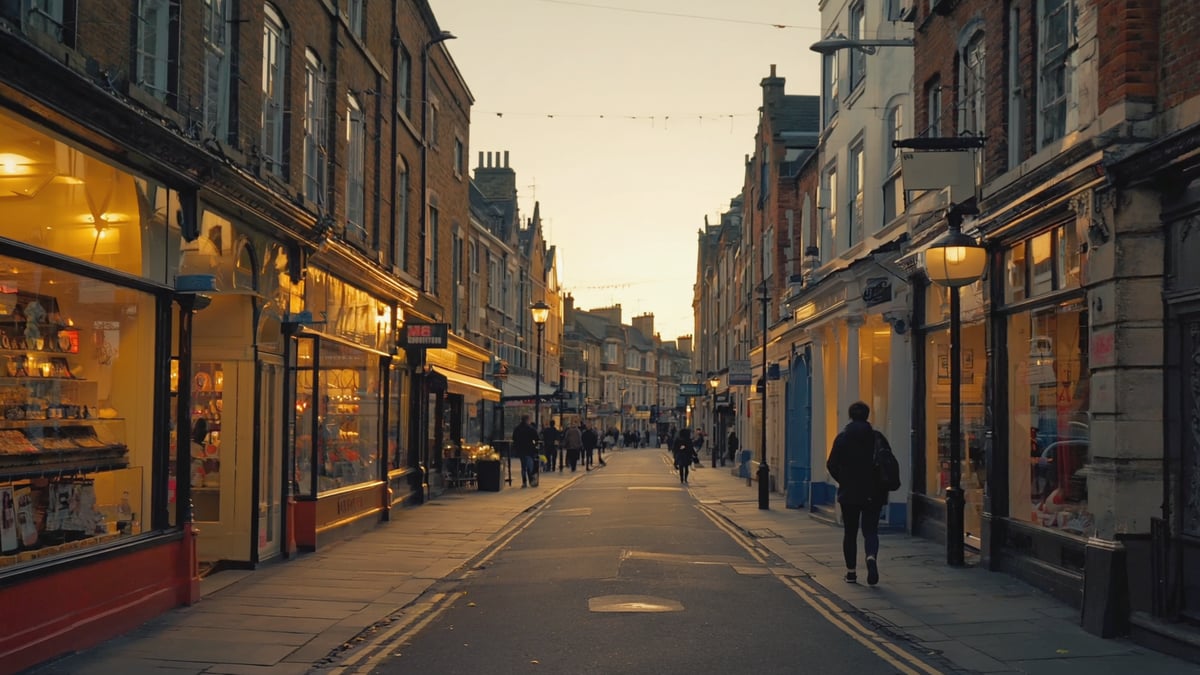
Before you finalise your itinerary, take a few minutes to watch this visual guide to Japan's most romantic destinations. From the lantern-lit streets of Kyoto's Gion district to the volcanic landscapes of Hakone and the cloud of pink that descends on Japan each spring, this gives you a genuine sense of what awaits.
Frequently Asked Questions About a Japan Honeymoon From the UK
Is Japan a good honeymoon destination for UK couples?
Japan is an exceptional honeymoon destination for UK couples. The combination of cultural depth, extraordinary food, private ryokan experiences, and the sheer novelty of the environment creates a uniquely romantic atmosphere. Japan is also safe, clean, and well-organised, which removes much of the logistical anxiety that can accompany long-haul travel to unfamiliar regions.
When is the best time to visit Japan for a honeymoon?
Spring (mid-March to mid-April) for cherry blossoms and autumn (late October to late November) for foliage are the two most romantic periods. Winter offers snowy mountain landscapes and uncrowded temples. Summer is the least recommended due to heat, humidity, and higher domestic tourism. The best time depends on your priorities: cherry blossoms for visual drama, autumn for comfortable temperatures and slightly lower costs.
How long should a Japan honeymoon be?
A minimum of ten to fourteen days is recommended to do Japan justice without feeling rushed. A two-week itinerary covering Tokyo, Hakone, Kyoto, and Osaka is the most common and satisfying structure. Three weeks or more allows for extensions to Kyushu, Hiroshima, or the Japanese Alps.
Do UK citizens need a visa to visit Japan?
No. UK passport holders can visit Japan for up to 90 days as tourists without a visa. Entry is granted on arrival, subject to a valid passport and evidence of onward travel. Always check the current position via the UK Government's Japan travel advice page before travelling.
What is a ryokan and how does it differ from a hotel?
A ryokan is a traditional Japanese inn characterised by tatami mat rooms, futon bedding, yukata robes, onsen baths, and multi-course kaiseki meals. Unlike Western hotels, ryokans are built around the room experience rather than public amenities. Meals are typically served in your room or a private dining space, and the pace is deliberately slow and intimate. For honeymooners, the ryokan experience is unparalleled.
How much does a Japan honeymoon cost from the UK?
A mid-range Japan honeymoon for two, covering flights, a mix of hotels and ryokan stays, transport, dining, and activities over ten nights, typically costs between £4,500 and £7,000 in total. Luxury itineraries with business class flights and high-end ryokans throughout can reach £15,000 to £20,000 or more. GlobeHunters packages start from around £1,999 per person and can be tailored to most budgets.
Is it worth buying a Japan Rail Pass for a honeymoon trip?
A Japan Rail Pass (JR Pass) is worth purchasing if your itinerary involves multiple Shinkansen journeys between cities (for example, Tokyo to Kyoto, Kyoto to Hiroshima, and Hiroshima to Osaka). For a two-week trip covering the classic route, the pass typically pays for itself. For shorter trips or itineraries concentrated in one region, individual ticket purchases may be more economical. The pass must be purchased outside Japan, so UK couples should arrange this before departure via the official JR Pass sales channels.
Can I visit Japan during cherry blossom season without booking far in advance?
Technically yes, but it is strongly inadvisable. Cherry blossom season is Japan's peak tourist period, and high-quality ryokans and hotels in popular areas sell out six to nine months in advance. Flight prices also increase significantly closer to the season. Last-minute travel during sakura season means accepting compromises on accommodation quality and location. Book early, ideally six to twelve months ahead for peak spring travel.
Are ryokans with private outdoor baths easy to find for honeymooners?
Private rotenburo (outdoor baths) are available at many mid-range and high-end ryokans, particularly in Hakone, Yufuin, and Kurokawa Onsen. They are not universal, so it is important to confirm this feature when booking. If you or your partner have tattoos, a private bath is also the practical solution to the communal bath restriction common at traditional establishments. GlobeHunters can help identify ryokans with private bath facilities as part of a bespoke package.
What should UK couples know about tipping in Japan?
Tipping is not practised in Japan and can cause confusion or mild offence if attempted. Service is included in the price of everything, and the extraordinary level of hospitality you receive at a ryokan or restaurant is not conditional on gratuity. This is one of the more pleasant cultural adjustments for UK travellers to make.
Is Japan safe for honeymooning couples?
Japan is consistently ranked among the safest countries in the world for tourists. Violent crime is exceptionally rare, petty theft is uncommon, and the general environment, including late-night transport and quiet rural areas, is safe for couples travelling independently. The primary risks are natural (typhoons in late summer, earthquakes), and the country has excellent emergency infrastructure for both.
What is the best way to book a Japan honeymoon from the UK?
Booking through a specialist travel agency that understands Japan travel logistics is strongly recommended, particularly for first-time visitors. GlobeHunters offers Japan honeymoon packages from the UK that combine flights, accommodation (including ryokan options), and activities into flexible packages with real-time pricing. Call 0208 944 4514 or visit holidays.globehunters.com to explore options.
Key Takeaways
- Japan is one of the world's most genuinely romantic honeymoon destinations, offering a depth of cultural experience, private ryokan intimacy, and sensory novelty that beach resorts cannot match.
- Cherry blossom season (mid-March to mid-April) and autumn foliage (late October to late November) are the most romantic travel windows, but winter mountain ryokans offer an equally special experience at lower prices.
- A ryokan stay is the centrepiece of any Japan honeymoon. Prioritise properties with private outdoor baths, in-room kaiseki dining, and garden or mountain views. Hakone, Kinosaki, Yufuin, and Kurokawa Onsen are the top regions.
- The classic Tokyo–Hakone–Kyoto–Osaka route provides the best balance of urban excitement, natural beauty, and cultural depth for a ten to fourteen-day honeymoon.
- UK citizens do not need a visa for Japan and can stay for up to 90 days as tourists. Japan is exceptionally safe and well-organised for first-time visitors.
- Budget realistically: a mid-range Japan honeymoon for two costs approximately £4,500 to £7,000 all-in for ten nights. Luxury itineraries range from £10,000 to £20,000+.
- Book early. Cherry blossom season accommodation sells out six to nine months in advance. Flights, ryokans, and private experiences all reward early booking.
- GlobeHunters Japan honeymoon packages start from £1,999 per person and include flights, accommodation, and activities in a single, flexible booking. Call 0208 944 4514 or visit holidays.globehunters.com to start planning.
About the author
Spiros Maragkoudakis · Chief Commercial Officer
Ready to Book Your Practical Holiday?
Our travel experts are ready to help you plan the perfect trip. Call us today or browse our latest deals.
Ready to Start Planning?
Speak to our travel experts for personalised advice and the best deals on your next holiday.
Call 0208 944 4514