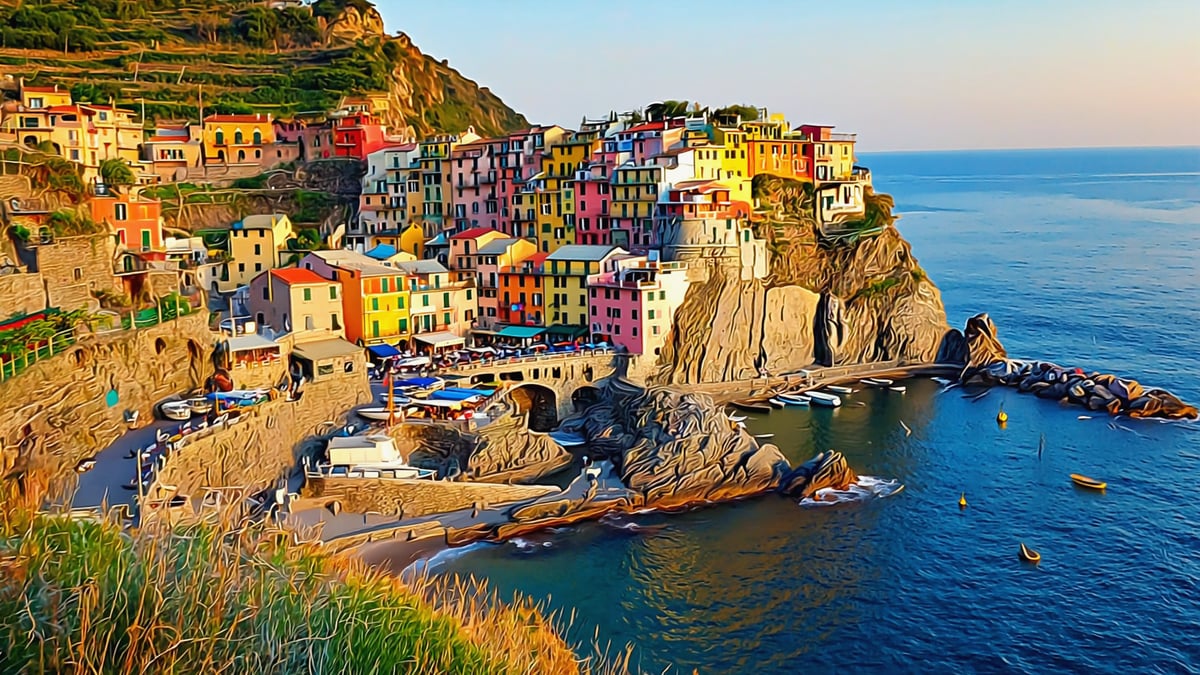
Most people spend decades promising themselves they will "do it properly one day." Retire first, then travel. See the world without rushing back to an inbox. Book the long-haul trip that always felt too extravagant, too complicated, or simply too far away. That day has arrived, and the question is no longer whether to go, but where, and how to do it brilliantly.
Long-haul travel has never been more accessible for UK retirees. Direct flights from British airports reach further than ever, specialist insurance products have matured, and curated package holidays remove the logistical headache that once made multi-stop itineraries feel daunting. Whether you are dreaming of watching the sun rise over Angkor Wat, sipping Malbec in Mendoza, or counting sea turtles off the coast of Sri Lanka, the infrastructure now exists to make it happen comfortably and at a price that respects a fixed income.
This guide is built specifically for UK retirees planning their first or next long-haul adventure. It covers the best destinations for over-60s travellers, practical health and insurance considerations, how to find genuine package holiday deals, and what to look for in a specialist operator like GlobeHunters, which has been connecting UK travellers with curated packages since 2003. Read it end to end, bookmark the sections that matter most, and start planning the trip you have earned.
Why Long-Haul Travel Is Ideally Suited to Retired Travellers
Retirement removes the single greatest obstacle to long-haul travel: the constraint of annual leave. Older travellers can fly on a Tuesday in October, spend six weeks rather than ten days, and return whenever the mood or the weather dictates. That flexibility alone transforms the long-haul experience from a stressful sprint into a genuine immersion.
The economics also shift in retirement's favour. Midweek and shoulder-season flights carry significantly lower fares than the school-holiday peak windows that families are locked into. A retired couple booking a fortnight in Bali in late September or early October will pay considerably less than the same itinerary in August, with smaller crowds and more attentive service to match. This is one of the most underappreciated advantages of travelling after retirement, and it compounds across hotels, activities, and car hire.
Long-haul destinations also tend to reward slow travel, which suits the pace most retirees prefer. A week in Tokyo barely scratches the surface; three weeks allows the neighbourhood temples, the morning markets, and the Shinkansen day-trips to accumulate into something genuinely transformative. Longer stays also reduce the physical toll of jet lag, because the body has time to acclimatise properly rather than spending most of the holiday recovering.
There is a common assumption that long-haul travel becomes more complicated with age, particularly around health. In practice, the opposite is often true: retirees who plan carefully, purchase comprehensive travel insurance, and choose destinations with good medical infrastructure travel with more peace of mind than younger, uninsured backpackers. The planning matters, but the planning is manageable, and the rewards are disproportionate.
What Separates a Good Long-Haul Experience from a Great One
The difference between a good long-haul holiday and a genuinely memorable one almost always comes down to pacing and curation. Rushing through eight countries in two weeks produces fatigue; spending three weeks in one region, staying in well-chosen hotels with good beds and reliable air conditioning, produces the kind of memories that travel writers spend careers trying to describe.
For retirees, the curation piece matters enormously. Knowing which hotel is genuinely accessible (not just "partially accessible" in the marketing copy), which tour operator picks you up from the door, and which airline offers the best seat pitch in economy or premium economy is knowledge that takes years to accumulate. Specialist travel agencies and curated package operators earn their fee by having that knowledge ready to apply to your itinerary.
Best Long-Haul Destinations for UK Retirees Right Now

Choosing a long-haul destination involves balancing climate, flight time, visa requirements, medical infrastructure, and personal interest. The destinations below consistently score well across all those dimensions for UK older travellers, and all are available through GlobeHunters' package portfolio.
Sri Lanka: Culture, Wildlife, and Coastline in One Island
Sri Lanka has become one of the most compelling long-haul destinations for UK retirees, and the reasons are not difficult to understand. The island packs extraordinary variety into a manageable geography: ancient temple cities, misty tea-plantation highlands, elephant sanctuaries, and some of the most beautiful beaches in the Indian Ocean, all reachable without internal flights if you have three weeks or more.
The flight time from the UK is roughly ten to eleven hours, making it achievable in economy with a good seat, though premium economy is well worth considering. No visa is required at the border; UK citizens apply in advance through the Sri Lanka Electronic Travel Authorisation system, which processes applications within 24 hours at a modest fee. Colombo's private hospital sector is well-regarded, and English is widely spoken across the tourism industry, reducing the anxiety of navigating an unfamiliar healthcare system.
The classic itinerary for retirees runs from the Cultural Triangle (Sigiriya Rock, Dambulla Cave Temples, Polonnaruwa ruins) through the hill country to Kandy, then south to the beaches of Mirissa or Tangalle. Paced over three weeks with a private driver-guide, this is a deeply rewarding journey that is physically manageable and endlessly stimulating. GlobeHunters packages to Sri Lanka start from competitive rates that include flights, accommodation, and selected activities, making it straightforward to compare total cost rather than assembling components separately.
Japan: The World's Most Organised Long-Haul Destination
Japan is, by a significant margin, the most logistically straightforward long-haul destination on earth for travellers who value reliability, cleanliness, safety, and exceptional food. Trains run to the second. Hotels operate to a standard of quiet efficiency that many British travellers find almost surreally competent. Crime is extraordinarily rare. Medical facilities in Tokyo and Osaka are excellent. And the cultural depth, from Kyoto's temple districts to the neon-soaked neighbourhoods of Shinjuku, is inexhaustible.
The flight time from London is approximately twelve to thirteen hours direct, with British Airways and Japan Airlines operating non-stop services from Heathrow. UK citizens currently enter Japan visa-free for stays up to 90 days. The Japan Rail Pass, purchased before departure, gives unlimited access to the Shinkansen network and is one of travel's great bargains for anyone planning to move between cities.
For retirees, Japan rewards slow exploration. A three-week itinerary covering Tokyo, Nikko, Hakone, Kyoto, Nara, and Hiroshima is perfectly paced without feeling rushed. The combination of world-class cuisine (Michelin-starred restaurants sit alongside £8 ramen shops of equal quality), extraordinary natural scenery, and a culture of profound respect for older people makes Japan a destination that resonates differently at 65 than it would have at 25.
The Caribbean: Classic Beach Luxury Within Reach
For retirees whose definition of the perfect holiday involves a sunlounger, warm turquoise water, and a rum punch at sunset, the Caribbean remains the benchmark. Barbados, St Lucia, and Antigua are the three islands that consistently perform best for UK older travellers, combining direct flights from Gatwick and Manchester with excellent hotel infrastructure and a deeply familiar cultural comfort for British visitors.
Barbados in particular has cultivated a reputation as one of the world's most retiree-friendly island destinations. The island is English-speaking, politically stable, medically well-equipped, and home to a long tradition of welcoming British visitors. The west coast's "Platinum Coast" hotels offer the kind of calm, unhurried luxury that suits travellers who have moved beyond the need to tick off attractions. St Lucia adds dramatic volcanic scenery and lush rainforest to the beach equation, while Antigua's 365 beaches (one for each day of the year, as the locals like to say) ensure that even a fortnight feels fresh.
Flight times from the UK range from eight to nine hours, placing the Caribbean at the accessible end of long-haul. Google Flights data consistently shows that Caribbean fares reach their lowest point roughly 43 days before departure, which is useful intelligence for retirees who can book flexibly rather than around school holidays.
Vietnam: History, Food, and Value That Is Hard to Beat
Vietnam offers what may be the most compelling combination of cultural richness, scenic beauty, and value for money of any long-haul destination currently available from the UK. The country stretches over 1,600 kilometres from north to south, encompassing the French-colonial elegance of Hanoi, the extraordinary limestone karsts of Ha Long Bay, the ancient trading port of Hoi An, and the buzzing energy of Ho Chi Minh City. This diversity means a single trip can genuinely satisfy multiple travel personalities.
UK citizens can enter Vietnam without a visa for stays up to 45 days, and the country's tourism infrastructure has matured considerably. Domestic flights connecting the major cities are inexpensive and frequent, making it practical to cover the full north-to-south route without excessive overland travel. Food quality is exceptional at every price point; Vietnamese cuisine is one of the world's great culinary traditions, and the street-food culture in Hanoi's Old Quarter or Hoi An's Ancient Town is an experience in itself.
For retirees who are comfortable with the sensory intensity of Southeast Asia, Vietnam delivers extraordinary value. A well-curated three-week package covering Hanoi, Ha Long Bay (overnight cruise), Hoi An, and Ho Chi Minh City with good mid-range hotels, domestic flights, and guided excursions can be assembled at a price point that would not cover a week in the Maldives.
New Zealand: The Long-Haul Option for Nature Lovers
New Zealand demands a significant time investment, both in flight hours (approximately 24 hours from the UK with one stop) and on the ground, but it rewards that investment with scenery that genuinely defies description. The combination of fjords, volcanic plateaus, ancient forests, and some of the world's most dramatic coastline makes it a destination that photographers, walkers, and nature enthusiasts treat as a bucket-list essential.
For UK retirees, New Zealand's practical credentials are equally strong. The country shares the UK's driving side (left-hand traffic), is English-speaking, politically stable, and operates an excellent public healthcare system for visitors who carry adequate insurance. Self-drive campervan hire is popular, but for older travellers who prefer a more structured experience, guided tours and coach itineraries cover the major highlights with excellent commentary and comfortable accommodation.
The South Island's Milford Sound, the Queenstown region, and the glaciers of the West Coast are the natural highlights that most retirees cite as life-changing. The North Island adds Maori cultural experiences, the geothermal wonders of Rotorua, and the wine regions of Hawke's Bay and Marlborough. Three weeks is the minimum to do both islands reasonable justice; four weeks is better.
Health, Insurance, and Medical Considerations for Over-60s Long-Haul Travel
Health planning is the most important practical step in preparing for any long-haul holiday as an older traveller, and it deserves more attention than a quick call to a comparison website. This section covers the key considerations honestly, without catastrophising, because the goal is to travel confidently, not to be discouraged.
Travel Insurance: What Over-60s Actually Need
Standard travel insurance policies are designed for healthy young adults, and they frequently contain age restrictions, exclusions for pre-existing conditions, or premium loadings that make them poor value or inadequate cover for older travellers. The critical principle for retirees is to declare every pre-existing medical condition fully and accurately when purchasing a policy. Non-disclosure is not a money-saving strategy; it is a guarantee that a claim will be rejected at the worst possible moment.
Specialist insurers for older travellers, including Saga, AllClear, and Free Spirit, offer policies that cover pre-existing conditions with appropriate medical limits for long-haul destinations. The key numbers to look for are: medical emergency cover of at least £5 million for destinations like the United States or Japan, emergency repatriation cover, and a 24-hour medical assistance line staffed by clinicians rather than call-centre staff.
The UK Foreign, Commonwealth and Development Office (FCDO) provides destination-specific travel advice, including health and insurance guidance, for every country in the world. Checking the FCDO page for your destination before booking is a straightforward step that takes ten minutes and occasionally surfaces information that changes itinerary planning.
Managing Long-Haul Flights Comfortably
Long-haul flights present specific challenges for older travellers: deep vein thrombosis (DVT) risk, the dehydrating effect of cabin air, disrupted medication schedules across time zones, and the physical strain of sitting in a confined space for twelve or more hours. None of these challenges are insurmountable, but addressing them requires conscious planning rather than hoping for the best.
DVT risk on long-haul flights is real, and the NHS recommends a combination of regular movement (standing and stretching every 90 minutes), compression stockings, and staying well-hydrated. Travellers with known circulatory conditions should discuss flight-specific recommendations with their GP before booking. Many GPs will recommend low-dose aspirin or, in higher-risk cases, prescription anticoagulants for long flights; this is a clinical decision that belongs to a medical professional, not a travel guide.
Upgrading to premium economy is worth serious consideration for long-haul flights of more than ten hours. The additional seat pitch (typically 35–38 inches versus 30–32 inches in standard economy), wider seats, and better recline make a meaningful difference to comfort and arrival condition. For retirees on a fixed budget, the pragmatic approach is to spend more on seat comfort and less on hotel nights, since flight quality affects the entire trip.
Vaccinations, Medications, and Destination Health Requirements
Vaccination requirements and recommendations vary significantly by destination, and this is an area where guidance changes regularly. The Travel Health Pro database, maintained by UK Health Security Agency, provides up-to-date country-by-country vaccination advice for UK travellers and is the authoritative source to consult when planning any trip outside Europe.
Travel health consultations, available through GP surgeries, travel health clinics, and some pharmacies, are the appropriate vehicle for getting personalised vaccination advice. Many vaccines for long-haul destinations (hepatitis A and B, typhoid, yellow fever for certain African or South American routes) require administration several weeks before departure, so this step should happen early in the planning process, ideally eight to twelve weeks before travel.
Carrying sufficient prescription medication for the entire trip, plus a week's emergency supply, is non-negotiable. A letter from your GP confirming the medication, its purpose, and the dosage is essential for customs clearance, particularly for controlled drugs. Some medications legal in the UK are classified as controlled substances in other countries; checking this against the FCDO destination guide prevents a very unpleasant border experience.
How Package Holidays Make Long-Haul Travel Easier for Retirees

The package holiday has had an unfair reputation among experienced travellers who associate it with budget hotel rooms and buffet breakfasts in Benidorm. The modern curated package holiday is an entirely different proposition, and for long-haul retiree travel specifically, it offers genuine advantages that independent booking cannot replicate.
Financial Protection Under ATOL
The single most important advantage of a package holiday from a UK operator is ATOL (Air Travel Organiser's Licence) protection. When you book a qualifying package with a licensed UK operator, your money is protected if the operator collapses before or during your trip. This is not a theoretical concern; several significant travel operators have entered administration in recent years, and unprotected travellers have found themselves stranded or out of pocket. The Civil Aviation Authority manages the ATOL scheme, and all legitimate UK package operators, including GlobeHunters, are required to hold a licence.
For retirees who may be booking trips costing £3,000 to £6,000 per couple, this financial protection is not a minor detail. It is a fundamental reason to prefer a package from a licensed operator over assembling flights and hotels independently, where no equivalent statutory protection applies.
The Logistics Argument
Independent travel requires coordinating flights, hotels, airport transfers, travel insurance, and activities across multiple platforms and currencies, with multiple sets of booking confirmation to manage. A well-constructed package collapses all of that into a single booking reference, a single point of contact, and a single payment. For travellers who prefer to spend their mental energy on enjoying the destination rather than managing logistics, this consolidation has real value.
GlobeHunters' platform draws real-time pricing from Duffel for flights, Hotelbeds for accommodation, and Viator for activities, which means the packages on offer reflect current market pricing rather than pre-negotiated contracts from seasons ago. This live-pricing model benefits the traveller directly, particularly for flexible bookers who can compare across travel dates.
What to Look for in a Package Holiday as a Retiree
| Feature | Why It Matters for Retirees | What to Check |
|---|---|---|
| ATOL Protection | Financial safety net if operator fails | ✅ Look for ATOL number on booking confirmation |
| Flight Class Options | Comfort on long-haul affects arrival condition | ✅ Premium economy upgrade availability |
| Airport Transfers | Arriving in an unfamiliar country after a long flight | ✅ Private transfer included vs shared shuttle |
| Hotel Accessibility | Ground-floor rooms, lift access, step-free entry | ⚠️ Confirm directly with hotel, not just brochure |
| Activity Pacing | Avoiding itineraries with excessive walking or early starts | ✅ Ask operator about tour pace ratings |
| Single Supplement Policy | Solo retirees often face punitive supplements | ⚠️ Compare supplement levels across operators |
| 24/7 Support Line | Medical emergencies and disruptions need immediate response | ✅ UK-staffed, not overseas call centre |
| Flexible Booking Terms | Health changes may require itinerary amendments | ✅ Amendment fees, cancellation window |
Destinations Compared: A Decision Framework for Retirees
Choosing between five compelling destinations is genuinely difficult, and the right choice depends on personal priorities rather than a universal ranking. The framework below maps the key destinations against the factors that matter most for UK older travellers. Use it as a starting point for narrowing down your shortlist, then speak to a specialist adviser to refine the detail.
| Destination | Flight Time from UK | Visa for UK Citizens | Best For | Ideal Duration | Value Rating |
|---|---|---|---|---|---|
| Sri Lanka | 10–11 hrs | ETA required (online) | Culture + wildlife + beach | 2–4 weeks | ✅ Excellent |
| Japan | 12–13 hrs direct | Visa-free (90 days) | Culture + food + history | 3–4 weeks | ⚠️ Moderate–high |
| Caribbean | 8–9 hrs | Visa-free (most islands) | Beach + relaxation + luxury | 1–3 weeks | ⚠️ Mid–high |
| Vietnam | 11–13 hrs (1 stop) | Visa-free (45 days) | History + food + value | 2–4 weeks | ✅ Exceptional |
| New Zealand | 24+ hrs (1–2 stops) | NZeTA required (online) | Nature + scenery + walking | 3–5 weeks | ⚠️ Mid–high |
Practical Money Strategies for Retirees Booking Long-Haul Holidays

Managing holiday costs on a fixed income requires a different set of strategies than booking holidays during a working career, when flexible overtime or a bonus could absorb an unexpected expense. The good news is that retirees hold several structural advantages that, when deployed intelligently, produce genuinely excellent value.
The Shoulder Season Advantage
Shoulder season travel is the single most powerful cost-reduction strategy available to retirees. The weeks immediately before and after peak season combine lower prices with better conditions in many destinations. Bali in September offers dry weather, uncrowded temples, and fares that can be 30–40 per cent below August pricing. The Caribbean in late April or early May sits between spring break and the summer peak, with settled weather and significantly reduced hotel rates. Japan in November, after the peak autumn foliage window, still offers beautiful scenery with smaller crowds and lower prices than October.
Because school-holiday constraints do not apply, retirees can exploit these windows routinely rather than occasionally. Over a multi-year travel programme, the cumulative saving is substantial enough to fund additional trips or consistent premium-economy upgrades.
Splitting the Budget Intelligently
The common approach to long-haul budgeting is to allocate roughly equal amounts to flights, hotels, and spending money. A more intelligent framework for retirees prioritises comfort on the flight (because it affects the entire trip) and quality of hotel (because good sleep and reliable air conditioning affect daily energy levels), then manages spending money conservatively, given that many long-haul destinations are significantly cheaper than the UK for food, transport, and activities.
A retiree couple spending £1,800 on flights in premium economy and £1,200 on a well-reviewed hotel for two weeks in Vietnam will have a better trip than the same couple spending £900 on economy flights and £900 on a budget hotel, even though the total cost is identical. The distribution matters as much as the total.
GlobeHunters Package Pricing: What to Expect
GlobeHunters' long-haul packages are priced per person and include flights, accommodation, and selected activities as a combined package. Entry-level long-haul packages begin from around £999 per person for shorter-haul long-haul routes (Caribbean, Indian Ocean), with fully curated multi-week packages to Asia and the Pacific priced up to approximately £2,499 per person. These prices reflect real-time inventory from the platform's flight, hotel, and activity suppliers, which means they respond to market conditions rather than being fixed brochure prices.
For retirees comparing the package price against independently assembled components, the honest calculation includes not just the component costs but also the value of ATOL protection, the time cost of coordinating multiple bookings, and the peace of mind of having a single point of contact if something goes wrong. When those factors are priced in, the package premium (if any) frequently disappears or reverses.
To explore current packages and get a personalised quote, call GlobeHunters on 020 8944 4700 or browse the full portfolio at holidays.globehunters.com.
Solo Retiree Travel: Navigating the Single Supplement and Finding the Right Group
A significant proportion of retirees travel solo, whether by choice or circumstance, and they face a structural disadvantage in the package holiday market: the single supplement. Most hotel pricing is based on double occupancy, and solo travellers are charged a supplement (often 25 to 60 per cent of the per-person room rate) to cover the "unused" second bed. Over a two-week trip, this can add hundreds of pounds to the total cost.
There are several ways to navigate this. Some specialist operators offer selected departures with no single supplement, usually by pairing solo travellers in twin rooms (with the option to pay the supplement if sharing is not preferred). Small-group tour operators who specialise in the over-60s market, such as Saga or Riviera Travel, have built models around solo-friendly pricing. GlobeHunters' advisers can identify packages and hotel combinations where the supplement impact is minimised.
Group Tours vs Independent Travel for Solo Retirees
Small-group guided tours offer solo retirees something beyond cost management: built-in social structure. A group of twelve to sixteen travellers with a shared itinerary provides companionship, collective problem-solving when things go wrong, and a social context that solo independent travel lacks. For retirees who have recently become single and find travel daunting without a companion, a well-chosen small-group tour can be the gateway to rebuilding travel confidence.
The trade-off is flexibility. Group tours move at a group pace, which may be faster or slower than your preferred rhythm. Meals are sometimes fixed, hotel choices are made collectively, and the itinerary cannot deviate significantly from the planned route. For travellers who value autonomy highly, a semi-independent approach (guided activities with free afternoons and evenings) often strikes the best balance.
Cruise as a Long-Haul Strategy for UK Retirees

Ocean cruising deserves specific mention as a long-haul format that suits many retirees exceptionally well. A cruise eliminates the packing-unpacking-hotel-checking-out cycle that makes multi-destination land tours physically exhausting. You unpack once, sleep in the same bed every night, and the world moves around you. For retirees with mobility considerations, or those who simply find the logistical complexity of multi-city land tours fatiguing, this is not a small advantage.
World voyage cruises departing from Southampton in January or February and returning in April cover the Indian Ocean, Southeast Asia, Australia, and the Pacific in a single continuous journey. These are not budget options, but for retirees who have the time and the budget, they represent the most comfortable possible format for seeing multiple long-haul destinations without a single airport connection beyond the first and last day.
Shorter cruise itineraries, such as two-week Caribbean loops or Asia Pacific port-hopping routes, are more accessible price points and still deliver the unpack-once advantage. Many cruise lines offer significant early-booking discounts and repositioning cruises (when ships move between their winter and summer deployment regions) at prices that represent exceptional value.
Navigating Dietary Needs and Accessibility Abroad
Two practical concerns that many retirees underweight in the planning phase are dietary requirements and physical accessibility. Both are manageable with advance planning; both become significantly more stressful if left to chance on arrival.
Dietary Requirements on Long-Haul Holidays
Dietary restrictions have become broadly understood across the global hotel and restaurant industry, but the consistency of implementation varies dramatically by destination. Japan is exceptional at managing allergen information within its own culinary framework, but cross-contamination awareness for severe allergies (nuts, shellfish, gluten) is variable in smaller restaurants and street-food contexts. The Caribbean's resort hotel infrastructure generally handles dietary requirements well. Southeast Asia, where peanuts, shellfish, and fish sauce are foundational ingredients in the cuisine, requires more careful navigation for relevant allergy sufferers.
The practical strategies are straightforward: carry a clearly written card in the local language describing your dietary restrictions (available from organisations like AllergyUK or through specialist travel health services), notify your package operator at booking so that airlines and hotels can be pre-briefed, and always carry a sufficient supply of safe snack food for the first 24 hours in any new destination while you locate appropriate restaurants.
Mobility and Accessibility Planning
Accessibility is an area where marketing language and on-the-ground reality frequently diverge. A hotel described as "accessible" may have a step-free entrance but a bathroom without grab rails and a shower with a 15-centimetre lip. An "accessible" tour may mean "has a coach" rather than "accommodates limited walking." Retirees with specific mobility requirements should ask detailed questions of their operator: What is the bathroom configuration? Is there a lift? What is the longest continuous walking section on this tour? How many steps are involved in the main attractions?
Some destinations are structurally more accessible than others. Japan's modern infrastructure is exceptionally well-designed for mobility, with step-free train stations and accessible tourist sites across most major cities. The Caribbean's resort model (flat beach, pool-level rooms, golf-cart transport) suits limited mobility well. Destinations like Machu Picchu or the temples of Bagan involve significant steps and uneven terrain that require realistic physical assessment before booking.
Building Your Long-Haul Retiree Travel Itinerary: A Step-by-Step Approach

The gap between wanting to go somewhere and actually booking it is often a planning paralysis problem rather than a motivation problem. The following framework breaks the planning process into a sequence that produces a confirmed booking within four to six weeks of starting.
- Define your travel style first. Are you a "one destination, go deep" traveller or a "multi-city, varied scenery" traveller? The answer shapes the destination list immediately. Japan and New Zealand reward deep single-country exploration; a Caribbean cruise rewards island variety. Being honest about this preference saves weeks of indecision.
- Set a realistic total budget, not just a per-person figure. Include flights, accommodation, insurance, visas, vaccinations, spending money, and a 15 per cent contingency. The total number is what you are working with; the per-person figure is a derived output, not the starting point.
- Identify your health and mobility constraints honestly. Not to limit the itinerary, but to inform it. If long walking days are uncomfortable, that does not eliminate Japan; it means choosing guided transport over self-guided walking. If altitude is a concern, Peru is manageable with acclimatisation planning; Bolivia's Altiplano is not.
- Check passport validity and visa requirements immediately. Many countries require a passport valid for at least six months beyond the return date. UK passports can be renewed quickly (standard service), but leaving this step late creates unnecessary stress. Visa requirements for UK citizens change; the FCDO travel advice pages are the authoritative current source.
- Get travel health advice eight to twelve weeks before departure. Not four weeks, not the week before. Some vaccine courses require multiple doses over several weeks. A Travel Health Pro consultation identifies what you need and provides a vaccination schedule that fits your departure date.
- Book the package, including insurance, at the same time. Insurance purchased at the point of booking covers you for cancellation from day one; insurance purchased later creates a gap during which any medical event that triggers cancellation may not be covered.
- Contact GlobeHunters to compare curated packages against your self-built estimate. The conversation costs nothing and frequently surfaces options or pricing advantages that the online search did not reveal. Call 020 8944 4700 or browse current packages at holidays.globehunters.com.
YouTube: Destination Inspiration for UK Retirees
Before committing to a destination, watching high-quality travel content from the region gives a genuine feel for the pace, the scenery, and the practical realities of being there. The GlobeHunters channel and the broader YouTube travel community produce excellent destination overviews that supplement written guides effectively. Searching for "slow travel [destination] over 60" or "retiree travel [destination]" surfaces content created specifically for an older audience, including honest assessments of accessibility, pace, and practical challenges.
Frequently Asked Questions About Long-Haul Holidays for UK Retirees
What is the best long-haul destination for over-60s from the UK?
The best destination depends on personal priorities, but Sri Lanka, Japan, and Barbados consistently receive the highest satisfaction ratings from UK retirees across the dimensions of cultural richness, logistical ease, medical infrastructure, and value. Sri Lanka offers exceptional variety in a compact geography; Japan is uniquely organised and safe; Barbados delivers Caribbean luxury with deep cultural familiarity for British visitors.
Do I need travel insurance that covers pre-existing conditions?
Yes, without exception. Any travel insurance policy that excludes pre-existing conditions is inadequate for most retirees, and travelling without appropriate cover to a long-haul destination is a serious financial risk. Medical evacuation from Southeast Asia or the Pacific can cost tens of thousands of pounds without insurance. Declare all conditions fully when purchasing; non-disclosure invalidates claims. Specialist providers including Saga, AllClear, and Free Spirit offer appropriate cover for older travellers with pre-existing conditions.
How long before departure should UK retirees book long-haul holidays?
For long-haul holidays, booking four to six months in advance provides the best combination of flight availability, hotel choice, and pricing. Booking further in advance (nine to twelve months) can secure early-bird pricing and preferred room types. Last-minute long-haul deals do exist, but they are unpredictable and rarely align with specific destination or date preferences. For retirees with medical considerations, advance booking also allows sufficient time for travel health consultations and vaccination courses.
What are the best long-haul destinations for retirees with limited mobility?
Japan's modern urban infrastructure is among the most accessible in the world for travellers with limited mobility. Caribbean beach resorts, with their flat terrain and resort-based structure, suit limited mobility well. Bali's resort areas of Seminyak and Nusa Dua are step-free and accessible, though the temple visits require some assessment. Cruise itineraries, which eliminate the unpacking-and-moving cycle, are often the most comfortable format for significant mobility limitations. Always confirm specific accessibility details with the operator before booking.
Is it safe for older UK travellers to visit Southeast Asia?
Thailand, Vietnam, Sri Lanka, and Bali (Indonesia) are all well-established destinations for UK older travellers and are generally safe for tourists who take standard precautions. The FCDO rates all four as broadly safe for travel, with standard advice around petty theft in busy tourist areas. Medical facilities in major tourist cities and resort areas are adequate for most needs, though serious conditions may require medical evacuation. Comprehensive travel insurance with medical evacuation cover is essential.
What is the best time of year for UK retirees to visit the Caribbean?
The Caribbean's dry season runs broadly from December to April, which is the peak period for UK visitors and correspondingly the most expensive. Shoulder season (late April to June) offers settled weather, lower prices, and smaller crowds. The official hurricane season runs from June to November, with peak risk in August and September; most major islands experience only a fraction of hurricane activity in any given year, but travel insurance covering hurricane disruption is important if travelling in this window.
Can I get a package holiday that covers flights, hotels, and tours for long-haul destinations?
Yes. GlobeHunters specialises in exactly this type of curated package, combining flights, accommodation, and Viator-sourced activities into a single ATOL-protected booking. Packages are available to 49+ destinations and priced from approximately £999 per person for long-haul routes. Call 020 8944 4700 or visit holidays.globehunters.com to compare options and get a personalised quote.
How do I manage jet lag as an older traveller?
Jet lag affects older travellers more than younger ones, and recovery takes longer. The most effective strategies are: adjusting sleep schedule by one to two hours per day in the week before departure in the direction of travel, staying well-hydrated on the flight, avoiding alcohol in the cabin, exposing yourself to natural daylight as soon as possible on arrival, and maintaining a consistent local meal schedule from day one. For eastward long-haul travel (Asia, Australia), melatonin taken at local bedtime for the first three nights is widely used; discuss with your GP before travelling.
What happens if I need medical attention abroad on a package holiday?
Contact your travel insurance provider's 24-hour emergency assistance line immediately. They will direct you to an appropriate local medical facility and, if necessary, coordinate medical repatriation. If you have booked through a licensed package operator like GlobeHunters, you also have access to their customer support line as a secondary point of contact. Keeping both numbers saved on your phone before departure is essential. Carry a summary of your medical history and current medications in written form, both in English and in translation for the destination country.
Are there holidays specifically designed for retired couples from the UK?
Many operators offer itineraries specifically paced and curated for older couples, with an emphasis on comfortable hotels, private transfers, guided excursions with modest physical demands, and flexible free time. GlobeHunters' advisers can filter packages by pace and comfort level to identify options suited to retired couples. Specialist operators including Saga and Riviera Travel also focus specifically on the over-50s market, though their pricing and package structures differ.
What long-haul holiday deals are currently available for UK retirees?
Current deals change with inventory and booking lead time, so the most reliable way to find live pricing is to browse GlobeHunters' live package search or call 020 8944 4700 for a current quote. Shoulder-season departures and midweek flights consistently offer the best value, and retirees who can travel flexibly are well-positioned to capture these opportunities.
Do UK retirees need a visa to visit Japan, Sri Lanka, or Vietnam?
UK citizens currently enter Japan visa-free for up to 90 days, and Vietnam visa-free for up to 45 days. Sri Lanka requires an Electronic Travel Authorisation (ETA) obtained online before departure, which is a straightforward process taking under ten minutes. Visa requirements change; always verify the current position on the FCDO travel advice page for your specific destination before booking.
Key Takeaways for UK Retirees Planning Long-Haul Holidays
- Retirement's scheduling freedom is your greatest travel asset. Shoulder-season and midweek travel consistently delivers better prices, smaller crowds, and more attentive service than peak-period booking.
- Long-haul destinations that suit older travellers best combine manageable flight times, good medical infrastructure, English-speaking environments (or well-developed tourism sectors), and visa-free or simple visa processes. Sri Lanka, Japan, Barbados, Vietnam, and New Zealand all score well on these criteria.
- ATOL-protected package holidays from licensed UK operators like GlobeHunters offer financial security, logistical simplicity, and a single point of contact that has genuine value for long-haul retiree travel.
- Travel insurance that covers pre-existing conditions is non-negotiable. Purchase it at the point of booking to ensure cancellation cover is active from day one.
- Health planning starts eight to twelve weeks before departure, not the week before. Travel health consultations, vaccinations, and medication supply need lead time that many travellers underestimate.
- Premium economy is worth serious consideration for flights over ten hours. The comfort improvement affects arrival condition and, by extension, the entire first few days of the holiday.
- Solo retirees should specifically ask about single supplement policies and consider small-group tour formats that combine cost efficiency with social structure.
- GlobeHunters packages start from approximately £999 per person for long-haul routes and cover flights, accommodation, and activities in a single ATOL-protected booking. Browse at holidays.globehunters.com or call 020 8944 4700 for a personalised quote.
Your Next Long-Haul Adventure Starts with One Conversation
The destinations covered in this guide represent a fraction of what is available to UK retirees with the time, the freedom, and the determination to travel properly. Whether the itinerary that is forming in your mind involves watching the sunset over Kyoto's Fushimi Inari shrine, snorkelling above a coral reef in Barbados, or sipping tea on a plantation veranda in the Sri Lankan hill country, the logistics of getting there are more manageable than they might appear.
GlobeHunters has been building curated packages for UK travellers since 2003. The combination of real-time flight pricing, vetted hotel inventory, and locally sourced activities means that the packages on offer reflect what is genuinely available at the best current price, rather than brochure promises from seasons past. ATOL protection covers every qualifying package, and the team is reachable by phone for travellers who find it easier to talk through options than to navigate a website alone.
Call 020 8944 4700 to speak with an adviser, or browse the full destination portfolio at holidays.globehunters.com. The trip you have been promising yourself deserves more than a search engine and a comparison spreadsheet. It deserves someone who knows the destination, understands the practicalities, and can put together an itinerary that fits your pace, your budget, and your idea of the perfect holiday.
About the author
Spiros Maragkoudakis · Chief Commercial Officer
Ready to Book Your Retirees Holiday?
Our travel experts are ready to help you plan the perfect trip. Call us today or browse our latest deals.
Ready to Start Planning?
Speak to our travel experts for personalised advice and the best deals on your next holiday.
Call 020 8944 4700