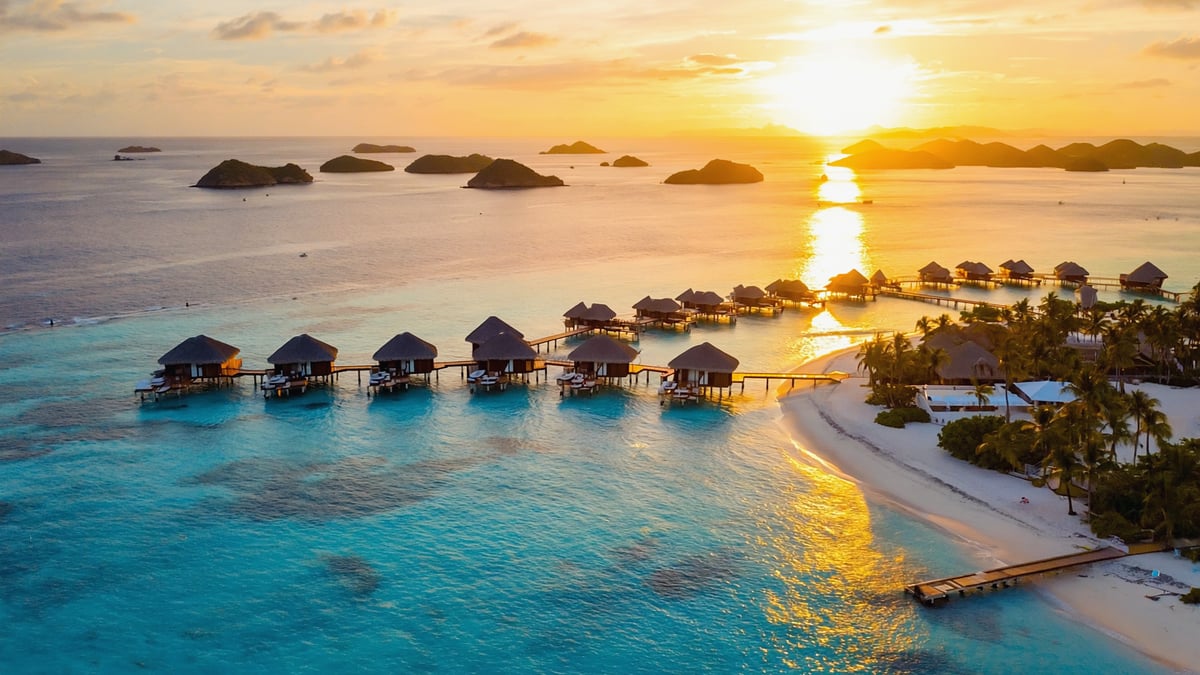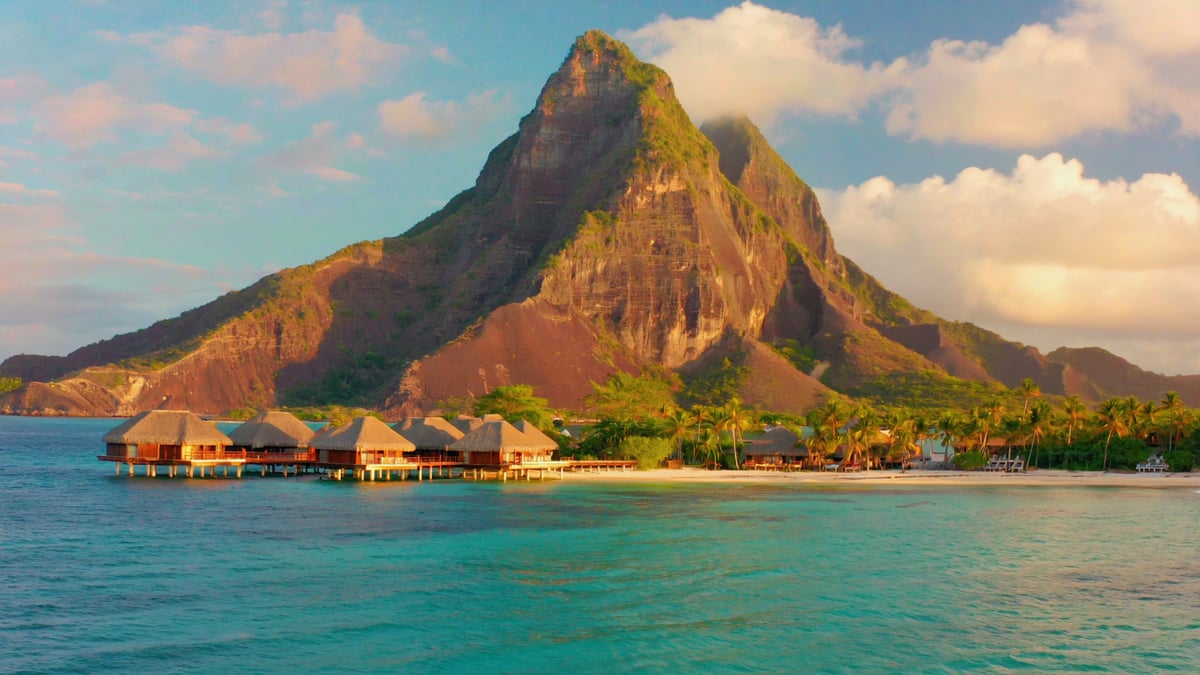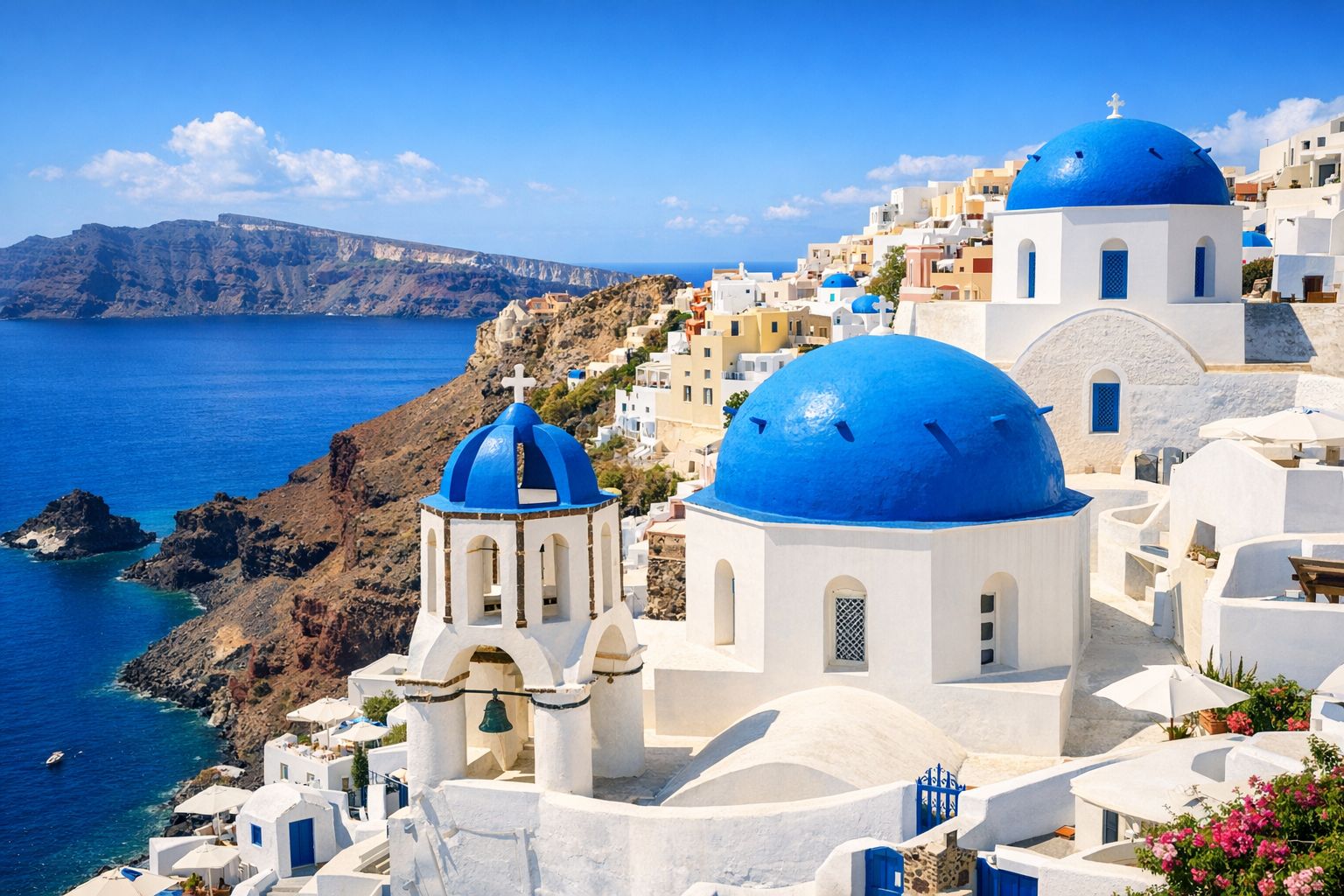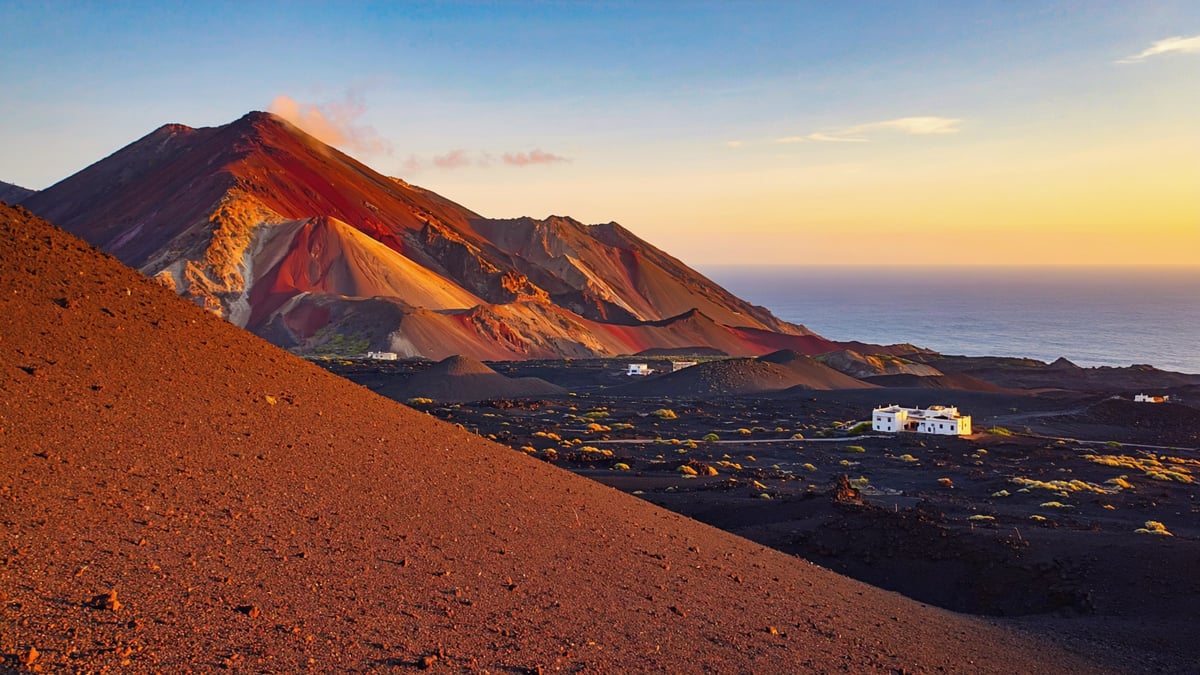
Picture this: you step off the plane and the air hits differently. It is warm but not suffocating, dry and clean, carrying a faint mineral edge that you cannot quite place. Then you see it, a landscape that looks like the moon decided to put on a show. Black lava fields stretch toward the horizon, interrupted by chalk-white villages and the deep, impossible blue of the Atlantic. Lanzarote does not ease you in. It announces itself immediately, and within twenty minutes of landing, most visitors quietly accept that they have been sleeping on one of Europe's most extraordinary islands.
The Canary Islands have long been a staple of British holiday culture, but Lanzarote occupies a unique position in that conversation. It is not the island you choose because it is the cheapest option or the most convenient flight. You choose Lanzarote because nothing else quite looks like it, because the volcanic terrain that once made visitors nervous has been transformed into a UNESCO Biosphere Reserve of striking beauty, and because the weather, reliably warm and sunny virtually every month of the year, makes it one of the most dependable sun destinations from the UK. For couples, families, solo travellers, and retirees alike, this island delivers in ways that often exceed expectations.
This guide covers everything a UK traveller needs to plan a Lanzarote holiday: where to stay, what to do, how much to budget, when to go, and how to get there. Whether you are booking a full package holiday or piecing together an independent trip, this is the resource to bookmark before you start comparing prices.
Book Your Lanzarote Holiday Now
GlobeHunters offers Lanzarote holiday packages including flights and hotels at competitive prices, from £399 per person.
View Lanzarote Packages & Prices →Or call us: 0208 944 4514
Lanzarote at a Glance: Geography, Practicalities & What Makes It Different
Lanzarote is the easternmost of the Canary Islands, sitting roughly 125 kilometres off the northwest coast of Africa and approximately 2,100 kilometres from the UK mainland. Despite belonging to Spain, and therefore the European Union, it feels like a world apart, geographically, climatically, and culturally. The island spans about 845 square kilometres, making it the fourth largest of the Canaries, with a population of around 155,000 people concentrated mainly in the capital Arrecife and the resort towns of the south and north.
What sets Lanzarote apart from its Canary Island siblings is the volcanic drama that defines every corner of it. The island experienced its most catastrophic eruptions between 1730 and 1736, when a series of volcanic events reshaped roughly a quarter of the island's surface. The result is the Timanfaya National Park, a raw, otherworldly expanse of solidified lava, craters, and geothermal activity that is still very much alive underground. This geological history shapes not just the landscape but also the island's agriculture, architecture, and culinary culture in ways that reward curious visitors.
Essential Practicalities for UK Travellers
Lanzarote operates on Western European Time (WET), which is one hour behind the UK during British Summer Time (BST) and the same as the UK during winter months (GMT). This minimal time difference makes it an easy destination for travellers who struggle with jet lag or who are travelling with young children.
| Practical Detail | Information |
|---|---|
| Currency | Euro (€). As of mid-2025, £1 buys approximately €1.17–€1.20, though rates fluctuate. |
| Language | Spanish (Castilian). English is widely spoken in tourist areas. |
| Time Zone | WET/WEST, same as or 1 hour behind UK depending on season. |
| Visa Requirements (UK) | No visa required for UK citizens for stays up to 90 days. A valid passport (at least 6 months validity recommended) is required. ETIAS authorisation (EU's new travel system) is expected to be required for UK travellers once fully implemented, check the official EU ETIAS page before travel. |
| Driving | Drive on the right. UK driving licence accepted. Car hire widely available from Arrecife airport. |
| Electricity | 230V, Type C/F (two round pins). UK visitors need an adaptor. |
| Health | GHIC (Global Health Insurance Card) is valid in Spain and covers emergency medical treatment. Get yours free at NHS.uk before travelling. |
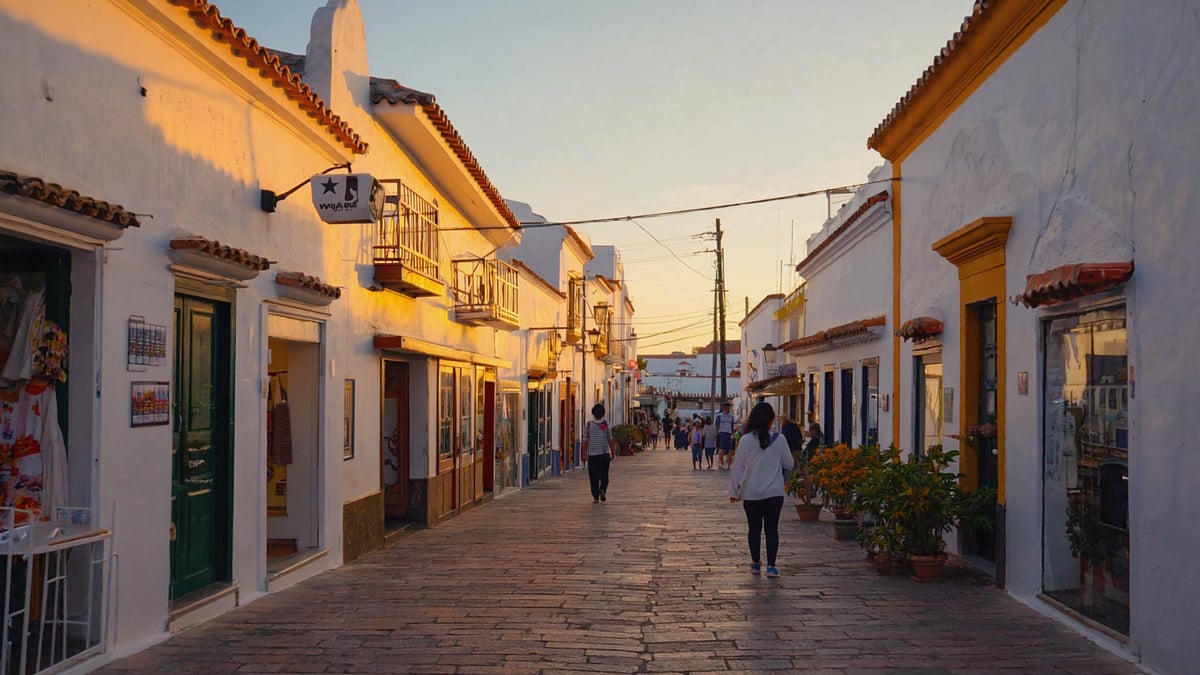
Lanzarote's unique architectural character is also worth noting before you arrive. The island's most celebrated figure, artist and architect César Manrique, shaped the island's visual identity through much of the 20th century. His influence can be seen in the seamless integration of white-and-green buildings into the volcanic landscape, the absence of high-rise hotels (Lanzarote has some of Europe's strictest building height restrictions), and the art installations and cultural spaces he created that are now major tourist attractions. The island looks the way it does because of deliberate, sustained choices, and that makes it feel like no other Canary Island resort.
When Should You Visit Lanzarote?
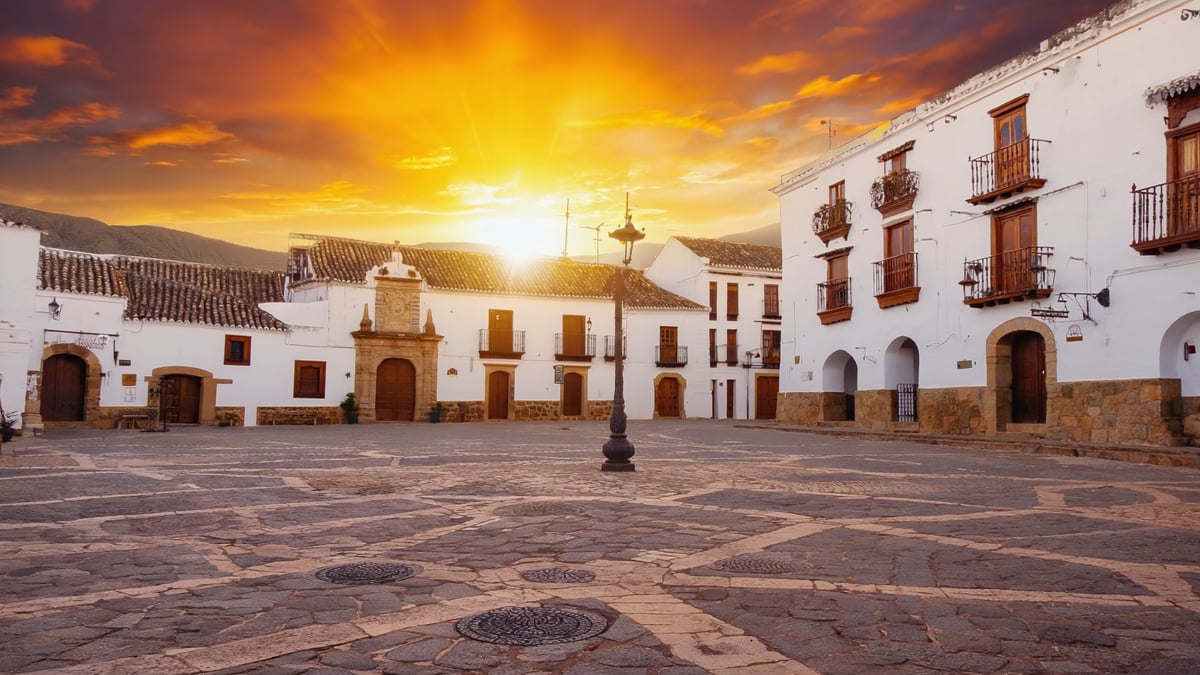
Lanzarote earns its reputation as a year-round destination honestly. Unlike many Mediterranean or Atlantic destinations that become unpleasant in winter, Lanzarote maintains an average temperature between 17°C and 27°C throughout the calendar year, driven by its proximity to the African coast and the moderating influence of the Atlantic trade winds.
That said, the experience varies meaningfully depending on when you travel, and choosing the right window matters for both comfort and value.
Month-by-Month Weather Overview
| Month | Avg. High | Avg. Low | Sea Temp | Crowd Level | Relative Cost |
|---|---|---|---|---|---|
| January | 20°C | 14°C | 19°C | Medium | £ Lower |
| February | 21°C | 14°C | 18°C | Medium-High | ££ Moderate |
| March | 22°C | 15°C | 18°C | High (Easter) | £££ Higher |
| April | 23°C | 16°C | 19°C | Medium | ££ Moderate |
| May | 24°C | 17°C | 20°C | Low-Medium | £ Lower |
| June | 26°C | 19°C | 21°C | Medium | ££ Moderate |
| July | 28°C | 21°C | 22°C | Very High | ££££ Peak |
| August | 29°C | 22°C | 23°C | Very High | ££££ Peak |
| September | 28°C | 21°C | 23°C | Medium-High | £££ Higher |
| October | 26°C | 19°C | 23°C | Medium | ££ Moderate |
| November | 23°C | 17°C | 21°C | Low-Medium | £ Lower |
| December | 21°C | 15°C | 20°C | High (Christmas) | £££ Higher |
The optimal travel window for most UK visitors is October through to early December, or late April through May. These shoulder periods offer warm, settled weather, comfortable sea temperatures, lower prices than peak summer, and noticeably fewer crowds at popular attractions. The island's Carnival season (typically February) is also worth targeting for those who enjoy vibrant street festivals, with Arrecife hosting some of the most colourful celebrations in the Canaries.
One weather caveat to be aware of: Lanzarote occasionally experiences the calima, a hot, dust-laden wind that blows in from the Sahara. These events are unpredictable, can last a few hours or several days, and temporarily push temperatures higher while reducing air clarity. They occur most commonly between June and September but can arrive at any time of year. They are not dangerous, but they can make outdoor activity uncomfortable and are worth factoring into expectations.
Where to Stay in Lanzarote: Neighbourhoods, Areas & Accommodation
Lanzarote's resort geography is relatively straightforward: the main tourist hubs are concentrated in the south and the north of the island, with the capital Arrecife sitting in the middle. Choosing the right base shapes your entire holiday experience.
Puerto del Carmen
This is the island's most established resort and the first choice for the majority of UK package holiday travellers. Puerto del Carmen stretches along a five-kilometre strip of golden sand beach (Playa Grande) lined with restaurants, bars, surf shops, and hotels. The old town area at the northern end has more character, with fishing boats still moored in the harbour and traditional Canarian restaurants that have been trading for decades. For families, couples, and first-time visitors who want guaranteed amenities and nightlife within walking distance, Puerto del Carmen delivers reliably. Mid-range hotels here typically cost £60–£120 per night, with all-inclusive four-star resorts reaching £140–£200 per night in high season.
Playa Blanca
At the southern tip of the island, Playa Blanca has evolved from a quiet fishing village into a polished, upscale resort. The pace is noticeably calmer than Puerto del Carmen, the marina is picturesque, and the proximity to the stunning Papagayo beaches (a short drive east) makes it particularly popular with couples and retirees. The ferry terminal here connects to Fuerteventura, making day trips easy. Playa Blanca suits travellers who want comfort and natural beauty without heavy resort nightlife. Luxury options here, including the Princesa Yaiza Suite Hotel, sit in the £200–£350 per night bracket.
Costa Teguise
The most architecturally coherent of the major resorts, Costa Teguise was designed from the ground up with César Manrique's aesthetic principles in mind. It has a pleasant, walkable town centre, good supermarkets, a long promenade, and a loyal following among windsurfers and kitesurfers drawn to its consistent trade winds. It is quieter than Puerto del Carmen and more family-oriented than Playa Blanca. Mid-range hotels here tend to come in at £55–£110 per night.
Arrecife (Capital City)
Staying in the capital gives you access to the island's best local dining, a lively Saturday market, the Castillo de San José, and a genuinely Canarian atmosphere largely untouched by package tourism. Budget accommodation here runs £35–£65 per night, making it the most affordable base on the island. It requires a car or taxi to reach the main beaches and attractions, but for independent travellers who want to experience real island life, it is the most rewarding choice.
Puerto Calero
A smaller, more exclusive marina resort south of Puerto del Carmen, Puerto Calero is where yacht owners and luxury travellers tend to gravitate. Accommodation here is predominantly villas and boutique hotels, with prices starting around £150 per night and rising considerably for private villa rentals with sea views.
Top Things to Do in Lanzarote
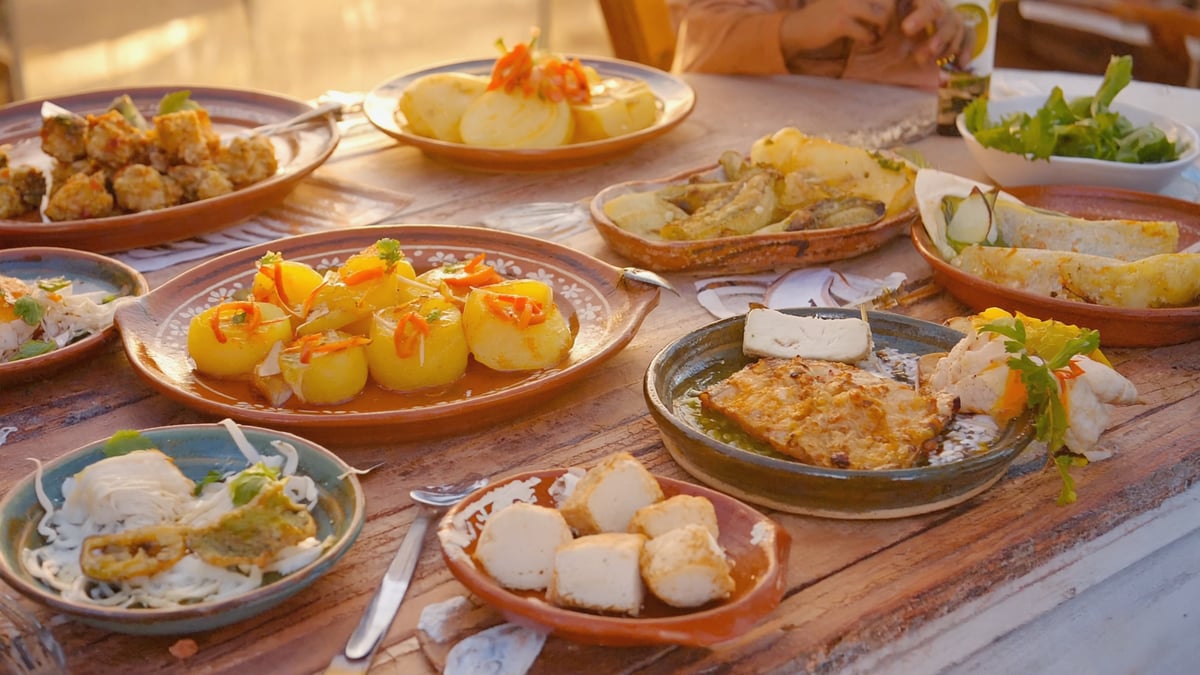
Lanzarote rewards curiosity. The most memorable experiences here are not the pool bar or the beach (though both have their place) but the island's genuinely extraordinary natural and cultural attractions. Here are the activities that define a proper Lanzarote holiday, with practical details for each.
1. Timanfaya National Park
The volcanic heart of the island, Timanfaya is unlike anywhere else in Europe. The Ruta de los Volcanes bus tour winds through craters, lava flows, and geothermal vents where temperatures just below the surface exceed 100°C. Geysers of steam shoot from the ground when water is poured in, and a restaurant inside the park (El Diablo, designed by Manrique) cooks food over natural volcanic heat. Entry costs approximately €10 per adult (around £8.50). Private vehicle access is prohibited; you must take the official tour bus. Open daily, generally 09:00–17:45, though hours adjust seasonally. Booking in advance during peak season is strongly advised.
2. Jameos del Agua
One of César Manrique's most spectacular creations, Jameos del Agua is a volcanic tunnel system that has been transformed into an auditorium, gardens, and a natural lagoon inhabited by a rare blind albino crab (Munidopsis polymorpha) found nowhere else on earth. The integration of art and nature here is genuinely breathtaking. Entry is approximately €11 per adult (around £9.50). Open Tuesday to Saturday, 10:00–18:30 (with evening shows on certain nights). Located on the northern coast near Arrieta.
3. Cueva de los Verdes
Adjacent to the same lava tube system as Jameos del Agua, Cueva de los Verdes offers a guided walk through three kilometres of underground volcanic tunnel. The geology is extraordinary, with multicoloured rock formations lit to dramatic effect. Entry costs approximately €10 per adult (around £8.50). Tours run throughout the day. The tunnel contains a famous optical illusion near the end that catches virtually every visitor off guard.
4. Papagayo Beaches
The Papagayo peninsula in the far south of the island holds some of the most beautiful beaches in the Canary Islands: sheltered coves of golden sand backed by volcanic cliffs, with water so clear you can see the seabed in three metres. Access requires a small vehicle toll (approximately €3 per car) to enter the natural park. No large hotels line these beaches, which keeps the atmosphere comparatively unspoiled. Arrive before 11:00 in summer to secure a good spot.
5. La Geria Wine Region
In the centre of the island, the La Geria wine region is a UNESCO-protected agricultural landscape unlike any other on earth. Individual vines grow in craters dug into black volcanic ash, protected from the wind by semicircular walls of lava stone called socos. The result is an alien landscape that also produces genuinely excellent wine, particularly the dry white Malvasía. Several bodegas offer tastings and tours, including Bodega El Grifo (the oldest winery in the Canaries, dating to 1775) and Bodega La Geria. Tastings typically cost €5–€12 per person.
6. Fundación César Manrique
The artist's former home in Tahíche, built inside and around five volcanic bubbles left by lava flows, is now a museum dedicated to his life and work. It is the best single introduction to Manrique's philosophy and one of the most architecturally interesting buildings in Spain. Entry is approximately €12 per adult (around £10). Open Monday to Saturday, 10:00–18:00.
7. Surfing and Windsurfing
Lanzarote has a strong water sports culture, driven by consistent Atlantic swells and reliable trade winds. Famara Beach on the northwest coast is the island's surf hub, with several schools offering lessons for beginners from approximately €45–€60 per session. Costa Teguise is the prime windsurfing and kitesurfing location. The island hosted the Windsurf World Cup for many years and the infrastructure for water sports is excellent.
8. Whale and Dolphin Watching
The waters around Lanzarote and the nearby channel between the island and Fuerteventura are among the best whale and dolphin watching areas in Europe. Bottlenose dolphins, common dolphins, pilot whales, and sperm whales are all regularly sighted. Several operators run trips from Puerto Calero and Puerto del Carmen, typically lasting two to three hours and costing £30–£55 per adult. A responsible operator will follow established whale watching guidelines, ask before booking.
9. Mirador del Río
Another Manrique creation, this clifftop viewpoint at the northern tip of the island looks out over the Chinijo Archipelago and the small island of La Graciosa below. The view is spectacular, the building is elegant, and the café inside serves good coffee. Entry is approximately €5 per adult (around £4.25). Open daily from 10:00.
10. Cycling the Volcanic Interior
Lanzarote has developed a solid network of cycling routes that take in the volcanic interior, wine country, and coastal scenery. The island is relatively flat in the south and east, with more challenging climbs in the volcanic north. Road bike hire is available from approximately £15–£25 per day. The island also hosts an annual Ironman triathlon, which has made its cycling infrastructure even more robust in recent years.
Food and Dining in Lanzarote: What to Eat, Where to Eat It
Lanzarote's food culture sits at a fascinating intersection of traditional Canarian cooking, Moorish-influenced flavour profiles, and fresh Atlantic seafood. The volcanic soil produces unique ingredients, including the Malvasía grape and a variety of sweet potatoes and corn that you will not find elsewhere in Spain, and the island's fishing heritage means the seafood is exceptional when you know where to look.
Dishes You Must Try
- Papas arrugadas con mojo: The Canarian staple. Small, salt-crusted potatoes served with two sauces: mojo rojo (a red pepper and garlic sauce with cumin) and mojo verde (a coriander and garlic variant). Found everywhere and always worth ordering.
- Sancocho canario: A traditional stew of salted fish (usually sea bass or wreckfish), potatoes, and mojo, eaten as a main course. Deeply satisfying and distinctly Canarian.
- Vieja (parrotfish): The island's most iconic fish, typically grilled whole and served with papas arrugadas. Order it at a restaurant near the harbour in Puerto del Carmen's old town for the best version.
- Gofio: A toasted grain flour used throughout the Canaries in bread, desserts, and as a thickener for stews. Its nutty, slightly smoky flavour is unlike anything in mainland Spanish cuisine.
- Bienmesabe: A sweet almond cream dessert that finishes a Canarian meal perfectly, often served with ice cream or fresh fruit.
- Malvasía wine: The local white wine, produced in La Geria, is dry and aromatic with a volcanic minerality. Buy a bottle at the bodega; it costs approximately £8–£14 and does not travel widely outside the island.
Where to Eat
For the best authentic dining, head to Arrecife's old town or the fishing village of La Graciosa if you take the ferry. In Puerto del Carmen, the old town harbour area has several family-run restaurants that have been operating for decades and serve far better food than the tourist strip. Avoid any restaurant with photographs on a laminated menu and a person outside actively soliciting customers.
For a special-occasion meal, the restaurant at El Diablo in Timanfaya National Park is a genuinely unique experience (food cooked over volcanic heat), though the cooking is functional rather than gourmet. More refined dining can be found at the restaurant inside Jameos del Agua during evening events, or at several modern Canarian restaurants in Puerto Calero's marina.
Street food culture is less developed here than in some destinations, but the weekly markets in Teguise (Sunday mornings) and Playa Blanca offer local cheeses, cured meats, and empanadas that make for excellent casual eating. Budget approximately £10–£18 per person for a two-course lunch with a glass of local wine at a mid-range restaurant, and £25–£45 per person for dinner at a quality establishment.
Dietary Considerations
Vegetarians and vegans will find Lanzarote increasingly accommodating, particularly in the larger resorts where international dining options are plentiful. Traditional Canarian cooking is heavily meat and fish-based, so those with dietary restrictions are better served in Puerto del Carmen and Costa Teguise where dedicated plant-based restaurants have opened in recent years. Gluten-free options are available at most hotels and many restaurants; it is worth noting that gofio is made from wheat or maize depending on the variety, so confirm before ordering.
Getting to Lanzarote from the UK
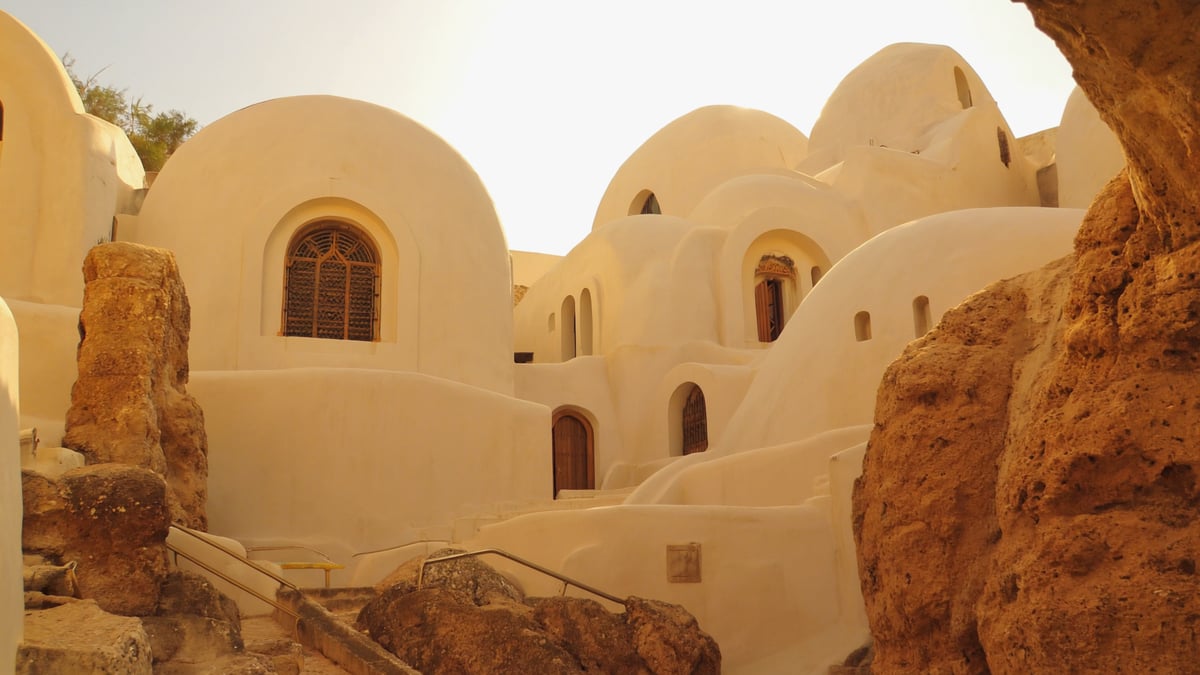
Lanzarote is one of the most accessible Canary Island destinations from the UK, with multiple direct routes operating year-round from airports across England, Scotland, and Wales.
Direct Flight Routes
Lanzarote Airport (Arrecife Airport, IATA: ACE) receives direct flights from a wide range of UK airports. The main carriers serving the route are:
- Jet2: Operates from Leeds Bradford, Manchester, Birmingham, East Midlands, Edinburgh, Glasgow, Newcastle, Bristol, and Belfast.
- easyJet: Flies from London Gatwick, London Luton, Manchester, Bristol, Edinburgh, Liverpool, and Belfast.
- Ryanair: Operates from London Stansted, Manchester, Birmingham, Bristol, Edinburgh, and several regional airports.
- TUI: Package-focused flights from most UK regional airports.
- British Airways: Seasonal and charter services from London Heathrow.
Flight duration from London is approximately 4 hours 15 minutes. From northern UK airports (Edinburgh, Glasgow, Newcastle), add roughly 30–45 minutes. This makes Lanzarote one of the most time-efficient long-sun destinations available to UK travellers.
Typical Flight Costs
| Booking Window | Off-Peak (Nov–Apr excl. Easter) | Peak (Jul–Aug, Christmas) |
|---|---|---|
| Budget airlines (return, per person) | £80–£180 | £200–£380 |
| Package holiday incl. flights (per person) | £399–£699 | £699–£1,299 |
Package holidays typically represent better value than booking flights and hotels separately, particularly for 7-night stays, because operators negotiate block rates with hotels that are simply not available to individual bookers. GlobeHunters' Lanzarote packages currently start from £399 per person including return flights and hotel accommodation.
Getting from the Airport
Lanzarote Airport sits approximately 6 kilometres southwest of Arrecife. Taxi transfers to the main resorts cost approximately:
- Arrecife: €10–€15 (around £8.50–£13)
- Puerto del Carmen: €15–€22 (around £13–£19)
- Costa Teguise: €25–€35 (around £21–£30)
- Playa Blanca: €40–€55 (around £34–£47)
Pre-booked shared shuttle transfers are cheaper, typically £6–£12 per person depending on destination. Car hire from the airport is widely available and strongly recommended for visitors who want to explore the island independently; rates start from approximately £20–£35 per day for a small car.
Lanzarote Budget Guide: What Things Actually Cost
Lanzarote offers reasonable value compared to most UK sun destinations, though costs have risen across the board in recent years following broader inflationary pressures in the tourism sector. The island is generally cheaper than comparable Mediterranean destinations like Mallorca or Tenerife's luxury resorts, but more expensive than mainland Spanish cities.
| Budget Tier | Daily Spend (per person) | What This Covers | 7-Night Total (per person, excl. flights) |
|---|---|---|---|
| Budget | £40–£65 | Self-catering apartment or budget hotel, supermarket meals, free beaches, public transport | £280–£455 |
| Mid-Range | £80–£130 | 3–4 star hotel with breakfast, restaurant lunches and dinners, 2–3 paid attractions, occasional taxi | £560–£910 |
| Luxury | £200–£400+ | 4–5 star hotel or villa, fine dining, private transfers, premium excursions, spa treatments | £1,400–£2,800+ |
Key Cost Benchmarks
- Coffee (café con leche): €1.20–€2.00 (about £1.00–£1.70)
- Beer at a bar: €2.50–€4.00 (about £2.10–£3.40)
- Two-course lunch (local restaurant): €10–€16 per person (about £8.50–£13.50)
- Dinner for two (mid-range): €45–€70 (about £38–£60)
- Supermarket wine (bottle): €3–€8 (about £2.50–£7)
- Bus fare (inter-resort): €1.40–€3.50 (about £1.20–£3.00)
- Timanfaya National Park entry: €10 per adult (about £8.50)
- Whale watching trip: £30–£55 per adult
- Surf lesson (2 hours): €45–€60 per person (about £38–£51)
For families, the all-inclusive model offered by many Lanzarote hotels is genuinely cost-effective. Knowing that meals, snacks, and drinks are covered removes a significant variable from the daily budget and makes the total spend more predictable. Budget approximately £100–£160 per night for a quality all-inclusive four-star hotel in the mid to high season.
Travel Tips, Safety and Practical Advice for Lanzarote
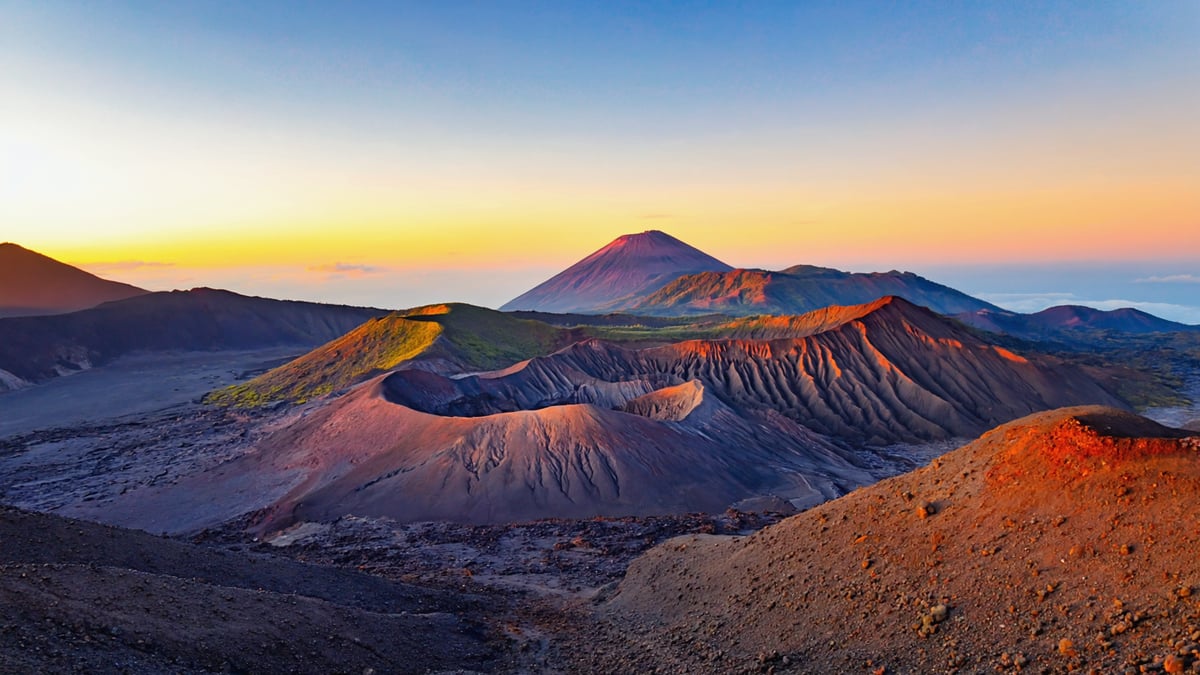
Lanzarote is a safe, well-organised destination with minimal serious crime and a well-developed tourist infrastructure. That said, a well-prepared traveller always has a better holiday than an underprepared one, so the following practical notes are worth absorbing before you depart.
Safety
Lanzarote is one of the safest holiday destinations for UK travellers. Violent crime is rare. Petty theft, particularly bag snatching and pickpocketing in crowded areas like markets and busy resort promenades, does occur and warrants normal precautions: do not leave valuables visible in hire cars, use hotel safes for passports and excess cash, and be aware of your surroundings in Arrecife city centre at night.
The volcanic landscape presents some genuine hazards for the unwary. Lava fields look solid but can have sharp, unstable surfaces. Never leave designated paths in Timanfaya National Park. Some beaches, particularly on the north and west coasts, have strong currents and large swells; always check local advice and look for flag systems before swimming.
Health
No vaccinations are required for Lanzarote beyond standard UK recommended jabs. Sun protection is the primary health concern; the UV index here is higher than most UK travellers expect, even in winter, and the combination of volcanic reflected light and wind (which masks the sensation of heat) means it is easy to burn badly. SPF 30 or above is recommended year-round. Carry your GHIC card for access to emergency medical treatment under the Spanish public health system.
Getting Around the Island
Hiring a car is the single best decision you can make if you want to explore beyond your resort. The island is small enough to cross in under an hour, the roads are well-maintained, and many of the best attractions (Timanfaya, La Geria, Papagayo, Mirador del Río) are not accessible by public transport. Driving is on the right; UK drivers adapt quickly. Petrol costs are broadly comparable to the UK mainland. Parking is generally free at attractions and beaches.
For those who prefer not to drive, organised excursion buses cover all the major attractions and are a perfectly acceptable alternative. The public bus network (operated by Arrecife Bus) connects the main resorts at low cost but runs infrequently and is not practical for timed attraction visits.
Cultural Etiquette
Lanzarote is part of Spain, and Spanish social customs apply. Lunches are typically eaten between 14:00 and 16:00; dinner rarely before 21:00 at local restaurants. Tipping is appreciated but not obligatory; rounding up the bill or leaving €1–€2 per person is standard. Topless sunbathing is legal and practised at most beaches; nudist beaches exist but are clearly designated. Dress codes in churches and religious buildings require covered shoulders and knees.
Packing Essentials
- ✅ High-factor sunscreen (SPF 30–50), buy in advance as it is more expensive on the island
- ✅ Plug adaptor (Type C/F, two round pins)
- ✅ Light layers for evenings, temperatures drop noticeably after dark in winter months
- ✅ Sturdy walking shoes for volcanic terrain
- ✅ GHIC card (free from NHS)
- ✅ Passport with at least six months validity
- ✅ Travel insurance with medical cover (check it covers water sports if relevant)
- ✅ Reusable water bottle, tap water is technically drinkable but desalinated and often tastes flat; buying bottled is common
Ready to Book Your Lanzarote Holiday?
GlobeHunters packages include return flights from your nearest UK airport, hotel accommodation, and optional activities, all from £399 per person. Compare options and book online or speak to our team.
View Lanzarote Packages & Prices →Or call us: 0208 944 4514
Frequently Asked Questions About Lanzarote Holidays
Do UK citizens need a visa to visit Lanzarote?
No visa is currently required for UK citizens visiting Lanzarote for stays of up to 90 days within any 180-day period. Lanzarote is part of Spain and therefore the Schengen Area. You will need a valid British passport with at least six months' validity remaining. The EU's ETIAS pre-travel authorisation scheme, when fully implemented, will require UK travellers to register online before travel, check the latest status before booking.
Is Lanzarote good for families with young children?
Yes, Lanzarote is an excellent family destination. The calm, shallow waters of Puerto del Carmen's main beach and the protected coves at Playa Flamingo in Playa Blanca are ideal for young children. Most large hotels are well-equipped with children's pools, kids' clubs, and family-friendly entertainment. Timanfaya National Park and Jameos del Agua are fascinating for older children. The short flight time from UK airports (around 4 hours from London) also makes it manageable with young travellers.
What is the best resort in Lanzarote for couples?
Playa Blanca is widely regarded as the most romantic resort on the island, offering a quieter pace, a beautiful marina, and proximity to the stunning Papagayo beaches. Puerto Calero's boutique marina atmosphere is also excellent for couples seeking something intimate. Puerto del Carmen suits couples who want more nightlife and a broader range of dining and activity options.
When is the cheapest time to visit Lanzarote?
The cheapest periods for Lanzarote holidays from the UK are typically November (excluding the last two weeks), early January, and May. Flight and hotel prices drop significantly outside of school holiday periods and the main winter sun peak (Christmas–New Year). Booking at least 10–12 weeks in advance during these off-peak windows gives the best combination of availability and price.
Can I use my GHIC card in Lanzarote?
Yes. The Global Health Insurance Card (GHIC) is valid in Spain, including the Canary Islands. It entitles UK holders to emergency and medically necessary treatment through the Spanish public health system at the same cost as Spanish nationals (which may mean some charges). It is not a substitute for travel insurance, which you should carry in addition to your GHIC card.
How do I get from Lanzarote Airport to the main resorts?
The most common options are taxi, pre-booked shared shuttle transfer, or hire car. Taxis are available immediately outside arrivals. A taxi to Puerto del Carmen costs approximately €15–€22 (around £13–£19) and takes 10–15 minutes. Shared shuttle transfers (pre-booked online) cost £6–£12 per person. If you plan to explore the island, hiring a car from the airport is strongly recommended and is available from approximately £20–£35 per day.
Is Lanzarote part of Spain or an independent territory?
Lanzarote is part of Spain and the European Union. It is one of the eight Canary Islands, which form an autonomous community of Spain located in the Atlantic Ocean off the northwest coast of Africa. Despite the geographic distance from mainland Spain, all Spanish and EU laws apply, the currency is the Euro, and Spanish is the official language.
What is the weather like in Lanzarote in winter?
Lanzarote has mild, pleasant winter weather that makes it one of Europe's most popular winter sun destinations. Average daytime temperatures in December and January range from 17°C to 21°C, with low humidity, minimal rainfall, and frequent sunshine. Evenings cool noticeably, so packing a light jacket for after dark is advisable. The sea temperature remains around 18–20°C in winter, which is warmer than many people expect.
Are there any UNESCO-designated areas in Lanzarote?
Yes. UNESCO designated the entire island of Lanzarote as a Biosphere Reserve in 1993, recognising its unique volcanic landscape, biodiversity, and the sustainable development philosophy championed by César Manrique. Timanfaya National Park and the La Geria wine region are among the most iconic components of this protected designation. The Biosphere Reserve status has directly influenced the island's strict building regulations and its approach to mass tourism.
What currency should I bring to Lanzarote?
The currency in Lanzarote is the Euro (€). UK visitors should either exchange pounds for euros before travelling or use a travel-friendly debit or credit card that charges no foreign transaction fees. ATMs are plentiful in all resort areas and in Arrecife. Avoid exchanging currency at airport kiosks, where rates are consistently unfavourable. Cards are widely accepted in hotels, restaurants, and shops, though some smaller local restaurants and market stalls are cash-only.
Is Lanzarote good for water sports?
Lanzarote is one of the best water sports destinations in Europe. Surfing, windsurfing, kitesurfing, stand-up paddleboarding, scuba diving, snorkelling, and whale watching are all well-catered for. Famara Beach is the surf capital of the island with multiple schools for all abilities. Costa Teguise is the primary hub for windsurfing and kitesurfing. The clear, warm Atlantic waters provide excellent diving conditions year-round, with volcanic underwater formations adding to the appeal.
What are the best day trips from Lanzarote?
The most popular day trip from Lanzarote is to Fuerteventura, the neighbouring island, accessible by ferry from Playa Blanca in approximately 25–35 minutes. The crossing costs approximately €20–€28 return (around £17–£24) and allows access to Fuerteventura's vast, dune-backed beaches. La Graciosa, the small island visible from Mirador del Río, is another excellent day trip: ferry tickets from Órzola cost approximately €20 return and the island has barely 700 permanent residents, white sand beaches, and no paved roads.
Key Takeaways for Planning Your Lanzarote Holiday
- Year-round destination: Lanzarote's reliable 17°C–29°C temperature range means there is no genuinely bad time to visit, though October–November and April–May offer the best balance of weather, value, and crowd levels.
- UNESCO Biosphere Reserve: The entire island has been UNESCO-designated since 1993, protecting its volcanic landscape and keeping development low-rise and architecturally coherent, a direct result of César Manrique's enduring influence.
- Best resort choices: Puerto del Carmen for activity and nightlife, Playa Blanca for romance and natural beaches, Costa Teguise for family holidays and water sports, Arrecife for authentic local culture.
- Top unmissable experiences: Timanfaya National Park, Jameos del Agua, La Geria wine tasting, Papagayo beaches, Mirador del Río, and whale watching from Puerto Calero.
- Budget range: A solid mid-range holiday costs around £80–£130 per person per day on the ground, excluding flights. Package holidays from the UK start from around £399 per person including return flights and hotel.
- Getting there: Direct flights from most UK airports take around 4–4.5 hours, making it one of the most time-efficient warm-weather destinations available to UK travellers.
- Hire a car: The single best decision for maximising your island experience. The volcanic interior, wine country, and best beaches are only fully accessible by road.
- Pack your GHIC: Free from the NHS, it covers emergency medical treatment under the Spanish public health system. Carry travel insurance too.
Lanzarote earns its devoted following not through spectacle alone but through the quiet confidence of a destination that knows exactly what it is. The volcanic terrain that initially seems austere becomes genuinely beautiful the longer you spend with it. The food, the wine, the art of César Manrique threaded through every corner of the island, these are the things that bring people back. For UK travellers in search of guaranteed sunshine, extraordinary natural landscapes, and a holiday that offers more than a poolside tan, Lanzarote remains one of the most compelling options in all of Europe. As Forbes notes in their coverage of the Canary Islands, there is genuinely far more to discover here beyond the golden sands, and Lanzarote, of all the islands, proves that point most emphatically.
About the author
Spiros Maragkoudakis · Chief Commercial Officer
Ready to Book Your Lanzarote Holiday?
Our travel experts are ready to help you plan the perfect trip. Call us today or browse our latest deals.
Ready to Start Planning?
Speak to our travel experts for personalised advice and the best deals on your next holiday.
Call 0208 944 4514