Most people arrive in Paris expecting to fall in love with a city. What catches them off guard is how quickly Paris makes them feel like they already belong there. Within hours of stepping off the Eurostar or landing at Charles de Gaulle, something shifts. The pace, the light, the smell of fresh bread drifting from a boulangerie at seven in the morning, it all conspires to make you feel less like a tourist and more like someone returning home after a long absence.
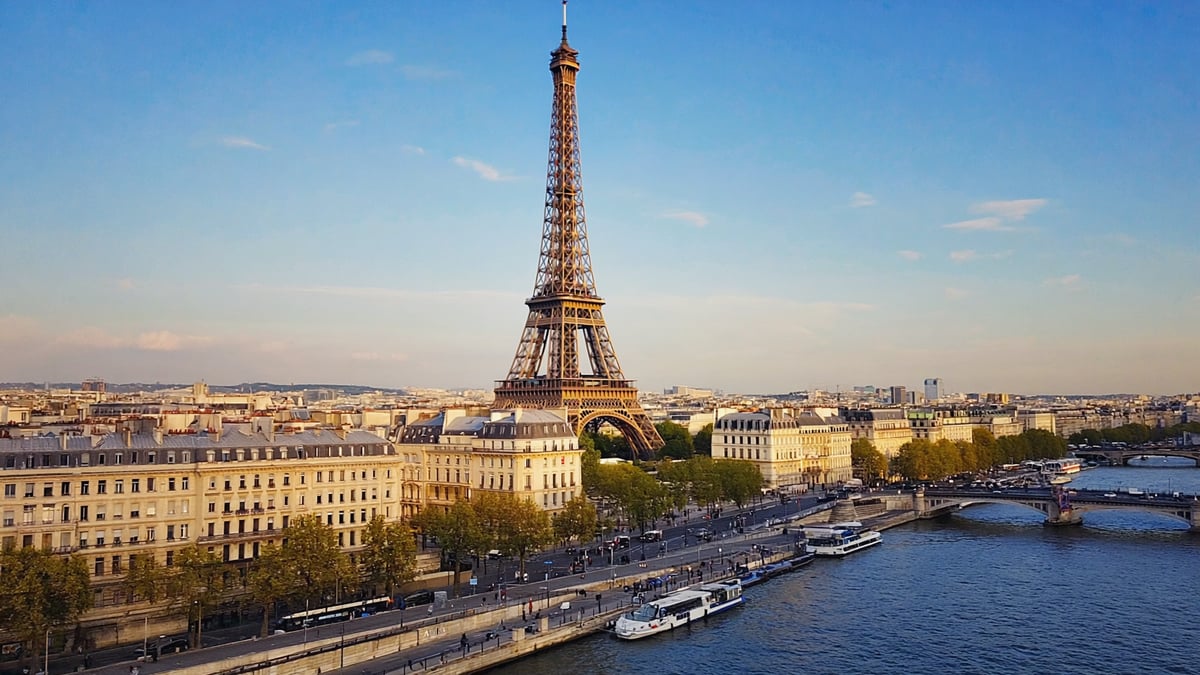
Paris is one of the most visited cities on the planet, yet it remains stubbornly, magnificently itself. It has not been flattened into a theme park version of culture. The Louvre still holds genuine wonders. The Seine still catches the late afternoon sun in a way that makes you reach for your phone and then quietly put it away, because no photograph will do it justice. And the food, from a €3 croissant eaten standing at a zinc bar to a three-course dinner in the Marais, still punches well above its weight.
This guide is built for UK travellers planning a Paris city break from UK, whether you have a long weekend or a full week, a tight budget or a splurge fund. Every section is packed with practical detail: real prices in pounds and euros, neighbourhood breakdowns, insider tips, and a clear-eyed look at what is worth your time and what is overrated. Use it to plan, and then use GlobeHunters' Paris holiday packages to book the whole thing in one place.
Paris at a Glance: Geography, Practicalities, and What Makes It Tick
Paris sits in northern France, roughly in the centre of the Île-de-France region, straddling the River Seine. The city proper covers around 105 square kilometres and is divided into 20 arrondissements arranged in a clockwise spiral from the 1st (the historic core around the Louvre) to the 20th (the edgier, more residential east). Understanding the arrondissement system is the single most useful thing a first-time visitor can learn before they arrive.
Language: French. English is widely spoken in hotels, tourist areas, and most restaurants, but making even a token effort with French, "Bonjour", "Merci", "S'il vous plaît", is warmly appreciated and will noticeably improve service.
Currency: Euro (€). The current exchange rate hovers around £1 = €1.15–€1.20, though this fluctuates. All prices in this guide are given in both GBP and EUR where relevant. ATMs (called DABs in France) are widely available. Card payment is accepted almost everywhere, though a small number of traditional cafés and market stalls remain cash-only.
Time Zone: Central European Time (CET), which is UTC+1 in winter and UTC+2 during summer (CEST). Paris is one hour ahead of the UK for most of the year, shifting to two hours ahead briefly during clock-change transitions in spring and autumn.
Visa Requirements for UK Travellers: Since Brexit, UK passport holders travel to France as third-country nationals under the EU's Schengen rules. Currently, no visa is required for stays of up to 90 days within any 180-day period. However, the EU's ETIAS (European Travel Information and Authorisation System) is expected to launch for UK travellers in the near future. Once live, it will require a pre-travel online registration (similar to the US ESTA), costing around €7. Check the ETIAS official site for the latest launch date before you travel.
Getting Around: Paris has one of the finest urban transport networks in Europe. The Métro runs 16 lines covering virtually every corner of the city. A single ticket (t+) costs around €2.10 (approximately £1.80), and a carnet of 10 tickets offers a modest saving. The Navigo Easy card, loadable with multiple tickets, is the most practical option for a short stay. Taxis and Uber are available but traffic in central Paris can make walking or cycling faster for distances under 2km. The Vélib' bike-share scheme is excellent for flat, central routes.
Electricity: Type E plugs, 230V/50Hz. UK travellers need a standard two-pin European adapter.
When to Go: Navigating Paris Through the Seasons
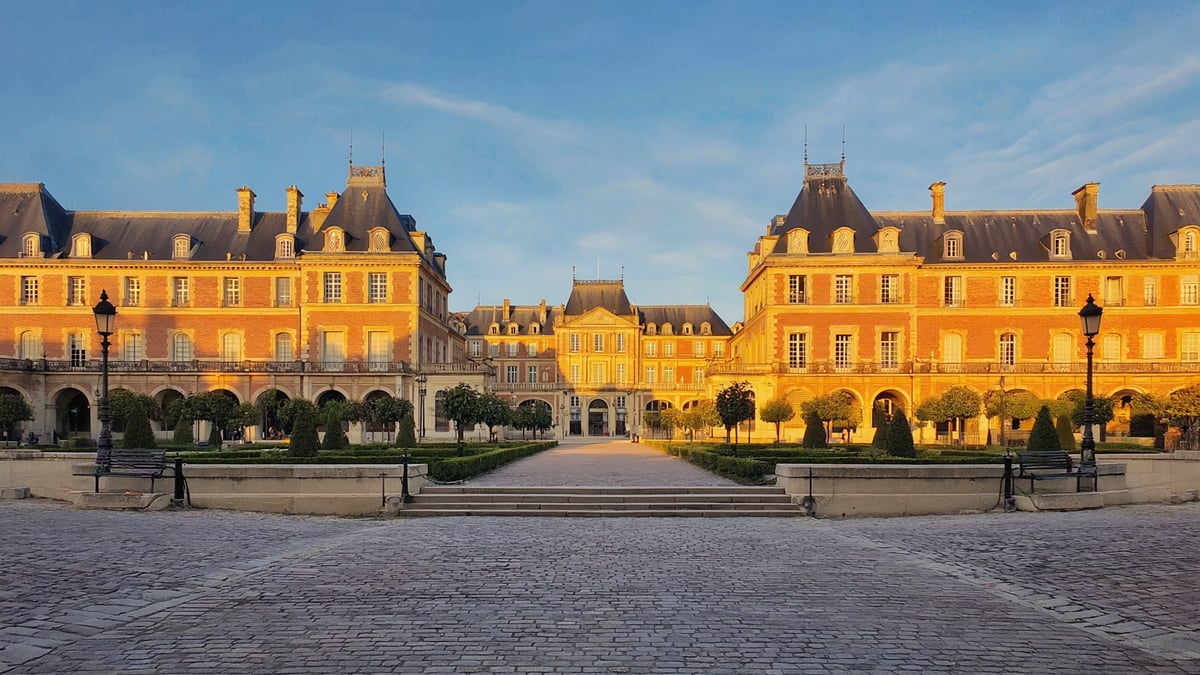
The honest answer to "when is the best time to visit Paris?" depends entirely on what you want from the trip. Paris is a genuinely four-season destination, each with distinct character, crowd levels, and pricing. There is no universally correct answer, but there is a correct answer for your specific priorities.
Spring (March to May)
Spring is widely regarded as Paris at its most cinematic. Temperatures climb from around 8°C in March to a pleasant 18-20°C by late May. The city's parks and boulevards bloom with chestnut trees and cherry blossoms, and the longer days mean you can spend evenings outdoors without a heavy coat by April. Crowds build steadily through April and peak around Easter, which pushes hotel prices up noticeably. Book accommodation three to four months in advance for Easter week. May is arguably the sweet spot: school holidays are mostly over, the weather is reliably warm, and the city has not yet hit peak summer congestion.
Summer (June to August)
Paris in summer is busy. Very busy. July and August bring the highest tourist volumes of the year, with queues at major attractions stretching to genuinely discouraging lengths without pre-booked timed entry. Temperatures typically range from 20°C to 28°C, occasionally spiking higher during heatwaves. The upside: long daylight hours (sunset as late as 22:00 in June), outdoor dining everywhere, and the famous Bastille Day celebrations on 14th July, which include a military parade down the Champs-Élysées and a spectacular fireworks display over the Eiffel Tower. The curious flip side of August is that many Parisian locals leave the city for their own holidays, giving some neighbourhoods a strangely quiet, almost intimate quality.
Autumn (September to November)
September may be the most underrated month to visit Paris. Crowds thin from their summer peak, prices drop, and the city takes on a golden, amber quality as leaves turn across the parks and boulevards. The weather remains comfortable through October (averaging 13-16°C) before cooling sharply in November. Paris Fashion Week takes place in late September and early October, which fills luxury hotels and certain neighbourhoods with a particular energy. For value-conscious travellers, late October and November offer some of the lowest accommodation prices of the year.
Winter (December to February)
Paris in December is transformed by Christmas markets, fairy lights along the Champs-Élysées, and the kind of atmospheric cold that makes every café feel like a refuge. It is one of the most romantic times to visit, and the city's museums are blissfully uncrowded. January and February are the quietest and cheapest months, with average temperatures of 4-7°C. If cold weather does not deter you, a winter Paris holiday offers exceptional value and a more local, unhurried experience.
Recommended window for first-time visitors: Mid-May or early September. Both offer excellent weather, manageable crowds, and mid-range pricing without the extremes of peak summer.
Where to Stay: Paris Neighbourhoods Decoded
Choosing where to stay in Paris shapes the entire character of your trip. The city's 20 arrondissements each have a distinct personality, and the "best" area depends entirely on your travel style, interests, and budget. Here is a practical breakdown of the key zones.
For First-Timers: The Marais (3rd and 4th Arrondissements)
The Marais sits on the Right Bank and strikes the ideal balance between central location, historic character, and modern amenity. Its medieval street plan survived Haussmann's 19th-century redevelopment largely intact, giving it an intimate, human-scaled feel that much of central Paris lacks. The area is home to the Place des Vosges (Paris's oldest planned square), the Centre Pompidou, several excellent museums, and a thriving food and nightlife scene. It is also the heart of Paris's LGBTQ+ community, making it one of the city's most welcoming and diverse neighbourhoods. Hotels here range from budget two-stars to boutique four-stars.
For Romance and Views: Left Bank (5th, 6th, and 7th Arrondissements)
Saint-Germain-des-Prés (6th) is the Paris of literary myth, Sartre, Hemingway, Simone de Beauvoir, and it remains one of the city's most beautiful and walkable areas. The 7th arrondissement is home to the Eiffel Tower and offers some of the city's grandest, most imposing addresses. The 5th, the Latin Quarter, is lively, student-filled, and full of affordable restaurants around the Rue Mouffetard. Left Bank accommodation skews expensive in the 6th and 7th, but the 5th offers genuinely good mid-range options.
For Value and Local Life: Montmartre (18th Arrondissement)
Montmartre sits on a hill in northern Paris, crowned by the Sacré-Cœur basilica. It is touristy around the Place du Tertre but becomes genuinely residential just a few streets away, with local wine bars, butchers, and boulangeries that have not adjusted their prices for visitors. Hotels here are often significantly cheaper than equivalent properties in the 1st or 6th, and the Métro puts the rest of the city within 15-20 minutes.
For Luxury: The Golden Triangle (8th Arrondissement)
The 8th is Paris's prestige address: the Champs-Élysées, Avenue Montaigne, the Grand Palais, and a concentration of five-star hotels including some of the most famous addresses in the world. If budget is not a constraint, this is where Paris performs at its most opulent.
| Area | Best For | Budget (per night) | Mid-Range (per night) | Luxury (per night) |
|---|---|---|---|---|
| Marais (3rd/4th) | First-timers, couples, culture | £80–£110 | £130–£200 | £250–£450+ |
| Saint-Germain (6th) | Romance, dining, literary history | £90–£120 | £150–£230 | £300–£600+ |
| Montmartre (18th) | Budget travellers, local feel | £60–£90 | £100–£160 | £200–£350 |
| Latin Quarter (5th) | Students, solo travellers, value | £65–£95 | £110–£170 | £220–£380 |
| 8th Arrondissement | Luxury, prestige, special occasions | £120–£160 | £200–£350 | £500–£2,000+ |
Top Things to Do in Paris: Beyond the Postcard
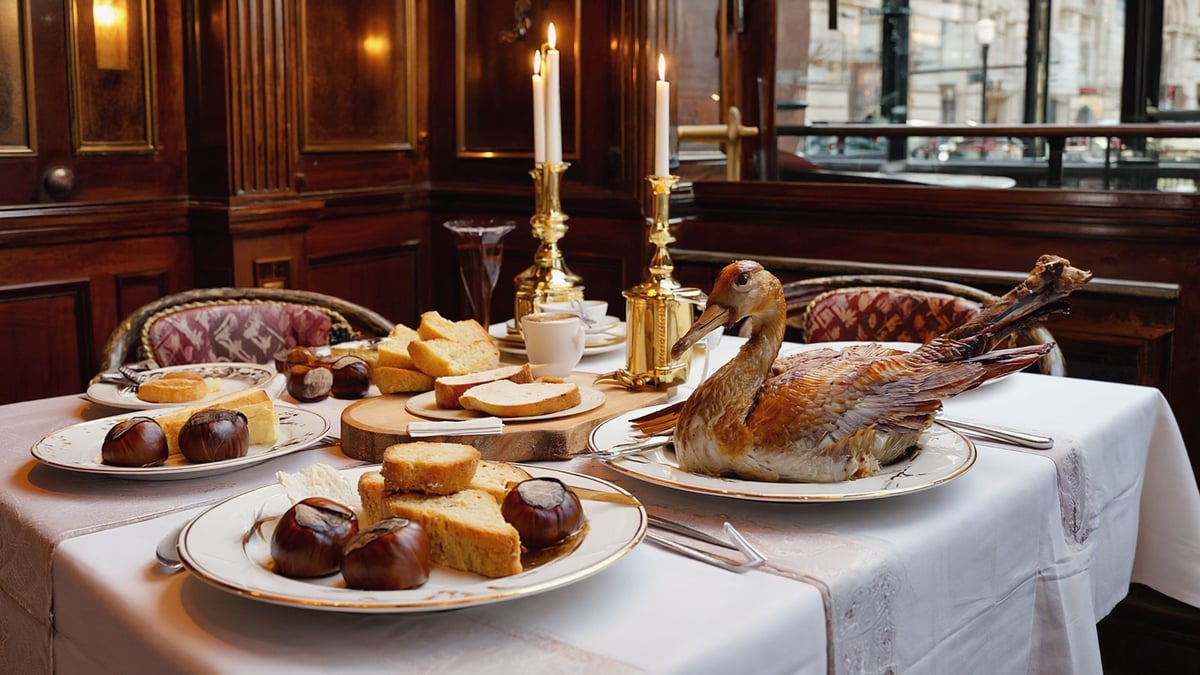
Paris rewards the curious. Yes, you should see the Eiffel Tower, but how you see it matters. This section covers the city's essential experiences with the practical detail that separates a great visit from a frustrating one.
1. The Eiffel Tower (La Tour Eiffel)
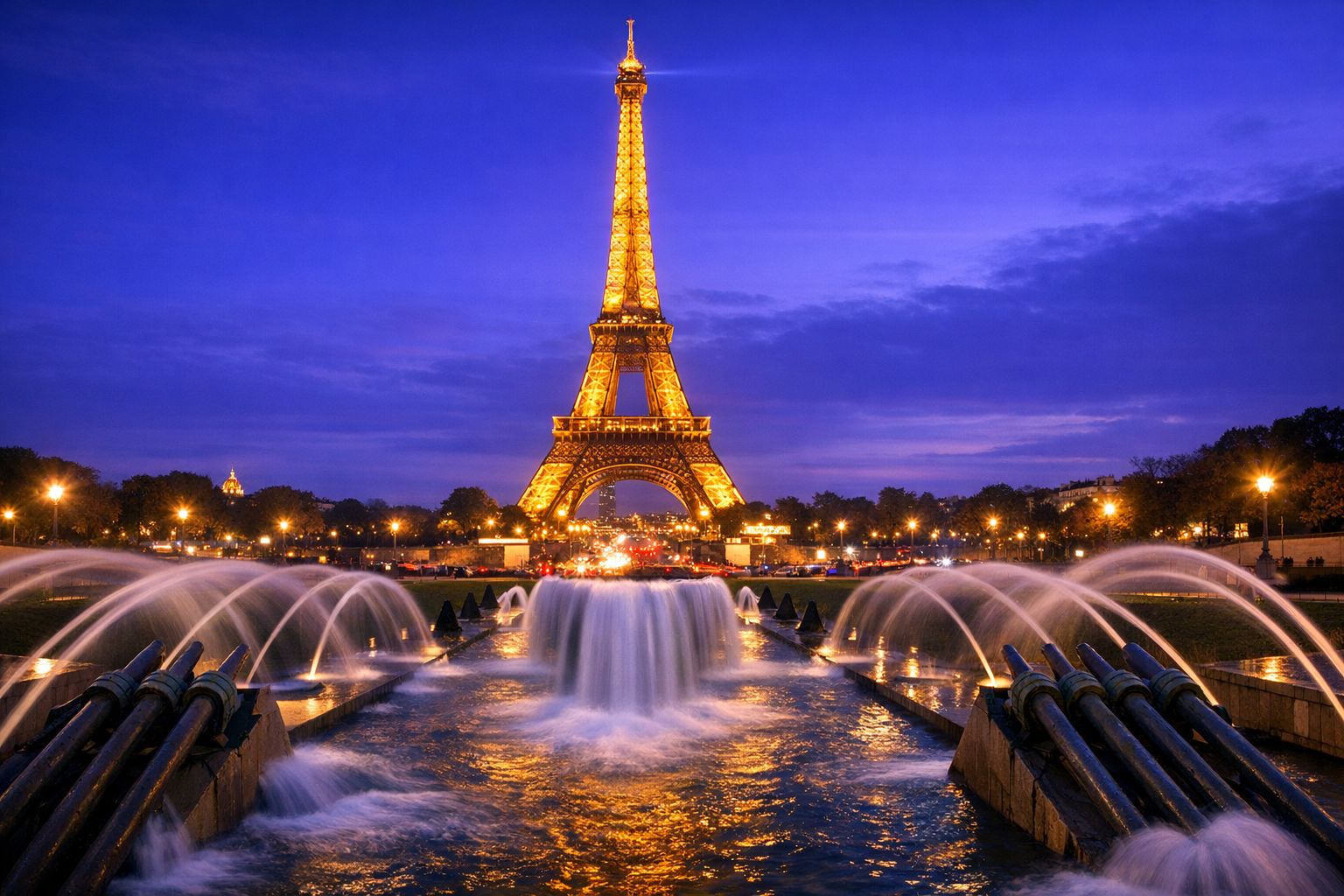
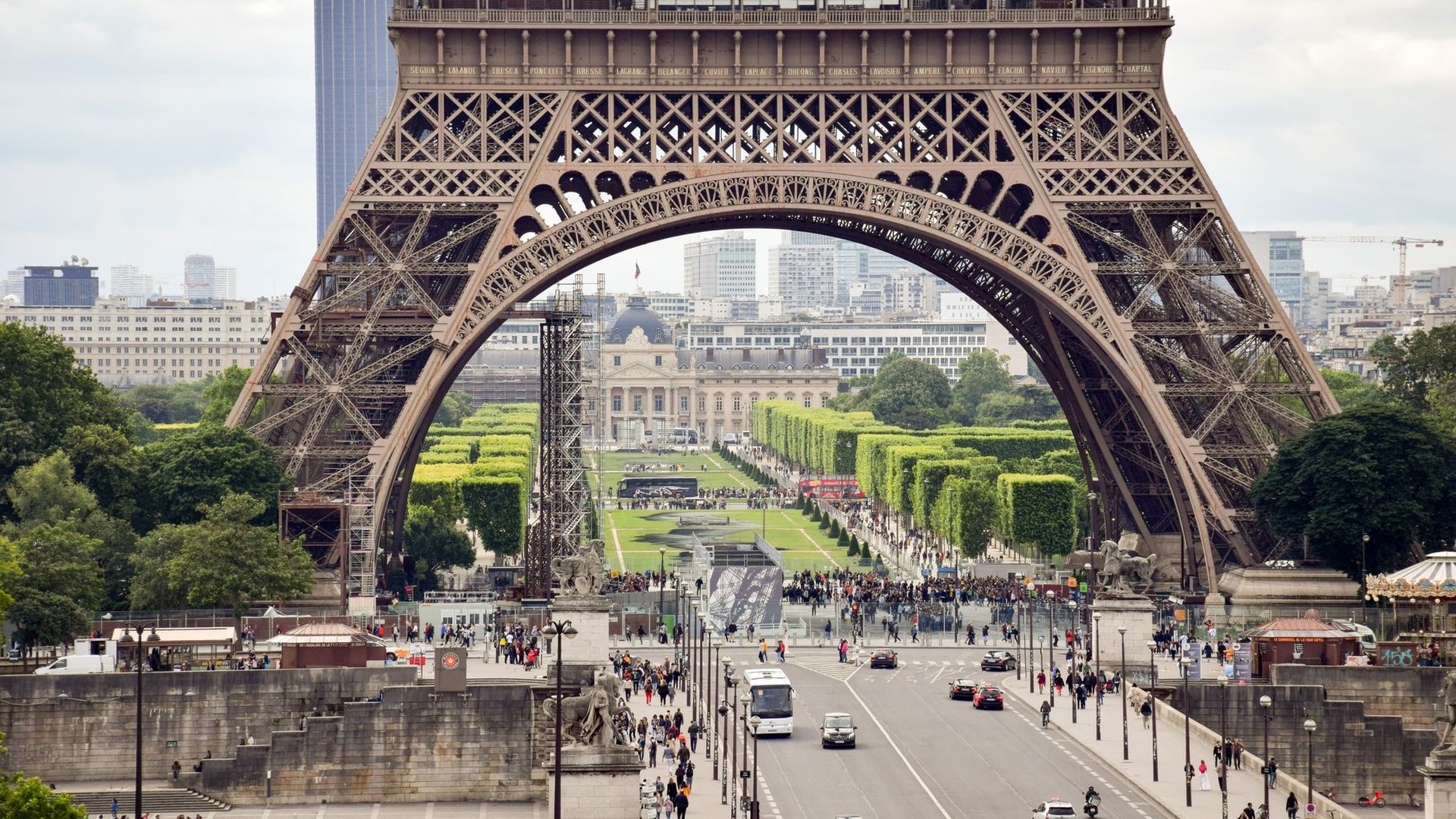
Built as a temporary structure for the 1889 World's Fair, the Eiffel Tower is now the most visited paid monument in the world, according to the official Eiffel Tower website. Pre-booking timed entry tickets is not optional, it is essential. Walk-up queues routinely exceed two to three hours. Tickets for the lift to the summit cost around €28.30 per adult (approximately £24). The second floor, accessible by stairs, costs around €11.80 (approximately £10) and offers a genuinely excellent view. The tower is open daily, typically 09:30–23:45 in summer and 09:30–22:45 in winter, though hours vary seasonally. The best viewing time is dusk, when the tower transitions from golden sunset light to its famous hourly light show after dark.
2. The Louvre Museum
The Louvre is the world's largest art museum and requires strategic planning to enjoy rather than endure. Timed entry tickets cost €22 per adult (approximately £19) and must be booked in advance at the official site. Holders of EU national identity cards aged under 26 enter free. The museum is closed on Tuesdays. Rather than trying to "do" the Louvre in one visit, pick two or three wings and give them proper attention. The Denon Wing houses the Mona Lisa, the Winged Victory of Samothrace, and the Venus de Milo. Wednesday and Friday evenings (open until 21:45) are significantly less crowded than weekend afternoons.
3. Musée d'Orsay
Many regular Paris visitors rate the Musée d'Orsay above the Louvre for sheer pleasure. Housed in a converted Beaux-Arts railway station on the Left Bank, it holds the world's finest collection of Impressionist and Post-Impressionist art, including major works by Monet, Renoir, Van Gogh, and Degas. Entry costs €16 per adult (approximately £14). Open Tuesday to Sunday, 09:30–18:00, with late opening on Thursdays until 21:45. The clock-face windows behind the top-floor café offer one of Paris's best views of the Right Bank.
4. Notre-Dame Cathedral
Notre-Dame reopened to visitors in December 2024 following the devastating fire of April 2019. The restoration has been widely described as a triumph of craftsmanship, and the interior is more luminous than at any point in recent memory. Entry to the cathedral itself is free (timed entry passes required during the initial reopening phase). The towers, which offer the famous gargoyle-level views over Paris, are ticketed separately at around €13 per adult (approximately £11). Check the cathedral's official schedule for current tower access arrangements, as these continue to be phased in.
5. Montmartre and Sacré-Cœur
The Sacré-Cœur basilica sits at the top of the Butte Montmartre and offers a panoramic view across the city that rivals the Eiffel Tower for drama. Entry is free. The dome can be climbed for around €8 (approximately £7). The real pleasure of Montmartre, however, is wandering: the vineyard on Rue des Saules (one of only two working vineyards within Paris), the bohemian backstreets around the Rue Lepic market, and the Square Louise Michel below the basilica, where locals gather on warm evenings.
6. Palace of Versailles (Day Trip)
Versailles is technically outside Paris, located 20km southwest, but it is a natural inclusion in any Paris itinerary of three days or more. The RER C train from central Paris (Gare d'Austerlitz or Saint-Michel-Notre-Dame) takes around 40 minutes and costs about €4 each way (approximately £3.50). The Palace entry ticket, including the main château and Hall of Mirrors, costs €21 per adult (approximately £18). The gardens are free except on days when the Grandes Eaux Musicales (musical fountains) are running, when a garden entry fee applies. Book palace tickets in advance, the queues for same-day tickets are formidable in peak season.
7. Seine River Cruise
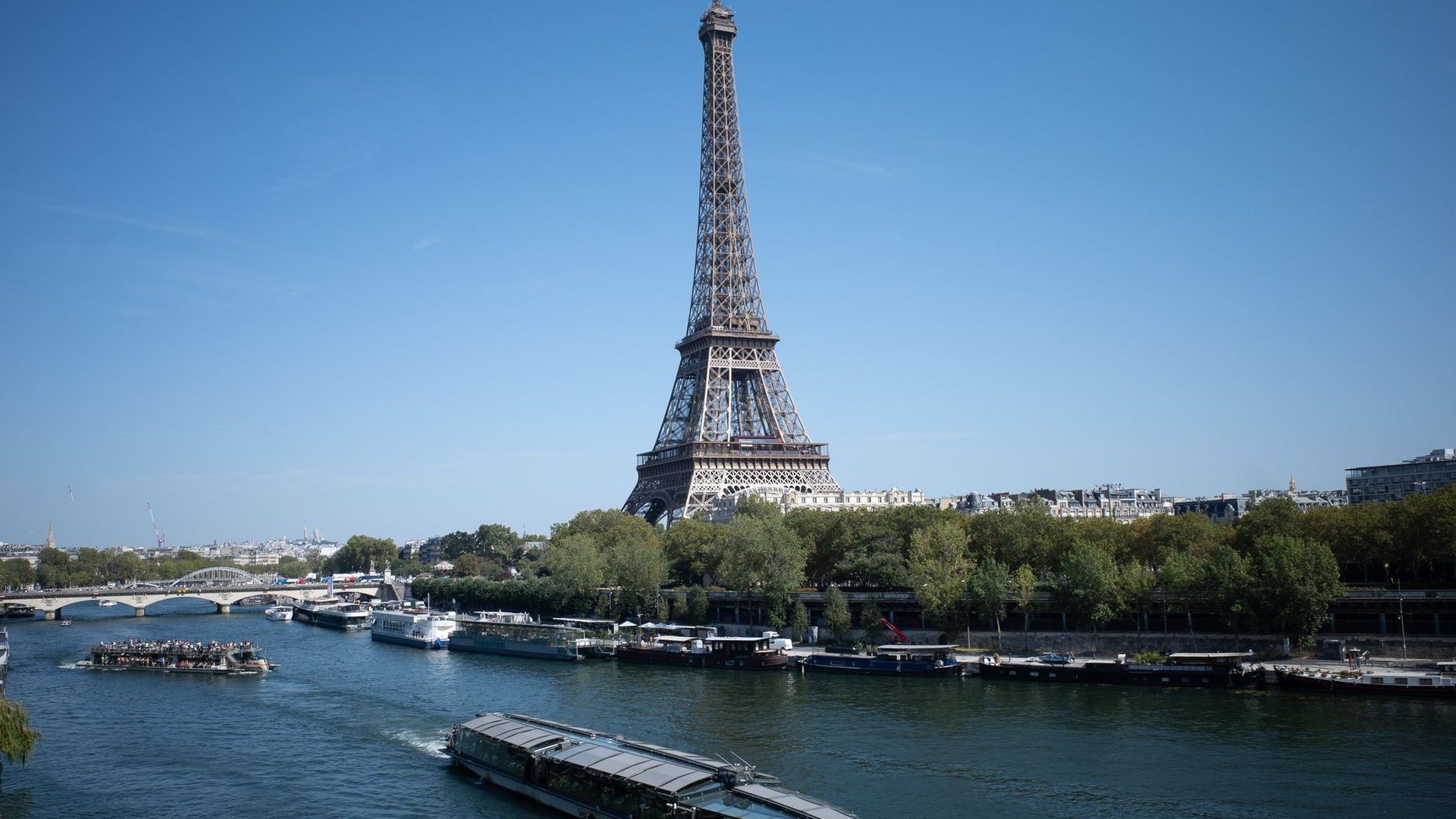
A Seine river cruise gives Paris's landmarks a completely different perspective and is particularly magical at sunset or after dark. Bateaux Mouches and Vedettes du Pont-Neuf are the two main operators. A standard one-hour sightseeing cruise costs around £12–£16 per adult. Dinner cruises are available from around £70 per person. The cruise passes the Eiffel Tower, Notre-Dame, the Louvre, and the Musée d'Orsay, an efficient way to orient yourself geographically on the first day of a visit.
8. Sainte-Chapelle
Sainte-Chapelle is one of the most spectacular Gothic buildings in the world and, remarkably, one of the most under-visited major monuments in Paris. Located on the Île de la Cité, it was built in the 13th century to house holy relics and is famous for its extraordinary stained glass, which covers almost the entire upper chapel wall in deep blues, reds, and golds. Entry costs €13 per adult (approximately £11). It is open daily, 09:00–19:00 (shorter hours in winter). Combined tickets with the Conciergerie next door are available at a small saving.
9. The Père Lachaise Cemetery
Père Lachaise is the world's most visited cemetery and one of Paris's most genuinely moving experiences. Oscar Wilde, Édith Piaf, Frédéric Chopin, Jim Morrison, Marcel Proust, and Molière are all buried here, among tens of thousands of others. Entry is free. The cemetery is open Monday to Friday from 08:00, Saturday from 08:30, and Sunday from 09:00, closing at 18:00 (17:30 in winter). Pick up a map at the entrance, it is a large, hilly site and easy to get disoriented without one.
10. The Palais Royal Gardens
The Palais Royal gardens are one of Paris's best-kept secrets in plain sight. Located just north of the Louvre, the arcaded courtyard houses independent boutiques, galleries, and some of the city's most elegant restaurants, all surrounding a formal garden that remains genuinely tranquil despite its central location. Entry is free and open daily from roughly 07:00 to 23:00 (seasonal variation). The striped columns by artist Daniel Buren in the main courtyard are a popular photography spot, and the garden itself is a perfect spot to read, eat a sandwich, or simply decompress between museum visits.
Book Your Paris Holiday Now
GlobeHunters offers Paris city break packages including flights and hotels from £349 per person. Compare packages, check live pricing, and book in minutes.
View Paris Packages & Prices →Or call us: 0208 944 4514
Food and Dining in Paris: Where and What to Eat
Parisian food culture is not a tourist attraction. It is the actual texture of daily life, and engaging with it seriously, rather than defaulting to the nearest restaurant with a laminated picture menu, is one of the most rewarding things you can do in the city. Here is how to eat well in Paris at every price point.
Essential Dishes to Try
Croissant au beurre: The real thing, made with proper laminated butter pastry, is flaky, golden, and slightly chewy at the centre. Eat it standing at the bar of a neighbourhood boulangerie with an espresso. Budget around €1.20–€1.50 (approximately £1–£1.30).
Steak frites: The unofficial national dish of the Parisian brasserie. Typically a bavette (flank) or entrecôte, served with proper hand-cut chips and a simple green salad. Expect to pay £16–£25 in a mid-range brasserie.
Soupe à l'oignon: French onion soup, made with slow-caramelised onions, beef stock, a thick slice of bread, and a gratinéed Gruyère crust. Best eaten in a traditional brasserie rather than a tourist-facing café.
Crêpes and galettes: Sweet crêpes from street stands cost around €3–€5. Savoury buckwheat galettes (filled with ham, cheese, egg, or combinations thereof) are a satisfying, cheap lunch and are particularly associated with the Brittany region, look for restaurants labelled "crêperie" or "bretonne".
Macarons: Pierre Hermé and Ladurée are the two names most associated with the Parisian macaron. Ladurée's flagship on the Champs-Élysées is worth visiting for the room alone, even if you find the macarons slightly overpriced at around €2.40 each. Pierre Hermé on the Rue Bonaparte (6th) is arguably the better macaron at a comparable price.
Cheese and charcuterie: Any fromagerie in a residential neighbourhood will sell you better cheese than most London delis. Ask for a selection and specify whether you want something mild (doux), medium (demi-sec), or strong (fort). Budget around €8–£12 for enough cheese to make a proper picnic for two.
Best Areas for Dining
The Marais has the widest range: everything from falafel on the Rue des Rosiers (the heart of Paris's Jewish quarter, where L'As du Fallafel serves arguably the best falafel in the city for around €7) to serious modern French cooking in converted hôtel particuliers.
Rue Montorgueil (2nd arrondissement) is a pedestrianised market street lined with boulangeries, fishmongers, cheese shops, and cafés. It is one of the city's most lively food streets and excellent for a self-assembled picnic or a sit-down lunch.
Oberkampf and Belleville (11th/20th) are the neighbourhoods where Parisians actually go out to eat. Less polished than the Marais or Saint-Germain, significantly cheaper, and with a concentration of natural wine bars, Vietnamese restaurants (Paris has one of the finest Vietnamese food scenes outside Southeast Asia), and inventive bistros run by young chefs.
Dietary Considerations
Paris has improved significantly for vegetarians and vegans in recent years. Dedicated vegan restaurants are now found across the city, particularly in the Marais and the 11th arrondissement. That said, traditional Parisian cooking is heavily meat and dairy-focused, and some older brasseries may have limited options. Halal and kosher options are available in the Marais and in areas like Belleville and the 18th arrondissement. Gluten-free options are available in most modern restaurants; traditional boulangeries are increasingly stocking gluten-free alternatives.
Getting to Paris from the UK: Your Transport Options
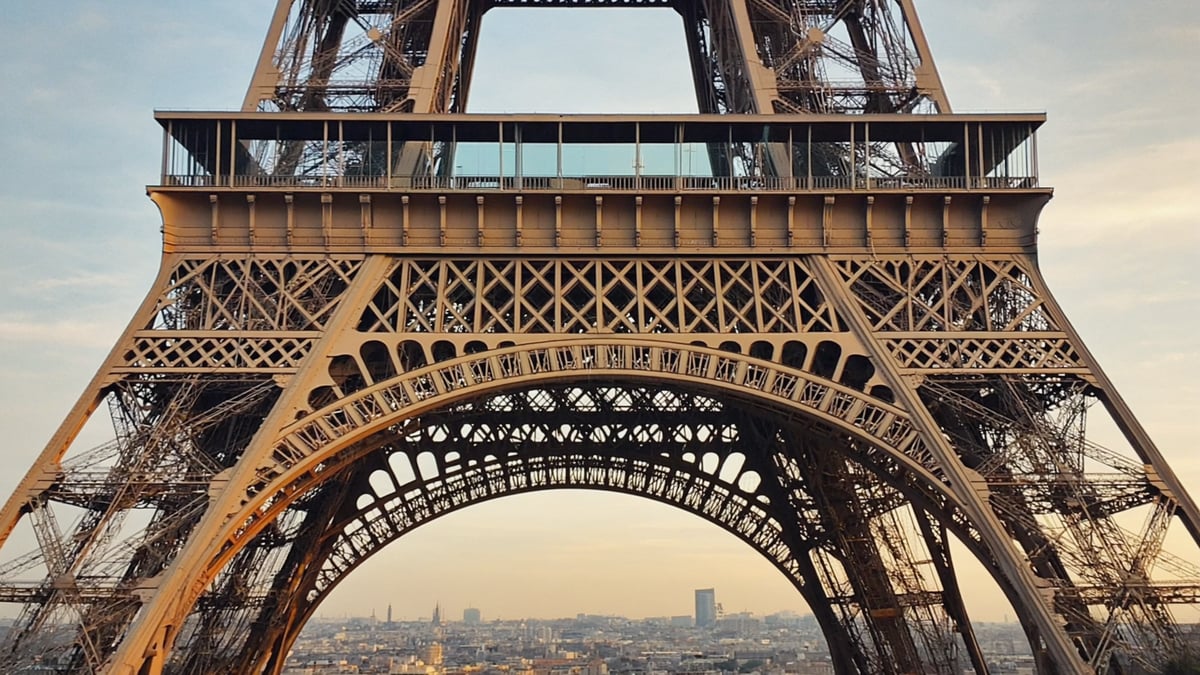
Paris is one of the most accessible European cities from the UK, with multiple transport options at a range of price points. The right choice depends on where in the UK you are travelling from, how much luggage you have, and whether you prioritise speed, cost, or experience.
By Air
Paris is served by two main airports: Charles de Gaulle (CDG), the primary international hub located 25km northeast of the city centre, and Orly (ORY), a smaller airport 14km south of the city that handles mainly domestic and European routes. A third option, Beauvais (BVA), is used by Ryanair but sits 85km from Paris, making the journey into the city lengthy and inconvenient, factor in the €17 shuttle bus and 90-minute transfer when comparing prices.
Airlines: British Airways, easyJet, and Air France all operate multiple daily flights from London Heathrow and London Gatwick to CDG. easyJet and Vueling also serve Orly. From regional UK airports, connections are available via Manchester, Edinburgh, Birmingham, and Bristol with various carriers. Flight time from London is approximately 1 hour 20 minutes.
Typical fares: Budget airlines offer fares from around £40–£80 one-way for advance bookings. Full-service carriers typically start at £80–£130 one-way from London. Return flights booked two to three months ahead typically range from £80 to £200 per person depending on timing and airline.
Airport to city transfer from CDG: The RER B train is the fastest and cheapest option at around €11.80 per person (approximately £10), taking 35–45 minutes to central Paris. Taxis from CDG are fixed-rate: €52 to the Right Bank, €58 to the Left Bank (approximately £45–£50). Uber is available and often slightly cheaper than taxis. The Roissybus coach service runs to Opéra for around €16 (£14) but is slower during peak hours.
By Eurostar
The Eurostar from London St Pancras to Paris Gare du Nord takes 2 hours 16 minutes and drops you in the heart of the city with no airport security theatre, no baggage carousel wait, and no transfer required. Return fares start from around £58 in advance (Standard class) and rise to £200–£400 for Standard Premier or Business Premier. For city breaks, the Eurostar is often the more enjoyable option even if it is not always the cheapest, particularly for travellers from London and the Southeast.
By Coach
Flixbus and Eurolines run overnight coach services from London Victoria to Paris, taking around 8–9 hours. Fares can be as low as £15–£30 return for very early bookings. This is primarily of interest to budget travellers with maximum flexibility and minimum urgency.
Paris Budget Guide: What Things Actually Cost
One of the most useful things this guide can do is give you a realistic daily spend estimate. Paris has a reputation for being expensive, but that reputation is partly earned by travellers who spend in tourist hotspots without knowing the alternatives. Here is an honest breakdown.
| Category | Budget Traveller (per day) | Mid-Range Traveller (per day) | Luxury Traveller (per day) |
|---|---|---|---|
| Accommodation | £60–£90 | £120–£200 | £300–£800+ |
| Food and drink | £20–£30 | £40–£65 | £80–£200+ |
| Transport (local) | £5–£8 | £8–£15 | £15–£40 |
| Attractions and entry | £10–£20 | £20–£40 | £40–£100+ |
| Miscellaneous (shopping, coffees, tips) | £5–£10 | £10–£25 | £30–£150+ |
| Daily Total (approx.) | £100–£160 | £198–£345 | £465–£1,290+ |
Budget tips that make a real difference:
- The Paris Museum Pass (covering 50+ museums and monuments) costs £52 for 2 days, £65 for 4 days, and £78 for 6 days. If you plan to visit the Louvre, Musée d'Orsay, Sainte-Chapelle, and Versailles in the same trip, it pays for itself easily.
- Lunch is the smart meal to splurge on. Many quality restaurants offer a set "formule" lunch (starter and main, or main and dessert) for €15–€20 (approximately £13–£17) that would cost twice as much as an à la carte dinner. Eat your main meal at midday and keep evenings light.
- A carnet of 10 Métro tickets (loaded onto a Navigo Easy card) costs €17.35 (approximately £15) and covers all central Paris journeys. Far cheaper than buying individual tickets.
- Many of Paris's national museums offer free entry on the first Sunday of each month. The Louvre, Musée d'Orsay, Musée de Cluny, and others all participate. The trade-off: these days are significantly busier than normal.
GlobeHunters Paris city break packages from £349 per person include return flights and accommodation, which typically represents better value than booking flights and hotels separately, particularly for mid-range hotels in central arrondissements where room prices track closely with demand.
Travel Tips and Safety: What UK Travellers Need to Know
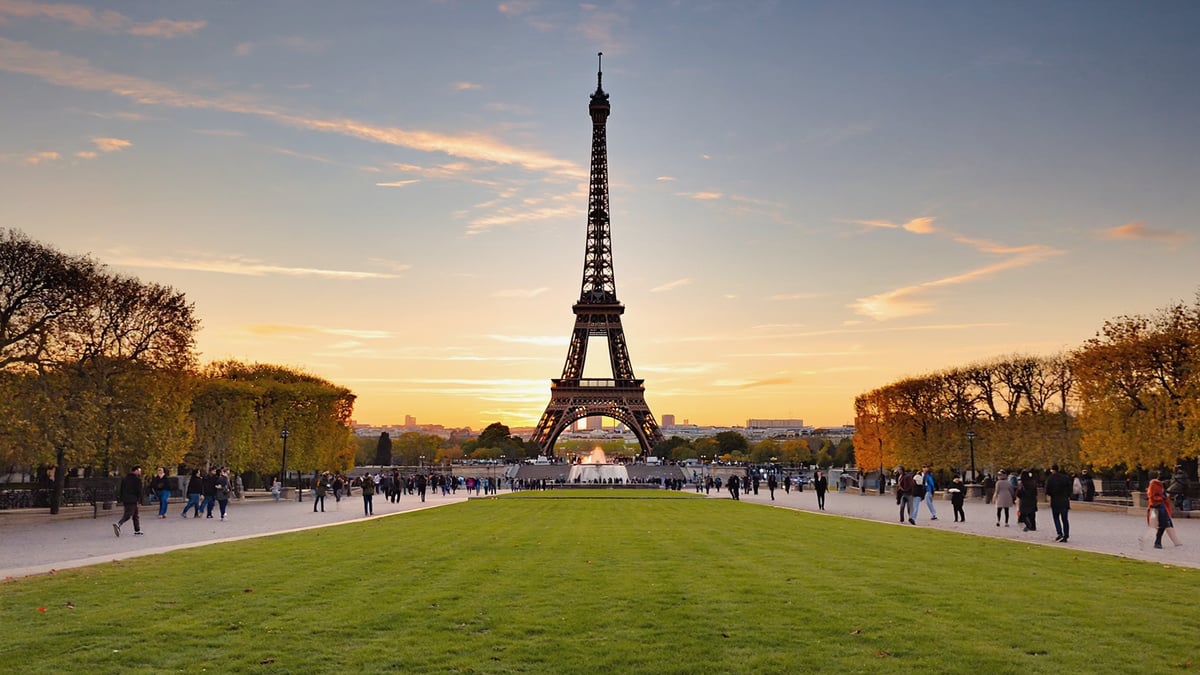
Paris is a safe city by international standards, but like any major European capital it has specific patterns of petty crime that travellers should be aware of. Being informed is not the same as being paranoid, it simply means you can enjoy the city without avoidable stress.
Safety and Petty Crime
Pickpocketing is the primary concern for tourists in Paris. It is concentrated in specific, predictable locations: the Métro (particularly lines 1, 4, and the RER B), the area immediately around the Eiffel Tower, Montmartre's Sacré-Cœur steps, and busy tourist queues. The standard advice applies: keep bags zipped and in front of you on the Métro, use a money belt for passports and large amounts of cash, and be alert to distraction techniques (someone dropping something, asking you to sign a petition, or pointing at something on the ground).
The "friendship bracelet" scam on the Sacré-Cœur steps involves individuals aggressively tying a bracelet onto your wrist and then demanding payment. Simply decline firmly and keep walking. The "gold ring" scam involves someone picking up a ring from the ground near you and claiming it is yours, then asking for a reward. Both are harmless if you know they are coming.
Street safety at night is generally good in tourist areas and well-lit central neighbourhoods. Some peripheral arrondissements (particularly parts of the 18th around Barbes and the 19th) are rougher at night and are better avoided after dark if you are unfamiliar with them.
Health
The UK Global Health Insurance Card (GHIC) provides access to state-provided healthcare in France at the same cost as French residents. It replaces the European Health Insurance Card (EHIC) for UK travellers and is free to apply for via the NHS website. It does not cover all eventualities, so comprehensive travel insurance (including medical cover of at least £1 million) is strongly recommended for any Paris trip.
Pharmacies (marked by a green cross sign) are exceptionally well-staffed and knowledgeable in France. For minor ailments, a French pharmacist is an excellent first port of call and can prescribe certain medications that would require a GP visit in the UK. There is at least one 24-hour pharmacy in most central arrondissements.
Cultural Etiquette
A few cultural notes that genuinely smooth interactions in Paris:
- Always say "Bonjour" before addressing anyone, a shopkeeper, a waiter, a hotel receptionist. Launching straight into a question or request without this greeting is considered rude in French culture, and the difference in the quality of the response is measurable.
- Tipping is not mandatory but is appreciated. A service charge (service compris) is included by law in all restaurant bills in France. Leaving an additional €2–€5 for good service is generous; not leaving anything additional is entirely acceptable.
- Restaurant dining is unhurried by design. Waiters in Paris will not bring your bill until you ask for it, this is not neglect, it is courtesy. "L'addition, s'il vous plaît" is the phrase you need.
- Dress modestly when entering churches. This is particularly relevant at Notre-Dame and Sacré-Cœur. Shorts and bare shoulders are generally acceptable but may attract disapproval at some traditional churches.
- Photography inside the Louvre is permitted without flash in most galleries. Photography inside certain smaller museums and galleries is restricted, check signage.
Packing for Paris
Paris is a walking city. The most important item you can pack is comfortable, well-worn shoes. Beyond that, the key considerations are seasonal: a light waterproof jacket for spring and autumn (Paris has unpredictable rain), layers for winter visits, and sun protection for summer. Parisians dress with care, not necessarily expensively, but neatly. Smart-casual is appropriate for most restaurants and all but the most formal dining establishments.
Connectivity
Free Wi-Fi is available throughout the Paris Métro and at most cafés and hotels. UK SIM cards with roaming included (all major UK networks offer EU roaming as standard) work normally in France. A French SIM card (available from Orange, SFR, or Bouygues Telecom at any airport or supermarket) is an economical option for longer stays.
Frequently Asked Questions About Visiting Paris
Do UK travellers need a visa for Paris?
No. UK passport holders can visit France and the wider Schengen Area for up to 90 days within any 180-day period without a visa. The EU's ETIAS pre-travel authorisation system is expected to launch for UK travellers in the near future, requiring a simple online registration costing €7. Check the ETIAS official website for the current launch date before booking.
How many days do you need in Paris?
Three full days is the minimum to cover the essential sights without feeling rushed. Four or five days allows you to get beyond the tourist highlights and start experiencing the city at a more relaxed pace, exploring neighbourhoods, spending a morning at a market, taking a day trip to Versailles or Giverny. A week is ideal for a first visit with a serious interest in art and culture.
What is the best way to get to Paris from London?
For travellers based in or near London, the Eurostar from London St Pancras to Paris Gare du Nord (2 hours 16 minutes) is often the most convenient option, depositing you in the city centre without any airport transfer. For travellers from other UK cities, flying into Charles de Gaulle or Orly is typically faster and cheaper overall. Budget airlines including easyJet operate from multiple regional UK airports.
Is Paris expensive for UK tourists?
Paris sits at the mid-to-upper end of European city costs but is not as expensive as its reputation suggests. Budget travellers can manage on £100–£160 per day all-in. The key is knowing where to eat (boulangeries, crêperies, and local bistros rather than tourist-facing restaurants near major attractions) and taking advantage of free attractions (the Palais Royal gardens, Père Lachaise, Montmartre's backstreets, the banks of the Seine).
When is the best time to visit Paris?
Mid-May and early September offer the best combination of good weather, manageable crowds, and mid-range hotel pricing. July and August are busy but bring long days and a festive atmosphere. December is magical for Christmas atmosphere. January and February are the quietest and cheapest months.
Is the Paris Museum Pass worth buying?
Yes, if you plan to visit four or more paid attractions. The 2-day pass costs approximately £52, the 4-day approximately £65. It covers entry to over 50 museums and monuments including the Louvre, Musée d'Orsay, Sainte-Chapelle, Versailles, and the Arc de Triomphe. It also allows skip-the-ticket-desk entry at most venues (though you still need a timed entry reservation at the Louvre).
What language is spoken in Paris?
French is the official language. English is widely spoken in hotels, restaurants, and tourist areas, but making an effort with basic French phrases, particularly "Bonjour" as a greeting and "Merci" as thanks, is warmly received and noticeably improves interactions with locals.
Is Paris safe for solo female travellers?
Yes, Paris is generally safe for solo female travellers. Standard urban precautions apply: stay aware in crowded tourist areas (particularly around the Eiffel Tower and on the Métro), avoid poorly lit streets in unfamiliar neighbourhoods late at night, and keep valuables secure. The Forbes guide to solo female travel in Paris offers additional perspective on navigating the city confidently. Paris's café culture also makes it a particularly easy city to spend time alone without feeling conspicuous.
What currency does France use, and can I use my UK bank card?
France uses the Euro (€). UK bank cards (Visa and Mastercard debit and credit) are widely accepted throughout Paris. It is worth checking your bank's foreign transaction fees before travelling, many modern UK banks (Monzo, Starling, Wise, and Revolut) offer fee-free spending abroad. Some older traditional cafés and market stalls are cash-only; having €50–€100 in cash is a sensible precaution.
Do I need travel insurance for Paris?
Yes. While the GHIC provides access to state healthcare in France, it does not cover private medical treatment, repatriation, trip cancellation, or lost luggage. Comprehensive travel insurance is essential and is available from as little as £10–£20 for a single-trip European policy. Always declare pre-existing medical conditions.
What is the Paris Métro like and how do I use it?
The Paris Métro is clean, frequent, and easy to navigate. It operates from around 05:30 to 01:15 (02:15 on Fridays and Saturdays). Tickets are loaded onto a Navigo Easy card (a reusable plastic card available from any station ticket machine for €2). A single t+ ticket costs €2.10. The Métro map is available free from any station and is also available on Google Maps and the RATP official app. Lines are numbered 1–14 and identified by their terminal station names.
Can I visit Paris on a long weekend from the UK?
Absolutely. A three-night break (departing Friday, returning Monday) is one of the most popular formats for a Paris city break from UK. It comfortably covers the major highlights, Eiffel Tower, the Louvre or Musée d'Orsay, Notre-Dame, Montmartre, and several excellent meals, without feeling rushed. GlobeHunters packages are available from £349 per person for this format, including return flights and hotel accommodation.
Key Takeaways for Your Paris Holiday

- Book timed entry tickets in advance for the Eiffel Tower and the Louvre, walk-up queues are not worth the time they cost you.
- The best Paris neighbourhoods for first-time visitors are the Marais (3rd/4th) and Saint-Germain-des-Prés (6th), both well-connected, walkable, and packed with character.
- Mid-May and early September are the optimal travel windows for weather, crowds, and pricing.
- The Eurostar is the most convenient option for London-based travellers; budget airlines from regional airports offer the best value for those elsewhere in the UK.
- The Paris Museum Pass pays for itself if you visit four or more attractions and simplifies entry logistics considerably.
- Eat your main meal at lunch using set formule menus in neighbourhood bistros, you get restaurant-quality food at a fraction of dinner prices.
- Always say "Bonjour" before addressing anyone. It costs nothing and changes everything.
- ETIAS registration for UK travellers is expected to be required soon, check the official ETIAS website before you travel.
- GlobeHunters Paris packages from £349 per person include flights and hotels, making them a competitive option compared to booking separately, especially for mid-range accommodation in central arrondissements.
Ready to Book Your Paris City Break?
GlobeHunters offers holiday packages including flights and hotels at competitive prices. Paris packages start from £349 per person, compare options, check live availability, and book securely online.
View Paris Packages & Prices →Or call us: 0208 944 4514
About the author
Spiros Maragkoudakis · Chief Commercial Officer
Ready to Book Your Paris Holiday?
Our travel experts are ready to help you plan the perfect trip. Call us today or browse our latest deals.
Ready to Start Planning?
Speak to our travel experts for personalised advice and the best deals on your next holiday.
Call 0208 944 4514