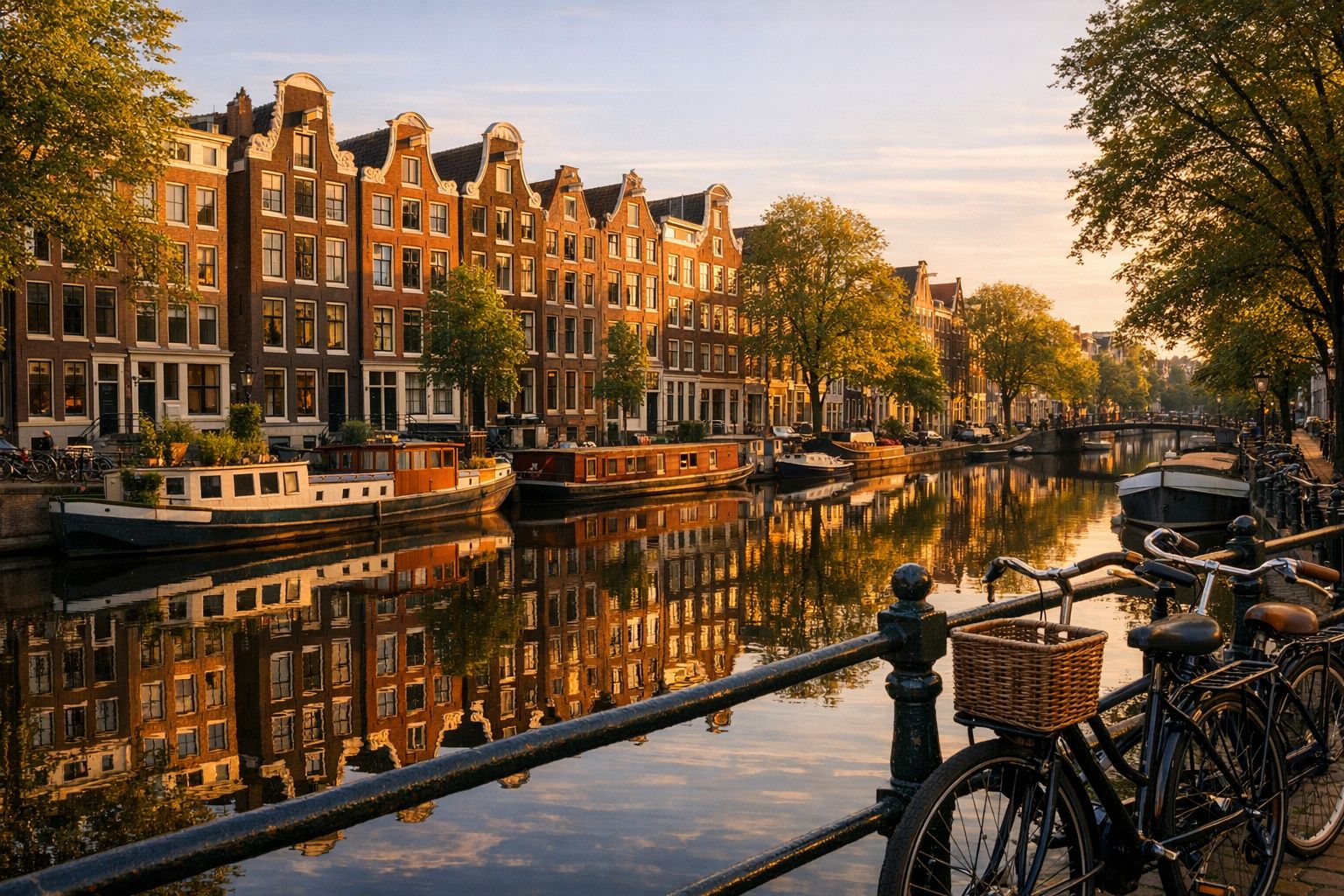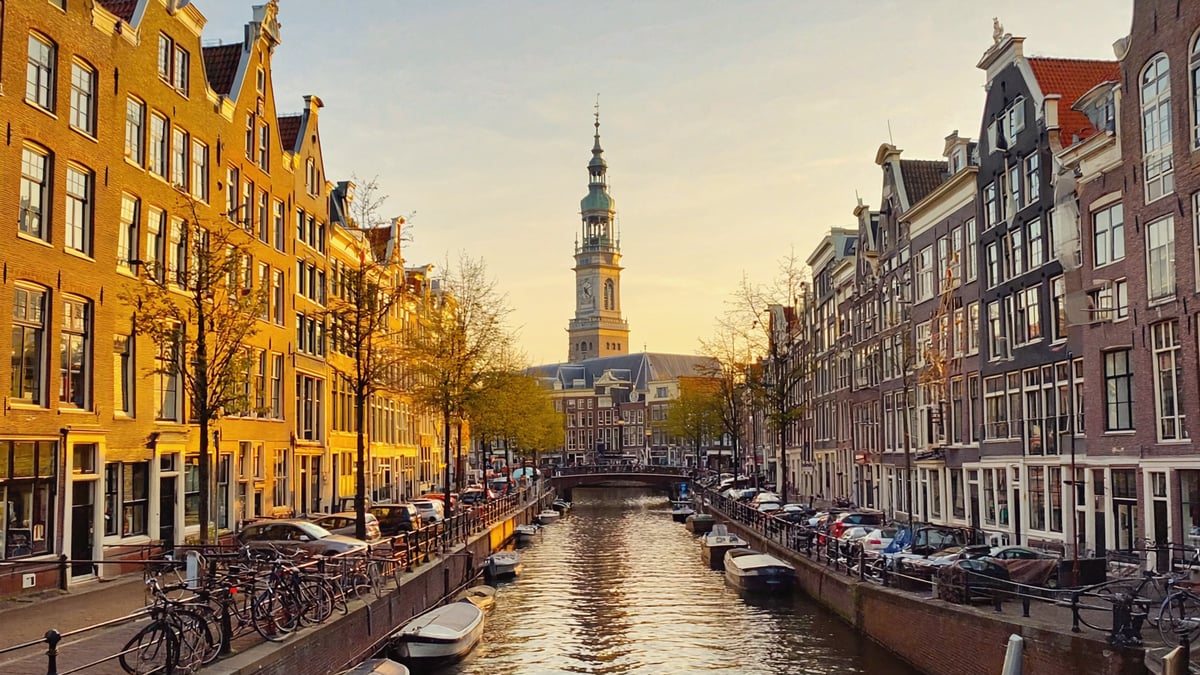
There is a moment, usually somewhere between stepping off a tram near the Rijksmuseum and watching a cyclist glide past a row of crooked canal houses at dusk, when Amsterdam stops being a destination and becomes something more like a feeling. It is compact enough to explore on foot, diverse enough to surprise even repeat visitors, and cultured enough to satisfy the traveller who wants substance alongside scenery. For UK travellers, it sits just under two hours away by air, making it one of the most accessible and rewarding city breaks in Europe. This guide covers everything you need to plan your Amsterdam holiday, from the best time to visit and where to stay, to how much to budget per day and which museums genuinely deserve your time.
Amsterdam at a Glance: What Kind of City Is This, Really?
Amsterdam is the capital and most populous city of the Netherlands, situated in the province of North Holland at the confluence of the Amstel river and the IJ bay. Its famous canal ring, the Grachtengordel, was inscribed as a UNESCO World Heritage Site in 2010, recognising a feat of 17th-century urban planning that has shaped the city's character ever since. Within the ring, around 165 canals stretch for more than 100 kilometres, crossed by roughly 1,500 bridges.
The city covers approximately 219 square kilometres and is home to around 900,000 people. Its population is genuinely cosmopolitan: Dutch, Surinamese, Moroccan, Turkish, Indonesian, and dozens of other communities have shaped the food, music, and culture of its neighbourhoods. English is spoken almost universally, making it remarkably easy for British visitors to navigate. The local currency is the euro (€), and with current exchange rates hovering close to £1 = €1.17, your pound goes a reasonable distance here, though Amsterdam is not a cheap city by European standards.
The city operates on Central European Time (CET), which is UTC+1 in winter and UTC+2 during British Summer Time, meaning Amsterdam is either one hour ahead of or the same as UK time depending on the season. The official language is Dutch, but you will hear English on virtually every street corner.
Visa requirements for UK travellers: Since Brexit, British passport holders travel to the Netherlands under the Schengen Area 90/180-day rule. You do not need a visa for stays of up to 90 days in any 180-day period. However, the EU's ETIAS (European Travel Information and Authorisation System) is expected to come into force in the near future; once live, UK travellers will need to apply online for a travel authorisation (a simple process, not a visa) before entering Schengen countries. Check the latest status before booking. Your passport must be valid for the duration of your stay, though Schengen no longer requires six months of remaining validity for short visits as long as you are within the 90-day rule. Ensure your passport was issued within the last ten years.
Amsterdam's Schiphol Airport (AMS) is one of Europe's busiest hub airports, with direct connections from virtually every UK regional airport. The city centre is reachable from the airport in under 20 minutes by direct train. Public transport within Amsterdam is excellent: trams, metro, ferries, and buses are all integrated under the GVB network, and cycling infrastructure is world-class for those who want to ride like a local.
When to Go: Making Sense of Amsterdam's Seasons
Amsterdam has a temperate maritime climate shaped by its proximity to the North Sea, which means mild summers, cool winters, and rain distributed fairly evenly across the year. No month is truly dry, but the character of the city shifts dramatically with the seasons, and the best time to visit depends entirely on what you want from your trip.
Month-by-Month Overview
January and February are the quietest and cheapest months. Temperatures hover between 2°C and 7°C, and rain is frequent. The crowds thin dramatically, hotel prices drop, and the city feels genuinely local. If you enjoy museums without queues and atmospheric, frost-edged canals, winter is underrated. The Rijksmuseum and Anne Frank House are far more manageable in these months.
March marks the beginning of the tulip season. The famous Keukenhof Gardens, located about 40 kilometres south-west of Amsterdam in Lisse, open in mid-March and run through mid-May. This is one of the world's most spectacular horticultural events, drawing visitors from across the globe. March temperatures range from 4°C to 11°C, so pack layers.
April and May represent the sweet spot for many visitors. The tulips are in full bloom, King's Day (Koningsdag) on 27 April transforms the entire city into an enormous orange street party, and the weather is pleasant without the summer heat or crowds. Temperatures reach 15°C to 18°C by May. This is peak season, so book accommodation and the Anne Frank House well in advance.
June, July, and August bring the warmest weather (typically 20°C to 24°C on good days) and the largest crowds. The Amsterdam Pride Canal Parade, usually held on the first Saturday of August, is one of Europe's most celebrated LGBTQ+ events. School holidays push prices to their annual high. If you visit in summer, book everything months ahead.
September and October offer arguably the best balance of weather, price, and atmosphere. The crowds begin to thin after mid-September, temperatures remain comfortable at 14°C to 18°C, and the city's cultural calendar picks up with events including the Amsterdam Dance Event in October, one of the world's leading electronic music conferences and festivals.
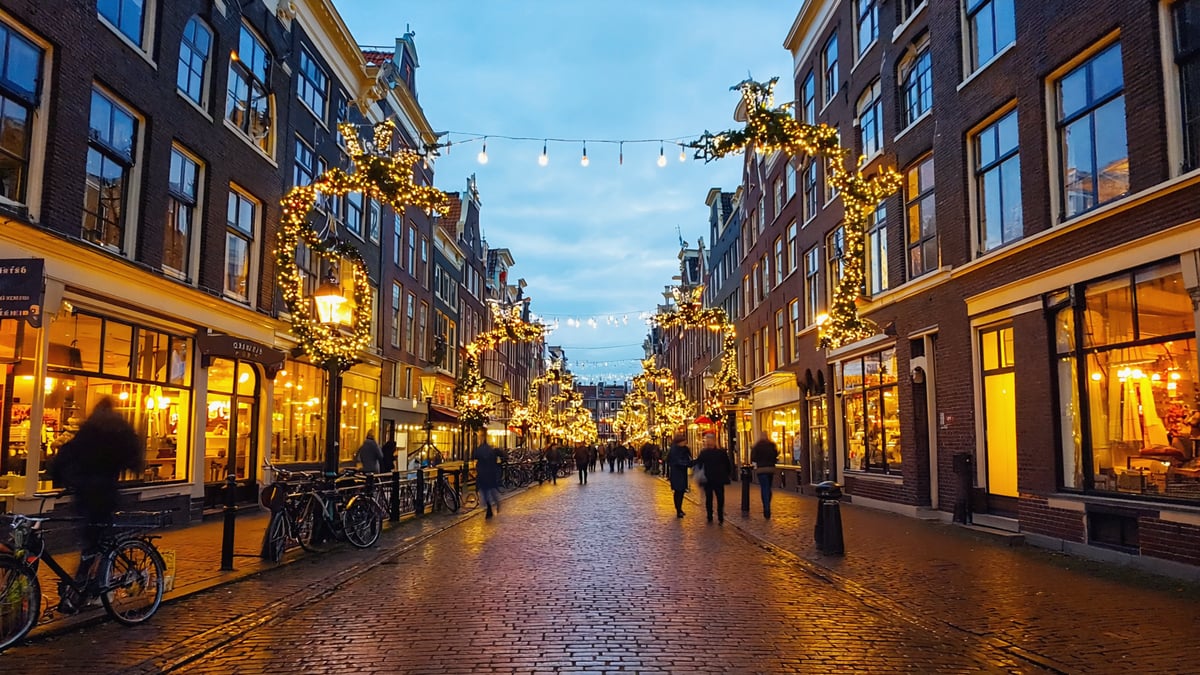
November and December bring the festive Amsterdam Light Festival, a large-scale outdoor light art exhibition that illuminates the canals from late November through mid-January. Temperatures drop to single figures, but the city takes on a magical quality, with ice-skating rinks, Christmas markets, and far lower hotel rates than peak season.
The Optimal Window for UK Travellers
For most British visitors, late September through early October offers the best overall experience: comfortable temperatures, dramatically lower prices than summer, the tail end of good canal weather, and cultural events like the Amsterdam Dance Event adding energy to the city. If tulips and outdoor colour are the priority, late April (coinciding with King's Day) is spectacular but requires advance planning and a higher budget.
Where to Stay: Amsterdam's Neighbourhoods Decoded
Choosing the right area to stay in Amsterdam shapes your entire experience. The city is compact, but each neighbourhood has a distinct character, and proximity to the main sights varies significantly.
Centrum (City Centre)
The historic centre, including the canal ring, Dam Square, and the Red Light District (De Wallen), is the most central option. Staying here puts you within walking distance of almost every major attraction. It is also the noisiest and most touristy area, particularly around Leidseplein and Rembrandtplein, which are busy with bars and nightlife until late. Budget travellers will find hostels and small guesthouses from around £45–£70 per night. Mid-range options like boutique canal-house hotels run £120–£200 per night. Luxury properties such as the Waldorf Astoria Amsterdam (set inside six connected 17th-century canal houses) command upwards of £350 per night.
Jordaan
Just west of the main canal ring, Jordaan is the city's most charming residential neighbourhood. Narrow streets, independent galleries, vintage shops, and some of Amsterdam's best brown cafés (traditional Dutch pubs) make this the area locals are most proud of. It is slightly quieter than Centrum at night while still being walkable to the Anne Frank House and major museums. Mid-range boutique hotels and well-appointed apartments here typically run £130–£220 per night.
De Pijp
South of the city centre, De Pijp is Amsterdam's most multicultural neighbourhood and home to the Albert Cuyp Market, the largest outdoor market in the Netherlands. The area has a vibrant café and restaurant scene, particularly around Ferdinand Bolstraat. It is a slightly longer walk or tram ride to the main museums but feels authentically Amsterdam rather than tourist-facing. Accommodation here is generally more affordable, with good apartments and boutique hotels from £90–£160 per night.
Museum Quarter (Oud-Zuid)
The area surrounding the Rijksmuseum, Van Gogh Museum, and Vondelpark is upmarket, leafy, and residential. It suits couples and cultural travellers who want quiet surroundings and easy museum access. The Conservatorium Hotel is the neighbourhood's flagship luxury property, regularly cited among the best city hotels in Europe. Expect to pay £150–£250 for mid-range stays and £300+ for the neighbourhood's finest hotels.
Amsterdam Noord
Across the IJ bay (a free five-minute ferry from Central Station), Amsterdam Noord has transformed into one of the city's most creative districts. The NDSM Wharf, A'DAM Tower, and Eye Filmmuseum are all located here. Accommodation is cheaper and the vibe is edgier and more local. A good option for travellers who want something beyond the tourist circuit, with hotels from £80–£140 per night.
Top Things to Do in Amsterdam: Beyond the Obvious

Amsterdam's most famous attractions are famous for good reason, but the city rewards those who venture a little further. Here is a practical guide to eight activities that genuinely deserve your time, with current pricing in both GBP and euros.
1. The Rijksmuseum
The Netherlands' national museum of art and history houses one of the world's great collections, including Rembrandt's The Night Watch and Vermeer's The Milkmaid. The building itself, a grand 19th-century neo-Gothic structure on Museumplein, is worth the visit alone. Entry: €22.50 (approximately £19.20) for adults; children under 18 are free. The museum is open daily from 09:00 to 17:00. Book timed-entry tickets online at rijksmuseum.nl to avoid queues. Insider tip: arrive at 09:00 on a weekday for the quietest experience with The Night Watch.
2. The Anne Frank House
One of the most emotionally significant sites in Europe, the house where Anne Frank and her family hid during the Nazi occupation is a sobering and essential visit. Entry: €16 (approximately £13.70) for adults. The house operates on a timed-entry system and tickets sell out weeks in advance during peak season. Book at annefrank.org as far ahead as possible. Open daily from 09:00, with extended hours in summer. Evening slots (after 15:30) tend to be quieter.
3. Canal Boat Tour
Seeing Amsterdam from the water is the single best way to appreciate the scale and beauty of the canal ring. Operators including those bookable through Viator run 75-minute guided tours from around £15–£18 per adult. Evening candlelight cruises are available from approximately £25 per person and are particularly atmospheric. Depart from Centraal Station or Leidseplein. A useful alternative is renting a small electric boat independently (no licence required for vessels under a certain size) for around £50–£80 for two hours for a group.
4. The Van Gogh Museum
The world's largest collection of Van Gogh's works, with more than 200 paintings and 500 drawings, is housed in a purpose-built museum on Museumplein. The permanent collection traces his development from the dark Dutch period through the luminous Arles and Saint-Rémy years. Entry: €22 (approximately £18.80) for adults; children under 18 are free. Open daily from 09:00 to 17:00, with Friday evening opening until 21:00. Pre-booking is essential.
5. Vondelpark
Amsterdam's most beloved green space covers 47 hectares in the Museum Quarter and is free to enter. On warm days, it fills with locals picnicking, cycling, and attending open-air performances at the Openluchttheater (open-air theatre, which runs a free summer programme). It is an ideal half-day pause from museum-going and gives a genuine sense of how Amsterdam's residents use their city.
6. The Albert Cuyp Market
Open Monday to Saturday from approximately 09:00 to 17:00, the Albert Cuyp Market in De Pijp is free to browse and one of the best food and street-goods markets in Europe. Pick up Dutch stroopwafels (freshly made, warm from the iron), raw herring with onion (a true Amsterdam ritual), fresh cheese, and flowers at a fraction of tourist-area prices. Entry is free.
7. A'DAM Tower Lookout
The observation deck of the A'DAM Tower in Amsterdam Noord offers panoramic 360-degree views of the city and IJ harbour. The swing "Over The Edge," which extends over the building's edge 22 floors up, is an optional thrill. Lookout entry: €17.50 (approximately £15) for adults; the swing costs extra. Reach it via the free ferry from behind Centraal Station. Open daily from 10:00 to 22:00.
8. Stedelijk Museum
Amsterdam's museum of modern and contemporary art is consistently underrated compared to the Rijksmuseum and Van Gogh Museum next door, yet its collection spans design, applied arts, and fine art from 1870 to the present day. Entry: €22.50 (approximately £19.20) for adults. Open Tuesday to Sunday, 10:00 to 18:00. The permanent collection includes significant works by Mondrian, Malevich, and Appel, with a strong design section covering Dutch graphic design and furniture.
9. Cycling the Jordaan and Canal Ring
Hiring a bicycle and riding through the Jordaan and along the Prinsengracht and Herengracht is the most authentically Amsterdam experience available to visitors. Rental from reputable shops (MacBike, Bike City, and others) typically costs €12–€15 (approximately £10–£13) per day. A lock is included but essential to use. Stick to cycle lanes, follow the flow of traffic, and be aware that trams have right of way at all times.
10. Day Trip to Keukenhof (Spring Only)
If visiting between mid-March and mid-May, a half-day trip to the Keukenhof Gardens is unmissable. The gardens display around seven million flower bulbs across 32 hectares, making it the world's largest tulip park. Entry: €22 (approximately £18.80) for adults, purchased online at keukenhof.nl. Combination bus-and-entry tickets are available from Amsterdam for approximately €30 (£25.60). The gardens open 08:00 to 19:30 during their season.
Food and Dining: What to Eat and Where to Find It
Amsterdam's food scene has matured significantly over the past decade, moving well beyond the traditional Dutch staples into one of Europe's most genuinely diverse and exciting dining cities. That said, the traditional Dutch dishes are worth seeking out, particularly in their authentic forms rather than their tourist-area imitations.
Essential Dutch Dishes and Food Experiences
Haring (raw herring) is the city's most iconic street food. The traditional way to eat it is to hold the fish by the tail, tilt your head back, and take a bite, though chopped herring on a small bread roll with raw onion and pickles is equally valid and less theatrical. The best haring comes from dedicated fish stalls (haringkar) rather than market stalls. Expect to pay €3–€5 (£2.60–£4.30) per portion. The season for "nieuwe haring" (new herring, caught from late May) is considered the finest.
Stroopwafel is a thin waffle sandwich filled with caramel syrup. The version sold fresh at markets, still warm from the iron, bears no resemblance to the packaged supermarket variety. Albert Cuyp Market and Noordermarkt are reliable spots. A fresh stroopwafel costs around €1.50–€2 (£1.30–£1.70).
Bitterballen are deep-fried breadcrumbed balls filled with a thick beef ragout, served with mustard. They are the definitive Dutch pub snack, found in every brown café (bruin café) and central to the experience of sitting with a Heineken or a Grolsch on a canal-side terrace. A portion of six to eight typically costs €7–€10 (£6–£8.50).
Poffertjes are small, fluffy buckwheat pancakes served with butter and powdered sugar, sold at street stalls and at specialist restaurants. A portion costs around €5–€7 (£4.30–£6).
Indonesian cuisine deserves special mention. The Netherlands' colonial history with Indonesia means Amsterdam has some of Europe's best Indonesian restaurants. The rijsttafel (rice table), a Dutch-Indonesian feast of 15 to 30 small dishes served with rice, is a must-try dining experience. Budget approximately €30–€45 per person (£25.60–£38.50) at a good Indonesian restaurant.
Where to Eat by Area
De Pijp is the neighbourhood with the highest concentration of excellent, affordable restaurants. Ferdinand Bolstraat and the surrounding streets offer Indonesian, Surinamese, Turkish, and modern Dutch options at prices well below the tourist centre.
Jordaan has a cluster of excellent brown cafés and mid-range restaurants, particularly around Noordermarkt and along the Westerstraat. It is the best area for a traditional Dutch lunch.
De Wallen (Red Light District) has a reputation for tourist-trap restaurants, and that reputation is largely deserved. Stick to the streets slightly north and east of the main drag, around the Nieuwmarkt square, for better value.
Amsterdam Noord has a growing cluster of creative restaurants and food halls, including the NDSM Wharf area which hosts food trucks and pop-ups on weekends.
Dietary Considerations
Amsterdam is one of Europe's most accommodating cities for vegetarians and vegans. Plant-based restaurants are plentiful, and most mainstream restaurants offer genuine vegetarian and vegan options. Halal and kosher dining options are well-represented given the city's diverse population. Gluten-free options are increasingly common, though always worth confirming when ordering.
Getting to Amsterdam from the UK: Flights, Trains, and Transfers
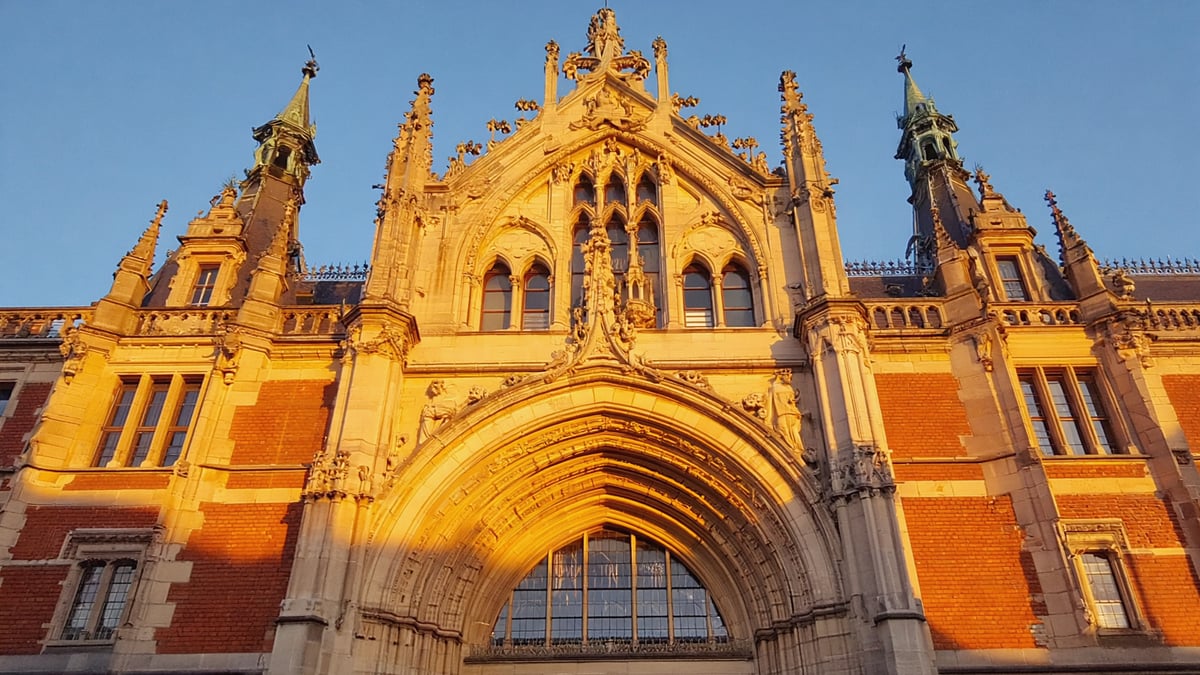
Amsterdam is one of the best-connected European destinations from the UK, with multiple flight options from airports across Britain as well as a direct train service from London.
Flights from the UK
The primary route is London to Amsterdam Schiphol (AMS), served by British Airways from Heathrow, KLM from Heathrow, easyJet from Gatwick, Stansted, and Luton, and Ryanair from Stansted. Flight duration is approximately 1 hour 45 minutes to 2 hours. Return flights from London typically range from £60–£120 for budget airlines booked well in advance, rising to £150–£250 on flag carriers or during peak periods.
Regional UK airports with direct services to Schiphol include Manchester (KLM, Jet2, easyJet), Edinburgh (KLM, easyJet), Birmingham (KLM, easyJet), Bristol (easyJet, Ryanair), Leeds Bradford (Jet2), Glasgow (KLM, easyJet), and Liverpool (easyJet). The UK's regional connectivity to Amsterdam is unusually strong, meaning travellers outside London rarely need to travel to a London airport first.
The Eurostar Alternative
Since the launch of direct Eurostar services from London St Pancras to Amsterdam Centraal, the train has become a compelling alternative for travellers from London and the South East. The journey takes approximately 3 hours 52 minutes direct (or around 4 hours 15 minutes with a Brussels stop on some services). Return fares start from around £70 in advance but can rise to £200+ at peak times. The key advantage is city-centre to city-centre travel with no airport security queues, no baggage restrictions, and a far lower carbon footprint. Check current schedules and pricing at eurostar.com.
Airport to City Centre Transfer
Amsterdam Schiphol Airport is superbly connected to the city centre. The direct train from Schiphol to Amsterdam Centraal runs every 10–15 minutes, takes approximately 17 minutes, and costs €5.40 (approximately £4.60) one way. This is by far the best option for most travellers. Trains run around the clock, with reduced frequency late at night.
Taxis from Schiphol to central Amsterdam cost approximately €35–€50 (£30–£43), taking 20–40 minutes depending on traffic. Ride-hailing apps including Uber operate at Schiphol. A private transfer can be pre-booked through services like Viator for a fixed price, useful for groups or families with significant luggage.
Book Your Amsterdam Holiday Now
GlobeHunters offers Amsterdam city break packages including flights and hotels at competitive prices, with options from £349 per person. Compare packages, check live pricing, and book your trip in minutes.
View Amsterdam Packages & Prices →Or call us: 0208 944 4514
How Much Does an Amsterdam Holiday Cost? A Realistic Budget Guide
Amsterdam is a mid-to-high cost European destination. It is not as expensive as Zurich or Copenhagen, but it is noticeably pricier than Lisbon, Warsaw, or Budapest. The following daily budget estimates are based on two people sharing accommodation, covering all costs except flights.
| Category | Budget (per person/day) | Mid-Range (per person/day) | Luxury (per person/day) |
|---|---|---|---|
| Accommodation | £25–£40 (hostel dorm or budget hotel) | £65–£110 (boutique hotel, shared) | £175–£350+ (canal house or 5-star) |
| Food & Drink | £20–£30 (market food, supermarkets, one sit-down meal) | £45–£70 (two restaurant meals, café lunches) | £90–£150+ (fine dining, wine) |
| Transport | £5–£8 (bicycle hire or day pass) | £8–£15 (GVB day passes, occasional taxi) | £20–£35 (taxis, private transfers) |
| Activities & Museums | £10–£20 (free parks, one museum) | £25–£45 (2-3 museums, canal tour) | £50–£80 (guided tours, exclusive experiences) |
| Daily Total (per person) | £60–£98 | £143–£240 | £335–£615+ |
The Iamsterdam City Card
For visitors planning to visit multiple museums, the Iamsterdam City Card offers unlimited use of GVB public transport plus free entry to more than 70 museums and attractions, including the Rijksmuseum, Stedelijk Museum, and Amsterdam Museum. Cards are available for 24, 48, 72, 96, or 120 hours. The 48-hour card costs €65 (approximately £55.60) per adult and pays for itself with just two museum visits plus transport. It does not include the Van Gogh Museum, which requires a separate ticket. Check current pricing and inclusions at the official iamsterdam.com website.
Budget-Saving Tips
- Book museum tickets online in advance to avoid paying on-the-door premium pricing and to guarantee entry at your preferred time.
- Use the Albert Cuyp Market and Noordermarkt for cheap, high-quality lunch and snacks rather than eating in tourist-facing restaurants near Dam Square.
- A bicycle is genuinely cheaper and faster than public transport for exploring central Amsterdam once you are comfortable on the roads.
- Many of Amsterdam's most rewarding experiences are free: Vondelpark, the Jordaan's street art, the canal ring on foot, the NDSM Wharf, and the views from the IJ ferry.
- A 3-night mid-week break (Monday to Thursday) will almost always be cheaper than a weekend break for both flights and accommodation.
Travel Tips, Safety, and Practical Advice for UK Visitors
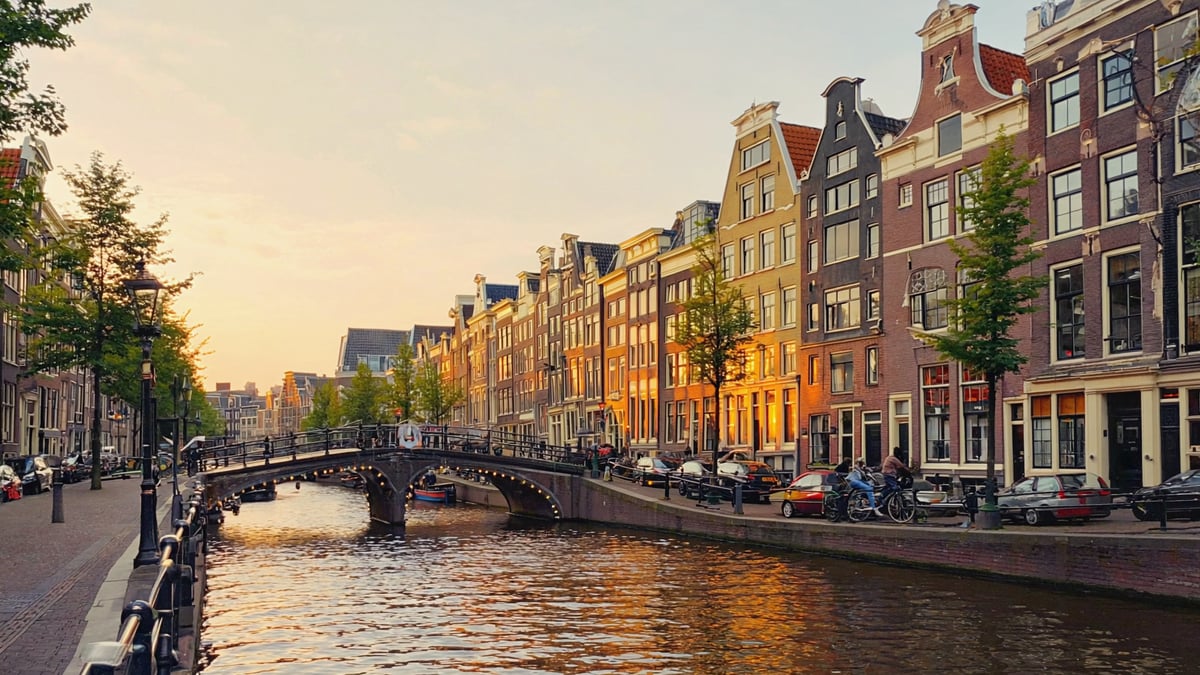
Amsterdam is a safe, well-organised, and visitor-friendly city, but it has particular quirks and customs that are worth understanding before you arrive. The following practical advice will help you avoid the most common mistakes first-time visitors make.
Safety
Amsterdam is generally safe by European capital standards, but pickpocketing is the primary concern, particularly around Centraal Station, Leidseplein, Rembrandtplein, the Red Light District, and on busy trams (particularly tram routes 2, 11, 12, and 17). Keep bags in front of you in crowded areas, use inside jacket pockets, and be particularly alert in the evenings around the nightlife districts. Bicycle theft is also endemic in Amsterdam; always use the lock provided and consider using two locks.
The Red Light District (De Wallen) is safe to walk through as a tourist but operates under specific rules: photography of the windows and their occupants is illegal and is actively enforced. The city has introduced designated walking routes through the area as part of ongoing efforts to manage tourism. Be aware of your surroundings and treat the area with respect.
Cannabis Laws and the Coffeeshop System
Cannabis is technically illegal in the Netherlands but is tolerated under a long-standing policy of non-enforcement in licensed coffeeshops. Adults aged 18 and over may purchase and possess small amounts. However, as of 2023, Amsterdam has begun enforcing rules that restrict coffeeshops to residents of the Netherlands only in some areas, a policy that has been expanding. The situation is evolving; check the current rules before your visit. Smoking cannabis in public spaces (streets, parks) is not permitted and can result in fines. This is a nuanced area of Dutch law and the rules continue to change.
Cycling Etiquette
Amsterdam's cycling infrastructure is designed for people who cycle every day, not tourists on their first ride. Key rules: never walk in a cycle lane (they are marked by red asphalt or white painted lines and are for cyclists only), always look both ways before crossing a cycle lane, and if you are cycling, follow the direction of traffic, signal your turns, and do not cycle on pavements. Trams have absolute right of way. Pedestrians crossing tracks should check both directions before stepping onto them.
Tipping Culture
Tipping is not obligatory in the Netherlands, where service staff are paid a living wage. However, rounding up a bill or leaving 5–10% for good restaurant service is appreciated and increasingly common. Tipping at bars and cafés is unusual. Do not feel pressured by the card machine's suggested tip amounts, which are often calibrated for US-style gratuity expectations.
Health and Travel Insurance
UK travellers should carry a valid UK Global Health Insurance Card (GHIC), which replaced the EHIC post-Brexit and entitles holders to medically necessary state healthcare in EU countries at the same cost as local residents. It does not replace travel insurance. Take out comprehensive travel insurance covering medical repatriation, cancellation, and personal belongings. The Netherlands has a high standard of healthcare, with English-speaking GPs (huisartsen) and hospital staff.
Money and Payments
Amsterdam is largely cashless. The vast majority of shops, restaurants, cafés, and transport accept contactless card payments. Some traditional brown cafés, market stalls, and smaller independent shops are cash-only, so carrying €50–€100 in cash is sensible. Avoid currency exchange booths in tourist areas, which typically offer poor rates. Use your bank card or a specialist travel card (Wise, Revolut, Starling, Monzo) for the best exchange rates with minimal fees.
What to Pack
Amsterdam's weather is unpredictable year-round. Pack a waterproof jacket regardless of season, comfortable walking shoes (cobblestones are beautiful but unforgiving), and layers that can be added or removed. If you plan to cycle, bring or hire a helmet (not legally required but sensible). A small crossbody bag with a secure zip is far more practical than a backpack for navigating the city's streets and trams.
Public Holidays to Be Aware Of
Amsterdam observes Dutch public holidays, on which many smaller shops and some attractions close or reduce hours. Key dates include King's Day (27 April), Liberation Day (5 May), Ascension Day (variable, May/June), and Christmas Day (25 December). King's Day in particular transforms the city into a citywide street market and outdoor party; accommodation books out many months in advance for this date.
Frequently Asked Questions About Visiting Amsterdam
Do UK travellers need a visa to visit Amsterdam?
No. British passport holders can visit the Netherlands and the wider Schengen Area for up to 90 days in any 180-day period without a visa. The EU's ETIAS travel authorisation system, once launched, will require a simple online application (not a full visa) before travelling. Check the current status of ETIAS before booking your trip.
How long is the flight from the UK to Amsterdam?
Direct flights from London airports take approximately 1 hour 45 minutes to 2 hours. From regional UK airports such as Manchester, Edinburgh, and Birmingham, flights to Amsterdam Schiphol take between 1 hour 40 minutes and 2 hours 15 minutes. The Eurostar train from London St Pancras is approximately 3 hours 52 minutes direct.
What is the best time of year to visit Amsterdam?
For a balance of good weather, manageable crowds, and reasonable prices, late September to mid-October is ideal. For tulip season and the King's Day festival, late April is spectacular but requires advance booking. July and August are warm but very busy and expensive. Winter (November to February) offers the lowest prices and the Amsterdam Light Festival.
Is Amsterdam expensive for UK travellers?
Amsterdam is a mid-to-high cost European destination. Budget travellers can get by on £60–£100 per person per day (excluding flights). A comfortable mid-range trip costs approximately £150–£240 per person per day. The pound performs reasonably well against the euro, making Amsterdam more accessible than some comparable cities like Copenhagen or Zurich.
How do I get from Schiphol Airport to the city centre?
The fastest and cheapest option is the direct train from Schiphol Airport station to Amsterdam Centraal, which takes approximately 17 minutes and costs around €5.40 (£4.60) one way. Trains run every 10–15 minutes. Taxis cost approximately €35–€50 and take 20–40 minutes depending on traffic.
Is Amsterdam safe for solo travellers?
Yes, Amsterdam is generally safe for solo travellers, including solo women. The main risk is petty theft (pickpocketing) in busy tourist areas. Take standard precautions with your belongings, avoid poorly lit areas of the Red Light District late at night, and trust your instincts. The city has an active and visible police presence in tourist zones.
Do I need to book the Anne Frank House in advance?
Yes, absolutely. The Anne Frank House operates on a timed-entry ticket system and tickets sell out weeks, sometimes months, in advance during peak season (April to August). Book online at annefrank.org as soon as your travel dates are confirmed. Walk-up tickets are almost never available.
What currency does Amsterdam use?
Amsterdam uses the euro (€). The Netherlands is part of the Eurozone. UK travellers should use a travel card with low foreign transaction fees (such as Wise, Revolut, Monzo, or Starling) for the best exchange rates. Most places in Amsterdam accept contactless card payments, but carrying some cash (€50–€100) is advisable for markets, small cafés, and emergencies.
Can I cycle in Amsterdam as a tourist?
Yes, and it is one of the best ways to experience the city. Bicycle rental shops are widespread and daily hire costs approximately €12–€15 (£10–£13). The cycling infrastructure is world-class, but tourists should be aware of cycling rules: stay in marked cycle lanes, follow traffic signals, and never walk or stand in a cycle lane. Helmets are not legally required but are recommended.
What is the Iamsterdam City Card and is it worth it?
The Iamsterdam City Card provides unlimited GVB public transport plus free entry to more than 70 museums and attractions. The 48-hour card costs approximately €65 (£55.60) per adult. It is worth buying if you plan to visit two or more major museums and use public transport regularly. Note: it does not include the Van Gogh Museum, which requires a separate ticket.
What are the best day trips from Amsterdam?
Keukenhof Gardens (spring only, 40 km away), Haarlem (20 minutes by train, excellent Frans Hals Museum), Delft (60 minutes by train, famous for Delftware pottery), Utrecht (30 minutes by train, beautiful historic centre), and Zaanse Schans (traditional Dutch windmills, 30 minutes by bus) are all accessible as half-day or full-day trips from Amsterdam.
Does Amsterdam have an LGBTQ+ friendly environment?
Amsterdam has a long and proud history as one of Europe's most LGBTQ+-inclusive cities. The Netherlands was the first country in the world to legalise same-sex marriage (in 2001). The city has a vibrant LGBTQ+ scene centred around Reguliersdwarsstraat and Kerkstraat, and the Amsterdam Pride Canal Parade (usually held on the first Saturday of August) is one of the world's most celebrated Pride events, drawing hundreds of thousands of spectators to the canal banks.
Key Takeaways for Planning Your Amsterdam City Break
- Visa: No visa required for UK travellers for stays up to 90 days. ETIAS travel authorisation may be required once the system launches; check before travelling.
- Best time to visit: Late September to mid-October for the best balance of weather, price, and atmosphere. Late April for tulips and King's Day. Winter for the Amsterdam Light Festival and low prices.
- Getting there: Flights from multiple UK airports take under 2 hours. The Eurostar from London St Pancras is approximately 3 hours 52 minutes and offers a city-centre to city-centre alternative. Train from Schiphol to Centraal takes 17 minutes and costs around £4.60.
- Where to stay: Jordaan and the Museum Quarter offer the best balance of atmosphere and location for most visitors. De Pijp is the best-value option with excellent dining access.
- Budget: Budget travellers can manage on £60–£100 per person per day (excluding flights). Mid-range is £150–£240. The Iamsterdam City Card saves money for museum-heavy itineraries.
- Book ahead: The Anne Frank House and major museums require advance online booking. Accommodation for King's Day (27 April) should be booked several months in advance.
- Safety: Petty theft is the primary concern. Do not photograph the windows of the Red Light District. Never walk or stand in a cycle lane.
- GlobeHunters packages for Amsterdam start from £349 per person including flights and hotel, with live pricing updated in real time. Call 0208 944 4514 or browse online to compare current options.
Book Your Amsterdam Holiday Now
GlobeHunters offers holiday packages including flights and hotels at competitive prices. Amsterdam city breaks start from £349 per person, with real-time availability from leading flight, hotel, and activities providers.
View Package & Prices →Or call us: 0208 944 4514
About the author
Spiros Maragkoudakis · Chief Commercial Officer
Ready to Book Your Amsterdam Holiday?
Our travel experts are ready to help you plan the perfect trip. Call us today or browse our latest deals.
Ready to Start Planning?
Speak to our travel experts for personalised advice and the best deals on your next holiday.
Call 0208 944 4514