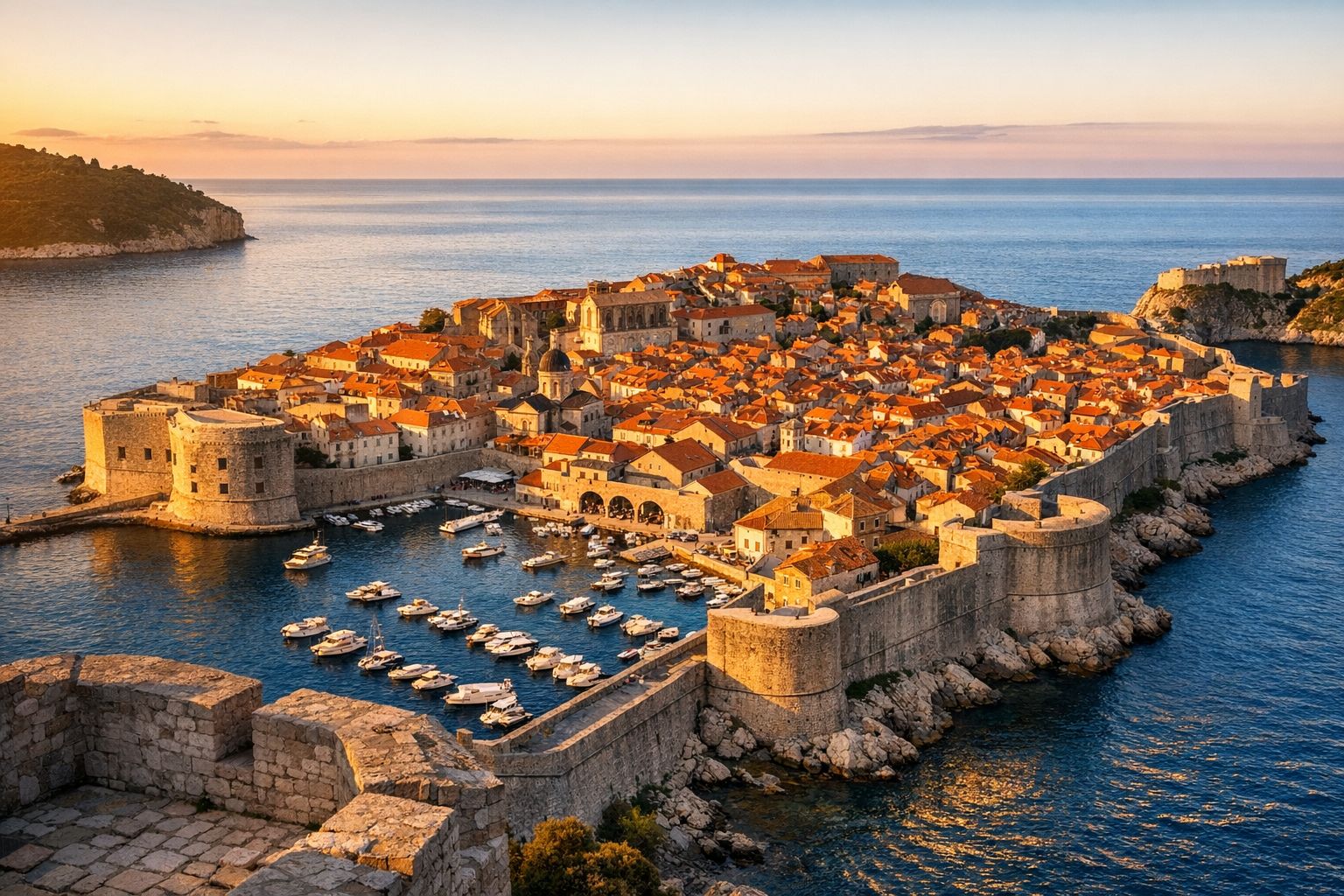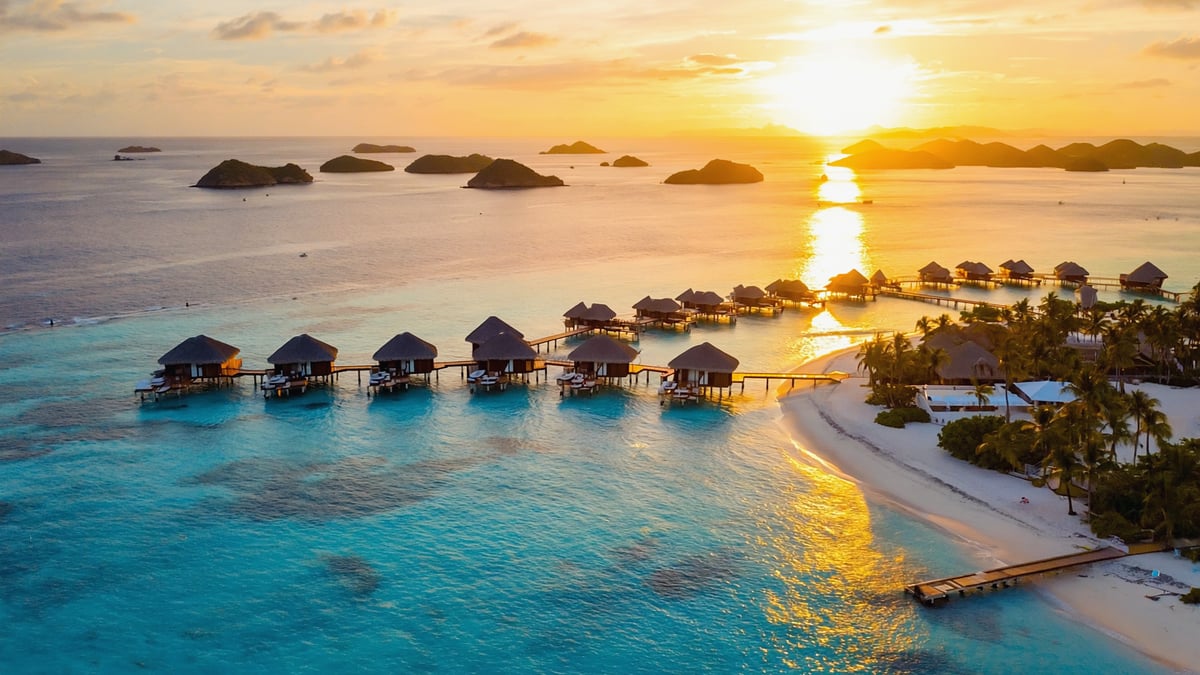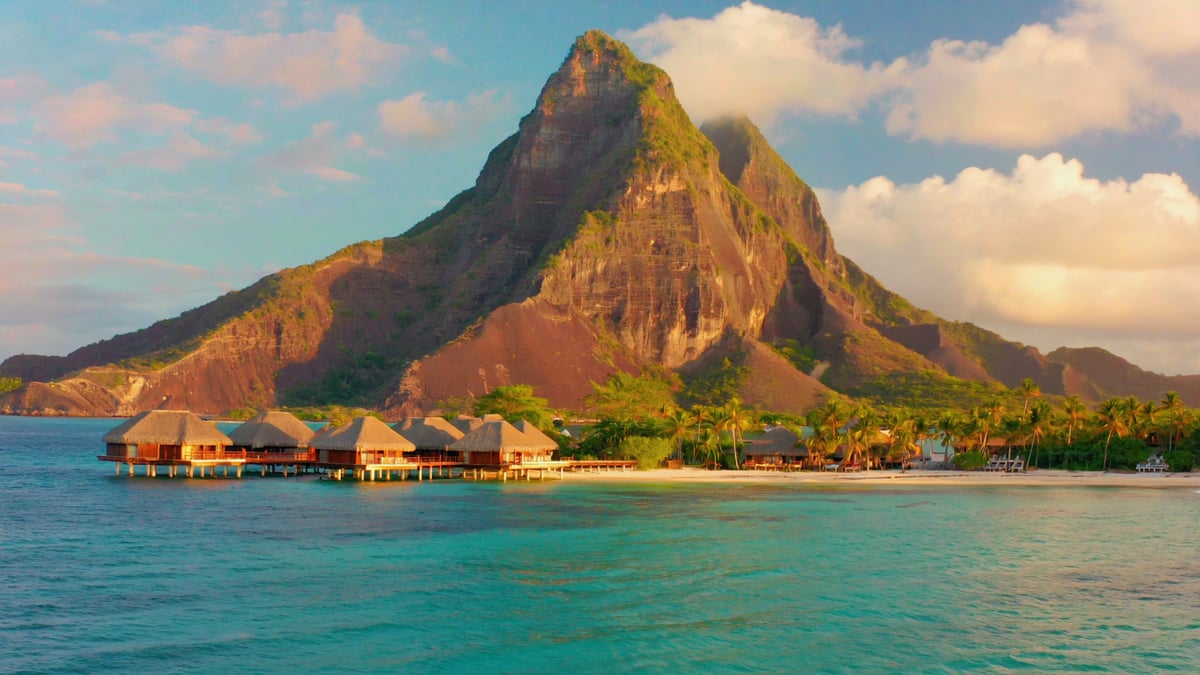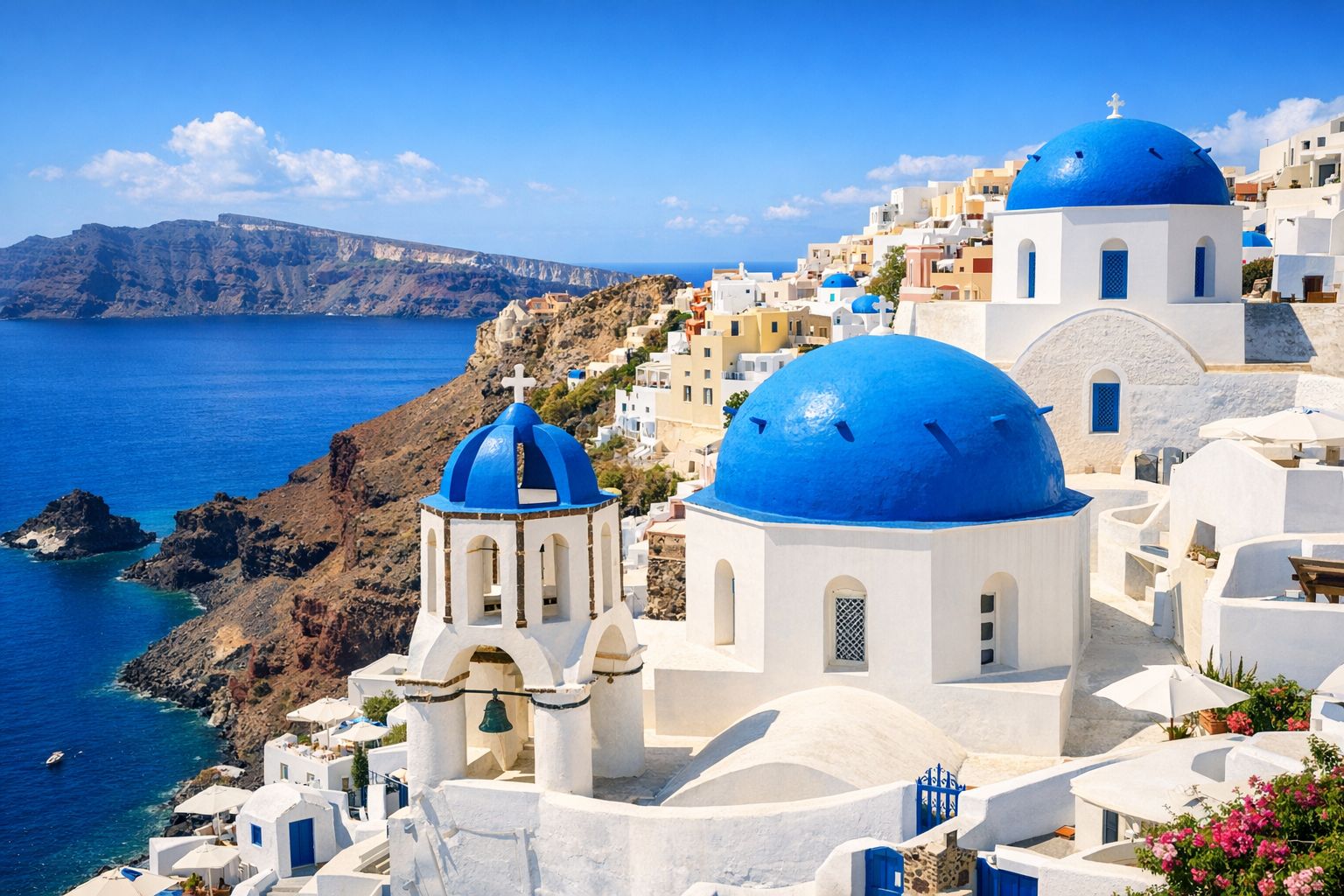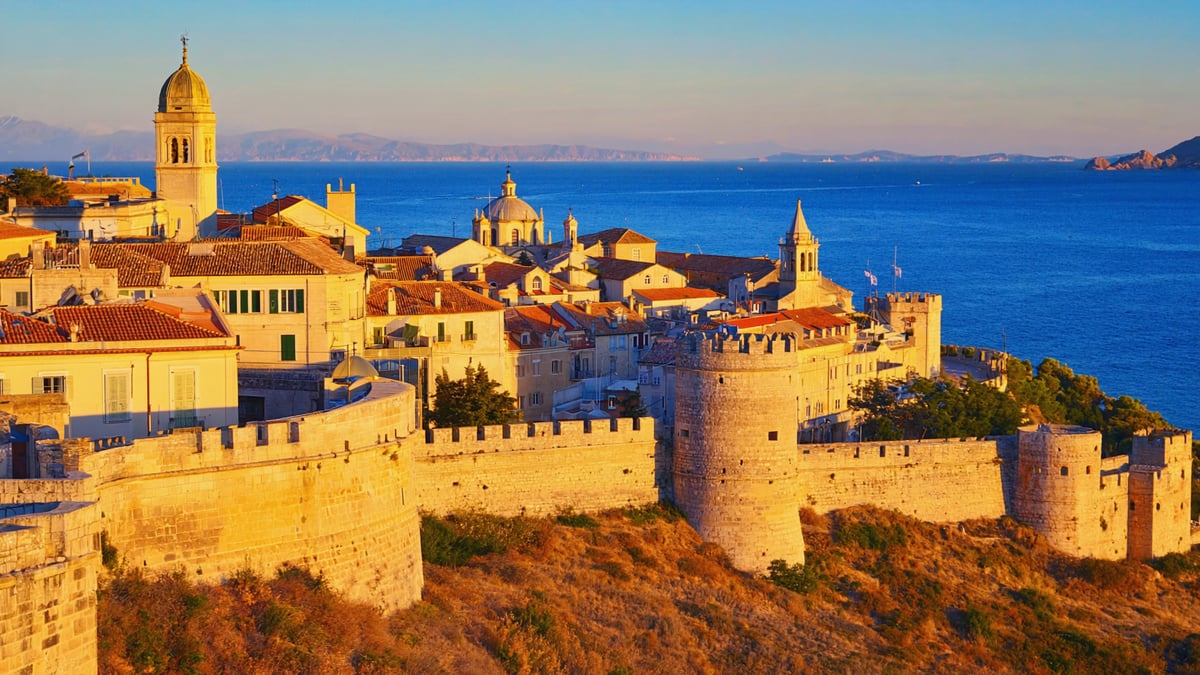
Picture this: you're standing on the sun-bleached limestone of Stradun, Dubrovnik's main pedestrian thoroughfare, at seven in the morning. The cruise ships haven't yet disgorged their day-trippers, the cafés are just lifting their chairs off the tables, and the Adriatic light is doing something genuinely unrepeatable to the honey-coloured city walls. A cat slinks across the polished stone. Somewhere above you, a church bell strikes the hour. For a few minutes, one of Europe's most visited cities feels like your own private discovery.
That moment is entirely possible to engineer, and this guide will show you how. Dubrovnik rewards the traveller who plans well. It punishes the one who doesn't: overheated, overcharged, and stuck in a queue to walk the walls behind a thousand strangers. The difference between those two experiences comes down almost entirely to timing, logistics, and knowing where to look beyond the obvious. For UK travellers, Dubrovnik is a short-haul flight away, endlessly photogenic, historically layered, and surprisingly affordable when you book the right package. GlobeHunters' Croatia holiday packages start from £349 per person, combining flights from UK airports with hand-picked accommodation in and around Dubrovnik's old town.
What follows is the most thorough Dubrovnik holiday guide for UK travellers you'll find anywhere. It covers the walled city's history, the best things to do, island escapes, food, getting there, when to go, and how to book a complete package without overpaying. Read it once before you book. Read it again on the plane.
Why Dubrovnik Still Earns Its "Pearl of the Adriatic" Title
Dubrovnik's nickname is old enough to be cliché, yet the city keeps earning it afresh every season. The walls, the old town, the Adriatic backdrop, and the islands visible from the clifftop bar at Buža, these are not manufactured tourism assets. They are the product of a genuinely remarkable civic history that unfolded over seven centuries, and understanding even a fraction of it makes the place dramatically more interesting to walk around.
The city was founded as Ragusa in the seventh century, and for most of the medieval and early modern period it existed as an independent republic, the Republic of Ragusa, that managed to hold its own between the Ottoman Empire and the Venetian Republic through a combination of skilled diplomacy, strategic neutrality, and considerable commercial acumen. At its height, Ragusa maintained one of the largest merchant fleets in the Mediterranean and operated consulates across three continents. The republic's motto, Non bene pro toto libertas venditur auro ("Freedom is not sold for all the gold in the world"), still appears on civic buildings and is taken seriously by the locals.
The city walls themselves are the most tangible legacy of this era. Stretching for approximately 1,940 metres around the old town, rising up to 25 metres in places, and thick enough to walk two abreast along the ramparts, the walls were built and continuously reinforced between the 12th and 17th centuries. They survived a catastrophic earthquake in 1667 that destroyed much of the city, and they survived the Croatian War of Independence in the early 1990s, when Dubrovnik came under sustained artillery bombardment. The damage from that conflict is still visible to the careful eye: look at roof tiles on the old town buildings and you'll see a patchwork of old terracotta and new, the older tiles darker and weathered, the newer ones still bright orange. The Guardian's recent feature on Dubrovnik touches on this layered history and the city's ongoing relationship with mass tourism.
For UK travellers doing a Dubrovnik city break, this history is not background noise. It is the experience. The old town is a UNESCO World Heritage Site precisely because its urban fabric, its churches, its palaces, its fountains and pharmacies (one of the oldest still-operating pharmacies in Europe is here, inside the Franciscan Monastery), and its street layout are essentially intact from the republic's golden age. You are walking through a living museum that has stubbornly refused to become merely decorative.
The Game of Thrones Effect: Helpful Hype or Harmful Overcrowding?
No honest Dubrovnik holiday guide for UK travellers can avoid discussing the television series that transformed the city's global profile. From the early 2010s onwards, Dubrovnik's old town served as the filming location for King's Landing in Game of Thrones, and the effect on visitor numbers was dramatic and lasting. Organised filming location tours now run daily, the city's tourist board has leaned into the association, and you will encounter references to the show at almost every turn.
The honest assessment: the tours are genuinely entertaining even for people who haven't watched the series, because the guides are knowledgeable about both the filming history and the actual history of the locations. The Fort Lovrijenac, a freestanding fortress on a 37-metre rock outside the main walls, is worth visiting regardless of its on-screen life as the Red Keep. The Minčeta Tower, the Pile Gate, and the alleys of the old town are extraordinary spaces that happen to have been used as a filming backdrop.
The less comfortable truth is that the show amplified overcrowding that was already becoming a structural problem. Dubrovnik's old town has a permanent resident population of around 1,500 people (down from over 5,000 a few decades ago, as locals have gradually moved out due to tourism pressure), and it receives millions of visitors annually. The city has responded with crowd management measures including daily visitor caps on the walls and timed entry systems. For UK travellers, the practical implication is clear: booking in advance, arriving early, and choosing shoulder season dates are not optional nice-to-haves. They are essential to a good trip.
When to Visit: Timing Your Dubrovnik City Break for UK Travellers
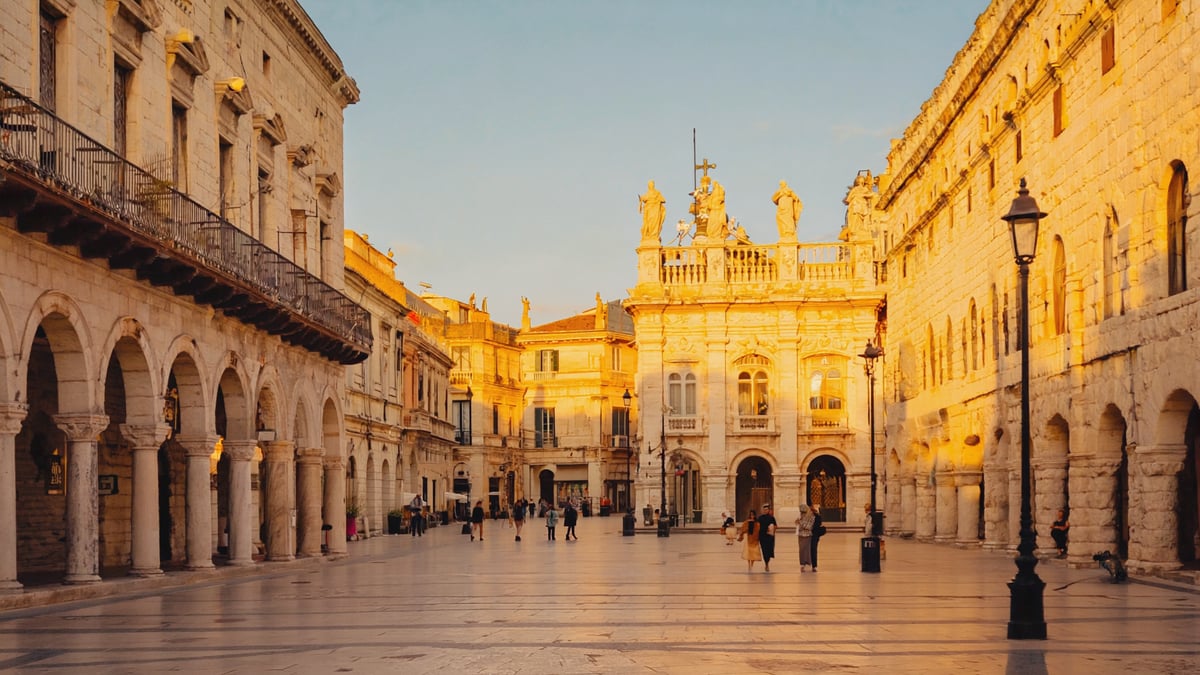
Getting your travel dates right is the single most impactful decision you'll make when planning a Dubrovnik holiday. The city's Mediterranean climate means it is genuinely pleasant from April through to October, but the experience within that window varies enormously depending on exactly when you go.
The Shoulder Season Sweet Spot
Late April through May and September through mid-October are consistently the best periods for UK travellers seeking a balance of good weather, manageable crowds, and competitive pricing. Temperatures in May sit comfortably between 18°C and 24°C, the sea is cool but swimmable for the hardy, and the old town is busy without being impenetrable. By September, the sea has warmed to its peak temperature, often reaching 25°C or above, the light is golden and lower in the sky, and the cruise ship season begins to wind down.
The practical implication for booking: GlobeHunters packages for Dubrovnik in shoulder season typically come in at notably lower price points than peak summer equivalents, often representing savings of £100–£200 per person compared to July departures. For a couple travelling on a combined budget, that difference funds several nights of excellent Dalmatian cuisine and wine.
Peak Summer: Worth It or Not?
July and August are the most expensive, most crowded, and hottest months. Temperatures regularly exceed 30°C, humidity is high, and the combination of cruise ship day-trippers and resort holidaymakers pushes the old town to genuine saturation levels. The city has implemented daily visitor limits on the city walls specifically because summer crowding was degrading the experience for everyone.
That said, peak summer does offer the longest days, the warmest sea, and the full programme of the Dubrovnik Summer Festival, which runs from mid-July through mid-August and has been staging open-air theatre, classical music, and dance performances in the city's historic spaces since 1950. If attending the festival is your primary motivation, peak summer is justified. If it isn't, shift your dates.
Winter: The Quiet City Revealed
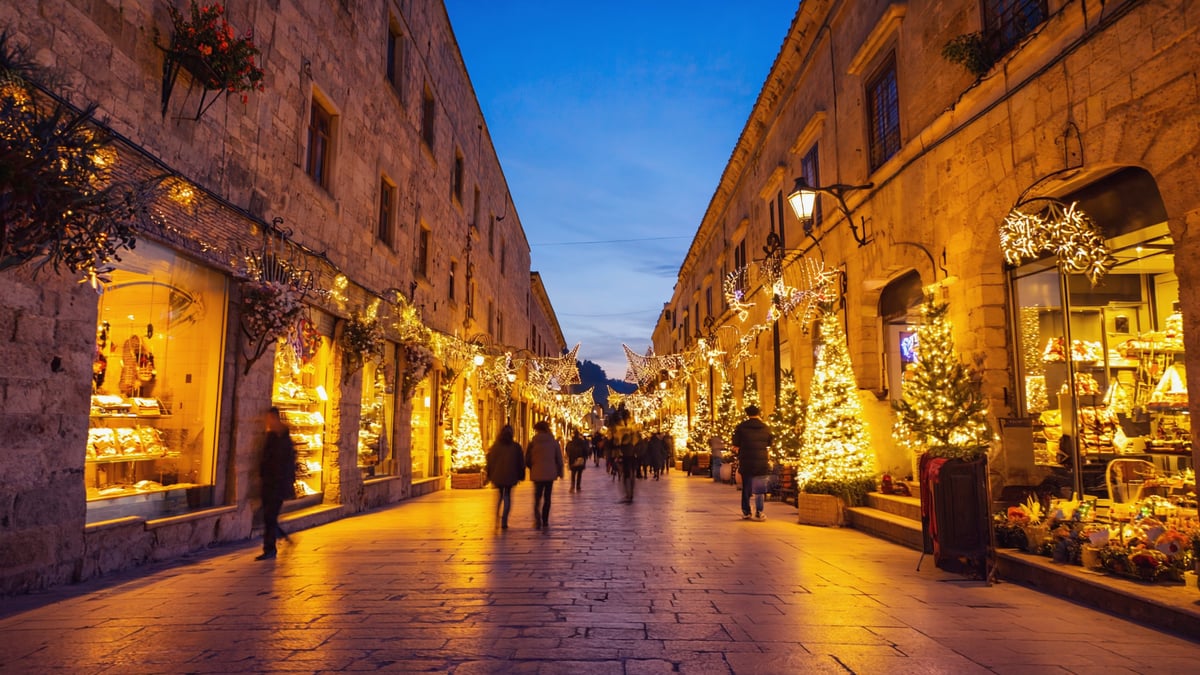
November through March reveals a completely different Dubrovnik. Many restaurants and bars close, hotel rates drop significantly, and the old town returns to something approaching its residential character. The Christmas market period in December brings some life back, and the combination of winter light, near-empty streets, and dramatically reduced prices makes it a genuinely compelling option for UK travellers who don't require beach weather. Flights and hotels in January and February can represent the best value of any European city break destination available from UK airports.
| Month | Avg. Temp (°C) | Sea Temp (°C) | Crowd Level | Best For | GlobeHunters Package Range (pp) |
|---|---|---|---|---|---|
| April | 16–20°C | 16–18°C | ⚠️ Moderate | Sightseeing, walking, culture | From £349 pp |
| May | 19–24°C | 18–21°C | ⚠️ Moderate | Couples, city breaks, beaches | From £389 pp |
| June | 24–28°C | 22–24°C | ❌ High | Beach and culture combo | From £499 pp |
| July–Aug | 28–33°C | 24–26°C | ❌ Peak | Summer festival, families | From £599 pp |
| September | 24–28°C | 24–25°C | ⚠️ Moderate | Best all-round month | From £449 pp |
| October | 19–23°C | 21–23°C | ✅ Low | Couples, retirees, value seekers | From £399 pp |
| Nov–Mar | 8–15°C | 14–17°C | ✅ Very Low | Solo travellers, budget breaks | From £349 pp |
Getting There: Dubrovnik Flights and Hotel Packages from the UK
Dubrovnik Airport (DBV), officially Dubrovnik Airport Čilipi, sits approximately 20 kilometres south of the city centre and is well served by direct flights from multiple UK airports. For most UK travellers, this is a genuinely easy destination to reach: flight times from London are under three hours, and the range of departure airports means that even travellers outside the South East have good options.
Which UK Airports Fly Direct to Dubrovnik?
London Gatwick (LGW) offers the widest range of carriers and the most frequent schedule, with services operating from spring through to late autumn. London Heathrow (LHR) has connecting options via hub airports if direct availability is limited. Beyond London, direct services operate seasonally from Manchester (MAN), Birmingham (BHX), Bristol (BRS), Edinburgh (EDI), and Leeds Bradford (LBA). The key caveat is that many of these routes are seasonal, operating from roughly April through October, with reduced schedules outside peak summer.
For UK travellers booking a complete Dubrovnik flights and hotel package, the advantages of bundling are substantial. When flights and accommodation are booked separately, price movements in either market can erode what looked like a saving. A package through GlobeHunters locks in both components, provides ATOL protection under UK law (a significant consumer benefit that independent bookings often lack), and typically includes airport transfers, which on the Dubrovnik run are worth noting: taxis from the airport to the old town cost approximately £25–£35 each way, and shuttle buses are available but require advance booking. Including transfers in a package removes a surprisingly common source of arrival-day stress.
Getting Around Once You Arrive
The old town itself is pedestrianised and compact enough to explore entirely on foot. The challenge is that the surrounding area is hilly, buses are infrequent, and taxis can be expensive by Croatian standards. For day trips along the coast, the water taxi network is often the most practical and scenic option. Ferries operate from the old town harbour to the Elaphiti Islands and to Lokrum Island, and the Jadrolinija ferry service connects Dubrovnik to Split and the islands of Hvar, Korčula, and Mljet for those extending their stay.
A useful logistical note: the Dubrovnik Card, available for 1, 3, or 7 days, bundles access to the city walls, several museums, and unlimited bus travel within the city. For a three-night city break itinerary, the 3-day card typically pays for itself by the second attraction. It is available from the tourist information office near the Pile Gate and from selected hotels.
The Essential Things to Do in Dubrovnik: Beyond the Obvious Itinerary
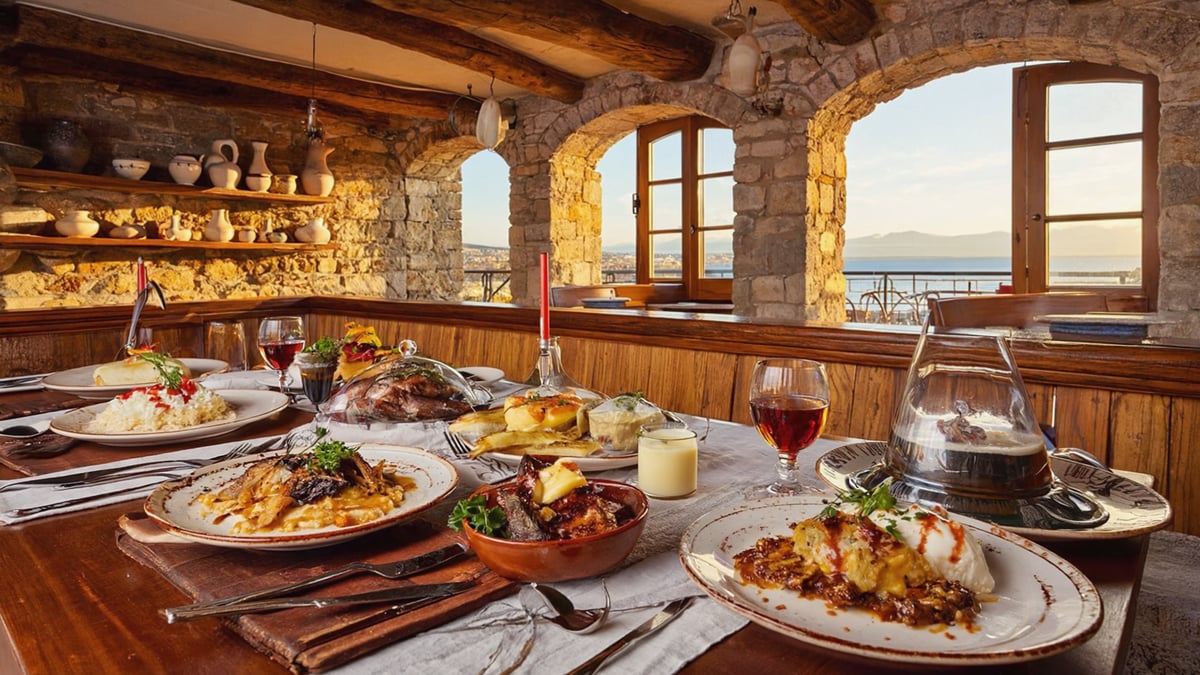
Every Dubrovnik guide lists the walls, Stradun, and the cable car. This guide lists those too, because they genuinely deserve their place on any itinerary, but it also goes further into the experiences that distinguish a memorable trip from a photogenic but shallow one.
Walk the City Walls at Dawn or Dusk
The city walls walk is the single most impressive thing you can do in Dubrovnik, and it deserves to be done properly. The circuit covers approximately two kilometres and takes between 45 minutes and two hours depending on how often you stop to look, photograph, or simply absorb the view. The best time to go is immediately after the walls open in the morning (check current opening hours via the official Dubrovnik tourist board, as timed-entry sessions now operate during peak season) or in the late afternoon when the light comes from the west and the walls glow amber.
What the walls give you is not just a view of the Adriatic, though that view is extraordinary. They give you a completely different perspective on the city's urban structure: you look down into private gardens, onto roof terraces, into the courtyards of palaces that are invisible from street level. You see the patchwork of old and new roof tiles that marks the shelling damage from the 1991–92 siege. You understand, physically and viscerally, how a compact city of this scale managed to sustain itself as an independent republic for centuries. The walls are not decorative. They are functional history.
The Franciscan Monastery and Europe's Third-Oldest Pharmacy
Just inside the Pile Gate, the Franciscan Monastery complex contains one of the most quietly remarkable spaces in the old town: a 14th-century cloister with a double arcade of columns whose capitals are each decorated with a different human face, animal, or grotesque. The monastery also houses a pharmacy that has been operating continuously since 1317, making it one of the oldest in Europe. The current pharmacy still sells products including herbal creams and rosewater preparations based on historical formulations. It is a working pharmacy, not a museum exhibit, and the combination of medieval architecture and functioning medicine cabinet is genuinely surreal and genuinely wonderful.
Lokrum Island: Twenty Minutes from the Old Town Harbour
Lokrum is a small, forested island 600 metres offshore from Dubrovnik's old town, reachable by a regular ferry service from the old town harbour in around 15 minutes. It has no permanent residents, no hotels, and no cars. What it has is a Benedictine monastery (now ruined but atmospheric), a botanical garden established in the 19th century, a salt lake that connects to the sea, naturist beaches, and enough shaded walking paths to fill a half-day comfortably. It is the single best escape from old town crowds, and because it requires a ferry ticket and a small entry fee, the day-tripper crowds that saturate Stradun rarely make the crossing in large numbers.
The Cable Car to Mount Srđ
Rebuilt after the original was destroyed during the 1991–92 war, the Dubrovnik cable car rises from just outside the old town walls to the summit of Mount Srđ at 412 metres. The journey takes four minutes and the views from the top are the best available anywhere in the region: the old town laid out below, the Elaphiti Islands scattered across the Adriatic to the northwest, and on clear days, the mountains of Bosnia-Herzegovina visible to the east. At the summit, the restored Fort Imperial (which served as a Croatian defensive position during the siege) houses a museum dedicated to the Homeland War, which is more moving and more informative than many visitors expect.
Buža Bar and the Art of the Cliff Jump
Buža (meaning "hole in the wall") is a bar reached by passing through a literal gap in the old city walls on the seaward side. There are two Buža bars, a short distance apart, and both occupy precarious-looking terraces cut into the cliff face above the Adriatic. The drinks are cold, the view is unobstructed, and the tradition of cliff jumping from the rocks below the bars is very much alive among both locals and visitors. Swimming from the rocks here is free (the bars charge only for drinks) and the water is exceptionally clear. This is the best place in Dubrovnik to watch the sunset with a glass of local wine and understand why the city has been making people feel this way for a very long time.
Day Trip to the Elaphiti Islands
The Elaphiti archipelago, a group of small islands northwest of Dubrovnik, offers the most accessible island-hopping experience in the region. The three inhabited islands, Koločep, Lopud, and Šipan, are each dramatically different in character. Koločep is the smallest and quietest, with sandy beaches (rare in Croatia) and a single village. Lopud has a car-free promenade, a 15th-century Franciscan monastery, and Šunj Beach, a shallow sandy bay that is one of the finest beaches in the Dubrovnik region and particularly well suited to families. Šipan is the largest and most agricultural, with olive groves, vineyards, and a fishing village atmosphere that has changed very little in decades.
Full-day island-hopping boat tours depart from the old town harbour and typically visit all three islands, with time for swimming at each. Half-day options focus on one or two islands. For UK families on a Dubrovnik holiday, the Elaphiti day trip is one of the most reliably satisfying full-day activities available.
The Rector's Palace and the Story of the Republic
The Rector's Palace, on Pred Dvorom square just off Stradun, was the political and administrative heart of the Republic of Ragusa. The rector (the republic's head of state) was elected monthly, rotated constantly to prevent any single family from accumulating power, and was required to live in the palace for his entire one-month term. He could leave only on official business. It is one of the most unusual constitutional arrangements in medieval European history, and the palace's museum documents it with artefacts, furniture, and explanatory material that gives genuine depth to the city's political story. The building itself is a Gothic-Renaissance hybrid of unusual elegance, and the central atrium is used for summer concerts during the Dubrovnik Summer Festival.
Where to Eat and Drink in Dubrovnik: The Honest Food Guide
Dubrovnik's culinary scene sits at an interesting crossroads. The old town itself is, frankly, full of tourist-oriented restaurants that charge premium prices for mediocre food. Knowing where not to eat is as useful as knowing where to go.
What to Eat
Dalmatian cuisine is built around the Adriatic's exceptional seafood, olive oil, and wine, supplemented by Italian and Ottoman influences accumulated over centuries of trade and occupation. The dishes worth seeking out include black risotto (crni rižot), made with cuttlefish ink and fresh seafood, which is one of the most distinctive and underrated dishes in the Mediterranean canon. Peka is a slow-cooked method using a bell-shaped lid covered with embers, typically applied to lamb or octopus with potatoes and vegetables; it requires advance ordering at most restaurants (usually 24 hours) but is worth the planning. Brudet is a rich fish stew with polenta, a coastal staple that varies by village and season. Fresh grilled fish, priced by weight and invariably excellent, is available at virtually every restaurant on the coast.
For wine, Croatia's indigenous varieties are worth exploring. Plavac Mali, the red grape of the Dalmatian coast, produces wines that range from light and fruity to intensely tannic and structured depending on the producer. Pošip and Grk are two white varieties from the island of Korčula that pair beautifully with seafood. Local wine by the carafe in a neighbourhood konoba (tavern) represents exceptional value compared to the same quality in a UK restaurant.
Where to Eat (and Where to Avoid)
The restaurants immediately on Stradun and around the main squares are, with a few exceptions, tourist traps. The streets running perpendicular to Stradun and climbing the hillside inside the walls contain better options at lower prices. Prijeko Street, one street north of Stradun, was historically lined with aggressive touts; it has improved, but caution is still warranted. The best local eating is found in the neighbourhood of Lapad (a peninsula west of the old town, about 15 minutes by bus) and along the waterfront road outside the walls, where restaurants serve the same Adriatic seafood at prices that better reflect the cost base.
For casual eating, the market at Gundulićeva Poljana square operates every morning and sells local produce, cheese, dried figs, and olive oil. It is the best place in Dubrovnik to put together a picnic and the most authentic commercial space in the old town. The morning pastry and coffee culture at the old town's smaller cafés is also genuinely good: a burek (a flaky pastry filled with cheese or meat) and a strong espresso is the local breakfast, costs well under £3, and is infinitely preferable to the hotel breakfast buffet in terms of both quality and atmosphere.
Where to Stay: Choosing the Right Neighbourhood for Your Dubrovnik City Break
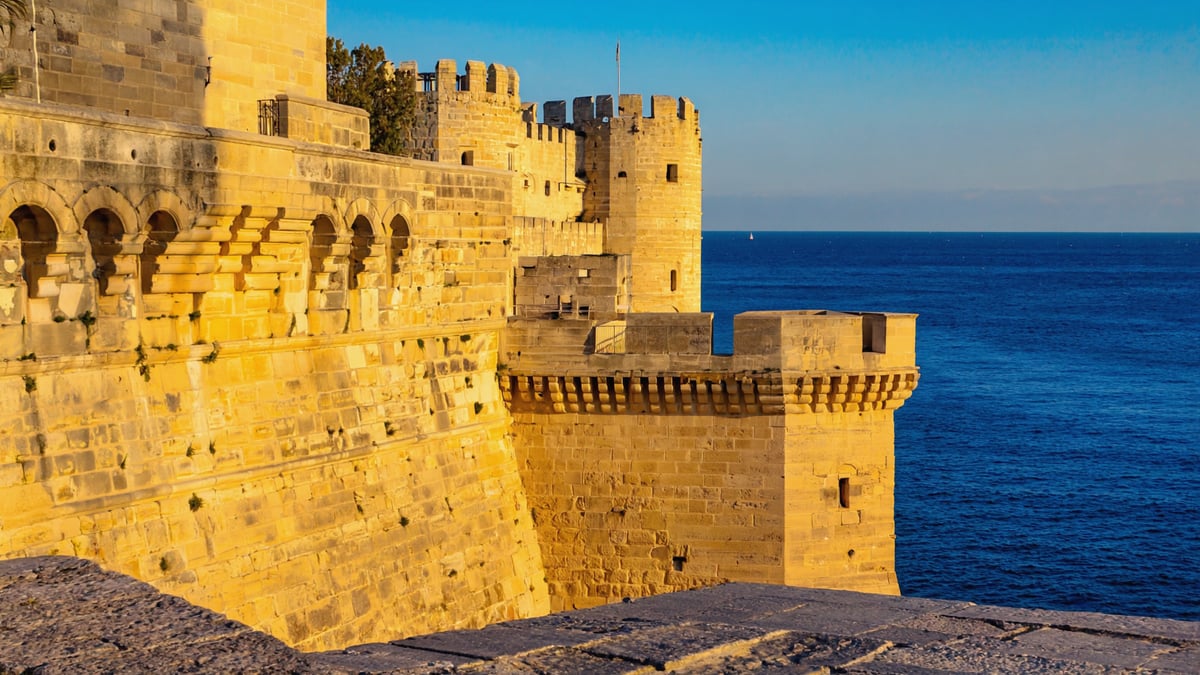
Where you stay in Dubrovnik has an outsized effect on your experience. The city's geography divides accommodation into a few distinct zones, each with different trade-offs around price, convenience, atmosphere, and noise.
Inside the Old Town Walls
Staying inside the walls gives the most atmospheric experience: you wake up in the medieval city, you have immediate access to the walls at opening time before the day-trippers arrive, and you can walk to every old town attraction without taking a bus or taxi. The trade-offs are significant: accommodation inside the walls is the most expensive, rooms tend to be smaller and in older buildings with occasional noise issues (the old town's stone surfaces are excellent at transmitting sound), and there are no cars, which means your luggage arrives via hand trolley or your own effort up steep stone stairs. For couples on a honeymoon or romantic break, the atmosphere often justifies the premium. For families with young children and substantial luggage, the practicalities may tip the balance toward a different option.
Ploče and the Eastern Suburbs
The Ploče neighbourhood, immediately east of the old town, is where many of Dubrovnik's larger hotels sit on clifftop positions above the sea. Access to the old town is a 10–15 minute walk or a short bus ride. The hotels in this area tend to be larger, have swimming pools and beach access via stone steps to the sea, and represent good value for families. The views from the terrace hotels here are outstanding.
Lapad Peninsula
Lapad, a 20-minute bus ride west of the old town, is the area where the majority of Dubrovnik's resort-style hotels are concentrated. It has its own promenade, several beaches, a good selection of restaurants, and a more relaxed pace than the old town. For UK families on a package holiday who want beach time alongside cultural sightseeing, Lapad is often the most practical base. The regular bus service to the old town runs until late evening. GlobeHunters packages frequently feature Lapad hotels as the accommodation component precisely because they offer the best combination of facilities, beach access, and value for a full-week stay.
Babin Kuk
Adjacent to Lapad, Babin Kuk is a quieter, more residential peninsula with several large resort hotels popular with families. It is slightly further from the old town than Lapad but has some of the best snorkelling and cliff swimming in the immediate Dubrovnik area, and its separation from the main tourist circuit makes it noticeably calmer in high season.
Croatia Holiday Packages from the UK: How GlobeHunters Structures the Perfect Dubrovnik Trip
Booking a complete package holiday is the most cost-effective and stress-free way for UK travellers to visit Dubrovnik, particularly given ATOL protection requirements and the complexity of coordinating flights, accommodation, and transfers in a destination where airport transfers are non-trivial and accommodation quality varies considerably.
GlobeHunters' Croatia holiday packages are built on real-time pricing from Duffel for flights, Hotelbeds for accommodation, and Viator for activities, which means the packages reflect live market availability rather than pre-purchased allocations. This matters for UK travellers comparing package prices with independent booking: the comparison is genuinely apples-to-apples because the underlying costs are drawn from the same inventory.
Package Options by Traveller Type
For couples and honeymooners, the recommended package structure is a 5–7 night stay in an old town boutique hotel or a clifftop Ploče hotel, including direct flights from London Gatwick or Manchester, airport transfers, and at least one Viator-curated activity (the city walls tour or a private boat tour of the surrounding coastline). Packages of this type start from approximately £599 per person and can extend to £1,200–£1,500 per person for luxury accommodation with sea-view rooms.
For families, the recommended structure is a 7-night stay in a Lapad or Babin Kuk hotel with pool access, direct flights from the nearest UK regional airport, and transfers. Family packages including two adults and two children start from approximately £1,800–£2,200 for the full package in shoulder season, representing significant savings over independent booking when the cost of children's accommodation and the complexity of managing family transfers is factored in.
For solo travellers and budget-conscious city breakers, a 3–4 night package with a well-located three-star hotel in Lapad, direct flights from Gatwick, and a bus transfer to the old town represents the most economical option. These packages are available from £349 per person in April and October, making Dubrovnik competitive with other European city break destinations that typically receive more budget-market attention.
For retirees planning a longer stay, GlobeHunters' 10–14 night packages allow time to absorb both Dubrovnik and a coastal extension to Split, Hvar, or the Pelješac Peninsula. The addition of a few days in Split, Croatia's second city and home to Diocletian's Palace (a Roman emperor's retirement home that an entire medieval city grew up inside), transforms a Dubrovnik trip into a full Dalmatian Coast experience.
To discuss specific package options, availability, and current pricing, UK travellers can call GlobeHunters directly on 0208 944 4514 or browse and book via the website.
Practical Travel Information: Everything UK Travellers Need to Know
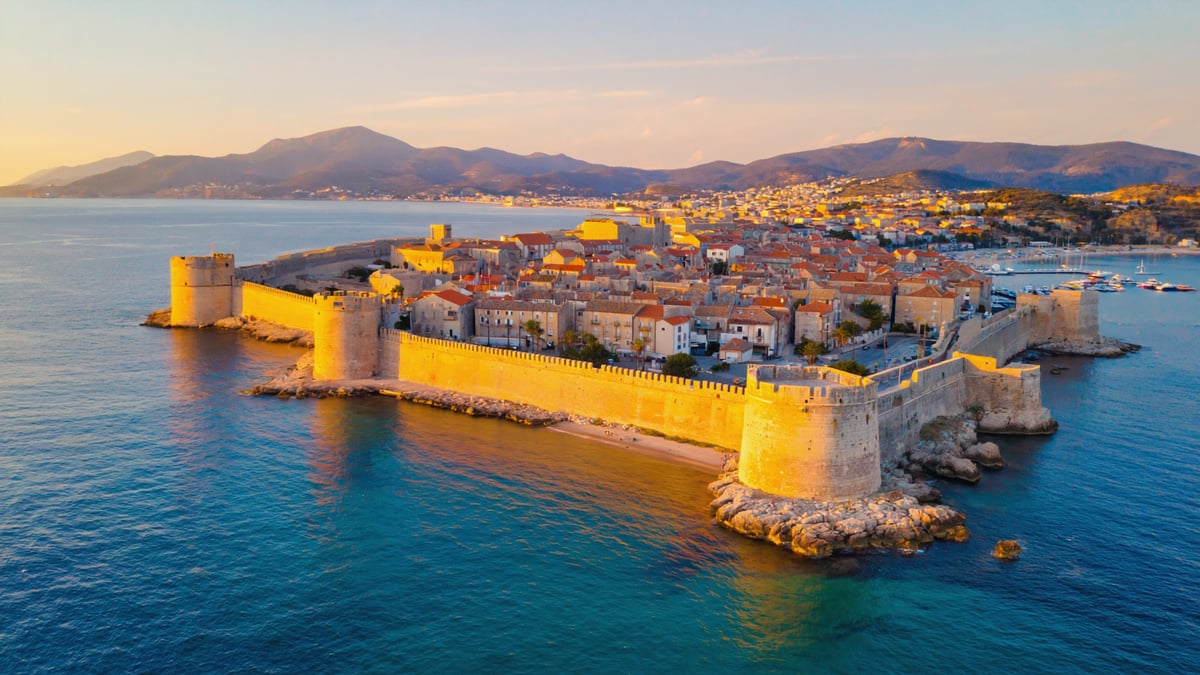
A well-planned Dubrovnik holiday requires a few practical details that are easy to overlook in the excitement of booking. This section covers the logistics that make the difference between a smooth trip and an avoidable headache.
Currency and Payments
Croatia adopted the euro in January 2023, replacing the kuna. This is an important change for UK travellers: the euro is universally accepted and familiar, ATMs are widely available in Dubrovnik, and the days of currency exchange confusion at the border are over. Major credit and debit cards are accepted at most restaurants, hotels, and tourist sites in the old town, though smaller konobas and market stalls often prefer cash. A reasonable daily budget for food and activities (excluding accommodation) is approximately €50–€80 per person in shoulder season, rising to €80–€120 in peak summer at old town restaurants.
Visas and Entry Requirements
Croatia is a member of both the EU and the Schengen Area. UK citizens travelling on a valid British passport do not require a visa for stays of up to 90 days within any 180-day period. A valid passport (not just an ID card) is required. It is worth checking that your passport has at least six months' validity beyond your return date, as airlines and border control consistently enforce this even though the technical entry requirement does not mandate it. The UK government's official travel advice for Croatia is available at GOV.UK and is updated regularly.
Travel Insurance
Travel insurance is essential rather than optional for any overseas trip. For Croatia specifically, note that the European Health Insurance Card (EHIC) is no longer valid for UK citizens following the UK's departure from the EU. UK travellers should ensure their policy includes medical coverage at a level appropriate for the destination. GlobeHunters can advise on appropriate coverage as part of the package booking process.
Getting From Dubrovnik Airport to the Old Town
The airport sits in Čilipi, approximately 20 kilometres south of the old town. Options for the transfer include:
- Organised airport transfer (included in most GlobeHunters packages): a private or shared minibus to your hotel, pre-booked and pre-priced. This is the most reliable option, particularly for first-time visitors arriving at night.
- Atlas bus service: a regular shuttle bus that serves the airport and terminates near the Pile Gate. Cost is approximately €10 per person each way, and the service aligns with flight arrivals. Tickets are sold at a kiosk inside the arrivals hall.
- Taxi or rideshare: taxis are available outside arrivals at a regulated fare. Bolt operates in Dubrovnik and is generally cheaper than street taxis.
Connectivity and Communication
Mobile roaming charges for UK travellers in Croatia vary by network provider following the end of EU-wide roaming protections post-Brexit. Vodafone, EE, O2, and Three each have different policies for Croatia, and it is worth checking your plan before travel. A local Croatian SIM card from a convenience store near the airport provides an inexpensive alternative for longer stays. Free Wi-Fi is available in most Dubrovnik hotels and many cafés in the old town.
A Three-Night Dubrovnik City Break Itinerary for UK Travellers
Three nights is enough time to cover the old town's major sites, make a day trip to one island, eat well, and leave with a coherent sense of the place. Here is a practical structure that works for couples, solo travellers, and first-time visitors.
Day One: Arriving and Orienting
Arrive, transfer to your hotel, and resist the temptation to immediately rush into the old town if you arrive at midday. Instead, walk the perimeter of the old town walls from the outside, along the Stradun approach from Pile Gate to the old harbour, and get your bearings from street level. In the late afternoon, enter through Pile Gate and walk Stradun from end to end without stopping, just to absorb the scale and the atmosphere. Find a Buža bar for sunset drinks and cliff-side swimming if the season permits. Dinner at a konoba off the main tourist circuit.
Day Two: The Walls, the Islands, and the Museum
Wake early and be at the walls entrance at opening time. Complete the full circuit before 9am and the old town will feel like a different city. After the walls, visit the Franciscan Monastery and its pharmacy. Lunch at the market at Gundulićeva Poljana. Afternoon ferry to Lokrum for swimming and exploration of the monastery ruins. Return to the old town for the golden hour. Evening at a restaurant in the Ploče area with sea views.
Day Three: Cable Car, Islands, and a Long Lunch
Take the cable car to Mount Srđ in the morning for the panoramic view and a visit to the Homeland War museum. Descend in time for a mid-morning coffee on Stradun. Book a half-day boat tour to the nearest Elaphiti Island (Lopud for the sandy beach, Koločep for the quiet). Return in the late afternoon and spend the final evening exploring the old town's side streets, which you now know well enough to navigate without a map. Dinner at a restaurant you noticed on day one and bookmarked for tonight.
Watch: Dubrovnik From Every Angle
Before you finalise your itinerary, this video captures Dubrovnik's old town, its walls, the Adriatic light, and the island scenery in a way that no written description can fully replicate. It is worth four minutes of your planning time.
Frequently Asked Questions About Dubrovnik Holidays
Is Dubrovnik worth it for a short city break?
Absolutely. Three to four nights is enough to see the main highlights, make one island day trip, and eat well. The compact old town means you are never more than a 10-minute walk from the next attraction. For UK travellers, the short flight time (under three hours from London) makes it one of the most efficient value-for-time city break destinations in Europe.
How expensive is Dubrovnik compared to other European city break destinations?
Dubrovnik is more expensive than most other Croatian destinations but broadly comparable to major Mediterranean cities like Barcelona or Lisbon in shoulder season. Peak summer prices in the old town can feel steep, particularly for restaurants and accommodation. Shoulder season (May and September/October) offers the best balance of good weather and reasonable prices. A comfortable mid-range daily budget (meals, activities, local transport, and one drink) runs to approximately £60–£90 per person per day outside accommodation.
What is the best way to book a Dubrovnik holiday from the UK?
Booking a complete package holiday through a UK-based operator like GlobeHunters provides ATOL protection, bundles flights and accommodation at competitive combined prices, and typically includes airport transfers. This is particularly valuable for Dubrovnik where the airport transfer is a non-trivial logistical step and accommodation quality varies significantly. Call GlobeHunters on 0208 944 4514 or visit the Croatia holidays page to compare current package options.
Is Dubrovnik suitable for families with young children?
Yes, with the right base and planning. Choose accommodation in Lapad or Babin Kuk for pool access and easier logistics. The Elaphiti Island day trip (particularly Lopud's sandy beach) is excellent for children. The old town itself is not pushchair-friendly due to steep stone stairs throughout, but older children who can walk independently will find the walls walk, the cable car, and the Lokrum ferry genuinely exciting. Book a Lapad hotel package with GlobeHunters for the most practical family configuration.
Do I need a visa to visit Croatia as a UK citizen?
No. UK citizens can visit Croatia for up to 90 days within any 180-day period without a visa. A valid British passport is required (not an ID card). Check that your passport has at least six months' validity beyond your return date. Consult the UK government's Croatia travel advice page for the most current entry requirements before travel.
When is the best time to walk Dubrovnik's city walls?
The best time is immediately after opening, which is typically 8am in peak season. Arriving at opening time means you complete the circuit before the cruise ship day-trippers and the main tourist rush begin. The walls are exposed with very little shade, so morning also avoids the worst of the midday heat in summer. Timed entry tickets are now required during peak season and should be booked in advance online.
What currency does Croatia use?
Croatia uses the euro, having adopted it in January 2023. Cards are widely accepted in hotels, restaurants, and tourist sites in Dubrovnik. Carry some cash for market stalls, smaller konobas, and the Lokrum ferry ticket.
Can I island-hop from Dubrovnik?
Yes. Dubrovnik is an excellent base for island excursions. The Elaphiti Islands (Koločep, Lopud, Šipan) are the most accessible, reachable in under an hour by ferry. The islands of Korčula, Hvar, and Mljet are reachable by Jadrolinija ferry for those with more time. Full-day island-hopping boat tours depart from the old town harbour daily in season.
Is Dubrovnik safe for solo travellers?
Dubrovnik is one of the safest cities in Europe for solo travellers, including solo women. Petty crime is low, the old town is well-lit and well-populated until late in the evening during summer, and locals are generally helpful and accustomed to tourists. The main practical consideration for solo travellers is cost: single-room supplements at hotels can be significant. GlobeHunters offers solo traveller packages that minimise these supplements.
Are there good beaches near Dubrovnik old town?
The old town itself is not directly adjacent to sandy beaches. The most accessible swimming is from the rocks and platforms below the city walls and at Banje Beach, a short walk east of the Ploče Gate. Sandy beaches require a short journey: Šunj Beach on Lopud Island (Elaphiti Islands) is the best sandy beach option in the immediate area, and Lapad Bay has a mix of pebble and sand beaches. Most hotel pools in Lapad have direct sea access via steps cut into the rock.
How do I get from Dubrovnik Airport to the old town?
The Atlas shuttle bus runs between the airport and the Pile Gate area for approximately €10 per person each way. Taxis are available at a regulated fare of approximately £25–£35 each way. Private transfers can be pre-booked and are included in most GlobeHunters packages. The journey takes approximately 30–45 minutes depending on traffic.
What is ATOL protection and why does it matter for booking a Dubrovnik package?
ATOL (Air Travel Organiser's Licence) is a UK government financial protection scheme administered by the Civil Aviation Authority. It ensures that if your travel company fails financially before or during your trip, you will not lose money and will be able to get home. It applies only to package holidays that include a flight. Booking with a UK-licensed ATOL-protected operator like GlobeHunters provides this protection; booking flights and hotels separately does not.
Key Takeaways
- Timing is everything: May and September are the best months for a Dubrovnik city break, combining warm weather, swimmable sea, manageable crowds, and competitive package pricing from £349 per person.
- Book the walls in advance: Timed entry to the city walls is now mandatory in peak season. Book your slot online before arriving.
- Go early, go late: The old town before 9am and after 6pm is a fundamentally different experience from the midday tourist peak. Structure your itinerary accordingly.
- Island day trips are non-negotiable: Lokrum or the Elaphiti Islands add a dimension to any Dubrovnik trip that the old town alone cannot provide. The Lopud sandy beach is exceptional for families.
- Package holidays offer genuine advantages: ATOL protection, bundled airport transfers, and competitive combined pricing make GlobeHunters packages a strong choice over independent booking for UK travellers. Packages start from £349 per person.
- Eat off Stradun: The best food and value is found in the side streets, in Lapad, and at the morning market. The restaurants directly on Stradun are tourist-oriented and rarely worth the premium.
- Croatia uses the euro: Straightforward currency, widely accepted cards, and a comfortable mid-range daily budget of £60–£90 per person outside accommodation.
Your Dubrovnik Holiday Starts Here
Back to that morning scene on Stradun: the cat, the church bell, the unrepeatable light. That moment is not accidental. It is the product of choosing the right time of year, staying close enough to the old town to walk in before the crowds, and knowing enough about the city to let its layers register rather than just its surface.
Dubrovnik rewards preparation in a way that few European cities can match. It is not a destination you drift through and understand intuitively. It is a place with a genuinely extraordinary history, a complicated present, and a capacity for producing moments of real beauty that are available to anyone willing to arrive early and pay attention.
For UK travellers, the logistics have never been more accessible. Direct flights from multiple UK airports, ATOL-protected packages from £349 per person, and a city small enough to know intimately in three days: these are not small advantages. They are the reason Dubrovnik consistently ranks among the most visited destinations from the UK, and why travellers who go once tend to return.
To book your Dubrovnik holiday package, explore current availability and live pricing on GlobeHunters' Croatia holidays page, or call the team directly on 0208 944 4514. The pearl of the Adriatic is waiting.
About the author
Spiros Maragkoudakis · Chief Commercial Officer
Ready to Book Your Dubrovnik Holiday?
Our travel experts are ready to help you plan the perfect trip. Call us today or browse our latest deals.
Ready to Start Planning?
Speak to our travel experts for personalised advice and the best deals on your next holiday.
Call 0208 944 4514