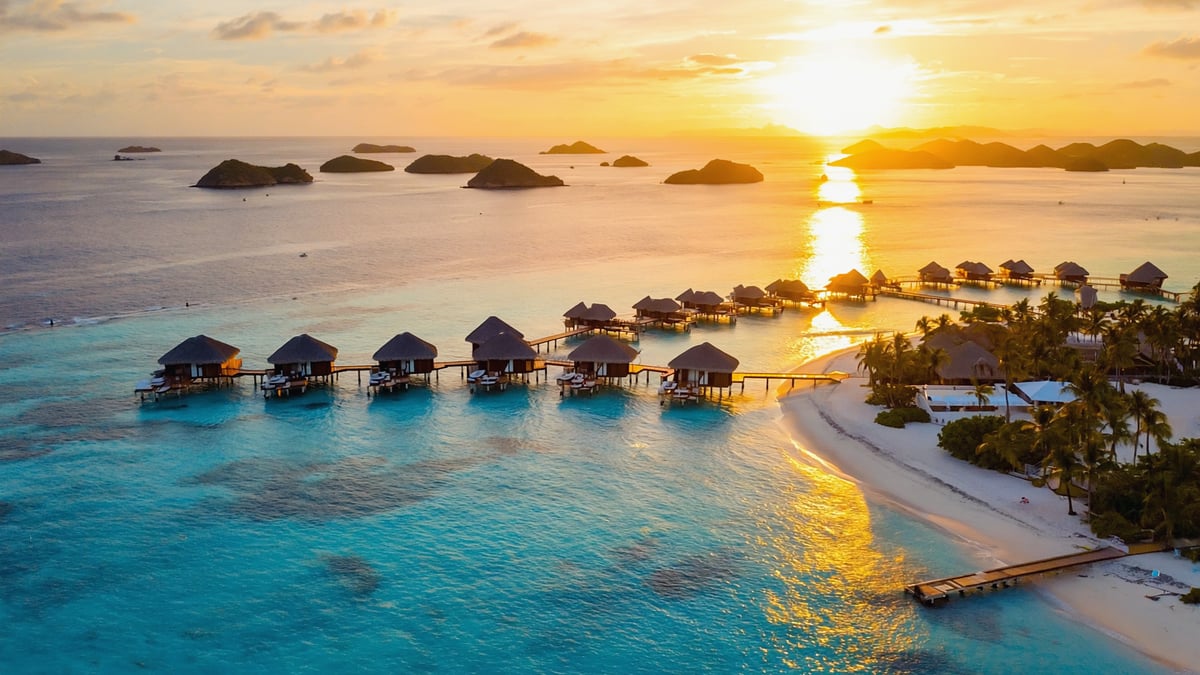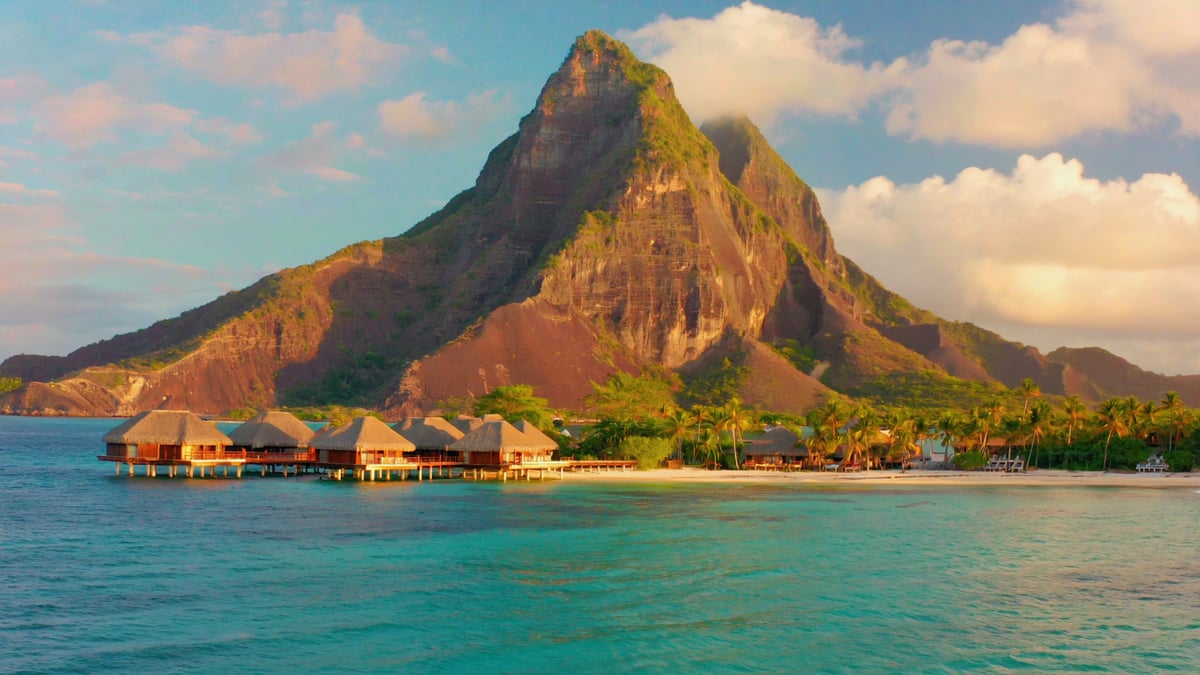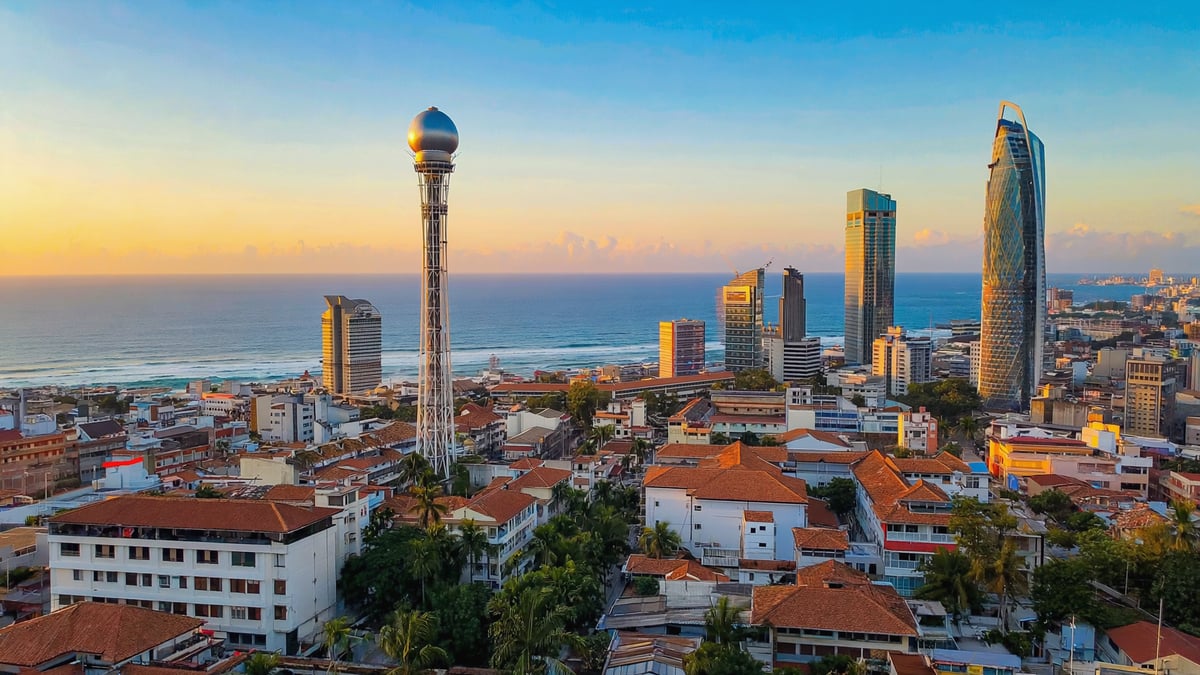
Most travellers land in Colombo, spend a single night, and rush straight to the hill country or the beaches. That is understandable, Sri Lanka is intoxicating, and the urge to see everything at once is real. But Colombo deserves more than a layover, and the coast stretching south from the city is one of the most rewarding stretches of shoreline in the Indian Ocean. This guide is built for UK travellers who want a proper plan: a clear sequence of places, realistic budgets in pounds, honest advice on what to skip, and a straightforward path to booking a package that handles the logistics. Whether you have 10 days or three weeks, the following steps will give you a Sri Lanka itinerary that actually works.
Step 1: Understand What Kind of Sri Lanka Trip You Are Planning
Before you book a single hotel or flight, you need to decide on your core travel style, because Sri Lanka offers three genuinely different holidays within one country. Getting clarity here saves money, avoids itinerary regret, and makes your package much easier to price.
The Three Sri Lanka Holiday Archetypes for UK Travellers
The first is the cultural circuit: Colombo, Kandy, Sigiriya, Dambulla, and Anuradhapura. This is for travellers who prioritise temples, history, and wildlife safaris. The second is the beach escape: flying into Colombo and heading straight to the south coast (Bentota, Mirissa, Tangalle, Unawatuna) or the east coast (Trincomalee, Arugam Bay). The third is the combined itinerary, which blends two to four days of culture in and around Colombo with a week on the coast. For most UK couples, families, and honeymooners, the combined approach delivers the most satisfying experience per day.
Choosing Your Season
Sri Lanka has two monsoon seasons driven by its geography. The south-west coast (Colombo, Bentota, Galle, Mirissa) is at its best from November through April. The east coast (Trincomalee, Arugam Bay) is better from May through September. The central highlands see rain from both monsoons but remain visitable year-round if you pack accordingly. UK travellers flying between December and March tend to find the south coast in near-perfect condition, which is why Sri Lanka package deals from the UK are most in demand during that window.
Budget Benchmarks in Pounds
| Travel Style | Daily Spend Per Person (excl. flights) | Typical 10-Night Package Range (pp) | Best For |
|---|---|---|---|
| Budget | £30–£50 | £899–£1,199 | Solo travellers, backpackers |
| Mid-range | £60–£100 | £1,299–£1,799 | Couples, families |
| Luxury | £150–£300+ | £2,199–£2,999+ | Honeymooners, retirees |
GlobeHunters Sri Lanka packages start from around £1,299 per person for a 10-night combined cultural and beach itinerary, covering return flights from London, accommodation, and select activities. Call 0208 944 4514 to discuss options, or browse current availability online.
Step 2: Navigate Colombo Like a Local, Not a Tourist
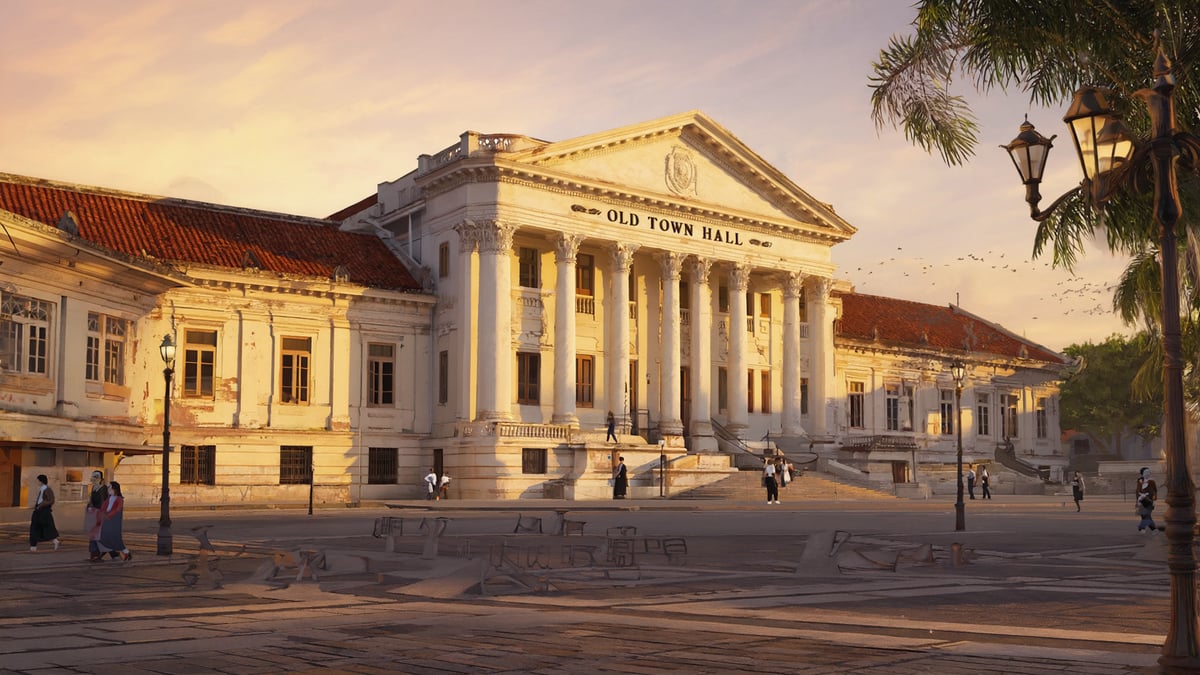
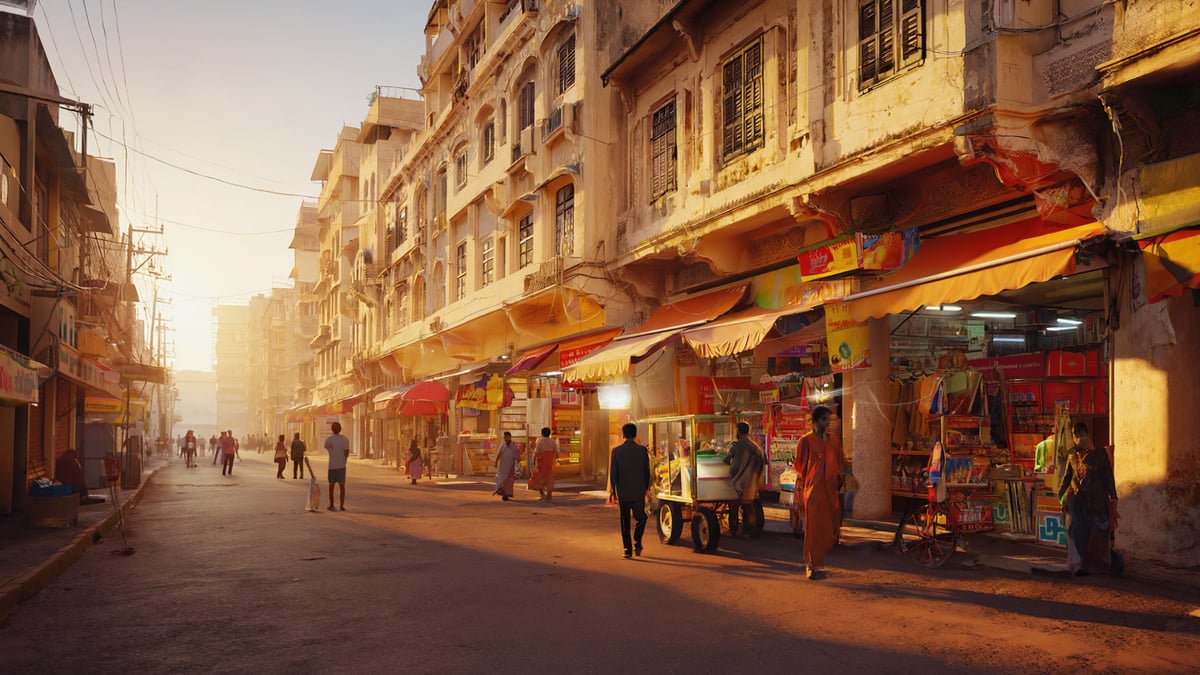
Colombo is a working capital city with genuine character, and it rewards travellers who give it 48 hours rather than 12. The city sits on the west coast of Sri Lanka, framed by the Indian Ocean to one side and the Kelani River to the north. Its energy is layered: Dutch colonial architecture sits alongside modern glass towers, Buddhist temples share streets with mosques and churches, and the food scene ranges from street-side hoppers to sophisticated rooftop restaurants.
Where to Stay in Colombo
For first-time visitors, Colombo 3 (Kollupitiya) and Colombo 7 (Cinnamon Gardens) are the most practical base. Both neighbourhoods are walkable, close to Galle Face Green, and well-served by tuk-tuks and the city's ride-hailing apps. The Colombo 1 (Fort) area is worth visiting for its historic architecture and the Pettah market district, but it is noisier and less convenient as an overnight base.
Mid-range hotels in Colombo typically cost between £60 and £120 per night for a double room with breakfast. Luxury five-star properties on or near Galle Face Green run from £180 to £350 per night. Budget guesthouses in Colombo 3 can be found from £25 to £45 per night.
The Colombo Itinerary: 48 Hours
Morning of Day 1: Start at Galle Face Green, the broad oceanfront promenade that stretches south from Fort. It is best in the morning when the light is low and the sea breeze is still cool. Walk south towards the Galle Face Hotel, one of Asia's oldest hotels (opened in 1864), and have breakfast there even if you are not staying, the veranda is worth the splurge.
Afternoon of Day 1: Head to the National Museum of Colombo in Viharamahadevi Park. The collection covers Sri Lanka's history from the Anuradhapura kingdom through to colonial rule and includes the throne of the last King of Kandy. Admission is modest. After the museum, walk through Viharamahadevi Park itself, which is free and genuinely pleasant in the afternoon shade.
Evening of Day 1: The Pettah area transforms in the early evening. The street food stalls near the Jami Ul-Alfar Mosque (the red-and-white striped mosque built in 1909) are excellent for a cheap, authentic dinner. Try kottu roti, string hoppers, and fresh king coconut water.
Day 2: Devote the morning to the Gangaramaya Temple, one of Colombo's most important Buddhist temples. It is visually striking, architecturally eclectic (incorporating Sri Lankan, Thai, Indian, and Chinese influences), and houses an unusual museum with gifts donated by devotees over decades. From there, take a tuk-tuk to the Dutch Hospital in Colombo Fort, a 17th-century colonial building now repurposed as a high-end shopping and dining precinct. Have lunch there, then spend the afternoon at the Manning Market or exploring the street art around Colombo 11 (Pettah) and Colombo 12 (Hulftsdorp).
Common Colombo Mistakes to Avoid
- Underestimating traffic: Colombo's traffic is severe, particularly between 07:30 and 09:30, and again from 17:00 to 19:30. Plan museum visits and temple trips for mid-morning, not early morning.
- Skipping the Fort district: Many travellers assume Colombo Fort is all offices and nothing to see. In fact, the Old Parliament Building, the Lighthouse Clock Tower, and the architecture around Bank of Ceylon Mawatha are genuinely interesting.
- Relying solely on tuk-tuks for longer distances: Use PickMe (Sri Lanka's equivalent of Uber) for journeys over 3km. It is metered, air-conditioned, and significantly cheaper than negotiating a tuk-tuk fare as a tourist.
Step 3: Travel South Along the Sri Lanka Coast
The Southern Expressway (E01) connects Colombo to Galle in under two hours, making the south coast the most accessible beach region in Sri Lanka for travellers based in the capital. The coastal stretch from Bentota to Tangalle, a distance of roughly 160km, contains some of the finest beaches in South Asia, alongside the colonial walled city of Galle, the whale-watching hub of Mirissa, and the quieter, wilder shores of Tangalle.
Bentota: The First Stop South
Bentota sits roughly 65km south of Colombo, about 90 minutes by train or road. It is the first major beach resort town on the west coast and is particularly popular with UK couples and honeymooners because of its calm lagoon, wide sandy beach, and concentration of mid-range to luxury hotels. The Bentota River lagoon is ideal for water sports including jet-skiing, windsurfing, and boat trips into the mangrove channels.
The beach at Bentota is long, relatively uncrowded compared to Unawatuna, and lined with palm trees. Sun loungers and parasols are generally included with hotel stays. The sea here is suitable for swimming from November through April. Outside that window, the surf picks up and swimming becomes inadvisable without local guidance.
A practical note: Bentota is split by the railway line. The beach and most hotels are on the ocean side. The town itself (shops, pharmacies, ATMs) is on the lagoon side. The short bridge connecting them takes about five minutes to walk across.
Galle: The Highlight of Any Sri Lanka Coast Holiday
Galle is non-negotiable on a Sri Lanka coast holiday from the UK. The Galle Fort, a UNESCO World Heritage Site, was originally built by the Portuguese in 1588 and significantly expanded by the Dutch in the 17th century. Walking the ramparts at sunset, with the Indian Ocean on three sides and the town's colonial rooftops below, is one of the genuinely memorable experiences available in Sri Lanka.
Inside the fort, the streets are lined with boutique guesthouses, independent cafés, jewellery shops selling blue sapphires and moonstone (Sri Lanka is one of the world's leading sources of gemstones), and galleries. The Dutch Reformed Church (1755) and the All Saints' Church (1871) are both worth a look inside. The Galle Fort Museum, housed in the original Dutch warehouse, covers the fort's history with reasonable depth.
As Forbes Travel's guide to Sri Lanka notes, Galle Fort is one of the defining experiences of any visit to the country, and it is easy to see why. Allow a full day here, not a half-day. Have lunch at one of the fort's courtyard restaurants, and walk the full rampart circuit in the late afternoon when the light turns golden.
Mirissa: Whale Watching and Nightlife
Mirissa, about 35km east of Galle, is best known for two things: whale watching and its social atmosphere. Blue whales pass through the waters off Mirissa between November and April, making it one of the most reliable locations in the world to see blue whales in the wild. The boats depart early (around 06:30) and return by midday. A reputable whale-watching trip costs between £30 and £50 per person.
The town's beach is a crescent bay backed by palm trees, with a more lively atmosphere than Bentota or Tangalle. There are beach bars, seafood restaurants, and a relaxed nightlife scene that suits couples and solo travellers in their twenties and thirties particularly well. Families may prefer the quieter options at Tangalle.
Tangalle: For Travellers Who Want Quiet
Tangalle is the quietest of the main south coast stops, and that is precisely its appeal. The beaches here are more varied: some are broad and calm (Rekawa Beach), others are dramatic and surf-exposed. Rekawa Beach is also a nesting site for five species of sea turtle, including leatherback and green turtles. The local conservation project runs monitored night-time turtle watches between May and October.
Step 4: Plan Your Inland Excursions from the Coast
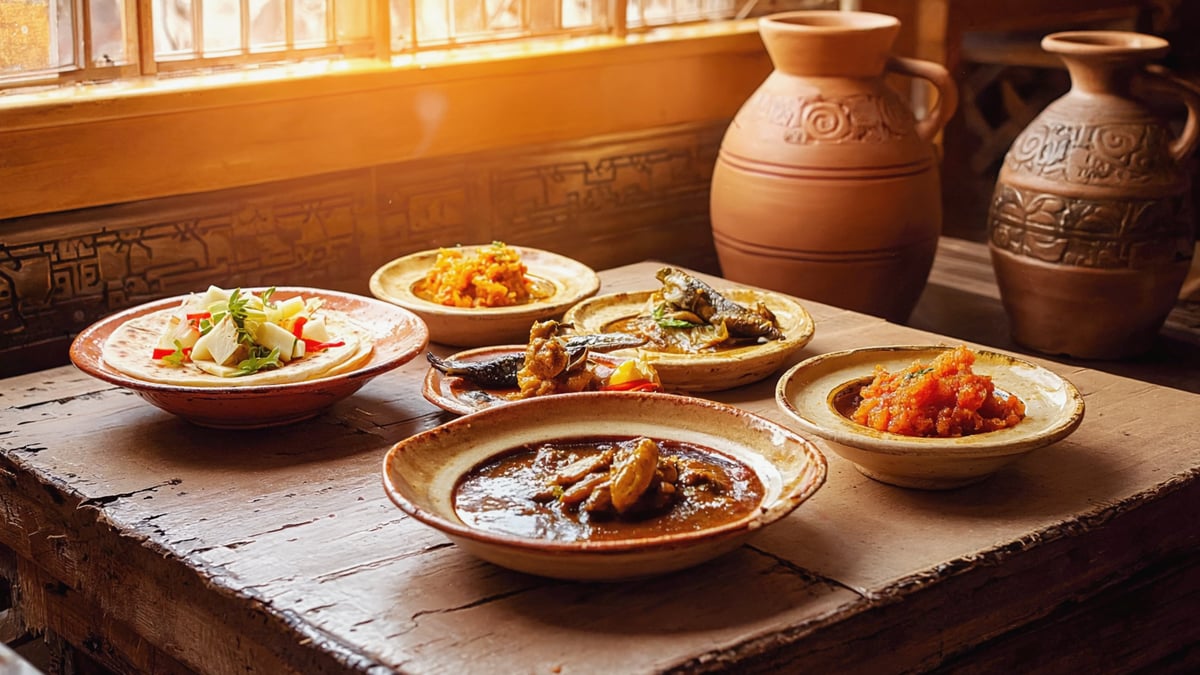
The south coast is within striking distance of several of Sri Lanka's most rewarding inland experiences, and building one or two day trips into your itinerary transforms a beach holiday into something much more memorable. The key is choosing excursions that are achievable within a single day without exhausting yourself on the road.
Udawalawe National Park: Sri Lanka's Best Safari for UK Travellers
Udawalawe is roughly two hours from Mirissa and about 2.5 hours from Tangalle. It is the most reliable park in Sri Lanka for seeing wild elephants, with a resident population of several hundred. Unlike Yala (which is more famous but increasingly crowded), Udawalawe offers a less chaotic safari experience. Jeep safaris run twice daily: a 06:00 morning session (the most productive for elephant sightings) and an afternoon session starting around 14:00.
A full-day safari including return transport from the south coast, park fees, and a guide typically costs between £60 and £90 per person when booked through a reputable operator. GlobeHunters packages can include Udawalawe safari as an add-on activity, call 0208 944 4514 to configure this within your package.
Sinharaja Forest Reserve: For Nature Enthusiasts
Sinharaja is Sri Lanka's only remaining lowland rainforest and a UNESCO World Heritage Site. It is about two hours from the south coast and is best visited on a guided morning walk (the forest becomes too hot and humid for comfortable walking by early afternoon). The reserve is home to a remarkable concentration of endemic bird species, making it a draw for birdwatchers. Sri Lanka has over 230 bird species, of which around 33 are endemic to the island.
Entry to Sinharaja requires a permit (available at the gate) and a licensed guide. The terrain is uneven and sometimes steep, sturdy footwear and insect repellent are essential. This excursion suits active travellers and is not ideal for young children or those with mobility limitations.
A Day Trip to Kandy from Colombo
If your itinerary includes two or more nights in Colombo, a day trip to Kandy is achievable. The train journey from Colombo Fort station takes approximately 2.5 to 3 hours and is widely regarded as one of the most scenic rail routes in South Asia. Kandy is home to the Temple of the Tooth Relic (Sri Dalada Maligawa), one of the most sacred Buddhist shrines in the world, which houses a tooth relic of the Buddha. The temple is set on the edge of the Kandy Lake and is surrounded by a complex of museums, gardens, and secondary shrines.
A day trip to Kandy is feasible but slightly rushed. If your budget allows, spending a night in Kandy and returning the following morning gives you time to see the Peradeniya Botanical Gardens (one of Asia's finest) and walk the lake circuit at dusk.
Step 5: Understand the Sri Lanka Itinerary Sequencing Logic
The order in which you visit Sri Lanka's regions matters more than most travellers expect, and getting the sequencing wrong is the most common itinerary mistake made by UK visitors. The country is small (roughly the size of Ireland), but travel times between regions are longer than a map suggests, because roads are often two-lane and shared with tuk-tuks, lorries, and the occasional elephant.
The Optimal 10-Night Sequence
- Nights 1–2: Colombo. Arrive, recover from the flight, explore the city. Most flights from the UK (via Dubai, Doha, or Abu Dhabi) arrive in the morning, so you will have a half-day on arrival.
- Night 3: Bentota. Take the morning train south. Settle in, swim, decompress.
- Nights 4–5: Galle. Two nights allows a full day in the fort plus an evening to explore at leisure. Consider a cooking class on the second evening.
- Nights 6–7: Mirissa. Whale watching on the morning of Night 7's arrival, or on the morning of departure. Beach time in between.
- Night 8: Tangalle. Quieter, more scenic, excellent seafood. Book a turtle watch if the season is right.
- Nights 9–10: Return to Colombo (or fly direct from Mattala Rajapaksa). Most UK charter flights and connections depart from Bandaranaike International Airport (Colombo). Allow at least one night in or near Colombo before departure.
The Optimal 14-Night Sequence (Adding the Cultural Triangle)
With 14 nights, you can add the Cultural Triangle (Sigiriya, Dambulla, Anuradhapura) between Colombo and the south coast. The sequence would be:
- Nights 1–2: Colombo
- Nights 3–4: Dambulla / Sigiriya (base at a lodge near Sigiriya Rock)
- Night 5: Kandy
- Night 6: Nuwara Eliya or Ella (tea country)
- Night 7: Train to the coast via Colombo
- Nights 8–14: South coast (Bentota, Galle, Mirissa, Tangalle)
This sequence avoids backtracking, makes the most of scenic train routes, and delivers both the cultural highlights and the beach holiday that UK travellers consistently rate as the most satisfying Sri Lanka experience.
Sequencing Mistakes to Avoid
| Mistake | Why It Happens | Better Approach |
|---|---|---|
| Flying into Colombo and immediately heading east to Trincomalee | East coast beaches look great on Instagram in summer | East coast is only at its best May–Sept. If flying in Nov–Apr, go south. |
| Trying to drive from Kandy to Mirissa in a single day | Maps make it look like 3 hours | Allow 5–6 hours or split with a night in Colombo. |
| Booking a Yala safari and Udawalawe safari on consecutive days | Wanting to see as much wildlife as possible | Safari fatigue is real. One great safari is better than two exhausting ones. |
| Spending only one night in Galle | Underestimating how much there is to see | Two nights minimum. Three is ideal if you are interested in history. |
Step 6: Book Your Sri Lanka Package Deal the Smart Way
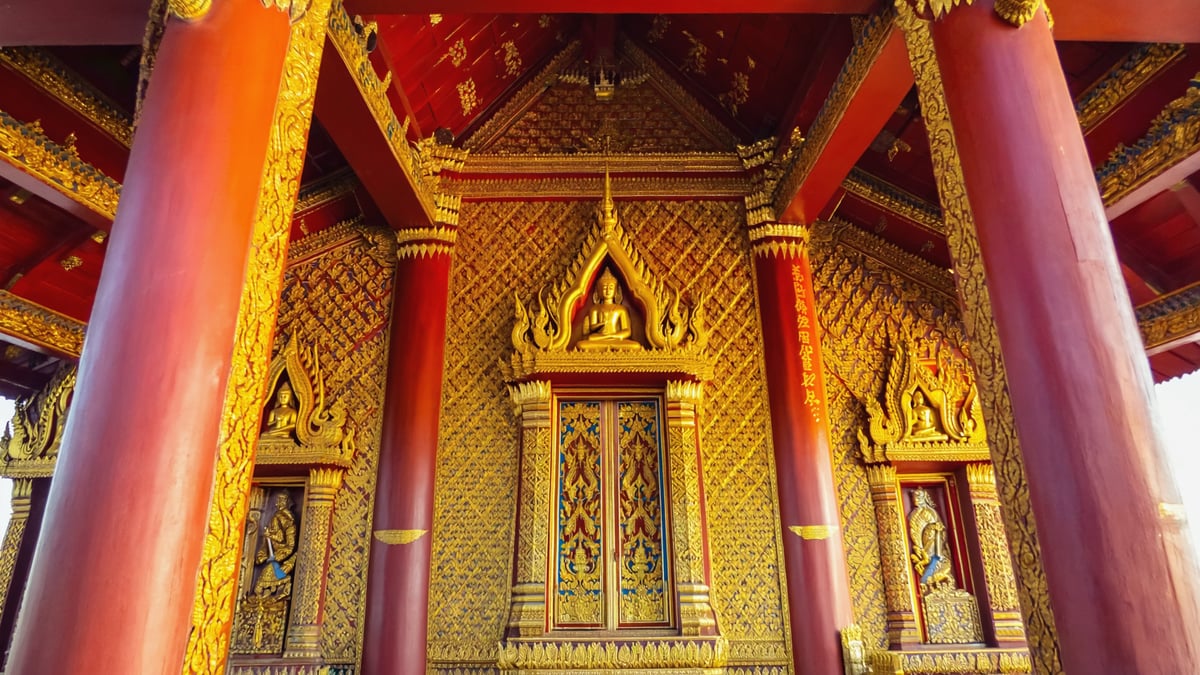
Booking Sri Lanka as a package rather than piecing it together independently is almost always better value for UK travellers, and it significantly reduces the administrative burden of managing multiple bookings across different time zones. The key is understanding what a good package includes, what questions to ask, and where the hidden costs tend to appear.
What a Good Sri Lanka Package Deal Should Include
A properly constructed Sri Lanka package for UK travellers should cover:
- Return flights from a UK airport (London Heathrow is the most common hub; Manchester and Birmingham have seasonal routes). The flight to Colombo Bandaranaike International Airport (BIA/CMB) is typically 10.5 to 12 hours with a connection in the Gulf.
- ATOL protection, this is non-negotiable. Any package sold by a UK travel company must be ATOL-protected under the Civil Aviation Authority's scheme. This protects your money if the company or airline fails. Always check the ATOL certificate number before paying a deposit.
- Accommodation at each destination, with clear confirmation of the check-in and check-out dates to avoid gaps.
- Airport transfers in Sri Lanka, both on arrival and departure.
- At least one guided activity, a cultural city tour, a whale-watching excursion, or a safari.
What to Watch Out For
Some Sri Lanka packages advertised at very low headline prices exclude inter-destination transfers within the country. These can add up: a private car from Colombo to Galle costs roughly £40 to £60; from Galle to Mirissa another £25 to £40. Ask explicitly whether in-country transfers between hotels are included or quoted separately.
Also check the board basis. Sri Lanka hotels often offer breakfast included, but dinner is a significant additional cost if not included. A half-board package (breakfast and dinner) can be excellent value at beach resorts where eating out every evening adds up. For city stays (Colombo, Galle), room-only or bed and breakfast is usually better because the dining options outside the hotel are so varied and affordable.
GlobeHunters Sri Lanka Packages: What to Expect
GlobeHunters has been arranging Sri Lanka package deals for UK travellers since 2003. Current packages start from approximately £1,299 per person for a 10-night itinerary, rising to £2,499 per person for a 14-night luxury combined cultural and beach package. All packages include ATOL protection, return flights from London, accommodation, and airport transfers. Activities and safaris can be added to any package at the time of booking.
To get a tailored quote based on your preferred dates, departure airport, and travel style, call the team on 0208 944 4514. The team can also advise on room upgrades, honeymoon extras, and child pricing for family packages.
Step 7: Handle the Practical Entry and Travel Requirements
Sri Lanka has a streamlined entry process for UK passport holders, but there are a handful of requirements that must be handled before departure. Getting these wrong can cause significant delays at the airport or, in the worst case, denial of boarding.
Electronic Travel Authorisation (ETA)
UK citizens require an Electronic Travel Authorisation (ETA) to enter Sri Lanka. This is not a visa in the traditional sense; it is an online pre-approval that must be obtained before you fly. The ETA is applied for through the official Sri Lanka ETA portal operated by the Sri Lanka Department of Immigration and Emigration. The cost for a tourist ETA is currently around USD 35 (approximately £28) per person for a single entry, valid for 30 days. Processing is usually completed within 24 hours, but apply at least 72 hours before departure to allow for any queries.
Be cautious of third-party websites that charge significantly higher fees for the same ETA. Always use the official government portal and keep a printed copy of your ETA approval alongside your passport.
Health and Vaccinations
The NHS Travel Health guidance recommends that travellers to Sri Lanka are up to date with routine vaccinations (including MMR and tetanus) and consider vaccination against hepatitis A and typhoid. Malaria risk in Sri Lanka is low in the coastal areas and tourist regions covered by this guide, but higher in parts of the north and east. Consult your GP or a travel health clinic at least six weeks before departure to allow time for any vaccination courses to be completed.
Dengue fever is present in Sri Lanka and transmitted by daytime-biting mosquitoes. Use DEET-based insect repellent consistently, particularly at dawn and dusk, and wear long sleeves in the evenings.
Currency, SIM Cards, and Connectivity
The Sri Lankan Rupee (LKR) is the local currency. ATMs are widely available in Colombo and major tourist towns. It is advisable to withdraw cash on arrival at the airport (the rates at airport ATMs are reasonable) and then use local ATMs as needed. Avoid currency exchange booths at hotels, which typically offer significantly worse rates.
A local SIM card from Dialog or Mobitel (available at the airport arrivals hall for around £3–£5 including data) is strongly recommended for navigation, PickMe app access, and communication. UK roaming charges on Sri Lankan networks can be high, and the local SIM pays for itself within hours.
Dress Code and Temple Etiquette
Sri Lanka is a predominantly Buddhist country, and respectful dress is expected at temples and religious sites. Both men and women should cover shoulders and knees before entering any temple or sacred site. Sarongs are usually available to borrow or hire at major sites for a small fee, but carrying a lightweight scarf or sarong in your day bag saves time and avoids the hire cost.
Remove shoes before entering any temple. Do not pose for photographs in front of Buddha statues (it is considered disrespectful and is illegal in some contexts). Do not turn your back to a Buddha image for photographs.
Step 8: Navigate Sri Lanka's Food Scene with Confidence
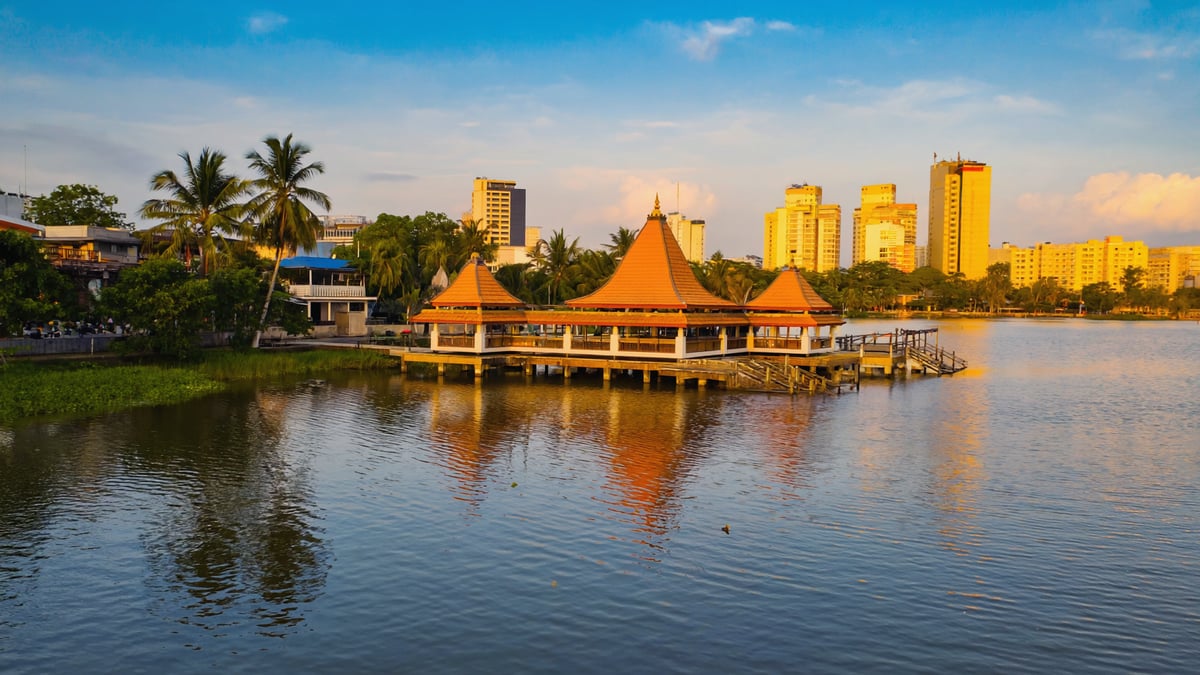
Sri Lankan cuisine is one of the most underrated food traditions in Asia, and travellers who venture beyond the hotel buffet consistently rate the food as a highlight of the trip. The cuisine is built around rice and curry, coconut, spices, and seafood, with strong regional variation between the south coast (where fish curries dominate), the hill country (where vegetable curries and game are more common), and Colombo (where you can find everything, including a thriving modern restaurant scene).
Essential Dishes to Try
- Rice and curry: The national dish, served at lunch as a spread of small curries around a mound of rice. A proper rice and curry plate includes at least five or six preparations: a main curry (fish, chicken, or dhal), a coconut sambol, a mallum (shredded greens), pickle, and papadom. At a local restaurant, this costs between £1.50 and £3. At a tourist restaurant, between £5 and £10.
- Hoppers (appa): Bowl-shaped pancakes made from fermented rice flour and coconut milk, typically eaten for breakfast. Egg hoppers (with an egg cooked in the centre) are particularly satisfying. Try them at a local tea shop with coconut sambol and dhal.
- Kottu roti: Shredded roti stir-fried on a flat griddle with vegetables, egg, and your choice of meat or seafood. The sound of the metal blades chopping the roti is a signature street-food sound across Sri Lanka.
- Pol sambol: Freshly grated coconut with red chilli, lime, and onion. Served alongside almost every meal, it provides a sharp contrast to the richness of the curries.
- Lamprais: A Dutch Burgher dish of rice and curry wrapped and baked in a banana leaf. Available in Colombo and occasionally in Galle. A taste of Sri Lanka's colonial culinary history.
- Fresh seafood on the south coast: Lobster, prawn, cuttlefish, and red snapper are all abundant and affordable. A grilled lobster at a beach restaurant in Mirissa or Tangalle costs between £8 and £18 depending on size, compared to £40 or more in the UK.
Food Safety for UK Travellers
Sri Lanka is generally a low-risk destination for food-related illness compared to some other South Asian countries, but the usual precautions apply. Drink bottled or filtered water only. Avoid ice unless you are confident it is made from filtered water (in tourist-oriented restaurants, it usually is). Be cautious with raw salads at roadside stalls, particularly in the first few days of your trip while your system adjusts.
Step 9: Explore Sri Lanka's Cultural and Spiritual Sites Beyond Colombo
Sri Lanka's history spans over 2,500 years, and the island's ancient civilisations left behind a concentration of UNESCO-listed monuments, cave temples, and sacred sites that rivals anywhere in South and South-East Asia. For UK travellers on a combined cultural and beach itinerary, the following sites are the most rewarding and the most accessible.
Sigiriya Rock Fortress
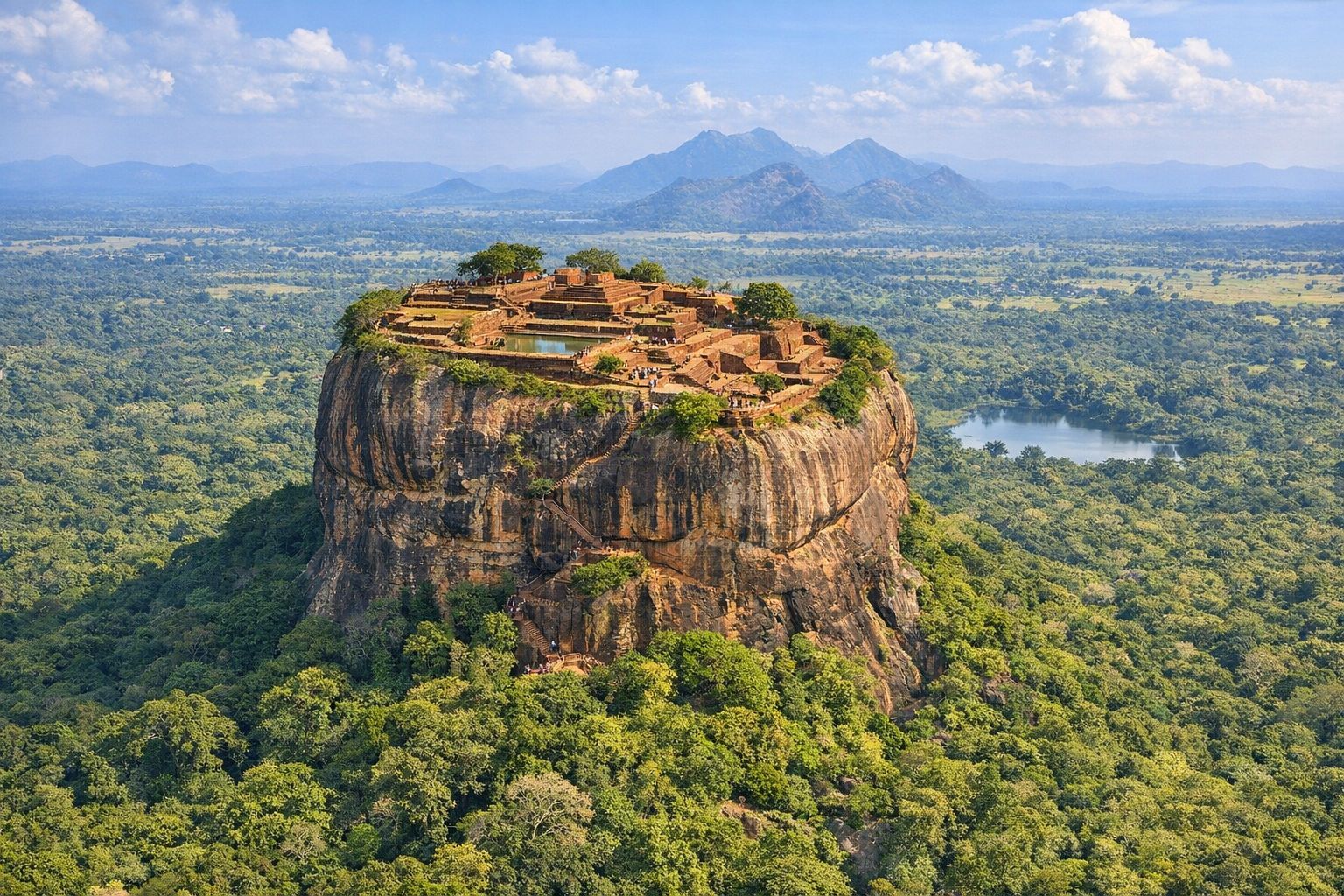
Sigiriya is the single most dramatic archaeological site in Sri Lanka. The 5th-century rock fortress rises 200 metres from the surrounding jungle, topped with the ruins of a palace complex built by King Kashyapa. The climb involves steep staircases and a final ascent via metal walkways bolted to the rock face. It takes approximately 90 minutes to reach the summit and 60 minutes to descend.
The rock's famous frescoes, painted on a sheltered gallery approximately halfway up, depict around 21 female figures (of an original estimated 500) in vivid ochre, red, and yellow. They are extraordinary. The mirror wall below the frescoes, polished so finely that the king could see his reflection, is covered in ancient graffiti from visitors dating back to the 8th century. Sri Lanka's connection to ancient astronomical and cultural traditions is deep, as the BBC has noted in its coverage of Sri Lanka's ancient sacred sites and their historical inscriptions.
Visit Sigiriya at opening time (07:00) to avoid the midday heat and the tour group crowds that arrive from 09:00 onwards. Wear proper walking shoes, bring at least 1.5 litres of water, and be aware that the climb is not suitable for those with a fear of heights or significant mobility limitations.
Dambulla Cave Temple
About 17km from Sigiriya, the Dambulla Cave Temple complex is a UNESCO World Heritage Site comprising five caves filled with over 150 Buddha statues and 2,100 square metres of paintings, the oldest dating back to the 1st century BC. The caves are carved into a granite outcrop and remain a functioning place of worship. Entry requires a climb of about 20 minutes on a stone path.
Dambulla is best visited in the early morning or late afternoon when the light inside the caves is at its most atmospheric. The combination of Sigiriya and Dambulla in a single day is very achievable if you base yourself nearby for two nights.
The Temple of the Tooth, Kandy
The Sri Dalada Maligawa (Temple of the Tooth Relic) in Kandy houses what is believed to be a tooth relic of the Buddha, and it is the most sacred Buddhist site in Sri Lanka. The temple complex includes several shrines, a museum displaying royal gifts and regalia, and the inner sanctum where the relic is housed in nested golden caskets. The relic itself is only displayed during special ceremonies, but the ritual puja (offerings) takes place three times daily and is open to respectful visitors.
The surrounding Kandy Lake and the town's colonial-era architecture (the Queen's Hotel, the Kandy market, the arts and crafts shops along Dalada Veediya) make this a genuinely satisfying full-day destination.
Step 10: Make Your Booking and Confirm Your Sri Lanka Itinerary
The final step is translating your planned itinerary into confirmed bookings with genuine protection for your money. This step is where many independent travellers lose time and sometimes money through disorganised booking processes, and where a well-structured package deal from a reputable UK travel agency adds clear value.
The Pre-Booking Checklist
- ✅ Dates confirmed, including arrival and departure airport, and flexibility window if prices are significantly different on adjacent dates.
- ✅ Number of travellers, adults, children (with ages), and any specific requirements (dietary, mobility, room configuration).
- ✅ Itinerary sequence agreed, which destinations, how many nights at each, and which activities are priorities.
- ✅ Budget per person agreed, including a clear understanding of what is and is not included in the headline package price.
- ✅ ATOL protection confirmed, ask for the ATOL certificate number before paying any deposit.
- ✅ ETA applied for, do not leave this until the week before departure.
- ✅ Travel insurance purchased, Sri Lanka packages require comprehensive travel insurance covering medical evacuation. The FCO recommends checking the UK government's travel advice for Sri Lanka before booking.
When to Book for the Best Value
Sri Lanka package deals from the UK are typically cheapest when booked three to six months in advance for travel in the peak November-to-March window. Last-minute deals (within six weeks of travel) do occasionally appear, but availability at the most popular south coast properties becomes limited quickly, and flight prices are significantly higher. For families travelling during UK school holidays (particularly the Christmas and February half-term periods), booking six to nine months in advance is strongly advisable.
GlobeHunters offers a price match guarantee, if you find a comparable ATOL-protected package at a lower price, the team will match it. Call 0208 944 4514 or visit the GlobeHunters Sri Lanka page to start building your itinerary.
Frequently Asked Questions: Sri Lanka for UK Travellers
How long does the flight from the UK to Sri Lanka take?
The flight from London to Colombo Bandaranaike International Airport takes approximately 10.5 to 12 hours with a connection in the Gulf (Dubai, Doha, or Abu Dhabi). There are currently no direct non-stop flights from the UK to Sri Lanka. Most connecting flights involve a layover of two to four hours. Emirates, Qatar Airways, and SriLankan Airlines are the most commonly used carriers on this route.
Do UK citizens need a visa for Sri Lanka?
UK citizens do not require a traditional visa but must obtain an Electronic Travel Authorisation (ETA) before travelling. The ETA is obtained online through the official Sri Lanka Department of Immigration and Emigration portal. It costs approximately USD 35 (around £28) per person and is valid for 30 days from the date of entry. Apply at least 72 hours before your departure date.
What is the best time of year for a Sri Lanka coast holiday from the UK?
The south-west coast (Colombo, Bentota, Galle, Mirissa, Tangalle) is at its best between November and April, when the weather is dry, sunny, and warm with temperatures around 28–32°C. This window aligns well with UK winter escapes, the Christmas period, and February half-term. The east coast (Trincomalee, Arugam Bay) is better between May and September.
Is Sri Lanka safe for UK travellers?
Sri Lanka is considered a safe destination for tourists. The UK government's Foreign, Commonwealth and Development Office (FCDO) does not advise against travel to Sri Lanka's main tourist regions. Normal travel precautions apply: keep valuables secure, be cautious on unfamiliar roads, and follow local advice around swimming conditions on exposed beaches. Check the latest FCDO travel advice before departing.
How much spending money should I budget for Sri Lanka?
A comfortable daily spending budget in Sri Lanka (covering meals, drinks, tuk-tuks, entrance fees, and incidentals) is between £40 and £80 per person per day, depending on your travel style. This is significantly lower than comparable beach destinations such as the Maldives or Seychelles. A family of four can eat extremely well on £30 to £50 for dinner at a local restaurant.
Are Sri Lanka package deals better value than booking independently?
For most UK travellers, yes. Packages offer ATOL financial protection, a single point of contact for problems, and competitive combined pricing for flights and accommodation. Independent booking makes sense if you have very specific preferences for boutique accommodation not available through package operators, or if your itinerary is highly unconventional. For first-time visitors to Sri Lanka, a package is the lower-risk and typically lower-cost option.
What currency should I use in Sri Lanka, and can I use credit cards?
The Sri Lankan Rupee (LKR) is the local currency. Credit and debit cards (Visa and Mastercard) are accepted at hotels, larger restaurants, and shops in tourist areas. However, many tuk-tuks, street food stalls, temple entry booths, and smaller guesthouses are cash-only. Withdraw cash at ATMs on arrival and keep a supply of LKR for day-to-day expenses.
Is it possible to do a Sri Lanka itinerary without a private driver?
Yes, but it requires more planning. The Sri Lanka railway network connects Colombo to Galle (2 hours), Colombo to Kandy (2.5–3 hours), and Kandy to Ella (7 hours, one of the world's most scenic train journeys). Trains are cheap, punctual on mainline routes, and an experience in themselves. For getting between coastal towns south of Galle (Mirissa, Tangalle), local buses or tuk-tuks are the practical option. A private driver (chauffeur-guide) costs between £60 and £100 per day and provides maximum flexibility.
What should I pack for Sri Lanka?
Lightweight, breathable clothing (linen or technical fabrics work well), a sarong for temple visits, high-SPF sun cream, DEET insect repellent, a refillable water bottle with filter, sturdy walking shoes for temple and jungle visits, and flip-flops for beach and temple courtyards. A small waterproof bag or dry bag is useful for boat trips and beach days. UK plug adaptors are not needed as Sri Lanka uses the same three-pin plug standard as the UK.
Can I combine Sri Lanka with the Maldives as a twin-centre holiday?
Sri Lanka and the Maldives are a classic twin-centre combination for UK honeymooners and luxury travellers. Colombo to Malé is a short flight (approximately 1 hour 15 minutes), making it practical to spend 7–10 nights in Sri Lanka followed by 5–7 nights in the Maldives. GlobeHunters can arrange twin-centre packages covering both destinations. Call 0208 944 4514 to discuss pricing and itinerary options for this combination.
What are the best places in Sri Lanka for UK travellers to visit?
The most consistently rewarding destinations for UK visitors are: Colombo (cultural immersion, food), Galle Fort (colonial history, boutique shopping), Mirissa (whale watching, beach), Sigiriya (ancient fortress, history), Kandy (temple, hill country atmosphere), Udawalawe (wildlife safari), and Tangalle (quiet beach, turtles). The exact combination depends on your trip length and interests.
How do I get from Colombo Airport to the city or to Bentota?
Colombo's Bandaranaike International Airport is located in Katunayake, approximately 35km north of the city centre. A private taxi or airport transfer to central Colombo takes 45 minutes to 1.5 hours depending on traffic and costs around £15 to £25. To reach Bentota directly from the airport, allow 2.5 to 3 hours by road and budget approximately £50 to £70 for a private transfer. GlobeHunters packages include airport transfers as standard.
Key Takeaways for UK Travellers Planning a Sri Lanka Holiday
- Start with your travel style: cultural circuit, beach escape, or combined. The combined 10-night itinerary (Colombo, Bentota, Galle, Mirissa, Tangalle) is the most satisfying for first-time visitors.
- The south-west coast is the right choice for UK travellers flying between November and April. The east coast is better from May to September.
- Galle Fort deserves two nights minimum. It is the highlight of the Sri Lanka coast holiday and cannot be properly experienced in a single day.
- Book an ATOL-protected package rather than piecing the trip together independently, particularly if this is your first visit to Sri Lanka.
- Apply for your ETA at least 72 hours before departure through the official Sri Lanka government portal. Do not use third-party sites that charge inflated fees.
- Budget £40–£80 per person per day for comfortable on-the-ground spending, excluding accommodation if that is included in your package.
- Don't try to cover too much ground. Sri Lanka rewards slow travel. Three or four destinations in 10 nights is the right pace for a genuinely enjoyable experience.
- GlobeHunters Sri Lanka packages start from £1,299 per person for 10 nights. Call 0208 944 4514 to configure your ideal itinerary with a specialist.
About the author
Spiros Maragkoudakis · Chief Commercial Officer
Ready to Book Your Colombo Holiday?
Our travel experts are ready to help you plan the perfect trip. Call us today or browse our latest deals.
Ready to Start Planning?
Speak to our travel experts for personalised advice and the best deals on your next holiday.
Call 0208 944 4514