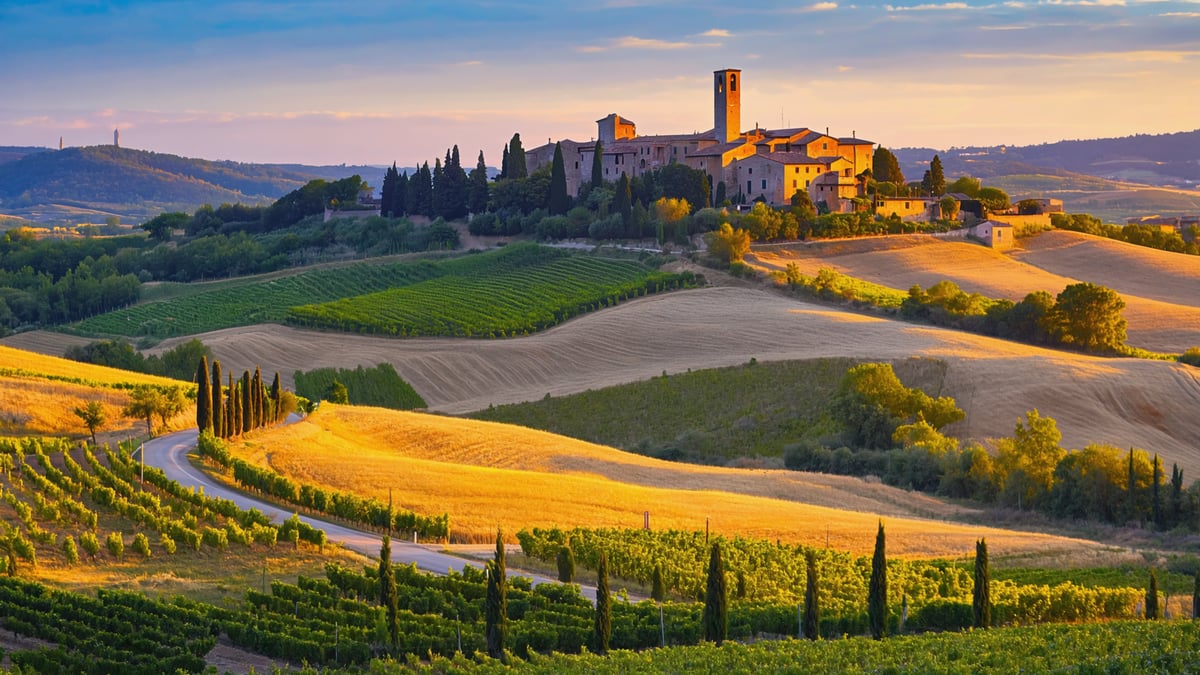
Most people arrive in Tuscany expecting a postcard. They get something far more disorienting: a place so relentlessly, overwhelmingly beautiful that it almost feels implausible. The cypress-lined roads that appear to lead nowhere. The vineyards in late September with their heavy, sun-warmed rows of Sangiovese. The way Florence's Duomo materialises above the rooftops without warning and simply stops you mid-sentence. For UK travellers, Tuscany occupies a particular position in the collective imagination, beloved, romanticised, and occasionally underestimated. Because here's what the postcards don't tell you: Tuscany is not one destination. It's a dozen layered experiences sitting inside a single region, and the travellers who treat it as a single-stop Florence weekend are missing most of the story.
This guide is built for UK travellers who want to do Tuscany properly, whether that means a curated Chianti wine tour, a slow week in a hill town with no particular agenda, a family road trip through medieval villages, or a first-class cultural immersion across Florence, Siena, and San Gimignano. You'll find everything here: the best areas to stay, what things to do in Tuscany are actually worth your time, how to find competitive Italy holiday packages from the UK, and the practical details that make the difference between a good trip and a genuinely memorable one.
Ready to start planning? Browse GlobeHunters' Tuscany and Italy holiday packages with flights, hotels, and activities included, or call 0208 944 4514 to speak with a travel specialist.
Why Tuscany Consistently Earns Its Place on the UK Travel Wishlist
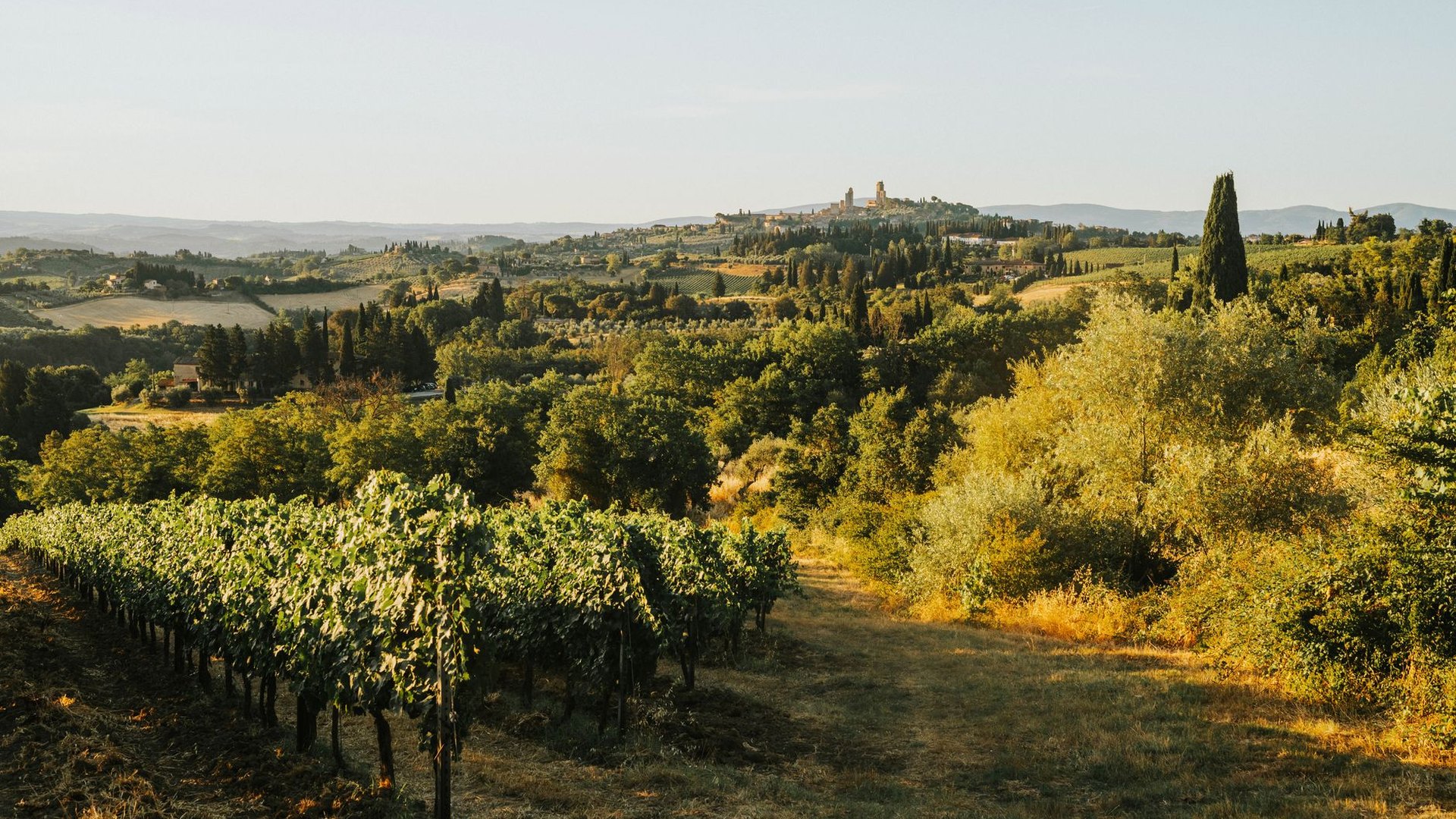
Tuscany's appeal to British travellers is not simply nostalgia or marketing. It is geographical, cultural, and culinary in equal measure. The region sits in central Italy at a latitude that delivers dependable summer sunshine without the crushing heat of Sicily or the Amalfi Coast in peak season. Its landscapes are genuinely unlike anywhere else in Europe: the Val d'Orcia, a UNESCO World Heritage Site, features rolling hills so perfectly composed they look like Renaissance backgrounds, because they are. Painters including Raphael and Perugino used these exact valleys as the settings behind their subjects.
For UK travellers specifically, Tuscany offers a combination of qualities that is difficult to replicate. English is widely spoken in the major cities and tourist areas, making navigation straightforward even for first-time visitors to Italy. Direct flights from London Gatwick, Heathrow, Stansted, and several regional airports to Florence (FLR) and Pisa (PSA) mean you can be standing in a Florentine piazza in under three hours from most UK departure points. And the exchange rate between sterling and the euro has historically made Tuscany accessible for a range of budgets, from budget city breaks to luxury agriturismo stays.
The region also rewards repeat visits in a way that few European destinations match. A first trip might centre on Florence and the Uffizi. A second could focus entirely on the wine roads of Chianti Classico. A third might be a slow circuit of the lesser-known hill towns: Montepulciano, Pienza, Pitigliano, Sorano. Tuscany has sufficient depth that travellers return again and again without ever running out of new ground to cover.
The Seasonal Case for Tuscany
Understanding when to go is arguably the single most important planning decision for a Tuscany holiday from the UK. The region behaves very differently across the calendar:
- April to early June: The countryside is at its most lush and flower-filled. Temperatures are mild (typically 18–24°C), crowds are manageable outside Easter week, and prices are lower than peak summer. This is widely considered the best period for landscape photography, cycling, and outdoor dining.
- July and August: Peak season, peak heat. Florence in August can reach 35°C and feels considerably hotter among the stone buildings. Tourist numbers in the major cities are at their highest, and booking accommodation and attractions months in advance is essential. That said, coastal areas like the Maremma and the islands of Elba and Giglio offer relief.
- September and October: The most atmospheric period for wine enthusiasts. The vendemmia (grape harvest) runs roughly from mid-September through October, and many estates welcome visitors during this time. Temperatures ease, the light turns golden, and the crowds thin noticeably after the first week of September.
- November to March: Quieter, cooler, and considerably cheaper. Some smaller hill towns feel almost abandoned, and many agriturismo properties close. However, for a focused city break in Florence or Siena, the off-season offers a genuinely different and more intimate experience.
Florence: The City That Changed How the World Sees Art
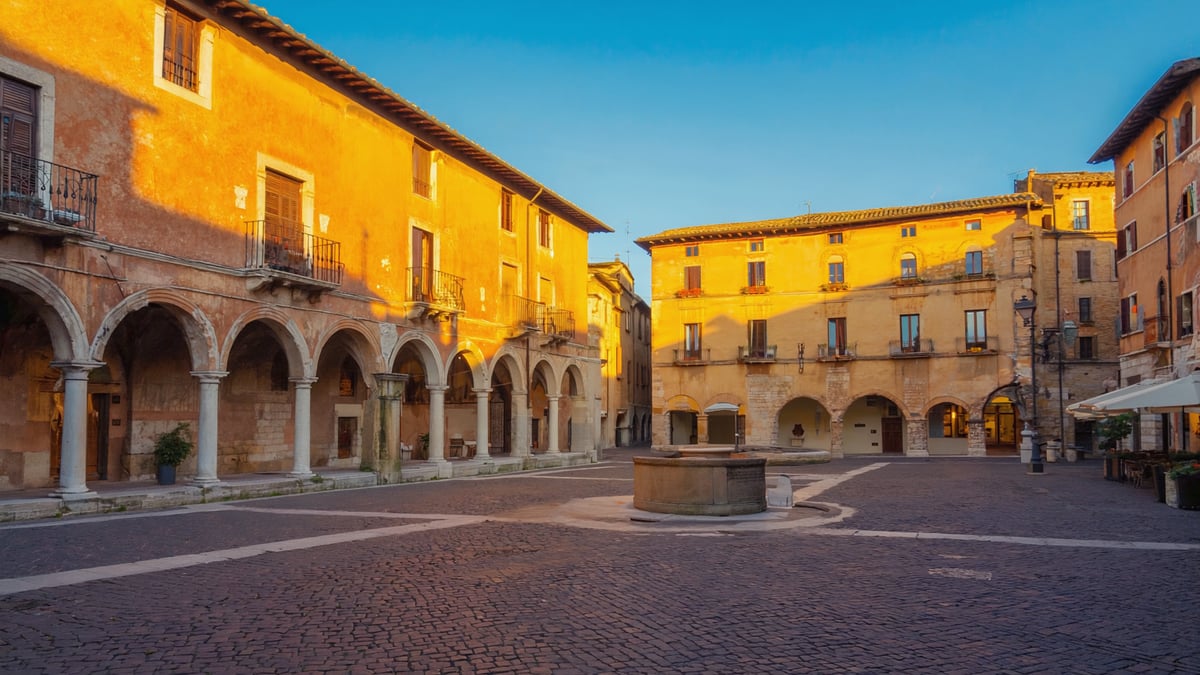
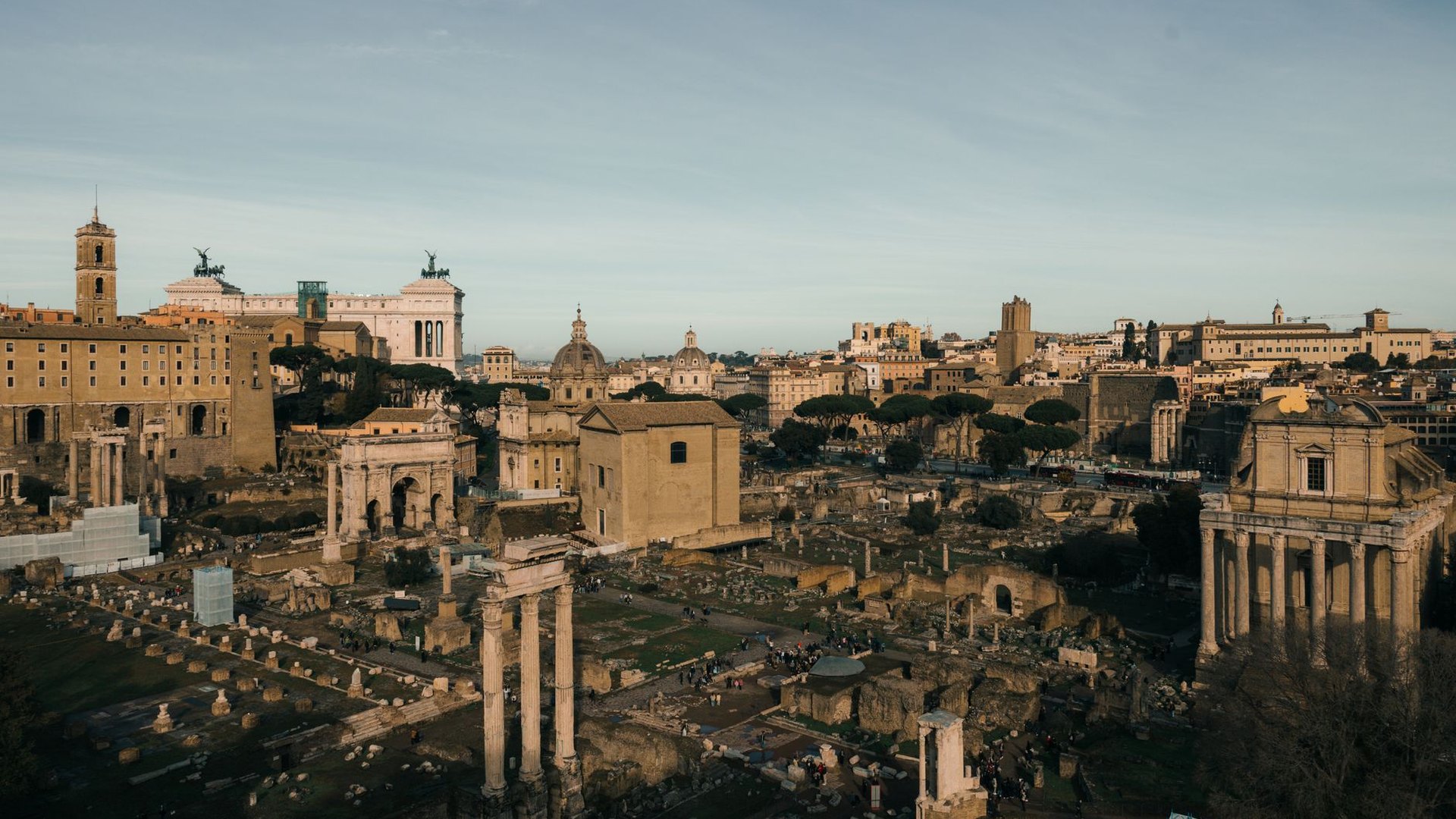
Florence is the obvious starting point for any Tuscany holiday, and obvious is not always wrong. The city is, without hyperbole, one of the most significant concentrations of art and architecture on the planet. The Uffizi Gallery alone contains works that defined the trajectory of Western art: Botticelli's Birth of Venus, Caravaggio's Medusa, Titian's Venus of Urbino. But Florence rewards travellers who look beyond the headline attractions.
Navigating the Uffizi Without Losing Your Mind
The Uffizi receives millions of visitors annually and queues without pre-booked tickets can stretch to several hours during peak season. Book timed-entry tickets well in advance through the official Uffizi Gallery website. Allow a minimum of three hours for a meaningful visit; a full day is not excessive if you want to spend proper time with the Botticelli rooms, the Raphael and Michelangelo halls, and the Caravaggio collection on the upper floors.
A practical note that most guides omit: the Uffizi is arranged chronologically, and the early medieval rooms (Rooms 2–7) are frequently rushed by visitors eager to reach Botticelli. These early rooms contain some of the most historically significant works in the building, including Cimabue and Giotto pieces that represent the literal beginning of figurative painting in Western art. Spending time here makes the Botticelli rooms, when you reach them, feel like an earned revelation rather than a box to tick.
Beyond the Uffizi: Florence's Hidden Depth
The city's secondary attractions are frequently more rewarding than their reputations suggest. The Bargello Museum houses the finest collection of Renaissance sculpture outside the Vatican, including Donatello's David (the bronze original, predating Michelangelo's marble version) and Verrocchio's rival David. Entry is straightforward, queues are minimal even in peak season, and the building itself, a 13th-century former prison, is architecturally remarkable.
The Oltrarno district, on the south bank of the Arno, offers a Florence that feels more like a living city than a museum. The neighbourhood around Piazza Santo Spirito has a genuine local character, with artisan workshops, independent wine bars, and restaurants where the clientele is predominantly Florentine. The Pitti Palace and the Boboli Gardens are here, as is the Brancacci Chapel, which contains Masaccio frescoes that directly influenced Michelangelo and Leonardo.
For a perspective that resets everything, walk or take a short bus ride up to Piazzale Michelangelo in the late afternoon. The panoramic view across Florence, with the Duomo centred against the surrounding hills, is one of those rare views that justifies every cliché ever written about it.
Where to Eat and Drink in Florence
Florentine cuisine is robust, meat-centred, and deeply unfashionable in all the right ways. The bistecca alla Fiorentina (a thick-cut T-bone from Chianina cattle, served very rare) is the city's signature dish and should be experienced at least once. Lampredotto (tripe sandwich from a street cart) is the authentic local fast food and costs almost nothing. The trattorie around the Mercato Centrale in San Lorenzo serve some of the most honest Tuscan cooking in the city at prices that remain reasonable by UK standards.
For wine, the Enoteca Alessi near the Duomo has been operating since 1952 and stocks an extraordinary range of Tuscan bottles with knowledgeable staff. The wine list at almost any traditional Florentine restaurant will feature Chianti Classico, Brunello di Montalcino, and Vino Nobile di Montepulciano at prices that compare very favourably to equivalent bottles in London.
The Tuscany Wine Roads: Chianti, Brunello, and the Vineyards of the Val d'Orcia
Tuscany produces some of the most critically acclaimed wines in the world, and the wine roads that connect the region's major appellations offer one of the most pleasurable ways to experience the Tuscan countryside. For UK travellers with even a passing interest in wine, dedicating two to three days to exploring the vineyards transforms a Tuscany holiday from a cultural trip into something more immersive.
Chianti Classico: The Wine Road Between Florence and Siena
The Chianti Classico zone occupies the hills between Florence and Siena, roughly along the SS222 (the Chiantigiana road). This stretch of countryside, with its mix of olive groves, vineyards, medieval towers, and stone farmhouses, is what most people picture when they imagine Tuscany. The black rooster emblem (Gallo Nero) on a bottle indicates a wine produced within the strict geographic boundaries of Chianti Classico, as defined by the Consorzio Vino Chianti Classico.
The key villages along this route include Greve in Chianti (a practical base with good accommodation options), Panzano in Chianti (home to butcher Dario Cecchini, a genuine culinary institution), and Radda in Chianti (a compact hilltop village with excellent enoteca options). Most estates in the zone offer tasting visits, though booking in advance is strongly recommended for the more prestigious producers.
Montalcino and Brunello: Tuscany's Most Serious Wine
Brunello di Montalcino is widely regarded as one of Italy's finest red wines, produced exclusively from Sangiovese Grosso grapes grown around the hilltop town of Montalcino in the Val d'Orcia. The town itself is a rewarding destination independent of the wine: the 14th-century fortress (Fortezza) at its centre offers panoramic views across the valley, and the streets are lined with enotecas where a tasting flight covering the different Brunello classifications (standard, Riserva, single vineyard) can occupy a very happy afternoon.
The surrounding landscape, visible from the fortress walls and the road approaching from the north, is some of the most photographed countryside in Europe. The Val d'Orcia is a UNESCO World Heritage Site recognised for its outstanding landscape values, and the area around Montalcino and Pienza encapsulates exactly why that designation was awarded.
A Practical Wine Route for UK Visitors
| Wine Zone | Key Grape | Nearest Town | Best For | Approx. Estate Visit Cost |
|---|---|---|---|---|
| Chianti Classico | Sangiovese | Greve in Chianti | Scenic drives, accessible tastings | €15–€30 per person |
| Brunello di Montalcino | Sangiovese Grosso | Montalcino | Serious wine enthusiasts | €20–€50 per person |
| Vino Nobile di Montepulciano | Prugnolo Gentile | Montepulciano | Hill town atmosphere + wine | €15–€35 per person |
| Vernaccia di San Gimignano | Vernaccia | San Gimignano | White wine, medieval towers | €10–€25 per person |
| Morellino di Scansano | Sangiovese | Scansano (Maremma) | Off-the-beaten-path exploration | €10–€20 per person |
Siena, San Gimignano, and the Unmissable Hill Towns
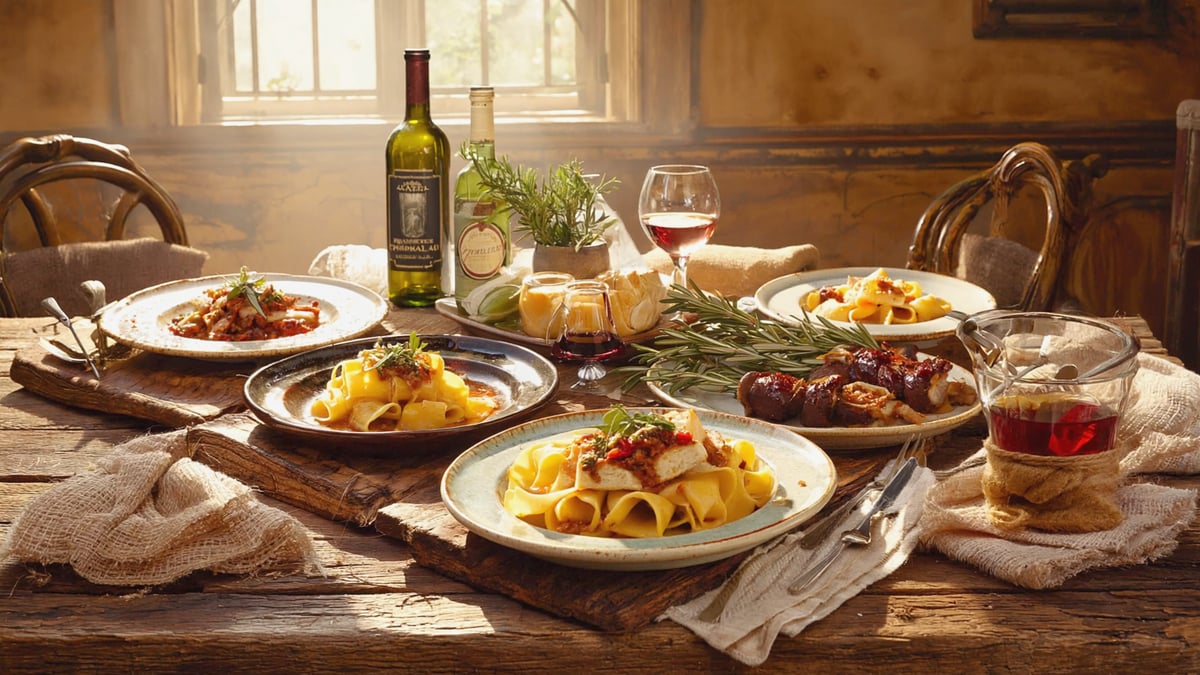
Tuscany's hill towns are the region's greatest collective achievement. While Florence anchors the cultural itinerary and the wine roads provide structure for rural exploration, the hill towns are where Tuscany reveals its medieval soul. Each town has its own distinct character, history, and rhythm, and the experience of arriving in one of them, after winding up through terraced vineyards and olive groves, is one of travel's genuine pleasures.
Siena: Florence's Rival and a Medieval Masterpiece
Siena's rivalry with Florence is one of the defining threads of Tuscan history, and the city's extraordinary Gothic architecture reflects a moment when Siena was arguably Florence's equal. The Piazza del Campo is the heart of the city, a shell-shaped piazza widely regarded as one of the finest medieval public spaces in Europe. The Palazzo Pubblico that frames it contains Ambrogio Lorenzetti's frescoes of Good and Bad Government, painted in 1338, which represent some of the most politically significant and artistically sophisticated works of the pre-Renaissance period.
The Siena Cathedral (Duomo) is a revelation. Its striped black and white marble exterior is extraordinary from the outside, but the interior surpasses it: inlaid marble floor panels illustrating biblical and allegorical scenes, a pulpit by Nicola Pisano, and the Piccolomini Library, whose walls are covered with frescoes by Pinturicchio depicting the life of Pope Pius II. Allow at least two hours in the cathedral complex, which includes the adjacent Baptistery and the remarkable Museo dell'Opera.
Siena is also home to the Palio, one of Europe's most intense traditional festivals: a bareback horse race around the Piazza del Campo, run twice annually (2 July and 16 August), that represents the continuation of a civic rivalry between the city's seventeen historical districts (contrade) that has been ongoing since the 13th century. Attending the Palio requires very early positioning in the piazza (standing areas are free but fill hours before the race) or an expensive seat in one of the palazzi lining the square. For context on the race's history and rules, the Siena municipality's official Palio guide provides authoritative background.
San Gimignano: The Manhattan of the Middle Ages
San Gimignano's famous towers (fourteen remain from an original seventy-two) were built by competing noble families during the 11th and 12th centuries as demonstrations of wealth and power, making them a surprisingly direct medieval parallel to modern corporate architecture. The town is heavily visited, particularly in July and August, but the crowds thin considerably if you arrive before 9am or stay the night, at which point the town after dark has an entirely different atmosphere.
The Vernaccia di San Gimignano white wine, produced from the local Vernaccia grape, was the first Italian wine to receive DOC status (in 1966) and is the obvious thing to drink here. The combination of a chilled glass of Vernaccia and a view from the town walls across the surrounding countryside at sunset is one of those Tuscan moments that requires no further embellishment.
Montepulciano, Pienza, and the Val d'Orcia Towns
Montepulciano sits at 605 metres above sea level with views in almost every direction that encompass the Val d'Orcia and Lake Trasimeno. Its main street (the Corso) climbs steeply from the gate at the bottom to the Piazza Grande at the top, passing a succession of Renaissance palazzi, enotecas set into ancient cellars, and workshops producing the local pottery. The wine here, Vino Nobile di Montepulciano, is one of Tuscany's three great DOCG reds and pairs exceptionally well with the local Chianina beef.
Pienza, a short drive from Montepulciano, represents something unusual in Italian urban history: a planned Renaissance city, conceived entirely by Pope Pius II in the 15th century as a model of humanist urban design. The tiny town centre, laid out around a single piazza, is a UNESCO World Heritage Site and worth an hour of quiet exploration. Pienza is also the home of Pecorino di Pienza, an aged sheep's milk cheese that is one of Tuscany's great food products and available from several small producers directly off the main street.
Things to Do in Tuscany Beyond the Obvious Itinerary
The standard Tuscany itinerary (Florence, Siena, San Gimignano, Chianti) is standard for good reason, but the region contains a substantial number of experiences that receive a fraction of the visitor attention they deserve. These are the activities and areas that separate a well-planned Tuscany holiday from a genuinely memorable one.
Cycling the Tuscan Countryside
Cycling in Tuscany has grown from a niche activity to one of the region's major draw cards, and with good reason. The cycling infrastructure in the Val d'Orcia, around Greve in Chianti, and along the Via Francigena pilgrimage route is well developed, with a range of guided and self-guided options for all fitness levels. Electric bike tours have made the steeper hill routes accessible to a much wider range of cyclists, and several operators now offer day tours that include vineyard stops and lunch.
The Eroica sportive, held annually in Gaiole in Chianti in October, is one of the world's most famous cycling events, run over white gravel roads (strade bianche) on vintage bicycles. It draws participants from across Europe and has spawned a broader cultural movement around the gravel roads of southern Tuscany. Even outside the event, the strade bianche routes around Gaiole and Castelnuovo Berardenga offer some of the most scenic off-road cycling in Italy.
Thermal Baths and Natural Hot Springs
Southern Tuscany (the Maremma and the area around Monte Amiata) contains a concentration of natural thermal springs that are significantly underused by UK visitors relative to their quality. The most accessible is Bagno Vignoni, a village in the Val d'Orcia whose central piazza is actually a large Renaissance thermal pool (no longer open for bathing, but extraordinary to see). The surrounding hills have several open-air thermal pools fed by natural hot springs, including the free pools at Bagni San Filippo, where calcium deposits have created a series of white-walled natural basins in the forest.
For a more developed spa experience, Terme di Saturnia in the southern Maremma is one of Italy's most famous thermal resorts. The natural waterfall cascade (Cascate del Gorello) is free to access and is particularly atmospheric in the early morning with mist rising from the 37°C water.
The Maremma: Tuscany's Wild South
The Maremma, Tuscany's coastal and southern interior region, remains genuinely less discovered than the central Tuscany circuit. The Parco Regionale della Maremma protects a stretch of coastline, dunes, and pine forest that is among the most ecologically intact on the Italian peninsula. The park is home to a working cattle ranch (the Azienda Agricola Alberese), herds of semi-wild horses, and birdlife including nesting ospreys. Day visits with guided tours are available from the park entrance at Alberese.
The Etruscan towns of Pitigliano, Sorano, and Sovana form a loose circuit in the far south of the region that is largely unvisited relative to its historical significance. Pitigliano, built directly into volcanic tufa rock, is one of the most dramatically sited towns in Italy. The surrounding countryside contains an extensive network of Etruscan rock-cut roads (vie cave) that predate the Roman road system by centuries.
A Day-by-Day Framework for One Week in Tuscany
| Day | Base | Primary Activity | Evening |
|---|---|---|---|
| Day 1 | Florence | Arrival, Duomo exterior, Oltrarno orientation walk | Dinner in Santo Spirito |
| Day 2 | Florence | Uffizi Gallery (pre-booked, morning), Bargello in afternoon | Sunset at Piazzale Michelangelo |
| Day 3 | Chianti / Greve | Drive SS222 south, vineyard tasting stops | Dinner in Greve or Panzano |
| Day 4 | Siena | Piazza del Campo, Duomo complex, Lorenzetti frescoes | Aperitivo on the Campo |
| Day 5 | Val d'Orcia | Montalcino, Pienza, Bagno Vignoni | Stay in agriturismo near Pienza |
| Day 6 | San Gimignano | Towers, Vernaccia tasting, afternoon cycling | Stay overnight (post-crowd atmosphere) |
| Day 7 | Florence or Pisa | Departure day, morning at leisure | Flight home |
Where to Stay in Tuscany: Accommodation Options for Every Budget
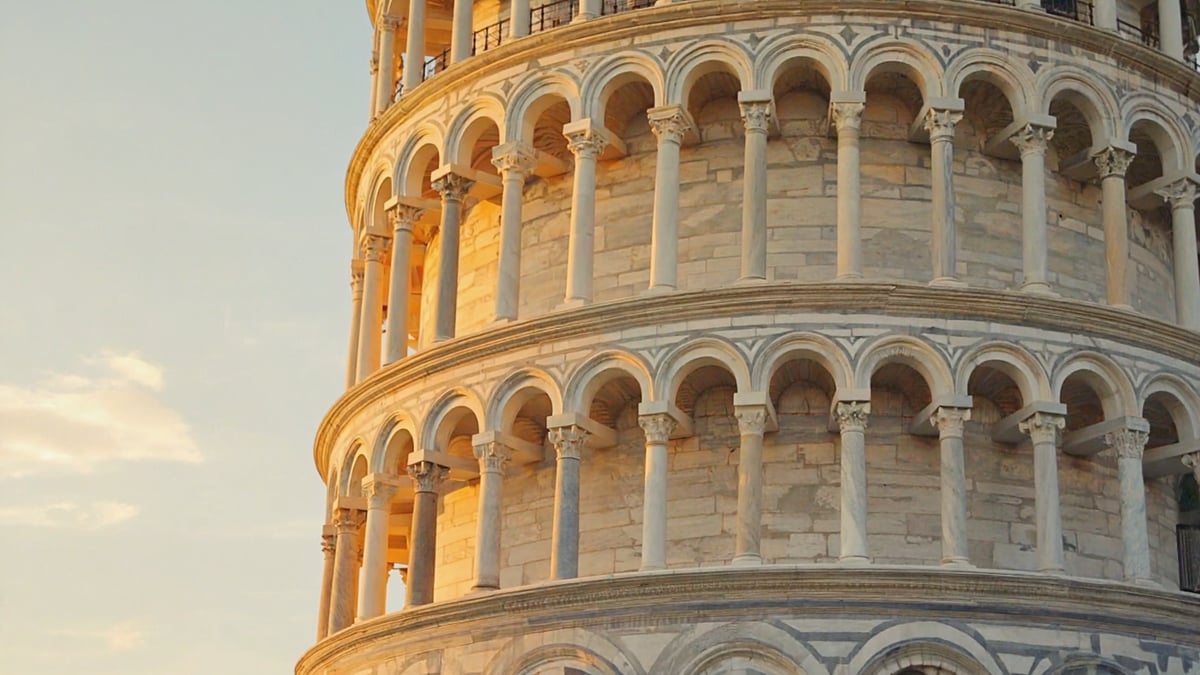
Choosing where to base yourself in Tuscany is a more consequential decision than in many destinations, because the region is large and distances between the major attractions are significant. A Florence hotel gives you easy access to the city's cultural sites but requires a car or organised tours to reach the countryside. A rural agriturismo puts you in the landscape but requires planning for day trips. The right choice depends on your travel priorities.
Florence City Hotels
Florence's hotel market ranges from budget two-star pensioni near the train station (Santa Maria Novella area) to some of Italy's most celebrated luxury properties. The most practical areas to stay for first-time visitors are the Centro Storico (the historic centre, walkable to all major sites, priciest), the Oltrarno (south bank, more local atmosphere, slightly lower prices), and the Santa Croce area (eastern centre, good transport links, mix of budget and mid-range options).
A reliable mid-range budget for a Florence hotel in peak season (July to August) is £120–£200 per room per night for a comfortable three-star with a good location. Shoulder season (April to June, September to October) brings this down to £80–£140. Off-season rates in February and March can fall to £50–£80 per night at properties that remain open.
Agriturismo: The Quintessential Tuscany Experience
The agriturismo system, which allows working farms to offer accommodation and meals to visitors, is one of the most distinctive features of rural Italian hospitality. A good Tuscan agriturismo typically offers a farmhouse room or apartment, breakfast using produce from the estate, access to a pool, and either table d'hôte dinners or cooking classes. Prices vary considerably: a simple room at a working wine estate in Chianti might cost £70–£100 per night, while a renovated stone farmhouse with a private pool in the Val d'Orcia can reach £250–£400 per night.
The key quality indicator for an agriturismo is whether the farm is actually working. A farm that produces its own wine, olive oil, or cheese and incorporates this into its hospitality offers a more genuine experience than a converted farmhouse that simply uses the agriturismo classification for marketing purposes.
Siena and the Hill Towns
Staying in Siena itself, within the medieval walls, gives a dramatically different experience to a day trip from Florence. The city's character changes completely after the day-trippers leave, and the Piazza del Campo at 10pm, lit and almost empty, is one of Tuscany's great experiences. Accommodation within the walls ranges from small B&Bs (£60–£100 per night) to boutique hotels in converted palazzi (£150–£300 per night). The hill towns of Montepulciano, Montalcino, and San Gimignano all have small but well-curated accommodation options, and staying in any of them overnight is strongly recommended over a day trip.
Italy Holiday Packages from the UK: What to Look For and How to Book
Booking a Tuscany holiday as a package from the UK offers several concrete advantages over assembling components independently, particularly for first-time visitors to the region. A well-structured package combines flights, accommodation, and sometimes transfers or activities into a single price point, provides ATOL protection for the trip, and simplifies the logistics of a region where distances and transport links require planning.
What a Tuscany Package Typically Includes
Italy holiday packages from the UK for Tuscany generally centre on either Florence (city break format) or a combination itinerary covering Florence plus one or more rural areas. A standard package will include:
- Return flights from a UK airport (typically London Gatwick to Florence FLR, or London Stansted/Bristol to Pisa PSA, with Pisa being a common alternative arrival point for central and southern Tuscany)
- Hotel accommodation (bed and breakfast or room only, with upgrades to half-board or full-board available at rural properties)
- Airport transfers or car hire (car hire is strongly recommended for any itinerary that extends beyond Florence city)
- Selected activities (wine tours, cooking classes, museum fast-track access) as optional add-ons
GlobeHunters' Italy packages start from around £549 per person for a Florence city break including flights and hotel, with Tuscany combination packages (Florence plus rural Tuscany) available from approximately £799 per person. Prices vary by departure airport, travel dates, and accommodation choice. Check current Tuscany holiday packages and pricing on GlobeHunters, or call 0208 944 4514 to speak with a specialist who can build a tailored itinerary.
ATOL Protection and Why It Matters
All UK-sold package holidays that include flights are required by law to carry ATOL (Air Travel Organiser's Licence) protection, administered by the Civil Aviation Authority. This protection means that if the travel company fails financially before or during your trip, you will either be able to complete your holiday or receive a full refund. When booking any Italy holiday package from the UK, always confirm ATOL protection and retain the ATOL certificate issued at booking.
Florence Holiday Deals: Getting the Best Value
Florence city break deals are among the most competitive in the European city break market, with multiple operators offering packages throughout the year. The best value windows are typically:
- Late September to early November: Post-peak season prices, excellent weather, harvest atmosphere in the countryside
- February to mid-March: Off-season rates, very few tourists at the major sites, cooler but generally dry weather
- April (excluding Easter week): Spring pricing, beautiful weather, the city before the summer crowds arrive
Avoid booking Florence packages around major school holiday windows (July, August, half-term in late October) if budget is a priority. Prices at these periods can be 30–50% higher than equivalent off-peak packages.
Practical Travel Information for UK Visitors to Tuscany
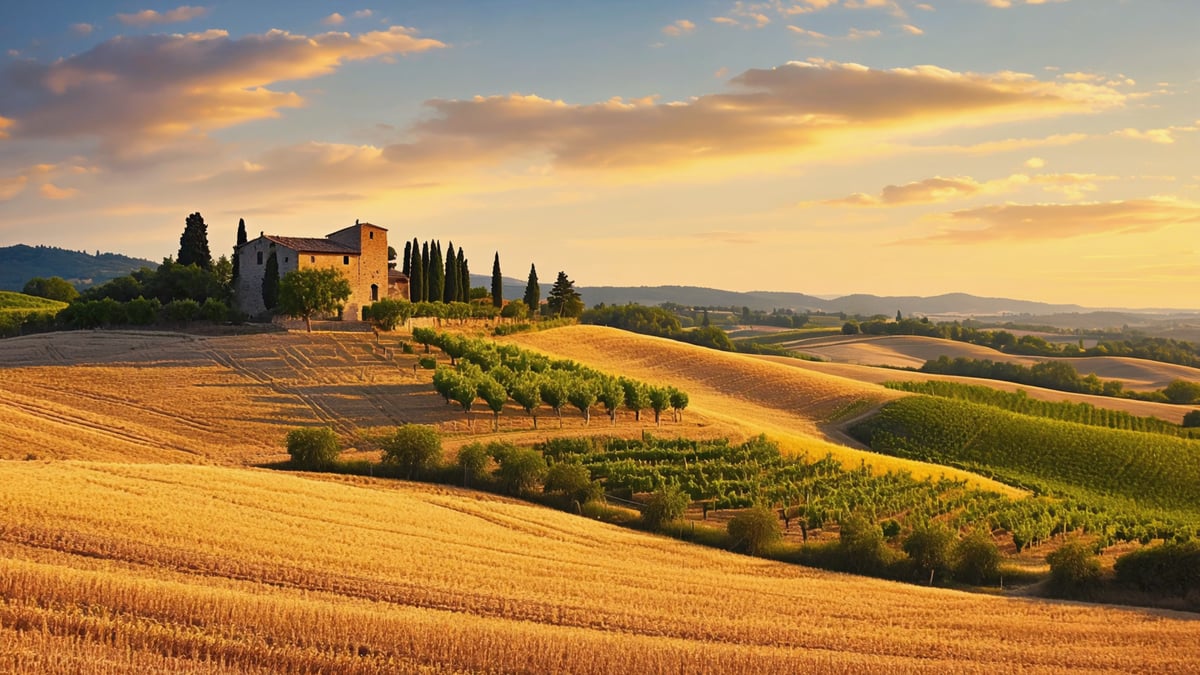
Getting the logistics right makes an enormous difference to the quality of a Tuscany holiday. The region is well served by UK flights and has good internal transport infrastructure, but there are several practical points that are worth understanding before you travel.
Getting There from the UK
The two main arrival airports for Tuscany are Florence Amerigo Vespucci Airport (FLR) and Pisa Galileo Galilei Airport (PSA). Florence airport is 4km from the city centre (accessible by tram in approximately 20 minutes) and is generally more convenient for itineraries focused on Florence and northern Tuscany. Pisa airport is better positioned for itineraries centred on the coast, southern Tuscany, or the Val d'Orcia, and is also the lower-cost option for budget carriers.
Direct scheduled and low-cost services operate from multiple UK airports to both Florence and Pisa. Flight times are typically 2 hours 15 minutes to 2 hours 45 minutes from London airports, and slightly longer from northern UK cities.
Getting Around Tuscany
This is the single most important logistical consideration for a Tuscany holiday. The honest assessment is this: a hire car is more or less essential for any itinerary that extends beyond Florence city. Tuscany's train network connects the major cities reasonably well (Florence to Siena takes 90 minutes, Florence to Pisa under an hour) but is largely useless for reaching the hill towns, wine roads, and rural areas that constitute most of what makes Tuscany special.
Driving in Tuscany is genuinely pleasurable. The roads are well-maintained, signposting is clear, and the driving distances between most attractions are short by UK standards. The notable exceptions are the ZTL zones (Zona a Traffico Limitato) in historic town centres, including Florence and Siena, which are restricted areas where rental car drivers who enter without authorisation will receive automatic fines. These fines are routinely passed on by hire car companies weeks after your return home. The rule is simple: do not drive into the walled historic centre of any major Tuscan town. Park outside the walls and walk in.
Currency, Costs, and Tipping
Italy uses the euro. At current exchange rates, Tuscany represents good value for UK visitors, particularly outside peak season. A practical daily budget breakdown:
| Budget Category | Daily Budget (per person) | What It Covers |
|---|---|---|
| Budget | €60–€90 | Hostel/B&B, street food, one museum, local wine by the glass |
| Mid-range | €120–€180 | 3-star hotel, sit-down lunch and dinner, two museums, wine tasting |
| Comfortable | €200–€320 | Boutique hotel or agriturismo, excellent restaurants, private tours |
| Luxury | €400+ | 4-5 star hotels, fine dining, private drivers, exclusive estate access |
Tipping culture in Tuscany is less rigid than in the UK or US. It is customary to leave a small amount (€1–€2 per person) at a restaurant if you are satisfied with the service, but this is not obligatory. The coperto (cover charge, typically €1.50–€3 per person) that appears on Italian restaurant bills is a standard charge for bread and table service, not a tip.
Health, Safety, and UK Travel Documentation
Post-Brexit, UK travellers visiting Italy use a British passport (no visa required for stays up to 90 days). A Global Health Insurance Card (GHIC) covers emergency medical treatment within the Italian public health system and is available free of charge from the NHS website. Travel insurance remains strongly recommended in addition to GHIC, as the card does not cover repatriation, private treatment, or non-emergency care.
Watch: Tuscany Through a Traveller's Lens
Before you start booking, let this visual overview of the region set the scene. The clip covers the Chianti countryside, Florence's skyline, the Val d'Orcia, and the Siena Palio, giving a genuine sense of Tuscany's range.
Tuscany for Families, Couples, and Solo Travellers
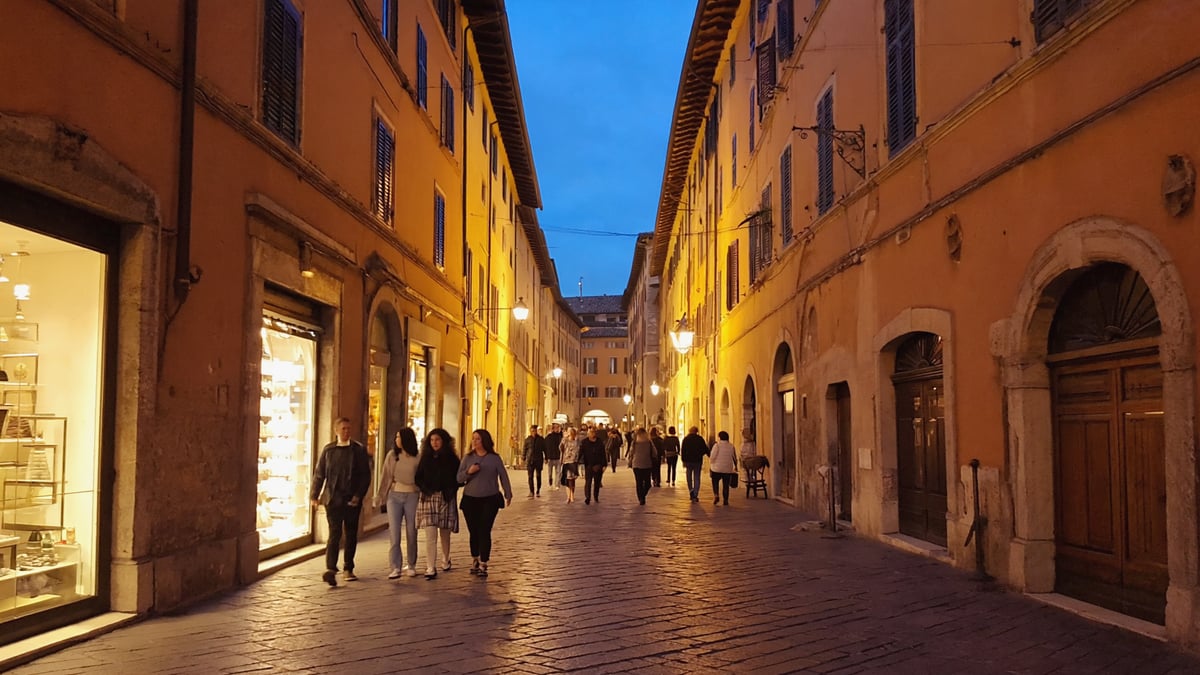
Tuscany adapts remarkably well to different travel styles, though the experience each group takes away tends to be quite different.
Tuscany for Couples and Honeymooners
Tuscany is one of Europe's premier honeymoon and romantic break destinations, and the infrastructure for couples has developed accordingly. The combination of beautiful landscapes, excellent food and wine, luxurious agriturismo properties, and a generally unhurried pace creates ideal conditions for a romantic trip. The Val d'Orcia in September, with its golden light and harvest atmosphere, is particularly well suited to couples seeking something genuinely cinematic. Packages combining Florence with a rural Tuscany stay are the classic honeymoon formula: two nights in a boutique city hotel followed by four or five nights at a countryside estate.
Tuscany for Families
Tuscany is underrated as a family destination by UK travellers, who sometimes associate it primarily with wine tourism and adult cultural experiences. In practice, it works very well for families with children aged six and upward. The agriturismo model is particularly family-friendly: the combination of a pool, farm animals, outdoor space, and simple food that most children enjoy makes it a reliable formula. The coastal areas of the Maremma and the island of Elba add a beach dimension that extends the appeal for younger travellers.
Practical considerations for families include booking accommodation with kitchen facilities (available at many agriturismo properties and apartment rentals), timing visits to major museums for early morning before heat and crowds build, and planning driving days around shorter distances than adults might otherwise attempt.
Solo Travellers in Tuscany
Tuscany is a comfortable solo destination. Italy's culture of the bar, the piazza, and the passeggiata (evening walk) provides natural social infrastructure, and solo travellers staying in agriturismo properties often find communal dinners to be easy opportunities for conversation with other guests. Florence has a well-developed hostel and budget accommodation scene, and the city's scale makes it very walkable and easy to navigate independently.
For solo travellers, joining a small-group guided tour for one or two days (wine tours, cooking classes, day trips to the hill towns) is an effective way to add social dimension to an otherwise independent itinerary, as well as gaining access to experiences that require local knowledge to navigate well.
Frequently Asked Questions About Tuscany Holidays from the UK
What is the best time of year for a Tuscany holiday from the UK?
Late April to early June and September to mid-October are the most consistently recommended periods. These shoulder seasons offer pleasant temperatures (18–26°C), manageable crowds at major attractions, and competitive pricing on accommodation and flights. September is particularly atmospheric for wine enthusiasts due to the grape harvest. July and August are peak season: hot, busy, and expensive, though the coastline and higher-altitude areas provide relief.
Do I need a visa to visit Italy as a UK citizen?
No. UK passport holders can visit Italy visa-free for stays up to 90 days within any 180-day period under current post-Brexit arrangements. Your passport must be valid for the duration of your stay (a full 6-month validity buffer is recommended, though not legally required for EU countries). Italy is also expected to implement the ETIAS (European Travel Information and Authorisation System) scheme in future, which will require a pre-registration for visa-exempt travellers, though this was not in operation at the time of writing.
Is a hire car necessary in Tuscany?
For any itinerary that includes the Chianti wine roads, hill towns (Montepulciano, Montalcino, San Gimignano, Pienza), or rural areas, a hire car is effectively essential. Public transport connects Florence, Siena, and Pisa reasonably well but does not serve the countryside adequately. If you are planning a Florence-only city break, a car is unnecessary and adds the complication of ZTL zones. Most visitors to Tuscany rent a car from Pisa or Florence airport and drive throughout the region.
How much does a Tuscany holiday cost from the UK?
Costs vary significantly by season, duration, and accommodation type. A 7-night package holiday including flights and accommodation starts from approximately £549 per person for a Florence city break and £799 per person for a combined Florence plus rural Tuscany itinerary when booked through GlobeHunters. Luxury agriturismo packages in the Val d'Orcia can reach £2,000+ per person for a week. Daily spending in Tuscany typically ranges from €60–€90 (budget) to €200–€320 (comfortable mid-range) per person, excluding accommodation.
What are the best things to do in Tuscany beyond Florence?
The most rewarding experiences outside Florence include: wine tasting along the Chianti Classico road between Florence and Siena, visiting Montalcino and the Val d'Orcia for Brunello wines and UNESCO landscapes, exploring Siena's Gothic architecture and Piazza del Campo, cycling the strade bianche gravel roads of southern Tuscany, bathing in the free natural thermal springs at Bagni San Filippo near Montalcino, and spending a night in San Gimignano after the day-trippers leave. The Etruscan towns of the far south (Pitigliano, Sorano) are significantly undervisited relative to their quality.
Is Tuscany suitable for a family holiday with children?
Yes, Tuscany works well for families, particularly agriturismo stays with outdoor space and a pool. The coastal areas (Maremma, Elba) add a beach dimension for younger travellers. Family-friendly activities include cycling tours (with e-bikes for adults and regular bikes for older children), farm visits, cooking classes, and the outdoor spaces of the Parco Regionale della Maremma. The major city museums are better suited to children aged ten and over; younger children generally respond better to the outdoor and food experiences Tuscany offers.
What food should I prioritise eating in Tuscany?
Tuscany's food culture is among Italy's most distinctive. Priority experiences include: bistecca alla Fiorentina in Florence (Chianina beef, cooked rare over charcoal), pici cacio e pepe (thick hand-rolled pasta with pecorino and black pepper, a Sienese staple), ribollita (the hearty bread and vegetable soup that is Tuscan peasant cooking at its finest), lampredotto (tripe sandwich from a Florence street cart), Pecorino di Pienza (aged sheep's milk cheese from the Val d'Orcia), and the full range of Tuscan charcuterie including finocchiona (fennel salami) and lardo di Colonnata.
What is an agriturismo and is it worth booking?
An agriturismo is a working farm that offers accommodation and often meals to guests, operating under a specific Italian classification system. The quality ranges from simple farm rooms to beautifully converted stone farmhouses with pools and fine dining. For UK travellers visiting Tuscany, a well-chosen agriturismo stay of two to four nights in the countryside is one of the most rewarding elements of the trip, providing direct access to the landscape, local food, and wine that city hotels cannot replicate. Look for properties that are genuinely working farms (producing wine, olive oil, or livestock) for the most authentic experience.
How do I avoid the ZTL zones in Tuscany?
ZTL (Zona a Traffico Limitato) zones are restricted driving areas in the historic centres of Florentine and Sienese towns, enforced by automatic cameras. The key rule: never drive a hire car into the walled historic centre of any major Tuscan town. All these towns have clearly signposted car parks outside the historic centre (often on the approach roads). Park there and walk in. If your hotel is within a ZTL zone (common in Siena and some hill towns), you must contact the hotel before arrival to register your vehicle registration with the local authority; your hotel will explain the process.
Can I book a Tuscany holiday as a package from the UK?
Yes. GlobeHunters offers package holidays to Tuscany and Florence combining flights, accommodation, and optional activities, with ATOL protection included. Packages start from around £549 per person for a Florence city break. Call 0208 944 4514 or browse packages online at GlobeHunters to check current availability and pricing.
What is the difference between Florence and Pisa airports for UK arrivals?
Florence Amerigo Vespucci Airport (FLR) is 4km from Florence city centre and connected by a fast tram service, making it the more convenient arrival point for Florence-focused itineraries. Pisa Galileo Galilei Airport (PSA) is larger, served by more low-cost carriers including Ryanair and easyJet, and better positioned for travellers heading directly to the coast, southern Tuscany, or who plan to hire a car and drive to Siena or the Val d'Orcia. Pisa city is 80km from Florence by train (approximately 50 minutes).
Do Tuscany holidays work as a honeymoon destination?
Tuscany is one of Europe's most consistently well-regarded honeymoon destinations. The combination of extraordinary scenery, exceptional food and wine, romantic agriturismo properties with private pools, and a general culture of slow, pleasurable living creates ideal conditions. The Val d'Orcia in September, the Chianti countryside in late spring, and Florence year-round (with a boutique hotel rather than a large chain property) are the most popular honeymoon formulas. GlobeHunters can build customised honeymoon packages on request; call 0208 944 4514 for tailored quotes.
Key Takeaways for Planning Your Tuscany Holiday
- Tuscany is not a single destination. Plan to experience at least two distinct zones: the cities (Florence, Siena) and the countryside (Chianti, Val d'Orcia, or Maremma). A trip that covers only Florence misses the region's defining character.
- Timing matters significantly. Late April to early June and September to mid-October offer the best combination of weather, manageable crowds, and value. September is the standout choice for wine enthusiasts.
- A hire car transforms the experience. For any itinerary beyond Florence city, driving is the only practical way to access the hill towns, wine roads, and rural landscapes that make Tuscany special. Book in advance and understand ZTL restrictions before you drive.
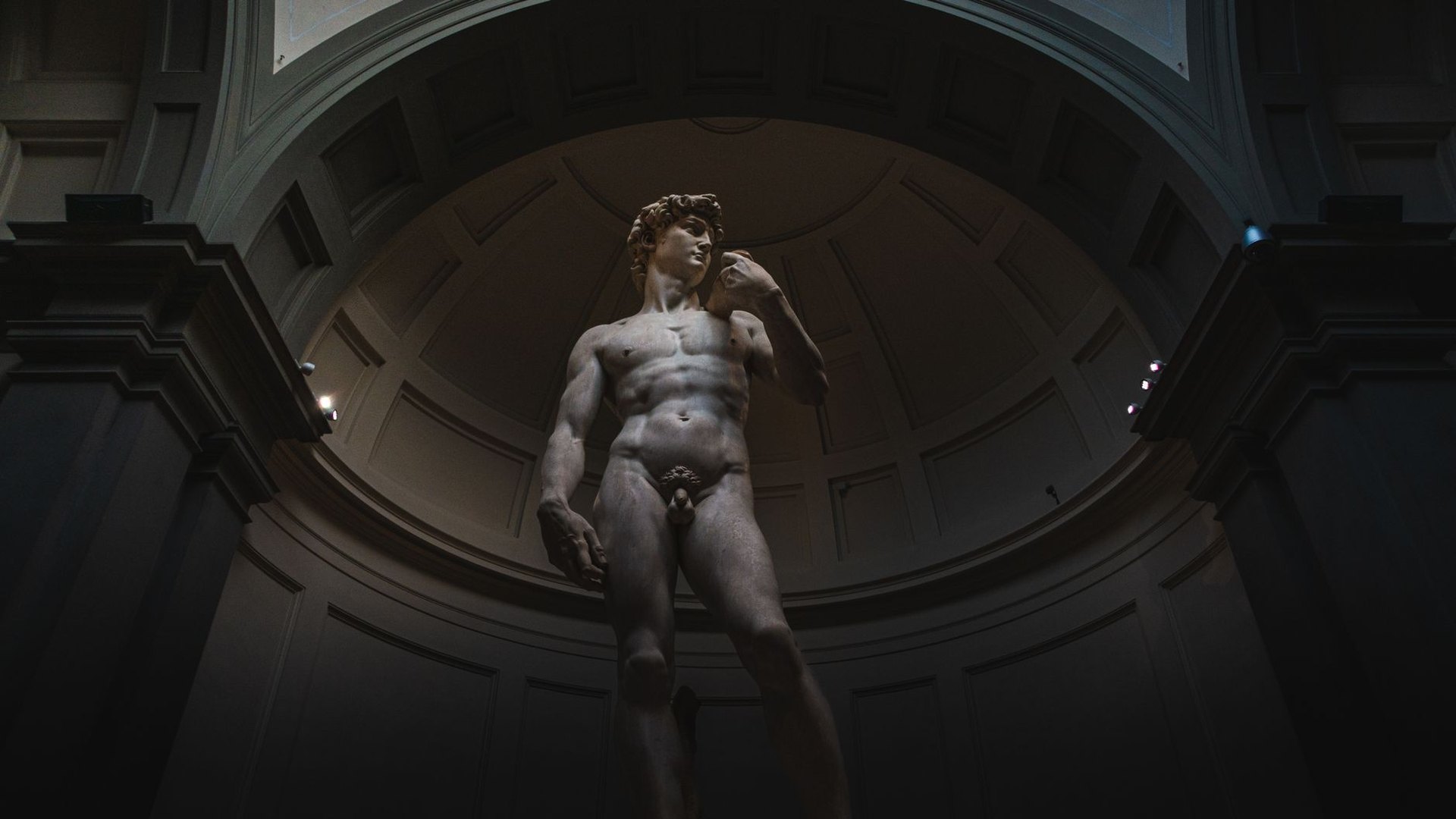
- Pre-booking key attractions is non-negotiable in peak season. The Uffizi, Accademia (Michelangelo's David), and popular wine estates all require advance booking. Walk-up queues in July and August can mean waiting two to three hours.
- Stay at least one night in the countryside. An agriturismo stay, even for a single night, provides a perspective on Tuscany that no amount of day trips from Florence can replicate.
- Package holidays from the UK offer genuine value. ATOL-protected packages combining flights, accommodation, and transfers remove planning complexity and often deliver better per-person pricing than booking independently, particularly for couples and families.
- GlobeHunters offers Tuscany packages from approximately £549 per person for a Florence city break, with combined Tuscany itineraries from £799 per person. Call 0208 944 4514 or explore Italy holiday packages online to check current availability.
About the author
Spiros Maragkoudakis · Chief Commercial Officer
Ready to Book Your Tuscany Holiday?
Our travel experts are ready to help you plan the perfect trip. Call us today or browse our latest deals.
Ready to Start Planning?
Speak to our travel experts for personalised advice and the best deals on your next holiday.
Call 0208 944 4514