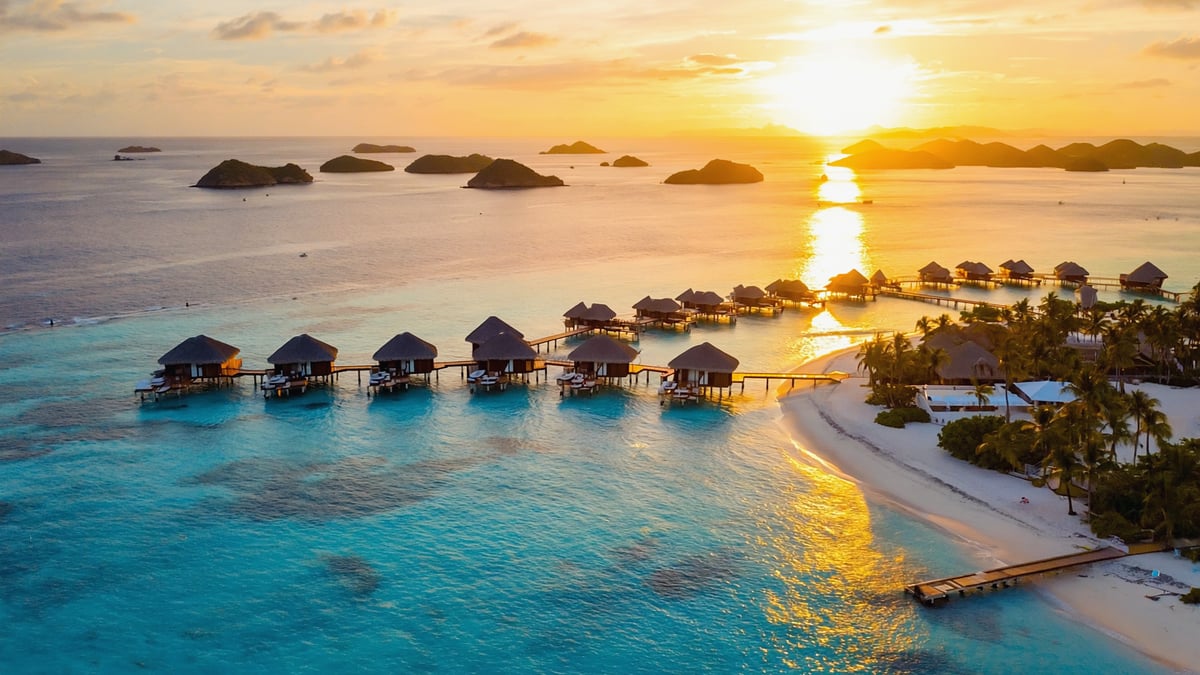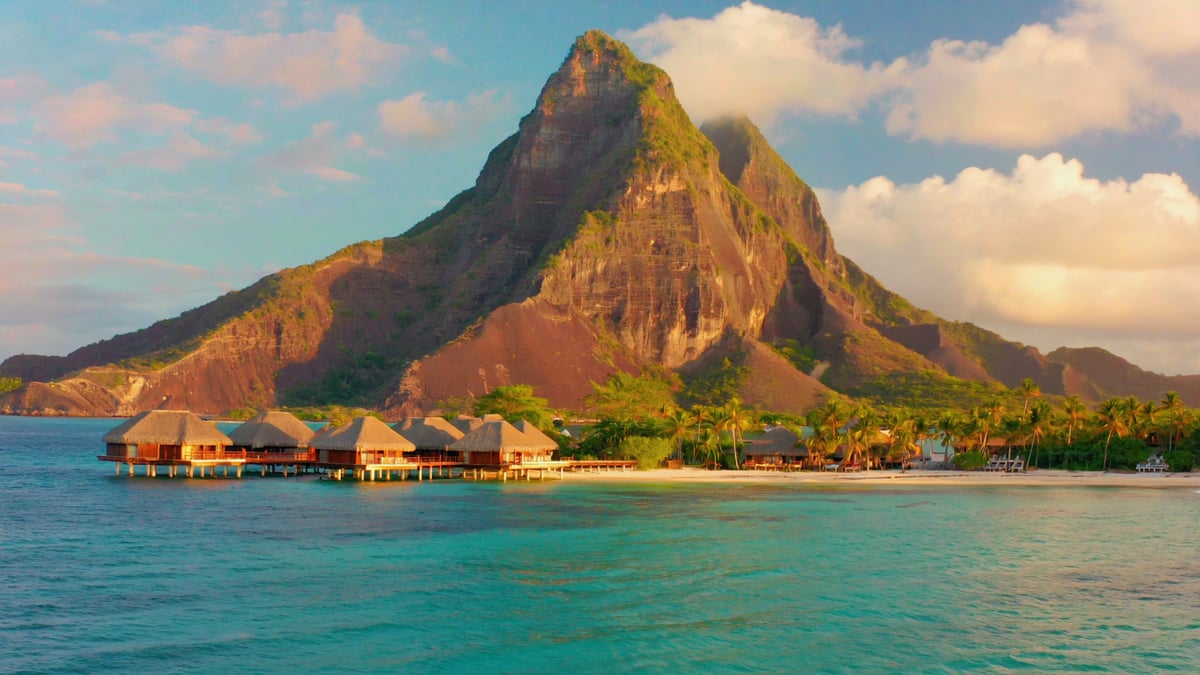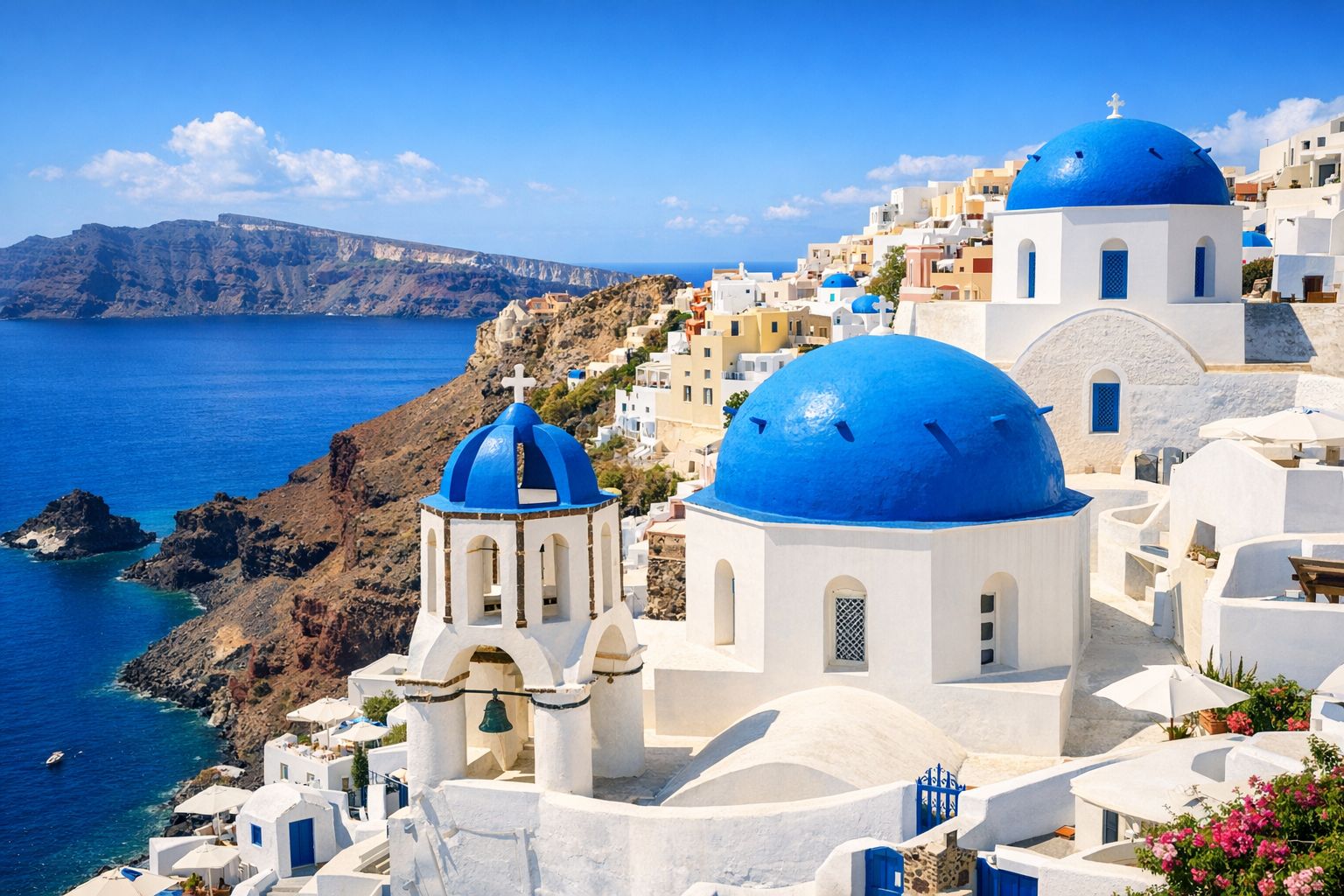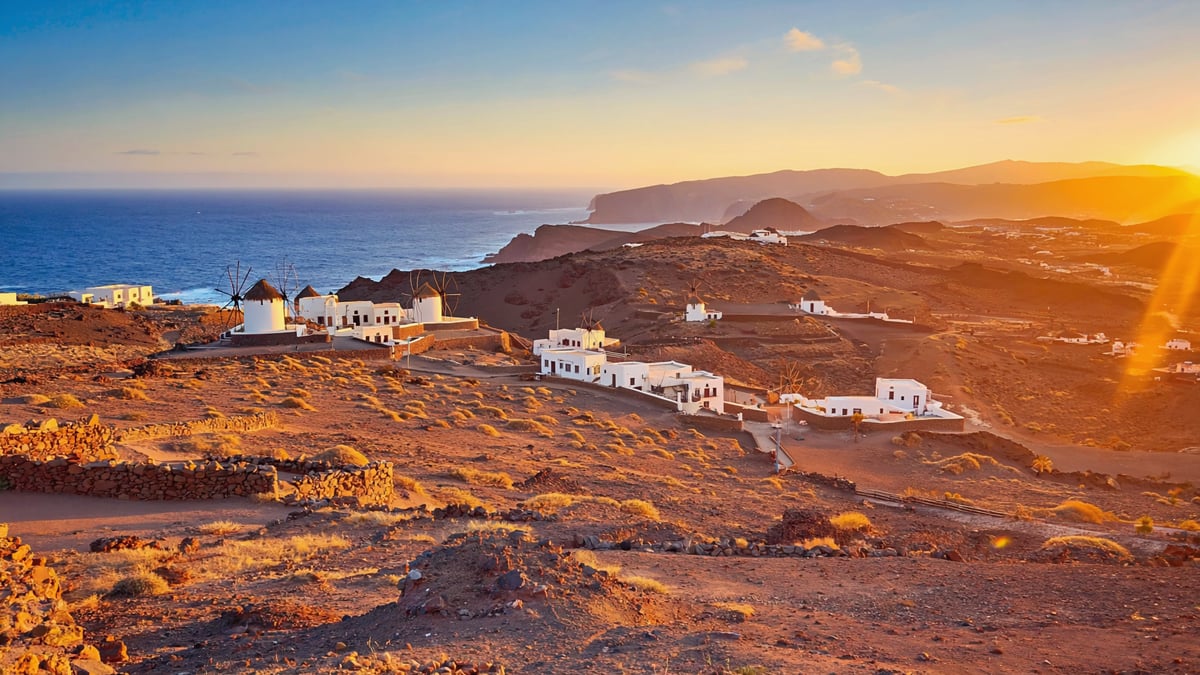
There is a moment, usually somewhere between stepping off the plane and catching your first glimpse of that powder-white shoreline, when Fuerteventura stops being a destination and becomes an obsession. The second-largest of the Canary Islands sits just 100 kilometres off the coast of West Africa, and it carries that proximity in everything it does: the warmth of the air, the drama of the volcanic landscape, and the extraordinary quality of light that turns every beach photograph into something that looks professionally edited. For UK travellers chasing reliable sunshine without a long-haul journey, this island delivers more consistently than almost anywhere else in Europe's orbit. This Fuerteventura holiday guide covers everything you need to plan the trip, beaches, watersports, resorts, food, and how to find the best Fuerteventura packages from UK airports.
Why Fuerteventura Stands Apart from Other Canary Islands Holidays
Fuerteventura is not trying to be Tenerife. Where its bigger sibling leans into nightlife and theme parks, Fuerteventura plays an entirely different game: vast, quiet beaches, world-class wind and wave conditions, and a landscape so raw it earned UNESCO Biosphere Reserve status in 2009. That distinction matters for UK travellers choosing between Canary Islands holidays from the UK, because it shapes the entire experience on the ground.
The island stretches roughly 100 kilometres from north to south, and its defining characteristic is coastline. With over 150 beaches, Fuerteventura has more sandy shore than any other island in the Canaries. The beaches here are not just attractive, they are genuinely extraordinary. The dunes of Corralejo in the north form a protected natural park where sand dunes roll toward a turquoise sea that would look at home in the Maldives. The Jandía Peninsula in the south offers kilometres of beach so wide and white that the island earned the nickname "the Caribbean of Europe" long before travel marketing made that phrase a cliché.
Then there is the wind. Fuerteventura's trade winds are so consistent, so perfectly calibrated for watersports, that the island has become the global capital of windsurfing and kitesurfing. The annual PWA Windsurfing World Cup is held at Sotavento, a beach on the east coast of the Jandía Peninsula, drawing the world's best riders to conditions that professionals travel months to experience. For UK travellers who windsurf, or who have always wanted to learn, this is a pilgrimage destination.
What makes it particularly compelling for British holidaymakers is the combination of accessibility and authenticity. Direct flights from London, Manchester, Birmingham, and other UK airports take roughly four hours, placing Fuerteventura within easy reach for everything from a week-long family holiday to a long weekend escape. Yet despite being firmly on the tourist map, large parts of the island feel genuinely unhurried. Traditional Canarian villages like Betancuria, tucked into the volcanic mountains of the interior, see a fraction of the visitor numbers that the coastal resorts attract.
The Climate Advantage for UK Travellers
Fuerteventura's climate is its most compelling selling point for UK holidaymakers tired of gambling on European weather. The island receives an average of around 3,000 hours of sunshine per year, and its position in the subtropical Atlantic means temperatures rarely drop below 18°C even in January and February. Summer highs sit comfortably in the high 20s, occasionally touching the low 30s when the calima, a hot wind carrying Saharan dust, sweeps across from the African coast. The trade winds that make the island a watersports paradise also prevent the oppressive heat that makes some Mediterranean destinations uncomfortable in high summer.
Practically speaking, this means Fuerteventura is genuinely viable year-round. A family that books in February half-term will find beach weather. A couple planning a November getaway to escape the British autumn will find warm evenings, swimmable sea temperatures, and quiet resorts offering excellent value. This year-round appeal is one of the main reasons Fuerteventura beach holidays remain consistently popular with UK travellers even as other destinations rise and fall in popularity.
The Best Beaches in Fuerteventura: A Practical Guide
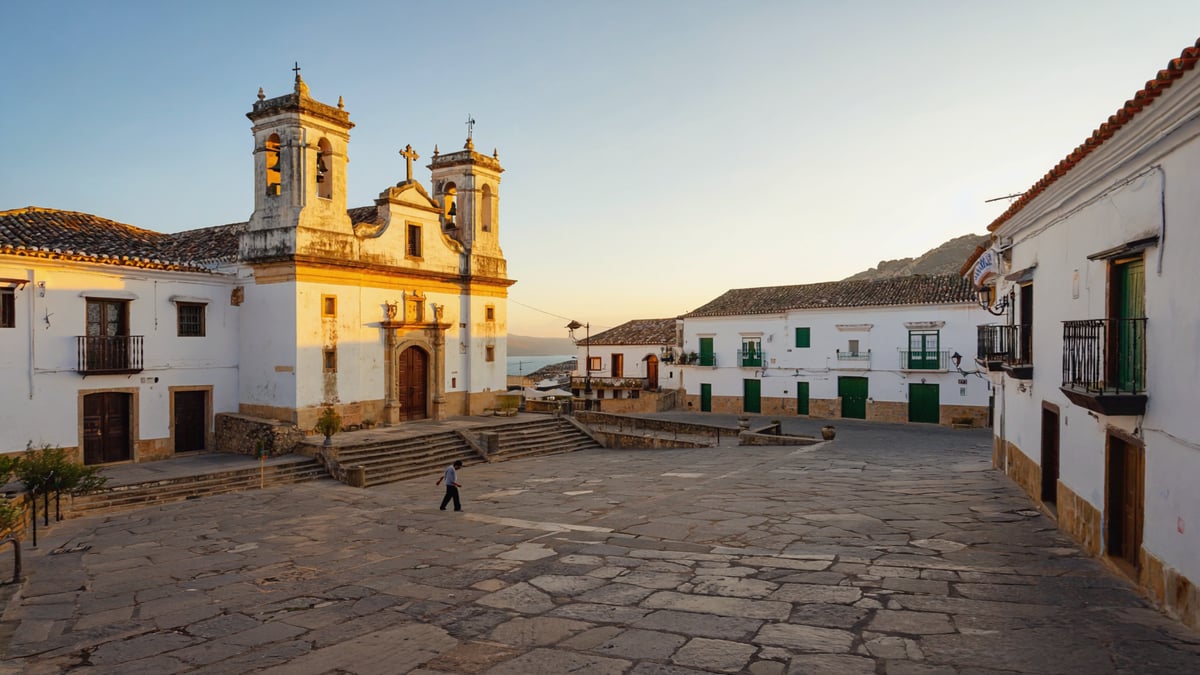
Choosing which beach to base yourself near is arguably the most important decision you will make when planning a Fuerteventura holiday. The island's beaches vary considerably in character, accessibility, and the type of holiday they suit best, so matching the beach to your travel style matters.
Corralejo Natural Park: The Island's Northern Crown
The Parque Natural de Corralejo covers around 2,700 hectares in the island's north and contains some of the most photographed beaches in the Atlantic. The white dunes here shift and reform with the wind, creating a lunar landscape that contrasts with the vivid blue of the Bocaina Strait. Playa de Corralejo and Playa de la Barca are the main access points, both easily reachable from the resort town of Corralejo, which sits at the park's northern edge.
Corralejo town itself deserves mention as a base. It is livelier than the southern resorts, with a genuine working harbour, a good selection of independent restaurants serving fresh fish, and a ferry connection to Lanzarote that makes a day trip straightforward. For families and younger couples, Corralejo strikes a good balance between beach quality and resort amenities.
Playa de Sotavento: The Windsurfer's Mecca
On the eastern side of the Jandía Peninsula, Sotavento is the beach that put Fuerteventura on the global watersports map. At low tide, a lagoon forms between the beach and a sandbar, creating a vast shallow-water playground that is ideal for beginners learning to windsurf or kitesurf. At high tide, the open water conditions challenge experienced riders. The PWA World Tour has held events here for decades, and the beach retains an energetic atmosphere even outside competition season.
The surrounding area is quieter than Corralejo, making Sotavento and the nearby resort of Costa Calma a good choice for couples and adults seeking a more relaxed pace without sacrificing beach quality.
Morro Jable and the Jandía Peninsula
At the southernmost tip of the island, Morro Jable anchors a stretch of beach, Playa de Morro Jable, that extends for several kilometres. The sand here is finer and whiter than almost anywhere else on the island, the sea is calm on the western-facing stretches, and the resort town has enough restaurants and bars to keep evenings interesting without ever feeling overwhelming. It is an excellent choice for families with young children and for anyone whose priority is genuinely beautiful, swimmable beach.
El Cotillo: The Quiet Alternative
On the northwest coast, the small fishing village of El Cotillo offers a completely different atmosphere. The beaches here, particularly the rocky coves north of the village, are sheltered by volcanic rock formations and attract a more independent-minded traveller. There are no large hotel complexes, the seafood restaurants are some of the best on the island, and the sunsets over the Atlantic are spectacular. El Cotillo suits self-catering travellers and those making their second or third visit to Fuerteventura who want to see beyond the main resort belt.
Things to Do in Fuerteventura Beyond the Beach
Fuerteventura's beach credentials are beyond question, but reducing the island to its coastline misses a significant part of its appeal. The things to do in Fuerteventura extend well into the volcanic interior, the water, and even into the sky, giving the island enough activity to sustain a fortnight's holiday without any sense of repetition.
Watersports: Windsurfing, Kitesurfing, and Surfing
The island's watersports scene is its most distinctive offering, and it caters to every level from complete beginner to seasoned professional. The trade winds blow most consistently from May through September, though the island receives rideable conditions throughout the year. Several internationally recognised schools operate on the island, particularly around Flag Beach (Playa de la Bandera) near Corralejo and Sotavento in the south.
A beginner windsurfing course typically spans three to five days and will have most participants riding independently by the end. Kitesurfing follows a similar progression, though the learning curve is steeper in the early stages. For those who prefer waves rather than wind-powered equipment, the northwest coast around El Cotillo and Corralejo offers consistent surf breaks suitable for intermediate and advanced surfers, with gentler whitewash breaks available for beginners.
Scuba diving and snorkelling are also well worth exploring. The waters around the Lobos Islet, a small uninhabited island just off the coast of Corralejo, are particularly rich in marine life. Sea turtles are a regular sighting, and the visibility in calm conditions can exceed 20 metres.
Exploring the Volcanic Interior
The interior of Fuerteventura is dramatically undervisited by package holiday tourists, which is precisely why it rewards exploration. The volcanic landscape of the central mountain range, the Betancuria Massif, looks like it belongs on another planet, with barren ridges, ancient lava fields, and views that stretch to both coasts on a clear day.
Betancuria village, named after the Norman explorer Jean de Béthencourt who conquered the island in the early 15th century, is the former capital and a genuinely lovely place to spend a few hours. The Iglesia de Santa María, built in the 17th century, is the oldest church in the Canary Islands, and the surrounding streets retain an authentic Canarian character that the coastal resorts cannot replicate. Several good restaurants in the village serve traditional dishes including papas arrugadas (wrinkled potatoes) with mojo sauce, the signature dish of the Canaries.
Lobos Island Day Trip
The Isla de Lobos, a tiny volcanic island a short ferry ride from Corralejo, is one of the best day trips available from Fuerteventura. The island is a protected nature reserve, and visitor numbers are capped to preserve its ecosystem. The main activity is walking the circular trail around the island, which takes around two hours and passes volcanic formations, a small lighthouse, and a beach where swimming is excellent. Booking the ferry and the required entry permit in advance is essential during peak season.
Cycling and Hiking
Fuerteventura's relatively flat terrain in the south and its network of tracks through the volcanic north make it a growing destination for cycling. Mountain biking routes through the interior offer a genuine workout with extraordinary scenery. Road cyclists will find the island's roads quiet by mainland European standards, and the consistent wind adds an interesting variable to any route.
Hiking is equally rewarding. The route to Pico de la Zarza, the island's highest point at 807 metres, starts from the village of Morro Jable and takes roughly three hours return. The views from the summit on a clear day are among the best in the Canaries, with Lanzarote visible to the north and the full sweep of the Jandía Peninsula below.
Camel Riding and Cultural Experiences
Fuerteventura has a long history of camel use, and camel riding experiences at Oasis Park in La Lajita remain one of the island's most distinctive family activities. Oasis Park doubles as a zoo and botanical garden, making it a good half-day option for families with younger children who need a break from beach days. The park's botanical section showcases the island's extraordinary cactus and succulent flora, much of which thrives in Fuerteventura's arid conditions.
The Best Resorts in Fuerteventura for UK Travellers
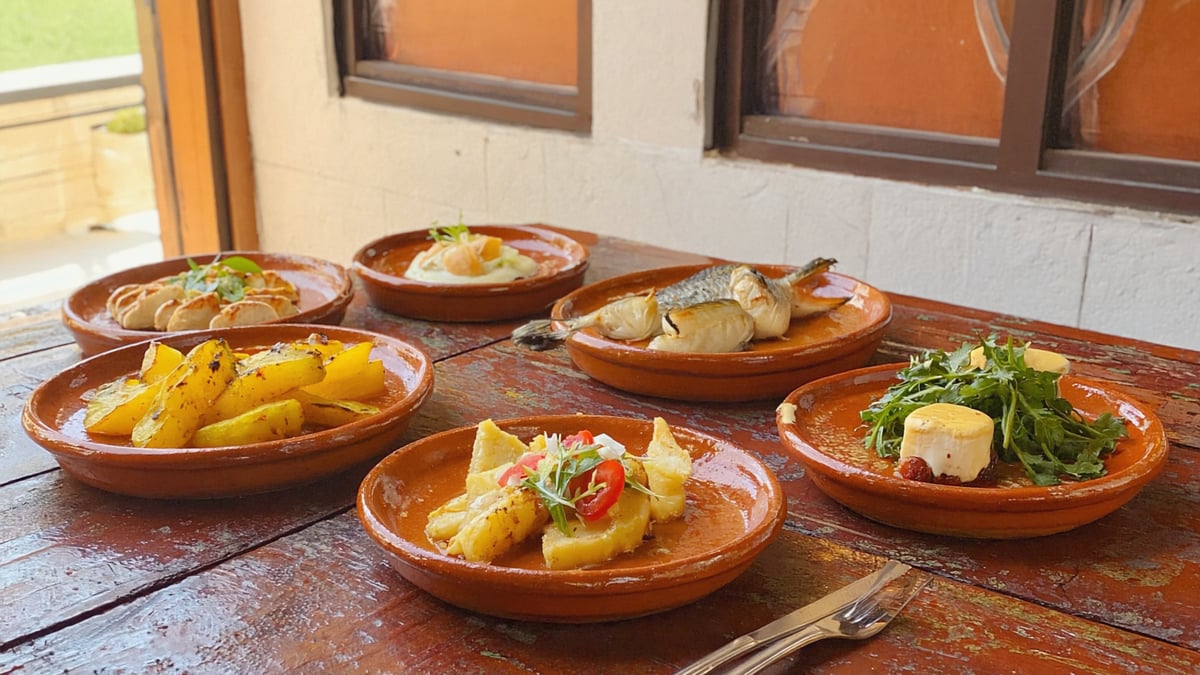
Choosing the right resort base is as important as choosing the right island. Fuerteventura's main tourist zones each have a distinct character, and the right choice depends on your travel party and priorities.
| Resort | Best For | Beach Quality | Nightlife | Watersports | Family Friendly |
|---|---|---|---|---|---|
| Corralejo | Couples, younger travellers, watersport enthusiasts | ✅ Excellent (dunes park) | ✅ Active | ✅ World-class | ✅ Good |
| Costa Calma | Couples, adults, windsurfers | ✅ Excellent | ⚠️ Quiet | ✅ Excellent (Sotavento) | ✅ Good |
| Morro Jable | Families, retirees, beach purists | ✅ Outstanding | ⚠️ Moderate | ⚠️ Limited | ✅ Excellent |
| Caleta de Fuste | Families, first-time visitors | ✅ Good (sheltered bay) | ⚠️ Moderate | ✅ Good | ✅ Excellent |
| El Cotillo | Independent travellers, surfers, authenticity seekers | ✅ Beautiful (rocky coves) | ❌ Very quiet | ✅ Good (surfing) | ⚠️ Limited facilities |
Caleta de Fuste: The Underrated Family Base
Caleta de Fuste deserves particular attention for UK families, as it is consistently overlooked in favour of Corralejo and Morro Jable but offers several practical advantages. The resort is built around a sheltered horseshoe bay where the sea is calm and warm, making it ideal for young children. It sits midway between the airport (just 8 kilometres away) and several of the island's best inland attractions, making day trips straightforward. The resort has a good concentration of family-friendly all-inclusive hotels, several watersports operators on the beach, and a pleasant marina area with restaurants and shops that does not feel as heavily commercialised as some larger resorts.
Puerto del Rosario: The Capital Worth Knowing
The island's capital is not a tourist resort in the conventional sense, but it is worth understanding for practical purposes. Puerto del Rosario is where the airport is located, where most car hire companies have offices, and where the ferry to the Spanish mainland departs. It also has a genuinely interesting street art scene and a lively local market. Most visitors pass through without stopping, but an afternoon exploring the town centre offers a grounding in authentic Canarian life that the resort hotels cannot provide.
Fuerteventura Food and Drink: What to Eat and Where
Fuerteventura's cuisine sits at the intersection of traditional Canarian cooking, Spanish influence, and the island's strong fishing heritage. Getting beyond the resort hotel buffet to eat like a local is one of the most rewarding aspects of any visit, and the island's food scene is considerably more interesting than its package-holiday reputation might suggest.
Essential Dishes to Try
Papas arrugadas con mojo is the non-negotiable starting point. These small, wrinkled potatoes are boiled in heavily salted water until their skins crystallise, then served with mojo rojo (a red sauce of garlic, cumin, and paprika) or mojo verde (the green version, made with coriander or parsley). Every restaurant on the island serves them, but quality varies considerably, the best versions are found in traditional Canarian restaurants away from the main tourist strips.
Gofio is a roasted grain flour that has been a staple of the Canary Islands diet for centuries. It appears in soups, breads, and desserts, and trying it in context is one of the easiest ways to connect with the island's culinary heritage.
Fresh fish is exceptional throughout the island, particularly in the fishing villages of El Cotillo, Morro Jable, and Corralejo. Vieja (parrotfish) is the local speciality, typically served grilled with papas arrugadas and a simple salad. The quality of fish served in these villages, caught the same morning, represents some of the best value dining available anywhere in the Canaries.
Majorero cheese is Fuerteventura's most famous food export. Produced from the milk of the island's native Majorero goats, it has Protected Designation of Origin status and ranges from fresh and mild to mature and intensely flavoured. It is available in supermarkets throughout the island and makes an excellent gift to bring home.
Where to Eat: Moving Beyond the Resort
The most reliable strategy for finding good food in Fuerteventura is to follow the local population. Restaurants that are full of islanders rather than tourists at lunchtime (the main meal of the day in Spain and its territories) are almost always the right choice. The towns of Antigua and Betancuria in the interior have excellent traditional restaurants, and the fishing village of Gran Tarajal on the east coast is virtually undiscovered by the tourist circuit but has outstanding seafood.
In the main resorts, the area immediately around the beach promenade tends to be the most heavily touristic and the least interesting for food. Walking two or three streets back from the seafront almost always reveals better quality at lower prices. Fuerteventura's local beer, Tropical, is brewed in the Canaries and is a perfectly good accompaniment to most meals; the house wine, typically served by the glass or carafe, is usually from the Spanish mainland and represents reasonable value.
How to Get to Fuerteventura from the UK
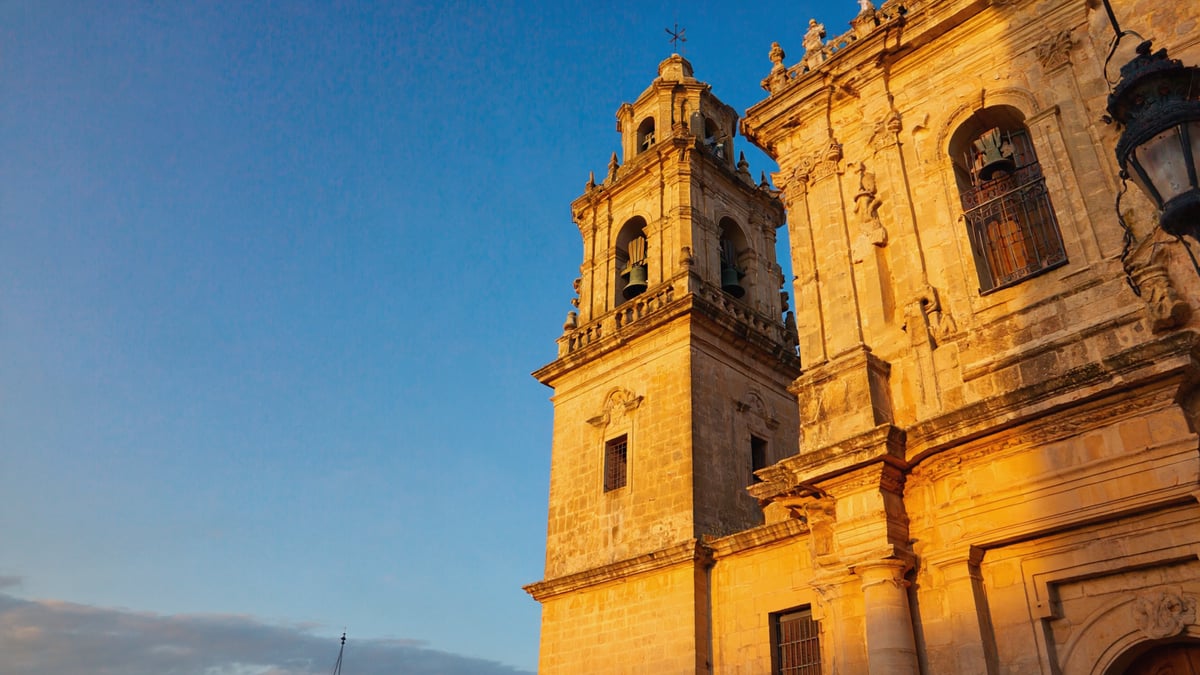
Getting to Fuerteventura from the UK is straightforward, and the flight options have improved considerably as the island's profile has grown. Fuerteventura International Airport (FUE) receives direct flights from most major UK airports throughout the year, with frequency increasing significantly during the peak season from October through April.
Direct Flights from UK Airports
Jet2, TUI, easyJet, and Ryanair all operate direct routes to Fuerteventura from multiple UK airports. London Gatwick, Manchester, Birmingham, Bristol, Leeds Bradford, Newcastle, Edinburgh, and Glasgow all have direct services, making the island accessible from virtually every part of the UK without needing a connecting flight. Flight time from London is approximately four hours; from Manchester and the north of England, add roughly 20 minutes.
Booking as part of a package holiday through GlobeHunters typically offers better overall value than piecing together flights and accommodation separately, particularly for families where the cost of baggage, transfers, and pre-booked seats can add significantly to the headline flight price. Browse current Fuerteventura packages from GlobeHunters, where packages start from around £449 per person including flights, hotel, and transfers.
When to Book for Best Value
Fuerteventura's year-round appeal creates a relatively flat pricing curve compared to purely seasonal Mediterranean destinations, but certain windows offer better value than others. The shoulder months of May, June, October, and November typically offer the best combination of good weather and competitive pricing. The Christmas and New Year period commands a premium, as does the UK school half-term in February, when the island is particularly popular with British families chasing winter sun.
Booking six to nine months in advance for peak periods and school holidays is strongly advisable. For flexible travellers willing to book at shorter notice, the island occasionally offers excellent last-minute value in September and October when summer visitors have departed but the weather remains outstanding.
Fuerteventura Holiday Packages from the UK: What to Expect
Understanding what a Fuerteventura package holiday from the UK typically includes helps set expectations and makes comparison shopping considerably easier. The package holiday market to the Canaries is mature and competitive, which generally works in the consumer's favour.
What Package Holidays Include
A standard Fuerteventura package from a UK operator will include return flights from your nearest major airport, airport transfers at both ends, and hotel accommodation for the chosen duration. The accommodation category varies from two-star self-catering apartments at the budget end to five-star all-inclusive resorts at the premium end. The majority of UK travellers to Fuerteventura book on a bed-and-breakfast or all-inclusive basis, with all-inclusive particularly popular for families who want predictable holiday spending.
GlobeHunters packages to Fuerteventura are assembled using live pricing from Hotelbeds for accommodation and Duffel for flights, meaning the prices reflect current availability rather than fixed brochure rates. This real-time pricing approach can surface genuine value, particularly for flexible travel dates. The platform also integrates Viator activities, allowing travellers to pre-book watersports lessons, day trips, and excursions alongside their core package.
All-Inclusive vs Bed and Breakfast
The choice between all-inclusive and bed-and-breakfast board basis is one of the most consequential decisions in planning a Fuerteventura holiday, and the right answer depends entirely on your travel style.
All-inclusive makes strongest sense for families with young children, travellers who want maximum predictability in their holiday spend, and those staying in larger resort hotels where the food quality is high. Fuerteventura's all-inclusive properties have improved considerably in recent years, and the better hotels in Corralejo and Morro Jable offer a genuine variety of dining and drinking within the package price.
Bed-and-breakfast or room-only board basis makes more sense for couples, independent travellers, and anyone with a genuine interest in exploring the island's food scene. Eating out in Fuerteventura remains good value by UK standards, and the freedom to follow local recommendations, explore different towns, and eat where the mood takes you adds significantly to the holiday experience.
| Package Type | Approx. Price Per Person (7 nights) | Best For | Board Basis |
|---|---|---|---|
| Budget Apartment | From £449 | Solo travellers, budget-conscious couples | Self-catering / Room only |
| Mid-Range Hotel | £649 – £899 | Couples, small families | Bed & Breakfast / Half Board |
| All-Inclusive Resort | £799 – £1,299 | Families, retirees, stress-free holiday seekers | All Inclusive |
| Premium / Boutique Hotel | £1,199 – £1,899 | Couples, honeymooners, special occasions | Bed & Breakfast / Half Board |
To get a personalised quote for your travel dates and party size, call GlobeHunters on 0208 944 4514 or search live Fuerteventura packages online.
Fuerteventura for Families: Practical Tips for Travelling with Children
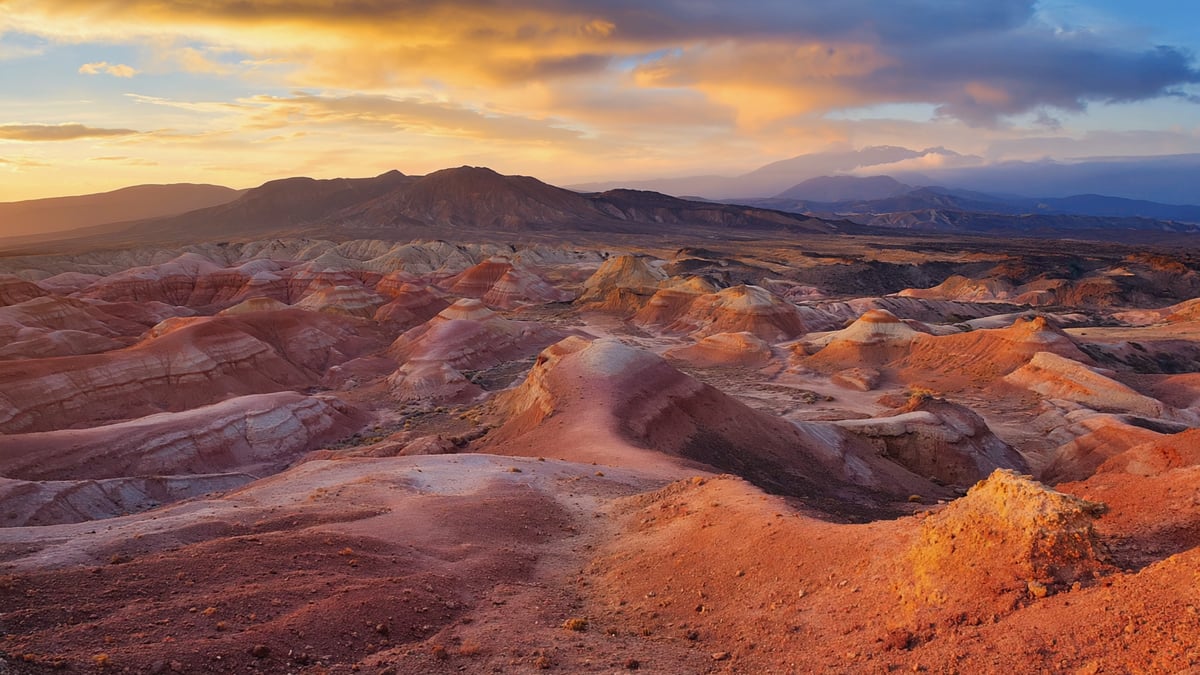
Fuerteventura consistently ranks among the top destinations for UK families, and its appeal is well-founded. The combination of calm, warm water beaches, reliable sunshine, and a range of child-friendly activities makes it a genuinely easy destination for parents travelling with children of all ages.
Best Areas for Families
Caleta de Fuste is the top pick for families with very young children, primarily because of its sheltered bay where the sea is reliably calm. The beach here is sandy, clean, and backed by a pleasant promenade with cafés and ice cream shops. The proximity to the airport (around 10 minutes by transfer) also means that the holiday starts and ends without the stress of a long journey.
Morro Jable is the better choice for families with older children who want both beach quality and activity variety. The beach is outstanding, there are watersports options within easy reach, and the resort has enough restaurants and evening entertainment to keep a family busy for a fortnight without feeling confined.
Corralejo suits active families with children aged 8 and above who want to try watersports, explore the natural park, and have access to the wider range of activities that the north of the island offers. The town has a livelier atmosphere than the southern resorts, which some families find energising and others find slightly overwhelming after a few days.
Child-Friendly Activities
Beyond the beach, Oasis Park in La Lajita is the island's premier family day out, combining a zoo, botanical garden, and camel riding in a single well-organised attraction. Aqualand Fuerteventura, the island's water park located near Corralejo, offers a reliable half-day for children, particularly on the hottest days when the beach feels overwhelming. The ferry to Lobos Island is an excellent adventure for children old enough to manage the two-hour walking trail, and the clear water snorkelling around the island is genuinely spectacular.
Health and Safety Considerations
The Canary Islands are an autonomous community of Spain and operate under Spanish and EU health regulations. UK citizens travelling to Spain should carry a valid UK Global Health Insurance Card (GHIC), which provides access to state healthcare in Spain at the same cost as Spanish residents. Comprehensive travel insurance covering medical evacuation is still strongly recommended, as private healthcare costs can be significant.
Sun protection is the most important practical consideration for families with young children. The Fuerteventura sun is considerably stronger than most UK visitors expect, particularly in the summer months and at altitude. High-factor sunscreen, UV-protective clothing for children, and limiting midday beach time during the hottest months are all sensible precautions.
Fuerteventura for Couples and Honeymooners
The island's combination of dramatic scenery, excellent food, warm evenings, and genuine sense of escape makes it a compelling honeymoon and romantic break destination that is often overshadowed by more exotic long-haul alternatives. For UK couples who want Maldives-quality beaches without a 10-hour flight, Fuerteventura makes a convincing case.
Romantic Experiences on the Island
Watching the sunset from El Cotillo is widely considered one of the most romantic experiences available in the Canary Islands. The village's west-facing position means the sun sets directly into the Atlantic, and the combination of volcanic rock, turquoise water, and evening light creates a genuinely memorable atmosphere. Several of the village's restaurants position their terraces specifically to face the sunset, making dinner a multi-sensory experience.
A private catamaran trip along the coast is another experience that consistently delivers for couples. Several operators run half-day and full-day sailing excursions from Corralejo and Morro Jable that include swimming stops, snorkelling over volcanic reef, and lunch on board. The combination of open water, sunshine, and the island's dramatic coastline seen from the sea is hard to replicate through any other means.
For couples interested in wellness, several of Fuerteventura's premium hotels have invested significantly in spa facilities in recent years. The island's volcanic landscape and clean Atlantic air provide a natural backdrop for spa treatments, and a number of properties offer outdoor treatment spaces that use the landscape as part of the experience.
Premium Hotels Worth Considering
The Meliá Fuerteventura in Costa Calma and the Iberostar Selection Fuerteventura Palace in Jandía are among the island's most consistently well-reviewed luxury properties, both offering the combination of excellent beach access, high-quality spa facilities, and sophisticated dining that couples and honeymooners prioritise. Boutique properties in and around Corralejo offer a more intimate alternative for couples who prefer character over scale. GlobeHunters' premium packages to Fuerteventura include access to these and similar properties with competitive pricing and the convenience of a single booking covering flights, accommodation, and transfers.
Practical Travel Information for UK Visitors
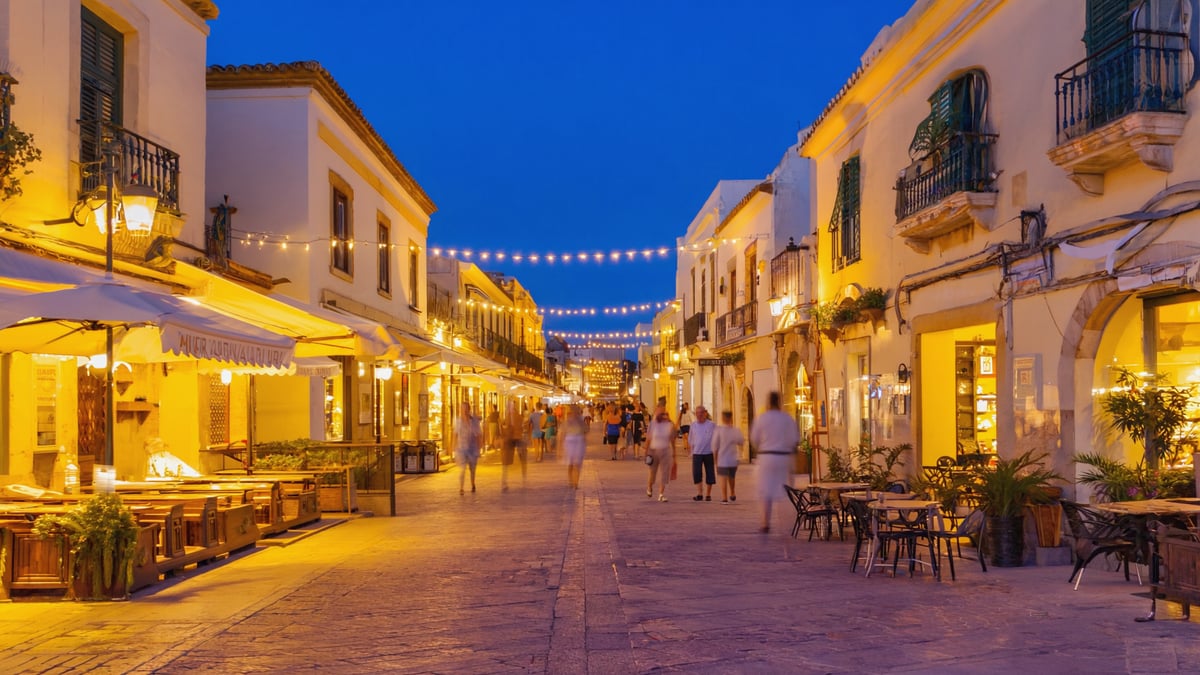
Getting the practical details right makes the difference between a smooth holiday and an unnecessarily stressful one. The following information covers the key logistics that UK travellers need to have in order before departing.
Currency, Language, and Time Zone
Fuerteventura uses the Euro (€) as its currency. UK credit and debit cards are widely accepted at hotels, restaurants, and larger shops, but carrying some cash is advisable for smaller purchases, market stalls, and tips. ATMs are readily available in all main resorts and in Puerto del Rosario.
The official language is Spanish, and Canarian Spanish has some distinctive vocabulary and a softer accent than mainland Spanish. English is spoken to a reasonable level in the main tourist areas, and most resort hotels will have English-speaking staff. Making the effort to use basic Spanish phrases is always appreciated, even if the response comes back in English.
Fuerteventura operates on Western European Time, which is the same as GMT in winter and GMT+1 in summer. This means the island is in the same time zone as the UK for most of the year, with a one-hour difference from late March to late October when the UK observes BST. This minimal time zone difference is a practical advantage that is easy to overlook: there is no jet lag, no adjustment period, and no disruption to children's sleep schedules.
Getting Around the Island
Hiring a car is the single most liberating decision you can make for a Fuerteventura holiday. The island's public bus network (operated by Tiadhe) connects the main resorts with reasonable frequency, but the routes are designed around the local population's needs rather than tourist convenience. Without a car, much of the island's interior and the quieter beaches are effectively inaccessible.
Car hire in Fuerteventura is competitively priced by European standards, particularly if booked in advance through a comparison site or as part of a package. A small hatchback for a week typically costs between £80 and £150 depending on season and booking lead time. A standard driving licence issued in the UK is valid for driving in Spain and the Canary Islands. Roads are generally good, and outside Puerto del Rosario, traffic is light by any standard.
Travel Insurance and Entry Requirements
Post-Brexit, UK citizens travel to Spain (including the Canary Islands) on a UK passport for stays of up to 90 days within any 180-day period without a visa. A valid passport is required; ID cards are not accepted for British citizens. The passport should be valid for the duration of the stay, though many operators and airlines recommend having at least six months' validity remaining.
Comprehensive travel insurance is not a legal requirement but is strongly recommended. Cover should include medical expenses, emergency evacuation, cancellation, and personal liability. The GHIC card mentioned above provides a useful supplement to travel insurance for state healthcare costs but does not replace private travel insurance.
Watch Fuerteventura Come Alive
Before you book, let the island speak for itself. The video below captures Fuerteventura's beaches, dunes, and watersports scene in a way that no written description can fully replicate.
Frequently Asked Questions About Fuerteventura Holidays from the UK
Is Fuerteventura good for a beach holiday?
Fuerteventura is exceptional for a beach holiday. With over 150 beaches including the white-sand dunes of Corralejo Natural Park and the vast stretches of Morro Jable, it has more sandy coastline than any other Canary Island. The sea is warm and swimmable year-round, and beaches range from sheltered bays ideal for families to open Atlantic stretches suited to watersports.
When is the best time to visit Fuerteventura from the UK?
Fuerteventura is a genuine year-round destination. The island's peak season for UK visitors runs from October through April, when British travellers are escaping cold weather at home and the island's temperatures are pleasantly warm rather than hot. Summer (June to August) is excellent for watersports, as the trade winds are at their strongest. May and October offer the best balance of good weather and lower prices.
How long is the flight from the UK to Fuerteventura?
Direct flights from London take approximately four hours. From Manchester, Birmingham, and other northern and midland airports, flight times are around four hours and 15 to 20 minutes. Direct services operate from most major UK airports, including London Gatwick, Manchester, Birmingham, Bristol, Leeds Bradford, Newcastle, Edinburgh, and Glasgow.
Is Fuerteventura good for families?
Fuerteventura is one of the best family destinations in Europe. The calm, warm beaches at resorts like Caleta de Fuste and Morro Jable are ideal for young children, the weather is reliable, and there are plenty of child-friendly activities including Oasis Park, Aqualand, and the Lobos Island ferry trip. The time zone is the same as or very close to the UK, which helps with children's sleep routines.
What is the currency in Fuerteventura?
The currency is the Euro (€). Major credit and debit cards are accepted widely, but carrying cash is useful for markets, smaller restaurants, and tips. ATMs are available throughout the main resorts.
Do I need a visa to visit Fuerteventura from the UK?
No visa is required for UK citizens visiting Spain, including the Canary Islands, for stays of up to 90 days within any 180-day period. A valid UK passport is required. At the time of writing, the EU Entry/Exit System (EES) and ETIAS pre-travel authorisation scheme were still being finalised for UK travellers, it is worth checking the UK Government's Spain travel advice page before departure for the latest entry requirements.
Is Fuerteventura good for windsurfing?
Fuerteventura is globally recognised as one of the finest windsurfing destinations in the world. The consistent trade winds, particularly at beaches like Sotavento and Flag Beach near Corralejo, provide ideal conditions for all levels from beginners through to professionals. The PWA Windsurfing World Cup is held at Sotavento annually, which illustrates the quality of the conditions.
What is Majorero cheese?
Majorero is a goat's cheese produced from the milk of the native Majorero goats of Fuerteventura. It holds Protected Designation of Origin status and is considered one of the finest cheeses in Spain. It is available fresh and mild through to mature and intensely flavoured, and is one of the best food souvenirs to bring home from the island.
Is Fuerteventura expensive?
Fuerteventura is moderately priced by UK standards. Eating out at local restaurants is good value compared to the UK, with a three-course meal including wine at a mid-range restaurant typically costing between €25 and €40 per person. Supermarkets are well-stocked and competitively priced. The main costs to budget for are car hire, excursions, and watersports lessons if you plan to take them. All-inclusive packages remove most day-to-day spending decisions and can offer excellent overall value, particularly for families.
Can I book Fuerteventura packages directly through GlobeHunters?
Yes. GlobeHunters offers curated Fuerteventura packages from the UK starting from around £449 per person for seven nights, with options ranging from budget self-catering apartments to premium all-inclusive resorts. Packages include return flights, airport transfers, and hotel accommodation. You can browse live pricing and availability at holidays.globehunters.com or call the team on 0208 944 4514 for a personalised quote.
What is the weather like in Fuerteventura in winter?
Winter is arguably the best time to visit Fuerteventura from a UK perspective. January and February temperatures average around 20°C during the day and rarely drop below 16°C at night. The sea temperature remains swimmable at around 19–20°C. Rainfall is minimal, though the island does experience occasional cloudy days in December and January. For UK travellers escaping grey winter weather, Fuerteventura in winter feels genuinely warm and sunny.
Are there good restaurants in Fuerteventura?
Yes, particularly if you venture beyond the immediate resort hotel area. The fishing villages of El Cotillo, Morro Jable, and Gran Tarajal serve outstanding fresh fish. The interior towns of Betancuria and Antigua have excellent traditional Canarian restaurants. In the main resorts, walking two or three streets back from the seafront generally reveals better quality at lower prices than the beachfront tourist restaurants.
Key Takeaways for Planning Your Fuerteventura Holiday
- Year-round destination: Fuerteventura's climate makes it viable in every month, with winter sun particularly popular with UK travellers escaping the British cold.
- Choose your base carefully: Corralejo suits active travellers and watersport enthusiasts; Caleta de Fuste is the top pick for families with young children; Morro Jable offers the island's finest beaches in a relaxed setting.
- Hire a car: A rental car unlocks the island's interior, quieter beaches, and authentic villages that are inaccessible by public transport.
- Try the local food: Papas arrugadas, fresh grilled fish, and Majorero cheese are the three non-negotiables. Eat where the locals eat for the best quality and value.
- Watersports are world-class: Whether you windsurf, kitesurf, surf, or dive, Fuerteventura's conditions are among the best available anywhere accessible from the UK.
- Package holidays offer genuine value: The Canary Islands package market is competitive. GlobeHunters packages from £449 per person include flights, transfers, and accommodation, often undercutting the cost of booking separately.
- The same time zone as the UK: No jet lag, no adjustment period, and children's sleep routines remain intact, a genuinely underrated practical advantage.
Ready to make it real? Search live Fuerteventura packages on GlobeHunters, or call the team on 0208 944 4514 to speak with a travel specialist who can match the right resort, board basis, and travel dates to your group. Packages start from £449 per person and can be tailored to suit every budget, travel style, and party size.
About the author
Spiros Maragkoudakis · Chief Commercial Officer
Ready to Book Your Fuerteventura Holiday?
Our travel experts are ready to help you plan the perfect trip. Call us today or browse our latest deals.
Ready to Start Planning?
Speak to our travel experts for personalised advice and the best deals on your next holiday.
Call 0208 944 4514