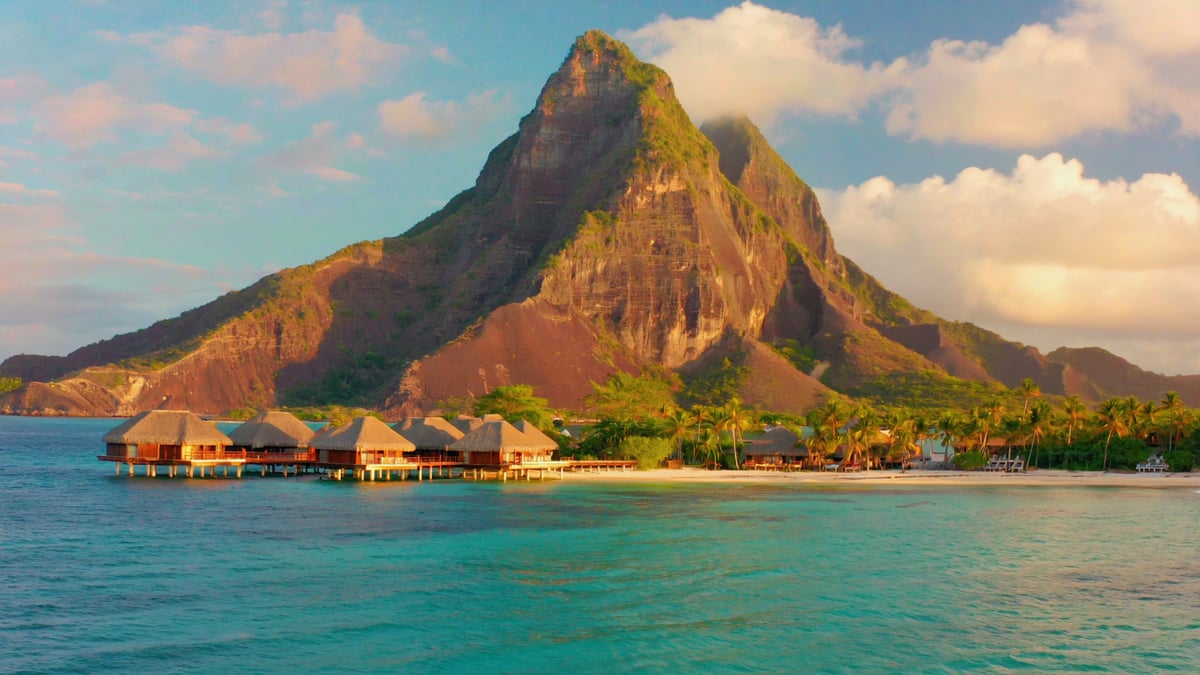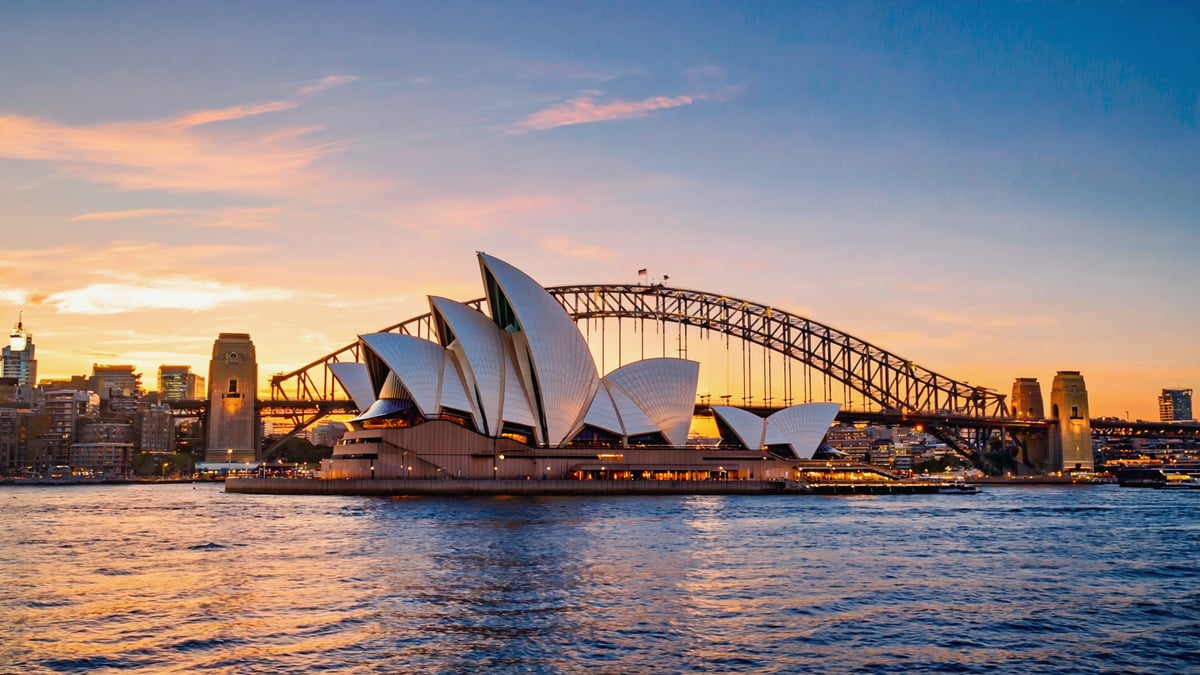
Most travellers think Australia is a single destination. Fly into Sydney, see the Opera House, tick the box. What they miss is that Australia is actually three completely different worlds sitting inside one country-sized continent: a cosmopolitan coastal culture that rivals any European city, an underwater ecosystem with no parallel on earth, and an ancient desert interior that rewires how you think about time itself. Planning a trip that captures all three is the most ambitious thing you can do with a long-haul holiday budget, and for UK travellers, it is also one of the most rewarding.
This guide covers the full picture: when to go, where to stay, what to spend, and how to move between Sydney, the Great Barrier Reef, and the Outback without losing two weeks to logistics. Whether you are booking a Australia package holiday from the UK for the first time or returning after a decade away, the information below is designed to help you plan smarter and arrive better prepared.
Book Your Australia Holiday Now
GlobeHunters offers Australia holiday packages including flights and hotels at competitive prices, from £1,799pp for a long-haul adventure combining Sydney, the Reef, and the Outback.
View Package & Prices →Or call us: 0208 944 4514
Australia: What UK Travellers Actually Need to Know Before They Go
Australia sits in the Southern Hemisphere, roughly 17,000 kilometres from London as the crow flies, making it one of the longest commercial flight routes operated from the UK. The country spans six states and two major territories across a landmass larger than Western Europe, yet its population concentrates almost entirely along the eastern and south-eastern coastlines. Understanding this geography upfront shapes every decision you make about itinerary, budget, and timing.
Language: English is the official language. Australian slang is extensive but decipherable, and UK travellers generally find communication effortless.
Currency: Australian Dollar (AUD). As a rough guide, £1 buys approximately AUD 1.85–2.00, though exchange rates fluctuate. Budget-conscious travellers benefit from using a fee-free travel card such as Wise or Starling rather than exchanging cash at airports.
Time Zones: Australia operates across five time zones. Sydney (AEDT) runs at UTC+11 in summer and UTC+10 in winter. Cairns (Queensland) stays at UTC+10 year-round. The Northern Territory, where Uluru is located, operates at UTC+9:30 year-round, which catches many travellers by surprise when connecting flights.
Visa Requirements for UK Travellers: British passport holders do not need a traditional visa but must obtain an Electronic Travel Authority (ETA, subclass 601) before departure. The ETA is applied for online or through the official Australian ETA app, costs AUD 20 (approximately £10), and is typically approved within minutes. It permits multiple entries of up to three months each within a 12-month period. Do not travel without it, airlines will deny boarding.
Electricity: Australia uses Type I plugs (angled flat pins) at 230V/50Hz. UK travellers need a travel adaptor.
Driving: Traffic drives on the left, the same as the UK. An ordinary UK driving licence is valid in all Australian states for short-term visitors, though carrying an International Driving Permit alongside it is advisable.
Health: No vaccinations are required for entry from the UK, though the Travel Health Pro guidance for Australia recommends checking your routine immunisations are up to date. Australia has reciprocal healthcare arrangements with the UK under the Medicare system, meaning UK citizens can access emergency medical treatment at public hospitals. Private travel insurance is still strongly advised.
When Is the Best Time to Visit Australia from the UK?
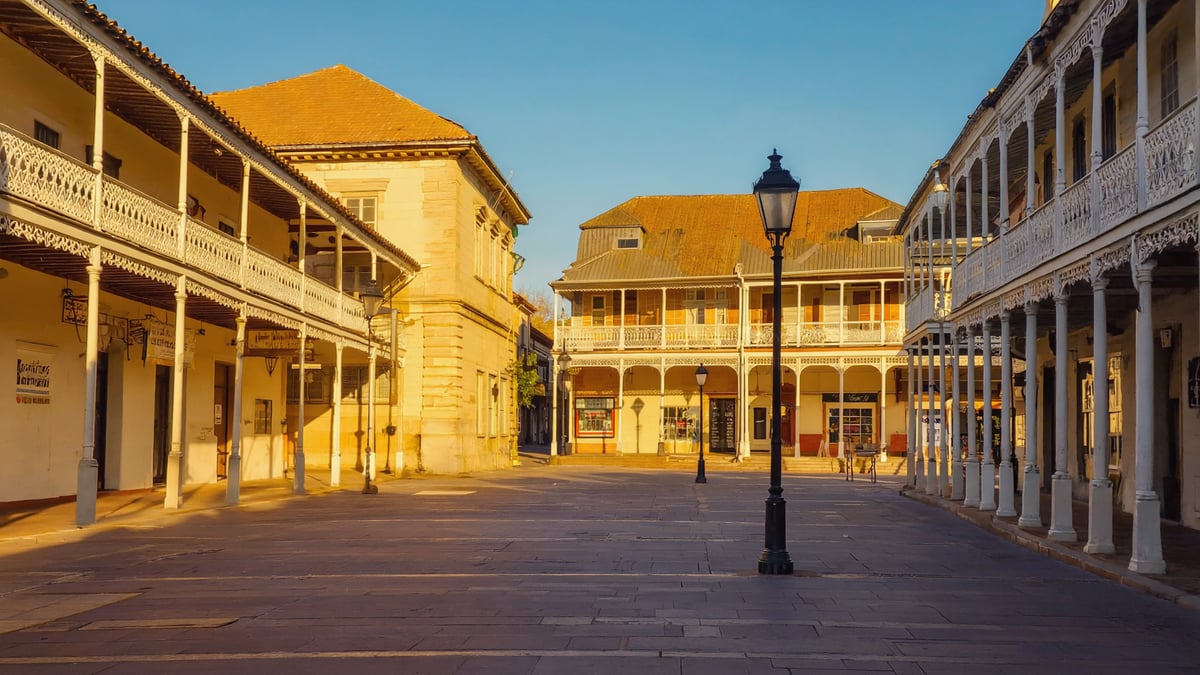
The best time to visit Australia depends entirely on which part of the country you prioritise, because the continent's size means that peak season in one region is off-season in another. For a trip combining Sydney, the Great Barrier Reef, and the Outback, the optimal travel window is April to June or September to November.
Month-by-Month Breakdown
| Month | Sydney | Cairns / Great Barrier Reef | Uluru / Outback | Crowd Level |
|---|---|---|---|---|
| January–February | Hot, humid (28–35°C) | Wet season, cyclone risk ⚠️ | Extreme heat (45°C+) ⚠️ | Low–Medium |
| March | Warm, some rain (22–28°C) | Wet season ending ⚠️ | Very hot (38–42°C) ⚠️ | Medium |
| April–May | Mild, pleasant (18–24°C) ✅ | Dry season begins, excellent visibility ✅ | Comfortable (25–32°C) ✅ | Medium |
| June–August | Cool, dry (12–18°C) | Peak dry season, best diving ✅ | Cool nights (5–25°C) ✅ | High (school holidays) |
| September–October | Spring, warming (17–23°C) ✅ | Excellent conditions ✅ | Warming, manageable (30–36°C) ✅ | Medium–High |
| November | Warm, occasional storms (20–26°C) | Wet season approaching ⚠️ | Getting hot (35–40°C) ⚠️ | Medium |
| December | Hot, festive (22–30°C) | Wet season starts ⚠️ | Very hot (40°C+) ⚠️ | Very High (Christmas) |
The optimal window for a three-region itinerary is September–October. Sydney is blooming in spring, the Reef is still in prime dry-season condition with excellent underwater visibility, and Uluru is warm without being dangerously hot. Prices are lower than the June–August peak, and crowds are manageable. April–May is a close second, particularly appealing for UK travellers who want to avoid Australian school holiday surcharges.
Key Events Worth Planning Around: Vivid Sydney (late May to mid-June) transforms the city with large-scale light installations across the Harbour Bridge precinct and Opera House. The Sydney Festival (January) fills the city with outdoor performances. The Laura Quinkan Dance Festival, held biennially in Far North Queensland near Cairns, offers one of Australia's most significant First Nations cultural events.
Where to Stay: Area Guides for Sydney, Cairns, and the Red Centre
Choosing the right base in each region saves significant time and money. Australia's cities are large and spread out, so staying in the wrong neighbourhood can add hours of daily transit to your itinerary.
Sydney
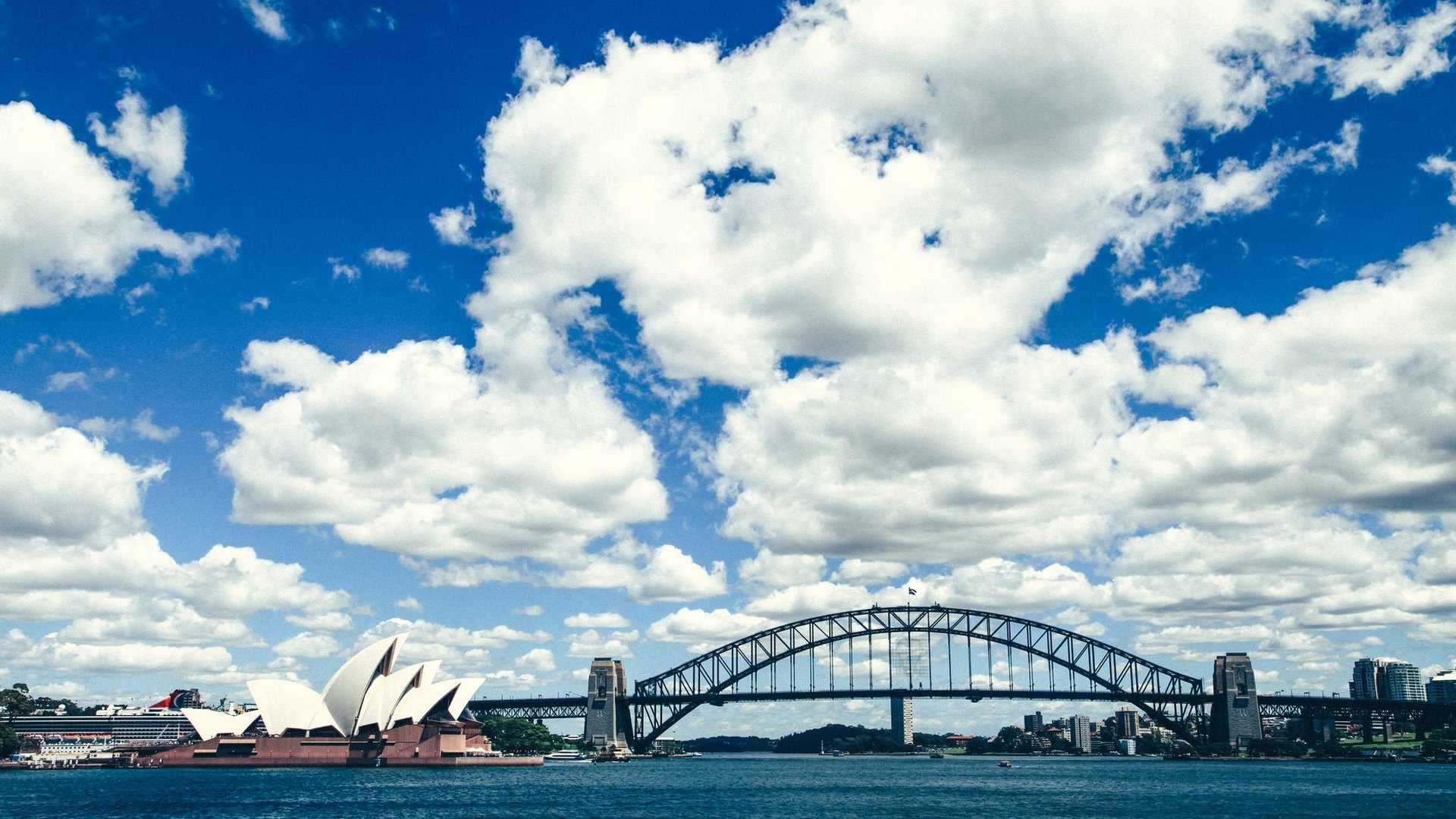
The Rocks and Circular Quay is the natural home base for first-time visitors. You are walking distance from the Opera House, the Harbour Bridge, and ferry terminals connecting you to Manly and Darling Harbour. Accommodation here trends mid-range to luxury. Expect to pay £180–£350 per night for a well-located hotel.
Surry Hills and Darlinghurst offer a grittier, more local experience with Sydney's best independent restaurant scene. Mid-range hotels and boutique guesthouses run £110–£200 per night. This area suits travellers on a second visit who want to explore beyond the postcard version of Sydney.
Manly is technically a 30-minute ferry ride from the CBD but feels like a separate coastal town. It is ideal for families, surfers, and anyone who wants beach access without paying Bondi prices. Budget guesthouses start around £70–£90 per night; mid-range options run £120–£160.
Luxury pick: Park Hyatt Sydney, positioned directly below the Harbour Bridge with Opera House views from the rooms. Park Hyatt rooms typically start at AUD 900 (approximately £450) per night, putting it firmly in the splurge category, but the location is unmatched.
Cairns (Gateway to the Great Barrier Reef)
Cairns City Centre places you within walking distance of the Esplanade Lagoon, tour operator booking offices, and the Pier Marketplace. Most reef tours depart from Cairns Marina, making this the practical base of choice. Budget hostels and guesthouses start at £30–£50 per night; mid-range hotels run £90–£160; boutique resorts charge £200+.
Port Douglas is a quieter, more upmarket alternative 70 kilometres north of Cairns. It has its own reef departure point and a relaxed village atmosphere. For couples or honeymooners who want reef access without the backpacker energy of central Cairns, this is the superior choice. Mid-range here starts around £130 per night.
Luxury pick: Silky Oaks Lodge in the Daintree Rainforest, where treehouse bungalows perch above a river and the jungle backdrop is extraordinary. Rates start at approximately AUD 700 (£350) per night.
Uluru / Red Centre
Accommodation near Uluru is consolidated within Ayers Rock Resort (officially known as Voyages Ayers Rock Resort), a purpose-built resort village that is the only lodging option within practical distance of the rock. Properties range from the budget-friendly Outback Hotel and Lodge (approximately £80–£100 per night) to the Sails in the Desert Hotel (£200–£280 per night) and the ultra-luxury Longitude 131° glamping resort, where tented suites with direct Uluru views start at AUD 2,000 (£1,000) per night all-inclusive. For most UK travellers, the Sails in the Desert represents the best balance of comfort and cost.
Top Things to Do in Australia: Sydney, the Reef, and Uluru
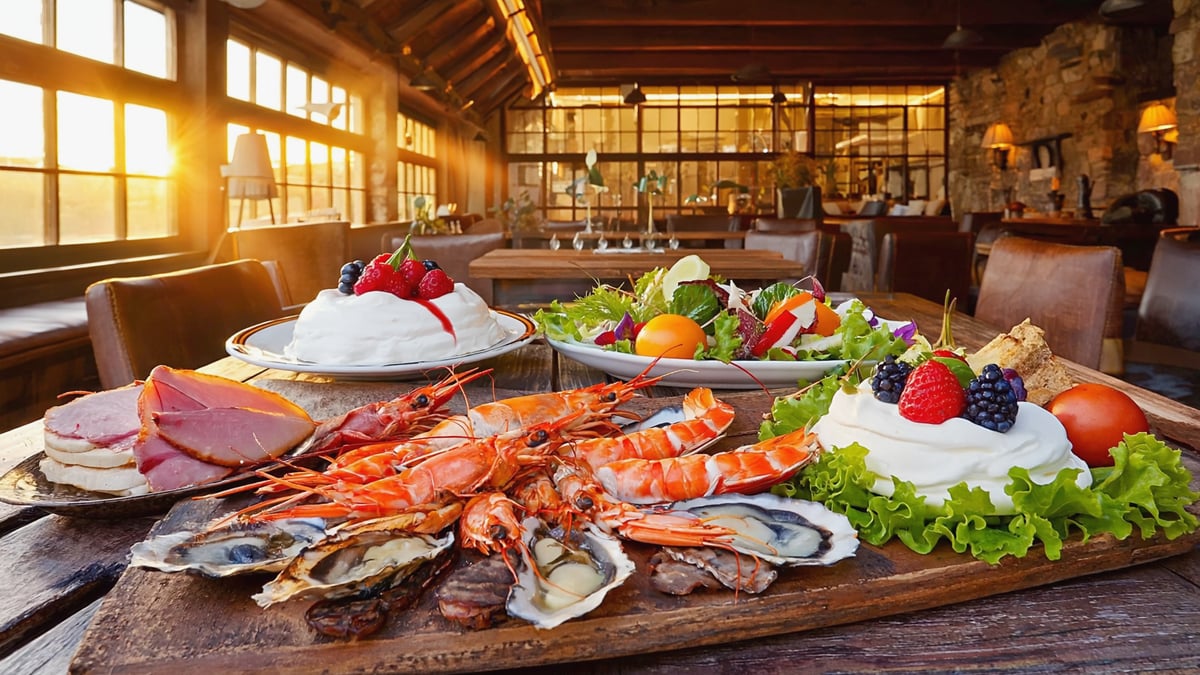
Australia's three headline regions each offer experiences that are genuinely difficult to replicate anywhere else on earth. The list below focuses on experiences with the highest ratio of memorability to practical effort, along with realistic cost and timing information.
1. Climb the Sydney Harbour Bridge
The BridgeClimb Sydney takes small groups to the summit of the iconic arch, 134 metres above sea level, for panoramic views over the harbour, Opera House, and city skyline. Climbs run at dawn, day, dusk, and night. Cost: from AUD 174 (approximately £87) for a Sampler climb to AUD 398 (approximately £199) for a full summit experience. Book at least two weeks in advance during peak season.
2. Sydney Opera House Guided Tour or Performance
The Sydney Opera House offers 90-minute guided tours (AUD 43, approximately £21) daily from 09:00. Attending an actual performance is the more immersive option; tickets vary from AUD 50 for smaller studio productions to AUD 250+ for headline opera and ballet performances. Check the schedule in advance and book before you depart the UK.
3. Bondi to Coogee Coastal Walk
This 6-kilometre cliff-top walk connects Bondi Beach to Coogee via Tamarama, Bronte, and Clovelly, passing rock pools, coastal parks, and ocean baths. It is entirely free, takes approximately two hours at a leisurely pace, and offers some of the most photogenic coastal scenery in Sydney. Start early to avoid midday heat and crowds.
4. Great Barrier Reef Snorkelling or Diving Day Tour
Most reef day tours from Cairns sail to the outer reef, which has significantly healthier coral than the inner reef. A standard full-day snorkelling trip costs AUD 200–250 (approximately £100–£125), including equipment, lunch, and a guided snorkel session. Certified divers can add introductory or certified dives for an additional AUD 60–90 (£30–£45). Operators including Passions of Paradise and Silversea's Evolution are well-regarded for environmental responsibility. Book directly through tour operators or via Viator.
5. Helicopter Flight over the Great Barrier Reef
A 30-minute helicopter flight over the reef from Cairns or the Whitsundays provides a perspective impossible to grasp from the water. The Heart Reef, a naturally occurring heart-shaped coral formation in the Whitsundays, is one of the most recognised aerial images in Australian tourism. Helicopter tours from Hamilton Island Airport start at approximately AUD 250 (£125) for 20 minutes.
6. Sunset at Uluru
Entry to Uluṟu-Kata Tjuṯa National Park costs AUD 38 per person (approximately £19) for a three-day pass. The dedicated sunset viewing area provides an unobstructed view of the rock as it cycles through shades of amber, red, and purple. Arrive at least 90 minutes before sunset to secure a good position. Sunrise is equally dramatic and significantly less crowded.
7. Guided Anangu Cultural Walk at Uluru
The base walk around Uluru is 10.6 kilometres and takes approximately three to four hours at a comfortable pace. The guided Mala Walk (approximately 2 kilometres, free with park entry when led by a Tjukurpa ranger) provides cultural interpretation from the Anangu Traditional Owners. Note that climbing Uluru has been permanently prohibited since October 2019 out of respect for Anangu law and culture.
8. Kata Tjuta (The Olgas) Valley of the Winds Walk
Thirty-five kilometres west of Uluru, Kata Tjuta is a collection of 36 domed rock formations that many visitors find even more spiritually affecting than Uluru itself. The Valley of the Winds walk (7.4 kilometres) passes through narrow gorges between the domes. Covered by the same AUD 38 national park pass. Closed when temperatures exceed 36°C, so morning starts are essential in warmer months.
9. Daintree Rainforest Tour from Cairns
The Daintree is the world's oldest tropical rainforest, with sections dating back over 135 million years. Day tours from Cairns typically combine a river cruise spotting saltwater crocodiles with guided walks and a stop at Cape Tribulation, where the rainforest meets the reef. Tours cost approximately AUD 180–220 (£90–£110) including transport from Cairns.
10. Sydney Fish Market Breakfast
The Sydney Fish Market in Pyrmont opens at 07:00 and is one of the largest fish markets in the Asia-Pacific region. Arriving early means access to fresh-shucked oysters, sashimi-grade tuna, and Moreton Bay bugs at retail prices. Budget AUD 30–50 (£15–£25) per person for a generous breakfast. It is an experience as much as a meal.
Food and Dining: What to Eat and Where to Eat It
Australian food culture is one of the country's most underrated attractions. The combination of British culinary heritage, large-scale immigration from Asia and the Mediterranean, and extraordinary local produce has produced a food scene that consistently punches above its weight globally. Sydney in particular has a dining culture that competes with any city in Europe.
Dishes and Ingredients to Prioritise
Sydney rock oysters are harvested from New South Wales estuaries and are smaller, sweeter, and more mineral than Pacific oysters. Order them at the Fish Market or at any decent seafood restaurant near the harbour. A dozen typically costs AUD 24–36 (£12–£18) depending on the venue.
Barramundi is Australia's most iconic fish, with a clean, buttery flavour. It appears on almost every restaurant menu in the Cairns region. Order it grilled with a native spice rub rather than battered.
Moreton Bay bugs are a type of slipper lobster found along the Queensland coast. They look alarming on the shell but the tail meat is exceptional. Grilled with garlic butter is the standard preparation.
Witchetty grubs and bush tucker: In the Red Centre, a handful of restaurants and cultural tours offer bush tucker experiences featuring native ingredients including desert limes, quandong (a native peach), wattleseed, and kangaroo. These are not novelty items, wattleseed in particular has a deep, nutty flavour profile used by Australian chefs in everything from bread to ice cream.
Flat white coffee: Australia invented the flat white (or at least perfected it). The coffee culture is serious nationwide, and even small towns in Queensland have espresso bars that would embarrass most London high streets.
Best Areas for Dining
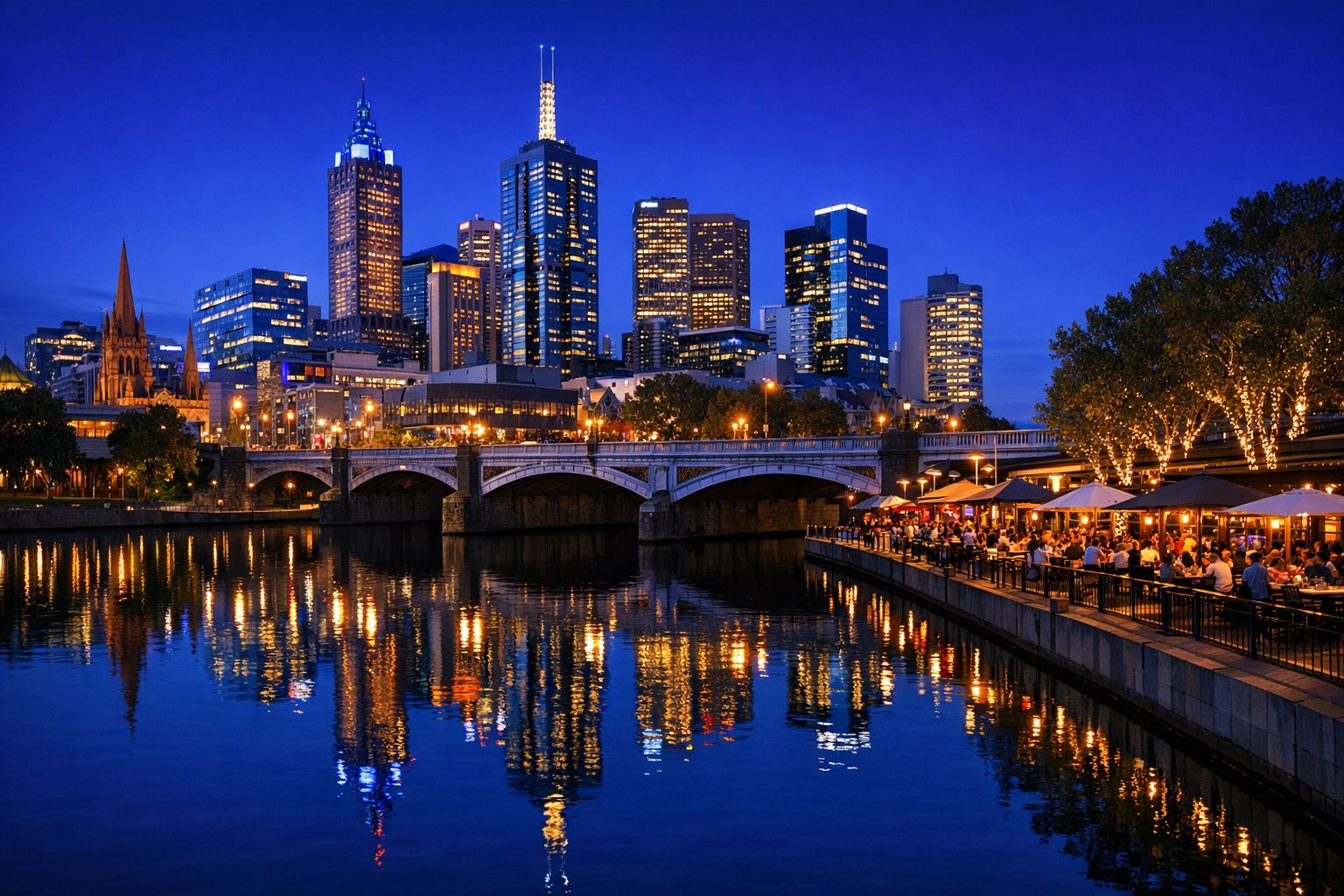
In Sydney, Surry Hills is where chefs and food writers eat. The concentration of independently owned restaurants along Crown Street and its side streets represents the city at its most culinarily adventurous. Chinatown and Haymarket offer exceptional value for noodle soups, yum cha, and roasted meats. Potts Point has a string of wine bars and bistros popular with Sydney's professional crowd.
In Cairns, the Night Markets on the Esplanade offer a lively, cheap alternative to restaurant dining, with stalls serving Thai, Malaysian, Japanese, and Australian street food from approximately AUD 8–14 (£4–£7) per dish. The Esplanade dining precinct has a range of mid-range restaurants with outdoor seating overlooking the lagoon.
Near Uluru, dining options are almost entirely within the resort complex. The Arnguli Grill at Sails in the Desert serves creditable outback-influenced cuisine. For a more atmospheric option, the Sounds of Silence dinner (AUD 250 per person, approximately £125) takes guests to a desert dune for a candlelit dinner under the Southern Hemisphere night sky, with a resident astronomer narrating the constellations. It is expensive and undeniably theatrical, but the stargazing in the Red Centre, where light pollution is essentially zero, is extraordinary.
Dietary Considerations
Australia is exceptionally well-set-up for dietary requirements. Vegan and vegetarian options are standard on most restaurant menus in Sydney and Cairns. Gluten-free awareness is high. Halal and kosher options are available in Sydney's city centre. The only area where dietary diversity is genuinely limited is the Red Centre, where restaurant choice is narrow and pre-notification to your accommodation is advisable if you have specific requirements.
Getting to Australia from the UK: Flights, Routes, and Transfers
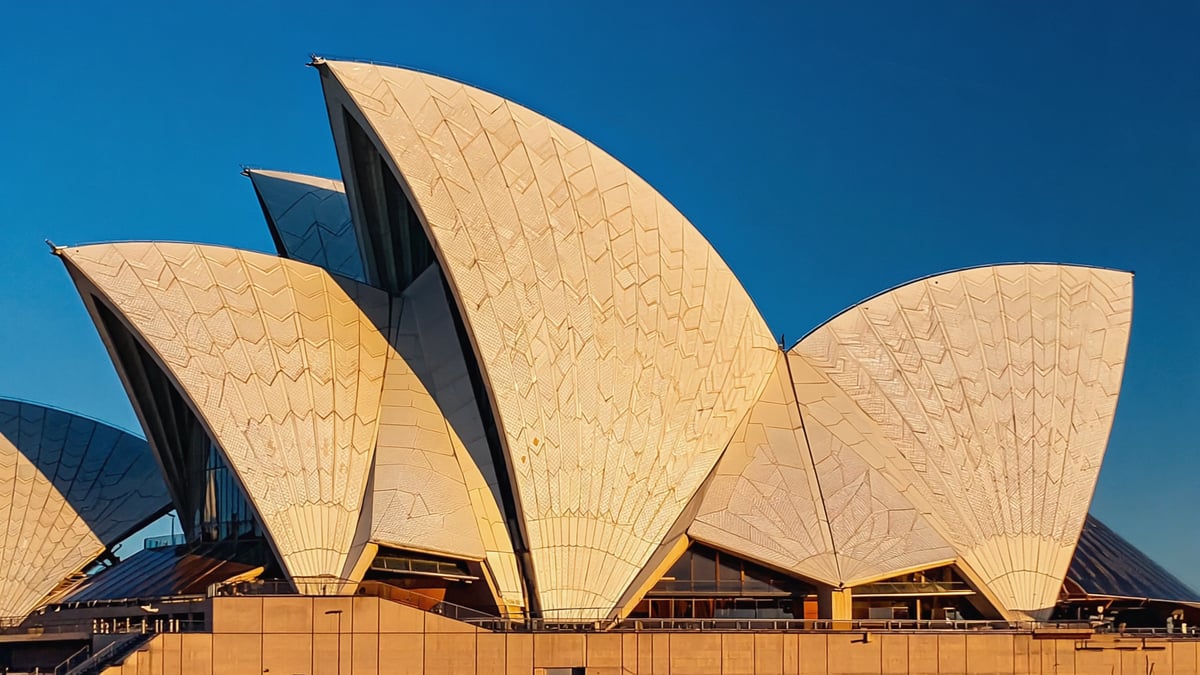
Flying from the UK to Australia remains one of the world's longest commercial journeys, and the route you choose has a significant impact on your total travel time and cost.
Direct vs. One-Stop Flights
Qantas operates the world's longest non-stop commercial flights under its Project Sunrise initiative, connecting London Heathrow directly to Sydney in approximately 19–20 hours. As of current scheduling, direct Qantas flights operate on select days from Heathrow to Sydney. These command a premium but eliminate the disorientation of a transit stop.
The more common routing for UK travellers involves a single stop, typically in the Middle East (Dubai with Emirates, Abu Dhabi with Etihad, or Doha with Qatar Airways) or in Southeast Asia (Singapore with Singapore Airlines, Kuala Lumpur with Malaysia Airlines, or Bangkok with Thai Airways). Total travel time door-to-door from London to Sydney is typically 22–26 hours via a single transit hub.
Which Airport to Fly Into First?
For the three-region itinerary, most UK travellers fly into Sydney first, then take a domestic flight to Cairns, then another domestic flight to Ayers Rock (Connellan) Airport near Uluru, and fly home from Sydney or Melbourne. This routing minimises backtracking. Domestic flights within Australia are operated primarily by Qantas, Virgin Australia, and Jetstar. Sydney to Cairns takes approximately three hours; Cairns to Ayers Rock takes approximately two hours and 45 minutes.
Typical Flight Costs from the UK
| Route | Economy Return | Premium Economy | Business Class |
|---|---|---|---|
| London to Sydney (return) | £700–£1,100 | £1,800–£2,600 | £3,500–£6,500 |
| Sydney to Cairns (domestic one-way) | AUD 100–250 (£50–£125) | AUD 300–450 (£150–£225) | N/A on this route |
| Cairns to Ayers Rock (domestic one-way) | AUD 150–350 (£75–£175) | AUD 400–600 (£200–£300) | N/A on this route |
Booking domestic Australian flights well in advance (three to six months) secures the lowest fares. Last-minute domestic pricing in Australia can be significantly higher than in Europe.
Airport Transfers
Sydney Kingsford Smith Airport is 8 kilometres from the CBD. The Airport Link train (approximately AUD 19–22 one-way, £10–£11) runs directly to Central Station in approximately 13 minutes. Taxis cost approximately AUD 45–55 (£22–£27). Ride-share services (Uber, Ola) are active at the airport and typically undercut taxi prices.
Cairns Airport is 3 kilometres from the city centre. Taxis cost approximately AUD 20–25 (£10–£12). No direct rail link exists. Shuttle buses serve most hotels for approximately AUD 15–18 (£7–£9) per person.
Connellan Airport near Uluru is 5 kilometres from the resort complex. Resort shuttle transfers are the standard option; most accommodation packages include this.
Australia Holiday Budget Guide for UK Travellers
Australia is not a cheap destination, but it is not uniformly expensive either. Costs vary considerably between regions and between travel styles. The table below gives realistic daily budget estimates for the three regions, excluding international flights.
Daily Budget by Travel Style
| Category | Budget (£/day) | Mid-Range (£/day) | Luxury (£/day) |
|---|---|---|---|
| Accommodation (per person) | £30–£50 | £80–£160 | £200–£500+ |
| Meals (3 per day) | £20–£35 | £50–£90 | £100–£200+ |
| Local Transport | £5–£15 | £20–£40 | £50–£100 |
| Activities / Tours | £15–£40 | £60–£120 | £150–£400+ |
| Total per day (per person) | £70–£140 | £210–£410 | £500–£1,200+ |
For a two-week Australia holiday covering all three regions, a mid-range couple should budget approximately £3,000–£5,500 per person excluding international flights. A budget traveller staying in hostels, cooking occasionally, and being selective about paid activities can manage on £1,500–£2,500 per person over two weeks. These figures align with GlobeHunters' Australia package holidays from the UK starting at £1,799pp, which bundle flights and accommodation and typically deliver better value than booking independently.
Where Your Money Goes Further
Supermarkets (Woolworths and Coles) are excellent for self-catering breakfast and lunch. A grab-and-go sushi roll from a Japanese convenience counter in Sydney costs AUD 3–5 (£1.50–£2.50). Fresh fruit at markets is cheap and excellent. The areas where costs are genuinely inflated are alcohol (a pint of beer in a Sydney pub costs AUD 10–14, approximately £5–£7), Uber Eats and delivery services, and any tour or activity operated within the Uluru resort monopoly.
Travel Tips, Safety, and Practical Advice for UK Visitors
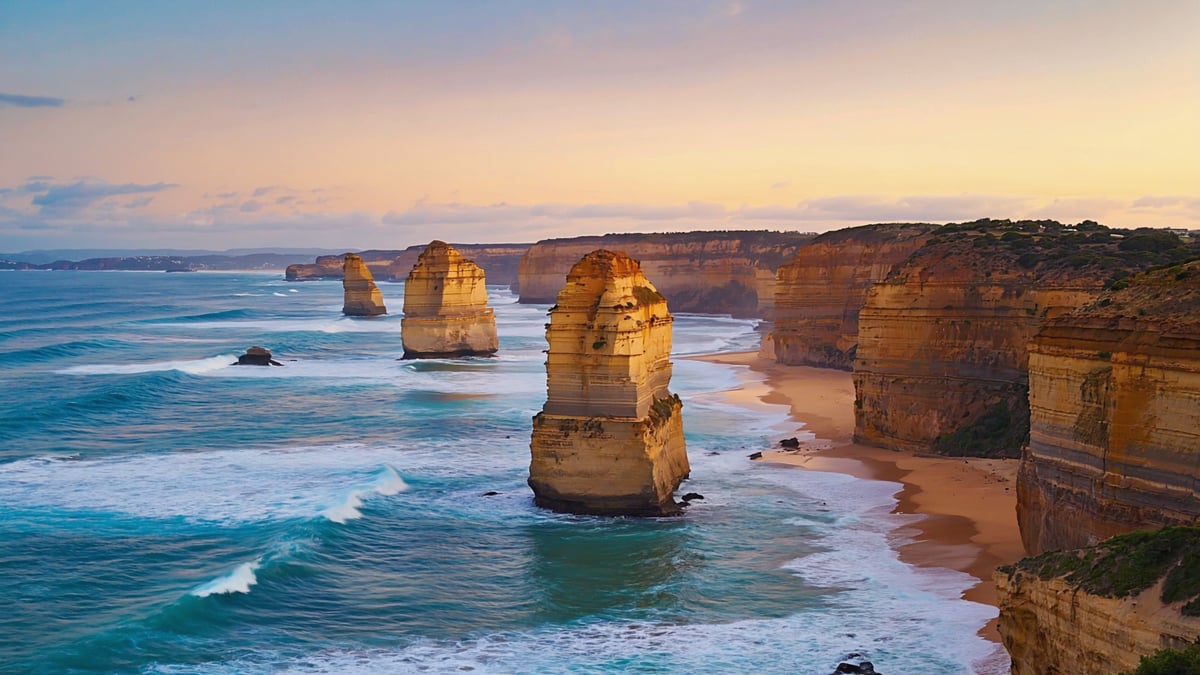
Australia is one of the safer long-haul destinations for UK travellers, but its natural environment demands genuine respect. The risks here are environmental rather than social.
Sun Protection
UV radiation in Australia is significantly more intense than in the UK due to the thinner ozone layer and lower latitude. The Australian Radiation Protection and Nuclear Safety Agency (ARPANSA) notes that UV levels in Australian summer can reach 12+ on the UV index, compared to a maximum of around 7 in the UK. SPF 50+ sunscreen, reapplied every two hours, is not optional. A wide-brimmed hat and UV-rated sunglasses are standard kit.
Marine Hazards
Tropical North Queensland has two serious marine hazards: box jellyfish (Chironex fleckeri) and Irukandji jellyfish, both of which are potentially lethal. Box jellyfish season runs roughly November to May. During this period, swimming in the ocean in the Cairns region is discouraged unless stinger-resistant suits are worn. Most reef tour operators provide stinger suits. The Cairns Esplanade Lagoon (a man-made saltwater pool) is safe year-round. Saltwater crocodiles inhabit rivers, estuaries, and some coastal beaches in tropical Queensland; always observe warning signs.
Outback Safety
The Red Centre is genuinely remote. Dehydration and heat exhaustion are serious risks for visitors underestimating the desert environment. Carry at least two litres of water per person per hour of walking in warm conditions. The national park closes walks when temperatures exceed certain thresholds, and these closures should be taken seriously, not circumvented. Do not drive on unsealed roads in a standard hire car; 4WD vehicles are required for anything beyond the main sealed roads around Uluru.
Wildlife Encounters
Australia has several venomous snake species, most found in rural and bushland areas rather than cities or resort zones. Wearing closed shoes on bush walks, watching where you step, and leaving any snake you encounter alone are the standard precautions. Funnel-web spiders are found in the Sydney region; shake out shoes left outdoors. Most Australian wildlife encounters are benign: kangaroos, wallabies, wombats, and echidnas are shy and generally harmless.
Tipping Culture
Tipping is not expected in Australia in the way it is in the United States. Service charges are not added to restaurant bills. Rounding up for exceptional service or adding AUD 5–10 at a nice restaurant is appreciated but not obligatory. Taxi drivers do not expect tips. Tour guides who provide outstanding experiences may receive a tip from satisfied customers, but there is no social pressure to do so.
Emergency Numbers
The emergency number in Australia is 000 (equivalent to 999 in the UK), covering police, fire, and ambulance. In remote areas, the Royal Flying Doctor Service provides emergency medical evacuation. Travel insurance with medical evacuation cover is essential for the Outback portion of any itinerary.
Mobile Connectivity
Telstra has the most extensive network coverage in rural and outback Australia. UK SIM cards generally work in cities but may have limited coverage outside them. Purchasing a local prepaid SIM on arrival (Telstra, Optus, or Vodafone Australia) for approximately AUD 30–40 (£15–£20) for a month of data is the most practical solution.
Packing Essentials for Australia
- SPF 50+ sunscreen (minimum 250ml; Australian pharmacies stock reliable local brands cheaply)
- Wide-brimmed hat and UV-rated sunglasses
- Lightweight layers for Outback evenings (temperatures drop sharply after sunset)
- Insect repellent (DEET-based for tropical Queensland)
- Travel adaptor (Type I, Australian/New Zealand standard)
- Waterproof sandals or reef shoes for snorkelling and rock pools
- Reusable water bottle with filter (particularly for the Outback)
- Copies of ETA confirmation, travel insurance, and passport
Frequently Asked Questions About Visiting Australia
Do UK citizens need a visa to visit Australia?
UK citizens do not need a standard visa but must obtain an Electronic Travel Authority (ETA, subclass 601) before travelling. The ETA is applied for online or via the Australian ETA app, costs AUD 20 (approximately £10), and is typically approved within minutes. It allows multiple entries of up to three months each within a 12-month period. Airlines will deny boarding without a valid ETA.
How long is the flight from the UK to Australia?
Direct flights from London Heathrow to Sydney operated by Qantas take approximately 19–20 hours. One-stop flights via the Middle East or Southeast Asia typically add three to six hours, making total travel time 22–26 hours door-to-door from central London to central Sydney.
What is the best time of year for a Great Barrier Reef holiday from the UK?
The dry season (June to October) offers the best conditions for reef activities: clear water, excellent visibility, and minimal jellyfish risk. September and October are particularly well-suited for UK travellers as they fall outside Australian school holiday peak pricing while still offering reliable weather.
Is the Great Barrier Reef still worth visiting?
Yes, definitively. While the Australian Institute of Marine Science (AIMS) documents ongoing bleaching pressure from warming ocean temperatures, large sections of the outer reef remain healthy and visually spectacular. Choosing responsible, accredited operators and visiting the outer reef (rather than the inner reef) maximises the quality of the underwater experience.
Can you still climb Uluru?
No. Climbing Uluru has been permanently prohibited since 26 October 2019. The prohibition was implemented at the request of the Anangu Traditional Owners of the land, for whom the climb is deeply disrespectful to their Tjukurpa (law and culture). Uluru remains fully accessible for walking, viewing, and cultural tours.
How many days do you need in Australia to see Sydney, the Reef, and Uluru?
A minimum of 14 days is recommended. A workable allocation is: five nights in Sydney, four nights in Cairns (with one full day on the reef and one in the Daintree), and three nights at Uluru, with two days in transit. Three weeks allows a more relaxed pace and the option to add the Whitsundays or Melbourne.
What currency should I take to Australia?
The Australian Dollar (AUD). Card payments (Visa and Mastercard) are accepted almost universally, including at small cafes and markets. Apple Pay and Google Pay are widely supported. Carrying AUD 100–200 in cash for remote areas and small market stalls is practical. Use a fee-free travel card (Wise, Starling, or Revolut) to avoid foreign exchange fees.
Is Australia safe for solo travellers from the UK?
Australia is consistently rated among the safest long-haul destinations for solo travellers. Petty crime in tourist areas is low by international standards. The primary risks are environmental: sun exposure, marine hazards in tropical Queensland, and isolation in the Outback. Solo travellers should always inform accommodation staff of planned bush walks or remote excursions.
How much does a two-week Australia holiday cost from the UK?
For a mid-range two-week trip covering Sydney, Cairns, and Uluru, budget approximately £3,500–£5,500 per person including international flights but excluding pre-departure spending. GlobeHunters' Australia package holidays from the UK start from £1,799pp including flights and accommodation, representing strong value for the core itinerary.
What are the best airlines for flying from the UK to Australia?
Qantas (via their direct or one-stop services), Singapore Airlines (via Singapore), Emirates (via Dubai), and Etihad (via Abu Dhabi) are the most popular carriers for UK-Australia routes. Singapore Airlines and Emirates are frequently cited for in-flight service quality on this route. Qantas offers the only non-stop option from London.
Do I need travel insurance for Australia?
Yes, strongly. While the UK-Australia Medicare reciprocal agreement covers emergency treatment at public hospitals, private hospital care, dental, repatriation, and trip cancellation are not covered. Medical evacuation from the Outback can cost tens of thousands of pounds without insurance. Ensure your policy explicitly covers adventure activities if you plan to dive, surf, or take helicopter tours.
What is the time difference between the UK and Sydney?
Sydney operates at UTC+10 (AEST) in winter and UTC+11 (AEDT) in summer. The UK is at UTC+0 (GMT) or UTC+1 (BST). This means Sydney is typically 10–11 hours ahead of London. Jet lag is significant on this route; arriving in the morning local time and forcing yourself to stay awake until evening is the most effective adjustment strategy.
Key Takeaways for Planning Your Australia Holiday
- Apply for your ETA before booking anything else. The AUD 20 Electronic Travel Authority is a legal requirement for UK passport holders and takes minutes to obtain through the official Australian ETA app.
- April–May and September–October are the sweet spots for a three-region itinerary, balancing good weather across Sydney, the Reef, and the Outback with lower prices than the June–August peak.
- Fly into Sydney, exit from Sydney or Melbourne. Building your domestic loop as Sydney → Cairns → Uluru → Sydney minimises backtracking and positions you for the best flight connections home.
- Budget at least 14 days. Australia's distances are not intuitively obvious from a UK perspective. Internal travel between regions takes time, and rushing the Outback or the Reef is a waste of the journey.
- Book reef tours and BridgeClimb in advance, particularly for September–October. Popular operators sell out weeks ahead during dry season.
- The outer reef is worth the extra distance. Most budget reef tours go to the inner reef; paying slightly more for an outer reef operator delivers dramatically better coral health and visibility.
- Respect Anangu culture at Uluru. Climbing is prohibited. Engaging with Anangu-guided walks and cultural programmes is both the respectful and the more rewarding way to experience the rock.
- Travel insurance with evacuation cover is non-negotiable for the Outback segment. The Red Centre is genuinely remote and medical emergencies require helicopter evacuation.
Ready to Book Your Australia Adventure?
GlobeHunters offers Australia package holidays from the UK combining long-haul flights, handpicked hotels, and optional activity add-ons from £1,799pp. Our Australia packages cover Sydney, the Great Barrier Reef, and the Red Centre, with flexible departure dates from London and regional UK airports.
View Australia Packages & Prices →Or call our Australia specialists: 0208 944 4514
About the author
Spiros Maragkoudakis · Chief Commercial Officer
Ready to Book Your Australia Holiday?
Our travel experts are ready to help you plan the perfect trip. Call us today or browse our latest deals.
Ready to Start Planning?
Speak to our travel experts for personalised advice and the best deals on your next holiday.
Call 0208 944 4514