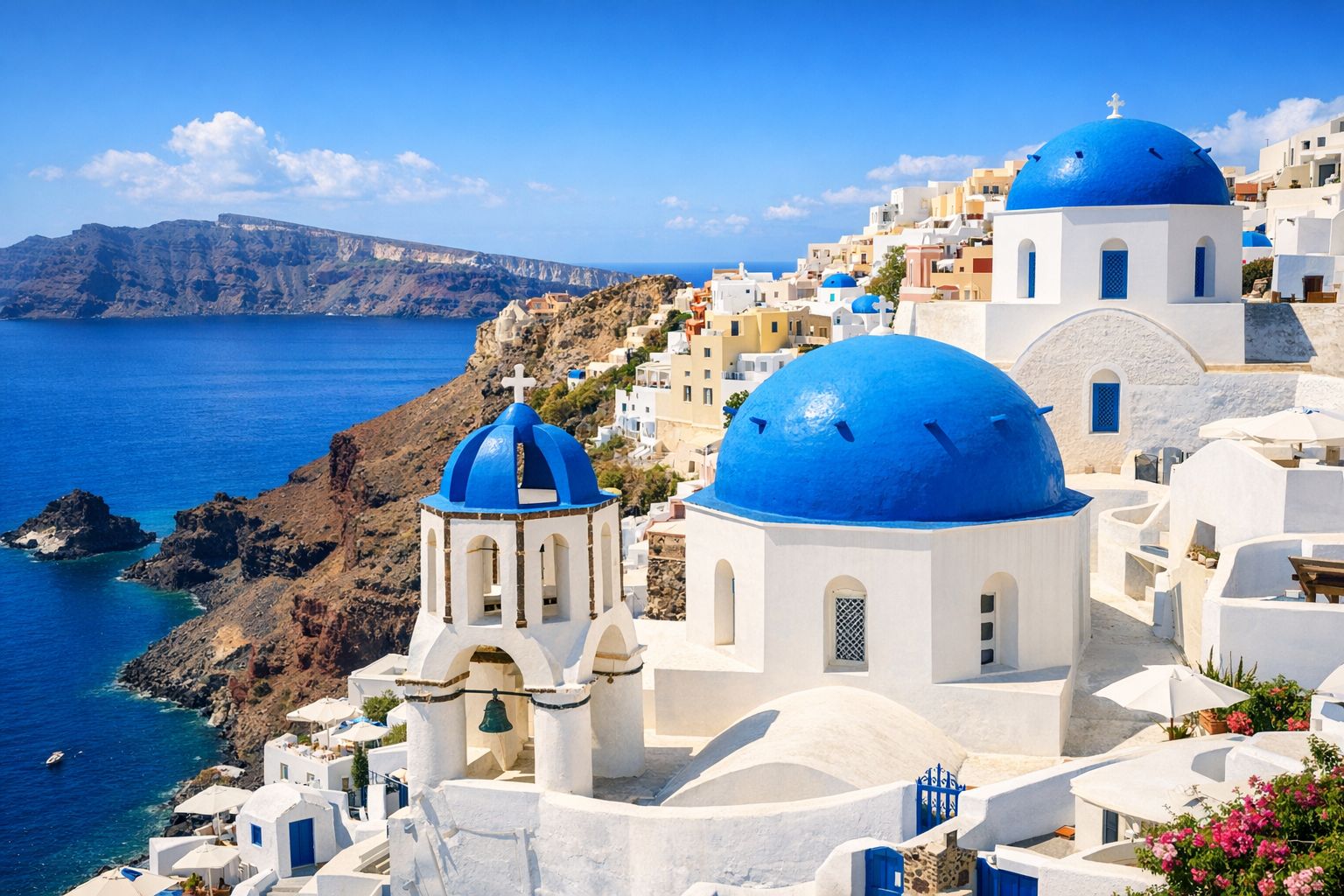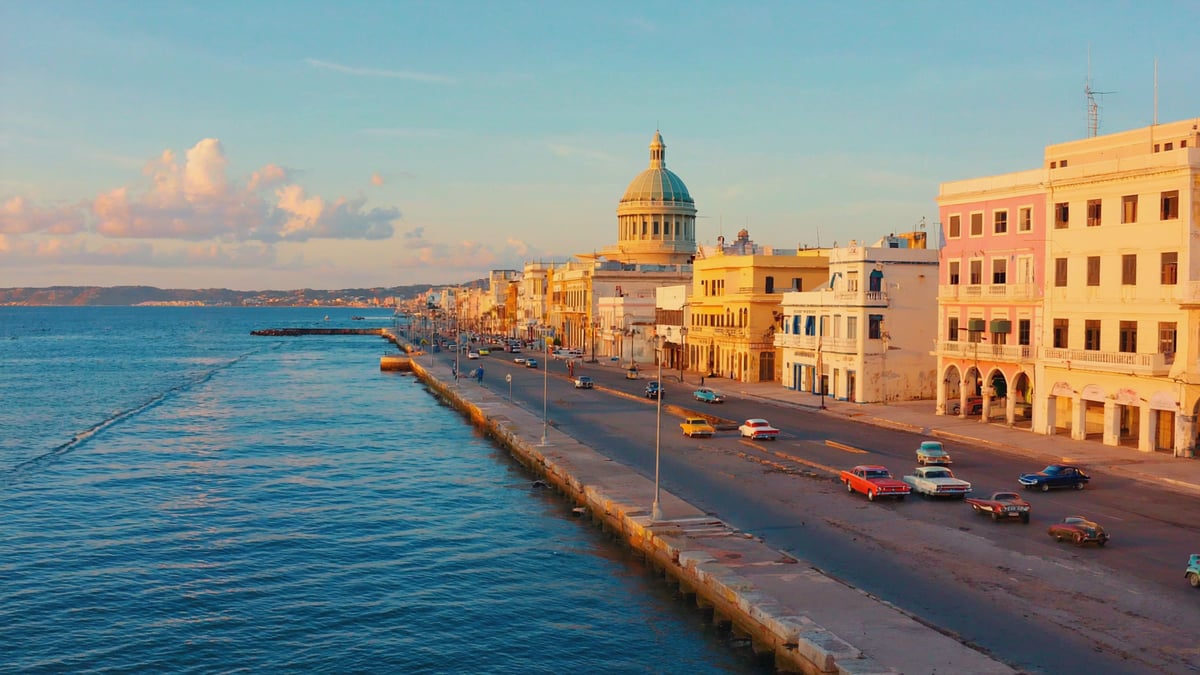
There is no country on earth quite like Cuba. Nowhere else do you find 1950s American cars gleaming in the Caribbean heat, colonial plazas alive with live salsa at midnight, and beaches so blindingly white they look like something a computer generated. Cuba is a destination that defies easy description, and for UK travellers willing to embrace its contradictions, it rewards curiosity with experiences that stay with you for years. This guide covers everything you need to plan a Cuba holiday from the UK, whether you are chasing rum cocktails in Havana's legendary bars, lying on the powder-soft sands of Varadero, or exploring tobacco fields in the Viñales Valley.
Cuba Destination Overview: What UK Travellers Need to Know First
Cuba is the largest island in the Caribbean, sitting at the northwestern end of the Caribbean Sea, roughly 150 kilometres south of Florida and 140 kilometres east of Mexico's Yucatán Peninsula. It is a country of extraordinary geographic variety, from the mountain ranges of the Sierra Maestra in the east to the flat tobacco-growing plains of Pinar del Río in the west. The capital, Havana, sits on the northwestern coast and is home to around 2.1 million people.
Essential Entry Information for UK Travellers
Language: Spanish is the official language. English is spoken in tourist areas, hotels, and resorts, but outside Havana and Varadero, a phrasebook or translation app will serve you well.
Currency: Cuba uses the Cuban Peso (CUP) as its official currency. The dual-currency system that previously confused visitors has been formally unified, but in practice, tourists are often quoted prices in USD or EUR. UK travellers should note that US dollars carry an additional exchange fee, so carrying euros or pounds sterling for exchange into CUP is advisable. Cash is essential in Cuba, as card acceptance remains extremely limited outside major hotels.
Time Zone: Cuba Standard Time is UTC-5 (5 hours behind the UK in winter, 6 hours behind during British Summer Time). Cuba observes its own daylight saving time, typically from the second Sunday in March to the last Sunday in October.
Visa Requirements: UK citizens do not require a visa for Cuba for stays of up to 30 days, but you do need a Cuban Tourist Card (tarjeta del turista), sometimes called a Pink Card. If you are flying directly to Cuba, the card is typically included with your package or available to purchase from the airline. If connecting via a third country, you may need to purchase it separately. Your passport must be valid for the duration of your stay. The UK Government's Cuba entry requirements page is the definitive resource for current rules.
Health Formalities: No mandatory vaccinations are required for entry from the UK, though the NHS and travel health clinics typically recommend being up to date on hepatitis A, typhoid, and routine jabs. Travel insurance with medical evacuation cover is strongly advised, and Cuba actually requires proof of travel insurance for entry, so do not skip this step.
Cuba operates as a socialist state under the Communist Party of Cuba, which shapes everything from the availability of goods to internet access. Wi-Fi is available at hotels and designated parks via purchased ETECSA cards, but connectivity is slow and unreliable by Western standards. Embrace the digital detox.
When to Visit Cuba: Month-by-Month Weather and Seasonal Advice
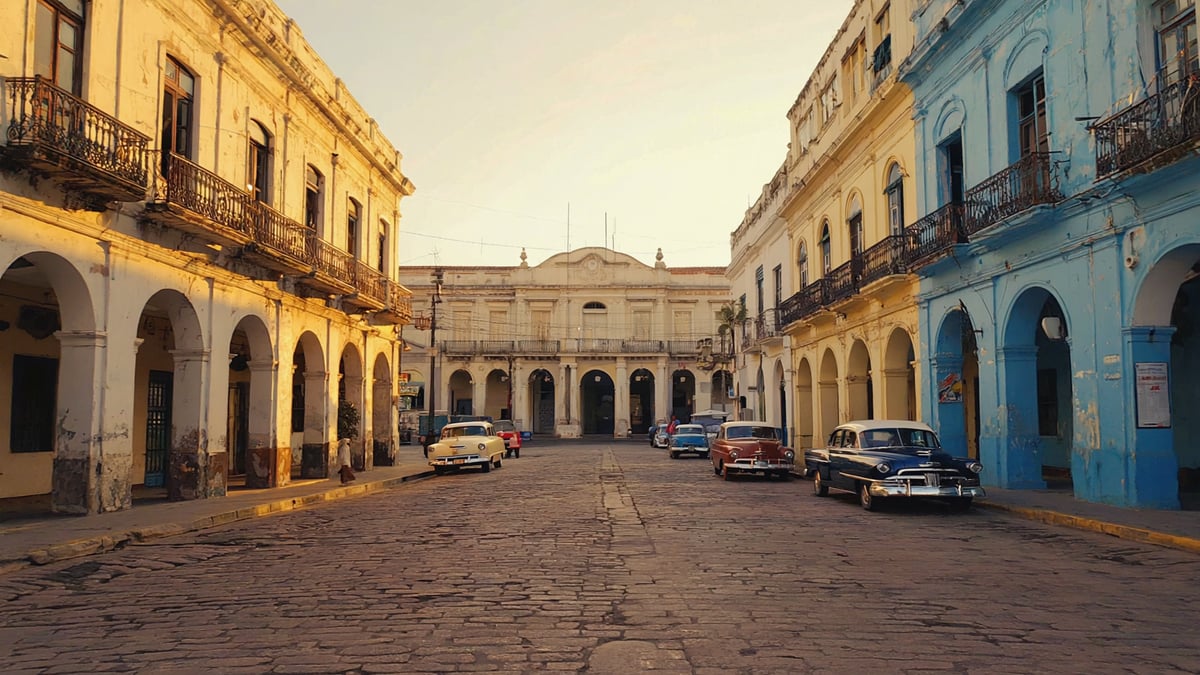
The optimal window for a Cuba holiday from the UK is November through April, when the island sits in its dry season, temperatures are pleasant rather than punishing, and hurricane risk is at its lowest. That said, each season has its own character worth understanding before you book.
Dry Season (November to April)
This is Cuba's peak tourist period for good reason. Temperatures hover between 20°C and 28°C, humidity is manageable, and rainfall is minimal. Havana in December and January has a golden quality to it, the light soft, the evenings cool enough for a jacket in the old city. February and March are arguably the sweet spot: prices begin to ease slightly from their Christmas peak, beaches are quiet, and the countryside is lush from the tail end of the wet season.
January sees the Festival Internacional de Jazz de La Habana, one of the Caribbean's most celebrated music events, drawing performers from across Latin America and beyond. February brings the Havana Cigar Festival (Festival del Habano), a must for cigar enthusiasts. Easter week (Semana Santa) sees domestic tourism spike, so book accommodation in colonial towns like Trinidad and Cienfuegos well in advance.
Wet Season (May to October)
The wet season does not mean constant rain. Showers tend to be short and dramatic, arriving in the afternoon and clearing quickly. Temperatures climb to 32°C and above, and humidity is significant. The genuine concern is the hurricane season, which runs from June to November, with peak risk in August and September. Cuba has been struck by major hurricanes in recent history, and while this should not automatically rule out a wet-season visit, travel insurance covering weather disruption is non-negotiable.
The upside of visiting May to October: prices drop considerably, beaches are emptier, and you experience Cuba in a rawer, more local state. The Carnival season in July and August, particularly in Santiago de Cuba, is one of the most vibrant cultural events in the Caribbean.
Pricing Trends by Season
| Period | Weather | Crowds | Relative Package Cost |
|---|---|---|---|
| December – January | ✅ Dry, 22–27°C | ⚠️ Peak season | Highest |
| February – April | ✅ Dry, 24–29°C | ✅ Moderate | Mid-high |
| May – June | ⚠️ Wet, 28–31°C | ✅ Low | Lower |
| July – October | ❌ Hot, humid, hurricane risk | ✅ Very low | Lowest |
| November | ✅ Improving, 24–28°C | ✅ Low-moderate | Mid-range |
Best overall recommendation: Fly in late February or March for the ideal combination of dry weather, comfortable temperatures, manageable crowds, and prices that have softened from their Christmas peak.
Where to Stay in Cuba: Areas and Accommodation Guide
Where you stay in Cuba shapes your entire experience. The island spans over 1,000 kilometres from tip to tip, and the contrast between Havana's chaotic colonial energy, Varadero's all-inclusive resort strip, and Trinidad's cobblestone colonial calm could not be more pronounced. Here is how to choose.
Havana: The City That Refuses to Stand Still
Habana Vieja (Old Havana) is the historic heart, a UNESCO World Heritage Site packed with baroque churches, grand plazas, and crumbling mansions. Staying here puts you in the middle of the action. Budget travellers do well in casas particulares (private homestays), which are the Cuban equivalent of B&Bs and typically cost £25–£50 per night. Mid-range visitors should look at boutique hotels restored from colonial buildings, with rates running £80–£150 per night. The luxury tier is anchored by properties like the Hotel Saratoga and Hotel Santa Isabel, charging upwards of £200 per night.
Vedado is Havana's residential and business district, slightly further from the tourist crush but with excellent restaurants, the famous Malecón seawall, and the Necrópolis de Cristóbal Colón. It suits travellers who want a more local feel. The iconic Hotel Nacional de Cuba sits in Vedado and represents genuine mid-to-luxury accommodation at around £120–£180 per night, though its historic significance makes it worth a visit even for a cocktail on the terrace.
Varadero: Cuba's Resort Peninsula
Varadero is the package holiday heartland of Cuba, a 20-kilometre peninsula jutting into the Atlantic from Matanzas province, about 140 kilometres east of Havana. The beach is genuinely exceptional, a long sweep of powdery white sand with calm turquoise water. The trade-off is that the resort zone can feel somewhat insulated from authentic Cuban life. Budget all-inclusives start around £60–£80 per person per night on a package. Mid-range options like Meliá hotels offer better facilities at £90–£130 per person. Luxury five-star resorts including the Paradisus Varadero reach £180–£250 per person per night all-inclusive.
Trinidad: Colonial Cuba Frozen in Time
If Havana is Cuba's heartbeat, Trinidad is its soul. This colonial city in central Cuba is one of the best-preserved in the Americas, its cobblestone streets and pastel-painted mansions largely unchanged since the 18th century. Casas particulares are the accommodation standard here and genuinely excellent, typically £30–£60 per night. Small boutique hotels have opened in restored colonial buildings. Trinidad is a two to three night stop rather than a base, typically combined with Havana or Varadero on a longer itinerary.
Viñales: Countryside and Tobacco Country
In the western province of Pinar del Río, the Viñales Valley offers a completely different Cuba: dramatic limestone mogotes (hills), tobacco fields, and a town so relaxed it borders on somnolent. Casas particulares dominate here, typically £20–£40 per night. Viñales works perfectly as a two-night excursion from Havana, either self-organised or as part of a guided tour.
Top Things to Do in Cuba: 10 Experiences Worth the Flight
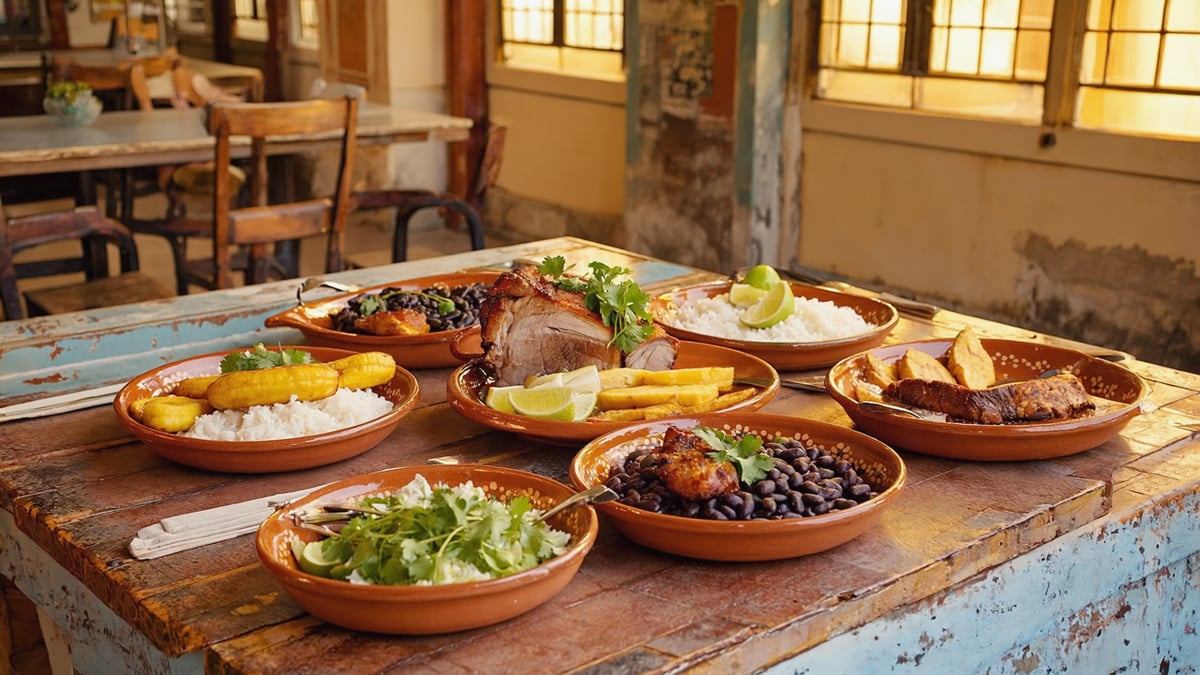
Cuba's appeal is broad enough to satisfy beach lovers, history enthusiasts, music devotees, and adventure travellers in equal measure. These are the experiences that genuinely distinguish a Cuba holiday from anywhere else on the Caribbean map.
1. Walk the Streets of Habana Vieja
The old city of Havana is a living museum. Plaza de la Catedral, Plaza de Armas, and Plaza Vieja each have their own character, surrounded by buildings that date to the 16th and 17th centuries. Entry to the streets is free; individual museums along the route typically charge CUP 100–300 (roughly £0.30–£0.90 at current exchange rates, though entry prices are often quoted in USD at $2–$5 per site). Allow a full morning to wander without agenda. The best time to visit is early morning before the tour groups arrive.
2. Sip a Daiquirí at El Floridita
Ernest Hemingway made this Havana bar famous, and the daiquirís are still exceptional. El Floridita on Calle Obispo is touristy by any measure, but it earns its reputation. A cocktail costs around $8–$10 USD (approximately £6–£8). A bronze statue of Hemingway leans at the bar, and the interior has barely changed in decades. Go in the early evening before it fills completely.
3. Ride in a Classic American Car
The sight of 1950s Chevrolets, Buicks, and Dodges in jewel-bright colours is one of Cuba's most iconic images. These are not museum pieces; they are working taxis and tour vehicles. A one-hour tour of Havana in a convertible classic car costs approximately $30–$40 USD (£24–£32) and can be arranged directly with drivers near the Parque Central. Negotiate the price before you get in.
4. Visit a Working Tobacco Farm in Viñales
The Viñales Valley produces some of the world's most prized tobacco leaf, and visiting a working farm gives genuine insight into how Cuban cigars are made from seed to smoke. Many farms offer free tours in exchange for a small purchase. The valley itself is a UNESCO World Heritage Cultural Landscape, and the scenery alone justifies the 2.5-hour drive from Havana. Guided day trips from Havana typically cost £40–£60 per person including transport.
5. Explore the Bay of Pigs (Playa Girón)
The beach at Playa Girón sits on the Bay of Pigs, famous for the 1961 US-backed invasion attempt. It is also one of the best shore-diving and snorkelling locations in Cuba, with a dramatic underwater wall dropping to 25 metres just metres from the shore. The Museo Playa Girón on site covers the historical events in fascinating detail. Museum entry is approximately $5 USD (£4). Snorkel gear rental costs around $5–$10 USD. This works as a day trip from Trinidad or Havana.
6. Dance to Live Salsa in Santiago de Cuba
Cuba's second city, in the far east of the island, is the birthplace of son cubano, the musical root from which salsa grew. The Casa de la Trova on Calle Heredia has been hosting live music for over a century. Entry is typically $3–$5 USD (£2.40–£4). Santiago's Casa del Caribe and the Festival del Caribe in July are the most authentic ways to experience Cuban music outside of Havana.
7. Snorkel or Dive at Cayo Coco
The Jardines del Rey archipelago, of which Cayo Coco is the largest island, offers some of the best reef diving in the Caribbean. Visibility regularly exceeds 30 metres, coral is healthy, and the range of marine life includes sea turtles, eagle rays, and reef sharks. Most all-inclusive resorts in Cayo Coco include non-motorised water sports; scuba diving excursions typically cost $45–$65 USD (£36–£52) per dive from resort dive centres.
8. Visit the Che Guevara Mausoleum in Santa Clara
The Complejo Escultórico Ernesto Che Guevara in Santa Clara contains both a large bronze statue of Guevara and the mausoleum where his remains are interred. It is one of the most significant political monuments in Latin America and an essential stop on any cross-Cuba road trip. Entry is free. Santa Clara sits roughly halfway between Havana and Trinidad, making it a natural stopping point.
9. Stroll Trinidad's Plaza Mayor at Sunset
Trinidad's main plaza, surrounded by colonial mansions now converted to museums, hits its golden hour in the late afternoon when the light turns the terracotta rooftops amber. The Casa de la Música steps on the hill above the plaza become an informal open-air salsa venue from around 21:00. Entry to live music nights is typically $3–$5 USD. The Museo Histórico Municipal on the plaza charges around $2 USD entry.
10. Watch the Cañonazo Ceremony at the Castillo de los Tres Reyes del Morro
Every evening at 21:00, soldiers in 18th-century colonial uniform fire a cannon across Havana harbour, a tradition that dates back centuries when the cannon shot signalled the closing of the city gates. The ceremony takes place at the Fortaleza de San Carlos de la Cabaña, just across the harbour from Old Havana. Entry costs around $8 USD (£6.40), and the fort itself offers panoramic views of Havana's skyline at dusk. Arrive by 20:30 to find a good vantage point.
Book Your Cuba Holiday Now
GlobeHunters offers Cuba package holidays including flights and hotels at competitive prices, with packages from £999 per person from the UK.
View Cuba Packages & Prices →Or call us: 0208 944 4514
Cuban Food and Dining: What to Eat, Where to Eat It
Cuban cuisine is not the island's most celebrated export, but that does not mean eating well here is difficult. The food is hearty, flavourful, and deeply rooted in Spanish, African, and Caribbean traditions. The challenge lies in knowing where to look, since the best eating in Cuba happens in private restaurants (paladares) and private homes rather than in state-run establishments.
Dishes You Must Try
Ropa vieja is Cuba's national dish: shredded beef slow-cooked with tomatoes, peppers, onions, and cumin, typically served with black beans, white rice, and fried plantain. It is found everywhere and, when done well, is genuinely wonderful. Moros y Cristianos (black beans and rice cooked together) is the carbohydrate foundation of almost every meal. Lechón asado, slow-roasted pork, is the centrepiece of celebrations and often available at rural roadside stalls. Tostones (twice-fried green plantain) are the Cuban answer to chips and are completely addictive. For breakfast, pan con mantequilla (bread with butter) with strong Cuban coffee is the standard, though eggs and fruit are available in most casas particulares.
Street food is limited compared to other Caribbean and Latin American destinations, largely due to the constraints of the state economic system, but you will find pizza sold from windows in cardboard squares across Havana (surprisingly good, at around 20–50 CUP), churros, and fresh guarapo (sugarcane juice) pressed at roadside stalls for a few pesos.
Where to Eat Well
In Havana, the paladar scene is the best dining in Cuba. La Guarida in Centro Habana, set inside a crumbling art deco mansion that served as the filming location for the Oscar-nominated film Fresa y Chocolate, is one of the most atmospheric restaurants in the Caribbean. Main courses run $15–$25 USD (£12–£20). For something less theatrical and equally delicious, the side streets of Habana Vieja are lined with paladares serving good ropa vieja and fresh seafood at $8–$15 USD per main course.
In Varadero, resort restaurants dominate, but venturing into Varadero town (the western end of the peninsula, away from the hotel strip) reveals family-run paladares at a fraction of resort prices. In Trinidad, the steps of the Casa de la Música have food vendors serving grilled corn and sandwiches from early evening.
Dietary Considerations
Vegetarians and vegans will find Cuba challenging but manageable. Rice, beans, plantain, and salad are available everywhere, but dedicated meat-free dishes are uncommon outside Havana's more progressive paladares. Gluten-free needs are difficult to communicate in most Cuban restaurants. Seafood is generally plentiful on the coasts, particularly lobster (langosta), which is surprisingly affordable in paladares at around $15–$25 USD for a whole lobster.
The Drinks Culture
Cuba's cocktail heritage is one of the world's great ones. The mojito (white rum, mint, sugar, lime, soda) and the daiquirí (white rum, lime, sugar) are the classics, both claimed to have been perfected in Havana. The Cuba libre (rum and cola with lime) is found everywhere. Havana Club is the rum of Cuba, widely available in three, seven, and fifteen-year aged varieties. A cocktail at a mid-range paladar costs around $3–$5 USD (£2.40–£4). Cuban coffee, served as a small, intensely strong shot called café cubano, is excellent and typically costs a few pesos from a street window.
Getting to Cuba from the UK: Flights, Routes, and Transfers
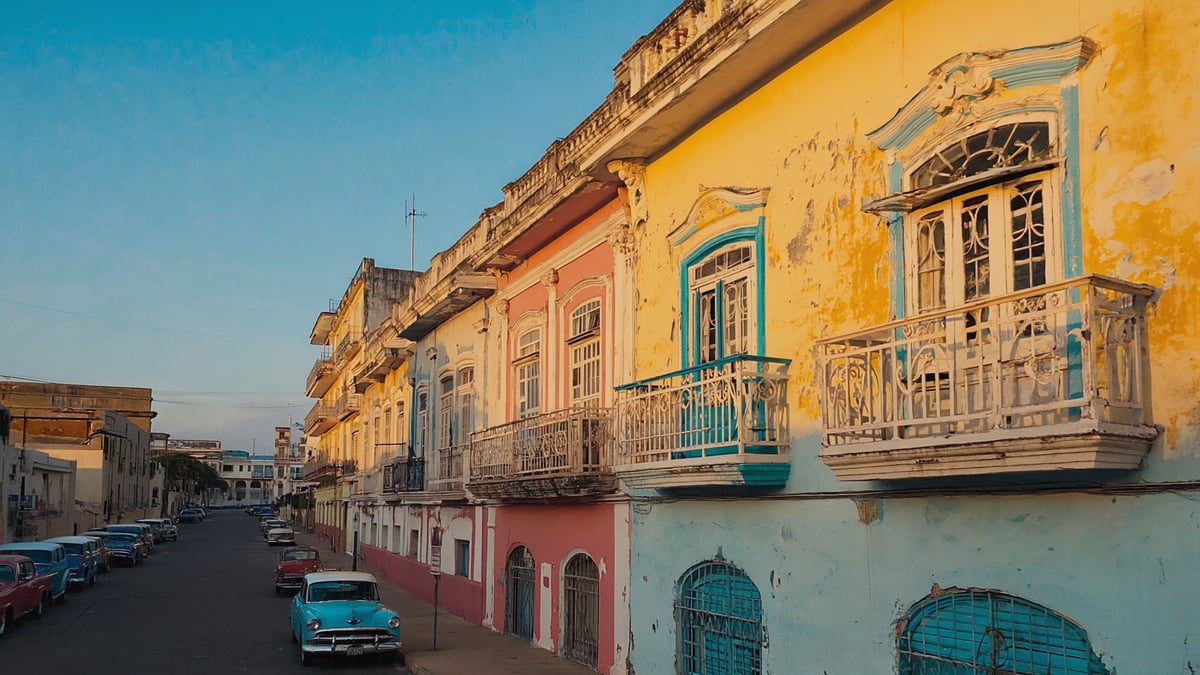
Cuba is served by direct flights from London, making it one of the more accessible long-haul Caribbean destinations from the UK. Understanding the flight options helps you find the best value for your Cuba package holiday.
Direct Flights from the UK
Virgin Atlantic operates direct flights from London Heathrow (LHR) to Havana's José Martí International Airport (HAV), with the flight duration approximately 9 hours 30 minutes to 10 hours. These are typically seasonal flights running October through April, aligning with peak season demand. TUI Airways operates direct charter flights from Gatwick (LGW) and Manchester (MAN) to both Havana and Varadero (VRA), primarily as part of package holidays, with durations similar to Virgin's routing.
Indirect Routes
Connecting options add journey time but can open up availability, particularly in shoulder season. Common connecting hubs for Cuba flights from the UK include:
- Madrid (MAD) via Iberia or Iberia Express, with onward flights to Havana or Holguín. Madrid is the most reliable year-round connection.
- Amsterdam (AMS) via KLM, connecting to Havana.
- Cancún (CUN) via various carriers, then onward to Cuba (note: US regulations prohibit US-based carriers from flying to Cuba, so Cancún connections are typically on Mexican or European airlines).
- Toronto (YYZ) via Air Transat or Sunwing, though this adds significant journey time from the UK.
Total journey times on indirect routes typically run 14–18 hours depending on layover duration.
Airports in Cuba
José Martí International Airport (HAV) in Havana is the main international gateway. Juan Gualberto Gómez Airport (VRA) in Varadero is the entry point for many package holiday travellers flying directly to the resort peninsula. Frank País Airport (HOG) in Holguín serves the Holgín province in eastern Cuba, a popular gateway for Cayo Coco and Guardalavaca resort areas.
Getting from the Airport to Your Accommodation
From Havana airport to Habana Vieja, the standard option is a licensed taxi (taxi amarillo or taxi particular), costing approximately $25–$35 USD (£20–£28) for the 25-kilometre journey. Pre-booked transfers through your hotel or tour operator offer a fixed price and greater security, typically £20–£30. Avoid unlicensed taxis at the airport arrivals hall, which target tourists with inflated prices.
From Varadero airport to the resort hotels, most package holidays include a coach transfer, with the journey taking 20–45 minutes depending on your hotel's position on the peninsula.
Cuba Holiday Budget Guide: What to Expect to Spend
Cuba is neither the bargain destination it once was nor an expensive one by Caribbean standards. The dual economy (tourist pricing versus local pricing) means foreigners pay considerably more for most goods and services, but costs remain well below those of comparable Caribbean destinations like Barbados or the Cayman Islands. Here is a realistic breakdown by travel style.
Budget Breakdown by Traveller Type
| Category | Budget (per person/day) | Mid-Range (per person/day) | Luxury (per person/day) |
|---|---|---|---|
| Accommodation | £25–£45 (casa particular) | £70–£120 (mid hotel) | £160–£280 (5-star or AI resort) |
| Food & Drink | £15–£25 | £30–£55 | Included in AI resort or £60–£100+ |
| Activities | £8–£15 | £20–£40 | £40–£80+ |
| Transport (in-country) | £5–£10 (Viazul bus) | £15–£30 (taxi/transfer) | £40–£80 (private driver) |
| Daily Total | £53–£95 | £135–£245 | £300–£460+ |
Package Holiday Costs from the UK
For most UK travellers, booking a Cuba package holiday is the most practical and cost-effective approach, given the complexities of Cuban logistics (cash economy, limited online booking, airport transfers). GlobeHunters' Cuba packages start from £999 per person, including return flights from the UK and hotel accommodation. A typical one-week package to Varadero in a four-star all-inclusive resort runs £1,100–£1,600 per person depending on season and departure airport. Two-week packages to Havana combining a city stay with beach time at Varadero or Cayo Coco typically run £1,400–£2,200 per person.
The Cuba Cash Reality
Budget an additional £150–£250 in cash per person per week for spending money beyond your package. Cuba is a predominantly cash economy. ATMs exist but are unreliable and frequently out of service. Withdraw cash from ATMs in Havana on arrival and carry enough for your trip. UK credit and debit cards on Visa and Mastercard networks generally work at bank ATMs in Havana, though fees apply. American Express cards are not accepted due to US sanctions.
Travel Tips and Safety Advice for Cuba

Cuba is one of the safer destinations in the Caribbean for independent travellers, with violent crime rates towards tourists considerably lower than many comparable destinations. That said, petty theft and scams targeting tourists are realities that preparation can largely neutralise.
Safety
The UK Foreign, Commonwealth and Development Office (FCDO) Cuba safety guidance rates the overall risk for Cuba as low, with standard precautions advised. Pickpocketing in busy tourist areas of Havana (particularly around the Malecón and in crowded markets) is the most common issue. Keep valuables in a money belt, avoid displaying expensive cameras or phones on busy streets, and use hotel safes for passports and excess cash.
The "jinetero" phenomenon: tourists in Havana will regularly encounter friendly strangers who offer to take them to a restaurant or bar, claiming to be their guide. These are typically commission-driven touts who will steer you to overpriced venues. Politely decline and proceed independently.
Health Precautions
Tap water in Cuba is not safe to drink; use bottled water for drinking and brushing teeth. Bottled water is widely available and inexpensive (around 10–20 CUP per 500ml bottle). Food hygiene standards vary considerably; stick to busy restaurants and freshly cooked food, and avoid salads washed in tap water at budget establishments. Cuba has a public healthcare system, but facilities outside Havana are basic. Travel insurance with medical evacuation cover is essential and, as noted above, is a legal entry requirement.
Mosquito repellent is strongly recommended, particularly in rural areas and during the wet season, due to the presence of dengue fever. DEET-based repellents are most effective. Pack sunscreen, as the Caribbean sun is considerably stronger than the UK norm even on overcast days.
Cultural Etiquette
Cubans are warm, sociable, and generally delighted when visitors show genuine interest in their culture. A few customs to observe:
- Greetings matter: a handshake for men, a single cheek kiss for women you have been introduced to. "Buenos días" (good morning), "buenas tardes" (good afternoon), and "buenas noches" (good evening) go a long way.
- Photography requires sensitivity. Many Cubans will happily pose for photos, particularly those in colourful costumes near tourist sites, but they will expect a tip (a few CUP or a small peso note is appropriate). Always ask permission before photographing individuals in private settings.
- Tipping is expected and genuinely important to service workers, who rely on gratuities to supplement state wages. A tip of $1–$2 USD per meal, $1 per drink at a bar, and $1–$2 per night for hotel housekeeping is standard practice.
- Political discussions should be approached with care. Cubans may express a range of views privately, but public criticism of the government is a legal matter in Cuba. As a visitor, keep political conversations respectful and avoid making assumptions about individual views.
Packing Essentials for Cuba
Beyond standard Caribbean holiday packing (light cotton clothing, swimwear, sun protection), Cuba has specific requirements:
- Cash in euros or pounds sterling, as USD incurs an additional exchange fee. Carry more than you think you will need.
- Offline maps: download offline maps for Cuban cities before you travel, as mobile data is expensive and unreliable. Maps.me and Google Maps offline work well.
- A VPN on your phone: internet access in Cuba is censored, and a VPN gives you access to your usual apps and services when connected to hotel Wi-Fi. Download and configure your VPN before you leave the UK, as VPN provider websites may be blocked in Cuba.
- Medications: Cuba's pharmacies are limited in stock. Bring any prescription medication in its original packaging with a letter from your GP, plus a supply of over-the-counter basics (antihistamines, anti-diarrhoeals, pain relief, antiseptic cream).
- A small torch: power cuts (apagones) are a fact of life in Cuba. They are announced in advance on local radio but can be unexpected. A phone torch or small LED torch is genuinely useful.
Getting Around Cuba
The Viazul bus network connects Cuba's main tourist destinations (Havana, Viñales, Trinidad, Santiago) reliably and cheaply. Tickets must be booked in advance at Viazul offices or online at viazul.com, and the buses fill quickly in peak season. Havana to Trinidad costs approximately $25 USD; Havana to Viñales approximately $12 USD. For more flexibility, shared taxis (colectivos) run between cities at set prices, slightly more than the bus but faster and more comfortable. Car rental is available but road conditions outside main cities are poor, signage is minimal, and breakdowns in a country with limited infrastructure are a genuine inconvenience.
Frequently Asked Questions About Cuba Holidays from the UK
Do UK citizens need a visa to visit Cuba?
No. UK citizens do not need a visa for tourist stays of up to 30 days. You do need a Cuban Tourist Card (Pink Card), which is typically included in package holidays or available to purchase from your airline before departure. Your passport must be valid for your entire stay.
Is Cuba safe for tourists from the UK?
Cuba is generally considered safe for tourists. The FCDO rates the overall risk as low. Petty theft and tourist-targeted scams exist, particularly in Havana, but violent crime against tourists is rare. Standard precautions apply: keep valuables secure, avoid displaying expensive items, and use hotel safes for passports and excess cash.
What currency should I take to Cuba?
Take euros or pounds sterling in cash and exchange them to Cuban Pesos (CUP) on arrival. Avoid taking US dollars as they incur an additional exchange surcharge. Cuba is predominantly a cash economy; carry more cash than you expect to need as ATMs are unreliable. UK Visa and Mastercard debit/credit cards generally work at bank ATMs in Havana, though fees apply and availability varies.
What is the best area to stay in Cuba for a beach holiday?
Varadero is Cuba's premier beach resort destination, with over 20 kilometres of white sand beach and a wide range of all-inclusive hotels from budget to luxury. Cayo Coco and Cayo Guillermo in the Jardines del Rey archipelago offer excellent reef diving and quieter beaches. Guardalavaca in eastern Cuba is a less-visited alternative with good snorkelling and a relaxed atmosphere.
Can I use my UK mobile phone in Cuba?
Most UK mobile phones will work in Cuba via roaming on the ETECSA network, but roaming costs are high and data speeds are slow. A more practical option is to purchase an ETECSA SIM card on arrival (available at the airport and telecom offices with your passport). Internet access across Cuba is limited and censored; purchasing ETECSA Wi-Fi scratch cards at hotels gives access to designated hotspots.
How long should I spend in Cuba?
A minimum of 10 days is recommended to experience both Havana and at least one other region (Varadero, Trinidad, or Viñales). Two weeks allows a comfortable circuit taking in Havana, Viñales, Trinidad, and a beach stay. One week works well for a focused Havana city break combined with a short Varadero beach stay, though you will need to prioritise carefully.
Is Cuba all-inclusive worth it?
For beach-focused holidays in Varadero or Cayo Coco, all-inclusive resorts represent excellent value and eliminate the need to navigate Cuba's cash economy daily. For a culturally rich experience in Havana or Trinidad, all-inclusive is the wrong choice: the best food, music, and encounters happen outside hotel walls, in paladares, casas de la música, and on the streets. Many Cuba holiday packages now combine a Havana city hotel with all-inclusive beach time, which is the best of both worlds.
What is the food like in Cuba? Is it good?
Cuban cuisine is hearty and flavourful, built on rice, beans, pork, seafood, and tropical fruit. The private restaurant (paladar) scene, particularly in Havana, has improved dramatically and offers genuinely excellent food. State-run restaurants tend to be less inspiring. Vegetarians and vegans will find options limited outside Havana's more progressive paladares. Lobster is a standout value: fresh langosta at a paladar costs a fraction of Caribbean resort prices.
When is the best time to visit Cuba from the UK?
February to April is the optimal period: dry weather, temperatures of 24–29°C, manageable tourist numbers, and prices slightly below Christmas peak. November and early December are also excellent. Avoid August and September if possible due to peak hurricane risk, though wet-season visits outside the core hurricane months offer lower prices and fewer tourists.
Can I book a Cuba holiday as a package from the UK?
Yes. Cuba package holidays from the UK are the most practical way to visit, given the complexities of the Cuban cash economy, limited online booking options, and the logistics of airport transfers. GlobeHunters offers Cuba packages from £999 per person including return flights and accommodation. Call 0208 944 4514 or visit the GlobeHunters Cuba holidays page to see current availability and pricing.
Do I need travel insurance for Cuba?
Yes, and this is not optional. Cuba legally requires proof of travel insurance for entry. Your policy must include medical cover; bring printed documentation or a digital copy accessible offline. Given Cuba's limited medical facilities outside Havana, a policy including medical evacuation is strongly recommended.
What should I pack for Cuba that I might not think of?
Beyond standard Caribbean essentials, pack: cash in euros or pounds (more than you think you need), a configured VPN on your phone (downloaded before travel), offline maps, a small torch for power cuts, any prescription medication in original packaging, DEET mosquito repellent, and a power bank. A small padlock for hostel or casa particular storage is useful for budget travellers.
Key Takeaways for Planning Your Cuba Holiday
- Best time to visit: February to April for dry weather, comfortable temperatures, and manageable crowds at mid-season prices.
- No visa required for UK citizens, but a Cuban Tourist Card (Pink Card) is mandatory and must be arranged before or on arrival.
- Cuba is a cash economy: bring euros or pounds sterling in cash, avoid US dollars due to the additional exchange fee, and expect ATM unreliability.
- Travel insurance is a legal entry requirement, not just recommended best practice. Ensure your policy includes medical evacuation cover.
- Varadero for beach holidays, Havana for culture: the two are often combined on package itineraries, and this dual-centre approach makes the most of Cuba's diversity.
- Eat at paladares: private restaurants deliver far better food and atmosphere than state-run establishments at comparable or lower prices.
- Download a VPN before you travel: configure it in the UK, as VPN sites may be inaccessible from Cuban internet connections.
- Package holidays offer real advantages in Cuba specifically: fixed-price transfers, hotel security, included Tourist Cards, and the ability to pre-book activities through a UK-regulated operator.
- GlobeHunters Cuba packages start from £999 per person including flights and accommodation, with options across budget, mid-range, and luxury tiers.
Ready to Book Your Cuba Holiday?
GlobeHunters offers holiday packages including flights and hotels at competitive prices. Cuba packages start from £999 per person, with expert support from a UK travel team that has been arranging Caribbean holidays since 2003.
View Cuba Packages & Prices →Or call us: 0208 944 4514
About the author
Spiros Maragkoudakis · Chief Commercial Officer
Ready to Book Your Cuba Holiday?
Our travel experts are ready to help you plan the perfect trip. Call us today or browse our latest deals.
Ready to Start Planning?
Speak to our travel experts for personalised advice and the best deals on your next holiday.
Call 0208 944 4514