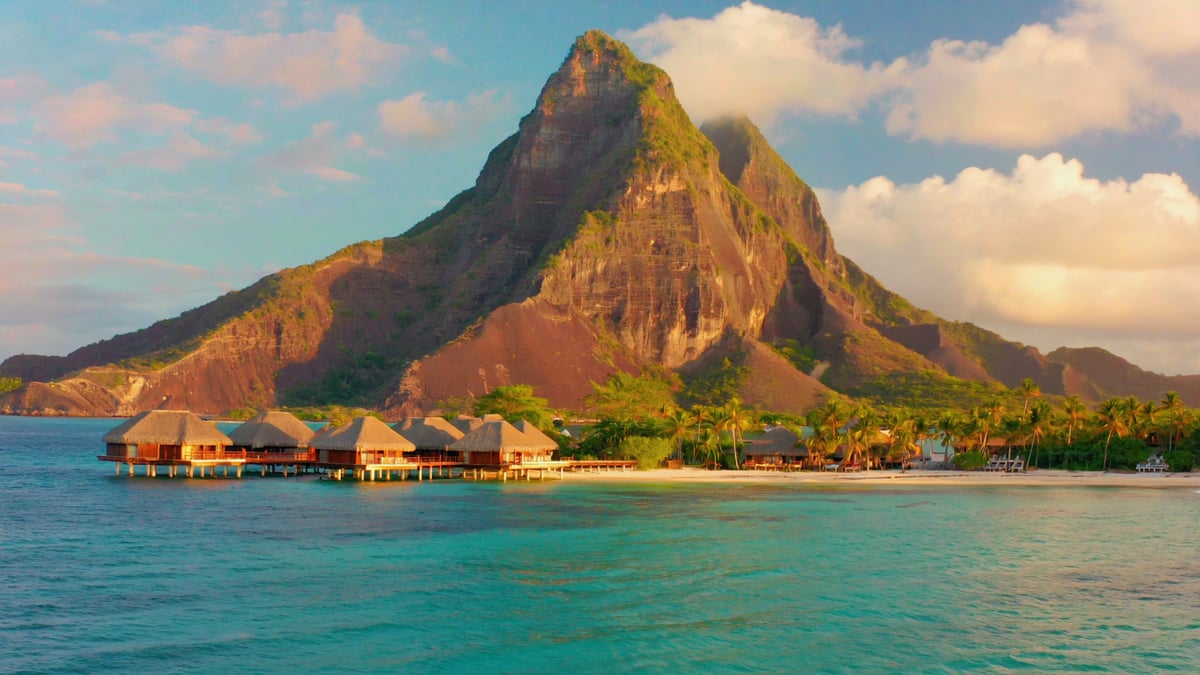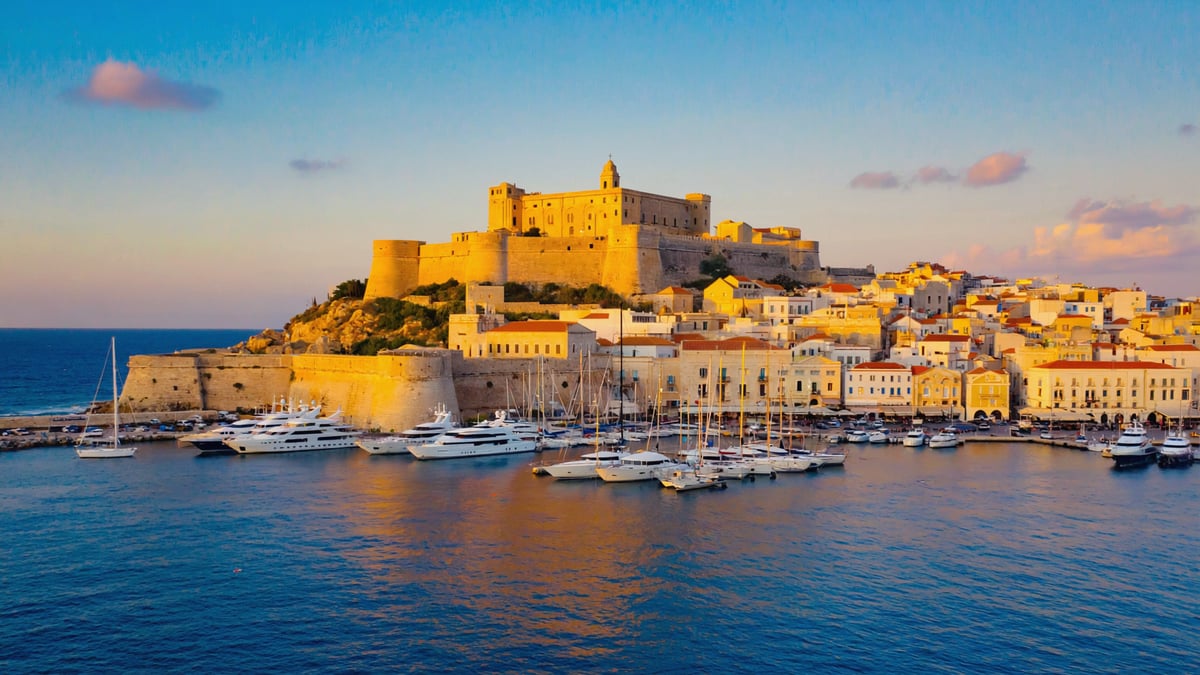
There is a version of Ibiza that belongs to the tabloids: sun-scorched party-goers, foam parties, and superclub queues stretching into the small hours. Then there is the Ibiza that seasoned travellers quietly cherish: pine-fringed coves where the water runs turquoise and cold, hilltop villages that have barely changed in five centuries, and a food scene quietly becoming one of the best in the Mediterranean. The island contains both truths simultaneously, which is precisely what makes it one of the most versatile holiday destinations in Europe. Whether you are a couple seeking a sun-drenched escape, a family hunting for a package that combines beaches with culture, or a solo traveller who genuinely wants to dance until sunrise, Ibiza delivers on every brief. This guide covers everything a UK traveller needs to plan the trip properly, from visa-free entry formalities to daily budget breakdowns, the best neighbourhoods to base yourself in, and the beaches the Instagram crowd has not quite found yet.
Destination Overview: What Ibiza Actually Is
Ibiza is the third-largest of Spain's Balearic Islands, sitting in the western Mediterranean roughly 150 kilometres from Valencia on the Spanish mainland. The island covers approximately 572 square kilometres and holds a population of around 140,000 permanent residents, a figure that swells dramatically each summer as visitors arrive from across Europe and beyond. The capital, Eivissa (known in English simply as Ibiza Town), sits on the south-eastern coast and is home to the UNESCO World Heritage-listed walled citadel of Dalt Vila, a fortified upper town whose origins stretch back to Phoenician settlement in the eighth century BC.
The island's geography divides broadly into four zones: the cosmopolitan south around Ibiza Town and Playa d'en Bossa; the resort-heavy west coast running through San Antonio; the quieter, rural north around Portinatx and Sant Joan; and the wilder east coast dotted with coves accessible mainly on foot or by boat. This variety is the island's greatest asset. Within a 40-minute drive, a visitor can move from a world-famous nightclub to a silent pine forest to a beach where the nearest neighbour is a fishing boat.
Language: Spanish (Castilian) and Catalan (specifically the local Ibizan dialect, Eivissenc) are the official languages. English is widely spoken in tourist areas, hotels, and restaurants.
Currency: Euro (€). As of current exchange rates, £1 buys approximately €1.15–€1.18, though rates fluctuate. ATMs are widely available; card payments are accepted almost universally, even at beach bars.
Time Zone: Central European Time (CET), UTC+1 in winter and UTC+2 during summer (CEST). Ibiza is typically one hour ahead of the UK during summer months.
Visa Requirements for UK Travellers: Since Brexit, UK passport holders visit Spain as third-country nationals. You do not currently require a visa for stays of up to 90 days within any 180-day period under Spain's short-stay rules. However, the EU's European Travel Information and Authorisation System (ETIAS) is expected to launch in the near future. Once live, UK travellers will need to obtain ETIAS authorisation before travel. At time of writing, the scheme has not yet launched, so standard passport entry applies. Always check the UK Foreign, Commonwealth and Development Office travel advice for Spain before booking.
Health Card: The UK Global Health Insurance Card (GHIC) is accepted in Spain and covers medically necessary state healthcare. Travel insurance remains strongly advisable on top of your GHIC.
Book Your Ibiza Holiday Now
GlobeHunters offers Ibiza holiday packages including flights and hotels at competitive prices, with packages starting from £449pp from UK airports.
View Ibiza Packages & Prices →Or call us: 0208 944 4514
Best Time to Visit Ibiza: A Month-by-Month Breakdown
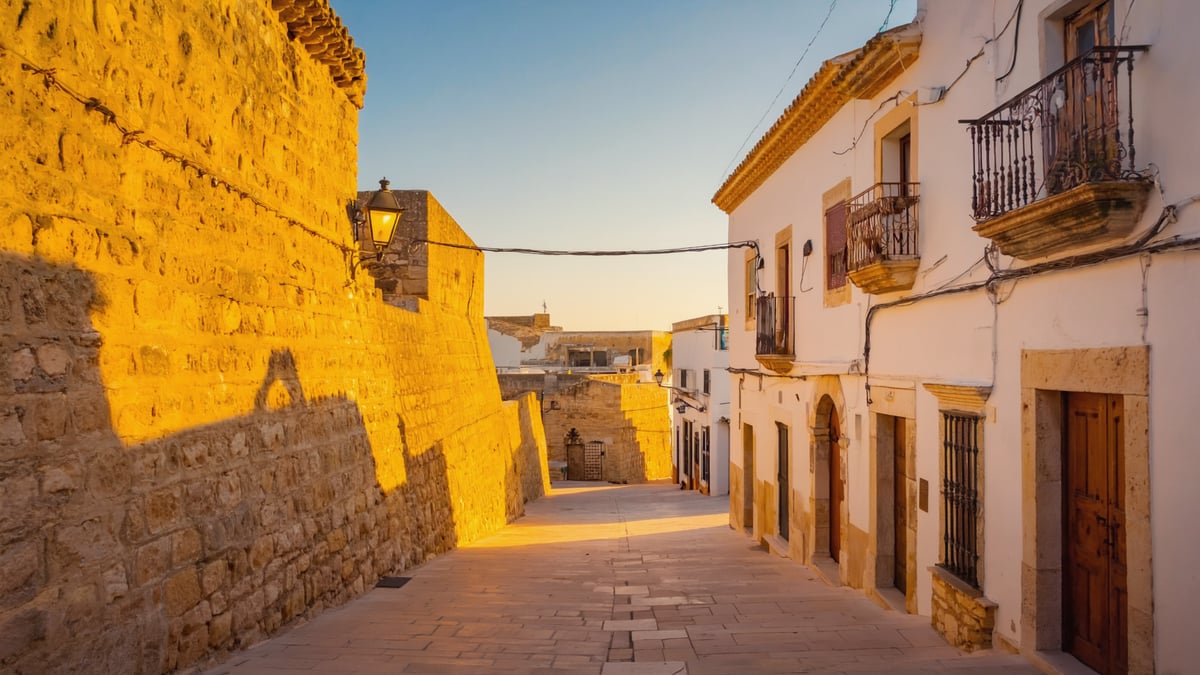
Ibiza has a classic western Mediterranean climate: hot, dry summers, mild winters, and a spring and autumn that reward travellers willing to travel outside the peak window. The right time to visit depends almost entirely on what you want from the trip.
April and May: The Sweet Spot for Discerning Travellers
Temperatures in April reach 18–22°C, the island is green from winter rain, and the crowds have not yet arrived. Beach clubs are beginning to open for the season, but the queues and pricing of high summer are absent. This is the ideal window for couples and families who want warm weather, lower prices, and the ability to actually get a table at a restaurant without a reservation made three weeks in advance. May edges into genuine beach weather, with sea temperatures climbing past 20°C by late in the month.
June: The Opening of Club Season
June marks the official opening of the superclub season. Pacha, Ushuaïa, Amnesia, and Hi Ibiza all launch their weekly residencies in mid-to-late June. Daytime temperatures sit around 27–29°C. This month strikes a balance between lively and manageable, and prices are still noticeably lower than July and August. For first-time visitors who want the club experience without peak-season premiums, June is the pick.
July and August: Peak Season
The island is at full capacity. Temperatures regularly touch 32–35°C. Beach clubs operate at full capacity from noon, club tickets for headline nights can reach £80–£120 per person, and accommodation prices spike sharply. If you are travelling in school holidays with children, this is unavoidable territory. Book flights and accommodation as far in advance as possible, ideally six to nine months ahead, to secure reasonable pricing.
September and Early October: The Insider Window
September is arguably the finest month on the island. The sea temperature peaks (around 25°C), daytime heat is slightly less punishing than August, and the crowds begin to thin noticeably after the first week. Club season runs until early October, so nightlife is still fully operational. Prices drop meaningfully compared to August. Many experienced Ibiza visitors deliberately choose the second half of September.
November to March: Off-Season
Most tourist infrastructure closes. Hotels, restaurants, and clubs either shut entirely or operate on reduced schedules. The island takes on a genuinely different character: quiet, rural, and authentically Spanish. Winter visits suit slow-travel enthusiasts interested in hiking the island's interior, exploring Dalt Vila without crowds, or simply experiencing a Mediterranean island stripped of tourism. Temperatures average 12–16°C. Flights are cheaper, but choices are limited.
| Month | Avg Temp (°C) | Sea Temp (°C) | Crowd Level | Best For |
|---|---|---|---|---|
| April | 18–22 | 17–18 | ⚠️ Low | Couples, hikers, culture |
| May | 22–26 | 19–21 | ✅ Low-Medium | Couples, beach, value |
| June | 27–29 | 22–23 | ✅ Medium | Club-goers, first-timers |
| July | 30–33 | 24–25 | ❌ Very High | Families (school holidays) |
| August | 31–35 | 25–26 | ❌ Peak | Families (school holidays) |
| September | 27–30 | 24–25 | ✅ Medium-Low | Best overall; all types |
| October | 22–25 | 22–23 | ⚠️ Low | Value seekers, couples |
Where to Stay in Ibiza: Neighbourhood Guide for Every Budget
Ibiza's accommodation landscape ranges from whitewashed family-run hostels to cliff-edge five-star resorts with infinity pools overlooking the sea. Where you base yourself matters enormously, because the island's geography means that staying in the wrong area for your priorities can add unnecessary expense and travel time.
Ibiza Town (Eivissa): Best for Culture and Nightlife Access
The capital is the most layered and interesting base on the island. The lower town around the marina is lined with restaurants, boutiques, and cocktail bars with genuine character. The upper town, Dalt Vila, offers cobblestone lanes, art galleries, and sweeping views across the harbour. Staying in or near Ibiza Town places you within reach of the island's finest dining, the Pacha superclub (a short taxi ride), and the ferry terminal for day trips to Formentera. It suits couples, solo travellers, and anyone who wants more than sun and sand.
- Budget (£60–£100/night): Hostel options and basic guesthouses around the marina area offer clean, well-located rooms without frills.
- Mid-range (£120–£220/night): Boutique hotels in and around Ibiza Town's old quarter offer genuine character. Look for properties in the Marina Botafoch area for harbour views at mid-range prices.
- Luxury (£300+/night): Several high-design hotels in the Talamanca Bay area, just north of the town, offer pool access, spa facilities, and sea views without the chaos of San Antonio.
Playa d'en Bossa: Best for Club Culture and Long Beaches
This is the strip most associated with the party-holiday version of Ibiza. It runs along a wide, flat beach south of the capital and is home to Ushuaïa (the open-air club that defined the "pool party" concept) and a long parade of beach bars, supermarkets, and late-night venues. For visitors whose primary goal is the club scene, staying here eliminates taxi costs and makes the entire experience more seamless. It is not the quietest or most beautiful part of the island, but it is functional and energetic. Mid-range apartments and all-inclusive hotels dominate the accommodation stock.
Santa Eulària des Riu: Best for Families and a Quieter Experience
On the eastern coast, Santa Eulària is the most family-friendly of the main resorts. The promenade is clean and safe, the beaches are calm and sheltered, and the town itself has a pleasant, unhurried Spanish character. There is a weekly artisan market, a good selection of restaurants with children's menus, and easy access to some of the island's best snorkelling beaches nearby (including Cala Llenya and Cala Martina). Accommodation tends to be slightly better value than the south, with several well-regarded family hotels offering pool complexes and kids' clubs.
San Antonio (Sant Antoni de Portmany): Best for Sunset Views and Budget Travellers
San Antonio has a complicated reputation. The resort's main strip has been associated with budget excess tourism for decades, and parts of it still are. However, the area around the San Antonio sunset strip (Café del Mar, Café Mambo) is genuinely beautiful and has been thoroughly upgraded in recent years. The sunsets here are among the best in the Mediterranean, full stop. Budget accommodation options are plentiful and often represent the best price-per-night ratio on the island. The Egg roundabout area has seen investment in upscale dining. For first-time visitors on a tighter budget who want beach, sunset bars, and a lively atmosphere, San Antonio remains a practical choice, provided expectations are set appropriately.
North Ibiza (Portinatx, Sant Joan, Cala Sant Vicent): Best for Slow Travel
The north is a different island entirely. Whitewashed villages, agricultural land, small coves, and a genuine sense of the island's pre-tourist identity. Accommodation options are fewer and more spread out, typically rural villas, agriturismos (farm stays), and small boutique hotels. This area suits couples wanting privacy, retirees exploring the island at their own pace, or families renting a villa for a week who want space and quiet. Having a hire car is essentially mandatory if you base yourself in the north.
Top Things to Do in Ibiza: Beyond the Obvious
The best Ibiza itinerary layers beach time with cultural exploration, a couple of genuinely memorable nightlife experiences, and at least one day trip that takes you off the tourist circuit entirely. Here are ten activities that span the full range of what the island offers.
1. Explore Dalt Vila, Ibiza Town
The UNESCO World Heritage-listed walled citadel is the cultural centrepiece of the island. Enter through the Renaissance gateway, Portal de ses Taules, and wind up through progressively quieter lanes to the Cathedral of Our Lady of the Snows at the summit. The views from the cathedral terrace across the harbour and out to Formentera are extraordinary at any time of day, but particularly at dusk. The Museu Arqueològic d'Eivissa i Formentera within the walls holds one of the finest collections of Phoenician and Punic artefacts in Spain. Entry to Dalt Vila itself is free; the museum charges approximately €2.40 (around £2) for adults.
2. Day Trip to Formentera
Formentera is Ibiza's smaller sister island, accessible by ferry from Ibiza Town in 30–35 minutes. The beaches here, particularly Ses Illetes and Llevant, consistently rank among the finest in Europe. The water clarity is exceptional. A return ferry ticket typically costs €25–€35 (approximately £22–£30) depending on the operator and season. Bicycles can be hired on arrival for €10–€15 (around £9–£13) per day, which is the ideal way to explore the flat island. Go on a weekday in June or September to avoid the crowds that descend in August.
3. Sunset at Café del Mar or Café Mambo, San Antonio
The west-facing sunset strip in San Antonio is genuinely one of the most beautiful evening rituals in Europe. Café del Mar pioneered the concept of curated sunset music in the early 1990s and the tradition continues. Arrive by 8:00 PM in summer to secure a good spot. Drinks run €12–€18 (approximately £10–£16) per cocktail, which is steep, but the experience justifies it once. Café Mambo next door offers a similar atmosphere. Both are free to enter; you pay only for what you order.
4. Cala d'Hort and Es Vedrà
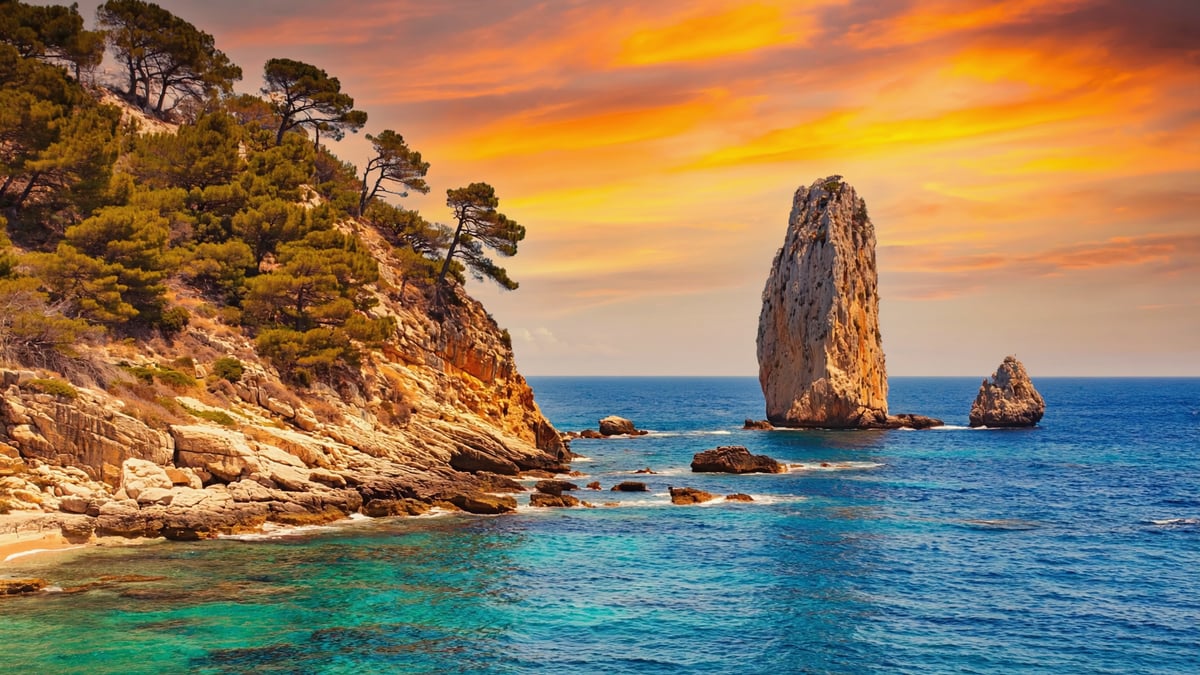
On the south-western coast, Cala d'Hort is a small pebble-and-sand beach facing the dramatic rock formation of Es Vedrà, a near-vertical island that rises 382 metres from the sea and has accumulated more mythology per square metre than almost anywhere in the Mediterranean (it has been associated with everything from Ulysses's sirens to UFO sightings). The beach has two good restaurants and the view across to Es Vedrà is best in late afternoon when the light hits the rock directly. No entry fee; parking is limited in high season so arrive early or take a taxi.
5. One Night at a Superclub
It would be dishonest to write an Ibiza guide that dismisses the clubs entirely. Whether or not electronic music is your world, experiencing one headline night at Pacha, Amnesia, or Hi Ibiza is a cultural event in its own right. These are among the largest and most technically sophisticated nightclubs on the planet. Tickets for headline nights (Carl Cox at Hi Ibiza, for example) range from £50–£120 per person depending on the night and how far in advance you book. Booking directly through the venue's official website is the safest option and often the cheapest. Pre-purchasing rather than paying on the door saves money consistently.
6. Snorkelling at Cala Saladeta
North of San Antonio, Cala Saladeta (the smaller of the two adjacent Salada coves) has crystal-clear water with a rocky sea bed that rewards snorkelling. The cove is small and fills up quickly in high summer. Access requires a short walk down a pine-shaded path. There is no entry fee. Snorkel hire is available at the neighbouring Cala Salada beach. This is one of the most photogenic spots on the island and noticeably less crowded than more famous coves.
7. Hippy Markets: Las Dalias and Punta Arabí
Ibiza's hippy market tradition dates to the 1960s and 1970s when the island became a gathering point for artists, writers, and counterculture figures from across Europe. Las Dalias in Sant Carles de Peralta runs on Saturdays year-round (and on additional nights during summer) and is the best of the current markets: genuinely artisanal, colourful, and atmospheric. Punta Arabí near Es Canar runs on Wednesdays from April to October and is larger and more tourist-facing. Both are free to enter.
8. Kayak Tour of the North Coast Coves
Several operators run guided kayak tours along the northern coastline, accessing sea caves and coves that are unreachable by road. A half-day guided tour typically costs €40–€60 (approximately £35–£52) per person and includes equipment. The north coast's geology, with its red sandstone cliffs and hidden inlets, is genuinely spectacular. These tours run from April through October and are suitable for beginners.
9. Ibiza Town Food Market (Mercat Vell)
The covered market in Ibiza Town's lower district operates most mornings and is the best place to assemble a picnic or simply observe daily island life away from the tourist promenade. Local cheeses (particularly the sheep's milk variety), fresh figs in season, and cured meats from the Balearic tradition are worth seeking out. The market is free to browse; budget €15–€20 (approximately £13–£17) for a generous selection of produce.
10. Boat Charter to Cala Conta
Cala Conta (officially Cala Comte) on the west coast is one of the island's most beautiful beaches, with multiple turquoise pools separated by flat rocks and a small islet just offshore. In peak summer, road access becomes crowded. Arriving by small charter boat from San Antonio, available for groups from around €40–€60 (approximately £35–£52) per person for a half-day trip with snorkelling stops, transforms the experience entirely. Several water-taxi and charter services operate from San Antonio harbour.
Food and Dining in Ibiza: Where and What to Eat
Ibiza's food scene has undergone a genuine transformation over the past decade. The island now hosts a cluster of restaurants that would hold their own in Madrid or Barcelona, alongside a deeply rooted local culinary tradition that most package tourists never encounter. Eating well here does not require a large budget, but it does require knowing where to look.
Local Dishes Worth Seeking Out
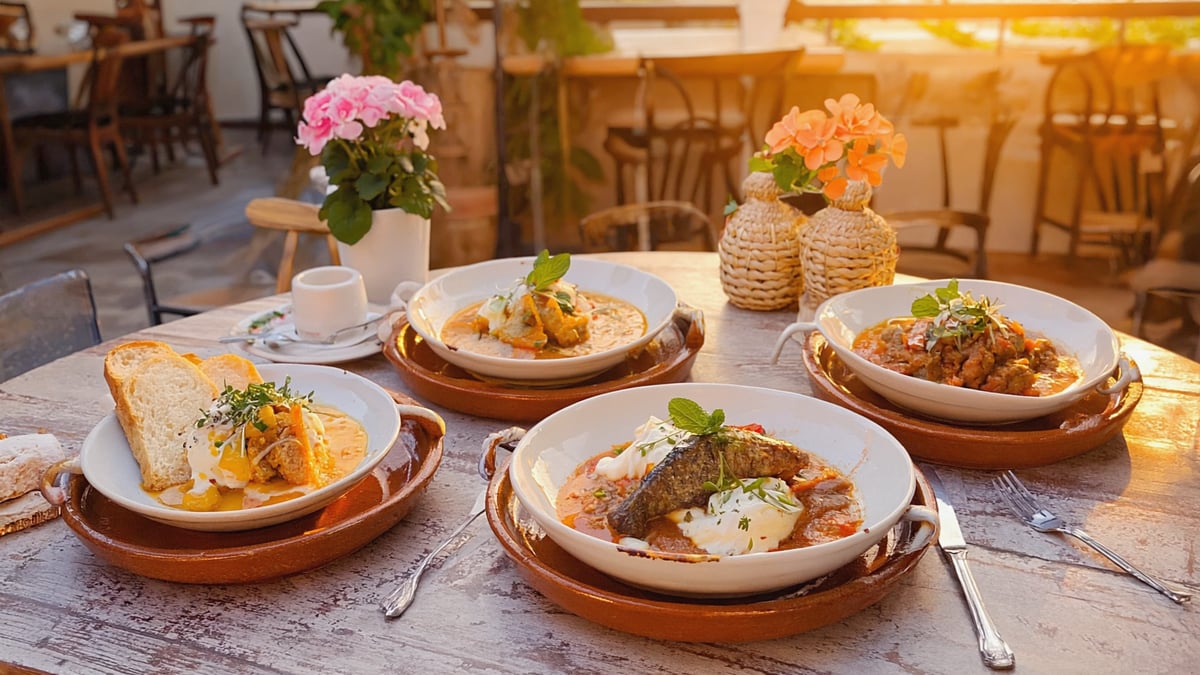
Sofrit Pagès is the defining Ibizan dish: a slow-cooked meat stew, traditionally made with chicken, lamb, and pork sausage, flavoured with saffron and spices. It is served at local restaurants away from the main tourist strips and is the most direct taste of the island's agricultural interior. Bullit de Peix is a two-course fish stew, first the broth served over rice, then the fish itself, eaten with a sauce of olive oil, garlic, and eggs. It is found at the island's best seafood restaurants and typically costs €20–€30 (approximately £17–£26) per person. Flaó is a cheesecake made with fresh goat's cheese, mint, and anise, and is the traditional Ibizan dessert. Find it at any decent local bakery or traditional restaurant.
Best Dining Areas
The streets around Ibiza Town's harbour (particularly Carrer de la Virgen in the Sa Penya neighbourhood) offer the island's best concentration of quality restaurants alongside the inevitable tourist traps. The rule of thumb is to walk one or two streets back from the water and look for menus written in Spanish as well as English. Santa Eulària's promenade has several genuinely good seafood restaurants where a full meal with wine comes to around €35–€50 (approximately £30–£43) per person. Sant Carles de Peralta in the north is home to Bar Anita, a legendary village bar that has been operating since the 1950s and serves simple food in an atmosphere entirely divorced from resort Ibiza.
Street Food and Budget Eating
The best-value eating on the island happens at the daily food markets and local bakeries. Empanadas (pastry parcels filled with tuna, vegetables, or meat) are sold from bakeries across the island for €2–€3 (approximately £1.75–£2.60) each and make a superb lunch. Bocadillos (Spanish bread sandwiches) from any local bar cost €4–€7 (approximately £3.50–£6). The menú del día (fixed lunch menu) offered at most non-tourist restaurants between 1:00 PM and 3:30 PM typically provides two courses, bread, and a drink for €12–€16 (approximately £10–£14) and is consistently the best value on the island.
Dietary Considerations
Vegetarian and vegan options have expanded significantly in recent years, particularly in Ibiza Town and the beach club circuit, where plant-based menus are now standard. Gluten-free options are available at most mid-range and upmarket restaurants; always ask staff directly as cross-contamination practices vary. Halal food is available at a small number of specialist restaurants in Ibiza Town; options are limited outside the capital.
Getting to Ibiza from the UK: Flights, Routes, and Transfers
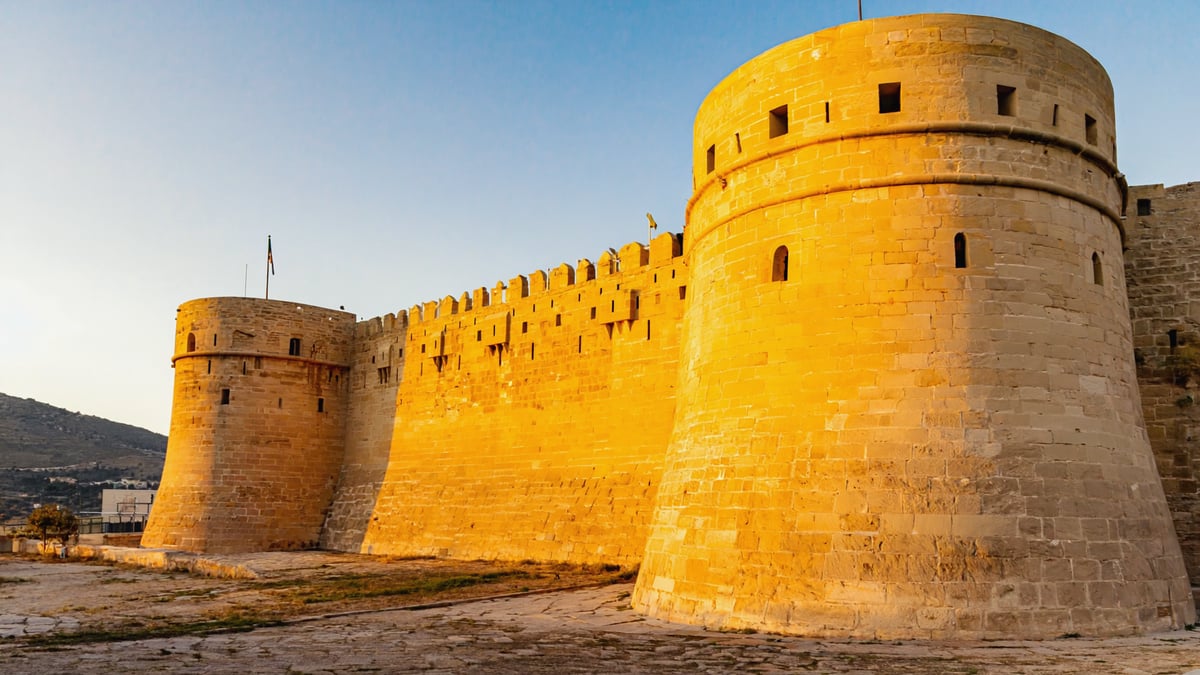
Ibiza is one of the most directly connected island destinations in Europe for UK travellers. Direct flights operate from multiple British airports throughout the summer season, making it accessible from virtually any part of the country.
Flight Routes and Airlines
Ibiza Airport (IBZ) receives direct flights from London Gatwick, London Luton, London Stansted, Manchester, Birmingham, Bristol, Edinburgh, Glasgow, and Belfast during the summer season (typically late March/April through late October). easyJet operates the most frequent service from multiple UK airports. Jet2 serves Ibiza from Manchester, Leeds Bradford, Birmingham, Newcastle, and several Scottish airports. Ryanair flies from Stansted, Bristol, and Edinburgh. TUI operates charter flights as part of its package holiday programme from a wide range of UK regional airports.
Flight duration from London is approximately 2 hours 25 minutes to 2 hours 40 minutes. From Manchester, expect around 2 hours 40 minutes to 2 hours 55 minutes. From Edinburgh or Glasgow, allow approximately 3 hours.
Typical Flight Costs from the UK
Return flights from London airports in low season (May, June, early October) typically range from £80–£160 per person on budget carriers. July and August peak-season returns from London range from £180–£350 per person depending on how far in advance you book. Booking as part of a GlobeHunters package holiday frequently undercuts the cost of booking flights and hotels separately, particularly for peak-season travel when hotel prices spike sharply.
Airport Transfers
Ibiza Airport sits approximately 7 kilometres south of Ibiza Town. Transfer options include:
- Public bus (Line 10): Runs from the airport to Ibiza Town and onwards to other resorts. Costs approximately €3–€4 (around £2.60–£3.50) per person. Journey time to Ibiza Town is around 20–25 minutes.
- Taxi: A metered taxi from the airport to Ibiza Town costs approximately €15–€20 (around £13–£17). To San Antonio, expect €25–€35 (around £22–£30). Taxis are plentiful at the airport and reliable.
- Pre-booked private transfer: Available from numerous operators and recommended for families with luggage or late-night arrivals. Costs are broadly comparable to taxis for small groups but offer the comfort of a confirmed vehicle.
Car Hire
Hiring a car is strongly recommended if you plan to explore beyond your base resort, particularly if you want to reach the north coast beaches and rural villages. Car hire in Ibiza is competitively priced compared to other Balearic Islands: a compact car in low season costs around £30–£50 per day from well-known operators. Book in advance through reputable companies. Roads in the rural north are narrow and occasionally steep but entirely manageable. Parking in Ibiza Town itself is challenging in high season; the town is better explored on foot.
Ibiza Holiday Budget Guide: What to Realistically Expect to Spend
Ibiza's reputation as an expensive destination is partly deserved and partly myth. The island can be done on a genuine budget if you approach it strategically, or it can comfortably absorb unlimited spending at the luxury end. Here is a realistic breakdown by traveller type, covering accommodation, food, activities, and nightlife.
| Category | Budget Traveller (£/day) | Mid-Range (£/day) | Luxury (£/day) |
|---|---|---|---|
| Accommodation | £40–£70 | £100–£180 | £280–£600+ |
| Food and Drink | £25–£35 | £50–£80 | £120–£250+ |
| Activities/Entrance | £5–£15 | £20–£45 | £60–£150+ |
| Transport (local) | £5–£10 | £15–£30 | £40–£80 |
| Nightlife (per night out) | £30–£50 | £70–£120 | £150–£400+ |
| Daily Total (excl. flights) | £75–£130 | £185–£350 | £500–£1,200+ |
Budget Traveller Tips
The menú del día is your best friend. Staying in San Antonio or Santa Eulària rather than Ibiza Town generally offers better value for accommodation. Public buses connect all major resorts and beaches at minimal cost. Free beaches outnumber paid beach clubs by a significant margin. If clubbing is on the agenda, purchasing tickets online in advance and going earlier in the evening (most clubs offer lower-priced early entry) can save £30–£50 per night out.
GlobeHunters Package Value
A GlobeHunters Ibiza package holiday, combining return flights from a UK airport and hotel accommodation, starts from approximately £449 per person for a week in low season. Peak-season (July–August) packages with a mid-range hotel in a good location typically start around £699–£899 per person for seven nights. Booking as a package consolidates cost, removes the risk of flight-hotel price mismatches, and includes the support of a UK-based travel team if anything changes.
Travel Tips and Safety: What UK Travellers Need to Know
Ibiza is a safe destination by any reasonable measure. Spain ranks consistently well on global safety indices and the island's tourist infrastructure is well-developed. However, a few specific considerations apply to the Ibiza context that are worth knowing before you travel.
Safety in Resort Areas
Petty theft (pickpocketing and bag-snatching) occurs in crowded areas, particularly around Ibiza Town marina, Playa d'en Bossa beach bars, and San Antonio's main strip late at night. Standard precautions apply: keep valuables in hotel safes, use a small cross-body bag rather than a rucksack on nights out, and be aware of your surroundings in crowded outdoor areas. The island's emergency number is 112. The Spanish national police (Policía Nacional) have a station in Ibiza Town.
Drink and Drug Safety
This is a specific and important issue in the Ibiza context. The island's party circuit has historically been associated with drug use, and the risks are significant. Spiked drinks occur in high-season nightlife venues. Never leave a drink unattended, and if you feel unexpectedly unwell after a single drink, seek help immediately. The Spanish health system treats tourists without question; emergency treatment is covered by your GHIC card. The UK's Drinkaware organisation provides practical guidance on staying safe while drinking on holiday.
Sun Safety
Ibiza's summer sun is stronger than most UK visitors anticipate. Sunburn serious enough to affect the rest of a holiday is common among first-time visitors. SPF 30 or higher is the minimum recommendation; SPF 50 is advisable for the first few days. Seek shade between 12:00 PM and 3:00 PM. Children require consistent, reapplied high-factor protection and should not be in direct midday sun. Heat exhaustion is a genuine risk in July and August; drink water consistently throughout the day, not only when thirsty.
Health and Medical Facilities
Ibiza has a public hospital (Can Misses Hospital) in Ibiza Town, which provides full emergency services. Several private clinics operate across the main resorts and are generally well-equipped for holiday-related injuries and illness. Your GHIC card covers medically necessary state healthcare; travel insurance covers costs outside that scope, including repatriation if needed. Always carry your GHIC card and travel insurance documentation with you.
Cultural Etiquette
Outside the main tourist strips, Spanish social norms apply. Loud behaviour in residential areas is taken seriously and can result in police attention. Topless sunbathing is legal at beaches but inappropriate at town squares or markets. Wearing only swimwear in shops, restaurants, or churches is considered disrespectful and in some cases is now subject to local fines under Balearic Islands regulations designed to manage over-tourism. Cover up when moving away from the beach.
Packing for Ibiza
- High-factor sun cream (SPF 30–50) and after-sun lotion. Both are available on the island but significantly more expensive than UK prices.
- Lightweight walking shoes or sandals with grip for Dalt Vila's cobblestones and rocky beach access paths.
- A light layer (cardigan, thin jacket) for evenings in April, May, or October, when temperatures drop after dark.
- Earplugs if you are a light sleeper staying in San Antonio or Playa d'en Bossa.
- A reusable water bottle. Tap water in Ibiza is technically safe but has a strong mineral taste; most residents and visitors drink bottled water. Carrying your own bottle reduces plastic use and cost.
- Copies (digital and physical) of your travel insurance policy, GHIC card, and passport photo page.
Driving on the Island
Driving is on the right in Spain. UK driving licences are valid. Speed limits are 120km/h on motorways, 90km/h on secondary roads, and 50km/h in built-up areas. Drink-driving limits are strictly enforced; the legal limit in Spain (0.5g/L blood alcohol) is lower than the current UK (England and Wales) limit. Zero tolerance is the safest approach. Random breath-testing checkpoints are common in and around resort areas, particularly late at night and at weekends.
Frequently Asked Questions About Ibiza Holidays
Do UK travellers need a visa to visit Ibiza?
No visa is currently required for UK passport holders visiting Spain (and therefore Ibiza) for stays of up to 90 days within any 180-day period. The EU's ETIAS travel authorisation scheme, which will apply to UK citizens, has not yet launched at time of writing. Check the FCDO Spain travel page for the most current entry requirements before you travel.
Is Ibiza suitable for families with young children?
Absolutely. The misconception that Ibiza is only for clubbers is one of the island's most persistent myths. Santa Eulària des Riu, Cala Llonga, Portinatx, and the Cala Nova area are all family-friendly resorts with calm, shallow beaches, kids' clubs in many hotels, and a relaxed atmosphere. The island's cultural sites, markets, and boat trips to Formentera are all highly suitable for children. Families should simply choose their resort carefully, avoiding Playa d'en Bossa and central San Antonio.
What is the best month to visit Ibiza for good weather without peak-season crowds?
September is the most consistently recommended month. Sea temperatures peak, daytime heat is slightly more manageable than August, prices drop from their peak, and the island retains genuine life and activity including the tail end of club season. The second half of May is an excellent alternative for those wanting lower prices and quieter beaches with reliable warm weather.
How much spending money do I need per day in Ibiza?
A realistic budget for a mid-range experience (three meals, local transport, one or two activities, and occasional drinks) is £80–£120 per person per day, excluding accommodation. Budget travellers using the menú del día, public buses, and free beaches can manage on £50–£70 per person per day. Nights out at superclubs require an additional £70–£120 per person per evening.
Are there good beaches in Ibiza that are not too crowded?
Yes, particularly in the north and east of the island. Cala de Boix (the island's only black sand beach), Cala Mastella, Cala Llenya, and the coves accessible only on foot or by boat along the north coast are all significantly quieter than the southern beaches. Arriving early (before 10:00 AM) at any beach dramatically improves the experience in high season.
Is it safe to drink tap water in Ibiza?
Tap water meets EU safety standards and is technically safe to drink, but it has a noticeably strong mineral and sometimes slightly saline taste due to the island's geology and desalination infrastructure. Most residents and visitors drink bottled water. Carrying a reusable bottle and refilling from large-format bottles purchased at supermarkets is more economical and environmentally preferable to buying individual plastic bottles repeatedly.
What currency should I bring to Ibiza?
Euros. Card payments (Visa and Mastercard) are accepted almost universally, including at smaller beach bars and market stalls. Apple Pay and contactless are widely supported. Carrying €50–€100 in cash is useful for small purchases, tips, and the occasional market stall that does not take cards. ATMs are plentiful in all resort areas and at the airport; they dispense euros directly.
How do I get between Ibiza Airport and the main resorts?
Public buses (Line 10 to Ibiza Town, Line L9 to San Antonio) depart from outside the arrivals terminal and are the cheapest option at around €3–€4 per person. Taxis queue outside arrivals; fares to Ibiza Town are approximately €15–€20 and to San Antonio €25–€35. Pre-booked private transfers are recommended for families or groups with significant luggage.
Which superclubs are currently operating in Ibiza?
The main clubs operating in the current season include Pacha (Ibiza Town), Amnesia (between Ibiza Town and San Antonio), Hi Ibiza (Playa d'en Bossa), and Ushuaïa (Playa d'en Bossa, open-air). Hï Ibiza and Ushuaïa are operated by the Ushuaïa Entertainment group. DC-10, a smaller, more underground club near the airport, retains a devoted following. Club programmes and resident DJs change seasonally; check each venue's official website for current lineups and ticket pricing.
Is travel insurance mandatory for Ibiza?
It is not legally mandatory, but it is strongly advisable and essentially essential for any responsible holiday booking. Your GHIC card covers medically necessary state healthcare in Spain, but does not cover private treatment, repatriation, trip cancellation, lost luggage, or any of the other scenarios where insurance provides real financial protection. Most travel insurance policies for Spain are straightforward and inexpensive relative to the protection they provide.
Can I visit Formentera as a day trip from Ibiza?
Yes, and it is one of the best day trips available from any Mediterranean island. Regular ferry services depart from Ibiza Town's port throughout the day, with journey times of 30–35 minutes on fast ferries. Return tickets cost approximately £22–£30. Formentera is flat and easily explored by bicycle (hire available on arrival). The beaches at Ses Illetes and Llevant are world-class and the island has excellent seafood restaurants. Going on a weekday in June or September avoids the August crush.
What is the GlobeHunters Ibiza package holiday price?
GlobeHunters offers Ibiza package holidays combining return flights from UK airports and hotel accommodation from approximately £449 per person for a seven-night low-season break. Peak-season packages (July–August) with a mid-range hotel start from around £699–£899 per person. Call 0208 944 4514 or visit the GlobeHunters Ibiza holidays page to check current availability and pricing.
Key Takeaways for Your Ibiza Holiday
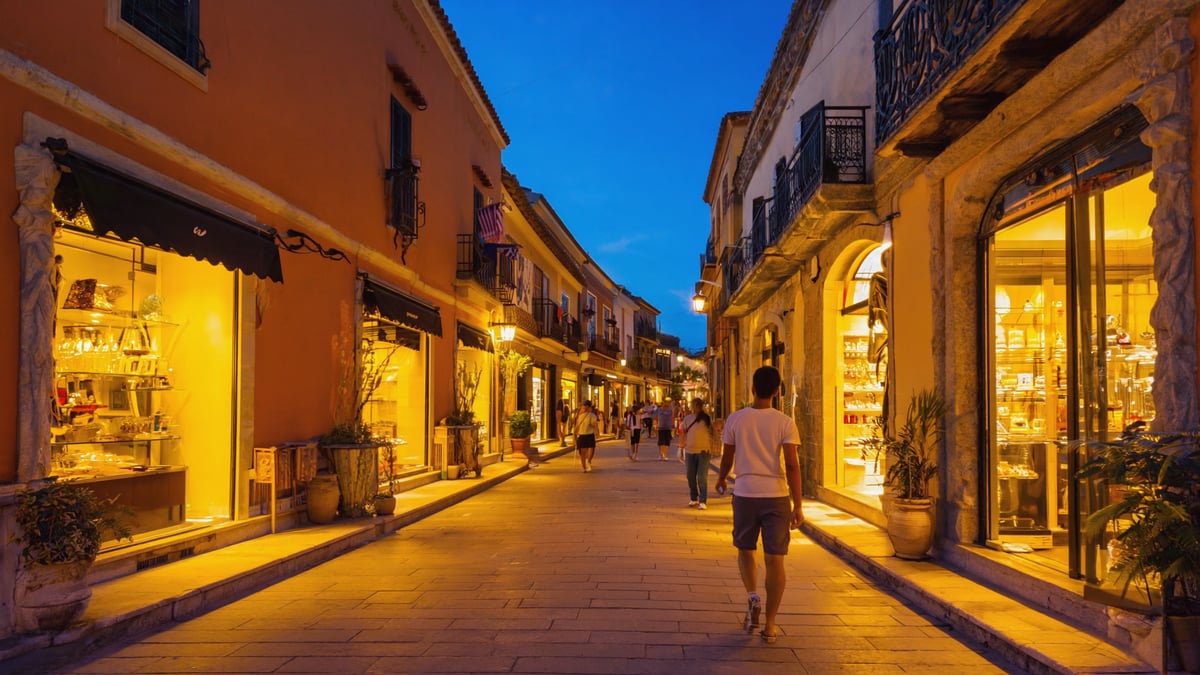
- Ibiza is genuinely versatile. Families, couples, solo travellers, and party-goers all have access to a distinct version of the island. The key is choosing the right base resort for your priorities.
- September is the optimal travel window for most UK visitors: peak sea temperatures, manageable crowds, lower prices than August, and a fully operational island.
- Dalt Vila and Formentera are non-negotiable. Whatever else you do, allocate time for the UNESCO-listed old town in Ibiza Town and at least one day on Formentera.
- Budget control is possible. The menú del día, public buses, free beaches, and advance club ticket booking collectively remove the assumption that Ibiza must be expensive.
- Check ETIAS requirements before travel. The EU travel authorisation system is expected to launch for UK travellers. Confirm current entry requirements on the FCDO website before booking.
- Package holidays offer genuine value in peak season, particularly when hotel prices spike sharply in July and August. GlobeHunters packages from £449pp include flights and accommodation from UK airports.
- The north of the island is a different destination entirely. If you have visited the south before and want a new experience, the rural north repays exploration with quieter beaches, authentic villages, and a pace of life unrecognisable from Playa d'en Bossa.
Ready to Book Your Ibiza Holiday?
GlobeHunters offers Ibiza package holidays including flights and hotels at competitive prices, starting from £449pp. Compare options, check availability, and lock in your preferred dates online or with our team.
View Ibiza Packages & Prices →Or call us: 0208 944 4514
About the author
Spiros Maragkoudakis · Chief Commercial Officer
Ready to Book Your Ibiza Holiday?
Our travel experts are ready to help you plan the perfect trip. Call us today or browse our latest deals.
Ready to Start Planning?
Speak to our travel experts for personalised advice and the best deals on your next holiday.
Call 0208 944 4514