There is a moment, somewhere between your third pastel de nata and a sundowner on a rooftop overlooking the Tagus, when Lisbon stops feeling like a city break destination and starts feeling like a place you should have moved to years ago. Few European capitals pull off that trick. Fewer still do it at a price point that leaves money in your pocket for the next trip. Lisbon in 2026 sits at an intriguing crossroads: globally celebrated, yet still possessed of an unhurried, neighbourhood-level intimacy that cities like Barcelona and Amsterdam surrendered a decade ago. For UK travellers seeking culture, cuisine, Atlantic light, and genuine value — Lisbon remains the benchmark.
Destination Overview: What Makes Lisbon Unmissable in 2026
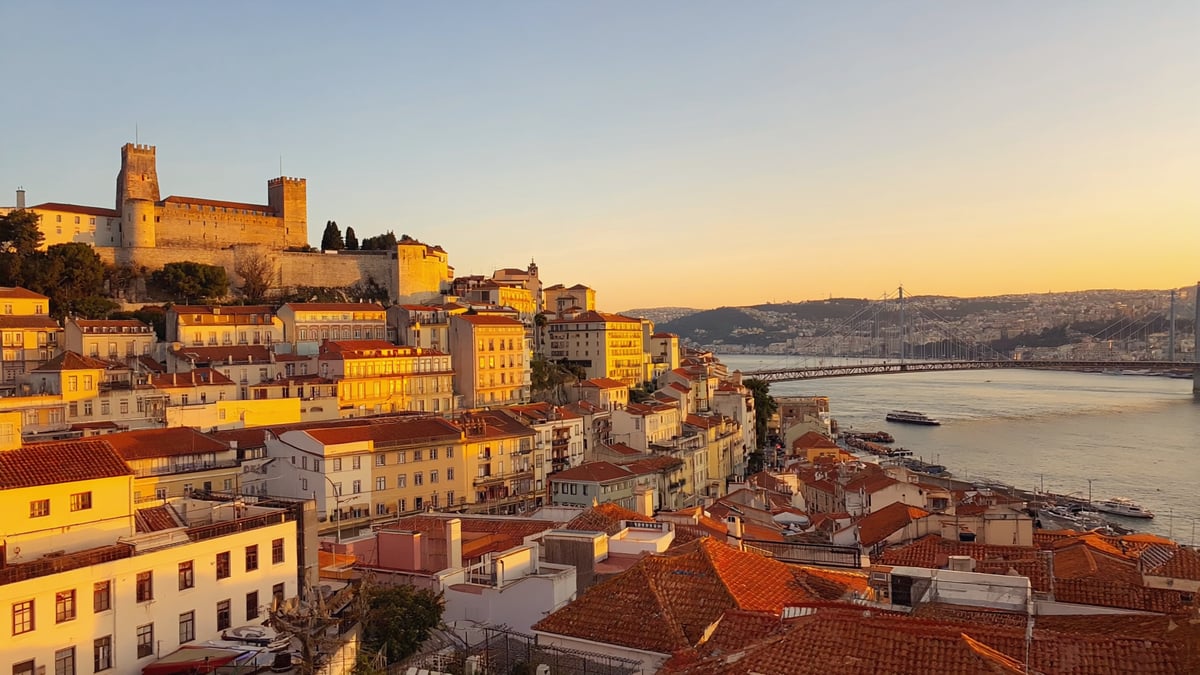
Lisbon is Western Europe's oldest capital and one of its most atmospheric. Draped across seven hills — the famed sete colinas — where the River Tagus meets the Atlantic, the city rewards visitors with a sensory landscape unlike anywhere else on the continent: sun-bleached azulejo tiles, the mournful strain of fado drifting from a basement tavern, the clatter of vintage trams on cobbled inclines, and a horizon that perpetually glows gold.
Geography, Language & Currency
Lisbon (Lisboa in Portuguese) is the capital and largest city of Portugal, located on the country's western Atlantic coast at approximately 38°N latitude. The city proper is home to around 550,000 people, with Greater Lisbon extending to roughly 2.8 million. The official language is Portuguese, though English is widely spoken across tourist areas, hotels, and most restaurants — UK travellers will rarely encounter a language barrier. The currency is the Euro (€). As of mid-2026, the approximate exchange rate hovers around €1.16 to £1, though travellers should check current rates before departure using a service like Wise or their bank's travel card.
Time Zone, Visa & Entry Requirements for UK Travellers
Portugal observes Western European Time (WET), which is UTC+0 in winter and WEDT (UTC+1) during British Summer Time — meaning Lisbon is typically on the same clock as the UK from late March to late October, and one hour behind during winter months.
Since Brexit, UK travellers enter Portugal under the Schengen Area's 90/180-day rule — British passport holders may visit for up to 90 days within any 180-day rolling period without a visa, for tourism purposes. No visa application is required. However, travellers must present a valid British passport (not just a national ID card). Passports must be valid for the duration of the stay. The UK Government's Portugal travel advice page provides the most current entry requirements and any health notices applicable at time of travel.
Portugal is a member of the European Union, and its healthcare system participates in the Global Health Insurance Card (GHIC) scheme — UK travellers should carry their GHIC for access to state medical treatment, though comprehensive travel insurance remains essential.
Which Airport Serves Lisbon?
Lisbon is served by Humberto Delgado Airport (LIS), located just 7km north of the city centre — one of the most conveniently positioned major airports in Europe. The airport is connected to central Lisbon by metro (the red Vermelha line, approximately 20–30 minutes), taxi, Uber, and bus.
Book Your Lisbon Holiday Now
GlobeHunters offers Lisbon holiday packages including flights and hotels at competitive prices — city breaks from £349pp.
View Lisbon Packages & Prices →Or call us: 0208 944 4514
When Is the Best Time to Visit Lisbon?
The optimal window for a Lisbon city break from the UK is late September through early November, or April through early June. These shoulder seasons deliver warm, stable weather, dramatically lower hotel rates than peak summer, and a city that operates at a more relaxed pace. That said, Lisbon rewards visitors year-round — each season has a distinct character worth understanding before you book.
Month-by-Month Weather & Season Guide
| Month | Avg Temp (°C) | Rainfall | Crowd Level | Best For |
|---|---|---|---|---|
| January–February | 12–15°C | Moderate | ⚠️ Low | Budget travellers, museums, fado bars |
| March–April | 16–19°C | Light | ✅ Low–Medium | Couples, sightseeing, outdoor dining |
| May–June | 20–25°C | Very Low | ✅ Medium | Beach day trips, city exploration |
| July–August | 27–32°C | Minimal | ❌ Very High | Beach lovers, NOS Alive festival |
| September–October | 22–26°C | Very Low | ✅ Medium | Best overall — ideal for most travellers |
| November–December | 14–17°C | Moderate–High | ⚠️ Low | Christmas markets, off-peak value |
Key Festivals & Events in Lisbon
Festas de Lisboa (June) is the city's defining celebration — particularly the Festa de Santo António on 12th–13th June, when the entire Alfama neighbourhood erupts into street parties, sardine grills, and dancing that continues until sunrise. It is one of the most authentic urban festivals in Europe and an experience UK travellers frequently cite as a highlight of their trip. NOS Alive, held in July at Passeio Marítimo de Algés, draws major international acts and attracts music-focused visitors from across Europe. DocLisboa (October) is one of Europe's leading documentary film festivals for culturally inclined travellers.
Pricing-wise, hotel rates in Lisbon during July and August can be two to three times higher than equivalent nights in October or March — booking a shoulder season trip through a package provider like GlobeHunters can yield significant savings compared to peak-summer independent travel.
Where to Stay in Lisbon: Neighbourhood Guide for UK Travellers
Lisbon's accommodation landscape is defined by its neighbourhoods, each with a distinct personality. Choosing the right base dramatically shapes your experience of the city. Here is a practical breakdown of the key areas, with accommodation tiers for every budget.
Alfama — For Atmosphere and Authenticity
Alfama is Lisbon's oldest and most photogenic neighbourhood — a Moorish-era labyrinth of steep alleys, tiled facades, and miradouros (viewpoints) that cascade down towards the river. It is the spiritual home of fado and the most atmospheric place to stay for first-time visitors. The trade-off: streets are steep, cobbled, and difficult to navigate with luggage. Trams and rideshares help considerably.
- Budget (£40–£80/night): Alfama has a strong hostel and guesthouse scene. Boutique pensões (guesthouses) in converted townhouses offer excellent character for the price.
- Mid-range (£90–£160/night): Several design hotels have opened in restored heritage buildings. Expect rooms with azulejo features, rooftop terraces, and Tagus views.
- Luxury (£200+/night): A handful of boutique five-star properties occupy landmark positions with panoramic river terraces.
Baixa & Chiado — Central, Connected, Convenient
Baixa is Lisbon's flat, grid-planned commercial centre, rebuilt after the 1755 earthquake. Chiado, immediately adjacent, is the city's most elegant shopping and café district. Together they form the most connected base in Lisbon — everything is walkable or a tram ride away. Hotels here tend to be more corporate, but the location is unbeatable for short city breaks.
- Budget (£50–£90/night): Numerous well-reviewed budget hotels and apart-hotels in the Baixa grid.
- Mid-range (£100–£180/night): International brands (Marriott, Intercontinental, NH) alongside strong independent boutique properties in Chiado.
- Luxury (£220–£400+/night): The Four Seasons Ritz Lisbon and several historic palace conversions anchor the luxury end here.
Príncipe Real — The Sophisticated Choice
Slightly uphill from Chiado, Príncipe Real is Lisbon's most sophisticated residential neighbourhood — antique shops, design studios, weekend markets, and some of the city's finest independent restaurants. It attracts discerning travellers who want to feel like locals rather than tourists. Accommodation here skews boutique and design-forward.
Belém — For History & Space
Located 6km west of the centre along the riverfront, Belém is home to Lisbon's most iconic monuments. It is quieter and more spread out than the centre — ideal for families or those who prefer space over urban bustle. Fewer hotel options, but those that exist are often excellent value.
LX Factory & Alcântara — Lisbon's Creative Quarter
The repurposed industrial complex of LX Factory has catalysed a creative neighbourhood around Alcântara, popular with younger travellers and design enthusiasts. Weekend market culture, independent restaurants, and a growing boutique hotel scene make this an interesting alternative base.
Top Things to Do in Lisbon: 10 Experiences Worth Your Time
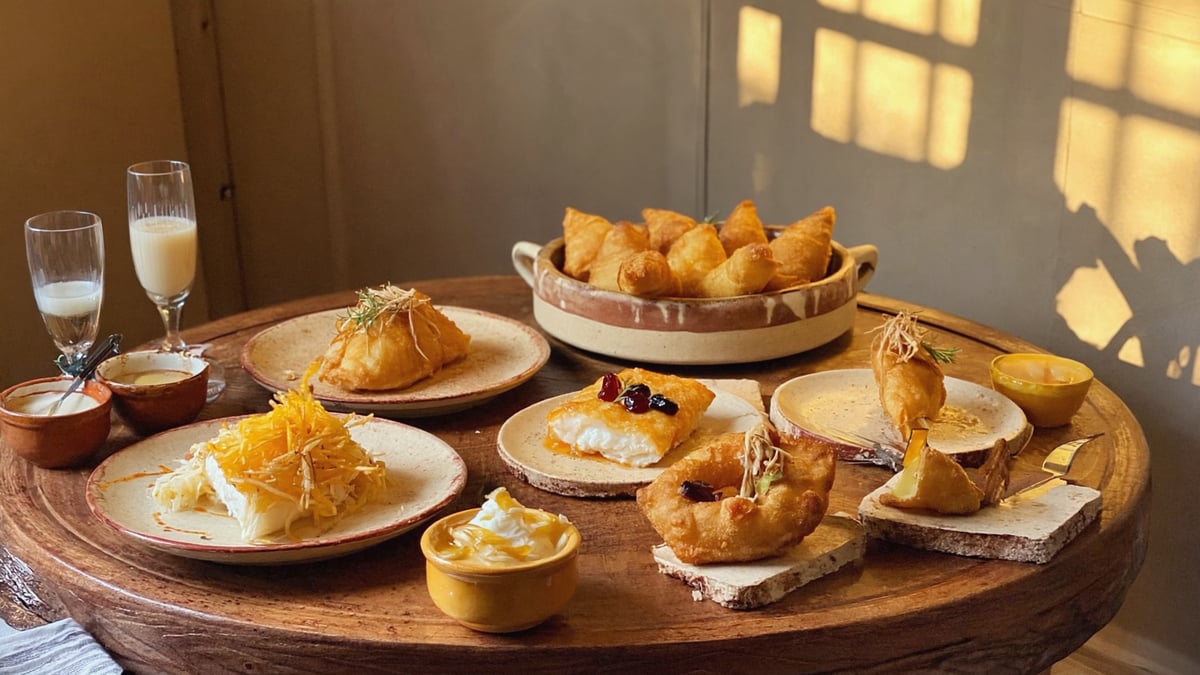
Lisbon punches well above its weight for a city of its size. From UNESCO-listed monuments to neighbourhood bakeries that have been turning out the same recipe since the 1800s, the city layers history, culture, and everyday life into an experience that is genuinely hard to exhaust in a short visit. Here are the ten experiences that consistently define a great Lisbon trip.
1. Torre de Belém (Tower of Belém)
One of Portugal's most iconic structures, this 16th-century Manueline fortress stands at the edge of the Tagus estuary where navigators once departed for the Age of Discovery. Entry costs approximately €6 (around £5.20) for adults. Opening hours are typically Tuesday–Sunday, 10:00–17:30 in winter and 10:00–18:30 in summer (closed Mondays and public holidays). Insider tip: Arrive before 10:00 to beat the queue — the tower sells out its timed entry slots by mid-morning in peak season.
2. Mosteiro dos Jerónimos (Jerónimos Monastery)
A short walk from the Torre de Belém, the Jerónimos Monastery is arguably the finest example of Manueline Gothic architecture in existence, and a UNESCO World Heritage Site. Entry to the cloisters costs approximately €10 (around £8.60). The church itself is free to enter. Allow at least 90 minutes to do it justice. Combined tickets with the Torre de Belém offer a small discount.
3. Pastéis de Belém — The Original Pastel de Nata
The bakery Pastéis de Belém, operating since 1837, is the originator of the pastel de nata custard tart — the recipe is a closely guarded secret shared only with a handful of certified bakers. A tart costs approximately €1.50 (around £1.30). The queue moves quickly; eat them warm, dusted with cinnamon, at one of the marble-topped tables inside. This is not a tourist gimmick — it is a genuinely extraordinary piece of Portuguese food culture.
4. Tram 28 — A Scenic Route Through History
The famous Tram 28 rattles through Graça, Alfama, Baixa, and Estrela — effectively a guided tour of Lisbon's most beautiful streets for the price of a single metro ticket (€1.50/around £1.30 with a Viva Viagem card). Insider tip: Board at Martim Moniz or Campo Ourique rather than Alfama to avoid the longest queues. Early morning or after 20:00 offers the most comfortable ride.
5. Museu Nacional do Azulejo (National Tile Museum)
Housed in a former 16th-century convent, this museum traces the history of Portuguese decorative tile-making from the 15th century to the present day. Entry is approximately €5 (around £4.30). It is consistently rated among Lisbon's most rewarding museums and is far less crowded than the Jerónimos. Allow 2 hours.
6. Miradouro da Graça & Miradouro da Senhora do Monte
Lisbon's hilltop viewpoints are free, and the views over the city and the Tagus are extraordinary — particularly at golden hour. The Miradouro da Graça and the slightly higher Miradouro da Senhora do Monte are less visited than the famous Portas do Sol, offering a more local atmosphere with outdoor kiosks serving cold beers and bifanas (pork rolls). Free entry; open continuously.
7. LX Factory Sunday Market
Every Sunday, the repurposed industrial complex of LX Factory hosts one of Lisbon's best markets — independent designers, vintage clothing, ceramics, books, street food, and live music. Entry is free. It operates roughly 10:00–20:00. The complex's permanent restaurants and shops are open all week, but Sunday has an energy that is worth timing your trip around.
8. Day Trip to Sintra
Just 40 minutes from Lisbon by direct train from Rossio station (approximately €2.35/£2.00 each way), Sintra is a UNESCO-listed town of fairy-tale palaces and forested hillsides that is one of the most remarkable day trips in Europe. The Palácio da Pena costs approximately €14 (around £12.00) to enter. Book palace tickets online well in advance — walk-up availability is limited, particularly in summer.
9. Fado at a Casa de Fado
Experiencing live fado in a genuine casa de fado (fado house) in Alfama is one of the most emotionally resonant things you can do in Lisbon. Most venues combine dinner with the performance; expect to spend €35–€60 per person (around £30–£52) for dinner and multiple fado sets. Reservations are essential, particularly on weekends. Look for houses that have been operating for decades — they tend to prioritise musical quality over tourist throughput.
10. Oceanário de Lisboa
One of Europe's finest aquariums, located in the Parque das Nações district, the Lisbon Oceanarium is exceptional for families and genuinely impressive for all ages. Entry is approximately €21 for adults, €14 for children (around £18/£12). Open daily 10:00–20:00 (last entry 19:00). The central ocean tank — which recreates an open-ocean environment with sharks, manta rays, and sunfish — is among the most arresting aquarium exhibits in Europe.
Food & Dining in Lisbon: What, Where & How to Eat Like a Local
Lisbon's food scene is one of the most exciting in Europe, built on exceptional raw ingredients — Atlantic seafood, Alentejo olive oil, Douro Valley wines — and a culinary tradition that values simplicity over pretension. The city has absorbed global influences without losing its identity, and it remains one of the few European capitals where a genuinely superb meal costs a fraction of what the equivalent would in London.
Dishes You Must Try
- Bacalhau (Salt Cod): Portugal's national obsession — it is said there are over 365 recipes, one for every day of the year. Bacalhau à Brás (shredded cod with scrambled egg and crisps) and bacalhau com natas (with cream) are the classic gateway dishes.
- Amêijoas à Bulhão Pato: Clams steamed in white wine, garlic, coriander, and lemon. A staple of any Lisbon seafood meal and extraordinary value at most tascas.
- Bifana: A pork sandwich marinated in garlic and white wine, served in a crusty roll. The Portuguese equivalent of a bacon butty — cheap, satisfying, and found at every traditional café.
- Caldo Verde: A simple, deeply comforting soup of potato, kale, and chouriço. Order it as a starter on a cooler evening.
- Pastel de Nata: The custard tart already discussed — but worth emphasising: eat multiple, from multiple bakeries, and form your own opinion about the best.
- Ginjinha: A sour cherry liqueur served in a shot glass (sometimes a chocolate cup) from street kiosks near Rossio for around €1.50. Non-negotiable.
Best Dining Areas
Alfama and Mouraria remain the heartland of traditional tasca dining — small, family-run restaurants with handwritten menus and house wine that costs less than a soft drink in London. Chiado and Príncipe Real host Lisbon's finest independent restaurants and most creative contemporary Portuguese cooking. Cais do Sodré (particularly the Mercado da Ribeira / Time Out Market) is the ideal introduction to Lisbon's food scene in a single visit — dozens of vendors under one roof, all selected for quality.
Time Out Market Lisboa
The Time Out Market Lisboa in Cais do Sodré deserves a specific mention: it opened in 2014 and essentially pioneered the premium food hall model that has since spread globally. The quality of vendors remains high, and it functions as an excellent introduction to Portuguese cuisine without requiring prior knowledge. Budget approximately €15–€25 per person (around £13–£22) for a meal with a glass of wine.
Dietary Considerations
Lisbon's restaurant scene has expanded considerably for vegetarian and vegan travellers in recent years, particularly in Chiado, Príncipe Real, and Mouraria. However, traditional Portuguese cuisine is heavily meat and fish-based — vegetarians in tascas may find options limited to omelettes, salads, and side dishes. Gluten-free awareness is improving but remains inconsistent outside of dedicated restaurants. Communicating dietary requirements clearly in writing (Portuguese translation helps) is advisable.
Getting to Lisbon from the UK: Flights, Routes & Transfers
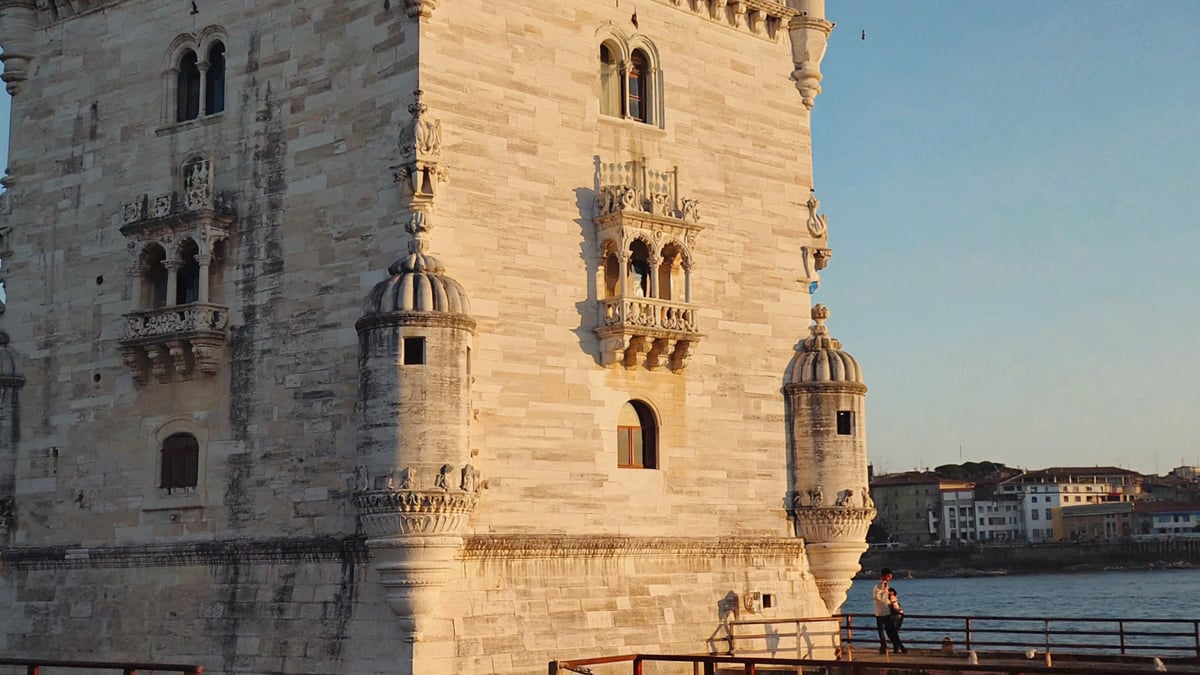
Lisbon is exceptionally well served from the UK, with direct flights from multiple regional airports making it one of the most accessible European city break destinations for British travellers. Flight times are short, competition between carriers keeps prices reasonable, and the airport's proximity to the city centre eliminates the long transfer problem that plagues so many European destinations.
Airlines & Departure Airports
| UK Departure Airport | Airlines Serving Route | Approx. Flight Time | Notes |
|---|---|---|---|
| London Heathrow (LHR) | TAP Air Portugal, British Airways | ~2h 30m | Multiple daily departures; TAP is flag carrier with strong network |
| London Gatwick (LGW) | easyJet, TAP, Ryanair | ~2h 35m | Best value for South London/Surrey travellers |
| London Stansted (STN) | Ryanair | ~2h 40m | Frequent budget flights; add transfer time from Central London |
| Manchester (MAN) | easyJet, Ryanair, TAP | ~2h 45m | Strong options for Northern England travellers |
| Edinburgh (EDI) | Ryanair, easyJet | ~3h 00m | Direct routes available seasonally |
| Bristol (BRS) | easyJet, Ryanair | ~2h 30m | Good option for South West England |
Airport Transfers into Lisbon City Centre
Lisbon Airport (LIS) is one of the most convenient in Europe for city arrivals:
- Metro: The red line (Vermelha) connects the airport to Alameda (interchange for the green and blue lines) in approximately 20–30 minutes. Single fare approximately €1.50 (around £1.30) with a Viva Viagem card (card itself costs €0.50). This is the cheapest and often fastest option during traffic hours.
- Taxi/Uber: Fixed-rate taxis to the city centre are approximately €15–€22 (around £13–£19) depending on destination and time of day. Uber is widely available and often marginally cheaper. Journey time is 15–25 minutes outside peak traffic.
- Aerobus: Bus routes connect the airport to Marquês de Pombal, Rossio, and Cais do Sodré. Approximately €4 (around £3.50) — useful if your hotel is on the bus corridor.
Getting Around Lisbon
Within the city, the combination of metro, tram, and rideshare covers virtually all tourist needs. The Viva Viagem card (loaded with credit or a 24-hour pass for approximately €6.60/£5.70) is the most efficient way to use public transport. The city's famous yellow trams are iconic but slow — for covering distance efficiently, metro is preferable. Much of Alfama, Chiado, and Baixa is best explored on foot, terrain permitting.
Lisbon Budget Guide 2026: What Will a Trip Actually Cost?
Lisbon remains one of the best-value capital cities in Western Europe for UK travellers, though costs have risen meaningfully since 2019 as the city's global profile has grown. The following daily budget estimates are per person, based on a couple sharing accommodation, and exclude flights.
| Budget Tier | Accommodation (per night, shared) | Food & Drink | Activities & Transport | Estimated Daily Total (pp) |
|---|---|---|---|---|
| Budget | £30–£45pp (hostel/budget hotel) | £20–£30 | £10–£15 | £60–£90/day |
| Mid-Range | £65–£100pp (boutique hotel) | £40–£60 | £20–£35 | £125–£195/day |
| Luxury | £150–£300pp+ (five-star/design hotel) | £80–£150 | £50–£100+ | £280–£550+/day |
Package vs. Independent: The Value Calculation
Industry research consistently shows that package holidays — combining flights, accommodation, and transfers — tend to offer meaningful savings over independently booked components for city breaks of 3–7 nights, primarily because operators secure block-booked rates unavailable to individual travellers. GlobeHunters' Lisbon packages start from £349 per person for a 3-night break including UK flights and central hotel accommodation. For context, a comparable independently booked 3-night trip (budget hotel in Baixa, return Gatwick-Lisbon flights in mid-season) would typically cost £380–£480pp when all fees are included — making the package a meaningfully cheaper starting point before even factoring in the convenience of a single booking.
Money-Saving Tips for Lisbon
- Eat lunch, not dinner: Most Portuguese restaurants offer a prato do dia (dish of the day) at lunch — typically €9–€13 including bread, drink, and dessert. The same meal at dinner costs 30–50% more.
- Avoid the Chiado café tourist trap: Sitting at a café table on Largo do Chiado costs two to three times more than standing at the counter inside. Both options use the same coffee machine.
- Use the Lisboa Card: For visitors doing multiple paid attractions, the Lisboa Card offers unlimited public transport plus free or discounted entry to over 80 museums and monuments. A 24-hour card costs approximately €22 (around £19); 48-hour €37 (around £32); 72-hour €45 (around £39).
- Miradouros are free: Some of the best experiences in Lisbon — hilltop views, neighbourhood exploration, sitting by the river — cost nothing at all.
Travel Tips & Safety: What UK Travellers Should Know Before They Go
Lisbon is considered one of the safest capital cities in Europe for tourists, consistently ranking highly in global safety indices. The vast majority of UK visitors have trouble-free trips. That said, practical preparation makes a significant difference in quality of experience — particularly around petty theft, health preparation, and navigating the city's challenging topography.
Safety & Petty Theft
Lisbon's main tourist areas — particularly Tram 28, Alfama, and the Baixa grid — attract pickpockets who target distracted tourists on crowded transport. Standard precautions apply: use a money belt or inside pocket for passports and cards, avoid displaying expensive cameras or phones openly on crowded trams, and be aware of your surroundings at busy viewpoints. Violent crime against tourists is rare. The tourist police (Polícia de Segurança Pública) have an office in the Palácio Foz in Praça dos Restauradores specifically to assist tourists.
Health Preparation
No vaccinations are required for UK travellers visiting Portugal. Carry your GHIC card for access to state healthcare (equivalent to an NHS-style entitlement in EU countries), but ensure you also have comprehensive travel insurance — the GHIC does not cover repatriation, private treatment, or cancellation. Pharmacies (farmácias) are widely distributed and staff typically speak good English; they can advise on minor ailments without a GP appointment. Sun protection is essential even in spring — Lisbon's UV index is considerably higher than the UK's, and the city's reflective white limestone amplifies exposure.
Customs, Etiquette & Cultural Notes
- Fado etiquette: During a fado performance, silence is expected — it is considered deeply disrespectful to talk over the music. The same applies in traditional casas de fado during the singing.
- Tipping: Not obligatory in Portugal, but rounding up a bill or leaving 5–10% for good service at a restaurant is appreciated. In cafés and bars, leaving small change is common. Tipping is never expected at a tasca counter.
- Sunday rhythms: Many smaller shops and some restaurants close on Sundays, particularly outside the tourist centre. The LX Factory Sunday market is a notable exception — it is the best day to visit.
- Heat management: Lisbon in July–August can reach 35°C+. The city's hills and cobblestones amplify physical exertion. Plan active sightseeing for early mornings or evenings; use the midday hours for eating and resting.
Packing Essentials for Lisbon
- Comfortable walking shoes with grip — cobblestones are beautiful but treacherous in smooth-soled footwear, particularly after rain
- A compact daypack for monuments and day trips
- Sun cream (SPF 30+ minimum), sunglasses, and a hat for summer visits
- A light layer for evenings, even in summer — Atlantic breezes can turn cool after dark
- Travel insurance documents and GHIC card
- Downloaded offline maps (Google Maps or Maps.me) — the Alfama's alleys do not always have clear street signage
Connectivity & Data
Since Brexit, UK travellers no longer benefit from automatic EU roaming rights on all networks — check your mobile provider's roaming policy before departure. Most major UK networks (EE, Vodafone, O2, Three) now offer add-on packages for EU travel at reasonable daily rates. Alternatively, a Portuguese SIM card purchased at the airport (NOS, Vodafone Portugal, and MEO are the main operators) offers good-value data. Free Wi-Fi is widely available in hotels, cafés, and most tourist sites.
Ready to Book Your Lisbon City Break?
GlobeHunters offers holiday packages including flights and hotels at competitive prices — Lisbon city breaks from £349pp. Compare packages and book online in minutes.
View Lisbon Packages & Prices →Or call us: 0208 944 4514
Frequently Asked Questions About Visiting Lisbon in 2026
Do UK travellers need a visa to visit Lisbon in 2026?
No. UK passport holders can visit Portugal — and the wider Schengen Area — for up to 90 days within any 180-day period without a visa, for tourism purposes. Your passport must be valid for the duration of your stay. You do not need to apply in advance, but check the UK Government's Portugal travel advice before departure for any updated requirements.
What is the best time of year to visit Lisbon from the UK?
Late September to early November and April to early June are the optimal windows. These shoulder seasons offer warm, stable weather (18–26°C), significantly lower hotel prices than July–August, and a more relaxed city atmosphere. July and August are reliably hot and sunny but attract peak crowds and premium pricing.
How long does it take to fly from the UK to Lisbon?
Direct flights from London airports to Lisbon take approximately 2 hours 30 minutes to 2 hours 45 minutes. From Manchester, expect around 2 hours 45 minutes to 3 hours. From Edinburgh, approximately 3 hours. All major routes are served by direct flights — there is no need to connect.
Is Lisbon expensive for UK travellers?
Lisbon is notably cheaper than London for most daily expenses. A meal for two at a mid-range restaurant (two courses, wine) typically costs £35–£60 total. A coffee costs £1–£1.50. Museum entry is generally under £10. Budget travellers can manage comfortably on £60–£90 per day all-in (excluding flights), while mid-range travellers typically spend £125–£195 per day.
Is Lisbon safe for tourists?
Yes. Lisbon consistently ranks among the safest capital cities in Europe. Violent crime against tourists is very rare. The main concern for visitors is opportunistic pickpocketing on crowded trams and at busy viewpoints — standard urban precautions (money belt, awareness on public transport) are sufficient mitigation.
What currency is used in Lisbon, and can I use my UK bank card?
Lisbon uses the Euro (€). UK debit and credit cards are widely accepted across hotels, restaurants, and shops. Contactless payment is common. ATMs are readily available throughout the city. To avoid foreign transaction fees, consider using a travel-friendly card such as Starling, Monzo, or a Wise card, which offer fee-free Euro withdrawals and spending.
How do I get from Lisbon Airport to the city centre?
The most efficient options are the metro (red line, approximately 20–30 minutes, €1.50 with a Viva Viagem card) or a taxi/Uber (approximately €15–€22, 15–25 minutes outside peak traffic). The Aerobus is approximately €4 and useful if your accommodation is on its route. The metro is generally the best combination of speed, cost, and ease for most travellers.
Can I do a day trip to Sintra from Lisbon?
Absolutely — and it is highly recommended. Sintra is 40 minutes by direct train from Rossio station in central Lisbon, with trains running frequently throughout the day. Return train fare is approximately €4.70 (around £4.00). Budget a full day for Sintra — the Palácio da Pena, Quinta da Regaleira, and the village itself each warrant significant time. Book palace tickets online in advance, particularly for summer visits.
What language do people speak in Lisbon, and will English be understood?
The official language is Portuguese. English is widely spoken in hotels, restaurants, tourist attractions, and by younger Lisboetas generally. UK travellers will encounter very few situations where English is not understood in tourist areas. Learning a few basic Portuguese phrases — obrigado/obrigada (thank you), por favor (please), com licença (excuse me) — is appreciated and warmly received.
What is a pastel de nata, and where should I try one?
A pastel de nata (plural: pastéis de nata) is a Portuguese custard tart with a flaky pastry shell and a lightly caramelised egg custard filling. They are served warm, dusted with cinnamon and icing sugar. The original and most celebrated version comes from Pastéis de Belém bakery in the Belém district, which has been making them to a secret recipe since 1837. They cost approximately €1.50 each and are available throughout the day.
Is Lisbon suitable for families with children?
Yes — Lisbon works well for families. The Oceanário de Lisboa (aquarium) is world-class, Sintra's palaces captivate children of all ages, and the city's outdoor spaces (Parque das Nações, Monsanto Forest Park) provide room to roam. The main challenge is Lisbon's hills and cobblestones, which can be difficult for pushchairs — a baby carrier is a more practical option in Alfama. Restaurants are very family-friendly by European standards.
Do GlobeHunters Lisbon packages include flights from regional UK airports?
GlobeHunters packages are built around flights from multiple UK departure airports including London Heathrow, Gatwick, Stansted, Manchester, Bristol, and Edinburgh, depending on availability and season. Use the package search tool on holidays.globehunters.com or call 0208 944 4514 to find the best package from your nearest airport. Packages from £349pp include return flights and hotel accommodation.
The Definitive Verdict: Why Lisbon Belongs on Your 2026 Travel List
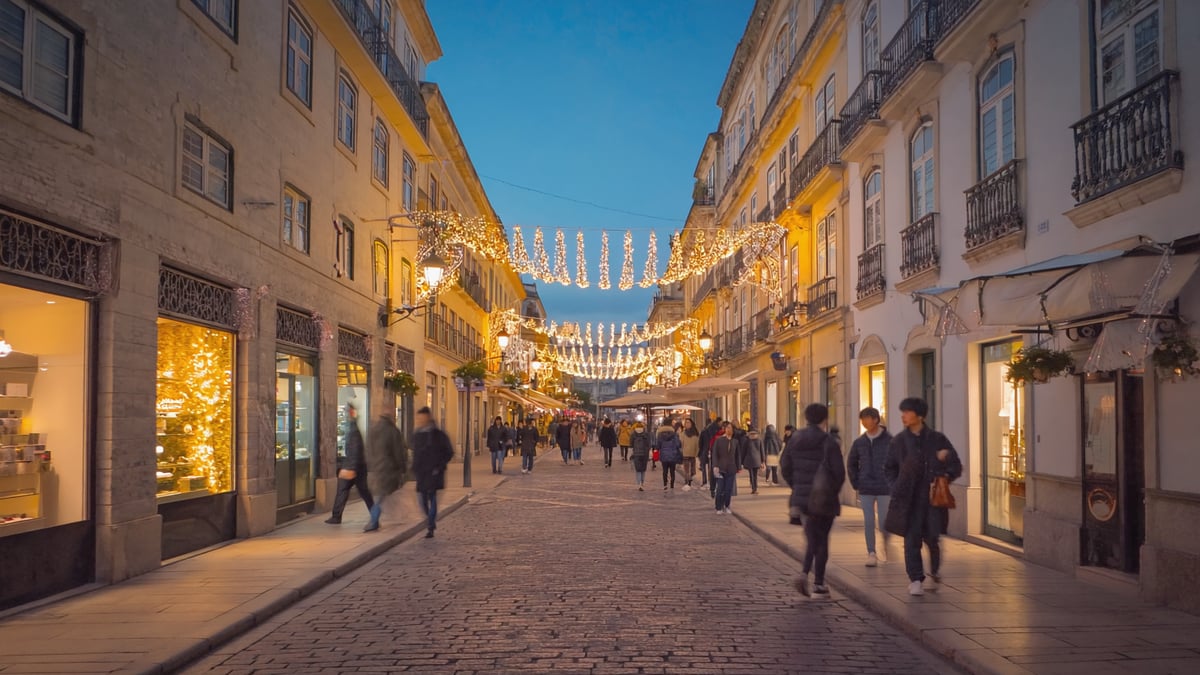
Lisbon's appeal in 2026 is not a trend — it is a structural advantage. The city offers a combination of attributes that are genuinely rare in European travel: extraordinary historical depth, a world-class food and music culture, reliable sunshine, genuine neighbourhood character, and a price point that remains competitive with far less interesting destinations. It is a city that rewards both the first-time visitor seeking iconic landmarks and the returning traveller who discovers that they have only scratched the surface.
For UK travellers in particular, the logistics could not be more straightforward — under three hours from most major UK airports, no visa required, no currency confusion, and an airport positioned almost inside the city. A three-night Lisbon city break is a genuinely achievable proposition for a long weekend, while five to seven nights allows you to add Sintra, a day on the Setúbal Peninsula's beaches, and a proper exploration of Belém's monuments without rushing anything.
The question is not really whether Lisbon is worth visiting. The question is why you haven't already booked. Portugal holiday deals in 2026 remain among the best-value European city break propositions available from the UK — and with GlobeHunters packages starting from £349 per person including flights, the barrier to entry has never been lower.
Book Your Lisbon Holiday Now
GlobeHunters offers holiday packages including flights and hotels at competitive prices — Lisbon city breaks from £349pp. Real-time pricing, curated packages, and expert UK travel advisors ready to help.
View Lisbon Package Deals →Or call us: 0208 944 4514
About the author
Spiros Maragkoudakis · Chief Commercial Officer
Ready to Book Your Lisbon Holiday?
Our travel experts are ready to help you plan the perfect trip. Call us today or browse our latest deals.
Ready to Start Planning?
Speak to our travel experts for personalised advice and the best deals on your next holiday.
Call 0208 944 4514