Most travellers approach Japan as a checklist: tick off Senso-ji, photograph a geisha district, ride the Shinkansen once, go home. What they miss — and what the best Japan holidays quietly reveal — is that this country operates on an entirely different logic to anywhere else on earth. The temples are not backdrops. The food is not a side note. The trains are not just efficient. Japan is a place where every single detail, from the way a shopkeeper wraps your purchase to the angle of a garden stone, has been considered with an intentionality that borders on philosophy. For UK travellers willing to look beyond the surface, a Japan holiday in 2026 offers something genuinely rare: a destination that rewards attention.
This guide is built for that kind of traveller. Whether you are planning your first visit or returning after years away, you will find everything you need — where to stay, when to go, what things actually cost, and how to book Japan package holidays from the UK that give you the best possible value. GlobeHunters has curated Japan packages from £1,199 per person including flights, and this guide will help you spend every pound wisely.
Japan in 2026: What Kind of Country Are You Actually Visiting?
Japan sits on the eastern edge of Asia, an archipelago of 6,852 islands stretching roughly 1,860 miles from north to south. Its four main islands — Honshu, Hokkaido, Kyushu, and Shikoku — hold almost all of its 125 million residents and the vast majority of its cultural and natural landmarks. Tokyo, the capital, sits on Honshu's Pacific coast and is one of the world's largest metropolitan areas. Kyoto, roughly 280 miles to the southwest, served as the imperial capital for over a millennium and remains the spiritual heart of traditional Japan.
Language: Japanese. English is widely understood in major tourist areas, transport hubs, and international hotels, but outside of cities, communication can be challenging. Learning a handful of phrases — sumimasen (excuse me), arigatou gozaimasu (thank you), eigo ga hanasemasu ka (do you speak English?) — goes a long way and is deeply appreciated.
Currency: Japanese Yen (¥ / JPY). As of 2026, the exchange rate hovers around ¥185–¥195 to £1, though this shifts regularly. Cash remains essential in Japan — many smaller restaurants, temples, and rural establishments are cash-only, and ATMs at 7-Eleven and Japan Post are the most reliable for foreign cards.
Time Zone: Japan Standard Time (JST), which is UTC+9. That puts Japan 8–9 hours ahead of the UK (9 hours during GMT, 8 during BST). Jet lag is real but manageable — most travellers adjust within two to three days.
Visa Requirements for UK Travellers: British passport holders can enter Japan visa-free for up to 90 days for tourism purposes. No advance visa application is required. However, Japan has introduced a Tourist Tax system in several regions, and from late 2025, a digital pre-entry registration system has been piloted at major ports — it is worth checking the Japanese Ministry of Foreign Affairs visa page for the latest entry requirements before you travel.
Electricity: Japan uses 100V / 50–60Hz with Type A plugs (two flat prongs). UK travellers will need a plug adaptor. Most modern electronics handle the voltage difference automatically, but check your devices.
Japan is a country of striking contrasts — ancient and ultra-modern, serene and frenetic, deeply traditional and relentlessly innovative. Cities like Tokyo can feel overwhelming at first; the key is to slow down, follow your curiosity, and resist the urge to rush. The best Japan holidays are built around depth, not distance covered.
When Is the Best Time to Visit Japan?
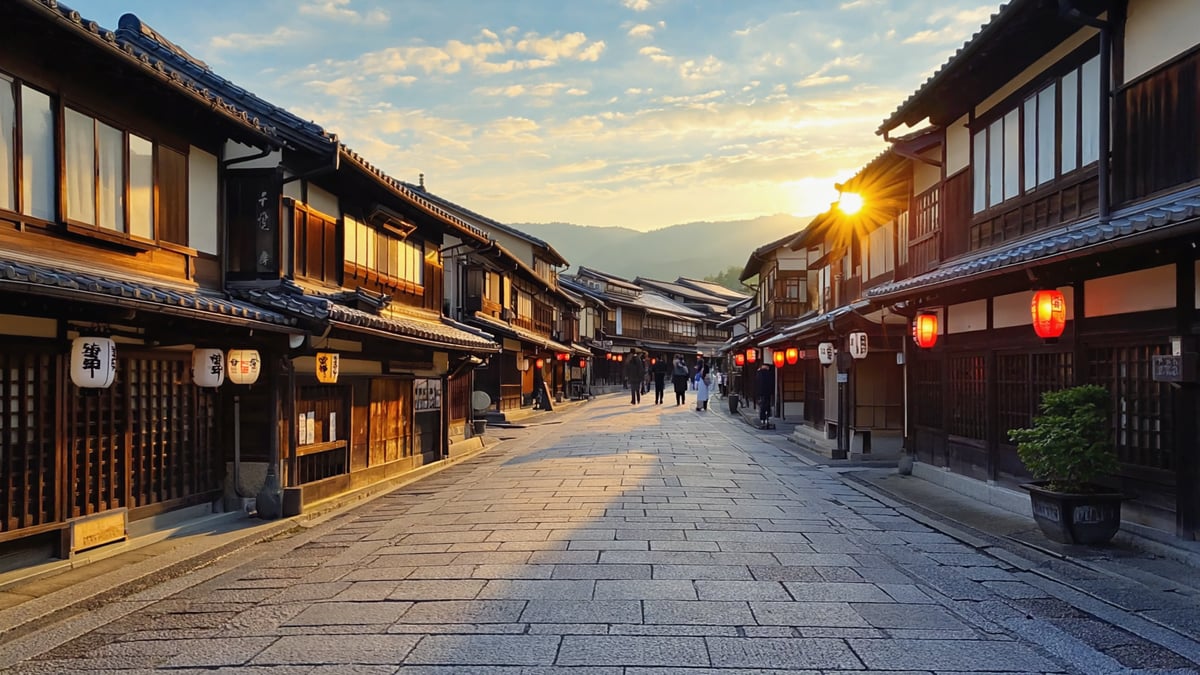
The honest answer is that Japan is worth visiting in any season — each has a distinct character that shapes the entire experience. The best time to visit Japan for most UK travellers is either late March to early May (spring) or October to mid-November (autumn), when the weather is mild, the landscapes are visually spectacular, and the cultural calendar is richest.
Month-by-Month Breakdown
| Month | Weather | Crowds | Highlights | Pricing Trend |
|---|---|---|---|---|
| January–February | Cold, dry; snow in Kyoto/Tokyo possible | ⚠️ Low–moderate | Sapporo Snow Festival (Feb), New Year temples | ✅ Lower |
| March–April | Mild, warming; cherry blossom season | ❌ Very high | Sakura (cherry blossoms), hanami picnics | ❌ Peak pricing |
| May | Warm, pleasant | ⚠️ Moderate (Golden Week busy) | Golden Week festivals, wisteria blooms | ⚠️ High during Golden Week |
| June–July | Rainy season (tsuyu) June; hot & humid July | ✅ Lower | Hydrangeas, Gion Matsuri festival (mid-July) | ✅ Competitive |
| August | Very hot and humid (30–35°C) | ⚠️ High (Obon holiday) | Obon festivals, fireworks displays | ⚠️ Moderate–high |
| September–October | Cooling, pleasant; some typhoon risk in Sept | ⚠️ Moderate, rising in Oct | Early autumn colour, harvest festivals | ✅ Good value |
| November | Cool, crisp; peak autumn foliage (koyo) | ❌ High | Koyo (autumn leaves), temple gardens ablaze | ⚠️ Rising |
| December | Cold, dry; snow in north | ✅ Low–moderate | Winter illuminations, quiet temples | ✅ Lower (except Christmas week) |
The sweet spot for UK travellers: Late October to early November delivers the best balance of spectacular scenery, comfortable temperatures (12–18°C), manageable crowds (outside peak koyo weekends), and competitive pricing. Cherry blossom season in late March to early April is undeniably magical, but expect to pay a significant premium and book at least six months in advance — accommodation in Kyoto during peak sakura can sell out a year ahead.
Avoid Japan's Golden Week (late April to early May) and Obon (mid-August) if you are sensitive to crowds — these are domestic holiday periods when trains, hotels, and tourist sites are packed with Japanese visitors, and prices spike accordingly.
Where to Stay in Japan: Neighbourhood Guide for UK Travellers
Choosing where to base yourself in Japan is as important as any single activity. The country rewards those who understand its geography — Tokyo and Kyoto are the twin anchors of most itineraries, but the neighbourhoods within each city offer wildly different experiences.
Tokyo: Which District is Right for You?
Shinjuku is the default choice for first-timers and with good reason: it sits at the nexus of Tokyo's rail network, offers every tier of accommodation from capsule hotels to five-star towers, and never sleeps. The west side is corporate and gleaming; the east side, around Kabukicho and the Golden Gai, is neon-lit and electric after dark. Budget pick: Shinjuku has excellent guesthouses from around £35–£55 per night. Mid-range: Business hotels like APA or Dormy Inn run £70–£110 per night. Luxury: The Hyatt Regency Shinjuku or Park Hyatt (immortalised in Lost in Translation) from £250 upwards.
Asakusa has the most old-world Tokyo character, centred on Senso-ji temple. It is calmer than Shinjuku and better for travellers who want a quieter base with easy access to traditional craft shops and riverside walks. Budget ryokan-style guesthouses start around £45 per night.
Shibuya and Harajuku suit younger travellers and anyone interested in fashion, pop culture, and Tokyo's creative scene. Accommodation here is slightly pricier for equivalent quality.
Akihabara is the electronics and anime district — fascinating to visit, but the area around the station is better for a day trip than a base.
Kyoto: Where History Lives
Gion is Kyoto's most atmospheric district — the preserved machiya (wooden townhouse) streets, the lantern-lit evenings, the possibility of glimpsing a geiko or maiko heading to an engagement. Staying here puts you inside the experience rather than commuting to it. Boutique guesthouses and ryokan (traditional inns) in Gion run from £80–£150 per night for mid-range; luxury ryokan with multi-course kaiseki dinners from £250–£500 per person.
Kyoto Station area is practical and well-connected but lacks atmosphere. Good for transit nights or if budget is the primary concern — business hotels from £55 per night.
Higashiyama and Fushimi are residential and peaceful, ideal for travellers who want to wake up near temples rather than commuter crowds.
Beyond Tokyo and Kyoto
Osaka is livelier, louder, and cheaper than both. Known as Japan's kitchen (kuidaore — "eat until you drop"), it is an excellent addition to any Japan itinerary. Stay in Namba or Dotonbori for the full Osaka experience. Hiroshima and Nara make excellent day trips or overnight stops. For a completely different Japan, Hakone (Mt. Fuji views, onsen hot springs) is only 85 minutes from Tokyo by Romancecar train.
Top Things to Do in Japan: 10 Experiences Worth Crossing the World For
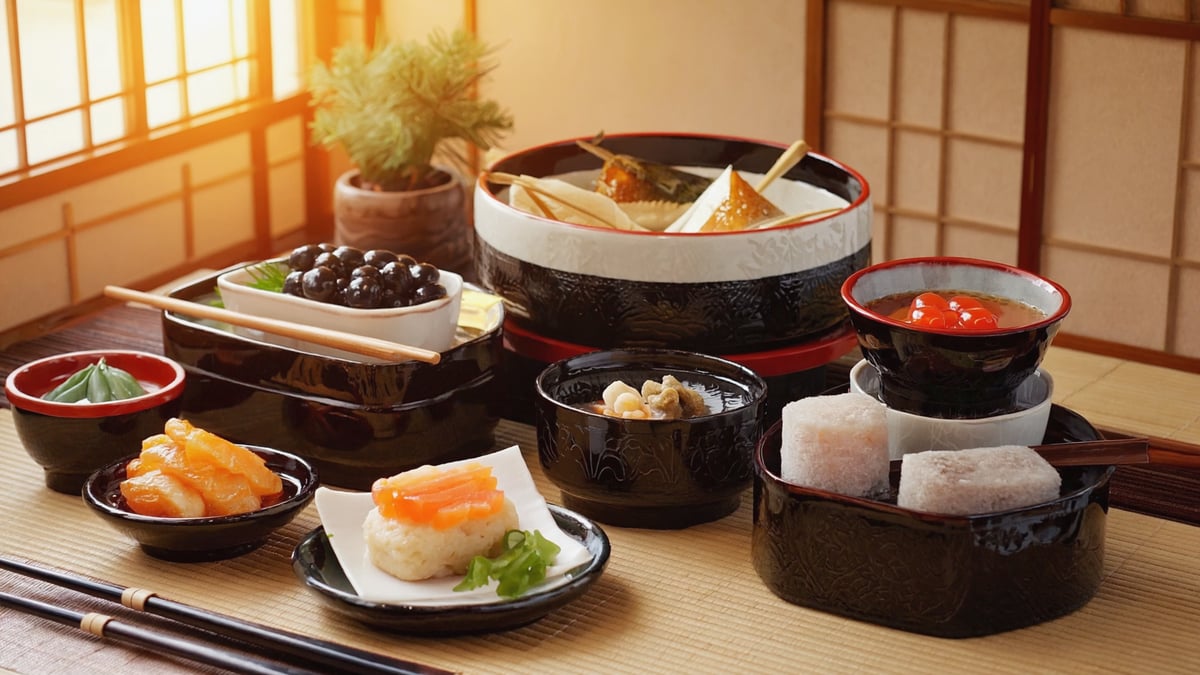
The best things to do in Japan span the ancient and the ultramodern, the serene and the overwhelming. The following ten experiences are not just tourist checkboxes — each one, done properly, reveals something essential about what makes Japan unlike anywhere else.
1. Walk the Philosopher's Path, Kyoto
A 2km canal-side path connecting Ginkaku-ji (Silver Pavilion) to Nanzen-ji temple, lined with hundreds of cherry trees. In spring, it is a tunnel of pink and white petals; in autumn, a corridor of gold and crimson. Walk it in the early morning before the crowds arrive — ideally before 8am. Entry: The path itself is free. Ginkaku-ji entry is ¥500 (approx. £2.60). Insider tip: The small cafés along the path open from around 9am; the tofu shop near Nanzen-ji has been operating for generations.
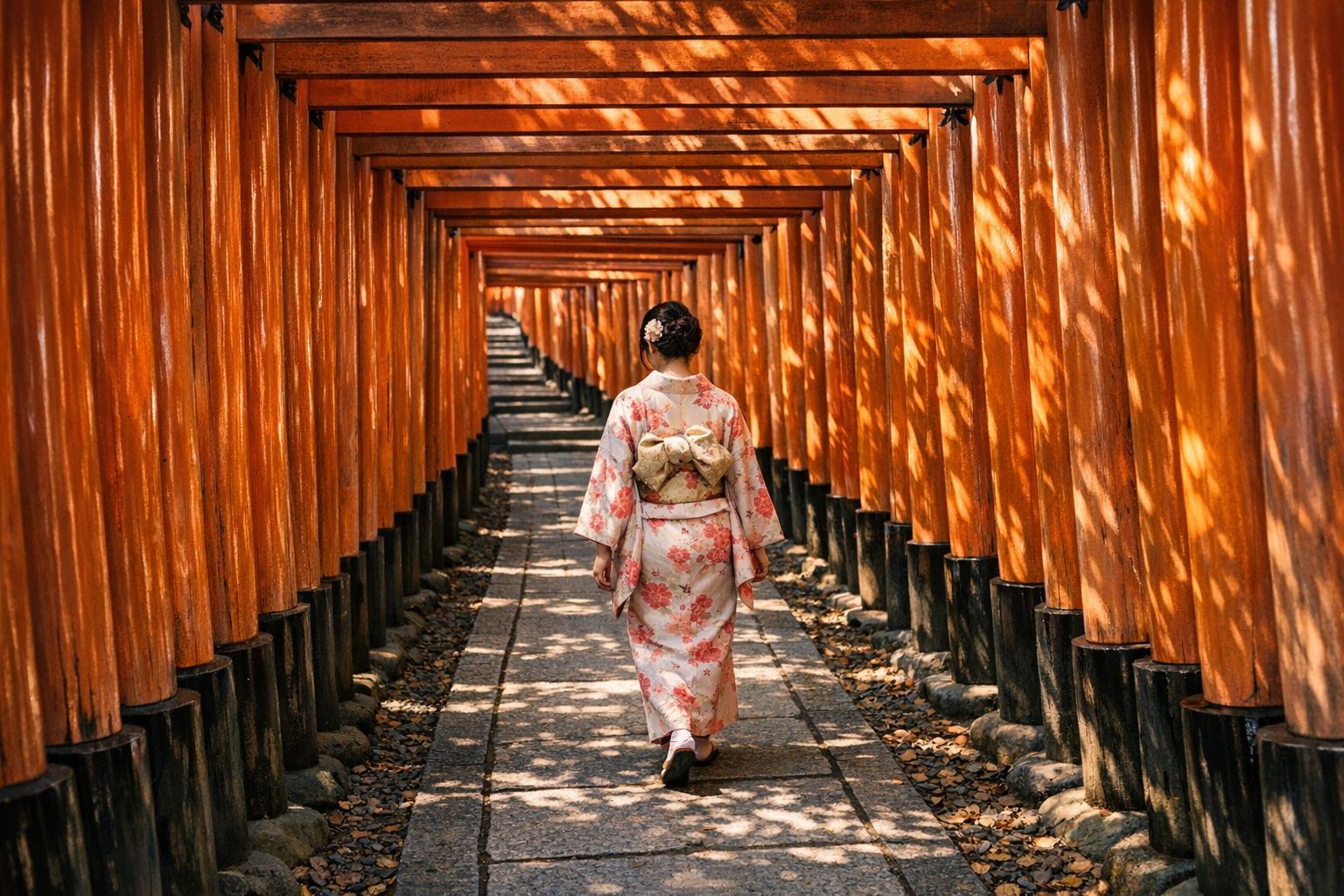
2. Fushimi Inari Taisha, Kyoto
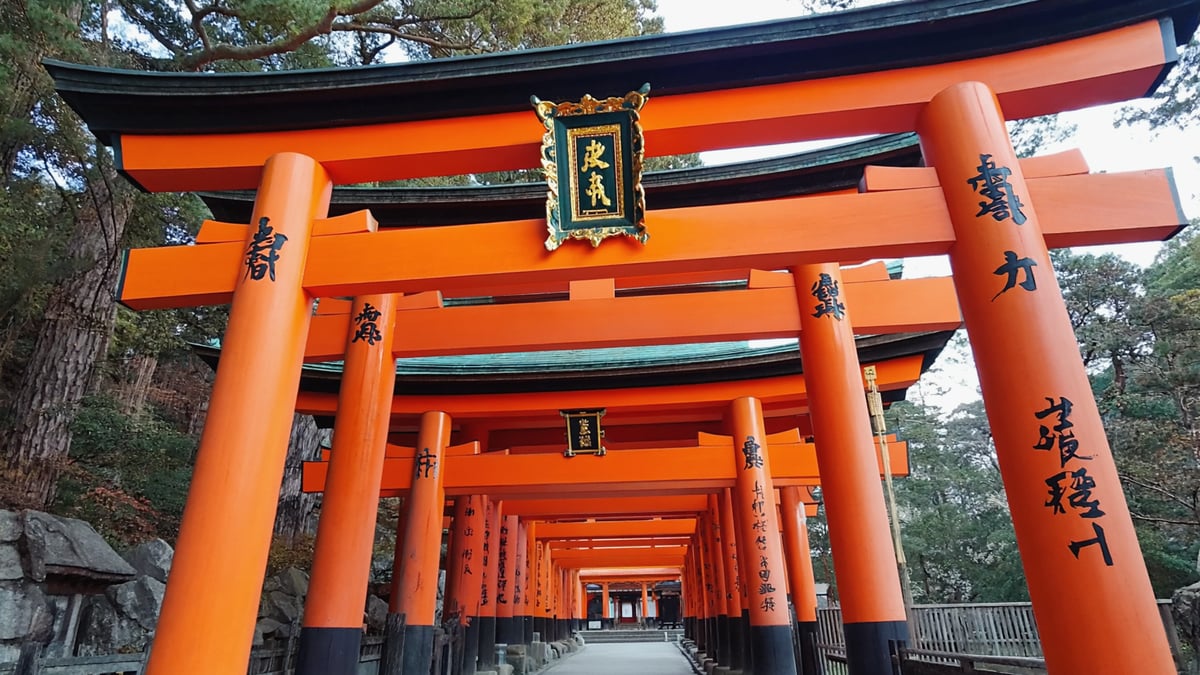
Ten thousand vermilion torii gates winding up a forested mountain — one of Japan's most iconic images and one of its most rewarding walks. The full circuit takes 2–3 hours; most visitors only reach the first two gates, so pushing further up rewards you with genuine solitude. Entry: Free. Open 24 hours. Tip: Go at dawn or after 5pm when the light turns the gates amber and the crowds thin dramatically.
3. Ride the Shinkansen
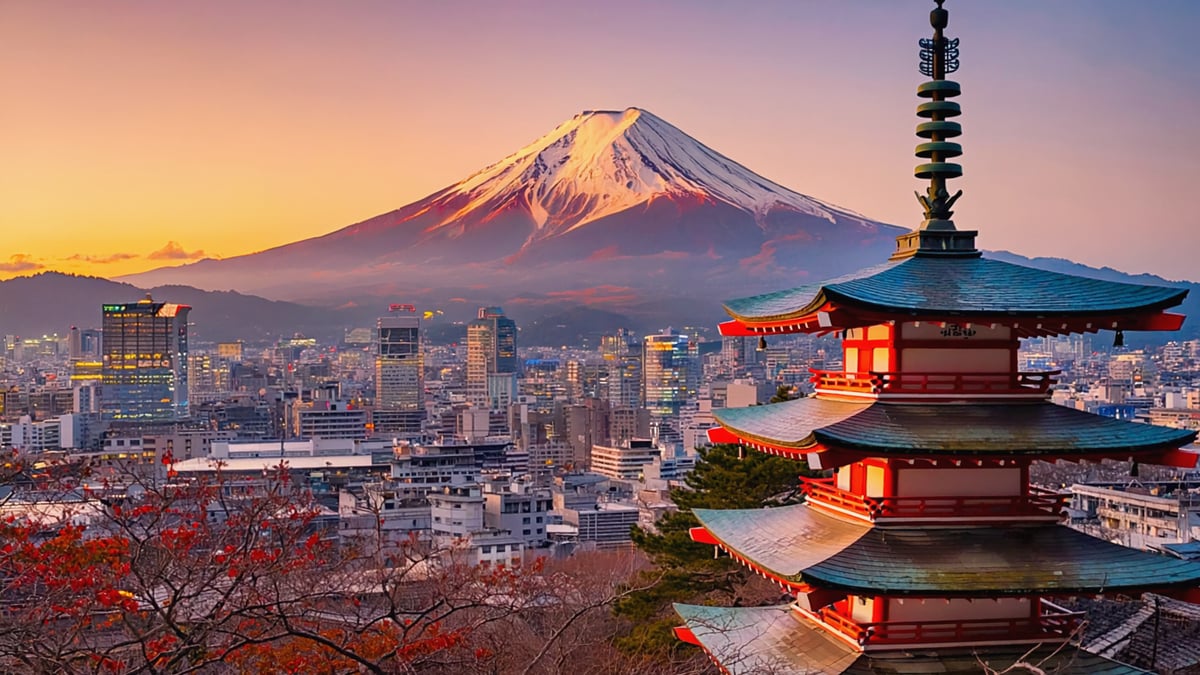
The bullet train is not just transport — it is an experience. The Tokaido Shinkansen between Tokyo and Kyoto (approx. 2h 15m) reaches speeds of 320 km/h and, on a clear day, delivers a perfect view of Mt. Fuji from the right-hand side (seats A and B). A Japan Rail Pass is the most economical option for UK travellers planning multiple long-distance journeys — a 7-day pass costs around £250 per person and covers most Shinkansen routes. Purchase before you travel; it cannot be bought in Japan. Check the official Japan Rail Pass website for current pricing and validity.
4. Explore Senso-ji Temple, Asakusa, Tokyo
Tokyo's oldest temple dates to AD 645 and remains one of the most visited religious sites in the world. The Nakamise shopping street leading to the main hall is a gauntlet of traditional snacks and crafts — try the ningyo-yaki (small cakes shaped like figures) freshly made at the stalls. Entry: Free (outer temple); the five-storey pagoda and main hall can be entered. Open from around 6am. Tip: Visit for the morning prayer ceremony before 8am for an authentic experience.
5. Stay in a Ryokan with Onsen
A traditional Japanese inn (ryokan) offers tatami mat floors, futon bedding, yukata robes, and multi-course kaiseki dinners served in your room. Many ryokan have private or communal onsen (hot spring baths). This is not just accommodation — it is a cultural immersion. Hakone, Nikko, and Kinosaki Onsen are the most accessible onsen towns from Tokyo and Kyoto respectively. Budget ryokan start around £70 per person per night including dinner and breakfast; luxury ryokan in prime locations can exceed £400 per person.
6. Hiroshima Peace Memorial Park and Museum
One of the most emotionally significant sites in the world. The Peace Memorial Museum presents the history of the atomic bombing of 06/08/1945 with extraordinary humanity and restraint — it is essential, not distressing, and leaves visitors with a profound respect for the city's resilience. Museum entry: ¥200 (approx. £1.05). The park itself is free and open continuously. Add Miyajima Island (the floating torii gate of Itsukushima Shrine) to the same day — it is a 30-minute ferry ride from Hiroshima.
7. Nara: Ancient Capital and Free-Roaming Deer
Just 45 minutes from Kyoto, Nara was Japan's first permanent capital. Todai-ji temple houses the world's largest bronze Buddha statue (15 metres tall), and roughly 1,200 wild deer roam the park grounds, considered sacred messengers of the gods. They bow for senbei deer crackers sold at park stalls. Todai-ji entry: ¥600 (approx. £3.15). Best approach: Day trip from Kyoto or Osaka — Nara is small enough to cover thoroughly in half a day.
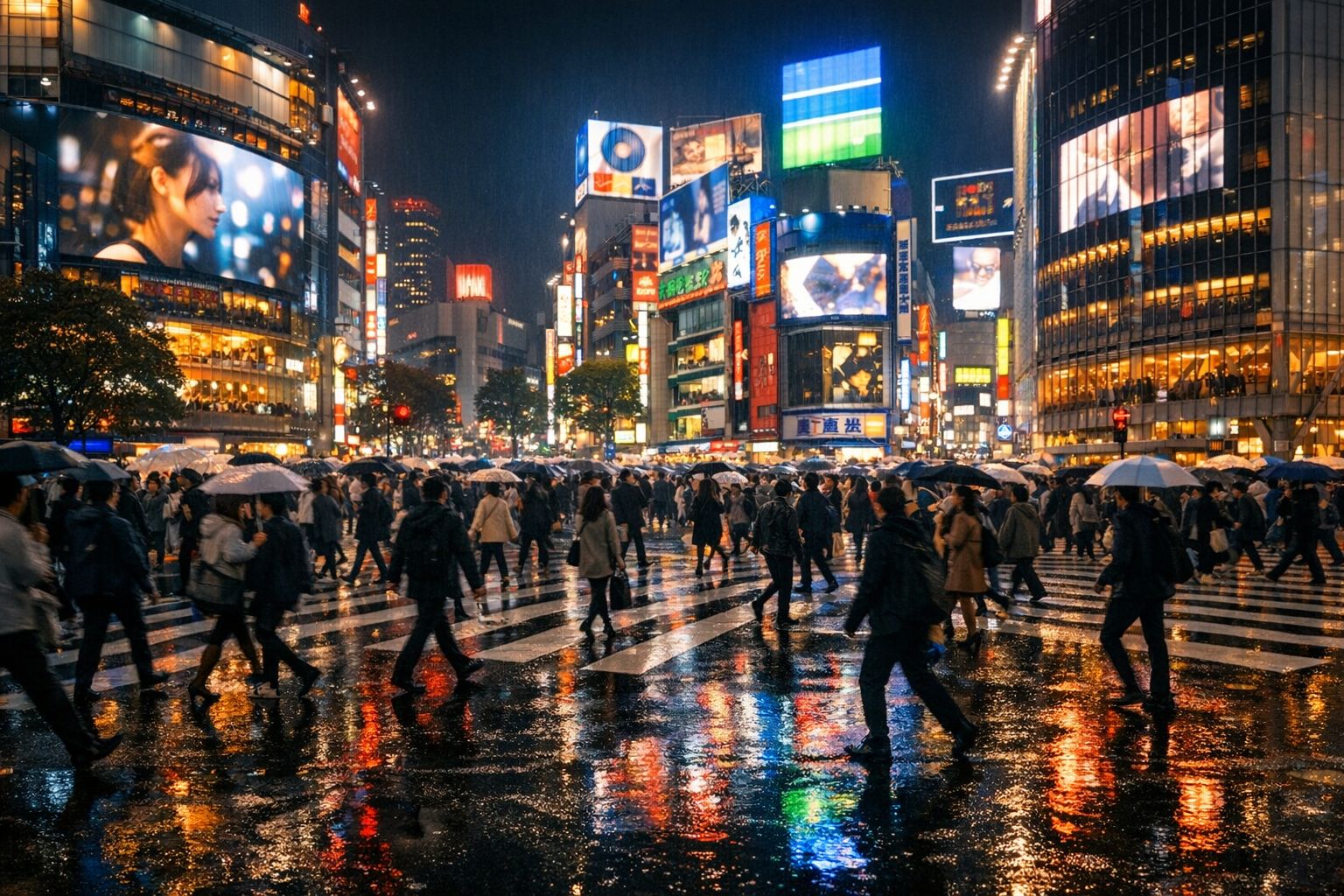
8. Tokyo's Shibuya Crossing at Rush Hour
Arguably the world's busiest pedestrian crossing — up to 3,000 people cross simultaneously when the lights change. The best vantage point is from the Starbucks overlooking the crossing (arrive early to secure a window seat) or from the rooftop of Shibuya Sky (¥2,000 / approx. £10.50 — book online in advance). Rush hour is 8–9am and 5–7pm. The crossing is genuinely extraordinary at night when the neon reflects off wet pavements.
9. Cooking Class or Sake Tasting in Kyoto
Japan's food culture rewards hands-on learning. Kyoto-style cooking classes — teaching sushi, ramen, or traditional washoku cuisine — run from around ¥5,000–¥10,000 (£26–£52) for a half-day session. Sake breweries in the Fushimi district of Kyoto offer guided tastings with detailed explanations of the brewing process. Insider tip: Fushimi is also home to Gekkeikan Okura Sake Museum — ¥600 entry (approx. £3.15) including a tasting of three varieties.
10. Arashiyama Bamboo Grove, Kyoto
A short walk from Tenryu-ji temple, the Arashiyama bamboo grove is one of Japan's most photographed landscapes — and one of its most acoustically strange. The bamboo creates a distinctive rustling sound in the wind that has been designated as one of Japan's "100 Soundscapes." Entry: Free. Tip: The grove is at its most magical at 6–7am before the tourist groups arrive. Combine with a rickshaw ride through Arashiyama's residential lanes (from ¥3,000 / approx. £15.75 for two stops).
Book Your Japan Holiday Now
GlobeHunters offers Japan holiday packages including flights and hotels at competitive prices — from £1,199 per person. Tokyo, Kyoto, Osaka and beyond, curated for UK travellers.
View Japan Packages & Prices →Or call us: 0208 944 4514
Food & Dining in Japan: A UK Traveller's Honest Guide
Japanese food in Japan bears only a passing resemblance to what most UK travellers know from Japanese restaurants at home. The ramen is richer, the sushi is quieter, the street food is more varied, and the convenience store food — yes, really — is genuinely outstanding. Eating in Japan is one of the trip's central pleasures, and understanding how it works makes everything better.
Dishes You Must Try (and Where)
Ramen is Japan's great regional argument. Tokyo ramen tends to be soy-based and clean; Sapporo ramen is miso-based and rich with butter; Hakata (Fukuoka) ramen is tonkotsu — creamy pork bone broth that coats the back of the spoon. A bowl of ramen at a proper shop costs ¥800–¥1,500 (£4.20–£7.90). Ichiran, the solo-dining ramen chain, is an excellent introduction — each diner sits in an individual booth facing a curtained hatch, which is either antisocial genius or brilliant depending on your perspective.
Sushi in Japan is not primarily the elaborate rolls (makizushi) common in UK Japanese restaurants. The authentic form is nigiri — a small pillow of seasoned rice topped with a slice of fish, pressed by hand. Tsukiji Outer Market in Tokyo (the inner wholesale market relocated to Toyosu in 2018, but the outer market remains) is an excellent place for breakfast sushi from around ¥300–¥600 (£1.60–£3.15) per piece. Conveyor belt sushi (kaiten-zushi) chains like Sushiro and Kura Sushi offer plates from ¥110 (approx. 60p).
Yakitori — charcoal-grilled chicken skewers — is Tokyo after-work eating culture. Find a yakitori alley under railway arches (Yurakucho is the classic Tokyo spot), perch on a stool, order by pointing, and drink cold Asahi. A full meal of skewers and beer typically costs ¥1,500–¥3,000 (£7.90–£15.75).
Kaiseki is Japan's haute cuisine — a multi-course meal built around seasonal ingredients, visual artistry, and centuries of culinary philosophy. Kyoto is its spiritual home. A full kaiseki dinner at a ryokan or dedicated restaurant costs ¥15,000–¥40,000 (£78–£210) per person. It is worth doing once, ideally as part of a ryokan stay where the setting enhances the meal.
Okonomiyaki (savoury pancake with various fillings, topped with mayo and bonito flakes) is Osaka and Hiroshima's great street dish. In Hiroshima, it is layered rather than mixed — a completely different and arguably superior construction. Cost: ¥800–¥1,200 (£4.20–£6.30) at a casual restaurant.
Convenience store food deserves a separate mention. 7-Eleven, FamilyMart, and Lawson in Japan are not the dismal forecourt experiences UK travellers are used to. Fresh onigiri (rice balls) from ¥120 (63p), hot nikuman (steamed pork buns) from ¥150 (79p), and sandwiches made fresh daily are genuinely good options, especially for breakfast or late-night eating when restaurants are closed.
Dietary Considerations
Japan can be challenging for strict vegetarians and vegans — dashi (fish stock) is a foundational flavour in Japanese cooking and appears in many seemingly vegetarian dishes including miso soup, noodle broths, and temple cuisine. Buddhist shojin ryori (temple food) is fully vegan and extraordinary in quality — Kyoto's temple restaurants offer some of Japan's best plant-based eating. Halal food is increasingly available in major cities; look for restaurants displaying halal certification, and ask at your hotel for recommendations. Gluten-free eating is difficult given the prevalence of soy sauce (which typically contains wheat) — tamari is a wheat-free alternative, and carrying a dietary card in Japanese explaining your restrictions is strongly advised.
Best Dining Areas
- Dotonbori, Osaka: Neon-lit canal street with takoyaki (octopus balls), gyoza, and everything fried — Japan's most exuberant food street
- Nishiki Market, Kyoto: "Kyoto's Kitchen" — a covered 400m market selling pickles, tofu, skewered foods, and local delicacies
- Shibuya and Shinjuku, Tokyo: Department store basement food halls (depachika) offer extraordinary variety and quality at reasonable prices
- Nakameguro, Tokyo: Upmarket canal-side dining with a creative restaurant scene beloved by Tokyo's design community
Getting to Japan from the UK: Flights, Routes, and Transfers
Flying from the UK to Japan is a long-haul commitment — but the route options are better than many travellers realise, and the journey itself can be made comfortable with the right approach.
Direct Flights
British Airways operates daily non-stop flights from London Heathrow (LHR) to Tokyo Narita (NRT) and Tokyo Haneda (HND), with flight times of approximately 12–13 hours. Japan Airlines (JAL) and All Nippon Airways (ANA) also operate non-stop services from Heathrow. These are generally the most comfortable options and avoid the additional travel time of a connection. Economy return fares typically range from £550–£950 depending on season and booking lead time; business class from £2,200–£3,500 return.
Connecting Flights
Travellers from regional UK airports (Manchester, Birmingham, Edinburgh, Glasgow) will almost always connect through a hub. Common connection points include Amsterdam (KLM), Frankfurt (Lufthansa), Helsinki (Finnair — known for excellent Japan connections), Dubai (Emirates), Doha (Qatar Airways), and Abu Dhabi (Etihad). Total journey times with a single connection typically range from 14–18 hours. Finnair's Helsinki routing is particularly popular for its relatively short total journey time and strong onboard experience.
Which Tokyo Airport?
Haneda (HND) is closer to central Tokyo — the Tokyo Monorail reaches Hamamatsucho station in about 20 minutes (¥500 / £2.65), and the Keikyu Line connects to Shinagawa and the broader JR network. Narita (NRT) is further east — the Narita Express (N'EX) to Shinjuku takes approximately 85 minutes and costs ¥3,070 (approx. £16.15) one-way. The N'EX is comfortable and luggage-friendly, making it the recommended choice for first-time visitors. Limousine bus services connect both airports to major hotels and typically cost ¥3,000–¥3,200 (£15.75–£16.85).
Osaka Flights
Travellers planning to start in Osaka (Kansai region) can fly into Kansai International Airport (KIX). Direct flights from the UK are limited; connections via Middle Eastern or Asian hubs are typical. The Haruka Express connects KIX to Kyoto Station in 75 minutes (¥2,850 / approx. £15) and to Osaka Umeda in 50 minutes.
Booking Tips for UK Travellers
- Book flights at least 3–4 months ahead for standard travel, 6 months ahead for cherry blossom season
- Travelling Tuesday–Thursday consistently yields better fares than weekend departures
- Avoid booking travel over Japan's Golden Week (late April to early May) or the Christmas/New Year period if cost is a concern
- Japan is not a destination where budget carriers offer meaningful savings — full-service carriers typically provide better value when total journey time and baggage are factored in
Japan Holiday Budget Guide: What Things Actually Cost in 2026
Japan has a persistent reputation for being expensive — a reputation that is partly outdated and partly misunderstood. The yen has weakened considerably against sterling over recent years, making Japan noticeably more affordable for UK travellers than it was a decade ago. That said, costs vary enormously based on how you choose to travel.
| Category | Budget (£/day) | Mid-Range (£/day) | Luxury (£/day) |
|---|---|---|---|
| Accommodation | £35–£55 (hostel/capsule/budget hotel) | £70–£120 (business hotel/guesthouse) | £200–£500+ (ryokan/5-star hotel) |
| Food | £15–£25 (conbini, ramen shops, set lunches) | £30–£60 (mix of restaurants) | £80–£200+ (kaiseki, sushi omakase) |
| Local Transport | £5–£10 (metro/bus with IC card) | £8–£15 (metro + occasional taxi) | £20–£50 (taxis, private transfers) |
| Attractions/Activities | £5–£12 (free temples + 1–2 paid sites) | £15–£30 (museums, gardens, experiences) | £40–£100+ (private guides, exclusive access) |
| Daily Total (excl. flights) | £60–£100 | £125–£225 | £350–£850+ |
Practical Money-Saving Tips
- Eat lunch at restaurants, not dinner: Many excellent restaurants offer set lunch menus (teishoku) at ¥800–¥1,500 (£4.20–£7.90) that represent extraordinary value — the same meal at dinner costs three times as much
- Get a Suica or Pasmo IC card: A reloadable contactless card accepted on virtually all metro, bus, and even convenience store transactions — no fumbling with change or paper tickets
- Use department store basements (depachika) for dinner: The basement food halls of major department stores sell restaurant-quality food — bento boxes, sushi, prepared dishes — at reasonable prices, ideal for a self-catered evening
- Japan Rail Pass vs. individual tickets: A 7-day JR Pass (approx. £250) is cost-effective if you are doing two or more Shinkansen journeys. A Tokyo–Kyoto–Osaka round trip alone would cost around £160 without a pass — so the maths works if you are also doing day trips to Hiroshima, Nara, or Hakone
- Many of Japan's best experiences are free: Walking through Fushimi Inari, the Arashiyama bamboo grove, the Hamarikyu Gardens in Tokyo (¥300 / £1.60), and dozens of temple precincts cost nothing or next to nothing
Full Package Holiday Costs from the UK
A 10-night Japan package holiday from the UK — including return flights, accommodation in Tokyo and Kyoto, and Shinkansen transfer — typically starts from around £1,199 per person with GlobeHunters when booked during off-peak periods. Peak season (cherry blossom, autumn foliage) packages typically start from £1,499–£1,799 per person. Luxury packages including ryokan stays and guided experiences can reach £2,499 per person. These package prices represent better value than booking components separately, particularly when flights are included at group-contracted rates.
Travel Tips & Safety: What Every UK Visitor to Japan Needs to Know
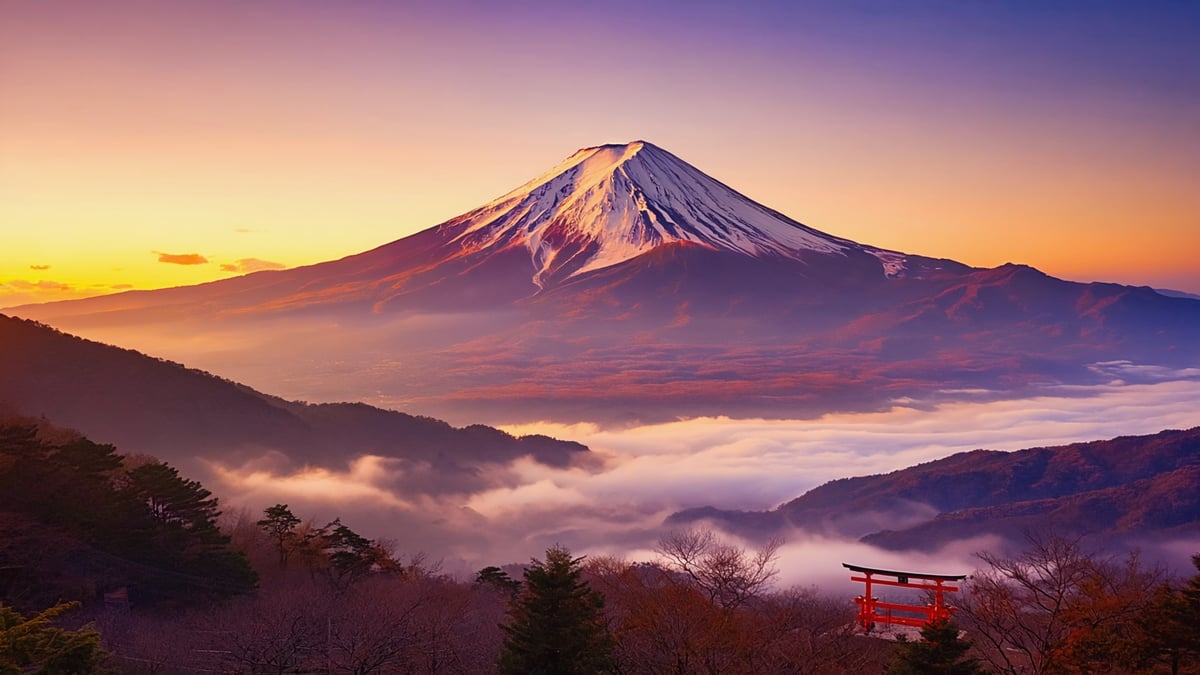
Japan consistently ranks as one of the safest countries in the world for tourists, and UK travellers generally find the experience remarkably straightforward. That said, a few cultural and practical specifics are worth understanding before you go — Japan operates on its own logic, and the more you know, the more you will enjoy.
Safety
Violent crime against tourists is exceptionally rare. Pickpocketing is almost unheard of in the way it afflicts European tourist hotspots — it is genuinely common to see people leave bags unattended in cafés. The principal safety concerns are natural: Japan sits on the Pacific Ring of Fire and experiences earthquakes regularly. Most are minor; large ones are rare. Your hotel will have earthquake safety information, and Japan's early warning systems (including alerts pushed to all mobile phones) are among the world's best. Typhoon season runs roughly June to October, with peak activity in August and September — monitor forecasts if travelling during this period.
Health
No vaccinations are specifically required for UK travellers visiting Japan, though being up to date on routine UK vaccinations (including hepatitis A and B) is sensible. The NHS travel health pages provide current guidance. Japan has an excellent healthcare system; travel insurance with medical cover is strongly recommended, as hospital costs without insurance can be significant. Pharmacies (yakkyoku) are widespread and well-stocked, though packaging is in Japanese — carry a translated list of any medications you take regularly.
Cultural Etiquette
Japan's social codes are not difficult, but ignoring them creates unnecessary friction:
- Remove shoes before entering homes, many traditional restaurants, and some temple inner sanctuaries. Look for the genkan (entrance step) and follow the lead of locals
- Eating and drinking while walking is generally frowned upon in Japan, though eating at a stall or sitting down is fine. Convenience store food is typically consumed outside the shop or inside
- Tipping is not practised — in fact, it can cause confusion or mild offence. Excellent service is the standard, not a bonus to be rewarded with cash. Never tip in restaurants, taxis, or hotels
- Rubbish bins are rare in Japanese streets — a legacy of the 1995 sarin attack in Tokyo's subway, after which public bins were removed. Carry a small bag for your rubbish and dispose of it at a convenience store
- Onsen etiquette: Wash thoroughly at the shower stations before entering communal baths. Tattoos are prohibited in many traditional onsen (a policy rooted in historical associations with organised crime). Private onsen rooms (kashikiri) are available at most ryokan for tattooed guests
- Queuing: Japanese queuing culture is impeccable — at train doors, taxi ranks, and tourist sites. Join the queue, do not push, and you will be fine
Connectivity and Navigation
Japan's mobile networks are excellent. The easiest option for UK travellers is a pocket Wi-Fi device (available for rental at airports, from around ¥300–£1.60 per day) or a Japanese SIM card. Google Maps works brilliantly for Tokyo and Kyoto navigation, including train routes and walking directions. Download offline maps before you go — it saves both data and the stress of searching for signal. IC cards (Suica, Pasmo) can now be added to Apple Wallet and Google Pay, which eliminates the need to carry a physical card.
Packing for Japan
Japan involves a great deal of walking — comfortable, well-worn shoes are essential. Bring a small day bag (many attractions have bag lockers for larger luggage). A lightweight, packable rain jacket is useful year-round. Modest clothing is appreciated at religious sites (shoulders and knees covered). If visiting in winter, layering is more effective than one heavy coat, given the temperature difference between heated interiors and cold streets.
Frequently Asked Questions: Japan Holidays for UK Travellers
Do UK travellers need a visa for Japan in 2026?
No. British passport holders can visit Japan visa-free for up to 90 days for tourism. No advance application is required. Confirm current entry requirements on the official Japanese Ministry of Foreign Affairs website before travel, as digital pre-registration systems have been introduced at some entry points.
How long should I spend in Japan?
A minimum of 10 nights allows you to cover Tokyo and Kyoto meaningfully. Fourteen nights is ideal for adding Osaka, Hiroshima, Nara, and a rural experience such as an onsen town. Trying to compress Japan into a week risks a superficial experience — the country rewards slow travel and repeat visits to the same places at different times of day.
What is the best time of year for a Japan holiday from the UK?
Late October to mid-November offers the best combination of comfortable temperatures, spectacular autumn foliage (koyo), manageable crowds, and competitive pricing. Cherry blossom season (late March to early April) is visually extraordinary but comes with peak crowds and prices. Both spring and autumn are significantly better than summer, which is hot, humid, and busy.
How much spending money should I budget for Japan?
A realistic mid-range budget (excluding flights and accommodation, which are typically covered in a package) is £50–£80 per person per day. This covers meals, local transport, entry fees, and incidentals. Budget travellers can manage on £35–£50 per day by eating at ramen shops and convenience stores; luxury travellers should budget £150–£300+ per day for premium dining, taxis, and experiences.
Is Japan safe for solo UK female travellers?
Japan is widely regarded as one of the safest destinations in the world for solo female travellers. Violent crime is rare, public transport is well-lit and policed, and women-only carriages are available on most metro lines during peak hours. The main caution is the same as anywhere: be aware of your surroundings in crowded nightlife areas late at night.
Should I get a Japan Rail Pass?
A Japan Rail Pass is good value if you plan to travel between Tokyo, Kyoto, and one or more additional destinations (Hiroshima, Osaka, Hakone) by Shinkansen. A 7-day pass (approx. £250) covers most Shinkansen routes and many local JR lines. If you are staying only in Tokyo or only in Kyoto, an IC card (Suica/Pasmo) loaded with yen is sufficient for local transport. The JR Pass must be purchased before arriving in Japan.
Can I use my UK credit or debit card in Japan?
Major credit cards (Visa, Mastercard) are accepted at hotels, department stores, and larger restaurants. However, Japan remains significantly more cash-dependent than the UK — many smaller restaurants, temple stalls, and rural shops are cash-only. Carry yen in cash. The most reliable ATMs for foreign cards are at 7-Eleven stores and Japan Post offices, which accept international Visa and Mastercard debit cards.
What Japanese phrases should I learn before visiting?
A handful of phrases dramatically improves the experience: Sumimasen (excuse me / sorry), Arigatou gozaimasu (thank you very much), Kore wo kudasai (I'll have this, please — while pointing), Ikura desu ka (how much does this cost?), and Eigo ga hanasemasu ka (do you speak English?). Japanese people deeply appreciate any attempt at the language, however imperfect.
Is Japanese food accessible to vegetarians and vegans?
Vegetarianism and veganism are manageable but require effort. Fish stock (dashi) is ubiquitous and often invisible in "vegetarian" dishes. Shojin ryori (Buddhist temple cuisine) is genuinely vegan and excellent — seek it out in Kyoto. Larger cities have increasing numbers of dedicated vegan restaurants. Carrying a dietary restriction card written in Japanese is strongly recommended for anyone with strict requirements.
How do I get between Tokyo and Kyoto?
The Tokaido Shinkansen (bullet train) is the standard and most enjoyable option — approximately 2 hours 15 minutes from Tokyo Station to Kyoto Station on the Nozomi service, or 2 hours 40 minutes on the Hikari (which is covered by the Japan Rail Pass; the Nozomi is not). The Hikari is perfectly comfortable and the time difference is negligible. Night buses are available for budget travellers from around ¥4,000 (£21) one-way.
What currency should I bring to Japan?
Japanese Yen (JPY). It is best to convert some sterling to yen before departure (a travel money card or cash from a post office or specialist exchange typically offers better rates than airport currency exchanges). Top up at 7-Eleven or Japan Post ATMs once in Japan. The exchange rate as of 2026 is approximately ¥185–¥195 to £1, though this fluctuates.
Can GlobeHunters arrange a Japan package holiday from regional UK airports?
Yes. GlobeHunters works with multiple airlines and routing options, making it possible to arrange Japan packages from Manchester, Birmingham, Edinburgh, and other regional UK airports, typically via a European or Middle Eastern hub. Call 0208 944 4514 to discuss routing options, or browse current packages online for the most competitive pricing.
Why Japan in 2026 Deserves Its Place on Your Travel List
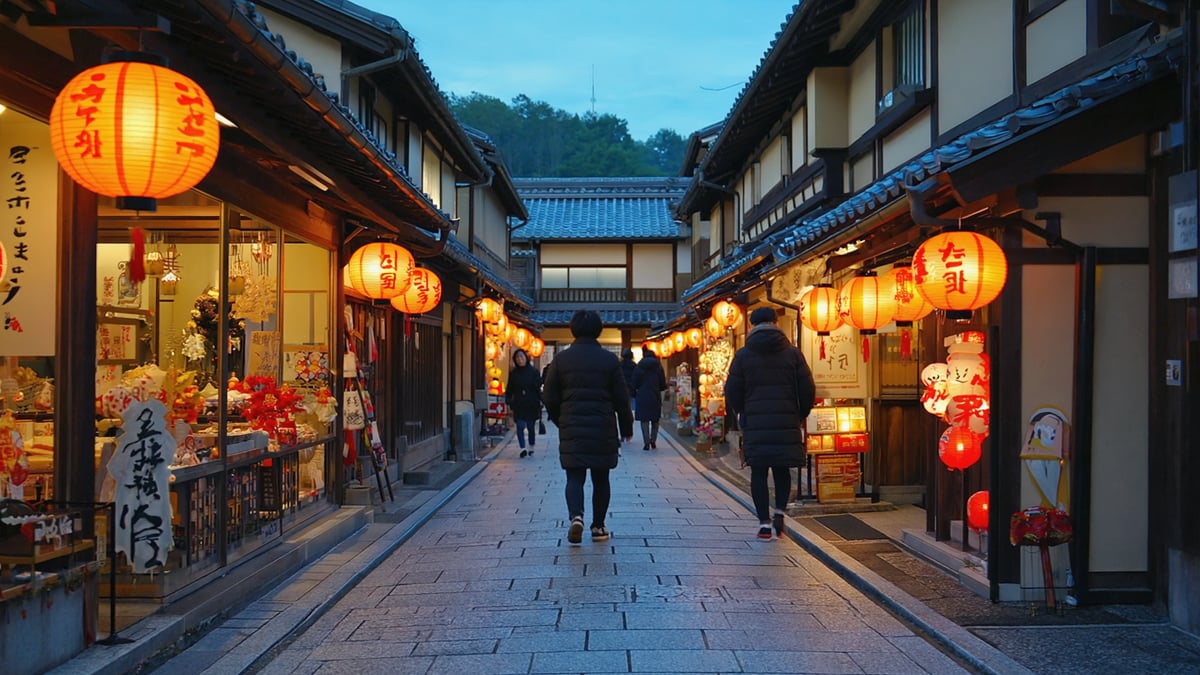
There is a reason Japan consistently tops global travel wish lists — and it is not the cherry blossoms, though those are genuinely extraordinary. It is the underlying quality of attention that the country brings to everything: the food, the design, the service, the landscape, the way a bowl of ramen arrives at the table. Japan is a country that takes the act of doing things well with complete seriousness, and for travellers willing to engage with that ethos, it offers an experience that is genuinely difficult to find anywhere else.
For UK travellers, 2026 is a particularly compelling time to go. The Japan holidays from UK 2026 market has never been more competitive in terms of pricing — a weakened yen, improved flight connectivity, and a growing range of curated Japan package holidays from the UK mean that this is the most accessible Japan has ever been for British visitors. Whether your interest lies in ancient temples, hypermodern cities, mountain onsen, world-class food, or the quiet extraordinary experience of a rural ryokan morning, Japan will deliver — and then deliver something you did not expect on top of that.
A Tokyo Kyoto travel guide can point you at the highlights, but the real discovery in Japan is always personal: the tiny ramen shop that becomes your favourite place on earth, the temple garden at dawn that stops you mid-stride, the moment on the Shinkansen when Mt. Fuji appears through the window and the carriage falls quiet. Plan carefully, book early — especially for cherry blossom season — and then allow Japan to surprise you. It will.
Ready to Book Your Japan Holiday?
GlobeHunters offers curated Japan holiday packages from £1,199 per person including return flights and accommodation. Our Japan specialists can tailor any itinerary — cherry blossom tours, ryokan stays, family itineraries, and honeymoon packages.
View Japan Packages & Prices →Or call our Japan specialists: 0208 944 4514
About the author
Spiros Maragkoudakis · Chief Commercial Officer
Ready to Book Your Japan Holiday?
Our travel experts are ready to help you plan the perfect trip. Call us today or browse our latest deals.
Ready to Start Planning?
Speak to our travel experts for personalised advice and the best deals on your next holiday.
Call 0208 944 4514