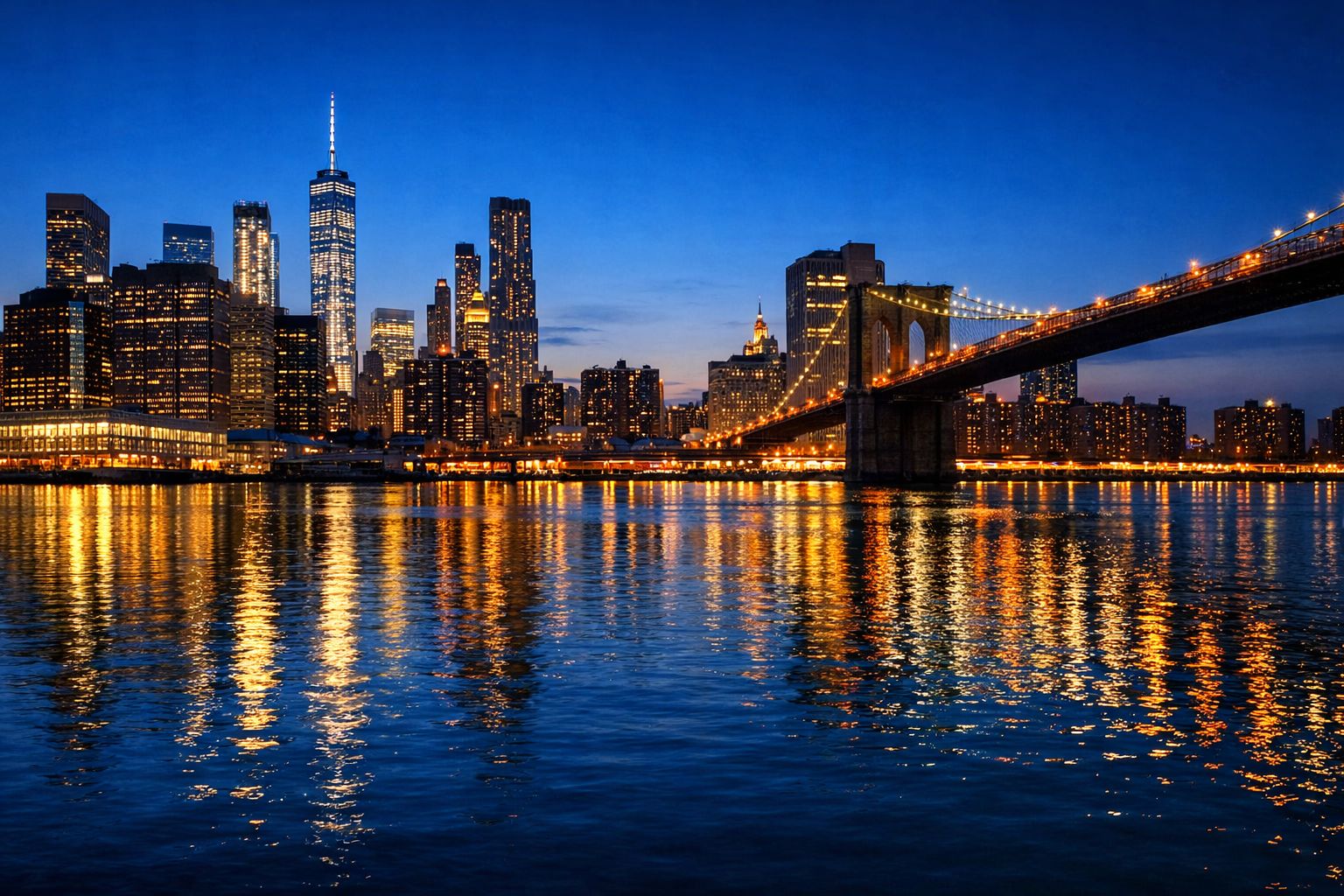
Most people think they know New York City before they arrive. They've seen it in a thousand films, heard the songs, watched the skyline on television so many times it feels like a place they already inhabit. That familiarity is, paradoxically, the biggest trap for first-time visitors — because the city that actually exists bears almost no resemblance to the edited highlight reel in your head. The real New York is noisier, stranger, more contradictory, and infinitely more rewarding than any postcard version. In 2026, the city is in the middle of one of its most energetic creative and culinary renaissances in decades, with new cultural institutions opening, entire neighbourhoods reinventing themselves, and a public transport network finally delivering on long-promised improvements. For UK travellers, there has never been a better time to go — and with transatlantic fares remaining competitive and the pound holding reasonable strength against the dollar, the numbers stack up more favourably than they have in years.
This guide is built for the British traveller who wants to go beyond the obvious. Yes, it covers the Empire State Building and Central Park — because they genuinely deserve their reputations — but it also digs into the neighbourhoods, the food scenes, the cultural moments, and the practical logistics that separate a memorable New York trip from a forgettable one. Whether you're planning a romantic long weekend, a family adventure, a solo escape, or a bucket-list honeymoon, what follows is the most comprehensive and current resource available for planning your New York holiday 2026.
New York City: A Destination Overview for UK Travellers
New York City is one of the world's most visited cities and arguably its most culturally significant urban centre — a place where virtually every art form, cuisine, language, and ambition coexist within a remarkably compact geography. Understanding its basic structure before you arrive will transform your experience.
Geographically, New York City is made up of five boroughs: Manhattan, Brooklyn, Queens, The Bronx, and Staten Island. For most first-time visitors, Manhattan is the primary base, but Brooklyn has become an equally compelling destination in its own right — and Queens offers some of the best food in the entire city. The famous skyline that dominates every mental image is lower Manhattan and Midtown, but the city sprawls outward in every direction, each neighbourhood with its own character and rhythm.
Essential Travel Facts for UK Visitors
- Language: English (American English — expect some vocabulary differences, but communication is entirely straightforward)
- Currency: US Dollar (USD). As of 2026, exchange rates fluctuate but typically fall in a range that makes New York moderately expensive for British visitors. Always use a fee-free travel card such as Wise or Starling rather than exchanging cash at the airport.
- Time Zone: Eastern Time (ET) — 5 hours behind GMT in winter, 5 hours behind BST in summer
- Visa Requirements: UK citizens do not require a visa to visit the United States for trips under 90 days, but ESTA authorisation is mandatory. Apply via the official US Customs and Border Protection ESTA portal at least 72 hours before travel — the fee is $21 USD per person. Never use third-party ESTA websites, which charge inflated fees for identical service.
- Passport Validity: Your passport must be valid for the duration of your stay. Unlike some destinations, the US does not require six months' validity beyond your travel dates — but it must not expire during your trip.
- Emergency Number: 911
- Electrical Sockets: Type A and B (110V). UK devices with two or three-pin plugs will need an adaptor. Most modern electronics (laptops, phone chargers) are dual-voltage and will work with just an adaptor.
- Tipping Culture: Tipping is not optional in New York — it is a cultural expectation and economic necessity for service workers. Budget 18–22% on restaurant bills, $1–2 per drink at bars, $2–5 per bag for porters, and 15–20% for taxi and rideshare drivers.
New York's five boroughs together cover approximately 302 square miles and are home to over eight million people — making it the most densely populated major city in the United States. The island of Manhattan, where most visitors spend the majority of their time, is only about 13.4 miles long and 2.3 miles wide at its widest point, which is why so much of the city is walkable. The subway, which runs 24 hours a day, seven days a week, connects the entire city and remains the single most efficient way to navigate between neighbourhoods.
When Is the Best Time to Visit New York in 2026?

The best times to visit New York City for most UK travellers are late April through June and September through early November — shoulder seasons that offer pleasant weather, manageable crowds, and more competitive pricing than the peak summer months. That said, every season has something genuine to offer, and the "right" time depends heavily on what you want from the trip.
Season-by-Season Breakdown
Spring (March–May): Spring arrives tentatively in March, when temperatures hover between 4°C and 13°C and the weather remains unpredictable. By April, the city blooms — Central Park's cherry blossoms typically peak in early-to-mid April, drawing crowds but creating genuinely beautiful scenes. May is arguably the city's most pleasant month: temperatures in the 15–22°C range, low humidity, and a cultural calendar packed with events. The Tribeca Film Festival typically runs in late April and early May, filling downtown Manhattan with screenings, talks, and celebrity sightings. Prices begin rising in May as summer approaches.
Summer (June–August): Summer in New York is hot, humid, and relentless. July temperatures regularly reach 30–35°C with high humidity that makes it feel considerably warmer. That said, summer has its own appeal: free outdoor concerts in Central Park (the SummerStage series runs from June through October), rooftop bars in full swing, the New York Philharmonic's free lawn concerts, and the city's famous Fourth of July (4th July) fireworks. Be prepared to spend more on accommodation and air conditioning, and expect the most crowded conditions at major attractions. School holiday timing means families flood in from late June.
Autumn (September–November): Industry consensus among frequent travellers firmly identifies autumn as New York's finest season. September brings cooling temperatures (18–24°C) and the city returning to full energy after summer. October is spectacular — the foliage in Central Park and Prospect Park turns amber and gold, the air sharpens, and the cultural season roars back to life with new Broadway productions, museum exhibitions, and the New York Film Festival at Lincoln Centre in late September and October. The New York City Marathon in early November is one of the world's great sporting spectacles, with over 50,000 runners and a million spectators. Prices soften slightly compared to summer peak.
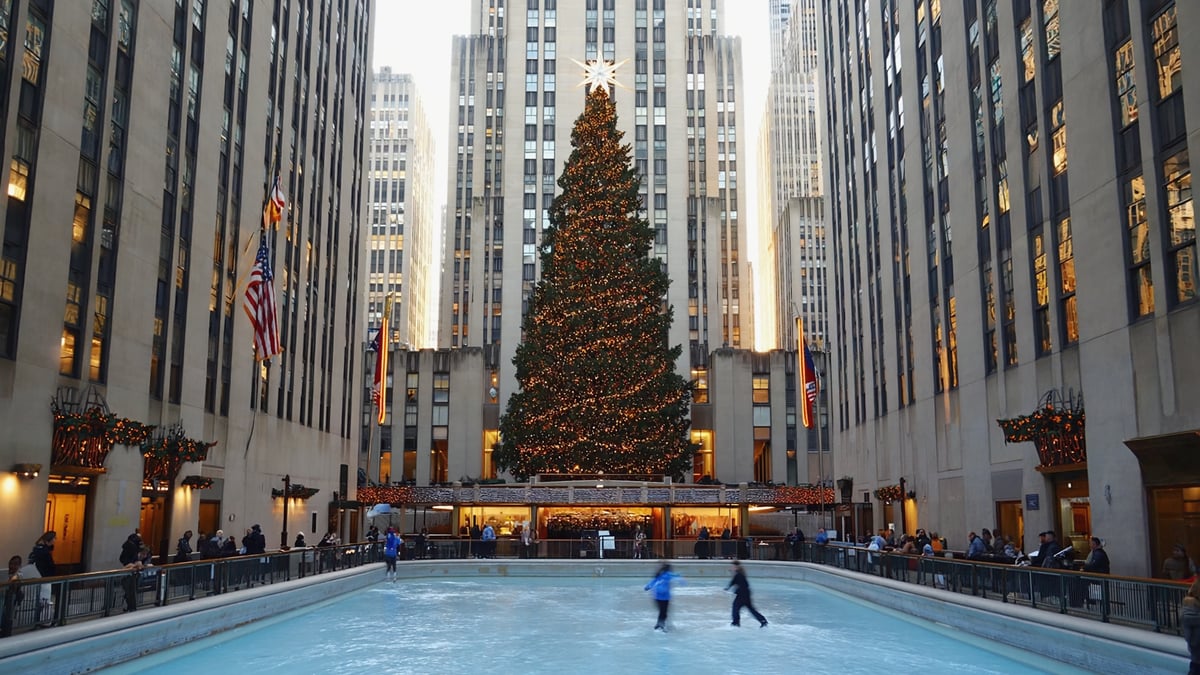
Winter (December–February): December transforms New York into one of the world's great Christmas destinations. The Rockefeller Centre tree lighting (typically late November), ice skating rinks, department store window displays, and festive markets create an atmosphere that genuinely lives up to its cinematic reputation. However, December is also the most expensive month of the year — hotels and flights spike sharply, and attractions are packed. January and February are the quietest and cheapest months, with bitterly cold temperatures (often below freezing, occasionally dropping well below -10°C with wind chill) but genuine bargains on flights and hotels for those willing to layer up.
| Month | Avg Temp (°C) | Crowd Level | Price Level | Best For |
|---|---|---|---|---|
| January–February | -3 to 5°C | ⚠️ Low | ✅ Budget-friendly | Museum marathons, bargain hunters |
| March–April | 5 to 18°C | ✅ Moderate | ✅ Mid-range | Cherry blossoms, film festivals |
| May–June | 15 to 27°C | ⚠️ Moderate–High | ⚠️ Mid–High | Couples, first-timers, outdoor dining |
| July–August | 25 to 35°C | ❌ Very High | ❌ Peak pricing | Families, outdoor events, rooftops |
| September–October | 15 to 25°C | ✅ Moderate | ⚠️ Mid-range | Optimal — all traveller types |
| November–December | 2 to 12°C | ⚠️ High (December) | ❌ December peak | Christmas magic, winter atmosphere |
Where to Stay in New York: A Neighbourhood Guide
Choosing where to stay in New York is one of the most consequential decisions you'll make before your trip. The city's neighbourhoods are wildly different from one another — not just in atmosphere, but in what they put within walking distance. Staying in the wrong area for your interests can mean adding 45 minutes of commuting to every activity.
Midtown Manhattan — The Classic Choice
Midtown is where most first-time visitors stay, and the logic is sound: it puts you within walking distance of Times Square, the Empire State Building, Rockefeller Centre, the Museum of Modern Art, and Grand Central Terminal. The area is dense with hotel options across every price point, and the subway connectivity is unmatched. The trade-off is atmosphere — Midtown is relentlessly commercial and tourist-facing, without the neighbourhood character that makes New York genuinely interesting. It's a brilliant base for sightseeing efficiency; less ideal for those who want to feel like a local.
Budget pick: Pod 51 or Pod Times Square — functional, design-forward micro-hotels that punch well above their price point. Expect to pay £100–£160 per night.
Mid-range pick: The Civilian Hotel or citizenM New York Times Square — stylish, well-located, and consistently reviewed as excellent value. Expect £180–£280 per night.
Luxury pick: The Peninsula New York, The St. Regis, or Baccarat Hotel — landmark properties offering exceptional service and iconic addresses. Expect £450–£900+ per night.
Lower East Side & SoHo — For the Culturally Curious
The Lower East Side (LES) is one of New York's most historically layered neighbourhoods — once the centre of immigrant Jewish life in the early 20th century, it became a punk and art hub in the 1970s and 1980s, and now hosts some of the city's best bars, galleries, and restaurants. SoHo (South of Houston Street) is the adjacent neighbourhood synonymous with cast-iron architecture, high-end shopping, and a concentration of art galleries. Staying here puts you close to the High Line, the Whitney Museum of American Art, and the best of downtown Manhattan. Accommodation tends to be more boutique and design-led.
Mid-range: Arlo SoHo or The Broome — £160–£240 per night.
Luxury: Eleven Howard or 11 Howard Hotel — £300–£480 per night.
Brooklyn — Williamsburg & DUMBO
Williamsburg has been Brooklyn's cultural engine for two decades, and despite repeated claims that it has "sold out," it remains one of the best places in the city for independent restaurants, live music, vintage shopping, and waterfront views of the Manhattan skyline. DUMBO (Down Under the Manhattan Bridge Overpass) offers some of the most photographed streets in New York, excellent independent coffee shops, and direct subway access to Manhattan in under ten minutes. Staying in Brooklyn is a genuine option for 2026, not a compromise — particularly for travellers who want to feel the city's creative energy rather than its tourist surface.
Mid-range: The William Vale (Williamsburg) or 1 Hotel Brooklyn Bridge — £160–£320 per night.
Luxury: The Hoxton Williamsburg — £280–£450 per night.
Upper West Side — For Families and Culture Lovers
The Upper West Side (UWS) sits between Central Park and Riverside Park, placing it within walking distance of the American Museum of Natural History, the Metropolitan Opera at Lincoln Centre, and some of Manhattan's best family-friendly restaurants. It's quieter than Midtown, genuinely residential, and considerably more charming. For families in particular, this is often the superior base.
Mid-range: Hotel Beacon or Hotel Belleclaire — £130–£220 per night.
Luxury: The Excelsior Hotel or Mandarin Oriental (nearby Columbus Circle) — £350–£600 per night.
Book Your New York Holiday Now
GlobeHunters offers NYC package holidays from UK including flights and hotels at competitive prices — with packages starting from £799 per person.
View NYC Package & Prices →Or call us: 0208 944 4514
Top Things to Do in New York City in 2026
New York's attractions divide cleanly into two categories: the iconic landmarks that absolutely deserve their reputation, and the hidden-in-plain-sight experiences that most visitors miss entirely. The best itineraries combine both. Here are ten experiences — with practical details — that should anchor your New York City travel guide for 2026.
1. The Metropolitan Museum of Art (The Met)
The largest art museum in the Americas and one of the greatest in the world, The Met houses a permanent collection of over two million works spanning 5,000 years of human creativity. The Egyptian Temple of Dendur, the European Paintings galleries, and the rooftop sculpture garden (open seasonally) are unmissable. Entry: Suggested donation of $30 (approximately £24) for adults; the "pay what you wish" policy applies to New York State residents but not to out-of-state or international visitors. Open Tuesday–Sunday, 10:00–17:00 (21:00 on Fridays and Saturdays). Insider tip: Book timed entry in advance on busy weekends — queue times without a booking can exceed 45 minutes.
2. The High Line
An elevated linear park built on a disused freight railway on Manhattan's West Side, the High Line runs from Gansevoort Street in the Meatpacking District to 34th Street. It's a genuine feat of urban design and consistently one of the most enjoyable walks in the city — lined with public art, native plantings, food vendors, and extraordinary views of both the Hudson River and the city skyline. Entry: Free. Open daily from 07:00 to 22:00 (until 23:00 in summer). Pair it with a visit to the adjacent Hudson Yards development, which houses The Shed arts centre and the Vessel sculpture.
3. One World Observatory
The observation deck atop One World Trade Centre — the tallest building in the Western Hemisphere at 541 metres — offers a 360-degree panorama of the city and beyond. On a clear day, you can see for over 80 kilometres in every direction. Entry: Approximately $44 (around £35) for adults, with online booking recommended. Open daily 09:00–21:00. Insider tip: Visit at dusk rather than in full darkness — the transition from golden hour to city lights is the most spectacular time of day.
4. Brooklyn Bridge Walk & DUMBO
Walking the Brooklyn Bridge is one of those activities that sounds touristy but delivers something genuinely moving. The 1.8-kilometre pedestrian walkway above the traffic offers extraordinary views of both the Manhattan and Brooklyn skylines, the East River, and the Statue of Liberty in the distance. Allow 30–45 minutes for the crossing. On the Brooklyn side, DUMBO's cobblestone streets, independent bookshops, and the Brooklyn Bridge Park waterfront make for an excellent half-day. Entry: Free.
5. The Museum of Modern Art (MoMA)
MoMA's permanent collection contains some of the most recognisable works in modern art history — Van Gogh's The Starry Night, Picasso's Les Demoiselles d'Avignon, Warhol's Campbell's Soup Cans. The 2019 expansion added significant gallery space, and the curatorial approach has become more adventurous and inclusive in recent years. Entry: $30 (approximately £24) for adults. Open Saturday–Thursday 10:30–17:30, Fridays 10:30–20:00. Free on the first Friday evening of each month (16:00–20:00) — but arrive early as queues form.
6. Central Park
843 acres of designed landscape in the heart of Manhattan — Central Park is one of the great achievements of American civic planning. Beyond the obvious (the Bethesda Fountain, the Bow Bridge, the Reservoir), seek out the Ramble (a 36-acre woodland designed to feel wild), the Delacorte Theatre (home to free Shakespeare in the Park performances each summer), and the lesser-visited North End, which is noticeably quieter than the southern section. Entry: Free. Hire a bicycle from one of the Citi Bike docking stations around the park's perimeter for approximately $4–8 (£3–6) for 30 minutes.
7. Broadway Show
Attending a Broadway production is not optional — it is one of the defining New York experiences. The Theatre District around Times Square hosts dozens of productions simultaneously, ranging from long-running musicals to limited-run dramatic plays. Tickets: Full-price orchestra seats typically cost $100–$250 (£80–£200), but the TKTS discount booth in Times Square offers same-day tickets at 20–50% off for many shows. Rush tickets and digital lotteries (run through individual show apps and websites) can yield excellent seats for $35–50 (£28–40).
8. The Staten Island Ferry
Completely free, 24 hours a day, the Staten Island Ferry provides a 25-minute harbour crossing with unobstructed views of the Statue of Liberty, Governors Island, and the lower Manhattan skyline. It is, objectively, the best free activity in New York City and one of the most spectacular urban ferry rides in the world. Entry: Free. Departs from Whitehall Terminal at the southern tip of Manhattan approximately every 30 minutes throughout the day.
9. The Tenement Museum
One of the most underrated cultural experiences in the city, the Tenement Museum on Orchard Street in the Lower East Side tells the stories of immigrant families who lived in a preserved 19th-century tenement building. Tours are led by expert guides and draw on genuine historical records — the result is something between a history lesson and a piece of immersive theatre. Entry: Approximately $30 (£24) for adults. Multiple tour options available; book in advance as tours sell out. Open daily 10:00–18:00.
10. Empire State Building — Top of the Rock Alternative
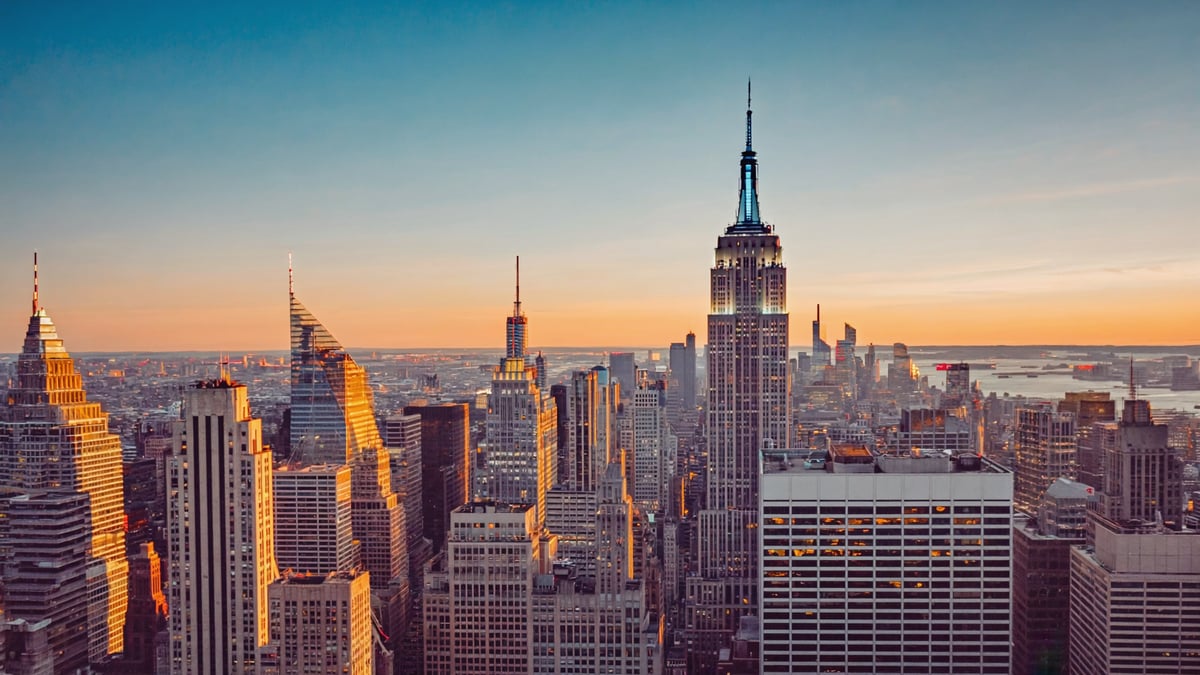
The Empire State Building's observation decks (86th and 102nd floors) are iconic — but the view from Top of the Rock at Rockefeller Centre is arguably superior because it includes the Empire State Building itself in the panorama, which you obviously cannot see when standing on top of it. Top of the Rock entry: Approximately $40–50 (£32–40). Empire State Building entry: Approximately $44–54 (£35–43). Both require advance booking in 2026 to guarantee entry at your preferred time.
Food & Dining in New York: Beyond the Hot Dog
New York's food culture is one of the most sophisticated and diverse on the planet — a direct product of the city's centuries of immigration and its culture of culinary ambition. Eating well in New York is not expensive by necessity; some of the city's most memorable meals cost under £10. But knowing where to look separates the initiated from the tourists.
Dishes You Must Eat in New York
- New York-style pizza: A specific thing — wide, thin-crust slices sold by the slice from counter pizzerias. The fold is mandatory. Seek out places in the outer boroughs for the most authentic experience; Joe's Pizza in Greenwich Village is the most reliable Midtown option.
- Bagel with lox: The New York bagel — chewy, glossy, and unmistakably different from the bread rings sold in UK supermarkets — topped with cream cheese and smoked salmon (lox). Russ & Daughters on Houston Street has been doing this since 1914 and remains the benchmark.
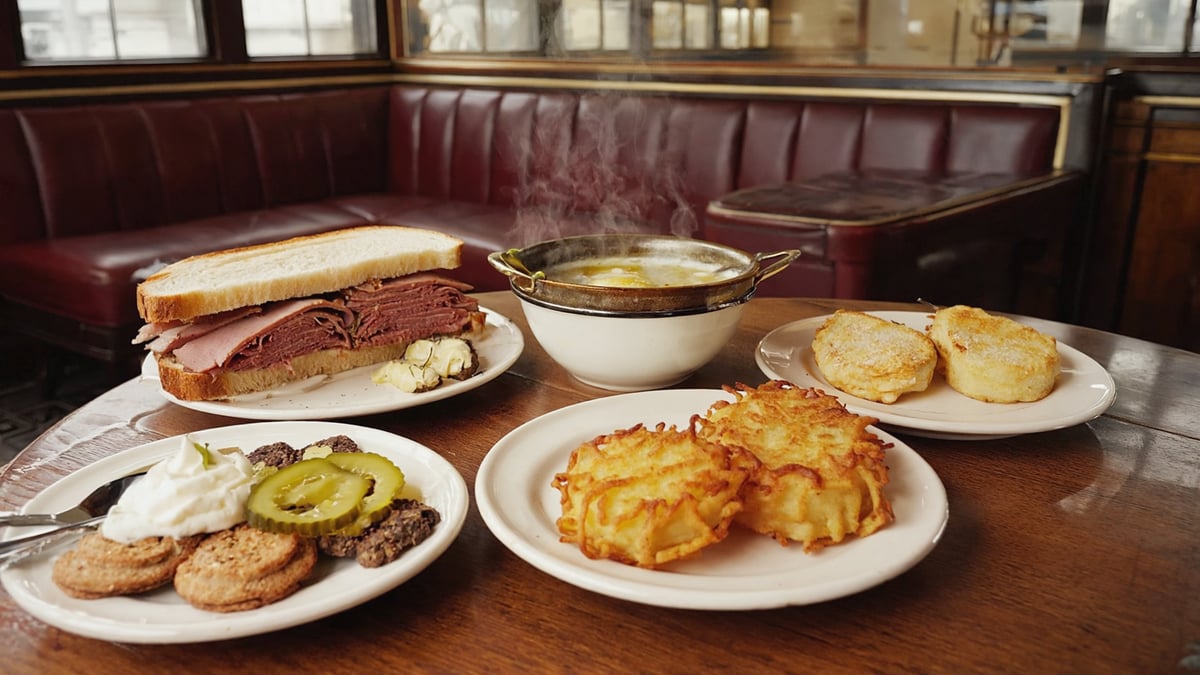
- Pastrami on rye: Katz's Delicatessen on Ludlow Street serves what is widely considered the definitive version — thick-cut, hand-carved, intensely seasoned cured beef on seeded rye bread with yellow mustard. Expect queues, cash payment, and no regrets.
- Dim sum in Flushing (Queens): Flushing's Main Street is home to one of the most authentic Chinese food scenes outside of China itself. The New World Mall Food Court and the surrounding blocks offer hand-pulled noodles, soup dumplings (xiao long bao), Sichuan hotpot, and Taiwanese bubble tea at prices that feel almost impossibly low by New York standards — most dishes £4–8.
- Black and white cookie: A New York bakery institution — a large, soft cake cookie half-covered in vanilla fondant and half in chocolate. Available at virtually every deli and bakery in the city.
- Chopped cheese: A Harlem-born sandwich made of ground beef, cheese, and vegetables cooked together on a griddle and served on a hero roll. Less famous than it deserves to be.
Best Areas for Eating Out
The East Village and Lower East Side host the densest concentration of excellent independent restaurants in Manhattan, ranging from Japanese ramen shops to Ukrainian canteens to Michelin-starred tasting menus. Williamsburg in Brooklyn is similarly dense with quality options and tends to be slightly less expensive than Manhattan equivalents. Flushing in Queens is essential for Asian cuisine. Jackson Heights (also Queens) is extraordinary for South Asian and Latin American food — Indian, Bangladeshi, Ecuadorian, and Colombian restaurants all within a few blocks of each other.
Dietary Considerations
New York is an exceptionally accommodating city for dietary requirements. Vegetarian and vegan options are available at virtually every restaurant, and dedicated vegan establishments are numerous across all boroughs. Halal food is widely available, particularly in Midtown (the famous halal cart network) and in Jackson Heights. Gluten-free options are standard at most mid-range and upscale restaurants. Kosher dining is particularly well-represented on the Upper West Side and in parts of Brooklyn.
Budget Dining Tips
New York's food hall culture has exploded in the past decade, and the best of them offer exceptional quality at reasonable prices. Chelsea Market (15th Street and 9th Avenue) houses dozens of independent food vendors in a converted biscuit factory. Smorgasburg, the open-air food market in Williamsburg and Prospect Park (weekends, spring through autumn), is one of the best casual food experiences in the city. Most food hall vendors charge £8–15 per main dish — comparable to a London street food market but often of significantly higher quality.
Getting to New York from the UK: Flights, Routes & Transfer Tips
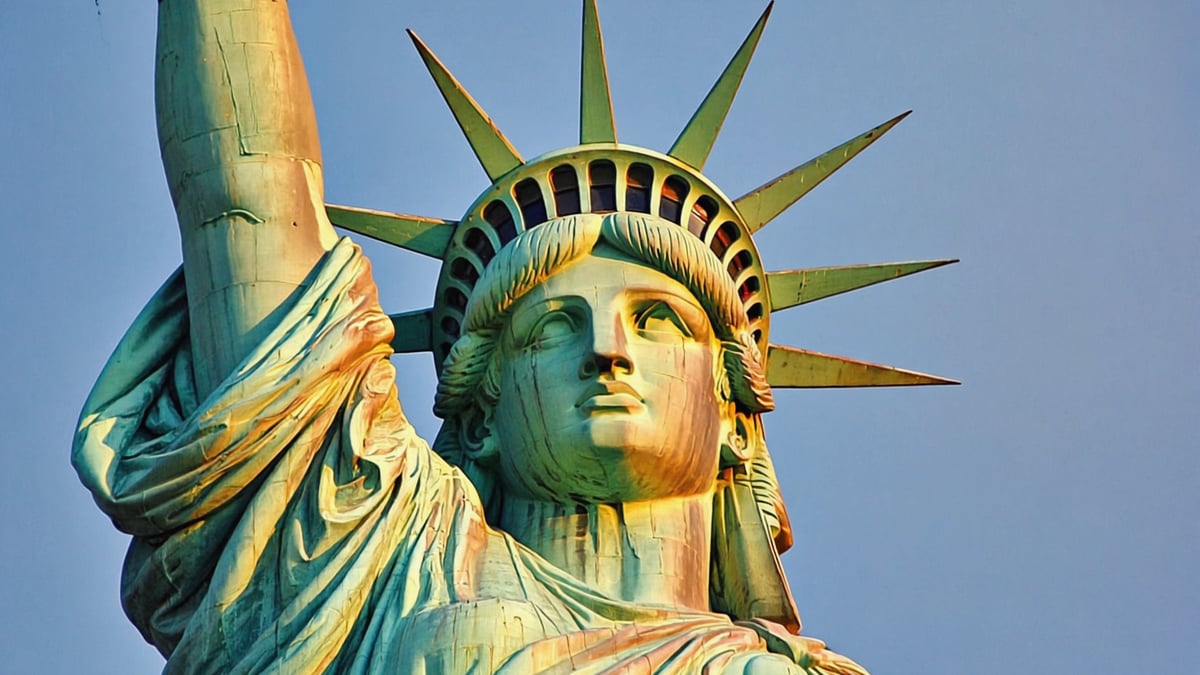
Flying from the UK to New York is one of the world's most heavily served transatlantic routes, which keeps fares competitive and gives British travellers significant choice in terms of airline, departure airport, and arrival airport. Understanding the options before booking can save both money and time.
UK Departure Airports and Nonstop Routes
The majority of nonstop UK–New York flights depart from London Heathrow (LHR), which offers the greatest frequency and airline choice. London Gatwick (LGW) also serves New York with nonstop services, typically at slightly lower fares. Manchester (MAN) has nonstop service to New York, making it a genuinely practical option for travellers in the North of England and Scotland.
New York is served by three airports:
- John F. Kennedy International (JFK) — The largest and most connected, handling the majority of transatlantic arrivals. Located in Queens, approximately 25–45 minutes from Midtown Manhattan depending on traffic.
- Newark Liberty International (EWR) — In New Jersey, but often closer in travel time to Midtown than JFK. Served by United Airlines, Lufthansa, British Airways, and others.
- LaGuardia (LGA) — Primarily domestic flights; few transatlantic services operate here, though it's the most convenient airport for central Manhattan once you're at the kerb.
Airlines and Typical Flight Durations
| Airline | Route | Duration (approx.) | Notes |
|---|---|---|---|
| British Airways | LHR → JFK / EWR | ~7h 30m | Multiple daily departures; Club World business class |
| Virgin Atlantic | LHR → JFK | ~7h 30m | Strong reputation for service; Upper Class offering |
| American Airlines | LHR → JFK | ~7h 45m | BA partner; joint Heathrow slots |
| United Airlines | LHR / MAN → EWR | ~8h 00m | Good Manchester option; Newark hub |
| Norse Atlantic | LGW → JFK / EWR | ~8h 15m | Budget carrier; lower fares, fewer amenities |
| Aer Lingus | Via Dublin → JFK | ~10h total | US pre-clearance at Dublin — arrive in NYC as domestic passenger |
Typical economy fares for UK–New York range from approximately £350–£550 return in low season (January–March, excluding school holidays) to £600–£950 return in peak summer and December. Booking 3–5 months in advance generally yields the best fares. Premium economy typically adds £300–£500 to economy fares and is increasingly considered the sweet spot for transatlantic comfort.
Airport Transfers
From JFK: The AirTrain connects JFK to the New York City subway at Jamaica and Howard Beach stations. The combined AirTrain + subway fare is approximately $11 (£9) — the most economical option, taking 45–75 minutes to Midtown. Taxis are flat-rate at $70 (approximately £56) to any Manhattan destination (before tip and tolls). Rideshare (Uber/Lyft) varies but typically runs $45–80 depending on demand.
From Newark: The AirTrain to Newark Penn Station connects to NJ Transit trains into New York Penn Station — total cost approximately $17 (£14) and about 45 minutes. Taxis and rideshare to Midtown typically cost $55–90 (£44–72).
New York Holiday Budget Guide: What to Realistically Expect to Spend
New York has a reputation for being expensive, and that reputation is not entirely unfair — but the city is far more navigable on a range of budgets than the cliché suggests. The key is knowing where the value is and where the tourist tax is highest. The following estimates are based on realistic 2026 costs for a 7-night trip from the UK.
| Category | Budget (per person/day) | Mid-Range (per person/day) | Luxury (per person/day) |
|---|---|---|---|
| Accommodation (per room, not pp) | £90–£130 | £160–£280 | £400–£900+ |
| Food & Drink | £30–£45 | £60–£100 | £120–£250+ |
| Transport (subway/rideshare) | £8–£12 | £15–£30 | £30–£60+ |
| Attractions & Activities | £10–£20 | £25–£50 | £60–£150+ |
| Daily Total (excl. flights) | £138–£207 | £260–£460 | £610–£1,360+ |
| 7-Night Trip Total (pp, incl. flights) | ~£1,300–£1,800 | ~£2,200–£3,500 | ~£5,000–£12,000+ |
Money-Saving Strategies That Actually Work
- New York CityPASS or Explorer Pass: If you plan to visit four or more major paid attractions, a combined pass typically saves 30–40% compared to individual entry fees. The New York CityPASS covers the Empire State Building, American Museum of Natural History, the Metropolitan Museum of Art, and others.
- Subway over rideshare: A single subway journey costs $2.90 (approximately £2.30) and goes anywhere in the city. An equivalent rideshare journey often costs £12–25. Over a week, this difference is substantial.
- Lunch over dinner: Many of New York's best restaurants offer lunch menus at significantly lower prices than dinner equivalents. A £50 dinner tasting menu may have a £25 lunch version with only marginally fewer courses.
- Free museum days: MoMA is free on Friday evenings (16:00–20:00, first Friday of the month). The Brooklyn Museum is pay-what-you-wish on the first Saturday evening of each month. Many smaller museums have regular free periods.
- Book a package: Combining flights and hotel through a specialist like GlobeHunters consistently produces better value than booking components separately, particularly for peak travel dates.
Travel Tips & Safety: What Every UK Visitor Should Know
New York is one of the safest large cities in the world by most statistical measures — violent crime rates have fallen dramatically over the past three decades, and the tourist areas of Manhattan are among the safest urban environments in the United States. That said, practical awareness and some cultural preparation will make your trip considerably smoother.
Safety
The areas visited by the vast majority of tourists — Midtown, Lower Manhattan, Brooklyn Heights, Williamsburg, the Upper West Side, Central Park — are all extremely safe at virtually all hours. Like any large city, New York has areas that warrant more caution, particularly after dark, but these are generally well away from tourist itineraries. Petty theft (pickpocketing, bag snatching) is the most common crime affecting visitors; keep valuables in inside pockets, be aware of your surroundings on crowded subway platforms, and avoid displaying expensive cameras or jewellery unnecessarily.
The New York subway is safe to use at all hours — millions of New Yorkers do so every day — but late-night travel (2:00–5:00) on quieter lines warrants the same common-sense awareness you'd apply in any large city. Trust your instincts. If a situation feels uncomfortable, move to a busier carriage or exit the station.
Health
The United States does not have a reciprocal healthcare agreement with the UK — there is no equivalent of the EHIC for US travel. Comprehensive travel insurance with medical cover of at least £2 million is essential. Healthcare in the US is extraordinarily expensive by European standards; a single emergency room visit can cost thousands of dollars without insurance. Always carry your insurance documentation and the emergency telephone number with you.
No vaccinations are required for US travel from the UK, though it's sensible to be up to date on routine vaccinations. Tap water in New York is safe to drink — in fact, New York's tap water has a long-standing reputation as some of the best in any major American city.
Cultural Etiquette & Practical Customs
- Tipping: Cannot be overstated. 18–22% in restaurants is standard. Failing to tip appropriately is considered genuinely rude, not just cheap — service workers in New York rely on tips as a primary component of income.
- Jaywalking: New Yorkers cross streets on red lights constantly, but as a visitor you're technically subject to fines for doing so. More practically, traffic in New York is unpredictable — wait for the signal, particularly at multi-lane intersections.
- Queuing: New Yorkers queue (stand in line) efficiently and take queue-jumping very seriously. Do not attempt to skip the line at any attraction, food counter, or taxi rank.
- Noise levels: New York is loud. Street noise, subway noise, and the general energy of eight million people living in close proximity is part of the experience. If you're a light sleeper, bring earplugs or book a hotel on a quieter side street.
- Smoking: Smoking is prohibited in all indoor public spaces, all parks, all pedestrian plazas (including Times Square), and many outdoor areas. Violations carry fines.
- Photography: Generally unrestricted in public spaces. Some museums prohibit photography in certain galleries (particularly where exhibitions are under copyright licence). Always check signage.
Packing for New York
New York's climate requires different packing depending on season. For autumn (the recommended season), the daily temperature range can swing considerably — a morning in 12°C conditions and an afternoon at 22°C is not unusual in October. Layering is essential. Comfortable walking shoes are non-negotiable: a typical New York day involves 5–10 miles of walking. Smart-casual clothing covers virtually every restaurant and bar; only the very top tier of fine dining establishments maintains a formal dress code.
Getting Around the City
The New York City subway is the backbone of the transport network. Purchase a OMNY card or use contactless payment (your UK bank card or phone's NFC) directly on the turnstile — the tap-to-pay system now operates across the entire subway network. The 7-day unlimited MetroCard costs approximately $34 (£27) and is excellent value for visitors spending more than five days in the city. Buses cover areas the subway doesn't reach (particularly the cross-town routes on Manhattan's avenues), but are considerably slower.
Frequently Asked Questions About New York Holidays in 2026
Do UK citizens need a visa to visit New York?
No visa is required for UK citizens visiting the United States for up to 90 days. However, ESTA (Electronic System for Travel Authorisation) is mandatory and must be obtained before travel. Apply via the official US CBP website — the fee is $21 USD. ESTA is typically approved within minutes but can take up to 72 hours in some cases, so apply well before your trip.
What is the best time of year to visit New York?
September and October represent the optimal travel window for most visitors — mild temperatures (15–25°C), lower humidity than summer, spectacular autumn foliage, and a full cultural calendar. Late April through May is the second-best option. Summer (July–August) is the most expensive and crowded period; January–February is the cheapest but coldest.
How long do flights from the UK to New York take?
Nonstop flights from London Heathrow to JFK typically take approximately 7 hours 30 minutes westbound (London to New York). The return journey is slightly shorter due to prevailing winds — typically 6 hours 30 minutes to 7 hours eastbound. Flights from Manchester are slightly longer at approximately 8 hours.
How much spending money do I need for a week in New York?
A realistic budget for spending money (excluding flights and hotel) is approximately £100–£150 per day for budget travellers, £200–£350 per day for mid-range, and £500+ per day for luxury. A mid-range 7-night trip including flights and hotel typically costs £2,200–£3,500 per person when booked as a package.
Which airport should I fly into — JFK or Newark?
Both are viable options. JFK is the larger airport with more airline options and connects directly to the subway via AirTrain. Newark is in New Jersey but is often closer in actual travel time to Midtown Manhattan, particularly if using the NJ Transit rail connection. Neither has a clear advantage — compare fares and factor in transfer convenience based on your hotel location.
Is New York safe for tourists?
Yes. New York City is significantly safer than its historical reputation suggests, and the tourist areas of Manhattan and popular Brooklyn neighbourhoods are among the safest urban environments in the US. Petty theft is the primary concern; standard urban awareness (keep valuables secure, be aware of surroundings on public transport) is sufficient precaution for the vast majority of visitors.
What are the best neighbourhoods to stay in?
Midtown Manhattan is the most convenient base for first-timers, placing you within walking distance of the major landmarks. The Lower East Side and SoHo are better choices for those who want neighbourhood character and excellent food. The Upper West Side suits families. Williamsburg in Brooklyn is ideal for travellers who want a more local, creative atmosphere with easy subway access to Manhattan.
Do I need travel insurance for New York?
Yes — comprehensive travel insurance is essential for US travel. The UK's NHS has no reciprocal agreement with the US, and American healthcare costs are extremely high without insurance. Ensure your policy includes medical cover of at least £2 million and covers emergency repatriation. Always read the policy exclusions carefully.
Can I use my UK debit or credit card in New York?
Yes, card payments are accepted almost universally in New York — including on the subway system via contactless tap-to-pay. Avoid using cards with foreign transaction fees; a fee-free travel card (Wise, Starling, Monzo) is strongly recommended to avoid charges on every transaction. Inform your bank of your travel dates to prevent security blocks on your card.
What is the New York CityPASS and is it worth it?
The New York CityPASS is a bundled attraction ticket covering entry to several major paid attractions including the Empire State Building, American Museum of Natural History, the Metropolitan Museum of Art, and others. It typically saves 30–40% compared to individual entry prices. It is worth purchasing if you plan to visit four or more of the included attractions during your trip.
How do I get from JFK Airport to my hotel in Manhattan?
The most economical option is the AirTrain to Jamaica or Howard Beach station, then the NYC subway into Manhattan — total cost approximately £9 and 45–75 minutes depending on your destination. Taxis charge a flat rate of $70 (approximately £56) to any Manhattan destination, plus tolls and tip. Rideshare (Uber/Lyft) is comparable to taxi pricing but subject to surge pricing at busy times.
What NYC package holidays are available from the UK?
GlobeHunters offers flights and hotel New York packages departing from UK airports, with prices starting from £799 per person for short breaks and increasing based on hotel choice, duration, and travel dates. Packages include return flights, accommodation, and optional activity add-ons. Call 0208 944 4514 or visit the GlobeHunters website to see current availability and pricing.
Final Word: Why New York in 2026 Is Worth Every Penny
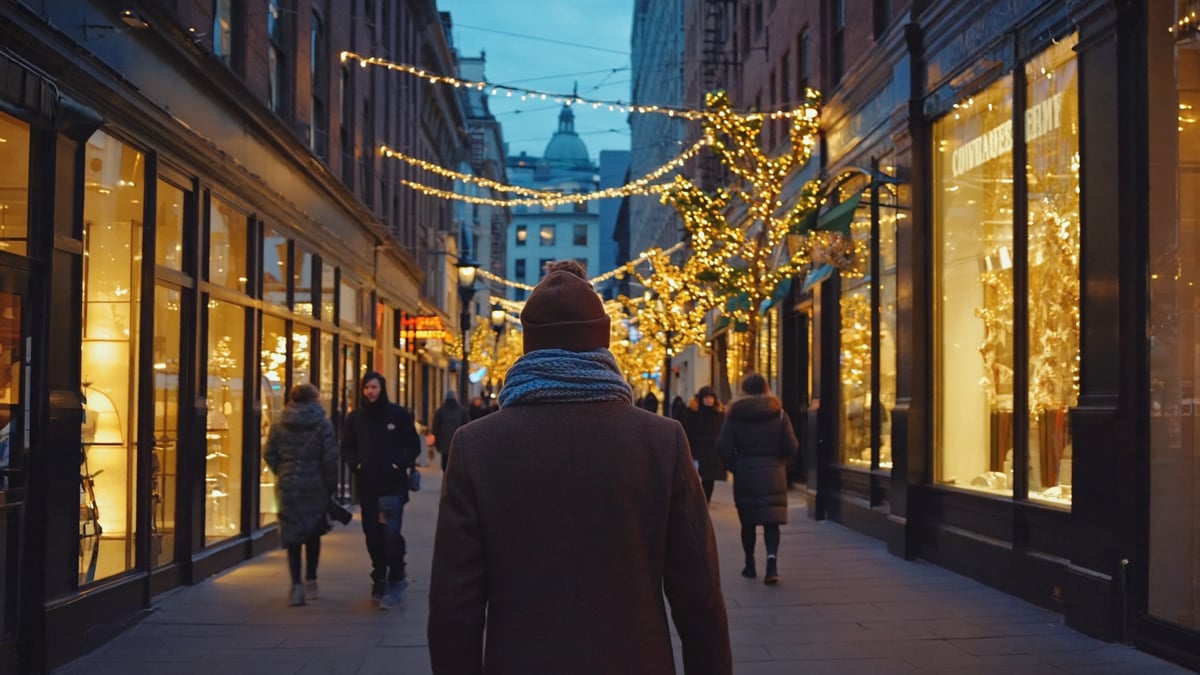
There is a particular kind of travel snobbery that dismisses New York as too obvious, too visited, too familiar. Ignore it entirely. New York City in 2026 is in the middle of a genuine cultural moment — new venues, reinvigorated neighbourhoods, a food scene that continues to set the global standard, and a creative energy that no other city on earth quite replicates. The skyline you've seen in a thousand photographs is more affecting in person than any image can prepare you for. The subway, for all its quirks, will take you from the Met to a Flushing noodle shop to a Williamsburg rooftop bar with a logic and efficiency that feels like a small miracle once you understand it.
For UK travellers, the transatlantic journey is short enough to feel manageable and long enough to feel like a proper adventure. The language barrier is nonexistent. The cultural similarities are real. And the differences — in scale, in pace, in ambition, in sheer human density — are exactly what makes the trip worth making. New York does not ask you to adjust to it; it simply overwhelms you until you find your rhythm, and then it becomes, briefly and unforgettably, yours.
Book your New York City travel guide experience into reality with a GlobeHunters package. With flights, hotels, and optional activities bundled at competitive prices, the only decision left is which neighbourhood to fall in love with first.
Ready to Book Your New York Holiday 2026?
GlobeHunters offers curated NYC package holidays from UK airports — flights and hotels combined from £799 per person. Compare dates, hotels, and prices online or speak to our travel experts.
View New York Packages & Prices →Or call us: 0208 944 4514
About the author
Spiros Maragkoudakis · Chief Commercial Officer
Ready to Book Your New Holiday?
Our travel experts are ready to help you plan the perfect trip. Call us today or browse our latest deals.
Ready to Start Planning?
Speak to our travel experts for personalised advice and the best deals on your next holiday.
Call 0208 944 4514