ATOL PROTECTED | ABTA BONDED24/7 CUSTOMER SUPPORT
Globehunters
Dubai Holiday Guide 2026: Top Attractions, Best Hotels & Package Holidays from UK
Back to BlogTravel Guides

Dubai Holiday Guide 2026: Top Attractions, Best Hotels & Package Holidays from UK

Globehunters26 April 20265 min read

The alarm goes off at 5:30am on a January morning in Manchester. Outside, it's dark, it's drizzling, and the temperature is hovering just above freezing. By the time the taxi arrives, a familiar thought crystallises: why are we still here? Four hours later, that same traveller is watching the Burj Khalifa pierce a cobalt sky from 35,000 feet, and within the day they're sipping a cold drink beside an infinity pool with the Arabian Gulf glittering below. Dubai does something remarkable — it compresses the distance between ordinary life and extraordinary experience into a single flight.

That contrast is exactly why Dubai has become one of the most consistently booked destinations for UK travellers year after year. It offers something genuinely rare in the package holiday market: world-class luxury that remains financially accessible, a climate that makes the British winter feel like a distant myth, and a concentration of experiences — from desert safaris to Michelin-starred dining to some of the world's most ambitious architecture — that few cities on earth can match.

This guide covers everything a UK traveller needs to plan a Dubai holiday in 2026: the best time to visit, where to stay, what to do, how much to budget, and how to book a Dubai package holiday from the UK at a price that won't require a second mortgage. Whether you're planning a family break, a honeymoon, a solo adventure, or a luxury escape with a partner, Dubai has a version of itself that fits your vision.

Destination Overview: What Kind of City Is Dubai, Really?

Dubai is a city-state within the United Arab Emirates, situated on the southeastern coast of the Arabian Peninsula. It sits at the confluence of the Persian Gulf and a desert landscape that stretches hundreds of miles inland — a geography that makes its modern skyline feel almost surreal. The emirate borders Abu Dhabi to the south and Sharjah to the northeast, and its coastline stretches roughly 72 kilometres along the Gulf.

Geographically, Dubai sits in the Gulf Standard Time zone (GST), which is UTC+4 — three hours ahead of the UK in winter and two hours ahead during British Summer Time. For UK travellers, this means minimal jet lag, which is one of the city's underappreciated practical advantages. You arrive tired, sleep a full night, and wake up ready to explore without the disorientation that plagues long-haul travel to Asia or the Americas.

The official language is Arabic, but English is so widely spoken across hotels, restaurants, shopping malls, and tourist areas that most UK visitors never encounter a language barrier. Road signs are bilingual, menus are routinely available in English, and taxi drivers and hospitality staff are almost universally English-fluent. This makes Dubai one of the most navigable non-English-speaking destinations in the world for British travellers.

The currency is the UAE Dirham (AED). As of 2026, the exchange rate hovers around 4.6–4.8 AED to the pound sterling, though travellers should check live rates before departure. The Dirham is pegged to the US Dollar, which means it's a stable currency with minimal fluctuation. Credit cards are accepted almost everywhere — Visa and Mastercard particularly — and contactless payments are the norm across modern venues. ATMs are abundant and dispensing cash is straightforward.

Visa requirements for UK travellers: British passport holders receive a free visa on arrival valid for 30 days, with the option to extend for a further 30 days. This applies to holders of British Citizen passports. No pre-application is required, though travellers should ensure their passport has at least six months' validity beyond their return date. The UAE government periodically updates entry requirements, so checking the official UAE government visa portal before travel is always advisable.

Dubai is a Muslim-majority city governed by Islamic law, which shapes certain aspects of daily life that UK travellers should be aware of. Public displays of affection are discouraged, alcohol is served only in licensed venues (predominantly hotels and some restaurants), and dress codes apply in mosques and traditional souks. That said, Dubai is one of the most open and cosmopolitan cities in the Middle East, and the vast majority of tourists find it welcoming, safe, and remarkably easy to navigate.

When to Visit Dubai: A Month-by-Month Weather and Season Guide

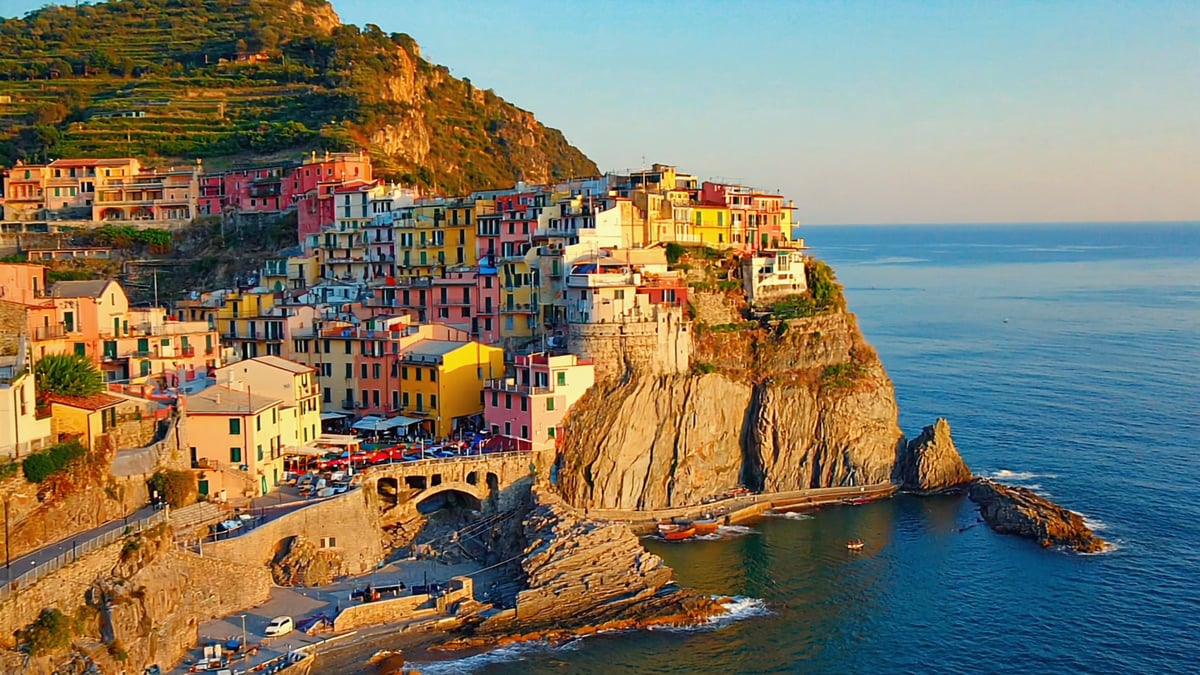
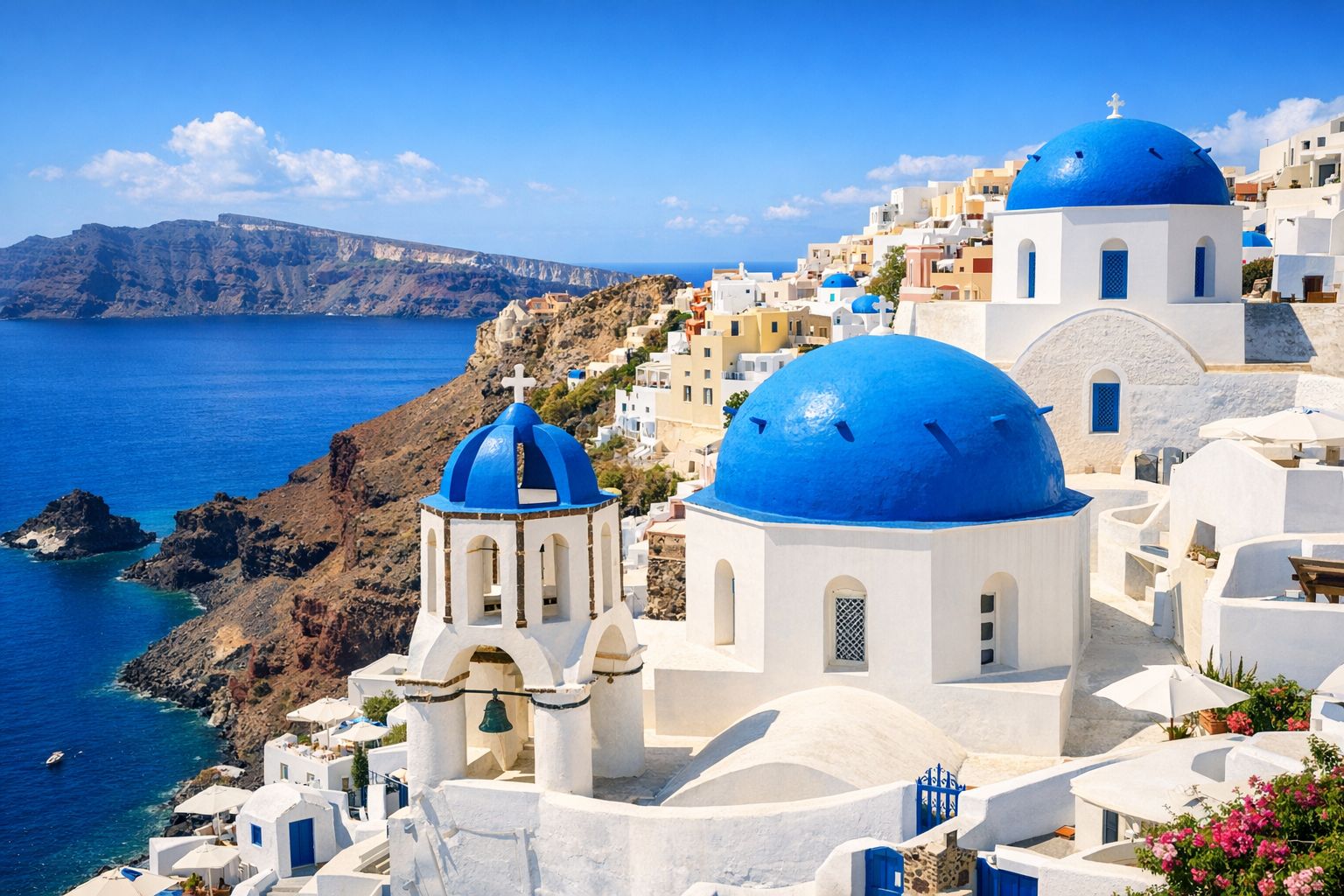
Dubai Holiday historic old town and local architecture

The best time to visit Dubai for most UK travellers is between November and April, when temperatures are warm but not overwhelming and the city is at its most animated. Understanding the seasonal rhythm matters, though — Dubai's tourist calendar has distinct peaks, troughs, and sweet spots that significantly affect both experience and price.

The Peak Season: November to March

This is the golden window. Temperatures during this period typically range from the mid-20s°C in November and March, dipping to comfortable lows of around 15–18°C in January and February. There's almost no rainfall — Dubai averages fewer than 10 rainy days per year — and the sky is a reliable, brilliant blue. This is beach weather by UK standards and comfortable exploration weather by any measure.

The Dubai Shopping Festival, one of the world's largest retail events, typically runs through January and into early February, attracting millions of visitors and offering significant discounts across the city's famous malls. In late March and early April, the Dubai World Cup — the world's richest horse race — draws an international crowd to Meydan Racecourse. These events create spikes in hotel and flight pricing, so booking well in advance is essential if your travel dates overlap.

Expect accommodation prices to be at their highest between mid-December and mid-January, particularly over the Christmas and New Year period when Dubai becomes a popular escape for British families. Prices can be 30–50% higher than shoulder season rates during this window.

The Shoulder Season: April and October

April and October offer a compromise: thinner crowds, lower prices, and weather that's warm-to-hot rather than extreme. April temperatures climb into the low-to-mid 30s°C, and October follows a similar pattern as the summer heat begins to ease. Both months can offer excellent value, particularly for travellers who don't require beach swimming as a primary activity.

Summer: May to September

Summer in Dubai is genuinely extreme. Temperatures regularly exceed 40°C and humidity in July and August can make outdoor activity uncomfortable for extended periods. This isn't a season to be dismissed entirely, however. Hotels slash prices dramatically — sometimes by 40–60% — and the city's indoor attractions (world-class malls, waterparks, theme parks, and restaurants) remain fully operational under powerful air conditioning. For budget-conscious travellers who can tolerate the heat and plan around indoor activities, summer offers remarkable value.

Month Avg Temp (°C) Crowd Level Price Level Best For
Jan – Feb 18–25°C ⚠️ High ⚠️ High Beach, sightseeing, shopping
Mar – Apr 24–34°C ✅ Moderate ✅ Moderate Couples, outdoor dining, events
May – Sep 35–45°C ✅ Low ✅ Budget Budget travellers, indoor attractions
Oct – Nov 28–35°C ✅ Moderate ✅ Moderate Families, value seekers
Dec 20–28°C ⚠️ Very High ⚠️ Very High Luxury, New Year celebrations

Optimal recommendation: For the best balance of weather, value, and experience, target late October to mid-November or early March. These windows offer near-perfect weather, manageable crowds, and hotel rates that are meaningfully lower than peak season prices.

Where to Stay in Dubai: Area Guide for Every Budget

Where you choose to stay in Dubai fundamentally shapes your experience. The city is sprawling — stretching roughly 35 kilometres along its main corridor — and different neighbourhoods offer radically different atmospheres, price points, and proximity to attractions. Understanding the key areas before booking can save both money and disappointment.

Downtown Dubai: The Iconic Heart of the City

Downtown Dubai is the city's most photographed neighbourhood, home to the Burj Khalifa, the Dubai Mall, and the spectacular Dubai Fountain. Staying here puts you at the epicentre of the city's modern identity. It's ideal for couples, honeymooners, and first-time visitors who want that quintessential Dubai experience — waking up with a direct view of the world's tallest building.

Mid-range options in Downtown include four-star properties that offer comfortable rooms and pool access from around £150–£250 per night. Luxury options — including the iconic Address Downtown and Armani Hotel Dubai inside the Burj Khalifa itself — command rates from £350 to £800+ per night depending on season. Downtown is not a budget-friendly neighbourhood; travellers on tighter budgets are better served by neighbouring areas.

Dubai Marina: The Social Hub

Dubai Marina is the neighbourhood that captures most young couples and groups. A man-made waterway lined with skyscrapers, yacht berths, and an animated promenade, the Marina has a European resort feel that makes it immediately comfortable for British visitors. The Marina Walk is lined with restaurants, cafés, and shisha bars, and the adjacent JBR (Jumeirah Beach Residence) beach is one of the city's best public beaches.

Accommodation here ranges from solid four-star options at £120–£180 per night to luxury towers like the InterContinental Dubai Marina and Grosvenor House at £250–£500 per night. The Metro's Red Line has a station at Dubai Marina, making it well-connected without requiring constant taxi use.

Palm Jumeirah: Luxury Beach Living

The Palm is where Dubai's luxury hotel scene reaches its apex. This man-made palm-shaped island is home to Atlantis The Palm, the One&Only The Palm, Waldorf Astoria Dubai Palm Jumeirah, and numerous other five-star properties with private beaches. For honeymooners and luxury travellers, the Palm represents Dubai at its most indulgent. Rates start from around £300 per night and can exceed £1,500 for premium suites.

Deira and Bur Dubai: The Historic City for Budget Travellers

For travellers on a tighter budget who want to experience the authentic, older Dubai, Deira and Bur Dubai on the Creek offer a completely different atmosphere. This is where the Gold Souk, Spice Souk, and traditional Abra water taxis operate. Three-star hotels and budget guesthouses here can be found from £40–£80 per night. The neighbourhood is well connected by Metro and gives access to a side of Dubai that feels genuinely historic rather than constructed.

Jumeirah Beach: The Family Favourite

Stretching along the coastline between Downtown and the Marina, the Jumeirah Beach area is home to several family-friendly resorts with expansive grounds, multiple pools, and direct beach access. The Jumeirah Beach Hotel, Wild Wadi Waterpark (adjacent to Burj Al Arab), and the iconic sail-shaped Burj Al Arab itself all sit along this stretch. Family packages here typically start from around £200–£300 per night for a four-star property with breakfast included.

Top Things to Do in Dubai: 10 Experiences Worth Planning Around

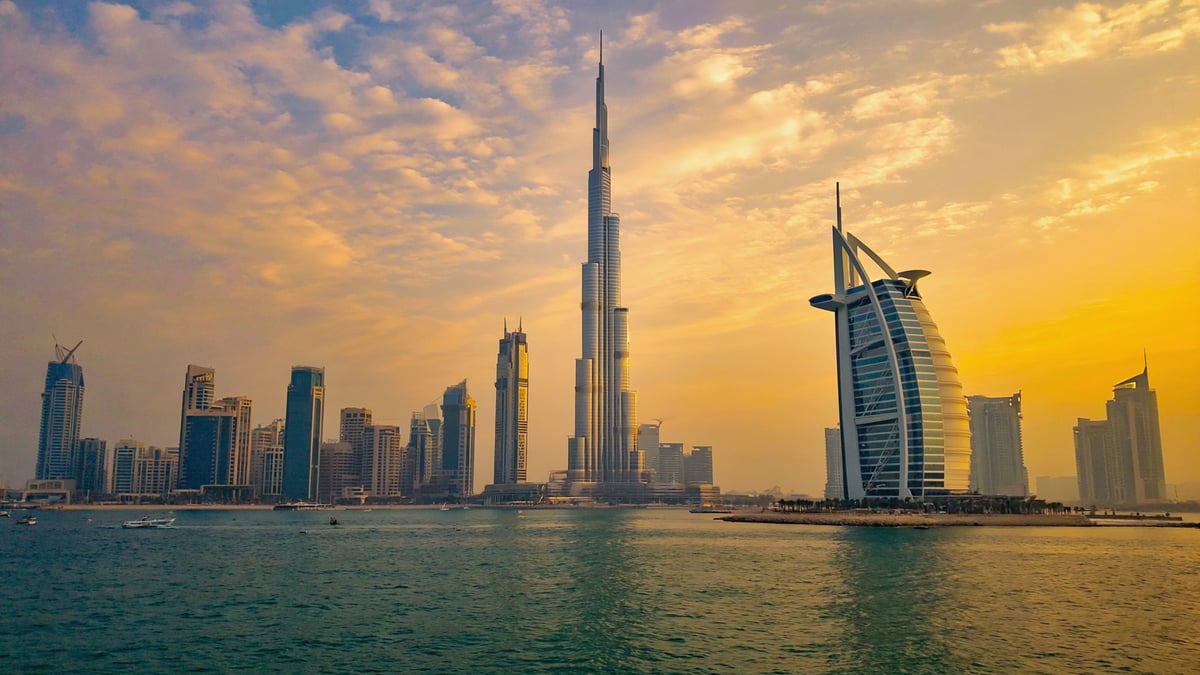
Traditional Dubai Holiday cuisine and local dining

Dubai's activity list is genuinely overwhelming, which is both its appeal and its challenge. The city has invested billions in world-class attractions over the past two decades, and the result is a destination where ten days could pass without exhausting the options. These are the ten experiences that consistently justify the trip.

1. Visit the Burj Khalifa Observation Deck

At 828 metres, the Burj Khalifa remains the world's tallest building and its observation decks — At the Top (Level 124/125) and At the Top SKY (Level 148) — offer views that are simply unmatched anywhere in the world. The Level 124 deck costs approximately AED 149–AED 249 (£31–£52) depending on the time slot, with sunset slots commanding premium prices. Insider tip: book the first slot after opening to avoid peak crowds and catch the morning light across the Gulf. Booking in advance through the official Burj Khalifa website is strongly recommended — walk-up tickets are significantly more expensive.

2. Desert Safari

No Dubai holiday is complete without a desert safari. An evening safari typically includes dune bashing in a 4x4, sandboarding, camel rides, a traditional Bedouin camp dinner with live entertainment, and a stargazing session in the desert silence. Half-day and full-day options are available, but the evening desert safari with dinner is the classic choice. Prices range from approximately AED 150–AED 350 per person (£31–£73) depending on the operator and inclusions. Premium overnight safaris with private camps run significantly higher.

3. The Dubai Mall and Dubai Fountain

The Dubai Mall is the world's largest shopping mall by total area — a fact that feels abstract until you've spent four hours inside and still haven't seen everything. Beyond retail, it houses the Dubai Aquarium and Underwater Zoo (AED 100–AED 150 / £21–£31), an indoor ice rink, a dinosaur skeleton, and direct views of the Dubai Fountain. The fountain show — the world's largest choreographed fountain — runs every 30 minutes from 6pm daily and is free to watch from the promenade. Entry to the mall itself is free.

4. Dubai Frame

The Dubai Frame is one of the city's newer and more architecturally striking attractions — a 150-metre tall picture frame with a glass-floored sky bridge connecting its two towers. It's cleverly positioned to frame the old Dubai skyline on one side and the modern city on the other, making it a genuinely thoughtful piece of urban design. Entry costs approximately AED 50 (£10). It's open daily from 9am to 9pm.

5. Ski Dubai (Mall of the Emirates)

An indoor ski resort inside a shopping mall, kept at −1°C regardless of the 40°C temperature outside, sounds like a gimmick — and it is, but a spectacular one. Ski Dubai at Mall of the Emirates offers runs, a snow park for younger children, and the surreal experience of watching skiers through floor-to-ceiling windows from a café in the mall. Snow Classic entry (2 hours in snow park) costs approximately AED 185 (£39). Full ski passes are higher.

6. Old Dubai: Creek, Souks, and Abra Rides

The Dubai Creek and its surrounding souks represent the city's pre-oil identity, and the contrast with the modern skyline is striking. Cross the Creek on a traditional Abra water taxi for just AED 1 (around 20p) — one of the world's great travel bargains. Explore the Gold Souk (the largest in the world, with over 380 gold retailers) and the Spice Souk, where saffron, frankincense, and dried lemons fill the air with a scent unlike anywhere else. Haggling is expected and part of the experience.

7. Dubai Museum of the Future

Opened in 2022, the Museum of the Future has quickly become one of Dubai's most talked-about attractions. Its extraordinary torus-shaped building — inscribed with Arabic poetry — houses immersive exhibitions exploring AI, space travel, and ecological futures. Entry costs approximately AED 149 (£31). It's open Sunday to Thursday 10am–6pm, and Friday to Saturday 10am–8pm. Pre-booking is strongly recommended as sessions sell out frequently.

8. Atlantis Aquaventure Waterpark

The Aquaventure Waterpark at Atlantis The Palm is consistently ranked among the world's top waterparks, featuring the legendary Leap of Faith near-vertical slide and a kilometre-long river ride. A full-day pass costs approximately AED 395–AED 450 (£82–£94). Families with children should set aside a full day and arrive early. The park also includes access to a private beach.

9. Dubai Opera and Arts District

For travellers seeking culture alongside spectacle, the Dubai Opera in Downtown is a world-class venue hosting ballet, opera, classical concerts, and Broadway productions. Ticket prices vary by performance, typically ranging from AED 100–AED 500 (£21–£104). The surrounding arts district and the nearby Alserkal Avenue creative hub in Al Quoz offer galleries and independent cultural spaces that feel genuinely removed from the tourist circuit.

10. Abra Dinner Cruise on Dubai Creek

A traditional dhow dinner cruise along the Creek offers a genuinely romantic and relaxed evening — floating past illuminated old buildings and modern towers while enjoying a buffet dinner and live entertainment. Prices typically range from AED 120–AED 250 per person (£25–£52) depending on the operator. This is one of the best-value luxury experiences in Dubai and is particularly recommended for couples and honeymooners.

Book Your Dubai Holiday Now

GlobeHunters offers Dubai package holidays including flights and hotels at competitive prices — from £749 per person with flights from the UK.

View Dubai Packages & Prices →

Or call us: 0208 944 4514

Food and Dining in Dubai: What to Eat, Where to Eat It

Dubai's food scene is one of the most diverse and exciting in the world — a reflection of the city's extraordinary demographic mix of over 200 nationalities. Emirati cuisine is the culinary foundation, but the city has layered on top of it a restaurant landscape that spans everything from Levantine street food to Japanese omakase counters to Indian tiffin kitchens that have been operating for decades.

Emirati Dishes to Try

Visitors who stick exclusively to hotel restaurants miss the genuine culinary identity of the UAE. Al Harees — a slow-cooked wheat and meat porridge that sounds unremarkable and tastes deeply comforting — is one of the most traditional Emirati dishes. Machboos (a spiced rice dish with meat or fish, similar to biryani but distinctly different) is the closest thing to a national dish. Luqaimat, small fried dough balls drizzled with date syrup and sesame seeds, are a popular street food dessert sold across the city.

Best Dining Areas

Dubai Marina's JBR Walk offers an excellent concentration of mid-range international restaurants with outdoor seating along the beach promenade — ideal for relaxed lunches and evening meals. Downtown Dubai around the Fountain houses some of the city's most impressive fine-dining establishments, including several celebrity chef restaurants. For something more authentic and considerably cheaper, the Al Fahidi and Deira neighbourhoods have clusters of Indian, Pakistani, and Levantine restaurants where excellent meals can be had for under £10 per person.

Street Food and Budget Dining

Dubai's street food culture is largely centred around its South and Southeast Asian community. Shawarma — the city's unofficial street food — is served from small takeaway counters across Deira and Bur Dubai for around AED 5–10 (£1–£2). Roti and curry from Indian cafeterias in the Karama neighbourhood offer extraordinary value, with full meals available for AED 15–25 (£3–£5). The Global Village (open October to April) is a superb destination for street food from dozens of countries in a single evening.

Alcohol in Dubai

Alcohol is served in licensed venues — primarily hotels, some standalone licensed restaurants, and bars — throughout Dubai. It is not available in unlicensed restaurants, shopping malls, or public spaces. A beer in a hotel bar typically costs AED 40–60 (£8–£12), and wine by the glass from AED 50–80 (£10–£17). Drinking in public, including on beaches, is illegal and penalties can be severe. Travellers should consume alcohol only in venues where it is explicitly licensed.

Dietary Requirements

Dubai is an exceptionally easy destination for vegetarians and vegans, given the large South Asian population and the prevalence of Indian, Middle Eastern, and Asian restaurants. Halal food is the standard across most restaurants. Travellers with coeliac disease or gluten intolerance will find many international restaurants well-equipped to accommodate, though communication about cross-contamination should always be explicit.

Getting to Dubai from the UK: Flights, Routes, and Airport Transfers

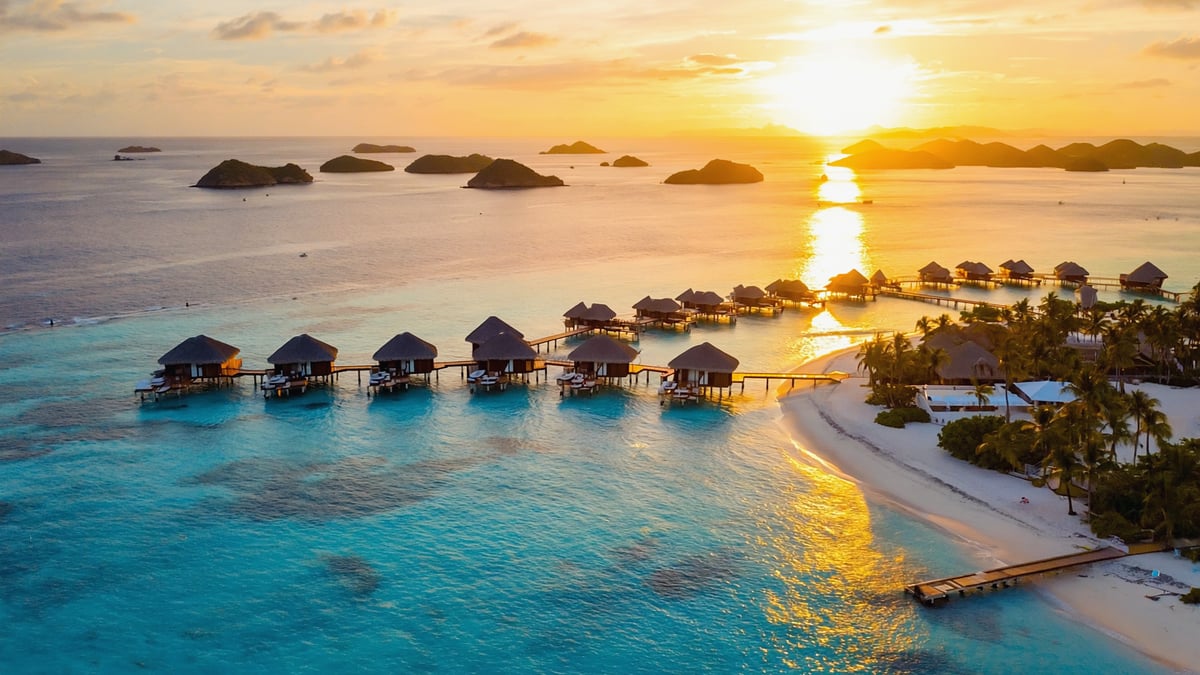
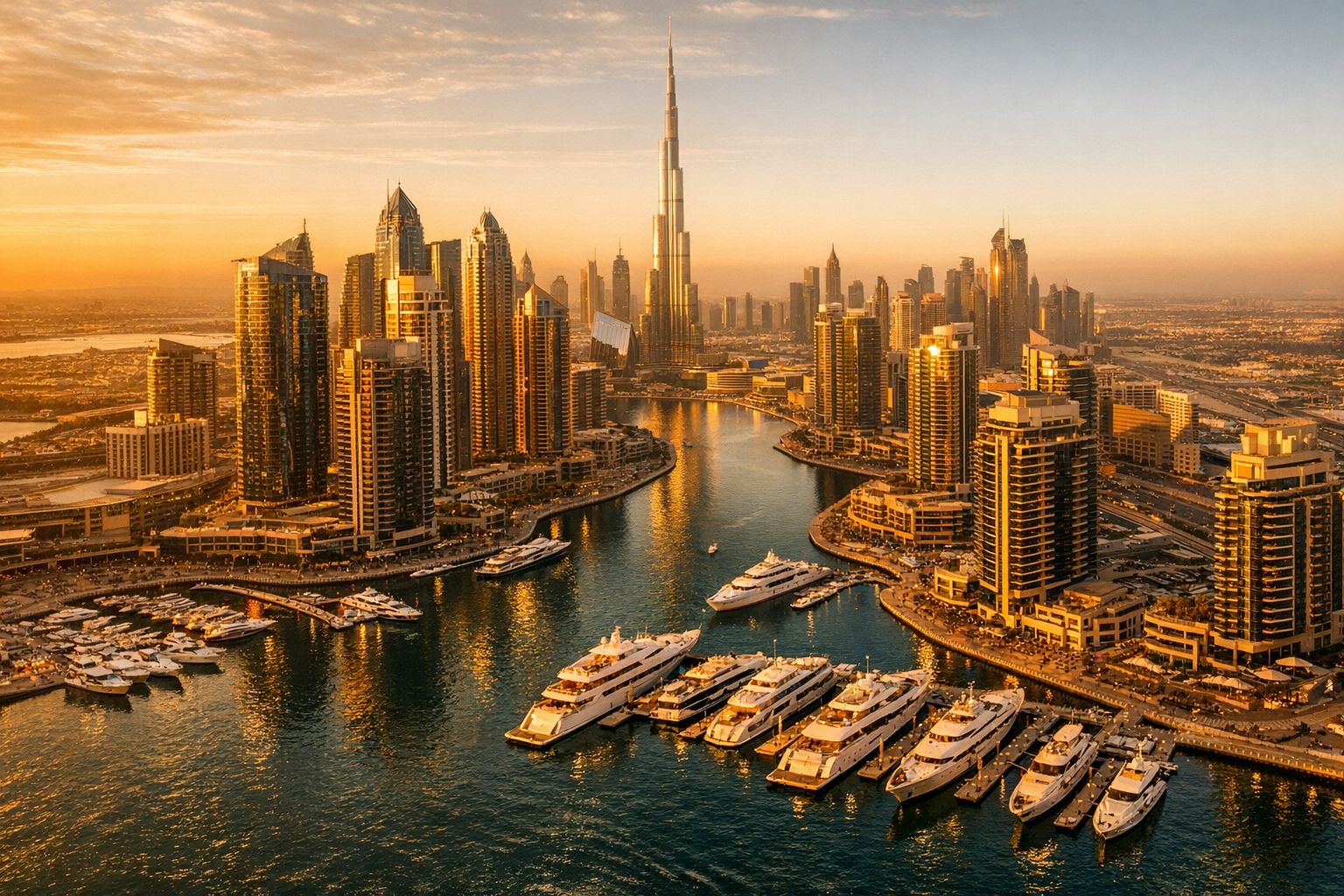
Famous cultural landmark in Dubai Holiday

Dubai is served by one of the world's busiest international airports and enjoys excellent air connectivity from across the UK. For most British travellers, getting to Dubai is one of the easier long-haul logistics problems to solve.

Flights from the UK

Emirates operates the most comprehensive service, with direct daily flights from London Heathrow, London Gatwick, Manchester, Birmingham, Glasgow, and Newcastle to Dubai International Airport (DXB). Emirates' flights from Heathrow to Dubai typically take around 6 hours 45 minutes to 7 hours 15 minutes — a comfortable long-haul duration that doesn't require adjusting sleep schedules dramatically.

British Airways operates daily non-stop services from Heathrow to DXB. flydubai, the low-cost carrier affiliated with Emirates, operates services from several regional UK airports via connections. Virgin Atlantic also operates on the Heathrow–Dubai route.

Return flights in economy class from London typically range from £350–£650 in off-peak periods to £600–£900+ during peak winter travel. Business class on Emirates from Heathrow is widely considered one of the world's best business class products and typically starts from around £2,000–£3,500 return, with first class from around £5,000+.

Travellers from northern England and Scotland should note that flying from Manchester or Glasgow to Dubai with Emirates is often comparable in price to London and can be considerably more convenient — avoiding the southbound train journey to Heathrow entirely.

Dubai International Airport: Arrivals and Transfers

Dubai International Airport (DXB) is one of the world's most efficient airports for arrivals. The Metro's Red Line connects Terminal 1 and Terminal 3 directly to the city — the journey to Downtown Dubai takes approximately 35–40 minutes and costs around AED 8–12 (£1.70–£2.50). This is by far the most economical way to reach the city centre.

Licensed taxis from the airport to Downtown Dubai cost approximately AED 80–100 (£17–£21), to Dubai Marina approximately AED 100–130 (£21–£27). Uber and Careem (the regional equivalent) both operate in Dubai and are generally reliable, often comparable in price to taxis. Pre-booked private airport transfers through hotels typically cost more — AED 150–250 (£31–£52) — but offer the convenience of a named driver and air-conditioned vehicle waiting at arrivals.

Dubai Packages from the UK

For many UK travellers, booking a Dubai package holiday that combines flights, hotel, and transfers offers better value and greater peace of mind than assembling the components separately. ATOL protection — which covers package holiday bookings made through UK-licensed operators — means that if the airline or hotel fails, travellers are protected. This protection does not extend to separately booked flight-plus-hotel combinations.

Dubai Budget Guide 2026: How Much Does a Dubai Holiday Actually Cost?

Dubai has a reputation as an expensive destination, and for luxury travellers, it absolutely can be. But the city also has a functional budget tier that many UK visitors underestimate. Understanding how costs break down across tiers helps in planning a realistic holiday without nasty surprises.

Expense Category Budget (per day) Mid-Range (per day) Luxury (per day)
Accommodation £40–£70 £120–£200 £300–£800+
Food & Drink £15–£25 £40–£70 £100–£250+
Local Transport £3–£8 £15–£30 £40–£100
Attractions £10–£20 £30–£60 £80–£200+
Total Daily (excl. flights) £68–£123 £205–£360 £520–£1,350+

Package Holiday Value: Why Bundles Often Win

Industry research consistently shows that travellers who book Dubai package holidays — particularly through ATOL-protected operators — often achieve better total-cost outcomes than those who book separately, especially during peak season. This is because operators with high booking volumes can secure preferential hotel and flight rates that aren't publicly available to individual travellers. GlobeHunters' Dubai packages start from £749 per person including return flights and hotel, which compares favourably to assembling the same components independently.

Where Dubai Costs More Than Expected

Several cost areas catch UK visitors off guard. Alcohol in hotels is the most common — a round of drinks for two can easily cost £30–£40 in a hotel bar. Attraction ticket prices, particularly for premium experiences like the Burj Khalifa's higher observation decks or Aquaventure, add up quickly if not budgeted for. Taxis without a meter agreement are another source of overcharging for new visitors — always confirm the fare at the start or use the meter.

Hidden Savings

Conversely, several things in Dubai cost significantly less than UK visitors expect. The Metro is excellent value, public beaches are free, the Dubai Fountain show is free, the Gold and Spice Souks cost nothing to browse, and the city's many malls are air-conditioned public spaces requiring no entry fee. Eating at local Indian or Middle Eastern restaurants in Deira or Karama rather than hotel restaurants can reduce food costs by 60–70%.

Dubai Travel Tips and Safety: What Every UK Traveller Should Know

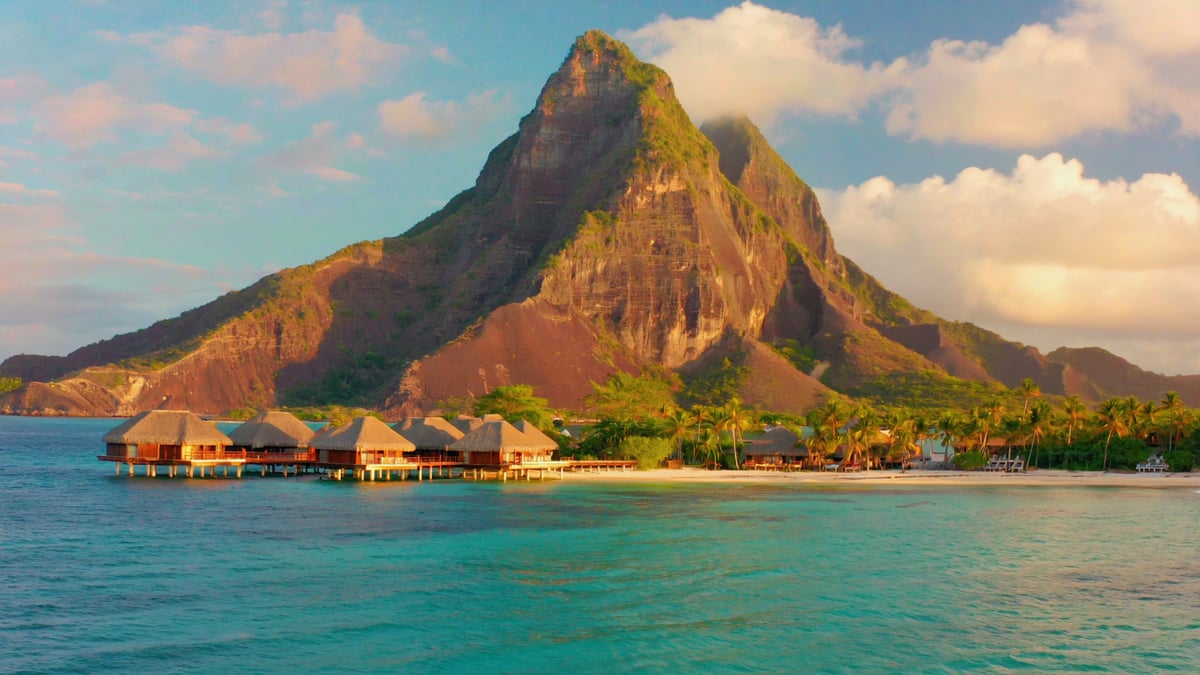
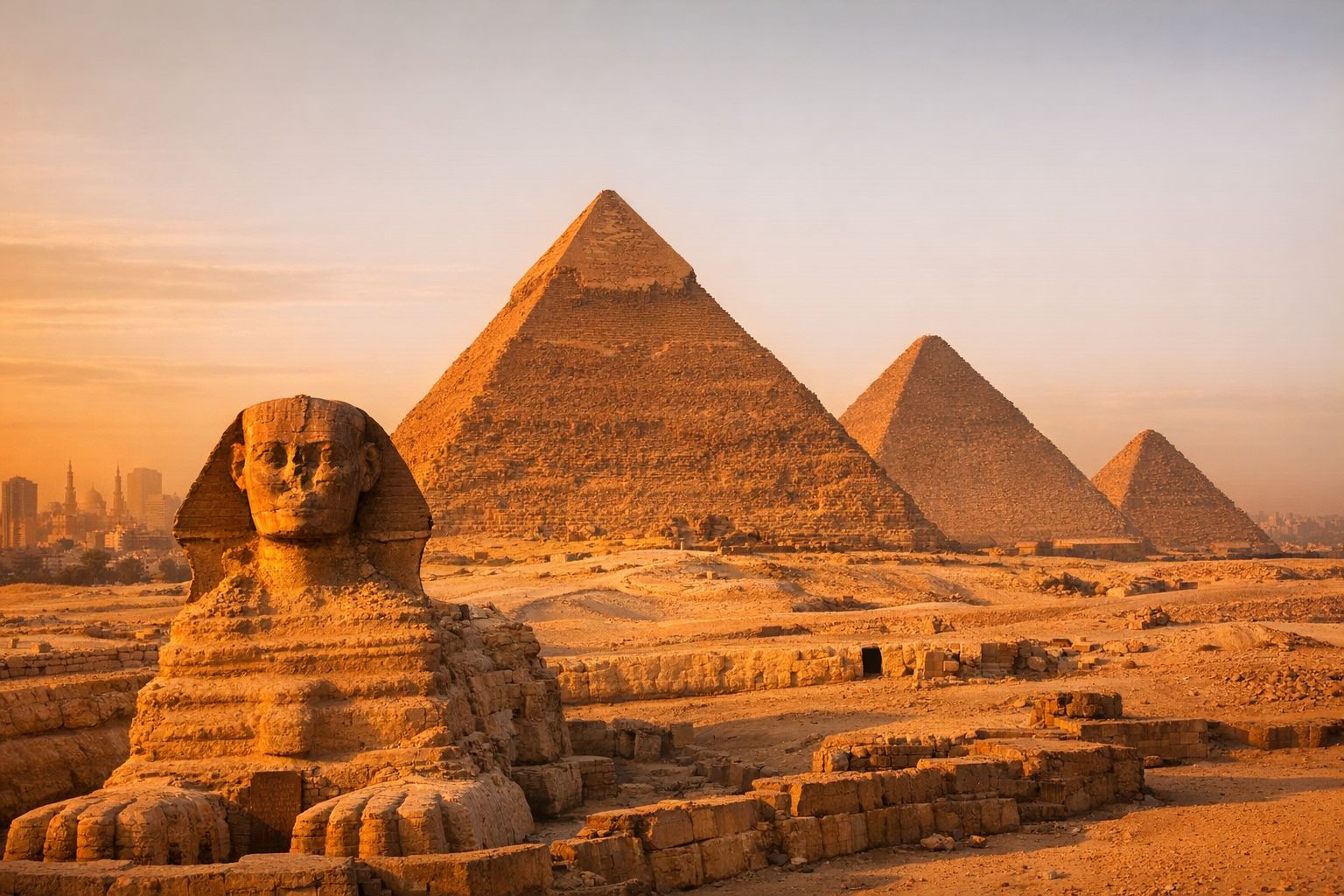
Natural landscape near Dubai Holiday

Dubai is widely regarded as one of the safest cities in the world for tourists, and by most measures it earns that reputation. The UAE maintains low crime rates, a well-functioning police force, and an environment where pickpocketing and street harassment — common concerns in many tourist cities — are genuinely rare. That said, the legal and cultural environment differs significantly from the UK, and a handful of practical points are worth understanding before arrival.

Public intoxication is illegal, even in areas where alcohol is served. Being visibly drunk in a public space, on a beach, or in a shopping area can result in arrest and, in serious cases, deportation. Offensive or obscene hand gestures — including giving someone the middle finger in traffic — are a criminal offence. Drug laws are exceptionally strict; traces of substances found in the system at border control have led to prosecution. Travellers on prescription medications should carry documentation from their GP and check whether their medication is permitted entry into the UAE using the UAE Ministry of Health medicines approval service.

Photography: Photographing government buildings, military installations, and certain public infrastructure is prohibited. Photographing people — particularly local women — without consent is considered deeply disrespectful and can lead to legal complaints. Always ask permission before photographing individuals.

LGBTQ+ Travellers

Same-sex relationships are illegal in the UAE, and the law applies to foreign nationals as well as residents. While many LGBTQ+ tourists visit Dubai without incident by being discreet in public, the legal risk is real and travellers should be fully aware of the position before travelling. The UK government's official travel advice for the UAE contains current guidance that should be consulted before booking.

Dress Code and Cultural Etiquette

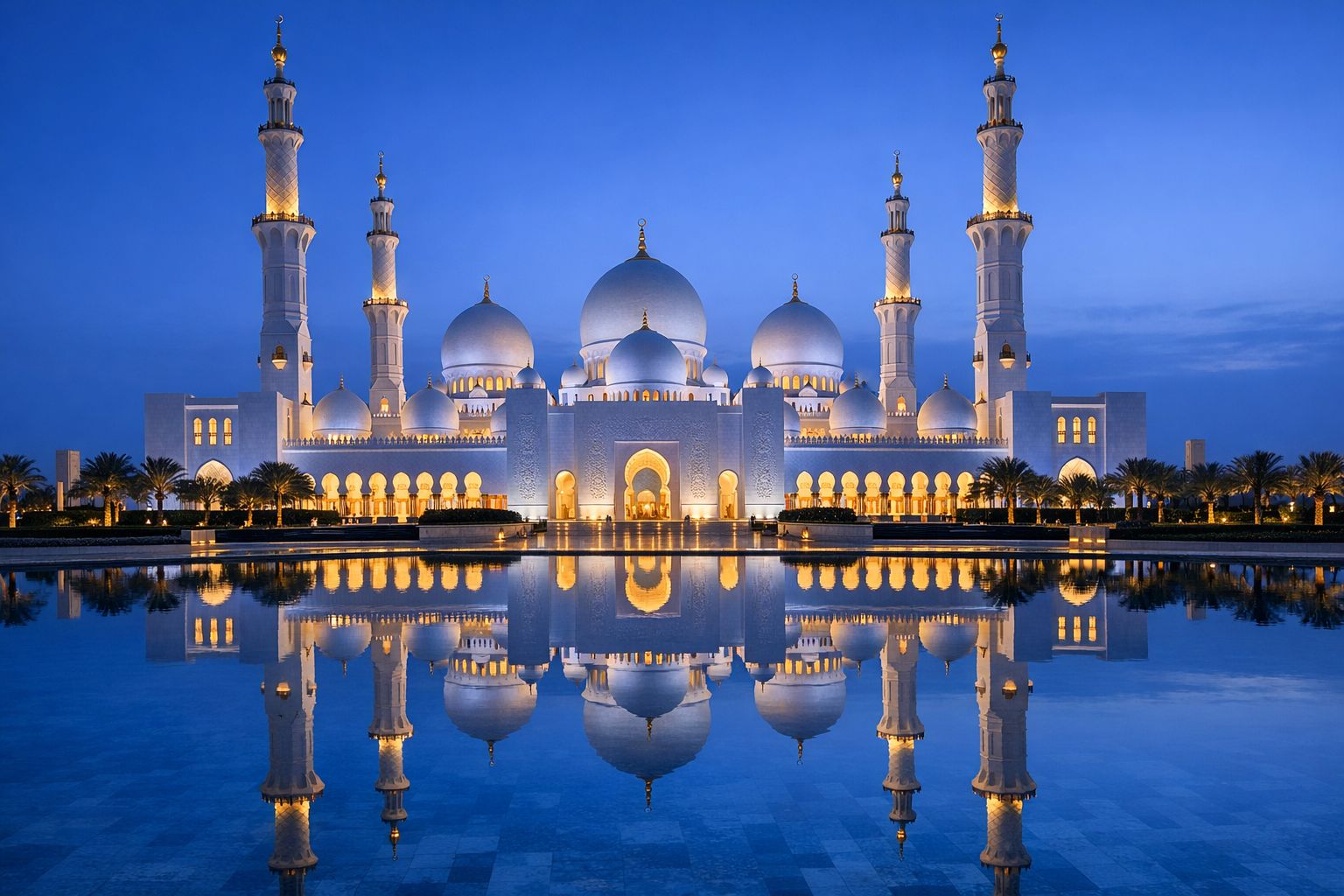
Dubai is more relaxed about dress than many Middle Eastern destinations, and swimwear on beach and pool areas is entirely acceptable. However, when visiting souks, mosques, or shopping malls, modest dress is expected — covering shoulders and knees. The Sheikh Mohammed bin Rashid Al Maktoum Mosque (also known as the Jumeirah Mosque) offers guided tours that welcome non-Muslim visitors and provide abayas and kanduras for modest coverage — it's one of the best cultural experiences in the city and entirely free of charge.

During Ramadan (the dates of which shift annually according to the Islamic lunar calendar), eating, drinking, and smoking in public during daylight hours is prohibited for all people, including tourists. In 2026, Ramadan is expected to fall around late February to late March. Many restaurants remain open but operate behind screens; hotel restaurants are generally unrestricted. The atmosphere during Ramadan is actually quite special — the nightly Iftar meal is a celebratory occasion and many hotels offer exceptional Iftar buffets.

Health and Vaccinations

The UAE has no mandatory vaccination requirements for UK travellers. Standard travel health advice recommends being up to date on routine vaccinations. The tap water in Dubai is technically safe to drink but has a taste many find unpleasant; bottled water is cheap and widely available. Healthcare in Dubai is of a very high standard but is expensive — comprehensive travel insurance with medical coverage is absolutely essential, as it is for any international travel.

Packing Essentials for Dubai

  • High-SPF sun cream — even in winter, the sun is stronger than the UK at its most intense
  • A lightweight layer or pashmina for air-conditioned malls and restaurants (the cooling can be extreme)
  • Modest clothing for mosque visits and souk exploration
  • A reusable water bottle — staying hydrated is critical, especially from April onwards
  • Power adapter: the UAE uses Type G plugs (the same as the UK), so no adapter is needed
  • A Nol card (Dubai's rechargeable transit card) for the Metro — available at any Metro station

Getting Around Dubai

The Dubai Metro is clean, air-conditioned, and reliable — running two lines (Red and Green) that cover most major tourist areas. It's by far the most cost-effective way to move between areas. Taxis are abundant, metered, and relatively affordable by UK standards — most journeys within the tourist corridor cost AED 15–50 (£3–£10). Uber and Careem both operate and offer app-based convenience. Renting a car is possible but navigating Dubai's road network and parking can be challenging for first-time visitors — it's rarely necessary for a standard tourist trip.

Frequently Asked Questions About Dubai Holidays

Is Dubai safe for UK tourists in 2026?

Yes. Dubai consistently ranks among the safest cities in the world for international tourists. Violent crime against tourists is extremely rare. The main safety considerations are around legal and cultural differences (public behaviour laws) rather than personal safety threats. The UK Foreign, Commonwealth & Development Office's travel advice for the UAE is currently at standard "exercise normal precautions" status.

Do UK citizens need a visa for Dubai?

No. British Citizen passport holders receive a free visa on arrival valid for 30 days, which is extendable. Your passport must be valid for at least six months beyond your planned return date. Always check the latest requirements on the UK government's travel advice pages before departure, as regulations can change.

What is the best time of year for a Dubai holiday from the UK?

Late October to mid-November and early-to-mid March offer the best combination of ideal weather, manageable crowds, and competitive pricing. December to February offers perfect weather but at peak prices. Summer (June–August) offers the lowest prices but temperatures above 40°C make outdoor activities uncomfortable for most travellers.

How long is the flight from the UK to Dubai?

Non-stop flights from London Heathrow or Gatwick to Dubai International Airport (DXB) take approximately 6 hours 45 minutes to 7 hours 15 minutes. Flights from Manchester are slightly longer at around 7 to 7.5 hours. Emirates, British Airways, and Virgin Atlantic all operate direct services from London.

How much does a Dubai package holiday cost from the UK?

Dubai package holidays from the UK including return flights and hotel accommodation start from approximately £749 per person for off-peak travel in a mid-range hotel. Mid-range packages typically range from £900–£1,400 per person. Luxury packages at five-star Palm Jumeirah properties start from around £1,800–£2,500 per person during peak season.

Is Dubai expensive for food and drink?

Dubai has a wide range of price points. Hotel dining and licensed restaurants can be expensive — comparable to London prices or higher when alcohol is included. However, the city's many Indian, Middle Eastern, and Asian restaurants — particularly in Deira, Karama, and Bur Dubai — offer excellent food for £3–£8 per person per meal. Overall food costs are very manageable if you mix hotel dining with local restaurants.

Can I drink alcohol in Dubai?

Yes, but only in licensed venues — primarily hotels, licensed restaurants, and certain bars. Alcohol is not available in shopping malls, public spaces, or unlicensed restaurants. Public intoxication is illegal. Beer in a hotel bar typically costs £8–£12 per pint. During Ramadan, restrictions tighten further — licensed venues may serve alcohol only in screened areas or specific hours.

What currency should I bring to Dubai?

The UAE Dirham (AED) is the currency. Credit cards (Visa and Mastercard) are accepted virtually everywhere in tourist areas, and contactless payments are standard. It's sensible to carry a small amount of cash (AED 100–200 / approximately £21–£42) for small vendors, markets, and taxis. ATMs are widely available and reliable. Currency exchange at Dubai Airport is reasonable but slightly less favourable than in the city.

Is Dubai suitable for families with young children?

Exceptionally so. Dubai has invested heavily in family-friendly infrastructure — from Aquaventure Waterpark and Ski Dubai to Legoland Dubai and the extensive children's facilities at most major hotels. The city is also very safe, and family travel is culturally welcomed. The main consideration is the summer heat, which makes outdoor activity impractical for young children; school holiday travel is better planned for the October half-term or February half-term windows.

What is the time difference between the UK and Dubai?

Dubai operates on Gulf Standard Time (GST), which is UTC+4. This means Dubai is 3 hours ahead of the UK during Greenwich Mean Time (winter) and 2 hours ahead during British Summer Time. The minimal time difference — compared to long-haul destinations in Asia or the Americas — means jet lag is rarely a significant issue for UK travellers.

What is the Dubai Metro Nol card and should I get one?

The Nol card is Dubai's rechargeable smart card used for the Metro, buses, water buses, and some tram services. A Red Nol card costs AED 25 (approximately £5) including AED 19 credit and is available from any Metro station ticket machine. It's highly recommended — Metro fares paid by Nol card are significantly cheaper than single journey tickets, and the Metro is by far the most cost-effective way to travel between major tourist areas.

Are there dress code requirements in Dubai?

In hotels, beach areas, and most restaurants, Western dress is entirely acceptable. When visiting souks, mosques, or traditional areas, covering shoulders and knees is expected. At the Jumeirah Mosque — the most accessible mosque for non-Muslim visitors — modest dress is required and garments are provided on arrival. Swimwear is appropriate only at beaches and pools, not in public streets or malls.

Planning Your Dubai Holiday in 2026: The Bottom Line

Dubai Holiday street life at dusk

Back to that January morning in Manchester — the alarm, the drizzle, the cold. The reason Dubai has endured as one of the UK's most consistently popular long-haul destinations isn't simply the sunshine, though that matters enormously in February. It's the sheer density of experience packed into a relatively short, low-jet-lag flight. The city has built something genuinely remarkable: a destination where a family can have a completely different holiday from a honeymooning couple, who can have a completely different experience from a solo traveller, all in the same week, often at the same hotel.

The practical case is strong in 2026. Direct flights from multiple UK regional airports make Dubai accessible without the Heathrow trek. The visa-on-arrival for British passport holders removes a significant administrative hurdle. The Dirham's peg to the US Dollar provides exchange rate stability. And the range of accommodation — from genuine budget options in Deira to some of the world's most extraordinary luxury hotels on the Palm — means Dubai genuinely accommodates the full spectrum of travel budgets.

For UK travellers, the smartest approach is usually a package deal that combines flights, accommodation, and airport transfers under ATOL protection. This removes the logistical risk of separate bookings, often achieves better rates than booking independently, and provides financial protection that individually booked components simply cannot offer.

Whether you're drawn by the Burj Khalifa's impossible height, the silence of the desert at dusk, the smell of frankincense drifting through the Spice Souk, or simply the reliable certainty of a warm sky in the middle of a British winter — Dubai delivers. Consistently, memorably, and often beyond expectation.

Book Your Dubai Holiday Now

GlobeHunters offers holiday packages including flights and hotels at competitive prices. Dubai packages from £749 per person — speak to a travel specialist or browse live availability online.

View Dubai Packages & Prices →

Or call us: 0208 944 4514

Spiros Maragkoudakis

About the author

Spiros Maragkoudakis · Chief Commercial Officer

Ready to Book Your Dubai Holiday?

Our travel experts are ready to help you plan the perfect trip. Call us today or browse our latest deals.

Dubai holiday 2026Dubai package holidays from UKthings to do in DubaiDubai travel guideDubai flights and hotel packages

Ready to Start Planning?

Speak to our travel experts for personalised advice and the best deals on your next holiday.

Call 0208 944 4514
Verified by Sysnet
IATA Member
ATOL Protected No. 10139
British Travel Awards 2014
British Travel Awards 2016
British Travel Awards 2018
British Travel Awards 21/22

Multiple British Travel Awards Winner

Praised by 98% of loyal customers