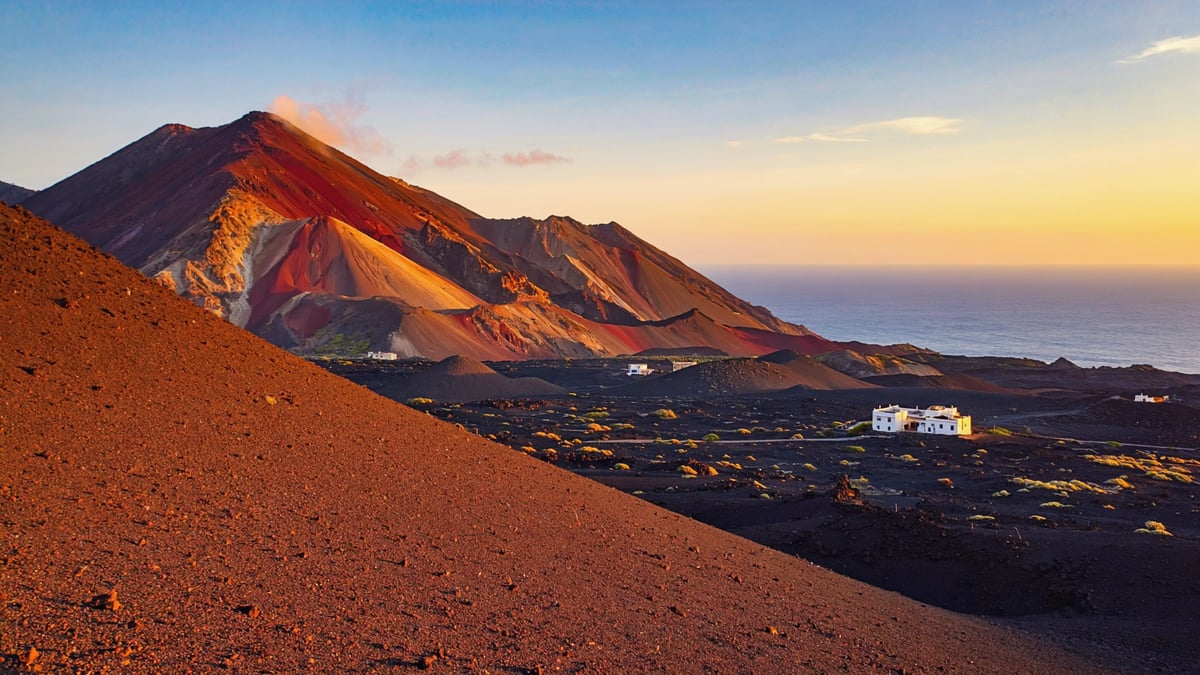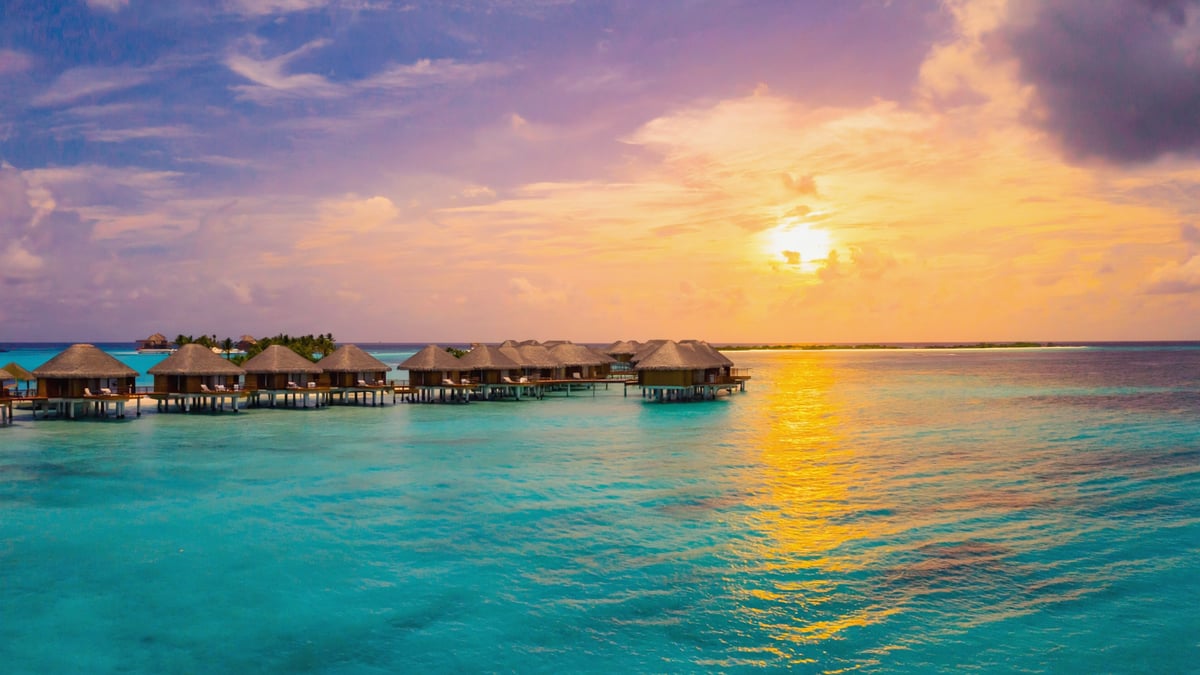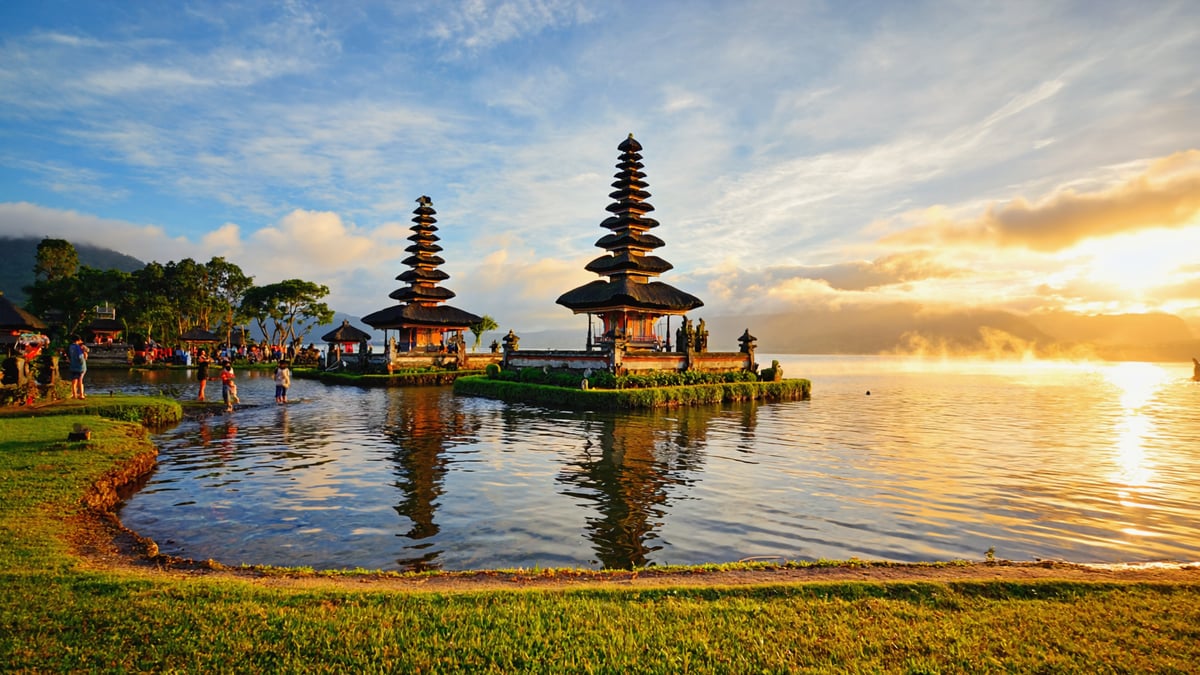
There is a moment — usually somewhere between the first waft of frangipani incense drifting from a roadside temple and the sight of terraced rice paddies glowing gold in the late afternoon light — when Bali stops being a destination and becomes something closer to a feeling. The island has earned its reputation as one of the world's great travel experiences not through marketing, but through the sheer accumulation of extraordinary moments it delivers to visitors day after day. For UK travellers in 2026, Bali represents something rarer still: a long-haul destination that offers genuine luxury, authentic culture, world-class cuisine, and incredible natural beauty at a price point that, frankly, few places on earth can match. Whether you are planning a romantic escape, a family adventure, a solo journey of self-discovery, or simply the holiday you have been promising yourself for years, this guide covers everything you need to know to make your Bali holiday 2026 unforgettable.
Destination Overview: What Kind of Place Is Bali, Really?
Bali is a small island — roughly the size of Lincolnshire — situated in the Indonesian archipelago, positioned between the islands of Java to the west and Lombok to the east. Despite its modest dimensions, it packs an extraordinary range of landscapes, cultures, and experiences into a single destination. The island is predominantly Hindu in a nation that is otherwise the world's largest Muslim-majority country, and this cultural distinction shapes almost everything about Bali's atmosphere: the elaborate temple festivals, the daily offerings of flowers and incense placed at doorsteps and shrines, the gamelan music drifting through the evenings, and a genuine spiritual warmth that visitors consistently describe as the island's defining quality.
Essential Facts for UK Travellers
Location: Bali, Indonesia — coordinates approximately 8°S, 115°E, in Southeast Asia.
Language: Bahasa Indonesia is the national language; Balinese is widely spoken locally. English is widely understood in tourist areas.
Currency: Indonesian Rupiah (IDR). As of 2026, £1 exchanges to approximately 19,000–20,000 IDR, though rates fluctuate — always check before travel.
Time Zone: Central Indonesia Time (WITA), UTC+8. Bali is 7 hours ahead of UK GMT (8 hours ahead during BST).
Visa Requirements: British passport holders can enter Indonesia on a Visa on Arrival (VoA), valid for 30 days and extendable for a further 30 days. The VoA fee is approximately USD $35 (around £27–£28), payable at the airport. Alternatively, the e-VOA can be purchased online before travel via the Indonesian Immigration e-VOA portal, which saves time on arrival. Always confirm current requirements with the Indonesian Embassy in London before booking.
Capital of Bali: Denpasar (though most tourists base themselves in Seminyak, Canggu, Ubud, or the Bukit Peninsula).
International Airport: Ngurah Rai International Airport (DPS), located in Tuban, approximately 15–25 minutes from Kuta and 45–60 minutes from Seminyak depending on traffic.
Religion: Balinese Hinduism (approximately 87% of the island's population).
Population: Approximately 4.3 million people.
One detail UK travellers often underestimate is how dramatically different Bali's distinct regions feel from one another. The frenetic energy of Kuta bears almost no resemblance to the serene artistic atmosphere of Ubud, and neither looks anything like the dramatic clifftop luxury of Uluwatu. Understanding the island's geography before you book is one of the most valuable things you can do — and this guide's accommodation section covers exactly that.
Best Time to Visit Bali: Month-by-Month Breakdown
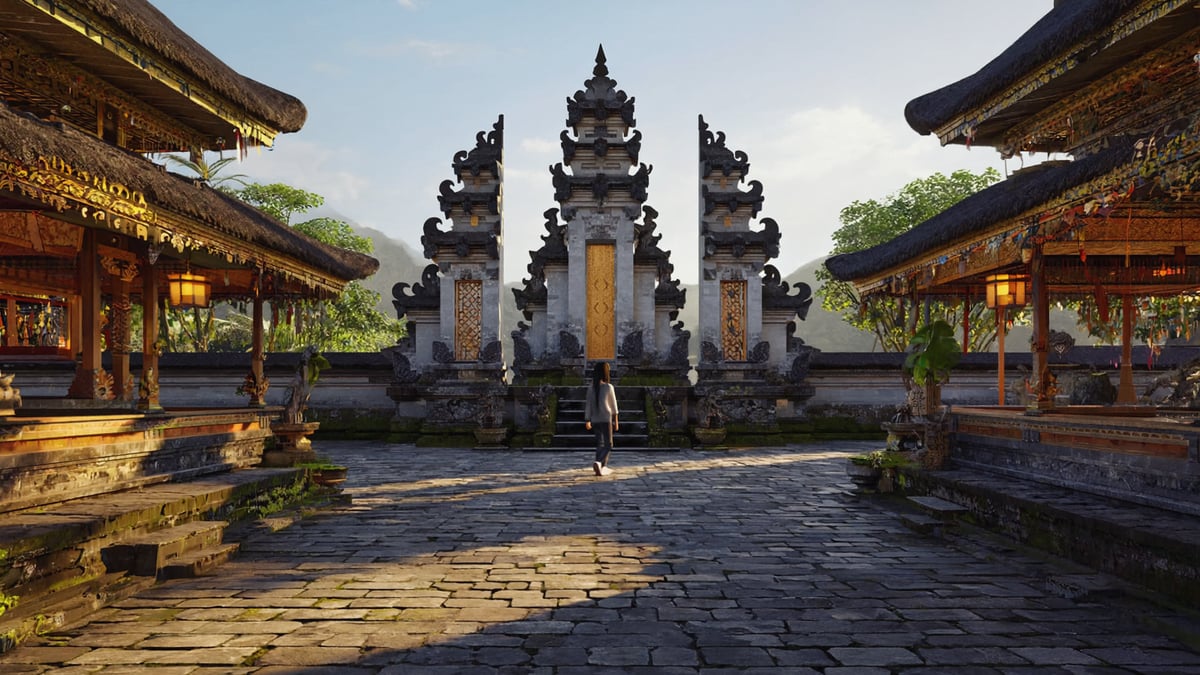
Bali has two primary seasons — dry and wet — and the difference between them is significant enough to genuinely shape your experience. The dry season runs from approximately May to September, and this is broadly considered the best time to visit. The wet season runs from October to April, though even during these months, rain typically falls in intense but brief afternoon showers rather than all-day downpours.
Month-by-Month Guide
| Month | Weather | Crowds | Pricing | Notable Events |
|---|---|---|---|---|
| January | Wet season; warm (28–31°C); afternoon showers | ⚠️ Moderate | ⚠️ Mid (post-New Year) | Galungan (dates vary) |
| February | Wettest month; high humidity | ✅ Low | ✅ Low season deals | Nyepi (Balinese New Year, date varies) |
| March | Still wet but easing; lush greenery | ✅ Low | ✅ Competitive | Nyepi (Balinese New Year) |
| April | Transitional; warm, occasional showers | ⚠️ Building | ⚠️ Rising | — |
| May | Dry season begins; 28–32°C, low humidity | ⚠️ Moderate | ⚠️ Mid | Bali Arts Festival (June–July) |
| June | Excellent; sunny, breezy, low humidity | ❌ High | ❌ Peak pricing | Bali Arts Festival |
| July–August | Peak dry season; ideal conditions | ❌ Very High | ❌ Highest prices | Galungan (dates vary by Hindu calendar) |
| September | Still excellent; crowds beginning to thin | ⚠️ Moderate–High | ⚠️ Easing | — |
| October | Transitional; warm, some showers | ✅ Low–Moderate | ✅ Good value | — |
| November | Wet season beginning; lush landscapes | ✅ Low | ✅ Low season | — |
| December | Wet but festive; warm evenings | ❌ Very High | ❌ Premium (Christmas/NYE) | New Year celebrations |
The sweet spot for UK travellers is May or September. These shoulder months offer near-perfect weather conditions — reliably dry, comfortably warm, and breezy — without the extreme crowds and inflated pricing of July and August. Nyepi, the Balinese Day of Silence, is one of the most extraordinary cultural experiences in all of Asia and typically falls in March; if your schedule allows it, timing a visit around this event is genuinely special. The entire island goes completely silent for 24 hours — no flights, no traffic, no noise — and the experience of sitting on a dark, quiet Bali night listening only to the stars is one that travellers consistently describe as life-changing.
Where to Stay in Bali: A Neighbourhood Guide for Every Traveller
Choosing the right base in Bali matters more than almost any other planning decision you will make. The island's regions are dramatically different in character, and staying in the wrong area for your travel style can leave you feeling like you missed the real Bali entirely.
Seminyak — Best for Stylish Couples and Sophisticated Travellers
Seminyak is Bali's most fashionable district: a strip of boutique hotels, world-class restaurants, designer shops, and sunset beach bars that attracts a well-heeled international crowd. It lacks the frenetic chaos of neighbouring Kuta while retaining excellent beach access. Budget travellers will find guesthouses from around £25–£35/night; mid-range options include beautifully designed boutique hotels from £70–£120/night; luxury seekers can access some of Asia's finest villa properties from £200–£500+/night. Seminyak is also within reasonable distance of the airport (30–45 minutes in moderate traffic), making it a practical first or last-night base.
Canggu — Best for Digital Nomads, Surfers & Young Travellers
Canggu has evolved rapidly over the past decade from a quiet surf village into one of Southeast Asia's most vibrant creative hubs. The area is packed with excellent cafés, yoga studios, surf schools, and a nightlife scene centred around beach clubs like Finns and Deus Ex Machina. Accommodation ranges from surfer-friendly guesthouses (£20–£40/night) to stylish boutique stays (£80–£150/night). Families with young children may find it less suited to their needs; for everyone else, Canggu's energy is infectious.
Ubud — Best for Culture, Wellness & Nature Lovers
Ubud, set inland among rice terraces and jungle-covered ravines, is Bali's cultural and spiritual heart. This is where you come for traditional dance performances, silver and woodcraft workshops, Ayurvedic spas, and some of the finest cooking in the country. The atmosphere is quieter and more contemplative than the southern beach resorts. Budget guesthouses start from around £18–£30/night; mid-range boutique resorts with rice terrace views run £60–£120/night; luxury jungle retreats and world-renowned wellness resorts reach £250–£800/night. Ubud is roughly 90 minutes from the airport and not suited to beach-focused holidays, but it is arguably the most authentically Balinese experience available to visitors.
Uluwatu & the Bukit Peninsula — Best for Surfers and Cliff-Top Luxury
The southern tip of Bali, known as the Bukit Peninsula, is a dramatic limestone plateau that drops in sheer cliffs to the Indian Ocean below. Uluwatu is home to some of the world's best surf breaks, the iconic Uluwatu Temple perched on a clifftop, and a collection of extraordinary luxury cliff-top hotels and villas. This is the most visually dramatic part of Bali. Mid-range options start from £80–£130/night; luxury properties here include some of the most spectacular hotel rooms in the world, running £300–£1,500/night. Note that beach access often requires descending steep staircases, making this area less suitable for elderly travellers or those with mobility challenges.
Nusa Dua — Best for Families and Resort-Style Holidays
Nusa Dua is Bali's purpose-built luxury resort zone, featuring large international hotel brands, calm lagoon-like beaches, and a gated environment that offers a more controlled, resort-style experience. It suits families with young children particularly well, and many of the large hotels here have excellent kids' clubs and water parks. Large resort hotels typically start from £100–£180/night mid-range, with five-star properties at £200–£500+/night.
Top Things to Do in Bali: 10 Experiences You Should Not Miss
Bali's activity list is genuinely overwhelming, which means most visitors either overcrowd their itinerary or miss the best experiences entirely. These ten activities represent the most rewarding use of your time on the island — chosen for their quality, authenticity, and the lasting impression they leave.
1. Tegallalang Rice Terraces, Ubud
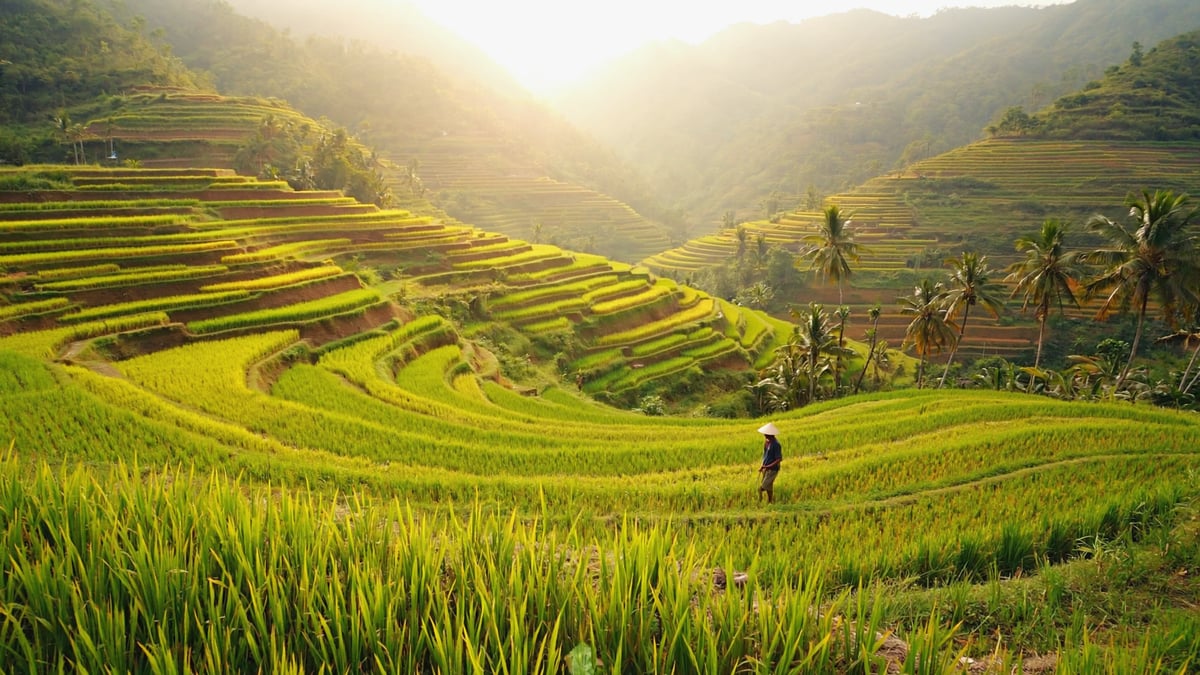
The cascading rice terraces north of Ubud are among the most photographed landscapes in Asia, and for good reason — the layered paddies are genuinely extraordinary. Entry fees are modest (around 15,000–50,000 IDR/less than £3 per person). Visit at sunrise or late afternoon for the best light and smallest crowds. Be prepared for the swing and photo operators — it is fine to decline politely.
2. Uluwatu Temple at Sunset with Kecak Fire Dance
Pura Luhur Uluwatu is one of Bali's six directional temples, dramatically perched 70 metres above the Indian Ocean on a sheer limestone cliff. The Kecak fire dance performance held at the temple amphitheatre each evening at sunset (approximately 18:00) is one of the most spectacular cultural performances in Southeast Asia. Entry to the temple is around 50,000 IDR (approximately £2.50); the dance performance costs approximately 100,000–150,000 IDR (£5–£8). Arrive 30–45 minutes early to secure a good seat. Watch your belongings carefully — the resident monkeys are notorious thieves.
3. Mount Batur Sunrise Trek
An active volcano rising to 1,717 metres, Mount Batur offers one of Bali's most memorable experiences: a pre-dawn hike to watch the sunrise from the caldera rim, with views across Lake Batur and, on clear days, Mount Agung and the distant peak of Mount Rinjani on Lombok. Treks are typically conducted with a local guide (required) and depart around 02:00–03:00 to reach the summit by sunrise. Tour prices including guide, transport, and breakfast cooked on volcanic steam run approximately £25–£50 per person. The hike itself is moderate — fit walkers of most ages can complete it.
4. Tirta Empul Holy Spring Temple
One of Bali's most sacred sites, Tirta Empul features a series of purification pools fed by a natural spring that Balinese Hindus believe was created by the god Indra. Visitors are welcome to participate in the purification ritual, moving through a sequence of fountains in a process that carries deep spiritual significance for local worshippers. Entry costs approximately 50,000 IDR (around £2.50). Bring or hire a sarong — respectful dress is essential. The experience is genuinely moving, particularly if you take the time to observe and understand what you are witnessing rather than treating it as a photo opportunity.
5. Surfing Lessons in Kuta or Canggu
Bali's southern coast offers some of the world's most beginner-friendly surf conditions, and the island has produced generations of expert instructors. A two-hour surf lesson including board hire in Kuta or Canggu typically costs £20–£35 per person. For intermediate or advanced surfers, the breaks at Uluwatu, Padang Padang, and Keramas offer genuinely world-class waves. Most surf schools can arrange multi-day packages for those looking to make meaningful progress.
6. Traditional Balinese Cooking Class
Balinese cuisine is one of Asia's most distinctive and complex culinary traditions, built around elaborate spice pastes, ceremonial preparations, and techniques passed down through generations. A half-day cooking class — typically including a visit to a local market, instruction in preparing four to six traditional dishes, and lunch — costs approximately £30–£55 per person. Ubud has the highest concentration of quality cooking schools, though excellent options exist in Seminyak and Canggu as well.
7. White Water Rafting on the Ayung River
The Ayung River, which runs through the jungle gorges west of Ubud, offers excellent Grade II–III white water rafting through dramatic scenery including waterfalls, jungle canopy, and carved stone reliefs in the canyon walls. Full-day rafting packages including transport, equipment, and lunch typically cost £35–£60 per person. Suitable for most ages from around eight years upward; no prior experience is necessary.
8. Tanah Lot Temple at Sunset
Tanah Lot is one of Bali's most iconic landmarks: a small Hindu temple perched on an offshore rock formation, surrounded by crashing surf, most beautiful at sunset when the silhouette of the temple against the orange sky creates one of travel photography's great compositions. Entry costs approximately 60,000 IDR (around £3). The site is genuinely magical at dusk despite the crowds — arrive by 17:00 to explore before peak sunset congestion.
9. Balinese Massage and Spa Treatment
Bali is one of the world's great spa destinations, and a traditional Balinese massage — incorporating long strokes, skin rolling, and acupressure — is an experience not to be missed. Quality spa treatments in Ubud or Seminyak start from around £15–£25 for a one-hour massage at a reputable mid-range spa. Luxury spa experiences at five-star resorts can run £80–£200 for multi-treatment packages. This is one category where it is worth spending a little more — the difference in quality between budget and mid-range spas is significant.
10. Island-Hopping to Nusa Penida
A 45-minute fast boat from Sanur or Padang Bai brings you to Nusa Penida, an island of raw, spectacular scenery that feels entirely different from Bali itself. The dramatic Kelingking Beach cliff viewpoint — often described as one of the most beautiful coastal views in the world — is alone worth the journey. Day trips from Bali including fast boat, driver, and guided tour to the island's key viewpoints cost approximately £40–£65 per person. Indonesia's official tourism portal provides useful background on island-hopping options across the archipelago.
Book Your Bali Holiday Now
GlobeHunters offers Bali holiday packages including flights and hotels at competitive prices, with packages starting from £899 per person. Whether you are looking for a romantic escape, a family adventure, or a solo journey, our Bali packages are tailored for UK travellers.
View Bali Packages & Prices →Or call us: 0208 944 4514
Food & Dining in Bali: What to Eat, Where to Eat It
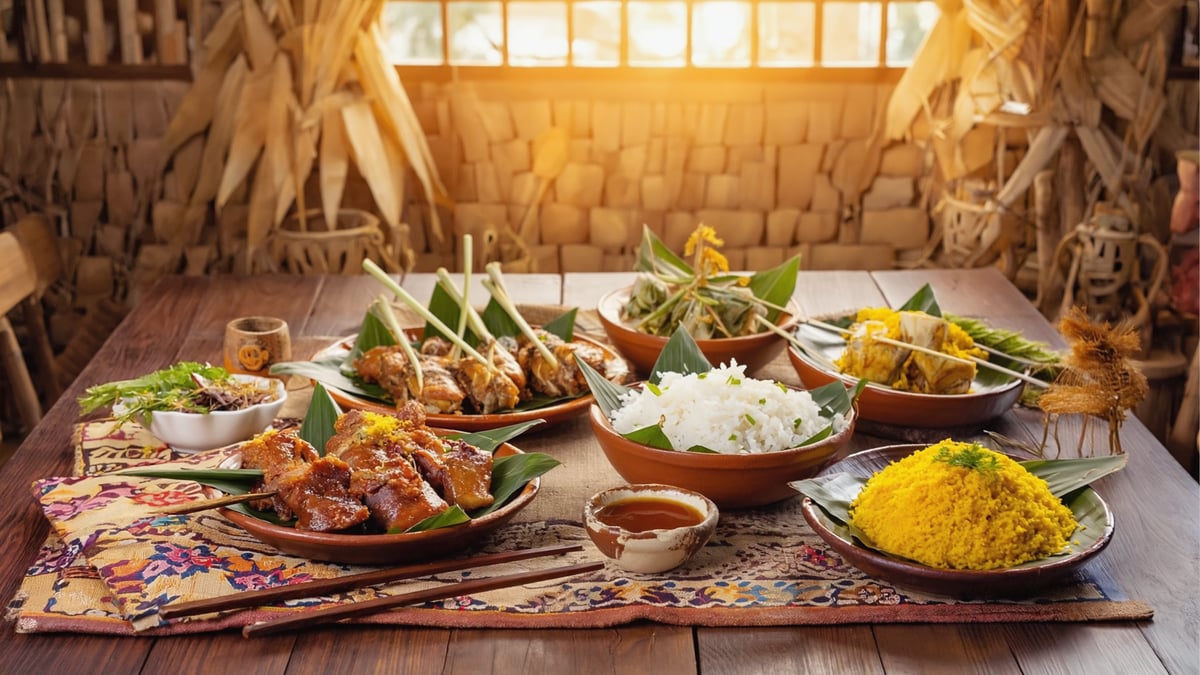
Balinese food is a revelation for most first-time visitors — an intricate, aromatic cuisine built on freshly ground spice pastes called base genep, which combine up to 25 different spices and aromatics including turmeric, galangal, lemongrass, shrimp paste, and candlenut. The island's dining scene ranges from extraordinary fine dining restaurants to humble roadside warungs (local eateries) where some of the best food costs less than £2.
Dishes You Must Try
Babi Guling — Bali's most famous dish: a whole roasted suckling pig prepared with a complex spice blend and traditionally associated with ceremonial occasions. The best versions are found at dedicated warung babi guling in Ubud and Denpasar. A generous plate costs approximately £3–£5. Note: this dish is not suitable for Muslim or vegetarian/vegan travellers.
Nasi Campur — A plate of steamed rice surrounded by small portions of various dishes — satay, vegetables, egg, tempeh, sambal. The Balinese answer to a mixed grill, and an excellent way to sample multiple flavours. Available everywhere from around £1.50–£4 at a warung.
Bebek Betutu — A whole duck slow-cooked for hours in a banana leaf parcel with the base genep spice paste. Deeply flavoured, fall-off-the-bone tender, and completely unlike anything available in the UK. Typically costs £6–£12 at a good restaurant.
Lawar — A traditional mix of finely chopped vegetables, coconut, and minced meat (often pork or chicken) with a complex spice paste. Every Balinese family has a slightly different recipe, and the versions sold at traditional markets are often the most authentic.
Jaja Bali — Balinese rice cakes and sweets, often coloured with natural dyes and shaped into intricate forms for ceremonial use. Found at morning markets across the island and deeply photogenic.
Best Dining Areas
Seminyak's Eat Street (Jalan Oberoi/Kayu Aya) is home to many of Bali's most celebrated restaurants, including long-established fine dining venues. The area suits couples seeking a sophisticated evening out. Ubud's Jalan Dewi Sita and Jalan Hanoman offer a dense concentration of excellent mid-range restaurants, many with open-air garden settings and rice terrace views. For street food and genuine local eating, Denpasar's Pasar Badung market and the evening food stalls at Gianyar Night Market are outstanding — and almost entirely free of tourist pricing.
Dietary Considerations
Vegetarians and vegans are exceptionally well catered for in Bali, particularly in Ubud and Canggu, which have thriving plant-based restaurant scenes. Halal food is widely available given Indonesia's broader Muslim majority. Those with severe food allergies should exercise caution with spice pastes, which frequently contain shrimp paste (terasi) as a base ingredient — always ask, and carry a translation card.
Getting to Bali from the UK: Flights, Routes & Transfers
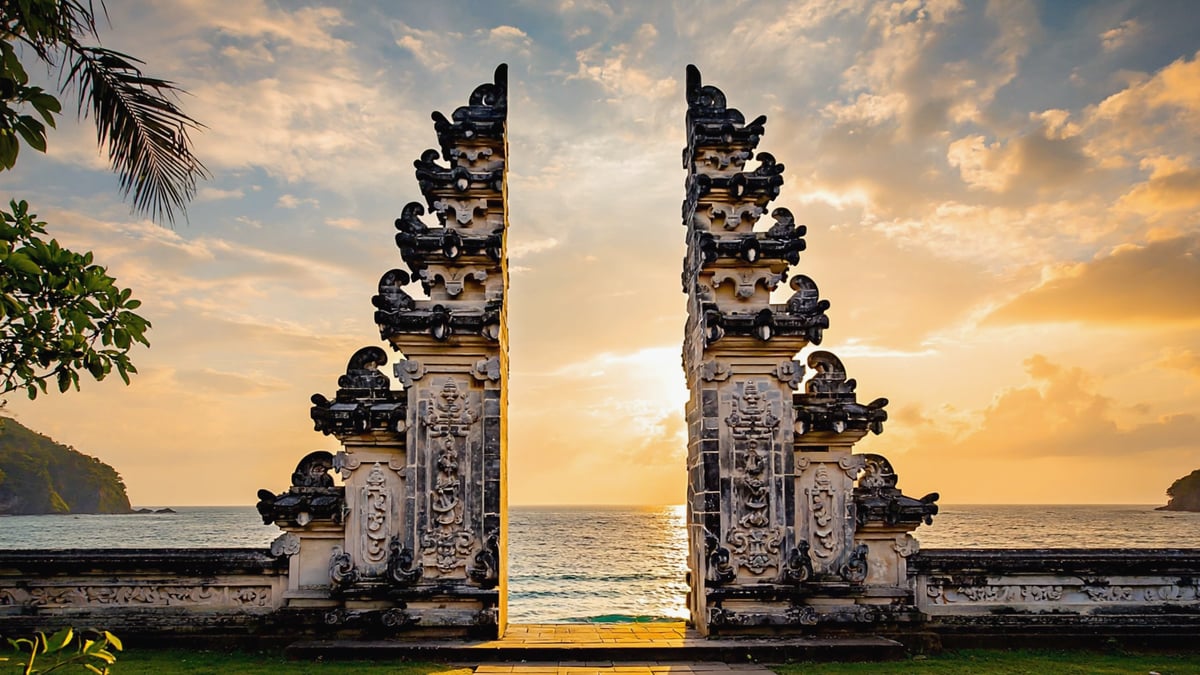
Bali is a long-haul destination from the UK, but the flight options have improved considerably in recent years, with increasingly competitive pricing making it accessible to a broader range of travellers.
Flight Routes and Airlines
There are currently no direct non-stop flights from the UK to Bali's Ngurah Rai International Airport (DPS). All UK routes involve at least one stop. The most common and convenient connections are via:
- Singapore (Changi Airport, SIN) — operated by Singapore Airlines and its subsidiary Scoot. This is widely regarded as the best-quality connection, with Changi consistently ranked among the world's finest airports. Total journey time is typically 16–18 hours including the stopover.
- Kuala Lumpur (KLIA, KUL) — via Malaysia Airlines or AirAsia. Competitive pricing on this route. Total journey time approximately 15–18 hours.
- Dubai (DXB) — via Emirates. A popular choice for UK travellers given Emirates' extensive UK regional network (flying from Manchester, Birmingham, Glasgow, and London Heathrow). Total journey time approximately 16–19 hours.
- Doha (DOH) — via Qatar Airways. Excellent business class product for those upgrading; competitive economy pricing. Journey time approximately 16–18 hours.
- Amsterdam (AMS) — via KLM, particularly useful for travellers in the north of England or Scotland who may find Amsterdam connections more convenient than London Heathrow.
Typical Flight Costs from the UK
| Travel Class | Low Season (Nov–Mar excl. Dec) | Shoulder Season (May, Sep–Oct) | Peak Season (Jun–Aug, Dec) |
|---|---|---|---|
| Economy | £550–£750 return | £650–£900 return | £800–£1,200 return |
| Premium Economy | £900–£1,300 return | £1,100–£1,600 return | £1,400–£2,000 return |
| Business Class | £2,200–£3,500 return | £2,500–£4,000 return | £3,500–£5,500 return |
Booking a Bali package holiday from the UK through GlobeHunters typically delivers better value than booking flights and accommodation separately — the platform's connections with Duffel for flights and Hotelbeds for accommodation allow for package pricing that is frequently 10–20% cheaper than component-by-component booking.
Airport Transfers
From Ngurah Rai Airport, official metered taxis are available from the designated taxi rank outside arrivals. The Bali Taxi (blue Bluebird taxis) are the most reliable. Expect to pay approximately £8–£15 to Kuta/Seminyak, £15–£25 to Canggu, and £25–£45 to Ubud depending on traffic. Ride-hailing apps Gojek and Grab operate in Bali and are generally cheaper than taxis, though they cannot legally pick up from inside the airport terminal — they use a nearby designated meeting point. Many hotels and villas offer airport pickup services for a fixed fee, which eliminates any uncertainty and is worth considering, particularly on a first visit.
Bali Budget Guide: What Does a Holiday Actually Cost?
One of Bali's most compelling selling points for UK travellers is the extraordinary value it offers — but the range between a bare-bones budget trip and a luxury villa escape is enormous. The following guide gives realistic daily estimates for different travel styles.
| Category | Budget Traveller | Mid-Range Traveller | Luxury Traveller |
|---|---|---|---|
| Accommodation (per night) | £15–£30 (guesthouse/hostel) | £60–£130 (boutique hotel) | £200–£600+ (villa/5-star resort) |
| Food & Drink (per day) | £8–£15 (warung dining) | £25–£50 (mix of café/restaurant) | £80–£200 (fine dining + cocktails) |
| Transport (per day) | £3–£8 (scooter hire/Gojek) | £12–£25 (private driver/Grab) | £40–£80 (private car + driver) |
| Activities (per day) | £5–£15 (temples, free beaches) | £20–£50 (tours, experiences) | £80–£200 (private tours, diving) |
| Daily Total (per person) | £31–£68/day | £117–£255/day | £400–£1,080+/day |
| 10-Night Trip Total (excl. flights) | £310–£680 | £1,170–£2,550 | £4,000–£10,800+ |
A practical Bali travel guide note on money: ATMs are widely available across tourist areas and generally dispense Rupiah reliably, though international withdrawal fees can accumulate. Many travellers find it useful to bring a fee-free travel card such as Wise or Starling Bank for better exchange rates and no withdrawal charges. Always carry some cash — smaller warungs, market stalls, and temple entry fees are almost always cash-only.
Travel Tips & Safety: Everything UK Travellers Need to Know
Bali is generally a safe, welcoming destination for UK travellers, but as with any international trip, a few practical considerations will make your experience significantly smoother.
Health and Vaccinations
The NHS and UK travel health professionals typically recommend ensuring standard travel vaccinations are up to date before visiting Bali, including hepatitis A, typhoid, and tetanus-diphtheria-polio. Rabies vaccination is worth discussing with a travel health clinic given the presence of stray dogs and the notorious monkey populations at tourist sites. Dengue fever is present on the island, transmitted by daytime-biting mosquitoes — use a quality DEET-based repellent, particularly during the wet season when mosquito populations are higher. The NHS TravelHealthPro page for Indonesia provides current, authoritative health advice for UK travellers.
Tap water in Bali is not safe to drink — always use bottled or filtered water, including when brushing teeth in budget accommodation. The island has made considerable progress in reducing single-use plastic, and many hotels now offer refillable water stations.
Safety Considerations
Bali is, by the standards of long-haul destinations, a relatively low-risk location for UK travellers. Violent crime against tourists is rare. The most common issues are petty theft (particularly in crowded areas and on scooters), traffic accidents, and tourist-targeted scams. Scooter and motorbike accidents are the single leading cause of serious injury to tourists in Bali — if you choose to hire a scooter (which many visitors do), wear a helmet, ride defensively, and be aware that your UK travel insurance may be invalidated if you do not hold a valid motorcycle licence or did not hold the appropriate endorsement.
The FCDO (Foreign, Commonwealth & Development Office) maintains current travel advice for Indonesia. Always check FCDO Indonesia travel advice before departure and register with LOCATE, the British nationals registration service, if travelling to more remote areas.
Cultural Etiquette
Bali's Hindu culture commands a genuine and respectful approach from visitors. Key points of etiquette include:
- Temple dress: A sarong and sash are required to enter any temple — these are almost always available to hire or borrow at the entrance for a small fee.
- Menstruation: Women who are menstruating are traditionally asked not to enter temples; this is a genuine religious custom, not a discriminatory rule.
- Offerings: The small colourful offerings (canang sari) placed on the ground throughout Bali are sacred — step around them, never over or on them.
- Head and feet: In Balinese Hindu culture, the head is considered sacred and the feet impure. Avoid touching anyone on the head, and remove shoes when entering homes and many businesses.
- Nyepi: If you are in Bali on Nyepi (the Day of Silence), all tourists are required to remain within their hotel or villa for the full 24-hour period. Flights to and from the island are cancelled on this day.
- Loud behaviour: Bali is a deeply spiritual place. Loud, disrespectful behaviour at temples or during ceremonies is genuinely offensive to local people — and increasingly subject to penalties under Indonesian law.
Essential Packing for Bali
Pack light, breathable clothing — linen and cotton are ideal. Include at least one set of modest clothing (covering shoulders and knees) for temple visits. A lightweight waterproof jacket is useful year-round for sudden showers and air-conditioned restaurants that can be surprisingly cold. Quality reef-safe sunscreen is worth bringing from the UK as it is expensive and not always available locally. A portable power bank is useful as some accommodation has limited plug sockets.
Connectivity
WiFi is widely available across hotels, cafés, and restaurants in tourist areas. For mobile data, purchasing a local SIM card at the airport on arrival is strongly recommended — options from Telkomsel or XL Axiata typically offer generous data packages for under £5 for 30 days, and connectivity across the island is generally reliable.
Frequently Asked Questions About Bali Holidays
Do UK travellers need a visa for Bali?
British passport holders can enter Indonesia on a Visa on Arrival (VoA), valid for 30 days and extendable for a further 30 days at an immigration office. The fee is approximately USD $35 (around £27–£28). An e-VOA can also be purchased online before travel. Always verify current requirements with the Indonesian Embassy before booking.
What is the best time to visit Bali from the UK?
The dry season (May to September) offers the most reliable weather. The sweet spot for UK travellers is May or September — excellent conditions with fewer crowds and lower prices than the July–August peak. March is worth considering for those who want to experience Nyepi, the extraordinary Balinese Day of Silence.
How long is the flight from the UK to Bali?
There are no direct flights from the UK to Bali. Total journey time with one stopover is typically 16–19 hours depending on the connection point and layover duration. The most popular connections are via Singapore, Dubai, Kuala Lumpur, and Doha.
How much does a Bali holiday cost from the UK?
A complete Bali package holiday from the UK — including return flights, accommodation, and transfers — typically starts from around £899 per person for a 10-night mid-range trip in shoulder season. Budget travellers combining cheaper flights with guesthouse accommodation can bring this lower; luxury travellers should budget considerably more. GlobeHunters' Bali packages offer competitive pricing with real-time availability.
Is Bali safe for solo female travellers?
Bali is generally considered one of the safer destinations in Asia for solo female travellers. The island has a well-established solo travel community, particularly in Ubud and Canggu. Standard travel safety precautions apply — avoid walking alone late at night in poorly lit areas, be cautious with drinks in nightlife venues, and trust your instincts in unfamiliar situations.
What currency is used in Bali, and should I exchange money before I go?
The Indonesian Rupiah (IDR) is the local currency. As of 2026, £1 exchanges to approximately 19,000–20,000 IDR. Many travellers find it convenient to bring a small amount of USD or GBP cash to exchange on arrival, then use ATMs or a fee-free travel card (such as Wise or Starling) for the remainder of their trip. Avoid exchanging money at the airport — rates are considerably worse than authorised money changers in tourist areas.
What are the best areas to stay in Bali?
This depends entirely on your travel style. Seminyak suits stylish couples seeking beach, restaurants, and nightlife. Ubud is ideal for culture, wellness, and nature. Canggu attracts surfers and digital nomads. Uluwatu offers dramatic cliff-top luxury. Nusa Dua suits families wanting a resort-style holiday with calm beaches. Most visitors staying longer than a week combine two areas — typically a beach resort in the south and two or three nights in Ubud.
Is Bali suitable for families with young children?
Yes — Bali is an excellent family destination. Nusa Dua and Sanur are the most family-friendly areas, with calm beaches, large resort hotels with children's facilities, and a relaxed atmosphere. The island's culture, food, and landscape offer rich experiences for children of all ages. Key considerations: the heat (ensure children stay hydrated and use high-SPF sunscreen), traffic (roads can be chaotic), and food hygiene (stick to well-reviewed restaurants for young children).
Do I need travel insurance for Bali?
Comprehensive travel insurance is essential for any trip to Bali. Ensure your policy covers medical evacuation (which can be very expensive in a remote destination), adventure activities if you plan to surf, trek, or dive, and trip cancellation. The FCDO strongly advises UK travellers to hold adequate travel insurance for all international trips. Check that scooter hire is covered if you plan to rent one — many standard policies exclude this.
What should I pack for Bali?
Light breathable clothing (cotton or linen); a sarong for temple visits; reef-safe sunscreen; a quality DEET mosquito repellent; a lightweight waterproof jacket; comfortable walking sandals; a universal travel adaptor (Indonesia uses Type C/F plugs); a portable water bottle; and any prescription medications you require. If you wear contact lenses, bring an adequate supply — specialist products are difficult to source outside major cities.
Can I use my UK mobile phone in Bali?
Yes, but roaming charges from UK networks can be significant. The most cost-effective solution is to purchase a local Indonesian SIM card at the airport on arrival. Telkomsel and XL Axiata offer prepaid data packages from under £5 that provide generous data allowances for 30 days. WiFi is widely available in hotels, restaurants, and cafés throughout tourist areas.
What is the food like in Bali, and can vegetarians eat well there?
Balinese cuisine is exceptional — aromatic, complex, and built around freshly ground spice pastes. Must-try dishes include babi guling (roasted suckling pig), nasi campur (mixed rice plate), bebek betutu (slow-cooked duck), and lawar (spiced minced meat salad). Vegetarians and vegans are extremely well catered for, particularly in Ubud and Canggu, which have thriving plant-based restaurant scenes. Note that many traditional dishes contain shrimp paste — always ask if you have dietary restrictions.
Plan Your Perfect Bali Holiday in 2026
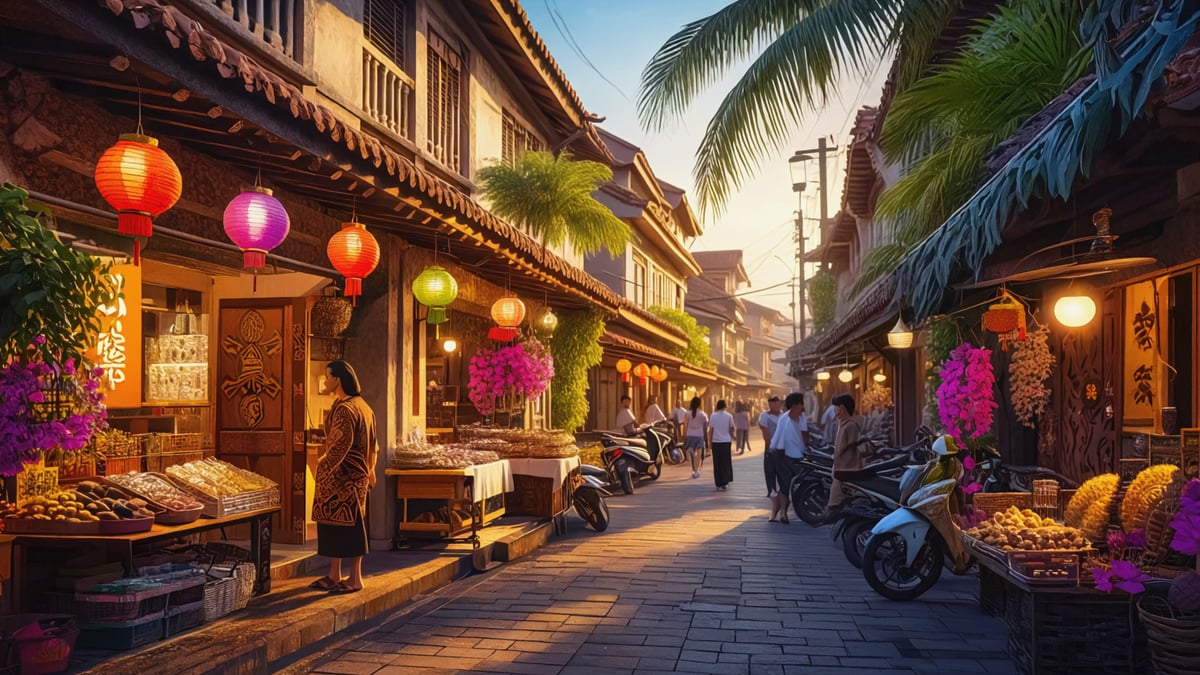
Bali earns its reputation not through any single experience but through the relentless accumulation of extraordinary moments: the sound of gamelan music drifting across a temple courtyard at dusk, the taste of freshly prepared nasi campur at a roadside warung, the sight of a volcano rising above the clouds at sunrise, the warmth of genuinely welcoming people who treat every visitor as a guest rather than a transaction. It is an island that rewards slow travel — the longer you stay, the more it reveals.
For UK travellers in 2026, the combination of competitive flights and hotel packages to Bali, an exceptional pound-to-rupiah exchange rate, and the island's extraordinary depth of experience makes this one of the most compelling long-haul destinations available. Whether you are spending seven nights in a Seminyak boutique hotel or three weeks combining beach resorts with jungle retreats and temple festivals, Bali delivers in ways that are difficult to articulate until you have experienced them firsthand.
GlobeHunters' Bali package holidays from the UK are designed to take the complexity out of booking a long-haul trip, combining competitive flight pricing, carefully selected accommodation, and optional activity add-ons into a single, straightforward package. With packages starting from £899 per person, the island of the gods is more accessible than ever.
Ready to Book Your Bali Holiday?
GlobeHunters offers holiday packages including flights and hotels at competitive prices. Our Bali packages start from £899 per person and include return flights from the UK, hotel accommodation, and airport transfers.
View Bali Package Deals →Or call our Bali specialists: 0208 944 4514
Ready to Book Your Bali Holiday?
Our travel experts are ready to help you plan the perfect trip. Call us today or browse our latest deals.
About the author
Spiros Maragkoudakis · Chief Commercial Officer
Ready to Start Planning?
Speak to our travel experts for personalised advice and the best deals on your next holiday.
Call 0208 944 4514