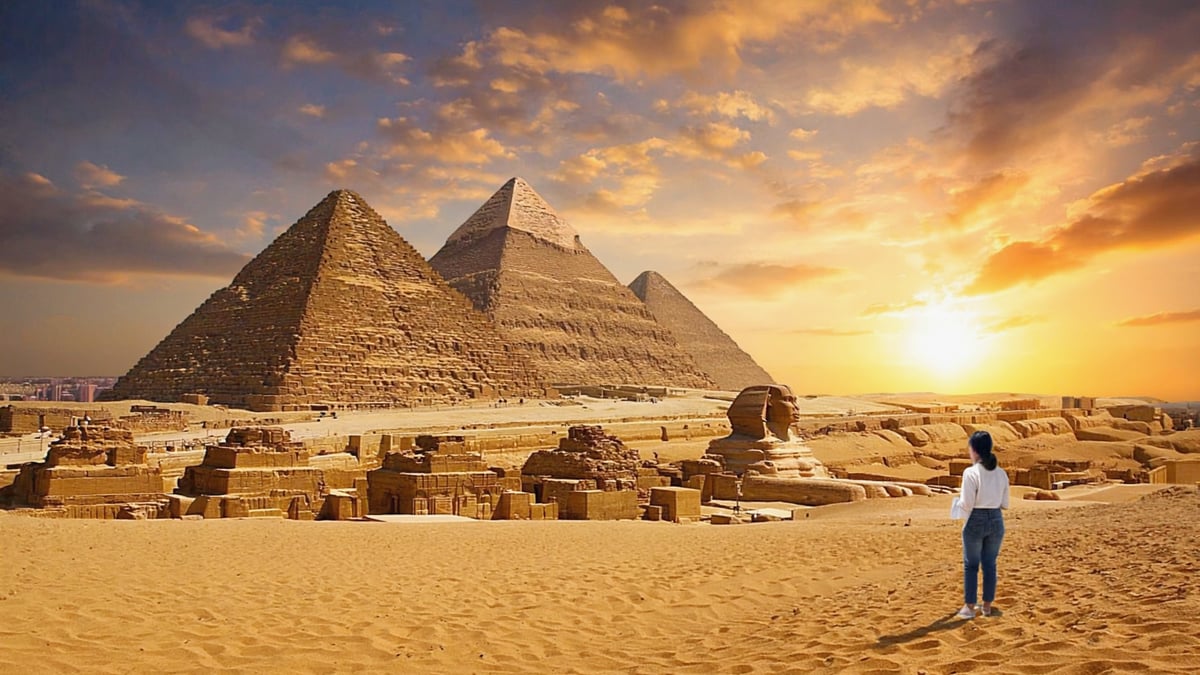
There is a moment, standing at the base of the Great Pyramid of Giza, when the scale of what you are looking at simply refuses to compute. You know the numbers intellectually — 2.3 million stone blocks, some weighing up to 80 tonnes, assembled with a precision that still baffles engineers today. But knowing the numbers and feeling them are entirely different things. Egypt is a country that does this repeatedly to visitors: it confronts you with evidence of human achievement so ancient and so extraordinary that your modern frame of reference temporarily collapses. Then a chai seller appears, a camel protests loudly nearby, and you are yanked back into the glorious, chaotic, sensory overload of contemporary Egypt — and you realise you love both versions equally.
For UK travellers, Egypt has long been one of the most rewarding long-haul destinations within reach. Direct flights from London take roughly five and a half hours, the time difference is only two to three hours depending on the season, and a pound stretches remarkably well against the Egyptian pound. Whether you are drawn by the Pharaonic monuments of Luxor, the living chaos of Cairo's bazaars, the turquoise silence of the Red Sea, or the idea of waking up on a Nile felucca as the sun rises over golden desert — Egypt in 2026 is more accessible, better-connected, and more visitor-friendly than it has ever been.
This guide covers everything a UK traveller needs to plan an unforgettable Egyptian holiday: the best time to go, where to stay, what to see, how much it costs, and the practical details that make the difference between a stressful trip and a seamless one.
Egypt at a Glance: Geography, Language & Essential Practicalities
Egypt sits at the north-eastern corner of Africa, bordered by Libya to the west, Sudan to the south, and Israel and the Gaza Strip to the north-east. The Sinai Peninsula bridges Africa and Asia, separating the Gulf of Suez from the Gulf of Aqaba. Despite covering nearly one million square kilometres, roughly 95% of Egypt's population lives along the narrow green ribbon of the Nile Valley and in the Nile Delta — the rest is desert.
Language: Arabic is the official language. Egyptian Arabic is the most widely understood dialect in the Arab world. In tourist areas — Cairo, Luxor, Aswan, Hurghada, and Sharm el-Sheikh — English is widely spoken, particularly in hotels, restaurants, and at major sites. Learning a handful of Arabic phrases (shukran for thank you, min fadlak for please) is warmly appreciated and will earn you genuine smiles.
Currency: The Egyptian Pound (EGP). The exchange rate fluctuates, but as of 2026 you can expect roughly 50–55 EGP to the pound, making Egypt excellent value for UK visitors. ATMs are widely available in cities and tourist areas. It is worth carrying cash for smaller purchases, tips, and market haggling, as card acceptance is inconsistent outside larger establishments. Currency exchange desks at Cairo International Airport offer reasonable rates, and licensed exchange bureaux in tourist areas are generally reliable — avoid unofficial street exchangers.
Time Zone: Egypt Standard Time (EET) is UTC+2 year-round. Egypt abolished daylight saving time, so it is typically two hours ahead of the UK in winter and one hour ahead during British Summer Time (BST).
Visa Requirements for UK Travellers: British passport holders can obtain a tourist visa on arrival at Cairo, Hurghada, and Sharm el-Sheikh international airports. As of 2026, the tourist visa costs approximately USD $25 (around £20) and is valid for 30 days. You can also apply in advance through Egypt's official e-visa portal, which is recommended to save time at the airport. Your passport must be valid for at least six months beyond your travel date. Visitors entering Sinai only (Sharm el-Sheikh and Dahab) may be eligible for a free 15-day Sinai-only stamp, though this restricts movement to the Sinai Peninsula.
Health: No vaccinations are currently mandatory for entry from the UK, but travel health clinics typically recommend ensuring hepatitis A, typhoid, and tetanus jabs are up to date. Take out comprehensive travel insurance — the NHS recommends this for all travel outside the UK, and Egypt's private hospitals, while good in major cities, can be expensive. Drink bottled water throughout your trip.
Electricity: Egypt uses European-style round two-pin plugs (Type C and F) at 220V. UK travellers will need a plug adaptor.
When to Visit Egypt: A Month-by-Month Breakdown
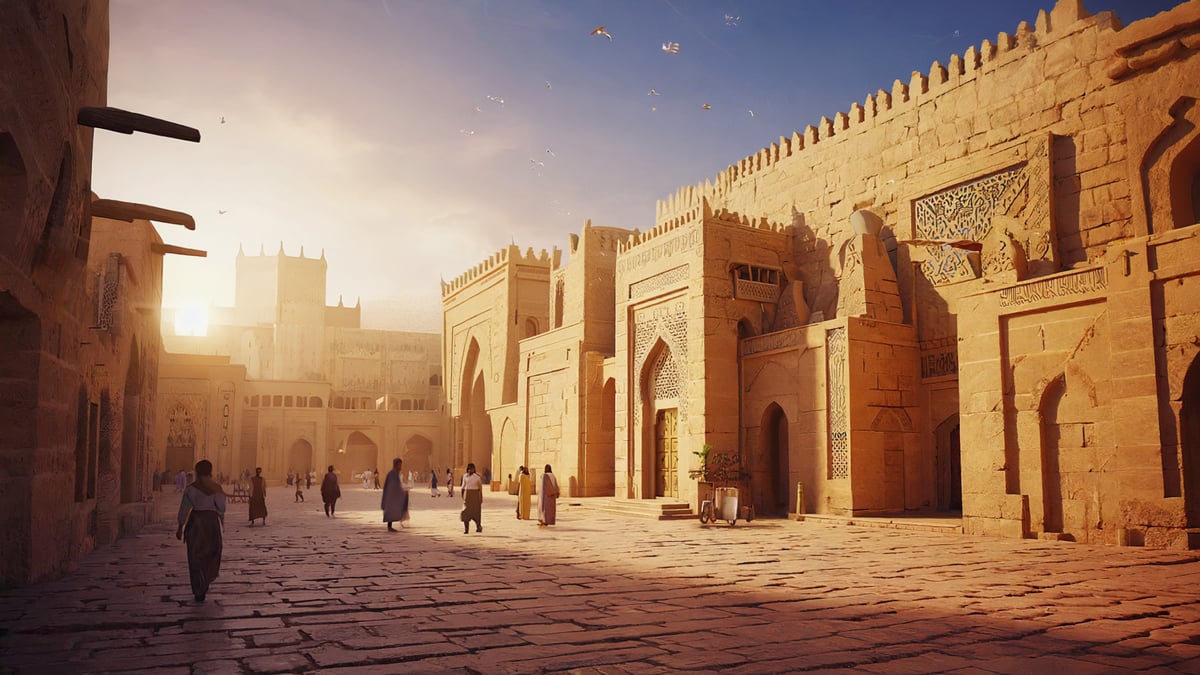
The short answer: October to April is the sweet spot for most UK visitors, with October–November and February–March being particularly ideal. Here is the full picture.
October to November: Peak Season Begins
These two months represent arguably the finest travel window Egypt offers. Temperatures in Cairo and Luxor settle into genuinely pleasant territory — daytime highs of 25–30°C with cool evenings — while the summer crowds have largely dispersed. The Nile cruise season hits its stride, temple sites are comfortable to explore in the afternoon, and the quality of light for photography is extraordinary. Prices begin to rise as the European half-term and post-summer travel wave arrives, but value remains strong compared to December. Expect hotel and flight prices to be competitive, though book at least two to three months ahead for peak October slots.
December to January: High Season
Christmas and New Year in Egypt has become increasingly popular with UK travellers seeking winter sun. Cairo in December sees daytime temperatures of around 20°C — pleasant for sightseeing but chilly at night, so pack a layer. Luxor and Aswan are warmer. The Red Sea resorts of Hurghada and Sharm el-Sheikh remain reliably warm at 22–24°C. This is the busiest and most expensive period: flights and hotels command premium pricing, and the Pyramids and Valley of the Kings are significantly more crowded. Book well in advance — ideally six months ahead — if travelling over the Christmas fortnight.
February to March: The Hidden Gem Window
Many experienced Egypt travellers consider this the best time of year. The post-January lull means prices drop noticeably, crowds thin, and temperatures are comfortable without being cold. February in Luxor sits around 24°C — perfect for spending half a day in the Valley of the Kings without wilting. Spring flowers bloom along the Nile Delta. This window is particularly good for Nile cruises, as the river level is ideal for navigation and the pace of life feels unhurried.
April to May: Warming Up
Temperatures begin climbing quickly in April, reaching the low 30s in Upper Egypt by May. The Khamaseen — a hot, sand-laden wind — can blow intermittently in spring, reducing visibility and coating everything in fine dust. Manageable, but worth knowing about. The Red Sea coast remains lovely. Prices are mid-range and crowds are thinner than December.
June to September: Extreme Summer Heat
Inland Egypt in summer is brutally hot. Cairo and Luxor regularly exceed 40°C, and the Valley of the Kings can hit 45°C. Most experienced travellers avoid this period for cultural sightseeing. The Red Sea coast, however, remains popular — sea breezes make Hurghada and Sharm tolerable, and diving and snorkelling conditions are excellent. Summer also brings lower prices and far thinner crowds at beach resorts. If your Egypt trip is primarily beach-focused, June–September can be good value with a caveat: do not underestimate the heat.
Ramadan Considerations
Ramadan's dates shift annually. In 2026, Ramadan falls approximately in late February to late March. Travelling during Ramadan requires some adjustment: many restaurants close during daylight hours, and the pace of business slows. However, it is also one of the most culturally rich times to visit — evenings come alive with the Iftar feast, streets fill with lanterns and music, and Egyptians are exceptionally hospitable. Tourists are treated respectfully but should dress modestly and avoid eating or drinking in public during daylight hours out of respect.
Where to Stay: Egypt's Best Neighbourhoods and Accommodation Areas
Egypt's accommodation scene spans everything from five-star Nile-view palaces to clean, characterful budget guesthouses. The key is choosing the right base for your itinerary — because Egypt is a large country, and where you sleep determines what you can realistically do each day.
Cairo: Zamalek, Downtown, and Giza
Zamalek is the island district in the middle of the Nile — leafy, relatively quiet by Cairo standards, dotted with embassies, cafés, and excellent restaurants. It is the most residential and upscale neighbourhood for tourists, with boutique hotels and a calmer atmosphere than the city centre. Ideal for couples and those who want to explore Cairo comfortably without being in the thick of the noise.
Downtown Cairo (Wust al-Balad) puts you closest to the Egyptian Museum, Tahrir Square, and the historic Islamic quarter. Mid-range hotels here offer tremendous value and easy access to everything. It is noisier and busier, but if you want to feel the pulse of the city, Downtown is unbeatable.
Giza — specifically the hotels along the Pyramids Road and those within sight of the plateau — offers the ultimate novelty of waking up with a Pyramid view. Several luxury properties here have rooftop pools overlooking the monuments. Prices are higher for the view premium, but it is a genuinely memorable experience.
Budget: Expect to pay £25–45/night for a clean, well-reviewed guesthouse or hostel with breakfast in Downtown Cairo. Mid-range: £60–120/night for a comfortable three or four-star hotel. Luxury: £150–350+/night for five-star properties including Nile views or Pyramid panoramas.
Luxor: East Bank vs West Bank
Luxor splits along the Nile: the East Bank holds the temples of Karnak and Luxor Temple, the train station, and most hotels and restaurants. It is the more convenient base. The West Bank, home to the Valley of the Kings, Hatshepsut's Temple, and dozens of ancient tombs, is quieter and more atmospheric — staying here in a small guesthouse gives you the extraordinary experience of early-morning access to the monuments before the day-trip coaches arrive. Mid-range hotels on the East Bank run £50–90/night; boutique West Bank guesthouses from £35–70/night.
Aswan: The Corniche and Elephantine Island
Aswan is Egypt's most relaxed city — slower, greener, and distinctly Nubian in character. Stay along the Corniche for Nile views, or consider a night on Elephantine Island for something genuinely unique. The Old Cataract Hotel — where Agatha Christie wrote Death on the Nile — remains one of Egypt's most iconic addresses, with prices to match (£200–400/night). Mid-range Corniche hotels offer excellent value at £60–100/night.
Hurghada and Sharm el-Sheikh: Red Sea Resorts
For beach-focused travellers, both cities offer all-inclusive resort packages that represent some of the best value in the Mediterranean and Red Sea region. Hurghada is larger and more developed; Sharm el-Sheikh, situated at the tip of the Sinai Peninsula, is more compact and arguably more scenic. All-inclusive rates in both cities range from £60–150/night per person depending on the property's star rating and season.
Top Things to Do in Egypt: 10 Experiences Worth Travelling For
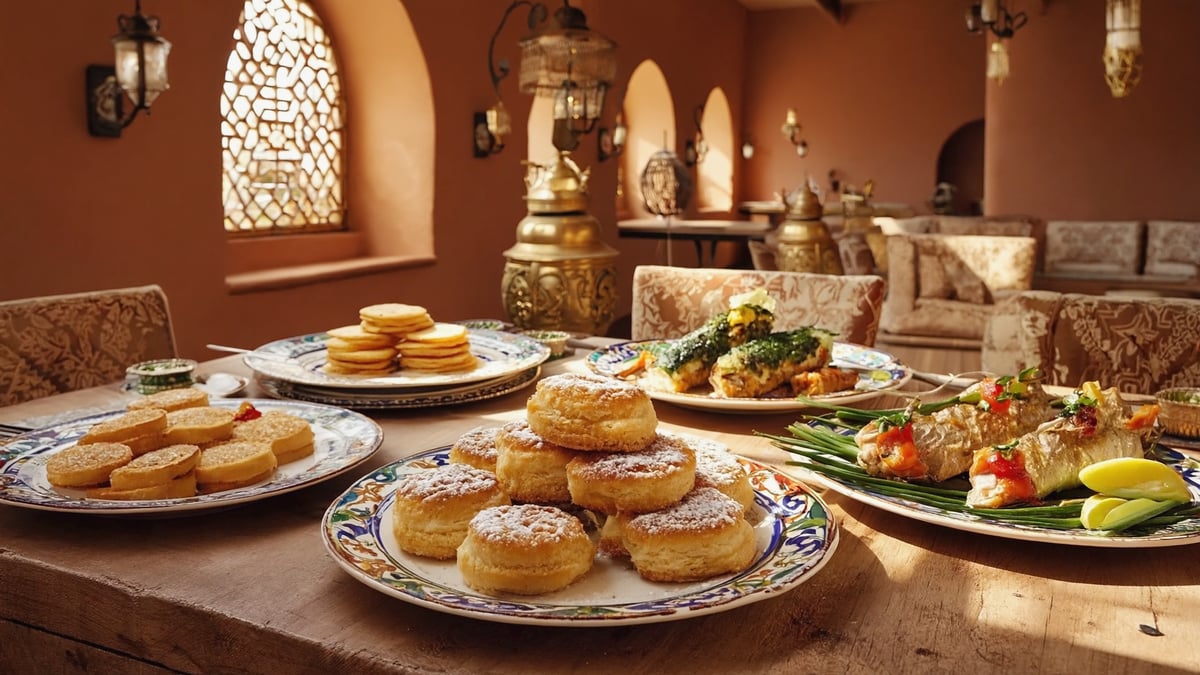
Egypt's attraction list is almost comically long for a single destination. These are the experiences that genuinely justify the journey.
1. The Pyramids of Giza and the Sphinx
The only surviving wonder of the ancient world, and still jaw-dropping in person. The site opens daily from 08:00–17:00 (winter) and 08:00–19:00 (summer). General entry to the Giza Plateau costs approximately EGP 450 (around £8–9). Entry into the Great Pyramid's interior is an additional EGP 700 (roughly £13); entry to the second pyramid's interior is EGP 400. The Solar Boat Museum on site costs extra. Insider tip: Arrive at opening time — by 10:00 the coach tours arrive en masse. Hiring a licensed guide (£25–40 for a half-day) dramatically enriches the experience; they will point out details invisible to the untrained eye and navigate the persistent (though largely harmless) vendors on your behalf.
2. The Egyptian Museum, Cairo
The iconic pink building on Tahrir Square houses the world's largest collection of Pharaonic artefacts, including Tutankhamun's golden death mask and the Royal Mummies Room. Entry costs EGP 450 (around £8–9) with the mummies room carrying an additional EGP 400 charge. The Grand Egyptian Museum (GEM), located near the Pyramids plateau, opened in 2023 and now displays the full Tutankhamun collection across spectacular modern galleries. The GEM is open 09:00–22:00; general entry is EGP 1,000 (approximately £18). Both museums are worth visiting if your itinerary allows.
3. Karnak Temple Complex, Luxor
The largest religious structure ever built, covering over 100 hectares. Walking through the Avenue of Sphinxes and into the Great Hypostyle Hall — 134 massive columns in 16 rows, some reaching 21 metres high — is among the most breathtaking architectural experiences on earth. Open 06:00–17:30; entry EGP 450 (around £8–9). The evening Sound and Light Show runs three times nightly and is worth attending at least once — tickets are approximately EGP 350 (£6–7).
4. Valley of the Kings, West Bank Luxor
The burial ground of New Kingdom pharaohs, cut into the limestone cliffs of the Theban Hills. The standard ticket (EGP 600 / approximately £11) covers entry to three tombs from a rotating selection. Tutankhamun's tomb requires a separate ticket (EGP 600 extra). Nefertari's tomb in the nearby Valley of the Queens is the most spectacularly painted of all — at EGP 1,800 (£33) it is expensive by Egyptian standards, but the colours are extraordinary. Open 06:00–17:00 in winter. Tip: Visit early morning before the heat and crowds peak.
5. A Nile Cruise Between Luxor and Aswan
The classic three or four-night Nile cruise — aboard a traditional dahabiya or a larger cruise ship — remains one of the world's great journeys. Sailing between Luxor and Aswan (or vice versa), you stop at Edfu Temple, Kom Ombo, and smaller sites that day-trippers rarely reach. A four-night cruise aboard a quality vessel costs roughly £350–600 per person including full board and guided excursions. Dahabiya (traditional two-masted sailing boat) charters are pricier but offer an intimate, unhurried experience for small groups or couples.
6. Abu Simbel Temples
Perhaps Egypt's most remote major monument — the twin temples carved into a cliff face by Ramesses II around 1264 BC, relocated in their entirety in the 1960s to save them from rising Nile waters. Located 280km south of Aswan near the Sudanese border. Most visitors fly (a 45-minute flight from Aswan, around £80–110 return) or join an early-morning convoy by road (departing Aswan around 04:00, returning by midday). Entry costs EGP 650 (around £12). The spectacle — particularly around the bi-annual solar alignment when sunrise illuminates the inner sanctuary — is deeply moving.
7. Snorkelling and Diving in the Red Sea
Egypt's Red Sea coast contains some of the world's finest coral reef systems. Ras Mohammed National Park near Sharm el-Sheikh, the SS Thistlegorm wreck (a WWII British cargo ship), and the reefs of Dahab's Blue Hole are world-famous among divers. A day's snorkelling trip from Hurghada or Sharm costs £20–40 per person. A two-dive package with equipment runs approximately £50–80. PADI Open Water certification courses are available in both cities for around £250–350.
8. Khan el-Khalili Bazaar, Cairo
Cairo's historic bazaar, operating since the 14th century, is a labyrinth of narrow lanes selling spices, papyrus, silver jewellery, hand-blown glass, and enough tourist trinkets to fill a shipping container. The experience of navigating it — following the smell of shisha smoke and freshly ground coffee — is as much the point as any purchase. The bazaar is open most days from around 10:00–22:00 (quieter on Fridays). Haggling is expected and part of the experience; a starting price of roughly one-third of the initial quote is a reasonable opening position.
9. Felucca Sailing on the Nile
A felucca is the traditional wooden sailing boat that has transported people along the Nile for millennia. Hiring one for a sunset hour around Aswan or near Luxor costs £5–15 for the boat (negotiate firmly in advance). It is one of the most peaceful, timeless experiences Egypt offers — watching the desert cliffs turn gold as the sun drops, with nothing but the sound of wind in the sail. An overnight felucca trip from Aswan to Edfu (typically two nights) runs approximately £30–50 per person including sleeping on board under the stars.
10. Luxor Temple by Night
Luxor Temple is illuminated after dark, and the experience of walking through its colonnaded courts under a deep blue sky is utterly different from a daytime visit. The temple is open until 22:00. Entry is EGP 450 (£8–9). Combine it with dinner at a rooftop restaurant on the Corniche for one of the best evenings in Egypt.
Book Your Egypt Holiday Now
GlobeHunters offers 7-night Egypt holiday packages including flights from the UK and hotel accommodation from just £1,199 per person.
View Egypt Package & Prices →Or call us: 0208 944 4514
Egyptian Food & Dining: What to Eat, Where to Eat It
Egyptian cuisine is one of the Middle East's most underrated food cultures — hearty, flavourful, built around legumes, bread, and grilled meats, with a generosity of spice and portion that reflects the culture's deep hospitality. Eating well in Egypt is easy and inexpensive.
Dishes You Must Try
- Ful Medames: Egypt's national dish — slow-cooked fava beans seasoned with cumin, lemon juice, and olive oil, served with flatbread. A staple breakfast across the country and arguably one of the most satisfying meals you will eat for under £1.
- Koshari: Cairo's beloved street food — layers of rice, lentils, pasta, and macaroni topped with spiced tomato sauce and crispy fried onions. Filling, vegetarian, and typically about £1–2 a bowl at a dedicated koshari restaurant.
- Hawawshi: Minced spiced meat stuffed into flatbread and baked in a clay oven — Egypt's answer to the meat pie, and deeply satisfying.
- Grilled meats (kofta and kebab): Egyptian kofta — spiced minced lamb or beef moulded around skewers and chargrilled — is outstanding. A full kofta and kebab plate with salad, bread, and tahini costs £5–10 at a mid-range restaurant.
- Molokhia: A thick, deeply green soup made from jute leaves, typically served with chicken or rabbit over rice. Intensely flavoured and unlike anything in British cuisine.
- Feteer Meshaltet: Flaky, layered pastry that can be sweet (with honey and cream) or savoury. Found at street vendors and traditional bakeries.
- Om Ali: Egypt's beloved bread pudding — torn flatbread baked with milk, cream, nuts, and raisins. The national dessert and entirely irresistible.
Where to Eat in Cairo
For authentic local dining, the streets around Downtown Cairo and the Islamic Quarter (Al-Muizz Street) offer the best concentration of traditional restaurants and street food. Zamalek has a growing number of excellent contemporary Egyptian restaurants and cafés. For a special dinner, the rooftop restaurants along the Nile Corniche in Cairo and Luxor offer dramatic river views alongside reliable menus.
Dietary Considerations
Egypt is excellent for vegetarians and vegans — ful, koshari, falafel (called ta'meya in Egypt, made with fava beans rather than chickpeas), stuffed vegetables, and fresh salads are everywhere. Vegans should confirm that dishes are not cooked in butter or finished with dairy. Gluten-free travellers face more of a challenge, as bread is central to Egyptian meals, but rice-based dishes are abundant. Halal food is the default across Egypt; pork is not available except in some international hotel restaurants. Alcohol is available in tourist restaurants, hotel bars, and some licensed restaurants in Cairo — it is not served in traditional Egyptian eateries.
Drink
Always drink bottled water. Egyptian tap water is treated but not reliably safe for visitors' stomachs. Karkadeh (hibiscus tea, served hot or cold) and sahlab (a warm milk drink flavoured with orchid root and topped with nuts) are wonderful local drinks. Egyptian coffee is strong, sweet, and served in small cups. Freshly squeezed juice bars — mango, guava, sugarcane, pomegranate — are everywhere and cost pennies.
Getting to Egypt from the UK: Flights, Airports & Transfers
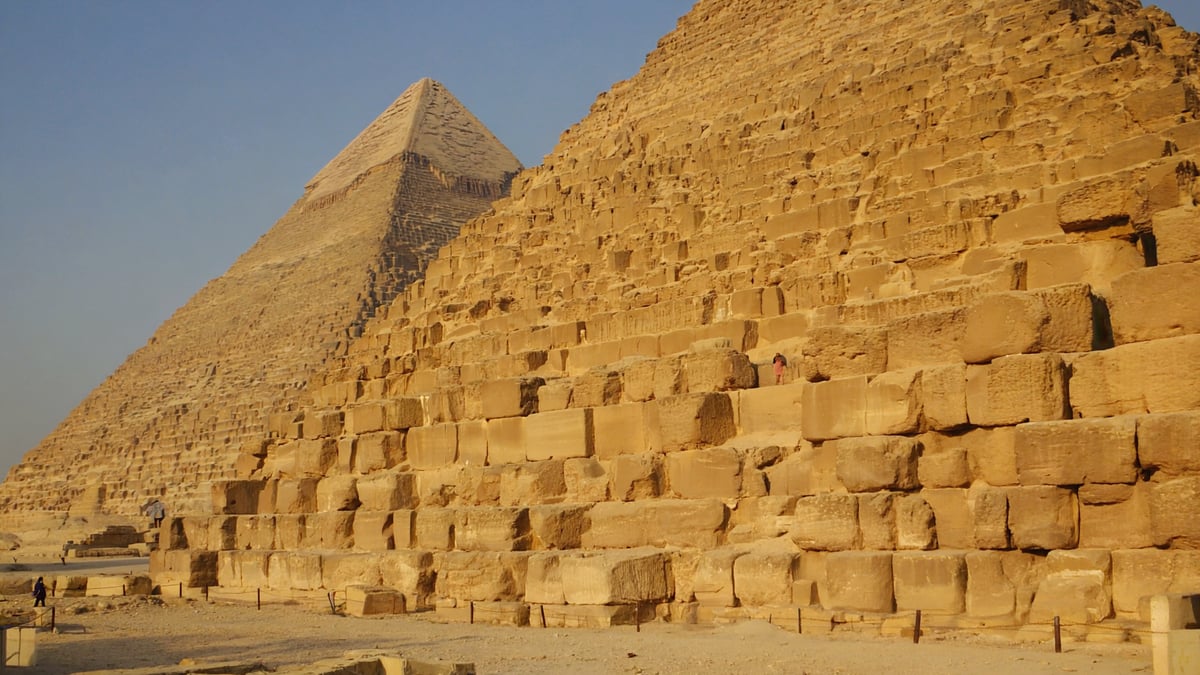
Egypt is well-served from the UK, with multiple airlines operating year-round services to Cairo, Hurghada, and Sharm el-Sheikh.
Flight Routes and Airlines
Cairo International Airport (CAI) is the primary hub. EgyptAir operates direct flights from London Heathrow year-round, with a flight time of approximately 5 hours 30 minutes. British Airways also operates direct Heathrow–Cairo services. From Manchester, Birmingham, and Edinburgh, connections via Amsterdam (KLM), Frankfurt (Lufthansa), or Paris (Air France) are typical, adding around two to three hours to total journey time.
Hurghada International Airport (HRG) is served by charter and low-cost carriers including TUI, Jet2, and easyJet from multiple UK regional airports including Manchester, Birmingham, Bristol, Glasgow, and London Gatwick. Flight time is approximately 5 hours. These charter routes tend to offer the best value for Red Sea beach holidays.
Sharm el-Sheikh International Airport (SSH) is served by Jet2 and TUI from most major UK airports. Flight time is around 5 hours 30 minutes.
Typical Flight Costs
Return flights from London to Cairo typically range from £350–600 on scheduled carriers. Charter flights to Hurghada and Sharm el-Sheikh from UK regional airports can be found from £280–500 return, particularly outside peak season. Book early for the best prices — Egypt is a popular destination and good-value seats sell quickly, especially for the October–November and February–March windows.
Airport Transfers
At Cairo International Airport, pre-booked private transfers are strongly recommended over unmetered taxis. Reputable transfer companies charge approximately £20–35 for the airport-to-hotel journey (around 30–45 minutes to Downtown Cairo, depending on traffic). The Cairo Metro does not currently connect to the airport. Uber operates in Cairo and is a reliable, metered option from the arrivals hall.
In Hurghada and Sharm el-Sheikh, most all-inclusive hotels include airport transfers, or offer them as a low-cost addition at booking.
Getting Around Egypt
Between cities, the overnight sleeper train between Cairo and Luxor (or Aswan) is an experience in itself — comfortable first-class cabins with dinner and breakfast, arriving refreshed after an eight to ten-hour journey. Tickets cost approximately £35–60 per person. Domestic flights between Cairo and Luxor/Aswan take about an hour and are reasonably priced at £60–120 return. Within cities, Uber is reliable and cheap in Cairo; tuk-tuks, horse-drawn caleches, and taxis are common in Luxor and Aswan. Always agree on a price before boarding an unmetered vehicle.
Egypt Holiday Budget Guide: How Much Does a Week Cost?
Egypt is one of the world's best-value long-haul destinations for UK travellers. The Egyptian pound has weakened significantly against sterling in recent years, meaning your money goes considerably further than it did even five years ago. Here is a realistic daily budget breakdown across three tiers.
Budget Traveller: £40–60 per day (excluding flights)
This is genuinely achievable in Egypt and includes comfortable accommodation. A budget traveller staying in a well-reviewed mid-range guesthouse (£25–35/night), eating at local restaurants and street food stalls (£5–10/day for meals), using local transport, and choosing two or three paid attractions per day can travel comfortably on £40–60 per day. Entry fees to major sites are low by international standards, and Egyptian street food is outstanding value.
Mid-Range Traveller: £80–130 per day (excluding flights)
The sweet spot for most UK couples and families. Budget for a three to four-star hotel with breakfast (£55–90/night), restaurant lunches and dinners (£15–25/day), a mix of guided excursions and independent exploration, and comfortable transfers. A mid-range traveller can afford a Nile felucca trip, entry to all major sites including the Grand Egyptian Museum, and dinner with a Nile view without anxiety. A four-night Nile cruise — often all-inclusive — fits naturally into a mid-range week.
Luxury Traveller: £200–400+ per day (excluding flights)
Five-star Egypt is extraordinary value compared to equivalent luxury in Europe. The country's luxury hotel offering is genuinely world-class: think Nile-view suites at historic colonial properties, private guided temple tours at dawn before the crowds arrive, rooftop dinners at the foot of the Pyramids, and chartered dahabiya cruises with personal chefs. Private Egyptologist guides typically cost £80–150 per day and transform the experience. Cairo and Luxor's top restaurants deliver exceptional cuisine at a fraction of London equivalent prices.
A 7-Night Egypt Package with GlobeHunters: From £1,199 pp
GlobeHunters' 7-night Egypt holiday package starts from £1,199 per person including return flights from the UK and hotel accommodation. For context, this is outstanding value for a fully-packaged, long-haul holiday — independent booking of equivalent flights and hotels would typically cost considerably more once baggage, transfers, and the hassle of separate bookings are factored in.
| Traveller Type | Daily Budget (excl. flights) | 7-Night Trip Total (excl. flights) |
|---|---|---|
| Budget | £40–60/day | £280–420 |
| Mid-Range | £80–130/day | £560–910 |
| Luxury | £200–400+/day | £1,400–2,800+ |
Travel Tips, Safety & Cultural Etiquette for Egypt
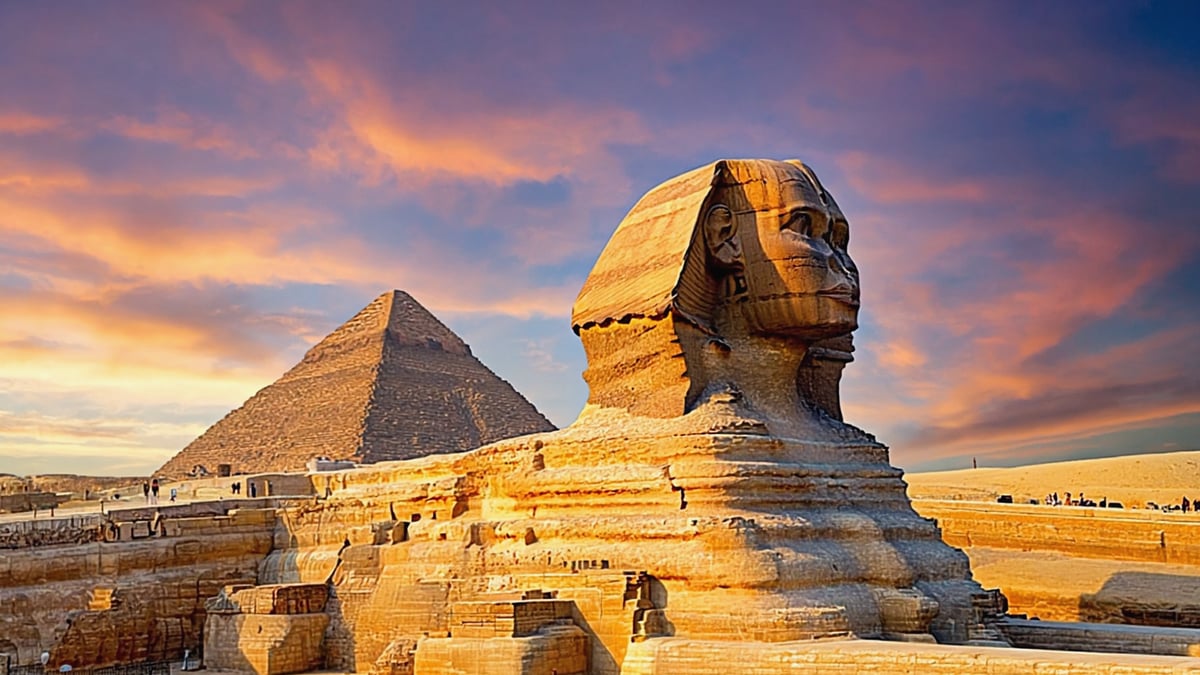
Egypt is a well-established tourist destination with an infrastructure built around welcoming international visitors. The following practical advice will help you travel more confidently and respectfully.
Safety Overview
The UK Foreign Commonwealth & Development Office (FCDO) publishes regularly updated travel advice for Egypt. As of 2026, the FCDO advises against all travel to certain border regions (the area west of the Nile in Upper Egypt near the Libyan border, and parts of North Sinai). The main tourist circuit — Cairo, Luxor, Aswan, Hurghada, Sharm el-Sheikh, and the Nile Valley — is considered safe for tourism. Always check the FCDO's current advice before booking and travelling.
In practice, the main safety considerations for tourists are relatively mundane: petty theft (keep valuables out of sight and use hotel safes), aggressive tout behaviour around major sites (firm but polite refusal is effective — do not engage in extended conversation with persistent sellers), road safety (Cairo traffic is genuinely chaotic; use pedestrian crossings wherever possible and hire a reputable driver rather than walking main roads), and stomach bugs (stick to bottled water, avoid salads washed in tap water at budget restaurants).
Cultural Dress Code
Egypt is a predominantly Muslim country and dress codes are taken seriously, particularly outside tourist resort areas. Both men and women should carry a light layer (a scarf or long-sleeved shirt) for visiting mosques and religious sites — bare shoulders and shorts are not appropriate inside places of worship. Women visiting conservative areas like the Islamic Quarter of Cairo will be more comfortable in loose, modest clothing. At Red Sea beach resorts, standard swimwear is perfectly acceptable at the pool and beach. Overall, erring on the side of modest dress is respectful and will reduce unwanted attention.
Tipping Culture
Baksheesh (tipping) is deeply embedded in Egyptian culture and forms a meaningful part of income for many workers in the tourism sector. Budget for small tips throughout your trip: EGP 50–100 (£1–2) for a hotel porter or toilet attendant, EGP 100–200 (£2–4) for a tour guide per day, and 10–15% of the bill at restaurants. Carry small denomination EGP notes specifically for tipping — large notes are impractical.
Photography
Photography is generally permitted at most sites, though a photography permit or additional fee is charged at some locations (the Valley of the Kings, for instance, does not allow cameras inside tombs). Always ask permission before photographing individuals, especially in traditional markets and rural areas. Never photograph military installations, government buildings, or the Suez Canal area — this can lead to serious complications.
Health Precautions
Sun protection is non-negotiable: Egyptian sun is intense year-round, and heat exhaustion at outdoor sites is a genuine risk. Carry high-factor SPF, a hat, and a refillable water bottle. Start major outdoor visits early in the morning. Comprehensive travel insurance with medical evacuation cover is essential — Egypt's public hospitals outside major cities are limited. Pharmacies in Egyptian cities are well-stocked and pharmacists speak reasonable English.
What to Pack
- Lightweight, breathable clothing in modest styles (loose trousers, long-sleeved shirts)
- A warm layer for cool winter evenings (December–February)
- Comfortable walking shoes — you will cover considerable ground at sites like Karnak
- High-factor sunscreen and a wide-brimmed hat
- EU/UK plug adaptor (Type C/F)
- Cash in sterling to exchange on arrival, plus a travel credit card with no foreign transaction fees
- Modest cover-up for mosques and temples (a light scarf works well)
- Insect repellent (particularly useful for Nile valley evenings)
Connectivity
Egypt has reasonable 4G coverage in cities and tourist areas. A local SIM card from Vodafone Egypt or Orange Egypt is available at the airport for around £5–10 and provides inexpensive data. Alternatively, check your UK network's roaming add-on deals — many UK operators now offer affordable daily international roaming rates.
Frequently Asked Questions About Egypt Holidays
Do UK travellers need a visa for Egypt?
Yes. British passport holders require a tourist visa for Egypt. This can be obtained on arrival at major airports (approximately USD $25 / £20) or in advance via the official Egyptian e-visa portal. Applying online in advance is recommended to avoid queues. Your passport must have at least six months' validity from your travel date.
Is Egypt safe for tourists in 2026?
The main tourist circuit — Cairo, Luxor, Aswan, the Nile Valley, Hurghada, and Sharm el-Sheikh — is considered safe for tourism. The UK FCDO advises against travel to certain border areas. Millions of tourists visit Egypt safely each year. As with any destination, normal precautions around petty theft and road safety apply. Always check the current FCDO travel advice before your trip.
What is the best time to visit Egypt from the UK?
October to November and February to March are the optimal windows for most UK travellers. Temperatures are comfortable for sightseeing (22–30°C), crowds are manageable, and prices are reasonable. December–January is popular for winter sun but more expensive and busier. June–September is extremely hot inland (often exceeding 40°C) but works for Red Sea beach holidays.
How much does an Egypt holiday cost from the UK?
GlobeHunters offers 7-night Egypt holiday packages including flights and accommodation from £1,199 per person. Budget travellers can manage on £40–60 per day on the ground (excluding flights); mid-range travellers should budget £80–130 per day. Egypt is consistently excellent value compared to equivalent holiday destinations.
How long is the flight from the UK to Egypt?
Direct flights from London Heathrow to Cairo take approximately 5 hours 30 minutes. Flights to Hurghada and Sharm el-Sheikh from UK regional airports take around 5 to 5 hours 30 minutes. Connecting flights via European hubs add two to three hours.
What currency is used in Egypt, and should I take cash?
The Egyptian Pound (EGP) is the local currency. As of 2026, the exchange rate is approximately 50–55 EGP to the pound. Carrying cash is advisable — many smaller restaurants, market stalls, and taxi drivers do not accept cards. ATMs are widely available in cities and tourist areas. Exchange currency at licensed bureaux or banks rather than unofficial street exchangers.
Do I need vaccinations for Egypt?
No vaccinations are currently mandatory for entry to Egypt from the UK. Travel health professionals typically recommend ensuring hepatitis A, typhoid, and tetanus immunisations are up to date. Consult your GP or a travel health clinic at least six weeks before departure. Comprehensive travel insurance with medical cover is essential.
Is it safe for solo female travellers to visit Egypt?
Many solo female travellers visit Egypt successfully each year. Dressing modestly (covering shoulders and knees away from beach resorts), being assertively polite with touts, staying in reputable accommodation, and using pre-booked transfers rather than hailing street taxis reduces most friction. Group tours and Nile cruises are particularly well-suited to solo female travellers, offering built-in companionship and safety in numbers.
What should I wear when visiting temples and mosques in Egypt?
Modest dress is required at mosques and respectful at all ancient sites. Shoulders and knees should be covered when entering religious buildings. Women are typically required to cover their hair inside mosques — carry a lightweight scarf. At Red Sea resorts, normal beach attire is appropriate by the pool and beach.
Can I drink the tap water in Egypt?
No. Visitors should drink bottled water throughout their stay in Egypt. Tap water is treated but can cause stomach upsets in travellers not accustomed to local bacteria. Use bottled water even for brushing teeth if you have a sensitive stomach. Bottled water is inexpensive and available everywhere — typically EGP 10–20 (around 20–40p) for a 1.5-litre bottle.
Is a Nile cruise worth it, and how much does it cost?
A Nile cruise between Luxor and Aswan is widely considered one of the world's classic travel experiences and is absolutely worth including in an Egypt itinerary. A standard three or four-night cruise on a well-rated vessel, including full board and guided excursions to Edfu, Kom Ombo, and other sites, costs approximately £350–600 per person. Premium and luxury cruise options are available at higher price points. Dahabiya sailing boat charters offer a more intimate alternative.
What is the Grand Egyptian Museum, and is it worth visiting?
The Grand Egyptian Museum (GEM), located near the Pyramids at Giza, is one of the world's largest archaeological museums and houses the most comprehensive display of ancient Egyptian artefacts ever assembled — including the complete Tutankhamun collection of over 5,000 objects. It is unequivocally worth visiting. Entry costs approximately EGP 1,000 (around £18). Allow at least three to four hours. It is open 09:00–22:00, making it one of the rare major sites accessible in the cooler evening hours.
Why Egypt Belongs on Your 2026 Travel List

Egypt is not a destination that politely asks for your attention — it demands it, seizes it, and then refuses to let go. From the moment you step onto the Giza Plateau and tilt your head back to take in a structure built 4,500 years ago, through the languid afternoons drifting past palm-lined riverbanks on a Nile felucca, to the moment you slip beneath the surface of the Red Sea and find yourself in a coral garden of absurd colour and abundance — Egypt delivers experiences that genuinely cannot be replicated anywhere else on the planet.
For UK travellers in 2026, the combination of direct flights, excellent value against the pound, a well-developed tourism infrastructure, and an almost impossibly rich cultural and natural offering makes Egypt one of the most compelling long-haul destinations available. A week barely scratches the surface — most people who visit once start planning their return before they have even landed back at Heathrow.
Whether you are planning a cultural deep-dive through Cairo and Luxor, a romantic Nile cruise with your partner, a family adventure combining ancient history with Red Sea snorkelling, or a solo journey through one of history's most extraordinary civilisations — Egypt will exceed your expectations. It almost always does.
Book Your Egypt Holiday Now
GlobeHunters offers holiday packages including flights and hotels at competitive prices. Our 7-night Egypt package starts from just £1,199 per person — flights from the UK and hotel accommodation included.
View Egypt Package & Prices →Or call us: 0208 944 4514
Ready to Book Your Egypt Holiday?
Our travel experts are ready to help you plan the perfect trip. Call us today or browse our latest deals.
Ready to Start Planning?
Speak to our travel experts for personalised advice and the best deals on your next holiday.
Call 0208 944 4514Holiday Packages You Might Like
Curated trips matched to this guide — flights, hotels & experiences included.
More Articles
Amalfi Coast vs. Santorini: Which Mediterranean Escape is Right for UK Travellers?
Amalfi Coast or Santorini? Compare scenery, costs, best areas & UK package prices to find your perfect Mediterranean holiday. Honest advice from GlobeHunters.
Maldives vs. Bora Bora: The Honest UK Traveller's Guide to Choosing Your Overwater Paradise
Maldives or Bora Bora? We compare costs, flights, resorts & experiences so UK travellers can choose the perfect luxury island escape. Packages from GlobeHunters.
Bora Bora Holiday Guide: Overwater Bungalows, Lagoons & UK Package Deals
Plan your Bora Bora holiday from the UK. Discover overwater bungalows, turquoise lagoons & GlobeHunters package deals. Flights, hotels & activities included.