There is a city in Southeast Asia where you can eat a Michelin-starred meal at a hawker centre for under £3, sleep in a hotel that sits inside a waterfall, and walk through a forest of supertrees that glow like something from a science fiction film, all within the same afternoon. That city is Singapore, and it consistently defies every expectation travellers bring to it. For UK visitors, it occupies a rare position: genuinely exotic in its sights, sounds, and flavours, yet almost frictionless to navigate. English is an official language, the transport network puts the London Underground to shame, and the food safety standards would satisfy the most cautious traveller. What Singapore asks of you is simple: show up with an open mind and a healthy appetite.
This guide covers everything a UK traveller needs to plan a Singapore holiday, from the ideal time to visit and where to stay in each neighbourhood, to a honest daily budget breakdown and the practical details that most travel articles skip. Whether you are booking a Singapore package holiday from the UK for the first time or returning after a decade away, you will find the city has kept building, kept evolving, and kept finding new ways to astonish.
Book Your Singapore Holiday Now
GlobeHunters offers Singapore holiday packages including flights and hotels at competitive prices, with packages from £1,099pp. Compare options and book online or by phone.
View Singapore Packages & Prices →Or call us: 0208 944 4514
Singapore at a Glance: What This City-State Actually Is
Singapore is a sovereign city-state and island nation sitting just 85 miles north of the equator at the southern tip of the Malay Peninsula. It is one of only three remaining city-states in the world, and its story, from a British colonial trading post to one of the wealthiest nations per capita on the planet within a single generation, remains one of the most remarkable in modern history. Understanding what Singapore is helps explain why it feels so unlike anywhere else in Asia.
Geography and size: The main island covers roughly 733 square kilometres, making it smaller than Greater London. There are also 63 smaller satellite islands, of which Sentosa is the most visited. Despite its size, Singapore packs in extraordinary density, both of population and of things to see and do.
Language: Singapore has four official languages: English, Mandarin Chinese, Malay, and Tamil. English is the language of government, business, and education, and it is what most residents default to in everyday life. UK travellers will encounter no language barrier whatsoever. You may notice Singlish, the local creole dialect, which blends English with Malay and Hokkien expressions, but all signage, menus, and transport announcements are in standard English.
Currency: The Singapore Dollar (SGD). As of current exchange rates, £1 buys approximately SGD 1.70, though this fluctuates. Throughout this guide, prices are given in both GBP and SGD so you can cross-check at the time of booking. Credit cards are accepted almost universally in restaurants, shops, and attractions. Cash is handy for hawker centres, where many older stalls still prefer notes.
Time zone: Singapore Standard Time (SST) is UTC+8, which means it runs 7–8 hours ahead of the UK depending on British Summer Time. A flight departing London at midday will land in Singapore in the early morning of the following day, local time. The time difference is manageable for most travellers, though it is worth factoring into your first day's plans.
Visa requirements for UK travellers: British citizens holding a valid UK passport do not require a visa to enter Singapore for stays of up to 30 days. Entry is granted on arrival, subject to the standard conditions of having a return or onward ticket, sufficient funds, and a passport valid for at least six months beyond your intended stay. Singapore's Immigration and Checkpoints Authority provides official entry requirements. There is no fee. Some travellers may be directed to complete an SG Arrival Card (a digital health and travel declaration) before landing, which takes only a few minutes online.
Electricity: Singapore uses Type G plugs, the same three-pin rectangular standard used in the UK. You will not need a plug adaptor. Voltage is 230V, identical to the UK.
When to Visit Singapore: Reading the Weather and the Calendar
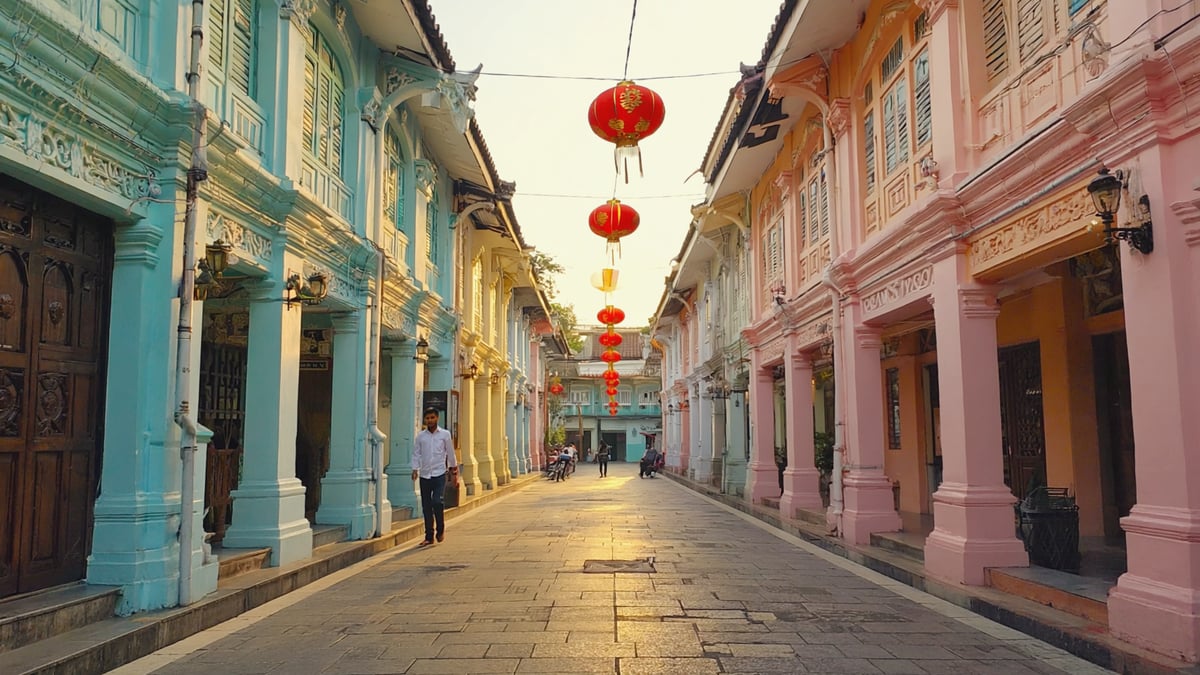
Singapore is a year-round destination sitting on the equator, which means it is warm and humid every single month. However, the distinction between its two monsoon seasons matters significantly for trip planning, and getting the timing right can meaningfully affect your experience.
The Two Monsoon Seasons
The Northeast Monsoon runs roughly from November through early March. During this period, Singapore receives its heaviest and most prolonged rainfall, particularly in December and January. Rain tends to fall in intense afternoon downpours rather than all-day drizzle, so mornings are often clear. Temperatures sit between 23°C and 31°C. This is peak tourist season because it coincides with school holidays in the UK and across Asia, and because the Christmas and Chinese New Year festivals (which often fall in January or February) are spectacular.
The Southwest Monsoon runs from June through September. Rainfall is lighter and less consistent than the northeast monsoon, and humidity, while always present, can feel slightly more bearable. June through August is the school summer holiday season for UK families, making it another busy and more expensive period.
Month-by-Month Snapshot
| Month | Avg Temp | Rainfall | Crowd Level | Notes |
|---|---|---|---|---|
| January | 25–30°C | High | High | Chinese New Year preparations; festive atmosphere |
| February | 25–31°C | Moderate | High | Chinese New Year; Chingay Parade |
| March | 26–32°C | Moderate | Medium | Good shoulder season; pleasant mornings |
| April | 27–33°C | Moderate | Medium | Singapore Food Festival; warm and dry mornings |
| May–June | 27–33°C | Low–Moderate | Medium–High | Great Savings Sale; school holiday surge begins |
| July–August | 27–32°C | Low–Moderate | Very High | National Day (09/08); peak UK school holiday travel |
| September–October | 26–32°C | Moderate | Low–Medium | Best value window for couples and solo travellers |
| November | 25–31°C | High | Medium | Deepavali festival; Orchard Road lights begin |
| December | 24–30°C | Very High | Very High | Christmas on Orchard Road; New Year's Eve fireworks at Marina Bay |
The verdict for UK travellers: September and October represent the sweet spot. Crowds are thinner, hotel prices drop noticeably, the weather is warm with manageable rainfall, and the city is not in the grip of any major holiday surge. If you are travelling with school-age children, June through early July offers the best combination of good weather and availability before peak prices hit in late July. For a festive atmosphere, February during Chinese New Year is extraordinary, but book well in advance.
Where to Stay in Singapore: A Neighbourhood Guide
Singapore's accommodation scene spans extraordinary budget hostels, boutique heritage hotels in shophouses, and some of the most celebrated luxury hotels on the planet. Choosing the right neighbourhood shapes your entire trip, so it is worth understanding what each area offers before you book.
Marina Bay and the CBD: For the Full Skyline Experience
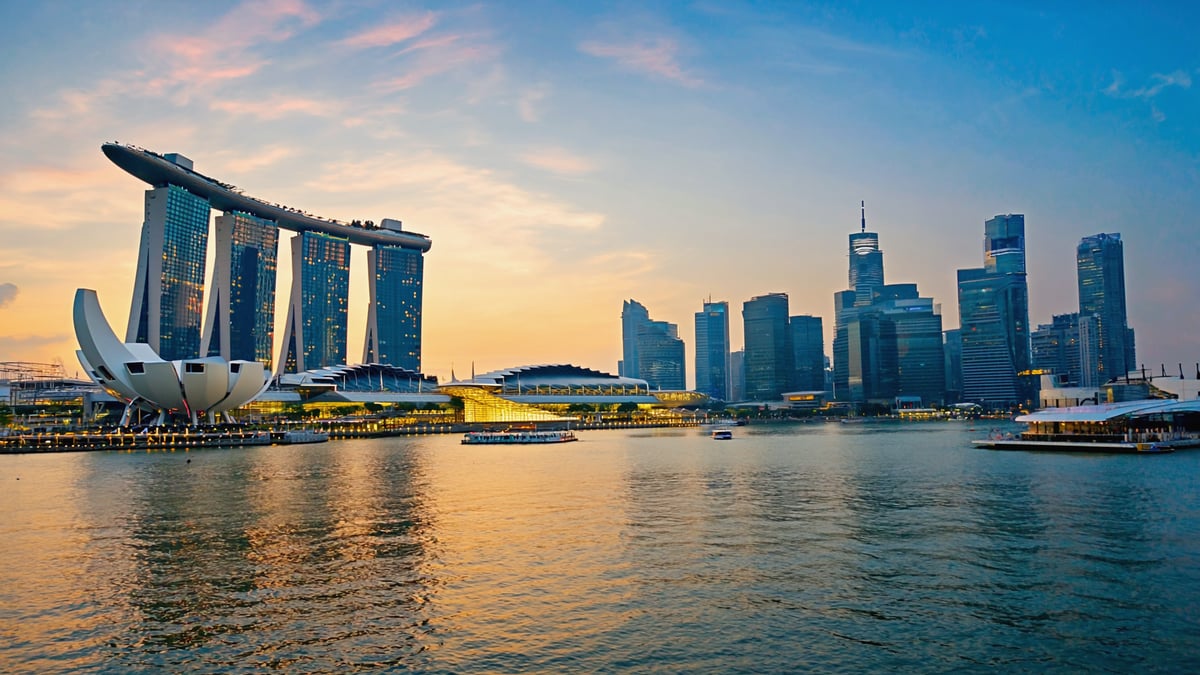
This is where the iconic postcard images come from: the Marina Bay Sands, the glittering waterfront, Gardens by the Bay just steps away. Staying here puts you in the heart of modern Singapore, within walking distance of the city's most dramatic architecture. It is the most expensive area, with mid-range hotels starting around £180–£220 per night and luxury options at £350 and above. Budget travellers should avoid this area as affordable options are almost non-existent. Couples and honeymooners will find it magical, particularly for the evening light show views.
Chinatown and Tanjong Pagar: Best for Mid-Range Travellers
A short MRT ride from Marina Bay, Chinatown is Singapore's most atmospheric neighbourhood. The shophouse architecture, the Maxwell Food Centre (one of the city's finest hawker centres), and the Sri Mariamman Temple create a sensory environment that feels genuinely different from the gleaming downtown. This is where you will find excellent mid-range boutique hotels in restored heritage buildings, with rates from £80–£160 per night. Tanjong Pagar, immediately adjacent, has excellent restaurant options and good nightlife. Both areas have direct MRT access to everywhere you need to go.
Little India and Kampong Glam: Budget-Friendly and Culturally Rich
These two neighbourhoods, running alongside each other north of the colonial district, offer the most affordable accommodation in Singapore's central area. Budget guesthouses and hostels start from £25–£40 per night, and there are decent mid-range options from £70 upwards. Little India is a sensory overload in the best possible way: garland shops, curry houses, textile stores, and the magnificent Sri Veeramakaliamman Temple. Kampong Glam centres on the golden-domed Sultan Mosque and the hip Haji Lane, lined with independent boutiques and cafes. Both neighbourhoods have excellent MRT connections.
Orchard Road: For Shopping-Focused Trips
Singapore's famous shopping boulevard is lined with international hotels, including many well-known chains. It is convenient and well-served by transport, but it lacks the cultural texture of Chinatown or Kampong Glam. Mid-range hotels here run £120–£200 per night. It is a solid choice for first-time visitors who want a familiar, easy base, and it is genuinely excellent if shopping is a priority.
Sentosa Island: For Families and Resort Holidays
Sentosa is connected to the mainland by cable car, monorail, and a short road crossing. It houses Universal Studios Singapore, Resorts World, beach clubs, and a collection of large resort hotels. Prices are high (£200–£400+ per night), but the self-contained nature of the island suits families who want everything in one place. Universal Studios and the beach attractions mean children rarely run out of things to do.
Top Things to Do in Singapore: Beyond the Obvious
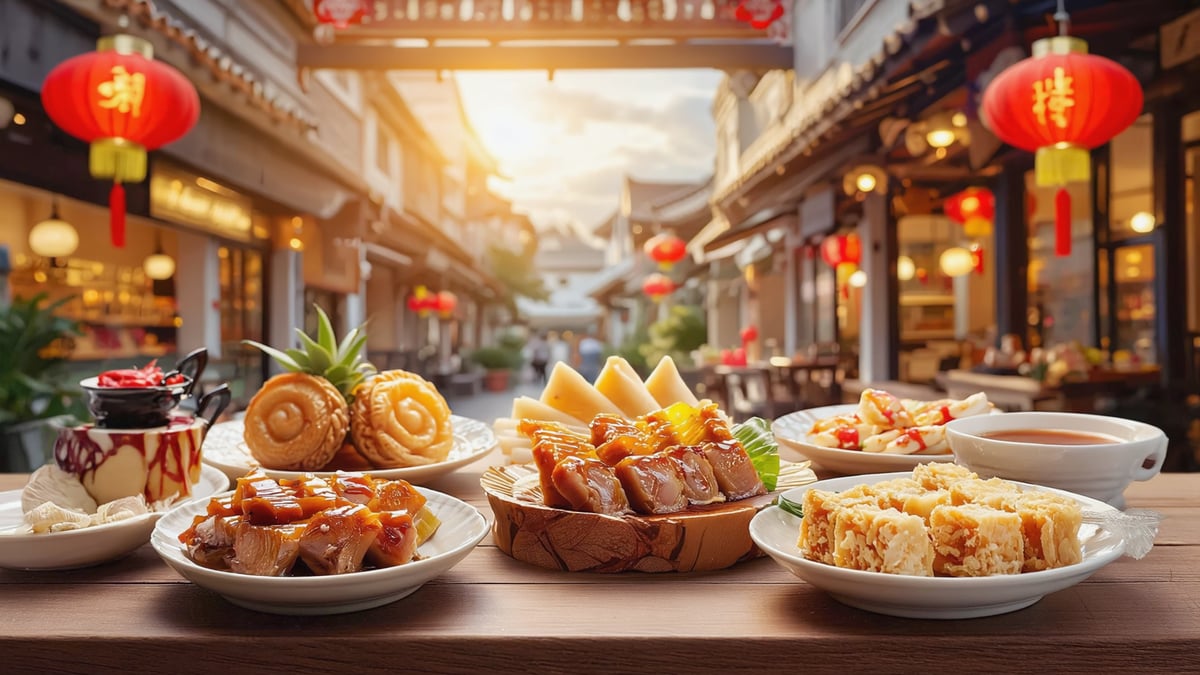
Singapore's top attractions are genuinely world-class, but the city rewards those who go beyond the headline sights. Here are ten experiences that represent Singapore at its best, with practical details for each.
1. Gardens by the Bay
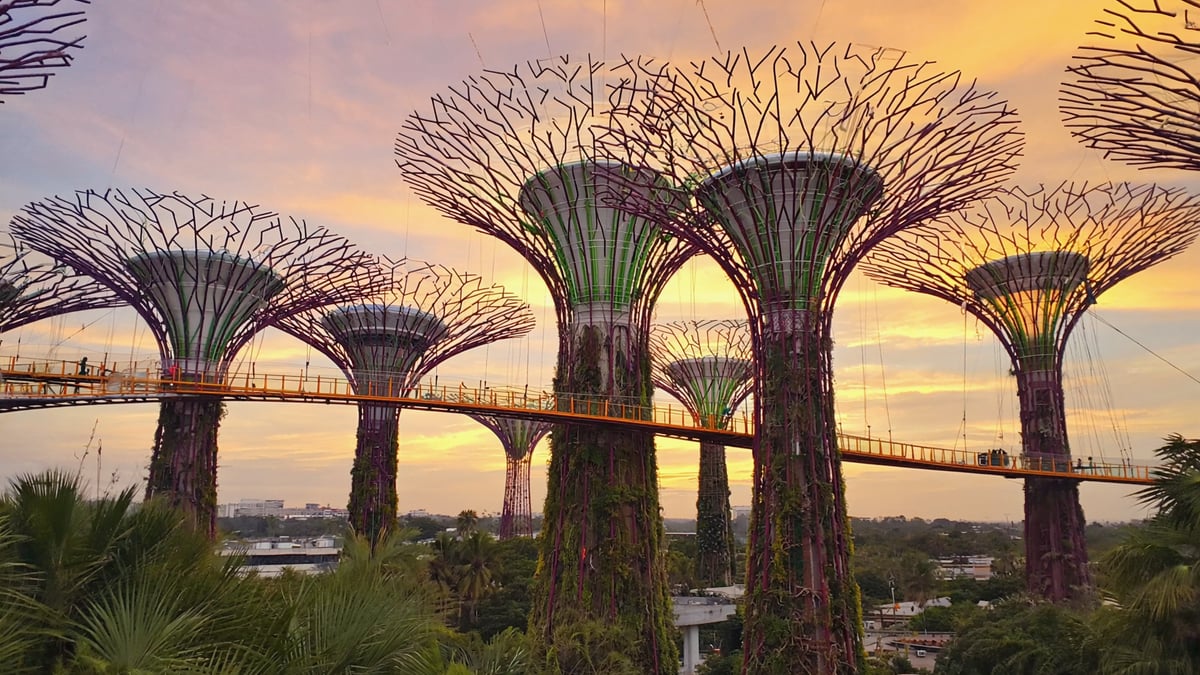
The Supertree Grove is one of the most genuinely otherworldly sights in Southeast Asia. The 18 tree-like structures, ranging from 25 to 50 metres tall, are covered in living plants and illuminated nightly in a free light and music show called Garden Rhapsody (19:45 and 20:45 each evening). Entry to the outdoor gardens and the show is free. Access to the two cooled conservatories (Flower Dome and Cloud Forest) costs SGD 28 (approximately £16) per adult. Opening hours: daily 05:00–02:00 for outdoor areas; conservatories 09:00–21:00. The OCBC Skyway, a walkway connecting the Supertrees at height, costs SGD 14 (approximately £8). Go at dusk to catch the transition from daylight to the illuminated show.
2. Marina Bay Sands SkyPark Observation Deck
The rooftop observation deck of Marina Bay Sands offers one of the best city views in Asia, looking across the bay to the colonial district and out toward the sea. Entry costs SGD 32 (approximately £19) for adults. Open daily 11:00–21:00 (last entry 20:30). The famous infinity pool is accessible only to hotel guests. Insider tip: visit at golden hour (around 18:30–19:00) to catch the light on the skyline before the illuminated show begins below.
3. A Hawker Centre Meal
Eating at a hawker centre is not just a budget option, it is a genuine cultural experience. Singapore's hawker culture was inscribed on UNESCO's Representative List of Intangible Cultural Heritage in 2020. Maxwell Food Centre in Chinatown, Lau Pa Sat in the CBD, and Old Airport Road Food Centre in Kallang are among the finest. A full meal with a drink costs SGD 4–8 (approximately £2.30–£4.70). Go at lunch for the widest variety and freshest preparations.
4. Singapore Botanic Gardens
A UNESCO World Heritage Site and one of the most beautiful urban gardens in the world, the Botanic Gardens are entirely free to enter. The National Orchid Garden within the grounds charges SGD 15 (approximately £9) for adults. Open daily 05:00–midnight. The gardens feel genuinely serene compared to the city's bustle and are at their best in the early morning when light filters through the canopy.
5. Clarke Quay and the Singapore River
The river that made Singapore a trading hub is now lined with restored shophouses housing restaurants, bars, and galleries. An evening bumboat ride along the Singapore River costs approximately SGD 25 (approximately £15) and takes around 40 minutes. Clarke Quay comes alive after dark as a dining and nightlife district. The area is walkable from the Raffles Place MRT.
6. Universal Studios Singapore (Sentosa)
The only Universal Studios in Southeast Asia, this is the anchor attraction on Sentosa Island. Rides span Jurassic World, Transformers, and a live Battlestar Galactica rollercoaster. Adult tickets cost SGD 83 (approximately £49) for a one-day pass, with family bundles available. Open daily 10:00–18:00 (extended hours on weekends and school holidays). Book in advance to avoid queues at the gate.
7. The National Museum of Singapore
The National Museum tells Singapore's story with genuine sophistication, from its Malay sultanate origins through colonial rule to independence. Entry to the permanent galleries costs SGD 15 (approximately £9) for adults. Open daily 10:00–19:00. The building itself, a grand colonial structure with a striking modern glass extension, is worth visiting for the architecture alone.
8. Little India Street Walk
No entry fee, no queue, and more sensory intensity per square metre than almost anywhere else in Singapore. Start at Tekka Centre (a wet market and hawker centre combined), walk down Serangoon Road, visit Sri Veeramakaliamman Temple, and end at Mustafa Centre, the legendary 24-hour department store that sells everything from gold jewellery to British chocolate. Best visited in the evening when the neon signs compete with the jasmine garlands.
9. Haji Lane and Kampong Glam
One of Singapore's most photographed streets, Haji Lane is a narrow alley of painted shophouses turned boutiques, cafes, and bars. The adjacent Sultan Mosque (free to enter outside prayer times, dress conservatively) is one of Singapore's most beautiful buildings. The surrounding area, officially called Kampong Glam, is excellent for Middle Eastern and Malay food, with the Zam Zam restaurant on North Bridge Road serving murtabak since 1908.
10. Pulau Ubin Day Trip
A short bumboat ride (SGD 4 each way, approximately £2.30) from Changi Point Ferry Terminal delivers you to Pulau Ubin, a small island that feels like Singapore did 50 years ago: kampong houses, wild boar, monitor lizards, and no high-rises. Hire a bicycle (SGD 5–10 per day) and spend a morning cycling through the Chek Jawa Wetlands. This is the Singapore that most tourists miss entirely, and it is quietly wonderful.
Food and Dining in Singapore: One of the World's Great Eating Cities
Singapore's food culture is the product of its multicultural history, blending Malay, Chinese, Indian, Peranakan, and colonial British influences into a cuisine that is entirely its own. The city takes food seriously to a degree that borders on the civic, and the hawker centre system, subsidised and maintained by the government, ensures that extraordinary food is accessible at every budget level.
Dishes Every Visitor Should Try
- Hainanese Chicken Rice: The national dish. Poached or roasted chicken served over fragrant rice cooked in chicken stock, with ginger paste and dark soy sauce on the side. Tian Tian Hainanese Chicken Rice at Maxwell Food Centre is among the most celebrated versions. SGD 5–7 (approximately £3–£4).
- Laksa: A spicy coconut milk noodle soup with prawns, tofu puffs, and cockles. The Katong laksa variety, with cut noodles eaten with a spoon, is a Singapore original. SGD 5–8 (approximately £3–£4.70).
- Char Kway Teow: Flat rice noodles wok-fried with eggs, beansprouts, Chinese sausage, and cockles. The best versions have a smoky wok-hei (breath of the wok) flavour that only comes from extremely high heat. SGD 4–7.
- Chilli Crab: Singapore's most famous seafood dish. Mud crab in a semi-thick, spicy tomato and egg sauce, eaten with deep-fried or steamed mantou buns for mopping up the sauce. Expect to pay SGD 60–120 (approximately £35–£70) per crab at reputable seafood restaurants.
- Roti Prata: A crispy, flaky flatbread of Indian origin, cooked on a griddle and served with curry sauce or sugar. A breakfast institution in Singapore hawker centres. SGD 1–2 per piece.
- Kaya Toast: Toasted bread with kaya (a coconut and egg jam), butter, and soft-boiled eggs on the side, eaten with a drizzle of dark soy sauce. The Singaporean breakfast experience. Ya Kun Kaya Toast has been making it since 1944.
- Satay: Grilled meat skewers served with peanut sauce, cucumber, onion, and ketupat (compressed rice). Lau Pa Sat's outdoor satay street, active from 19:00 each evening, is one of the city's great food experiences.
Best Dining Areas by Budget
Budget (under £5 per meal): Maxwell Food Centre (Chinatown), Old Airport Road Food Centre (Kallang), Tekka Centre (Little India), Lau Pa Sat (CBD). All are hawker centres with dozens of stalls and seating for hundreds.
Mid-range (£15–£35 per person): Duxton Hill in Tanjong Pagar has excellent independent restaurants. Dempsey Hill, a former colonial barracks turned restaurant enclave, is relaxed and popular with locals on weekends. Club Street in Chinatown has a strong cluster of wine bars and modern Asian restaurants.
Fine dining (£60+ per person): Singapore has a serious fine dining scene, with multiple restaurants holding Michelin stars. Odette (French), Cloudstreet (progressive European), and Labyrinth (modern Singaporean) are among the most celebrated. Reservations are essential weeks in advance.
Dietary Considerations
Vegetarians and vegans will find dedicated Indian vegetarian stalls in every hawker centre and an increasing number of plant-based restaurants throughout the city. Halal food is abundant and clearly marked, reflecting Singapore's significant Muslim population. Pork is present in many Chinese dishes, so it is worth asking at hawker stalls if you avoid it. Allergen information at hawker centres is informal, so anyone with a serious nut allergy should communicate clearly at each stall.
Getting to Singapore from the UK
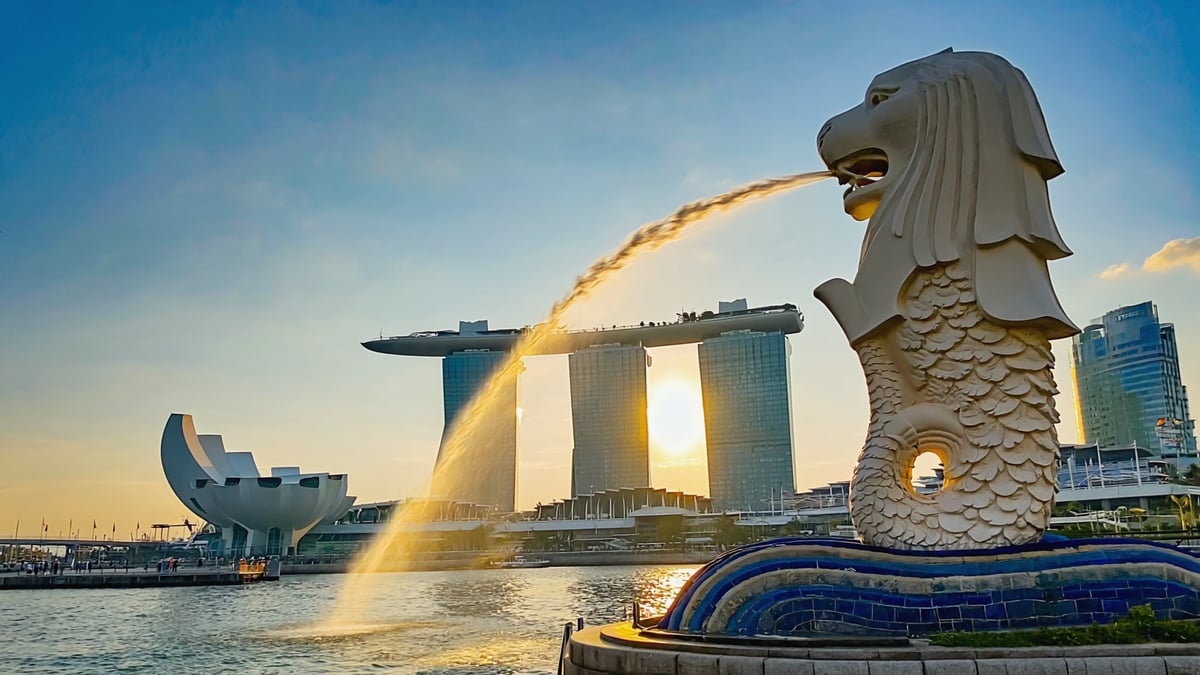
Singapore is a long-haul destination from the UK, but Changi Airport is one of the best-connected hubs in the world and the journey is well-served by multiple airline options.
Flights and Airlines
Singapore Airlines operates direct flights from London Heathrow to Singapore Changi (SIN) daily. The flight takes approximately 13 hours 20 minutes. Singapore Airlines consistently ranks among the world's top airlines and the direct service is the most comfortable option for the journey. British Airways also operates a direct Heathrow–Singapore service. Both carriers offer standard economy, premium economy, business, and first class options.
One-stop options via Gulf hubs (Emirates via Dubai, Etihad via Abu Dhabi, Qatar Airways via Doha) are often cheaper and extend the journey to around 15–18 hours total. These can be a good value choice if the stopover is short (under 3 hours) and you prioritise cost over time.
Manchester Airport has connecting services to Singapore via the Gulf hubs, making this accessible for travellers in the north of England without needing to travel to London first.
Typical Flight Costs from the UK
| Route | Airline Type | Approx Economy Return | Approx Business Return |
|---|---|---|---|
| London Heathrow – Singapore (direct) | Singapore Airlines / BA | £650–£1,100 | £2,800–£4,500 |
| London Heathrow – Singapore (via Gulf) | Emirates / Qatar / Etihad | £480–£800 | £2,200–£3,800 |
| Manchester – Singapore (via Gulf) | Emirates / Qatar / Etihad | £500–£850 | £2,300–£3,900 |
Note: Flight prices vary significantly by season and booking window. These ranges represent typical market prices, not guarantees. Booking 3–4 months in advance generally yields the best economy fares. For package holiday pricing including flights, GlobeHunters' packages from £1,099pp represent excellent value when you factor in accommodation costs.
Arriving at Changi Airport
Changi Airport consistently ranks as the world's best airport (it held the top position in the Skytrax World Airport Awards for many consecutive years) and the experience of arriving there is itself a highlight of the trip. Jewel Changi, the glass dome connecting Terminals 1, 2, and 3, houses a 40-metre indoor waterfall, gardens, and over 280 shops and restaurants.
From Changi to the city centre, the MRT is the cheapest and fastest option: the East-West line runs directly to City Hall and Raffles Place in approximately 30 minutes for SGD 1.70–2.50 (approximately £1–£1.50). Taxis cost SGD 20–35 (approximately £12–£20) to the central area, with a surcharge from the airport. Ride-hailing apps (Grab is the dominant platform in Singapore) are slightly cheaper than taxis and bookable via smartphone.
Singapore Holiday Budget Guide: What You Will Actually Spend
Singapore has a reputation as an expensive destination, and by Southeast Asian standards it is. However, compared to London or other major European cities, it is often competitive, particularly on food and transport. The key is knowing where the money goes and where it does not need to.
Daily Budget Breakdown by Traveller Type
| Category | Budget Traveller (per day) | Mid-Range Traveller (per day) | Luxury Traveller (per day) |
|---|---|---|---|
| Accommodation | £25–£45 (hostel/budget guesthouse) | £90–£160 (mid-range hotel) | £250–£600+ (luxury hotel) |
| Food | £10–£18 (hawker centres only) | £25–£50 (mix of hawker and restaurants) | £80–£200+ (restaurants and fine dining) |
| Transport | £3–£6 (MRT and bus) | £8–£20 (MRT and occasional Grab) | £20–£50 (mostly taxis/Grab) |
| Attractions | £5–£15 (free sights + one paid entry) | £20–£45 (2–3 paid attractions) | £60–£120 (multiple premium experiences) |
| Daily Total | £43–£84 | £143–£275 | £410–£970+ |
A realistic 7-night trip cost (excluding flights):
- Budget traveller: £300–£590 for 7 nights
- Mid-range traveller: £1,000–£1,925 for 7 nights
- Luxury traveller: £2,870–£6,790+ for 7 nights
The Singapore Tourist Pass is worth considering for travellers who plan to use the MRT and bus network heavily. It costs SGD 22 (approximately £13) for a one-day unlimited travel pass, or SGD 29 (approximately £17) for two days. For stays of 5 or more days, buying a stored-value EZ-Link card and topping it up is more economical.
Alcohol is notably expensive in Singapore. A beer in a bar typically costs SGD 12–18 (approximately £7–£11). Duty-free allowances when entering Singapore are limited to 1 litre of spirits, wine, or beer, so it is worth using your allowance if you enjoy a drink in your hotel room.
Book Your Singapore Holiday Now
GlobeHunters offers Singapore holiday packages including flights and hotels at competitive prices, with packages from £1,099pp. Compare options and book online or by phone.
View Singapore Packages & Prices →Or call us: 0208 944 4514
Travel Tips and Safety for UK Visitors
Singapore is one of the safest countries in the world for travellers, with low crime rates and an exceptionally well-maintained public environment. That said, there are specific rules and cultural norms that UK visitors should understand before they arrive, because some of Singapore's regulations carry real penalties.
Laws and Rules That Matter
Chewing gum: The sale and import of chewing gum is banned in Singapore (with a narrow medical exception for nicotine and dental gum). Do not bring it in your luggage. This is not an urban myth.
Smoking: Smoking is banned in all indoor public spaces, on public transport, and in many outdoor areas including parks, footbridges, and within 5 metres of any bus stop. Designated smoking areas exist but are marked. Fines for smoking in prohibited areas start at SGD 200 (approximately £118).
Littering: Singapore enforces its anti-littering laws actively. A first-time offence carries a fine of SGD 300 (approximately £176). This includes dropping cigarette butts. Use the bins, which are frequent and well-maintained.
Drug laws: Singapore has some of the most stringent drug laws in the world. The death penalty applies to drug trafficking above certain quantities. This is not a context in which to make assumptions or take risks. The UK Foreign, Commonwealth and Development Office travel advice for Singapore covers this clearly.
LGBTQ+ travellers: Singapore decriminalised male same-sex relations in 2022, and public attitudes have shifted noticeably, particularly among younger Singaporeans. However, same-sex partnerships are not legally recognised, and public displays of affection between same-sex couples may attract attention in more conservative settings. The city is generally welcoming, with a visible LGBTQ+ community, but it is worth being aware of the evolving legal and social context.
Health and Vaccinations
No vaccinations are legally required for UK travellers entering Singapore directly from the UK. However, the NHS recommends ensuring routine vaccinations are up to date, and some travellers consider Hepatitis A and Typhoid vaccinations given the amount of street food involved in a typical Singapore trip. Check the NHS Fit for Travel Singapore page for current recommendations before departure.
Dengue fever is present in Singapore and transmitted by mosquitoes. Unlike malaria mosquitoes (which bite at night), dengue mosquitoes are active during the day. Use insect repellent with DEET when spending time outdoors, particularly in the Botanic Gardens or Pulau Ubin.
Singapore's healthcare system is excellent, and private hospitals such as Raffles Hospital and Mount Elizabeth are well-equipped to treat travellers. Travel insurance with medical cover is strongly recommended, as private healthcare costs are high without it.
Practical Packing and Etiquette
- Dress conservatively when visiting mosques and Hindu temples. Shoulders and knees should be covered. Many temples provide sarongs to borrow if you arrive in shorts.
- Remove shoes before entering temples and some traditional homes.
- Tipping is not a strong cultural norm in Singapore. Many restaurants include a 10% service charge and 9% GST in the bill. At hawker centres, tipping is not expected. You can tip at sit-down restaurants if the service has been good, but it is not obligatory.
- Pack light, breathable clothing. The heat and humidity make heavy fabrics uncomfortable. Cotton and linen are more practical than synthetics.
- Carry a small umbrella or a light rain jacket at all times. Afternoon downpours can be sudden and heavy.
- Download the Grab app before you travel. It is the dominant ride-hailing service and significantly easier than flagging a taxi.
Frequently Asked Questions About Visiting Singapore
Do UK citizens need a visa to visit Singapore?
No. UK citizens with a valid British passport can enter Singapore visa-free for stays of up to 30 days. You will need a return or onward ticket, a passport valid for at least six months beyond your stay, and evidence of sufficient funds. No advance application or fee is required.
How long is the flight from the UK to Singapore?
Direct flights from London Heathrow to Singapore Changi take approximately 13 hours 20 minutes. One-stop flights via Gulf hubs (Dubai, Abu Dhabi, Doha) take 15–18 hours total, depending on the stopover length.
Is Singapore expensive for UK travellers?
Singapore is more expensive than other Southeast Asian destinations but is broadly comparable to major Western European cities for accommodation and dining. The key is that food at hawker centres is extraordinarily cheap (£2–£5 per meal), which offsets accommodation costs. A mid-range couple can comfortably enjoy Singapore on £200–£300 per day including all meals and activities.
What is the best area to stay in Singapore?
For first-time visitors, Chinatown or Tanjong Pagar offer the best combination of atmosphere, value, and transport links. Couples and honeymooners may prefer the Marina Bay area for the iconic views. Families with children often find Sentosa Island convenient for its resort facilities and theme park access.
Is Singapore safe for solo female travellers?
Singapore is consistently ranked among the safest cities in the world for solo travel, including for women. Street harassment is rare, public transport is safe at all hours, and the city is extremely well-lit and policed. Standard precautions apply (being aware of your surroundings, keeping valuables secure), but Singapore presents minimal specific risks.
What currency does Singapore use and can I use my UK bank card?
Singapore uses the Singapore Dollar (SGD). UK bank cards (Visa, Mastercard) are accepted at virtually all hotels, restaurants, shops, and attractions. Many hawker stalls are cash-only, so it is worth carrying SGD 20–30 in cash for food markets. ATMs are widely available. Using a fee-free travel card such as Wise or Starling avoids foreign transaction fees.
Is chewing gum really banned in Singapore?
Yes. The sale and import of chewing gum has been banned since 1992, with a narrow exception for medically approved gum (nicotine and dental varieties) available from pharmacies. Tourists are not typically prosecuted for personal consumption, but importing gum in quantity carries penalties. It is simplest to leave it at home.
What is Singapore's food scene like, and is it suitable for vegetarians?
Singapore is one of Asia's greatest food cities, with a hawker culture inscribed on the UNESCO Intangible Cultural Heritage list. Vegetarians are well-served at Indian hawker stalls and in dedicated vegetarian restaurants throughout the city. Vegans have more limited options at traditional hawker centres but will find modern plant-based restaurants in areas like Tanjong Pagar and Dempsey Hill.
What is the best time of year for a Singapore holiday from the UK?
September and October offer the best value and thinner crowds. For families travelling during UK school holidays, June and early July are the most practical window. Chinese New Year (January or February) and the Christmas period (December) are the most festive times but carry peak pricing and higher occupancy.
Can I use the Singapore MRT easily as a tourist?
Yes. Singapore's Mass Rapid Transit is one of the most user-friendly metro systems in the world, with English signage throughout, frequent service, and comprehensive coverage of all tourist areas. Purchase an EZ-Link stored-value card at Changi Airport or any MRT station for SGD 12 (including a SGD 5 deposit and SGD 7 stored credit). Tap in and out at every gate. A single journey costs SGD 1–2.50 depending on distance.
How many days should I spend in Singapore?
A minimum of 4 nights gives you enough time to cover the main sights, eat your way through several hawker centres, and take at least one day trip. 6–7 nights is ideal for a relaxed exploration including Sentosa, Pulau Ubin, and time to simply wander neighbourhoods. Singapore also works well as part of a multi-destination trip combining it with Bali, Thailand, or Malaysia.
Does Singapore have a public transport card I can get at the airport?
Yes. EZ-Link cards are available from TransitLink Ticket Offices at Changi Airport MRT station and at any staffed MRT station. Alternatively, the Singapore Tourist Pass (SGD 22 for one day, SGD 29 for two days, SGD 34 for three days) offers unlimited MRT, LRT, and bus travel and may be better value for visitors who plan to move around frequently.
Key Takeaways for Your Singapore Holiday
- No visa needed for UK travellers: entry is visa-free for up to 30 days with a valid British passport.
- Best time to visit: September–October for value; February for Chinese New Year atmosphere; June–July for UK family holidays.
- Stay in Chinatown or Tanjong Pagar for the best combination of culture, price, and transport links. Marina Bay is for those who prioritise the iconic views and have the budget for it.
- Eat at hawker centres daily. Maxwell Food Centre, Old Airport Road, and Lau Pa Sat are non-negotiable stops. Budget £3–£5 per meal and eat extraordinarily well.
- Fly direct from London Heathrow with Singapore Airlines or British Airways for the best comfort (13h 20m). One-stop Gulf airline routes save money if comfort is less of a priority.
- Use the MRT for all transport between major attractions. It is fast, cheap, air-conditioned, and covers everywhere you need to go. Download the Grab app for everything else.
- Respect the rules: no chewing gum, no smoking outside designated areas, no littering. Fines are real and enforced.
- Gardens by the Bay's outdoor light show is free every evening at 19:45 and 20:45. It is one of the best free experiences in Asia and should be on every itinerary.
- Don't skip Pulau Ubin. The day trip to this rustic offshore island is the experience that most first-time visitors to Singapore wish they had known about beforehand.
- GlobeHunters' Singapore package holidays from the UK start from £1,099pp including flights and accommodation, offering excellent value for a city that can otherwise be expensive to piece together independently.
Singapore is the kind of destination that converts sceptics. Visitors who expect a sterile, over-regulated business city discover instead a place of extraordinary cultural richness, genuinely world-class food, and a built environment that has been designed with an ambition found almost nowhere else. It is modern without being soulless, safe without being boring, and compact enough to explore thoroughly in a week. For UK travellers looking for a Southeast Asia city break that delivers maximum impact for the distance involved, it remains one of the most rewarding choices on the map.
Book Your Singapore Holiday Now
GlobeHunters offers Singapore holiday packages including flights and hotels at competitive prices, with packages from £1,099pp. Compare options and book online or by phone.
View Singapore Packages & Prices →Or call us: 0208 944 4514
About the author
Spiros Maragkoudakis · Chief Commercial Officer
Ready to Book Your Singapore Holiday?
Our travel experts are ready to help you plan the perfect trip. Call us today or browse our latest deals.
Ready to Start Planning?
Speak to our travel experts for personalised advice and the best deals on your next holiday.
Call 0208 944 4514