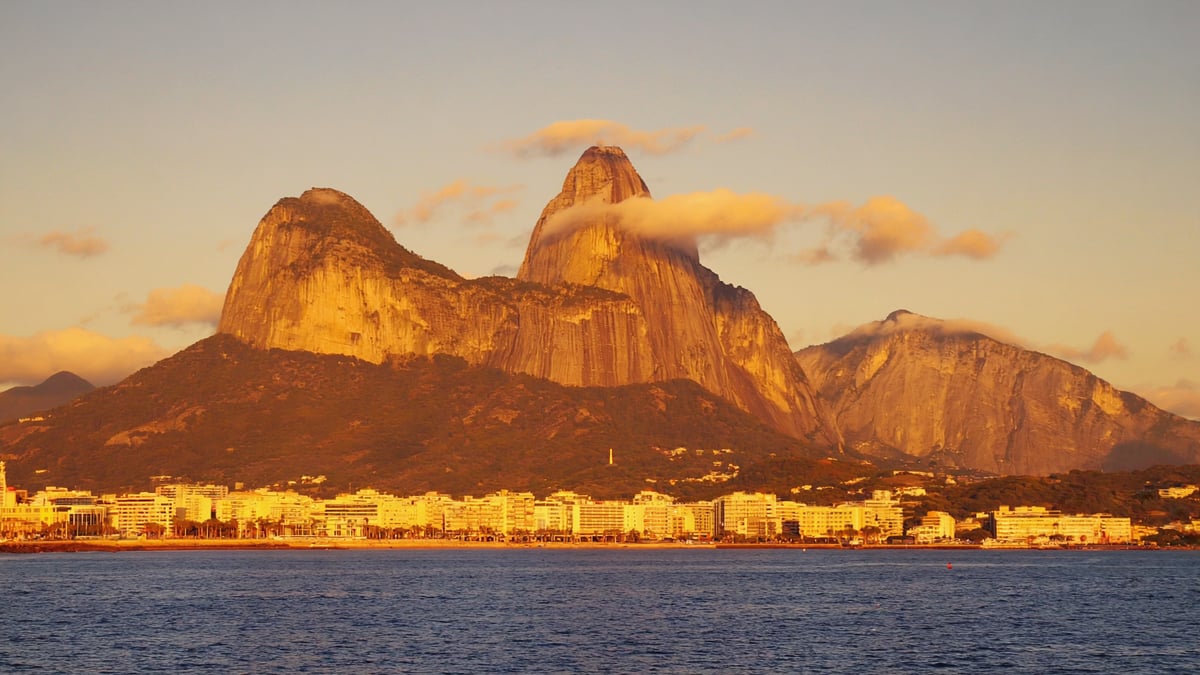
Picture this: you're standing at the top of Table Mountain as the morning cloud rolls in like a slow tide below your feet, the Atlantic glittering to your left and the Indian Ocean somewhere to your right, and the city of Cape Town spread out beneath you like a map drawn by someone who genuinely loved geography. You've eaten a bowl of Cape Malay curry so good it reframed your understanding of what spice can do. You've driven a coastal road that made the Amalfi look ordinary. And you've done all of this within a single day.
Cape Town is one of those rare destinations that doesn't just meet expectations, it quietly rearranges them. For UK travellers weighing up their next long-haul escape, few cities on earth offer this concentration of natural spectacle, cultural depth, culinary ambition, and sheer visual drama. This guide covers everything you need to know: when to go, where to stay, what to do, how much to budget, and how to get there from the UK without stress. Whether you're planning a Cape Town package holiday, a honeymoon, or a solo adventure, this is your complete starting point.
Destination Overview: What Makes Cape Town Unmissable
Cape Town sits at the southwestern tip of Africa, framed by the Twelve Apostles mountain range to the west and two oceans meeting at Cape Point to the south. It is the legislative capital of South Africa and the capital of the Western Cape province, home to roughly four million people across a metro area that stretches from the Atlantic Seaboard to the Cape Flats and the winelands of Stellenbosch and Franschhoek beyond.
The city operates on South Africa Standard Time (SAST), which is UTC+2 year-round, meaning Cape Town runs two hours ahead of GMT in winter and one hour ahead during British Summer Time. The local currency is the South African Rand (ZAR). The exchange rate fluctuates, but the Rand has historically offered UK travellers strong purchasing power, your pound goes meaningfully further here than in most European cities. As a rough guide, £1 typically buys somewhere between R22 and R26, though always check a live rate before travelling.
The official languages of South Africa are eleven in total, but English is widely spoken in Cape Town and is the primary language of business, hospitality, and tourism. Afrikaans is also common, and isiXhosa is spoken throughout many communities in the city. You will have no difficulty navigating daily life in English.
Visa requirements for UK travellers: British citizens do not require a visa to visit South Africa for stays of up to 90 days. You will need a valid passport with at least 30 days' validity beyond your departure date, and South African border officials often look for at least two blank pages for entry and exit stamps. If you are travelling with children, be aware that South Africa has specific requirements around documentation for minors, including an unabridged birth certificate. The UK Government's South Africa travel advice page is the authoritative source to check before booking.
Cape Town International Airport (CPT) is the primary gateway, located approximately 20 kilometres from the city centre. The city's geography is relatively compact once you understand its layout: the City Bowl and CBD sit beneath Table Mountain, the V&A Waterfront is a short drive west, and the Atlantic Seaboard (Sea Point, Clifton, Camps Bay) runs south along the coast. The Cape Peninsula stretches further south toward Hout Bay and Cape Point National Park.
For a city that sits at the edge of Africa, Cape Town punches far above its weight in terms of luxury hospitality, fine dining, and world-class wine. Forbes has highlighted Cape Town's luxury hotel scene as among the most compelling on the continent, and the culinary reputation has grown to match. This is not a developing-world experience dressed up for tourists, it is a genuinely sophisticated destination with a fascinating, complex, and often confronting history that gives every visit real weight.
Best Time to Visit Cape Town: A Month-by-Month Guide
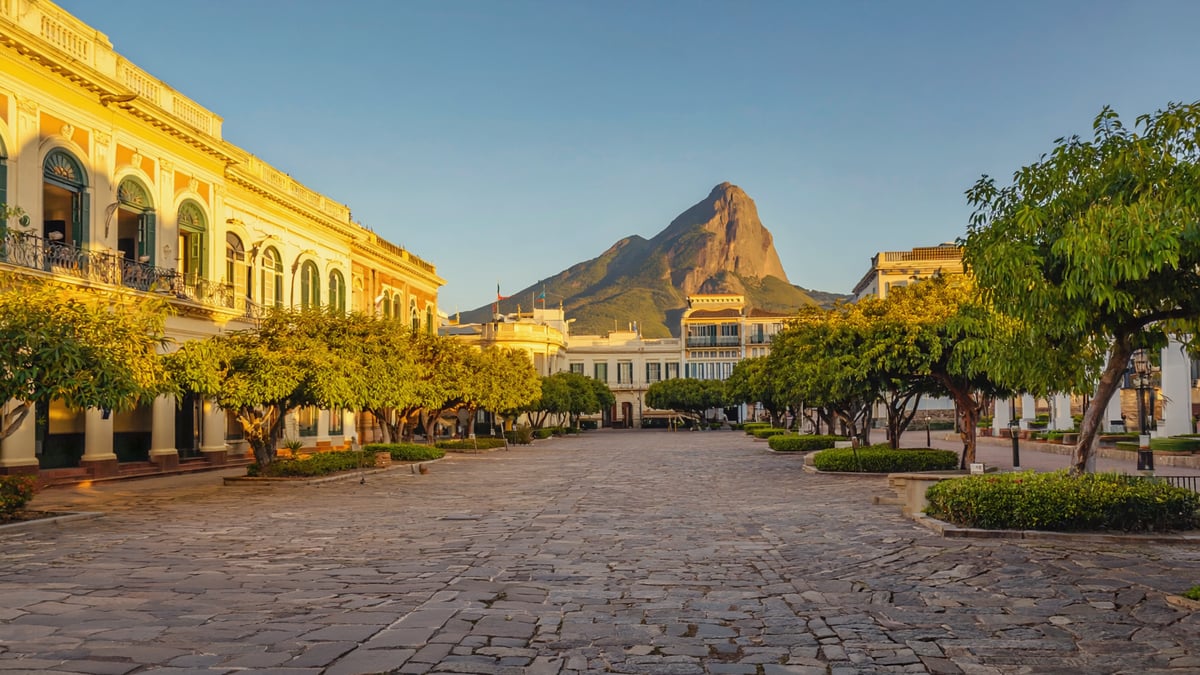
Cape Town has a Mediterranean climate, meaning warm, dry summers and mild, wet winters. The key insight for UK travellers is that the seasons are reversed: summer runs from November to February, and winter from June to August. This makes Cape Town an appealing escape from the British winter, though each season has its own distinct character worth understanding.
Summer (November to February)
This is peak season. Temperatures in Cape Town's summer regularly reach 28-32°C, the beaches are in full swing, and the Cape Winelands are at their most spectacular. Table Mountain is frequently cloud-free in the mornings. December and January are particularly busy with South African domestic tourists, and prices for accommodation and flights climb accordingly. The infamous Cape Doctor, a strong southeasterly wind, can make beach days at Clifton and Camps Bay feel brisk despite the heat. Book well in advance for travel in December and January, and expect to pay a premium.
Shoulder Seasons (March to April, September to October)
The shoulder seasons represent the sweet spot for most UK visitors. March and April retain summer warmth without peak-season crowds or pricing. September and October bring spring wildflowers across the Western Cape and some of the most reliably photogenic conditions for visiting Kirstenbosch National Botanical Garden and the Cape Floral Kingdom. Temperatures sit comfortably in the low-to-mid twenties, the city is busy but not overwhelmed, and accommodation rates drop meaningfully compared to December and January.
Winter (May to August)
Cape Town's winter is mild by UK standards (daytime temperatures of 12-18°C), but it brings rainfall, particularly in June and July. The mountain can be shrouded in cloud for days at a time, making outdoor activities less reliable. On the other hand, winter is whale season along the Western Cape coast: southern right whales are regularly spotted from Hermanus (a two-hour drive east) between June and November, with July and August being peak months. Winter also brings the lowest prices of the year and the fewest crowds at major attractions. For travellers who prioritise value over guaranteed sunshine, winter has a genuine case.
Key Events and Festivals
- Cape Town Carnival (March): A spectacular street parade through the city centre celebrating the region's diverse cultures.
- Cape Town Jazz Festival (March/April): One of Africa's largest jazz festivals, drawing international headliners to the Cape Town International Convention Centre.
- Knysna Oyster Festival (July): A short drive from Cape Town along the Garden Route, this is a beloved winter food and wine event.
- Cape Town Wine Festival (February): Hundreds of Cape winemakers showcase current vintages over several days at the Spier Wine Farm and other venues.
Optimal recommendation: For UK travellers seeking the best balance of weather, value, and experience, March to April is the single best window. You get late-summer warmth, post-peak pricing, and a city that has its rhythm back after the December rush.
Where to Stay in Cape Town: Neighbourhoods and Accommodation Guide
Choosing the right neighbourhood shapes your entire Cape Town experience. The city is spread across a wide geography, and each area has a distinct personality. Here is a practical breakdown for UK visitors.
V&A Waterfront
The Victoria and Alfred Waterfront is Cape Town's most visited precinct: a working harbour transformed into a world-class retail, dining, and hotel destination with Table Mountain rising directly behind it. Staying here puts you within walking distance of boat trips to Robben Island, the Two Oceans Aquarium, and dozens of restaurants. It is ideal for first-time visitors who want convenience and security. Accommodation ranges from boutique guesthouses to five-star properties including the Radisson Blu Hotel and the One&Only Cape Town. Expect to pay a premium for the location.
City Bowl and De Waterkant
The City Bowl is Cape Town's historic centre, nestled between Table Mountain and the harbour. De Waterkant, on its western edge, is a colourful neighbourhood of cobblestone streets, Cape Dutch architecture, and excellent restaurants. This area suits travellers who want to be close to cultural attractions like the Bo-Kaap, the District Six Museum, and the Company's Garden. Mid-range guesthouses and boutique hotels are plentiful here, and the neighbourhood feels walkable and lively without the tourist-resort feel of the Waterfront.
Atlantic Seaboard: Sea Point, Clifton, and Camps Bay
The Atlantic Seaboard is where Cape Town goes to see and be seen. Sea Point is a dense, cosmopolitan neighbourhood with a famous ocean promenade and a wide range of accommodation at all price points. Clifton and Camps Bay are more exclusive: think clifftop apartments, boutique hotels, and the famous white-sand Clifton beaches (1st through 4th beach). Camps Bay has a lively strip of restaurants and bars facing the ocean. This is the area for couples, honeymooners, and anyone who wants the quintessential Cape Town beach experience. Sunsets from Camps Bay are genuinely extraordinary.
Green Point and Mouille Point
Sitting between the V&A Waterfront and Sea Point, Green Point offers a quieter residential feel with easy access to both the Waterfront and the Seaboard. The Green Point Urban Park, Cape Town Stadium, and the lighthouse at Mouille Point are all within easy reach. This is a strong choice for mid-range travellers who want space, quality, and a slightly more local atmosphere than the Waterfront.
Accommodation by Budget
| Budget Tier | Typical Nightly Cost | Best Areas | What to Expect |
|---|---|---|---|
| Budget | £30–£60pp | City Bowl, Observatory, Green Point | ✅ Clean en-suite guesthouses, well-reviewed hostels with private rooms, self-catering apartments |
| Mid-Range | £80–£160pp | De Waterkant, Sea Point, Mouille Point | ✅ Boutique hotels, pool access, breakfast included, excellent service standards |
| Luxury | £200–£600pp+ | V&A Waterfront, Camps Bay, Clifton | ✅ Five-star hotels, private plunge pools, ocean views, world-class dining on-site |
Book Your Cape Town Holiday Now
GlobeHunters offers Cape Town package holidays including return flights from the UK and hotel accommodation at competitive prices, from £1,249 per person. Compare options and check live availability online.
View Cape Town Packages & Prices →Or call us: 0208 944 4514
Top Things to Do in Cape Town: 10 Experiences Worth Planning Around

Cape Town rewards travellers who arrive with a loose plan rather than a rigid itinerary. The city's best experiences often combine landmark attractions with unplanned moments: a spontaneous detour down a Bo-Kaap alley, a wine glass handed to you by the winemaker himself, a whale spotted from a clifftop car park. That said, these ten experiences are worth building your schedule around.
1. Table Mountain
No visit to Cape Town is complete without ascending Table Mountain, the flat-topped sandstone massif that has defined the city's silhouette for millennia. The Table Mountain Aerial Cableway operates a rotating cable car that takes approximately five minutes to ascend 1,086 metres. At the summit, you can walk a network of paths with views across the Cape Peninsula, the City Bowl, Robben Island, and both oceans. The cableway operates daily (weather permitting) from approximately 08:00 to 21:30 in summer, with reduced hours in winter. Adult tickets cost approximately R490 (around £19–22) return; online booking is strongly recommended as queues can be considerable in peak season. Alternatively, several hiking trails ascend the mountain for free, with Platteklip Gorge being the most popular, a 2–3 hour round trip of moderate difficulty.
2. Robben Island
The island where Nelson Mandela was imprisoned for 18 of his 27 years behind bars is now a UNESCO World Heritage Site and one of the most significant historical destinations in the world. Ferries depart from the V&A Waterfront and the crossing takes approximately 30 minutes each way. Tours last around 3.5 hours and include a bus tour of the island and a guided walk through the prison, often led by former political prisoners. Tickets cost approximately R900 (around £35–40) per adult. Book well in advance, this attraction sells out weeks ahead in peak season.
3. Cape Peninsula Drive
The drive along the Cape Peninsula from Cape Town to Cape Point is one of the great coastal road trips on earth. The route passes through Hout Bay, Noordhoek, Kommetjie, and Scarborough before reaching the Cape of Good Hope Nature Reserve. Within the reserve, you can walk to the Cape of Good Hope (the southwestern tip of Africa) and climb to Cape Point lighthouse for views that justify the entire trip. Entry to the reserve costs approximately R390 (around £15–17) per adult. Allow a full day and hire a car, this is not a trip to rush.
4. Cape Winelands Day Trip
Stellenbosch, Franschhoek, and Paarl are each within 45–90 minutes of Cape Town by car, and they represent one of the world's great wine-producing regions. Stellenbosch has the greatest concentration of wine estates, while Franschhoek (meaning "French Corner") retains a distinctly Gallic character from its Huguenot heritage and hosts some of the finest restaurants in South Africa. Wine tasting at most estates costs R150–R350 (£6–£14) per person. Organised wine tours from Cape Town range from £45–£90 per person and include transport, which is sensible given the volume of excellent wine available.
5. Kirstenbosch National Botanical Garden
Kirstenbosch sits on the eastern slopes of Table Mountain and protects a section of the Cape Floral Kingdom, one of the world's six recognised floral kingdoms and the only one contained entirely within a single country. The garden is spectacular year-round but peaks in spring (September–October) when proteas, restios, and ericas bloom across the hillsides. The Boomslang canopy walkway offers a tree-level perspective of the forest. Entry costs approximately R250 (around £10) per adult. On Sunday evenings in summer, Kirstenbosch hosts open-air concerts (Kirstenbosch Summer Concerts), a quintessential Cape Town experience worth planning around.
6. Bo-Kaap
Bo-Kaap is one of Cape Town's oldest residential neighbourhoods, perched on the slopes of Signal Hill above the city centre. Its brightly painted houses, cobalt blue, saffron yellow, flamingo pink, have made it one of the most photographed streetscapes in Africa. The neighbourhood is the historic home of Cape Town's Cape Malay community, descendants of enslaved people and political exiles brought from Southeast Asia and other parts of Africa by the Dutch East India Company. The Bo-Kaap Museum (entry approximately R30–R50) offers context and history. Walking the streets is free, and the neighbourhood's mosques, spice shops, and koesisters (a Cape Malay doughnut) are all part of the experience.
7. Beaches: Clifton and Boulders
Cape Town has beaches for every mood. The four Clifton beaches (1st through 4th) are sheltered by granite boulders and offer calm, clear, achingly blue water, though the Atlantic is reliably cold (around 12–16°C) year-round. Camps Bay is wider and more social. For something entirely different, Boulders Beach near Simon's Town (approximately 40 minutes from the city centre) is home to a colony of African penguins. Entry to the penguin colony costs approximately R230 (around £9) per adult through South African National Parks.
8. District Six Museum
The District Six Museum is one of the most moving and important cultural experiences in Cape Town. District Six was a vibrant inner-city neighbourhood that was forcibly cleared under apartheid, with 60,000 residents removed to the Cape Flats. The museum, built on the site, tells this story through maps, photographs, and testimonies. Entry is approximately R100 (around £4). This is not a comfortable visit, but it is a necessary one for anyone who wants to understand Cape Town beyond its scenery.
9. Hout Bay Harbour and Seal Island
Hout Bay is a working fishing harbour about 20 minutes south of Camps Bay, nestled between the Twelve Apostles and the Chapman's Peak cliffs. From the harbour, short boat trips run to Duiker Island, home to a large Cape fur seal colony, expect noise, smell, and an enormous amount of charismatic wildlife. Boat trips cost approximately R100–R150 (£4–£6) and take about 30–40 minutes. The harbour itself has a fresh fish market, and the village has several excellent seafood restaurants.
10. Chapman's Peak Drive
Opened in 1922, Chapman's Peak Drive is a 9-kilometre toll road carved into the near-vertical cliffs between Hout Bay and Noordhoek. It is one of the most dramatic coastal drives in the world, with 114 curves and views that will make you stop the car repeatedly. The toll is approximately R55 (around £2) per vehicle, extraordinary value for what is, by any reasonable measure, one of earth's great roads.
Food and Dining in Cape Town: A City That Takes Eating Seriously
Cape Town's food scene has undergone a remarkable transformation over the past decade and now holds a place among the genuinely exciting culinary cities of the world. The city's dining culture draws on an extraordinary range of influences: indigenous Khoisan and Xhosa traditions, Cape Malay flavours brought by enslaved Southeast Asians, Afrikaner farm cooking, British colonial influence, and a modern generation of chefs who have trained internationally and returned with something to prove.
Dishes to Try
- Bobotie: South Africa's national dish, a spiced minced meat bake topped with a savoury egg custard, typically served with yellow rice and chutney. Cape Malay in origin, warm and aromatic.
- Braai: The South African barbecue is a cultural institution, not just a cooking method. Boerewors (a spiced coiled sausage), lamb chops, and sosaties (skewered marinated meat) are braai staples.
- Koesisters: Cape Malay doughnuts flavoured with cardamom, cinnamon, and coconut, different from the syrupy Afrikaner koeksister and worth seeking out in Bo-Kaap.
- Gatsby: A Cape Town-specific street food icon, a enormous filled roll (think a Portuguese roll the length of your forearm) packed with chips, a protein of your choice, and sauce. A masterpiece of excess.
- Snoek: A firm, oily Atlantic fish that appears smoked, braai'd, and in pâtés across the Western Cape. Intensely flavoured and completely local.
- Cape Malay Curry: Fragrant rather than fiery, with spices including turmeric, cinnamon, and cardamom. Often made with lamb or chicken and served with sambal and pickled vegetables.
Where to Eat
The V&A Waterfront has the highest concentration of restaurants in one place, ranging from casual seafood spots to fine dining. The Bree Street and Kloof Street corridor in the City Bowl is where the city's most interesting independent restaurants cluster, this is where chefs open passion projects, and where the food conversation happens. Camps Bay is strong on sunset drinks and seafood with a view, though prices reflect the location. Franschhoek, if you make the day trip, has a restaurant density per capita that rivals any wine region on earth.
Food Markets
The Old Biscuit Mill in Woodstock hosts the Neighbourgoods Market every Saturday morning, a beloved institution selling everything from artisan bread and charcuterie to Ethiopian injera and local gin. Arrive by 09:00 to avoid the crowd, and bring cash as well as a card. The V&A Food Market operates daily and offers a more tourist-friendly but still excellent range of local street food.
Dietary Considerations
Cape Town is one of the more accommodating cities in Africa for vegetarians and vegans, particularly in the City Bowl and Atlantic Seaboard restaurant scenes. Halal food is widely available given the city's large Muslim community. Tap water in Cape Town is safe to drink (and notably high quality following the city's famous water conservation efforts during the Day Zero drought crisis).
Getting to Cape Town from the UK: Flights, Airlines, and Transfers
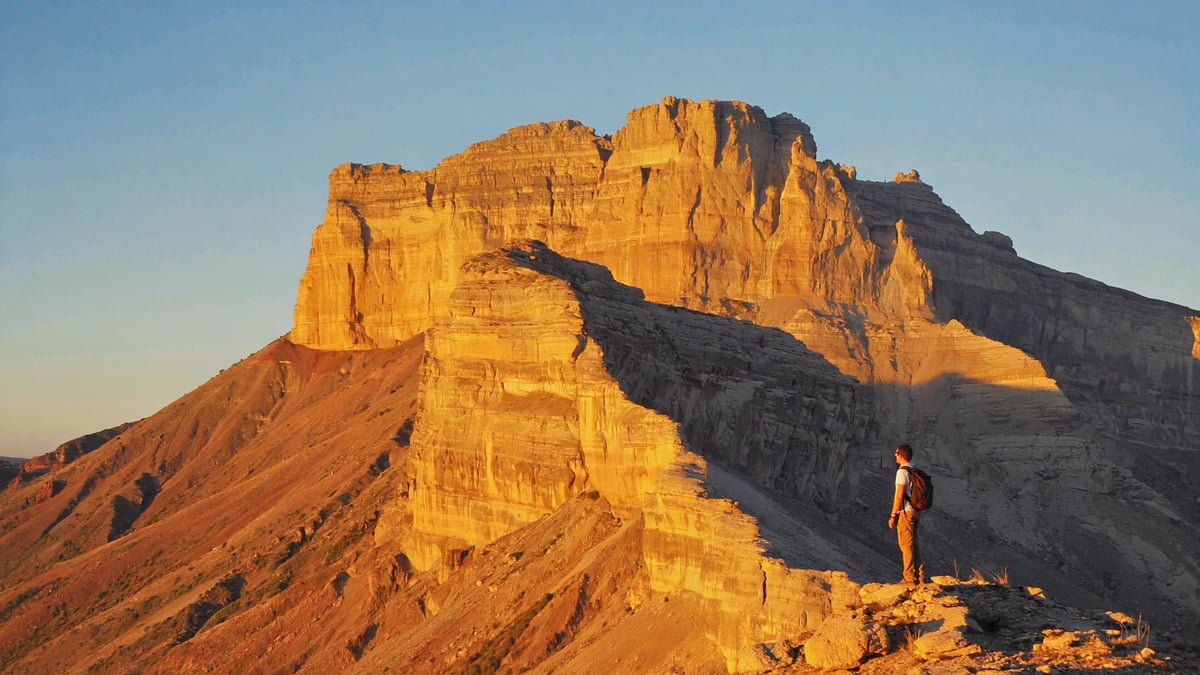
Cape Town is well-served from the UK, with a range of direct and one-stop options depending on your budget, departure airport, and preferred airline.
Direct Flights
British Airways operates direct (non-stop) flights between London Heathrow (LHR) and Cape Town International Airport (CPT). Flight duration is approximately 11 hours 30 minutes southbound (and slightly longer northbound due to prevailing winds). This is the most convenient option for most UK travellers. Virgin Atlantic also operates a direct Heathrow-Cape Town service on certain schedules, check current availability as routes do change seasonally.
One-Stop Options
Several airlines offer one-stop routings that can be significantly cheaper than direct flights, at the cost of added journey time:
- Emirates via Dubai (DXB): From London Heathrow, Gatwick, Manchester, and Birmingham. Total journey time approximately 16–18 hours including the layover.
- Qatar Airways via Doha (DOH): From London Heathrow, Manchester, and Edinburgh. Similar total journey times to Emirates.
- Ethiopian Airlines via Addis Ababa (ADD): From London Heathrow. Often among the most competitive fares available.
- KLM via Amsterdam (AMS): From multiple UK regional airports. Journey time approximately 16–18 hours.
Departure Airports
London Heathrow has the most direct and one-stop options. Travellers from Manchester, Birmingham, Edinburgh, and other UK cities will typically connect at a European hub (Amsterdam, Frankfurt, Zurich) or Middle Eastern hub (Dubai, Doha) before continuing to Cape Town. The additional connection adds time but can reduce the total fare substantially.
Typical Flight Costs
| Route Type | Approximate Return Fare | Flight Duration | Notes |
|---|---|---|---|
| LHR Direct (BA/Virgin) | £700–£1,200 | ~11h 30m | Most convenient; premium for non-stop |
| Via Dubai/Doha (Emirates/Qatar) | £550–£900 | ~16–18h total | Good value; excellent in-flight product |
| Via European hub (KLM/Lufthansa) | £480–£800 | ~16–19h total | Access from regional UK airports |
Airport Transfers
Cape Town International Airport is approximately 20 kilometres from the City Bowl. Options include:
- Metered taxi or rideshare: Bolt and Uber operate reliably at CPT. Expect to pay R250–R400 (£10–£16) to the City Bowl or V&A Waterfront depending on traffic.
- Pre-booked hotel transfer: Many mid-range and luxury hotels offer airport transfers at R400–R800 (£16–£32) return. Often worth booking for peace of mind on arrival.
- MyCiTi Bus: The City of Cape Town's BRT (Bus Rapid Transit) service runs a direct route (Route A01) from the airport to the Civic Centre in the CBD. Fare approximately R97 (around £4). Slower than a taxi but excellent value.
Cape Town Budget Guide: What to Realistically Expect to Spend
Cape Town is one of the better-value long-haul destinations for UK travellers, particularly given the strength of the pound against the Rand. However, the range between a budget backpacker trip and a luxury escape is vast, and it's worth being realistic about which tier you're targeting. Flights are the largest fixed cost, everything on the ground is relatively affordable by UK standards.
Daily Budget Breakdown
| Category | Budget (per day) | Mid-Range (per day) | Luxury (per day) |
|---|---|---|---|
| Accommodation | £30–£50 | £80–£140 | £200–£500+ |
| Food and Drink | £15–£25 | £35–£60 | £80–£150+ |
| Activities and Entrance Fees | £5–£15 | £20–£45 | £60–£150+ |
| Local Transport | £5–£10 | £15–£30 | £40–£80 (car hire) |
| Total Daily Estimate | £55–£100 | £150–£275 | £380–£880+ |
Package Holiday Value
For most UK travellers, booking a Cape Town package holiday that combines flights and accommodation offers considerably better value than booking each element separately. GlobeHunters' Cape Town packages start from £1,249 per person, which typically includes return flights from a UK airport and hotel accommodation. When you factor in the time spent price-matching flights against hotels against transfer costs, the package route is often both cheaper and significantly less stressful to organise.
Money-Saving Tips Specific to Cape Town
- Use Bolt or Uber consistently rather than metered taxis, fares are transparent and competitive.
- Visit Table Mountain on a weekday morning to avoid queues and potentially catch clearer conditions before the afternoon cloud builds.
- Buy wine at the source during winelands visits rather than at restaurant prices, the markup in Cape Town restaurants on Cape wines is substantial.
- Eat lunch at fine dining restaurants rather than dinner, many excellent restaurants offer substantially reduced lunch menus.
- Book Robben Island ferry tickets weeks in advance to avoid paying tout prices or missing the experience entirely.
Travel Tips and Safety for Cape Town

Cape Town is a city of genuine contrasts, and approaching it with clear-eyed awareness makes for a safer and more rewarding trip. It is a destination that richly rewards informed, respectful visitors, and the following practical guidance will help you get the most out of every day.
Safety in Context
Cape Town has areas of high crime, and the UK Government's travel advice for South Africa does flag crime as a significant concern, including in tourist areas. That said, the major tourist precincts, the V&A Waterfront, the City Bowl, the Atlantic Seaboard, the Cape Peninsula, are generally safe during the day when sensible precautions are taken. Key advice:
- Do not walk in unfamiliar areas after dark, and avoid displaying expensive cameras, jewellery, or phones in busy street environments.
- Use Uber or Bolt rather than hailing unofficial taxis. Never get into an unmarked vehicle.
- Keep car doors locked and windows up when driving, particularly at traffic lights (robots, in local parlance).
- Avoid hiking on Table Mountain or Lion's Head alone. Group hikes are strongly recommended, and mornings are safer than late afternoon.
- The Cape Flats townships have extremely high crime rates and are not areas for independent tourist exploration. If you want to visit township communities, do so through a reputable, community-run guided tour.
Health Considerations
No malaria prophylaxis is required for Cape Town itself, the Western Cape is malaria-free. If you are extending your trip into the Kruger National Park or other parts of South Africa, malaria prophylaxis becomes relevant; consult your GP or a travel health clinic before departure. Standard vaccinations recommended for South Africa travel include hepatitis A and typhoid, along with routine UK vaccinations being up to date. The Travel Health Pro South Africa page (run by the UK's National Travel Health Network and Centre) is the authoritative reference for current health advice.
Practical Customs and Etiquette
- Tipping: Tipping is standard and expected in South Africa. In restaurants, 10–15% is the norm for good service. Car guards (informal parking attendants) are a fixture in Cape Town, R5–R10 on arrival and departure is customary.
- Electricity: South Africa uses Type M plugs (three large round pins). UK travellers need an adaptor. The voltage is 230V, compatible with UK appliances.
- Driving: South Africa drives on the left, the same as the UK. Road signs are in English. Petrol stations are attended, you do not pump your own fuel, and a small tip (R5–R10) for the attendant is customary.
- Water conservation: Cape Town has implemented water conservation measures following the severe drought of recent years. Be mindful of water usage in accommodation, particularly during dry summer months.
- Cultural sensitivity: Cape Town's history is present in its landscape and its people. Visiting places like District Six and Bo-Kaap with genuine curiosity and respect, rather than treating them as photo opportunities, matters.
What to Pack
Cape Town's variable weather and range of activities means packing smart is important. Include:
- Lightweight layers for the Cape Doctor wind and cooler evenings
- High-factor sun cream (the South African sun is intense, particularly at altitude)
- Comfortable walking shoes for Table Mountain and peninsula hiking
- A waterproof jacket if visiting in shoulder or winter season
- A Type M plug adaptor
- Copies of passport and travel insurance documentation
Frequently Asked Questions About Cape Town Holidays
Do UK citizens need a visa for Cape Town?
No. British passport holders do not require a visa for South Africa and can stay for up to 90 days as tourists. Your passport must be valid with at least 30 days beyond your return date and should have two blank pages available for stamps. Check the UK Government's South Africa travel advice for the latest entry requirements before travel.
How long is the flight from the UK to Cape Town?
Direct flights from London Heathrow to Cape Town International Airport take approximately 11 hours 30 minutes. One-stop flights via Dubai, Doha, Amsterdam, or Addis Ababa add 4–7 hours depending on the layover duration, making total journey times of 16–19 hours common for connecting itineraries.
What is the best time of year for a Cape Town holiday?
March and April offer the best combination of warm weather, reduced crowds, and post-peak pricing. December and January are peak summer months with the best beach weather but highest prices. June to August bring mild, wetter conditions but whale watching season and the lowest accommodation rates of the year.
How much does a Cape Town package holiday cost from the UK?
GlobeHunters offers Cape Town package holidays from approximately £1,249 per person, including return flights from the UK and hotel accommodation. Luxury packages with five-star hotels and Atlantic Seaboard properties can reach £2,500 per person or beyond. The cost varies significantly depending on travel dates, hotel tier, and departure airport.
Is Cape Town safe for tourists?
Cape Town's main tourist areas are generally safe during the day when standard precautions are taken. The V&A Waterfront, City Bowl, Atlantic Seaboard, and Cape Peninsula are visited by millions of tourists annually. Avoid walking alone after dark, use Uber or Bolt rather than unmarked taxis, and keep valuables out of sight. Read the current UK Government travel advisory for South Africa before departure.
What currency does Cape Town use?
The South African Rand (ZAR, symbol R) is the currency. Credit cards are widely accepted at hotels, restaurants, and major attractions, though cash is useful for smaller purchases, markets, and tipping. ATMs are widely available. Avoid currency exchange at the airport where possible, in-city bureaux de change and bank ATMs typically offer better rates.
Do I need malaria tablets for Cape Town?
No. Cape Town and the Western Cape province are malaria-free. Malaria prophylaxis is only required if you are travelling to other parts of South Africa such as the Kruger National Park region or KwaZulu-Natal. Consult your GP or a travel health clinic well before departure if your itinerary extends beyond the Western Cape.
Can I hire a car in Cape Town as a UK driver?
Yes. South Africa drives on the left, the same as the UK, making the adjustment straightforward for British drivers. A valid UK driving licence is accepted. Most major international car hire companies operate at Cape Town International Airport. A car is highly recommended for the Cape Peninsula drive, winelands visits, and Chapman's Peak, as public transport does not serve these routes well.
What is the internet and mobile coverage like in Cape Town?
Mobile coverage in Cape Town is generally good across tourist areas. Major South African networks include Vodacom and MTN. Purchasing a local SIM card is straightforward and cost-effective for longer stays. Most hotels, restaurants, and cafés offer free Wi-Fi. Check with your UK mobile provider about roaming charges before relying on your home SIM.
How many days should I spend in Cape Town?
A minimum of seven days allows you to cover the city's main highlights comfortably: Table Mountain, Robben Island, the Cape Peninsula drive, a winelands day trip, and time to simply explore the neighbourhoods and beaches. Ten to fourteen days is ideal if you want to add the Garden Route, Hermanus for whale watching, or a safari extension to the Kruger region.
Is Cape Town good for a honeymoon?
Cape Town is an exceptional honeymoon destination, combining natural drama, world-class luxury accommodation, fine dining, and wine country within a single trip. The Atlantic Seaboard hotels in Camps Bay and Clifton offer stunning sunset views and high levels of privacy. Franschhoek is particularly romantic for winery stays. Many luxury properties offer specific honeymoon packages with in-room amenities on request.
What language do people speak in Cape Town?
English is the primary language of tourism, business, and hospitality in Cape Town. Afrikaans is widely spoken, particularly in the southern suburbs and winelands. isiXhosa is spoken throughout many communities in the Cape Flats and townships. As a UK visitor, you will have no difficulty communicating in English anywhere in the tourist-facing city.
Key Takeaways for Planning Your Cape Town Holiday
- No visa required for UK citizens, just a valid passport with 30 days' validity beyond your return date and two blank pages.
- March and April are the optimal travel window, balancing warm weather, manageable crowds, and post-peak pricing.
- Direct flights from London Heathrow take approximately 11.5 hours with British Airways and Virgin Atlantic. One-stop options via Dubai, Doha, or Amsterdam are often cheaper.
- The Cape Peninsula drive, Table Mountain, and a winelands day trip are non-negotiable, build your itinerary around them first, then fill in the rest.
- Cape Town is malaria-free, no prophylaxis required for a Western Cape-only trip.
- South Africa drives on the left, and hiring a car is strongly recommended for making the most of the peninsula and winelands.
- Your pound goes far in Cape Town, mid-range dining, wine, and activities are all excellent value by UK comparison.
- Book Robben Island and Table Mountain Cableway tickets in advance, both sell out weeks ahead in peak season.
- GlobeHunters offers Cape Town package holidays from £1,249 per person, including return flights and hotel accommodation.
Ready to Book Your Cape Town Holiday?
GlobeHunters offers holiday packages including flights and hotels at competitive prices, with Cape Town packages from £1,249 per person. Our team is available to help you find the right dates, the right hotel, and the right price for your South Africa trip.
View Cape Town Packages & Prices →Or call us: 0208 944 4514
About the author
Spiros Maragkoudakis · Chief Commercial Officer
Ready to Book Your Cape Holiday?
Our travel experts are ready to help you plan the perfect trip. Call us today or browse our latest deals.
Ready to Start Planning?
Speak to our travel experts for personalised advice and the best deals on your next holiday.
Call 0208 944 4514