
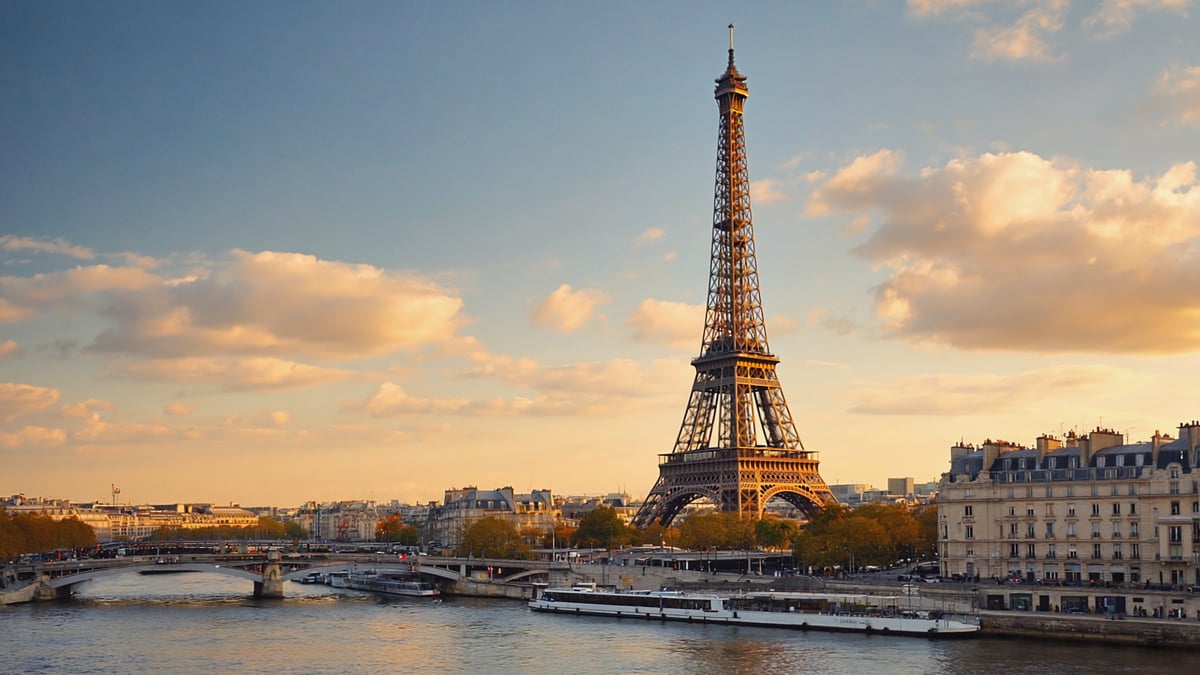
There is a moment, usually somewhere between stepping off the Eurostar and catching your first glimpse of Haussmann's grand limestone façades, when Paris stops being a postcard and becomes something entirely real. The city smells of warm croissants and diesel, of rain on cobblestones and coffee grounds tipped onto a zinc bar — and it is, without question, one of the most sensory places on earth. But Paris in 2026 is not merely coasting on reputation. The city that hosted the 2024 Summer Olympics has spent the past two years doubling down on its cultural infrastructure, cleaning up the Seine to a swimmable standard, and opening a wave of ambitious new restaurants, museums, and public spaces. If you have been putting Paris off because it feels like somewhere you already know, now is precisely the moment to reconsider.
This guide is written for UK travellers planning a city break in 2026 — whether you are after a romantic long weekend, a family cultural blitz, or a solo adventure through the finest collection of art, food, and architecture in Western Europe. We have organised everything you need: when to go, where to stay, what to spend, and how to make every hour count.
Paris at a Glance: What Kind of City Is It Really?
Paris is the capital of France, situated in the north of the country along the River Seine, and it is one of the most visited cities on earth. Divided into 20 arrondissements arranged in a clockwise spiral from the city centre, Paris is far more navigable than its reputation suggests. The city proper covers roughly 105 square kilometres, making it compact enough to explore largely on foot — though its excellent Métro system means no neighbourhood is ever truly out of reach.
The language is French, though English is widely spoken in hotels, tourist areas, restaurants, and shops. A few words of French — bonjour, merci, s'il vous plaît — go a remarkably long way in terms of local warmth. The currency is the Euro (€), and as of 2026, the approximate exchange rate for UK travellers hovers around £1 to €1.17, though this fluctuates. It is worth checking rates via your bank or a currency comparison site before you travel. Paris operates on Central European Time (CET), which is one hour ahead of GMT in winter and one hour ahead of BST in summer — so the jet lag adjustment from the UK is essentially zero.
Visa requirements for UK travellers: Since the UK's departure from the European Union, British passport holders no longer have freedom of movement in the Schengen Area. However, UK citizens can still visit France — and the wider Schengen Zone — for up to 90 days in any 180-day period without a visa. The EU's ETIAS (European Travel Information and Authorisation System) was expected to launch in 2025 but has faced repeated delays; travellers should check the official EU ETIAS information page for the latest status before booking. Your passport must be valid for the duration of your stay. UK travellers arriving by Eurostar or air may face passport control queues at peak times — factor this into your plans.
Paris sits in the UTC+1 time zone (UTC+2 in summer), and electricity runs at 230V with Type E two-pin round plugs. UK travellers will need a plug adaptor, available cheaply at most UK airports or online. Tap water is perfectly safe to drink throughout the city.
Culturally, Paris rewards patience and observation. This is a city built for lingering — over a two-hour lunch, over a glass of wine on a terrace, over a slow walk through the Marais on a Sunday morning. Visitors who try to sprint through a checklist of attractions often miss the point entirely. The best Paris experiences happen when you slow down enough to notice the details: the wrought-iron balconies, the bouquinistes (secondhand booksellers) along the Seine, the chess players in the Jardin du Luxembourg.
When Is the Best Time to Visit Paris in 2026?
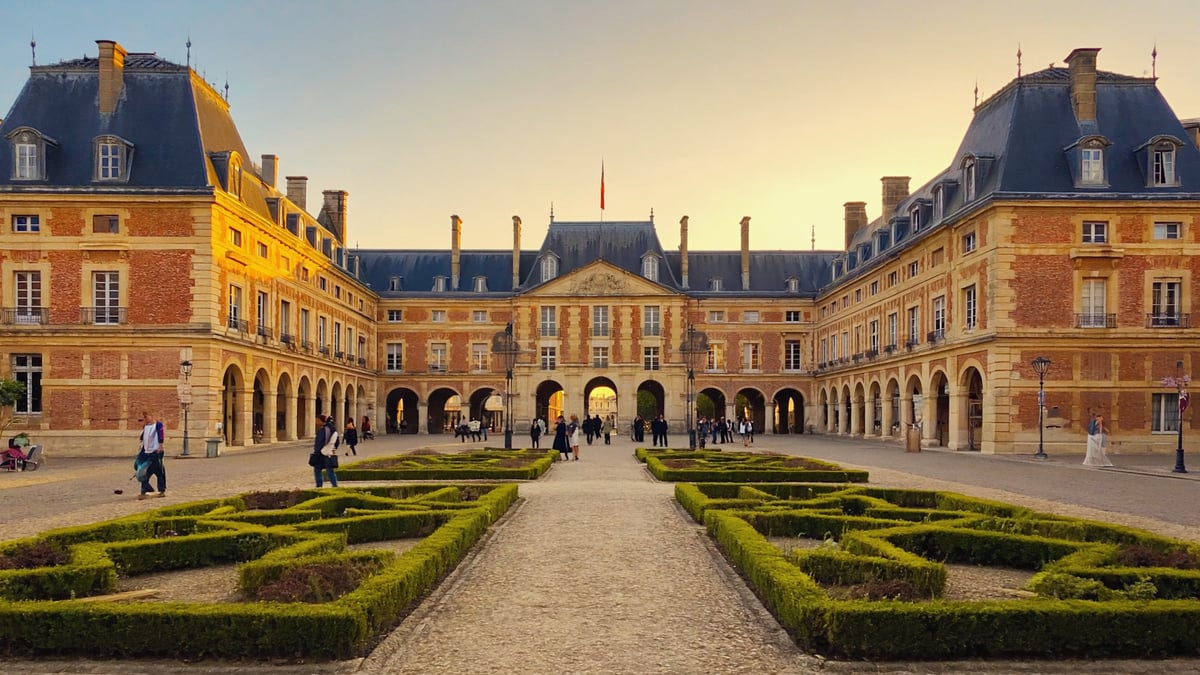
The best months to visit Paris are May, June, September, and October — when the weather is pleasant, the city is alive but not overwhelmed, and prices are more reasonable than the peak summer months. That said, Paris rewards visits year-round, and each season brings its own distinct character.
Spring (March–May)
Spring is arguably Paris at its most beautiful. The chestnut trees along the grands boulevards burst into bloom, café terraces fill up with the first warmth of the year, and the light takes on that luminous quality that made the Impressionists so obsessed with painting it. March can still be cool and showery, but by April and May the city is glorious. Expect average temperatures of around 12–18°C. This is also one of the most popular travel windows, so book accommodation early.
Summer (June–August)
Summer brings long, warm days — temperatures regularly reach 25–30°C in July and August — but also the highest tourist numbers and prices. July and August see many Parisians themselves leave the city for their annual holidays, giving parts of central Paris an oddly quiet, slightly surreal quality. Major attractions are busiest in July; if you visit in August, you may find some neighbourhood restaurants and shops closed for the month. The summer solstice in late June is particularly magical, especially around the Fête de la Musique (21 June), when free live music erupts across the city in every street, square, and courtyard.
Autumn (September–November)
September is the local favourite: schools are back, the crowds thin out, the heat softens, and the city returns to its own rhythms. The rentrée (the French cultural "return") sees new theatre seasons, gallery openings, and restaurant relaunches. October's golden light is extraordinary. Temperatures drop through November, and by month's end, Paris is firmly in winter mode. Prices dip noticeably from late September, making this an excellent window for value-conscious travellers.
Winter (December–February)
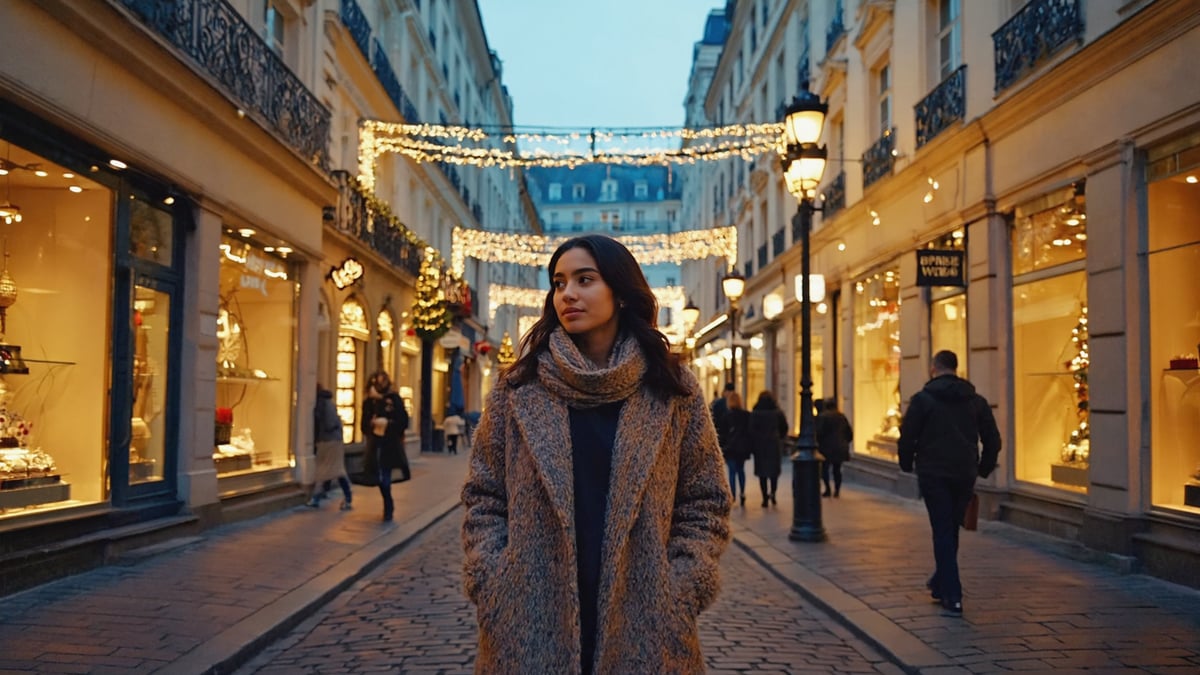
Paris in winter has genuine magic, particularly in December when the city's Christmas markets, illuminated boulevards, and department store window displays create an atmosphere of theatrical elegance. January and February are the quietest and cheapest months — ideal for museum-focused breaks when queues are shorter and hotel rates drop significantly. Pack layers; temperatures hover between 3–9°C and rain is common.
Our recommendation for 2026: Target late September to mid-October for the ideal combination of good weather, manageable crowds, and competitive prices. Alternatively, early May offers the Parisian spring experience without the school-holiday surcharges that hit in late May and June.
Where to Stay in Paris: A Neighbourhood Guide
Where you stay in Paris shapes the entire character of your trip. The city's arrondissement system means that choosing a neighbourhood is not just a logistical decision — it is a decision about what kind of Paris you want to inhabit. Here is how to think about the key areas.
The Marais (3rd & 4th Arrondissements) — Best for Culture & Character
The Marais is widely considered the most compelling neighbourhood in Paris for first-time and returning visitors alike. It combines medieval streets with contemporary galleries, Jewish delis with cutting-edge fashion boutiques, and grand Renaissance hôtels particuliers with some of the best cocktail bars in the city. It is central, walkable, and endlessly interesting. The Place des Vosges — Paris's oldest planned square — sits at its heart. Mid-range travellers will find excellent boutique hotels here, typically ranging from around £130–£220 per night. Luxury options include some genuinely spectacular conversions of historic buildings.
Saint-Germain-des-Prés (6th Arrondissement) — Best for Romance & Literature
This is the Paris of Hemingway, Simone de Beauvoir, and existentialist café culture. The 6th is polished, expensive, and undeniably beautiful — lined with art galleries, antique dealers, and the legendary cafés Les Deux Magots and Café de Flore. It sits on the Left Bank (Rive Gauche), close to the Musée d'Orsay and the Jardin du Luxembourg. Luxury and mid-range travellers are best served here; budget options are genuinely scarce. Expect to pay £180–£350+ per night for well-located hotels.
Montmartre (18th Arrondissement) — Best for Atmosphere on a Budget
Perched on the highest hill in Paris, Montmartre retains a village-like feel that is unlike anywhere else in the city. The Sacré-Cœur basilica dominates the skyline, the streets around the Place du Tertre are tourist-heavy but charming, and the quieter streets to the north and east reveal a genuinely residential neighbourhood. Budget and mid-range travellers will find better value here than in more central arrondissements. Charming 2-star and 3-star hotels are available from around £70–£130 per night. Note: the hill involves significant walking; it is not ideal for travellers with mobility issues.
The Latin Quarter (5th Arrondissement) — Best for Solo Travellers & Students
The Left Bank's student quarter — home to the Sorbonne, the Panthéon, and some of the best bookshops in Europe (including the legendary Shakespeare and Company) — has a lively, intellectual energy. It is great value, well connected, and surrounded by affordable restaurants. Budget travellers will find hostels and simple hotels from around £55–£100 per night.
Near the Eiffel Tower (7th Arrondissement) — Best for First-Timers
Staying in the 7th means waking up with the Tower potentially visible from your window — a genuinely special experience. The arrondissement is smart, residential, and relatively quiet. It is not the most atmospheric for evening socialising, but it is beautifully located for the Tower, the Champ de Mars, the Musée d'Orsay, and the Invalides. Mid-range to luxury hotels dominate here.
The Top Things to Do in Paris: A Practical Activity Guide
Paris has more world-class attractions per square kilometre than virtually any other city on earth. The challenge is not finding things to do — it is prioritising intelligently so you do not spend your entire trip queuing. Here are the ten experiences that genuinely deserve your time, with practical details for 2026.
1. The Eiffel Tower
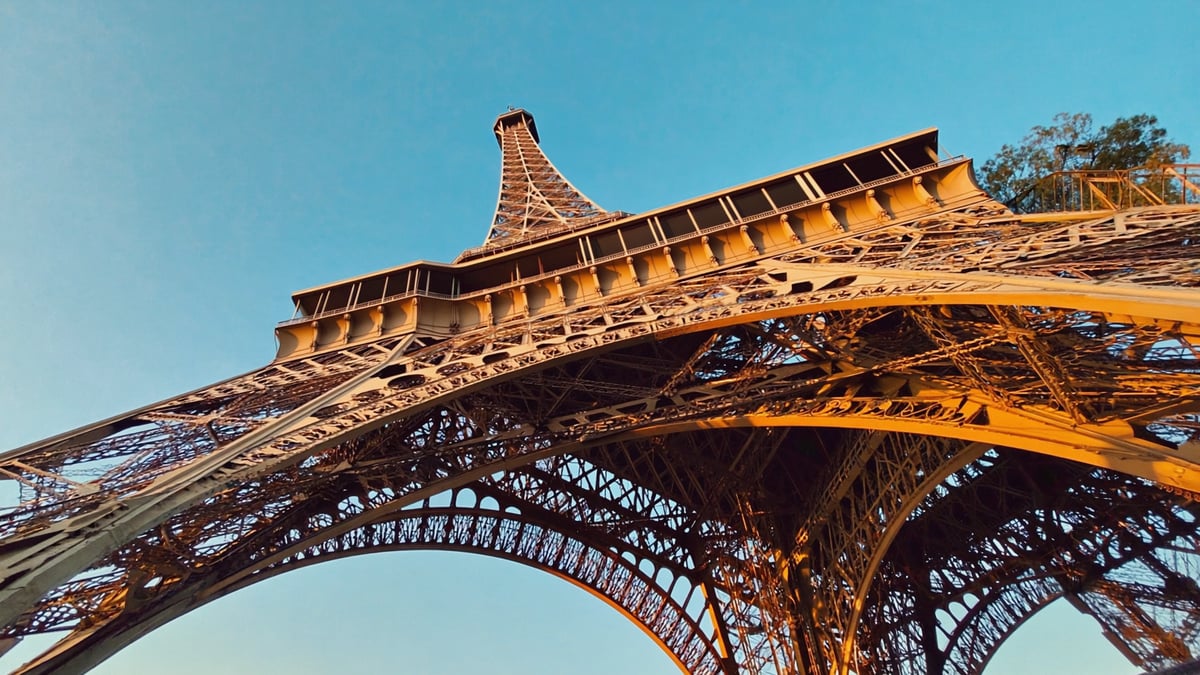
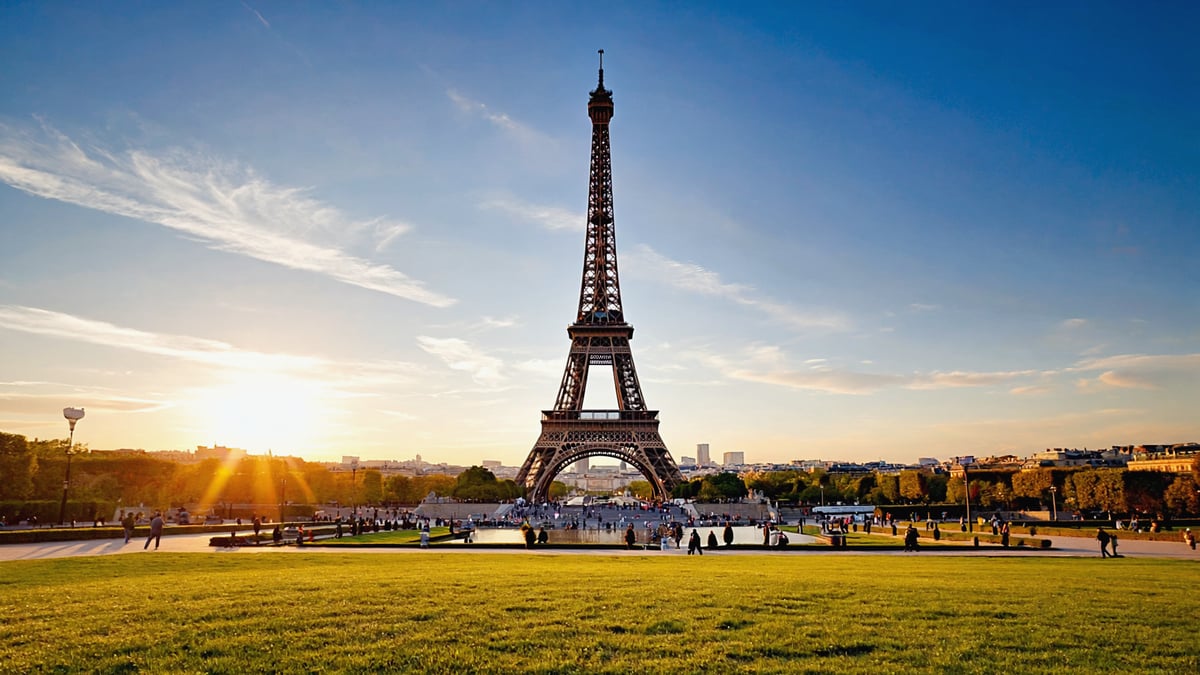
There is no getting around it: the Eiffel Tower is extraordinary in person in a way that photographs cannot fully capture. Built by Gustave Eiffel for the 1889 World's Fair, it stands 330 metres tall and remains one of the most recognisable structures in human history. Book tickets well in advance — ideally 60+ days before your visit. As of 2026, summit tickets cost approximately €35–€40 (around £30–£34) for adults, with second-floor tickets available from around €19 (approximately £16). Tickets are available exclusively online via the official Eiffel Tower website. Opening hours run roughly 09:30–23:45 in summer and 09:30–22:45 in winter, with last lifts approximately 30 minutes before closing. Insider tip: The view from the Trocadéro esplanade at dusk, with the Tower illuminating behind you, is equally spectacular — and free.
2. The Louvre Museum
The world's most visited art museum houses an almost unfathomable collection — over 35,000 works on display across 15 permanent collections, from ancient Egyptian antiquities to Vermeer. An adult ticket costs €22 (approximately £19), and booking online in advance is essential. The Louvre is open daily except Tuesdays; hours are typically 09:00–18:00 (until 21:45 on Wednesdays and Fridays). Do not attempt to "see" the Louvre in a single visit. Choose two or three wings and explore them properly. The Denon Wing (home to the Mona Lisa, Winged Victory, and Venus de Milo) is the busiest; arrive early and head there first. Insider tip: Enter via the Richelieu Wing rather than the famous glass pyramid to avoid the longest queues.
3. Musée d'Orsay
Housed in a stunning converted railway station on the Left Bank, the Musée d'Orsay holds the finest collection of Impressionist and Post-Impressionist art in the world — Monet, Renoir, Van Gogh, Degas, Cézanne, Seurat. For many visitors, this is the single most emotionally resonant museum in Paris. Adult tickets cost €16 (approximately £14). Open Tuesday to Sunday, 09:30–18:00 (until 21:45 on Thursdays). Insider tip: The clock room café on the upper level offers extraordinary views over the Seine.
4. Notre-Dame Cathedral
After the devastating fire of April 2019, Notre-Dame de Paris reopened to the public in December 2024 following an extraordinary restoration effort. The cathedral has been returned to a state of breathtaking beauty — the interior is arguably more luminous than it was before the fire. Entry to the main cathedral is free, though timed entry tickets are required and must be booked in advance. Tower climbs have a separate fee of approximately €13 (around £11). The reopening of Notre-Dame is one of the defining cultural events of this decade, and seeing it in 2026 — freshly restored — is a genuine privilege.
5. A Seine River Cruise
A boat trip along the Seine is one of the most enjoyable ways to take in Paris's architectural grandeur. Bateaux Mouches and Bateaux Parisiens are the main operators, running regular sightseeing cruises from approximately €15–€17 (around £13–£15) for a standard 70-minute cruise. For a more special occasion, evening dinner cruises on the Seine — with champagne, live music, and the city illuminated around you — are among the most romantic experiences Paris offers, starting from around €90–€150 (approximately £77–£128) per person. Insider tip: The standard daytime cruise is excellent value and departs frequently, so you rarely need to book far ahead for the basic option.
6. Montmartre & Sacré-Cœur
The climb to the top of Montmartre — either on foot up the steep steps or via the funicular (a standard Métro ticket, approximately €1.90/£1.65) — rewards you with panoramic views across Paris and the gleaming white domes of the Sacré-Cœur basilica. Entry to the basilica is free. Arrive early morning or late afternoon to avoid the worst of the tourist crowds around Place du Tertre. The streets to the north and west of the basilica, around Rue Lepic and the vineyard, reveal a quieter, more residential Montmartre worth exploring.
7. Palace of Versailles (Day Trip)
Approximately 20 kilometres southwest of Paris, the Palace of Versailles is one of the most spectacular royal residences ever built. The palace, its Hall of Mirrors, and the immense formal gardens were the centre of French royal power for over a century before the Revolution. A full-access passport ticket costs approximately €21–€27 (around £18–£23) depending on the season. Trains from Paris Montparnasse or RER C from central Paris take approximately 35–40 minutes and cost around €7 return (approximately £6). Book palace tickets in advance to avoid lengthy queues. Plan a full day — the gardens alone require several hours. Insider tip: Avoid Tuesdays when the palace is closed and crowds pile up on adjacent days.
8. Centre Pompidou
The inside-out, hi-tech Pompidou Centre remains one of the most architecturally provocative buildings in Europe — and the modern and contemporary art collection inside is genuinely world-class. Picasso, Matisse, Kandinsky, Warhol: the collection spans from 1905 to the present. Adult tickets cost approximately €15 (around £13). Open Wednesday to Monday, 11:00–21:00 (until 23:00 on Thursdays). The rooftop terrace offers exceptional views and is accessible with a ticket.
9. Père Lachaise Cemetery
This may sound like an unusual recommendation, but Père Lachaise is one of the most remarkable places in Paris — a vast, tree-lined city of the dead stretching across the 20th arrondissement, where Oscar Wilde, Jim Morrison, Édith Piaf, Frédéric Chopin, and Marcel Proust are among the interred. Entry is free. Open daily. It is deeply atmospheric, architecturally extraordinary, and surprisingly moving. Take a map from the entrance — it is easy to get lost among the 70,000+ burial plots.
10. Sainte-Chapelle
Hidden within the Palais de la Cité on the Île de la Cité, Sainte-Chapelle is Paris's best-kept major secret. This 13th-century royal chapel was built to house relics of the Passion and is celebrated for its astonishing stained glass — 15 floor-to-ceiling windows that fill the upper chapel with coloured light of extraordinary intensity. Adult entry costs approximately €13 (around £11). Open daily 09:00–17:00 (longer hours in summer). Combine with a visit to the nearby Conciergerie for a half-day of medieval Paris.
Book Your Paris Holiday Now
GlobeHunters offers 4-night Paris holiday packages including flights and hotel accommodation at competitive prices — from just £649 per person.
View Package & Prices →Or call us: 0208 944 4514
Eating Paris: Food, Neighbourhoods & What to Order
Parisian food culture is not a cliché — it is a lived philosophy, and eating well in Paris requires almost no effort because the baseline standard is extraordinarily high. From the corner boulangerie to the three-Michelin-star dining room, the French relationship with food as something worth doing properly permeates every level of the city's culinary life.
Essential Dishes & What to Order
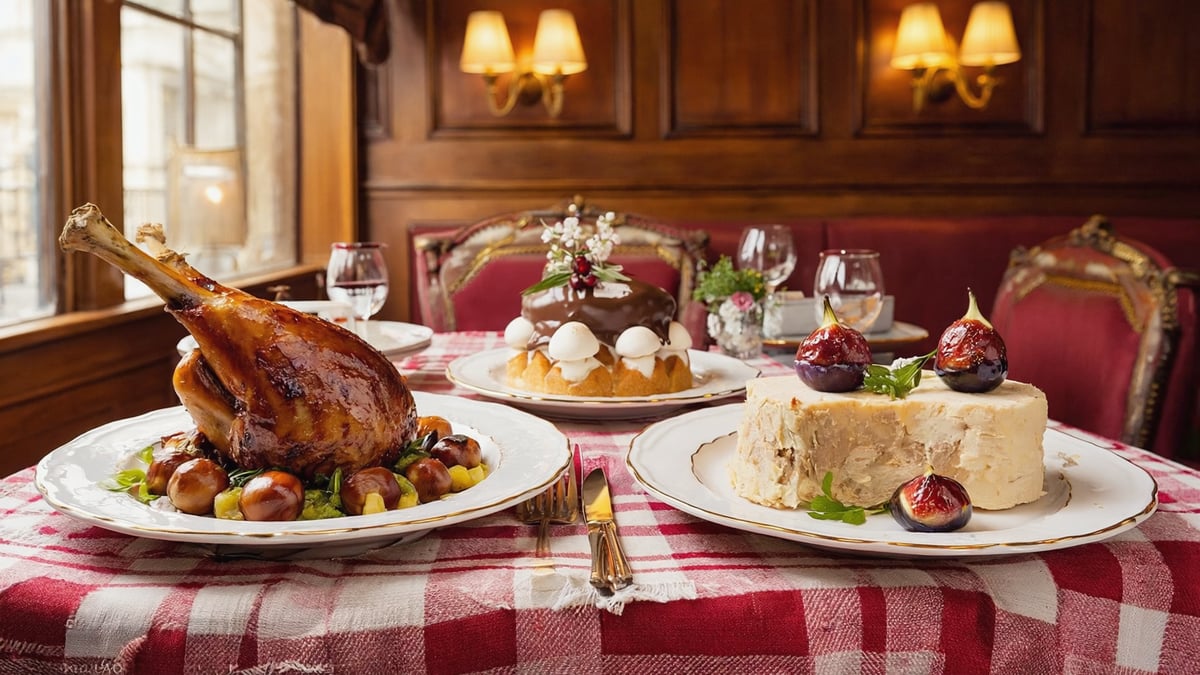
Start every morning with a croissant or pain au chocolat from a proper boulangerie — not a chain, not a supermarket. The flakiness, the butteriness, the slight resistance of a well-made croissant bears almost no resemblance to what passes for a croissant elsewhere. For lunch, the formule (set menu) at a traditional bistro — typically a starter, main, and glass of wine for €15–€22 (approximately £13–£19) — is one of the great bargains of European dining. Order the steak frites (steak and chips), the croque monsieur (grilled ham and cheese), or the salade niçoise if you want a lighter option.
Dinner in Paris is rarely rushed. Onion soup (soupe à l'oignon gratinée) is the quintessential Parisian starter — rich, slow-cooked, topped with melted Gruyère. Coq au vin, duck confit, and bouillabaisse (though technically a Marseillaise dish, found on many Paris menus) are all worth ordering at least once. For dessert, a tarte tatin — the upside-down caramelised apple tart — or a crème brûlée are the classics, and with good reason.
Best Food Neighbourhoods
The Marais has the most diverse and dynamic food scene in Paris in 2026, with everything from excellent falafel on Rue des Rosiers to some of the city's most exciting neo-bistro cooking. The Oberkampf and Rue de la Roquette area in the 11th arrondissement has become the heartland of Paris's natural wine and small-plates scene — younger, less formal, and excellent value. For a traditional Parisian brasserie experience (banquette seating, white tablecloths, zinc bar, officious but secretly charming waiters), head to Saint-Germain-des-Prés or Montparnasse.
Street Food & Markets
The covered food markets are among Paris's great pleasures. Marché d'Aligre in the 12th is one of the most authentic — a mix of covered market hall and open-air stalls selling produce, charcuterie, cheese, and wine at prices locals actually pay. Rue Mouffetard in the 5th is more touristy but undeniably picturesque, and the food quality remains high. For a quick lunch, the jambon-beurre — a simple baguette with ham and salted butter — from any reputable boulangerie is one of the finest sandwiches on earth and costs around €4–€5 (approximately £3.50–£4.30).
Dietary Considerations
Paris has become significantly more accommodating of dietary requirements over the past few years, particularly in the Marais and the 10th and 11th arrondissements. Vegetarian and vegan restaurants are no longer difficult to find, and many traditional bistros now offer plant-based options. Gluten-free options exist but remain less common than in London — if you have coeliac disease, research restaurants in advance. Halal and kosher options are readily available in the Marais (historically a Jewish and now increasingly diverse neighbourhood).
Getting to Paris from the UK: Flights, Rail & Transfers
Paris is one of the most easily accessible European capitals from the UK, with multiple transport options ranging from direct high-speed rail to a wide choice of flight routes. The right option depends on where in the UK you are travelling from and how you weigh price against convenience.
Flying to Paris
Paris is served by two main airports for UK visitors: Charles de Gaulle (CDG), approximately 23 kilometres northeast of the city centre and the main hub for long-haul and full-service carriers; and Orly (ORY), approximately 14 kilometres south of the city, used primarily by low-cost and domestic carriers.
From London, flights operate from Heathrow (BA, Air France), Gatwick (easyJet, Vueling), Stansted (easyJet), Luton (easyJet, Wizz Air), and City Airport (British Airways CityFlyer). Flight time is approximately 1 hour 20 minutes. From regional UK airports — Manchester, Edinburgh, Birmingham, Bristol, and others — direct services are available with easyJet, Ryanair, and British Airways, with flight times typically between 1 hour 30 minutes and 2 hours.
Airport transfers: From CDG, the RER B train is the fastest and cheapest option — approximately 35 minutes to central Paris for around €12 (approximately £10). Taxis from CDG to central Paris are metered and typically cost €50–€65 (approximately £43–£56) depending on traffic. From Orly, the Orlyval light rail connects to the RER B at Antony station; the full journey to central Paris takes around 35–40 minutes and costs approximately €14 (£12). Rideshare apps such as Uber and Bolt operate at both airports and can offer competitive pricing.
Eurostar from London
For travellers from London and the southeast, the Eurostar from London St Pancras to Paris Gare du Nord is the single most civilised way to travel. The journey takes approximately 2 hours 20 minutes, deposits you directly in the city centre (no transfer required), and offers a business class option with meals included. Standard tickets start from around £39 one-way when booked well in advance, though peak-season prices can be considerably higher. You arrive at Gare du Nord, which is on multiple Métro lines and close to central Paris. The all-in time comparison with flying is favourable once airport security and transfer times are factored in.
Paris Budget Guide 2026: What Will It Actually Cost?
Paris has a reputation for being expensive, and in some respects that reputation is deserved — but it is entirely possible to visit Paris on a range of budgets, and smart planning can dramatically reduce costs without compromising the experience.
Budget Traveller — Approximately £80–£110 per person, per day
A budget Paris experience is more achievable than many expect. Hostel dorms or basic 2-star hotels in Montmartre or the Latin Quarter cost £55–£80 per night. Breakfast at a boulangerie runs £3–£5. A lunchtime formule at a bistro costs £13–£18. A picnic in the Tuileries or Champ de Mars — assembled from a boulangerie, a fromagerie, and a market stall — is one of the great cheap pleasures of Paris, costing around £8–£12 per person. Métro tickets are approximately £1.65 per journey (or around £16 for a 10-journey carnet). Evening meals in the Latin Quarter or Marais can be found for £15–£25 per person. Many of Paris's greatest pleasures — the riverside walk, the Tuileries, Notre-Dame, Père Lachaise, the Palais Royal gardens — are entirely free.
Mid-Range Traveller — Approximately £150–£220 per person, per day
At this level, you can stay in a comfortable 3-star or boutique hotel in the Marais or Saint-Germain (£120–£180 per night), eat dinner at proper bistros (£25–£45 per person including wine), visit two or three paid attractions per day, and perhaps add a Seine dinner cruise or a Versailles day trip. This is the level at which Paris becomes genuinely luxurious without feeling extravagant. Budget around £30–£50 per day for activities and museum entry.
Luxury Traveller — £350+ per person, per day
Paris's luxury offering is world-class. The Ritz, Le Bristol, the Hôtel de Crillon, and the George V sit at the pinnacle of global hospitality. Dinner at a starred restaurant — there are more Michelin stars concentrated in Paris than almost anywhere else in the world — begins at around £80–£120 per person for a set menu at a one-star establishment, rising to £200+ at three-star institutions. Private guided tours, first-class Eurostar travel, and a personal shopping experience at a luxury fashion house round out a high-end Parisian itinerary. At this level, £400–£600 per person per day is realistic.
GlobeHunters Package Value
GlobeHunters' 4-night Paris package from £649 per person — including return flights from the UK and hotel accommodation — represents strong value when you factor in the cost of booking flights and hotels separately. A comparable DIY booking for the same dates will often come in at a similar or higher price, and the convenience of a single booking with customer support is worth considering for first-time visitors or those who prefer a managed experience.
Practical Travel Tips & Safety in Paris
Paris is a safe city by most European standards, but like any major metropolitan destination it has its specific hazards — mostly opportunistic petty crime rather than serious safety concerns. A little preparation goes a long way.
Pickpocketing & Scams
Pickpocketing is the most common issue for tourists, concentrated around the major attractions — the Eiffel Tower, the Louvre, the Métro, and Montmartre. Keep your bag in front of you in crowded spaces, use a money belt or inner pocket for passports and large amounts of cash, and be aware of distraction scams (someone asking you to sign a petition, or a person dropping something near you). The "gold ring" scam — someone pretending to find a gold ring and offering it to you — is also common near major tourist sites. Simply keep walking.
Transport Safety
The Paris Métro is generally safe, including at night, though some outer-zone lines and certain stations (notably Gare du Nord and Châtelet late at night) warrant extra awareness. Taxis are safe and metered; use official taxis from designated ranks or reputable apps. Avoid unlicensed taxis at airports.
Health & Medicines
The UK Global Health Insurance Card (GHIC) — which replaced the European Health Insurance Card (EHIC) after Brexit — entitles UK travellers to necessary state healthcare in France at the same rate as French residents. Always carry your GHIC and ensure you have comprehensive travel insurance in addition to it. Pharmacies (indicated by a green cross) are plentiful in Paris and pharmacists are well-qualified to advise on minor ailments. Emergency services: 15 for medical emergencies (SAMU), 17 for police, 18 for fire.
Etiquette & Customs
A few cultural notes that will make your visit smoother: always greet shopkeepers and restaurant staff with "Bonjour" when you enter — it is considered rude not to. Do not ask for "a coffee" — ask for un café (espresso) or specify what you want (un café crème, un café allongé). Tipping in restaurants is not obligatory — service is included in the bill — but leaving €2–€5 for good service is appreciated. Do not take photographs of people without permission. Dress smartly if you plan to visit high-end restaurants; Parisians are attentive to presentation.
What to Pack
Pack comfortable walking shoes — Paris is a city you walk in, and even a gentle day of sightseeing can cover 10–15km. Layers are essential for spring and autumn. A compact umbrella is worth carrying year-round. A portable phone charger is useful for long days out. If you are visiting in summer, a refillable water bottle is wise — there are numerous fontaines Wallace (drinking water fountains) throughout the city. For Eurostar travel, remember that passport control takes place before boarding at St Pancras, not on arrival.
Connectivity
Mobile data in France works well with UK SIM cards under most major UK network roaming agreements, though check with your provider as some charge daily roaming fees. Free Wi-Fi is available at most hotels, cafés, and many public spaces. The Paris Wi-Fi network (Paris_Wi-Fi) provides free connectivity in parks, libraries, and municipal buildings.
Frequently Asked Questions About Paris Holidays
Do UK travellers need a visa for Paris in 2026?
No. UK citizens can visit France — and the wider Schengen Area — for up to 90 days in any 180-day period without a visa. The EU's ETIAS pre-travel authorisation system has been delayed repeatedly; check the official EU ETIAS page for the latest status before you travel. Your passport must be valid for the duration of your stay.
How far in advance should I book Eiffel Tower tickets?
At minimum, book 4–6 weeks in advance during spring and summer; 60+ days ahead is advisable for July and August visits. Tickets frequently sell out entirely for popular time slots. Book only through the official Eiffel Tower website to avoid premium-priced resellers.
Is Paris expensive for UK tourists?
Paris sits at the mid-to-upper end of European city break pricing, but it is considerably more affordable than London for meals, museum entry, and public transport. A mid-range daily budget of £150–£220 per person is realistic for comfortable travel including accommodation, food, and activities. Many world-class experiences — parks, architecture, markets — are free.
What is the best way to get around Paris?
The Paris Métro is fast, comprehensive, and inexpensive — individual tickets cost approximately €1.90 (£1.65) or a 10-journey carnet costs around €16 (£14). For central Paris, many attractions are within walking distance of each other. Vélib' (the city's bike-share scheme) is excellent for longer flat distances. Taxis and rideshares are reliable and not prohibitively expensive for occasional use.
How many days do I need in Paris?
Four nights is the sweet spot for a first visit — long enough to cover the major attractions, explore a couple of neighbourhoods properly, and eat well without feeling rushed. Second-time visitors could spend a week and still not exhaust what the city offers. A 2-night break is enjoyable but leaves little room for spontaneity.
Is Paris safe for solo female travellers?
Yes, Paris is generally safe for solo female travellers. Standard urban awareness — keeping valuables secure, being alert in crowded spaces, trusting your instincts in unfamiliar areas at night — applies. The city is well-lit, well-policed, and has an active street life until late. Some areas around Gare du Nord and Barbès warrant more caution after dark.
Can I visit both the Louvre and the Eiffel Tower in one day?
Technically yes, but it is inadvisable. Both deserve dedicated time — the Louvre alone warrants a full half-day minimum, and the Eiffel Tower experience (including queuing, ascent, and the view) takes 2–3 hours. Splitting them across two separate days makes for a far more enjoyable experience.
What is the best area to stay in Paris for first-time visitors?
The Marais (3rd/4th arrondissements) is the most consistently recommended neighbourhood for first-time visitors: central, walkable, full of character, and well-connected. The 7th arrondissement (near the Eiffel Tower) is excellent for those who want to maximise the iconic experience of waking up in Paris.
Is the Paris Métro easy to use for English speakers?
Yes. The Métro is one of the most logically laid-out and well-signposted urban rail systems in Europe. Lines are numbered and colour-coded; platforms are marked with the terminal station name. English translations appear on most signage in central stations. Google Maps and Citymapper provide accurate real-time Métro directions.
What is the currency in Paris and should I use cards or cash?
The currency is the Euro (€). Card payments are accepted almost everywhere in Paris in 2026, including small cafés and market stalls. Contactless payments (Visa, Mastercard, Apple Pay, Google Pay) are widely accepted. It is still worth carrying €50–€100 in cash for small purchases, tipping, and any rare cash-only situations. Use a fee-free travel card (such as Starling, Monzo, or Wise) to avoid foreign transaction charges.
What is included in the GlobeHunters Paris package?
The GlobeHunters Paris package from £649 per person includes return flights from the UK and hotel accommodation for 4 nights. Specific departure airports, hotel options, and exact pricing depend on your travel dates and can be viewed in real time on the GlobeHunters booking platform. Activities, transfers, and meals are not included unless specified. Call 0208 944 4514 for personalised advice.
When does the Eiffel Tower light up at night?
The Eiffel Tower is illuminated every evening from dusk until 1:00am, and on the hour from nightfall until 1:00am it sparkles with a 5-minute light show of 20,000 gold bulbs. This spectacle is free to watch from the Trocadéro, the Champ de Mars, or virtually anywhere with a sightline to the Tower.
Final Thoughts: Why Paris in 2026 Is Worth Every Penny
Paris is one of those rare cities that manages to be both the most romanticised destination in the world and, simultaneously, the most capable of exceeding expectations. The clichés exist because they are true: the food really is that good, the architecture really is that beautiful, and there really is something in the quality of the light — particularly in May and September — that makes everything look like a painting.
But what makes Paris genuinely compelling in 2026 is the combination of the familiar and the renewed. Notre-Dame has returned, more luminous than ever. The Seine is clean. A new generation of Parisian chefs, designers, and artists is reinventing what this city can be, while the fundamentals — the boulangeries, the Métro, the café terraces, the incomparable museums — remain as reliable and rewarding as ever.
Whether you are planning your first visit or your tenth, a 4-night break in Paris offers a depth of experience that few other European cities can match. The GlobeHunters package — flights and hotel from £649 per person — takes the complexity out of booking and lets you focus on the business of actually being in Paris: eating well, walking slowly, and allowing the city to do what it has always done best.
Book Your Paris Holiday Now
GlobeHunters offers holiday packages including flights and hotels at competitive prices — 4 nights in Paris from just £649 per person. Real-time pricing, flexible dates, and expert support from a team that has been booking holidays since 2003.
View Package & Prices →Or call us: 0208 944 4514
Ready to Book Your Paris Holiday?
Our travel experts are ready to help you plan the perfect trip. Call us today or browse our latest deals.
Ready to Start Planning?
Speak to our travel experts for personalised advice and the best deals on your next holiday.
Call 0208 944 4514More Articles
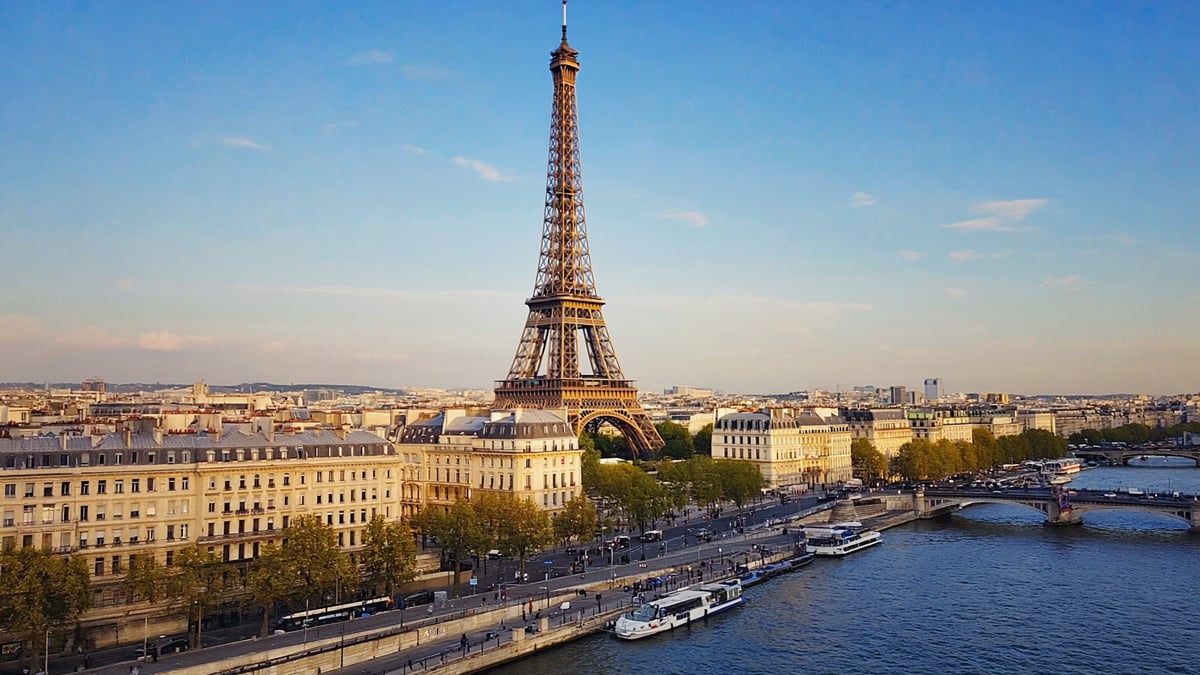
Paris Holiday Guide 2026: Romance, Art & City Break Packages for UK Travellers
Discover Paris' Eiffel Tower, Louvre & world-class cuisine in 2026. GlobeHunters city break packages from £349pp including flights from the UK. Oui, book now.
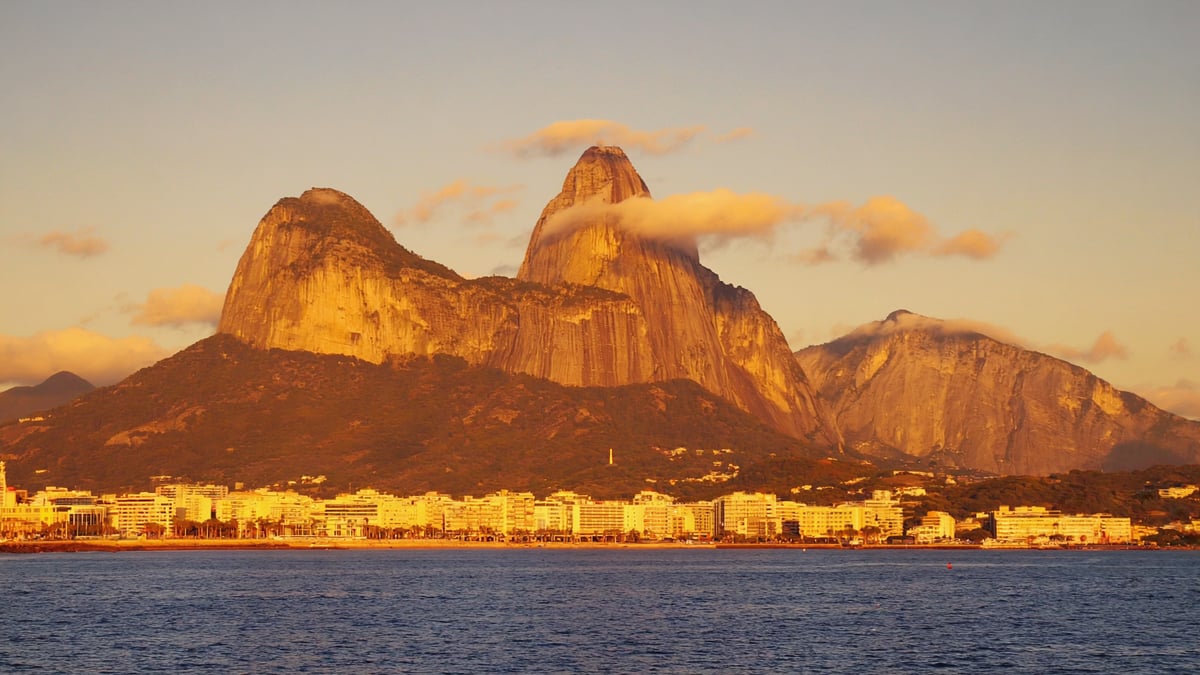
Cape Town Holiday Guide 2026: South Africa's Iconic City for UK Travellers
Explore Cape Town's Table Mountain, vineyards & beaches in 2026. GlobeHunters packages from £1,249pp including UK flights. Your definitive South Africa guide.
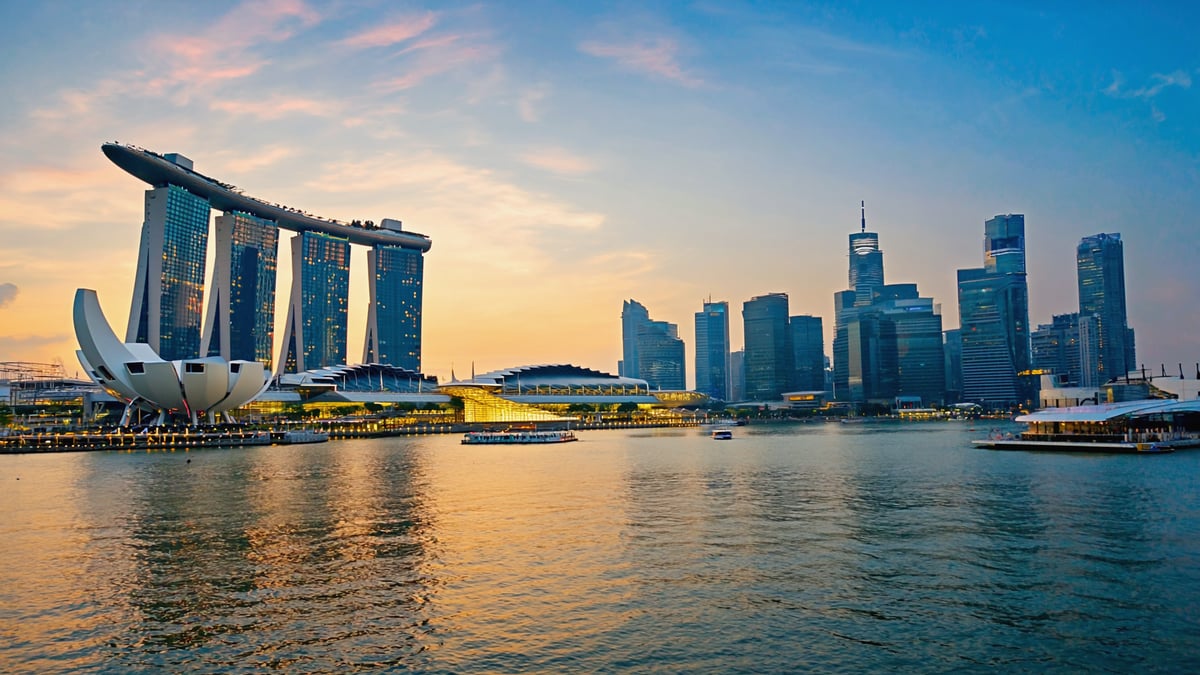
Singapore Holiday Guide 2026: Asia's Most Modern City for UK Package Travellers
Discover Singapore's futuristic skyline, hawker food & Gardens by the Bay in 2026. GlobeHunters packages from £1,099pp including UK flights. Plan your trip today.





Multiple British Travel Awards Winner