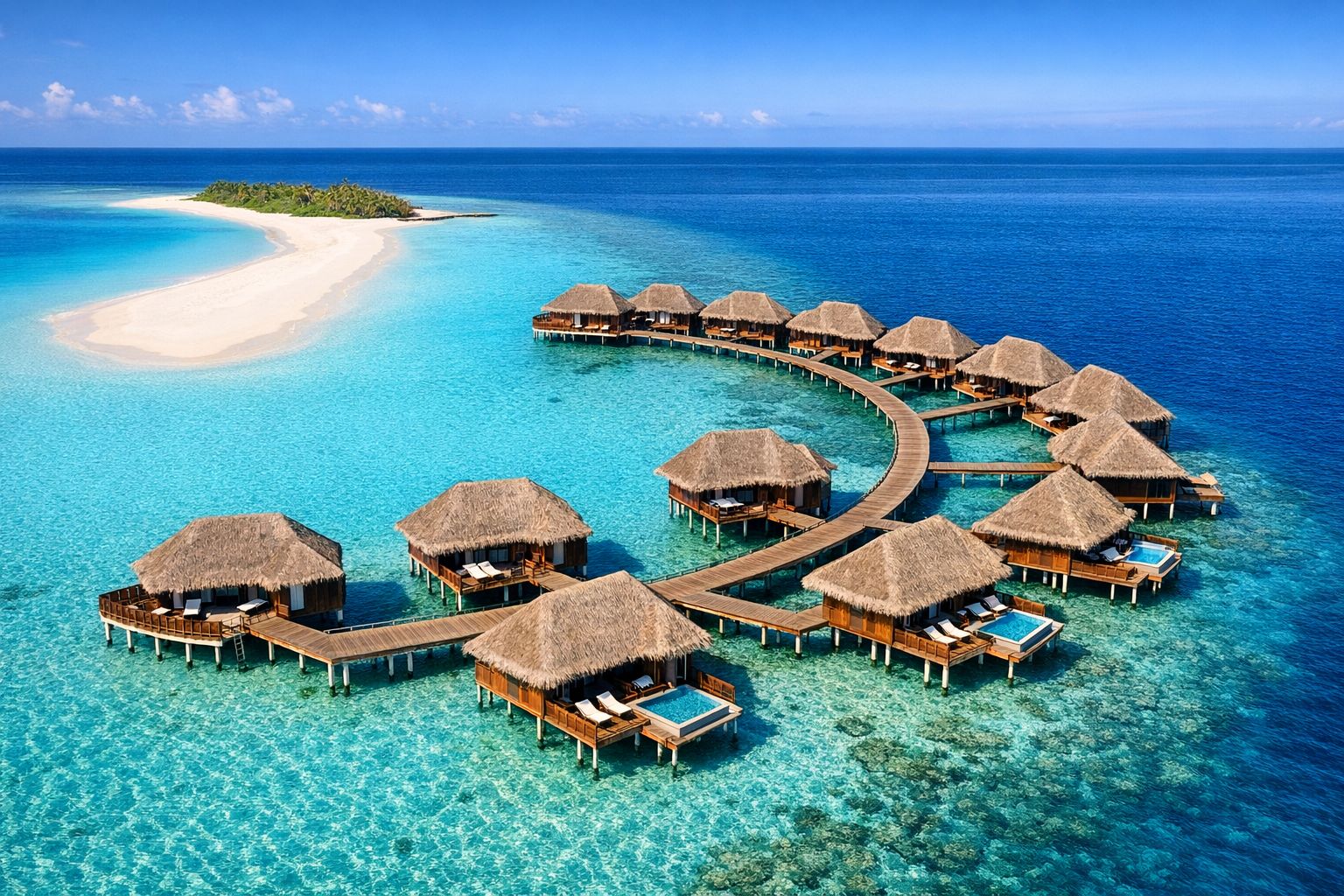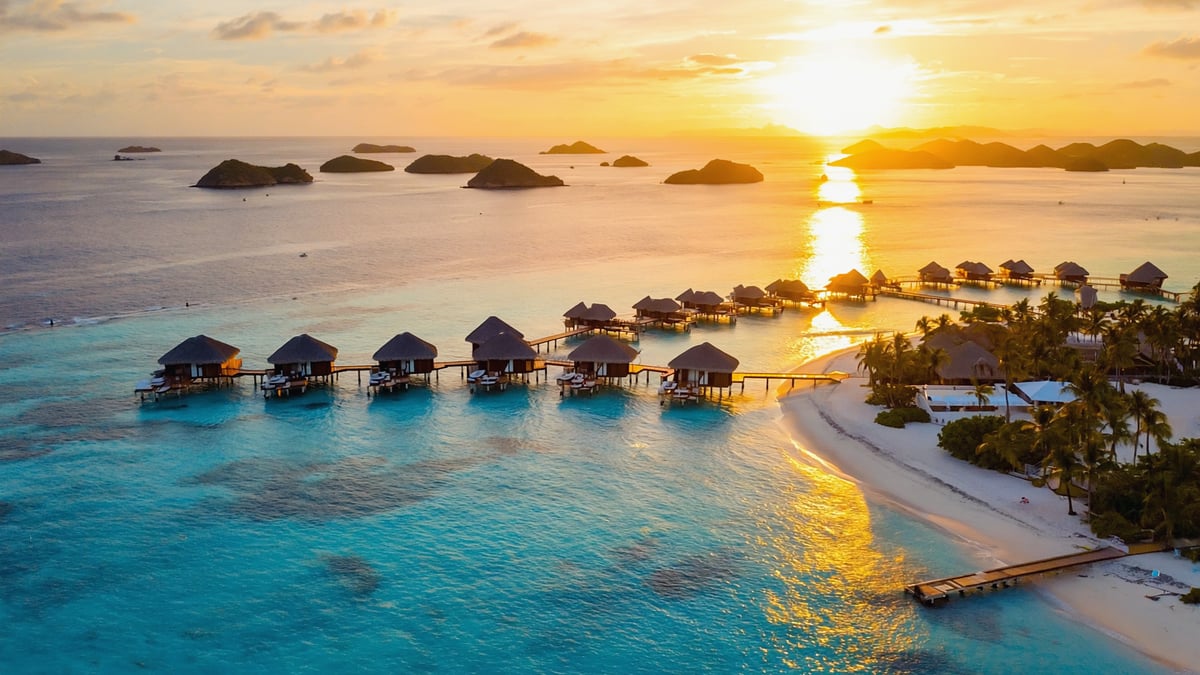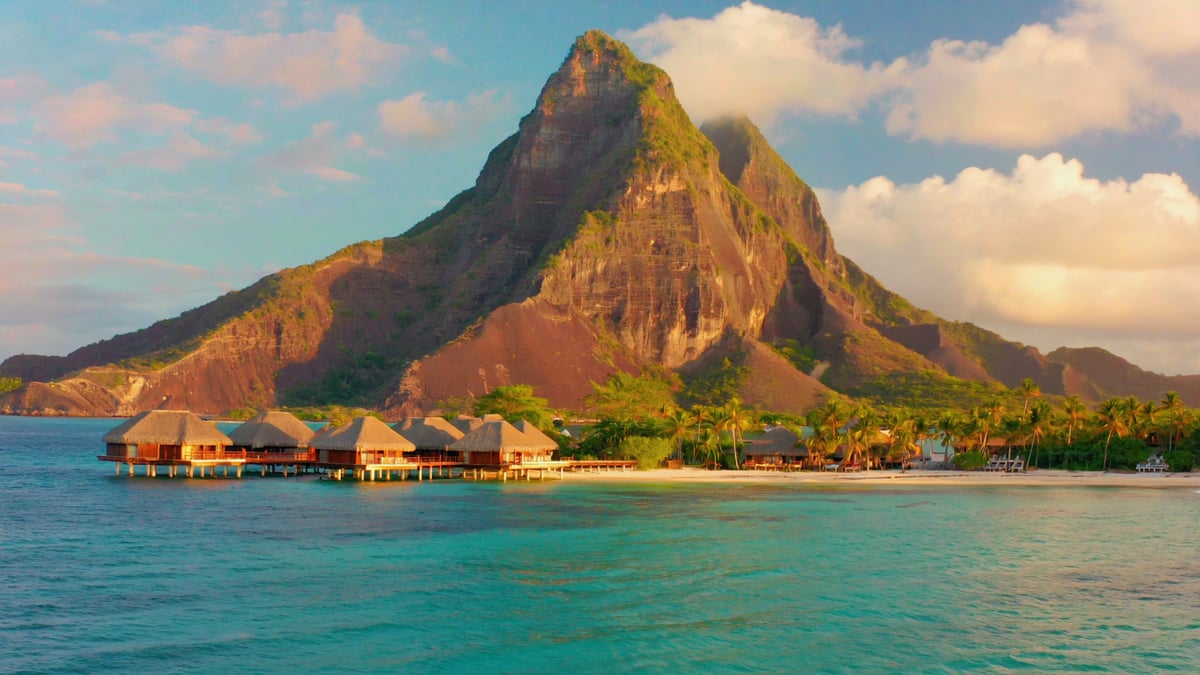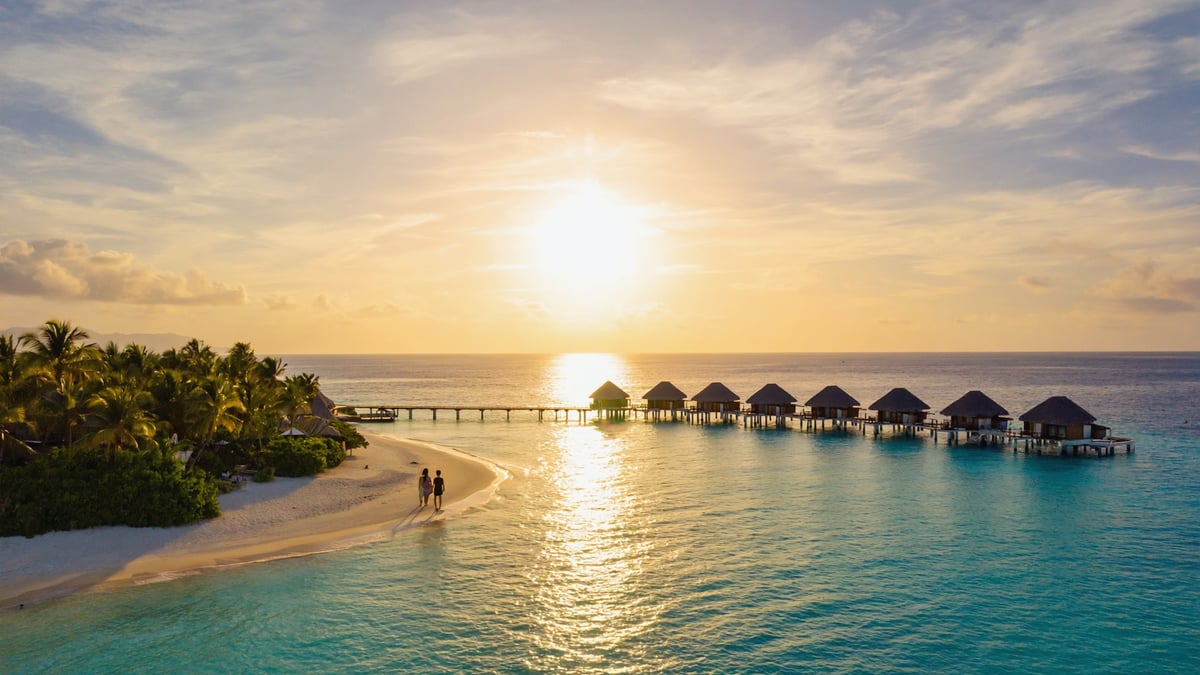
Picture this: you wake to the sound of nothing. Not the muffled silence of earplugs, but actual, genuine nothing — just the faint lap of the Indian Ocean against the stilts beneath your overwater villa, a pale gold light sliding through the slatted blinds, and the knowledge that the only decision you face today is whether to snorkel before or after breakfast. For millions of British travellers, this is not a daydream. It is the Maldives, and in 2026 it remains one of the most extraordinary places on the planet to do absolutely nothing — or absolutely everything — in extraordinary style.
But here is the thing that most Maldives guides will not tell you: the archipelago is simultaneously the world's most Instagrammed destination and one of its most misunderstood. Many UK travellers arrive expecting a uniform experience of white sand and turquoise water, and while those things are undeniably present, the choices you make — which atoll, which resort category, which travel window, which activities — determine whether you spend ten days in paradise or ten days in an overpriced postcard. This guide exists to help you get it right.
Whether you are planning a Maldives holiday in 2026 for your honeymoon, a milestone anniversary, a family escape, or simply because you have decided that life is too short for mediocre beaches, what follows is the most complete resource available for UK travellers — from visa paperwork to villa pricing, from the best atolls for marine life to the street food scene on Malé's back streets.
Destination Overview: What Is the Maldives, Really?
The Maldives is a sovereign island nation scattered across the central Indian Ocean, roughly 700 kilometres south-west of Sri Lanka. It is one of the most geographically unusual countries in the world: an archipelago of 26 natural atolls containing approximately 1,200 individual coral islands, of which only around 200 are inhabited. The entire country sits at an average elevation of just 1.5 metres above sea level, making it the lowest-lying nation on Earth — a fact that lends the landscape an almost surreal flatness, where the horizon seems impossibly close and the sky feels enormous.
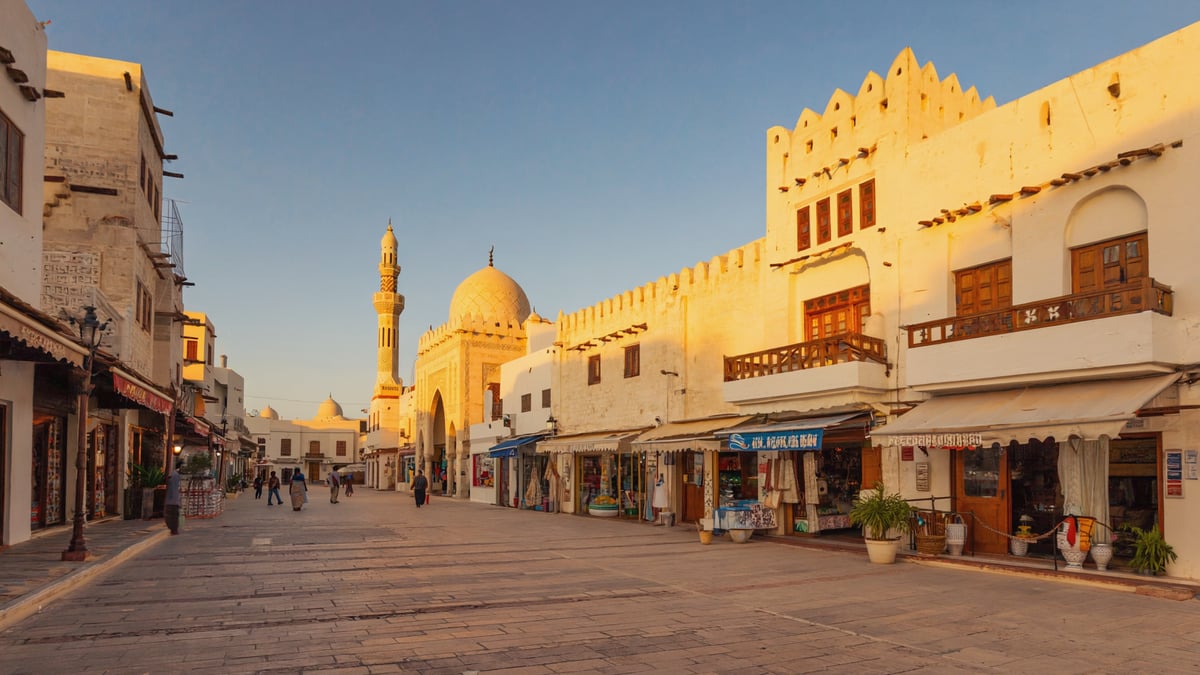
The capital, Malé, is one of the world's most densely populated cities despite its tiny footprint, and offers a fascinating contrast to the resort islands: bustling markets, mosques, local cafés, and the kind of authentic urban energy that resort-island guests rarely encounter. Beyond Malé, the country divides broadly into resort islands (operated exclusively for tourism), local islands (inhabited by Maldivian communities, increasingly open to budget tourism), and uninhabited islands used for day trips and excursions.
Essential Facts for UK Travellers
| Category | Detail |
|---|---|
| Official Language | Dhivehi (English widely spoken in resorts and tourism) |
| Currency | Maldivian Rufiyaa (MVR). US dollars accepted almost universally in resorts. £1 ≈ 17–18 MVR (2026 approximate) |
| Time Zone | UTC+5 (no daylight saving). 5 hours ahead of UK GMT in winter; 4 hours ahead during British Summer Time |
| Visa Requirements (UK) | ✅ Visa on arrival, free of charge, for up to 30 days. No pre-application required. Valid passport, confirmed accommodation, and onward ticket needed. |
| Religion | Islam (100% of citizens). Alcohol permitted only on resort islands and live-aboard vessels. |
| Electricity | 230V/50Hz — UK plugs generally work; check individual resorts as sockets vary |
| FCDO Travel Advice | Check the UK government's official Maldives travel advice before departure |
The Maldives is a Muslim-majority country, and while resort islands operate under a special tourism framework that permits alcohol and mixed-gender swimming, travellers should be respectful when visiting local islands — covering up beyond the beach, avoiding public displays of affection, and being mindful that Friday is a holy day when many local businesses close.
When Is the Best Time to Visit the Maldives in 2026?
The single most important decision for any Maldives holiday is timing. The archipelago experiences two distinct monsoon seasons, and choosing the wrong window can mean grey skies, choppy seas, and the kind of rain that makes an overwater villa feel more like a submarine. Get the timing right, however, and you are rewarded with conditions that border on the mythological.
The Two Seasons Explained
Dry Season (North-East Monsoon): November to April. This is the Maldives at its finest. The north-east trade winds bring calm seas, low humidity, and almost unbroken sunshine. Water visibility for snorkelling and diving reaches exceptional levels — often exceeding 30 metres. This is peak season, and prices reflect it accordingly.
Wet Season (South-West Monsoon): May to October. The south-west monsoon brings higher humidity, more cloud cover, and periodic heavy rain. Crucially, however, the rain rarely arrives as sustained downpours — it tends to come in intense, brief bursts followed by sunshine. Many experienced Maldives travellers actively choose the shoulder months of May and October for significantly lower prices and thinner crowds, accepting the occasional shower as a reasonable trade-off.
Month-by-Month Guide
| Month | Weather | Crowds | Pricing | Best For |
|---|---|---|---|---|
| January | ☀️ Excellent | High | Peak | Diving, snorkelling, water sports |
| February | ☀️ Excellent | High | Peak | Honeymooners, Valentine's escapes |
| March | ☀️ Very Good | Moderate–High | Peak | Whale shark season begins |
| April | 🌤️ Good | Moderate | Transitional | Families (Easter holidays) |
| May | 🌦️ Mixed | Low | Value | Budget travellers, surfers |
| June–Aug | 🌧️ Wetter | Low | Lowest | Manta ray season, surfing |
| September | 🌦️ Mixed | Low | Value | Manta rays, quiet beaches |
| October | 🌤️ Improving | Low–Moderate | Value | Shoulder season sweet spot |
| November | ☀️ Very Good | Moderate | Rising | Early dry season bargains |
| December | ☀️ Excellent | Very High | Peak | Christmas, New Year celebrations |
Our recommendation for 2026: January to March offers the finest combination of weather, marine life activity, and (relative to December) slightly more manageable pricing. For UK travellers on tighter budgets, October and early November represent the hidden gem window — the monsoon is retreating, prices have not yet hit peak-season levels, and the resorts are noticeably quieter.
Where to Stay: Atolls, Islands, and Accommodation for Every Budget
Choosing where to stay in the Maldives is genuinely consequential — unlike most destinations, the island or atoll you select defines your entire experience. The country's geography means that "going somewhere else for dinner" is not really an option. Here is how to navigate the accommodation landscape intelligently.
Understanding the Atoll System
North Malé Atoll is the most accessible and heavily developed, containing many of the most famous and well-established resorts. Being close to Velana International Airport (15–45 minutes by speedboat), it suits travellers who prefer to minimise transit time. Resorts here include some of the brand names most associated with the Maldives globally.
South Malé Atoll offers a slightly quieter experience while remaining within a reasonable transfer distance. Marine life here is excellent, and the atoll has a good mix of resort tiers.
Baa Atoll is a UNESCO Biosphere Reserve and home to Hanifaru Bay, one of the world's great manta ray feeding aggregations. If marine wildlife is your primary motivation, Baa Atoll warrants serious consideration — though it requires a longer seaplane transfer (around 30–40 minutes).
Ari Atoll is a favourite among divers for its year-round whale shark sightings and dramatic reef walls. The atoll is larger and more spread out, requiring seaplane access, but the marine biodiversity rewards the extra journey.
Local islands — particularly Maafushi, Thulusdhoo, and Fulidhoo — have emerged as a genuine alternative for budget-conscious travellers. Guesthouses here offer dramatically lower prices, and day trips to uninhabited sandbanks preserve the quintessential Maldives aesthetic without the resort price tag.
Accommodation Tiers
| Tier | Where to Look | Typical Cost Per Night (2026) | Best For |
|---|---|---|---|
| Budget | Local island guesthouses (Maafushi, Thulusdhoo) | £40–£100pp | Solo travellers, backpackers, budget couples |
| Mid-Range | 3–4 star resort islands, beach villas | £200–£450pp | Couples, families wanting resort experience |
| Luxury | 5-star overwater villas, private island resorts | £500–£2,000+pp | Honeymooners, luxury travellers, special occasions |
| Ultra-Luxury | Private island hire, overwater mansion suites | £2,000–£10,000+pp | UHNW travellers, celebrity-level privacy |
Insider note: Many travellers make the mistake of booking a resort island package that includes only breakfast, then discovering that lunch and dinner cost as much as a mid-range UK restaurant meal — per person, per dish. Always calculate the full-board or all-inclusive cost at the point of booking. For couples staying seven nights, the difference between half-board and room-only can easily exceed £800.
Book Your Maldives Holiday Now
GlobeHunters offers luxury Maldives packages from the UK including return flights and hotel accommodation, with packages starting from £1,299pp. Compare resorts, atolls, and board options in one place.
View Maldives Packages & Prices →Or call us: 0208 944 4514
Top Things to Do in the Maldives: 10 Unmissable Experiences
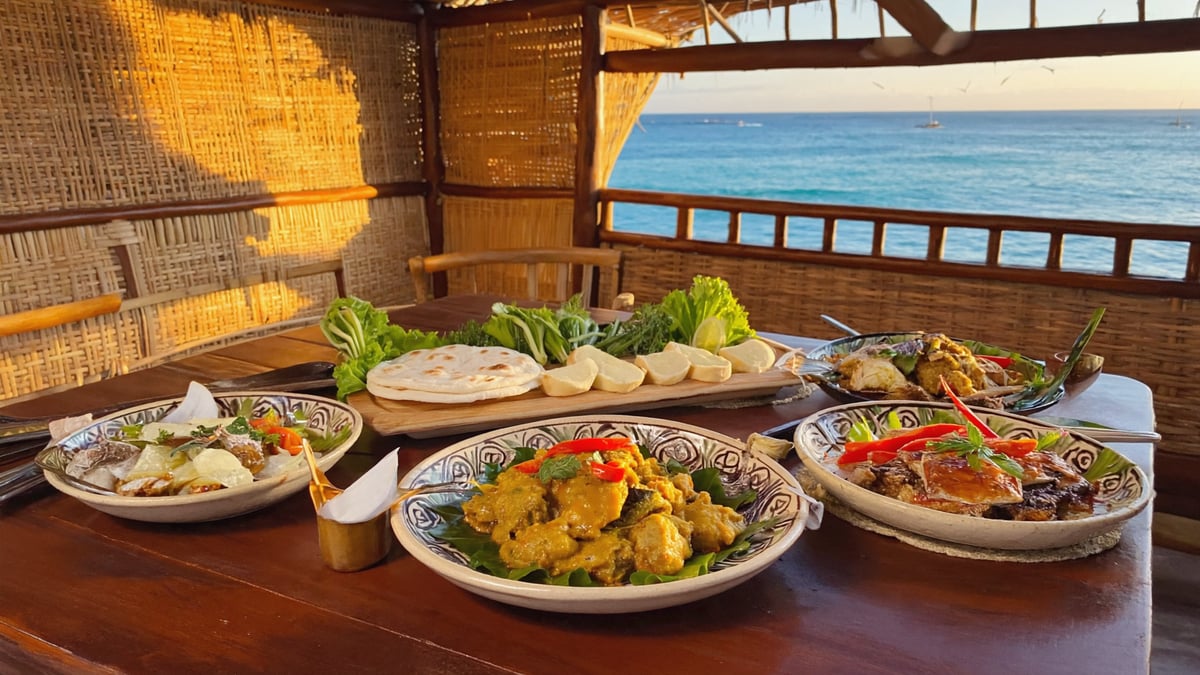
The Maldives is not simply a destination for lying horizontal — though it excels at that too. The underwater world alone justifies the flight, and above the surface there is a surprising diversity of experiences for those willing to look beyond the sunlounger. Back to our traveller in that overwater villa: by day three, even the most committed relaxation enthusiast will want to slip beneath the surface of that impossible blue water and see what lives there.
1. Snorkelling the House Reef
Almost every resort island sits atop its own coral reef system, accessible directly from the beach or jetty — no boat required. Early mornings (07:00–09:00) typically offer the clearest water and the most active marine life: reef sharks, hawksbill turtles, parrotfish, and vast shoals of sergeant majors. Most resorts provide snorkel equipment free of charge for guests; non-guests on local islands can rent gear for around £3–£5 per day (approximately 50–90 MVR). No entry fee required for house reef access at your resort.
2. Scuba Diving — World-Class Walls and Channels
The Maldives ranks among the world's premier scuba diving destinations, with drift diving through channel passes offering encounters with pelagic species that few other locations can match. Dive centres operate on virtually every resort island. A single guided dive typically costs £50–£80 (approximately 850–1,400 MVR) including equipment; a PADI Open Water certification course runs approximately £350–£450 over four days. Kandooma Thila (South Malé Atoll) and Maaya Thila (Ari Atoll) are considered among the finest dive sites in the Indian Ocean. PADI's Maldives dive site directory lists certified operators across the atolls.
3. Swimming with Whale Sharks at Ari Atoll
The southern reaches of Ari Atoll support a year-round resident population of whale sharks — the world's largest fish — making the Maldives one of very few places globally where these gentle filter-feeders can be encountered reliably in every month of the year. Most resort dive centres offer dedicated whale shark excursions; expect to pay £70–£120pp for a half-day guided snorkel encounter. The experience of drifting alongside a 10-metre whale shark in 30-metre visibility is, by virtually all accounts, life-altering.
4. Manta Ray Watching at Hanifaru Bay (Baa Atoll)
Between June and November, Hanifaru Bay in the Baa Atoll UNESCO Biosphere Reserve hosts one of the ocean's great wildlife spectacles: hundreds of reef manta rays feeding simultaneously on plankton blooms, barrel-rolling through the water in choreographed spirals. Numbers entering the bay can exceed 200 individuals on a single tide. Access is strictly controlled — only licensed operators may visit, and snorkelling is permitted but scuba diving is not, to protect the ecosystem. Entry fees for the marine protected area apply; budget approximately £20–£30 in conservation fees plus the cost of the excursion from your resort (typically £60–£100pp).
5. Sandbank Picnics and Robinson Crusoe Experiences
The Maldives contains thousands of uninhabited sandbars — narrow strips of white sand rising barely a metre above the waterline, surrounded by nothing but lagoon. Many resorts and local island operators offer "castaway" experiences: a speedboat drops you on a sandbank with a picnic hamper, snorkel gear, and (optionally) a private chef, then returns at a pre-agreed time. Prices range from £40–£80pp for a basic half-day excursion to several hundred pounds for a private sunset dinner setup. This is, incidentally, one of the most requested honeymoon experiences in the Maldives.
6. Sunset Dolphin Cruises
Spinner dolphins are abundant in Maldivian waters, and most resorts offer evening cruises timed to intercept them as they move inshore around sunset. The combination of a flaming horizon, a dhoni (traditional wooden boat) rocking gently, and several dozen dolphins bow-riding and spinning alongside is the kind of scene that makes people put their phones down. Typical cost: £25–£50pp, often with drinks included.
7. Exploring Malé: The Capital Nobody Talks About
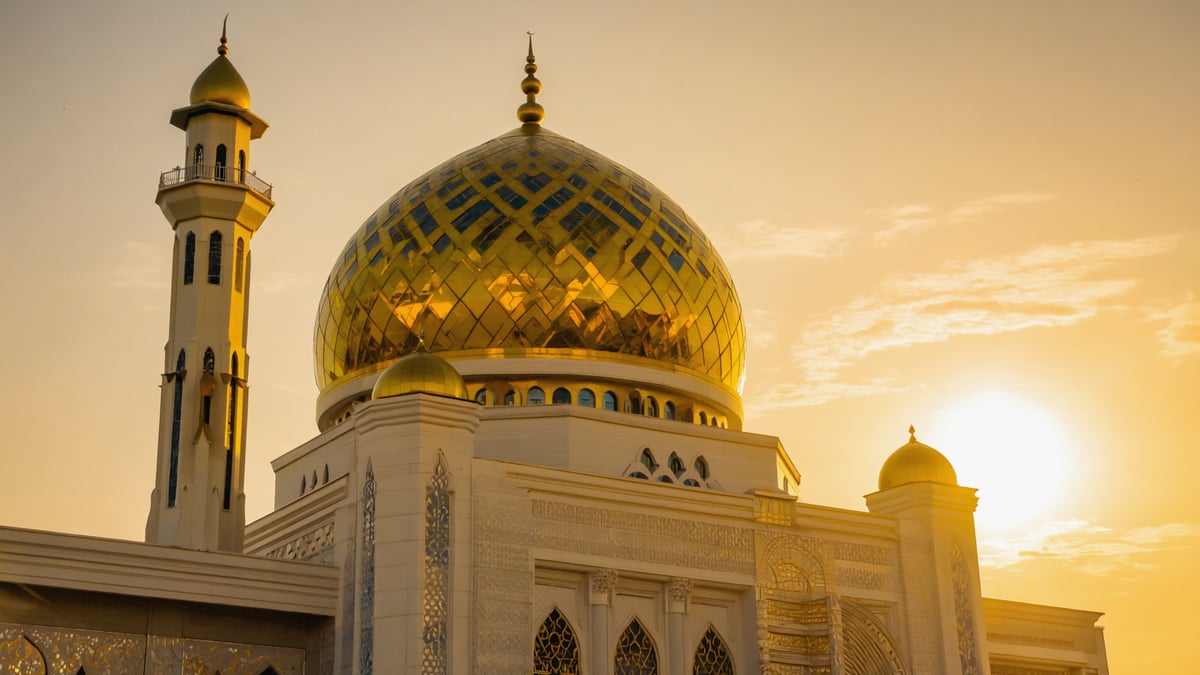
Malé is the most overlooked element of any Maldives itinerary. A half-day in the capital — reachable by ferry from the airport island for around £1 (18 MVR) — reveals a city of extraordinary density, colour, and character. The Friday Mosque (Hukuru Miskiiy), built in 1656 from coral stone, is one of the most beautiful Islamic buildings in the region. The local fish market operates from early morning and is a riot of colour and activity. Entry to public areas is free; guided tours of the capital cost approximately £20–£40pp.
8. Underwater Restaurant Dining
Several high-end Maldives resorts have pioneered restaurants that sit partially or fully submerged beneath the lagoon, with panoramic acrylic windows looking directly into the reef ecosystem. Dining while a Napoleon wrasse investigates your table is a genuinely surreal experience. These are not budget options — set menus typically start at £150–£300pp excluding wine — but as a once-in-a-lifetime dinner, the concept has few competitors globally.
9. Surfing the Breaks of North Malé Atoll
The Maldives has a dedicated and growing surf tourism scene, centred on the passes and reef breaks of North Malé Atoll. The surf season corresponds broadly with the south-west monsoon (May to October), when swells from the southern Indian Ocean generate consistent, powerful waves. Lohis, Pasta Point, and Chickens are among the most famous named breaks. Many surf camps and live-aboard vessels cater specifically to this market, with week-long packages starting around £800–£1,200pp including accommodation and daily boat transfers to breaks.
10. Stargazing from Your Overwater Villa
This costs nothing and requires only the absence of cloud. The Maldives sits just north of the equator and experiences very little light pollution across most of the atolls. On clear nights, the Milky Way is visible with the naked eye, and the reflection of the stars in the flat, shallow lagoon creates one of the most disorienting and beautiful visual experiences imaginable. Several resorts now offer dedicated astronomy programmes with telescopes and resident guides; some of the ultra-luxury properties have built private observatories into their villas. Free from your villa deck; guided sessions typically £15–£30pp.
Food & Dining in the Maldives: From Resort Restaurants to Local Plates
Maldivian cuisine is genuinely distinctive — shaped by centuries of Indian Ocean trade routes, it draws on South Asian, Sri Lankan, and Arabic culinary traditions while maintaining its own identity rooted in tuna, coconut, and tropical fruit. On resort islands, international menus dominate, but the local food culture is worth seeking out and far more interesting than most visitors realise.
Essential Maldivian Dishes to Try
- Garudhiya: The national dish — a clear, fragrant tuna broth served with rice, lime, chilli, and onion. Simple, restorative, and utterly delicious. Found in every local teahouse (hedhikaa café) for around £1–£2.
- Mas Huni: Shredded smoked tuna mixed with coconut, onion, and chilli, served with flatbread (roshi) for breakfast. This is what most Maldivians eat to start their day, and it is extraordinary.
- Rihaakuru: A thick, intensely flavoured tuna paste used as a condiment — the Maldivian equivalent of Marmite in its capacity to divide opinion. Worth trying on local islands.
- Short Eats (Hedhikaa): Fried snacks sold from street stalls and teahouses — tuna-filled pastries, coconut balls, banana fritters. A selection costs pennies and represents some of the best street food in the Indian Ocean region.
- Kulhi Boakibaa: A savoury tuna and rice cake, firm and spiced, often eaten as a snack. Found in local island cafés.
Where and How to Eat
On resort islands, dining is effectively captive — you eat at your resort's restaurants, which typically range from a main buffet restaurant to a-la-carte speciality options (Asian, Mediterranean, seafood). Quality at five-star properties is genuinely excellent, though prices are resort-elevated: expect £20–£40 for a main course at an upscale a-la-carte restaurant, and £60–£120pp for a set dinner at a premium outlet. This is why the board basis decision at booking stage matters so much.
On local islands, teahouses and small restaurants serve Maldivian home cooking at extraordinary value — a full meal of garudhiya, rice, curry, and short eats rarely exceeds £5–£8pp. Several local islands, particularly Maafushi and Thoddoo, have developed a small but genuine restaurant scene catering to the growing guesthouse tourism market, including options for vegetarians and those requiring halal food (which is essentially the default across all local island dining).
Dietary considerations: The Maldives is an entirely Muslim country, so pork is absent from local island menus. Alcohol is only available on resort islands. Vegetarian options are available but can be limited on local islands — tuna appears in almost everything. Resort islands universally accommodate vegetarian, vegan, and gluten-free diets with advance notice.
Getting to the Maldives from the UK: Flights, Transfers, and What to Expect
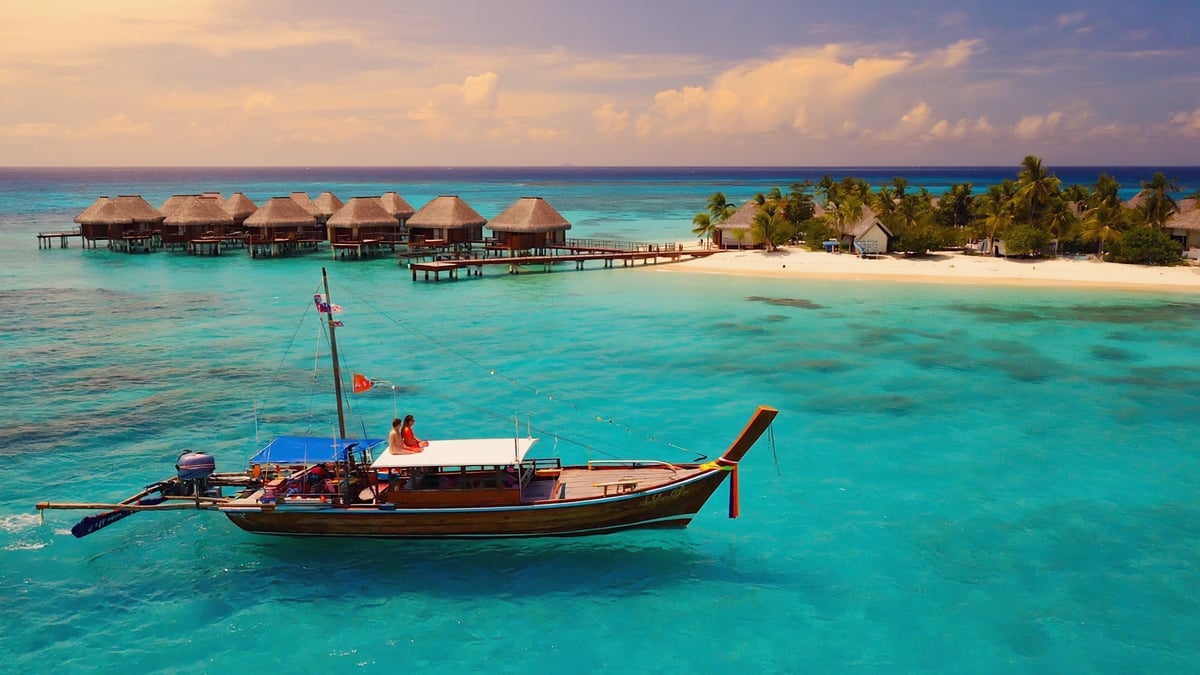
The Maldives is a long-haul destination from the UK — there is no escaping that fact — but the journey is more manageable than many travellers anticipate, and the route options have expanded considerably in recent years.
Flight Routes and Airlines
The main international gateway is Velana International Airport (MLE), located on Hulhulé Island adjacent to Malé. Direct non-stop flights from London Heathrow to Malé are operated by several carriers, with flight time typically around 10–11 hours. British Airways offers direct service; other carriers including Sri Lankan Airlines, Emirates, Qatar Airways, and Turkish Airlines operate convenient one-stop services via their respective hubs, often with competitive pricing.
| Route Type | Airlines | Duration | Typical Economy Return (2026) |
|---|---|---|---|
| London Heathrow → Malé (Direct) | British Airways | ~10h 45m | £700–£1,200pp |
| London → Dubai → Malé | Emirates | ~13–15h total | £600–£950pp |
| London → Doha → Malé | Qatar Airways | ~13–16h total | £550–£900pp |
| London → Istanbul → Malé | Turkish Airlines | ~14–17h total | £500–£850pp |
| London → Colombo → Malé | Sri Lankan Airlines | ~14–16h total | £500–£800pp |
Getting from the Airport to Your Resort
This is where Maldives logistics get genuinely interesting — and occasionally stressful if you are not prepared. Velana International Airport has an adjacent domestic terminal from which two main transfer methods operate:
- Seaplane (Twin Otter or Dash 8): The iconic Maldives transfer experience, offering breathtaking aerial views of the atolls. Operated primarily by Maldivian Air Taxi and Trans Maldivian Airways. Seaplanes only fly in daylight hours, which creates an important logistical constraint — if your international flight arrives after dark, you will need to overnight near the airport before your seaplane the following morning. Cost: £150–£400pp each way, depending on atoll distance. Most resorts include seaplane transfer costs in their packages.
- Speedboat: Faster, cheaper, and operable at night. For resorts in North and South Malé Atolls (within 45 minutes of the airport), speedboat is the standard transfer. Many resorts include this in the package price; standalone speedboat transfers cost approximately £30–£80pp each way.
- Domestic flight + speedboat: For the more remote atolls (Addu, Laamu, Raa), a domestic flight from Velana's domestic terminal is required, followed by a speedboat to the island. This extends total transfer time but opens up some of the least-crowded, most spectacular resort destinations in the country.
Pro tip: When booking a Maldives holiday package, always confirm whether the inter-island transfer is included and what the contingency plan is for late-arriving flights that miss the last seaplane departure. Reputable operators like GlobeHunters build this into the package logistics automatically.
Maldives Holiday Budget Guide: What Will It Actually Cost in 2026?
Honest budget planning is perhaps the single most valuable thing a Maldives travel guide can offer. The destination has a reputation for being exclusively for the ultra-wealthy, and while the top end of the market is indeed extraordinary, the reality is more nuanced — and more accessible — than many UK travellers assume.
Daily Budget Breakdown by Travel Style
| Category | Budget Traveller (Local Islands) |
Mid-Range (3–4★ Resort) |
Luxury (5★ Overwater Villa) |
|---|---|---|---|
| Accommodation (per night, pp) | £40–£80 | £150–£300 | £400–£1,500+ |
| Food & Drink (per day, pp) | £10–£20 | £40–£80 (if not full board) | £80–£200+ (or included) |
| Activities (per day, pp) | £10–£30 | £30–£80 | £50–£150+ |
| Transfers (per trip, pp) | £5–£20 (ferry) | £30–£80 (speedboat) | £150–£400 (seaplane) |
| Estimated Daily Total (pp) | £60–£130 | £220–£460 | £630–£2,250+ |
| 7-Night Total (excl. flights, pp) | £420–£910 | £1,540–£3,220 | £4,410–£15,750+ |
The package advantage: Booking through a specialist operator like GlobeHunters typically bundles flights, accommodation, and transfers into a single price that is meaningfully cheaper than the sum of its parts. Luxury Maldives packages from the UK through GlobeHunters start from approximately £1,299pp for a week including flights, which represents strong value against assembling the same trip independently — particularly once seaplane or speedboat transfers are factored in.
Hidden costs to budget for: Resort service charges (typically 10–12% added to all bills), marine park conservation fees (approximately £5 per dive), tips for dive instructors and boat crew (culturally expected), and any excursions booked directly with the resort at premium prices. On a ten-night luxury resort stay, incidentals can easily add £300–£500 beyond the package cost.
Travel Tips & Safety: What Every UK Traveller Should Know Before They Go
The Maldives is, in general, a very safe destination for UK travellers — violent crime is rare, the tourism infrastructure is well-developed, and the political environment, while occasionally turbulent at a national level, rarely affects resort guests. That said, there are genuine practical considerations that distinguish the Maldives from a typical European beach holiday.
Health and Medical Considerations
No vaccinations are officially required for UK travellers entering the Maldives, though the NHS and most travel health clinics recommend being up to date on standard vaccinations including hepatitis A, typhoid, and tetanus — particularly for those visiting local islands where sanitation standards vary. The Travel Health Pro country guide for the Maldives provides current NHS guidance.
Medical facilities are limited outside Malé. Resort islands typically have a basic medical centre and a resident nurse or doctor, but serious medical emergencies require evacuation to Malé or, in extreme cases, to India or Sri Lanka. Comprehensive travel insurance with medical evacuation cover is not optional for this destination — it is essential. Policies should cover at minimum £5 million in medical expenses and emergency repatriation.
Sun protection: The equatorial sun is more intense than anything experienced in the UK or even the Mediterranean. Factor 50 sunscreen, a rash guard for snorkelling, and a wide-brimmed hat are not luxury items here — they are practical necessities. The Maldives government and many resorts now specifically request reef-safe sunscreen (mineral-based, without oxybenzone or octinoxate) to protect the coral reef ecosystem.
Cultural Etiquette and Legal Considerations
- Alcohol: Strictly prohibited on local islands and in Malé. Only available on resort islands within the resort boundary. Do not attempt to bring alcohol to a local island — penalties are serious.
- Dress code on local islands: Dress modestly when away from the designated "bikini beach" (most local islands have a designated area for swimwear). Shoulders and knees should be covered in town areas.
- Ramadan: During the holy month of Ramadan (dates vary annually), eating, drinking, and smoking in public on local islands during daylight hours should be avoided as a mark of respect. Resort islands are largely unaffected.
- Photography: Ask permission before photographing local residents, particularly women. Photographing government buildings, mosques, or security installations may be restricted.
- Marine life: It is illegal to touch, stand on, or collect coral — and enforcement is increasingly active. Coral fragments, turtle shells, and certain marine items cannot be taken out of the country.
Practical Packing Tips
- ✅ Reef-safe SPF50 sunscreen (bring from the UK — resort prices are inflated)
- ✅ A good-quality snorkel mask (prescription options available if needed)
- ✅ Rash guard or UV-protective swimwear
- ✅ Lightweight, modest clothing for local island visits
- ✅ Underwater camera or GoPro with anti-fog inserts
- ✅ Seasickness medication if taking seaplane or long speedboat transfers
- ✅ Portable power bank (essential during day excursions)
- ✅ EU/US travel adaptor as backup (socket types vary by resort)
- ❌ Avoid: excessive luggage (seaplane transfers have strict weight limits of 20kg total including hand luggage)
Safety at Sea
Ocean currents in the Maldives can be powerful and unpredictable, particularly in channel passes. Always snorkel with a buddy, heed warnings from resort dive and water sports staff, and never underestimate the strength of tidal flow even in apparently calm conditions. Jellyfish blooms occur periodically — ask the resort if any have been reported before entering the water. Life-threatening shark attacks are extremely rare; reef sharks and nurse sharks, which guests frequently encounter, are not aggressive towards humans.
Frequently Asked Questions: Maldives Holiday 2026
Do UK travellers need a visa for the Maldives?
No. UK passport holders receive a free visa on arrival valid for 30 days. You will need a valid passport with at least six months' validity from your travel date, proof of confirmed accommodation, and an onward or return ticket. No pre-application or fee is required.
When is the best time to visit the Maldives from the UK in 2026?
The best overall weather window is January to March 2026, when the north-east monsoon delivers calm seas, low humidity, and excellent underwater visibility. For value without significantly compromising the experience, October and early November offer a strong shoulder-season alternative with lower prices and thinner crowds.
How long should I spend in the Maldives?
Given the flight time of 10–11 hours from the UK, most travel experts recommend a minimum of seven nights to make the journey worthwhile. Ten to fourteen nights is ideal for couples combining a resort stay with local island exploration. Shorter stays of five nights are possible but feel rushed once transfer time is factored in.
What is an overwater villa and is it worth it?
An overwater villa (also called a water bungalow or overwater bungalow) is a private accommodation unit built on stilts above the lagoon, with direct water access from a private deck. Most feature glass floor panels, outdoor bathtubs, and unobstructed ocean views. They are genuinely extraordinary — and genuinely expensive, typically costing 40–80% more per night than an equivalent beach villa at the same resort. For a once-in-a-lifetime trip, most guests report they are worth every penny. For longer stays on tighter budgets, a beach villa with lagoon views offers a strong compromise.
Is the Maldives suitable for families with children?
Yes, increasingly so. Many mid-range and luxury resorts now offer dedicated children's clubs, shallow-water snorkelling programmes for young swimmers, and family villa configurations. The key is choosing the right resort — some are adults-only or effectively couples-focused in atmosphere. Specify family requirements when booking, and look for resorts with calm, shallow house reefs suitable for children. The best family travel windows are April (Easter) and the Christmas period, though both command premium pricing.
Can I visit the Maldives on a budget?
Yes — through local island guesthouses on islands like Maafushi, Dhigurah, or Thoddoo. Accommodation costs drop to £40–£80 per night, local food is extremely affordable (£5–£10 for a full meal), and day trips to uninhabited sandbanks and snorkelling spots are available at a fraction of resort prices. The trade-off is the absence of alcohol (local islands are dry) and a slightly more modest beach experience. Many budget-conscious travellers now combine two or three nights in Malé or a local island with the remainder of their trip at a mid-range resort.
What are the luggage restrictions for seaplane transfers?
This is critical and often overlooked. Seaplane operators (Trans Maldivian Airways and Maldivian Air Taxi) impose a strict total baggage allowance of 20kg per person including hand luggage, with no single bag exceeding certain dimensions. Soft-sided bags are strongly preferred over rigid suitcases. Excess luggage can be stored at the airport for a fee. Pack accordingly — this is not the destination for oversized suitcases.
Is the Maldives a good honeymoon destination in 2026?
The Maldives is consistently ranked among the world's top three honeymoon destinations, and for good reason. The combination of absolute privacy (each guest effectively has their own island or villa), extraordinary natural beauty, world-class service, and romantic dining options is difficult to match anywhere on earth. Honeymoon Maldives 2026 packages typically include added extras: flower-decorated rooms, couples' spa treatments, private beach dinners, and champagne on arrival. Communicate your honeymoon status when booking — resorts almost universally provide complimentary upgrades and touches for newlyweds.
Do I need travel insurance for the Maldives?
Yes, without question. Comprehensive travel insurance covering medical evacuation is essential. Medical facilities outside Malé are extremely limited, and evacuation to India or Sri Lanka for serious emergencies is expensive. Your policy should include at minimum £5 million in medical cover, emergency evacuation, trip cancellation, and coverage for water sports activities if you plan to dive or snorkel. Check that your policy explicitly covers scuba diving if that is part of your plans.
What currency should I bring to the Maldives?
US dollars are the de facto currency of resort islands and are accepted everywhere in the tourism economy. Most resort bills are priced and settled in USD. UK travellers should convert GBP to USD before departure or use a zero-foreign-transaction-fee card (such as those offered by Starling, Monzo, or Chase UK) for resort payments. On local islands, Maldivian Rufiyaa (MVR) is more appropriate for small purchases, though USD is accepted in most tourist-facing establishments. £1 is approximately 17–18 MVR at 2026 exchange rates.
How do I get from Velana Airport to my resort if my flight arrives at night?
Seaplanes only operate during daylight hours (approximately 06:00–17:30 local time). If your international flight arrives after dark and your resort requires a seaplane transfer, you will need to overnight near the airport — either at the airport transit hotel or at a hotel on Hulhumalé island (adjacent to the airport, reachable by a short ferry). Most reputable tour operators, including GlobeHunters, manage this logistics automatically and include the overnight accommodation in your package. Always confirm this arrangement before departure.
What is the tipping culture in the Maldives?
Tipping is not culturally mandatory in the Maldives as it is in, say, the United States, but it is genuinely appreciated and has become standard practice in the resort environment. Resort hotels typically add a 10–12% service charge to bills, but additional tips for exceptional service — particularly for dive instructors, boat crew, and villa butlers — are warmly received. A practical guide: £5–£10 per dive for your instructor, £2–£5 per day for housekeeping, and £10–£20 at the end of the stay for a butler who has gone above and beyond.
Final Thoughts: Why the Maldives Belongs on Your 2026 Travel List
Return now to that overwater villa at dawn. The traveller who woke to the sound of nothing has, by the end of a week, snorkelled with reef sharks, watched a whale shark pass silently beneath them, eaten fresh tuna under stars so bright they cast shadows, and spent an afternoon marooned (voluntarily) on a sandbar with nothing but a cold drink and the Indian Ocean for company. They have, in other words, had the kind of holiday that resets something fundamental.
The Maldives is not a destination that demands anything of you — no museums to tick off, no temples to navigate, no complex transport networks to decode. It asks only that you be present, which turns out to be considerably harder than it sounds in the ordinary run of life. That is, in the end, its most underrated quality.
For UK travellers in 2026, the archipelago is more accessible than ever — with direct flights from Heathrow, a growing range of accommodation options from local island guesthouses to ultra-luxury overwater mansions, and package options that bring the experience within reach of travellers at multiple budget levels. The best Maldives resorts book up months in advance for the prime January-to-March window, so early planning is rewarded.
Whether this is your Maldives honeymoon in 2026, your first long-haul adventure, or a long-deferred dream holiday, the GlobeHunters team is ready to help you build an itinerary that matches your budget, your travel style, and your timeline. Packages start from £1,299pp including flights and accommodation — call 0208 944 4514 or browse current availability below.
Ready to Book Your Maldives Holiday?
GlobeHunters offers holiday packages including flights and hotels at competitive prices. Maldives packages from £1,299pp — compare resorts, atolls, board bases, and seaplane transfers in one place. Our travel specialists are available to help you find the perfect overwater villa or beach escape.
View Maldives Packages & Prices →Or call us: 0208 944 4514
About the author
Spiros Maragkoudakis · Chief Commercial Officer
Ready to Book Your Maldives Holiday?
Our travel experts are ready to help you plan the perfect trip. Call us today or browse our latest deals.
Ready to Start Planning?
Speak to our travel experts for personalised advice and the best deals on your next holiday.
Call 0208 944 4514