There is a persistent myth that Barcelona is "too touristy now" — that the crowds, the cruise ships, and the Instagram queues have somehow drained the city of its soul. It is a claim made mostly by people who visited once, stuck to La Rambla, and left underwhelmed. The truth is more interesting: Barcelona rewards the curious and punishes the passive. The city that Gaudí built, that Picasso sketched, that the locals call Barna with quiet possessiveness, is still one of the most architecturally extraordinary, gastronomically rich, and culturally layered cities in Europe — and for UK travellers in 2026, it remains one of the most accessible long weekends or week-long city breaks on the continent.
This guide is built for the traveller who wants more than a highlights reel. Whether you are planning a Barcelona city break from UK on a tight budget, searching for the best neighbourhood to base yourself, or wondering how to fit Gaudí, pintxos, and a beach afternoon into four days without losing your mind, the sections below cover every angle — with realistic prices in pounds, honest advice on what to skip, and a direct route to booking a complete Barcelona package holiday through GlobeHunters.
Book Your Barcelona Holiday Now
GlobeHunters offers Barcelona holiday packages including flights and hotels at competitive prices — city breaks from £349pp.
View Package & Prices →Or call us: 0208 944 4514
Barcelona in 2026: Destination Overview for UK Travellers
Barcelona is the capital of Catalonia, a semi-autonomous region of northeastern Spain, situated on the Mediterranean coast between the Pyrenees mountains and the sea. It is a city of roughly 1.6 million residents — rising to over 5 million in the wider metropolitan area — and it operates with a distinct cultural identity that sets it apart from Madrid and the rest of Spain. Visitors quickly notice that Barcelona is simultaneously Spanish and defiantly Catalan, a duality that shapes everything from the language on street signs to the rhythm of daily life.
Essential Practicalities
- Language: Catalan is the co-official language alongside Spanish (Castilian). English is widely spoken in tourist areas, hotels, and restaurants. A few words of Spanish or Catalan — gràcies (Catalan for thank you), bon dia (good morning) — are warmly received.
- Currency: Euro (€). In 2026, the approximate exchange rate for UK travellers is around €1.15–€1.18 per pound, making Barcelona reasonably affordable compared to other major European capitals. ATMs are plentiful; most venues accept contactless card payment.
- Time Zone: Central European Time (CET), which is UTC+1 in winter and UTC+2 during summer (CEST). Barcelona is one hour ahead of the UK for most of the year.
- Visa Requirements: As of 2026, UK citizens travelling to Spain (and the wider Schengen Area) are subject to the ETIAS authorisation system, which was formally launched for British passport holders. ETIAS is not a visa — it is a pre-travel electronic authorisation costing €7, valid for three years or until your passport expires. Applications take minutes online. UK travellers may stay in the Schengen Area for up to 90 days in any 180-day period.
- Passport Validity: Your UK passport must be valid for the duration of your stay (no longer a 6-month rule for Spain, but check your specific passport issue date against Spain's entry requirements).
- Health: The UK Global Health Insurance Card (GHIC) provides access to state healthcare in Spain on the same terms as Spanish residents. Carry it alongside travel insurance.
- Electricity: Type F plugs (two round pins), 230V. UK travellers will need a standard European travel adaptor.
Barcelona's international airport, El Prat (BCN), is one of the busiest in Europe and is served by direct flights from most major UK airports. The city's compact urban layout — divided into distinct, walkable neighbourhoods — makes it ideal for short breaks of three to seven nights. It is genuinely one of those cities where you can arrive on a Friday evening and leave on a Monday morning feeling like you have lived in it, rather than merely passed through it.
When Is the Best Time to Visit Barcelona?
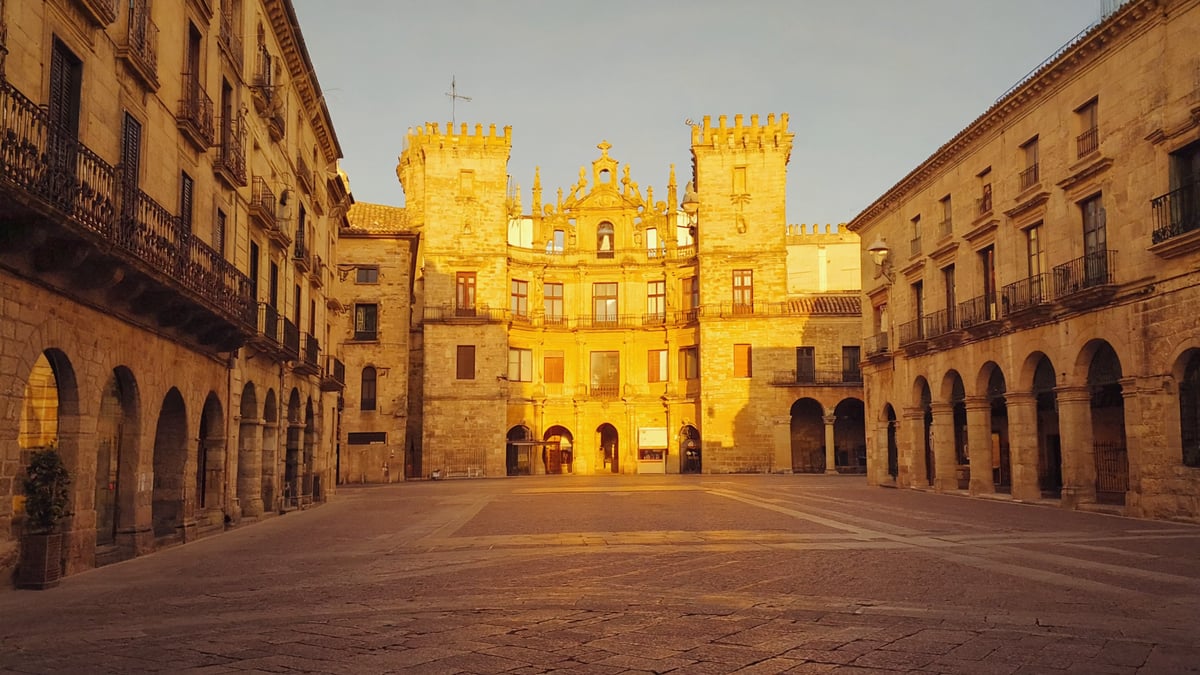
The optimal window for a Barcelona city break from the UK is late April through early June, or September through October. These shoulder seasons combine pleasant Mediterranean temperatures, manageable tourist numbers, lower accommodation prices, and a full calendar of local events — without the punishing August heat and peak-season surges.
Month-by-Month Breakdown
| Month | Average Temp (°C) | Crowd Level | Notes |
|---|---|---|---|
| January–February | 10–14°C | ⚠️ Low | Cheapest flights and hotels; cool but sunny days; perfect for museums |
| March | 13–17°C | ⚠️ Low–Medium | Mobile World Congress brings a surge (avoid if budget-sensitive); Sant Jordi Day preparations begin |
| April–May | 17–22°C | ✅ Medium | Sant Jordi (23 April), warm evenings, terraces open — ideal conditions |
| June | 23–26°C | ✅ Medium–High | Sónar music festival; beach season begins; prices start rising |
| July–August | 28–32°C | ❌ Peak | Intense heat, maximum crowds, highest prices; Gràcia Festival in August |
| September | 24–27°C | ✅ Medium | La Mercè festival (24 Sept); locals return; sea still warm; excellent all-round |
| October | 20–23°C | ✅ Low–Medium | Prices drop sharply after mid-October; pleasant walking weather |
| November–December | 14–17°C | ⚠️ Low | Christmas markets from late November; quiet streets; great value |
The single most underrated time to visit is late September. La Mercè — Barcelona's biggest annual festival, held around 24th September — fills the city with free concerts, human towers (castellers), fire runs (correfoc), and open-air performances across every neighbourhood. It is the city at its most authentically exuberant, and because it falls just after peak season, accommodation prices have already begun their autumn descent.
Where to Stay: Barcelona's Neighbourhoods Explained
Choosing the right neighbourhood in Barcelona matters more than choosing the right hotel. The city is made up of distinct barris (neighbourhoods), each with its own character, price point, and proximity to major attractions. Getting this decision right shapes the entire rhythm of your stay.
Eixample: Best for First-Timers and Couples
The Eixample (pronounced "esh-AMP-leh") is Barcelona's grid-pattern extension, built in the late 19th century and home to the majority of the city's Modernista architecture — including the Sagrada Família, Casa Batlló, and Casa Milà. It is central, safe, excellently served by metro, and packed with good restaurants and bars. The Esquerra de l'Eixample (left side) is particularly lively, housing the city's LGBTQ+ scene around Carrer del Consell de Cent. Mid-range hotels in Eixample typically run £90–£180 per night for a double room in shoulder season.
Gothic Quarter (Barri Gòtic): Atmospheric but Noisy
The Gothic Quarter is the medieval heart of Barcelona — narrow stone lanes, Roman ruins, and hidden plazas that make you feel like you have stumbled into the 14th century. It is undeniably beautiful and supremely walkable to the waterfront and La Rambla. However, it is also one of the noisiest areas at night and a hotspot for petty theft. Budget travellers will find hostels and small guesthouses here from £40–£80 per night; boutique hotels range from £100–£200.
El Born / Sant Pere: The Savvy Traveller's Choice
Adjacent to the Gothic Quarter but noticeably more local in character, El Born (formally Sant Pere, Santa Caterina i la Ribera) is arguably the best all-round neighbourhood for visitors who want culture, good food, and a genuine Barcelona atmosphere. Home to the Picasso Museum, the Palau de la Música Catalana, and some of the city's best cocktail bars and independent restaurants. Boutique hotels here range from £100–£220 per night.
Barceloneta: Beach Access, Buzzy Atmosphere
The beachside neighbourhood of Barceloneta is ideal for summer visits or anyone who wants to combine city sightseeing with beach time. It is touristy along the waterfront but becomes more residential a few blocks inland. Expect to pay a slight premium for sea views — hotels from £120–£300 per night depending on season and view.
Gràcia: Bohemian Village Feel
North of Eixample, Gràcia feels like a village within the city — independent cafés, tree-lined plazas, local markets, and a younger, creative crowd. It is quieter than the centre and slightly further from the main tourist sites, but the metro links are excellent and the character is unmatched. Good value for money with guesthouses from £60–£120 per night.
Luxury Options
For luxury stays, the Passeig de Gràcia boulevard in Eixample hosts several five-star properties with striking Modernista backdrops. The waterfront Port Olímpic area and the hilltop Hotel Arts Barcelona (a landmark glass tower directly on the beach) represent the city's premium tier, with rates from £250–£600+ per night.
Top 10 Things to Do in Barcelona: Beyond the Obvious
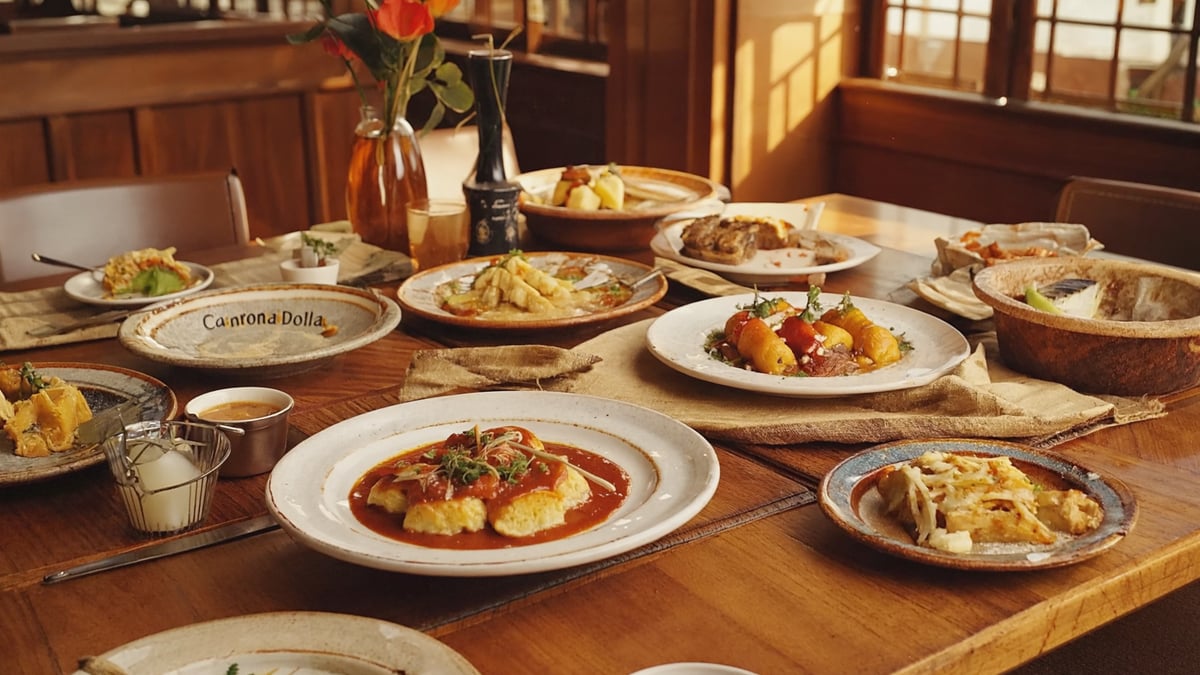
Barcelona's headline attractions are famous for good reason — but the way you visit them makes all the difference. The single most important piece of advice for any Barcelona travel guide: book every major attraction in advance, online, with a timed entry slot. Queuing on the day at the Sagrada Família or Park Güell is a guaranteed way to lose two hours of your trip.
1. Sagrada Família — Gaudí's Unfinished Masterpiece
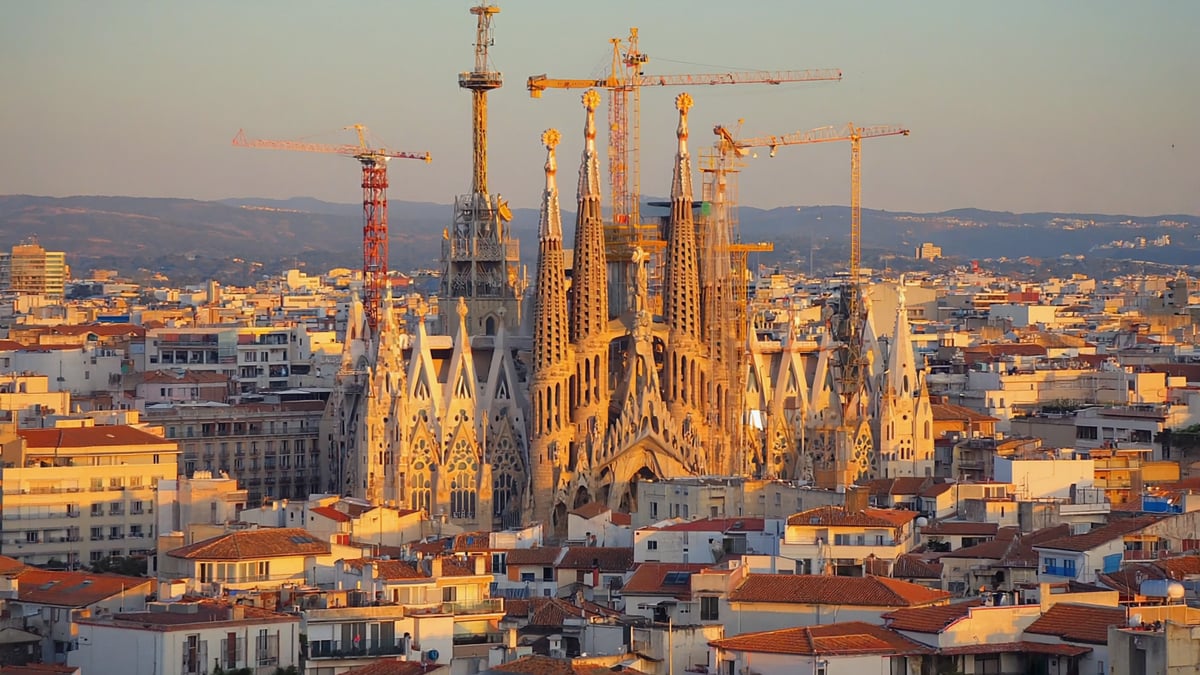
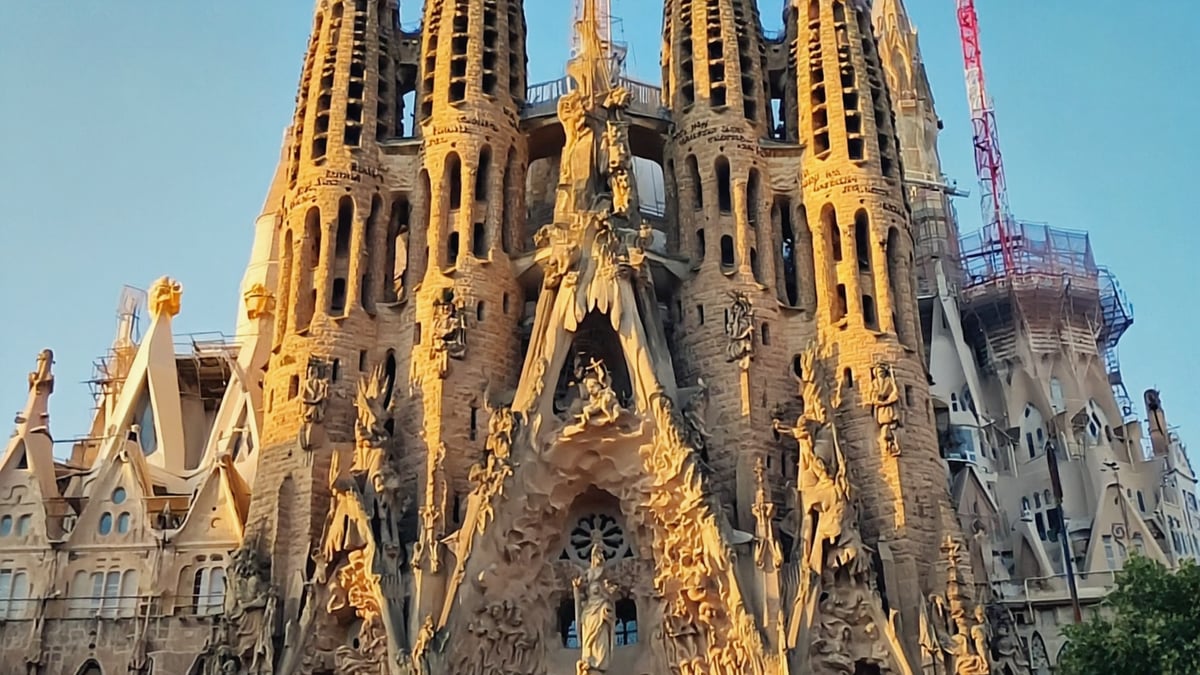
Still under construction after more than 140 years, the Sagrada Família basilica is simultaneously the most-visited paid monument in Spain and one of the most genuinely awe-inspiring buildings in the world. The interior — flooded with coloured light through intricate stained glass — is unlike anything else in architecture. Entry: approximately €26–€36 (around £22–£31) depending on access level. Tower access and audio guides cost extra. Book at least 2–3 weeks ahead via the official website; peak season demands earlier booking. Open daily from 09:00, with last entry around 18:00–19:00 depending on season.
2. Park Güell — The Timed Entry Secret
The famous mosaic terrace and dragon staircase of Park Güell sit within a ticketed Monumental Zone. Entry to the ticketed area: approximately €10 (around £8.50). The surrounding park is free. The insider tip: book the first entry slot of the day (08:00) to experience the terrace without crowds and in the best morning light. The walk up from the Lesseps metro station takes about 15 minutes through a pleasant residential neighbourhood.
3. Casa Batlló & Casa Milà (La Pedrera)
Both buildings are on Passeig de Gràcia, within a five-minute walk of each other, and both offer extraordinary Gaudí architecture at close range. Casa Batlló's evening "magic nights" experience (with projections and music on the rooftop) is genuinely spectacular if the budget allows — around €45–€65 (£38–£55). La Pedrera's rooftop, with its warrior chimney stacks, is one of the great views in the city. Standard entry approximately €28–€35 (£24–£30) for each.
4. The Picasso Museum
Housed across five medieval palaces in El Born, the Museu Picasso holds the world's most important collection of the artist's early work. The Las Meninas series — Picasso's cubist reinterpretation of Velázquez — is the highlight. Entry: approximately €14 (£12); free on the first Sunday of each month and Thursday evenings after 18:00. Open Tuesday–Sunday from 09:00.
5. La Boqueria Market — Do It Properly
La Boqueria, the famous covered market off La Rambla, is genuinely worth visiting — but not at 11:00 on a Saturday when it is shoulder-to-shoulder with tourists. Go at 09:00 on a weekday. Buy a coffee, a bag of fresh fruit, and a slice of tortilla from the stalls at the back (the ones the locals use). Free to enter; budget £5–£10 for grazing.
6. Montjuïc — The Hill Most Visitors Rush Past
The Montjuïc hill, accessible by cable car, funicular, or bus, offers panoramic city views, the excellent Fundació Joan Miró (entry approximately €14/£12), the National Art Museum of Catalonia (MNAC, approximately €12/£10), and the 1992 Olympic Stadium. The views from the Castell de Montjuïc at sunset are among the finest in the city — and almost always less crowded than Park Güell.
7. El Born's Hidden Roman Ruins
Beneath the El Born Cultural Centre lies an extraordinary archaeological site: the ruins of an entire neighbourhood destroyed during the 1714 Siege of Barcelona. It is one of the most moving and under-visited sites in the city. Entry: approximately €6 (£5), free on Sunday afternoons.
8. Barceloneta Beach & the Waterfront
Barcelona's city beaches are clean, well-serviced, and genuinely enjoyable from May through October. Barceloneta is the most accessible; Bogatell and Mar Bella (a short cycle or metro ride further) are less crowded and more popular with locals. Sun lounger rental runs approximately £10–£15 per day.
9. Palau de la Música Catalana
This UNESCO World Heritage concert hall — an explosion of stained glass, ceramic mosaics, and sculpted stone designed by Lluís Domènech i Montaner — is arguably more impressive inside than any of the Gaudí buildings. Guided tours run daily; approximately €22 (£19). If you can catch a live performance here, even better.
10. A Day Trip to Montserrat
The serrated mountain monastery of Montserrat, roughly an hour from Barcelona by train and rack railway, is one of the most dramatic landscapes in Catalonia. The Black Madonna, the Gregorian chant at the Escolania boys' choir, and the hiking trails above the monastery make it a full and deeply memorable day out. Return train + rack railway: approximately £20–£25 from Plaça Espanya.
Food & Dining in Barcelona: A City That Takes Eating Seriously
Barcelona's food culture is one of the great pleasures of visiting the city, and it operates on a completely different schedule to the UK. Lunch is the main meal of the day, served between 14:00 and 16:00; dinner rarely starts before 21:00. Visitors who try to eat dinner at 18:30 will find half the restaurants still closed and the other half full of confused tourists. Lean into the rhythm and the city rewards you.
Dishes You Must Try
- Pan con tomate (Pa amb tomàquet): Bread rubbed with fresh tomato, olive oil, and salt — the foundational food of Catalan cuisine. Appears on every table, usually free or included.
- Patatas bravas: Fried potato cubes with a spicy tomato sauce and aioli. Deceptively simple; quality varies wildly. The best versions have proper texture contrast and a sauce made in-house.
- Jamón ibérico: Cured Iberian ham, sliced paper-thin. At its finest, it is a transcendent eating experience. A good plate costs £8–£15.
- Crema catalana: The original custard with a caramelised sugar top — older than the French crème brûlée and worth the argument.
- Fideuà: A seafood noodle dish similar to paella but made with thin noodles instead of rice. More common in Barcelona than paella itself.
- Vermouth (Vermut): Pre-lunch vermouth on a terrace is a Barcelona institution. El Xampanyet in El Born and Bar Calders in Sant Antoni are classics.
Best Areas to Eat
The Sant Antoni neighbourhood (western edge of Eixample) has emerged as the city's most exciting food district in recent years, centred around the renovated Mercat de Sant Antoni. The streets surrounding the market are lined with independent restaurants, natural wine bars, and innovative tapas spots that attract a predominantly local crowd.
El Born remains reliable for quality sit-down dining at mid-range prices. Barceloneta is obligatory for fresh seafood — though quality drops significantly at the most tourist-facing spots right on the beach. Walk one block inland for noticeably better value.
Budget Eating
The menú del día — a set lunch menu of two or three courses including bread, drink, and dessert — is the best value eating in Spain. Available at most restaurants Monday to Friday between 13:00 and 16:00, typically priced at €12–€18 (£10–£15). It is how the locals eat, it is abundant, and it is consistently good value even at mid-range restaurants.
Dietary Considerations
Vegetarian and vegan options have expanded dramatically in Barcelona in recent years. The city has a growing number of dedicated plant-based restaurants, and most modern tapas bars offer meat-free options. However, traditional Catalan cooking is heavily meat and seafood-based — communicate clearly with staff if you have dietary requirements, as some dishes that appear vegetarian may contain meat stock or cured meat garnishes.
Getting to Barcelona from the UK: Flights, Routes & Transfers
Barcelona is one of the most flight-connected cities in Europe from UK airports, with direct services from over a dozen UK departure points and journey times of approximately two to two-and-a-half hours. It is genuinely one of the easiest European city break destinations to reach from the UK.
Main Airlines & Routes
| UK Airport | Airlines | Approx. Flight Time | Typical Return Fare Range |
|---|---|---|---|
| London Heathrow (LHR) | British Airways, Iberia, Vueling | 2h 10m | £80–£250 return |
| London Gatwick (LGW) | easyJet, Norwegian, Vueling | 2h 15m | £60–£200 return |
| London Stansted (STN) | Ryanair | 2h 20m | £40–£180 return |
| Manchester (MAN) | easyJet, Jet2, Vueling | 2h 25m | £70–£220 return |
| Edinburgh (EDI) | easyJet, Vueling | 2h 35m | £80–£230 return |
| Birmingham (BHX) | easyJet, Ryanair | 2h 20m | £65–£210 return |
Airport to City: Getting In
Barcelona El Prat Airport (BCN) is approximately 12km south-west of the city centre. The options:
- Aerobus: Direct express coach service to Plaça de Catalunya (city centre). Journey approximately 35 minutes. Cost approximately €6.75 one way / €11.65 return (around £6/£10). Runs every 5–10 minutes.
- RENFE Cercanías train (R2 Nord line): Slower but cheaper — approximately €4.60 (£4) to Barcelona Sants or Passeig de Gràcia. Journey approximately 25–40 minutes. Requires a change for most city-centre destinations.
- Taxi / Ride Share: Fixed-rate taxi to the city centre is approximately €39 (around £33) including supplements. Uber and Cabify also operate from the airport.
- Private transfer: Often included in GlobeHunters package deals — check your package details.
Barcelona Holiday Budget Guide: What to Realistically Expect to Spend
Barcelona sits comfortably in the mid-range tier for European city break costs — significantly cheaper than London, Paris, or Amsterdam, but more expensive than cities in Eastern Europe. With sensible planning, it is entirely possible to have a rich, fulfilling break without overspending.
| Budget Tier | Accommodation (per night) | Food & Drink (per day) | Activities (per day) | Total Daily Estimate (per person) |
|---|---|---|---|---|
| Budget | £30–£55 (hostel/guesthouse) | £20–£35 | £10–£20 (free sites + 1 paid attraction) | £60–£110 |
| Mid-Range | £90–£160 (3-star hotel) | £40–£65 | £25–£45 | £155–£270 |
| Luxury | £200–£500+ (4–5 star) | £80–£150+ | £50–£120+ | £330–£770+ |
Money-Saving Tips That Actually Work
- The menú del día is your friend. Eating your main meal at lunch (not dinner) at a local restaurant using the set menu saves roughly 30–40% compared to evening à la carte dining.
- Book attractions in advance online. Not only do you avoid queues, but some venues offer small discounts for online pre-booking.
- T-Casual metro card: A 10-journey metro card costs approximately €12.15 (around £10.50) and is valid across metro, bus, and some suburban rail lines. Far cheaper than individual tickets.
- Free museum days: Many of Barcelona's museums offer free entry on the first Sunday of the month, or free evening hours on Sundays. The MNAC, Picasso Museum, and MACBA all participate.
- Supermarket wine: A perfectly drinkable bottle of Spanish red or white from Lidl, Mercadona, or Carrefour costs £3–£5. Eating in some evenings drops costs significantly.
- Package holiday value: GlobeHunters Barcelona packages from £349pp include flights and accommodation — often cheaper than booking components separately, with the added protection of ATOL-covered booking.
The Barcelona Card: Worth It?
The Barcelona Card offers unlimited public transport and discounts or free entry at over 100 attractions. It costs approximately £30–£50 for a 3–5 day card. Industry analysis suggests it offers genuine value only if you plan to visit multiple paid attractions and use the metro frequently — for a short 3-night break focused on a handful of sites, doing the maths individually often works out cheaper.
Travel Tips, Safety & Practical Advice for Barcelona 2026

Barcelona is a safe city by European standards, but it has a well-documented issue with opportunistic theft — particularly pickpocketing on La Rambla, at the Sagrada Família, and on the L1 and L3 metro lines. Being aware of this is not alarmist; it is simply the most useful single piece of information a first-time visitor can have.
Safety: The Real Picture
Violent crime against tourists is rare. The risk is almost entirely petty theft — pickpocketing, bag snatching, and the classic "helpful distraction" scam where someone draws your attention while an accomplice takes your belongings. The countermeasures are simple and effective:
- Carry bags in front of your body; use an inner zip pocket or money belt for passports and cards.
- Be especially vigilant on La Rambla, at La Boqueria, and on crowded metro carriages.
- Do not leave bags on chairs in restaurants or café tables unattended — keep straps looped around your leg.
- Photograph your passport, travel insurance documents, and hotel booking confirmation — store copies in a secure cloud folder.
Health Considerations
Carry your UK Global Health Insurance Card (GHIC) for access to state healthcare. Barcelona has excellent public hospitals. The main concern for summer visitors is heat exhaustion — temperatures in July and August regularly exceed 32°C. Stay hydrated, carry a refillable water bottle (public fountains are plentiful and safe to drink from), and avoid heavy outdoor activity between 13:00 and 17:00.
Cultural Etiquette
- Catalan identity matters: Barcelona is in Catalonia, not just Spain. Locals appreciate the distinction. Saying "it's all Spain to me" is the cultural equivalent of telling a Scotsman that Scotland is just England. You do not need to navigate the politics — simply being respectful goes a long way.
- Meal times are sacred: Eating dinner at 18:30 is a tourist tell. Locals eat lunch from 14:00 and dinner from 21:00. Restaurants are often quieter (and more authentic) if you dine at local times.
- Toplessness on the beach is legal and relatively common at Barcelona beaches. Swimwear in streets and shops beyond the beach is considered disrespectful and is increasingly regulated.
- Tipping: Not obligatory but appreciated. Rounding up the bill or leaving a euro or two per person at a sit-down meal is standard. Tipping 15–20% is an American custom that does not translate to Barcelona.
What to Pack
- Comfortable walking shoes — Barcelona's cobblestones and hills are unforgiving on inadequate footwear.
- A light layer for evenings, even in summer — sea breezes can be cool after dark.
- European two-pin plug adaptor.
- High-SPF sun cream for summer visits.
- A portable phone charger — a full day of navigation, photography, and audio guides drains batteries quickly.
- Photocopy/digital copy of your passport and GHIC card.
Getting Around the City
Barcelona's TMB metro and bus network is excellent and covers virtually every tourist site. The metro is the fastest option for longer journeys; the city is also very walkable between neighbouring barrios. Cycling is increasingly popular — the city has an extensive cycle lane network and a public bike share scheme (Bicing) available to residents, with tourist alternatives through private hire companies at approximately £15–£20 per day.
GlobeHunters Barcelona Package Deals: What's Included
Booking a Barcelona package holiday through GlobeHunters combines the convenience of a single booking with genuine cost advantages over DIY travel — and crucially, all packages are ATOL protected, meaning your money is safeguarded if anything goes wrong with the travel arrangements.
GlobeHunters Barcelona packages typically include:
- Return flights from your nearest UK airport (Heathrow, Gatwick, Manchester, Edinburgh, and others)
- Hotel accommodation (choice of budget, mid-range, or luxury properties in your preferred neighbourhood)
- Airport transfers in Barcelona
- Optional activity add-ons including Sagrada Família tickets, Montserrat day trips, and food tours
City break packages start from £349 per person for a 3-night break, with 5-night packages typically ranging from £499–£899pp depending on departure airport, hotel standard, and travel dates. Prices are live-quoted through the GlobeHunters platform, meaning you see real-time availability rather than guide prices that disappear at checkout.
Book Your Barcelona Holiday Now
GlobeHunters offers holiday packages including flights and hotels at competitive prices — Barcelona city breaks from £349pp. ATOL protected. Real-time pricing.
View Package & Prices →Or call us: 0208 944 4514
Frequently Asked Questions About Barcelona Holidays
Do UK travellers need a visa to visit Barcelona in 2026?
UK citizens do not need a traditional visa to visit Spain. However, since the launch of the ETIAS (European Travel Information and Authorisation System) for British passport holders, you must obtain an ETIAS authorisation before travel. It costs €7, is applied for online, takes minutes to complete, and is valid for three years. UK travellers can stay in the Schengen Area for up to 90 days in any 180-day period.
What is the best time of year for a Barcelona city break from the UK?
The best times are late April to early June and September to October. These shoulder seasons offer warm, pleasant temperatures (17–27°C), fewer tourists than peak summer, and lower accommodation prices. Late September is particularly recommended — La Mercè festival (around 24th September) is the city's biggest annual celebration and completely free to attend.
How long does the flight from the UK to Barcelona take?
Direct flights from London airports take approximately 2 hours 10–20 minutes. From Manchester, Edinburgh, and other UK regional airports, expect around 2 hours 25–40 minutes. There are direct services from over a dozen UK airports, making Barcelona one of the easiest European destinations to reach from across the UK.
Is Barcelona safe for tourists?
Barcelona is generally safe for tourists. Violent crime against visitors is rare. The primary risk is opportunistic petty theft — pickpocketing and bag snatching, particularly on La Rambla and crowded metro lines. Using a money belt, keeping bags in front of your body, and staying aware in tourist-heavy areas is sufficient precaution for the vast majority of visitors.
How much spending money do I need for a week in Barcelona?
A realistic budget estimate for a week (excluding flights and accommodation) is approximately £400–£600 for a mid-range experience — covering meals, transport, entrance fees for major attractions, and a reasonable amount of drinks and shopping. Budget travellers can manage on £250–£350 per week by using the menú del día for lunch, prioritising free attractions, and cooking some meals.
Do I need to book Sagrada Família in advance?
Yes — absolutely and without exception. The Sagrada Família operates an entirely timed-entry ticket system, and popular time slots sell out weeks (sometimes months) in advance during peak season. Book directly through the official Sagrada Família website as soon as your travel dates are confirmed. Attempting to buy tickets on the day virtually always results in disappointment.
What currency is used in Barcelona, and can I use my UK card?
Barcelona uses the euro (€). UK debit and credit cards are widely accepted at hotels, restaurants, and shops. Contactless payment is standard. ATMs are plentiful across the city. Check your bank's foreign transaction fees before travel — many UK challenger banks (Monzo, Starling, Wise) offer fee-free spending abroad, which can save a meaningful amount over the course of a week.
What is the best neighbourhood to stay in for a first visit to Barcelona?
Eixample is the recommended base for first-time visitors — it is central, safe, excellently served by metro, and within walking distance of the Sagrada Família, Passeig de Gràcia, and Casa Batlló. El Born is the better choice for travellers who prioritise character, independent restaurants, and a more local atmosphere. Barceloneta suits those making the beach a priority.
Is the Barcelona Card worth buying?
The Barcelona Card (covering unlimited transport and discounts at 100+ attractions) offers genuine value only if you plan to visit many paid attractions and use public transport heavily across 4–5 days. For a 3-night city break focused on two or three headline sites, calculating entry fees individually often works out cheaper. Do the maths based on your specific itinerary before purchasing.
Can I visit Barcelona on a budget?
Yes — Barcelona is very manageable on a tight budget. Free attractions include Barceloneta beach, Park Güell's outer areas, La Boqueria market (entry free), and most of the Gothic Quarter's medieval streets and plazas. The menú del día (set lunch) at local restaurants costs £10–£15 and is abundant. Many museums offer free entry on the first Sunday of the month or Sunday afternoons. A GlobeHunters budget package from £349pp makes it one of the most accessible European city breaks available.
What language do people speak in Barcelona?
Barcelona is officially bilingual in Catalan and Spanish (Castilian). In tourist areas, hotels, and most restaurants, English is widely spoken. A few words of Catalan or Spanish — gràcies (thank you in Catalan), bon dia (good morning) — are warmly appreciated by locals. Signage is primarily in Catalan.
Are Barcelona package holidays ATOL protected?
All GlobeHunters package holidays, including Barcelona city breaks, are ATOL protected. This means your money is financially protected if the travel company collapses, and you will not be left stranded abroad. ATOL protection applies to package holidays that include a flight booked through a UK-licensed travel company — always look for the ATOL logo when booking any package holiday from the UK.
Planning Your Barcelona Holiday 2026: A Final Framework
Barcelona does not need to be complicated. The city that defeats visitors is the one approached without a plan — arriving with a vague intention to "see the Gaudí stuff" and ending up queuing for two hours, eating mediocre paella on La Rambla, and leaving with the nagging sense that you missed something. The city that rewards is the one approached with a simple framework:
- Book your major attractions immediately — Sagrada Família, Park Güell, Casa Batlló. Do this before you even confirm your hotel. Slots go fast.
- Choose your neighbourhood deliberately — Eixample for convenience, El Born for character, Barceloneta for beach access, Gràcia for local feel. Each shapes a fundamentally different trip.
- Eat at local times — menú del día at 14:00, dinner after 21:00. This single adjustment improves food quality, cuts costs, and makes you feel like you are actually living in the city rather than passing through it.
- Travel in shoulder season — late April to June, or September to October — for the best combination of weather, value, and atmosphere.
- Get beyond the headline sites — Montjuïc, El Born's Roman ruins, Sant Antoni's food scene, and a lazy vermouth at a neighbourhood bar are what people remember most fondly, long after the Sagrada Família photographs have blurred into one.
For UK travellers in 2026, a Barcelona holiday remains one of the smartest city break decisions you can make — a city that packs architecture, food, beach, culture, and genuine neighbourhood life into a two-hour flight from British soil. Whether you are planning a long weekend for two, a family break, or a solo cultural deep-dive, GlobeHunters' Barcelona package holidays offer a straightforward, competitively priced route to getting there, with real-time availability and ATOL-protected peace of mind.
Ready to Book Your Barcelona Break?
GlobeHunters offers holiday packages including flights and hotels at competitive prices. Barcelona city breaks from £349 per person — compare packages and book online, or speak to our team directly.
View Barcelona Packages & Prices →Or call us: 0208 944 4514
About the author
Spiros Maragkoudakis · Chief Commercial Officer
Ready to Book Your Barcelona Holiday?
Our travel experts are ready to help you plan the perfect trip. Call us today or browse our latest deals.
Ready to Start Planning?
Speak to our travel experts for personalised advice and the best deals on your next holiday.
Call 0208 944 4514